I’ve lost count of the emails I get that boil down to the same question: where to stay in Scotland when you’ve only got a week. It’s the right question to ask, because in Scotland your base matters more than almost anywhere else I can think of. Pick well and everything feels close; pick badly and you’ll spend your holiday watching single-track roads unspool through a windscreen. After years of testing bases all over the country – from Leith guesthouses to a creaky castle hotel in Angus – this is the guide I wish someone had handed me at the start.
Deciding where to stay in Scotland comes down to one rule: split your trip between two bases. Spend 2-3 nights in Edinburgh for castles, history and food, then move to a Highland base – Inverness, Fort William or Portree – for lochs and mountains. With under five days, stay in Edinburgh and day-trip; with a week or more, add the islands.
Where to Stay in Scotland: At a Glance
Here’s the short version. Every one of these bases gets a proper section below, but if you’re skimming on a lunch break, this table is the answer.
| Base | Best for | Nights | Car needed? | Double room guide |
|---|---|---|---|---|
| Edinburgh | First visit, history, festivals | 2-3 | No (avoid one, honestly) | £90-280 |
| Glasgow | Value, music, food, west-coast day trips | 2 | No | £80-140 |
| Inverness | All-round Highland hub, Loch Ness | 2-3 | Helpful, not essential | £90-160 |
| Fort William | Ben Nevis, Glencoe, rail connections | 2 | No (West Highland Line) | £90-150 |
| Aviemore | Families, outdoor activities year-round | 2-3 | Helpful | £100-170 |
| Pitlochry | No-car trips, halfway base, walkers | 1-2 | No (mainline rail) | £95-160 |
| Portree (Skye) | Scenery, photography | 2-3 | Yes (or coach + tours) | £120-190 |
| Oban | Seafood, island ferries | 1-2 | No (rail + CalMac) | £90-150 |
| Ullapool | NC500, Assynt, Outer Hebrides ferry | 1-2 | Yes | £100-160 |
| St Andrews | Golf, beaches, Fife villages | 1-2 | Helpful | £120-250 |
How to Choose Your Scottish Base (Before You Book Anything)
Most people plan this backwards. They book somewhere pretty, then try to build days around it. Do it the other way: decide what you want to see, count your nights, and let the maths choose your bases. I’ve made every mistake in this section personally, so you don’t have to.
One base, two bases or road trip? A rule of thumb
This framework has never let me down. With 3-4 days, use one base – Edinburgh, with day trips. With 5-6 days, two bases: Edinburgh plus one Highland town. With 7-9 days, two or three bases: city, Highlands, and either Skye or the east coast. With 10-14 days, three or four bases, which is where the islands or the North Coast 500 earn their place. More moves than that and you’re packing, not travelling – every base change burns half a day, and checking in somewhere new nightly is a holiday-shaped chore.
| Trip length | Bases | Suggested split |
|---|---|---|
| 3-4 days | 1 | Edinburgh (day-trip to Stirling or Rosslyn) |
| 5-6 days | 2 | Edinburgh 3 + Inverness or Pitlochry 2-3 |
| 7-9 days | 2-3 | Edinburgh 3 + Highlands 2-3 + Skye 2-3 |
| 10-14 days | 3-4 | Add Oban/Mull, the NC500 or Speyside |
If you’re working out trip length first, my how many days in Scotland guide goes deeper, and the Scotland itinerary hub has ready-made plans from 5-day to 2-week trips you can lift wholesale.
Drive times that surprise first-time visitors
Scotland looks small on a map and drives big. Roads bend around lochs, crawl behind caravans and narrow to single-track with passing places; on Skye and the NC500 your real average speed is 30-40mph. These are realistic times, not Google’s optimism:
| Route | Distance | Realistic time |
|---|---|---|
| Edinburgh to Inverness | 155 miles | 3 hr 15 min |
| Edinburgh to Portree (Skye) | 235 miles | 5 hr 30 min – 6 hr |
| Glasgow to Glencoe | 90 miles | 1 hr 45 min |
| Glasgow to Oban | 95 miles | 2 hr 30 min |
| Inverness to Portree | 110 miles | 2 hr – 2 hr 30 min |
| Inverness to Ullapool | 57 miles | 1 hr 15 min |
| Fort William to Portree | 108 miles | 2 hr 15 min |
The classic first-timer mistake is “day-tripping” Skye from Edinburgh: eleven-plus hours of driving for ninety minutes of photographs. Don’t. Stay over, or skip it this trip. My getting around Scotland guide covers the road rules, fuel gaps and ferry logistics properly.
Do you need a car? The bases that work without one
You can have a superb car-free Scotland trip if you pick rail-served bases: Edinburgh, Glasgow, Stirling, Pitlochry and Aviemore sit on main lines; Inverness anchors the Highland network; Oban and Fort William are joined to Glasgow by the gorgeous West Highland Line (Fort William even gets the Caledonian Sleeper from London); Portree is reachable by Citylink coach, with day tours filling the gaps. What doesn’t work without a car: the NC500, Assynt, and most of Aberdeenshire. I’ve built a full Scotland without a car itinerary around exactly these bases, and the scenic train journeys guide shows what you get instead of windscreen time.
Edinburgh: The Best Base for First-Time Visitors
Every first Scotland trip should start here, and not just for the postcard skyline. Edinburgh is compact, walkable, stuffed with world-class sights and connected to everywhere by rail. Two full days covers the Royal Mile, the castle and a proper dinner; three lets you breathe. My full Edinburgh travel guide covers the sights; here’s the sleeping decision.
Old Town, New Town, Stockbridge or Leith?
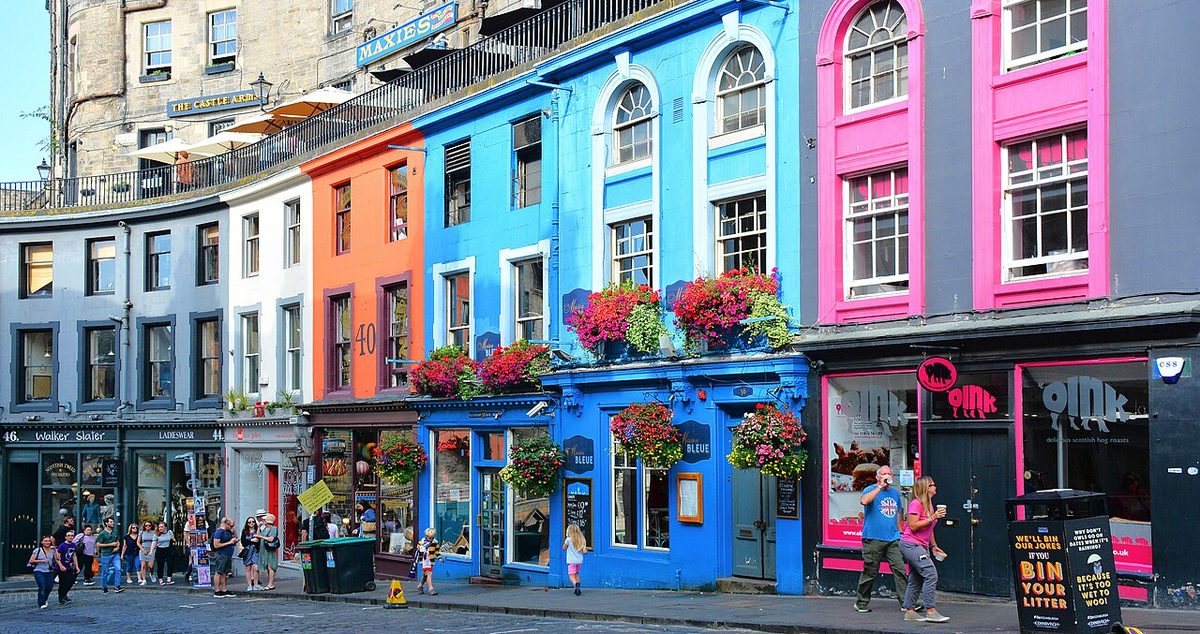
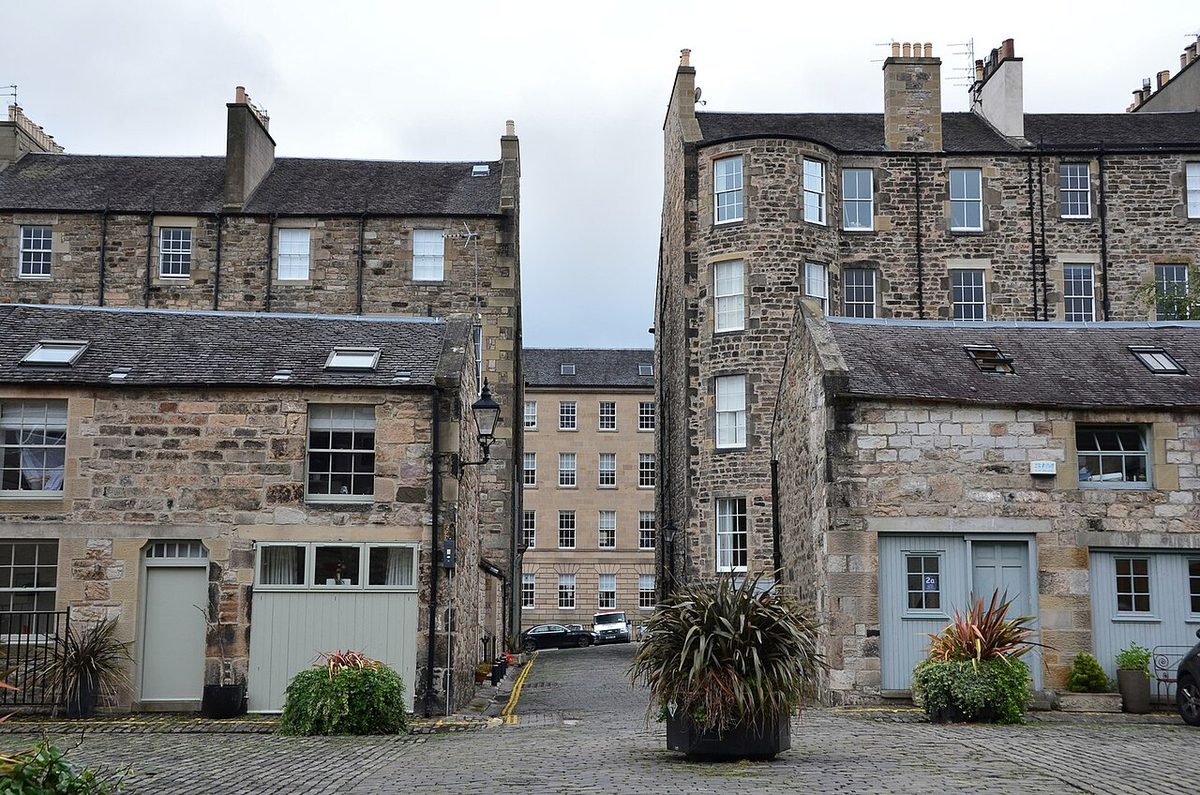
The Old Town is the medieval heart – atmospheric, central, and noisy on weekends; perfect for a first visit if you choose a room off the Royal Mile itself, and it puts you two minutes from the castle. The Georgian New Town is my pick for a second visit or a quieter first one: elegant streets, the best cocktail bars, ten minutes’ walk to everything. Stockbridge feels like a village that got absorbed by a capital – boutique guesthouses, Sunday market, leafy walks along the Water of Leith. Leith, by the docks, trades a 20-minute tram ride for noticeably lower prices and Michelin-starred dining. Skip the suburban chain hotels around the bypass; the £30 you save evaporates in bus time. There’s a street-by-street breakdown in my where to stay in Edinburgh guide.
What Edinburgh actually costs
Realistic 2026 numbers: hostel dorms £25-45, decent 3-star doubles £90-150, 4-star £180-280, and the famous ones – The Witchery, The Balmoral – from £400. August is its own economy: during the Fringe average rates pass £380 a night and the good places sell out 6-12 months ahead. January is half price. Note the new visitor levy too: from 24 July 2026, Edinburgh adds 5% to accommodation bills (capped at five nights). It’s not huge, but on a £200 room that’s an extra tenner a night you should budget for.
Day trips you can (and can’t) do from Edinburgh
Sensible day trips from Edinburgh: Stirling Castle (50 minutes by train), Rosslyn Chapel, North Berwick, the Borders abbeys, even Loch Lomond at a push. Not sensible: Skye (see above), Loch Ness as anything but a coach-bound blur. If your whole trip is city-based, take the train to Glasgow for a day rather than forcing the Highlands into an afternoon.
Glasgow: Best-Value City Base and Gateway to the West
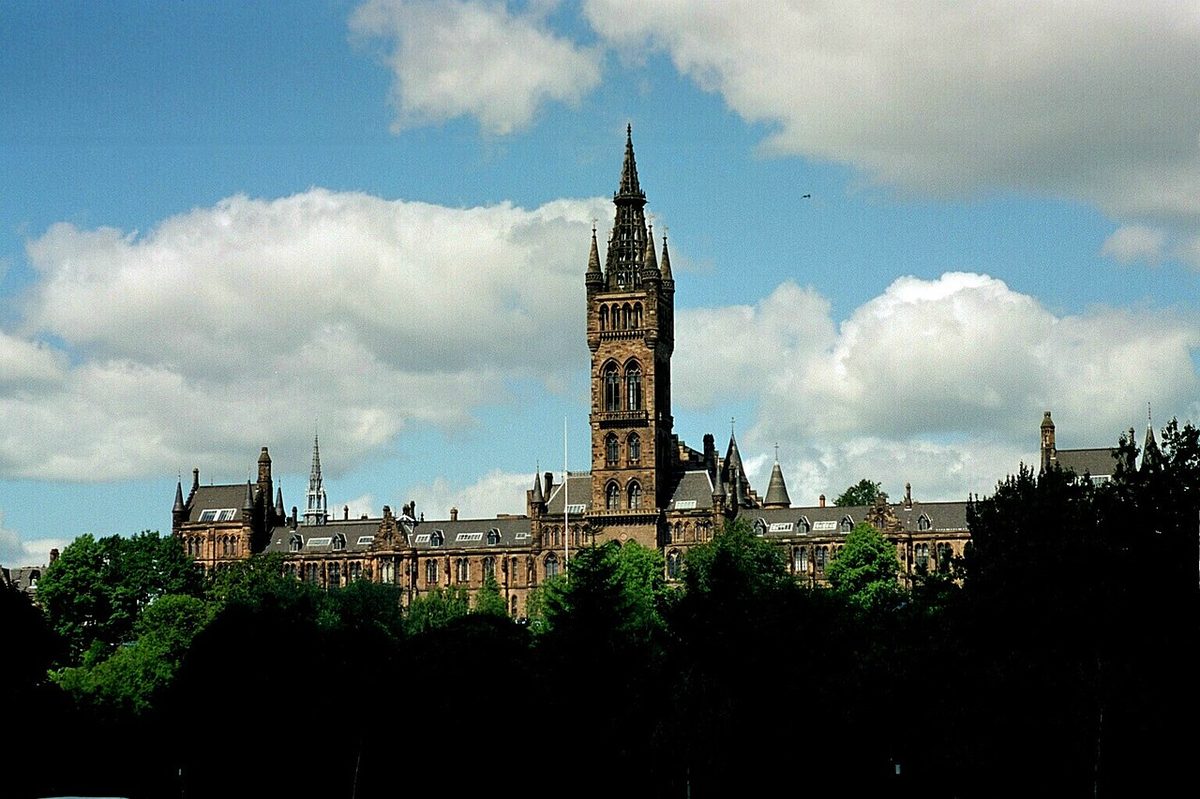
Glasgow gets unfairly skipped. It’s 25-30% cheaper than Edinburgh for the same hotel quality – decent doubles run £80-140 – the food and music scenes are arguably better, and it’s the natural springboard for Loch Lomond, Glencoe and the west coast. Stay in the City Centre or Merchant City for convenience, or do what I always do and base in the West End around Finnieston: Kelvingrove on your doorstep, the university’s Gothic tower over the trees, and the best restaurants in the city within a ten-minute wander. The full Glasgow travel guide has the detail.
Edinburgh or Glasgow – which should you pick?
For a first visit: Edinburgh, no contest – the sights are denser and more obviously “Scotland”. Pick Glasgow if it’s your second trip, if budget matters (those savings compound over four nights), if you’re a live-music person, or if your itinerary leans west – it’s 45 minutes closer to Glencoe and Oban. The trains run every 15 minutes and take under an hour, so plenty of travellers sleep in Glasgow and day-trip to Edinburgh, pocketing the difference.
Where to Stay in the Scottish Highlands
This is where most trips are won or lost. “The Highlands” is an area bigger than Belgium with maybe six towns of any size, so the question isn’t really whether to stay there, it’s which base unlocks the bits you care about. I compare the eight Highland base towns on drive times rather than looks, which is the only comparison that changes your trip. My Scottish Highlands guide covers what to see; my where to stay in the Highlands deep-dive ranks every base town in detail. Here are the ones that matter.
Inverness: the best all-round Highland hub
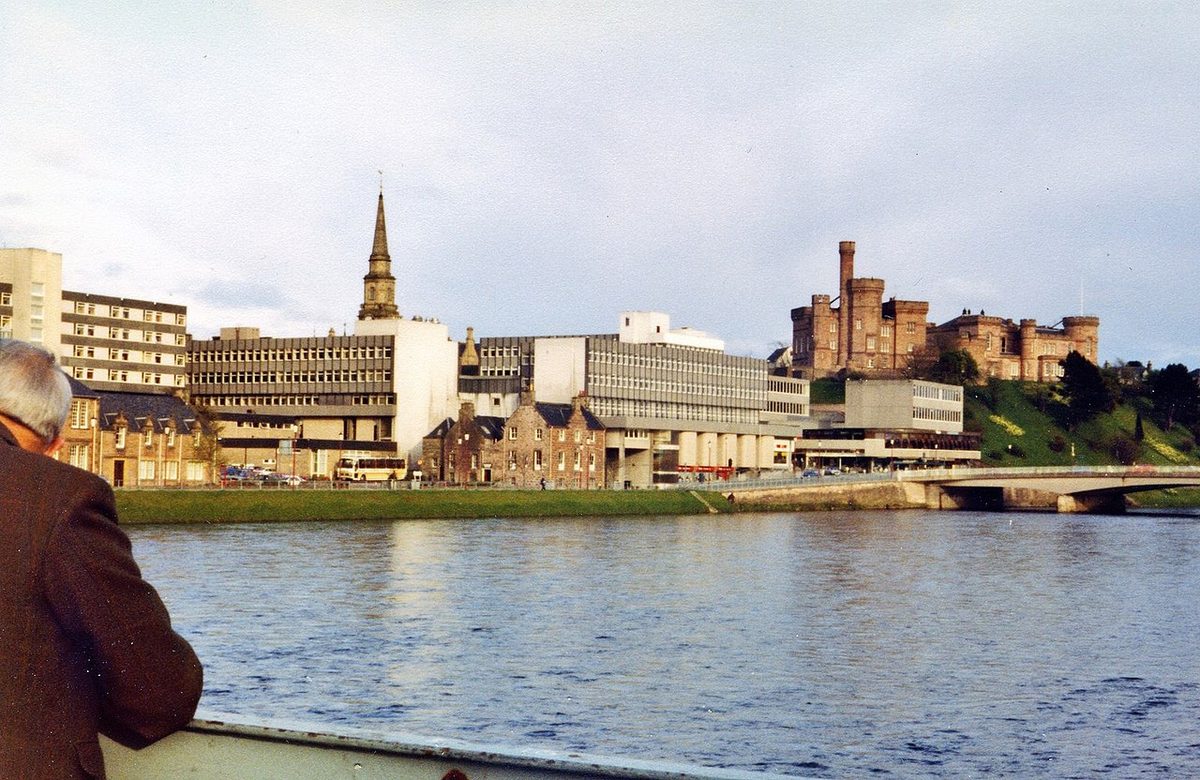
Inverness wins on logistics. It’s a real city with proper supermarkets, a station with trains in five directions, and a half-hour radius that takes in Loch Ness, Culloden, Clava Cairns and the dolphins at Chanonry Point. Doubles run £90-160, with B&Bs along the rivers from about £95. It is not the prettiest Highland town – it’s the most useful one, and after a week of single-track roads you’ll be glad of it. Details in where to stay around Inverness and Loch Ness, plus the best day trips from Inverness.
Fort William and Glen Nevis: the outdoor capital
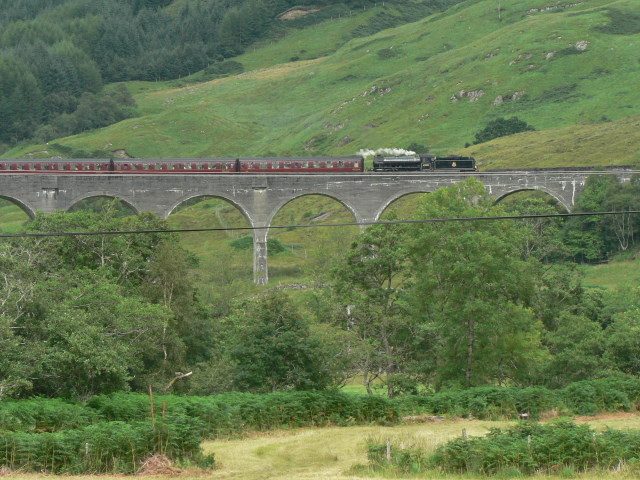
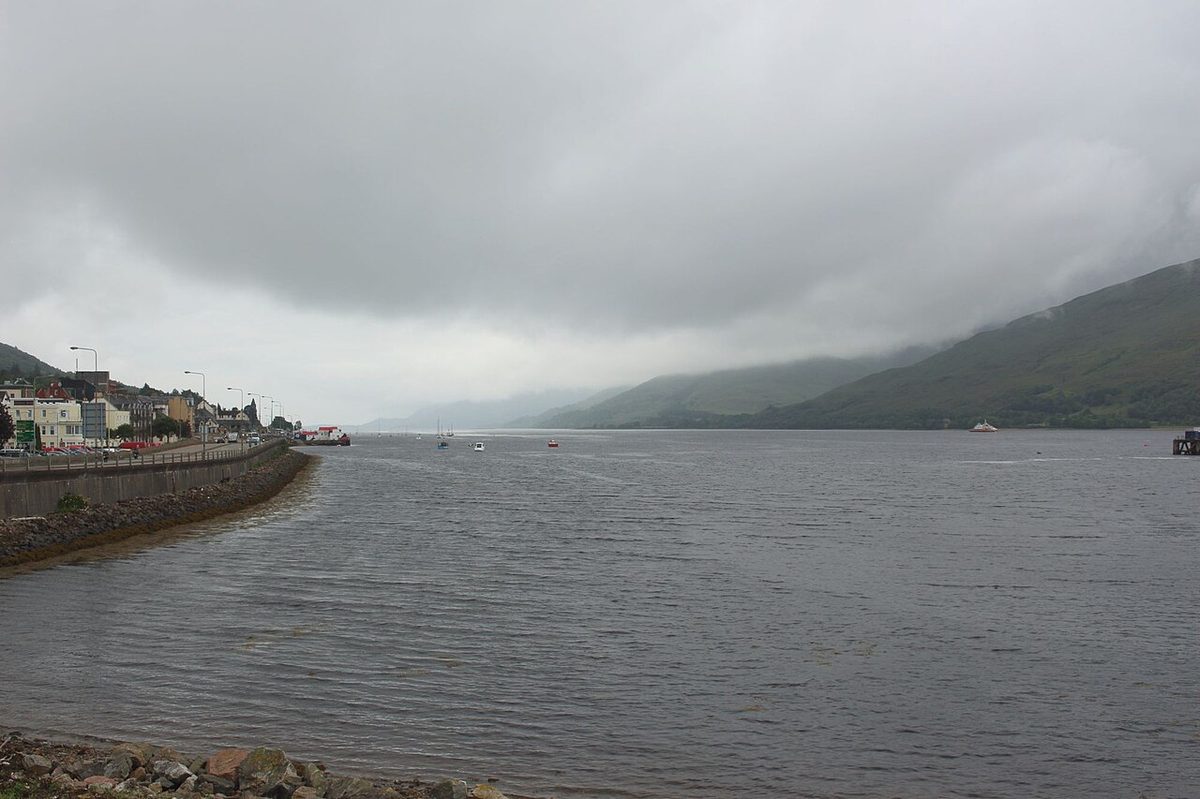
Fort William is functional rather than charming – a supermarket high street under a magnificent mountain – but as a base it’s brilliant: Ben Nevis and Glen Nevis on the doorstep, Glenfinnan 25 minutes away, Glencoe 30, and the Jacobite steam train leaving from the station. It’s also the best-connected Highland base without a car: West Highland Line from Glasgow, Caledonian Sleeper direct from London. Doubles £90-150; the Glen Nevis B&Bs are nicer than the town-centre hotels. More in my Fort William guide.
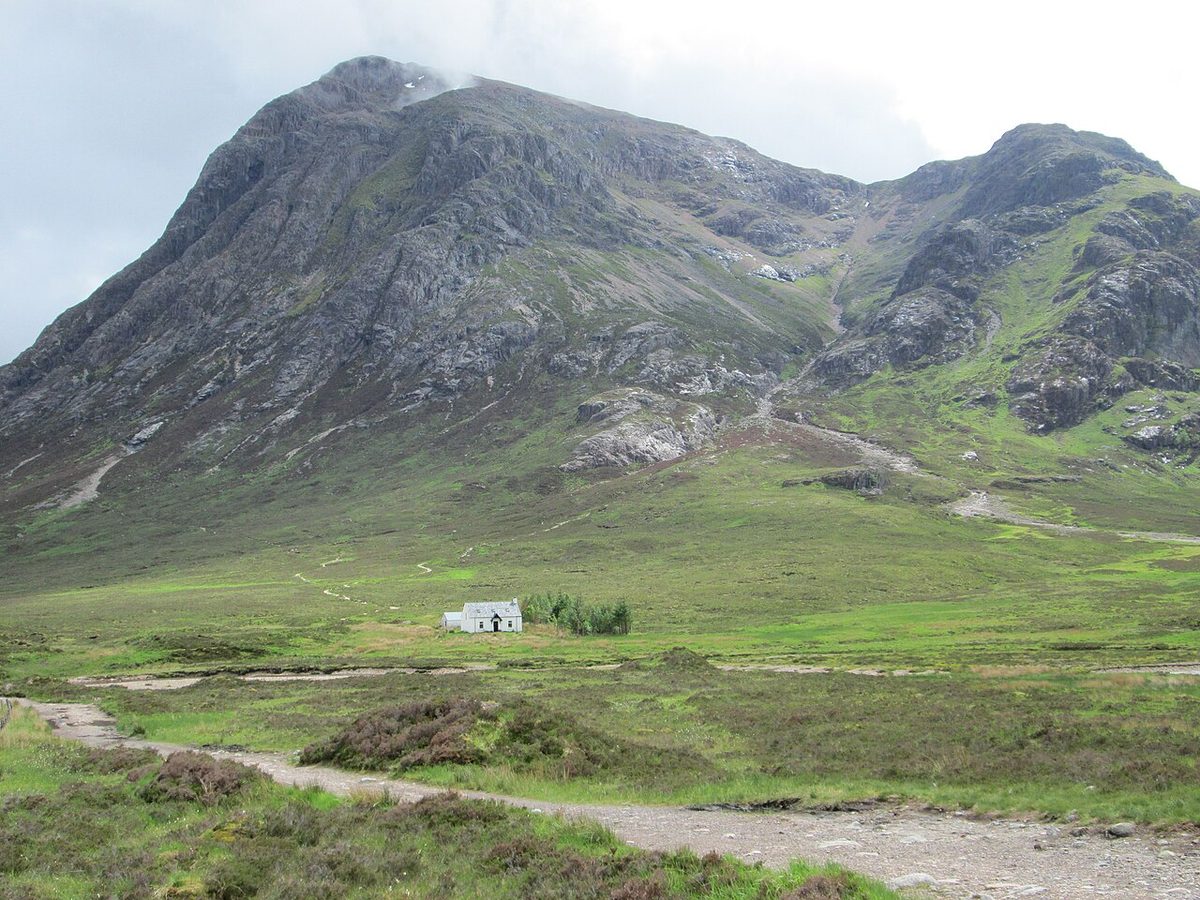
Glencoe, Ballachulish and Kinlochleven: for the scenery
If you want to wake up inside the postcard, sleep in Glencoe village, Ballachulish or Kinlochleven rather than Fort William. You give up restaurants and shops; you gain the Three Sisters before the tour buses and proper darkness at night. Kinlochleven and Ballachulish run £20-30 a night cheaper than Glencoe village itself for equivalent rooms, which over three nights pays for a very good dinner. The area’s walks are in my Glencoe guide.
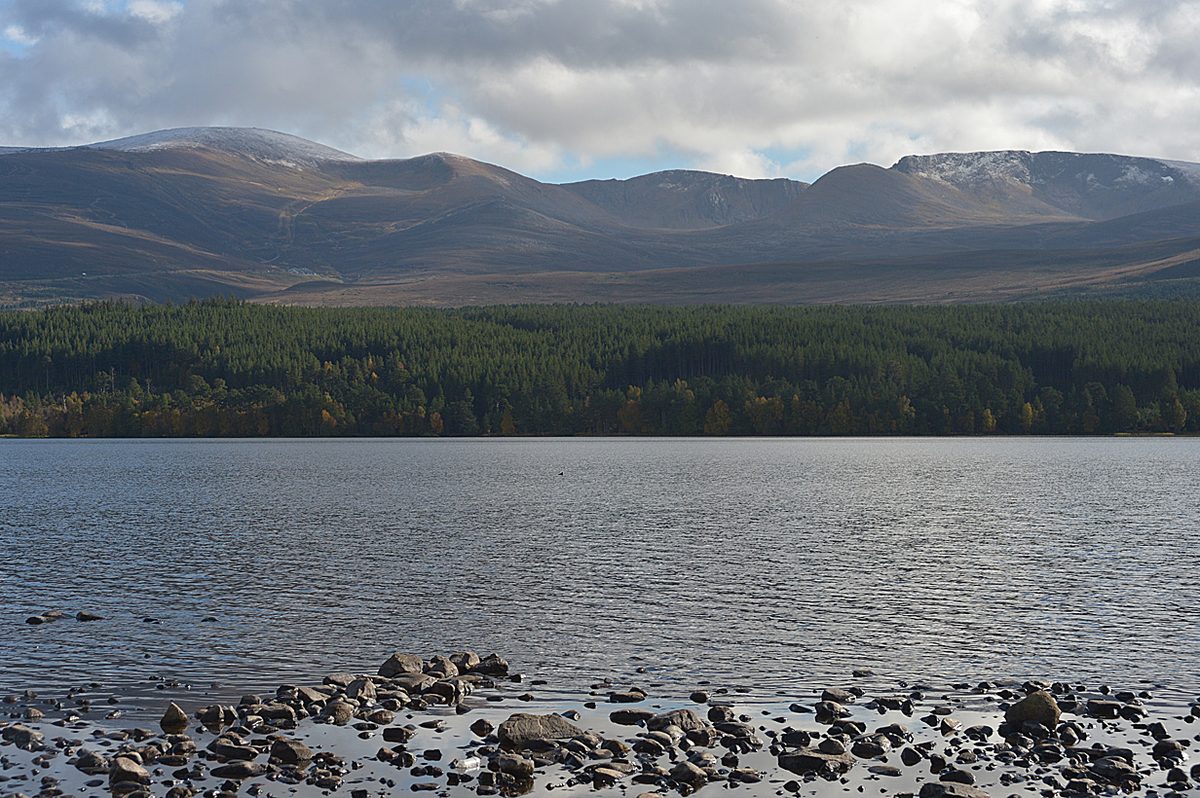
Aviemore and the Cairngorms: best for families
Aviemore is the closest Scotland gets to a purpose-built outdoor resort: funicular, reindeer herd, Loch Morlich’s beach, forest trails at Rothiemurchus, and enough wet-weather options to save a rainy week. It’s on the Highland Main Line (direct trains from Edinburgh, 2 hr 50), making it a genuine no-car option. Family rooms and lodges are plentiful at £100-170, and self-catering cabins around Boat of Garten and Carrbridge are better value than the town centre. Everything to do is in the Aviemore and Cairngorms guide.
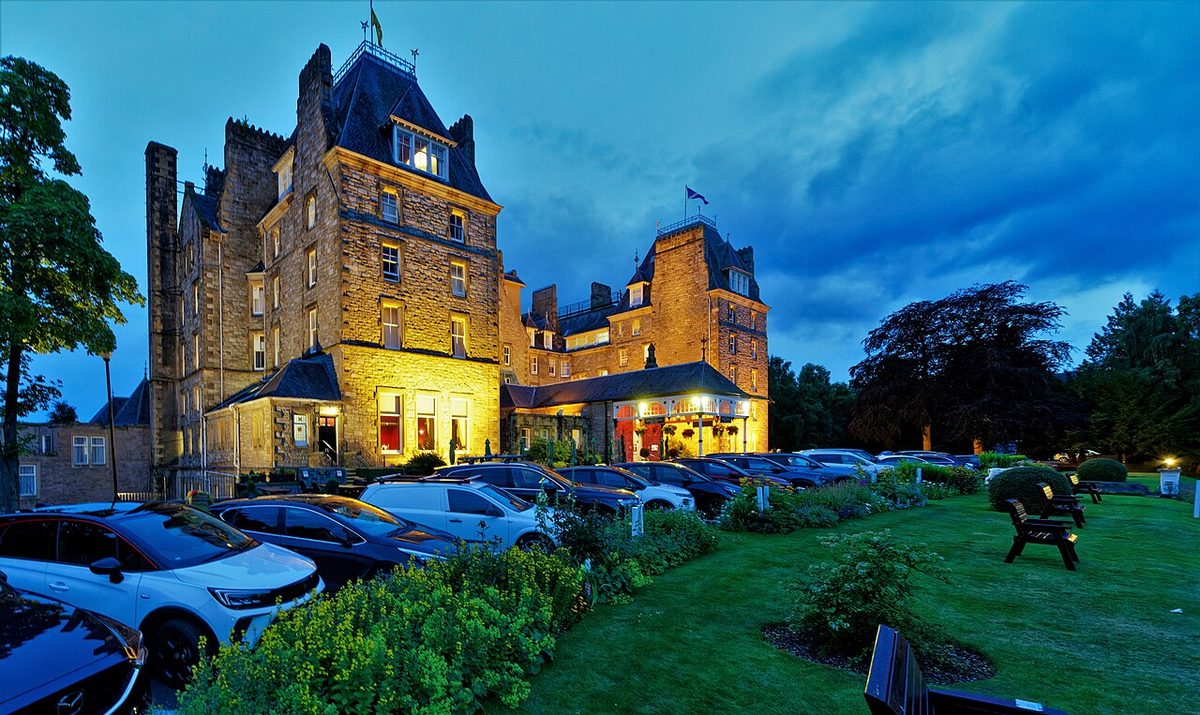
Pitlochry and Highland Perthshire: the classic halfway base
Pitlochry is the base I recommend most often to travellers without a car, and the one most guides inexplicably skip. It sits on the main Inverness line, the town is walkable end to end, and from it you can reach Blair Castle, the Queen’s View, Killiecrankie and the Hermitage’s giant Douglas firs. Victorian hotels and guesthouses run £95-160. It’s also the perfect single base for a short trip: far enough north to feel Highland, close enough to Edinburgh (1 hr 45 by train) that you waste nothing. Full detail in the Pitlochry guide.
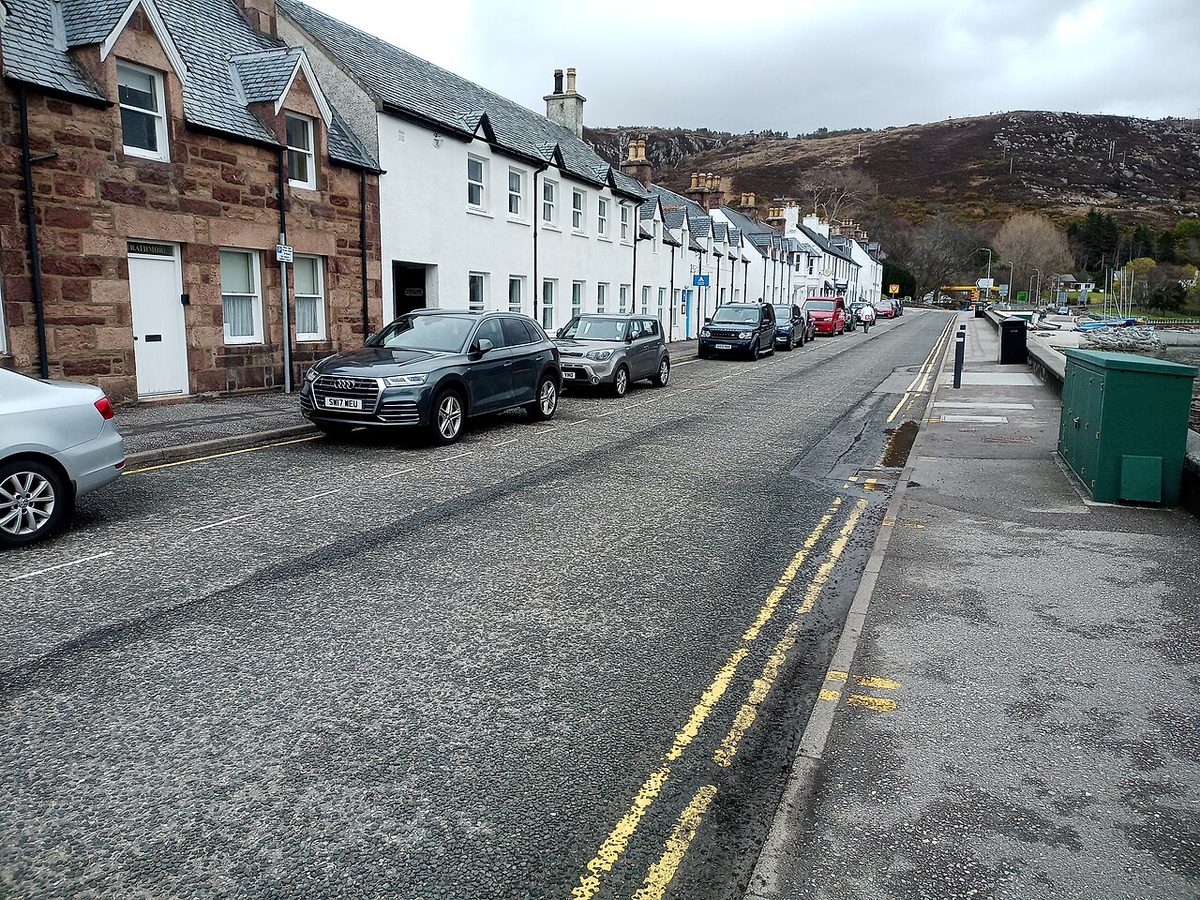
Ullapool and the NC500: book early or regret it
Ullapool is the north-west’s anchor: a working harbour town with whitewashed cottages, the ferry to Stornoway, and Assynt’s surreal mountains starting just up the road. On the North Coast 500 it’s the one overnight stop everyone agrees on – which is exactly the problem. Most accommodation up here means B&Bs with three or four rooms, and for May-August they’re gone 3-6 months out. Doubles £100-160 when you can get them. Plan stops with where to stay on the NC500 before you commit to dates.
West Coast and Island Bases
The west coast is slower, saltier and harder work than the A9 corridor – and it’s where Scotland gets under your skin. Ferries shape everything out here, so pick bases that respect the timetable rather than fight it. My Scottish islands guide compares them all if you’re torn.
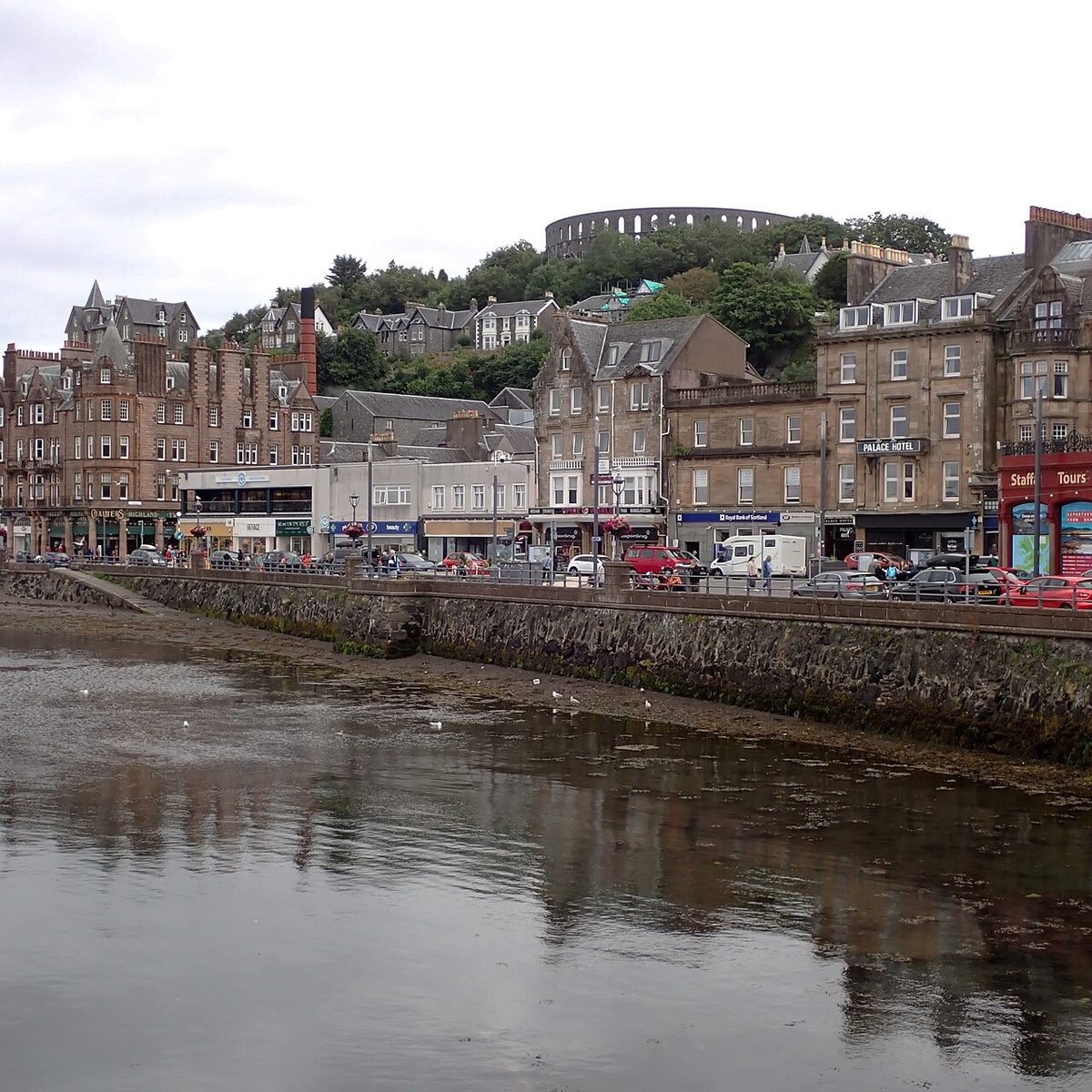
Oban: seafood and the gateway to the Isles
Oban earns its “gateway to the Isles” title: CalMac ferries fan out to Mull, Iona, Colonsay and the Outer Hebrides from the middle of town, and the West Highland Line connects it to Glasgow without a car. It’s also, pound for pound, the best place to eat seafood in Scotland – the green shack on the pier sells langoustines that were swimming that morning. Guesthouse doubles £90-150; book the front-facing rooms for the sunset over Kerrera. One or two nights is right, either side of an island hop. More in the Oban guide.
Isle of Skye: Portree, Broadford or Sleat?
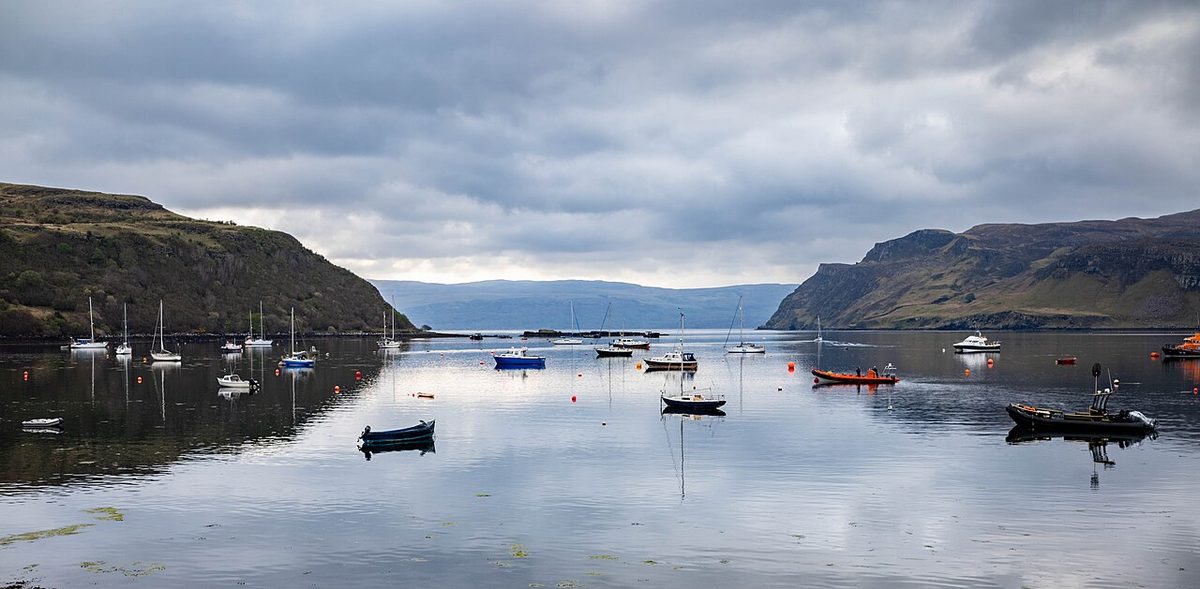
Skye is the most in-demand overnight in Scotland, and it punishes the unprepared. Portree is the classic base – painted harbour, restaurants, central position for the Quiraing and the Fairy Pools – and it knows it: B&B doubles run £120-190 and summer dates vanish a year out. Broadford, 25 minutes south, is the honest alternative: less pretty, £20-40 cheaper, easier parking, and actually closer if you’re arriving over the bridge. Sleat, the “garden of Skye”, suits couples who want quiet and a great dinner at hotels like Kinloch Lodge rather than maximum sightseeing efficiency. Two full days is the minimum that makes the drive worthwhile; my where to stay on Skye guide weighs every village, the Portree guide covers the town, and the Skye pillar ties the whole island together.
Mull, Islay, Orkney and the Outer Hebrides: when to add them
Add an island only when your trip clears ten days, and pick by personality. Mull (45 minutes from Oban) is the easiest add-on: Tobermory’s painted seafront, eagles, and day trips to Iona. Islay is the whisky island – nine distilleries, direct flights from Glasgow, and a pilgrimage feel I unpack in the whisky and distilleries guide. Orkney swaps mountains for Neolithic wonder – Skara Brae predates the pyramids – and works as 2-3 nights from the NC500’s end. The Outer Hebrides have Scotland’s best beaches, period; Luskentyre on Harris embarrasses the Caribbean on the two warm days a year. Each needs its own base nights – don’t try to “do” an island from the mainland.
East and South: The Bases Everyone Overlooks
Page-one guides cluster around the same six Highland towns, which is precisely why Portree is booked out and Ballater isn’t. Meanwhile the east and south of the country quietly offer castles, beaches, golf and whisky with half the crowds and 20% off the bill. If this is your second Scotland trip – or you simply dislike queues – start your shortlist here rather than ending with it.
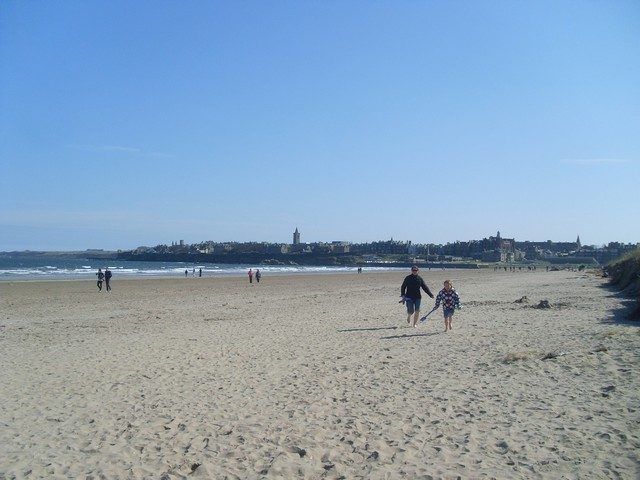
St Andrews and the East Neuk of Fife
St Andrews packs golf’s home, a ruined cathedral, Scotland’s oldest university and two superb beaches into a town you can cross in fifteen minutes. It’s priced accordingly – £120-250 for a decent double, more during tournaments – but the surrounding East Neuk fishing villages (Crail, Anstruther, Elie) do charming guesthouses for less. Golfers should read my golf in Scotland guide before booking anything; tee-time logistics should drive the accommodation choice, not the other way round.
Stirling, Loch Lomond and the Trossachs
Stirling is criminally underrated as a base: a castle that outguns Edinburgh’s for history (I argue the case in Stirling Castle vs Edinburgh Castle), main-line trains in four directions, and hotel prices £40-60 below the capital. Loch Lomond and the Trossachs, an hour west, are weekend-break country – lochside hotels in Luss and Balloch, hiking from Aberfoyle and Callander – covered in my Loch Lomond guide. Either works as a first/last night near Glasgow Airport.
Aberdeenshire, Royal Deeside and Speyside
Royal Deeside – Ballater and Braemar, in Balmoral’s orbit – has granite villages, empty glens and a concentration of castles nowhere else matches. Speyside (Aberlour, Dufftown, Craigellachie) is the base for serious whisky people: half of Scotland’s distilleries within twenty minutes, walkable village inns, and the Spey itself for the morning after; pair it with the distillery tours guide. Both areas need a car and reward it with B&Bs at £90-130 that would cost £160 on Skye.
The Scottish Borders and Dumfries & Galloway
The south is Scotland’s best-kept secret, mostly because everyone drives through it at 70mph heading north on the M74. Melrose and Peebles make genteel bases for the abbey circuit and the Tweed; Dumfries & Galloway hides Portpatrick’s harbour, the Galloway dark-sky park and sandy Solway beaches. Prices are the lowest in this guide – £80-120 doubles – and availability survives even August. If you’ve done the Highlands before, this is where I’d send you.
Types of Accommodation in Scotland (and What They Cost)
Scotland’s accommodation has personality – which is a polite way of saying it has quirks. Hot water that needs half an hour’s notice, tartan carpets that survived three monarchs, breakfasts that arrive in courses. Knowing the conventions in advance is the difference between charmed and annoyed, and between paying a fair price and a tourist one. Here’s what each type actually delivers, what it costs in 2026, and the small print nobody mentions until you arrive.
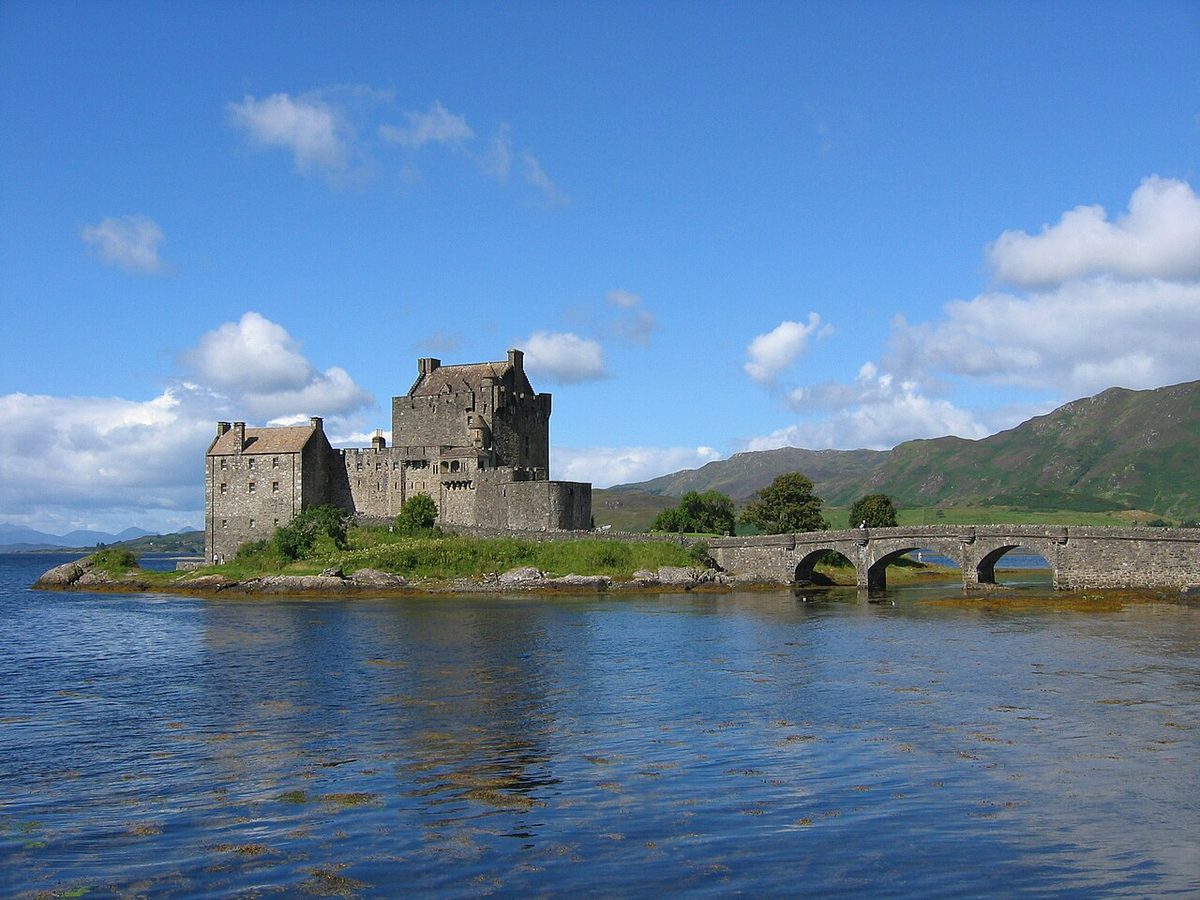
Castle hotels: yes, you can sleep in one
Staying in a castle is the single most-asked-about Scottish accommodation experience, and it’s absolutely doable – at two very different price points. Entry-level castle conversions (Victorian baronial piles like Dalhousie outside Edinburgh) start around £120-180 a night for a double, which is barely more than a city 4-star. The grandes dames – Inverlochy near Fort William, Glenapp in Ayrshire – run £400-800+ with the Michelin dinners to match. The honest trade-off: castles are draughty, corridors are long, wifi is moody, and that’s rather the point. I’ve ranked them all in best castle hotels in Scotland, with the luxury tier covered in best luxury hotels in the Highlands.
B&Bs and guesthouses: Scotland’s secret weapon
A good Scottish B&B beats a mediocre hotel every single time: £90-140 gets you a warm room, a host who’ll redesign your itinerary over tea, and a cooked breakfast that cancels lunch. The quirks: check-in windows (typically 4-6pm – tell them if you’ll be late), breakfast served 8-9am sharp, two-night minimums in summer, and cash still preferred at a few holdouts. Many of the best are in my best B&Bs and guesthouses in Scotland roundup. Book direct where you can – owners quietly give the booking-site commission back to direct guests as upgrades or breakfast extras.
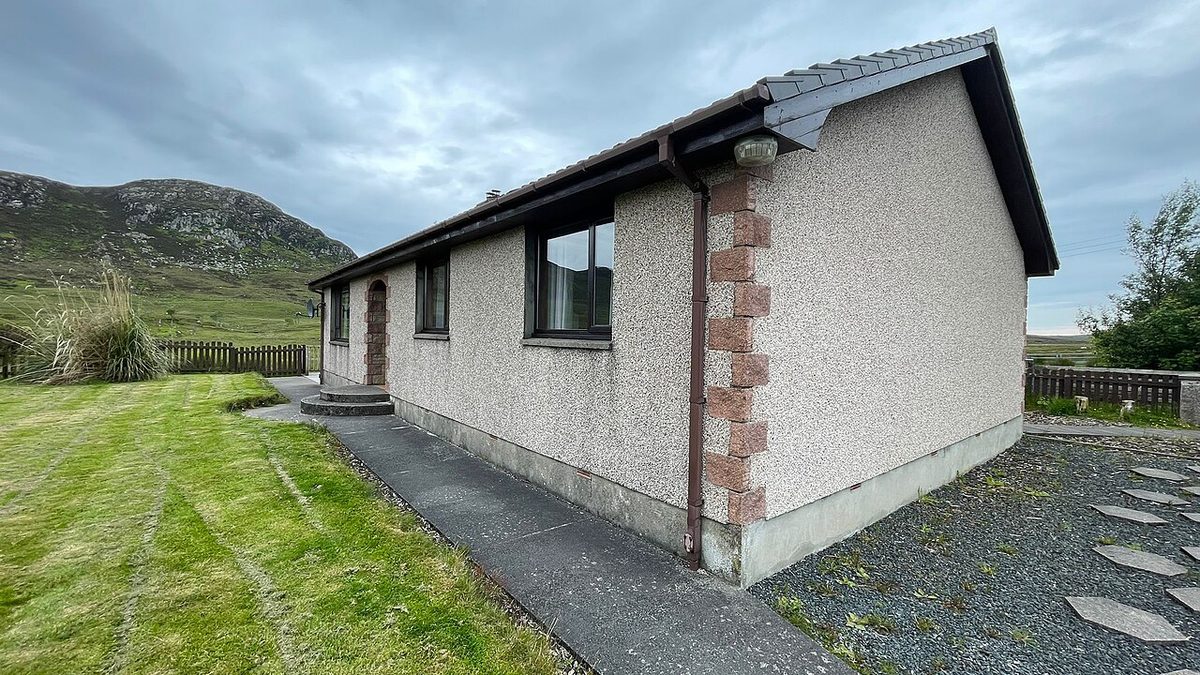
Self-catering cottages: best value for a week
For stays of five nights or more, self-catering wins on every axis: a couples’ cottage runs £400-700 a week off-peak, family-sized £800-1,500 in summer, hot-tub luxury £1,500-2,500+. That’s £60-180 a night with a kitchen that halves your food bill and a fire to dry your boots by. The catch is the Saturday-changeover convention – most cottages rent Saturday to Saturday, which quietly dictates your whole itinerary – and the best Skye and Highland properties take bookings 12+ months ahead. My picks are in best self-catering cottages in the Highlands.
Hostels, bunkhouses and budget stays
Scottish hostels have grown up: Hostelling Scotland’s flagships (Edinburgh, Glen Nevis, Portree) run £25-33 for a dorm bed and £60-90 for surprisingly decent private rooms, and rural independent bunkhouses put you in million-pound landscapes for £20. Free camping is legal under the access code, and bothies – free, unlocked mountain shelters – are the full romantic-hardship experience. The complete cheap-sleep playbook, bothies included, is in budget accommodation in Scotland, with wider money advice in my Scotland costs and tips guide.
Unique stays: lighthouses, bothies and glamping
Scotland does novelty sleeps better than anywhere in Britain: lighthouse keepers’ cottages on cliff edges, converted kirks, treehouses in Perthshire, glamping pods on croft land, even a few railway carriages. They book out fast and photograph even faster. The full list – with honest notes on which are gimmicks – is in unique places to stay in Scotland.
Where to Stay in Scotland by Traveller Type
Different trips, different answers. Find your row:
| Traveller | Base combo | Stay in | Nightly budget |
|---|---|---|---|
| First-timers (7 days) | Edinburgh 3 + Inverness 2 + Skye 2 | Old Town hotel, riverside B&B, Portree guesthouse | £110-180 |
| Families | Edinburgh 3 + Aviemore 4 | Aparthotel + Cairngorms lodge | £120-200 |
| Couples | Edinburgh 2 + Sleat 2 + castle 1 | New Town boutique, Kinloch-style lodge, castle hotel | £150-300 |
| No car | Edinburgh 3 + Pitlochry 2 + Oban 2 | Station-walkable guesthouses | £100-160 |
| Hikers | Fort William 3 + Torridon/Ullapool 3 | Glen Nevis B&B, bunkhouse or inn | £60-130 |
| Whisky lovers | Speyside 3 + Islay 3 | Aberlour inn, Port Ellen guesthouse | £100-170 |
| Golfers | St Andrews 3 + East Lothian 2 | Town hotel near the Old Course | £150-300 |
| Budget | Glasgow 2 + hostels/bothies | Dorms, bunkhouses, free camping | £20-60 |
Couples planning something special should also read romantic hotels and getaways in Scotland and best spa hotels and wellness retreats; hikers will want my hiking in Scotland guide, and anyone travelling with a dog should start with dog-friendly accommodation in the Highlands. First-timers get their own dedicated walkthrough in where to stay in Scotland for first-timers.
Booking Advice: Seasons, Prices and Lead Times
Scottish accommodation runs on a different clock from the rest of Europe. The country is small, the good places are smaller, and demand from American, German and domestic travellers now overlaps almost year-round. Here’s how to play it.
How far ahead should you book?
| Destination & season | Book ahead |
|---|---|
| Edinburgh in August (Fringe) | 6-12 months |
| Skye, May-September | 6-12 months (cottages 12+) |
| NC500 B&Bs, May-August | 3-6 months |
| Rural Highlands, July | 4-6 months |
| Cities, shoulder season | 1-2 months |
| Borders & south-west, any time | 2-4 weeks |
The pattern: the further north-west and the smaller the property, the earlier you book. A Portree B&B has four rooms and a worldwide audience; do the maths. If you’ve left it late, look east (Aberdeenshire, Perthshire, the Borders) where capacity is deeper, or consider an organised tour – my Scotland tours guide covers operators who’ve pre-blocked the scarce rooms.
What accommodation costs by season
| Type | Low season (Nov-Mar) | High season (Jun-Aug) |
|---|---|---|
| Hostel dorm | £16-25 | £25-45 |
| B&B double | £70-100 | £90-190 |
| 3-star city hotel | £60-100 | £90-150 (£380+ Edinburgh in Aug) |
| Castle hotel | £120-300 | £180-800+ |
| Cottage (week) | £400-700 | £800-2,500 |
When you travel changes what you pay as much as where you sleep – May and September are the sweet spot of decent weather and sane prices, a calculation I run in full in our seasons and pricing guide.
The 2026-27 visitor levies
Two cities are adding accommodation taxes, and most guides haven’t caught up. Edinburgh’s 5% levy applies to stays from 24 July 2026 (charged on the accommodation cost before VAT, capped at the first five nights; bookings paid in full before 1 October 2025 escaped it). Glasgow follows with its own 5% from January 2027. Neither should change your plans – they’re in line with Amsterdam or Barcelona – but factor them into August Edinburgh sums, where 5% of an already-inflated rate is real money.
Midges, weather and your accommodation choice
From mid-May to September, biting midges own the still, damp west-coast evenings – and your accommodation choice is your main defence. In June-August west of the Great Glen, I’d pick a solid-walled B&B or hotel over a tent or glamping pod every time; a midge net packs smaller than regret. The east coast (Fife, East Lothian, Aberdeenshire) is drier, breezier and dramatically less midgey. Timing your trip around them is covered in the midge season guide.
Five ways to pay less without staying somewhere worse
One: travel Sunday-Thursday – Highland weekend premiums run 20-30%. Two: book May or late September instead of July. Three: base east (Stirling, Perthshire, Aberdeenshire) and day-trip west. Four: self-cater for any stay over five nights. Five: book B&Bs direct by email – the 15-18% commission the booking sites take often comes back to you as a discount or an upgrade. More in Scotland on a budget.
Suggested Base Combinations for 5, 7 and 10 Days
Three plug-and-play skeletons I’ve road-tested repeatedly. Swap components freely – the structure is what matters.
5 days: the classic taster
Nights 1-3 Edinburgh (city, castle, two full sightseeing days, day trip to Stirling). Nights 4-5 Pitlochry or Inverness by train. This is the best car-free Scotland trip per pound spent, and it leaves you wanting more – which is the correct way to leave Scotland.
7 days: the first-timer’s loop
Nights 1-3 Edinburgh. Collect a hire car leaving the city, then nights 4-5 Inverness via Pitlochry and the A9. Nights 6-7 Skye (Portree if you booked early, Broadford if not), returning via Glencoe and Loch Lomond to Glasgow. It’s the route my 7-day Scotland itinerary maps hour by hour.
10 days: cities, Highlands and an island
Nights 1-3 Edinburgh, night 4 Pitlochry or Aviemore, nights 5-6 Inverness/Loch Ness, nights 7-8 Skye, nights 9-10 Oban with a Mull day trip, finishing in Glasgow. That’s four bases, no single drive over three hours, and every box – castle, loch, mountain, island, seafood – ticked. The long version lives in the 10-day Scotland itinerary.
Where to Stay in Scotland: FAQ
What is the best area to stay in Scotland?
For a first visit, split between Edinburgh and the Highlands – that pairing covers castles, cities, lochs and mountains with the least driving. Edinburgh’s Old Town or New Town for 2-3 nights, then Inverness, Fort William or Portree as your Highland base. Returning visitors should look at Speyside, the west-coast islands or the Borders instead.
Where should I base myself in Scotland for a week?
Use two bases, not one: three nights in Edinburgh, then three or four in the Highlands – Inverness for Loch Ness and easy logistics, Fort William for Glencoe and Ben Nevis, or Portree if Skye is the priority. A single “central” base forces three-hour drives in both directions; two bases halve them.
Is there a central place to stay for day trips around Scotland?
Honestly, no – Scotland is too big for one base to reach everything. The nearest thing is Pitlochry or Stirling: each puts Edinburgh, Glasgow and the southern Highlands within about 90 minutes. But you’d still spend three hours daily reaching Skye or the north-west. Two bases beat one clever one every time.
Is it better to stay in Edinburgh or Glasgow?
Edinburgh for a first trip: the castle, Royal Mile and Arthur’s Seat are unmatched for density of sights. Glasgow for value (hotels run 25-30% cheaper), food, live music and west-coast day trips. They’re 50 minutes apart by train, so some travellers sleep in Glasgow and sightsee in Edinburgh, banking the difference.
Where should I stay in Scotland without a car?
Pick rail-served bases: Edinburgh, Glasgow, Stirling, Pitlochry, Aviemore, Inverness, Oban and Fort William all work brilliantly by train, and Portree connects by Citylink coach. From those hubs, day tours fill the rural gaps. Avoid the NC500, Assynt and rural Aberdeenshire, which genuinely need a car.
Can I stay in a castle in Scotland?
Yes – dozens of castles operate as hotels. Entry-level castle conversions start around £120-180 a night for a double, while the famous luxury ones (Inverlochy, Glenapp) run £400-800+. There are also self-catering castle wings and even castle hostels. Book well ahead for summer weekends; they’re popular for a reason.
When should I book accommodation in Scotland?
For July-August anywhere, book 4-6 months out. Edinburgh in August and Skye in summer need 6-12 months; the best Highland cottages take bookings over a year ahead. Shoulder season (May, late September) is kinder – one or two months usually suffices outside the honeypots. Last-minute travellers should look east and south.
How much does accommodation cost in Scotland?
Budget £25-45 for hostel dorms, £90-140 for a B&B double, £90-150 for a 3-star city hotel, £180-280 for 4-star Edinburgh, and £120-180 to sleep in an entry-level castle. August Edinburgh roughly doubles everything. Self-catering cottages average out cheapest for week-long stays at £60-180 a night.
What are safe areas to stay in Scotland?
Scotland is broadly very safe, and every area recommended in this guide is fine for visitors, including solo travellers. Use normal city sense around late-night weekend crowds in central Edinburgh and Glasgow, and don’t leave valuables visible in cars at trailheads – that’s genuinely the most common visitor crime.
Is Inverness or Fort William the better Highland base?
Inverness for breadth: Loch Ness, Culloden, the Black Isle, Speyside and the train network all sit within easy reach. Fort William for drama: Ben Nevis, Glencoe and the Jacobite steam train are on the doorstep. On a week-long trip with a car, I’d choose Inverness; without a car, Fort William’s West Highland Line connections win.
Final Thoughts
If you remember one thing from this guide, make it this: match your bases to your trip length, book the scarce ones early, and resist the urge to see everything. Scotland rewards depth over distance – two bases properly explored beat five glimpsed through a windscreen. Start with the Edinburgh-plus-Highlands template, season to taste with an island or a castle night, and check the things to do in Scotland pillar to fill the days between. Wherever you end up sleeping, some host will hand you porridge and an opinion about the weather, and you’ll start planning the return trip before you’ve left. They all do; you will too.
Travelling as a family or as a couple changes the calculation entirely — we cover both in Scotland with kids and romantic things to do in Scotland.
Room rates here swing more by date than by star rating. If the budget is your constraint, our breakdown of the cheapest times to visit Scotland is the better place to start than any hotel comparison site.
Photo Credits
All photographs are used under their original free licences, with thanks to the photographers:
- where-to-stay-edinburgh-old-town.jpg – Mike McBey, CC BY 2.0, via Wikimedia Commons
- edinburgh-new-town-georgian-hotels.jpg – Jim Barton, CC BY-SA 2.0, via Wikimedia Commons
- inverness-highland-base.jpg – Chris Morgan, CC BY-SA 2.0, via Wikimedia Commons
- pitlochry-perthshire-base.jpg – Holger Uwe Schmitt, CC BY-SA 4.0, via Wikimedia Commons
- portree-isle-of-skye-stay.jpg – rboed*, CC BY 2.0, via Wikimedia Commons
- oban-harbour-ferry-base.jpg – habiloid, CC BY-SA 2.0, via Wikimedia Commons
- castle-hotels-scotland.jpg – Bigar, Public domain, via Wikimedia Commons
- st-andrews-fife-base.jpg – Stephen Sweeney, CC BY-SA 2.0, via Wikimedia Commons
- ullapool-nc500-base.jpg – Victuallers, CC BY-SA 4.0, via Wikimedia Commons
- self-catering-cottage-scotland.jpg – Ertly, CC BY 4.0, via Wikimedia Commons
- aviemore-cairngorms-family-base.jpg – Nigel Brown, CC BY-SA 2.0, via Wikimedia Commons
- glencoe-scenery-stay.jpg – Peter S, CC BY-SA 2.0, via Wikimedia Commons
- fort-william-ben-nevis-base.jpg – Graham Robson, CC BY-SA 2.0, via Wikimedia Commons
- glasgow-west-end-base.jpg – Astrid Horn, CC BY-SA 2.0, via Wikimedia Commons