I’ll be upfront: I used to treat Glasgow as the place you change trains on the way to the Highlands. That lasted until a rainy Tuesday a few years back, when I ducked into Kelvingrove to dry off and walked out four hours later wondering why nobody had told me Scotland’s biggest city was this good. I’ve been back more times than I can count since, and Glasgow has quietly become the Scottish city I recommend to people who want fewer crowds and more character.
The best things to do in Glasgow are its world-class free museums — Kelvingrove, the Burrell Collection and the Riverside Museum cost nothing — plus Glasgow Cathedral and the Necropolis, the City Centre Mural Trail, the West End around Ashton Lane, legendary music venues like the Barrowland Ballroom, and easy day trips to Loch Lomond and Stirling.
That’s the short answer. The long answer is the rest of this guide: every attraction worth your time, 2026 prices in pounds, what’s currently closed (more than you’d think), where to eat, and how to fit it all together. This is the hub of our Glasgow coverage on ScotlandTourism.org, so I’ll point you to deeper guides along the way.
Glasgow at a Glance
| Essentials | The details |
|---|---|
| Best for | Free museums, live music, food and drink, Victorian architecture, football |
| How long | 2 days for the city, 3 if you add a day trip (see our one-day and two-day itineraries) |
| Top free sights | Kelvingrove, Burrell Collection, Riverside Museum, Glasgow Cathedral, Necropolis, mural trail |
| Typical costs | Subway day ticket £3.40; stadium tours £17–£18.50; Science Centre £15.50; most museums free |
| Getting in | Airport Express 500 bus, £11, about 15 minutes to the centre |
| Big in 2026 | Commonwealth Games, 23 July–2 August 2026 |
| Day trips | Loch Lomond (45 min by train), Stirling (31 min), Edinburgh (50 min) |

Know Before You Go: Is Glasgow Worth Visiting?
Yes — and I’d argue it’s Scotland’s most underrated city break. Edinburgh gets the postcards, but Glasgow gets the better music, the better curry, the friendlier banter and, controversially, the better museums. It was the UK’s first UNESCO City of Music, the European Capital of Culture back in 1990, and in 2026 it hosts the Commonwealth Games for the second time. Almost every major museum is free, which makes it one of the best-value city breaks in Britain. If you’re weighing the two cities, I’ve written a full Edinburgh vs Glasgow comparison, but the honest answer is they’re 50 minutes apart by train — see both.
Glasgow is also genuinely walkable. The centre is a compact American-style grid, and the three zones you’ll spend your time in — the city centre, the West End and the East End — are each walkable in themselves, linked by the little orange Subway and a dense suburban rail network. For wider context on travelling in Scotland, our getting around Scotland guide covers trains, buses and car hire nationally.
What’s closed in 2026 (read this first)
Here’s something most guides won’t tell you, because most guides haven’t been updated: a surprising chunk of “classic” Glasgow is currently shut. The People’s Palace on Glasgow Green closed in April 2024 for a restoration that has slipped past its planned 2027 reopening with no new date confirmed. The Lighthouse, Mackintosh’s first public commission, is closed indefinitely. The Glasgow School of Art’s Mackintosh Building is still a construction site after the 2014 and 2018 fires, with a rebuild bill north of £100 million and completion not expected this decade — you can only see the exterior. Pollok House and the Scotland Street School Museum are also closed for refurbishment. On the bright side, the Citizens Theatre reopened in autumn 2025 after a seven-year renovation, and the Burrell Collection came back in 2022 better than ever. I’ll flag closures throughout so you don’t waste a morning, which is more than the leaflets at the airport will do for you.
Glasgow’s World-Class Free Museums
Glasgow’s museum scene is the best argument for visiting, and the fact that nearly all of it is free still feels faintly miraculous. These alone could fill two days of any list of things to do in Glasgow.
Kelvingrove Art Gallery and Museum

If you only visit one place in Glasgow, make it Kelvingrove. The red sandstone palace at the edge of Kelvingrove Park holds 8,000 objects across 22 galleries: Salvador Dalí’s Christ of St John of the Cross (worth the trip on its own), a Spitfire hanging above the natural history hall, Sir Roger the Asian elephant, Mackintosh furniture and the unsettling-then-delightful Floating Heads installation. Entry is free; it opens 10am–5pm Monday to Thursday and Saturday, 11am–5pm Friday and Sunday. Don’t miss the daily organ recital at 1pm — hearing a full pipe organ thunder around a museum hall while kids gawp at the Spitfire is a very Glasgow moment. We have a dedicated Kelvingrove visitor guide with a room-by-room plan.
The Burrell Collection and Pollok Country Park

Sir William Burrell, a Glasgow shipping magnate, spent a lifetime hoarding beautiful things — about 9,000 of them, from Degas pastels to medieval tapestries to Chinese ceramics — then gave the lot to the city. The museum housing it all reopened in 2022 after a £68 million refit and promptly won UK Museum of the Year. It sits inside Pollok Country Park, Glasgow’s largest green space at around 360 acres, where a fold of Highland cows has grazed for over 180 years. The cows are ten minutes’ stroll from the gallery and cost nothing to admire; a free electric shuttle loops the park every 20–30 minutes. Take the train from Central to Pollokshaws West (15 minutes) and you’ve built one of Glasgow’s best half-days for the price of a £2.60 rail fare.

Riverside Museum and the Tall Ship Glenlee

Zaha Hadid’s zigzag-roofed Riverside Museum on the Clyde is the transport museum every city wishes it had: vintage Subway carriages you can board, a recreated 1900s street with shops you can wander into, walls of motorbikes and model ships, and trams that explain why Glaswegians of a certain age still mourn them. Free, again. Moored outside is the Tall Ship Glenlee, an 1896 Clyde-built barque — also free, donations welcome. Allow a full morning for the pair, and go early on wet weekends when every family in the West End has the same idea.
GoMA, the Hunterian and the rest
The Gallery of Modern Art (GoMA) on Royal Exchange Square is worth twenty minutes even if modern art isn’t your thing, mostly for what’s outside: the equestrian statue of the Duke of Wellington, permanently crowned with a traffic cone in a decades-long standoff between the council and the entire population of Glasgow. The cone always wins. Up at the University of Glasgow, the Hunterian Museum (Scotland’s oldest public museum, 1807) and the Hunterian Art Gallery hold everything from Roman finds to the world’s biggest Whistler collection, plus the reconstructed Mackintosh House. Round out the free list with the St Mungo Museum of Religious Life and Art beside the cathedral, the tiny volunteer-run Glasgow Police Museum, and the Glasgow Women’s Library in Bridgeton — all free, all characterful.
Historic Glasgow: Cathedral, Necropolis and the Old Town
Glasgow Cathedral

Glasgow Cathedral is the only medieval cathedral on the Scottish mainland to have survived the Reformation with its roof intact, and standing in its echoing, pillar-forested interior you feel every one of its 800-plus years. It was consecrated in 1197, built over the tomb of St Mungo, the city’s founder, and the crypt is properly atmospheric — Outlander borrowed it for L’Hôpital des Anges. Entry is free; from April to September it opens Monday to Saturday 9.30am–5pm and Sunday afternoons, with shorter winter hours.
The Glasgow Necropolis

Behind the cathedral, the Victorian Necropolis climbs a hill studded with 3,500 monuments to the merchants who made Glasgow the “Second City of the Empire” — an open-air museum of obelisks, mausoleums and one colossal column to John Knox, glowering over the city he never visited in death. It’s free, permanently open in daylight, and the view from the top — cathedral in the foreground, Tennent’s brewery steaming behind, the whole city beyond — is the best free panorama in Glasgow. I do cathedral-then-Necropolis as the first morning of every visit.
George Square, the City Chambers and Merchant City

George Square is Glasgow’s civic heart, lined with statues (Walter Scott on the tall column) and dominated by the City Chambers, a Victorian wedding cake of a building whose marble staircases out-palace many palaces — free guided tours run on weekdays, and they’re a genuine insider tip. The surrounding Merchant City quarter, built on tobacco and sugar fortunes, is now wine bars, vintage shops and restaurants threaded between grand 18th-century facades. It’s also where the mural trail gets dense, of which more below.
The University of Glasgow

Founded in 1451, the fourth-oldest university in the English-speaking world looks every inch the part: Gilbert Scott’s Gothic Revival main building crowns Gilmorehill like a fever dream of Hogwarts, and the vaulted cloisters underneath have starred in Outlander and a hundred thousand Instagram posts. The grounds and cloisters are free to wander; guided tours run about £10 if you want the stories. Combine it with the Hunterian and a wander down to Byres Road for lunch.
On the Trail of Charles Rennie Mackintosh
Glasgow’s homegrown architectural genius is having a complicated decade — his two most famous buildings are closed (the School of Art indefinitely, the Lighthouse with no reopening date) — but the Mackintosh trail is still worth a half-day. Start at the Mackintosh Tearooms at 217 Sauchiehall Street, the original 1903 Willow Tea Rooms building he designed for Kate Cranston, taken over by the National Trust for Scotland and renamed from “Mackintosh at the Willow” in February 2026. Take tea in the Salon de Luxe — pricier than a café chain but you’re drinking Earl Grey inside an artwork. Then pick from House for an Art Lover in Bellahouston Park (about £9.50, built posthumously from his 1901 competition drawings), the Mackintosh House at the Hunterian (his actual home interiors, painstakingly reassembled), the NTS Tenement House for the social-history flip side, and Queen’s Cross Church, his only completed church. True completists should check the Charles Rennie Mackintosh Society’s site for current openings before planning anything around the School of Art.
Glasgow’s Legendary Music Scene
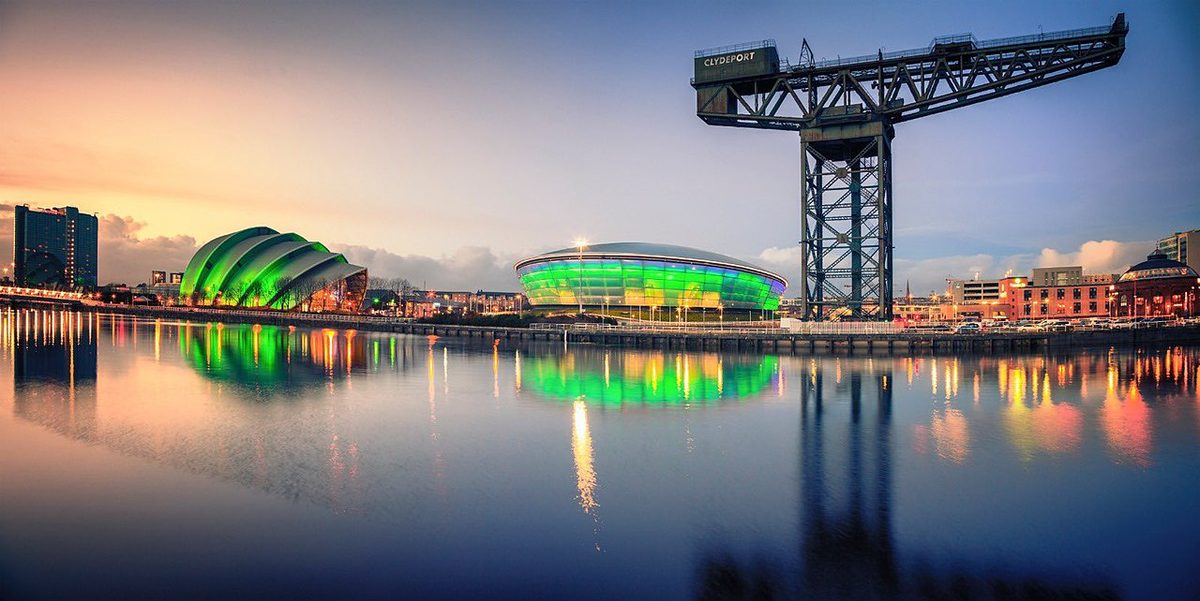
No British city outside London comes close to Glasgow for live music, and plenty of musicians would put Glasgow first. This is the UK’s original UNESCO City of Music, and the venues are pilgrimage sites: the Barrowland Ballroom in the East End, all neon stars and a sprung dancefloor, regularly named by touring bands as their favourite room in the world; and King Tut’s Wah Wah Hut on St Vincent Street, where Alan McGee walked in on 31 May 1993, watched an unknown Manchester band called Oasis, and signed them on the spot. At the stadium end, the OVO Hydro — the silver spaceship on the Clyde — holds 14,300 and consistently ranks among the world’s busiest arenas. Add SWG3 in a converted warehouse, the Sub Club for techno (running since 1987), and trad sessions in pubs like the Ben Nevis in Finnieston, and you could do a different gig every night for a month. January’s Celtic Connections folk festival and July’s TRNSMT in Glasgow Green are the calendar highlights — both feature in our Scotland festivals guide. For venue-by-venue detail, see our Glasgow live music guide.
Street Art: The City Centre Mural Trail

Glasgow’s blank gable ends have become one of Europe’s best open-air galleries. The City Centre Mural Trail, established in 2014, now counts around 30 large-scale works, and hunting them is the best free afternoon in the city centre. The icons are mostly by the artist Smug: the photorealistic St Mungo on High Street, cradling a robin, and his companion St Enoch and Child nearby — modern saints painted on Victorian brick. Look out too for Billy Connolly on Osborne Street (one of three tributes painted for his 75th birthday), the floating taxi on Mitchell Street, and the magnifying-glass mural on Argyle Street. The council publishes a free map, but half the fun is rounding a corner onto a five-storey face you didn’t know was there. We’ve mapped a walking route in our self-guided mural trail guide.
Eating and Drinking Your Way Around Glasgow
Glasgow eats brilliantly and charges fairly — dinner here routinely costs two-thirds of the Edinburgh equivalent. For the national context, our Scottish food and drink guide covers haggis to cranachan; here’s the Glasgow version.
Finnieston: the foodie strip
The stretch of Argyle Street through Finnieston went from forgotten to fashionable in about five years, and the restaurants did it: Crabshakk for langoustines and oysters, Ox and Finch for sharing plates that actually deserve the format, The Gannet for serious modern Scottish cooking. Book weekends ahead. The Hidden Lane, a courtyard of 100 pastel studios and a tearoom, is the area’s quirky bonus.
Ashton Lane and the West End
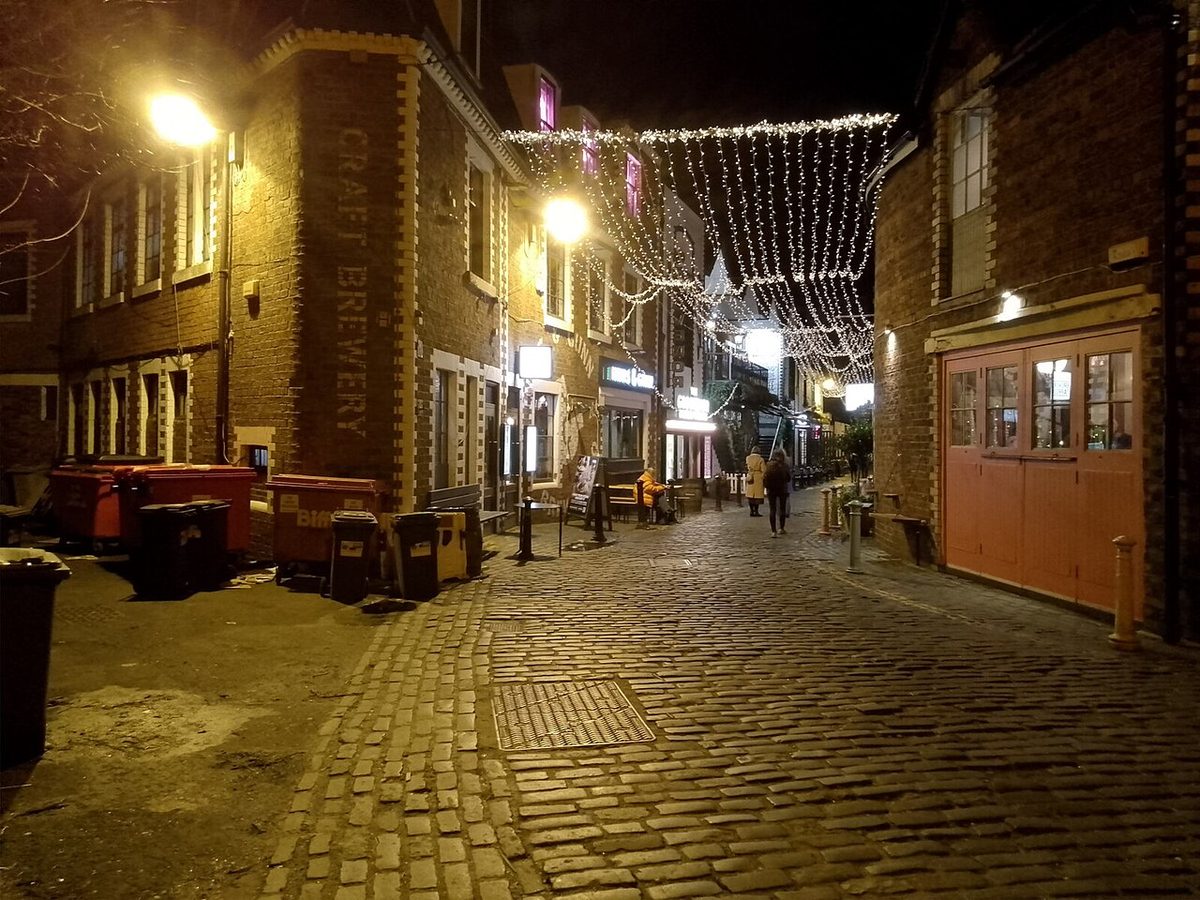
Ashton Lane is the West End’s postcard: a cobbled back lane strung with fairy lights, anchored by the Ubiquitous Chip, which has been serving venison haggis and white-tablecloth Scottish cooking since 1971, and the tiny Grosvenor Cinema, possibly Britain’s cosiest picture house. Yes, it’s touristy on Saturday nights. Go on a weekday evening anyway — lights on, crowds thin, and a pint in the Chip’s courtyard remains one of Glasgow’s small perfections. Byres Road, the Botanic Gardens and brunch spots like the Singl-end fill out the area; our West End guide has the full crawl.

Curry capital: the tikka masala question
Glasgow’s claim to have invented chicken tikka masala — at the Shish Mahal on Park Road, where a customer allegedly asked for gravy on his tandoori chicken and a legend was born — is disputed, periodically debated in Parliament, and absolutely believed in Glasgow. What’s not disputed is that this is one of the UK’s great curry cities. The Shish Mahal still trades on the story (order the original); Mother India near Kelvingrove does refined home-style cooking that converts sceptics. Either is a better cultural experience than half the paid attractions in town.
Whisky and beer: Clydeside, the Pot Still and Tennent’s
The Clydeside Distillery, in an old Victorian pump house by the Riverside Museum, was the first dedicated single malt distillery in Glasgow in over a century when its stills started running in 2017; tours start around £17.50, and the Chocolate & Whisky pairing (about £28) is better than it sounds, which is saying something. In the city centre, The Pot Still stocks 1,200-plus whiskies in a Victorian pub the size of a generous living room — tell the staff what you like and trust them. Beer drinkers should tour Tennent’s Wellpark Brewery (from £17), brewing on the same East End site since 1740, with Drygate’s craft operation next door. For the national dram tour, see our Scotch whisky and distilleries guide.
Michelin stars and blowouts
Glasgow currently holds two Michelin stars — Cail Bruich up by the Botanics and Unalome by Graeme Cheevers in Finnieston — and both offer tasting menus at prices that would barely buy starters in London. For a cheaper blowout, the Dockyard Social street food hall in Whiteinch does rotating vendors, DJs and a very Glasgow crowd on weekends.
The East End: Barras Market and Glasgow Green
The East End is Glasgow at its least polished and most itself. The Barras, the city’s famous weekend market (Saturdays and Sundays, 10am–4pm), founded by the redoubtable Maggie McIver in 1921, has evolved from pure flea market into a happy jumble of vinyl stalls, vintage clothes, street food and patter merchants — keep your wits and your sense of humour about you. Barrowland Park next door spells out every act that ever played the Ballroom in a pathway of painted slats; finding your favourite band is compulsory. Glasgow Green, the city’s oldest park, runs down to the Clyde past the Doulton Fountain (the world’s largest terracotta fountain) and the closed-but-still-photogenic People’s Palace. Finish at WEST brewery in the old Templeton carpet factory — a building that looks like a Venetian palace rebuilt in brick by someone having enormous fun — or at St Luke’s, a deconsecrated church turned gig venue and bar.
Football: Celtic, Rangers and Hampden
Glasgow takes football more seriously than almost anywhere on earth, and the Old Firm rivalry between Celtic and Rangers is woven through the city’s history, religion and geography. Even if you don’t follow the game, a stadium tour is a window into what makes the city tick — and if you can get a ticket to any match at Celtic Park or Ibrox, the noise alone is worth the price.
| Stadium experience | 2026 price (adult) | Notes |
|---|---|---|
| Celtic Park tour | £18.50 | Daily tours; family ticket £58; book online |
| Ibrox Stadium tour (Rangers) | from £17 | Museum-and-tour bundles cost more; matchday tours limited |
| Hampden Park + Scottish Football Museum | about £13–£16 | Home of the world’s oldest national trophy, the 1873 Scottish Cup |
| Match tickets (typical) | from about £30 | Old Firm derbies near-impossible for visitors; any other fixture is realistic |
One practical note: don’t wear either club’s colours wandering the city on derby day, and don’t offer opinions on the rivalry in pubs. Glaswegians can say what they like about it; you can’t.
Things to Do in Glasgow with Kids
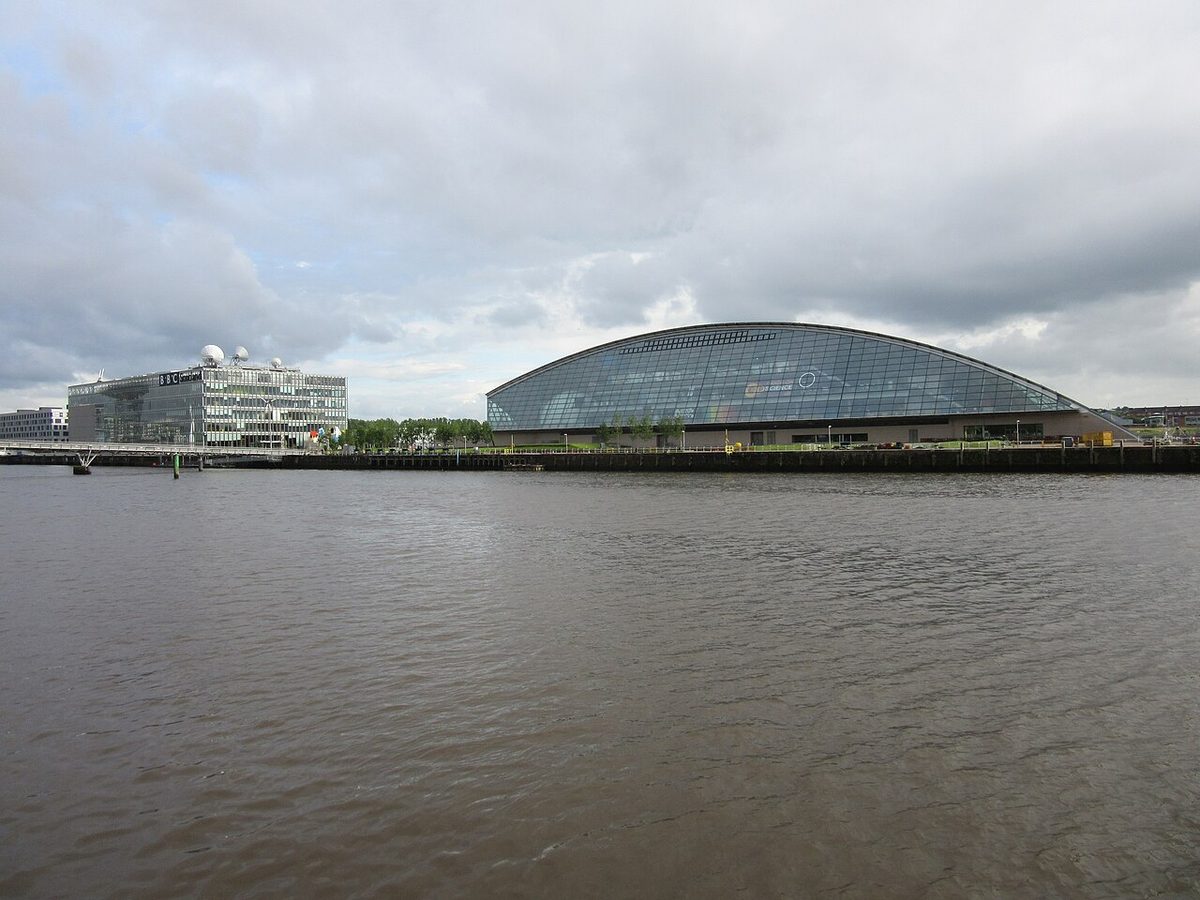
Glasgow with children is easier and cheaper than almost any UK city, because the best stuff is free. The Riverside Museum is the banker — kids can climb aboard old Subway cars, trams and a recreated street — followed by the Kelvingrove organ recital and its animal galleries, the Tall Ship’s below-decks play areas, and the Highland cows at Pollok. The big paid attraction is the Glasgow Science Centre on the south bank: three floors of hands-on everything, a planetarium and an IMAX, with 2026 tickets at £15.50 off-peak (£17.05 in July and August) for adults and £12–£13.20 for kids, under-3s free. On a clear day add the rotating Glasgow Tower ride. Our full Glasgow with kids guide has rainy-day plans and pram-friendly routes.
Free Things to Do in Glasgow: The Quick List
Glasgow might be the best city in Britain for free sightseeing. If the budget’s tight, here’s what costs nothing, and none of it feels like a compromise:
- Kelvingrove Art Gallery and Museum (including the daily 1pm organ recital)
- The Burrell Collection and Pollok Country Park’s Highland cows
- Riverside Museum and the Tall Ship Glenlee
- Glasgow Cathedral and the Necropolis viewpoint
- GoMA and the cone-headed Duke of Wellington
- The Hunterian Museum and Art Gallery
- The City Centre Mural Trail (around 30 murals)
- University of Glasgow cloisters and grounds
- Botanic Gardens and the Kibble Palace glasshouse
- The Barras market at the weekend
- George Square and (weekdays) the City Chambers tour
- Kelvingrove Park, Glasgow Green and the Clyde walkway
We keep a longer list — 25 ideas, with opening hours — in our dedicated free things to do in Glasgow guide.
Suggested Itineraries
One day in Glasgow
Start at Glasgow Cathedral and the Necropolis (9.30am, before the coach groups), walk the mural trail down through Merchant City to George Square, lunch around there, then Subway from Buchanan Street to Kelvinhall for an afternoon in Kelvingrove and a wander up to the university cloisters. Dinner and a pint on Ashton Lane. It’s a full day, but it’s the best single day the city can offer — mapped hour-by-hour in our one day in Glasgow itinerary.
Two days: the classic weekend
Day one as above. Day two, take the train to Pollokshaws West for the Burrell Collection and the Highland cows, head back for lunch in Finnieston, then choose your afternoon: Riverside Museum and the Tall Ship, a Clydeside Distillery tour, or a stadium tour. Saturday evening is gig time — check what’s on at King Tut’s or the Barrowlands before you book anything else. Full plan in the 2 days in Glasgow itinerary.
Three days or more
Add a day trip (below), or slow down: morning at the Hunterian and Mackintosh House, tea at the Mackintosh Tearooms, the Tenement House, the Barras if it’s a weekend, and an evening of trad music in Finnieston. If you’re building Glasgow into a longer Scottish route, our Scotland itinerary guide shows where it fits best — usually two nights at the start or end.
The Best Day Trips from Glasgow
Glasgow’s other superpower is position: it’s the gateway to the West Highlands, and some of Scotland’s best scenery is under an hour away. These four are the picks; our day trips from Glasgow guide has ten more.
| Day trip | Journey from Glasgow | Why go |
|---|---|---|
| Loch Lomond (Balloch) | Train, 45–50 min | Bonnie banks, loch cruises, Ben Lomond; gateway to the Highlands |
| Stirling | Train, about 31 min | Stirling Castle, Wallace Monument, Bannockburn |
| Edinburgh | Train, about 50 min | The castle, Royal Mile and our whole Edinburgh guide |
| New Lanark + the Falkirk Wheel & Kelpies | Train/car, 50–60 min | UNESCO mill village; canal engineering and 30-metre horse heads |
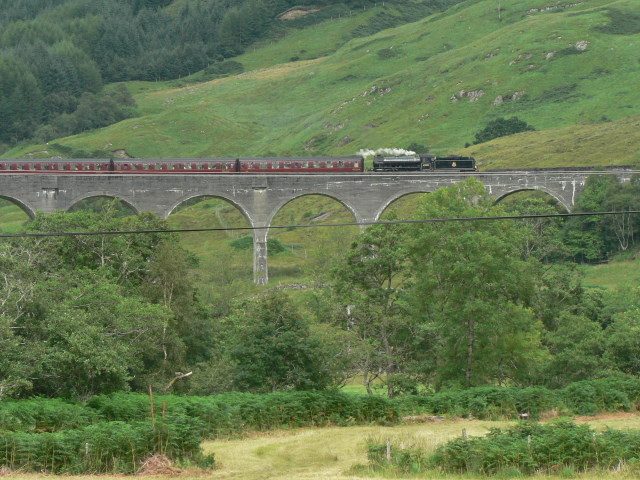
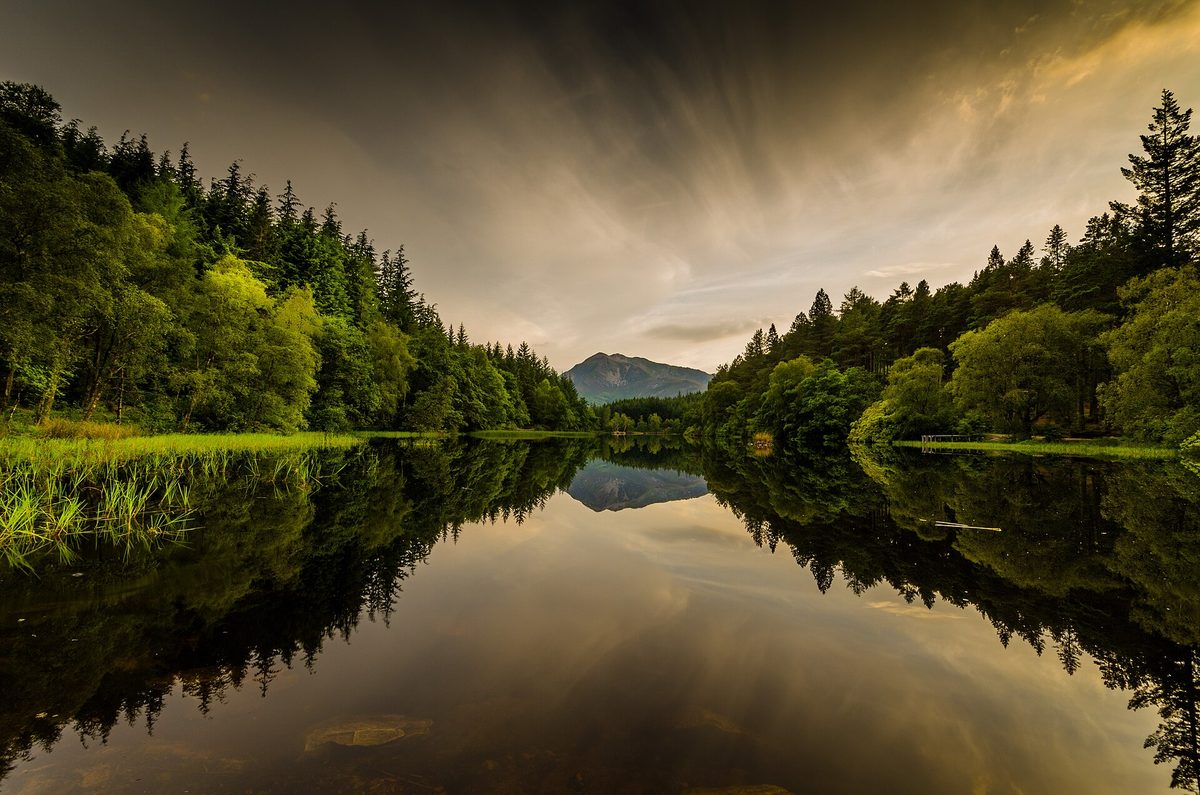
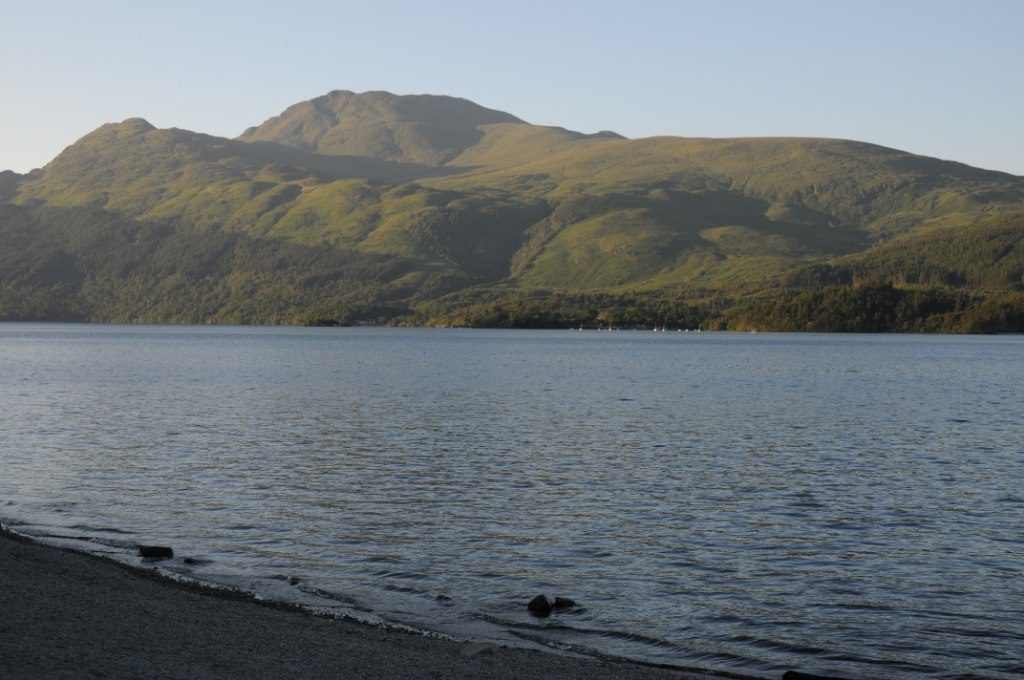
Loch Lomond is the one I’d insist on: the Balloch train costs a few pounds, runs every half hour, and drops you ten minutes from loch cruises and the Maid of the Loch paddle steamer. Castle fans heading to Stirling should read our Scotland castles guide first; serious island-baggers can even day-trip to Arran via the Ardrossan ferry, though it deserves longer — see our Scottish islands guide. Walkers will find the West Highland Way starts at Milngavie, 25 minutes north by train; more in our hiking in Scotland guide. And whisky pilgrims can reach Loch Lomond, Glengoyne and Auchentoshan distilleries inside 45 minutes. If you’d rather someone else drove, plenty of operators run Loch Ness day tours from Glasgow — it’s a long day, covered honestly in our Loch Ness guide — and our Scotland tours guide compares the main companies.
Getting Around: The Clockwork Orange and Beyond
The Glasgow Subway
Glasgow’s Subway — the “Clockwork Orange” — is the world’s third-oldest underground railway, opened in 1896, and it has never been extended: 15 stations on a simple loop, trains every few minutes, nowhere in the system more than 24 minutes from anywhere else. From January 2026 a single is £1.80 with a smartcard (£1.85 paper) and an all-day ticket £3.40 (£4.45 for the disposable version) — buy the smartcard day ticket, ride it between the centre and the West End, and enjoy one of the few undergrounds on earth where locals chat to strangers. It stops around 6.15pm on Sundays, which catches every visitor out at least once.
Arriving: airports and stations
Glasgow Airport is eight miles west; the Airport Express 500 bus runs around the clock to Buchanan Street, takes about 15 minutes and costs £11 single — ignore anyone online telling you it’s a fiver, that information is years old. Prestwick Airport (Ryanair territory) is 40 minutes south by train. Central Station handles trains from England and the south side; Queen Street serves Edinburgh and the Highlands, including the start of the gorgeous West Highland Line to Fort William and Mallaig. The two stations are a ten-minute walk apart.
Is Glasgow walkable?
Very. Centre to West End is a 30–40 minute walk through Kelvingrove Park, and the grid makes navigation easy. For everything else there’s the Subway, an enormous suburban rail network (the UK’s biggest outside London) and buses. You do not need a car in Glasgow — rent one only when you leave for the Highlands, as covered in our transport guide.
Where to Stay in Glasgow
Short version: stay in the city centre or Merchant City for first visits (everything walkable, best transport), the West End for charm, brunches and boutique hotels (Hidden Lane and Ashton Lane on your doorstep), or Finnieston to eat and drink exceptionally well. Southside neighbourhoods like Strathbungo suit repeat visitors. Prices run noticeably below Edinburgh — a good four-star weekend rate of £120–£160 here would cost £200-plus through there. The full neighbourhood-by-neighbourhood breakdown, with named hotels across budgets, is in our where to stay in Glasgow guide, and the national picture is in our national accommodation guide.
When to Visit Glasgow
May and June are the sweet spot — longest days, driest weather by Glasgow standards, festival season warming up. August brings Edinburgh Festival overspill (and Edinburgh prices creeping west); December is surprisingly good, with the George Square Christmas market and gig season in full swing. January is for Celtic Connections, the folk festival that takes over the city for three weeks. And 2026 is a special case: the Commonwealth Games run 23 July to 2 August 2026, with 3,000-plus athletes from 74 nations across 10 sports — brilliant atmosphere, but book accommodation months ahead and expect peak pricing. Weather-wise, pack a rain layer whatever the month — this is the west coast — and read our best time to visit Scotland guide for the national picture. Budget travellers should also see our Scotland travel costs and tips.
Glasgow FAQs
What is Glasgow famous for?
Victorian and art nouveau architecture (especially Charles Rennie Mackintosh), shipbuilding heritage on the Clyde, the UK’s best collection of free museums, the Old Firm football rivalry, and music — it was the UK’s first UNESCO City of Music. It’s also famous for friendly patter and, at least locally, for inventing chicken tikka masala.
Is Glasgow worth visiting?
Absolutely. Scotland’s largest city has world-class free museums, the best live music scene in Britain outside London, a superb and fairly priced food scene, and easy day trips to Loch Lomond and Stirling. It’s less pretty than Edinburgh but warmer in character, cheaper, and far less crowded.
Is one day enough for Glasgow?
One day covers the highlights of either the historic centre (cathedral, Necropolis, mural trail) or the West End (Kelvingrove, university, Ashton Lane), but not both comfortably. Two days is the sweet spot; three lets you add the Burrell Collection and a Loch Lomond day trip. See our one-day itinerary if that’s all you have.
What is there to do in Glasgow for free?
An enormous amount: Kelvingrove, the Burrell Collection, the Riverside Museum, GoMA and the Hunterian are all free, as are Glasgow Cathedral, the Necropolis, the Botanic Gardens, the mural trail, the university cloisters and the Highland cows in Pollok Country Park. Glasgow is arguably Britain’s best free city break.
Is Glasgow better than Edinburgh?
Different rather than better. Edinburgh wins on fairytale looks and concentrated history; Glasgow wins on music, nightlife, museums, food value and everyday friendliness. They’re 50 minutes apart by train, so the right answer for most trips is both — our Edinburgh vs Glasgow guide settles the details.
Is Glasgow a walkable city?
Yes — the centre is a compact grid, and the walk from there through Kelvingrove Park to the West End takes 30–40 pleasant minutes. The Subway loop and huge suburban rail network cover anything further, including the Burrell Collection and both football stadiums. You don’t need a car within the city.
Is Glasgow safe for tourists?
Yes. The areas visitors actually use — city centre, West End, Merchant City, Finnieston — are busy and well-policed, and most trips are completely trouble-free. Take normal big-city precautions late at night around Sauchiehall Street’s club strip, and steer clear of football arguments on derby days.
How many days do you need in Glasgow?
Two full days covers the essential things to do in Glasgow; three adds the Burrell, a distillery or stadium tour and breathing room. Add another day per day trip — Loch Lomond and Stirling being the two best. Many visitors give Glasgow two nights at the start or end of a Highlands loop.
Final Thoughts
Glasgow doesn’t try to charm you the way Edinburgh does — it just gets on with being a big, warm, funny, occasionally chaotic city, and lets you discover that its museums are free and world-class, its music venues are sacred ground, and its people are the friendliest in Britain. Give it the two days it deserves rather than the afternoon most itineraries allow, ride the Clockwork Orange, eat the curry, climb the Necropolis at golden hour. Then come back and tell me it isn’t the most underrated city break in the UK. For the bigger national picture, start with our guide to things to do in Scotland — and if Glasgow’s gigs have given you a taste for a livelier Scotland, the festivals calendar is where to look next. Golfers, by the way, are 40 minutes from Ayrshire’s Open courses — see golf in Scotland.
Flying into Glasgow for a short break? The Glasgow-base version in our three-day Scotland itinerary reaches Loch Lomond and the Trossachs faster than anything leaving Edinburgh.
Glasgow is also the easiest city in Scotland to escape from. Balloch is a direct train from Queen Street in about 45 minutes, which puts the southern edge of the Highlands within reach without a car at all — our Loch Lomond and the Trossachs guide covers which shore to pick, because the east and the west are effectively two different days out.
About fifty minutes down the Ayrshire coast, Culzean Castle and its country park is the best full-day trip out of the city when the weather holds, and you want four or five hours for it rather than two.
Eating is the part of a Glasgow trip most guides get wrong, so we gave it a page of its own: where to eat in Glasgow, neighbourhood by neighbourhood, including why the Southside is where the value has quietly moved.
Photo Credits
All photographs are used under Creative Commons or public-domain licences via Wikimedia Commons. We are grateful to the photographers:
- Victorian monuments on the hilltop Glasgow Necropolis overlooking the city — nick macneill, CC BY-SA 2.0
- Gothic revival main building of the University of Glasgow in the West End — Vysotsky, CC BY-SA 4.0
- Victorian glasshouse Kibble Palace at Glasgow Botanic Gardens — Alan Murray-Rust, CC BY-SA 2.0
- George Square and the Victorian City Chambers in central Glasgow — Michael D Beckwith, CC0
- Cobbled Ashton Lane with fairy lights in Glasgow's West End — Richard Sutcliffe, CC BY-SA 2.0
- Large-scale mural on the Glasgow City Centre Mural Trail — habiloid, CC BY-SA 2.0
- Shoppers on Buchanan Street, Glasgow's main pedestrian shopping street — Stephen Armstrong, CC BY-SA 2.0
- The Burrell Collection museum building in Pollok Country Park, Glasgow — Anthony O'Neil, CC BY-SA 2.0
- Highland cow grazing in Pollok Country Park in Glasgow — Osama Shukir Muhammed Amin FRCP(Glasg), CC BY-SA 4.0
- Glasgow Science Centre and Glasgow Tower on the River Clyde at dusk — Euan Nelson, CC BY-SA 2.0
- OVO Hydro arena illuminated at night on the River Clyde, Glasgow — Office of U.S. Ambassador to U.K., Public domain
- Medieval Gothic exterior of Glasgow Cathedral on a clear day — Stinglehammer, CC BY-SA 4.0
- Red sandstone facade of Kelvingrove Art Gallery and Museum, one of the top free things to do in Glasgow — Stinglehammer, CC BY-SA 4.0
- Zaha Hadid-designed Riverside Museum on the River Clyde in Glasgow — Cutkiller2018, CC BY-SA 4.0