
I have driven the North Coast 500 three times now, in three different seasons, and I still get a small jolt of disbelief every time I crest the Bealach na Bà and the whole of the western Highlands opens up below me. Planning a good North Coast 500 itinerary is the difference between a trip you race through and one you remember for the rest of your life — and after years of getting it wrong and then slowly getting it right, this is the honest, day-by-day guide I wish someone had handed me before my first lap.
The quick answer: the North Coast 500 is a 516-mile (830 km) circular driving route around the far north of Scotland, looping out from Inverness. You can drive it in as little as 3 days, but 5 days is a comfortable minimum and 7 days is the real sweet spot. Go in May, June or September, book your beds months ahead, and drive it slowly and respectfully — the single-track roads and tiny communities reward patience.
The North Coast 500 at a Glance
Before we get into the route in detail, here is everything you actually need to know in one place. I refer back to a table like this every time I re-plan, and it answers most of the questions people email me about.
| Detail | What to know |
|---|---|
| Total distance | 516 miles / 830 km, circular loop |
| Start & finish | Inverness (officially Inverness Castle) — but you can join the loop anywhere |
| Launched | 2015, by the North Highland Initiative, to spread tourism into the remote Highlands |
| Minimum time | 3 days (rushed), 5 days (comfortable), 7 days (ideal), 10+ days (relaxed) |
| Best months | Late May, June and September for daylight, settled-ish weather and open attractions |
| Direction | No official direction; most people drive anticlockwise (east coast first) |
| Roads | Mix of fast A-roads and slow single-track with passing places; all sealed (no 4WD needed) |
| Rough cost (2 people, 7 days) | From around £500 wild-camping to £2,500+ for comfortable hotels (see budget section) |
| Iconic stops | Bealach na Bà, Applecross, Smoo Cave, Duncansby Stacks, Kylesku Bridge, Achmelvich Beach |
What Is the North Coast 500?
The North Coast 500 — NC500 for short — is a touring route, not a single road. It stitches together existing roads through five historic areas: the Black Isle and Easter Ross, the wild flow country and beaches of Sutherland, the otherworldly mountains of Assynt, the lochs and passes of Wester Ross, and the cliff-edged coast of Caithness. Marketing types love to call it “Scotland’s Route 66,” and while that always makes me wince a little, the comparison does one useful thing: it tells you this is a journey where the driving is the attraction.
It was launched in 2015 as a way to channel visitors — and their money — into some of the most beautiful but economically fragile communities in Britain. It worked, spectacularly, and that success brings genuine trade-offs I will be honest about later in this guide. For the full regional picture beyond the loop, our Scottish Highlands guide is the companion piece to this one, and if you are still deciding where in the country to spend your time, start with our overview of the best things to do in Scotland.
How Many Days Do You Need for the NC500?
This is the single most important decision in your whole plan, so let me be blunt: most people try to do it in too few days. The bare driving time for the loop is roughly 13 hours, but that figure is a trap. On single-track roads, behind motorhomes, stopping for photographs and sheep and the sudden need to stand on a beach, your real average speed is closer to 30–40 mph. The route is not long; it is slow, and that slowness is the point.
| Days | What you get | Who it suits |
|---|---|---|
| 3–4 days | The headline drive and a handful of stops; mostly sightseeing from the car window | Time-poor visitors in high summer with long daylight; not my recommendation |
| 5 days | A relaxed loop with time for the big-hitter stops and a short walk most days | The comfortable minimum — my recommended first-timer plan |
| 7 days | Everything in the 5-day plus Applecross properly, Cape Wrath country, and slower mornings | The sweet spot if you can spare the week |
| 10+ days | Two-night bases, island side-trips, hill walks, and genuine downtime | Slow travellers and anyone driving up from the south of England |
If you only remember one thing: 5 days is the floor, 7 is the goal. I have written dedicated day-by-day plans for each length — the 5-day NC500 itinerary, the 7-day NC500 itinerary, and an honest look at whether 3 or 4 days is enough time — but you will find the flagship versions of both the 5-day and 7-day routes below.
NC500 Route Map: The Loop in Order
The NC500 is a loop, so there is no “wrong” sequence — but it helps enormously to picture the route as a clock face with Inverness at the bottom. Driving anticlockwise (which I recommend, and explain below), you head up the gentler east coast first, turn west along the wild north coast, then return down the spectacular, slow western seaboard. Here is the loop broken into its natural legs, with realistic driving times that assume no stops — in practice, double them.
| Leg | Approx. distance | Driving time (no stops) | Headline stops |
|---|---|---|---|
| Inverness → Dornoch → Wick | ~105 mi / 169 km | ~2.5–3 hr | Black Isle dolphins, Rogie Falls, Dornoch, Dunrobin Castle, Whaligoe Steps |
| Wick → John o’ Groats → Tongue | ~80 mi / 129 km | ~2.5 hr | Duncansby Stacks, Dunnet Head, Thurso, Bettyhill beaches |
| Tongue → Durness → Ullapool | ~110 mi / 177 km | ~3.5 hr | Smoo Cave, Sango Sands, Kylesku Bridge, Ardvreck Castle, Lochinver |
| Ullapool → Gairloch → Torridon | ~80 mi / 129 km | ~2.5–3 hr | Corrieshalloch Gorge, Stac Pollaidh, Loch Maree, Gairloch |
| Torridon → Applecross → Inverness | ~90 mi / 145 km | ~3–3.5 hr | Bealach na Bà, Applecross, Lochcarron, Rogie Falls |
That is the whole loop in five lines. For a deeper breakdown with a proper map and the case for each direction, see our NC500 route map and direction guide. A word of warning on navigation: mobile signal disappears for long stretches, so download offline maps of the entire route before you leave Inverness. I learned this the hard way somewhere north of Lochinver, reversing half a mile to a junction I had sailed past with no data.
Where Does the North Coast 500 Start and Finish?
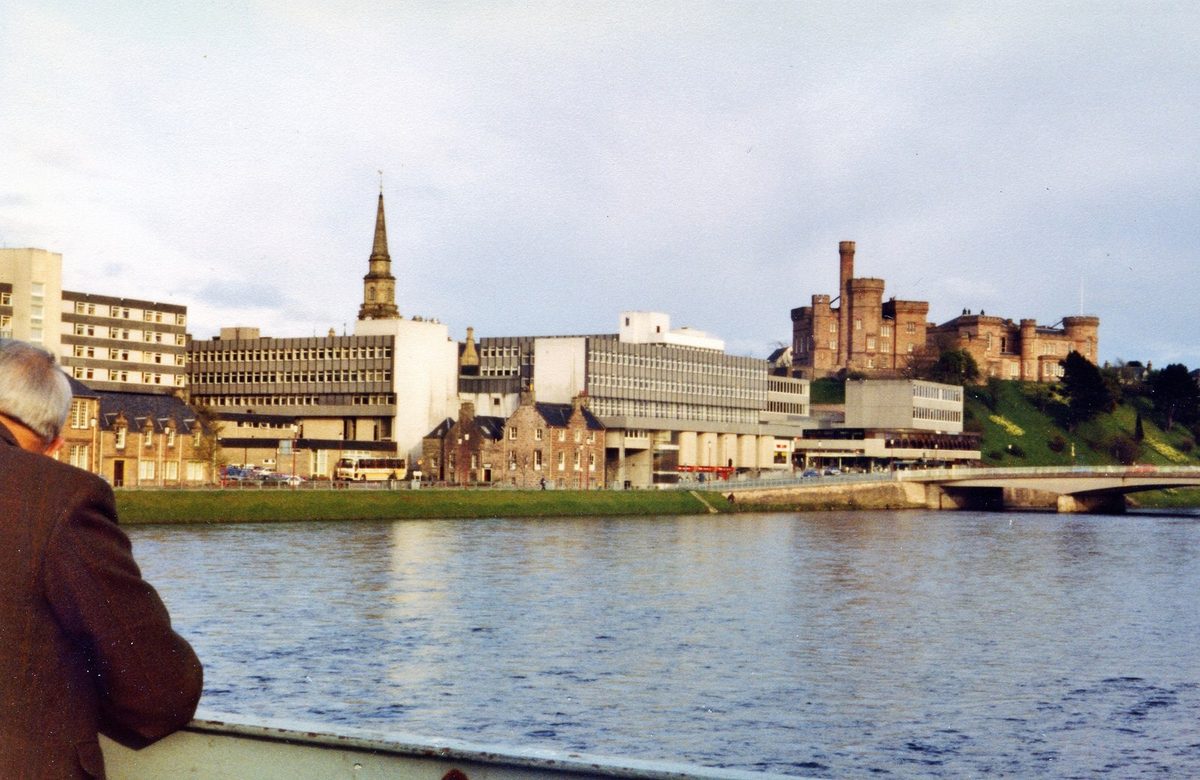
Officially, the NC500 starts and finishes at Inverness Castle, the red-sandstone landmark above the River Ness. In practice, because it is a loop, you can start wherever is convenient — plenty of people join at Ullapool or even fly into Inverness and pick up a hire car at the airport. Inverness is the only real town of size on the whole route, so it is the sensible place to stock up, fill the tank, and sleep the night before you set off. If you are arriving from elsewhere in Scotland, our guide to getting around Scotland covers trains, the sleeper service and car hire, and you can fold the loop into a longer trip using our Scotland itinerary planner.
Clockwise or Anticlockwise? How to Decide
There is no official direction, and you will find passionate advocates for both. Here is how I actually think about it.
| Anticlockwise (east coast first) | Clockwise (west coast first) | |
|---|---|---|
| The case for | Ease into single-track gradually; save the dramatic west coast for the finale; knock out the fast A9 early | Because the UK drives on the left, you sit on the seaward side along the west coast, so the best views are out of your driver’s window |
| The catch | On the west-coast return you are on the inland side for some stretches | You hit the hardest single-track roads on day one, before you have found your rhythm |
| Best for | First-timers and nervous single-track drivers | Confident drivers and keen photographers |
My verdict: drive anticlockwise your first time. The west coast is the emotional climax of the NC500, and there is real pleasure in building up to it rather than blowing your mind on day one and spending the rest of the week on an anticlimax. The one tie-breaker worth knowing: if you plan to bolt on Orkney (reached from the east, near John o’ Groats) or Skye and Lewis (reached from the west), pick the direction that gets you to that ferry with daylight to spare.
The 5-Day North Coast 500 Itinerary (My Recommended Route)
This is the plan I give friends who have five days and want to see the best of the loop without spending their whole holiday behind the wheel. It runs anticlockwise from Inverness, averages two to three hours of driving a day, and leaves time for a short walk and a proper lunch most days. Each day opens with an at-a-glance box so you can see the shape of it before you read the detail.
Day 1: Inverness to Wick (the East Coast)
| Distance | ~105 miles / 169 km |
| Driving time | ~3 hours (allow the whole day) |
| Key stops | Black Isle, Rogie Falls, Dornoch, Dunrobin Castle, Whaligoe Steps |
| Sleep in | Wick or John o’ Groats |
Leave Inverness early and resist the urge to floor it up the A9. The east coast gets unfairly dismissed as the “boring” side, but it holds some of my favourite stops. Detour onto the Black Isle for Chanonry Point, one of the best places in Europe to see bottlenose dolphins from land — go on a rising tide and you stand a real chance. Back on the main route, the short forest walk to Rogie Falls is a good leg-stretch, with a suspension bridge over a salmon-leaping gorge.
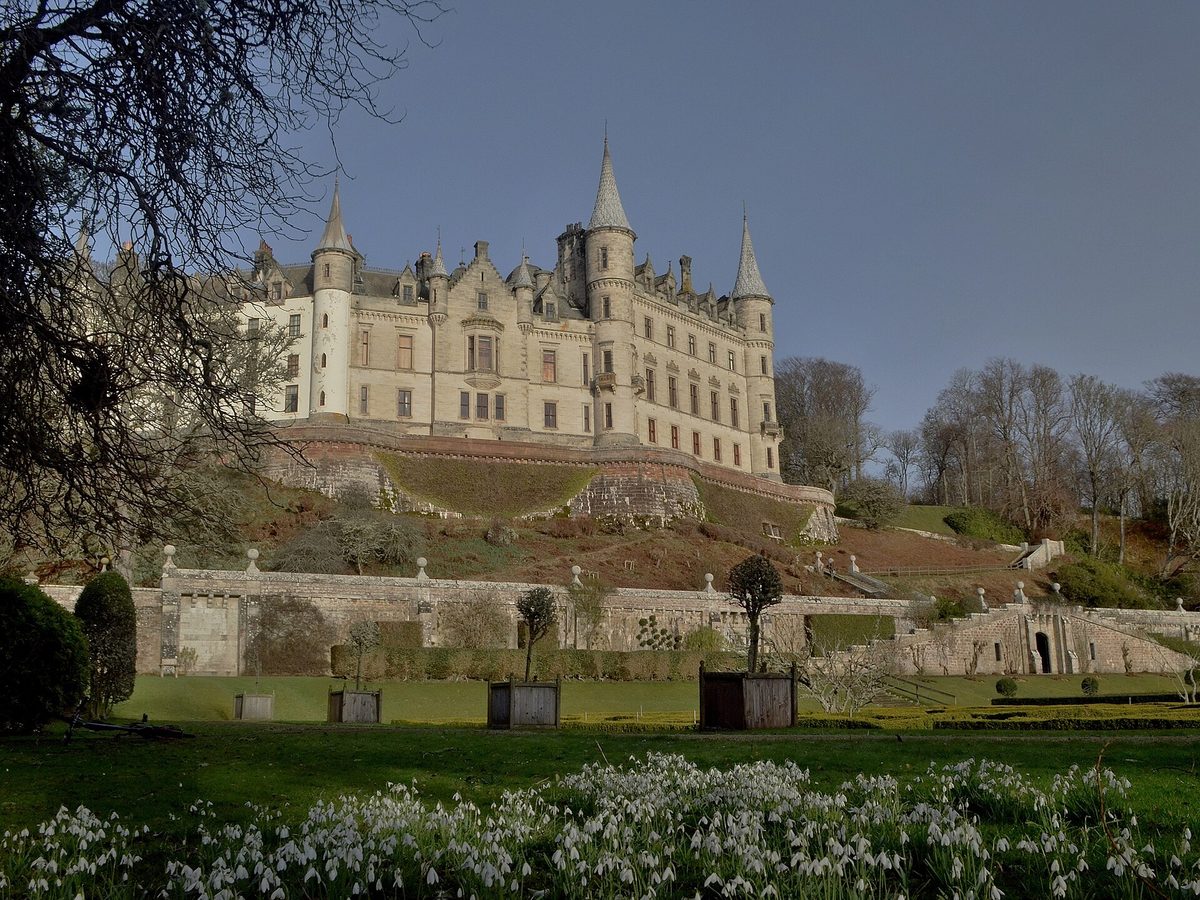
Dornoch is worth a slow hour for its little sandstone cathedral and enormous beach; it is also the home of the world-famous Royal Dornoch links, which I cover in our Highland golf guide and our wider golf in Scotland guide. Further north, do not miss Dunrobin Castle near Golspie — the fairytale seat of the Dukes of Sutherland, with parts dating to around 1275 and a brilliant falconry display in season.
End the day with the route’s quiet showstopper: the Whaligoe Steps, 365 hand-built stone steps zig-zagging down sheer cliffs to a former herring harbour. There is no big sign, just a small car park beside a cafe; it is steep, slippery in the wet, and absolutely magical. Sleep in Wick.
Day 2: Wick to Tongue (the North Coast)
| Distance | ~80 miles / 129 km |
| Driving time | ~2.5 hours |
| Key stops | Duncansby Stacks, John o’ Groats, Dunnet Head, Thurso, Bettyhill |
| Sleep in | Tongue or Durness |
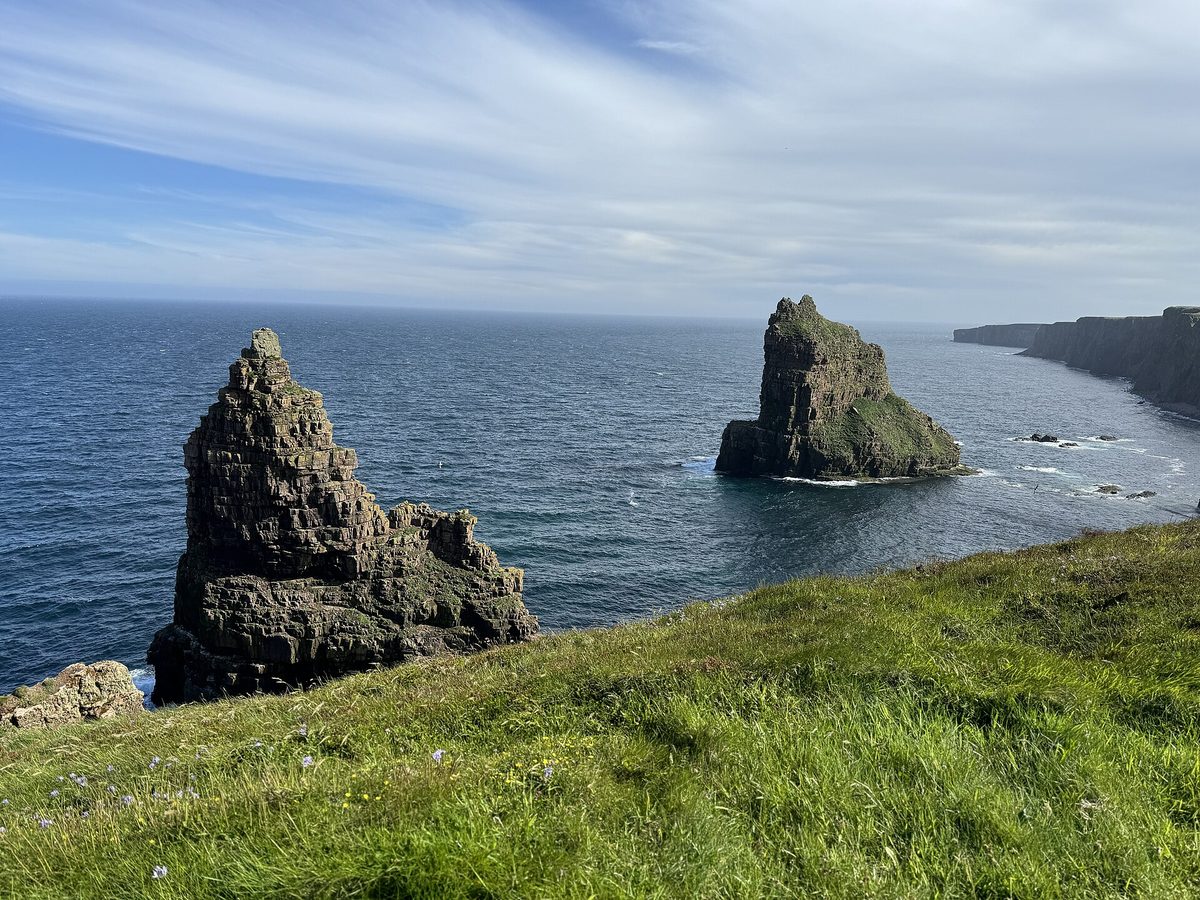
Start at the far northeast corner. Skip the tourist scrum at the John o’ Groats signpost and walk fifteen minutes from the Duncansby Head lighthouse to the Duncansby Stacks — towering sea stacks that have stood for thousands of years, with seabirds wheeling off the cliffs. It is the single best short walk on the east side of the loop and most coach tours never see it.
From here, detour to Dunnet Head, the genuine most northerly point of mainland Britain (not John o’ Groats, whatever the gift shops claim), then push west. The north coast surprises everyone with its beaches — Dunnet, Melvich and the vast expanse at Bettyhill are Caribbean-coloured on a sunny day and utterly empty. The road slows and narrows as you approach Tongue, with its ruined castle and the bulk of Ben Loyal behind. This is where the NC500 starts to feel truly remote.
Day 3: Tongue to Ullapool (the Wild Northwest)
| Distance | ~110 miles / 177 km |
| Driving time | ~3.5 hours (single-track — go slow) |
| Key stops | Smoo Cave, Sango Sands, Kylesku Bridge, Ardvreck Castle, Lochinver |
| Sleep in | Ullapool |
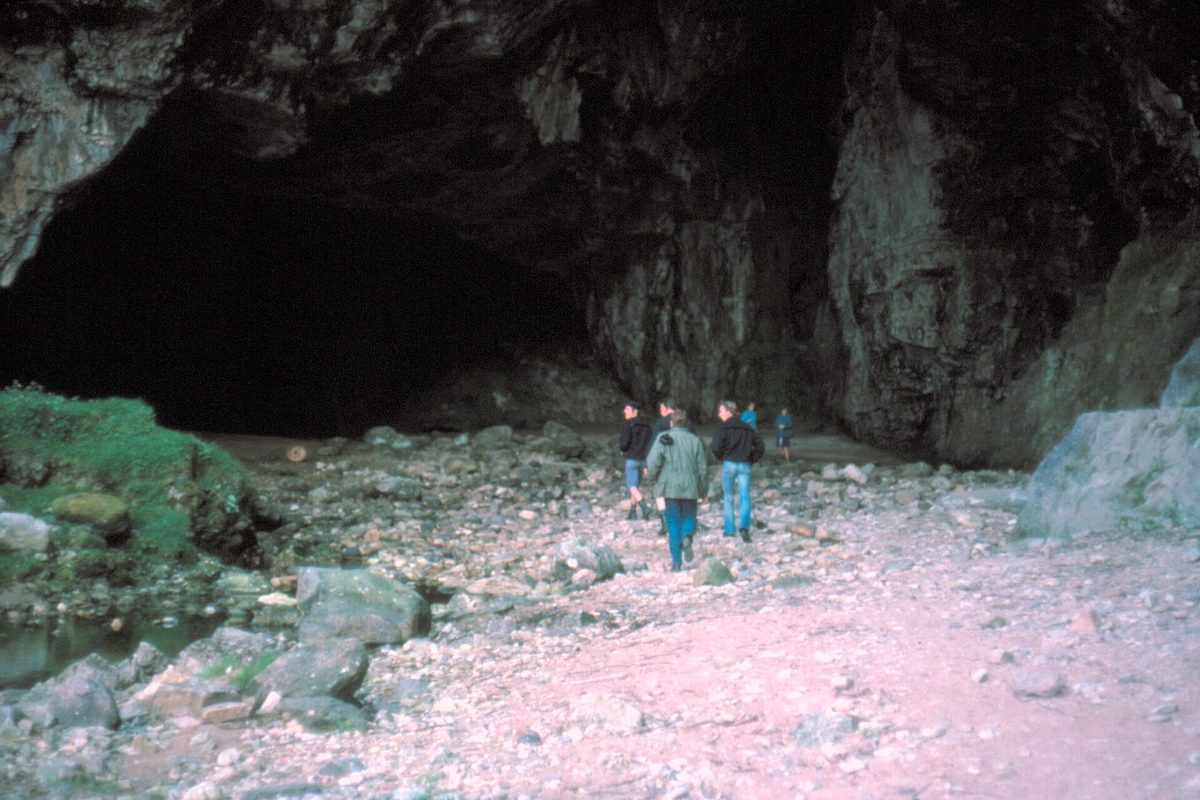
This is the big one — the day the NC500 earns its reputation. First stop, just past Durness, is Smoo Cave, one of the largest sea caves in Britain, free to enter, with a thundering waterfall in its inner chamber after rain. The name comes from the Norse smjugg, meaning a hiding place, and standing in that vast mouth it is easy to see why. Nearby, Sango Sands is a cliff-framed beach that stops people mid-sentence.
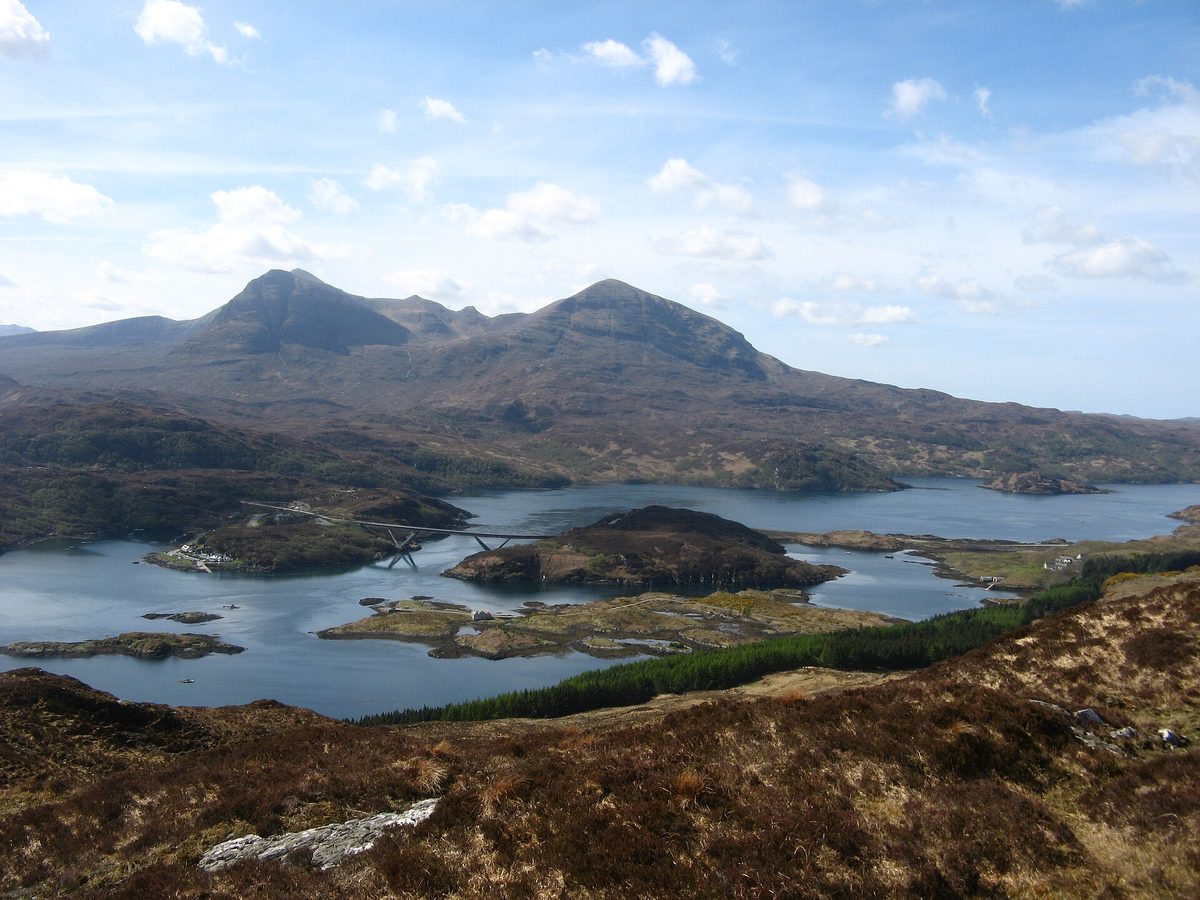
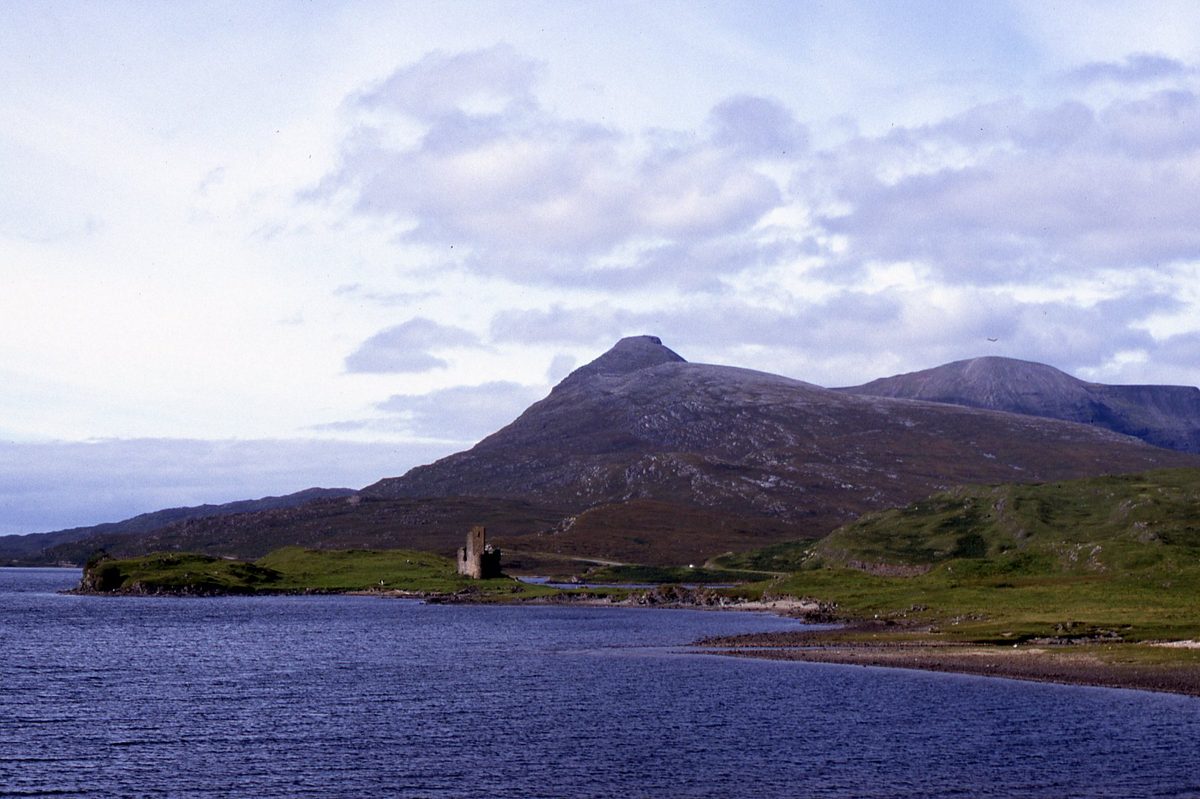
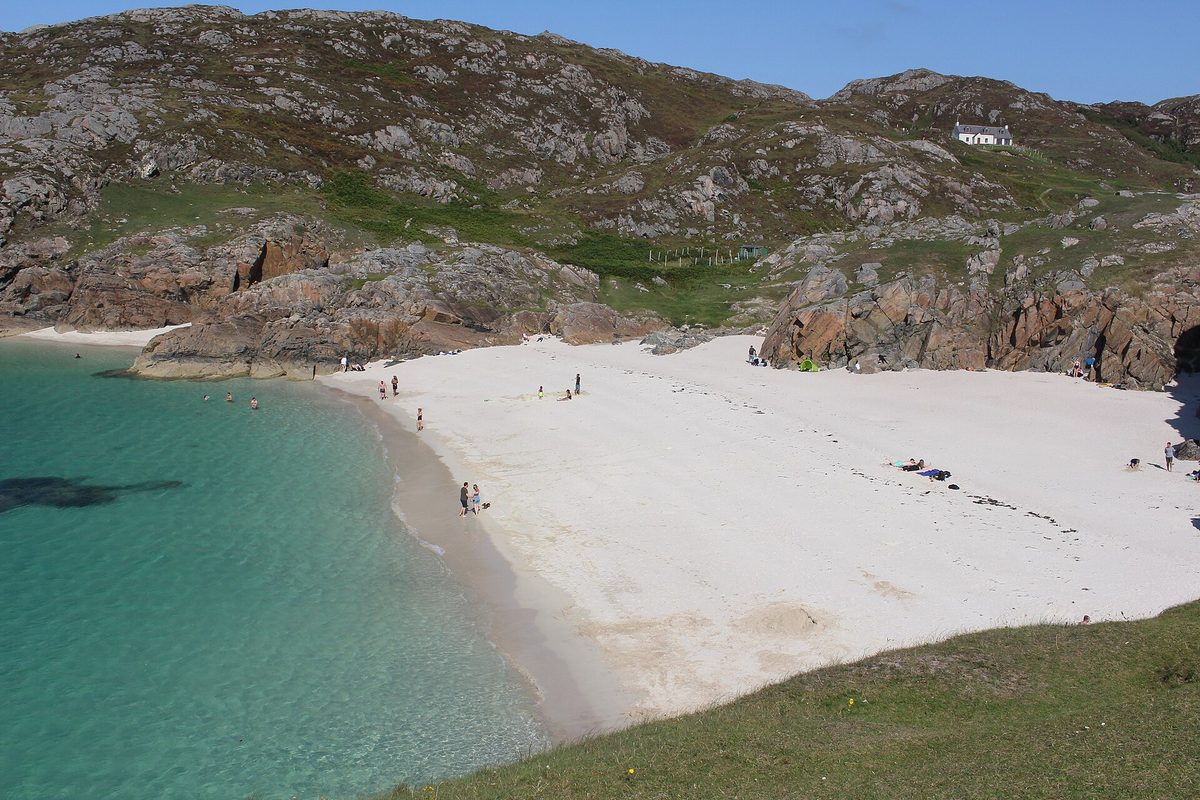
South of here the landscape turns genuinely strange and wonderful as you enter Assynt — isolated mountains like Suilven and Quinag rising straight out of the bog like something from a children’s book. Cross the elegant, curving Kylesku Bridge (stop at the viewpoint), then pull in at Ardvreck Castle, a ruined tower on a spit of land in Loch Assynt with Quinag looming behind. If you have the energy, the small road out to Achmelvich Beach near Lochinver rewards you with white shell sand and water the colour of the Aegean.
The driving today is almost all single-track, with blind summits and patient locals, so do not over-plan it. Roll into Ullapool — the prettiest town on the route — in time for fish and chips on the harbour wall.
Day 4: Ullapool to Torridon (Wester Ross)
| Distance | ~80 miles / 129 km |
| Driving time | ~3 hours |
| Key stops | Corrieshalloch Gorge, Stac Pollaidh, Gairloch, Loch Maree |
| Sleep in | Torridon, Shieldaig or Kinlochewe |
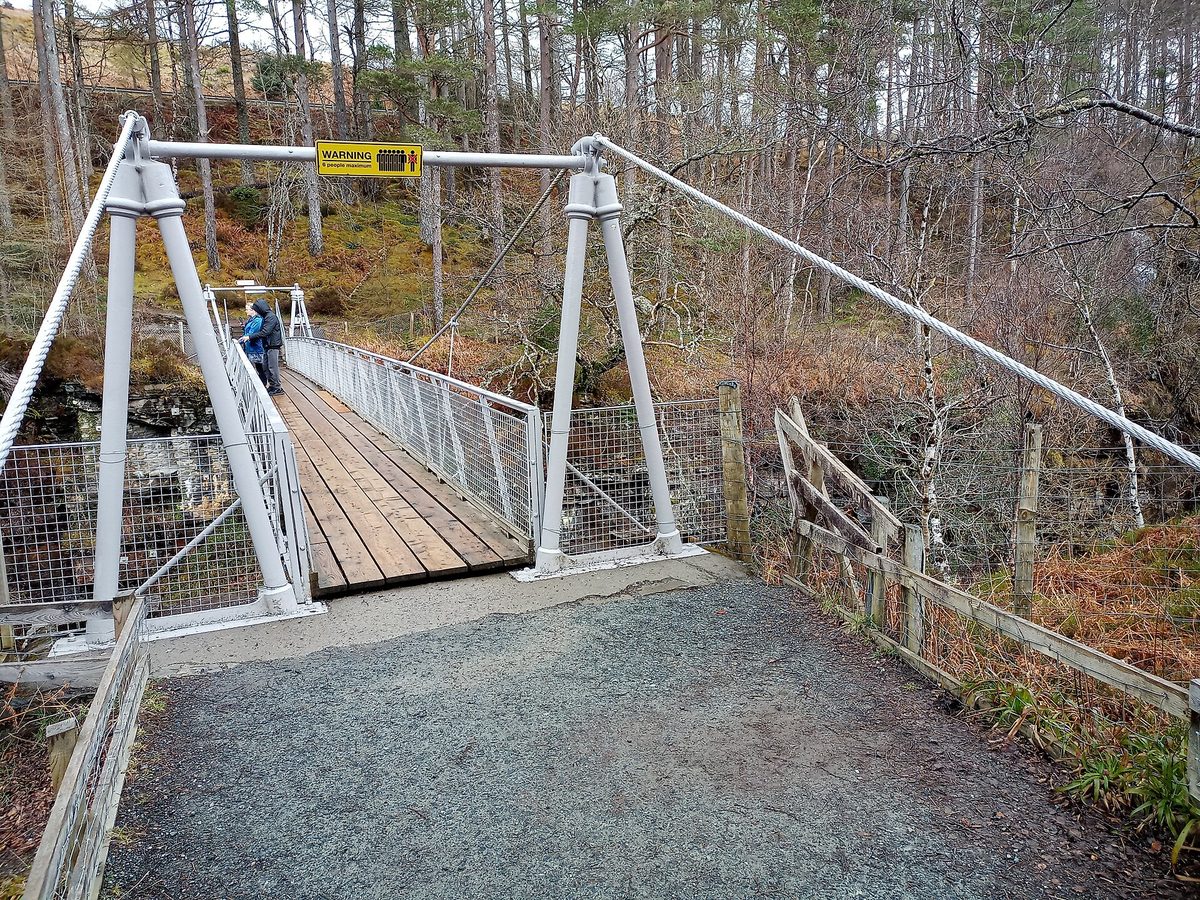
Just south of Ullapool, walk out onto the Victorian suspension bridge at Corrieshalloch Gorge, a mile-long box canyon with the Falls of Measach crashing through it — a ten-minute stop that punches well above its weight. If the weather is kind and you are fit, the sharp little peak of Stac Pollaidh is one of the most rewarding short hill walks in Scotland; if not, simply admiring it from the road is enough.
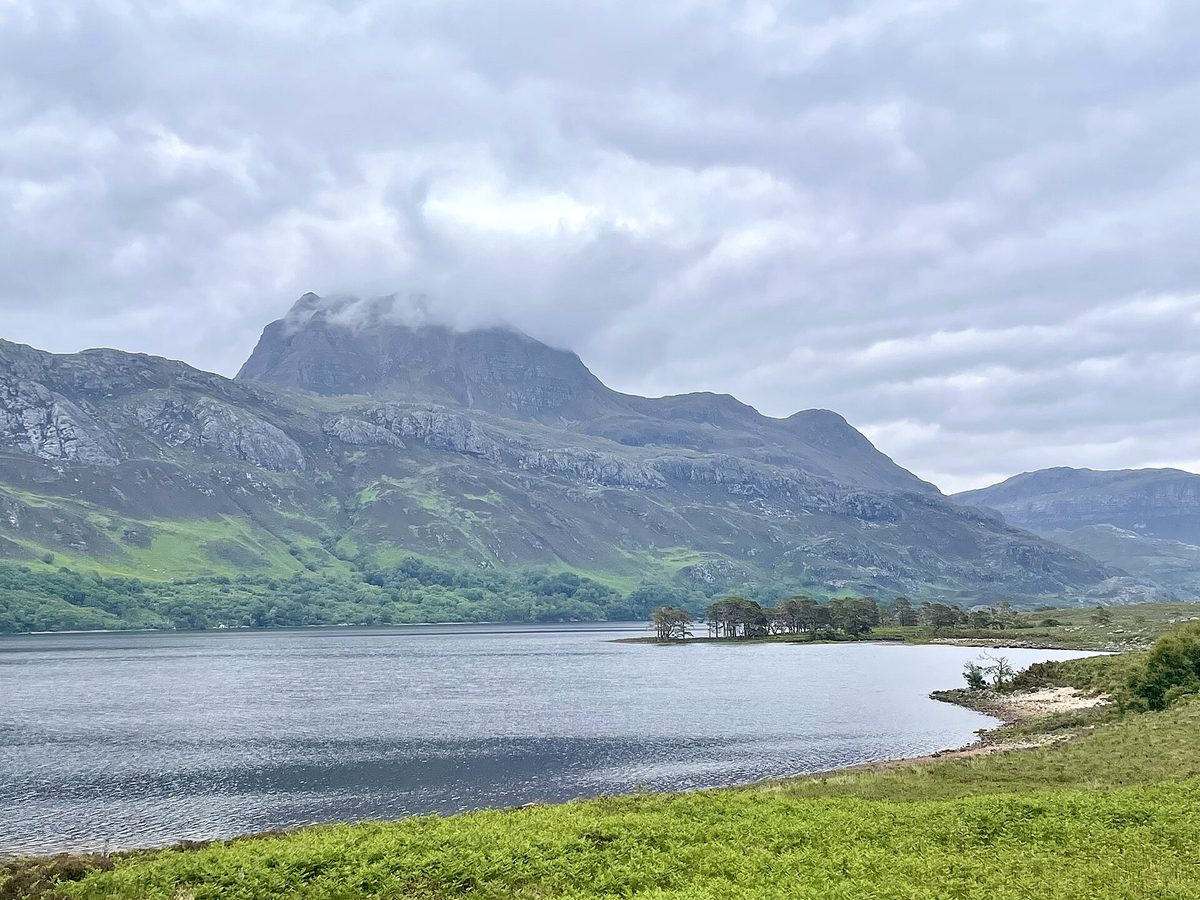
The run down through Wester Ross is, for my money, the most consistently beautiful stretch of the entire loop. Loch Maree, studded with Caledonian pine islands and watched over by the peak of Slioch, is sublime in any weather. Gairloch makes a good lunch stop with its own lovely beaches. Aim to reach the Torridon area by late afternoon — the mountains here, all ancient red sandstone and quartzite, are among the oldest and most dramatic in Britain.
Day 5: Torridon to Inverness (the Grand Finale)
| Distance | ~90 miles / 145 km |
| Driving time | ~3.5 hours |
| Key stops | Bealach na Bà, Applecross, Lochcarron |
| Sleep in | Inverness (or onward) |
Save the best for last. From Torridon, make for the Bealach na Bà — the highest road pass in Britain and the most thrilling drive on the NC500 (it gets its own section below, because it deserves real respect). Over the top, the village of Applecross sits on a glorious bay, and the Applecross Inn serves langoustine landed that morning; book a table or arrive early. From there it is a steady run back through Lochcarron and the glens to Inverness, closing the loop.
If five days feels tight for all that, it is — which is exactly why I push people towards seven.
The 7-Day NC500 Itinerary (the Version I’d Actually Do)
Given the choice, seven days is how I drive the North Coast 500. The two extra days do not add much distance — they add breathing room. You stop racing the clock, you can chase good weather, and you reach the far northwest, the most special part of the loop, without doing it in a single exhausting push. Here is how I split it.
| Day | Route | Why |
|---|---|---|
| 1 | Inverness → Dornoch | Slow start; Black Isle dolphins, Rogie Falls, Dornoch beach and cathedral |
| 2 | Dornoch → Wick | Dunrobin Castle, Whaligoe Steps, the quiet east coast |
| 3 | Wick → Durness | Duncansby Stacks, Dunnet Head, the empty north-coast beaches |
| 4 | Durness → Lochinver | Smoo Cave, Kylesku, Ardvreck, deep into Assynt with time to walk |
| 5 | Lochinver → Ullapool | Achmelvich, Stac Pollaidh, a short Ullapool evening |
| 6 | Ullapool → Torridon | Corrieshalloch, Loch Maree, Gairloch — the Wester Ross showcase |
| 7 | Torridon → Applecross → Inverness | Bealach na Bà and Applecross as the grand finale |
The biggest gain is day 4. Splitting the northwest across two days means you can take the slow, gorgeous coastal B869 loop past Drumbeg and Clachtoll, walk out to a beach or two, and still reach your bed before dark. On the five-day plan, that whole area is a blur seen through a windscreen.
How to Stretch It to 10 Days or More
If you have ten days, do not just add stops — add nights. Two-night bases in Durness, Ullapool and Torridon transform the trip, letting you walk, kayak or simply read a book by a loch. With this much time you can also fold in a side-trip: the Cape Wrath minibus and ferry from Durness (seasonal and weather-dependent), a day on the Summer Isles from Ullapool, or even a ferry to the Outer Hebrides. For ideas on extending into the islands, see our guide to the Scottish islands, and our 14-day Scotland itinerary shows how the NC500 slots into a longer national road trip.
The Best Stops on the North Coast 500
You will find these woven through the daily plans above, but here is a quick-reference list of the stops I would not skip, plus a few that reward a detour. For a fuller rundown with parking notes and walking times, see our dedicated guide to the best stops on the North Coast 500.
- Bealach na Bà — the legendary hairpin pass to Applecross; the defining drive of the route.
- Smoo Cave, Durness — an enormous sea cave with an inner waterfall; free and unforgettable.
- Duncansby Stacks — sea stacks near John o’ Groats reached by a short, glorious cliff walk.
- Kylesku Bridge — an elegant curving bridge with a knockout viewpoint over the loch.
- Ardvreck Castle — a romantic 16th-century ruin on Loch Assynt beneath Quinag.
- Achmelvich Beach — white shell sand and turquoise water near Lochinver.
- Corrieshalloch Gorge — a dramatic box canyon and waterfall with a Victorian suspension bridge.
- Dunrobin Castle — fairytale turrets, formal gardens and falconry on the east coast.
- Whaligoe Steps — 365 cliff steps to a hidden former herring harbour.
- Old Man of Stoer — a 60-metre sea stack reached by a fine coastal walk near Lochinver.
Driving the Bealach na Bà and the Single-Track Roads
The Bealach na Bà — “the pass of the cattle” — is the most famous, and most misunderstood, road on the NC500. It climbs to 626 metres (2,053 feet, as the warning sign at the bottom proudly states), with gradients of up to 1 in 5 and a set of tight, exposed hairpin bends near the top that genuinely earn their reputation. In a car or a small, confident campervan it is an exhilarating drive and nothing to fear in good weather. But the sign is not joking: it advises against learner drivers, very large vehicles and caravans, and it can close in winter snow.
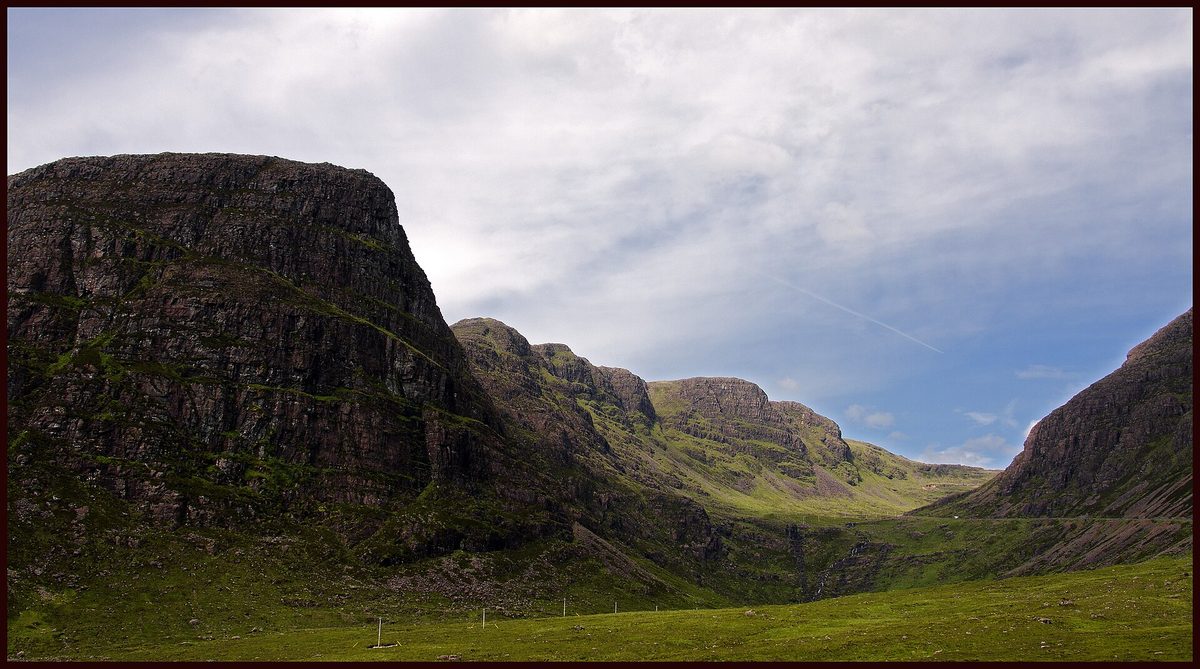
If you are in a big motorhome or towing a caravan, take the gentler A896 via Shieldaig and Lochcarron instead — you will still reach Applecross, just without white knuckles. And whatever you drive, do not attempt the pass in thick cloud your first time; the views are the entire reward, and you will see nothing but the bonnet of your car.
Single-Track Road and Passing-Place Etiquette
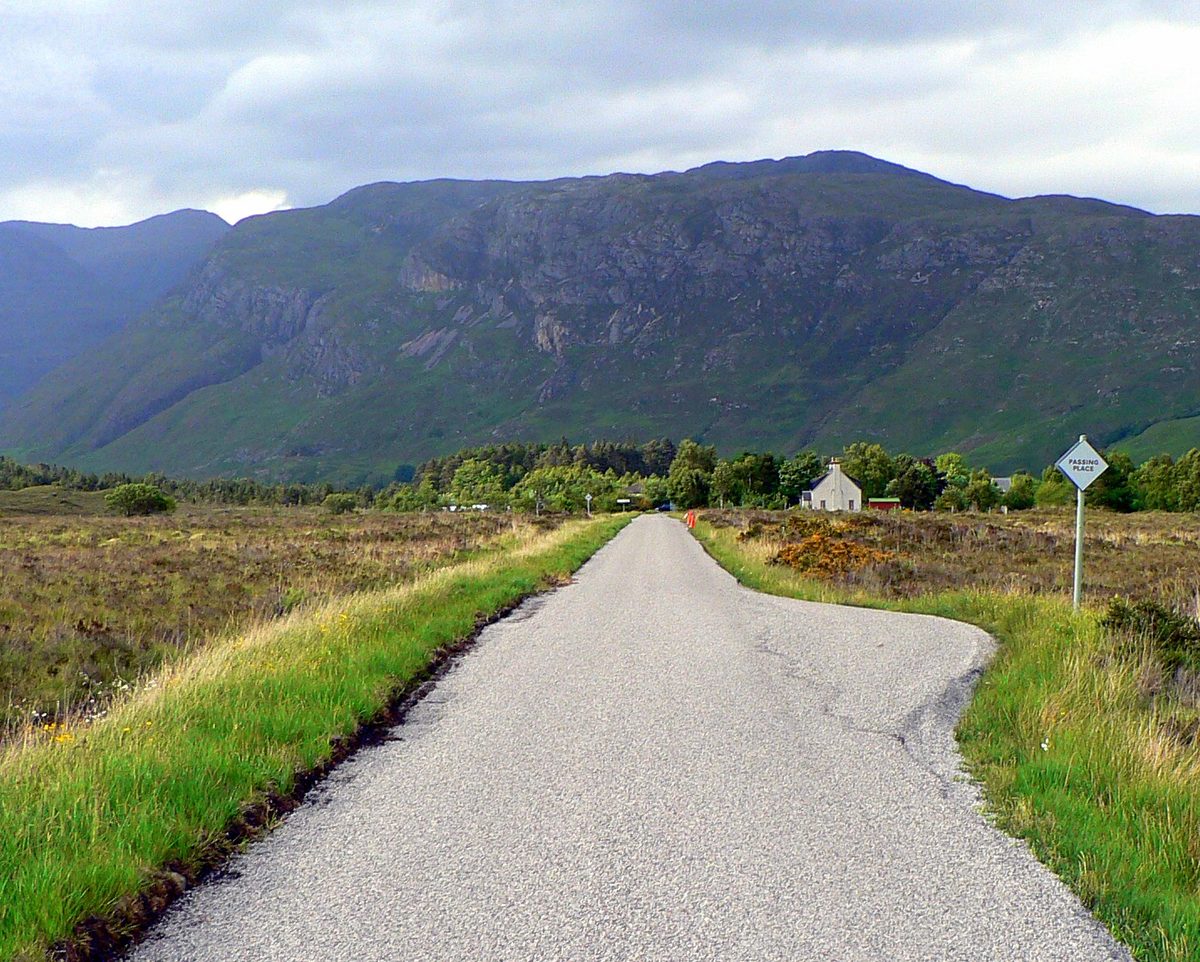
Most of the western and northern NC500 is single-track road with passing places, and knowing the etiquette is the kindest, safest thing you can do. It is genuinely simple once you internalise it:
- Passing places are marked with white diamond or square signs. Pull into the one on your left to let oncoming traffic through; if the passing place is on your right, wait opposite it.
- The vehicle nearest the passing place gives way — sometimes that means reversing a few yards. Do it with good grace.
- Let faster traffic overtake. Locals use these roads to get to work; pull in and wave them past rather than forming a frustrated queue behind you.
- Never park in a passing place or a field gateway — use proper laybys and car parks only. This is the single biggest local grievance.
- At night, dim to sidelights when passing so you do not dazzle the oncoming driver.
- And always give a wave of thanks. It costs nothing and it is the currency of the Highlands.
For a complete primer with photos, our guide to driving Scotland’s single-track roads is worth a read before you go.
Do You Need a 4WD?
No. Every road on the NC500 is sealed tarmac, and a small hatchback is honestly easier than a big SUV on the narrow stuff — it fits into passing places more readily and is cheaper to fuel. Save your money for an extra night in a B&B.
How Much Does the North Coast 500 Cost? (2026 Budget Breakdown)
This is the question I get asked most, and the one almost no one answers honestly, so here is a real 2026 model for two people over seven days. Treat every figure as approximate — Highland prices run higher than Scotland’s central belt, fuel has been volatile this year, and peak-season beds can cost double what they do in the shoulder months.
| Cost (2 people, 7 days) | Budget | Mid-range | Comfort |
|---|---|---|---|
| Beds | Campsites/hostels ~£150 | B&Bs ~£700 | Hotels ~£1,200+ |
| Fuel (~600–700 mi) | ~£120 | ~£150 | ~£180 |
| Food & drink | Self-catering ~£150 | Mix ~£420 | Eating out ~£700 |
| Activities | Mostly free ~£40 | ~£120 | ~£200 |
| Rough total | ~£460 | ~£1,390 | ~£2,280+ |
A few honest notes. The budget column assumes you are self-sufficient campers cooking your own meals — I have done the loop for close to this and it is a brilliant, frugal way to travel if you are equipped for it. Fuel is the line most people underestimate: although the loop is 516 miles, with detours you will likely drive 600–700, and Highland forecourts charge a premium, so fill up in Inverness before you leave. Many of the headline sights — the beaches, viewpoints, Smoo Cave, the passes — are completely free, which keeps the activities line low. For a line-by-line breakdown including campervan figures, see our full NC500 cost and budget guide, and for money-saving tactics across the country, our Scotland travel costs and budget tips.
Campervan vs Car: How Should You Drive the NC500?
The campervan is the postcard image of the NC500, but it is not automatically the right choice, and I say that as someone who has done it both ways.
| Campervan / motorhome | Car + B&Bs / hotels | |
|---|---|---|
| Cost | Hire ~£60–180/day; saves on hotels | Car hire ~£50/day + beds, but more flexible deals |
| Freedom | High — change plans on a whim | Lower — beds are pre-booked |
| Single-track ease | Harder; slower; trickier on the Bealach | Easy, especially in a small car |
| Comfort & warmth | Cosy but cramped in bad weather | Hot shower and a real bed every night |
| Parking & overnighting | Restricted; wild overnighting is contentious locally | No issue |
My honest take: a car with pre-booked B&Bs is underrated. It is easier on the single-track roads, warmer when the weather turns (and it will), and removes the daily stress of finding a legal, welcome place to park overnight. Campervans are wonderful for the freedom, but only if you commit to using proper campsites and aire-style stopovers rather than laybys. A voluntary NC500 motorhome scheme has run in recent seasons offering passes for designated overnight parking — check the official site for current details. For the full comparison and current rental prices, see our NC500 campervan hire vs car guide and our wider campervan hire in Scotland resource.
When Is the Best Time to Drive the NC500?
The Highlands change character completely with the seasons, and there is no single perfect time — only the right trade-offs for you.
| Season | The good | The catch |
|---|---|---|
| Spring (Apr–May) | Long days, settled weather, lambs, few midges — May is my favourite month | Some attractions not yet open; chilly evenings |
| Summer (Jun–Aug) | Up to ~18 hours of daylight in June; everything open | Peak crowds, beds booked out, and midges in full force Jul–Aug |
| Autumn (Sep–Oct) | Glorious colour, quieter roads, fewer midges | Attractions start closing; shorter days |
| Winter (Nov–Mar) | Empty roads, dramatic light, possible snow on the peaks | ~6 hours of daylight, sunset ~3:30pm, passes can close, many businesses shut |
If you can only go once, go in late May or September — you get the daylight and the open doors without the worst of the crowds and midges. For a month-by-month view of conditions nationwide, see our guide to the best time to visit Scotland and the dedicated best time to drive the North Coast 500. Autumn is a particular sweet spot — our piece on Scotland in October makes the case.
Midges: The Honest Truth
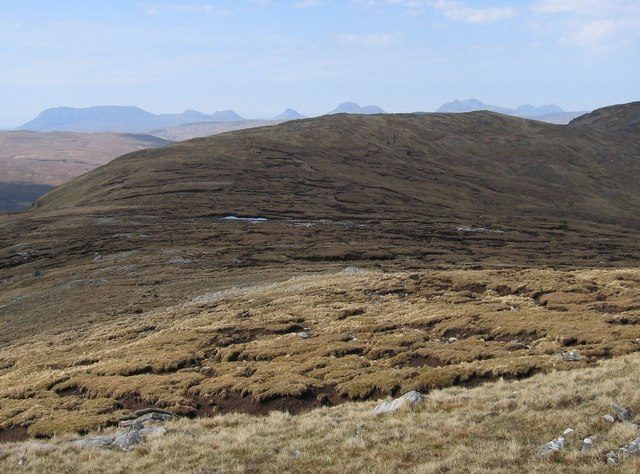
Yes, the Highland midge is real, and yes, it can be maddening — but it is also wildly over-feared by people who have never been. Midges are at their worst from late May to September, peaking in July and August, and they only swarm in still, damp, dim conditions: dawn, dusk, and overcast calm. They vanish in any breeze, bright midday sun or rain, and they barely bother you while you are driving or walking briskly. If you are camping, bring a repellent like Smidge and a head net; if you are sleeping indoors, you will hardly notice them. Do not let midges talk you out of the trip.
Where to Stay and How Far Ahead to Book
Here is the hard rule that catches people out: book your accommodation months in advance for any trip between May and September. The NC500’s popularity has badly outrun its bed supply, the best remote B&Bs sell out first, and I have met people who genuinely ended up sleeping in their cars because they “would sort it out as they went.” Do not be those people.
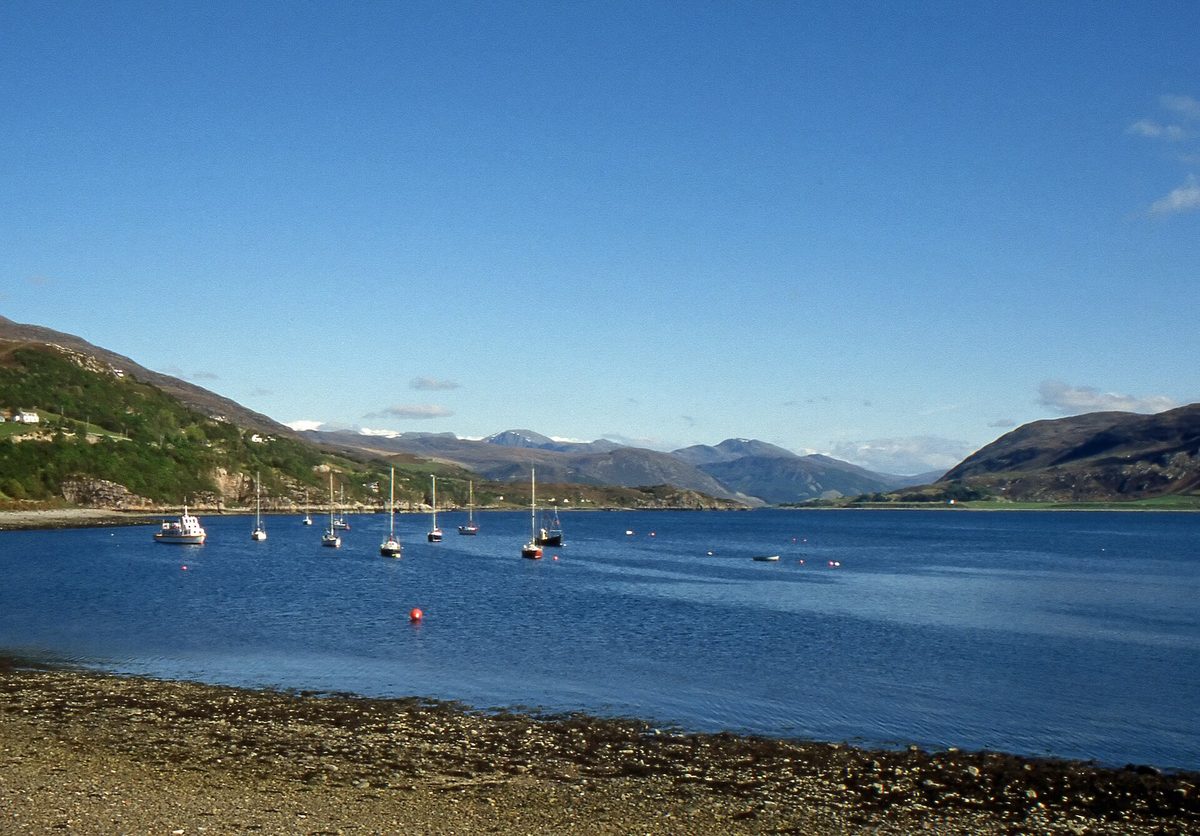
Good overnight bases that break the loop sensibly are Dornoch or Wick (east), Durness or Tongue (north), Lochinver or Ullapool (northwest), and Torridon, Shieldaig or Kinlochewe (Wester Ross). Ullapool is the standout small town for an evening, with good restaurants and harbour views. For where to base yourself in detail, see our guides to where to stay on the NC500 and accommodation across the country in where to stay in Scotland. Campers should read up on the rules first via our NC500 campsites and wild camping guide.
Practical Essentials: Fuel, EV Charging, Signal and Packing
A handful of practicalities make the difference between a smooth loop and a stressful one. None of this is complicated — it just rewards a little forethought.
EV Charging on the NC500
Driving the NC500 in an electric car is absolutely doable, but it needs planning. There are reliable chargers at Inverness, Dornoch, Wick, Thurso and Ullapool, but the stretch through the far northwest between Durness and Ullapool is sparse, and chargers can be in use or occasionally out of order. Get a ChargePlace Scotland card before you travel, keep the Zap-Map app handy, and ask your accommodation about overnight charging when you book — many B&Bs and hotels now offer it. Honestly, a plug-in hybrid is the most stress-free option of all up here.
Fuel, Phone Signal and What to Pack
Fill your tank in Inverness and top up whenever you drop below half — rural stations are scattered, pricier, and not all open late or on Sundays. Mobile signal is patchy to non-existent across big sections, so download offline maps and your accommodation details before you set off. As for packing: layers and proper waterproofs whatever the forecast, sturdy shoes for the short walks, midge repellent and a net in summer, a power bank, sunglasses, and some cash for the honesty boxes and tiny cafes that do not take cards. The weather can deliver four seasons in an afternoon, and that is part of the charm.
Drive It Responsibly: The NC500 and Overtourism
I would be doing you a disservice if I sold you the dream without the honest footnote. The NC500’s runaway success has put real strain on the fragile communities it runs through. Traffic on some northern roads jumped by more than a quarter in the route’s first five years; a 2023 report logged thousands of incidents of human waste left in the countryside and dozens of campervans illegally emptying their tanks. The route even made Fodor’s “No List” in 2025, and you will find plenty of national news coverage about overtourism on what some have dubbed “Scotland’s Instagram highway.”
None of this is a reason not to go. It is a reason to go well. The good news is that being a welcome visitor is easy:
- Travel in the shoulder seasons (May, September, October) to spread the load away from the July–August crush.
- Spend your money locally — in village shops, family B&Bs, and independent cafes rather than chains.
- Use real toilets at petrol stations, visitor centres and cafes, and never leave waste behind. This is the number-one local grievance, and it is entirely avoidable.
- Respect the single-track etiquette above — pull in, let locals past, and never block passing places or gateways.
- Follow the Scottish Outdoor Access Code if you wild camp, and remember it does not permit camping beside your vehicle, which is a real constraint for car and van campers.
Do these things and you will be the kind of visitor the Highlands actually want — and you will have a better trip for the goodwill it earns you.
Is the North Coast 500 Worth It? My Honest Take
Yes — with your eyes open. The NC500 is genuinely one of the great drives of the world, and on a good day, cresting a pass to find an empty white beach below, it is hard to think of anywhere more beautiful. But it is not a theme park. The weather can be relentless, the single-track roads demand patience, and in high summer it can feel busier than the marketing suggests. People who arrive expecting effortless sunshine and empty roads sometimes leave disappointed; people who arrive ready for changeable weather, slow driving and a bit of self-sufficiency almost always leave besotted.
If you give it enough time — five days minimum, seven if you can — drive it slowly, book ahead and travel kindly, the North Coast 500 will repay you many times over. For a deeper, warts-and-all verdict, see our piece on whether the North Coast 500 is worth it.
North Coast 500 Itinerary: FAQ
How many days do you need to drive the North Coast 500?
Five days is the comfortable minimum and seven is the sweet spot. You can technically loop it in three days, but you will mostly be sightseeing through the windscreen. With five days you average two to three hours of driving daily and still have time for a short walk and a proper lunch. Ten days lets you slow right down.
Is the NC500 worth it?
Yes, if you go in with realistic expectations. It is one of the world’s great drives, with empty beaches, dramatic mountains and genuine wilderness. But the weather is changeable, the single-track roads need patience, and summer is busy. Travel in the shoulder season, give it enough time, and it is unforgettable.
Should you drive the NC500 clockwise or anticlockwise?
There is no official direction. I recommend anticlockwise (east coast first) for first-timers, so you ease into the single-track roads and save the spectacular west coast for the finale. Clockwise puts you on the seaward side along the western stretches, which photographers prefer. Either works; just commit to one.
How much does the North Coast 500 cost?
For two people over seven days, budget from around £460 if you camp and self-cater, roughly £1,400 for mid-range B&Bs and a mix of eating out, and £2,300 or more for hotels and restaurants. Fuel runs £120–180, and many of the headline sights are free.
Do you need a campervan for the NC500?
No. A campervan offers freedom but is harder on single-track roads and faces real restrictions on where it can park overnight. A small car with pre-booked B&Bs is often easier, warmer and less stressful. Choose a van for the lifestyle, not because you think the route demands it — it does not.
Where do you start the North Coast 500?
The official start and finish is Inverness Castle, in the only sizeable town on the route. Because it is a loop, you can join anywhere, but Inverness is the logical base: it has the airport, car hire, the cheapest fuel on the route, and plenty of accommodation for the night before you set off.
When is the best time of year to drive the NC500?
Late May, June and September are the sweet spots, balancing long daylight, settled-ish weather and open attractions. May has the fewest midges; September brings autumn colour and quieter roads. July and August offer the most daylight but the worst crowds and midges. Winter is dramatic but limited by short days and possible road closures.
Can you drive the Bealach na Bà in a motorhome?
Small, confident campervans manage it in good weather, but the pass officially advises against large vehicles and caravans, and the hairpins are genuinely tight. If you are in a big motorhome, take the A896 via Shieldaig and Lochcarron to Applecross instead. The pass can also close in winter snow, so always check conditions.
Do you need to book accommodation in advance?
Absolutely, for any trip from May to September. Check your dates against local festivals and Highland Games too — a village games day can absorb every bed for miles. The NC500’s popularity has outrun its bed supply, and the best remote B&Bs sell out months ahead. Booking late genuinely risks sleeping in your car. Reserve your beds before you finalise anything else, then build your daily driving around them.
Is there EV charging on the North Coast 500?
Yes, but plan carefully. Reliable chargers sit at Inverness, Dornoch, Wick, Thurso and Ullapool, while the far northwest between Durness and Ullapool is sparse. Get a ChargePlace Scotland card, use the Zap-Map app, and arrange overnight charging with your accommodation. A plug-in hybrid is the most flexible choice up here.
Final Thoughts: Planning Your NC500
The best North Coast 500 itinerary is not the one that crams in the most stops — it is the one that gives you time to actually stand on the beaches, linger on the passes, and chat to the people who live in these extraordinary places. Pick five days or seven, drive anticlockwise, book your beds early, fuel up in Inverness, learn the passing-place wave, and let the weather decide your pace. Do that, and you will understand why so many of us keep going back.
Keep planning your trip: dig into the wider region with our Scottish Highlands guide, find more driving routes in our Highland road trip routes, base yourself around the capital of the Highlands with our day trips from Inverness and best day tours from Inverness, toast the trip with our Highland whisky distillery tours and Scotch whisky guide, sample the region’s larder via Scottish food and drink, or hand the driving to someone else with our Scotland tours and vacation packages. Adding the cities? See our Edinburgh and Glasgow guides, the dramatic Loch Ness and Inverness area, the Isle of Skye, more of Scotland’s castles, and the best hiking and outdoor adventures.
Wondering whether the route fits your trip? Our ten-day Scotland itinerary shows what the extra days buy you and where the NC500 sits against the island alternatives.
The 516 miles here are only part of the picture. If you are still deciding how much of the north to take on, working out your Highland day count first will tell you whether the full loop is realistic or whether you would be happier basing yourself somewhere and driving out and back. Plenty of people discover the second option suits them better.
Beds are the hard part of this route. Small family-run places beat the chains for miles along the north coast, and our guide to Scottish B&Bs and guesthouses explains how to find one and how far ahead to book. Driving it on a tight budget instead? Start with the cheap end of Scottish accommodation — bunkhouses, pods, campsites and the bothy network.
Photo Credits
All images are used under their respective Creative Commons or public-domain licences via Wikimedia Commons. Thank you to the photographers:
- Inverness Castle above the River Ness — photo by Chris Morgan, CC BY-SA 2.0, via Wikimedia Commons.
- The fairytale turrets of Dunrobin Castle near Golspie on the NC500 east coast — photo by Andrew Tryon, CC BY-SA 2.0, via Wikimedia Commons.
- The dramatic Duncansby sea stacks near John o Groats — photo by MaxKaane, CC BY-SA 4.0, via Wikimedia Commons.
- The vast entrance to Smoo Cave near Durness on the north coast of Scotland — photo by Helmut Zozmann, CC BY-SA 2.0, via Wikimedia Commons.
- The curving Kylesku Bridge over Loch a Chairn Bhain in Sutherland on the NC500 — photo by Reboelje, Public domain, via Wikimedia Commons.
- Ruined Ardvreck Castle on the shore of Loch Assynt beneath Quinag — photo by Colin Park, CC BY-SA 2.0, via Wikimedia Commons.
- The Falls of Measach plunging through Corrieshalloch Gorge near Ullapool — photo by Victuallers, CC BY-SA 4.0, via Wikimedia Commons.
- Loch Maree with the peak of Slioch rising behind in Wester Ross — photo by Hamish McCunn, CC BY-SA 4.0, via Wikimedia Commons.
- White shell sand and turquoise water at Achmelvich Beach in Assynt — photo by Graeme Yuill, CC BY-SA 2.0, via Wikimedia Commons.
- Hairpin bends of the Bealach na Ba mountain pass — photo by brian gillman, CC BY 3.0, via Wikimedia Commons.
- The distinctive ridge of Stac Pollaidh rising above the Assynt landscape — photo by Stuart Meek, CC BY-SA 2.0, via Wikimedia Commons.
- Whitewashed houses along the harbour at Ullapool on Loch Broom — photo by Giorgio Galeotti, CC BY 4.0, via Wikimedia Commons.
- A single-track Highland road with a passing place — photo by Wojsyl, CC BY-SA 3.0, via Wikimedia Commons.

2 notes from readers