
I have lost count of how many times I have made the run from Glasgow to Mallaig, but on the first three I sat on the wrong side. Nobody tells you. Every roundup of scenic train journeys Scotland is famous for shows you a photograph of the Glenfinnan Viaduct, then leaves you to work out — on a two-carriage Sprinter with the window seats already gone — whether Loch Shiel will appear on your left or your right.
So that is what this guide does. For every route below I have worked out which side of the train the good stuff is on, and in which direction, from the way the track sits against the lochs and glens. Plus journey times, what you pay walking up versus booking ahead, which stations reward getting off at, and whether the thing runs in February.
The short answer
Scotland’s finest scenic rail route is the West Highland Line from Glasgow to Mallaig — five and a quarter hours, around £46 walking up, and you want the left-hand side heading north. The Kyle Line and the Far North Line from Inverness both reward the right-hand side. All three run year-round on ordinary ScotRail fares.

Scenic train journeys Scotland does best: at a glance
| Route | Journey time | Best side to sit | Rough walk-up fare | Runs year-round? |
|---|---|---|---|---|
| West Highland Line: Glasgow–Mallaig | 5h 15m | Left going north (swap for Loch Lomond) | ~£46 single | Yes, 3–4 a day |
| West Highland Line: Glasgow–Oban | About 3h 10m | Left, then right after Taynuilt | ~£35 single | Yes, around 6 a day |
| Kyle Line: Inverness–Kyle of Lochalsh | 2h 40m | Right going west | ~£35 return | Yes, 4 a day Mon–Sat |
| Far North Line: Inverness–Wick/Thurso | 4h 25m | Right going north | ~£37 return | Yes, 4 a day Mon–Sat |
| Borders Railway: Edinburgh–Tweedbank | About 1h | Right going south (barely matters) | ~£14 single | Yes, up to 2 an hour |
| Fife Circle and the Forth Bridge | 20 min to 2h | Left over the bridge, right after | ~£13 return | Yes, half-hourly |
| Caledonian Sleeper: London–Fort William | About 12h 45m | Left after Crianlarich | From ~£195 in a room | Yes, but never Saturday nights |
| The Jacobite: Fort William–Mallaig | About 5h 45m return | Left going west | £76 return | No — June to late October |
How I worked out the seat advice
There is no trick to it, just geography. A railway runs along one shore of a loch, not both. The West Highland Line clings to the western side of Loch Lomond, so the water is on your right heading north. The Kyle Line runs along the southern shore of Loch Carron, so the loch is on your right going west. Reverse it all on the way back.
One warning: most of these are two-carriage units, and seat reservations are limited or simply not offered. The side you get is settled on the platform, not on the booking screen. Be there fifteen minutes early in summer, and if you end up wrong-sided on a quiet train, just move.
The Highland lines worth planning a trip around
West Highland Line: Glasgow to Mallaig
Five hours and thirteen minutes from Glasgow Queen Street, and the only dull stretch is the first twenty minutes through the western suburbs. After that it is relentless.
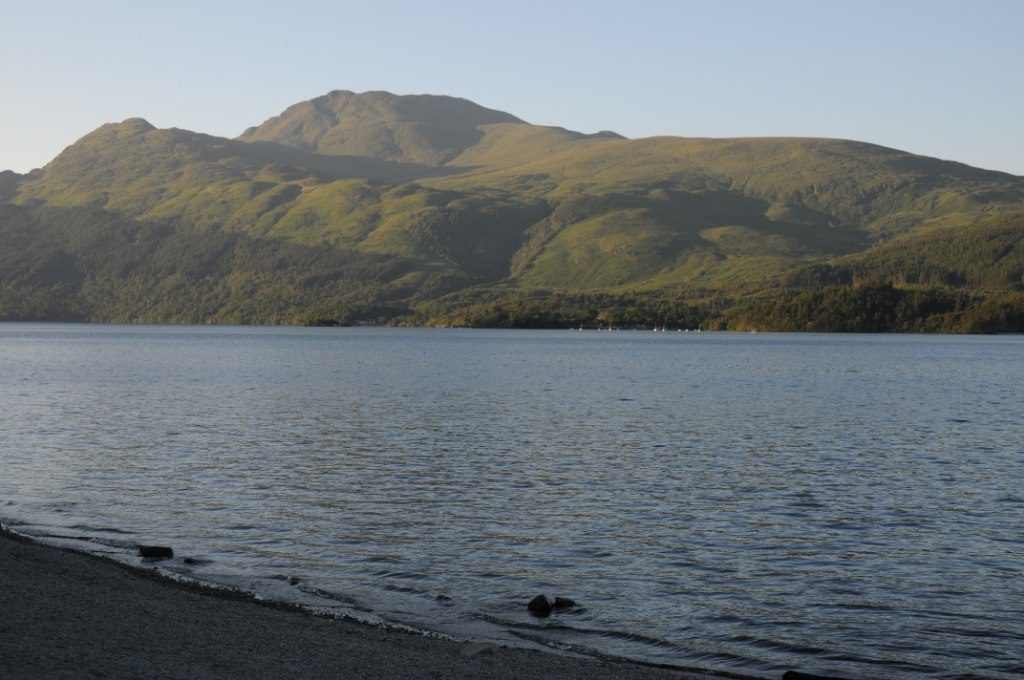
Sit on the left going north. The Firth of Clyde runs along your left from Dalmuir to Craigendoran. The Gare Loch and the submarine base at Faslane, left. Loch Long, left. Then the one exception: for about twenty minutes between Arrochar & Tarbet and Ardlui the train runs up the western shore of Loch Lomond, so the loch is on your right. Cross the aisle for that bit, then go back.
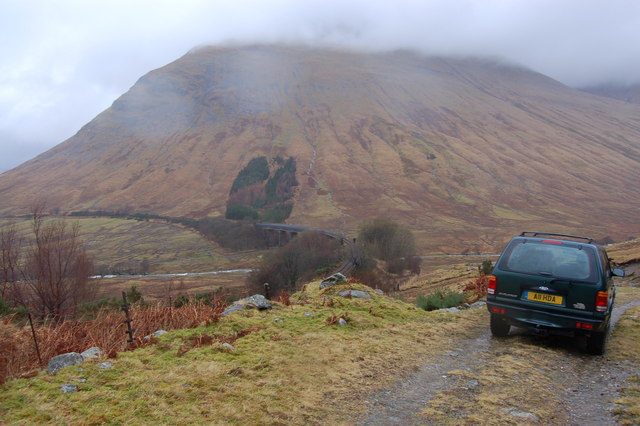
North of Tyndrum comes the Horseshoe Curve, doubling back around the corries so completely you can photograph your own carriages. Beinn Dorain fills the right-hand windows; the drop to the A82 in Auch Gleann is on the left. Then Rannoch Moor, twenty miles of blanket bog where the track floats on a raft of brushwood and ash, then Loch Treig, followed high along its eastern shore — left again.
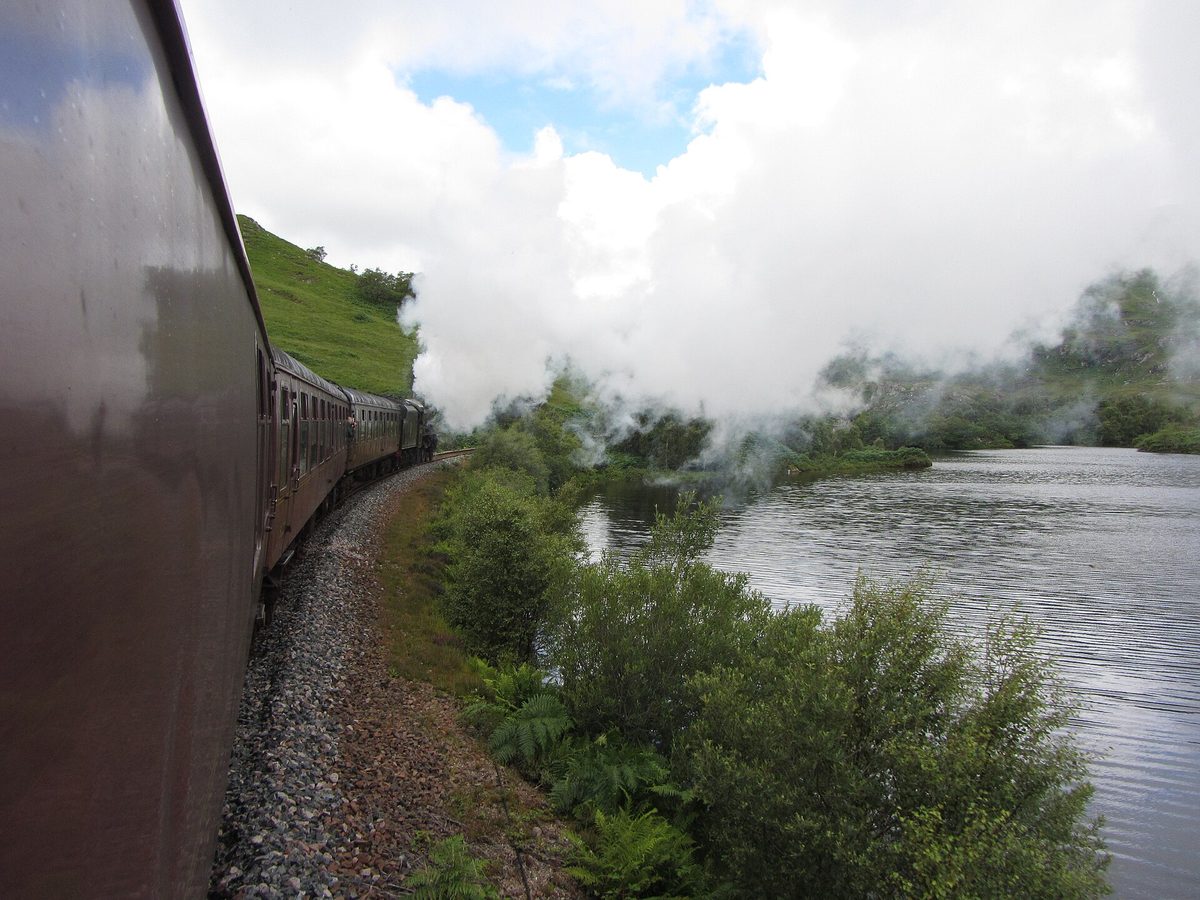
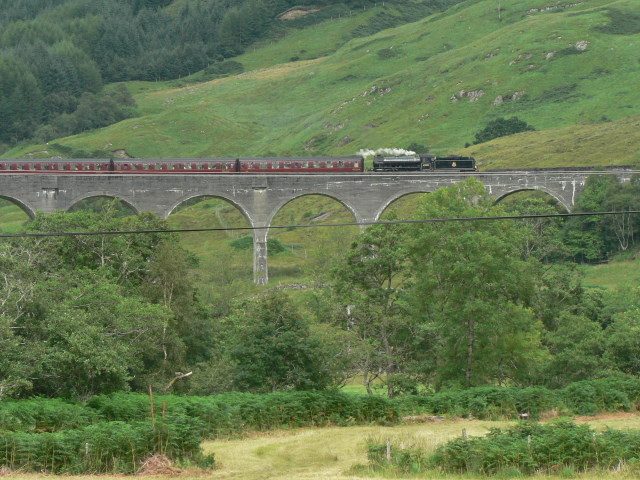
Beyond Fort William the answer gets simple: left the whole way to Mallaig. Loch Eil is on the left. Crossing the Glenfinnan Viaduct, Loch Shiel and the Glenfinnan Monument are on the left. Loch Eilt with its little wooded island is on the left. The sea at Loch nan Uamh, the view out to Eigg and Rum from Arisaig, the white sand at Morar — all left. Coming back from Mallaig, it is all on the right.
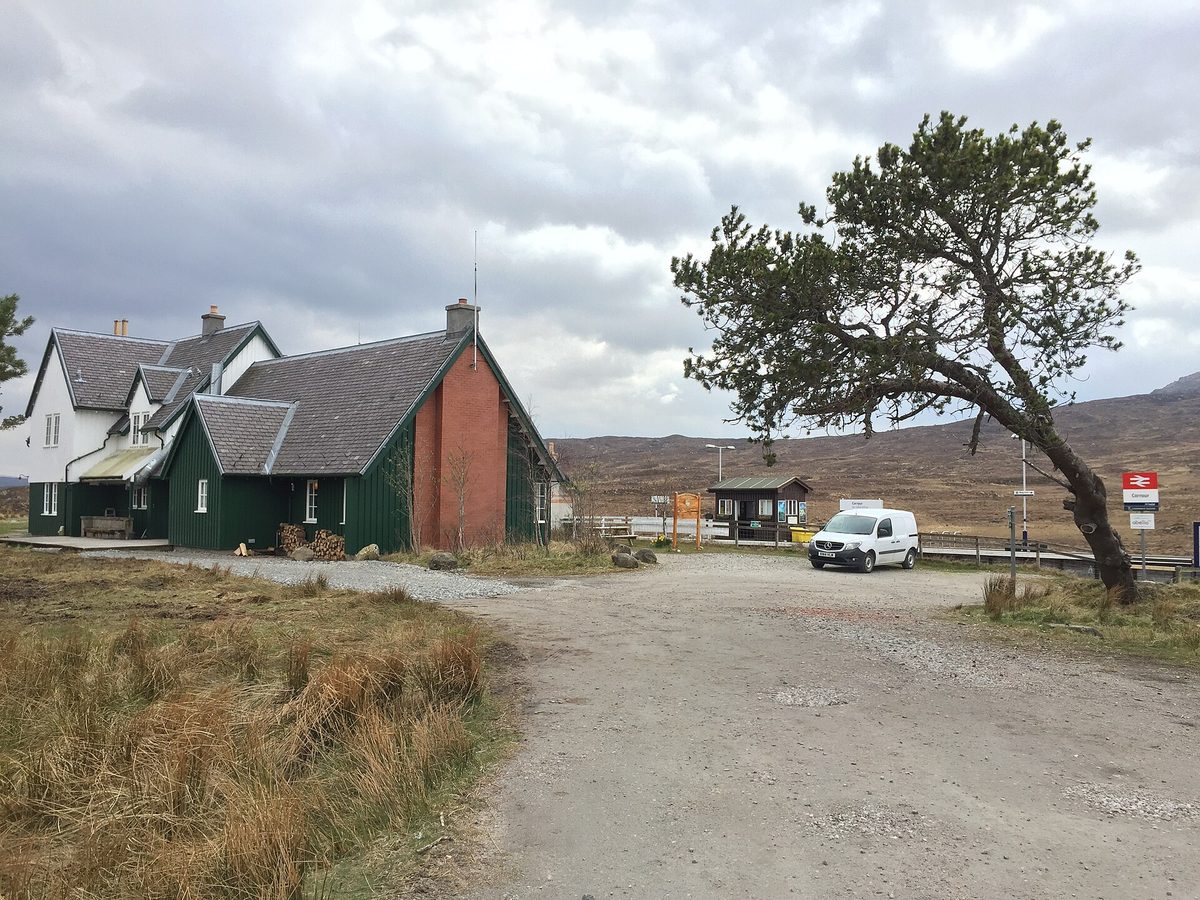
Where to break the journey. Corrour is the highest mainline station in Britain at 408 metres, has no public road to it, and runs a station house doing food and beds in season; Loch Ossian is a mile’s walk. Rannoch has a tearoom, a hotel and very little else, which is the point. Bridge of Orchy and Tyndrum both drop you onto the West Highland Way for some hillwalking between trains.
Fares: a walk-up single from Glasgow is around £46, and Advance tickets released about twelve weeks out can bring that under £26. Three to four trains a day Monday to Saturday, fewer on Sundays. ScotRail’s Highland Explorer carriages carry around twenty bikes, making this one of Britain’s best cycle-touring approaches to the west coast islands.
West Highland Line: Glasgow to Oban
The line splits at Crianlarich and the Oban branch is the quieter, less photographed half. About three hours ten, roughly six trains a day, around £35 walking up.
Sit on the left from Crianlarich, then move right after Taynuilt. The train runs along the northern shore of Loch Awe, so the loch is on your left, and Kilchurn Castle sits out on its spit of land on the left just before Loch Awe station. The Pass of Brander keeps the water and the River Awe on the left with Ben Cruachan looming over you on the right. But from Taynuilt the line switches to the southern shore of Loch Etive, so the sea loch is on your right for the last twenty minutes into Oban.
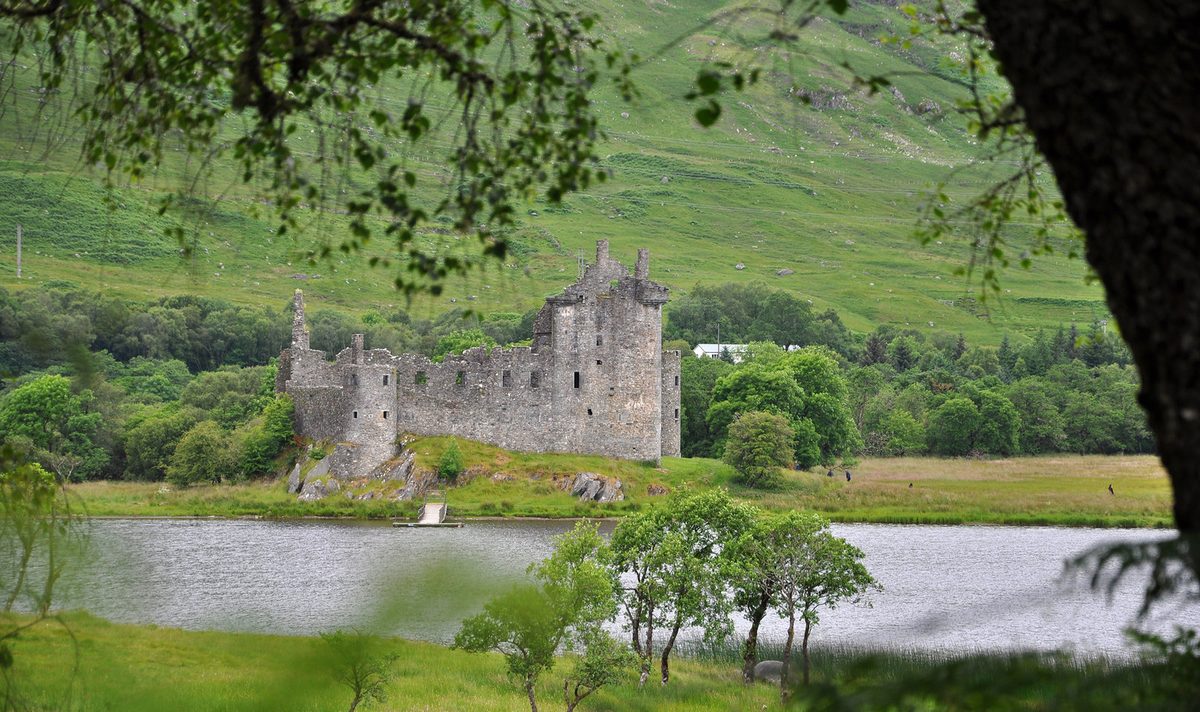
Falls of Cruachan is a request stop at the foot of the path to the hydro station buried inside the mountain, and Loch Awe station sits two minutes from a view over one of the better castle ruins in Scotland. Oban is the ferry gate to Mull, Iona, Coll and Barra, and the seafood shack on the pier is worth the queue.
The Kyle Line: Inverness to Kyle of Lochalsh
Two hours forty, four services each way Monday to Saturday all year, fewer on Sundays, about £35 for a walk-up return. If you have time for one Highland line and you are already at Inverness, take this one.
Sit on the right going west. The line runs along the southern bank of the Beauly Firth, so the water is on the right leaving Inverness. Ben Wyvis stands alone to the north just after Dingwall — right again. The Achnashellach and Torridon peaks, Fuar Tholl and Sgorr Ruadh among them, rise on the north side of Glen Carron. And the last and best forty minutes, on a shelf along the southern shore of Loch Carron with the water almost at the ballast, puts the loch on your right too. Skye appears on the right at the end.
The only thing you give up is Loch Luichart, which is on the left. Worth it.
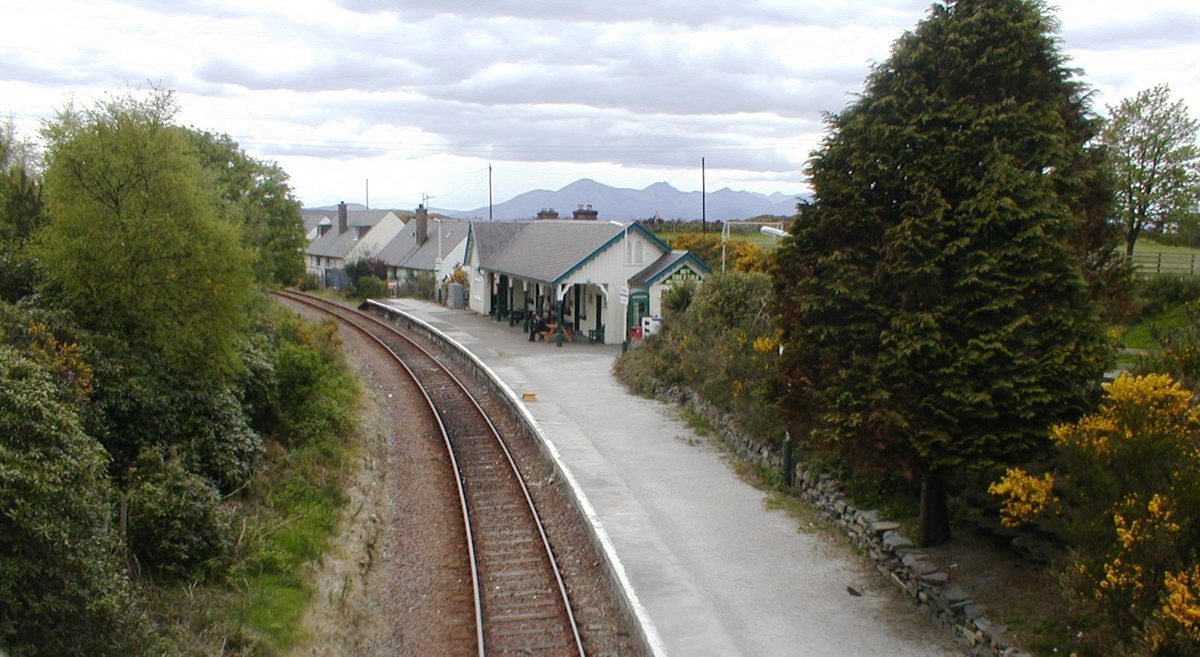
Get off at Plockton: a two-street village on a sheltered bay, with palm trees that have no business surviving that far north and seal trips from the harbour wall. Strathcarron is the bus connection for Applecross. Kyle of Lochalsh puts you a bus ride from Skye and ten minutes from Eilean Donan.
The Far North Line: Inverness to Wick and Thurso
Four and a half hours to cover 160 miles, which tells you how far the line detours around the Dornoch Firth. Four trains a day Monday to Saturday, one on Sundays, roughly £37 for a walk-up return. The least conventionally scenic Highland route and the one I would defend hardest.
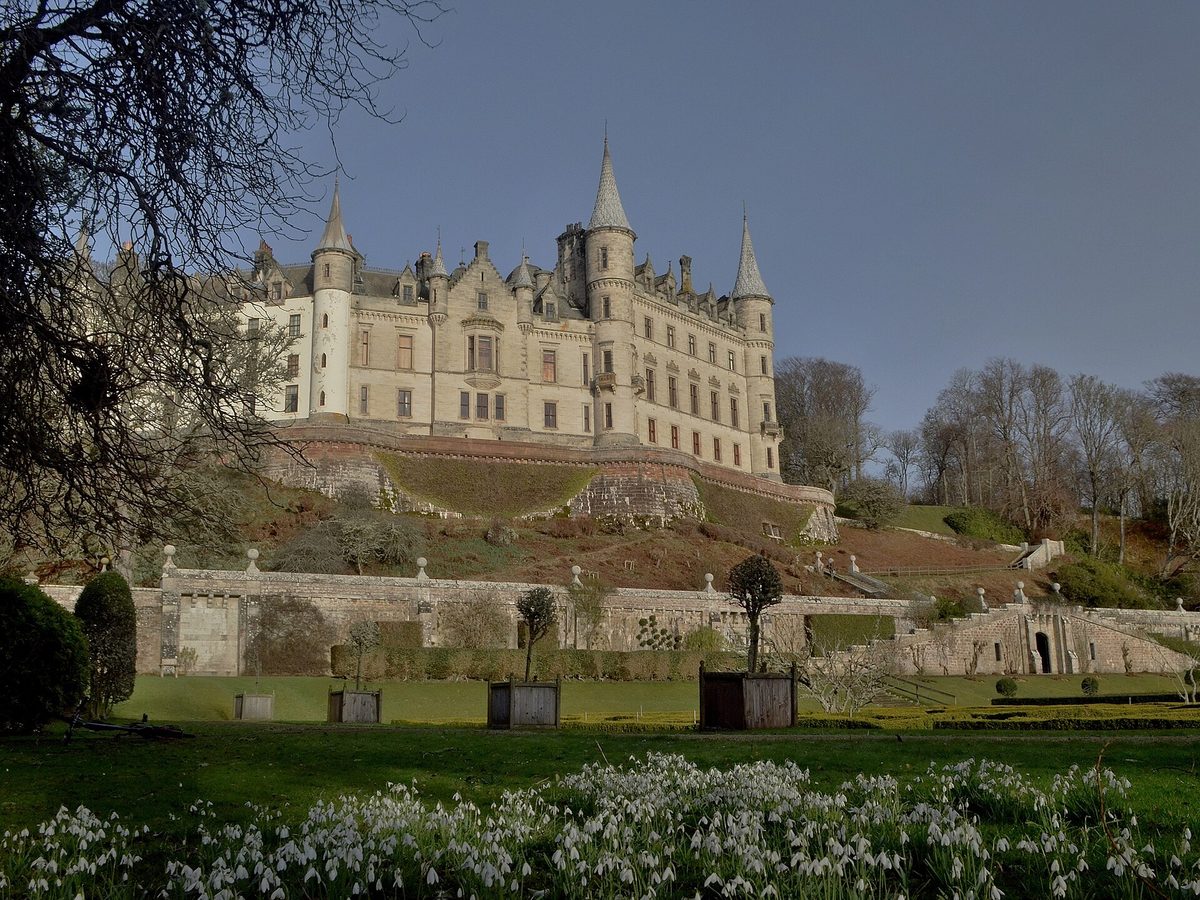
Sit on the right going north. The Cromarty Firth is on the right from Dingwall to Tain, with the laid-up oil rigs parked in it. The Dornoch Firth is on the right after Tain, with Skibo Castle across the water. Once the line returns to the coast at Golspie the North Sea is on the right all the way to Helmsdale, and Dunrobin Castle sits between the track and the sea — right-hand side, and it has its own request stop in summer.
Then it turns inland up the Strath of Kildonan and crosses the Flow Country, a UNESCO World Heritage Site of blanket peat bog that looks like nothing at all until you understand what you are looking at. Forsinard has an RSPB centre in the station building and a boardwalk into the bog.
It is also the sane way to see the far north without driving the North Coast 500. Thurso is Britain’s most northerly station and a bus ride from John o’ Groats; the Orkney ferry leaves from Scrabster, two miles away.
The short ones you can fit round a city break
The Borders Railway: Edinburgh to Tweedbank
Fifty-five to sixty minutes, up to two an hour, about £14 single and low twenties for a day return. It reopened in 2015 on the old Waverley Route trackbed, the longest new domestic railway built in Britain in over a century.
Honestly, the seat question barely matters here — the Gala Water valley is narrow and both sides see much the same thing. If you want a rule: right going south for the Moorfoot Hills, with the Firth of Forth briefly on the left as you leave Edinburgh through Brunstane.
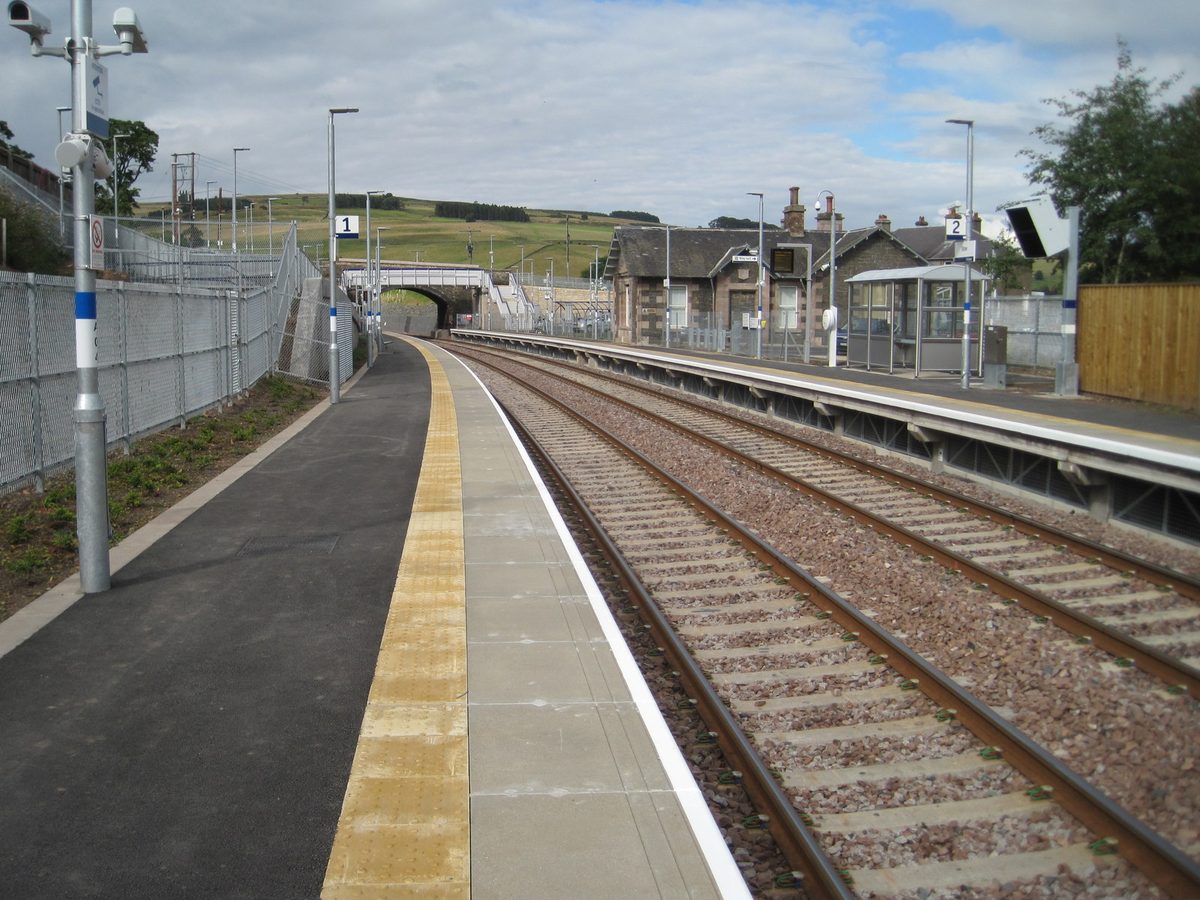
What it is really for is stop-offs. Newtongrange has the National Mining Museum Scotland beside the platform. Tweedbank is a fifteen-minute walk from Abbotsford, Walter Scott’s overstuffed fantasy of a house, and a short bus from Melrose Abbey. As a cheap day out from the capital it is one of the better ones — see our list of things you can do for nothing for the rest.
The Fife Circle and the Forth Bridge
The Forth Bridge is a UNESCO World Heritage Site, the crossing takes about two minutes, and you can have it for the price of a suburban ticket. Trains leave Edinburgh Waverley every few minutes and a return to Kirkcaldy is around £13, which makes it the cheapest of the day trips out of the city.
Sit on the left going north over the bridge — the Forth Road Bridge and the Queensferry Crossing both sit upstream, to the west, and having two more giant bridges lined up in a single window is the whole point. Then move to the right after Inverkeithing, because from Burntisland through Kinghorn to Kirkcaldy the line runs along the shore with the firth and the Edinburgh skyline on your right.
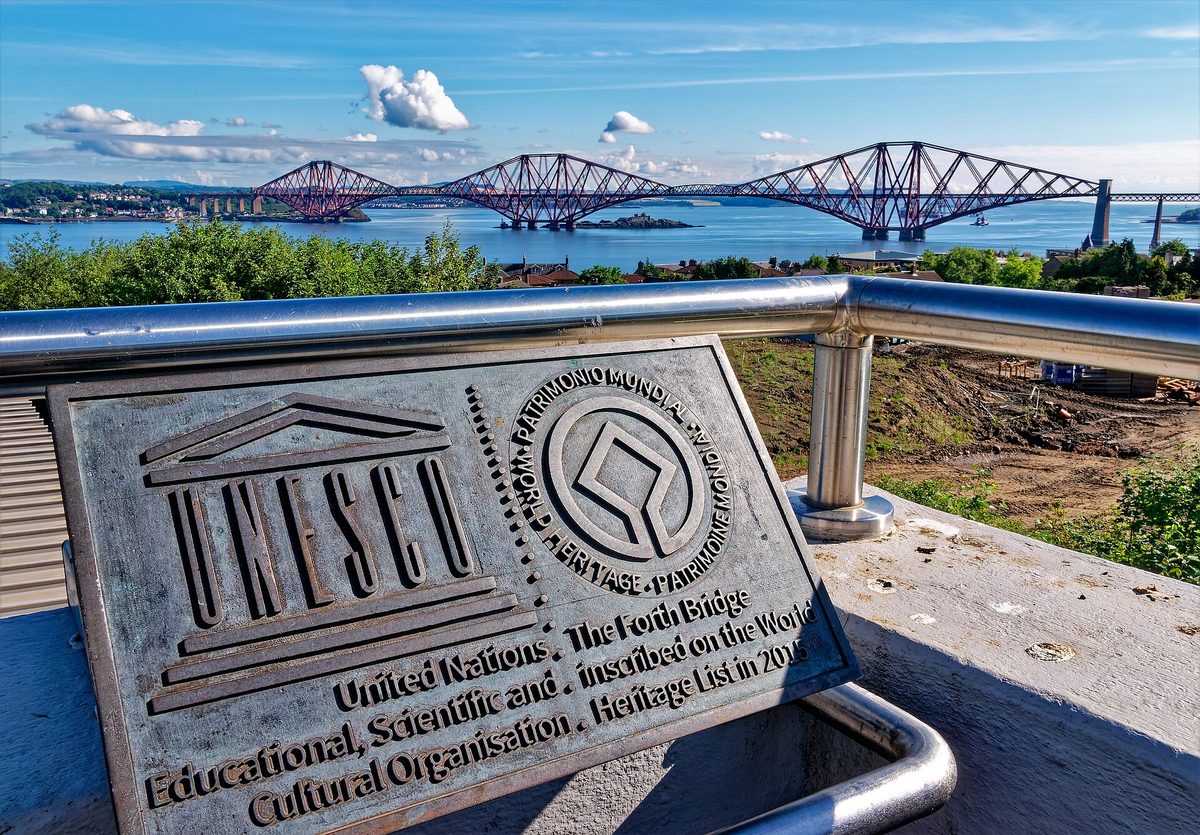
Do the full circle if you like — out via one side of Fife and back via the other, roughly two hours — but the honest version is Waverley to North Queensferry, walk down under the bridge, photograph it from below, come back. Twenty minutes each way. Leuchars, further up the same route through Fife, is the station for St Andrews, five miles by bus, if a round on the Old Course is the reason you came.
The Highland Main Line: Perth to Inverness
Rarely listed as scenic because it is the workhorse, but it climbs to Drumochter Summit at 452 metres, the highest point any main line reaches in Britain — and you will be on it anyway if you are connecting to the Kyle or Far North lines.
Sit on the left going north for the Pass of Killiecrankie and Dalwhinnie, then move right from Newtonmore, where the Cairngorm plateau fills the eastern windows. Pitlochry and Aviemore both merit a night, and Dalwhinnie is one of the few distilleries you can walk to from a platform.
Sleeping on the train: the Caledonian Sleeper
The Caledonian Sleeper runs every night except Saturday between London Euston and five Scottish destinations. The Lowlander splits for Edinburgh and Glasgow; the Highlander divides at Edinburgh for Inverness, Aberdeen and Fort William.
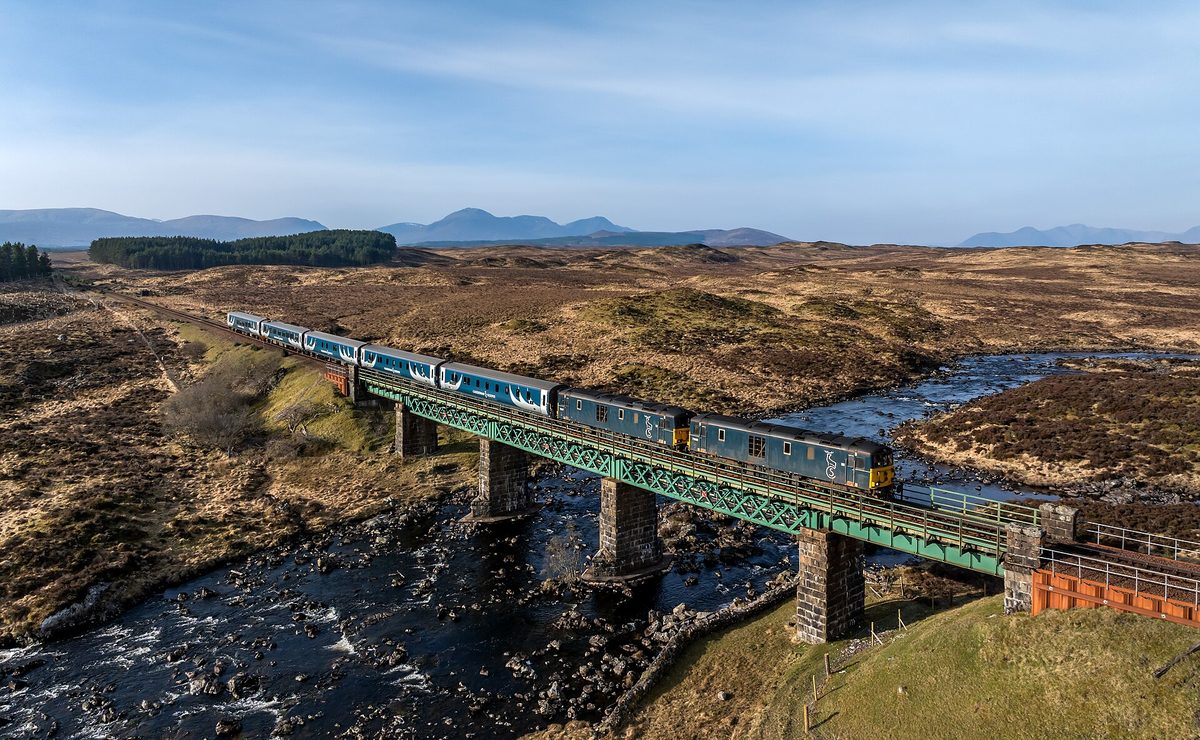
Take the Fort William portion — the Deerstalker. It leaves Euston around 21:15, reaches Crianlarich about 07:48 and Fort William at 10:00, so you cross the Horseshoe Curve, Rannoch Moor and Loch Treig with a coffee in your hand. Same rule as the day train: sit on the left. In May, June and July you see all of it. In December it is black until well after eight, so this is a summer trick.
Rooms: seated coach is the budget option, often £45 to £70 one way. A Classic room buys bunk beds and a washbasin but no en-suite, usually £180 to £300 solo on the Highlander. Club rooms with a private shower run £270 to £400 and include breakfast. Prices are dynamic — midweek in October costs a fraction of a Friday in July — so check sleeper.scot rather than any figure in an article, mine included.
Two things people miss. Your sleeper ticket earns 20 per cent off ScotRail fares for onward travel. And the Club Car, the lounge carriage with the whisky list, is only open to Classic guests if there is space — ask the host as soon as you board.
The expensive ones: the Jacobite and the Royal Scotsman
This is where most guides quietly mislead people, so let me be blunt.
The Jacobite is a steam charter run by West Coast Railways between Fort William and Mallaig, and yes, it is the Hogwarts Express — the same locomotive and carriages that appeared in the films. Around £76 for an adult standard day return in 2026, £116 in first, plus a booking fee, running roughly 1 June to 23 October only. The round trip, layover in Mallaig included, is about five and three-quarter hours.
ScotRail covers the identical track. Fort William to Mallaig on the scheduled service takes about eighty-five minutes and an Anytime day return is roughly £25. Same viaduct, same Loch Eilt, same white sand at Morar — behind a diesel. If what you want is to photograph a steam train on the viaduct, take ScotRail to Glenfinnan and watch the Jacobite cross from the viewpoint. Our guide to the Harry Potter locations has the timings.
The Belmond Royal Scotsman is not a train journey in any comparable sense — it is a moving country-house hotel. Two nights start around £4,800 per person sharing, rising past £12,000 for a Grand Suite, with all meals, drinks and excursions included. It is a lovely thing, and it is also roughly a hundred times the price of a ScotRail ticket over some of the same rails.
Tickets, passes and how to avoid overpaying
ScotRail scrapped peak fares permanently on 1 September 2025. There is now one price whatever time you travel, which makes Scottish rail unusually simple compared with the rest of Britain — something worth knowing when you are planning how to move around the country.
Advance tickets appear about twelve weeks ahead, tie you to one specific train, and usually undercut the walk-up fare by a third to a half — on Glasgow–Mallaig, £26 rather than £46. If your plans are firm, book. If not, do not: they are non-refundable.
The Spirit of Scotland Travelpass costs around £155 for four days of travel within eight, or £196 for eight days within fifteen. It covers ScotRail, the Glasgow Subway, Edinburgh Trams and a decent list of Citylink and Stagecoach coach routes. On weekdays it is only valid from 09:15, though the Highland scenic routes are exempt from that restriction. It pays for itself over three or more long legs, and does not if you are pottering about the central belt.
The Highland Rover is the narrower, cheaper option — around £99 for four days in eight, covering Glasgow to Oban, Fort William and Mallaig, Inverness to Kyle, Wick and Thurso, and Inverness to Aberdeen and Aviemore, plus several Citylink coach links. The only timing rule is that it is not valid on weekday trains arriving into Inverness or Aberdeen before 09:00. ScotRail’s own pages disagree about whether the CalMac crossings to Mull and Skye are still bundled in, so confirm that at a ticket office rather than assuming. For a west-coast week it is the better buy of the two.
Both are standard class only, both give 50 per cent off for children aged five to fifteen and free travel for under-fives, and both take the usual National Railcards off the pass price. Neither needs booking ahead, and both carry a £10 admin fee if you change your mind.
What underwhelms, and the mistakes to avoid
The Borders Railway is not a Highland line. It is a pleasant hour through farmland and it is a genuinely useful commuter railway, but people arrive expecting mountains and get rolling hills. Go for Abbotsford and the mining museum, not the view.
The Far North Line is long and the middle is empty. Between Helmsdale and Georgemas Junction you get ninety minutes of peat bog. I love it; plenty of people are bored rigid by it. Work out which you are before committing four and a half hours each way.
Winter light is the real constraint. In late December, Fort William gets sunrise near 08:55 and sunset near 15:35, so a five-hour journey leaving at midday ends in the dark. From November to February take the earliest train you can face, and check our notes on what each season actually looks like.
People book the Jacobite before checking the season. Outside roughly June to late October there is no steam train at all, which catches out a lot of February visitors.
Sunday services are thin. One train a day on the Far North Line, two through from Mallaig to Glasgow, reduced everywhere. Building a Sunday around a Highland connection is how people end up stranded in Dingwall.
And getting off is a commitment. Step down at Corrour or Plockton and you are tied to the next service, possibly three hours later. That is either the best afternoon of your trip or a very long wait, depending on the weather and whether you brought a book. Our wider practical advice for travelling in Scotland covers the connection maths.
Frequently asked questions
What is the most scenic train journey in Scotland?
The West Highland Line from Glasgow to Mallaig tops most lists of the best train journeys Scotland has. It takes in Loch Lomond, the Horseshoe Curve, Rannoch Moor, Ben Nevis, the Glenfinnan Viaduct and the sands of Morar in one five-hour run, much of it through country with no road at all. The Kyle Line is the best shorter alternative.
Which side of the train should I sit on for the Glenfinnan Viaduct?
The left-hand side travelling west from Fort William to Mallaig. Loch Shiel and the Glenfinnan Monument lie south of the viaduct, so they appear on your left as you cross. Coming back east from Mallaig, sit on the right. This holds for both the ScotRail service and the Jacobite.
Do I need to book Scottish train tickets in advance?
Not to travel — you can always walk up and buy, and peak fares no longer exist on ScotRail. But Advance tickets released about twelve weeks out typically save a third to a half on the long Highland routes. Seat reservations are limited or unavailable on rural lines, so booking early rarely secures you a window.
Is the Jacobite worth it compared with the normal train?
Only if the steam locomotive itself is the attraction. The Jacobite costs around £76 return; the ScotRail service over the identical track is about £25 and takes half the time. The views are the same. If you want photographs of the steam train, ride ScotRail to Glenfinnan and shoot it from the viewpoint.
Can you do Scotland’s scenic railways without a car?
Comfortably. The network reaches Mallaig, Oban, Kyle of Lochalsh, Thurso and Wick, and coach and ferry links fill most of the gaps — both rover passes bundle several in. The constraint is frequency, not coverage: four trains a day means planning rather than improvising.
When is the best time of year for a scenic rail trip in Scotland?
Late May to early June and the second half of September. You get long daylight, full timetables, and neither the midges of high summer nor the school-holiday crowds. October is superb on the West Highland Line for autumn colour but the light goes early. Deep winter is for people who genuinely want snow on Rannoch Moor.
Are Scottish trains good for children?
Yes, with caveats. Under-fives travel free and five to fifteens get half price on the rovers. Five hours to Mallaig is a long sit for a small child, though — the Fort William to Mallaig leg alone runs eighty-five minutes and delivers most of the drama. More ideas in our guide to Scotland with kids.
Final thoughts
What I keep coming back to is how cheap the good version is. A rover pass buys a week of the best rail scenery in Britain for less than one night on the luxury train, and the ordinary Sprinter runs the same rails past the same lochs.
Pick two routes rather than five, get off somewhere small, and sit on the correct side. That is most of it. If you are still building the trip, our overview of the best things to do in Scotland and the week-by-week route plans will help you thread the trains together, and picking a base near a station makes it far less fiddly.
Mid-to-late October is when these lines look their best, with the Perthshire woods turning gold outside the window. Our guide to Scotland in October pins down the timing.
These lines are the backbone of a trip done entirely without a car — that guide strings them together with the connecting coaches and ferries, and is blunt about which famous viewpoints have no bus at all.
Two of these lines reward a night at either end rather than a there-and-back day. Fort William makes the obvious base for the West Highland Line, and our Fort William guide sets out what to do with the time. On the Highland Main Line, Pitlochry is the stop most people sail past and shouldn’t — it is the best car-free base in the country outside the cities.
Several of these routes start or finish at Inverness, so it helps to know how to spend the hours you have in the city between connections.
About the author: This guide was written and is maintained by the ScotlandTourism.org editorial team — travel writers who’ve spent years exploring Scotland’s cities, Highlands and islands, from bagging Munros to chasing the perfect dram. We update our guides regularly to keep prices, opening details and advice current.
Last updated: August 2026. Prices and opening times change — always check the official site before you travel.
Photo credits
All images are used under their respective Creative Commons or public-domain licenses:
- Glenfinnan Viaduct — Colin Park, CC BY-SA 2.0, via Wikimedia Commons
- Corrour Station — Andrew Abbott, CC BY-SA 2.0, via Wikimedia Commons
- Forth Bridge — Holger Uwe Schmitt, CC BY-SA 4.0, via Wikimedia Commons
- Plockton — John MacKenzie, CC BY-SA 2.0, via Wikimedia Commons
- Caledonian Sleeper — Kabelleger, CC BY-SA 4.0, via Wikimedia Commons
- Borders Railway — Nigel Thompson, CC BY-SA 2.0, via Wikimedia Commons
- Loch Eilt — Gareth James, CC BY-SA 2.0, via Wikimedia Commons
- Kilchurn Geograph — Stuart Wilding, CC BY-SA 2.0, via Wikimedia Commons
- Dunrobin Castle — Andrew Tryon, CC BY-SA 2.0, via Wikimedia Commons
- Beinn Dorain — Roger Davies, CC BY-SA 2.0, via Wikimedia Commons

1 note from readers