
I have crossed Scotland by just about every means available: a rental Corsa on the A9, the 08:21 out of Glasgow Queen Street as it climbed onto Rannoch Moor, a CalMac ferry pitching toward Lewis, and one memorable Citylink coach to Portree with a bagpiper’s amp taking up the luggage rack. Transport here is not a logistics footnote – it shapes what kind of trip you have. Get it right and the journeys become highlights; get it wrong and you spend your holiday reversing into passing places wishing you had booked the train.
Getting around Scotland comes down to one decision: rent a car for the Highlands, islands and rural glens, where driving is the only way to reach the best corners on your own schedule, or rely on Scotland’s trains, coaches and CalMac ferries, which cover cities and famous routes brilliantly and cost far less. Many of the best trips combine both.
This guide is the full picture as of June 2026: what every option costs, when to book, where each one shines, and the honest trade-offs nobody selling you a tour or a hire car will volunteer. It is the transport companion to our Scotland itinerary and trip-planning guide, and it links out to deeper guides on each mode as you go.
Scotland transport at a glance
Here is the whole system in one table – 2026 prices, what each mode is genuinely best for, and how far ahead you need to think.
| Mode | Best for | Sample 2026 cost | Book ahead? |
|---|---|---|---|
| Rental car | Highlands, islands, NC500, families | £19-£45/day economy; £67/day UK average in summer | 2-3 months (automatics especially) |
| Train (ScotRail) | Cities, West Highland Line, east coast | Edinburgh-Glasgow £16.80 anytime day return | Advance fares from ~12 weeks out |
| Coach (Citylink/Megabus/Ember) | Budget intercity, Skye without a car | Edinburgh-Inverness from £9 | Days to weeks for best fares |
| CalMac ferry | West coast islands | Oban-Mull: car £17.60 + £4.70 per passenger | Vehicle space: weeks-months for July-August |
| Internal flights (Loganair) | Outer Hebrides, Orkney, Shetland time-savers | Glasgow-Islay from ~£50 one-way | 4-8 weeks for cheap seats |
| City transport | Edinburgh and Glasgow | Tram £2.40; Glasgow Subway all-day £3.40 | No – tap on and go |
| Small-group tours | No-car travellers who want the Highlands | Day tours from ~£45-£60 | 1-4 weeks in summer |
Do you need a car in Scotland?
This is the question I get asked more than any other, and the honest answer is: it depends entirely on where you are going. I have written a full breakdown in our guide to whether you need a car in Scotland, but here is the framework I use with friends.
When a car is worth it
Rent a car if your trip leans rural. The NC500 is a driving route, full stop – public transport along it is a patchwork of once-a-day buses. The deeper Scottish Highlands – Glen Etive, Applecross, Assynt, the Ardnamurchan peninsula – are effectively car-only. On islands like Mull, Islay and Harris, buses exist but run to school timetables, not sightseeing ones. And if you are travelling as a family of four, a week’s car hire often undercuts four sets of train and coach tickets before you even factor in the freedom to stop at every viewpoint and castle that catches your eye.
When you are better off without one
Skip the car if your trip is mostly urban or follows the classic rail corridors. In Edinburgh a car is an expensive liability – parking near the Royal Mile runs £30+ a day and the city centre is a maze of bus lanes, 20mph zones and camera enforcement. Same story in Glasgow’s city centre. The central belt, the east coast to Aberdeen, and the spectacular West Highland Line to Fort William and Mallaig are all better by train. Solo travellers on a budget should think hard too: one person in a hire car pays the full cost alone, while the coach to Skye costs less than two tanks of fuel. Our guide to exploring the Highlands without a car proves how far you can get.
The worked example: Edinburgh to Skye for two people
By car: a week’s economy hire at ~£35/day is £245, plus roughly £90 of fuel for an Edinburgh-Skye loop with day trips, plus the £33.40 round-trip ferry crossing if you route one way via Mallaig – call it £370, with total freedom. By public transport: two Citylink advance returns Glasgow-Portree at £76.80 each plus £16.80 of train tickets to Glasgow is about £170, but you are tied to two coaches a day and day-tripping from Portree by bus is limited. For two people the car costs roughly double and delivers triple the reach; for one person the maths flips. That, in a nutshell, is the whole decision.

Renting a car in Scotland
Car hire is the backbone of most Highland trips, and it is also where visitors make their most expensive mistakes. The full detail lives in our dedicated guide to renting a car in Scotland; these are the essentials.
How much car hire costs in 2026
Off-peak, economy cars at Edinburgh and Glasgow airports start at £19-£28 a day – January is the cheapest month, typically 30% below average. In July and August expect £45-£70 a day for the same car, with the UK average sitting around £67. An SUV runs £65-£86 a day in season. Airport branches have the widest choice and longest hours; city-centre branches are sometimes cheaper but close early on Sundays, which has caught out more than one of my 6pm arrivals.
Age, licence and paperwork
Most firms rent from age 21 with a young-driver surcharge of £30-£40 a day under 25 (a few rent at 23+, upper limits 70-75). You need a licence held at least one year. An International Driving Permit is not required if your licence is printed in English – US, Canadian, Australian and EU licences are all fine as-is; an IDP is only worth getting if your licence uses another alphabet.
Automatic vs manual
The single most important booking tip in this entire guide: if you cannot drive a manual, reserve an automatic two to three months ahead. Manuals dominate UK fleets, automatics carry a £10-£20 daily premium, and in July the last airport automatics genuinely sell out. Arriving hopeful is not a strategy.
Driving rules visitors must know
Scotland drives on the left, like the rest of the UK. Speed limits are 20-30mph in towns (20 is now the default across much of Edinburgh and Glasgow), 60mph on single carriageways and 70mph on motorways. Two rules surprise visitors: the A9 between Perth and Inverness is covered end-to-end by average-speed cameras, so set the cruise control; and Scotland’s drink-drive limit (22 micrograms per 100ml of breath) is markedly lower than England’s – in practice, one pint can put you over. Treat it as zero if you are driving, and save the tastings for our whisky and distilleries guide on a non-driving day. More in our full guide to driving in Scotland.
Single-track roads and passing-place etiquette
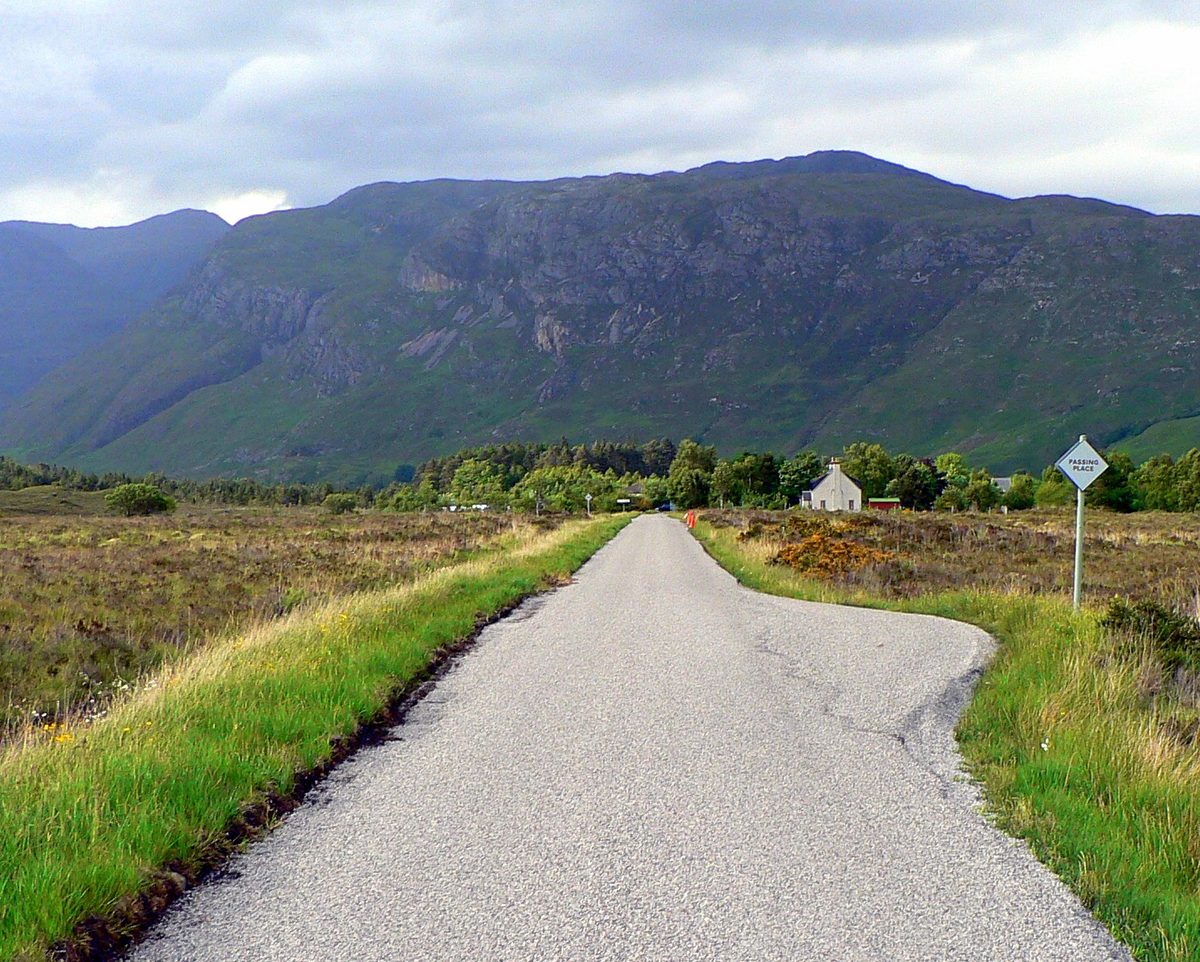
Much of the rural Highlands and most island roads are single-track with marked passing places, and the etiquette is non-negotiable. The rules, in order: pull into a passing place on your left (or stop opposite one on your right) to let oncoming traffic through; never park in one; let faster traffic behind you pass – locals are commuting, not sightseeing; give way to traffic coming uphill; and raise a hand in thanks, because everyone does. If you hit a sheep, you are legally required to report it to the farmer or police. Our guide to Scotland’s single-track roads covers the fine points, including what to do when a coach and a camper meet on a blind summit (spoiler: somebody reverses, and it is usually you).
Fuel and EV charging
As of June 2026, petrol averages about 159p a litre and diesel 184p – both jumped sharply in March, so budget £85-£100 to fill a typical hire car and more in remote areas, where island pumps charge a 10-15p premium and Sunday opening is patchy. Electric is increasingly viable: Scotland has over 6,000 public charge points, more per head than anywhere in the UK outside London, though I would still plan charging stops carefully north of Ullapool.

Campervans: the NC500 favourite
Campervans solve accommodation and transport in one hit – £700-£1,400 a week in summer for a two-berth – and the NC500 is their natural habitat. They are also slower on single-track roads, thirstier on fuel, and increasingly regulated where wild-stopping has been loved to death. Our campervan hire guide covers operators, one-way options and where you can genuinely park overnight; pair it with our where to stay guide if you would rather mix van nights with real beds.
Getting around Scotland by train
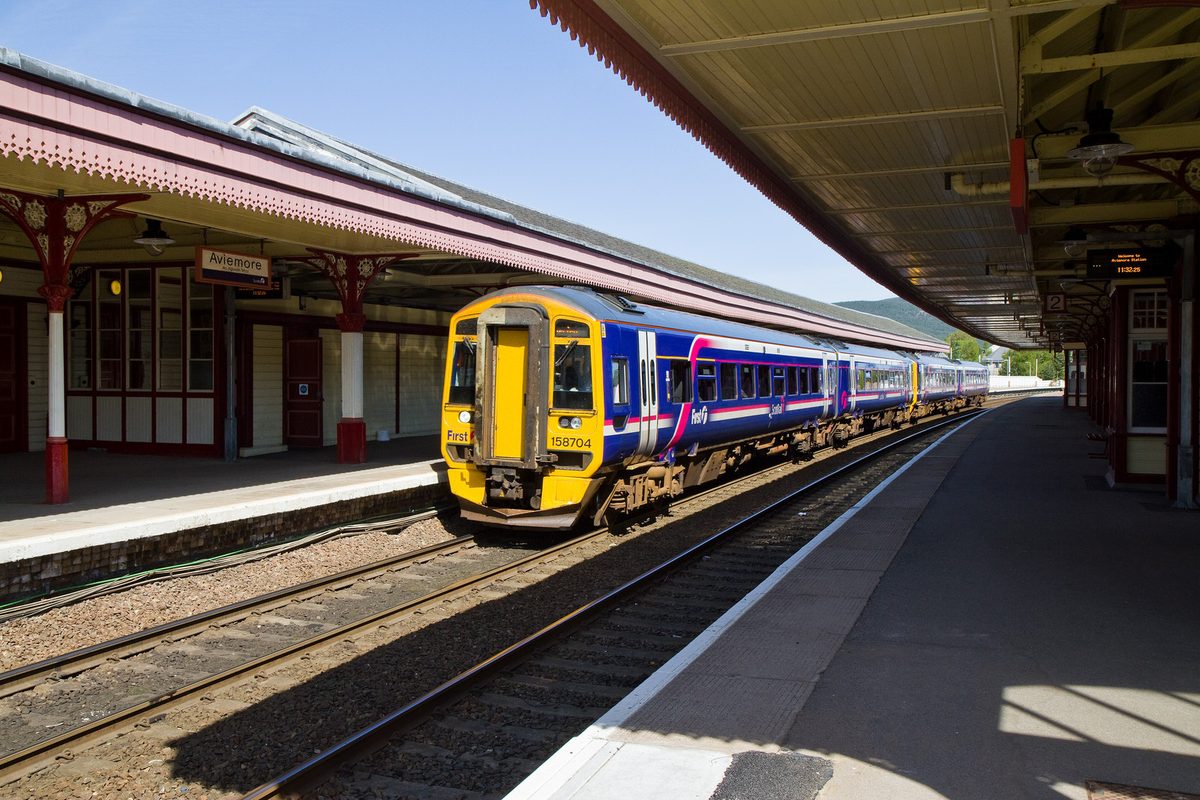
Scotland’s rail network is better than most visitors expect and cheaper than it has been in a decade. ScotRail runs nearly all internal services, LNER and Avanti bring you up from London, and the routes themselves are frequently the attraction – I have watched people board the West Highland Line for practical reasons and spend four hours glued to the window. Start with our full ScotRail and scenic trains guide for route-by-route detail.
Where the train goes (and where it does not)
The network is excellent between Edinburgh, Glasgow, Stirling, Perth, Dundee and Aberdeen, with trains every 15-30 minutes on the Edinburgh-Glasgow corridor. It reaches Inverness (3.5 hours from either city), Fort William and Mallaig, Oban, and the far north at Wick and Thurso. What it does not do is cross the Highland interior: there is no railway to Skye’s interior, Applecross, Glen Etive, or anywhere on the NC500’s north coast. The map, not the timetable, should drive your car-or-train decision.
2026 fares: peak pricing is gone
Here is the news that has not reached most guidebooks: on 1 September 2025 ScotRail permanently abolished peak fares – the first major British operator to do so. An Edinburgh-Glasgow anytime day return fell from £32.60 to £16.80, a 48% cut, and you can now travel at 8am on a Monday for the old off-peak price. Advance singles go on sale roughly 12 weeks out: Glasgow-Fort William from about £20, Edinburgh-Inverness from £20-£30. Bikes travel free but spaces (two to six per train) must be reserved on Highland routes. A £30 annual Railcard – the digital version is available to overseas visitors – takes a third off most fares and pays for itself in two long journeys.

The scenic lines
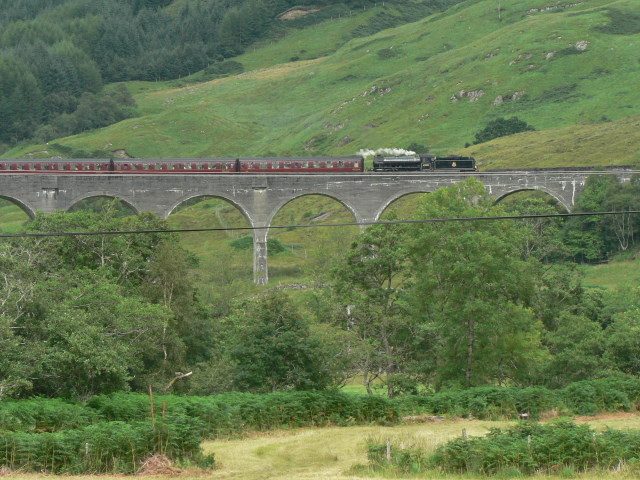
Four routes are world-class. The West Highland Line (Glasgow-Fort William-Mallaig, ~5.5 hours) crosses the empty sweep of Rannoch Moor and the Glenfinnan Viaduct; sit on the left heading north. The Kyle Line (Inverness-Kyle of Lochalsh, 2.5 hours) ends a bridge away from Skye. The Far North Line wanders to Thurso for the Orkney ferry, and the Borders Railway makes Abbotsford and Melrose an easy day out of Edinburgh. All four work brilliantly as car-free spines for a Highland trip – our guide to the Highlands without a car builds whole itineraries around them.

The Jacobite and the Caledonian Sleeper
Two specials deserve a word. The Jacobite steam train (Fort William-Mallaig, April-October) is the “Harry Potter train” across the Glenfinnan Viaduct – magnificent, and so popular that summer departures sell out months ahead; the regular ScotRail service on the same line costs a fraction and crosses the same viaduct, which is the kind of trade-off this site exists to tell you about. The Caledonian Sleeper leaves London Euston around 9pm and deposits you in Fort William or Inverness before 10am – cabins are not cheap (from ~£170) but you save a hotel night and a travel day in one move.
Rail passes: Spirit of Scotland and friends
The Spirit of Scotland Travelpass costs £155 for four days of travel in eight, or £196 for eight days in fifteen (2026 prices), covering all ScotRail trains plus Glasgow Subway, Edinburgh Trams and selected Citylink and West Coast Motors coaches, with 20% off NorthLink ferries to Orkney and Shetland. One critical correction to what several big-name guides still print: CalMac ferries were removed from the pass in April 2023 – budget for island crossings separately. Weekday travel starts after 09:15 except on the West Highland and far-north lines, where there is no restriction. Regional alternatives (Highland Rover ~£95, Central Scotland Rover ~£55) suit tighter loops – compare them all in our Scotland rail passes guide.
Buses and coaches: the cheapest way around Scotland

Scotland’s intercity coaches are the unsung heroes of budget travel here, and on several key routes – Glasgow to Skye above all – they beat the train because the train simply does not go there.
Citylink, Megabus and Ember
Scottish Citylink is the backbone: its 915/917 service runs Glasgow-Fort William-Portree in about 6.5 hours (advance return £76.80), and routes fan out to Inverness, Oban, Campbeltown and Ullapool, where the 961 connects with the Stornoway ferry. Megabus undercuts everyone on the central corridors – Edinburgh-Inverness from £9, Glasgow-Edinburgh from £5 booked ahead. Ember runs all-electric coaches with USB-C at every seat between Edinburgh, Glasgow, Dundee and Aberdeen, and is quietly the most comfortable intercity option in the country. For day-tripping reach without driving, coaches also serve Loch Ness and Inverness well.
That corridor matters more than it looks for one specific trip. There is no railway station anywhere on Loch Ness, so the coach along the A82 is how most car-free visitors get there — we set out every option, gateway by gateway, in how to get to Loch Ness.
The Explorer Pass and local buses
Citylink’s Explorer Pass (2026: £60 for 3 days in 5, £89 for 5 in 10, £120 for 8 in 16) is the coach answer to Spirit of Scotland and the cheapest unlimited-travel option in Scotland. Local buses – Stagecoach in the Highlands, Lothian in Edinburgh, First in Glasgow – fill the gaps, though rural frequencies need checking on Traveline Scotland before you commit. One myth to kill: Scotland’s much-publicised free bus travel applies to Scottish residents only (under-22s, over-60s and eligible disabled passengers). Visitors pay, full stop.
Ferries: reaching the Scottish islands
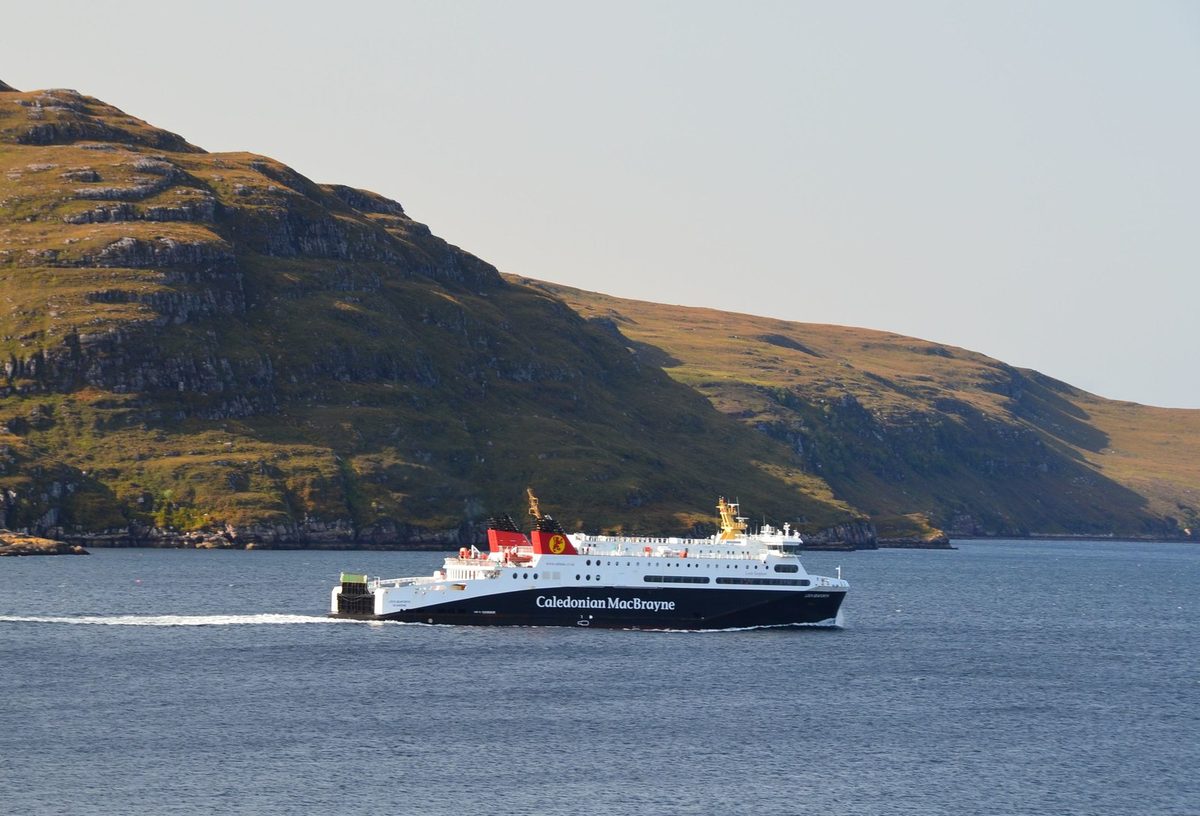
Ferries are where Scottish transport planning gets real. The islands are the best thing in the country, and the boats are the price of admission.
CalMac, fares and the Road Equivalent Tariff
Caledonian MacBrayne (CalMac) serves around 22 west-coast islands and four peninsulas, from five-minute hops to three-hour Outer Hebrides crossings. Fares are kept artificially low by the Road Equivalent Tariff, which pegs ticket prices to the cost of driving the same distance – it cut car fares by roughly half when it rolled out, which is why Oban to Mull costs just £17.60 for the car plus £4.70 per passenger. Foot passengers pay a few pounds on most routes, which is one more argument for the car-free column on island-heavy trips.
How to book CalMac ferries
The process trips people up every summer, so here it is in order. First, check the timetable at calmac.co.uk for your route and date – the summer timetable runs late March to mid-October. Second, book vehicle space the moment your dates firm up: bookings for summer 2026 opened in phased releases from late January, and car decks to Mull, Islay and the Outer Hebrides genuinely sell out weeks ahead for July and August. Third, foot passengers can usually turn up and go – only a handful of long crossings require reservations. Fourth, arrive 30 minutes before sailing for check-in with a vehicle. Full walkthrough, route quirks and cancellation tactics in our CalMac booking guide.

Northern Isles and the small boats
Orkney and Shetland are NorthLink territory: Aberdeen-Kirkwall-Lerwick overnight, or the short Scrabster-Stromness crossing past the Old Man of Hoy; Pentland Ferries runs a cheaper, faster catamaran from Gills Bay. And do not overlook the minor crossings that stitch the west coast together – the Corran Ferry across Loch Linnhe saves an hour’s drive to Ardnamurchan, and Arran now has two vehicle routes (Ardrossan-Brodick and Troon-Brodick). These small boats are how locals actually get around, and they are some of the best five-pound experiences in all of Scotland.
Internal flights: when 30 minutes beats 8 hours
Loganair connects the mainland with the Hebrides, Orkney and Shetland – Glasgow to Islay from about £50 one-way booked early, and the famous Glasgow-Barra service that lands on Traigh Mhor beach at low tide, the world’s only scheduled beach-runway landing. Flying makes most sense for Shetland (12+ hours by road and boat, 90 minutes by air) or for building an islands loop without retracing ferries. Within the mainland, forget it – the train beats the plane city-to-city once you count airport time.
Getting around Edinburgh and Glasgow

Both cities are compact, walkable and blessed with transport good enough that a car is actively counterproductive. Prices below are the 2026 fares – most guides online are still quoting figures one or two revisions old.
Edinburgh: trams, buses and the airport run
Edinburgh Trams run a single line from the airport through Princes Street to Newhaven: £2.40 for a city single, £6.00 for a day ticket, £7.50 for the airport single – tap on with any contactless card. Lothian Buses blanket the city with flat-fare singles (tap-cap day pricing means you stop being charged after a few rides), and the Airlink 100 express bus does the airport run for £4.50 single/£8.50 return if you are heading somewhere the tram does not go. Full comparison – including night buses and taxis – in our guide to getting from Edinburgh Airport to the city centre.

Glasgow: the Subway and beyond
The Glasgow Subway – opened 1896, the third-oldest underground railway in the world – is a single 15-station circle linking the centre with the West End: £1.85 single, £3.40 for an all-day smartcard ticket, trains every few minutes. It is the fastest way to Kelvingrove and the university quarter. Glasgow Central and Queen Street stations handle trains south and north respectively, and the 500 Airport Express bus covers the airport run. For what to do once you arrive, our Glasgow travel guide has you covered.
For the journeys worth taking slowly, see our pick of the most scenic train journeys in Scotland — including which side of the carriage to sit on.
Taxis and Uber
Uber operates in Edinburgh and Glasgow only – do not plan around it elsewhere. Both cities also run plentiful licensed black cabs, and rural Scotland works on local minicab firms that you should book by phone the day before, especially on islands where “the taxi” can be one person and a Skoda.
Tours: the no-stress alternative
If you want the Highlands without driving them, small-group day tours are the answer most people land on. Rabbie’s and Timberbush run 16-seat minicoaches from Edinburgh and Glasgow to Skye, Loch Ness, Glencoe and the NC500 from around £45-£60 for a day trip, with multi-day options that handle accommodation. The good ones use drivers who double as storytellers, take the single-track roads you would be white-knuckling yourself, and stop at viewpoints coaches cannot reach. The trade-off is fixed schedules and someone else’s playlist. We compare operators, routes and value in our full Scotland tours guide.
Scotland without a car: two sample itineraries

Proof that car-free works, using nothing but the services above.
Three days, classic hits: Day one, Edinburgh on foot and by tram. Day two, train to Glasgow (£16.80 return) and the Subway to Kelvingrove. Day three, a Rabbie’s day tour to Loch Lomond and Glencoe, or the train to Stirling for the castle. Zero transport stress, under £100 of tickets and tours.
Seven days, Highland spine: Two nights Edinburgh, then the West Highland Line to Fort William (Spirit of Scotland pass, £155), the Citylink 915 onward to Portree for two nights on Skye, coach back to Inverness via Loch Ness, train home down the Highland Main Line. Every leg is a scenic route in its own right, and the pass covers all of it except the Skye coach section. Our itinerary guide expands both of these into day-by-day plans, and our best time to visit guide will tell you that May and September are when the buses, boats and weather all cooperate.
Accessibility, luggage and the practical stuff
ScotRail offers Passenger Assist – book wheelchair ramps and boarding help up to two hours before travel via the app, though 24 hours’ notice is safer at rural unstaffed stations. All Edinburgh trams, Glasgow Subway stations (modernised ones) and newer coaches are step-free; CalMac’s larger ferries have lifts and accessible lounges, but some small-boat routes are vehicle-deck only – check the specific vessel. Dogs travel free on trains (two per passenger, leads on), bikes need free reservations on Highland lines, and coaches take folding bikes only. Luggage is unregulated on trains in practice – if you can carry it, it travels. For packing strategy and money matters, see our Scotland travel costs and tips guide.
The money-saving cheat sheet
Every pass in one place, 2026 prices:
| Pass | Price | Covers | Verdict |
|---|---|---|---|
| Spirit of Scotland | £155 (4 days in 8) / £196 (8 in 15) | All ScotRail + Glasgow Subway, Edinburgh Trams, some Citylink; 20% off NorthLink. NOT CalMac | Best for rail-heavy Highland loops; needs ~£40/day of travel to pay off |
| Citylink Explorer | £60 (3 in 5) / £89 (5 in 10) / £120 (8 in 16) | All Citylink coaches | Cheapest unlimited option; the Skye traveller’s pass |
| Highland Rover | ~£95 (4 days in 8) | Rail north/west of Glasgow-Aberdeen line + some extras | The West Highland specialist |
| Central Scotland Rover | ~£55 (3 days in 7) | Edinburgh-Glasgow corridor rail | Only for very train-heavy city stays |
| Annual Railcard | £30/year | 1/3 off most rail fares (digital, open to visitors) | Pays for itself in two long journeys |
When to book what: the timeline
Work backwards from your travel dates and you will never get caught out.
| When | Book this |
|---|---|
| 4-6 months out | Jacobite steam train (summer), Caledonian Sleeper cabins, campervans for July-August |
| 3 months out | Automatic rental cars; CalMac vehicle space for peak routes (or the day bookings open) |
| 12 weeks out | ScotRail and cross-border Advance fares released – cheapest seats go first |
| 1 month out | Loganair island flights, summer day tours, Citylink advance fares |
| Week of travel | Megabus bargains, foot-passenger ferries, city transport (none needed) |
Cycling, walking and the slow ways
Two more options deserve a mention before the FAQ. Scotland is a serious cycle-touring destination: the National Cycle Network covers thousands of signed miles, the Hebridean Way (185 miles across ten islands) is one of Europe’s great rides, and bikes travel free on ScotRail trains and most CalMac ferries, which makes mixed bike-and-rail trips easy to build. The caveats are weather, hills and traffic-free sections that are rarer than the brochures imply – but if you have the legs for it, a bike turns transport into the holiday itself.
And then there is walking. Scotland’s right-to-roam laws are the most generous in the UK, long-distance paths like the West Highland Way (96 miles, Milngavie to Fort William) come with baggage-transfer services so you carry only a daypack, and the train home from Fort William doubles as a victory lap of everything you just walked. If that sounds like your kind of trip, start with our hiking and outdoor adventures guide – several of the best multi-day walks connect directly to the rail network at both ends, which is a quietly brilliant piece of trip design.
Getting around Scotland: FAQ
What is the best way to get around Scotland?
A rental car gives the most freedom for the Highlands, islands and rural routes like the NC500, while trains and coaches are better (and far cheaper) for Edinburgh, Glasgow and the West Highland corridor. The strongest trips usually combine both: cities and scenic rail first, then a car for the rural leg.
How do you get around Scotland without a car?
Use ScotRail trains for the main corridors, Citylink and Megabus coaches where rail does not reach (notably Glasgow to Skye), CalMac ferries to the islands, and small-group day tours for rural areas like Glencoe. A Spirit of Scotland pass ties the rail network together, and our car-free Highlands guide maps full itineraries.
Do you need a car to visit the Scottish Highlands?
Not necessarily. Trains reach Fort William, Mallaig, Oban, Kyle of Lochalsh and Inverness, and coaches cover Skye, Ullapool and Loch Ness. You do need a car (or a tour) for Applecross, Glen Etive, Assynt, the NC500 and most island interiors, where buses are rare or timed for schools rather than sightseers.
What side of the road does Scotland drive on?
Scotland drives on the left, like the rest of the United Kingdom. Rental cars are right-hand drive, roundabouts flow clockwise, and you give way to traffic from the right. Most visitors adjust within a day; the moments to watch are pulling out of car parks and quiet junctions, where habit takes over.
How much is car hire in Scotland?
In 2026, economy cars start around £19-£28 a day off-peak from Edinburgh and Glasgow airports, rising to £45-£70 in July and August – the UK average is about £67. Add £10-£20 a day for an automatic, £30-£40 a day if you are under 25, and around 159p a litre for petrol.
Is the train good in Scotland?
Yes – and better value than it has been in years, since ScotRail abolished peak fares in September 2025. Edinburgh-Glasgow runs every 15 minutes for a £16.80 anytime day return, and the West Highland, Kyle and Borders lines are world-class scenic journeys. The limitation is coverage: the Highland interior and most of the NC500 have no railway.
How do you book CalMac ferries?
Book at calmac.co.uk: choose your route and sailing, reserve vehicle space well ahead (summer bookings open in phased releases from late January, and popular car decks sell out for July-August), then check in 30 minutes before departure. Foot passengers can usually turn up and buy a ticket on the day.
What is the cheapest way to travel around Scotland?
Coaches. Megabus runs Glasgow-Edinburgh from £5 and Edinburgh-Inverness from £9 booked ahead, and Citylink’s Explorer Pass gives three days of unlimited travel for £60. Add advance-fare trains (released ~12 weeks out) and foot-passenger ferry tickets, which cost just a few pounds on most CalMac routes.
Is the Spirit of Scotland travel pass worth it?
At £155 for four days of travel in eight, it pays off if you average roughly £40 a day of journeys – easy on a Highland rail loop (Edinburgh, West Highland Line, Kyle Line, Inverness). It is poor value for city-based trips, and note it no longer includes CalMac ferries, despite what older guides say.
How far in advance should you book ScotRail trains?
Advance fares appear roughly 12 weeks before travel and the cheapest tiers sell first, so book as soon as dates firm up – Glasgow to Fort William from about £20. Turn-up-and-go fares are now reasonable since peak pricing ended, so short central-belt hops need no planning at all.
Is driving in Scotland difficult?
The driving itself is easy – quiet roads, polite drivers, clear signage. The adjustments are driving on the left, narrow single-track roads with passing places in rural areas, the A9’s average-speed cameras, and a drink-drive limit low enough that one pint can exceed it. Take it slow the first day and you will be fine.
Can you do the North Coast 500 without a car?
Not really as a continuous route – public transport along the north coast is sparse and once-a-day. Car-free alternatives: base in Inverness and day-trip by tour, take the train to Wick or Thurso for a taste of the far north, or book a multi-day small-group NC500 tour that handles the driving.
Is bus travel free in Scotland?
Only for Scottish residents: under-22s, over-60s and eligible disabled passengers travel free with a National Entitlement Card, a scheme covering over two million people. Visitors always pay standard fares – no tourist version of the scheme exists, whatever a well-meaning hostel rumour tells you.
Does Uber work in Scotland?
Uber operates in Edinburgh and Glasgow only. Everywhere else relies on licensed local taxi firms – book by phone, and book ahead in small towns and on islands, where capacity is genuinely limited. Both cities also have abundant black cabs that can be hailed on the street.
Final thoughts
Getting around Scotland is not a problem to solve – it is part of the trip to design. My honest summary after years of doing this: take the train wherever the railway goes, because Scottish rail is cheap now and the routes are spectacular; rent a car for exactly the days your itinerary goes rural, rather than the whole trip; book ferries and automatics embarrassingly early; and never plan a schedule so tight that a missed connection ruins it, because Highland weather has opinions. Build the transport around the trip you want – the itineraries, the hikes, the long pub dinners, the festivals – and not the other way round. The journeys here are not the price of the destination; half the time, they are the destination.
If you are basing yourself in the capital and travelling out from there, our guide to day trips from Edinburgh groups every destination by whether it works on the train, needs a car, or is realistically coach-tour only — with honest journey times and how many hours you actually get at the other end.
If you would rather not drive at all, our car-free Scotland itinerary builds a full week around named ScotRail, Citylink and CalMac services, with honest warnings about Sunday timetables and last buses from trailheads.
Driving the far north deserves its own briefing. Long stretches of the North Coast 500 route are single-track with passing places, and the etiquette there is not obvious if you have only driven British A-roads.
Photo credits
- Photo: de:Benutzer:Nicolas17 / CC BY-SA 2.5 via Wikimedia Commons – source
- Photo: Wojsyl / CC BY-SA 3.0 via Wikimedia Commons – source
- Photo: Peter Moore / CC BY-SA 2.0 via Wikimedia Commons – source
- Photo: citytransportinfo (CC0) via Wikimedia Commons – source
- Photo: CAPTAIN RAJU (CC0) via Wikimedia Commons – source
- Photo: Liberaler Humanist / CC BY-SA 3.0 via Wikimedia Commons – source
- Photo: Thomas Nugent / CC BY-SA 2.0 via Wikimedia Commons – source
- Photo: Rosser1954 / CC BY-SA 4.0 via Wikimedia Commons – source
- Photo: Colin Park / CC BY-SA 2.0 via Wikimedia Commons – source
- Photo: Martin Addison / CC BY-SA 2.0 via Wikimedia Commons – source
- Photo: Andrew Abbott / CC BY-SA 2.0 via Wikimedia Commons – source
- Photo: GodeNehler / CC BY-SA 4.0 via Wikimedia Commons – source
- Photo: Jim Barton / CC BY-SA 2.0 via Wikimedia Commons – source

1 note from readers