
If you ask ten Scots when you should visit their country, you’ll get ten passionate answers and at least one argument. The honest truth is that the best time to visit Scotland depends on what you want — long days hiking under an endless sky, the buzz of festival season, the hush of a snowy glen, or simply dodging the crowds and the midges. After years of trips in every month of the calendar, I’ve learned that there’s no single perfect week, but there are definitely smarter and trickier times to come.
The best time to visit Scotland is late spring to early autumn — specifically May, June and September. These months bring the longest daylight, the mildest and (relatively) driest weather, fewer crowds than July and August, and few or no midges. But every season has its moment: come in winter for the Northern Lights, Hogmanay and snow-dusted mountains, and in high summer for festivals and island-hopping under near-midnight light.
Below I break it down properly — season by season, then a full month-by-month table, then the best time for specific experiences like the Northern Lights, the North Coast 500 and whisky season. I’ll also be straight with you about midges, rain, short winter days and the August crowds, so you can plan around them. Once you’ve nailed your timing, our guide to the best things to do in Scotland and our itineraries will help you build the trip itself.

Best Time to Visit Scotland: At a Glance
Short on time? Here’s the whole year in one scannable table.
| Season | Weather & daylight | Crowds | Prices | Midges | Verdict |
|---|---|---|---|---|---|
| Spring (Mar–May) | Drying out, mild; days lengthening fast | Low–moderate | Good value | None (until late May) | Excellent — May is a sweet spot |
| Summer (Jun–Aug) | Warmest (~17–19°C), up to ~18 hrs light | High (peak in Aug) | Highest | Out in force (Jul–Aug worst) | Great for festivals; busy & buggy |
| Autumn (Sep–Nov) | Mild then cooling; golden colour | Moderate, easing | Good value | Fading (gone by Oct) | Excellent — September is a sweet spot |
| Winter (Dec–Feb) | Cold, ~6–7 hrs light, snow on hills | Lowest (bar Hogmanay) | Cheapest | None | Atmospheric & cheap; short, dark days |
The one-line version: May, June and September give you the best all-round balance; winter is for a specific kind of magic; and August is wonderful but the busiest and priciest month of the lot. Now let’s dig in.
Spring in Scotland (March–May)

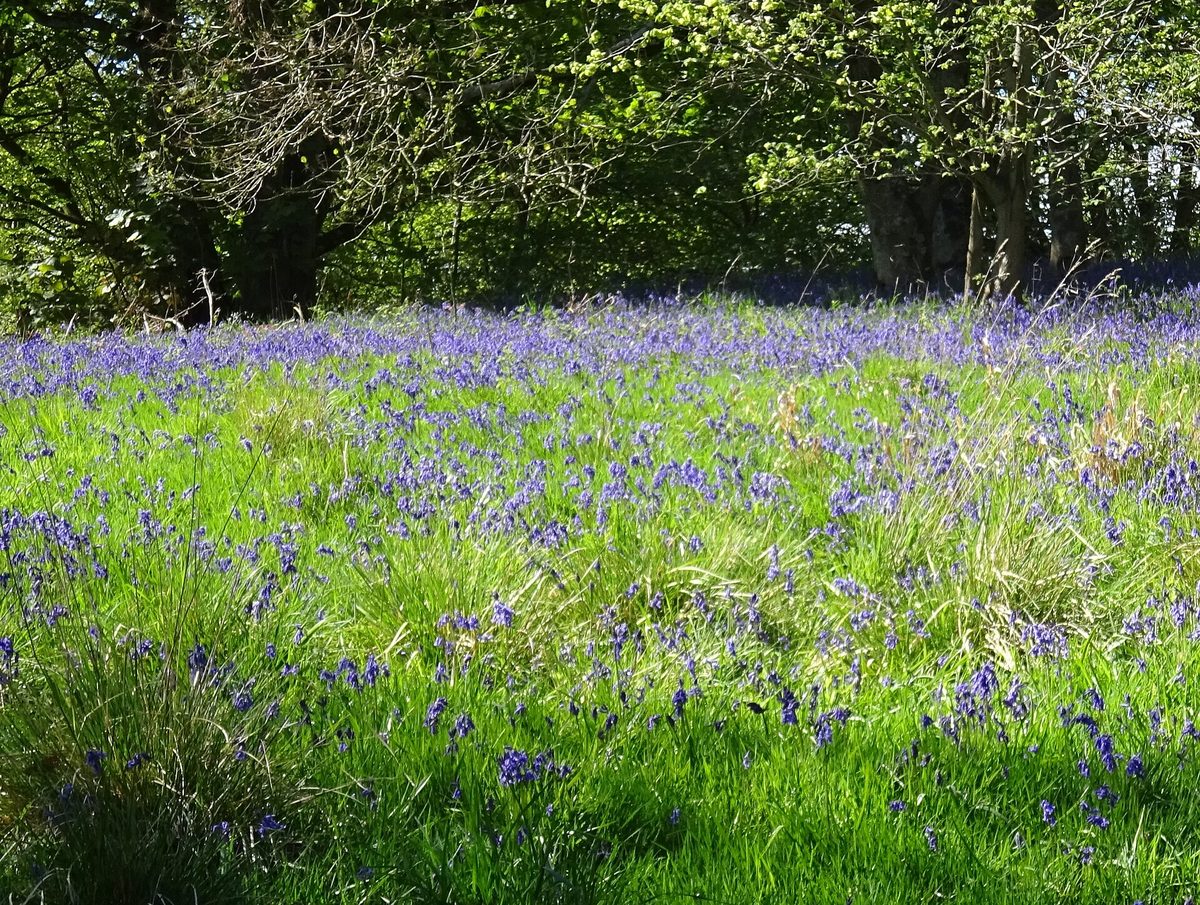
Spring is my quiet favourite. As the country shakes off winter, the days lengthen dramatically — from around 11 hours of light in early March to a generous 15-plus by late May — and the landscape turns vivid green. Snowdrops give way to daffodils and then to bluebells, lambs wobble about every field, and cherry blossom froths over Edinburgh’s Meadows. Crucially, the dreaded midges haven’t woken up yet (they emerge in late May at the earliest), and prices are still in the gentle shoulder-season zone.
The weather is the spring catch — March can still be wintry, with snow lingering on the high tops — but it improves fast, and May is statistically among the sunniest and driest months in Scotland, especially on the east coast. That combination of long, often-dry days, low crowds and no midges is why May tops so many “best month” lists, mine included.

Pros: dry-ish, sunny May; long days; low crowds; no midges; good value; blossom and lambs. Cons: unsettled early spring; some Highland/island businesses not yet open in March; high peaks still snowbound. What’s on: the Spirit of Speyside Whisky Festival (late April–early May), Beltane Fire Festival in Edinburgh (30 April), and the start of the Highland Games season. Planning a May trip? See our deep-dive on Scotland in May and the wider Scotland in spring guide.
Summer in Scotland (June–August)
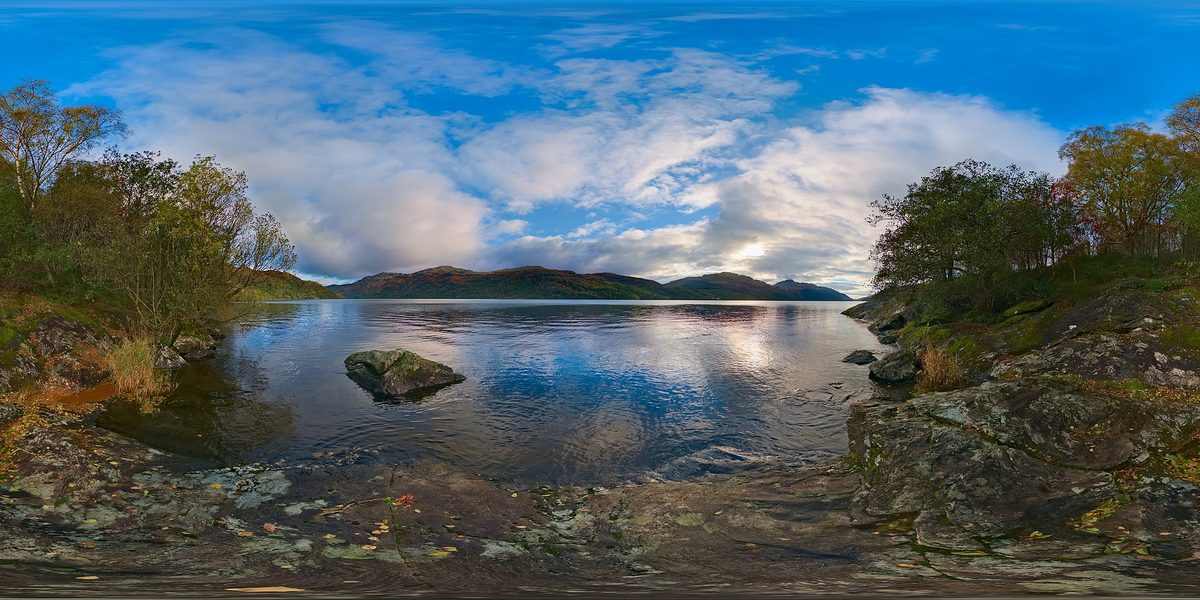
Summer is when Scotland shows off. June delivers the longest days of the year — roughly 18 hours of daylight in the Highlands, and in Shetland the “simmer dim” twilight means it never gets properly dark at all. Temperatures peak at a mild 17–19°C (occasionally higher in a heatwave, but don’t pack for the Med). This is the season for island-hopping, sea kayaking, white-sand beaches that look tropical until you brave the water, and hiking with light to spare well into the evening.
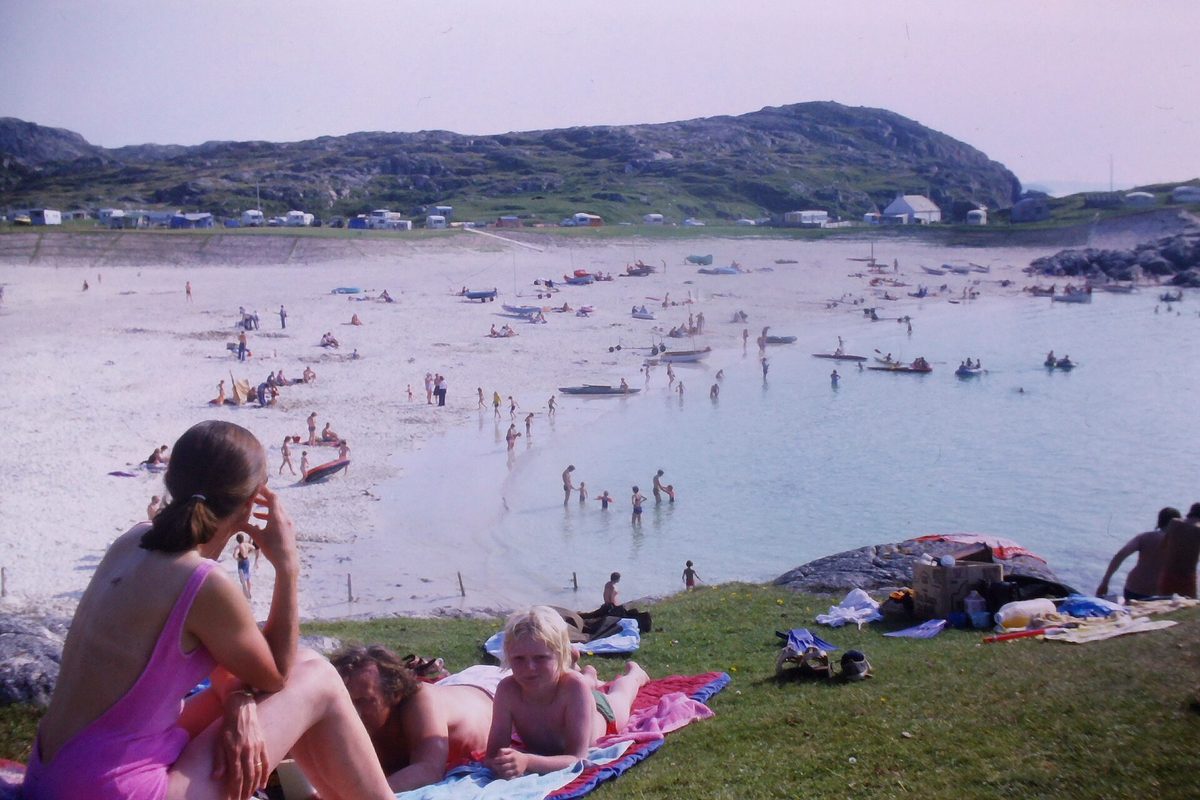
It’s also the busy season, and August is the absolute peak: Edinburgh in particular is transformed — and packed — by the world’s biggest arts festival. Accommodation across the country books up months ahead and prices climb steeply, especially in the capital, on Skye and along the North Coast 500. And then there are the midges: in the Highlands and on the west coast, July and August are their worst months (more on beating them below).

If you can, I’d lean toward June over high summer — you get the longest days and the festival build-up without August’s crush, and the midges are only just starting. The festival energy, though, is genuinely once-in-a-lifetime stuff.

Pros: warmest weather; up to ~18 hrs daylight; festivals; islands and beaches at their best. Cons: biggest crowds; highest prices; peak midges in the west. What’s on: the Edinburgh Festival Fringe, International Festival and Military Tattoo (August); the Royal Highland Show (June); and Highland Games across the country. More in our Scotland in summer guide.
Autumn in Scotland (September–November)

If May is the spring sweet spot, September is its autumn twin — and for many travellers it’s the best month of all. The summer crowds melt away once the schools go back, prices ease, the midges fade out (largely gone by late September and certainly by October), and the weather is often kinder than grey, muggy August. Daylight is still generous at around 12–13 hours early in the month.
As autumn deepens, Scotland puts on a show. Late October brings peak colour to Perthshire’s “Big Tree Country” and the Highland glens, all russet, gold and copper reflected in still lochs. It’s also rutting season: the roar of red deer stags echoes across the hills, one of Britain’s great wildlife spectacles.

By November the days are shortening fast and the weather turns wetter and wilder, but you’ll have the country largely to yourself and rock-bottom prices. Pros: September’s mild weather, low crowds and fading midges; autumn colour; the deer rut; great value. Cons: weather deteriorates through November; daylight shrinking; some seasonal businesses winding down. What’s on: the Braemar Gathering (early September, often attended by the Royal Family), Samhuinn Fire Festival (31 October), and St Andrew’s Day (30 November). See our guides to Scotland in September and Scotland in October.
Winter in Scotland (December–February)

Winter is the season most visitors write off — and they’re missing something special. Yes, the days are short (as little as 6–7 hours of daylight around the winter solstice, with darkness by about 4pm), and yes, some Highland and island attractions close or run reduced services. But in exchange you get snow-dusted mountains, firelit pubs, the lowest prices of the year, and an atmosphere you simply can’t get in summer.

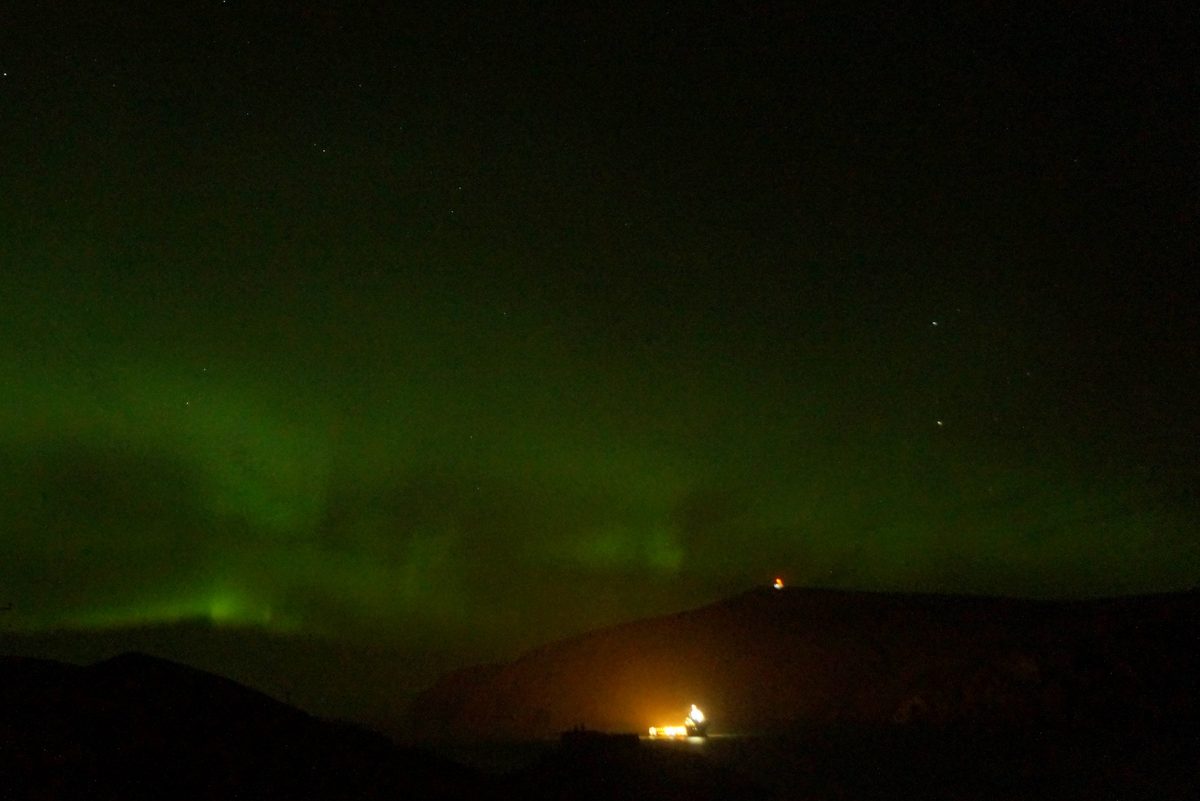
Winter is also prime time for the Northern Lights: the long, dark nights from October to March give the best odds, especially in the far north and at dark-sky sites. The Cairngorms, Glenshee, Glencoe and Nevis Range offer genuine skiing and snowboarding when conditions line up, and the festive season is a joy.

Then there’s Hogmanay — Scotland’s legendary New Year, with Edinburgh’s torchlight procession, street party and fireworks among the biggest celebrations on Earth (and the one big winter price spike to plan around).

Pros: cheapest prices; snow and cosy atmosphere; best Northern Lights odds; Hogmanay; skiing; almost no crowds (or midges). Cons: short, dark days; cold and wet; reduced opening hours and some island ferry/road disruption. What’s on: Edinburgh’s Christmas market, Hogmanay, Shetland’s Up Helly Aa fire festival (late January), Celtic Connections in Glasgow (January) and Burns Night (25 January). More in our Scotland in winter guide.
Scotland Weather and Travel: Month by Month
Here’s the whole year in one place — average high temperatures, rough daylight, crowd and price levels, midge risk and what each month is best for. Treat the figures as national averages: the Highlands run a few degrees colder, the west is wetter, and the east coast is drier and brighter.
| Month | Avg high | Daylight | Crowds | Prices | Midges | Best for |
|---|---|---|---|---|---|---|
| January | 6°C / 43°F | ~7 hrs | Low | Cheapest | None | Northern Lights, skiing, Celtic Connections |
| February | 6°C / 43°F | ~9 hrs | Low | Cheap | None | Aurora, snow, fewest crowds |
| March | 9°C / 48°F | ~11–13 hrs | Low | Good value | None | Snowdrops, quiet glens |
| April | 11°C / 52°F | ~13–15 hrs | Low–mod | Good value | None | Lambs, daffodils, drying out |
| May | 15°C / 59°F | ~15–17 hrs | Moderate | Good value | None–low | Best all-rounder: sun, no midges |
| June | 17°C / 63°F | ~17.5 hrs | Moderate–high | Higher | Starting | Longest days, islands |
| July | 19°C / 66°F | ~17 hrs | High | High | Worst | Warmth, beaches (if midge-tolerant) |
| August | 18°C / 65°F | ~15–16 hrs | Highest | Highest | Worst | Festivals (Edinburgh), heather bloom |
| September | 15°C / 59°F | ~12.5–14 hrs | Moderate | Good value | Fading | Best all-rounder: calm, mild |
| October | 11°C / 52°F | ~10.5–12 hrs | Low–mod | Good value | Gone | Autumn colour, deer rut |
| November | 7°C / 45°F | ~8.5 hrs | Low | Cheap | None | Solitude, aurora returns |
| December | 6°C / 43°F | ~7 hrs | Low (Hogmanay spike) | Cheap (bar NYE) | None | Christmas markets, Hogmanay |
A few notes worth knowing: clocks go forward an hour in late March and back in late October (British Summer Time), which is why spring and autumn daylight shifts so sharply. And thanks to Scotland’s high latitude and long twilight — the lingering “gloaming” — usable evening light stretches well beyond official sunset in summer. For the full data set, see our Scotland weather by month guide.
The Best Time to Visit Scotland for Specific Experiences
Often the real question isn’t “when is Scotland nicest?” but “when should I come for the thing I care about?” Here’s the experience-by-experience cheat sheet.
| If you want to… | Best time | Notes |
|---|---|---|
| See the Northern Lights | Oct–Mar (best Feb–Mar) | Long dark nights; head far north / dark-sky sites |
| Hike midge-free | Apr–mid-May & Oct | Cool, clear, no biting; high tops may hold snow |
| Drive the North Coast 500 | May–Jun & Sep | Open roads; avoid Jul–Aug congestion |
| Visit Skye & the Highlands | May–Jun & Sep | Best weather-to-crowds-to-midges balance |
| Do whisky festivals | Late Apr–May | Spirit of Speyside; Islay’s Fèis Ìle late May |
| Catch the festivals | August | Edinburgh Fringe, EIF and the Tattoo |
| See puffins | Apr–early Aug | Isle of May, Staffa, Shetland, Lunga |
| Hear the deer rut | Sep–Oct | Stags roaring across the glens |
| See heather in bloom | Aug–early Sep | Hillsides turn purple |
| Ski or snowboard | Jan–Mar | Cairngorm, Glenshee, Nevis Range, Glencoe |
| Beat the crowds | Nov–Mar | You’ll have the place to yourself |
| Get the lowest prices | Nov–mid-Mar (not Hogmanay) | Flights and hotels can drop sharply |
A few of these deserve a fuller word. For the Northern Lights, you need darkness, clear skies and a bit of luck with solar activity; the equinox months either side of winter (and February–March in particular) tend to deliver — more in our Northern Lights timing guide. For the North Coast 500 and the Isle of Skye, May–June and September are the goldilocks windows — open, mild and far less congested than July–August. And for whisky lovers, time your trip to the Spirit of Speyside festival in late spring; just note many distilleries run a quieter “silent season” in summer.
Midges in Scotland: When and Where to Expect Them
Let’s talk about the midge — because nothing derails a romantic Highland evening faster than a cloud of them. The Scottish biting midge (Culicoides impunctatus) is tiny, comes in swarms, and has a genuine effect on summer trip planning. Here’s the honest picture:
- Season: late May through September, with the odd straggler in April and October.
- Worst months: July and August, when densities peak — July is usually the single worst.
- Where they’re bad: the Highlands and the west coast — boggy, damp, sheltered spots near lochs and woodland. Skye, Glencoe, Fort William and the Outer Hebrides are notorious.
- Where they’re not: the east coast, Edinburgh and Glasgow, Orkney and Shetland, and anywhere breezy. Cities are essentially midge-free.
- What suppresses them: wind (above roughly 7 mph), bright sun and heat. They’re worst at dawn and dusk on still, humid, overcast days.
The good news: they’re entirely beatable. Travel in spring or October, base yourself on the east coast or in a city, check the Scottish Midge Forecast before heading out, pick breezy spots, and pack a repellent (Smidge or Avon Skin So Soft are local favourites) and a head net for still summer evenings. Full tactics in our Scotland midge season guide.
Crowds, Costs and the Cheapest Time to Visit Scotland
When you go has a big effect on what you’ll pay and how busy it feels. Roughly speaking, the year splits into three:
| Season | Months | Crowds | Prices |
|---|---|---|---|
| Peak | Jun–Aug (esp. August) | Highest — book months ahead | Highest; Edinburgh in August is the absolute peak |
| Shoulder | Apr–May & Sep–Oct | Moderate | Good value, good availability |
| Low | Nov–mid-Mar (bar Hogmanay) | Lowest | Cheapest — flights and hotels can fall sharply |
The single cheapest time to visit Scotland is the low season — broadly November to mid-March, excluding the Christmas-to-Hogmanay spike. The very cheapest windows tend to be the first half of November and January into February, when winter hotel rates can run well below summer’s and flights are at their lowest. The flip side is short days and some closures. For the best value with decent weather, though, I’d take a shoulder month — May or September — every time. Dig into the numbers in our guides to the cheapest time to visit, whether Scotland is expensive, and Scotland on a budget.
Daylight Hours and the Scottish Light
Scotland sits surprisingly far north — Edinburgh is on a similar latitude to Moscow — so daylight swings dramatically through the year, and the further north you go, the more extreme it gets.
| Around the solstice | Edinburgh | Inverness | Lerwick (Shetland) |
|---|---|---|---|
| Midsummer (~21 Jun) | ~17.5 hrs | ~18 hrs | ~19 hrs (never fully dark) |
| Midwinter (~21 Dec) | ~7 hrs | ~6.5 hrs | ~5.75 hrs |
In practice, that means a June visitor can hike or drive until 10pm in good light, while a December visitor should plan to be where they want to be by mid-afternoon, with darkness falling around 4pm. In Shetland, locals call the not-quite-night of midsummer the “simmer dim.” Factor this into your itinerary: summer lets you pack a lot into a day; winter rewards a slower, cosier pace.
Weather by Region: West vs East, Highlands vs Cities
“Scottish weather” is really several different climates at once, and understanding the split helps enormously:
- The west coast and western Highlands catch the Atlantic weather and are the wettest part of the country — Oban gets over 2,000mm of rain a year, the western hills far more. Gloriously green, frequently damp.
- The east coast (East Lothian, Fife, Angus, the Moray Firth) sits in the rain shadow and is markedly drier and brighter — some spots get less than a third of the west’s rainfall. Aberdeen and the Moray coast are among the sunniest places in Scotland.
- The Highlands run colder and snowier, with the high tops holding snow well into spring.
- The cities are mild, lively year-round and — handily — midge-free.
- The islands are at their best from June to August, when ferries run fullest and the weather is most settled, though they’re always windier (which keeps the midges down).
The practical upshot: if you’re chasing dry weather, weight your trip toward the east and toward May. If you want the lush, dramatic west-coast scenery, accept that rain is part of the deal and pack accordingly.
When to Visit Scotland’s Islands
The islands play by slightly different rules, and they’re worth a special mention because timing matters more out here. As a rule, May to September is island season — ferries run their fullest schedules, the weather is at its most settled, and the long days are glorious. The flip side is that summer sailings on CalMac and NorthLink book up well ahead (especially with a vehicle), so reserve early; in winter, sailings thin out and Atlantic storms can cancel them at short notice, so build in slack.
The Hebrides — Skye, Mull, Islay and the Outer Isles of Lewis, Harris and the Uists — are at their best from late spring to early autumn, when the white-sand beaches look their most tropical and the machair wildflowers bloom in summer. They’re windy, which mercifully keeps the midges down on the coast, though sheltered inland spots still get them in July and August. May and September are the sweet spot here too: fewer crowds, decent weather, and ferries still frequent.
Orkney is drier and less rugged than the western Highlands, and its extraordinary Neolithic sites are open year-round, but May to September gives you the kindest weather and longest days, plus puffins in early summer and the St Magnus Festival in June. Far-north Shetland is all about the extremes of light: the midsummer “simmer dim” never goes fully dark, making June and July superb for seabirds and puffins, while late January brings the spectacular Up Helly Aa fire festival — a genuine reason to brave a Shetland winter. Both Northern Isles are windswept and effectively midge-free.
Plan the logistics in our Scottish islands guide and island-hopping guide, and dig into the most popular of them all in our Isle of Skye guide.
The Worst Time to Visit Scotland (and How to Make It Work)
No month is truly “bad,” but a few come with caveats. August is the trickiest for value-and-crowd reasons — it’s the busiest, priciest month, Edinburgh is mobbed, and the weather is no better (often muggier) than June or September. July and August are also the worst for midges in the west. And deep midwinter (late December through February) brings short days, cold, and the highest chance of weather disruption to flights, ferries and Highland roads, plus reduced opening hours. None of this should stop you — just come in with open eyes, book ahead for August, and keep winter itineraries flexible and city-weighted.
What to Pack, by Season
Whenever you come, the golden rule is layers and a good waterproof — Scotland really can serve four seasons in an afternoon. Add a warm hat and gloves and proper grippy boots for autumn and winter; throw in midge repellent and a light long-sleeved top for summer in the Highlands; and always bring sunglasses and sun cream for those gloriously long, bright days that do happen. Our full Scotland packing list breaks it down month by month.
Scotland’s Festivals and Events, Month by Month
Sometimes the best time to visit is simply whenever the thing you want to see is on. Scotland’s calendar is busy year-round — here are the headline events to plan around or avoid, depending on your taste for crowds.
| Month | Key events |
|---|---|
| January | Celtic Connections (Glasgow); Burns Night (25th); Up Helly Aa fire festival (Shetland, late Jan) |
| February | Fort William Mountain Festival; peak Northern Lights season |
| March | Edinburgh International Science Festival; spring blossom begins |
| April | Spirit of Speyside Whisky Festival (late Apr); Beltane Fire Festival (30 Apr) |
| May | Islay’s Fèis Ìle whisky festival (late May); Highland Games season opens |
| June | Royal Highland Show (Edinburgh); the longest days of the year |
| July | Hebridean Celtic Festival (Stornoway); Highland Games across the country |
| August | Edinburgh Festival Fringe, International Festival, Military Tattoo and Book Festival |
| September | Braemar Gathering (early Sep); heather and early autumn colour |
| October | Samhuinn Fire Festival (31st); the Enchanted Forest light show, Pitlochry |
| November | St Andrew’s Day (30th), Scotland’s national day |
| December | Edinburgh’s Christmas market; Hogmanay (29 Dec–1 Jan) |
For dates, ticketing and the full line-up, see our Scotland festivals and events calendar.
The Best Time to Visit Scotland for Your Kind of Trip
Still torn? Find yourself below and let your priority pick the month.
- First-timer who wants the best all-rounder: May, June or September — the safest bets for weather, light and crowds.
- Budget traveller: November or January–February for the lowest flights and hotel rates (skip the Hogmanay window). Our Scotland travel tips guide has real daily budgets.
- Photographer: late October for autumn colour and the deer rut, winter for snow and aurora, or May for that clean spring light.
- Hiker or Munro-bagger: April–May (firm ground, long days, no midges) or September–October once the summer swarms have gone. Routes, kit and costs are in our hiking in Scotland guide.
- Family with kids: June or July for the warmest weather, longest days and the Highland Games and shows.
- Festival-goer: August for Edinburgh’s festivals, or late December for Hogmanay.
- Wildlife watcher: spring to mid-summer for puffins and seabirds, autumn for the red deer rut.
- Aurora hunter: February–March or November, on clear, dark nights in the far north.
- Golfer: April–June or September, when the links are firm and the evenings long — our golf in Scotland guide covers green fees and how far ahead to book.
- Castle-lover: May, June or September for full opening hours without the August crush; our castles in Scotland guide notes which ones shut for winter.
- Food and drink pilgrim: any month — summer for seafood shacks, winter for fireside pubs. Start with our Scottish food and drink guide.
- Car-free traveller: May, June or September, when trains, buses and ferries run full summer timetables and small-group tours depart daily.
Understanding Scotland’s Famously Changeable Weather
One thing no calendar can promise you is the weather. Scotland has a maritime climate shaped by the Atlantic and the tail end of the Gulf Stream, which keeps it milder than its northern latitude suggests but also makes it wonderfully unpredictable. The local saying — “if you don’t like the weather, wait twenty minutes” — is only half a joke. You can genuinely get sun, cloud, a sharp shower and a rainbow in a single afternoon, especially in the west and the Highlands.
What this means for planning is liberating, in a way: since you can’t guarantee perfect weather in any month, you may as well choose your dates for daylight, crowds, midges and events, then simply come prepared. Pack layers and a proper waterproof, keep your itinerary flexible enough to swap a hill day for a museum or a distillery when the clouds roll in, and treat a brooding, moody sky as part of the Scottish experience rather than a disappointment. Some of my most memorable moments here have come in the rain.
Frequently Asked Questions
What is the best month to visit Scotland?
May, June and September are the standout months. May is often the sunniest and driest with no midges; June has the longest days; and September offers mild weather, fading midges and far fewer crowds than high summer. Any of the three gives you the best all-round balance of weather, daylight and value.
What is the cheapest time to visit Scotland?
The low season — roughly November to mid-March, excluding the Christmas and Hogmanay spike — is cheapest, with flights and hotel rates falling well below summer levels. Early November and the January-to-February stretch are typically the very cheapest. You trade short, dark days for serious savings and near-empty attractions.
What is the warmest month in Scotland?
July is the warmest month, with average highs around 17–19°C (63–66°F) and occasional warmer spells. August is a close second. Even so, Scotland’s summers are mild rather than hot, so pack layers and don’t expect Mediterranean heat — a warm day here is perfect for hiking, not sunbathing.
What is the coldest month in Scotland?
January is the coldest, with average highs around 6°C (43°F) and frequent frost, snow on the hills and the shortest, darkest days of the year. February runs a close second. In the Highlands it’s several degrees colder still, with snow lying on the mountains for months.
What is the wettest month in Scotland?
December and January are typically the wettest, particularly on the west coast, with October not far behind. The west catches the brunt of Atlantic weather year-round, while the east coast stays markedly drier. There’s no true dry season, but late spring is the driest stretch.
What is the sunniest and driest month in Scotland?
May is generally the sunniest and driest month nationwide, especially along the east coast, where places like Aberdeen and the Moray Firth enjoy the most sunshine. April and June are also relatively dry. If clear skies are your priority, weight your trip toward May and the east.
When is midge season in Scotland?
Midge season runs from late May to September, peaking in July and August. The biting midges are worst in the Highlands and on the west coast, in damp, sheltered spots at dawn and dusk on still days. Spring, October and winter are essentially midge-free.
How do I avoid the midges in Scotland?
Visit outside peak season (April–early May or late September–October), base yourself on the breezy east coast, in a city, or on Orkney or Shetland, and check the Scottish Midge Forecast. On still summer evenings in the west, use repellent like Smidge and carry a head net. Wind and sun keep them away.
When can you see the Northern Lights in Scotland?
The aurora is visible from roughly October to March, when nights are long and dark, with February–March often strongest. Head as far north as you can — Caithness, Orkney and Shetland — or to a dark-sky site like the Cairngorms or Galloway Forest, and watch for clear skies and high solar activity.
How many hours of daylight does Scotland get?
It varies hugely with the seasons. Around midsummer you get about 17–18 hours of daylight (and near-constant twilight in Shetland), while around midwinter it drops to roughly 6–7 hours, with darkness by about 4pm. The further north you travel, the more extreme the swing.
What is the best time to drive the North Coast 500?
May–June and September are ideal: the roads and businesses are open, the weather is at its best-to-crowds balance, and the midges are minimal. Avoid July and August if you can, when the single-track roads and small villages along the route get congested and accommodation books out. The same goes for Loch Ness and Inverness, which absorb the same summer coach traffic.
What is the best time to visit the Isle of Skye and the Highlands?
Late May to June and September are the sweet spots — mild weather, long days, manageable crowds and few midges. July and August bring the warmest weather but also the biggest crowds, highest prices and worst midges. Winter is dramatic and quiet but comes with short days and some closures.
What is the worst time to visit Scotland?
There’s no truly bad time, but August is the most crowded and expensive (and no warmer than June or September), while July and August are worst for west-coast midges. Deep midwinter brings short days, cold and the highest chance of travel disruption. Plan around these and any month works.
Is it worth visiting Scotland in winter?
Absolutely, if you know what you’re getting. Winter brings snow-dusted scenery, the best Northern Lights odds, skiing, cosy firelit pubs, the spectacle of Hogmanay and the lowest prices of the year. The trade-offs are short daylight hours, cold, wet weather and some seasonal closures, so keep your plans flexible and city-friendly.
When does the heather bloom in Scotland?
Scotland’s hillsides turn purple with blooming heather from around early August into early September, peaking in mid-to-late August. It’s one of the iconic sights of late summer, blanketing the moors and glens — and it happens to coincide with festival season and the warmest weather.
What is the best time to see puffins in Scotland?
Puffins are ashore at their breeding colonies from around April to early August, with the best viewing in June and July when chicks are being fed. Top spots include the Isle of May, Staffa and the Treshnish Isles, Lunga, and the cliffs of Shetland. They head back out to sea by August.
What is the best time for whisky tours in Scotland?
Spring is prime whisky time, built around the Spirit of Speyside Whisky Festival in late April–early May and Islay’s Fèis Ìle in late May. Distilleries are open year-round, but note many pause production for a “silent season” in summer, so check ahead if you want to see the stills running.
Final Thoughts: So, When Should You Go?
If you want my one-line answer, it’s this: come in May, June or September and you’ll catch Scotland close to its best — long days, kinder weather, fewer crowds and no midge misery. But don’t let anyone tell you the other months aren’t worth it. August’s festivals are unforgettable, October’s glens blaze with colour, and a crisp winter night under the aurora, dram in hand, is its own kind of perfect. The truth is that Scotland is a year-round country dressed up as a summer one — so pick the season that matches the trip you’re dreaming of, pack a waterproof, and come.
Ready to build it out? Start with our guides to the best things to do in Scotland, our itineraries, the city that anchors most first trips, Edinburgh, and our bucket list of Scottish experiences — several of which only work in certain months.
One seasonal quirk worth planning around: Scotland gets no astronomical darkness between late April and mid-August, so stargazing and dark-sky trips only really work from autumn onwards.
Season and trip length interact more than people expect — a December day in Inverness gives you barely seven hours of usable light. Our guide to how many days you need in Scotland builds that into a day budget you can actually plan against.
Season aside, the other half of this decision is how long you have. If the Highlands are the priority, our guide to how many days the Scottish Highlands need pairs the month you pick with a realistic route, including why winter needs more days rather than fewer.
Season affects the plate as much as the weather. Most Scottish shellfish is at its best in the colder months, which our Scottish seafood guide sets out month by month.
The quiet months have their own logic. Between November and March the hotels that are expensive in July become genuinely good value, which is the whole argument behind booking a Scottish spa break off-season.
About the author: This guide was written and is maintained by the ScotlandTourism.org editorial team — travel writers who’ve visited Scotland in every month of the year, from midge-dodging summer hikes to aurora-hunting winter nights. We update our guides regularly to keep the details current.
Last updated: June 2026.
Photo credits
All images are used under their respective Creative Commons or public-domain licenses:
- Highland heather in late summer — © Mike McBey, CC BY 2.0, via Wikimedia Commons
- Spring cherry blossom in Edinburgh — © Jim Barton, CC BY-SA 2.0, via Wikimedia Commons
- A Scottish beach in summer — © Tom Law (deceased), CC BY-SA 2.0, via Wikimedia Commons
- Autumn in Glencoe — © Sheba_Also 43,000 photos, CC BY-SA 2.0, via Wikimedia Commons
- Buachaille Etive Mor in winter — © Carol Walker, CC BY-SA 2.0, via Wikimedia Commons
- Northern Lights over Scotland — © Mike Pennington, CC BY-SA 2.0, via Wikimedia Commons
- Red deer stag during the autumn rut — © derivative work: Massimo Catarinella (talk)
Red_deer_stag.jpg: Mehmet Karatay, CC BY-SA 3.0, via Wikimedia Commons - Highland Games — © AlasdairW, CC BY-SA 4.0, via Wikimedia Commons
- Edinburgh Festival Fringe — © Magnus Hagdorn from UK, CC BY-SA 2.0, via Wikimedia Commons
- Edinburgh Christmas market — © Jim Barton, CC BY-SA 2.0, via Wikimedia Commons
- The Cairngorms in winter — © Graham Lewis, CC BY 2.0, via Wikimedia Commons
- Loch Lomond in summer — © Daniel Kraft, CC BY-SA 3.0, via Wikimedia Commons
- Spring bluebells in Scotland — © Alan Reid, CC BY-SA 2.0, via Wikimedia Commons

4 notes from readers