The last time I drove a 2 week Scotland itinerary the way most planning guides suggest it, I spent the afternoon of day eleven sitting in a Ullapool car park eating a garage sandwich and quietly resenting the Highlands. Nothing had gone wrong. No breakdown, no cancelled ferry, no washout. That was the problem — we had simply booked fourteen consecutive nights in fourteen different beds, and by the second week the driving had eaten the holiday from the inside.
Fourteen days is the exact length at which people over-reach. Ten days and you accept you have to choose. Three weeks and you have room to breathe. Two weeks feels like enough for everything, so everything is what gets booked: Edinburgh, Glasgow, Skye, the Outer Hebrides, Orkney and the full North Coast 500. It is not enough for all of that, and I want to show you the arithmetic rather than just assert it.
The short answer
Two weeks in Scotland works beautifully if you pick two big regions and go deep, and falls apart if you try to circle the whole country. Drop either Orkney or the Outer Hebrides, keep a spare day for weather, and never book more than five separate beds. Around 900 to 1,150 driving miles is the honest ceiling.
Four versions of a 2 week Scotland itinerary, compared honestly
Here is what each shape of trip actually costs. Transit hours include ferries and terminal waiting, because forty minutes queuing at Scrabster is forty minutes of your holiday whatever you call it.
| Version | Driving miles | Hours in transit | Most nights in one bed | What it gives up | Who it suits |
|---|---|---|---|---|---|
| The maximalist loop (everything) | ~1,400 | ~55 | 2 | Nothing — and that is precisely the fault | Nobody, honestly |
| Route A: Grand tour with NC500 and Orkney | ~1,150 | ~42 | 3 | Outer Hebrides, Glasgow, the Cairngorms | First-timers who want range |
| Route A variant: Grand tour with the Hebrides instead | ~1,000 | ~36 | 3 | Orkney, Applecross, the whole north coast | Beach walkers and anyone drawn to Gaelic culture |
| Route B: Slow version, four bases | ~900 | ~28 | 4 | Orkney, the Hebrides, half the NC500 | Walkers, repeat visitors, families |
| Twelve-day cut of Route A | ~980 | ~33 | 3 | Orkney | Anyone whose leave got trimmed |
| No car: rail and bases | 0 | ~20 rail hours | 4 | The north-west almost entirely | Non-drivers, solo travellers |
If you have never sketched a Scottish route before, start with the overview on our Scotland itinerary planning guide and come back here once you know roughly which regions you care about. Everything below assumes you have a hire car unless stated otherwise.
The arithmetic nobody does
Every competing fourteen-day plan I read while researching this listed the days and the sights and stopped there. Not one added up the miles. So let me do it for the maximalist version — Edinburgh, the west, Skye, the Outer Hebrides, the full North Coast 500 route, Orkney, and home.
Where the 1,400 miles come from
- Edinburgh to Glencoe via Glasgow and Loch Lomond — 150 miles
- Glencoe or Fort William to the Isle of Skye — 120 miles
- Touring Skye itself: Trotternish, Elgol, Neist Point — 150 miles
- Uig to Harris, up through Lewis to Stornoway with the Callanish detour — 110 miles
- Ullapool north through Assynt to Durness — 95 miles
- Durness east along the north coast to Thurso — 80 miles
- Driving around Orkney Mainland for two days — 120 miles
- Thurso down the east coast to Inverness — 110 miles
- The west-coast NC500 leg you still have not driven: Inverness, Applecross, Torridon, Ullapool and back — 290 miles
- Inverness to Edinburgh on the A9 — 160 miles
That is 1,385 miles before you have driven anywhere for dinner, doubled back for a forgotten charger or taken a single wrong turn on a single-track road. Call it 1,400.
What that converts to in hours
Highland driving averages are much lower than people expect. The A9 will give you 50mph on a good run. The A894 north of Kylesku will give you 28mph if you are lucky and behind nothing worse than a camper. Blend those across a route like this and you get roughly 32mph door to door.
1,400 miles at 32mph is about 45 hours at the wheel. Add the ferries: Uig to Tarbert is around 1 hour 40 minutes, Stornoway to Ullapool around 2 hours 45, Scrabster to Stromness 90 minutes each way, plus 45 minutes of check-in each time. That is another ten hours or so of sitting still with a car deck between you and the view.
Fifty-five hours. If you are up at seven and finished at seven, fourteen days gives you 168 usable hours. A third of your holiday is spent in a vehicle or a terminal queue. That is the number no itinerary tells you.
The cost you feel is not the driving — it is the lack of slack
Forty-five hours of driving would be survivable if it were evenly spread. It never is. The maximalist route ties you to ferry sailings, and ferry sailings do not care about the weather you woke up to. Book Uig to Tarbert on day seven and you sail on day seven whether Skye is glowing or grey.
Scotland’s weather is not reliably bad — it is reliably variable. In a fortnight you will get perhaps four genuinely fine days, five mixed ones and five that are wet enough to make a ridge walk pointless. The entire skill of planning a fourteen-day trip is keeping enough freedom to spend the fine days where the views are. A route with a ferry booked every third day has no freedom at all.
And the tiredness compounds. Days one to six of an over-packed trip are fine. Days ten to fourteen are where people stop getting out of the car for viewpoints, start eating whatever is nearest, and take photographs they never look at again. I have done it. It is not a failure of stamina, it is a failure of planning.
Route A: the grand tour, 14 days, about 1,150 miles
This is the version for people whose one Scottish trip this will be, who want cities and mountains and islands, and who accept that seeing a lot means moving. It keeps Edinburgh, Glencoe, Skye, the whole west and north of the NC500 and two nights on Orkney. It drops the Outer Hebrides entirely, and it drops Glasgow.
Fly into Edinburgh and out of Inverness. This one decision saves you 160 miles and half a day. Most hire companies charge a one-way fee for it — usually a modest flat sum within Scotland at the time of writing, but check before you assume, because it varies by supplier and season.
Days 1 and 2: Edinburgh, two nights
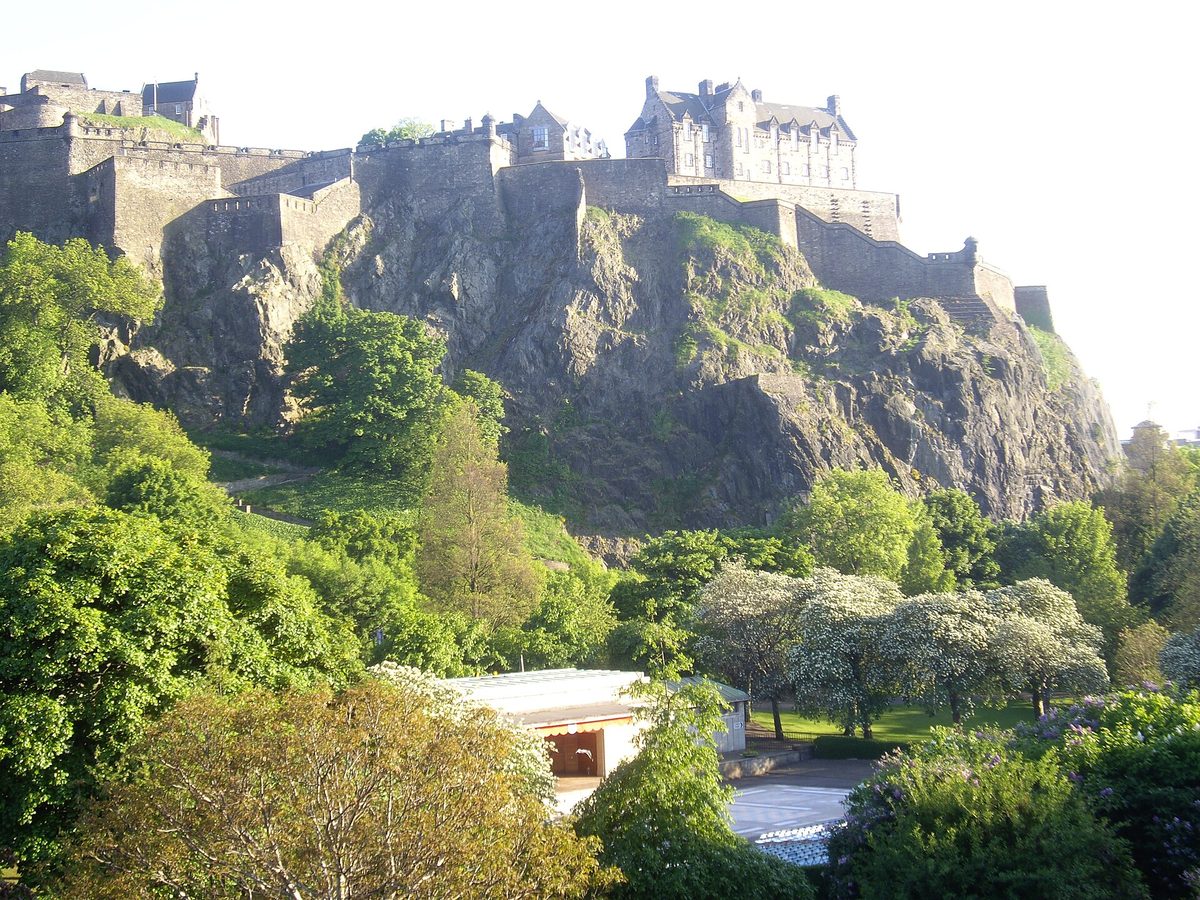
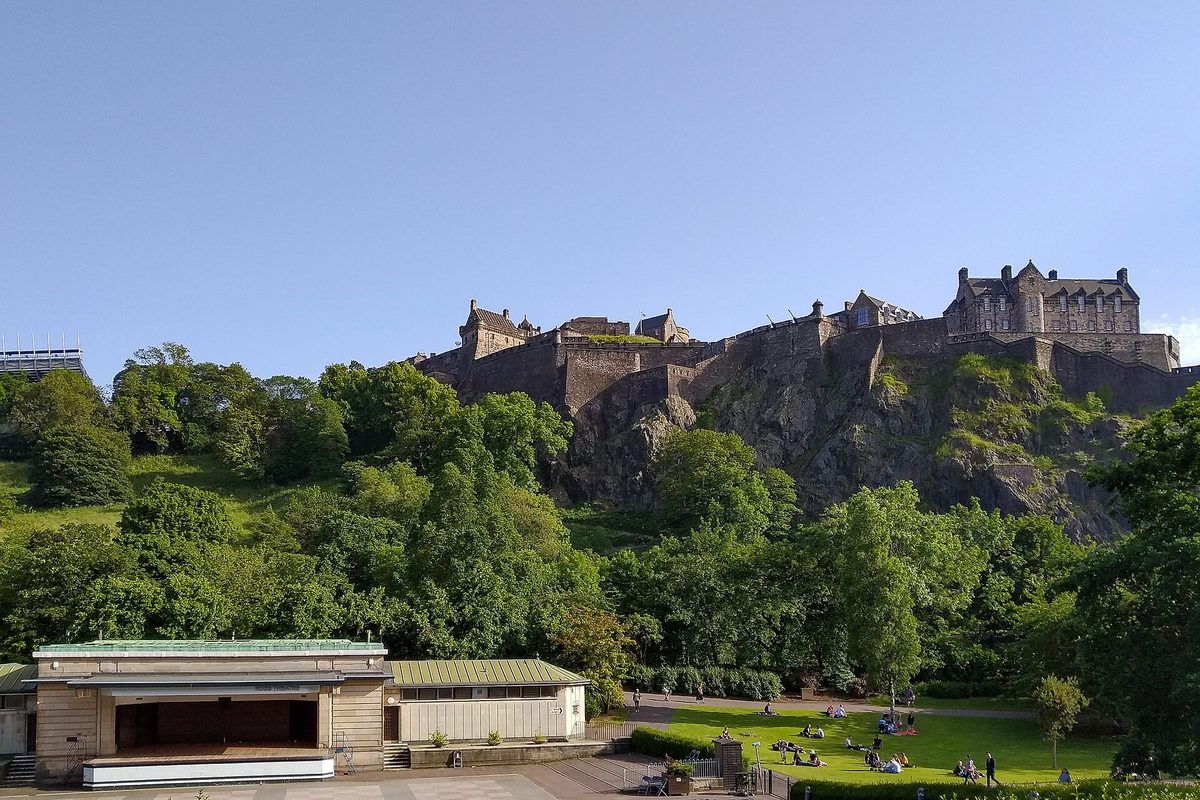
Do not collect the car yet. Edinburgh is a walking city with expensive, awkward parking, and you will use nothing but your legs and the odd bus. Two full days covers the Castle, the closes off the Royal Mile, Holyrood, Arthur’s Seat before breakfast if you are keen, and one long evening doing nothing in particular in the New Town.
Our two-day Edinburgh plan maps this out hour by hour if you want it structured; the wider Edinburgh travel guide is better if you would rather browse and choose. Book Castle tickets online for a timed slot — the queue at the drawbridge in summer is genuinely half an hour of your life.
Day 3: Edinburgh to Glencoe, 135 miles
Pick the car up in the morning from a city-edge branch rather than the centre if you can, then head west. Stirling Castle is the sensible first stop and takes about ninety minutes. It is the one castle on this route I would stop for even on a tight schedule — the position above the carse does half the work, and the Great Hall does the rest.
After that it is the A82 along Loch Lomond, which is slow, narrow and beautiful in equal measure, then Rannoch Moor, then the drop into Glen Coe. Aim to arrive by six. The whole day is only three and a half hours of driving but it will take you seven with stops, and that is the correct use of a transfer day.
Day 4: Glencoe and Glenfinnan, 115 miles
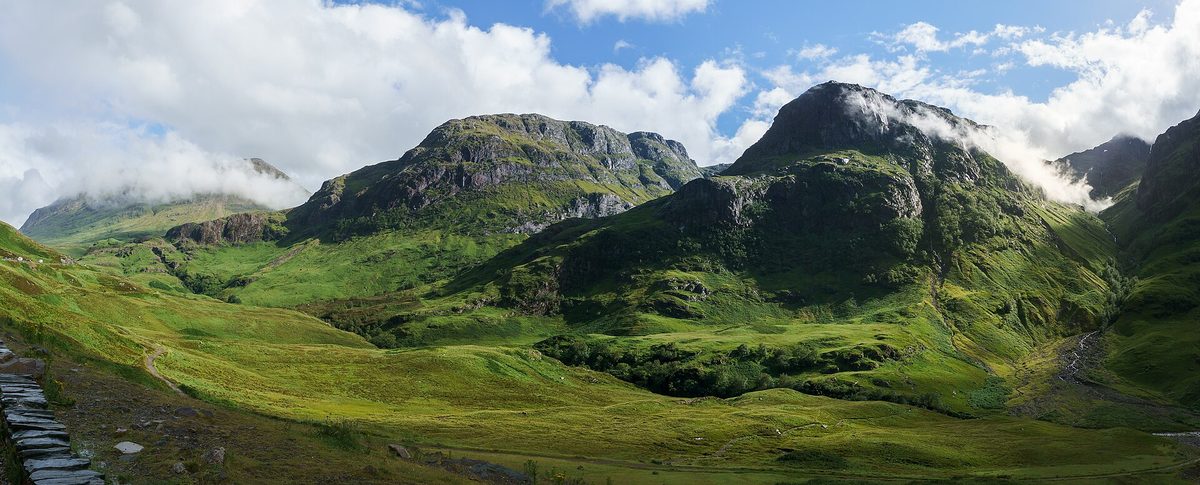
Stay put in Glencoe or Ballachulish and use the day properly. Morning: the Three Sisters viewpoints and, if the cloud is above 700 metres, the walk into the Lost Valley — two and a half hours return, steep and rocky in places, worth every minute. Our hiking in Scotland guide covers what to carry when the weather turns halfway up, which it will.
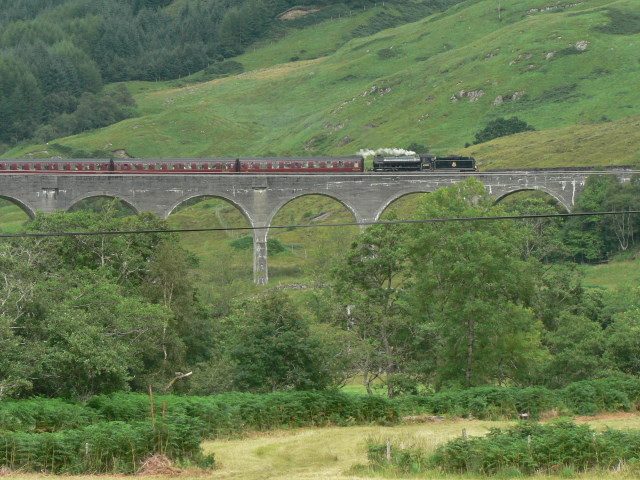
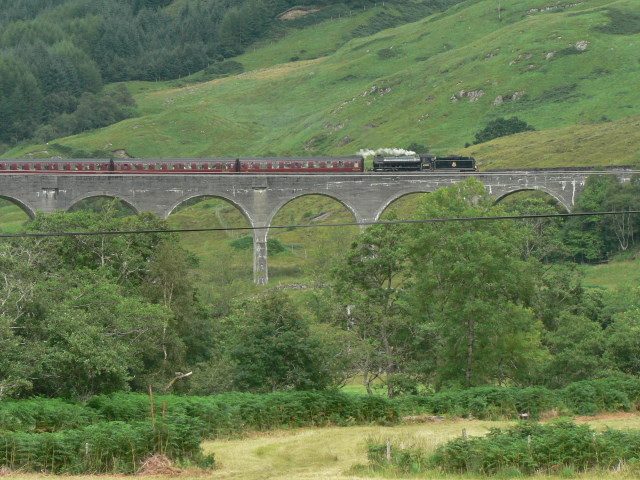
Afternoon: run out to Glenfinnan for the viaduct. Check the Jacobite steam train timings before you go, arrive at least an hour early in summer, and expect to pay for parking. If the railway is the reason you are there at all, our Harry Potter filming locations guide tells you which other sites are worth the diversion and which are just a hillside.
Day 5: Glencoe to Skye, 120 miles
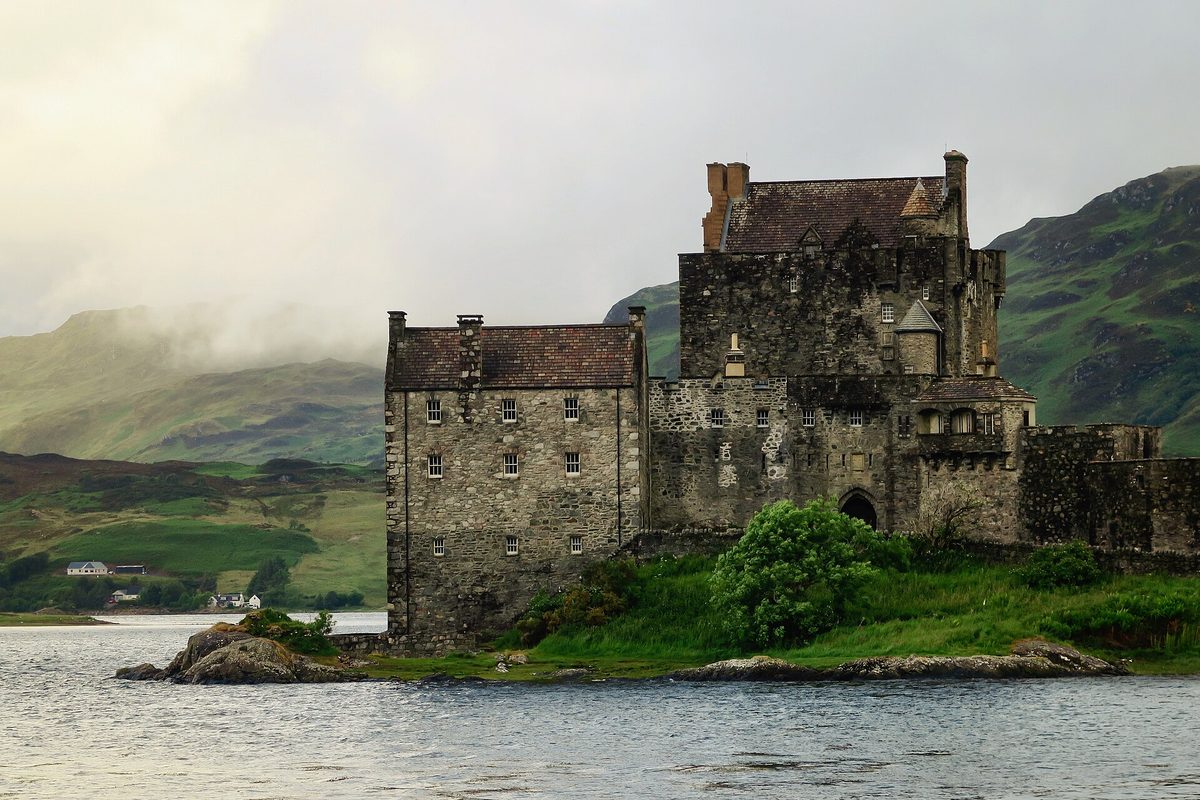
North on the A82 to Invergarry, west on the A87 through Glen Shiel. Stop at Eilean Donan Castle at Dornie — yes, it is on every calendar, and yes, it still stops you dead when you come round the bend and see it sitting on its island. Half an hour outside is enough if you would rather not pay to go in.
Cross the Skye Bridge by early afternoon. Base yourself in or near Portree for three nights. Broadford is cheaper and twenty-five minutes closer to the mainland; Portree is better for eating out and closer to Trotternish.
Days 6 and 7: the Isle of Skye
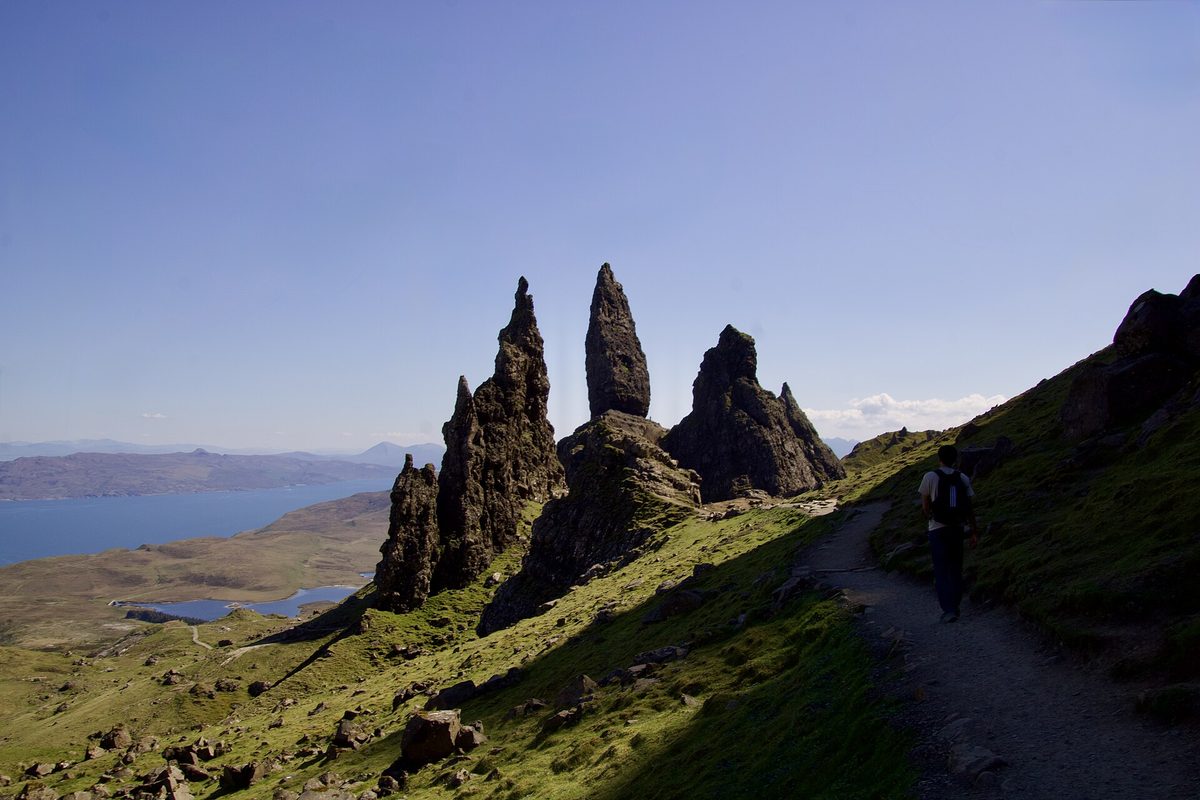
Day six is the Trotternish loop, roughly 70 miles: the Old Man of Storr first thing, before the car park fills, then Kilt Rock, then the Quiraing. Do the Storr early — by ten the path is a queue and the overflow parking is a scrum.
Day seven goes south or west. Either Elgol for the Cuillin view and, if the sea allows, a boat into Loch Coruisk; or Neist Point and Coral Beach on the Duirinish side. Both are about 85 miles round trip. Our Isle of Skye guide goes through the trailheads and parking properly, which matters more on Skye than anywhere else in Scotland.
One honest warning: Skye in July and August is busy in a way that surprises people who came for wilderness. Three nights is right. Five would be too many unless you walk.
Day 8: Skye to Applecross over the Bealach na Ba, 90 miles
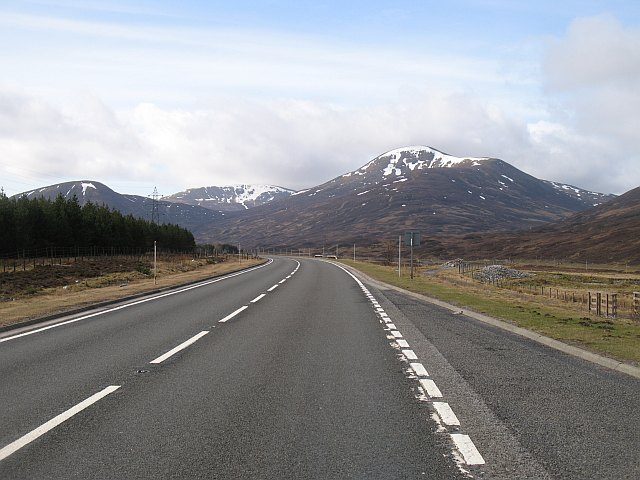
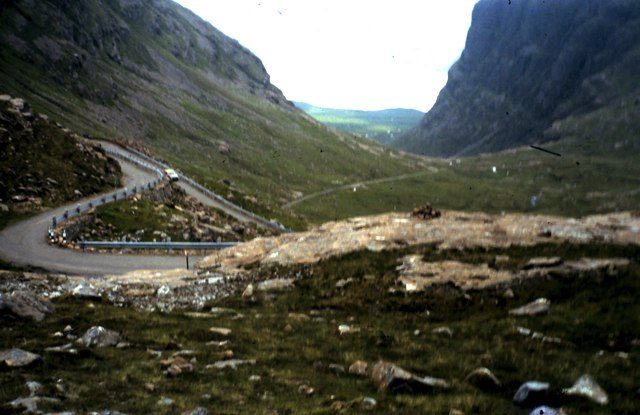
Back across the bridge, then the turn at Tornapress onto the Bealach na Ba. This is the greatest ascent of any road climb in Britain, rising from sea level to 626 metres (2,053 feet) in about six miles, single track throughout, with hairpins near the top and gradients that reach around one in five. It was built in 1822 as a drove road and paved in 1950, and it still feels like something that should not be a public road.
Drive it slowly, use first gear on the descent, and remember the rule that saves everyone’s paintwork: passing places are for passing and for letting faster traffic through, never for parking. If the passing place is on your left, pull into it. If it is on your right, stop opposite and let the other car use it.
It is closed in snow, and there is a signed low-level alternative round the coast via Shieldaig if the gates are shut or you are in something long. Stay in Applecross for the night. This is one of the beds you must book earliest — more on that below.
Day 9: Applecross to Ullapool via Torridon, 115 miles
Take the coast road north out of Applecross rather than going back over the pass. It is slower, emptier and one of the finest drives in the country, and it delivers you at Shieldaig with the whole of Torridon in front of you.
Beinn Eighe and Liathach dominate the next hour. The National Nature Reserve visitor point near Kinlochewe has two waymarked trails if you want to stretch your legs without committing to a mountain. Then Gairloch, then the long run down Loch Broom into Ullapool. This is a four-hour driving day and you should treat it as one — it is the single most scenic stretch of the whole route and rushing it is the one mistake I would actually call a shame.
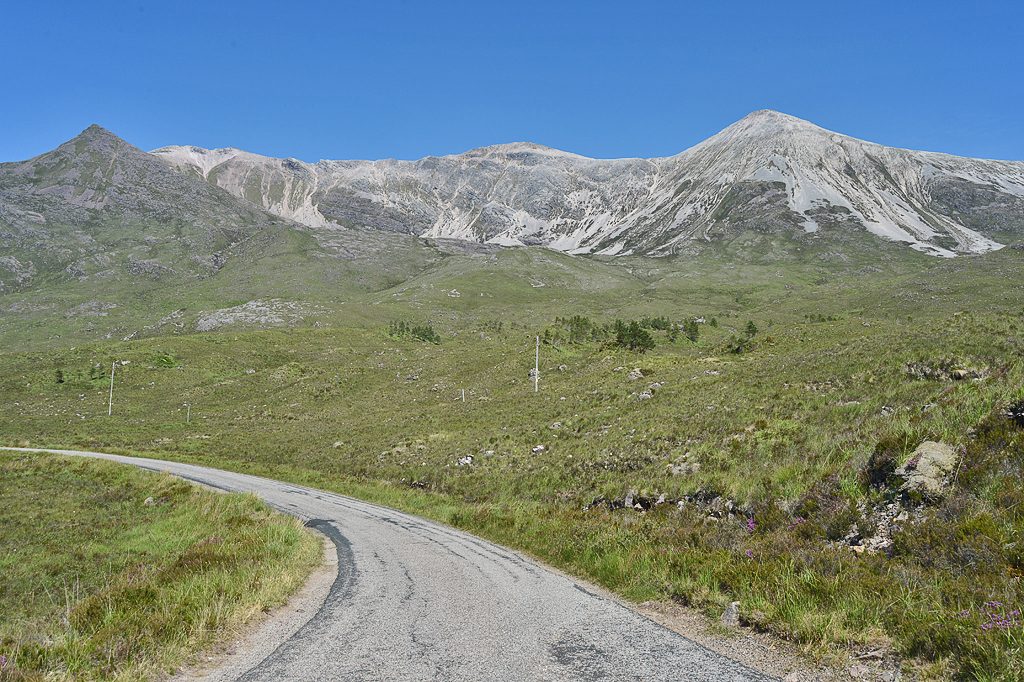
Day 10: the laundry-and-nothing day, Ullapool
Second night in Ullapool. No driving. I will defend this properly in a moment, but the short version is that this is the day that makes days 11 to 14 bearable.
Day 11: Ullapool to Durness through Assynt, 95 miles
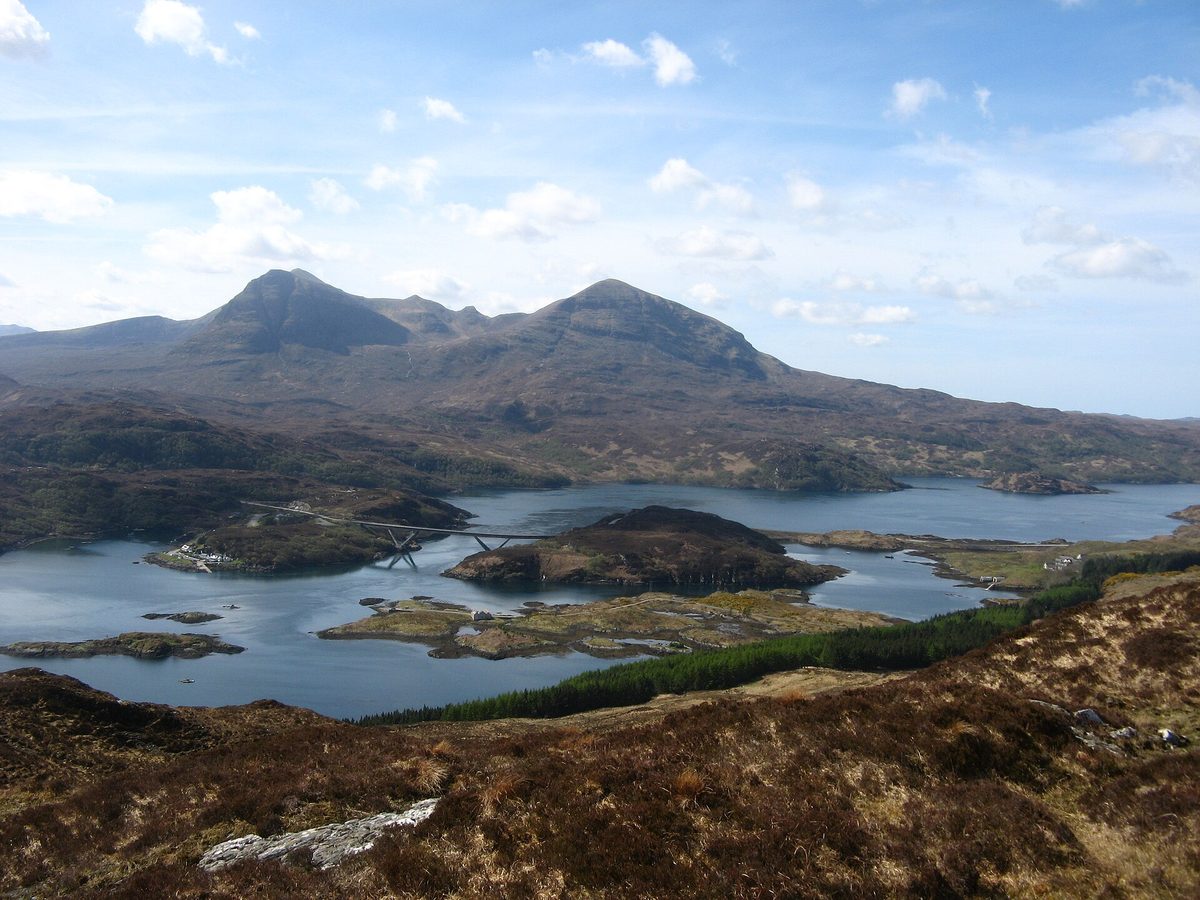
Ninety-five miles that will take you the whole day, and should. Stac Pollaidh, Suilven rising out of nothing behind Lochinver, the Kylesku Bridge, Achmelvich and Clachtoll beaches, and Smoo Cave just before Durness. The road is single track for long stretches with a fair amount of traffic on it in July.
The beaches up here genuinely rival anywhere in Britain for colour, and they are almost always empty because the water is around 12°C. Achmelvich and Clachtoll are both a short walk in from small, badly signed car parks, and both are worth the faff.
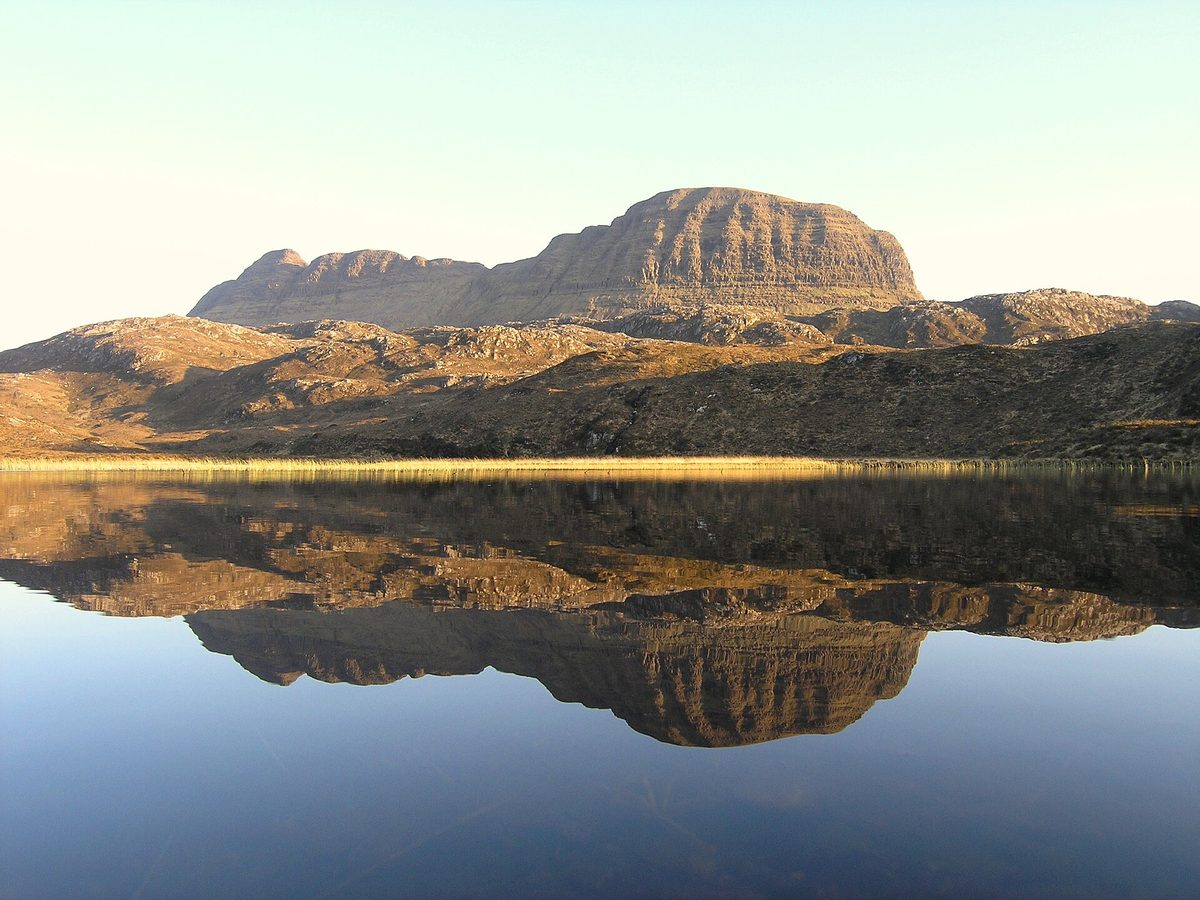
Day 12: Durness to Scrabster and the afternoon crossing, 80 miles
Comparatively easy driving on the A838 and A836 past Loch Eriboll and the Kyle of Tongue. Ceannabeinne beach just east of Durness is worth twenty minutes. Leave yourself an hour of slack at Scrabster and take a mid-afternoon sailing, so you wake up on Orkney rather than losing half of day 13 to the pier.
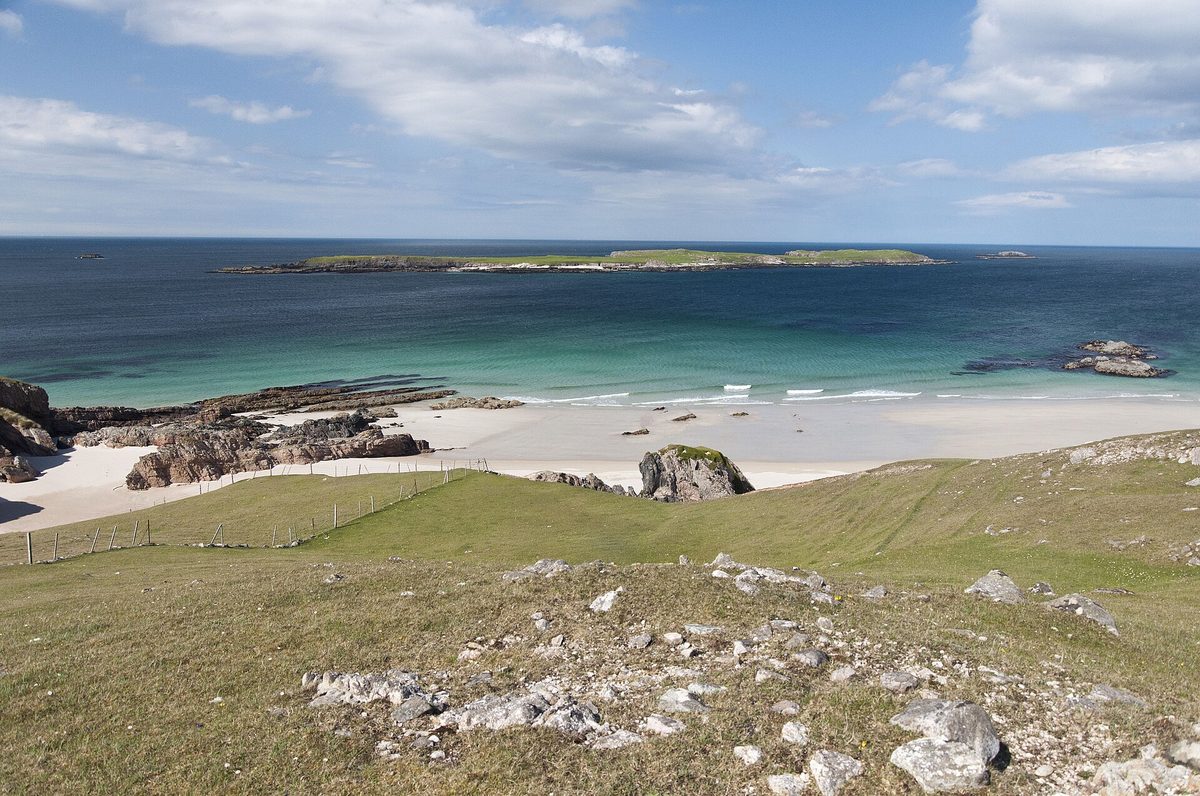
Days 13 and 14: Orkney, and the run back to Inverness
NorthLink runs Scrabster to Stromness in about 90 minutes, up to three times a day, and it is the crossing that passes the Old Man of Hoy. Pentland Ferries goes from Gills Bay near John o’ Groats to St Margaret’s Hope in around an hour and is often cheaper. Book the car space well ahead in summer either way.
Two nights on Orkney — arriving on the evening of day 12 — gives you one full day and two half days. That covers Skara Brae, the Ring of Brodgar, Maeshowe if you book the timed tour, the Italian Chapel and an evening in Kirkwall. It is not enough for Hoy or the north isles, and pretending otherwise is how people end up with a day of ferries and no walking. Take the first sailing back on day 14 and drive Thurso to Inverness down the east coast in about two and a half hours for an afternoon flight.
If a fortnight of islands appeals more than a fortnight of driving, our guide to the Scottish islands lays out which archipelagos reward the ferry time and which do not.
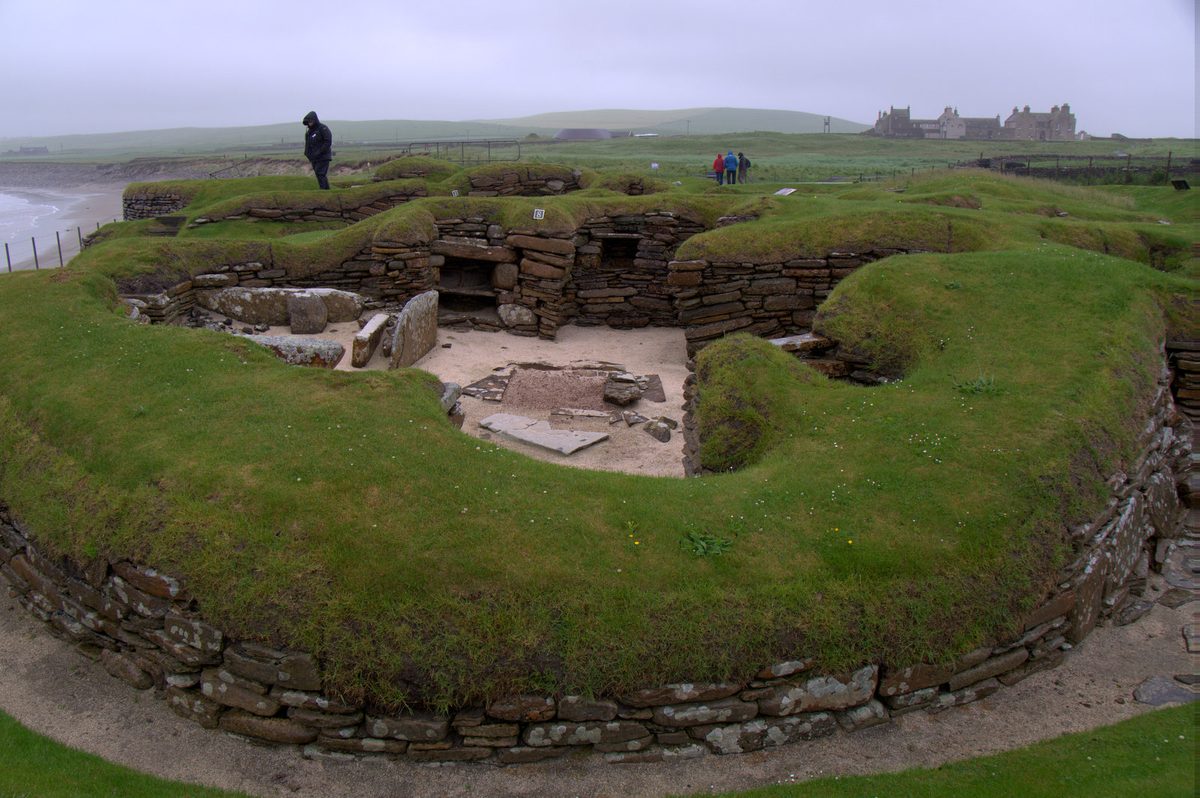
The Hebridean variant of Route A
If white sand and Gaelic-speaking villages appeal more than neolithic Orkney, swap the last leg. Keep days 1 to 7 as above, then sail Uig to Tarbert on day 8, spend three nights working up Harris and Lewis via Luskentyre, Callanish and the Gearrannan blackhouses, and return Stornoway to Ullapool on day 11. That leaves days 12 and 13 for Assynt and one night in Inverness before flying out.
It works out at roughly 1,000 miles — fewer than Route A — but with about six hours of ferry and check-in built in, so the saving is smaller than it looks. You lose Applecross, Torridon and the entire north coast doing it this way, which is a real loss. But the Hebrides are further from ordinary British life than anywhere else in the route, and some people find that worth more than another mountain road.
Route B: the slow version, four bases, about 900 miles
This is the trip I would take myself, and the one I recommend to anyone who walks, has children, or has been to Scotland before. Four bases across fourteen days. Three of the four are three nights or more. You unpack four times in a fortnight instead of twelve.
Around 900 miles and roughly 28 hours of driving — two hours a day on average, and most days considerably less than that. It skips Orkney, the Outer Hebrides and the whole north and east of the NC500 without apology.
Base 1: Edinburgh, three nights
Three nights rather than two, because Edinburgh rewards a slow day. The Castle, the Royal Mile closes and Arthur’s Seat fill two days; the third is for a train out to North Berwick or Linlithgow, or a morning at the National Museum when it rains. Still no car.
Consider adding a day trip to Glasgow by train — it is fifty minutes from Waverley and the two cities are genuinely different animals. Our Glasgow travel guide makes the case better than I can in a paragraph.
Base 2: Glencoe or Ballachulish, three nights
Collect the car on the morning you leave Edinburgh. Drive up via Stirling, arrive mid-afternoon, and then do not move the luggage again for three days.
Day two is Glen Coe itself: the Lost Valley in the morning, Glen Etive in the afternoon, the Clachaig or the Ballachulish hotel bar in the evening. Day three is Glenfinnan and Loch Shiel, or Ben Nevis by the mountain path if you are fit, experienced and the forecast is genuinely good — it is a nine-hour day and the summit plateau is dangerous in cloud. If you would rather not, the Steall Falls walk in Glen Nevis is ninety minutes and one of the best short walks in the Scottish Highlands.
Base 3: Isle of Skye, four nights
Four nights on Skye is where Route B pulls away from every other fourteen-day plan. Three nights gives you the Storr, the Quiraing and one other thing. Four gives you all of that plus a full weather buffer — you can look at the forecast on arrival and decide which day gets the ridge and which day gets the museum at Dunvegan.
Trotternish, Elgol, Neist Point, the Fairy Pools if you must, Talisker at Carbost, and a boat trip if the sea is calm. Book self-catering rather than a hotel here; it is cheaper for four nights and it comes with the washing machine that the next section depends on.
Base 4: Torridon or Shieldaig, three nights
Cross back to the mainland and drive north to Torridon — only about 100 miles, but do it via the Bealach na Ba and the Applecross coast road and it will take you most of the day, which is the point.
From a Torridon base you can walk the Coire Mhic Fhearchair path under Beinn Eighe, drive out to Gairloch and Inverewe, or run north to Ullapool and back. Three nights here without a fixed schedule is, to me, the best part of any two-week Scottish trip. Nowhere else in Britain feels this empty this close to a tarmac road.
On day fourteen, drive Torridon to Inverness in about two hours and fly home, or add a final night in the city if your flight is early. Our Loch Ness and Inverness guide covers what is worth doing with a spare evening there, which is more than the loch monster industry would suggest.
What Route B gives up, stated plainly
No Orkney. No Outer Hebrides. No John o’ Groats, no Durness, no Assynt beaches, no east coast. You will drive perhaps a third of the NC500 and none of its northern half. If your mental image of Scotland was built from photographs of Suilven and Sandwood Bay, this route will not deliver it.
What it gives you instead is four proper walking days, four evenings that start before eight o’clock, and the ability to change your mind when the forecast changes. Over fourteen days that trade has always been worth it for me.
Clockwise or anticlockwise on the NC500? Let me actually settle this
Almost every guide answers this with a shrug and a preference. There is a better answer, and it starts with a point most people miss.
Where you join the loop decides it, not your taste
The NC500 is 516 miles starting and ending at Inverness. If you are doing it as a standalone loop from Inverness, direction is a genuine choice. If you are arriving from Skye as part of a longer fourteen-day route — as both routes above do — you meet the loop at its south-west corner near Lochcarron. Going anticlockwise from there means driving 160 miles east to Inverness first, purely to start in the right place.
Do not do that. Join at Applecross and run it clockwise: Applecross, Torridon, Ullapool, Assynt, Durness, the north coast, and out at Thurso or back down the east side. Geography has already made the decision.
The case for anticlockwise, if you are starting at Inverness
Going anticlockwise means north up the east coast first — the Black Isle, Dornoch, Wick, John o’ Groats — then west along the top and finally south down the west coast.
Two arguments in its favour, both practical. First, the east coast is faster, wider road, so you get three or four days of Highland driving under your belt before the single-track sections that matter. By the time you reach the Bealach na Ba you have reversed into forty passing places and stopped flinching. That, and not any geometry, is the real reason the Applecross approach feels easier anticlockwise.
Second, heading south down the west coast puts the sea on your right and you on the inland side of the carriageway. On the exposed stretches above Loch Kishorn and around Loch Assynt that means the oncoming vehicle is the one edging towards the drop, not you. Over a week of single-track that difference is worth more than it sounds.
The case for clockwise
The honest argument for clockwise is weather and energy. The west coast is the better half of the route by a wide margin, and if the forecast on your departure morning shows a three-day window of high pressure in Wester Ross, you should be spending it in Wester Ross, not in Wick.
Clockwise also finishes on the east coast, which is far easier driving when you are tired and heading for a flight from Inverness. Ending a fortnight with three hours of hairpins is a poor design.
So: check the forecast the week before. Default to anticlockwise from Inverness; go clockwise if the west is settled or if you are joining from Skye. Whichever you pick, do not turn round halfway — the single-track roads work far better when everybody is flowing the same way.
What people get wrong about the Bealach either way
The hairpins are on the eastern side, above Tornapress. Climbing them from the east is slower and more nerve-racking; descending them westward to the coast is quicker but demands proper engine braking and a willingness to stop. Neither direction is dangerous in a normal car in dry weather. Both are a bad idea in a large motorhome, in snow, or after dark, and the signs at the bottom saying so are not decoration.
The laundry-and-nothing day, and why I insist on it
Every fourteen-day itinerary I read had fourteen days of activity in it. Not one had a rest day. This is the single change that most improves a two-week Scottish trip, and I want to defend it properly rather than just recommend it.
Put it on day 9 or 10, in a town with shops
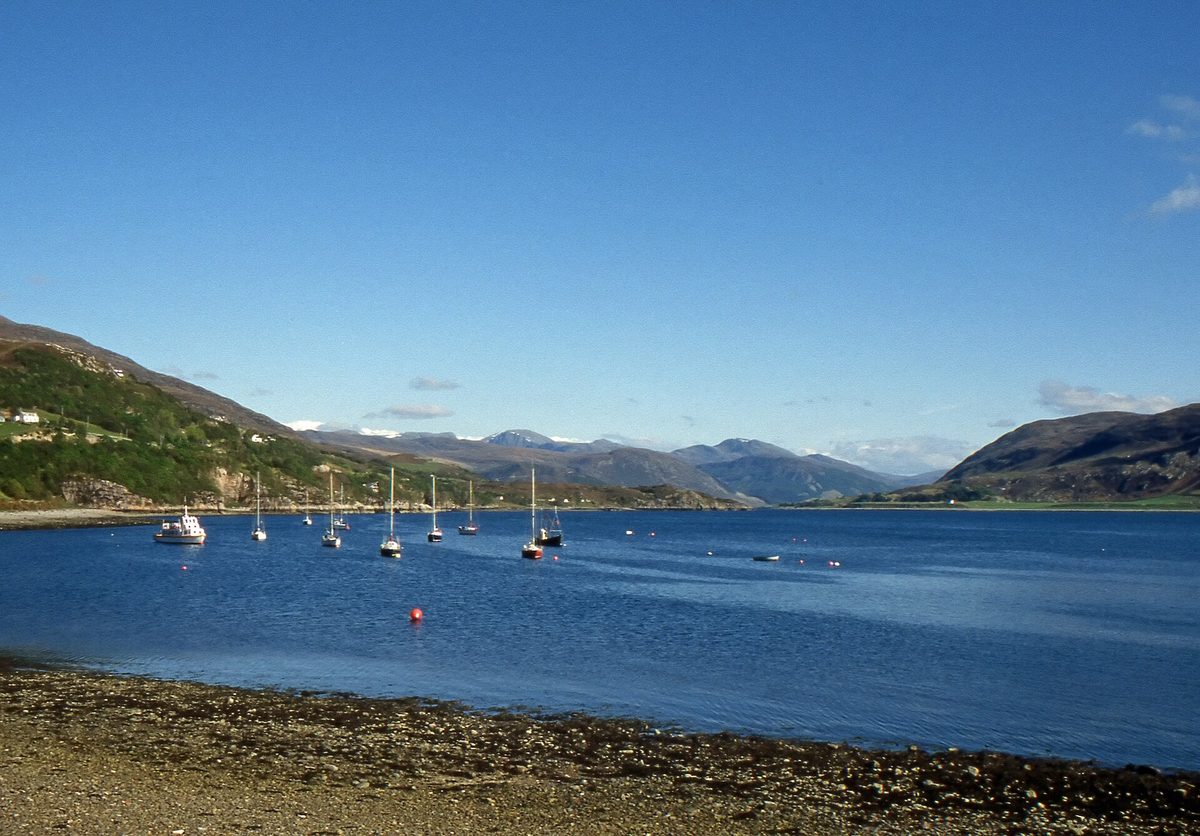
Ullapool is my preference on Route A. It has a Tesco, a couple of good places to eat, a bookshop, a bakery, a harbour to sit at and a launderette. Portree and Fort William work too. Durness, Applecross and Torridon do not — they are lovely and they have almost no infrastructure, which is exactly wrong for this day.
What the day actually looks like
Wash everything. Waterproofs and walking socks after a week of Highland weather are genuinely unpleasant and you have another week to go. Most self-catering places have a machine; a great many Highland hotels and B&Bs do not, and will not do it for you. If your whole trip is hotels, find a launderette and check its hours the day before, because rural opening times are short and Sundays are unpredictable.
Then: nothing. A long breakfast. A walk that starts from the door. Re-provisioning the car with actual food rather than petrol-station snacks. Sitting down for two hours with a book. Looking at the forecast for the second week and moving things around while you still can.
Why it earns its place
Three reasons. It converts your second week from endurance back into holiday, and the difference in how much you actually take in on days 11 to 14 is enormous. It gives you a floating spare day: if a ferry is cancelled or the pass is shut, this is the day you sacrifice, and nothing else in the plan breaks. And it is the only point in a fortnight where you have both the information and the freedom to re-plan — by day 10 you know what the weather does in your particular fortnight and what you actually enjoy.
A day of doing nothing is not a wasted day out of fourteen. It is the day that pays for four others.
Booking: what to lock in, and how far ahead
The NC500’s bed shortage is the biggest single constraint on planning a fourteen-day Scottish trip, and most guides mention it in passing as though it were a nuisance rather than the thing that determines your route.
Understand the scale of the problem
Applecross, Shieldaig, Torridon, Lochinver, Kylesku, Scourie, Durness and Kinlochbervie have, between them, a few hundred beds. In July the route carries thousands of vehicles a week. There is no elasticity: no chain hotel is going to open in Durness because demand spiked. When those places are full, the nearest alternative may be 40 miles away on a single-track road.
This is why the route has to be built around where you can sleep, not the other way round. Find the beds, then draw the line between them.
Booking windows that actually work
- Applecross, Durness, Kylesku, Scourie in July or August: book six to nine months out. Some of the small inns open their diary around a year ahead and the good rooms go within weeks.
- Ullapool, Portree, Torridon in high summer: four to six months.
- Edinburgh in August: six months minimum, and expect festival pricing roughly double the rest of the year. If you are not going for the festivals, avoid August in Edinburgh altogether.
- Anywhere in May, June or September: two to four months is usually fine, and September is markedly easier than July.
- Car ferries to Orkney or the Outer Hebrides in summer: as soon as the timetable opens, typically several months ahead. Foot passengers can be far more casual; cars cannot.
- Hire car: three months for summer, and price the one-way fee before you commit to an open-jaw route.
Where you sleep shapes the whole fortnight, so it is worth reading our guide to where to stay in Scotland before you start clicking book. The choice between a Portree hotel and a Struan cottage changes what your days look like more than the itinerary does.
What you can safely leave to chance
Restaurants outside Edinburgh and Skye, mostly. Distillery tours, if you are flexible about which distillery — though the famous names on Speyside and at Carbost do sell out, so check our Scotch whisky distillery guide if a specific one matters to you. Walks, obviously. Boat trips, which depend on weather anyway and are usually bookable a day or two out.
What you cannot leave: Edinburgh Castle timed slots in summer, any timed-entry Historic Environment Scotland site on Orkney, the Jacobite steam train, and every single bed north of Ullapool between June and August.
Getting there, and whether you need the car at all
Edinburgh and Glasgow both have direct long-haul and short-haul flights; Inverness is well served from within the UK and is the sensible exit point for both routes here. Trains from London to Edinburgh take about four and a half hours, and the Caledonian Sleeper runs overnight to Edinburgh, Glasgow, Inverness and Fort William.
You can do a version of fourteen days without driving. Trains reach Fort William, Mallaig, Kyle of Lochalsh, Oban, Thurso and Wick, with buses filling some of the gaps, and the West Highland Line is a genuine attraction rather than a compromise. Our guide to getting around Scotland sets out what connects to what, and be realistic: rural bus timetables assume you live there.
When to go, and what changes
May and September are the two months I would choose for a fourteen-day trip, and it is not close. Long daylight, thinner traffic, better accommodation availability and far fewer midges than midsummer.
May gives you the longest run of settled weather statistically, roughly 16 hours of daylight by month’s end, and midges that have barely started. September gives you autumn colour, warm sea, quiet roads after the school holidays and sunsets at a civilised hour, at the cost of shorter days and a higher chance of an Atlantic system parking itself over the west.
July and August bring the crowds, the highest prices, the fullest ferries and the midges at their worst. If you can only travel then, weight your plan towards the east and the higher ground, book far earlier than feels reasonable, and read up on Scotland’s midge season before you buy a tent. Our month-by-month guide to when to visit goes into the trade-offs in more detail.
Winter is a different trip entirely. Days are seven hours long, the Bealach na Ba and the higher passes close without warning, and much of the west coast accommodation shuts from November. It can be marvellous. It is not a fourteen-day driving route.
What underwhelms, what to skip, and the mistakes I keep seeing
I would rather tell you this now than have you find out on day nine.
Loch Ness
It is a long, deep, dark loch with limited access to its shore and a visitor industry built on a hoax. The drive along the A82 is pleasant and Urquhart Castle has a good position, but nothing about it justifies rearranging a fourteen-day route. If you pass it, stop. Do not detour for it.
John o’ Groats
A signpost, a car park and some shops. Duncansby Head, two miles east, has the sea stacks and the cliff walk and is what people imagine John o’ Groats will be. Go there instead, and give the signpost five minutes if you want the photograph.
The Fairy Pools
Clear water, a decent short walk, and in July a paid car park that fills by nine and a path with several hundred people on it. If you have four nights on Skye, go at eight in the morning or not at all. Coire Lagan or the Coral Beach will give you more for the same effort.
Trying to fit the Outer Hebrides in as a two-night hop
The ferry crossings, the check-in windows and the driving distances on Lewis and Harris mean that two nights buys you roughly one usable day. You will spend more hours getting there than being there. Three nights is the realistic minimum, and four is better. If you cannot give it four, leave it for another trip.
Booking fourteen different beds
This is the mistake that ruins more Scottish fortnights than weather does. Every move costs you an hour packing, an hour of check-in admin and the whole first evening finding your feet. Twelve moves is twelve wasted evenings. Five is plenty for two weeks.
Underestimating single-track roads
Most visitors plan Highland driving using a satnav estimate and then wonder why they are always an hour late. On the A894, the A838 or the Applecross coast road, plan for 25 to 30mph averages including the passing places, the sheep and the stops you will inevitably make. If a day looks like more than four hours of driving on the map, it is a five-and-a-half hour day in reality.
Assuming petrol stations behave normally
Between Ullapool and Durness, and again between Durness and Thurso, filling stations are sparse and several keep short hours or close on Sundays. Fuel is noticeably dearer than in Inverness. Fill up when you are at half a tank rather than a quarter, and carry a card and some cash.
Driving the A9 tired
The A9 between Perth and Inverness alternates dual and single carriageway, has average-speed cameras along much of it, and is the road people take on at nine in the evening at the end of a long day. Do not. It is the least forgiving driving on either route and the least interesting. Our Scotland travel tips covers the road habits that make Highland driving easier, and none of them are complicated.
If your fourteen days becomes twelve, cut this first
Orkney goes. It is the leg with the worst ratio of transit to time on the ground: two ferry crossings, two terminal check-ins, three days committed for about a day and a half of daylight sightseeing. Everything on Orkney is remarkable, and it deserves four days of its own on a separate trip rather than three squeezed days on this one.
Cutting Orkney turns Route A into a clean twelve days: Edinburgh 2, Glencoe 2, Skye 3, Applecross 1, Ullapool 2 including the rest day, Durness 1, then the run down to Inverness. About 980 miles and 33 hours of transit.
If it drops to ten, lose the north coast as well — Durness, Tongue, Thurso — and finish with Assynt, coming back down the A835 to Inverness. Our 10-day Scotland itinerary sets that shorter version out properly. At a week you are choosing between the Highlands and the cities, not combining them, and our 7-day Scotland itinerary makes that choice for you.
What I would never cut, in order: the rest day, the fourth night on Skye, and Torridon. Those three are what makes a fortnight feel like a fortnight.
Frequently asked questions
Is two weeks enough time for Scotland?
Two weeks is enough for two regions done well — typically a city plus the Highlands and one island group. It is not enough for the whole country. Visitors who try to add Orkney, the Outer Hebrides and the full NC500 to a fourteen-day trip spend about a third of it in a car or a ferry queue.
How many miles will I drive on a 14 day Scotland itinerary?
A sensible grand tour comes to roughly 1,150 miles and about 42 hours of transit. A slower four-base route is around 900 miles and 28 hours. The maximalist version that tries to include everything runs to about 1,400 miles and 55 hours. Highland averages are closer to 32mph than 50, so plan generously.
Should I drive the NC500 clockwise or anticlockwise?
If you are starting and finishing at Inverness, go anticlockwise: the easier east coast first builds your single-track confidence before Applecross, and heading south down the west coast keeps you on the inland side. If you are joining from Skye, go clockwise — backtracking 160 miles to Inverness just to reverse direction is wasted time.
Can I do Skye, Orkney and the Outer Hebrides in two weeks?
Technically yes, and I would advise against it. Doing all three means at least four car ferry crossings, roughly 1,400 driving miles, and about one full day on each island group after transit is deducted. Pick two of the three at most, and ideally pick one island group plus the mainland north-west.
How far ahead should I book NC500 accommodation?
For July and August, six to nine months for Applecross, Durness, Kylesku and Scourie, and four to six for Ullapool and Torridon. Those villages have only a few hundred beds between them and there is no overflow. May, June and September are far easier — two to four months is normally enough.
What is the best month for a two-week Scottish trip?
May or September. May has the longest run of settled weather and almost no midges; September has quiet roads, autumn colour and better availability. July and August bring peak crowds, peak prices and peak midges. Winter is a fine trip but not a fourteen-day driving route, with seven-hour days and passes that close.
Do I need to hire a car for 14 days in Scotland?
For the routes here, yes. Without a car you can still build a strong fortnight around Edinburgh, Glasgow, Fort William, Mallaig, Skye by bus and Inverness, using the West Highland Line, which is a pleasure in itself. What you cannot reach reliably is Assynt, Applecross, Torridon and most of the north coast.
Should I start in Edinburgh or Glasgow?
Start in Edinburgh and finish in Inverness. Edinburgh is the better first impression and the easier arrival airport for most international flights, and flying out of Inverness saves you 160 miles of the A9 at the end. If your flights only work through Glasgow, run either route in reverse — it works fine.
Final thoughts
The best fourteen days I have spent in Scotland involved fewer places than the worst. That is the whole lesson. A fortnight is a generous amount of time and it feels like enough for everything, which is exactly why so many people arrive home tired, with a camera full of car-park views and a vague sense that they missed it.
Pick your two regions. Book four or five beds, not twelve. Leave day ten empty on purpose. And when the forecast gives you a clear morning in Torridon or a still evening on Skye, have enough slack in the plan to stay put and watch it. That is the trip worth flying for — and if you want to sanity-check the shape against other trip lengths, the wider Scotland itinerary hub is the place to start.
About the author: This guide was written and is maintained by the ScotlandTourism.org editorial team — travel writers who’ve spent years exploring Scotland’s cities, Highlands and islands, from bagging Munros to chasing the perfect dram. We update our guides regularly to keep prices, opening details and advice current.
Last updated: August 2026. Prices and opening times change — always check the official site before you travel.
Photo credits
All images are used under their respective Creative Commons or public-domain licenses:
- Edinburgh Castle above Princes Street Gardens at the start of a two week Scotland itinerary — Matti Blume, CC BY-SA 4.0, via Wikimedia Commons
- The Three Sisters ridges rising above Glen Coe in the Scottish Highlands — Colin, CC BY-SA 4.0, via Wikimedia Commons
- Steam train crossing the curved Glenfinnan Viaduct above Loch Shiel — Chris Downer, CC BY-SA 2.0, via Geograph
- A walker on the path below the Old Man of Storr on the Trotternish ridge, Isle of Skye — Lauwz The Kiwistralian, CC0, via Wikimedia Commons
- Hairpin bends on the Bealach na Ba, the steepest road ascent in Britain, on the way to Applecross — ronnie leask, CC BY-SA 2.0, via Geograph
- The single track Torridon road below the quartzite slopes of Beinn Eighe in Wester Ross — Nigel Brown, CC BY-SA 2.0, via Geograph
- Suilven reflected in a still lochan in Assynt, Sutherland, on the North Coast 500 — Andrew Tryon, CC BY-SA 2.0, via Geograph
- Ceannabeinne beach near Durness on the north coast of Sutherland — Paul Hermans, CC BY-SA 3.0, via Wikimedia Commons
- Stone dwellings of the neolithic village at Skara Brae on Orkney Mainland — Mike Pennington, CC BY-SA 2.0, via Geograph
- Eilean Donan Castle at Dornie on the road to the Isle of Skye — George Hiles hilesy, CC0, via Wikimedia Commons
- The curving Kylesku Bridge spanning Loch a Chairn Bhain on the North Coast 500 — Reboelje, Public domain, via Wikimedia Commons
- Boats moored on Loch Broom at Ullapool, the best rest-day base on a 14 day Scotland itinerary — Giorgio Galeotti, CC BY 4.0, via Wikimedia Commons