The first time I drove into Aviemore I nearly kept going. It was a wet Tuesday in October, the main street was a run of chain hotels, outdoor shops and a Tesco, and I remember thinking the Highlands had been oversold to me. Then I turned left at the bridge, drove for nine minutes, and walked into a forest of 300-year-old Scots pines with a ruined castle sitting on an island in a loch. That is the single most useful thing I can tell you about the best things to do in Aviemore: almost none of them are in Aviemore.
The town is a base, and a genuinely good one. But it sits in one corner of a national park that covers 4,528 square kilometres, which makes it bigger than Luxembourg and by some distance the largest national park in Britain. Treating the two as the same place is the mistake nearly every guide makes, and it is why so many people spend three days doing laps of the same fifteen-mile radius. This guide pans out. It covers Strathspey around Aviemore, the quieter Badenoch valley to the south, Royal Deeside on the far eastern side, and the Speyside and Tomintoul fringe to the north. It also tells you exactly what the Cairngorm funicular is and is not doing in 2026, because most of page one still gets that wrong.
What are the best things to do in Aviemore?
Walk the loop round Loch an Eilein for its island castle, spend an afternoon on the sandy beach at Loch Morlich, book a hill trip with the Cairngorm Reindeer Herd, and ride the funicular up Cairn Gorm. Then drive 25 minutes south to the free Highland Folk Museum at Newtonmore, which is better than anything in the town itself.
Aviemore and the Cairngorms at a glance
| Place | Best for | Time needed | Cost (2026) |
|---|---|---|---|
| Loch an Eilein, Rothiemurchus | Island castle, easy forest loop | 2 hours | Around £5 per car to park |
| Loch Morlich, Glenmore | Beach, paddling, watersports | Half a day | Around £5 all-day parking |
| Cairngorm Mountain Railway | Views without the climb | 2 to 3 hours | From around £17.95 adult |
| Cairngorm Reindeer Herd hill trip | Free-ranging reindeer on the open hill | 2 hours | Around £28 adult |
| Highland Folk Museum, Newtonmore | Living history, Outlander location | 3 to 4 hours | Free entry, parking charge |
| Strathspey Railway | Steam train through the strath | 2 hours | Around £26 adult return |
| Balmoral and Royal Deeside | Royal estate, Braemar, Linn of Dee | Full day from Aviemore | Around £18.50 adult |
| Tomintoul and Glenlivet Dark Sky Park | Stargazing, whisky, empty roads | An evening | Free |
First, get the geography straight
Cairngorms National Park runs from Dalwhinnie in the south-west to Ballater in the east and up towards Grantown-on-Spey and Tomintoul in the north. Aviemore sits on the north-western edge, on the A9 and the Highland Main Line, about 30 miles south of Inverness. Driving from Aviemore to Braemar on the eastern side takes over two hours, because there is no road straight through the middle. The mountains are in the way.
That middle is the point. The park holds 55 of Scotland’s 282 Munros and four of the five highest mountains in the United Kingdom: Ben Macdui at 1,309 metres, Braeriach at 1,296, Cairn Toul at 1,291 and Sgor an Lochain Uaine at 1,258. Between them sits a high arctic plateau with no shelter, no paths worth the name and the worst weather in Britain. Everything you can drive to is arranged around the edge of it, which is why the park feels so much bigger than the map suggests.
So think of your trip in four blocks: Strathspey and Aviemore, Badenoch to the south, Deeside to the east, and the Tomintoul and Speyside fringe to the north-east. Most visitors only ever see the first. If you have time for the wider region too, our guide to the Scottish Highlands puts the Cairngorms in context alongside the west coast and the far north.
Strathspey: Aviemore and its doorstep
Aviemore town itself, honestly
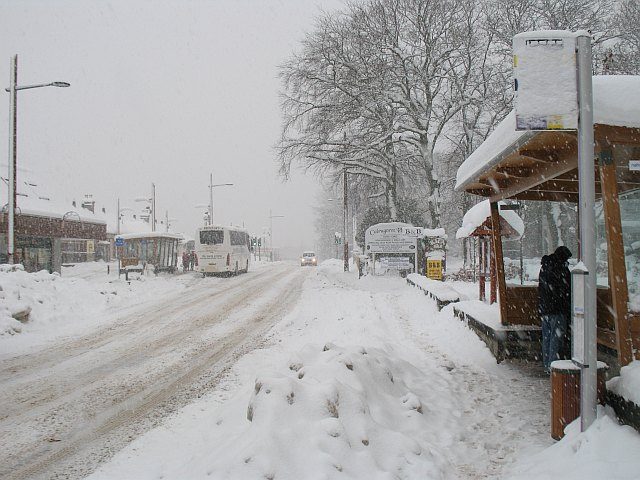
Grampian Road is not pretty. It is a functional strip of hotels, gear shops, takeaways, a supermarket and a couple of decent cafes, largely built or rebuilt during the resort boom of the 1960s and 70s, and it has the architecture to prove it. The old ice rink and swimming pool are long gone. There are empty units. On a Sunday evening in shoulder season it can feel closed.
None of which matters much, because you are not here for the high street. What Aviemore does brilliantly is logistics. It has a railway station on the Inverness line, a bus network that reaches Glenmore and Cairn Gorm, four supermarkets’ worth of provisions, the best-priced outdoor kit in the Highlands, and beds at every price point from a youth hostel to a resort spa. Buy your walking socks here, eat here, sleep here, and spend your daylight elsewhere.
Rothiemurchus and Loch an Eilein
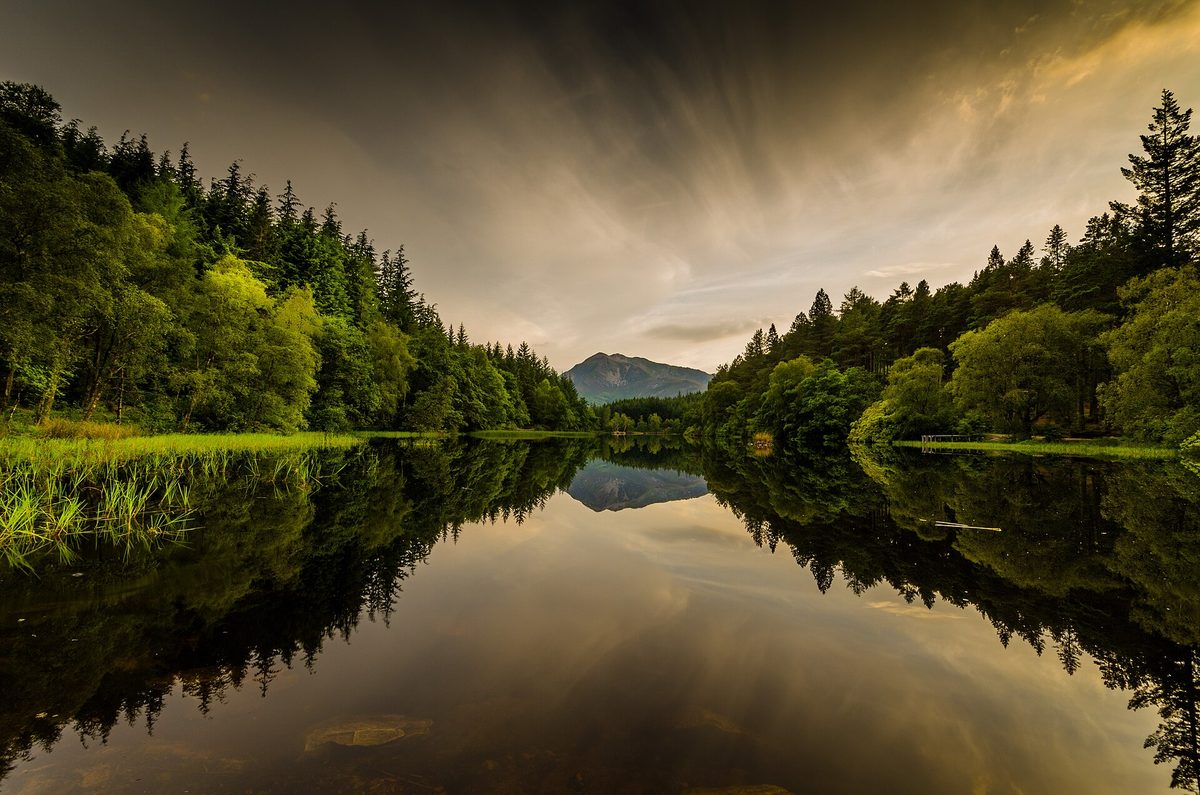
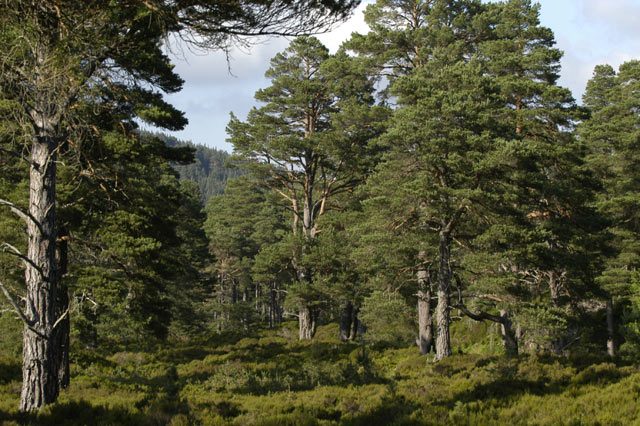
Rothiemurchus is the estate immediately south-east of Aviemore, and it holds one of the largest surviving fragments of the Caledonian pine forest. This is not a plantation. The trees are widely spaced, gnarled and often several centuries old, with heather and blaeberry underneath, and the light through them in late afternoon is the reason people fall for this part of Scotland.
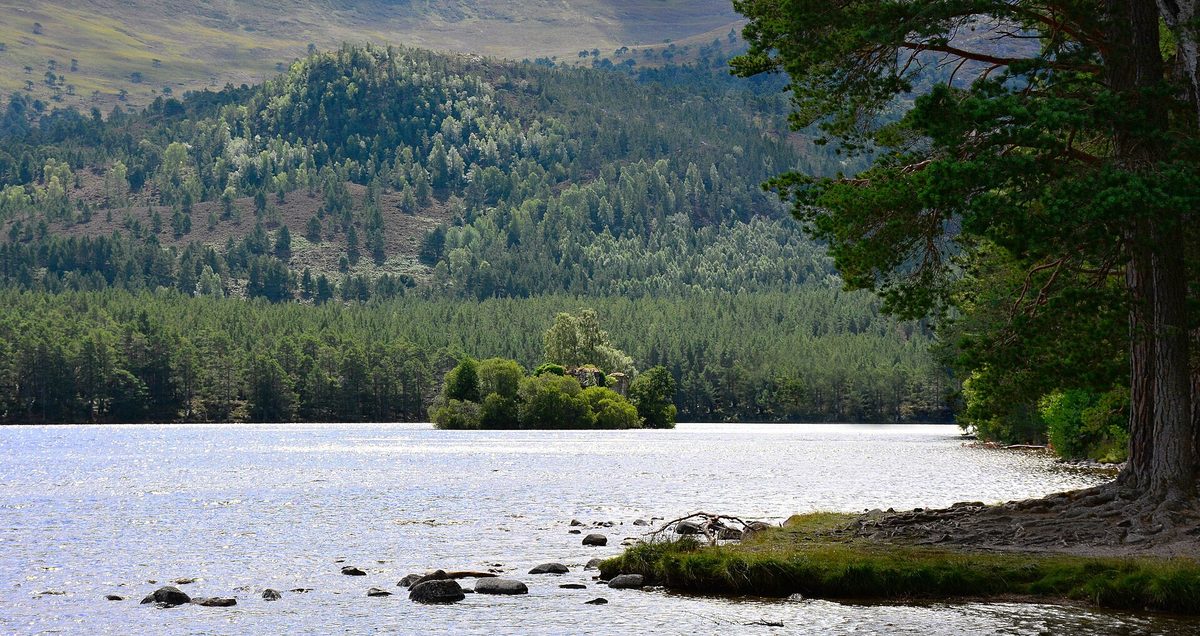
The walk to do is the circuit of Loch an Eilein, roughly three miles on a good gravel path with almost no climbing. On an island near the shore stands a small ruined castle, a stronghold of the Comyns and later the Grants, and on a still morning the reflection is exactly as good as you have been led to believe. Parking is charged, around £5 per car or £2 per person at the time of writing, which goes towards path maintenance. There is a small kiosk at the car park in season and no shop at the loch, so bring a flask.
The Rothiemurchus Centre at Inverdruie, on the B970, is the estate’s activity hub: quad treks, clay shooting, archery, fishing, pony trekking, ranger walks and a farm shop. It also runs Highland cattle feeding sessions if you want a guaranteed close-up, and we cover the alternatives in our guide to where to see Highland cows in Scotland. Booking ahead in July and August is sensible.
Loch Morlich and Glenmore
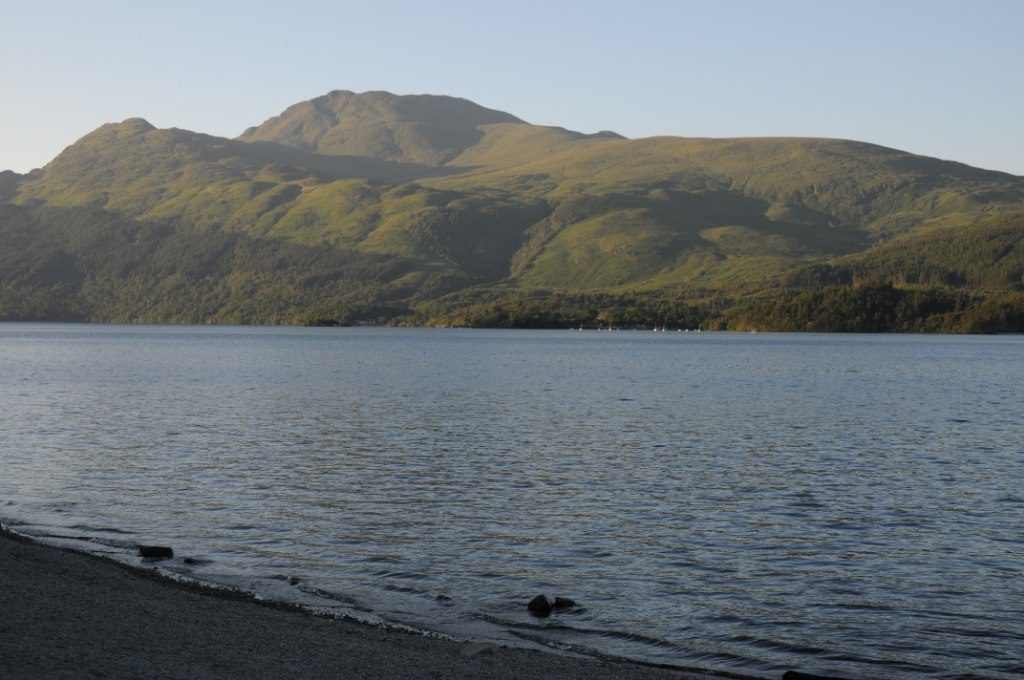
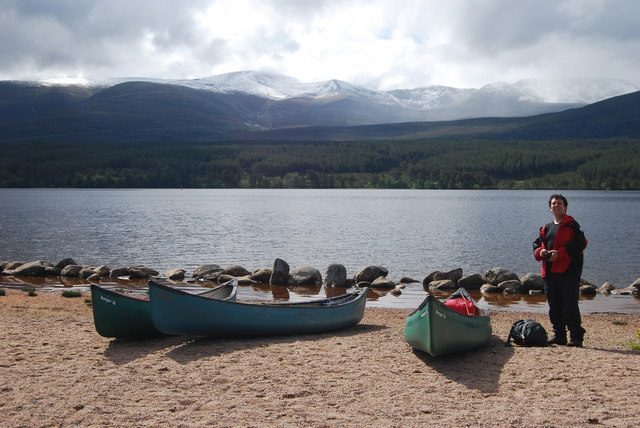
Seven miles up the ski road from Aviemore, Loch Morlich has a proper sandy beach at around 300 metres above sea level, which makes it the highest beach in the UK and the only inland freshwater loch to have won a Scottish beach award. On a hot July afternoon it is full of paddleboards, swimmers and small children shrieking at the water temperature. On a clear February morning it is empty, frozen at the edges, with the Northern Corries standing white behind it.
Loch Morlich Watersports on the north shore hires kayaks, canoes, paddleboards and sailing dinghies through the summer, and runs lessons. The water is snowmelt for much of the year, so a wetsuit is not optional in spring. If you are collecting sand and swimming spots across the country, it sits oddly but happily alongside the coastal entries in our round-up of the best beaches in Scotland.
One practical note that catches people out: the Loch Morlich beach car park is now run by The Highland Council, not Forestry and Land Scotland, and older forestry parking passes have not been valid there since November 2024. Charges at the time of writing run to around £2 for an hour, £3 for three hours and £5 all day, enforced 8am to 10pm. Pay at the machine and check the current tariff on the board, because this one has changed more than once in recent years.
The wider Glenmore Forest Park is worth a day on its own. The walk up through the Pass of Ryvoan to An Lochan Uaine, the Green Loch, is about four miles there and back on forest track and delivers water the colour of bottle glass. The Glenmore visitor centre has maps, toilets and trail leaflets.
The Cairngorm Reindeer Herd
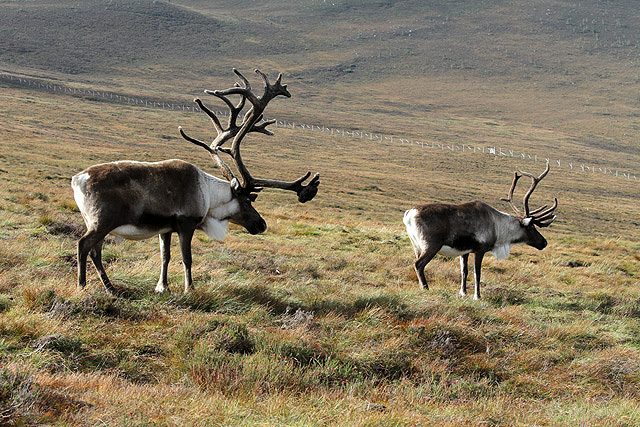
Britain’s only free-ranging reindeer herd lives on the hills above Glenmore, reintroduced in 1952 and now numbering around 150 animals split between the Cairngorms and the Glenlivet Estate. You can see them two ways. The paddock at the Reindeer Centre in Glenmore holds a small group and is accessible to wheelchairs and pushchairs. The hill trip is the real thing: you drive up the ski road, walk 25 to 30 minutes over rough, boggy ground, and find the herd out on the open mountain where they choose to be.
Hill trips generally run at 11am from February through to December, with a break of a few weeks between early January and February. From May to September there is usually a second trip at 2.30pm, plus an extra weekday trip at 3.30pm in July and August. Prices in mid-2026 were around £28 for adults, £25 for students and over-65s and £21 for children aged 3 to 16, plus a booking fee. Tickets are released 30 days ahead and the popular slots go quickly, so set a reminder. Boots, not trainers. You can hand-feed the reindeer but not ride or chase them, and in poor weather the trip may be cancelled outright.
The Strathspey Railway
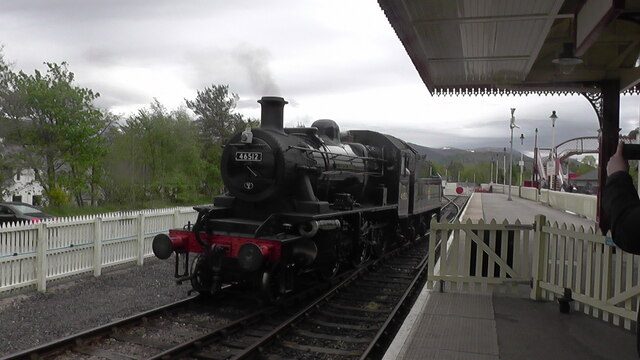
The preserved line runs ten miles from Aviemore’s platform 3 through Boat of Garten to Broomhill, taking around an hour and forty minutes for the full return with time to photograph the locomotive at each end. Broomhill doubles as “Glenbogle” for anyone who watched Monarch of the Glen. A whole-line adult return was £26.00 for the 2026 season, seniors £24.50, children aged 5 to 15 £15.00 and a family of two adults plus two children £58.00, with under-5s free.
It runs roughly late March to the end of October, with Santa specials from late November, and the operating days vary by month, so check the timetable before you build a day around it. It is a volunteer-run line and considerably cheaper than the Jacobite over at Fort William. If steam is your reason for coming to Scotland, put it alongside the routes in our guide to Scotland’s scenic train journeys, and see also our guide to Fort William for the Glenfinnan alternative.
Ospreys, capercaillie and the Abernethy forest
RSPB Scotland’s Loch Garten Nature Centre, about 20 minutes north-east of Aviemore near Nethy Bridge, sits inside Abernethy National Nature Reserve, the largest surviving remnant of Caledonian pinewood in the country. Ospreys returned to nest here in the 1950s after being wiped out in Britain, and the site has been the public face of their recovery ever since. The centre is open roughly 1 April to 31 October, 10am to 5pm with last entry at 4.30pm, and there is an admission charge for non-members.
Ospreys are present from around April to August and nesting outcomes vary year to year, so treat the live nest cameras as a bonus rather than a guarantee. Come early for crested tits and crossbills at the feeders. Capercaillie are here too but critically threatened, and there are lekking-season access restrictions in spring that you should respect absolutely.
Cairn Gorm itself: the funicular, the plateau and what you can actually do up there
What the mountain railway is doing in 2026
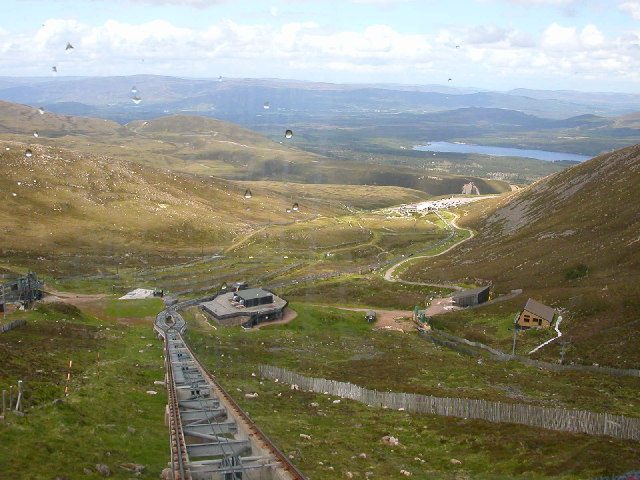
Here is the part that most articles get wrong. The Cairngorm Mountain funicular closed in 2018 after structural faults were found in the concrete viaduct that carries it. It reopened, then closed again in August 2023 for further remediation work, and it returned to service on 27 February 2025. If you read anywhere that it has “been closed since 2018” or is “due to reopen in 2022”, you are reading something that has not been touched in years.
As of 2026 it runs daily, weather permitting, from the base station at 635 metres to the Ptarmigan top station at 1,097 metres. The journey takes around five minutes in the snowsports season, when they run it faster for skiers, and around eight minutes the rest of the year. The last train up is currently 15.30 and the last down 16.30. Advance online prices at the time of writing were £17.95 for adults, £9.95 for juniors aged 6 to 17, £14.50 for students and over-65s and £45.00 for a family of two adults and two juniors, with roughly £2 to £6 more if you buy on the day. There is a scheduled maintenance shutdown in early November 2026.
Check the mountain report on the operator’s own site the morning you plan to go. High wind closes it, and the drive up the ski road from Aviemore takes 20 minutes each way that you do not want to waste.
The bit nobody tells you: you cannot walk out of the top station
This is the detail that ruins people’s days, and I have watched it happen at the ticket barrier. Outside the snowsports season, funicular passengers are not permitted to leave the Ptarmigan building and go out onto the mountain. It is not a weather rule. It is a legally binding conservation agreement between the operator and Highlands and Islands Enterprise, designed to stop thousands of people a year trampling a fragile arctic plateau that they reached in eight minutes without earning it.
So what do you get? A restaurant at over 1,065 metres, which is the highest in the UK, a gin bar, a shop, a 270-degree exhibition about the mountain, a learning zone with interactive sandboxes that children genuinely enjoy, and an outdoor viewing terrace that is open when the weather allows. That is a good couple of hours and a very good view down Strathspey. It is not a hillwalk.
The exceptions are worth knowing. During the snowsports season passengers may go outside but must stay inside the ski area boundary. If you want to walk beyond that boundary you cannot travel up on the railway at all, though you can walk up from the car park and buy a downward-only ticket at the Shop at the Top, which was around £11.50 for adults. Guided walks booked through the mountain are the other way out of the building. Dogs cannot travel up except assistance dogs, but a dog that has walked up with you can ride down for about £2. Large rucksacks and hiking gear are not allowed on the way up.
My honest recommendation: if you are able-bodied and the forecast is decent, walk. The path from the Coire Cas car park to the Ptarmigan and on to the summit of Cairn Gorm is steep and stony but perfectly doable in two to three hours, and you get the freedom the ticket denies you. Save the funicular for a bad-weather day, for children, for anyone with mobility limits, and for the frankly excellent novelty of a gin and tonic at 1,097 metres.
The plateau is not a stroll, and it kills people
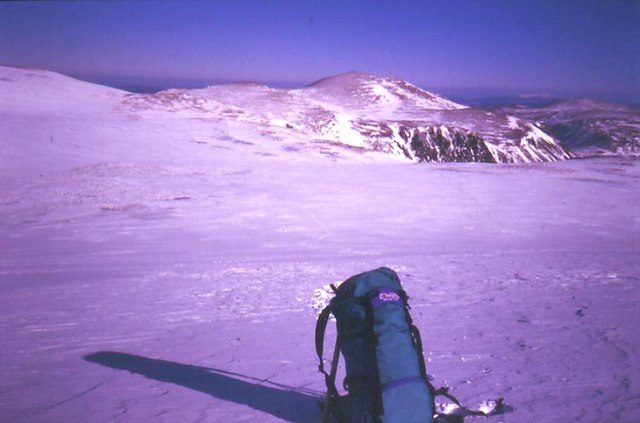
I want to be blunt here because the mountain’s accessibility disguises what is above it. The Cairngorm plateau is the highest, coldest and snowiest ground in Britain, a rolling arctic desert with no obvious features to navigate by and almost nowhere to shelter. Gusts of over 170mph have been recorded on the summit of Cairn Gorm. Snow lies in the corries into July most years.
In November 1971, five teenagers and a young leader died in a blizzard on this plateau on what should have been a straightforward expedition. It remains the worst mountaineering accident in British history, and it happened within a couple of miles of a car park. Experienced walkers still get into serious trouble here every winter, because a whiteout on flat ground with no handrail features is one of the hardest navigation problems in British hillwalking.
Ben Macdui, the second-highest mountain in Britain at 1,309 metres, is entirely achievable in summer from Coire Cas in six to eight hours, and thousands of people do it happily. Take a map and compass and know how to use them, take more layers than feels sensible, check the Met Office mountain forecast and, in winter, the SAIS avalanche report. If any of that sounds like a lot, hire a guide or stay lower. Our broader guide to hiking in Scotland covers kit and route planning in more depth.
Snow sports, December to April
Cairn Gorm is one of five Scottish snowsports centres and the one with the most reliable infrastructure, with a beginners’ area at the base and terrain spread across Coire Cas and Coire na Ciste. The season is entirely snow-dependent. In the 2025/26 season the base beginners’ area opened on 19 December and the final day of lift-served snowsports was 4 May, which is a long season by Scottish standards. Some years it is six weeks.
Do not book flights around Scottish skiing. Book a Highland holiday and treat a good snow week as a bonus, checking the webcams a day or two out. The Lecht, about 50 minutes east, is the family-friendly alternative and Glenshee, over on the Deeside side, has the most runs in Scotland. Sledging is not permitted on the Cairn Gorm pistes; the tubing park at the base station is the sanctioned version. For what the rest of the country is doing at that time of year, see our guide to Scotland in winter.
Badenoch: the half of the strath everyone drives past
South of Aviemore the A9 runs through Kincraig, Kingussie, Newtonmore and Dalwhinnie. Almost every visitor passes through it at 70mph on the way somewhere else. It contains the single best attraction in the national park.
Highland Folk Museum, Newtonmore
Free to enter, about a mile long end to end, and genuinely excellent. Britain’s first open-air museum spreads across a wooded site with around 30 relocated and reconstructed buildings covering Highland life from the 1700s to the 1950s: a working croft, a schoolhouse, a joiner’s shop, a tailor’s, a 1930s post office, a curling hut. Staff in period dress are in the buildings, working, and will answer anything you ask.
The set piece is Baile Gean, a reconstructed early 1700s township of turf and thatch houses with peat fires burning inside, built using the techniques and materials of the period. Outlander filmed here in series one, episode five, and a steady trickle of visitors comes specifically for that; the township is worth the drive whether or not you have watched a minute of it.
The catch is the season. The museum is closed all winter. In 2026 it opened daily from 1 April to 25 October, 10am to 5pm until the end of August and 10.30am to 4pm from 1 September. Entry is free with donations encouraged, though a small parking charge has been introduced, payable by card at meters in the car park. Allow three hours minimum. Four if you have children, because there is a play park and they will refuse to leave it.
Ruthven Barracks at sunset
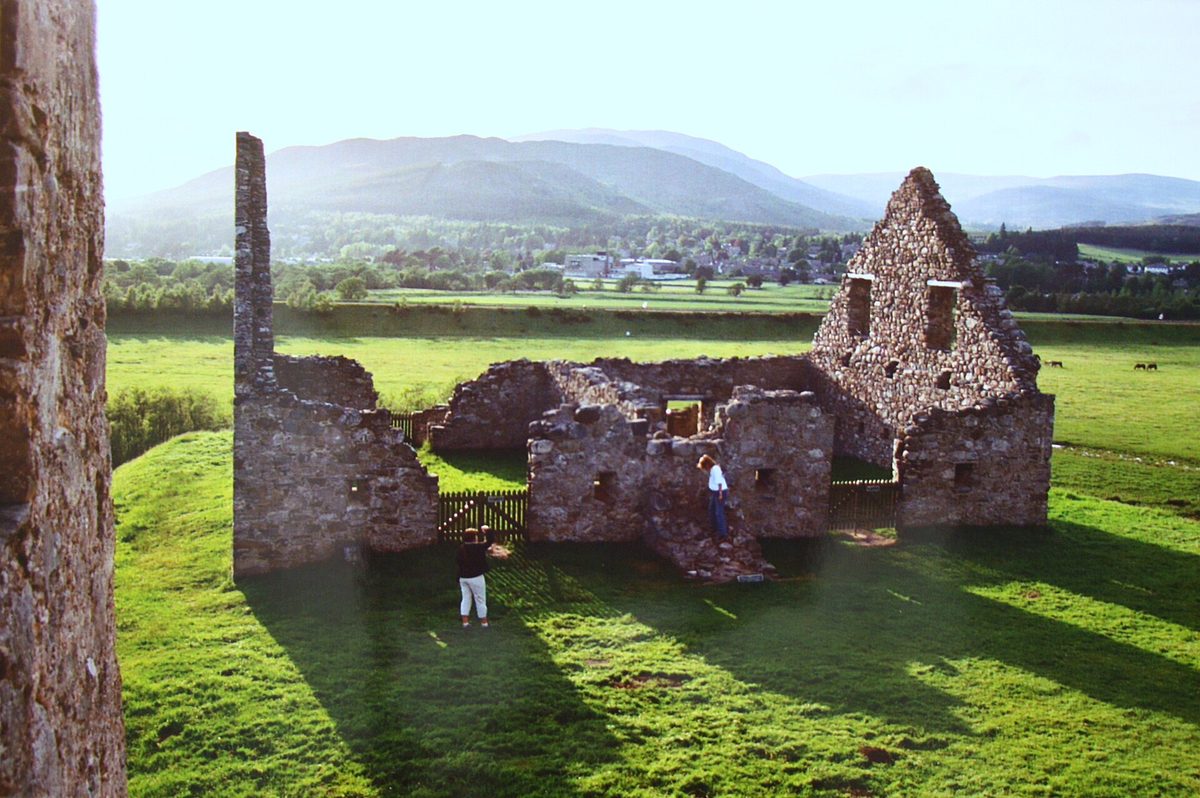
A mile from Kingussie, on a grassy mound that was a castle site for centuries before the barracks were built, Ruthven is one of four infantry barracks put up after the 1715 Jacobite rising to hold the Highlands down. Government troops held it against a Jacobite attack in 1745. In April 1746, after Culloden, the surviving Jacobite army regrouped here, received Prince Charles Edward Stuart’s instruction that every man should seek his own safety, and burned the barracks on the way out.
It is free, managed by Historic Environment Scotland, open at all times with no ticket office, and there is a car park off the B970 with about 50 spaces. Go in the last hour of daylight. The walls catch the low sun, the Monadhliath hills sit behind Kingussie, and the site is floodlit after dark, which makes it one of the few places you can visit at 10pm in January and still see something. Twenty minutes is enough.
Kincraig, Glen Feshie and the quiet lochans
The Highland Wildlife Park at Kincraig is the Royal Zoological Society of Scotland’s Highland site, a drive-through reserve of Highland cattle, bison and deer, plus polar bears, snow leopards and Scottish wildcats in the walk-round section. It is a zoo, with the obvious caveats, but its wildcat and capercaillie breeding work matters and it is the best wet-weather option in the strath.
Near it, the Uath Lochans at Glen Feshie are four small lochans among the pines with two waymarked trails. The Farleitter Crag route climbs for about an hour to a viewpoint over the Spey valley and is one of the best effort-to-reward ratios anywhere in the park. Further up Glen Feshie, the Wildland-owned estate has become the showpiece of Scottish rewilding, with regenerating pinewood spreading up the hillsides where nothing grew for a century. The track to Ruigh Aiteachain bothy and back is five to six hours and superb.
Deeside: the eastern Cairngorms
Getting to Deeside from Aviemore means driving the long way round, either south via Dalwhinnie and Blair Atholl then east, or north-east via Grantown and the A939 Lecht road. Either way is a little over two hours. Plan it as a full day, or better, spend a night in Ballater or Braemar. This is a different country from Speyside: broader, drier, more heather and grouse moor, with the Dee running east through it.
Balmoral and Crathie
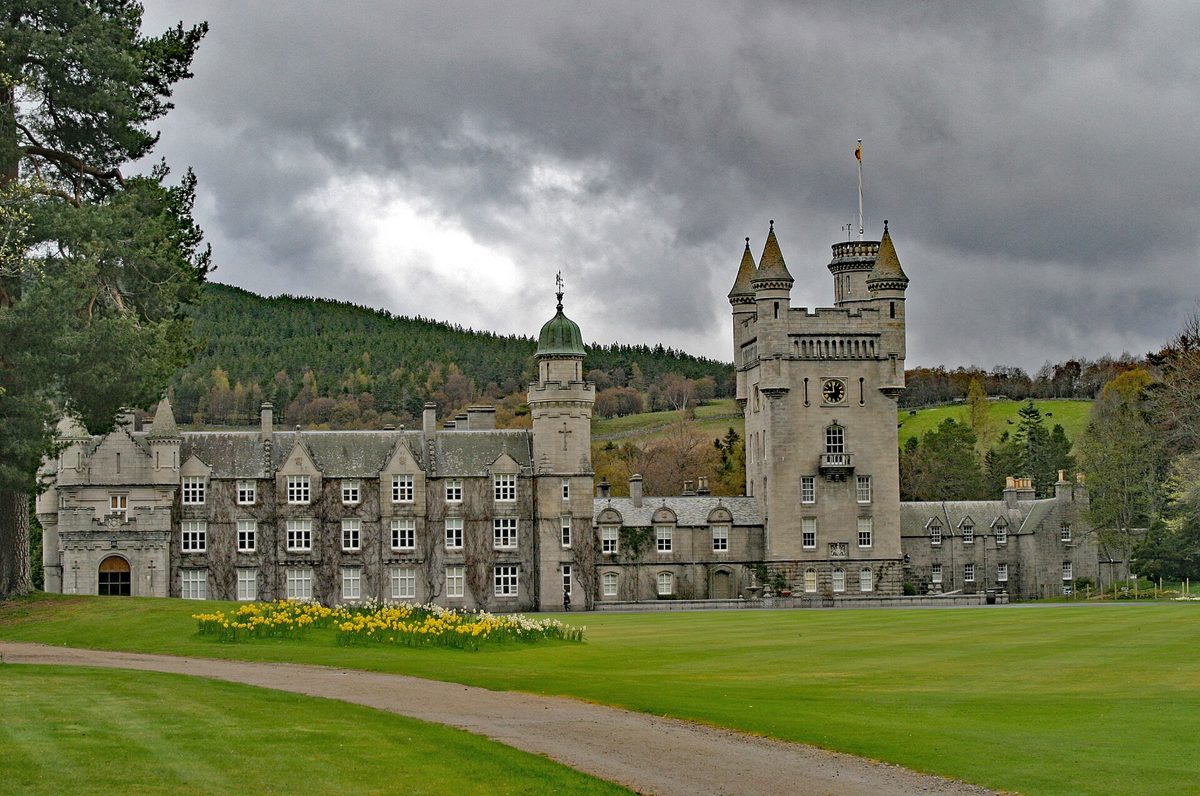
Balmoral has been the royal family’s Highland home since Victoria and Albert bought it in 1852, and it opens to the public for a limited window each year when the family is not in residence, roughly April to late July. General admission was around £18.50 for adults and £8.30 for children aged 5 to 16 in 2026, and it gets you the grounds, the gardens and the ballroom, which is the only room in the castle usually shown and which houses a changing exhibition. Limited interior tours in small groups have run in recent seasons and sell out months ahead.
Manage your expectations. You are not walking through the royal drawing room. What you get is a fine Scots baronial exterior, good estate walks and the strange pleasure of standing somewhere the newspapers have described for 170 years. Crathie Kirk across the road, where the family worships, is free and takes ten minutes.
Braemar
Braemar sits at 339 metres and is one of the coldest inhabited places in Britain; the UK’s lowest recorded temperature, minus 27.2 degrees Celsius, was measured here twice. It is a handsome granite village with two good hotels, a walkable castle just outside it and the Braemar Highland Games Centre, which is worth an hour even out of season. The Braemar Gathering each September is the most famous Highland games in Scotland and traditionally attended by the monarch; if you want to go, book accommodation the previous autumn.
Linn of Dee and Mar Lodge Estate
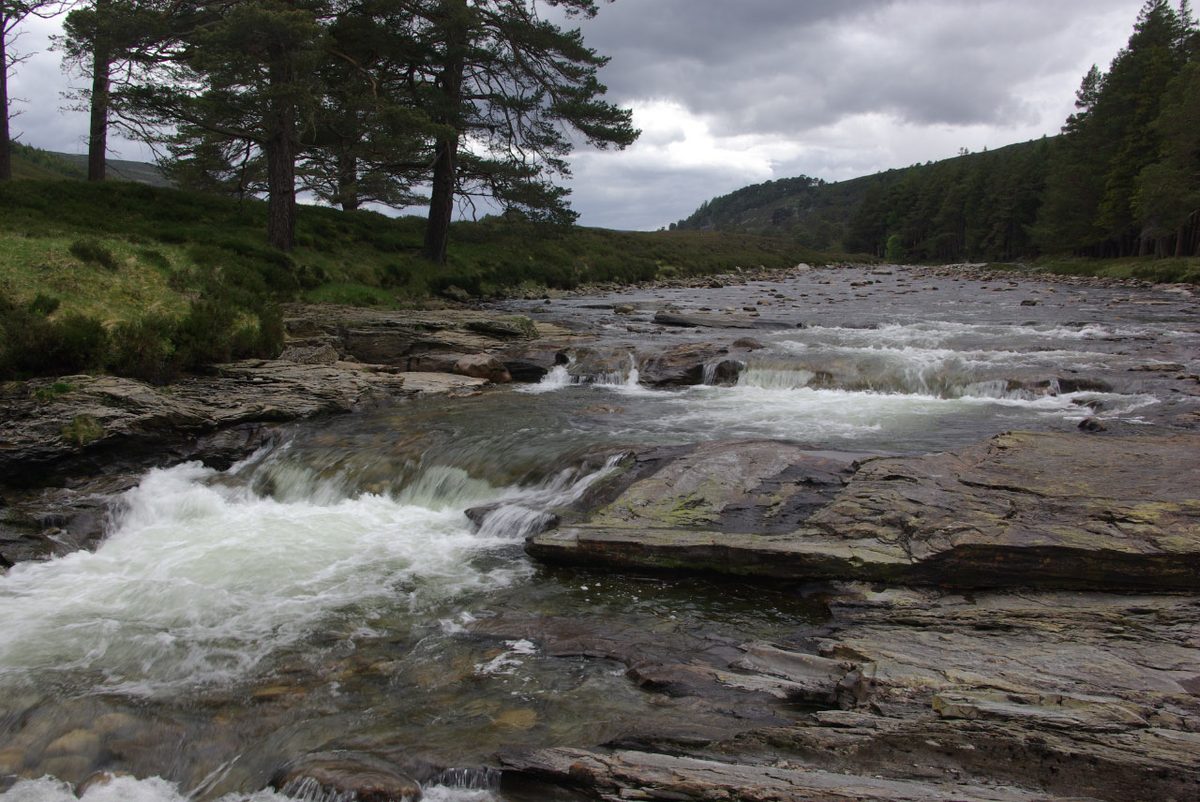
Six miles west of Braemar the public road ends at the Linn of Dee, where the river squeezes through a narrow rock channel under a stone bridge built for Queen Victoria. It takes five minutes to look at and it is the gateway to the wildest walking in the park: the Lairig Ghru pass, Derry Lodge, Ben Macdui from the south. Mar Lodge Estate is owned by the National Trust for Scotland and is a national nature reserve, one of the largest conservation landholdings in Britain.
Parking at Linn of Dee is pay and display, around £5 for a car and free for National Trust for Scotland members, with toilets open from Easter to October. The short circular walk from the car park through the pines takes 45 minutes and is lovely without demanding anything of you.
Tomintoul, Glenlivet and the Speyside edge
North-east of the park, the ground drops away into whisky country. Tomintoul is one of the highest villages in the Highlands at around 345 metres and sits at the end of the A939, a magnificent, exposed road over the Lecht that is among the first in Scotland to close in snow.
Whisky on the park’s northern edge
The Cairngorms hold Dalwhinnie, the highest distillery in Scotland at 1,164 feet and an easy stop straight off the A9 with a train station outside it, plus Tomintoul, Glenlivet, Balmenach, Royal Lochnagar over on Deeside and Speyside Distillery. Drive north from Tomintoul and you are into the densest concentration of malt distilleries on earth around Dufftown and Aberlour, which is outside the park but very much part of the same trip. Our guide to Scotch whisky distilleries covers which ones actually reward a visit. One driver stays sober, or take the train to Dalwhinnie.
Dark skies
Tomintoul and Glenlivet was designated an International Dark Sky Park in November 2018 with Gold Tier status, covering 244 square kilometres and standing as the most northerly Dark Sky Park in the world. There is a discovery centre in Tomintoul and marked viewing sites at Blairfindy and the Glenlivet Estate car parks.
Come between October and March, when it gets properly dark before bedtime. On a clear moonless night the Milky Way is obvious to the naked eye. This far north you also have a genuine, if unreliable, chance of the aurora, which we cover in our guides to stargazing and dark skies in Scotland and the best time to see the northern lights in Scotland. Take a red torch, a flask and far more clothing than you think.
Planning your trip
How long you need
Two nights covers Aviemore’s doorstep: Loch an Eilein, Loch Morlich, the reindeer and the funicular. Three or four nights lets you add Badenoch and a mountain day. A week lets you do Deeside and Tomintoul properly without a two-hour drive eating a day. If the Cairngorms are one stop on a wider loop, see how they fit into our 7-day Scotland itinerary.
Getting there and getting around
Aviemore is on the Highland Main Line, which is the easiest thing about it. Direct ScotRail services from Edinburgh Waverley to Inverness call here, taking around three hours from Edinburgh and about 40 minutes from Inverness, with up to eleven trains a day each way. Kingussie and Newtonmore are on the same line, so the Highland Folk Museum is reachable without a car if you do not mind a 25-minute walk from Newtonmore station.
By road it is the A9 the whole way: roughly two and a half hours from Edinburgh or Glasgow, 40 minutes from Inverness. The A9 has average-speed cameras along most of its length and long single-carriageway sections, so do not plan around optimistic timings. Local buses run from Aviemore up the ski road to Glenmore and Cairn Gorm, which covers the reindeer centre, Loch Morlich and the funicular, and there are services to Kingussie and Grantown. Deeside and Tomintoul realistically need a car. Our guide to getting around Scotland goes into the detail, and the drive up from the capital is covered in our Edinburgh to Highlands road trip.
What to book, and how far ahead
Reindeer hill trips: tickets release 30 days out and school holiday slots go within days. Balmoral interior tours: months. Accommodation for the Braemar Gathering weekend or for the winter school holidays: a year is not excessive. Funicular tickets: not essential, but booking online the day before saves a couple of pounds each and locks in a slot on busy days. Everything else in this guide can be decided over breakfast.
When to come
May and June are my picks: long light, snow still on the tops, ospreys back, midges not yet serious. July and August are busy and midgy near still water in the evenings, though the high ground is usually breezy enough to be fine, and our midge season guide explains where the trouble actually is. September is glorious and quieter. October brings the birch and larch colour, which in Rothiemurchus is genuinely worth planning around, though a fair number of attractions have shut by the middle of it. Winter is superb if you accept that half the attractions are shut and the light goes at 3.30pm.
What underwhelms, and what to skip
The funicular, if you can walk and the weather is good. Around £20 on the day to be delivered to a building you are not allowed to leave is poor value when the same view is two hours of honest effort away and free. It is worth every penny if it is blowing a gale, if you have small children, or if walking is not an option for you.
Aviemore town as a destination. Some people arrive expecting a Highland village of the type you get on the west coast and are visibly disappointed. It is a working resort town. Set your expectations accordingly and it will not bother you.
Landmark Forest Adventure Park at Carrbridge is genuinely good fun for children, but a family of four can spend well over £100 on entry alone. It is a full-day commitment on a day you might have spent outdoors for nothing. Fine on a wet day, an expensive default otherwise. Our guide to things to do in Scotland with kids has cheaper alternatives.
Trying to “do the Cairngorms” from Edinburgh in a day. It is a five-hour round trip before you have looked at anything. Aviemore appears on plenty of day trips from Edinburgh lists and it should not.
The common planning mistake is underestimating driving times inside the park. Aviemore to Braemar is not a hop. Neither is Tomintoul in winter. Group your days by valley, not by attraction list, and you will see twice as much.
One more: people arrive expecting the drama of Glencoe and find rounded, heathery hills instead. The Cairngorms are not vertical. Their scale is horizontal and it takes a day or two to tune into. If knife-edge ridges are what you came for, the west coast is where they live.
Frequently asked questions
Is the Cairngorm funicular railway open in 2026?
Yes. It returned to service on 27 February 2025 after remediation work and now runs daily, weather permitting, with a short scheduled maintenance closure in early November 2026. High wind closes it at short notice, so check the operator’s mountain report on the morning of your visit rather than relying on any guide, including this one.
Can you walk at the top of the funicular?
Not outside the snowsports season. A binding conservation agreement means passengers must stay inside the Ptarmigan building unless they are on a booked guided walk. During the snowsports season you can go outside but must stay within the ski area boundary. Walkers heading beyond it must walk up from the car park, then buy a downward-only ticket if they want to ride back.
How many days do you need in Aviemore?
Three nights is the sweet spot for a first visit: one day on the Rothiemurchus and Loch Morlich side, one day on Cairn Gorm, one day south in Badenoch for the Highland Folk Museum and Ruthven Barracks. Add two more nights if you want Deeside and Tomintoul without spending half of each day in the car.
Is Aviemore worth visiting?
The surroundings absolutely are. The town itself is a functional resort strip rather than a scenic Highland village, so judge it on what it gives you: a station, supermarkets, gear shops, good-value beds and a ten-minute drive to ancient forest, a sandy loch beach and Britain’s second-highest mountain. As a base it is one of the best in Scotland.
What is there to do in Aviemore when it rains?
The Highland Wildlife Park at Kincraig, Landmark Forest Adventure Park at Carrbridge, the funicular and the Ptarmigan exhibition, the Strathspey Railway, Dalwhinnie distillery, the cinema and pool at the Macdonald resort, and the forest trails at Rothiemurchus, which are sheltered and perfectly pleasant in drizzle. Buy waterproofs in town; they are cheaper here than most places.
When can you see the reindeer in the Cairngorms?
Hill trips generally run from February to December, typically at 11am with additional afternoon departures from May to September. There is a break of a few weeks in January. The paddock at the Reindeer Centre is the alternative when the hill is closed or the weather is bad. Book online 30 days ahead and wear proper boots for the 25-minute walk each way.
Is the Highland Folk Museum free?
Entry is free, with donations encouraged, but there is now a small parking charge payable by card at the car park meters. The museum closes for winter: the 2026 season ran daily from 1 April to 25 October, and it takes at least three hours to see properly, so do not arrive at 3pm in September expecting to get round it.
Can you visit the Cairngorms without a car?
Partly. Aviemore, Kingussie and Newtonmore are all on the Highland Main Line, and buses run from Aviemore up the ski road to Glenmore and Cairn Gorm, covering the reindeer, Loch Morlich and the funicular. Rothiemurchus is walkable from town. Deeside, Tomintoul and Glen Feshie are much harder without a vehicle.
Final thoughts
The Cairngorms reward patience in a way the west coast does not. There is no single view here that stops you dead the way the Three Sisters do, and if you come for two days and only see Grampian Road and a funicular ride you will leave wondering what the fuss was about. Give it a week and something else happens: you start noticing the pinewood, the way the light works on the plateau, the fact that you can stand at Linn of Dee and know there is no road for thirty miles in front of you.
Start with Loch an Eilein at eight in the morning before anyone else is up. Then go and find the reindeer. If it is your first time in the country, our first-time visitor tips will save you a few of the mistakes I made, and our guide to where to stay in Scotland will help you decide whether to base yourself in Aviemore or spread out. Check the mountain report, take the extra fleece, and do not believe anything you read about the funicular that was written before 2025.
The eastern side of the Cairngorms is the bit most visitors miss. Drop over the Cairnwell and you are into Balmoral and Royal Deeside, where Crathes, Craigievar and community-run Braemar Castle are all more rewarding than the royal estate itself.
About the author: This guide was written and is maintained by the ScotlandTourism.org editorial team — travel writers who’ve spent years exploring Scotland’s cities, Highlands and islands, from bagging Munros to chasing the perfect dram. We update our guides regularly to keep prices, opening details and advice current.
Last updated: September 2026. Prices and opening times change — always check the official site before you travel.
Photo credits
All images are used under their respective Creative Commons or public-domain licenses:
- Grampian Road in Aviemore under heavy snow, the main street of the Cairngorms’ busiest… — Richard Webb, CC BY-SA 2.0, via Wikimedia Commons
- Ancient Caledonian Scots pines in Rothiemurchus forest beside Aviemore — phil smith, CC BY-SA 2.0, via Wikimedia Commons
- Canoes on the sandy beach at Loch Morlich with the snow-streaked Cairngorms behind — John Chroston, CC BY-SA 2.0, via Wikimedia Commons
- The island castle ruin on Loch an Eilein, one of the best things to do in Aviemore — Mike McBey, CC BY 2.0, via Wikimedia Commons
- Steam locomotive of the Strathspey Railway waiting at the platform near Aviemore — Colin Prosser, CC BY-SA 2.0, via Wikimedia Commons
- Two of the free-ranging Cairngorm reindeer grazing on the open hill above Glenmore — Walter Baxter, CC BY-SA 2.0, via Wikimedia Commons
- The Cairngorm Mountain Railway track running down towards the base station and Strathspey — Johnny Durnan, CC BY-SA 2.0, via Wikimedia Commons
- The snow-covered Cairngorm plateau, arctic terrain a short walk from the top station — Angus, CC BY-SA 2.0, via Wikimedia Commons
- Ruthven Barracks near Kingussie in evening light, with Badenoch beyond — Gary Todd from Xinzheng, China, CC0, via Wikimedia Commons
- Balmoral Castle on Royal Deeside, in the eastern half of Cairngorms National Park — W. Bulach, CC BY-SA 4.0, via Wikimedia Commons
- The River Dee running over rock slabs at the Linn of Dee, west of Braemar — Stephen McKay, CC BY-SA 2.0, via Wikimedia Commons