I still remember my first proper distillery tour: standing in the still house at Glenfiddich on a drizzly Tuesday, hit by that warm, bready fug of fermenting wash, wondering why I’d waited so long. Since then I’ve toured distilleries from Campbeltown to Orkney — some twice, a few I’d happily skip — and I’ve learned that a whisky trip rewards planning far more than enthusiasm. And if you’re one of the many who pair drams with fairways, our golf in Scotland guide covers the links within reach of Speyside and Dornoch.
This guide covers the best whisky distilleries in Scotland to visit in 2026: the five whisky regions and what they taste like, verified tour prices in GBP, how to do it all without a car, festival dates, and honest advice on which tours are worth your money. There are around 150 working distilleries; you only need a handful of the right ones.
Whisky Distilleries in Scotland at a Glance
The Scotch Whisky Association counts 154 operating Scotch whisky distilleries as of 2026, more than 70 of which have proper visitor centres. They’re grouped into five legally defined regions — Speyside, Highland, Lowland, Islay and Campbeltown — plus the unofficial-but-useful “Islands” grouping that travellers actually plan around. Entry-level tours run from about £10 to £30, premium warehouse tastings £40 to £90, and connoisseur experiences climb to £350 and beyond.
| Region | Distilleries | Signature flavours | Best for | Standout tour | Entry price |
|---|---|---|---|---|---|
| Speyside | 50+ | Orchard fruit, honey, sherry richness | First-timers, density of big names | Glenfiddich Explorers Tour | £30 |
| Islay | 9 (and counting) | Peat smoke, iodine, sea salt | Smoke obsessives on pilgrimage | Lagavulin Classic Tour | £22 |
| Highland | 45+ | Hugely varied: coastal salt to heather honey | Working it into a wider road trip | Oban Distillery Tour | £24 |
| Lowland | 20+ | Light, grassy, gentle | Easy day trips from Edinburgh/Glasgow | Glenkinchie Flavour Journey | £21 |
| Campbeltown | 3 | Oily, briny, slightly funky | Whisky romantics who like a drive | Springbank Tour | £15 |
| Islands (unofficial) | ~10 | Maritime, peppery, lightly smoky | Combining whisky with island scenery | Talisker Tour & Tasting | £22 |
If you only take one thing from this guide: don’t try to do six tours in three days. The production process is identical everywhere — malt, mash, ferment, distil, mature — and by the fourth walk-through you’ll be checking your watch. Do one or two full tours at distilleries you love, book one premium warehouse tasting, and simply visit the bars and shops everywhere else. Your palate (and budget) will thank you. For route-planning context, my Scotland itinerary guide shows where whisky country fits into a wider trip.
How a Distillery Tour Works (and What You Get for Your Money)
The standard formula
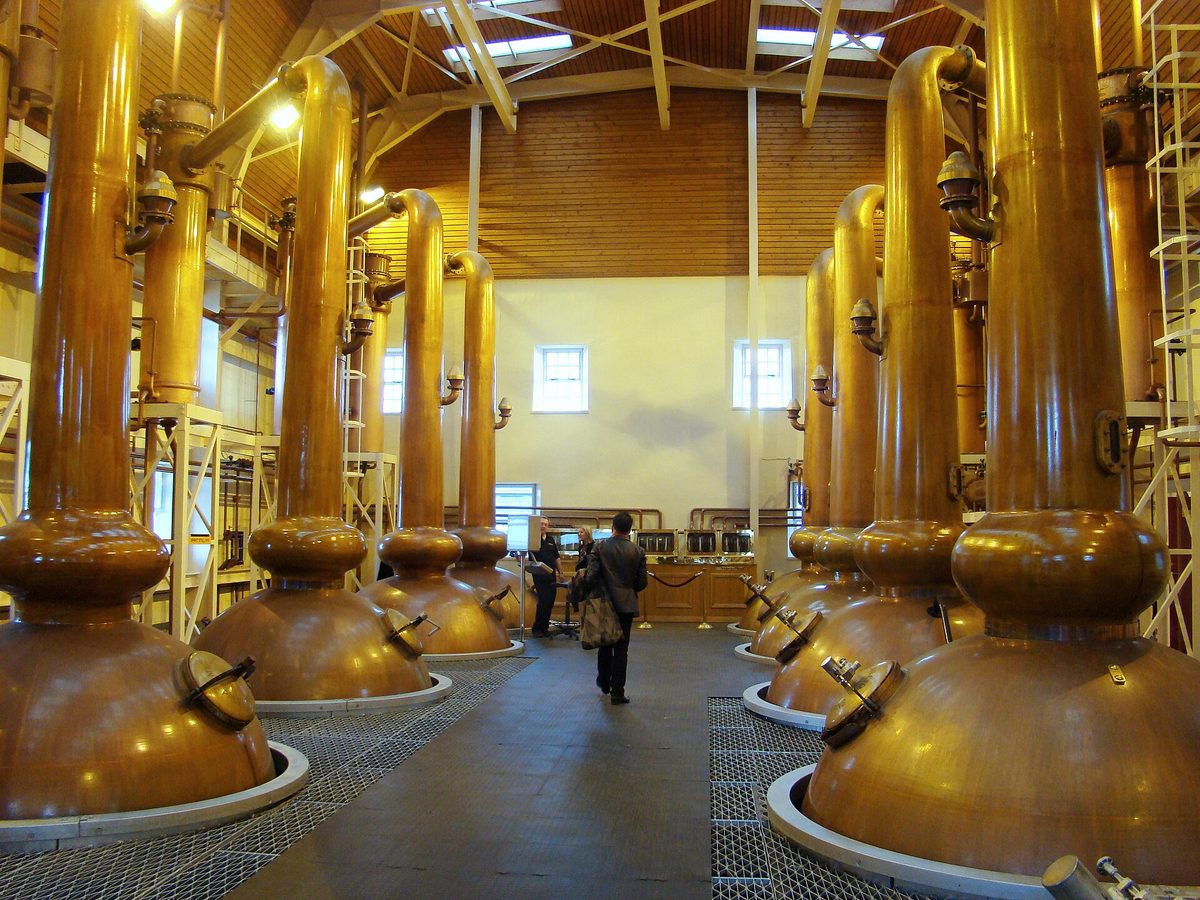
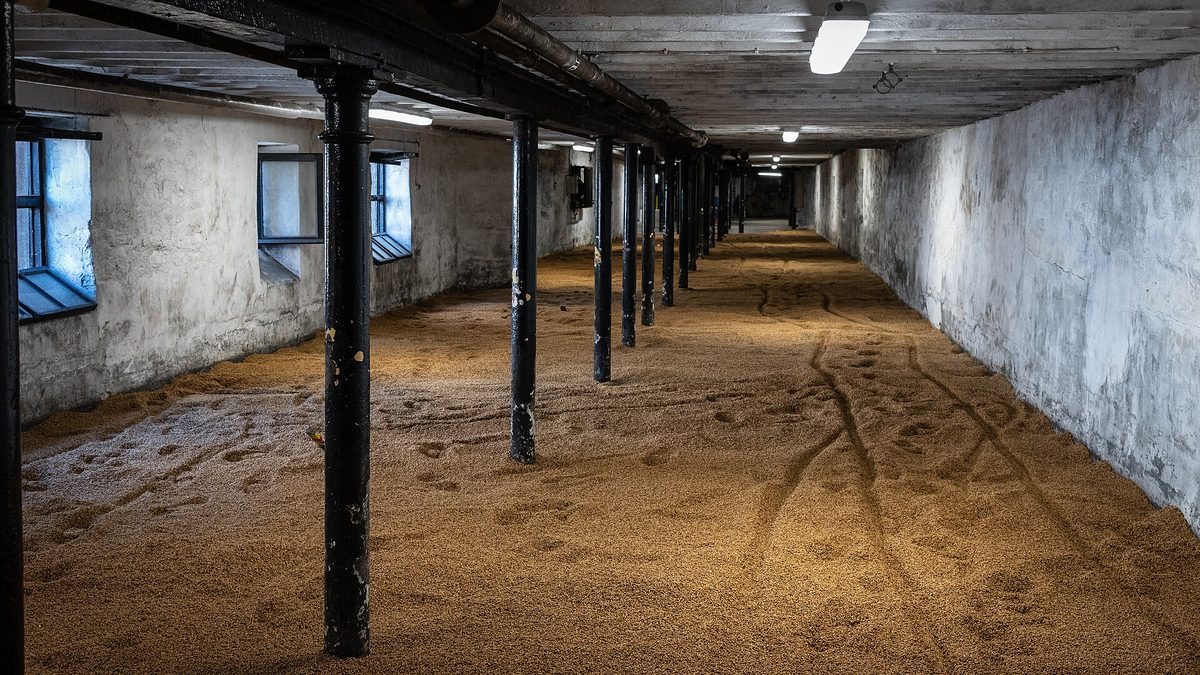
Almost every entry-level tour follows the same script: 60 to 90 minutes walking the production floor — mill room, mash tun, washbacks, still house — followed by a guided tasting of two to four drams. The good guides bring it alive with stories; the bad ones recite stainless-steel capacities. What you’re really choosing between distilleries is atmosphere, architecture and the whisky itself, not the process.
Do you need to book ahead?
Increasingly, yes. Glenfiddich says walk-in chances are “very slim” and opens bookings twelve weeks out. The Macallan needs booking around six weeks ahead for weekend slots (and closes for a roughly three-week silent season each July). Balvenie’s small-group tours book out months in advance, and Laphroaig flags booking as essential in summer. For shoulder-season trips in April, May, September or October you can be more spontaneous, but if a specific distillery matters to you, book the moment your dates firm up.
Driving and tasting: the driver’s dram
Scotland’s drink-drive limit (22 micrograms of alcohol per 100ml of breath) is so low that a single dram can put you over. Every visitor centre knows this: ask for a “driver’s dram” and they’ll decant your tasting into miniature bottles to take home. Aberlour popularised the idea with neat £3 kits of mini-bottles. It works brilliantly — the designated driver loses nothing except the instant gratification.
Age rules and accessibility
Rules vary more than you’d expect. Glenfiddich is strictly 18+, even for babes in arms. Talisker and Johnnie Walker Princes Street admit children from age 8; Springbank welcomes kids free of charge. If you’re travelling as a family, check each distillery’s policy before building your day around it — and note that several historic production floors involve steep stairs that rule out wheelchairs, while newer visitor centres (Macallan, Clydeside, Johnnie Walker) are fully accessible.
What the shop is really for
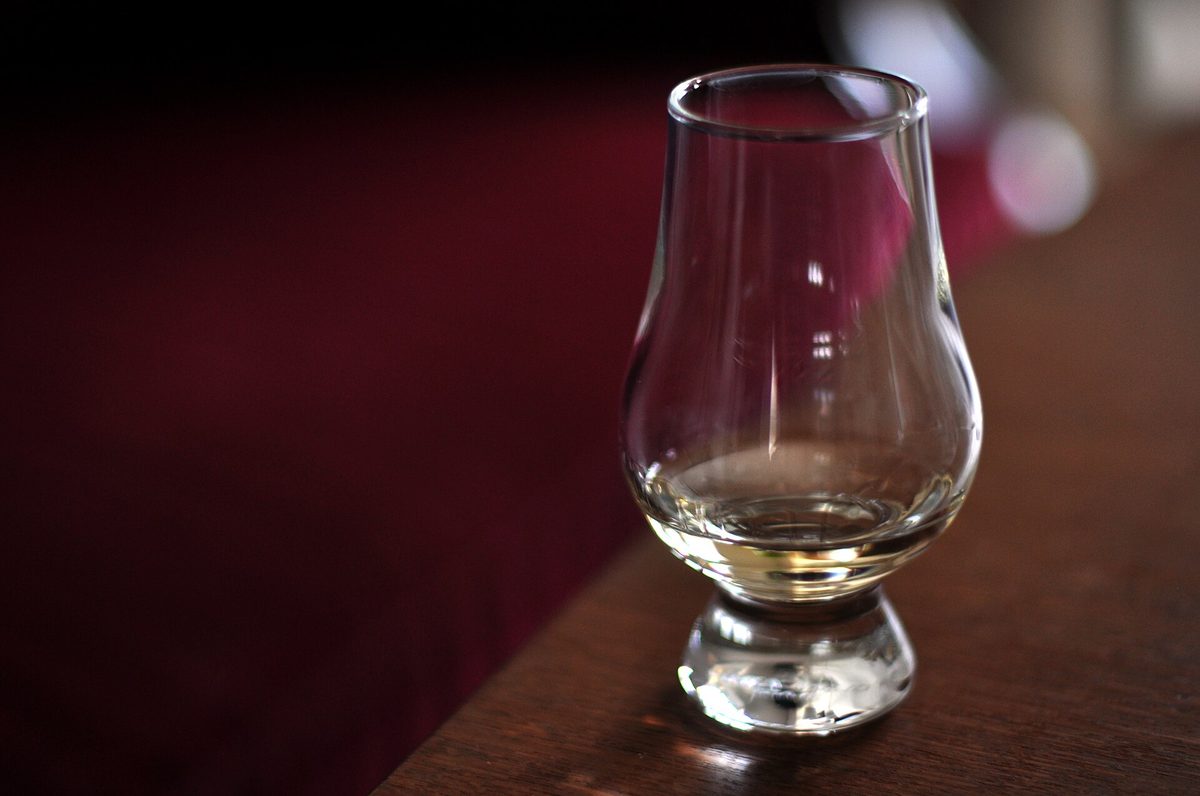
Every tour ends in the shop, and it’s worth a strategy. The bottles worth buying are the distillery exclusives and hand-filled single casks you genuinely cannot get elsewhere — Lagavulin’s Distillery Exclusive (£110-ish) or a hand-fill at Bruichladdich means something; the core-range 12-year-old is usually cheaper at home or in a Scottish supermarket. Check airline liquid rules before buying a cask-strength litre: checked luggage handles it fine, but hand-luggage-only travellers should buy at the airport or have the shop ship it. Most big distilleries ship worldwide, typically £15–£40 per box depending on destination.
The 5 Scotch Whisky Regions (and the Unofficial 6th)
The regions matter less than marketing suggests — you can find smoky Speysiders and gentle Islay malts — but as a planning tool they’re genuinely useful, because each region clusters distilleries within drivable distances and shares a broad house style. I’ve written a full guide to the Scotch whisky regions and their flavours; here’s the travel-planning version.
Speyside: the heartland
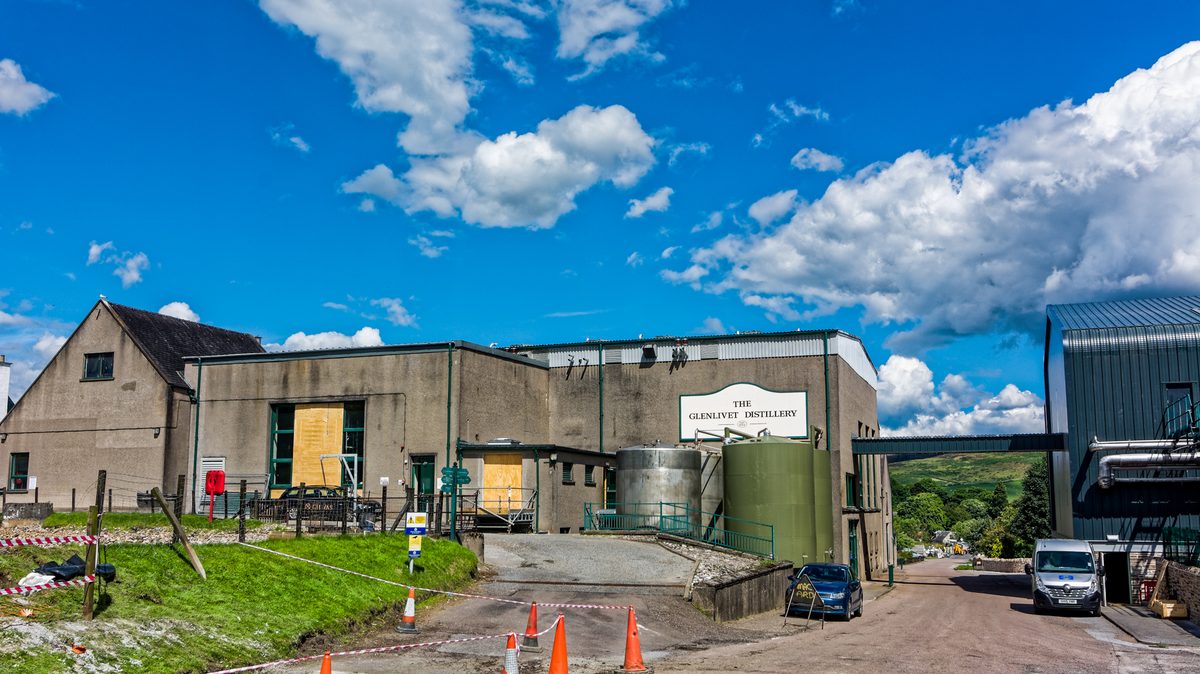
More than fifty distilleries crowd the valley of the River Spey in the north-east — the densest whisky landscape on earth. This is where you’ll find Glenfiddich, The Glenlivet, The Macallan, Balvenie and Cardhu, mostly within twenty minutes’ drive of the villages of Dufftown, Aberlour and Craigellachie. The style: orchard fruit, honey and vanilla, often deepened by sherry casks. If it’s your first whisky trip, start here — the Speyside Malt Whisky Trail strings nine sites into an easy two-to-three-day loop.

Islay: the peat pilgrimage
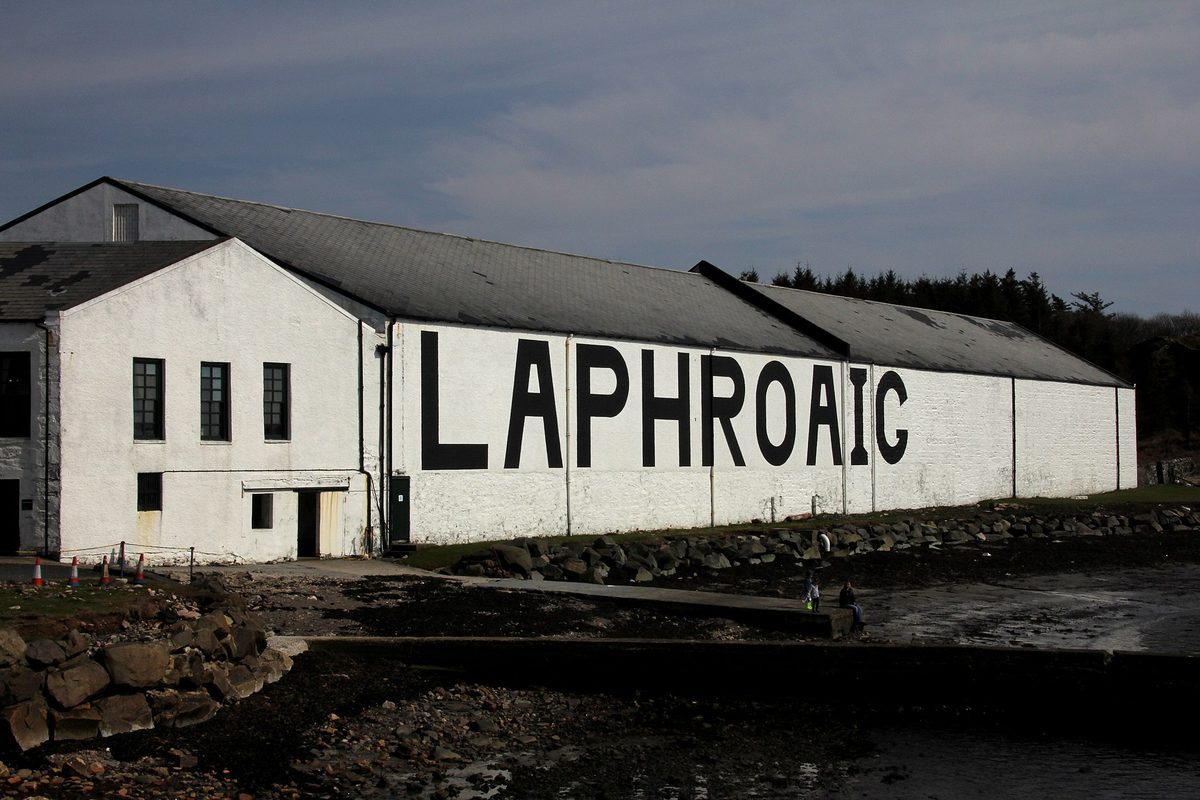
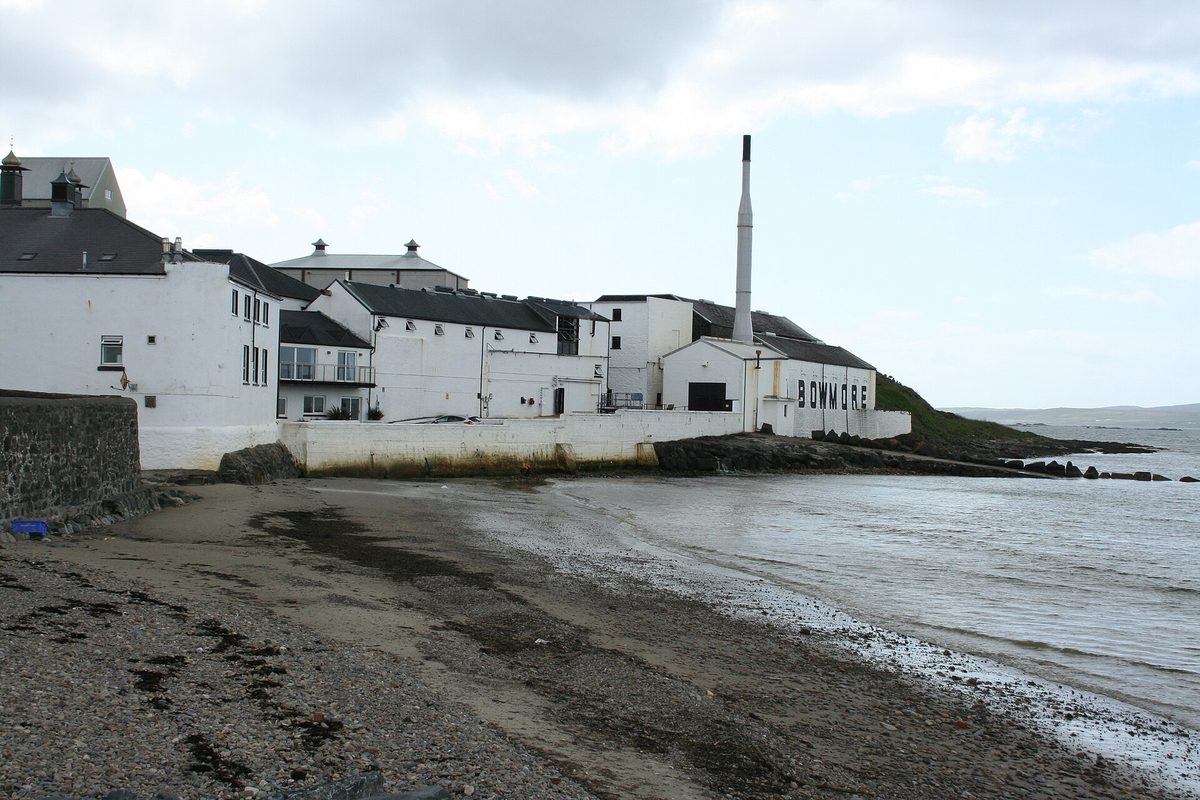
A Hebridean island of barely 3,200 people supporting nine working distilleries (with more on the way) — Islay is the closest whisky gets to a religious experience. Laphroaig, Lagavulin and Ardbeg line up along the south coast within a three-mile walk of each other; Bowmore, Bruichladdich, Bunnahabhain, Caol Ila, Kilchoman and Ardnahoe fill in the rest. The style is famously medicinal: peat smoke, iodine, tar and sea spray. People either fall in love or pull faces — there’s no middle ground. My full Islay distilleries guide covers ferries, beds and tour bookings, all of which need arranging well ahead.
Highland: the everything region
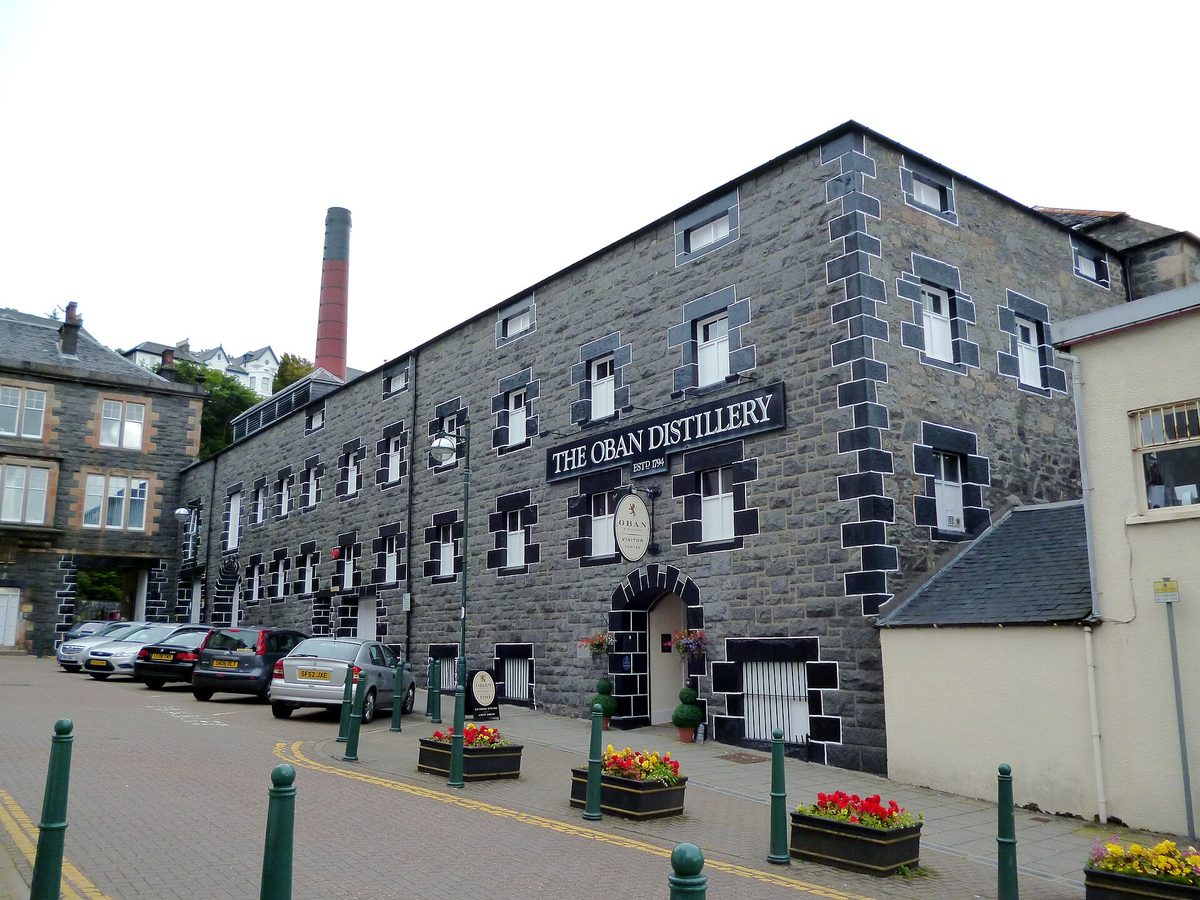
The biggest region by area runs from Glengoyne just north of Glasgow to Wolfburn on the Caithness coast, so generalising about flavour is hopeless — Oban tastes of sea salt and orange peel, Dalwhinnie of heather honey, Glenmorangie of citrus and vanilla. The practical beauty of Highland distilleries is that one is always on your route: Dalwhinnie beside the A9, Oban in the harbour town itself, Clynelish and Glenmorangie just off the North Coast 500, and Tomatin twenty minutes south of Inverness and Loch Ness.
Lowland: the gentle introduction
Light, grassy, aperitif-style whiskies — historically triple-distilled — from the band of country south of the Highland line. For visitors the Lowlands mean convenience: Glenkinchie sits forty minutes from Edinburgh, Auchentoshan and Clydeside are practically inside Glasgow, and the beautifully restored Rosebank reopened in Falkirk in 2024 after thirty years of silence, with tours from £25. If your trip is city-based, this is your region by default — see my guide to distilleries near Edinburgh and Glasgow.

Campbeltown: the survivor
At the foot of the Kintyre peninsula, three hours’ drive from Glasgow, Campbeltown once ran more than thirty distilleries and called itself the whisky capital of the world. Three survive — Springbank, Glen Scotia and Glengyle — and the town’s faded-grandeur atmosphere is half the appeal. Springbank is the purist’s favourite: the only Scottish distillery doing 100% of production, malting to bottling, on one site, and its £15 tour is the best-value whisky experience in Scotland. The drive down Loch Fyne is gorgeous, too.

The Islands: the unofficial sixth region
Legally part of the Highlands, but no traveller plans that way. Talisker on Skye, Highland Park and Scapa on Orkney, Jura, Tobermory on Mull, Raasay, Harris and Arran — each pairs a distinctive maritime dram with spectacular ferry-and-mountain scenery. These work best woven into a wider Scottish islands itinerary rather than treated as a whisky trip per se; the distillery becomes the rainy-afternoon anchor of an island day.

The Best Whisky Distilleries in Scotland to Visit
“Best” depends entirely on what you want from the day, so I’ve grouped my picks by traveller rather than ranking them one to twenty. Prices below are 2026 entry-tour rates; the full cost table comes later.
Best first distillery tour: Glenfiddich
Glenfiddich in Dufftown does the classic tour better than anyone: a genuinely warm welcome, the pagoda-roofed kilns, a proper still-house walk and three generous drams, for £30. It’s the world’s best-selling single malt yet still family-owned, and the storytelling reflects it. Book twelve weeks out if you can — walk-in chances are slim — and consider the £75 Malt Master experience if you want to draw whisky straight from a cask. I’ve written up the whole experience in my Glenfiddich distillery tour guide. If you can’t get to Speyside, the Scotch Whisky Experience on Edinburgh’s Royal Mile (£24 Silver Tour) is a legitimately good crash course, not a tourist trap — its collection of 3,384 bottles is the largest in the world.

Best for peat lovers: Islay’s south coast
Laphroaig, Lagavulin and Ardbeg sit a pleasant coastal walk apart on the Three Distilleries Pathway out of Port Ellen. Lagavulin’s Classic Tour is £22 and its Warehouse 3 tasting (£60) — drams pulled from casks while the sea slaps the wall outside — is the single best whisky experience I’ve had in Scotland. Laphroaig’s £22 tour ends with you flagging your own square foot of peat bog. Ardbeg rebuilt quickly after Storm Éowyn damaged its visitor centre in early 2025 and was back running tours by spring.

Best small and traditional: Springbank and Glenfarclas
If gleaming visitor centres leave you cold, Campbeltown’s Springbank (£15) shows you a working distillery with the dust left on — floor maltings, ancient kit, staff who actually make the whisky. Family-owned Glenfarclas in Speyside has a similar no-nonsense charm and legendary sherry-cask drams. Neither feels like a brand experience; both feel like Scotland.
Best architecture and wow factor: The Macallan and Rosebank
The Macallan’s £50 Discovery experience gets you into its extraordinary turf-roofed cathedral of a distillery, all timber lattice and cinematic lighting. As a tour it’s more theatre than craft — book it for the building, not the value. Rosebank in Falkirk, reopened in 2024 after three decades silent and named Whisky Tourism Destination of the Year 2025, pairs Victorian bones with a stunning glass still house, from £25.
Best island detours: Talisker and Highland Park
Talisker’s £22 Tour & Tasting slots perfectly into a Skye trip — it’s ten minutes from the Fairy Pools road at Carbost on Loch Harport. On Orkney, Highland Park (£30) still turns its own floor maltings by hand, and the kiln smoke drifting over Kirkwall is worth the trip alone; premium slots sell out about a month ahead. One myth to retire: Highland Park is no longer Scotland’s most northerly distillery — that title moved to Lerwick in Shetland.
Easiest from the cities
From Edinburgh: Glenkinchie (£21), Holyrood Distillery in the city itself, and Johnnie Walker Princes Street, whose £30 Journey of Flavour — three personalised cocktails, big production values — is far better than a blend-sceptic expects. From Glasgow: Glengoyne (£23.10, a beautiful 25-minute drive north), triple-distilling Auchentoshan, the Clydeside Distillery on the riverfront, and Deanston (from £20) in a converted cotton mill near Doune — pair it with Doune Castle for a very good day out.
Worth knowing before you go (2026 status check)
A few things the older guides miss: Edradour, long billed as “Scotland’s smallest distillery”, is currently closed to visitors with no announced reopening. The Dalmore relaunched its brand home in April 2026 with private, bespoke tours. Brora runs appointment-only tours from £225. And Stannergill, opened in November 2025 near Castletown, is the newest dram on the North Coast 500. Where plans hinge on one specific distillery, check its site the week you travel.
What Whisky Distillery Tours Cost in 2026
Nobody publishes a straight answer on costs, so here’s mine — entry-level and premium prices I verified while researching this guide. Treat them as accurate at the time of writing and rounded to the nearest pound.
| Distillery | Region | Entry tour (2026) | Premium pick | Booking advice |
|---|---|---|---|---|
| Glenfiddich | Speyside | £30 (1.5–2h) | Malt Master £75; Milestones £250 | 12 weeks ahead |
| The Macallan | Speyside | Discovery £50 | Mastery £250 with lunch | ~6 weeks; July silent season |
| The Glenlivet | Speyside | From £45 | Up to £300 | 2–4 weeks |
| Lagavulin | Islay | Classic £22 | Warehouse 3 £60 | Essential in summer |
| Laphroaig | Islay | £22 | Water-to-whisky experiences | Essential in summer |
| Bowmore | Islay | Tasting £35 | Tour + tasting £85 | 1–2 weeks |
| Bunnahabhain | Islay | ~£15 (50 min) | Warehouse session ~£275 | 1–2 weeks |
| Talisker | Islands (Skye) | £22 (1h) | Decades by the Sea £350 | 2–4 weeks in season |
| Highland Park | Islands (Orkney) | £30 | Magnus Eunson £75 | ~1 month for premium |
| Oban | Highland | £24 (1h) | From £45 | 1–2 weeks |
| Glengoyne | Highland | £23.10 | Malt Master £100 | Days ahead fine |
| Deanston | Highland | From £20 | Warehouse 4 tastings | Days ahead fine |
| Glenkinchie | Lowland | £21 | Hidden Lowland £150 | Days ahead fine |
| Rosebank | Lowland | From £25 | Heritage experiences | 1–2 weeks |
| Springbank | Campbeltown | £15 (incl. glass) | Cadenhead’s warehouse £45 | 2–4 weeks, Mon–Sat |
| Scotch Whisky Experience | Edinburgh | Silver £24 | Gold £38.50 (4 drams) | Walk-ins usually fine |
| Johnnie Walker Princes St | Edinburgh | £30 | Ultimate experiences to £450 | 1–2 weeks |
Budget benchmarks
Standard tours now run £15–£30 (the £10–£15 tours of a few years ago are mostly gone), warehouse and cask-strength tastings £40–£90, and flagship experiences £150–£450. My rule: spend big once, at the distillery whose whisky you already love, and go entry-level everywhere else. A tasting flight at a good whisky bar — Edinburgh and Scotland’s food-and-drink scene are full of them — often teaches you more per pound than a third identical tour. Budgeting for the whole trip? My Scotland costs and tips guide breaks down daily spend.
Multi-day whisky tour packages
If you’d rather hand the logistics (and driving) to someone else, small-group operators do it well: Rabbie’s three-day Speyside Whisky Trail from Edinburgh runs about £255, and its four-day Islay & the Whisky Coast trip from about £356 including the ferry — accommodation and distillery fees extra on both. Private whisky tours with a driver-guide start around £400 a day. I compare operators in my Scotland tours guide.

Visiting Whisky Distilleries Without a Car
This is the question I get most, and the one the big guides skip: yes, you can build an excellent whisky trip around trains, buses and the odd flight — in some ways a better one, since nobody has to stay sober. I’ve a dedicated guide to whisky touring without a car; here are the bones.
Distilleries you can reach by train
Oban is the easy win: a scenic three-hour train from Glasgow Queen Street, with the distillery 200 metres from the station and the seafood stalls of the harbour beside it. Dalwhinnie has its own request-stop station on the Highland Main Line. Blair Athol sits a ten-minute walk from Pitlochry station, under two hours from Edinburgh. Auchentoshan is twenty minutes’ walk from Kilpatrick station, half an hour out of Glasgow. Glen Ord is a short stroll from Muir of Ord station near Inverness. And for Speyside, take the train to Keith or Huntly and the No. 36 Stagecoach bus (Monday–Saturday) along the Elgin–Dufftown corridor — it stops outside Glenfiddich. More rail-planning detail lives in my getting around Scotland guide.
Getting to Islay without a car
Two routes. Fly Loganair from Glasgow — about 45 minutes, usually £80–£200 return, one to three flights a day. Or take the Citylink 926 bus from Glasgow’s Buchanan Street to Kennacraig (around 3¼ hours, roughly £21 single) and the CalMac ferry across. One critical 2026 update most guides haven’t caught: Port Ellen’s ferry terminal is closed for redevelopment until around 2029, so sailings currently run Kennacraig–Port Askaig (about 1 hour 55). Once on the island, the local bus links the main villages, taxis exist (book ahead), and the Three Distilleries Pathway makes the south-coast trio walkable from Port Ellen.
Day tours from Edinburgh, Glasgow and Inverness
Every city runs whisky day trips: Glengoyne and Deanston combos from Glasgow, Glenkinchie and Rosebank from Edinburgh, and Speyside loops from Inverness that manage two or three distilleries in a day. They cost £45–£120 depending on tastings, and they solve the driving problem entirely. Several multi-day options appear in my region-by-region whisky tours guide.
Zero transport at all?
Stay urban: the Scotch Whisky Experience and Holyrood Distillery in Edinburgh, Johnnie Walker Princes Street, and Clydeside in Glasgow are all walkable from the city centres — between them you can taste your way around all five regions without leaving the pavement.
The Malt Whisky Trail and My Suggested Itineraries
The nine official Malt Whisky Trail sites
Speyside’s signposted Malt Whisky Trail links Benromach, Cardhu, Dallas Dhu (a preserved Victorian time-capsule distillery), Glen Grant and its gorgeous gardens, Glen Moray, Glenfiddich, The Glenlivet, Strathisla — the prettiest distillery in Scotland, twin pagodas and all — plus the Speyside Cooperage, where you watch casks being rebuilt at furious speed. Driving it end to end takes under two hours; doing it justice takes two or three days based in Dufftown, Aberlour or Craigellachie. My Malt Whisky Trail guide has the full route map, and my where to stay guide covers the villages.
If you have one day
From Edinburgh: Glenkinchie in the morning, Johnnie Walker Princes Street late afternoon, dinner on Victoria Street. From Glasgow: Glengoyne at 10am, Deanston after lunch, Doune Castle in between. From Inverness: Tomatin, then Cardhu or Glen Ord, with Loch Ness on the way back.
If you have three days: Speyside
Day one, Glenfiddich’s tour plus the Speyside Cooperage and a wander round Dufftown’s clock tower. Day two, The Macallan’s architecture in the morning, Aberlour or Glenfarclas after lunch, dinner at the Craigellachie Hotel’s Copper Dog. Day three, Strathisla for the photographs, Glen Grant for the gardens, and the A95 south with the Cairngorms filling the windscreen. Base yourself in one village and let the driver’s drams accumulate.
If you have five days: Islay
Two travel days bookend three on the island: south-coast trio on foot via the Three Distilleries Pathway, a Bowmore-and-Bruichladdich day with lunch at Port Charlotte, and a final morning at Kilchoman, Islay’s farm distillery, before the Port Askaig boat. Book the ferry, beds and tours the moment dates firm up — Islay’s beds fill faster than its warehouses.
Whisky Festivals Worth Planning Around
The Spirit of Speyside festival turns the whole region into a six-day party every spring — the 2026 edition ran 29 April–4 May with more than 600 events, from rare tastings to ceilidhs in warehouses; expect similar timing in 2027 and book accommodation months out. My Spirit of Speyside guide explains how ticketing works. On Islay, Fèis Ìle — which marked its 40th edition on 22–31 May 2026 — sees each distillery throw open its doors on its own day and release festival-only bottlings; ferries and beds vanish up to a year ahead. Campbeltown’s Malts Festival follows in late May. If your dates are flexible, these are the best weeks of the whisky year; if you hate crowds, they’re the weeks to avoid. More seasonal context in my Scottish festivals calendar.
New to Whisky? Start Here
Speyside or Islay first?
The honest answer: Speyside, unless you already know you love smoke. Speyside’s fruit-and-honey style is where most palates begin happily, the distilleries cluster conveniently, and the logistics are gentle. Islay rewards you most once you can tell your phenols from your sherry bombs — going there first is like starting espresso with a quadruple ristretto. The exception: if you’ve tasted Laphroaig or Talisker at home and grinned, skip the apprenticeship and get on the ferry.
How to taste a dram (without the theatre)
Order it neat, no ice — ice numbs the flavour. Nose it gently with your mouth slightly open, take a small sip and let it coat your tongue, then add a few drops of water and watch the aromas open up. Nobody serious will judge you for adding water; they will judge you for drowning a 25-year-old single malt in cola. That’s the whole etiquette. My Scotch for beginners guide goes deeper on choosing your first bottles, and if you want to pair drams with dinner, see my whisky and food pairing guide.
Single malt vs blended, in sixty seconds
Single malt is malted-barley whisky from one distillery. A blend mixes malt and grain whiskies from many — and blends are over 90% of all Scotch sold worldwide. Blends aren’t inferior, they’re just built for consistency rather than character. Tour single-malt distilleries for romance; respect blends for keeping the industry alive. Scotch itself must, by law, mature at least three years in oak casks in Scotland — and roughly 1–2% of every cask evaporates each year as the “angels’ share”, which is why warehouses smell so good.
FAQ: Whisky Distilleries in Scotland
What is the best whisky distillery tour in Scotland?
For a first tour, Glenfiddich in Speyside (£30) — warm, well-told and generous. For a premium experience, Lagavulin’s Warehouse 3 tasting on Islay (£60) is unbeatable: drams straight from the cask beside the sea. For pure value, Springbank in Campbeltown charges £15 for the most authentic working-distillery tour in Scotland.
What are the 5 whisky regions of Scotland?
Speyside, Highland, Lowland, Islay and Campbeltown — the five regions recognised by the Scotch Whisky Association. Travellers usually add a sixth, the Islands (Skye, Orkney, Mull, Jura, Arran and friends), which legally counts as Highland but plans like its own region. Each clusters distilleries within sensible driving distances.
How many whisky distilleries are there in Scotland?
Around 154 licensed Scotch whisky distilleries were operating in 2026 according to the Scotch Whisky Association, and the number creeps up most years as new ventures open. More than 70 run visitor centres, from slick brand homes to working sites where you dodge the cooper’s barrows.
How much does a whisky distillery tour cost in Scotland?
Entry-level tours run £15–£30 for roughly an hour with two to four drams. Warehouse and cask-strength tastings cost £40–£90, and flagship experiences £150–£450. Multi-day small-group whisky tours start around £255 for three days, excluding accommodation. The £10 tour is nearly extinct; budget £25 as a sensible average.
Which Scottish whisky region is best for beginners?
Speyside. Its orchard-fruit, honey and sherry styles are the most approachable in Scotch, fifty-plus distilleries sit within a small area, and icons like Glenfiddich and The Glenlivet run excellent beginner-friendly tours. The Lowlands run a close second if you’re basing yourself in Edinburgh or Glasgow and want gentle, grassy drams.
Is Speyside or Islay better for whisky?
Neither is better; they’re opposites. Speyside means elegant, fruity, often sherried whiskies and easy logistics. Islay means peat smoke, iodine and pilgrimage — harder to reach, utterly distinctive. My rule of thumb: learn on Speyside, fall in love on Islay. If you like bourbon, start Speyside; if you like mezcal, book the ferry.
Can you do whisky tours in Scotland without a car?
Yes. Oban, Dalwhinnie, Blair Athol, Auchentoshan and Glen Ord are all train-accessible; Speyside works via Keith plus the No. 36 bus; Islay is reachable by a 45-minute Loganair flight or bus-and-ferry; and day tours run from every city. City distilleries like Holyrood, Clydeside and Johnnie Walker Princes Street need no transport at all.
Do you need to book whisky distillery tours in advance?
For the famous names, yes. Glenfiddich opens slots twelve weeks ahead and walk-ins rarely succeed; The Macallan books out about six weeks ahead; Balvenie and Islay’s distilleries fill fast in summer. Smaller Highland and Lowland sites usually manage a few days’ notice — but if one distillery is the point of your trip, book it before your flights.
Can you visit a distillery if you’re the designated driver?
Absolutely — ask for a driver’s dram. Distilleries decant your tasting measures into miniature bottles to take away, so you sample everything at the hotel later. Scotland’s drink-drive limit is so low that one dram can exceed it, and visitor centres are rigorous about offering the take-home option. Aberlour even sells neat £3 driver kits.
Can children go on whisky distillery tours in Scotland?
It varies. Springbank welcomes children free; Talisker and Johnnie Walker Princes Street admit ages 8 and up; Glenfiddich is strictly 18+. Working production floors, hot stills and steep stairs drive the differences, so check each distillery’s policy before booking a family day around one.
How many days do you need for a whisky tour of Scotland?
Three days covers Speyside properly; five lets you do Islay justice including travel; a week combines one deep region with city tastings. In any single day, two distilleries is the comfortable maximum — three turns pleasure into logistics. If you only have one day, base it on Edinburgh or Glasgow and day-trip.
What is the best time of year to visit Scottish distilleries?
May, June and September: long daylight, full tour schedules and fewer coach groups than July–August. Festival fans should target the Spirit of Speyside (late April–early May) or Fèis Ìle on Islay (late May). Many distilleries pause production for summer maintenance — tours still run, but stills may be cold. Winter visits are quiet and atmospheric; check reduced hours.
Practical Tips From a Lot of Still Houses
A few things I wish someone had told me before my first whisky trip. Wear layers — still houses run tropical while warehouses sit at cellar temperature, and you’ll move between them inside twenty minutes. Photography is usually fine in the courtyard and tasting room but banned around the washbacks and stills at many sites (electronics and alcohol vapour don’t mix), so ask before raising the phone. Eat properly first: three drams on an empty stomach at 11am ends itineraries early, and Speyside villages are not lavishly supplied with lunch options on Sundays.
Pace matters more than ambition. Two tours a day is the comfortable ceiling, with a long lunch between; the people racing four distilleries before dinner remember none of them. If you’re touring in winter, ring ahead even when the website says open — small sites close for maintenance, bottling weeks or simply weather, and Highland single-track roads add time you didn’t budget. Finally, take notes in the tasting room. Every dram tastes unforgettable at the time; by the third distillery they blur, and the note that says “the smoky one with the sherry finish, bought miniature” is the difference between a souvenir and a mystery bottle.
And one warm recommendation: talk to the guides after the script ends. Most worked the mash tun or the warehouse before they worked the tour route, and the unscripted ten minutes — which casks the staff club bought this year, which neighbouring distillery they drink off-duty — is reliably the best part of the visit. It’s also how you hear about the unadvertised tastings and the bottle the shop keeps under the counter for people who ask good questions.
Final Thoughts
Whisky distilleries in Scotland range from cathedral-grand to shed-humble, and the trick is mixing them: one famous name, one working relic, one warehouse tasting, and plenty of time in between for the glens, castles and ferry decks that make the dram taste better at the end of the day. Pick one region and do it properly rather than racing the map — there are 153 reasons to come back. If you’re still assembling the wider trip, start with my guides to things to do in Scotland and Scotland tours, and check what the Highlands can add either side of your distillery days. Slàinte mhath.
Short on time and here for the whisky? The Cairngorms-and-Speyside version of our 5-day Scotland itinerary delivers more distilleries per mile than any route that tries to reach Skye.
Whisky is not the only thing distilled or brewed here, and the rest of the drinks list is more interesting than most visitors expect — our guide to Scottish drinks beyond whisky covers the gin boom, the beer, and the three legal quirks that catch drivers out.
Photo Credits
- Glenfiddich distillery in Dufftown, one of the most visited whisky distilleries in Scotland — Photo: Colin Park / CC BY-SA 2.0 via Wikimedia Commons
- White-painted Laphroaig distillery on the shore of Islay with its name in black letters — Photo: Bjarne Henning Kvaal… / CC BY-SA 3.0 via Wikimedia Commons
- Lagavulin distillery beside its sheltered bay on Islay’s south coast — Photo: Euan Nelson / CC BY-SA 2.0 via Wikimedia Commons
- Talisker distillery on the shore of Loch Harport, Isle of Skye — Photo: Peter Moore / CC BY-SA 2.0 via Wikimedia Commons
- Oban distillery sitting in the centre of the harbour town of Oban — Photo: Dr Neil Clifton / CC BY-SA 2.0 via Wikimedia Commons
- Traditional floor maltings at Highland Park distillery on Orkney — Photo: Joe deSousa (CC0) via Wikimedia Commons
- Traditional Springbank distillery buildings in Campbeltown — Photo: Leslie Barrie / CC BY-SA 2.0 via Wikimedia Commons
- The Glenlivet distillery surrounded by Speyside hills — Photo: Peter Moore / CC BY-SA 2.0 via Wikimedia Commons
- Strathisla distillery in Keith with its twin pagoda roofs, the prettiest stop on the Malt Whisky Trail — Photo: Smiley.toerist / CC BY-SA 4.0 via Wikimedia Commons
- Red-brick Glenkinchie distillery in the Lowlands near Edinburgh — Photo: Mike Murry / CC BY-SA 2.0 via Wikimedia Commons
- Bowmore distillery on the harbour front of Islay’s main village — Photo: MSeses / CC BY-SA 4.0 via Wikimedia Commons
- A dram of Scotch whisky in a Glencairn tasting glass — Photo: cyclonebill from Copenhagen, Denmark / CC BY-SA 2.0 via Wikimedia Commons
- Oak whisky casks maturing in a distillery warehouse on Islay — Photo: sebastian.b. / CC BY 2.0 via Wikimedia Commons
- The giraffe-tall copper pot stills inside Glenmorangie’s still house — Photo: Hajotthu 11:29, 13. Jul. 2009 (CEST) / CC BY-SA 3.0 via Wikimedia Commons