
There’s a stretch of the A82 just past Loch Lomond where the gentle, wooded lowlands fall away and, almost without warning, the land turns wild — bare mountains, open moor, a sky that suddenly feels enormous. That’s the moment you enter the Scottish Highlands, and after a dozen years of coming back I still feel my shoulders drop every time. This is the Scotland of the imagination: glens and lochs, castles and clans, red deer on the ridgeline and a single-track road disappearing into the mist.
The Highlands are big — about half of all Scotland — and gloriously empty, which makes them thrilling and, for first-timers, a little daunting to plan. So this guide is built to make sense of it: what and where the Highlands actually are, a clear region-by-region breakdown so you know where to go and where to base, the best things to do by interest, and the practical stuff — how long you need, how to get around, and when to come.
The Scottish Highlands are the mountainous region of Scotland lying north and west of the Highland Boundary Fault, a geological line running from the Isle of Arran to Stonehaven. Covering roughly half the country, they take in Ben Nevis (Britain’s highest mountain), the Great Glen and Loch Ness, the Cairngorms, and icons like Glencoe, the Glenfinnan Viaduct and Eilean Donan Castle.
Use it alongside our guides to the best time to visit Scotland, our Scotland itineraries, and the wider best things to do in Scotland.
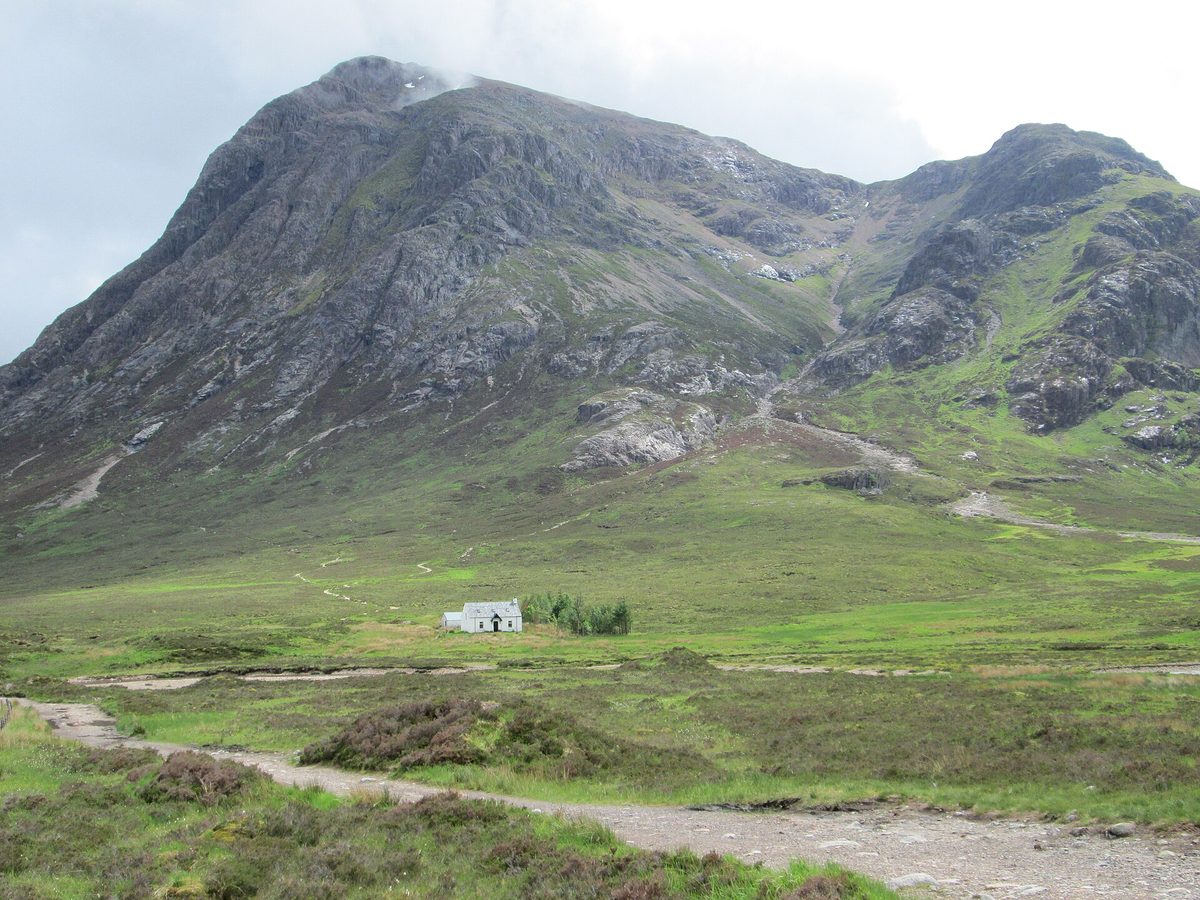
What and Where Are the Scottish Highlands?
Geographically, the Highlands are everything north and west of the Highland Boundary Fault — a fracture in the Earth’s crust that slices diagonally across Scotland from Arran in the southwest to Stonehaven on the northeast coast. Cross that line and the landscape changes abruptly, from rolling Lowland farmland to steep, rugged, glaciated mountains. In practical terms, most visitors feel they’ve “arrived” in the Highlands around Pitlochry on the A9 from Edinburgh, or just past Loch Lomond on the A82 from Glasgow.
This is one of the largest and emptiest landscapes in Europe. The region spans roughly 10,000–15,000 square miles yet holds well under 250,000 people, and parts of Sutherland and Wester Ross are among the least densely populated places on the continent. It’s a land of superlatives: Ben Nevis (1,345 m / 4,411 ft) is the highest peak in the British Isles, and there are 282 “Munros” — mountains over 3,000 feet — to bag if you’re that way inclined.

Two great features shape the map. The Great Glen (Glen Mòr) is a dead-straight fault line running southwest from Inverness to Fort William, strung with lochs — including Loch Ness — and linked end to end by the Caledonian Canal. And two national parks anchor the south and east: the Cairngorms (the UK’s largest) and Loch Lomond & The Trossachs (the southern gateway). The rock underfoot is staggeringly old, too — the Lewisian gneiss of Assynt is around three billion years old, among the oldest in Europe.
Highlands vs Lowlands: what’s the difference?
The divide is cultural as much as physical. South and east of the fault lie the gentler, more populous Lowlands, historically Scots-speaking. North and west lie the Highlands — higher, wilder, and the heartland of Gaelic language and the clan system, with a layer of Norse names in the far north (Ullapool, Thurso). It’s why the Highlands feel like a different country: for centuries, in many ways, they were.
One quick note on Skye: technically it’s an island in the Inner Hebrides, but it’s reached over a bridge from the Highland mainland and is almost always travelled as part of a Highlands trip. I cover it briefly below and link out to our full Isle of Skye guide.
The Scottish Highlands by Area
This is the part that makes planning click. The Highlands break down into a dozen distinct areas, each with its own character, headline sights and natural base town. You won’t see them all in one trip — pick two or three and go deep. (I’ve flagged a recommended base and how long I’d give each.)
Loch Ness & the Great Glen
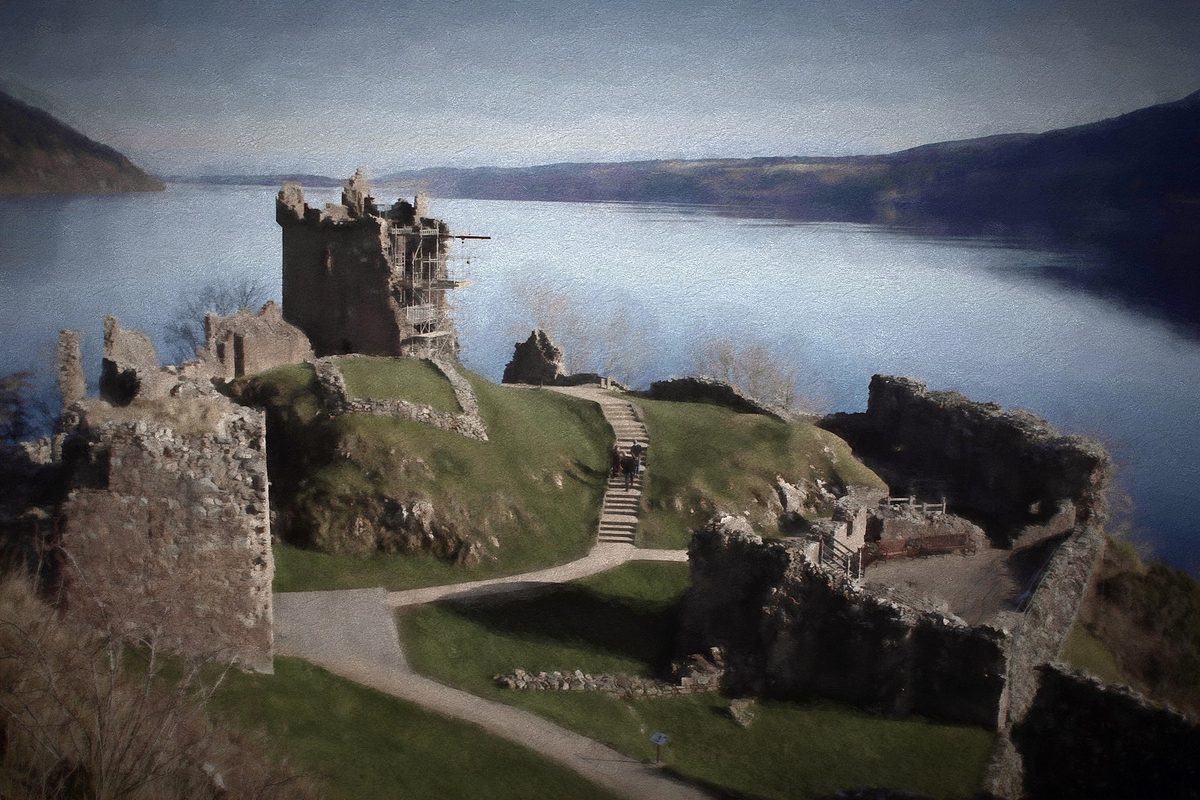
The Great Glen slices the Highlands in two, and at its heart is the most famous body of water in the world. Loch Ness is long, deep and brooding — go for the ruined Urquhart Castle on its shore and a boat cruise rather than any real hope of spotting Nessie. Pretty Fort Augustus, where the Caledonian Canal steps down into the loch through a flight of locks, makes a lovely stop. Base: Inverness or Drumnadrochit · 1–2 days. Full detail in our Loch Ness & Inverness guide.
Most people give Loch Ness a day, and the direction you drive it makes a surprising difference to how that day feels. We have mapped a timed loop in our one-day Loch Ness itinerary, which gets you to Urquhart Castle ahead of the coaches and brings you home along the quiet east shore. If you would rather know the story before you look at the water, the monster’s history and the best viewpoints are covered separately.
Inverness & Around
The “capital of the Highlands” is a friendly riverside city and the obvious hub for the north and the Great Glen. Beyond the town itself, this is rich territory: the haunting Culloden Battlefield (where the 1746 Jacobite cause died) and the prehistoric Clava Cairns nearby, fairy-tale Cawdor Castle, and the Black Isle, where you can watch wild bottlenose dolphins from the shingle spit at Chanonry Point. Base: Inverness · 1–2 days.
Lochaber & Fort William
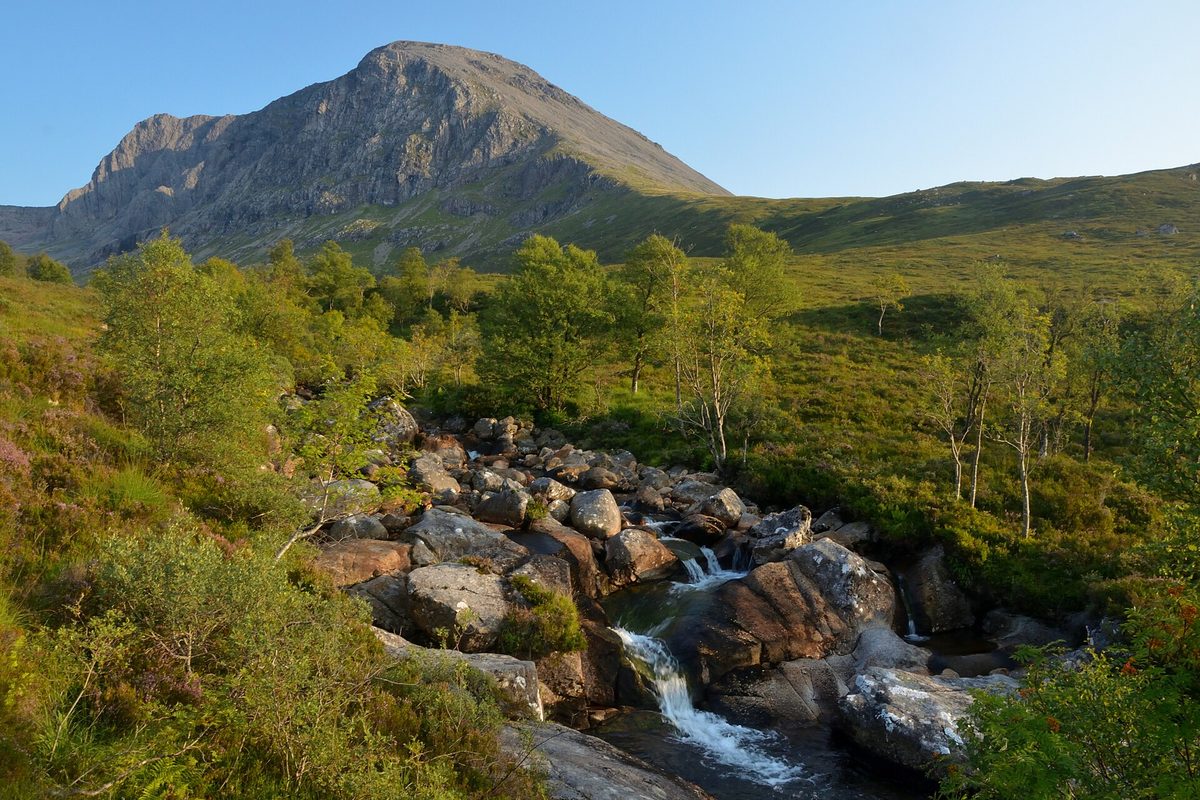
Billed as the “Outdoor Capital of the UK,” Lochaber is where you come for the big mountains. Ben Nevis looms over the town — a long but non-technical hike for the fit (see our Ben Nevis guide) — and Glen Nevis below it is gorgeous, with the walk to the Steall Falls a highlight. This is also the start of the Road to the Isles to Mallaig, passing the Glenfinnan Viaduct, where the Jacobite steam train (the “Hogwarts Express”) crosses. Honest take: Fort William itself is functional rather than pretty — you base here for what’s around it. Base: Fort William · 2 days. See our Fort William guide.
Glencoe & Rannoch Moor
If the Highlands have a single must-see, it’s Glencoe. Drive the A82 slowly through the glen and stop at the Three Sisters viewpoint and the pyramid-perfect Buachaille Etive Mòr at its entrance; walk into the Lost (Hidden) Valley if you’ve the legs. The approach across the vast, empty Rannoch Moor is half the drama. It’s also a place of dark history — the 1692 Glencoe Massacre — which the visitor centre tells well. Base: Glencoe/Ballachulish or Fort William · half a day to a day. More in our Glencoe guide.
The Cairngorms, Aviemore & Speyside
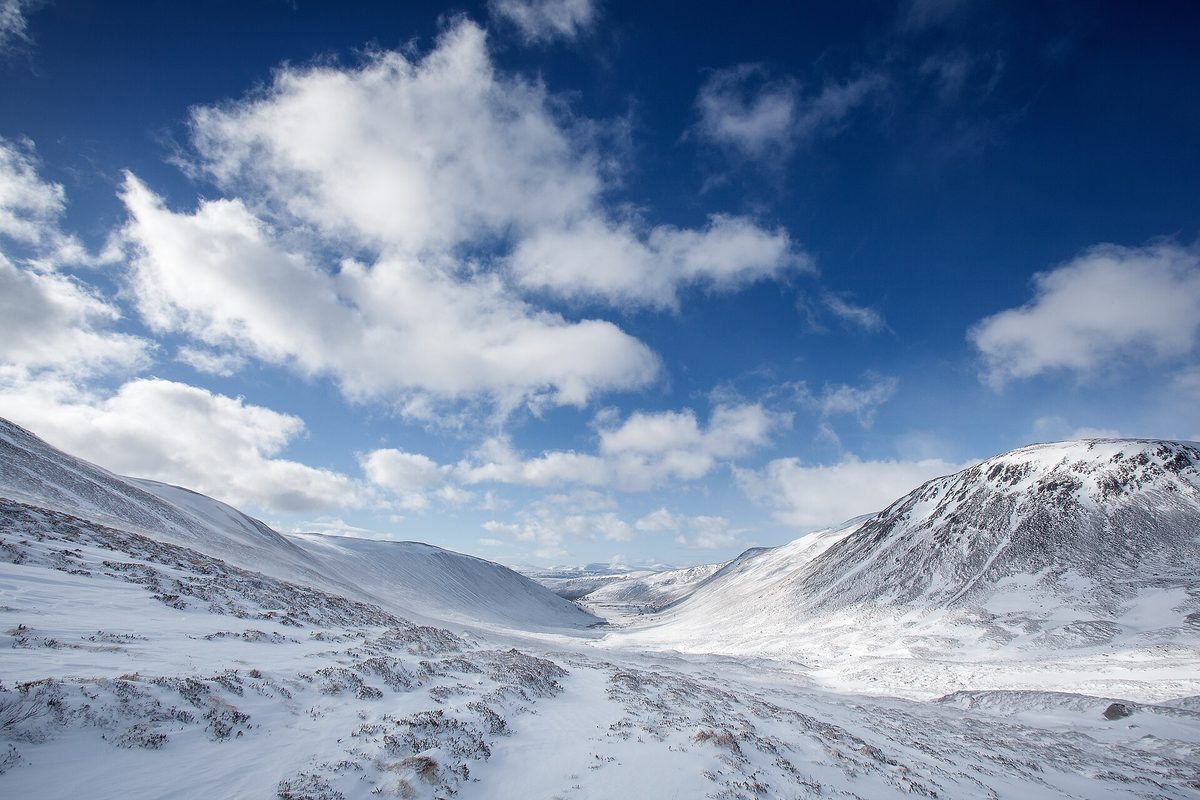
The eastern Highlands are gentler-looking but vast — the Cairngorms National Park is the largest in the UK, a high sub-arctic plateau ringed by ancient Caledonian pine forest. Base in Aviemore for the funicular up Cairngorm, the free-roaming reindeer herd, paddling on Loch Morlich and the storybook ruined castle on Loch an Eilein. Just north lies Speyside, the world’s densest concentration of whisky distilleries — Glenfiddich, Macallan, Aberlour, The Glenlivet — and the Malt Whisky Trail. Base: Aviemore (or Dufftown/Aberlour for whisky) · 2 days. See our Aviemore & Cairngorms guide and whisky distilleries guide.
Kintail & Glen Shiel
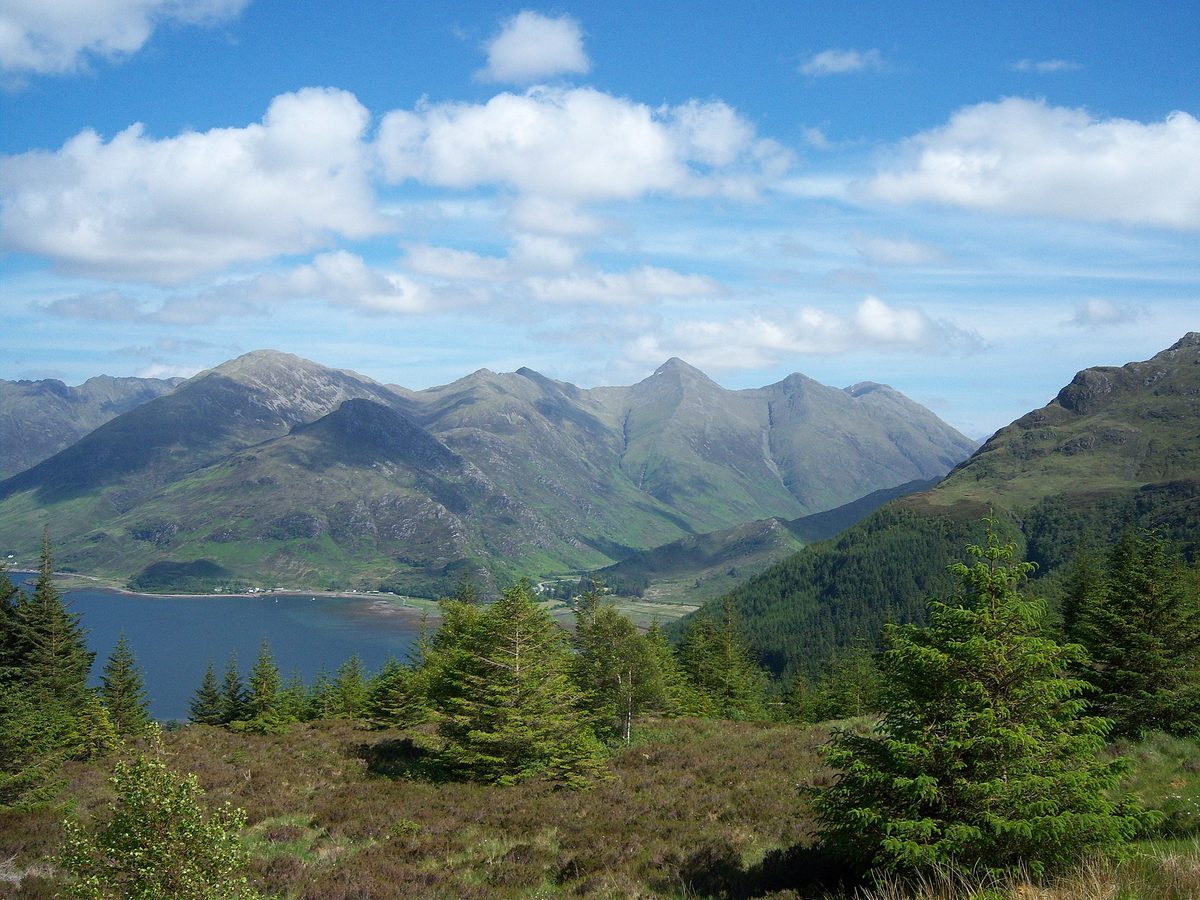
The road west to Skye runs through some of the grandest mountain scenery in Britain. The Five Sisters of Kintail rear up above Glen Shiel in a wall of peaks, and the hidden Falls of Glomach are among the highest in the country. The star, though, is unmissable.
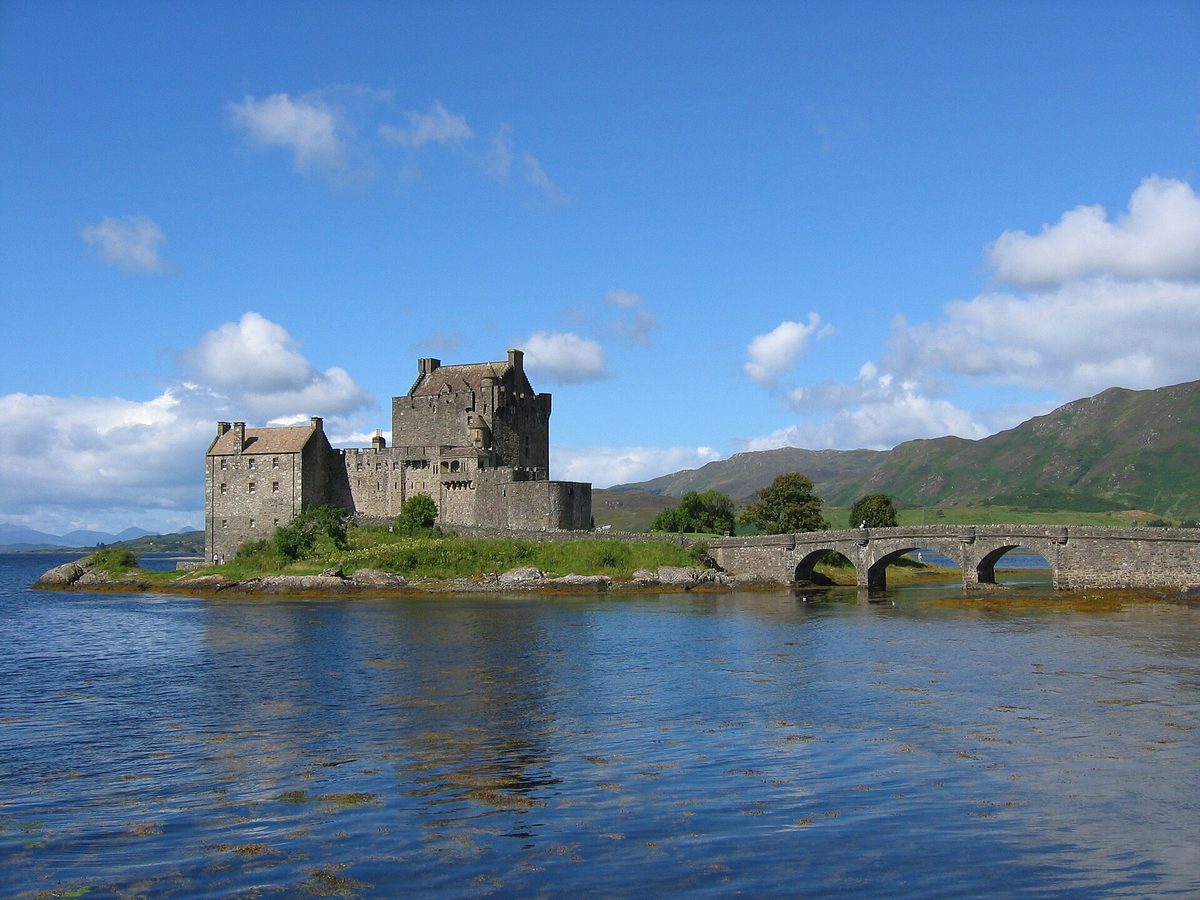
Eilean Donan Castle, on its own little island where three lochs meet at Dornie, is the most photographed castle in Scotland — and for once the hype is justified. It’s right on the road to Skye, so almost everyone passes it. Base: Dornie/Shiel Bridge, or pass through en route to Skye · half a day. More castles in our Scotland castles guide.
Wester Ross, Torridon & Applecross
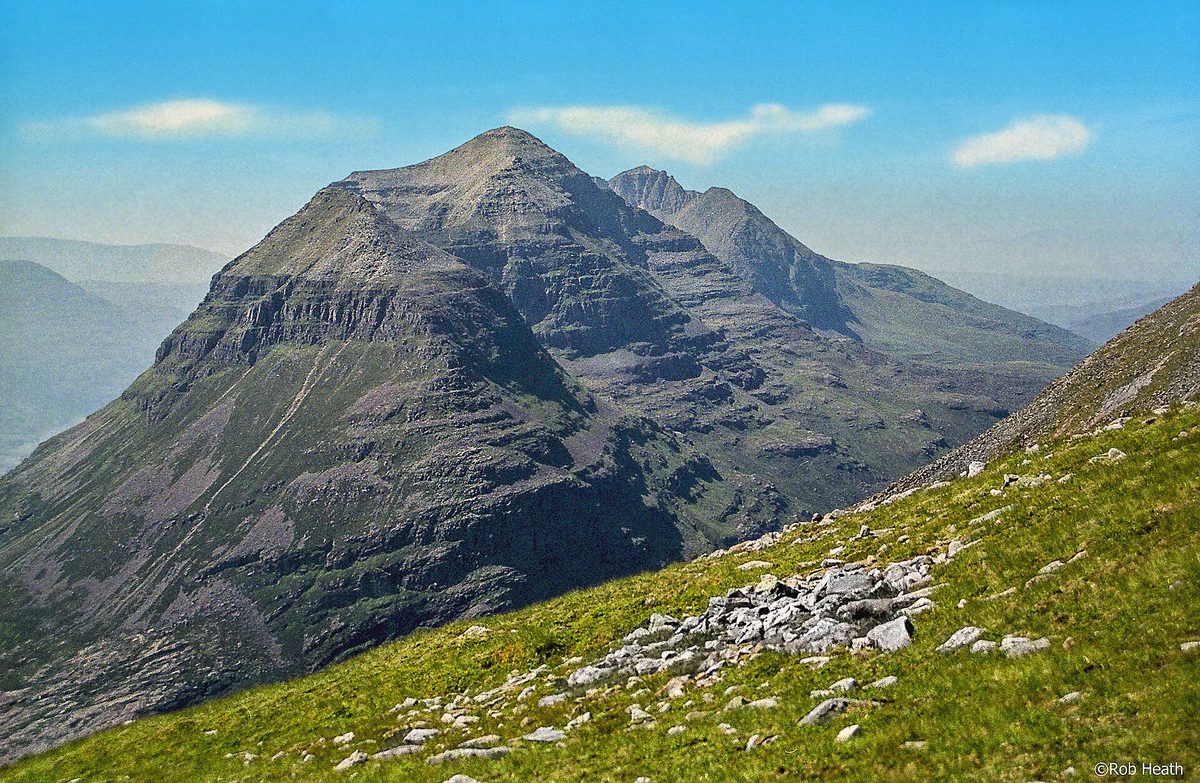
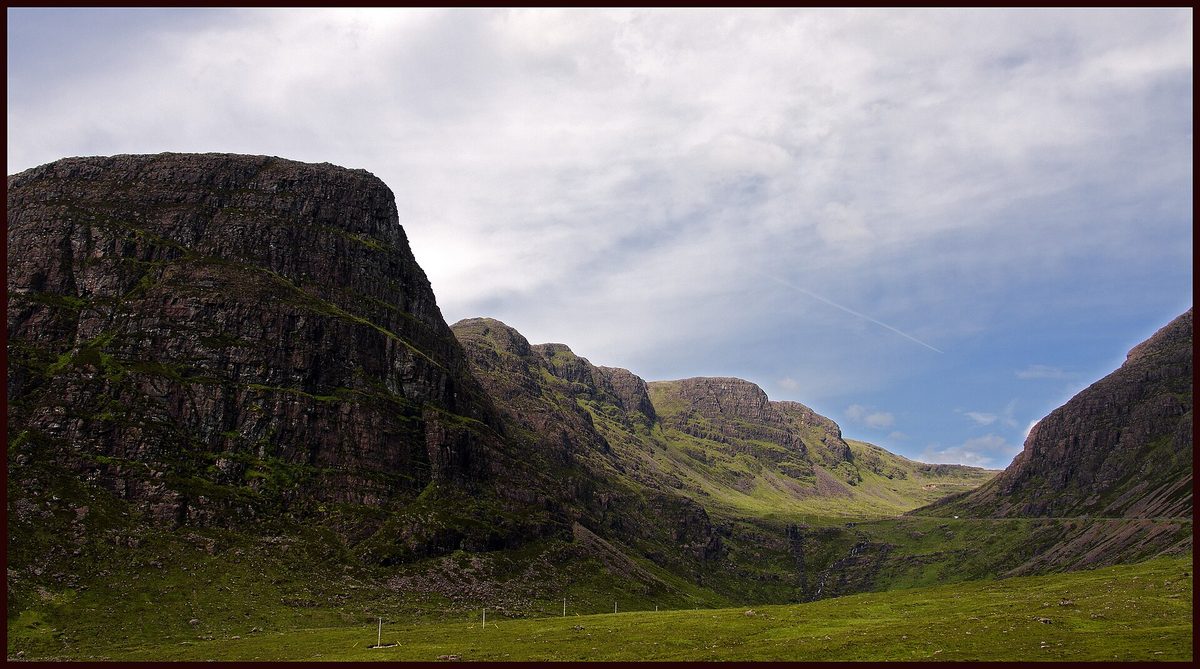
For my money, Wester Ross is the most beautiful corner of the mainland. The Torridon mountains — Liathach, Beinn Eighe — are ancient, sculptural and genuinely awe-inspiring, rising straight from the sea lochs. Loch Maree is sublime, the subtropical Inverewe Garden a surprise, and the road over the Bealach na Bà to Applecross is the most thrilling drive in the country — a single-track switchback climbing to 626 metres.
Tucked on the coast is Plockton, an impossibly pretty conservation village with palm trees (yes, really — thank the Gulf Stream) and a sheltered harbour. Base: Gairloch, Torridon, Ullapool or Plockton · 2–3 days.

The Northwest: Assynt & Sutherland
Keep going north and you reach the emptiest, most otherworldly part of mainland Britain. In Assynt, strange, isolated peaks like Suilven and Stac Pollaidh rise out of a lochan-studded moor like something from another planet. Lochinver is the hub (and home to a famous pie shop); Ardvreck Castle sits romantically ruined on Loch Assynt. Further north in Sutherland, you’ll find the white sands of Achmelvich and remote Sandwood Bay, the great sea cave of Smoo near Durness, and ultimately Cape Wrath, the wild northwest tip. Much of this is strung along the famous North Coast 500. Base: Lochinver, Ullapool or Durness · 2–3 days.
The North Coast & Caithness
The very top of the mainland is flatter and more pastoral than the dramatic west, but it has its own appeal: the surfers’ town of Thurso, the sea stacks at Duncansby Head near John o’ Groats (the mainland’s northeastern tip), and the fairy-tale Dunrobin Castle at Golspie, the largest house in the northern Highlands (though its story is bound up with the grim Highland Clearances). It’s the home straight of the NC500. Base: Thurso, Wick or Dornoch · 1–2 days.
Argyll & the Oban Gateway
To the southwest, Argyll is the “Gateway to the Isles” and an easy first taste of the Highlands from Glasgow. Oban is a cheerful harbour town — the “seafood capital of Scotland,” with a distillery in the centre and ferries fanning out to Mull, Iona and Staffa. Nearby, romantic Kilchurn Castle sits at the head of Loch Awe, and grand Inveraray Castle (of Downton Abbey fame) overlooks Loch Fyne, famous for its oysters. Base: Oban · 2 days. See our Oban guide and Scottish islands guide.
Loch Lomond & The Trossachs (the Southern Gateway)
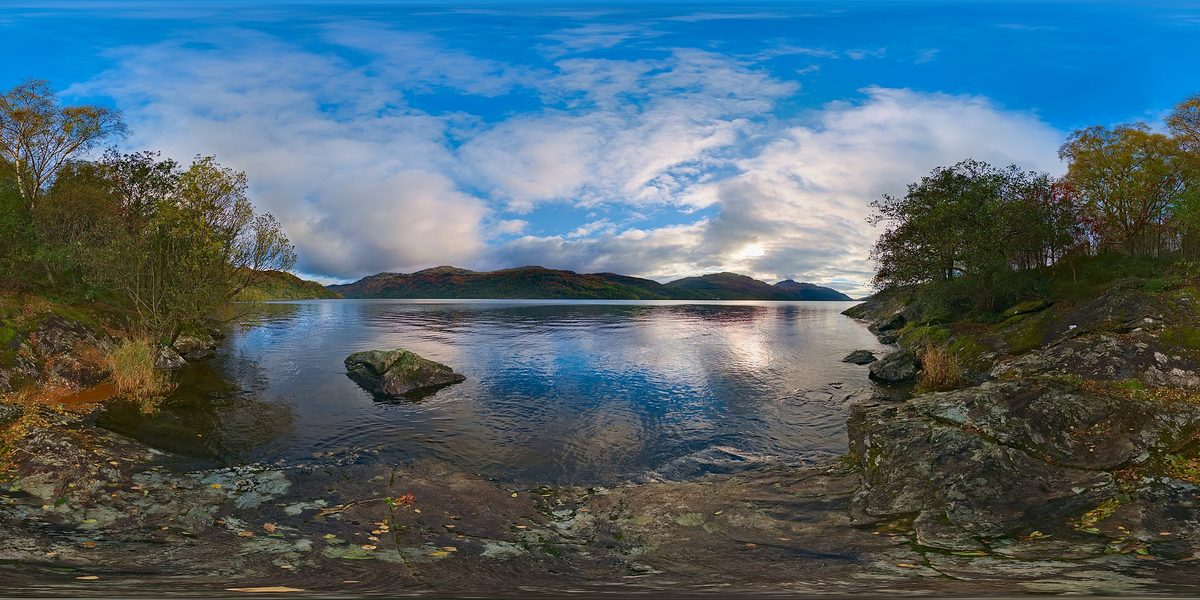
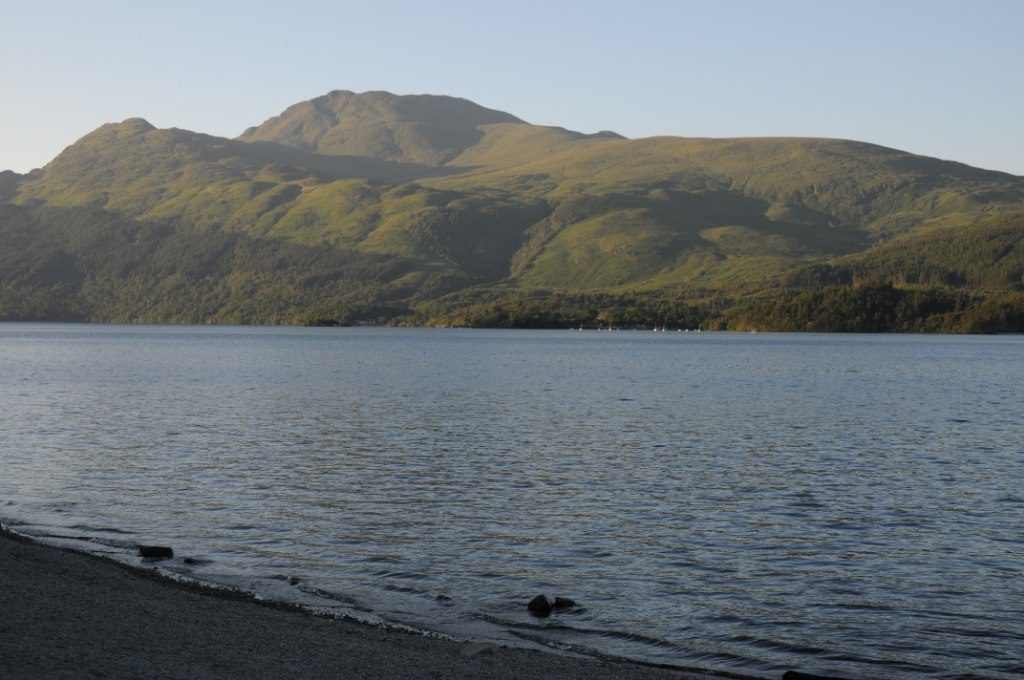
The closest slice of Highland scenery to Glasgow, and a national park in its own right. Loch Lomond is the largest lake in Britain by surface area; the pretty village of Luss sits on its western shore, and Ben Lomond is the most southerly Munro. The wooded hills and lochs of the Trossachs around Callander and Aberfoyle are Rob Roy country. It’s the perfect day-one introduction. Base: Callander, Balloch or Luss · 1–2 days. More in our Loch Lomond & Trossachs guide.
Highland Perthshire & Pitlochry (the A9 Gateway)
Coming from Edinburgh, this is where the Highlands begin. Victorian Pitlochry is a charming base, with a dam fish ladder, a theatre and Edradour distillery; nearby are the wooded gorge of Killiecrankie, the famous Queen’s View over Loch Tummel, turreted Blair Castle, and the Falls of Dochart at Killin. The Hermitage at Dunkeld has some of Britain’s tallest trees. Base: Pitlochry or Dunkeld · 1–2 days. See our Highland Perthshire guide.
A Note on Skye & the Islands
The Isle of Skye is technically an island, but it feels like the Highlands’ grand finale — and you reach it over a bridge from Kyle of Lochalsh. Its greatest hits (the Old Man of Storr, the Quiraing, the Fairy Pools, Neist Point) deserve their own two or three days; we cover them in the full Isle of Skye guide. From Oban you can also add Mull, Iona and Staffa, and the Outer Hebrides lie beyond — all detailed in our Scottish islands guide.
Best Things to Do in the Scottish Highlands (by Interest)
However you like to travel, the Highlands have a version of themselves for you. Here’s where to point yourself.
Hiking & the mountains
This is one of the world’s great walking destinations, with terrain for everyone. Bag your first Munro (Scotland has 282 of these 3,000-foot peaks — start gentle with Ben Lomond or Schiehallion), tackle Ben Nevis if you’re fit, or keep it easy with low-level classics like the Steall Falls walk in Glen Nevis, Loch an Eilein in the Cairngorms, or the boardwalks of Rogie Falls. Scotland’s right-to-roam laws mean you can walk almost anywhere responsibly. New to it? See our Munro bagging guide and the wider hiking in Scotland hub.
Scenic drives
Half the joy of the Highlands is the driving. The A82 through Glencoe is the most cinematic road in the country; the Bealach na Bà to Applecross is the most thrilling; and the North Coast 500 strings the wild north together into a 516-mile loop. The Snow Roads through the Cairngorms and the Road to the Isles to Mallaig round out the bucket list. We map them in Highland road-trip routes and the NC500 guide.
Castles & history
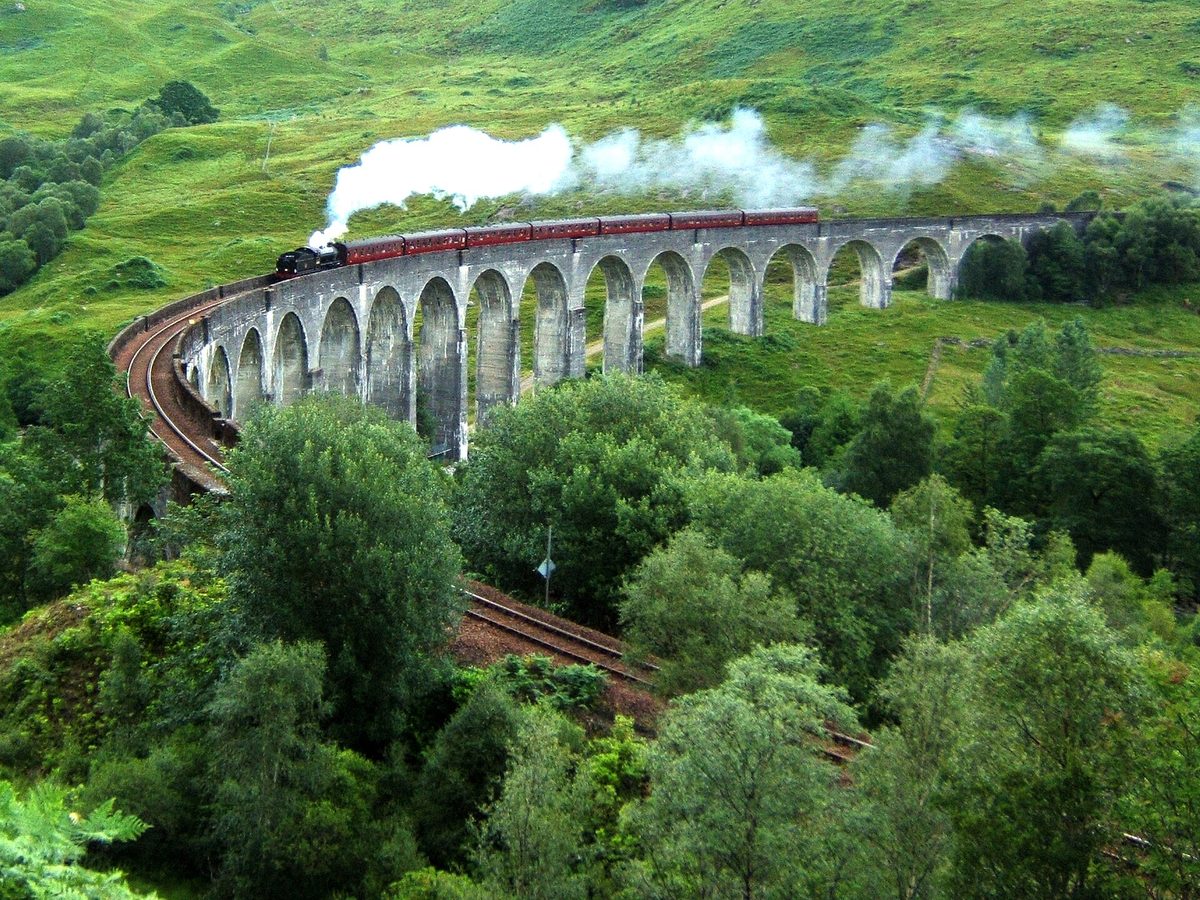
The Highlands wear their history on their sleeve. Beyond Eilean Donan and Urquhart, seek out Inveraray, Kilchurn and Cawdor; walk the moor at Culloden; and trace the Jacobite story from the Glenfinnan Monument (where Bonnie Prince Charlie raised his standard in 1745) to its bitter end. Film buffs are well served too: the Glenfinnan Viaduct is the Hogwarts Express bridge, Glencoe and Glen Coe’s surroundings star in countless films, and Outlander fans have a whole circuit — see Outlander filming locations and Harry Potter in Scotland.
Wildlife
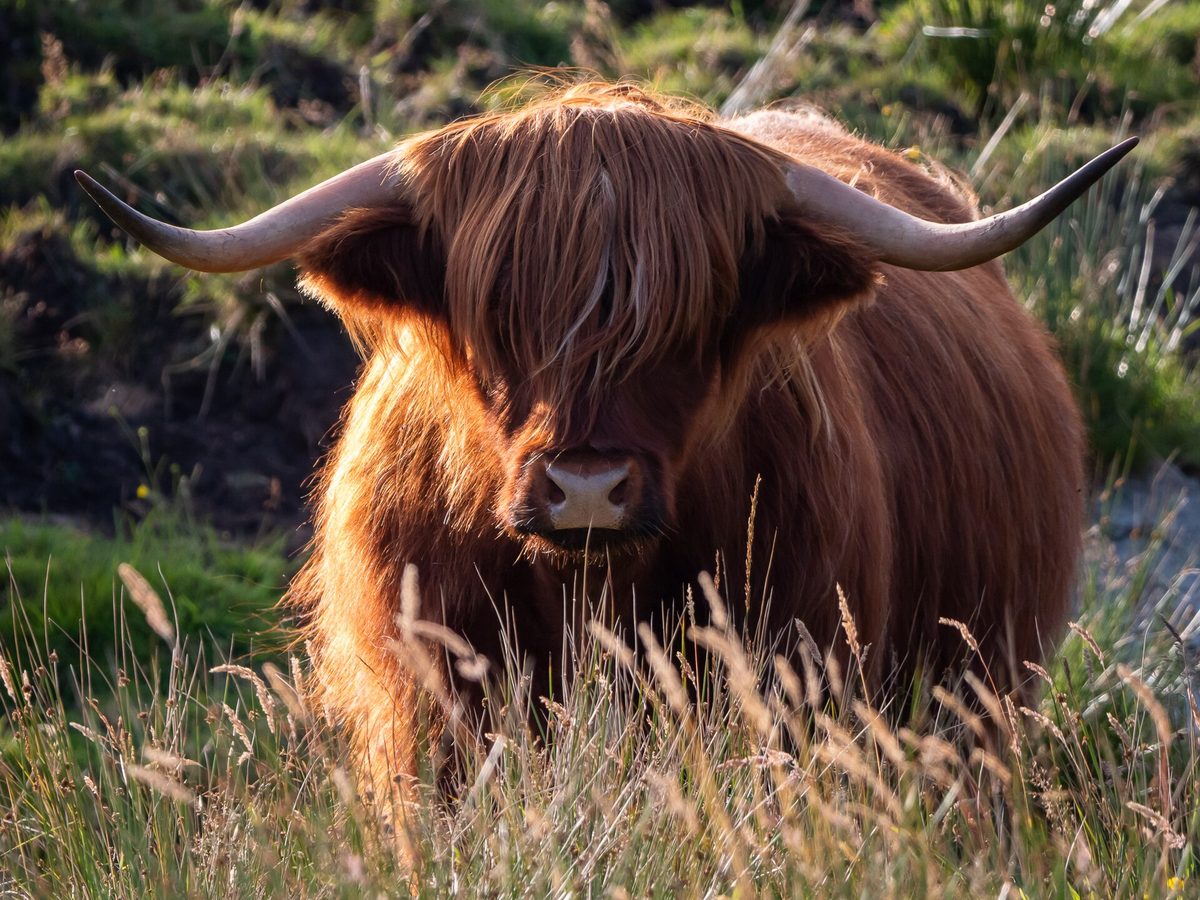
The Highlands are Britain’s wildlife stronghold. Meet a shaggy Highland cow (our Highland cow spotting guide tells you where), watch bottlenose dolphins at Chanonry Point, hear the autumn red deer rut echo across the glens (there are around 400,000 red deer), and look up for golden and white-tailed eagles. The Cairngorms add free-roaming reindeer, red squirrels, ospreys and elusive pine martens. More in our wildlife watching guide.
The single most reliable wildlife sighting in the Highlands is not a stag or an eagle but a bottlenose dolphin, and it happens from a shingle spit half an hour from Inverness. The catch is that it runs on the tide rather than the clock — our guide to dolphin watching at Chanonry Point explains how to work out the right window before you drive out there.
Whisky, lochs & beaches
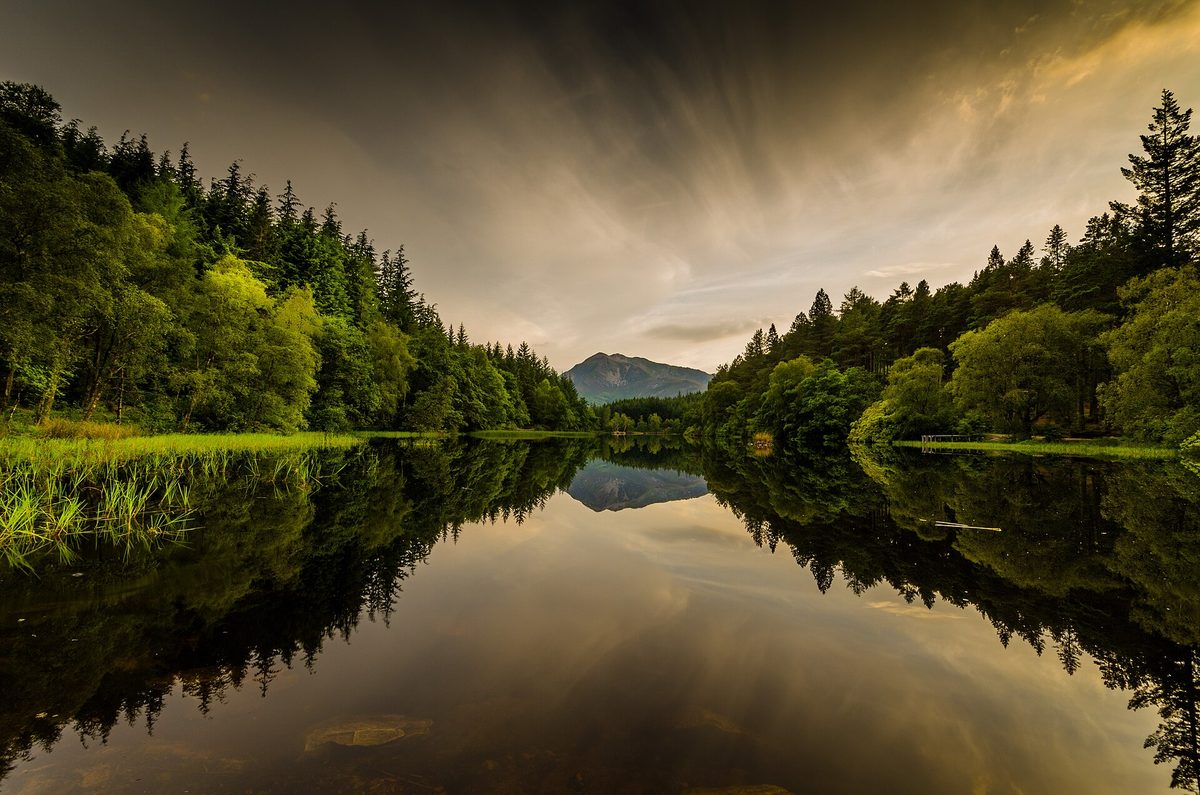
Tour a Speyside distillery and taste a dram where it’s made (whisky guide); kayak or simply sit beside mirror-still lochs like Maree, Morlich and Awe (our most beautiful lochs roundup has more); and don’t overlook the beaches — the Highlands hide some of Britain’s best, from Achmelvich to Sandwood Bay, white-sand and (brace yourself) bracingly cold.
A Scottish Highlands Bucket List
If you want the cross-cutting highlight reel — the dozen experiences I’d make sure no Highland trip skips — here it is:
- Drive the A82 through Glencoe, stopping at the Three Sisters as the cloud rolls over Buachaille Etive Mòr.
- Cruise Loch Ness and explore the ruins of Urquhart Castle on its shore.
- Ride the Jacobite steam train over the Glenfinnan Viaduct — the closest thing to the Hogwarts Express.
- Photograph Eilean Donan Castle on the road to Skye, the most picture-perfect castle in the land.
- Climb a Munro — Ben Nevis if you’re fit, or an easier first summit for the view alone.
- Tour a Speyside distillery and taste a single malt straight from the cask.
- Meet a Highland cow and, in autumn, hear the red deer stags roar across the glens.
- Drive the Bealach na Bà to Applecross, the most thrilling road in Britain.
- Walk to the Steall Falls through Glen Nevis, Scotland’s second-highest waterfall.
- Watch wild dolphins from the shingle at Chanonry Point on the Black Isle.
- Stand among the strange, isolated peaks of Assynt — Suilven and Stac Pollaidh rising from the moor.
- Catch a Highland Games or a ceilidh for caber-tossing, pipe bands and foot-stomping music.
Tick off even half of those and you’ll go home with the Highlands firmly under your skin — and a list of reasons to return for the rest.
Best Towns to Base Yourself In
The single biggest planning decision is where to sleep. Pick a couple of well-placed bases and day-trip out, rather than changing hotels every night. Here’s the at-a-glance version, then a little detail.
| Base town | Best for | Suggested nights |
|---|---|---|
| Inverness | All-round hub; Loch Ness, the north and east, the NC500 | 2–3 |
| Fort William | The west; Ben Nevis, Glencoe, Glenfinnan, the road to Skye | 2–3 |
| Aviemore | The Cairngorms, families, outdoor activities, Speyside whisky | 2 |
| Oban | Argyll and the isles (Mull, Iona, Staffa) | 2 |
| Ullapool | The wild northwest, Assynt and the NC500 | 2 |
| Pitlochry | The southern gateway; easy reach from Edinburgh | 1–2 |
Inverness is the natural all-rounder and the only proper city up here, with the widest choice of hotels and restaurants. Fort William is the best base for the western mountains and the launchpad for Skye. Aviemore suits active families and whisky lovers, Oban is your island gateway, and Ullapool is the gateway to the far northwest. For specific places to stay across budgets, see our best Highland base towns and where to stay in Scotland guides.
How Many Days Do You Need, and a Few Routes
You could spend a lifetime here, but for a focused trip: 3–4 days gets you the headline central Highlands; 7 days is the sweet spot for a proper loop including Skye; and 10+ days lets you add the northwest or the full NC500. Whatever you do, build in slack — distances take longer than the map says, and the views demand stops. Our how many days in the Highlands guide goes deeper. Three routes to start from:
- 3–4 day taster: Glasgow/Edinburgh → Glencoe → Fort William → Glenfinnan → Loch Ness → Inverness. The greatest hits at a brisk pace.
- Classic 7-day loop: add the Isle of Skye (2 nights) and Eilean Donan to the taster, returning via the Cairngorms and Pitlochry. The first-timer’s dream trip.
- 10-day grand tour: the 7-day loop plus the North Coast 500 from Inverness, or extra island time. The full Highland epic.
Each of these is mapped day by day in our Scotland itinerary guide.
How to Get to the Highlands — and Around
Getting there
From Edinburgh, the A9 runs north to Inverness in about three hours (through Pitlochry and the Cairngorms). From Glasgow, the A82 heads up the west side past Loch Lomond and through Glencoe to Fort William in around two and a half hours — the more scenic approach. You can fly into Inverness (handiest for the north), Edinburgh or Glasgow, and there’s even a romantic option: the Caledonian Sleeper overnight train from London to Fort William and Inverness.
Getting around by car
A car gives you the most freedom, and the driving is a joy — but the Highlands have their own rules. Much of the west and north is single-track road: pull into a passing place on your left to let oncoming cars through or faster traffic overtake, never park in them, and give a wave. Fuel up whenever you can — stations are sparse and close early in remote areas — watch for sheep and deer on the road, and always allow more time than the satnav suggests. In winter, some high roads close with snow. The mechanics are in our renting a car in Scotland guide.
Without a car
You don’t strictly need to drive. Three of the world’s great scenic railways run through the Highlands: the West Highland Line (Glasgow–Fort William–Mallaig, past Rannoch Moor and the Glenfinnan Viaduct), the Kyle Line (Inverness–Kyle of Lochalsh, for Skye), and the Far North Line (Inverness–Thurso/Wick). Citylink coaches and Stagecoach buses link the main towns (with a £2 single-fare cap on many local routes), and reputable operators like Rabbie’s and Haggis run small-group day tours into the glens. It’s slower and needs planning, but very doable — see getting around Scotland and guided tours.
Best Time to Visit the Highlands
May, June and September are the sweet spots — long days, the best weather-to-crowds balance, and minimal midges. July and August are warmest and busiest, and the worst for the biting midges (which swarm on still, damp days in the west from late May to mid-September; wind and the east coast keep them at bay). Autumn brings the russet glens and the roaring deer rut; winter means snow on the peaks, the best Northern Lights odds and the lowest prices, but short days and some road and attraction closures. Plan with our seasonal planning guide and midge season guides.
Where to Stay
The Highlands do accommodation with character. Choose from comfortable hotels and classic B&Bs, self-catering cottages (brilliant for families and groups), cosy glamping pods, basic mountain bothies, and even genuine castle stays. Thanks to Scotland’s access laws you can also wild camp responsibly across most unenclosed land. Book early for summer, Skye and the NC500. Our where to stay guide breaks it down by region and budget.
Know Before You Go
- Pack layers and a waterproof — the weather changes by the hour, and the mountains make their own. More practical advice in our Scotland travel tips.
- Distances take longer than the mileage suggests; plan two-night bases and gentle days.
- Download offline maps — mobile signal is patchy to non-existent in the glens.
- Respect the Scottish Outdoor Access Code: leave no trace, close gates, keep dogs under control near livestock.
- Carry midge repellent (Smidge or Avon Skin So Soft) from June to August in the west.
- Book ahead for summer accommodation, the Jacobite train and popular distilleries.
Highland Culture: Clans, Gaelic and the Games
Part of what makes the Highlands feel like a world apart is their living culture. This was the heartland of the clan system, and many visitors come to trace family roots and clan lands (those tartans and surnames trace right back here). It’s also the stronghold of Scottish Gaelic — you’ll see it on every road sign and in place names like Aviemore (the big hill pass) and Loch (lake). The brutal Highland Clearances of the 18th and 19th centuries, when landlords evicted communities to make way for sheep, still shape the empty glens and ruined townships you’ll pass. Today the culture is very much alive: catch a summer Highland Games (the Braemar Gathering is the most famous, often attended by the Royal Family) to see the caber toss and hear massed pipe bands, or a ceilidh for foot-stomping traditional music. Our Highland Games guide has more, and our Scotland festivals and events calendar shows what’s on when you visit.
Highland Food & Drink
The Highlands punch well above their weight at the table. The coast delivers superb seafood — langoustines, scallops and oysters landed at Oban, Mallaig and Loch Fyne — while the hills give venison and game. Warm up with a bowl of Cullen skink (smoked-haddock soup) and finish with cranachan (cream, oats, raspberries and whisky). And of course there’s the whisky: beyond Speyside, the Highland malts include Dalwhinnie (the highest distillery in Scotland), Oban, Glenturret and Old Pulteney in the far north. More in our Scottish food and drink guide.
Beyond the venison and the langoustines, it is worth knowing which Scottish dishes people here actually eat and which exist mainly for visitors. We work through all of it, with prices, in our guide to traditional Scottish food.
Frequently Asked Questions
What are the Scottish Highlands known for?
The Highlands are known for dramatic mountain and loch scenery, including Ben Nevis and Glencoe; Loch Ness and its monster legend; castles like Eilean Donan and Urquhart; whisky, Highland cattle and red deer; Gaelic and clan heritage; and outdoor adventure from Munro-bagging to the North Coast 500 road trip.
Where do the Scottish Highlands start?
Geologically, the Highlands begin at the Highland Boundary Fault, which runs from the Isle of Arran to Stonehaven. In practice, most visitors feel they enter the Highlands around Pitlochry on the A9 from Edinburgh, or just north of Loch Lomond on the A82 from Glasgow, where the landscape turns suddenly wild.
What’s the difference between the Highlands and the Lowlands?
The Highlands are the higher, wilder, more sparsely populated region northwest of the Highland Boundary Fault, historically Gaelic-speaking and the home of the clan system. The Lowlands to the south and east are gentler, more populous, more farmed, and historically Scots-speaking. The divide is cultural and linguistic as much as physical.
How many days do you need in the Scottish Highlands?
Three to four days covers the central highlights — Glencoe, Fort William, Loch Ness and Inverness. Seven days is ideal for a classic loop that includes the Isle of Skye, and ten or more lets you add the wild northwest or the full North Coast 500. Build in slack, as driving is slow.
What is the best base for the Scottish Highlands?
Inverness is the best all-round base, with the most choice and easy access to Loch Ness, the north and the NC500. Fort William suits the western mountains and Skye, Aviemore the Cairngorms, Oban the islands, Ullapool the far northwest, and Pitlochry the southern gateway from Edinburgh.
Can you visit the Scottish Highlands without a car?
Yes. Three scenic railways — the West Highland, Kyle and Far North lines — plus Citylink coaches and Stagecoach buses connect the main towns, and small-group day tours reach the glens. A car gives more freedom for remote spots, but a car-free Highland trip based on the rail hubs is very doable.
What is the best time of year to visit the Scottish Highlands?
May, June and September offer the best balance of long days, decent weather, fewer crowds and minimal midges. July and August are warmest but busiest and worst for midges. Autumn brings golden colour and the deer rut; winter offers snow and the Northern Lights but short days and some closures.
When is midge season, and how do you avoid the midges?
Midge season runs from late May to mid-September, peaking in July and August. The biting midges are worst in the damp, sheltered west on still days at dawn and dusk. Avoid them by visiting in spring or autumn, sticking to breezy or east-coast spots, and packing repellent like Smidge and a head net.
Is the Scottish Highlands worth visiting?
Absolutely — for many travellers it’s the highlight of Scotland. Few places pack in such dramatic, uncrowded scenery, rich history and abundant wildlife within easy reach of a city. Whether you want to hike, drive scenic roads, tour distilleries or simply soak up the views, the Highlands deliver.
How big are the Scottish Highlands?
The Highlands cover roughly half of Scotland’s landmass — somewhere between 10,000 and 15,000 square miles depending on where you draw the line — yet are home to fewer than 250,000 people. That makes them one of the largest and most sparsely populated regions in all of Europe.
What is the North Coast 500 and how long does it take?
The North Coast 500 is a 516-mile scenic driving route looping around the northern Highlands from Inverness, taking in beaches, mountains, castles and remote coast. Most people drive it in five to seven days; rushing it in three misses the point. It’s best from May to September, and accommodation books up far ahead.
Where were Harry Potter and Outlander filmed in the Highlands?
The Glenfinnan Viaduct near Fort William is the Hogwarts Express bridge, and Glencoe features in several Harry Potter films. Outlander fans can visit Doune Castle (Castle Leoch), Midhope Castle (Lallybroch) and various Highland glens. We map the trails in our Outlander and Harry Potter location guides.
Is Skye part of the Scottish Highlands?
Skye is technically an island in the Inner Hebrides rather than the mainland Highlands, but it’s reached by bridge from the Highland coast at Kyle of Lochalsh and is almost always visited as part of a Highlands trip. Plan at least two or three days for it using our dedicated Isle of Skye guide.
Can you see the Northern Lights in the Highlands?
Yes. The Highlands’ dark, unpolluted skies make them one of the best places in Britain to catch the aurora, typically from autumn to early spring on clear, dark nights. The further north you go — Caithness, Sutherland and the north coast — the better your chances when solar activity is high.
Final Thoughts
The Highlands reward people who slow down. It’s tempting to chase a checklist of viewpoints, but the magic here is cumulative — the empty road, the loch like a mirror, the stag on the skyline, the village pub at the end of a long day. Pick two or three areas, give each a couple of nights, leave the rest for next time, and let the landscape do its quiet work on you. It will.
Ready to plan? Pair this with our Scotland itineraries, time it with the best time to visit guide, and read up on the island finale in our Isle of Skye guide.
Getting here is a decision in itself. Our comparison of the routes from Edinburgh to the Highlands sets the A9, the A82 and the east coast against each other on distance, realistic driving time and what the road is actually like behind a coach.
The Great Glen raises the obvious question, and we have answered it honestly. Whether Loch Ness is worth visiting depends far more on your route than on the loch itself.
Deciding where to sleep matters more here than almost anywhere else in Scotland, because the wrong base can cost you two hours a day in the car. Our guide to the best Highland base towns works through Inverness, Fort William, Aviemore, Glencoe and Ullapool by trip type, with real drive times. If the dog is coming too, we have also pulled together what the listings never tell you about taking a dog to the Highlands, from per-night pet fees to lambing season.
About the author: This guide was written and is maintained by the ScotlandTourism.org editorial team — travel writers who’ve driven, hiked and train-hopped across every corner of the Highlands, from Glencoe to Cape Wrath. We update our guides regularly to keep practical details current.
Last updated: June 2026.
Photo credits
All images are used under their respective Creative Commons or public-domain licenses:
- Buachaille Etive Mor, Glencoe — © Peter S, CC BY-SA 2.0, via Wikimedia Commons
- Ben Nevis — © Andrew Tryon, CC BY-SA 2.0, via Wikimedia Commons
- Urquhart Castle, Loch Ness — BIG ALBERT (CC0) via Wikimedia Commons
- Eilean Donan Castle — Bigar (Public domain) via Wikimedia Commons
- The Cairngorms — Unsplash (CC0) via Wikimedia Commons
- The Jacobite steam train, Glenfinnan Viaduct — © de:Benutzer:Nicolas17, CC BY-SA 2.5, via Wikimedia Commons
- The Five Sisters of Kintail — © Graham Lewis, CC BY 2.0, via Wikimedia Commons
- Plockton, Wester Ross — © Keith Chadwick, CC BY-SA 3.0, via Wikimedia Commons
- A Highland cow — © Thomas Andy Branson, CC BY-SA 4.0, via Wikimedia Commons
- The mountains of Torridon — © Robert J Heath, CC BY 2.0, via Wikimedia Commons
- The Bealach na Ba to Applecross — © brian gillman, CC BY 3.0, via Wikimedia Commons
- Loch Lomond — © Daniel Kraft, CC BY-SA 3.0, via Wikimedia Commons
- Glen Affric — © Roger D Kidd, CC BY-SA 2.0, via Wikimedia Commons

1 note from readers