The best night I’ve had stargazing in Scotland was a Tuesday in early November, in a forestry car park in Galloway, in about two degrees of cold. The Milky Way ran overhead from Cassiopeia down through Cygnus, split by its own dark rift, and I counted four meteors in forty minutes. I also couldn’t feel my toes.
The worst was mid-June on Skye, waiting until half one in the morning for the northern sky to go black. It stayed navy blue, because it had no choice. That’s the fact this guide is built on, and almost nobody says it plainly: in June, most of Scotland never gets dark at all.

The short answer
Scotland’s stargazing season runs from roughly late September to March. Between late April and mid-August the sky never reaches astronomical darkness, so summer is a write-off. Galloway Forest Park is the easiest dark site to reach; Tomintoul and Glenlivet is the darkest you can drive to. Go within a week of a new moon.
Scotland’s dark sky sites at a glance
| Site | Where | Official status | Facilities after dark | Best for |
|---|---|---|---|---|
| Galloway Forest Park | Dumfries & Galloway | Dark Sky Park, gold tier, 2009 — the UK’s first | Car parks only; centres shut before dusk | First-timers driving up from England |
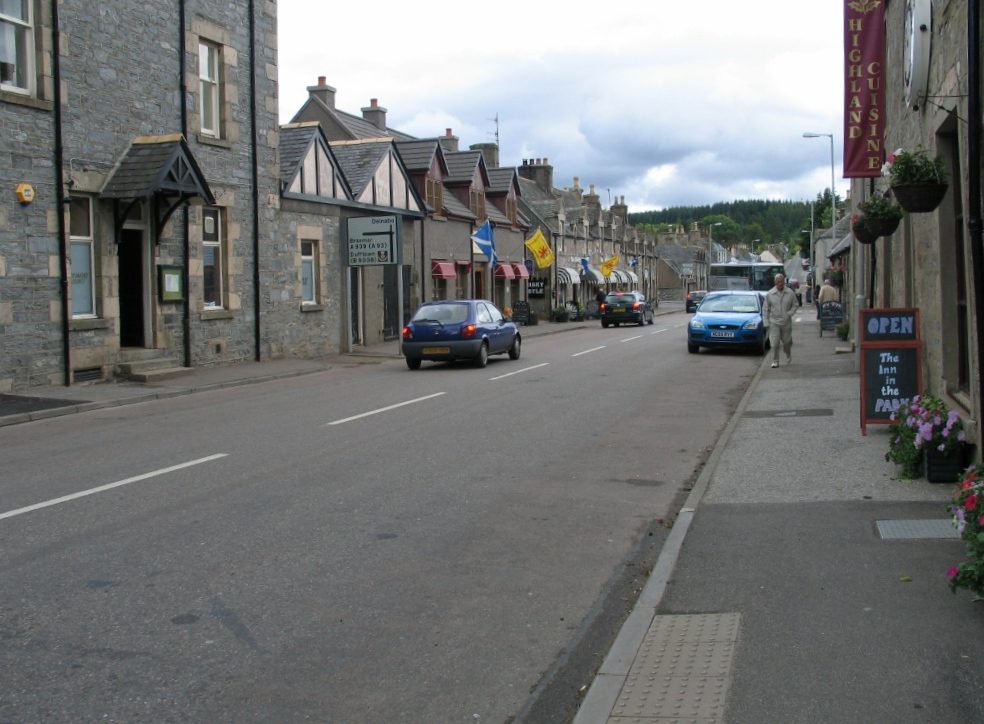
| Tomintoul & Glenlivet | Cairngorms, Moray | Dark Sky Park, gold tier, 2018 | Village by day, lay-bys at night | The darkest sky you can drive to |
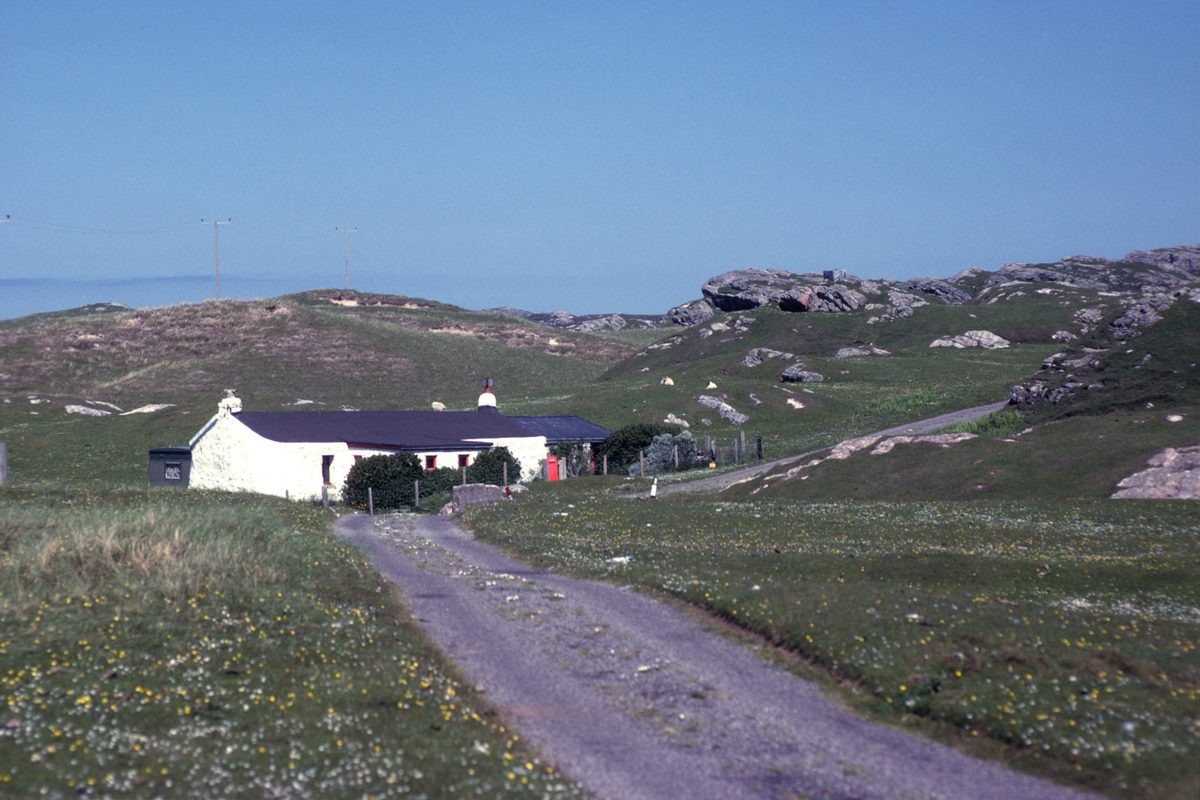
| Isle of Coll | Inner Hebrides | Dark Sky Community, 2013 | Hotel, bunkhouse, one shop | Two or three nights with events on |
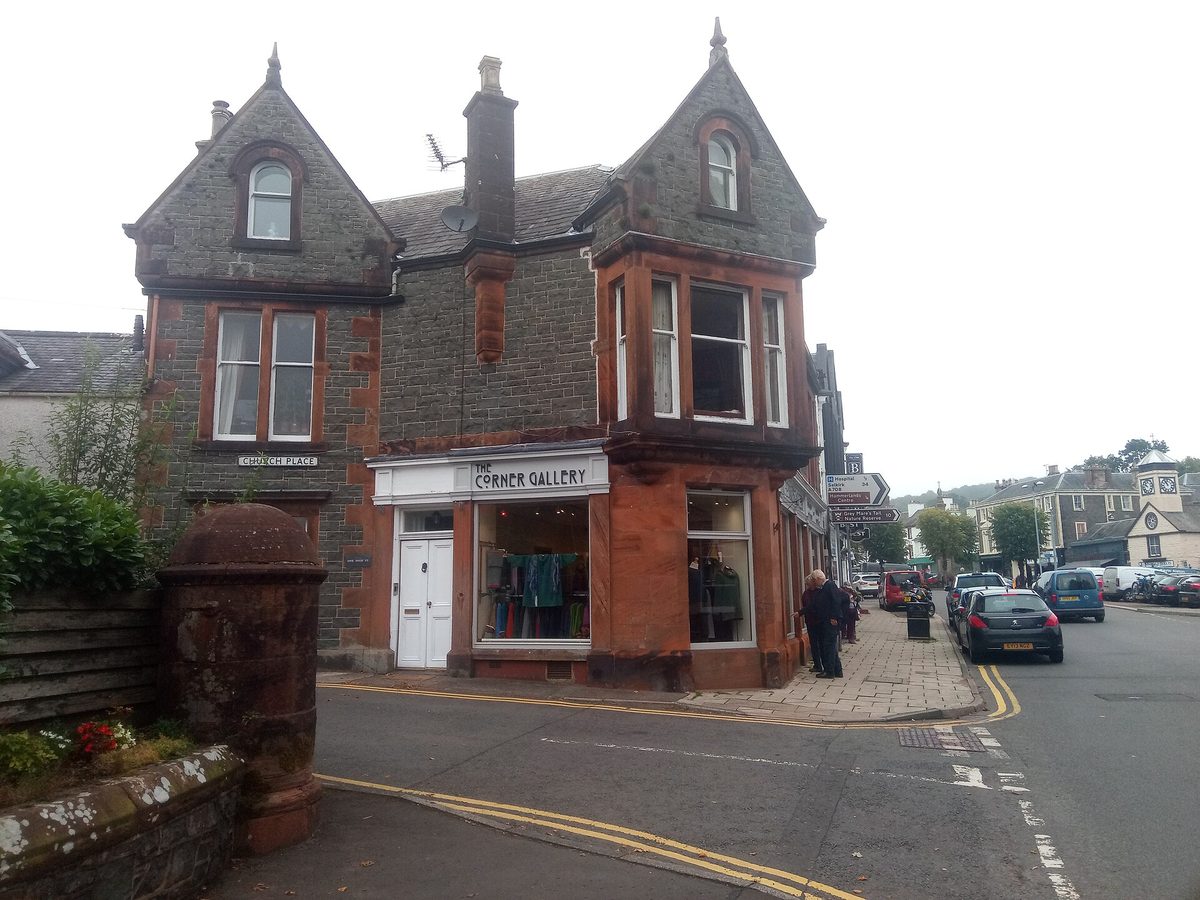
| Moffat | Dumfries & Galloway | Dark Sky Community, 2016 | A whole town, pubs and toilets included | Dark skies without the camping |
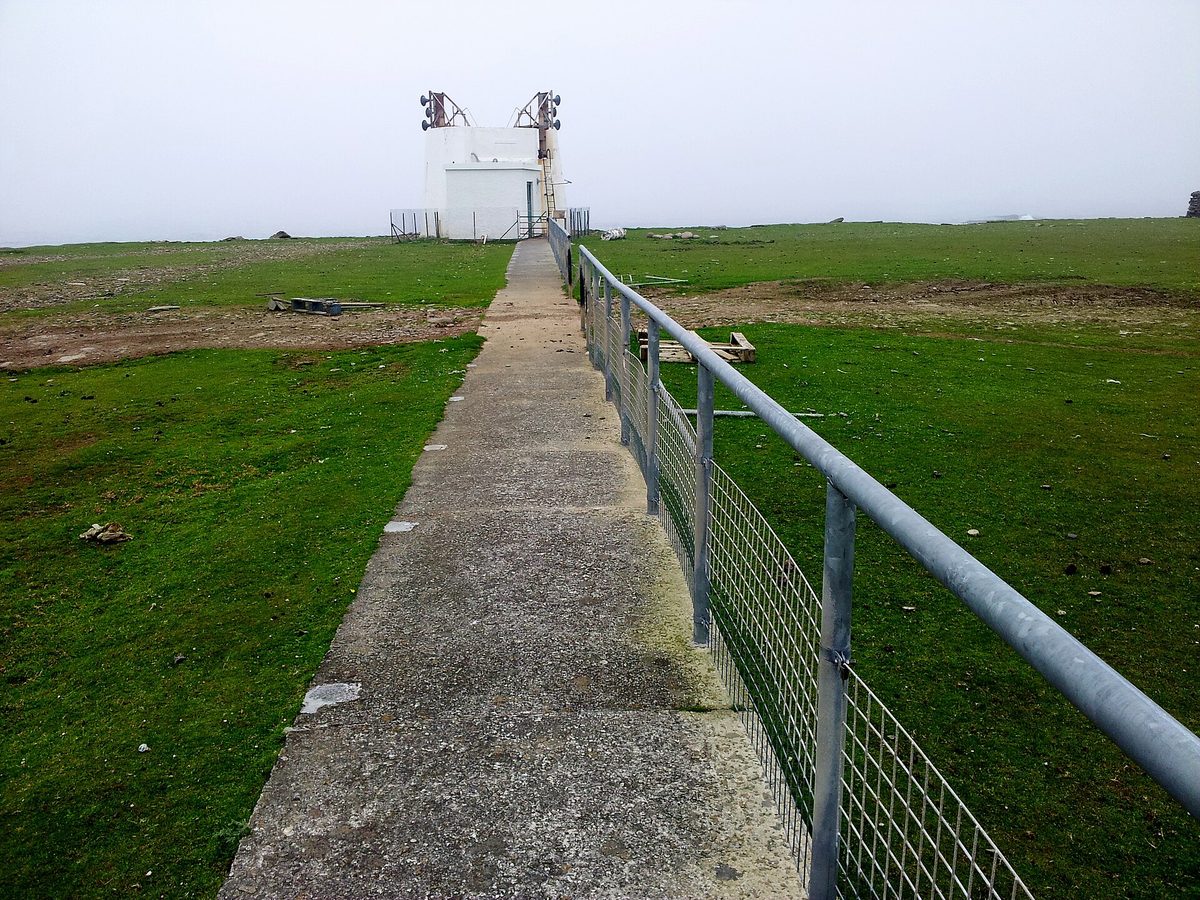
| North Ronaldsay | Orkney | Dark Sky Community, 2021 | Bird observatory, very little else | Aurora hunters who will commit |
| Isle of Rum | Small Isles | Dark Sky Sanctuary, 2024 — Scotland’s first | Bunkhouse, campsite, community shop | The darkest sky in the country |
| The Flow Country | Caithness | Dark Sky Discovery Site, RSPB Forsinard | Car park and tower; nothing at 2am | Adding to a north coast trip |
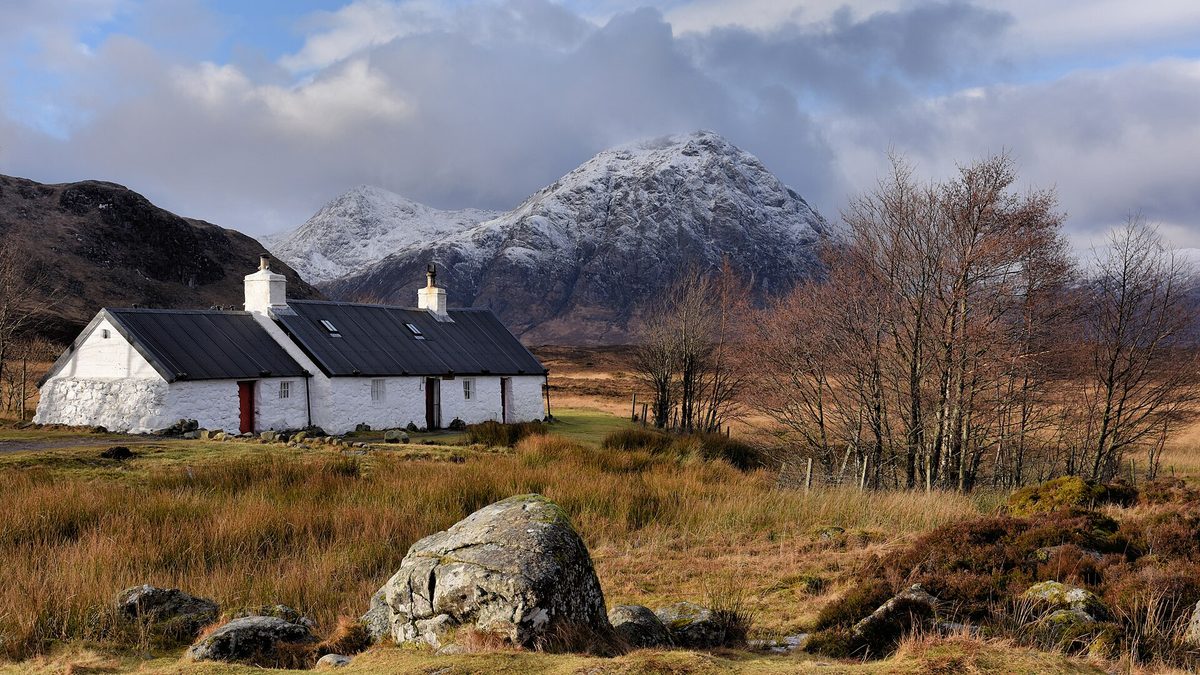
| Rannoch Moor | Highland Perthshire | None. Just genuinely dark and empty | Lay-bys. That is the entire list | Stars on the way to somewhere else |
Why June is a write-off, and what the real season looks like
The sun doesn’t go far enough down
Astronomers call it dark when the sun is more than 18 degrees below the horizon. At Edinburgh’s latitude, around 56°N, the midsummer sun only manages about 10 or 11 degrees below. Going further north makes it worse, not better.
So there is no astronomical darkness anywhere in Scotland from roughly the last week of April to the second week of August; in Shetland the gap runs from mid-April to late August. What you get instead is a permanent deep blue twilight the locals call the simmer dim — lovely to sit out in, useless for seeing anything faint. If you’re working out when to visit Scotland and stars matter, summer is off the table. That’s not a preference. It’s geometry.
The window that actually works
True darkness creeps back in mid-August, briefly, around 1am. By late September you’re getting roughly eight solid hours of it; by late December, closer to thirteen. October and November are the sweet spot — long nights, cold you can dress for, roads that aren’t iced. February feels darkest but is the wettest, and January can be superb or six days of low cloud.
For meteors, the Geminids around 13–14 December are the best shower for Scotland by a distance: long nights, a radiant up from early evening, and rates that can reach 60 an hour from a dark site. The Perseids on 12–13 August are the shower everyone has heard of and the one Scotland handles worst, because the sky barely reaches darkness on that date.
The moon will spoil your night faster than cloud will
A full moon in a clear sky is brighter than most people believe. It wipes out the Milky Way, kills any chance of a galaxy, and cuts your meteor count by two thirds. Cloud at least lets you drive twenty miles to a gap. A full moon follows you.
Aim for the week either side of a new moon — the cycle runs about 29 and a half days, so that window comes round monthly. Check a moon phase calendar before you book, not after. If your dates are fixed, the phase still tells you when to go out:
- New moon: absent all night. The one you want.
- First quarter: sets around midnight. Sleep early, get up at one.
- Full moon: up all night, and high in winter. Look at the moon instead — through binoculars it’s worth the trip on its own.
- Last quarter: rises around midnight. Take the first half of the night.
The designated sites, and what each is actually like
Galloway Forest Park — the accessible one
In 2009 Galloway became the first International Dark Sky Park in the UK, accredited at gold tier by what is now DarkSky International: around 300 square miles of Forestry and Land Scotland ground with almost nobody living inside it. The practical spot is the Clatteringshaws car park on the A712, a few miles west of New Galloway — tarmac, level, open sky over the loch, about two hours from Glasgow. Kirroughtree and Glentrool work too; Loch Riecawr is darker and rougher to reach.
What nobody mentions is that the visitor centres, cafes and toilets close in the afternoon. At 10pm in November, Clatteringshaws is an unlit car park in a forest — bring everything, including a plan for the loo. The dark sky rangers run guided sessions through the winter for a few pounds a head, and they know where to point the telescopes.
Tomintoul and Glenlivet — the darkest one you can drive to
Awarded International Dark Sky Park status in 2018, also gold tier, this corner of the Cairngorms was the most northerly Dark Sky Park in the world when it was accredited, and it is measurably darker than Galloway. Altitude helps: thin dry air, and hills that block the glow from Aviemore and Grantown. Marked spots include Blairfindy Moor, the Carrachs and the Tomintoul Field of Hope.
The Lecht ski centre car park high on the A939 is big, empty in winter and has an enormous horizon — and nothing at all once the lifts stop. Tomintoul itself has a hotel, a shop and a pub, which puts it ahead of most sites for logistics. It’s roughly an hour from Aviemore over the Lecht, longer in snow, and the A939 closes in bad weather. You’re in the middle of Speyside, so a day of whisky distillery tours slots neatly around the nights.
Isle of Coll — no streetlights at all
Coll became an International Dark Sky Community in 2013 and doesn’t have a single streetlight. It’s also flat, which sounds dull and is the point: horizon in every direction, so low objects and the aurora aren’t hidden behind a hill.
Getting there means the CalMac ferry from Oban, roughly two and three quarter hours, and it doesn’t sail every day in winter. Check that timetable before anything else, because the boat decides your trip more than the weather does; there’s more in our guide to getting around Scotland. The Coll & the Cosmos weekends at the community centre in Arinagour are the best-value guided astronomy in the country — large telescopes, an indoor planetarium, people who know the sky. They sell out months ahead.
Moffat — stargazing with a pub
Moffat replaced all its street lighting with fittings that throw no light upward, and in 2016 became the first Dark Sky Community on the UK mainland. It’s usually billed as Europe’s first dark sky town.
I rate it higher than most guides do, for one unglamorous reason: you can walk five minutes out of the centre, look up, see the Milky Way, and walk back to a warm room. Nowhere else on this list lets you do that, and for a first attempt or with children that matters more than the last half-magnitude of darkness. Head up the A701 towards the Devil’s Beef Tub for a darker horizon — an easy add-on to a wider Scotland itinerary.
North Ronaldsay and the Isle of Rum — the serious ones
North Ronaldsay, the northernmost Orkney island, was recognised as a Dark Sky Community in 2021 after more than a decade of lighting surveys by the local community. At 59°N with an unbroken sea horizon it’s about the best aurora vantage point in the country that has beds on it. Loganair’s subsidised flight from Kirkwall takes twenty minutes; the ferry takes closer to three hours and runs a couple of times a week in winter. Accommodation is essentially the bird observatory.
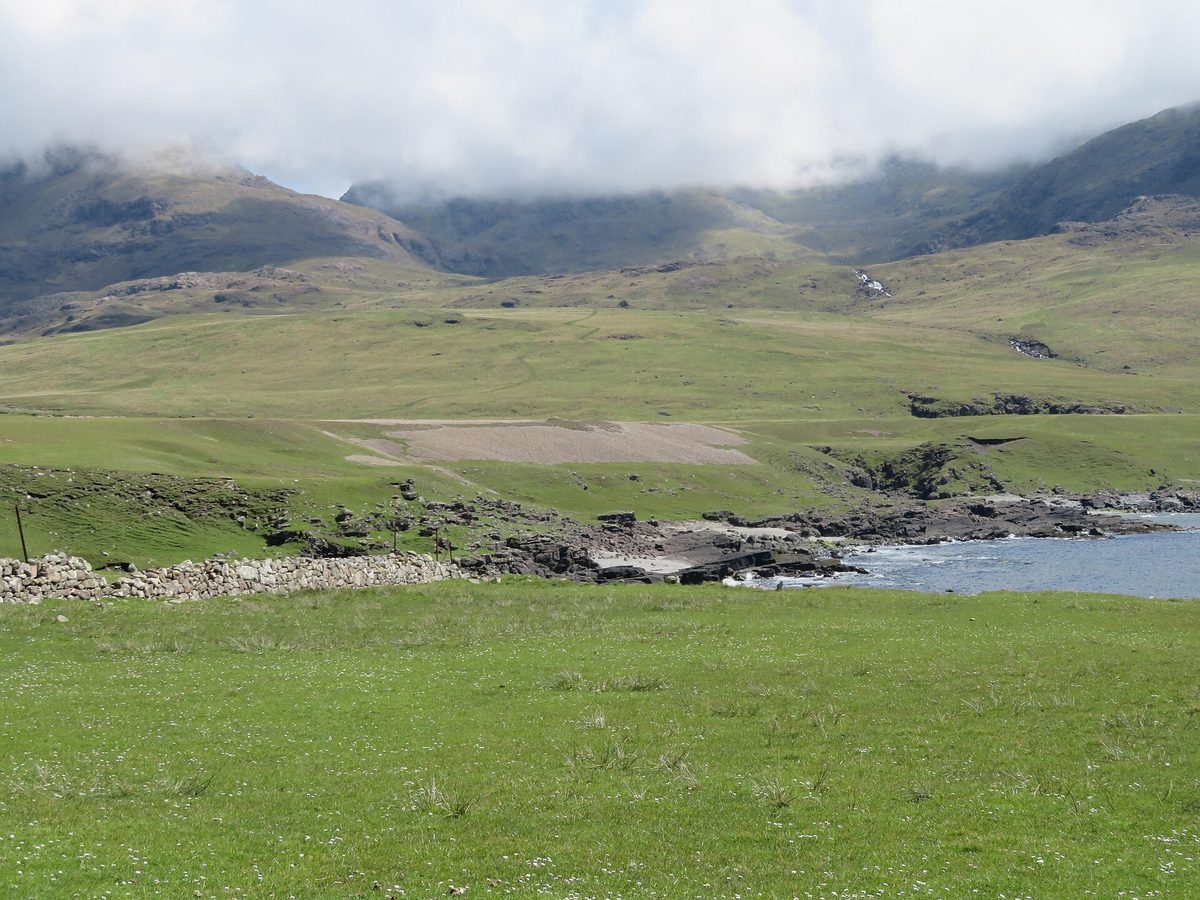
Rum went one better in 2024 and became Scotland’s first International Dark Sky Sanctuary — the category for places both exceptionally dark and genuinely remote. Fewer than 40 people live there, the ferry from Mallaig is limited in winter, and there’s a bunkhouse, a campsite and a small shop. If you want the darkest sky in Scotland and you’ll organise your life around a boat, this is it. Our overview of Scotland’s islands covers the practicalities.
Dark places without a certificate
Rannoch Moor, which is not a dark sky park
Let’s be straight about this one, because a good chunk of the internet lists it as a dark sky park and it isn’t. Rannoch Moor holds no dark sky designation from anyone. What it has is 50 square miles of uninhabited peat bog, a road across it, and nothing to make light. The lay-bys on the A82 between Bridge of Orchy and Glencoe put you under a properly dark sky ten seconds after you switch the engine off.
The catch is that the A82 is fast, and headlights wreck your night vision every few minutes — park well off it, facing away. For something calmer, drive the dead-end B846 to Rannoch Station: twenty miles from Kinloch Rannoch, a stop on the West Highland Line, and one of the loneliest places on the mainland. A decent excuse to combine stars with one of Scotland’s most scenic rail journeys.
Skye, Assynt and a foreground worth the detour
The Waternish peninsula on Skye has no streetlights and several Dark Sky Discovery Sites, as do Kylerhea and Kinloch Forest. Further north, Assynt and the Coigach coast are as dark as anywhere on the mainland and have mountains in front of the sky. Anyone driving the North Coast 500 out of season passes through some of the darkest sky in Britain without necessarily noticing, and the same goes for the wider Highlands.
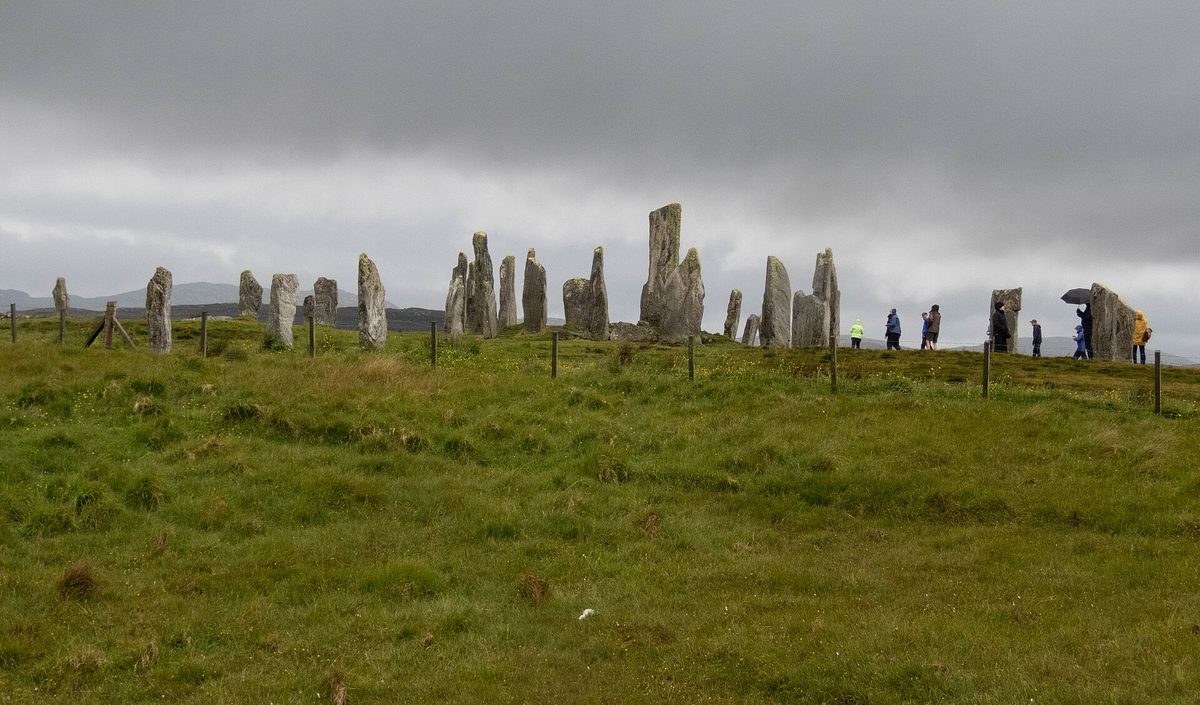
A sky full of stars photographs poorly with nothing in front of it, which is why the Calanais standing stones on Lewis are the classic answer — and why the Hebridean Dark Skies Festival in Stornoway each February is one of the odder entries on the Scottish events calendar. Glen Nevis was the first place in Britain named a Dark Sky Discovery Site, in 2009; Abriachan Forest above Loch Ness is another; and a ruined Scottish castle under the Milky Way is a cliché for the sound reason that it looks tremendous.
The northern lights: real, but not reliable
What you’re likely to actually see
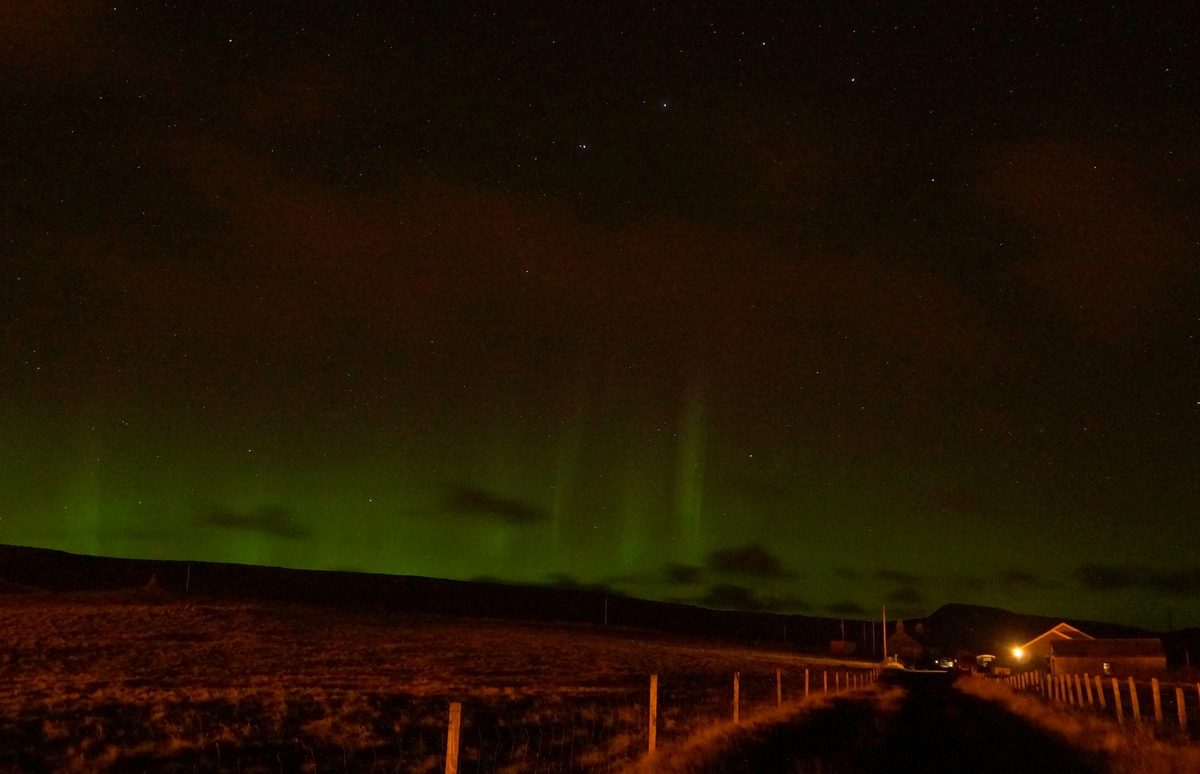
Yes, you can see the aurora from Scotland. No, you cannot plan a holiday around it. The photographs that made you want to come were 20-second exposures, and the camera picks up far more green than your eye does.
A modest display looks like a pale grey-white arch low on the northern horizon, the sort of thing you’d mistake for cloud lit by a distant town. It moves, slowly, and that’s how you know. A strong one — and there are a handful each winter — is unmistakable: green curtains with structure in them, sometimes rays climbing overhead. The season is October to March for the same darkness reason as the stars, and we’re in the years just past the peak of the solar cycle, so the odds are better now than they’ve been for two decades.
The forecasting tools worth your time
- AuroraWatch UK, run by physicists at Lancaster University, is the only one built specifically for the UK. It reads British magnetometers every three minutes and issues green, yellow, amber or red alerts. Amber means it may be visible by eye from Scotland; red means it may be visible from anywhere in the UK, so go outside now. The free email and app alerts are the single most useful thing in this article.
- NOAA’s Space Weather Prediction Center for the 30-minute aurora forecast and the three-day outlook. Rough guide on the Kp index: Kp 5 and above gives northern Scotland a real chance, Kp 6 or 7 brings the central belt into play.
- A solar wind readout, which any of the free apps will show. You want the Bz component pointing south, shown as a negative number, and ideally a wind speed above about 500km per second. Kp alone tells you less than people assume.
Alerts often give under an hour’s notice, so know your viewpoint in advance. And a clear northern horizon beats latitude every time: Caithness, the northern Orkney islands, Shetland and the coast around Dunnet Head are the strongest bets, because the sea gives you nothing to block the view and nothing to light it. Standing in a Highland glen with a 600-metre hill to the north is the classic mistake.
What you can realistically see: naked eye versus binoculars
With your own eyes, from a properly dark site
Give yourself half an hour of dark adaptation first. This is not optional, and I’ll come back to it.
You’ll see a few thousand stars at once. Galloway’s own literature quotes 7,000 for the whole sky; the number visible at any one moment is smaller, and it will still be more than you have ever seen. The Milky Way shows as a soft, structured band with darker lanes cut through it, running overhead through Cygnus and Cassiopeia on autumn evenings. One caveat no other guide seems to mention, though: Scotland is too far north for the bright galactic core. That golden centre in Sagittarius barely clears the southern horizon here, and it sits best in summer when the sky isn’t dark, so the arch you’ve seen photographed in Chile or the Canaries is not available.
Also naked-eye, given proper darkness: the Andromeda Galaxy as a faint elongated smudge almost overhead in autumn, at 2.5 million light years the furthest thing a human eye can see unaided. The Pleiades as six or seven stars in a tight knot. The Double Cluster in Perseus as a grey patch. The Orion Nebula as a fuzzy middle star in Orion’s sword. Jupiter, Saturn, Venus and Mars when they’re up. Satellites every few minutes, and the International Space Station as a bright, silent point taking five minutes to cross.
What 10×50 binoculars add, and why not to start with a telescope
Buy binoculars first. A decent pair of 10x50s starts around £80 and will show you more, sooner, than a £200 department-store telescope ever will — handheld, usable with gloves on, and useful in daylight.
They turn the Pleiades from seven stars into around fifty and resolve the Double Cluster into individual points. They show the oval of Andromeda and hint at its dust lane, and pull out the Beehive Cluster in Cancer, which is close to invisible without them. On the moon they show craters along the terminator in startling detail. Brace your elbows on a car roof and they’ll show Jupiter’s four Galilean moons as a tiny line of dots — the same view that got Galileo into trouble.
A telescope adds Saturn’s rings, the bands on Jupiter and the Trapezium in the Orion Nebula. It also takes twenty minutes to set up in the dark, needs to cool before it performs, and has a field of view so narrow that finding anything is a skill in itself. Go to a ranger-led session and look through someone else’s first.
Standing still at 2am is colder than you think
The clearest night is always the coldest night
That’s not bad luck, it’s the same physics. Cloud acts as a blanket; without it the ground radiates its heat straight out to space and the temperature falls away. The nights you most want are the nights you’ll suffer on.
What matters isn’t the forecast air temperature, it’s what happens to a body that isn’t moving. Walking generates heat; standing in a car park looking upward for two hours generates almost none. A still, clear 2°C in Galloway in November will have you shivering inside forty minutes if you’ve dressed as though you’re going for a walk, and a 15mph breeze on the Lecht at 640 metres makes −3°C behave like −9°C. Feet go first, then fingers, and almost nobody packs for their feet.
Red light, and why one glance at your phone undoes everything
Your eyes take 20 to 30 minutes to get most of the way to dark adaptation and 40-odd minutes to get all the way. One second of a white phone screen resets it, and everyone else’s night along with it.
So: red light only. A red head torch is around £20, or tape a scrap of red cellophane over a white one, and keep it dim — a bright red torch is still a bright torch. Put your phone on its lowest brightness with night mode on, or better, in your pocket. Warn people before you open a car door, because the interior light is brutal. Reverse in when you arrive so your headlights face away.
What to take
- More layers than you think, with a windproof outer — wind is what actually gets you
- Insulated boots half a size up over thick socks, so your toes can move
- A hat, thin gloves you can work a phone in, and mittens to go over them
- A reclining camp chair — the best £30 you’ll spend, because looking up while standing wrecks your neck within twenty minutes
- A flask, more food than seems reasonable, and hand warmers
- A red head torch, plus a spare white one for the walk back
- 10×50 binoculars and a phone star app, set to night mode before you leave the house
- A power bank, because cold flattens phone batteries fast
Planning the trip: how long, and what to book when
Give yourself three nights minimum at any one site. Scottish weather being what it is, one night is a coin toss and two barely better; three gives you a fair chance of one genuinely clear one. Islands need four, because the ferry eats a day at each end.
- Island ferries: as soon as your dates are fixed. Winter timetables are thin and cancellations common. Taking a car to Coll or Rum means booking months out.
- Ranger-led sessions and dark sky events: six to eight weeks. Usually around £10–15, and popular.
- Coll & the Cosmos and the Hebridean Dark Skies Festival: as early as you can. Both sell out.
- Accommodation: autumn and winter are quiet, so a few weeks is fine — except on the smallest islands, where there might be four beds in total.
- Royal Observatory Edinburgh: Friday public astronomy evenings, roughly October to April, for a few pounds. A good wet-night fallback if you’re in Edinburgh anyway.
The stargazing itself is free, which makes it one of the better free things to do in Scotland; the cost is the driving, the ferries and heating a cottage in February. Book somewhere with a wood burner and you’ll forgive the weather — our notes on where to stay in Scotland cover the regional differences.
Two warnings. Mobile signal is absent at most of these sites, so download maps and your star app first. And a single-track road at night with a frozen surface is a different proposition from the same road in daylight; there’s more on winter driving in our Scotland travel tips.
What disappoints, and the mistakes I keep seeing
Going in summer. I’ve said it three times because people still do it. If your holiday falls in June or July, look up noctilucent clouds instead — electric-blue streaks near the northern horizon around midnight, and the one thing that season is genuinely good for.
Expecting the aurora. Book for the stars and treat the northern lights as a bonus. People who fly here specifically for the aurora and get four cloudy nights are, understandably, furious.
Ignoring the moon. The commonest mistake of all. Two nights either side of full, from the darkest site in the country, you’ll see less than you would from a suburban garden at new moon.
The Scottish Dark Sky Observatory. Still listed by an alarming number of guides. It was destroyed by fire in 2021 and there is nothing to visit. Don’t drive to Dalmellington expecting a dome.
Arriving in the dark without a recce. Find your spot in daylight: you want to know where the horizon is blocked, whether the car park has a height barrier, and whether the lay-by is deep enough to be safe. And don’t chase the darkest possible site on night one — a gold-tier park with facilities beats a perfect sky you’re too cold to enjoy. Start at Galloway or Moffat and work up to Rum.
Frequently asked questions
What is the best time of year for stargazing in Scotland?
Late September to March, and within that, October and November for the balance of long nights and tolerable cold. Between late April and mid-August there’s no astronomical darkness anywhere in Scotland, so summer genuinely doesn’t work. Aim for the week either side of a new moon.
Where is the darkest place in Scotland?
The Isle of Rum, which became Scotland’s first International Dark Sky Sanctuary in 2024, has the darkest accredited sky. Of the places you can reach by car, Tomintoul and Glenlivet in the Cairngorms is darker than Galloway. For somewhere unaccredited, Rannoch Moor and the Assynt coast take some beating.
Can you see the northern lights in Scotland?
Yes, several times most winters, but not on demand. You need high geomagnetic activity, a clear sky and an unobstructed northern horizon. Sign up for free AuroraWatch UK alerts and treat any sighting as a bonus on a trip you’d have enjoyed anyway. Most displays look grey-white to the eye; the camera sees the green.
Do I need a telescope to go stargazing in Scotland?
No, and I’d argue against buying one first. From a dark sky site your unaided eyes will show the Milky Way, the Andromeda Galaxy, meteors and the planets. A pair of 10×50 binoculars, around £80, adds far more than a cheap telescope and takes no setting up. Try a ranger’s scope before spending real money.
Can you camp or park overnight at dark sky sites?
Wild camping is allowed responsibly across most unenclosed Scottish land under the Outdoor Access Code, though byelaws apply in parts of Loch Lomond and the Trossachs. Sleeping in a vehicle isn’t covered by those rights, and some forestry car parks have height barriers or overnight restrictions, so read the signs.
How cold does it get, and what should I wear?
Colder than the forecast implies, because you’re standing still. Expect anything from 5°C to well below freezing between October and March, with wind making the real difference. Layer up under a windproof outer, wear insulated boots half a size up, and bring a chair, a flask and hand warmers.
Are there guided stargazing experiences?
Plenty, and they’re the best way to start. Forestry and Land Scotland’s rangers run winter sessions in Galloway, the Cairngorms Astronomy Group holds events around Tomintoul, Coll stages its Coll & the Cosmos weekends, and Lewis hosts the Hebridean Dark Skies Festival each February. Most cost around £10–15 and want booking well ahead.
Final thoughts
This is one of the few things Scotland does better in November than in July. The sites are real, the accreditations are earned, and on the right night the sky over Galloway or Glenlivet is as good as anywhere in Europe you can reach without a long flight.
It just asks for patience. You’ll drive somewhere remote, wait, get cold and quite possibly see cloud. Then one night it clears, your eyes finish adapting, and the Milky Way appears overhead with structure in it. Pick three nights in October, find a new moon, take a chair and a flask, and don’t check the aurora forecast every ten minutes. If it clouds over there’s no shortage of other ways to fill an evening after dark — and one clear night under a few thousand stars will find its way onto your shortlist of Scottish must-dos whether you planned it or not.
Dark skies need dark nights, which is why the serious stargazing season here is a winter one. Our honest guide to Scotland in winter covers what else those short days let you do.
The aurora is the one dark-sky spectacle you cannot schedule, and Scotland sits right on the edge of the band that sees it. Our guide to the best time to see the northern lights in Scotland explains what Kp level you actually need at these latitudes and why cloud, not solar activity, is usually what beats you.
About the author: This guide was written and is maintained by the ScotlandTourism.org editorial team — travel writers who’ve spent years exploring Scotland’s cities, Highlands and islands, from bagging Munros to chasing the perfect dram. We update our guides regularly to keep prices, opening details and advice current.
Last updated: August 2026. Prices and opening times change — always check the official site before you travel.
Photo credits
All images are used under their respective Creative Commons or public-domain licenses:
- Stargazing Scotland Milky Way — John, CC BY 3.0, via Wikimedia Commons
- Stargazing Scotland Galloway Clatteringshaws — Jim Barton, CC BY-SA 2.0, via Wikimedia Commons
- Stargazing Scotland Tomintoul — Original uploader was Paul Hermans at nl.wikipedia, CC BY-SA 3.0, via Wikimedia Commons
- Stargazing Scotland Isle Of Coll — Julian Paren, CC BY-SA 2.0, via Wikimedia Commons
- Stargazing Scotland Moffat Town — Victuallers, CC BY-SA 4.0, via Wikimedia Commons
- Stargazing Scotland North Ronaldsay Light — Rude Health, CC BY-SA 2.0, via Wikimedia Commons
- Stargazing Scotland Rannoch Moor View — Andrewmckie, CC BY-SA 4.0, via Wikimedia Commons
- Stargazing Scotland Calanais Standing Stones — Carroll Pierce, CC BY-SA 2.0, via Wikimedia Commons
- Stargazing Scotland Aurora Borealis — Mike Pennington, CC BY-SA 2.0, via Wikimedia Commons
- Stargazing Scotland Isle Of Rum Hills — M J Richardson, CC BY-SA 2.0, via Wikimedia Commons