The first time Scotland properly got under my skin, I was standing on a single-track road in Glen Etive at half past nine on a June evening, the light still gold, a red deer watching me from a slope of bracken, not another car in sight. I’d come for the castles and the whisky. I stayed for the silences. That mix is exactly why narrowing down the best things to do in Scotland is such a happy problem — grand, dramatic, occasionally daft, often soggy, always alive — and helping you do it is the whole point of this guide.
This is the guide I wish someone had given me before my first trip: not a random list of 50 things jumbled together, but a proper map of the best things to do in Scotland, organised the way you actually plan — by region, by what you’re into, by who you’re travelling with, and by the season you’re coming in. I’ve tried to be honest, including about the few famous sights that don’t quite live up to the postcards.
The best things to do in Scotland include exploring Edinburgh’s castle and medieval Old Town, hiking the Isle of Skye’s Old Man of Storr and Quiraing, driving the North Coast 500, riding the Jacobite steam train across the Glenfinnan Viaduct, touring whisky distilleries in Speyside and on Islay, and visiting castles like Stirling, Eilean Donan and Urquhart on the shores of Loch Ness.
Whether you’ve got a long weekend in Edinburgh, a week looping through the Highlands, or two weeks to throw at the islands and the far north, you’ll find something here pitched at your trip. If you want help turning all of this into a day-by-day plan, our Scotland itinerary guide takes over where this one leaves off.
Scotland at a Glance
A few quick facts before we dive in, so the rest of the guide makes sense:
- Capital: Edinburgh. Largest city: Glasgow (and the two are only about 50 minutes apart by train).
- Currency: Pound sterling (£). Scottish banknotes are legal tender across the UK, though shops down south sometimes blink at them.
- Language: English everywhere, with Scottish Gaelic on road signs in the Highlands and islands, and Scots woven through everyday speech.
- Driving: On the left. You’ll meet single-track roads with passing places once you’re properly into the Highlands.
- Main airports: Edinburgh and Glasgow for international arrivals; Inverness and Aberdeen for the north.
- National animal: the unicorn. Genuinely. It tells you something about the place.
- Best time to visit: May to September for long days and (relatively) kind weather, with May and September the sweet spot for fewer crowds. More on this in our best time to visit Scotland guide.
And here’s the shortlist — the experiences I’d point a first-timer to before anything else. Treat it as a menu, not a checklist; you can’t do it all in one trip, and the joy is in choosing.
| Experience | Region | Best for | Why it’s worth it |
|---|---|---|---|
| Edinburgh Old Town & Castle | Edinburgh | Everyone | Scotland’s most-visited sight and a walkable medieval capital |
| Isle of Skye | Inner Hebrides | Scenery, hikers | Otherworldly pinnacles, sea cliffs and the Cuillin |
| North Coast 500 | Far north | Road-trippers | 516 miles of empty beaches, mountains and single-track drama |
| Glencoe | Highlands | Scenery, history | The most cinematic glen in the country |
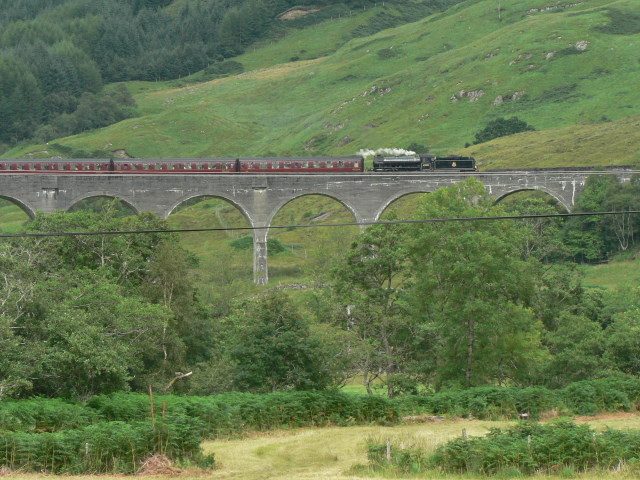
| Jacobite steam train | Lochaber | Families, film fans | The “Hogwarts Express” over the Glenfinnan Viaduct |
| A whisky distillery tour | Speyside / Islay | Whisky lovers | Taste a dram where it’s made, straight from the cask |
| Loch Ness & Urquhart Castle | Highlands | First-timers | A ruined castle on a brooding loch (skip the monster hype) |
| Stirling Castle & Bannockburn | Central | History buffs | Where Scotland’s independence was won and lost |
The Best Things to Do in Scotland by Region
Scotland is small on a map and enormous in practice — the driving is slow, the weather changes by the hour, and “just popping over” to an island can eat a whole day. So the smartest way to plan is by region. Here’s how I’d think about each one, roughly south to north.
Edinburgh & the Lothians
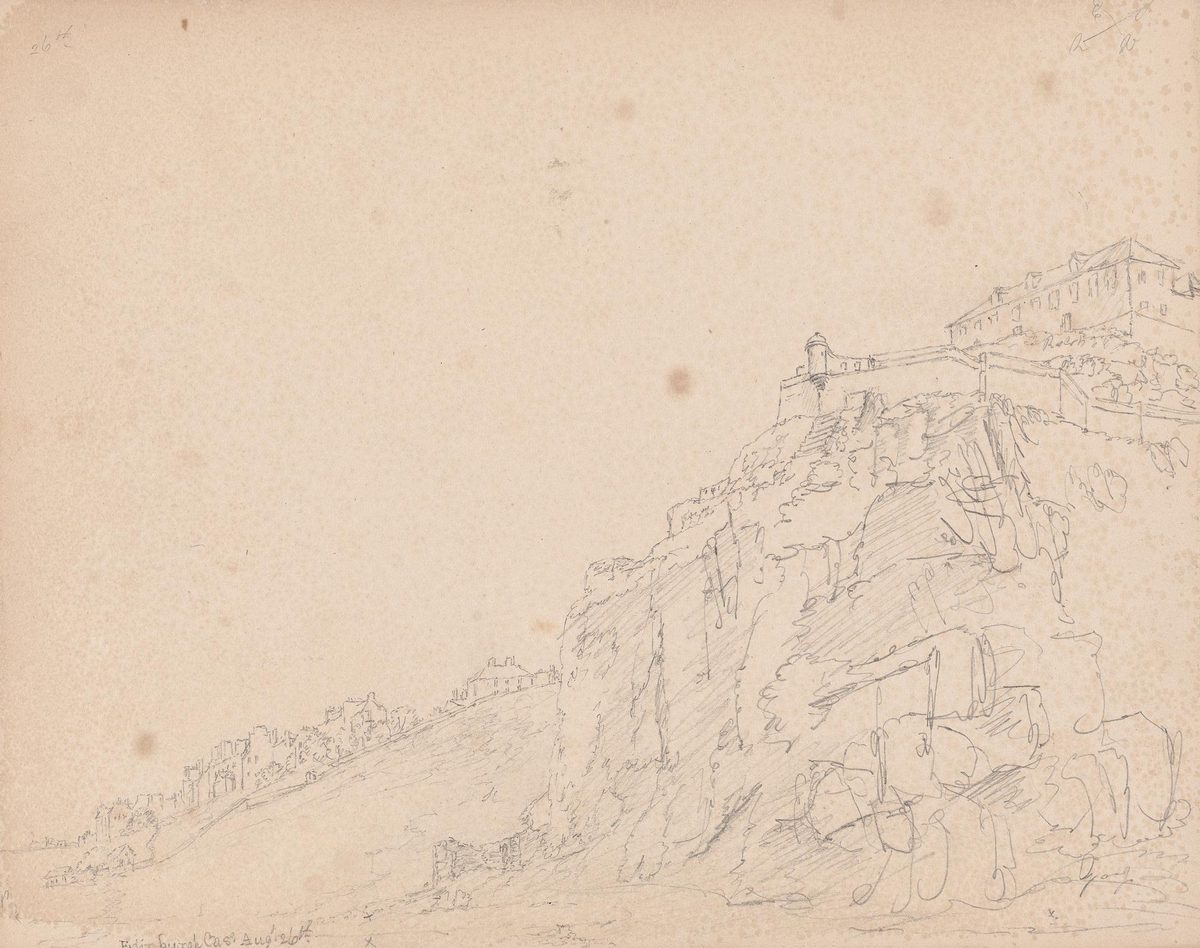
If you only see one city, make it Edinburgh. It’s the rare capital that’s genuinely beautiful and walkable, a stack of medieval tenements and Georgian terraces folded over volcanic hills. Start at Edinburgh Castle (around £20, book ahead online to skip the queue), then walk the Royal Mile downhill toward the Palace of Holyroodhouse, ducking into the narrow “closes” — Mary King’s Close runs spooky underground tours of a buried 17th-century street.
Climb Arthur’s Seat, an extinct volcano right in the city, for the best free view in Scotland (45 minutes up if you’re reasonably fit). Wander Dean Village and the Water of Leith, watch the sunset from Calton Hill, and leave time for the free, brilliant National Museum of Scotland. Edinburgh rewards slow days, so I’d give it two at minimum — our 2 days in Edinburgh itinerary lays out a perfect first visit, and there’s plenty more in the full Edinburgh travel guide.
August is festival season — the Edinburgh Festival Fringe and the Royal Edinburgh Military Tattoo take over the city — which is electric but heaving and expensive. If crowds aren’t your thing, come in May or September instead.
Glasgow & the South

Edinburgh is the looker; Glasgow is the one you end up loving. Scotland’s biggest city is grittier, friendlier and far more fun after dark, with the best live music scene in the country and a Victorian and art-nouveau architecture trail courtesy of Charles Rennie Mackintosh. The Kelvingrove Art Gallery and Museum is free and superb, as is the Riverside Museum of transport. Eat your way around the West End, then see a gig in a sweaty basement. Our Glasgow travel guide has the full rundown, and if you’re torn, we settle it in Edinburgh vs Glasgow.
South of the central belt, the Scottish Borders and Dumfries & Galloway are quietly lovely and almost tourist-free: ruined abbeys at Melrose and Jedburgh, the moated Caerlaverock Castle, and the Galloway Forest Park — a certified Dark Sky Park where, on a clear moonless night, the Milky Way is jaw-dropping.
Stirling, Loch Lomond & the Trossachs
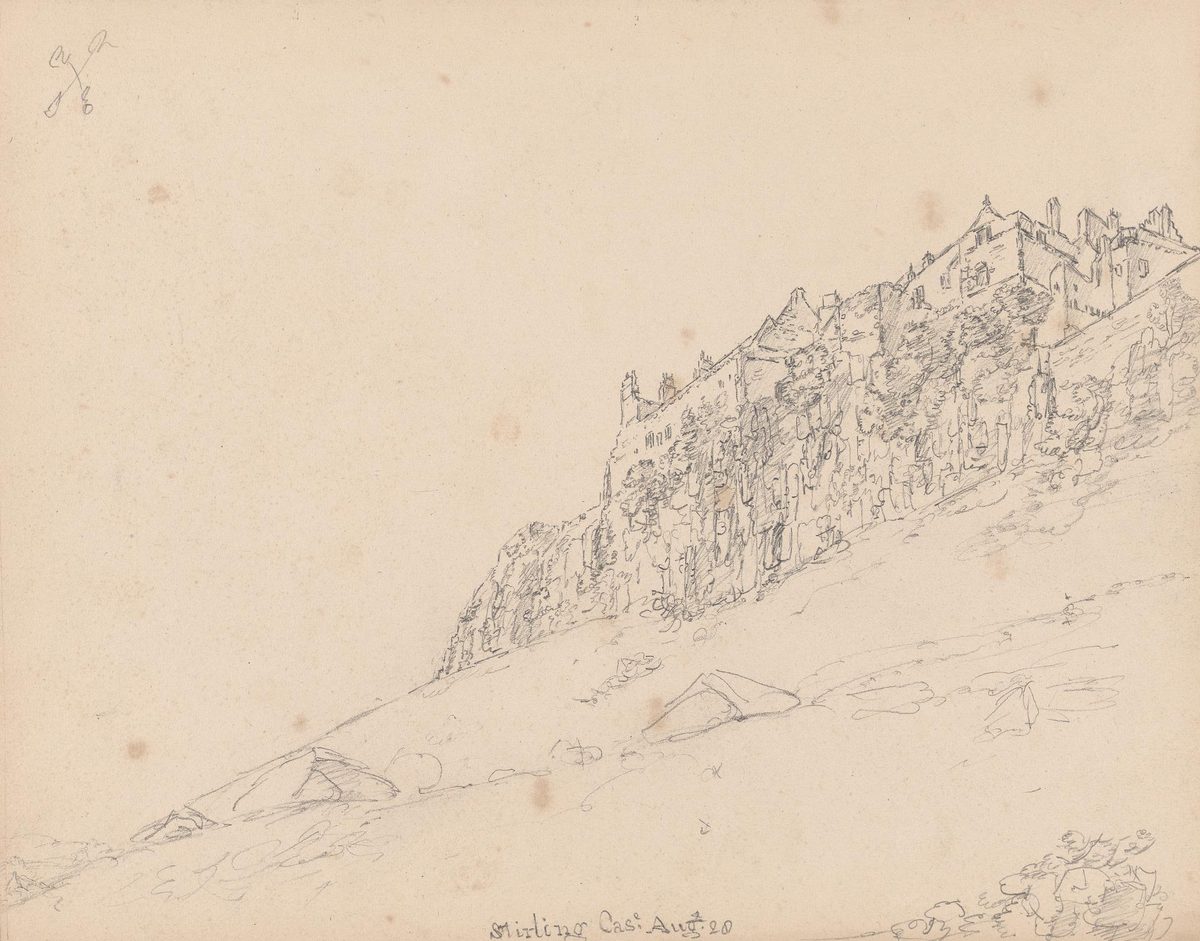
Stirling is where Scotland’s story turns. Stirling Castle rivals Edinburgh’s and is usually less mobbed; below it lie the battlefields of Stirling Bridge (William Wallace) and Bannockburn (Robert the Bruce), where Scotland won its independence in 1314. The Gothic Wallace Monument looms over it all.
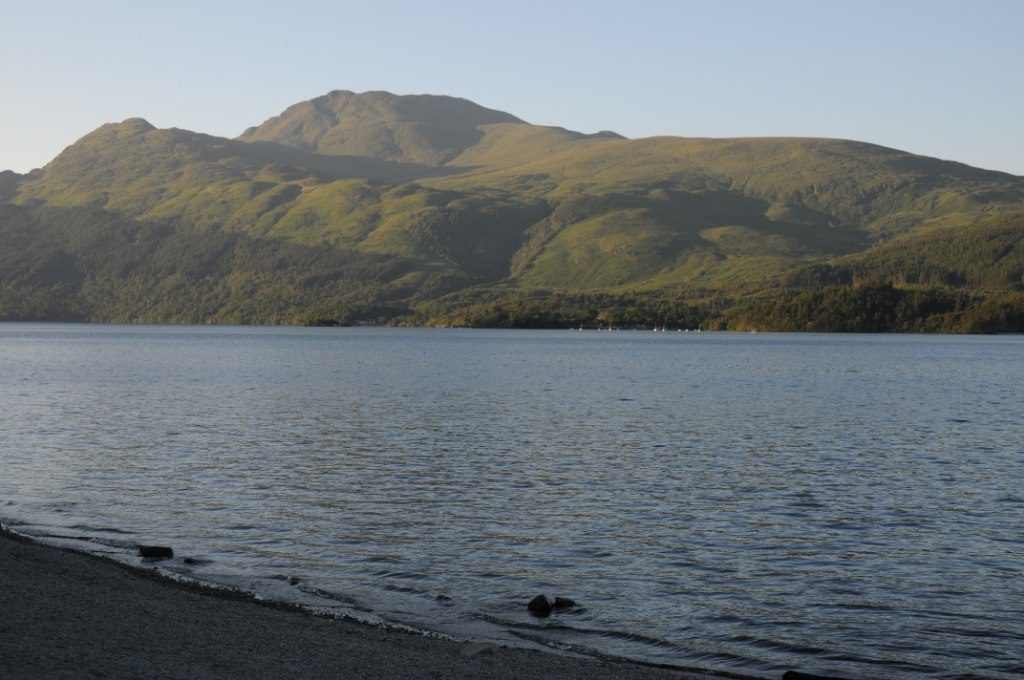
Half an hour west, Loch Lomond and the Trossachs National Park is the Highlands in miniature and the easiest wild day out from Glasgow. Climb Conic Hill for the classic island-studded loch view, cruise from Balloch, or visit Doune Castle nearby — beloved of Outlander, Monty Python and Game of Thrones fans alike. Families shouldn’t miss The Kelpies (two 30-metre steel horse heads) and the Falkirk Wheel boat lift, both a short hop away.
The Scottish Highlands

This is the Scotland of your imagination: heather moor, mirror lochs, mountains that fall straight into the sea. Glencoe is the showstopper — drive the A82 through it slowly and stop at the Three Sisters viewpoint and the pyramid-perfect Buachaille Etive Mòr. It’s also the site of the grim 1692 Glencoe Massacre, which the visitor centre tells well.
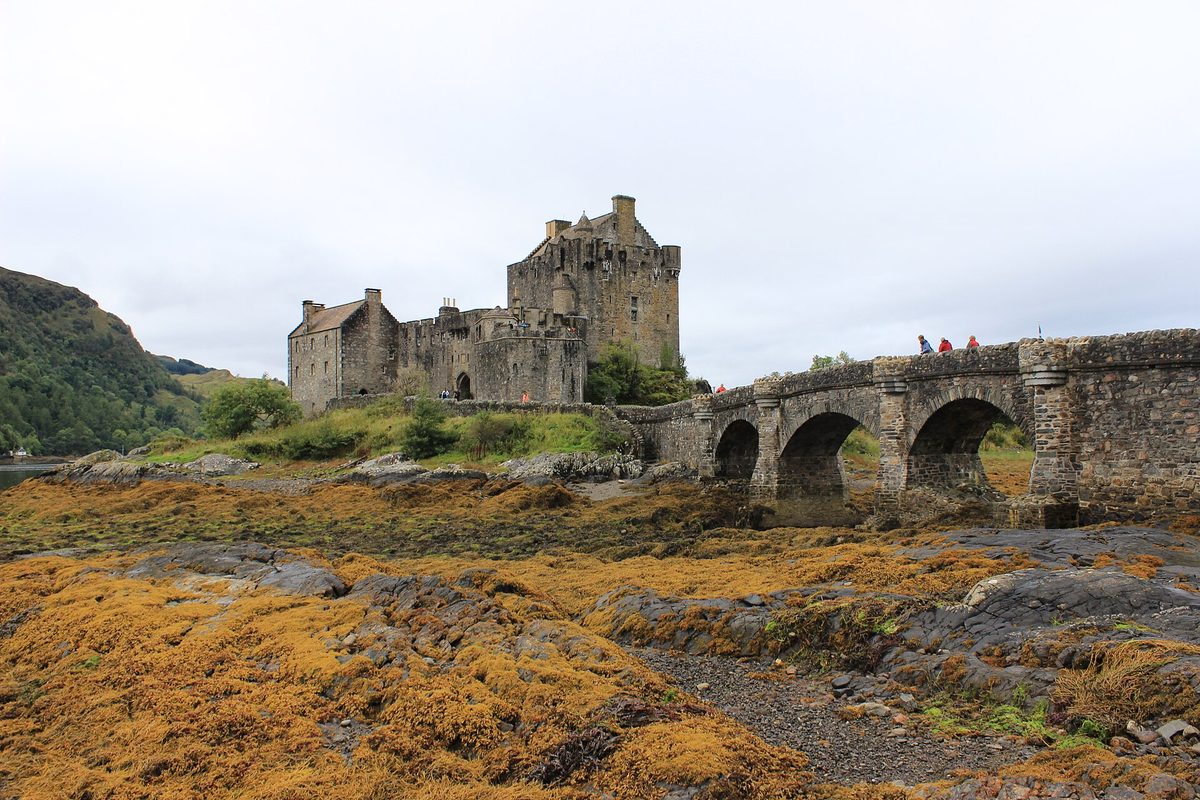
Use Fort William as a base for Ben Nevis, the highest mountain in the British Isles (a long but non-technical hike for the fit — see our guide to climbing Ben Nevis). Detour into Glen Etive (the road James Bond drives in Skyfall), and don’t miss Eilean Donan Castle on the road to Skye — arguably the most photographed castle in the country. There’s far more in our full Scottish Highlands guide.

And yes, Loch Ness. Here’s my honest take: the loch itself is a long, dark, fairly featureless body of water, and the monster industry around it is naff. But the ruined Urquhart Castle on its shore is genuinely worth it, and a boat cruise from Inverness is a pleasant couple of hours. Go for the castle and the history, not Nessie, and you won’t be disappointed — more in is Loch Ness worth visiting?
The Isle of Skye & the Inner Hebrides

Skye is the island everyone wants, and for good reason — it’s a concentrated hit of Scotland’s strangest, most beautiful landscapes, all reachable by car over the bridge from the mainland. The greatest hits: the Old Man of Storr (a 1.5-hour round-trip climb to a cluster of rock pinnacles), the alien ridgeline of the Quiraing, the turquoise Fairy Pools beneath the Cuillin, and Neist Point lighthouse at sunset. Base yourself in colourful Portree and book accommodation months ahead — Skye gets rammed in summer. Our Isle of Skye guide maps it all out, and if you’re car-free, compare the best Skye tours from Inverness and Edinburgh.
Beyond Skye, the Inner Hebrides reward anyone with time. Mull has the painted harbour of Tobermory and boat trips to Staffa — a basalt-columned island with a sea cave, Fingal’s Cave, that inspired Mendelssohn — plus puffins on the Treshnish Isles. Tiny Iona, off Mull’s tip, is the cradle of Scottish Christianity and genuinely serene. And Islay is whisky’s holy island (more on that below). Oban, “the seafood capital of Scotland,” is the ferry gateway to most of them — eat langoustines straight off the boat on the pier.
The Northeast & Speyside

The northeast gets unfairly skipped. Speyside, between Inverness and Aberdeen, is the densest concentration of whisky distilleries on earth — Glenfiddich, The Glenlivet, Macallan, Balvenie and dozens more along the Malt Whisky Trail. Dunnottar Castle, a ruin on a sheer sea stack near Stonehaven, is one of the most dramatic sights in the country. Royal Deeside holds Balmoral (the royal family’s Highland home) and storybook Cawdor Castle, while Dundee has reinvented itself around the striking V&A Dundee design museum on the waterfront.
The Far North & the North Coast 500

The North Coast 500 is Scotland’s great road trip — a 516-mile loop from Inverness around the wild northern Highlands. Expect white-sand beaches that look tropical until you dip a toe, mountains like Suilven and Stac Pollaidh rising out of nowhere, the hair-raising Bealach na Bà pass to Applecross, sea caves at Smoo, and the lighthouse at Cape Wrath, the northwest tip of the British mainland. Give it at least five days, ideally seven, and book ahead — this route’s popularity has outpaced its tiny villages. Start with our 7-day North Coast 500 itinerary and the full NC500 guide. If you’d rather not drive single-track roads, a campervan or a small-group tour both work well.
Orkney, Shetland & the Outer Hebrides

The islands at the edges are where Scotland gets truly special, and far fewer visitors make it. Orkney is an open-air museum of prehistory: Skara Brae, a Neolithic village older than Stonehenge and the pyramids, plus the Ring of Brodgar and Standing Stones of Stenness. Shetland, further north still, has Viking heritage, the Iron-Age Jarlshof, puffins at Sumburgh Head, and January’s fire festival, Up Helly Aa.

Out west, Lewis and Harris deliver the Calanais (Callanish) Standing Stones and the almost unbelievable white-sand beaches of Luskentyre and Scarista — some of the best beaches in Europe, wind and all. Closer to Glasgow, Arran is nicknamed “Scotland in miniature” and makes a brilliant first island for a short trip. Plan a hop through our island hopping guide and the wider Scottish islands guide; ferries are run by CalMac and book up fast in summer.
The Best Things to Do in Scotland by Interest
Half the fun of planning Scotland is leaning into whatever you’re into. Here’s where to point yourself.
For history & castle lovers
Scotland has somewhere around 1,500 castles, give or take a ruin. Beyond Edinburgh and Stirling, my favourites are Eilean Donan (the iconic island castle), Dunnottar (clifftop drama), Urquhart (on Loch Ness), Doune (the screen star) and fairy-tale Cawdor. Walk the battlefield at Culloden near Inverness, where the 1746 defeat of the Jacobites changed Highland life forever — the visitor centre is one of the best in the country. If you’ve got Scottish roots, chasing your clan and tartan is a trip in itself. Our Scotland castles guide ranks the ones worth your time and how to string them together.
For whisky & gin drinkers
Touring a distillery — watching the mash, smelling the angels’ share, tasting a dram poured straight from the cask — is one of Scotland’s essential experiences, and you don’t need to be a connoisseur to love it. Head to Speyside for elegant, sherried malts (Glenfiddich and The Glenlivet run polished tours) or to Islay for big, smoky, peaty drams from Lagavulin, Laphroaig and Ardbeg. Designate a driver or, better, take a tour — Scotland’s drink-drive limit is strict. Scotland’s gin boom is real too; many distilleries now pour both. Plan it with our whisky distilleries guide, or have someone else do the driving on a guided whisky tour.
For hikers & outdoor adventurers
Scotland’s access laws are among the most generous in the world — you can walk almost anywhere responsibly, thanks to the Scottish Outdoor Access Code. Bag a Munro (one of the 282 peaks over 3,000 feet — start easy with Ben Lomond or Schiehallion), walk the 96-mile West Highland Way from Glasgow to Fort William, or tackle the ridges of Skye’s Cuillin. There’s wild swimming in hidden lochans, sea kayaking in the Hebrides, and mountain biking at Glentress. New to it? Our Munro bagging guide for beginners and the wider hiking in Scotland hub will get you started safely.
For film & TV fans

Scotland is a film set with weather. Harry Potter fans can ride the real “Hogwarts Express” — the Jacobite steam train from Fort William to Mallaig, which crosses the Glenfinnan Viaduct (book months ahead, or watch it for free from the viaduct trail). Outlander pilgrims have a whole circuit: Doune Castle as “Castle Leoch,” Midhope Castle as “Lallybroch,” and the standing stones. Glen Etive stood in for Bond’s ancestral home in Skyfall. We map the routes in Harry Potter in Scotland and Outlander filming locations.
For foodies
Scottish food has quietly become excellent. Yes, try haggis, neeps and tatties at least once (it’s savoury, peppery and far nicer than it sounds — the veggie version is everywhere too). But also chase Cullen skink (smoked-haddock soup), fresh langoustines and oysters on the west coast, Stornoway black pudding, an Arbroath smokie, and proper shortbread. Wash it down with Irn-Bru just to say you did. Dig into traditional Scottish food and the great what is haggis? explainer.
For wildlife & nature

Meeting a Highland cow — those shaggy, fringe-flopping “heilan coos” — is a non-negotiable for most visitors, and our where to see Highland cows guide tells you where. Beyond the coos, watch bottlenose dolphins at Chanonry Point near Inverness, puffins on the Isle of May or Staffa, white-tailed sea eagles on Mull, and the free-roaming reindeer of the Cairngorms. In the dark winter months, the far north and Shetland get the Northern Lights.
The Best Things to Do in Scotland by Traveler Type
First-time visitors
Don’t try to see everything. The classic, doable first trip is Edinburgh + the Highlands + Skye: two days in the capital, then a loop through Glencoe, Fort William, Skye and Loch Ness, basing yourself for a couple of nights at a time. Seven to ten days is ideal — see our 7-day itinerary and the honest answer to how many days you need in Scotland.
Families with kids
Scotland is a brilliant family destination. Wow them with The Kelpies and the Falkirk Wheel, the hands-on Glasgow Science Centre, Edinburgh’s Camera Obscura and Dynamic Earth, the Highland Wildlife Park (with its reindeer and polar bears), and a ride on the Jacobite steam train. Castles double as giant adventure playgrounds.
Couples & romantic trips
Think a fire-warmed room in a Highland inn, a sunset at Neist Point, a private whisky tasting, or a night in an actual castle hotel. The slow scenic drives — Glen Etive, the road to Applecross — are made for two. Our where to stay guide has the most romantic boltholes.
Budget travelers & free things
Scotland can be done cheaply. The National Museum of Scotland and Glasgow’s Kelvingrove are free, as are most of the country’s hills, beaches and glens thanks to the right-to-roam laws. Wild camping is legal across most unenclosed land. Hostels and bothies keep beds cheap. See free things to do in Edinburgh and our honest take on whether Scotland is expensive.
Things to Do in Scotland by Season
Scotland doesn’t really do “bad” seasons, just different ones. What changes is the daylight, the crowds, and whether the midges are out.
Spring (March–May)
My favourite time to visit. The hills green up, lambs are everywhere, the days stretch long, and — crucially — the midges haven’t woken up yet. May in particular is often the driest, sunniest month, with far fewer visitors than summer. Snow can still cap the high peaks for a postcard contrast.
Summer (June–August)
Peak season, and for good reason: near-endless daylight (it barely gets dark in the far north in June), warm-ish temperatures, and the full calendar of festivals and events — Highland Games, the Edinburgh festivals in August, long evenings in beer gardens. The trade-offs are crowds, peak prices, booked-out Skye, and midges: tiny biting flies that swarm on still, damp days in the west and Highlands from late June. Pack repellent and you’ll be fine.
Autumn (September–October)
The other sweet spot. September keeps much of summer’s warmth and light but loses the crowds, and by October Perthshire’s “Big Tree Country” and the Highland glens turn gold and russet. Rutting red deer roar across the hills. Whisky season, basically.
Winter (November–February)
Short days (as little as 7 hours of light in December) and proper weather, but a real atmosphere if you lean in: Edinburgh’s Christmas market and the wild street party of Hogmanay, snow-dusted castles, skiing at Glencoe and the Cairngorms, Shetland’s Up Helly Aa fire festival in January, and the best odds for the Northern Lights. Many rural attractions close or cut hours, so check ahead.
Rainy day, any season? It will rain — embrace it. Distilleries, castles, Glasgow’s museums, the National Museum of Scotland, aquariums and cosy pubs were all basically invented for Scottish weather.
Iconic Scottish Experiences to Add to Your Bucket List
If you want the cross-cutting “I did the big things” list, here it is — a mix you can dip into wherever your trip takes you. Our full Scotland bucket list gives each of these a cost, a season and a realistic time budget:
- Drive (at least part of) the North Coast 500.
- Ride the Jacobite steam train over the Glenfinnan Viaduct.
- Tour a whisky distillery and taste from the cask.
- Hike to a viewpoint on Skye — the Storr or the Quiraing.
- Cheer the caber toss at a summer Highland Games.
- Get a selfie with a Highland cow.
- Climb a Munro, or at least a good hill.
- Stand inside a 5,000-year-old monument at Skara Brae, Calanais or Brodgar.
- Hear live traditional music in a Glasgow or Highland pub.
- Spend a night in a castle or a remote Highland inn.
An Honest Take: What’s Worth It and What’s Overrated
Most guides won’t tell you this, so I will. A few of Scotland’s most famous draws don’t quite earn the hype — and knowing that helps you spend your limited days well.
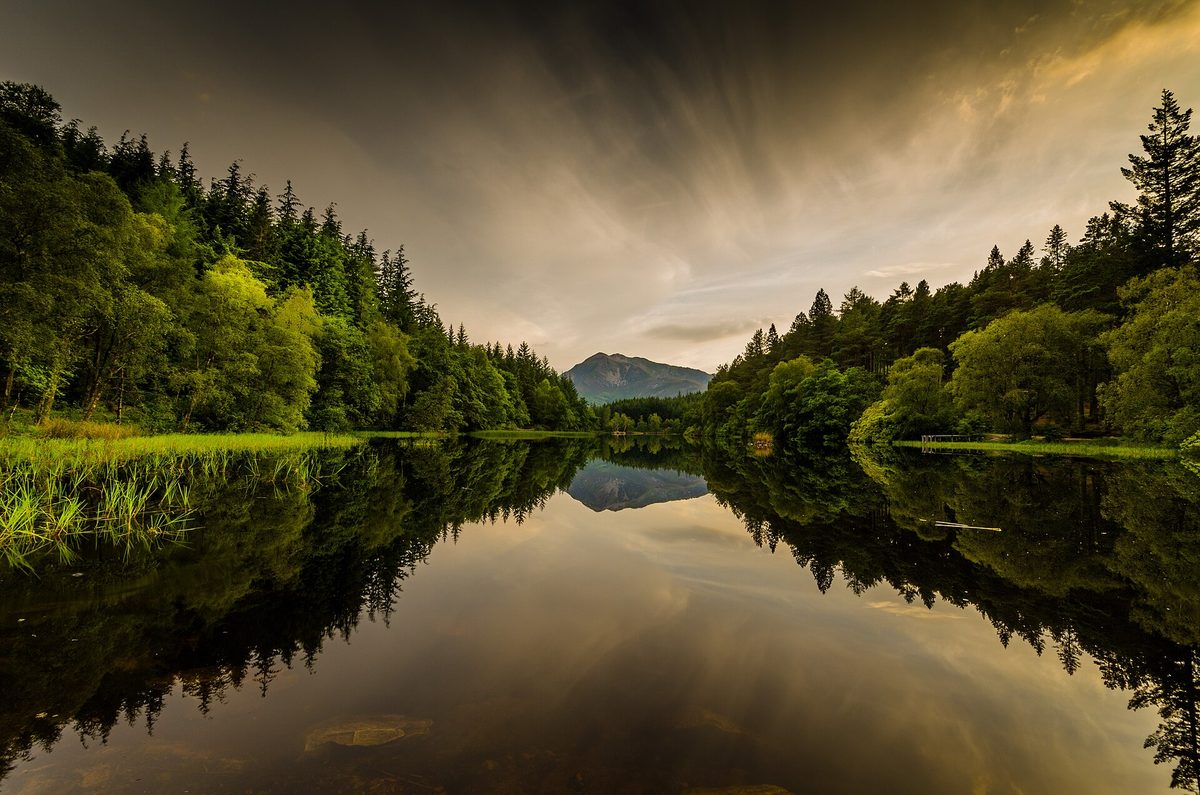
- Loch Ness (manage expectations). The monster stuff is tat and the loch is less scenic than dozens of others. Go for Urquhart Castle and a short cruise, not Nessie — and if you want a truly beautiful loch, point yourself at Loch Maree, Loch Lomond’s north end, or Skye’s Loch Coruisk instead.
- The Royal Mile (go early). Edinburgh’s main drag is wonderful at 8am and a tartan-tourist crush by noon. Walk it early, then escape into the quiet closes and the New Town.
- The southern tip of Loch Lomond. The bit nearest Glasgow is flat and busy; the magic starts further north around Luss, Tarbet and the hills.
- “Doing” Skye in a day. It’s a long drive from Edinburgh for a day trip — you’ll spend more time in the car than on the trails. Stay at least one night.
None of this is a reason to skip these places — just to approach them smartly. The trust you build by being honest is exactly why we’d rather tell you than sell you.
How to Plan Your Trip to Scotland
The experiences are the easy part. Here’s the practical scaffolding to hang them on — the questions every first-time visitor asks me.
How many days do you need?
Plan 7 to 10 days to see the classic highlights — Edinburgh, a sweep of the Highlands, and the Isle of Skye — without spending your whole trip behind the wheel. With 3–4 days, stick to Edinburgh plus one Highland day trip. With two weeks, add the islands (Mull, Harris or Orkney) or the full North Coast 500. Scotland’s distances are deceptive: roads are slow and you’ll want to stop constantly, so always budget more driving time than the map suggests. Our itineraries break it down by length.
When is the best time to visit?
Short version: May and September are the sweet spots — decent weather, long days, fewer crowds and (in May) no midges. Here’s the quick comparison:
| Season | Weather & light | Crowds | Best for |
|---|---|---|---|
| Spring (Mar–May) | Drier, greening up, long days; few midges | Low–moderate | Value, hiking, photography |
| Summer (Jun–Aug) | Warmest, near-endless daylight; midges out | High | Festivals, islands, long evenings |
| Autumn (Sep–Oct) | Mild, golden colour, deer rut | Moderate | Fewer crowds, whisky, foliage |
| Winter (Nov–Feb) | Cold, short days, moody | Low | Hogmanay, snow, Northern Lights |
There’s a full month-by-month breakdown in our seasonal guide guide.
How much does a trip to Scotland cost?
Scotland isn’t cheap, but it’s flexible. Rough per-person daily budgets, excluding flights:
| Style | Daily budget (per person) | Looks like |
|---|---|---|
| Budget | £60–90 | Hostels/bothies, self-catering, public transport, free sights |
| Mid-range | £120–200 | B&Bs and 3-star hotels, a hire car, paid attractions, pub dinners |
| Luxury | £300+ | Boutique and castle hotels, fine dining, private tours/drivers |
For reference, Edinburgh Castle is around £20, a Jacobite train return is roughly £55, and a midrange distillery tour £15–25. Buy a Historic Scotland Explorer Pass if you’ll see several castles. We dig into real numbers in is Scotland expensive?
How to get around
For the cities and the central belt, you don’t need a car — trains between Edinburgh, Glasgow, Stirling and beyond are fast and frequent. For the Highlands, Skye and the NC500, a car is close to essential and unlocks the best of the country. If you’d rather not drive on the left or tackle single-track roads, Scotland has superb small-group tours, and the scenic rail lines (the West Highland Line to Mallaig is one of the world’s great train journeys) plus CalMac ferries can get you a long way car-free. See getting around Scotland, renting a car, and guided tours.
Where to stay
Base yourself in a few hubs rather than moving every night: Edinburgh, then perhaps Fort William or Glencoe for the western Highlands, Portree for Skye, and Inverness for the north and Loch Ness. Scotland’s B&Bs and “restaurants with rooms” are a highlight in themselves. Book Skye and NC500 stays months ahead in summer. Our where to stay in Scotland guide breaks it down by region and budget.
What to pack & know before you go
- Layers and a good waterproof. You really can get four seasons in a day; a packable rain jacket is the single most useful thing you’ll bring. See our Scotland packing list.
- Midge repellent if you’re in the west/Highlands from June to August.
- A UK travel adapter (Type G plugs, 230V).
- The full pre-trip rundown — money, tipping, eSIMs and safety — is in our Scotland travel tips.
- Respect the Outdoor Access Code: leave no trace, close gates, keep dogs under control near livestock.
- Drive courteously on single-track roads: use passing places to let others by, and never park in them.
- Cards are accepted almost everywhere, but carry a little cash for remote spots and honesty boxes.
Frequently Asked Questions
What is the number one tourist attraction in Scotland?
Edinburgh Castle is Scotland’s most-visited paid attraction, drawing well over two million visitors a year. Perched on an extinct volcano above the capital, it holds the Crown Jewels of Scotland, the Stone of Destiny and the One O’Clock Gun. Book tickets online in advance (around £20) to skip the longest queues.
How many days do you need to see Scotland?
Seven to ten days lets you comfortably combine Edinburgh, the Highlands and the Isle of Skye — the classic first-timer route. With only three or four days, focus on Edinburgh plus a day trip. Two weeks opens up the islands or the full North Coast 500. Distances are short but driving is slow, so don’t over-pack the schedule.
What is the best time of year to visit Scotland?
May and September are the sweet spots: long days, relatively dry weather, fewer crowds and, in May, no midges. Summer (June–August) is warmest and busiest, with the festival calendar in full swing. Winter is moody and short on daylight but magical for Hogmanay, snow and the Northern Lights.
Is Scotland expensive to visit?
It can be, but it’s flexible. Budget travelers can manage on roughly £60–90 a day using hostels, self-catering and free attractions; mid-range trips run about £120–200 a day with B&Bs, a hire car and paid sights. Many of the best things — hills, beaches, city museums — are completely free.
Do you need a car to travel around Scotland?
Not for the cities — trains link Edinburgh, Glasgow and Stirling quickly. But for the Highlands, Skye and the North Coast 500, a car is close to essential and unlocks the best scenery. If you’d rather not drive on the left, small-group tours and scenic rail lines cover a lot of ground car-free.
What is Scotland most famous for?
Castles, whisky, lochs and dramatic Highland scenery top the list, alongside bagpipes, tartan and kilts, golf, the Loch Ness Monster legend, and hearty food like haggis. It’s also known for its warm, witty people, its literary cities, and landscapes that have starred in everything from Harry Potter to Outlander.
Is the Isle of Skye worth visiting?
Absolutely — Skye is one of Scotland’s most spectacular places, with surreal rock formations like the Old Man of Storr and the Quiraing, the Fairy Pools and sea-cliff sunsets at Neist Point. Just don’t try to “do” it as a day trip from Edinburgh; stay at least one night, and book accommodation well ahead in summer.
Is Loch Ness worth visiting?
Yes, with realistic expectations. The loch itself is long and dark rather than classically beautiful, and the monster industry is kitschy. But Urquhart Castle on its shore is genuinely worth seeing, and a boat cruise is an enjoyable couple of hours. Go for the castle and history rather than hopes of spotting Nessie.
Can you ride the real Harry Potter train in Scotland?
Yes. The Jacobite steam train between Fort William and Mallaig crosses the Glenfinnan Viaduct seen in the films and is the closest thing to riding the Hogwarts Express. Tickets sell out months ahead, so book early — or watch the train cross the viaduct for free from the nearby walking trail.
What free things are there to do in Scotland?
Plenty. The National Museum of Scotland and Glasgow’s Kelvingrove are free, as are climbing Arthur’s Seat, walking Edinburgh’s Old Town, and exploring the country’s hills, glens and beaches thanks to Scotland’s right-to-roam laws. Many viewpoints, standing stones and historic sites cost nothing at all.
What should I do in Scotland when it rains?
Lean in — it’s going to rain at some point. Tour a whisky distillery, explore a castle, or spend time in Glasgow’s superb (and free) museums and the National Museum of Scotland. Aquariums, the V&A Dundee and a long lunch in a cosy pub are all excellent wet-weather plans.
Is Edinburgh or Glasgow better to visit?
They’re different, not better or worse. Edinburgh is the more obviously beautiful, historic capital, ideal for first-timers. Glasgow is grittier, friendlier and stronger on music, food and nightlife. They’re under an hour apart by train, so if you can, visit both — most travelers end up with a soft spot for Glasgow.
What food is Scotland known for?
Haggis, neeps and tatties is the national dish — savoury, peppery and better than its reputation. Scotland also excels at seafood (langoustines, oysters, smoked salmon), Cullen skink soup, Stornoway black pudding, shortbread and, of course, whisky. The fizzy orange Irn-Bru is the unofficial national drink.
What is the North Coast 500 and how long does it take?
The North Coast 500 (NC500) is a 516-mile scenic driving route looping around the northern Highlands from Inverness. It takes in beaches, mountains, castles and remote villages. Most people drive it in five to seven days; rushing it in three is possible but misses the point. Book accommodation well ahead.
Do they speak English in Scotland?
Yes, English is spoken everywhere. You’ll also see Scottish Gaelic on road signs in the Highlands and islands, where it’s still spoken by some communities, and you’ll hear plenty of Scots words and a range of accents. Visitors rarely have any trouble being understood.
Final Thoughts
Scotland is one of those rare places that’s somehow both exactly what you pictured and full of surprises. You’ll come for Edinburgh’s skyline and a dram of whisky, and leave remembering an empty white beach in the Hebrides, a stag on a misty ridge, or a stranger in a pub insisting you try just one more thing. If you do nothing else, give the Highlands real time, get to at least one island, and let the weather be part of the adventure rather than the enemy.
When you’re ready to turn this into a real plan, start with our Scotland itineraries, sort your timing with the best time to visit guide, and dig into whichever region is calling you. Then go — Scotland’s waiting, raincoat optional but recommended.
Go deeper on any of these
This pillar is the overview. Each of these guides takes one thread and follows it properly — with prices, seasons and the bits that catch people out:
- Scotland bucket list — 30 experiences worth building a trip around, each with a cost and a realistic time budget.
- The most beautiful places in Scotland — where the viewpoint actually is, where to park, and the month it looks like the photograph.
- Unique and unusual things to do — the genuinely uncommon ones, and how far ahead you need to commit.
- Where to see Highland cows — named farms and crofts, and where you can get close rather than just look.
- Scotland’s best beaches — which ferry, how far the walk, and whether swimming is sensible.
- Harry Potter locations — sorting the real filming sites from the inspired and the merely marketed.
- Free things to do — the free museums and the access rights, plus the parking charges nobody mentions.
- Scotland with kids — organised by age, with the rainy-day options that actually work.
- Romantic things to do — by budget, from a free sunset walk to a castle hotel.
- The most scenic train journeys — including which side of the carriage to sit on for each route.
- Stargazing and dark skies — why summer is a write-off and where to go instead.
Once you have a shortlist, turn it into a trip. Our Scotland trip planning guide works backwards from your travel dates and flags what genuinely sells out months ahead.
Two of these deserve their own day rather than a bullet point. Seeing the Jacobite cross the Glenfinnan Viaduct is an exercise in timing and parking more than anything else, and Loch Lomond and the Trossachs is three separate trips that visitors routinely choose between by accident.
Castles deserve a section of their own, and which ones you pick depends less on beauty than on who owns them. Our guide to the best castles in Scotland groups them by the kind of visit they are, and works out whether a Historic Environment Scotland or National Trust pass pays for itself.
Two things worth building a trip around rather than squeezing in. Distillery tours repay a bit of planning, not least because of the drink-driving problem nobody mentions until you arrive. And staying somewhere genuinely unusual — a lighthouse cottage, a bothy, a restored folly — often turns out to be the part people remember.
About the author: This guide was written and is maintained by the ScotlandTourism.org editorial team — travel writers who’ve spent years exploring Scotland’s cities, Highlands and islands, from bagging Munros to chasing the perfect dram. We update our guides regularly to keep prices, opening details and advice current.
Last updated: June 2026.
Photo credits
All images are used under their respective Creative Commons or public-domain licenses:
- Eilean Donan Castle — © Mimihitam, CC BY-SA 3.0, via Wikimedia Commons
- Edinburgh Castle — James Moore (CC0) via Wikimedia Commons
- Glencoe — © Chris Gorringe, CC BY-SA 2.0, via Wikimedia Commons
- Old Man of Storr, Isle of Skye — Lauwz The Kiwistralian (CC0) via Wikimedia Commons
- Glenfinnan Viaduct & Jacobite steam train — © de:Benutzer:Nicolas17, CC BY-SA 2.5, via Wikimedia Commons
- Urquhart Castle, Loch Ness — BIG ALBERT (CC0) via Wikimedia Commons
- Stirling Castle — James Moore (CC0) via Wikimedia Commons
- University of Glasgow — © Richard Sutcliffe, CC BY-SA 2.0, via Wikimedia Commons
- Highland cow — © Thomas Andy Branson, CC BY-SA 4.0, via Wikimedia Commons
- Speyside whisky distillery — © Richard Harvey, CC BY-SA 3.0, via Wikimedia Commons
- Luskentyre Beach, Isle of Harris — © Scotboy19, CC BY-SA 4.0, via Wikimedia Commons
- Ring of Brodgar, Orkney — © Stevekeiretsu, CC BY-SA 3.0, via Wikimedia Commons
- Bealach na Ba, North Coast 500 — © brian gillman, CC BY 3.0, via Wikimedia Commons