
I have lost count of the number of times I have stood on the first tee at a Scottish links course, hands cold even in July, watching the wind flatten the marram grass and wondering what on earth I had got myself into. And every single time, by the turn, I have been grinning like an idiot. This is the thing nobody quite prepares you for: golf in Scotland is not a polished resort experience served up with a cart and a cup holder. It is windy, humbling, occasionally infuriating, and the best version of the game you will ever play.
Golf in Scotland is the original article — the country invented the game more than 600 years ago, is home to more than 550 courses, and stages a round on everything from the legendary Old Course at St Andrews to a £24 municipal links where you can simply turn up and play. This guide is the honest, first-person planning manual I wish I’d had: where to play, what it really costs in 2026, how to get a tee time at St Andrews, and the unwritten rules that keep you from looking like a tourist.

Golf in Scotland at a glance
Before we get into the detail, here is the snapshot I give every friend who emails me asking how to plan a trip. If you only read one thing, read this table.
| Question | The short answer |
|---|---|
| Best months to play | May to September (long daylight, firmest turf); April and October for value |
| Number of courses | More than 550 across the country, the majority open to visitors |
| Old Course green fee (2026) | £355 high season; entered via a free daily ballot |
| Typical marquee green fee | £320–£500 (Turnberry tops out around £1,000) |
| Budget green fee | From about £24 at municipals like Musselburgh and Leven |
| Handicap needed? | Not for most courses; championship links ask for a certificate (Old Course max 36) |
| Do you need a club or membership? | No — roughly 99% of courses welcome visiting golfers |
| How long for a trip | 5–7 nights to do one or two regions properly |
| Typical trip budget | From ~£1,500pp (mid-range) to £5,000pp+ (premium courses and hotels) |
Everything below expands on those lines. I have organised it the way I actually plan a trip: first understanding what makes Scottish golf different, then where to play region by region, then the money, the booking, and the etiquette that nobody writes down. For the wider trip around your golf, my Scotland itinerary and trip-planning guide and the overview of things to do in Scotland are good companions.
Why Scotland is the Home of Golf
People throw the phrase “Home of Golf” around like a marketing slogan, but in Scotland it is simply a statement of fact. The game was being played on the links here so widely that on 6 March 1457 the Scots Parliament actually banned it, because James II felt his subjects were practising their gowf instead of their archery. When your hobby is important enough for a king to legislate against it, you know it has roots.
St Andrews is the spiritual centre, and the Old Course has hosted The Open a record 30 times. But the heritage is everywhere. Scotland is often cited as having more golf courses per head of population than any country on earth, and the variety is staggering — championship links that host the world’s best, quiet nine-hole village courses, and clifftop tracks where sheep used to keep the fairways short. If you want to understand why so many golfers treat a Scottish trip as a pilgrimage, you only have to play one round in the late evening light with the sea on your shoulder. It clicks instantly.
What I love most is how unpretentious it all is. This is not a country where golf is locked away behind gates and membership committees. Locals play after work for a few pounds; kids learn on the same turf where Opens are won. That accessibility is the real Scottish golf tradition, and it shapes everything in this guide.
Links vs parkland: understanding Scottish golf
If you take one concept away before you travel, make it this one, because it changes how you pack, how you swing, and where you choose to play.
What makes a links course
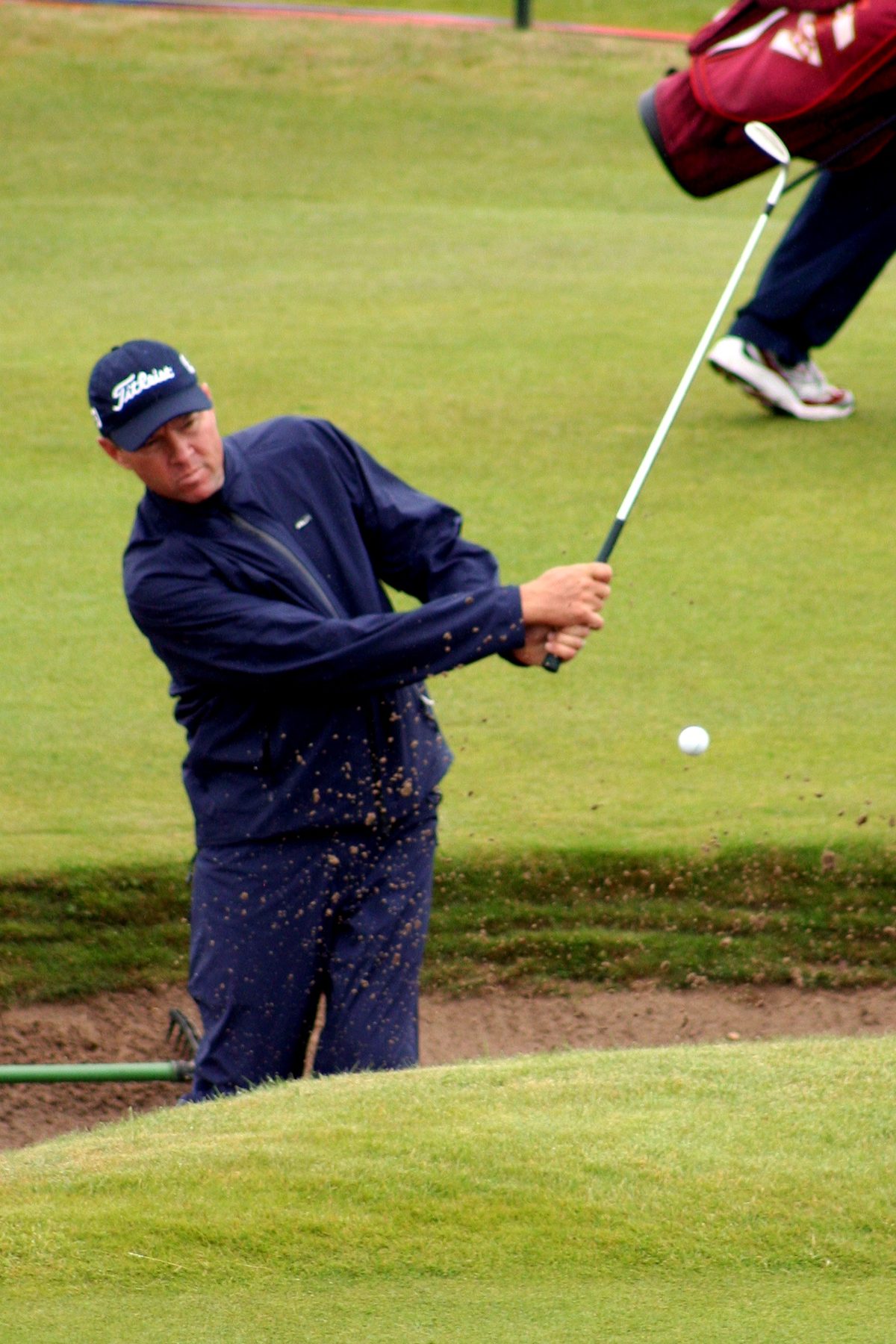
A true links is built on the sandy, undulating ground that “links” the sea to the farmland behind it. The turf is firm and fast, the grass is wiry, the bunkers are deep revetted pots that swallow balls whole, and there are very few trees to stop the wind. Curiously, only around 300 of Scotland’s roughly 7,500 miles of coastline is genuine links land — perhaps four percent — which is part of why these courses feel so special. The ball runs forever, the bounces are unpredictable, and you quickly learn to play low, running shots instead of the high target golf you see on television.
Parkland and heathland alternatives
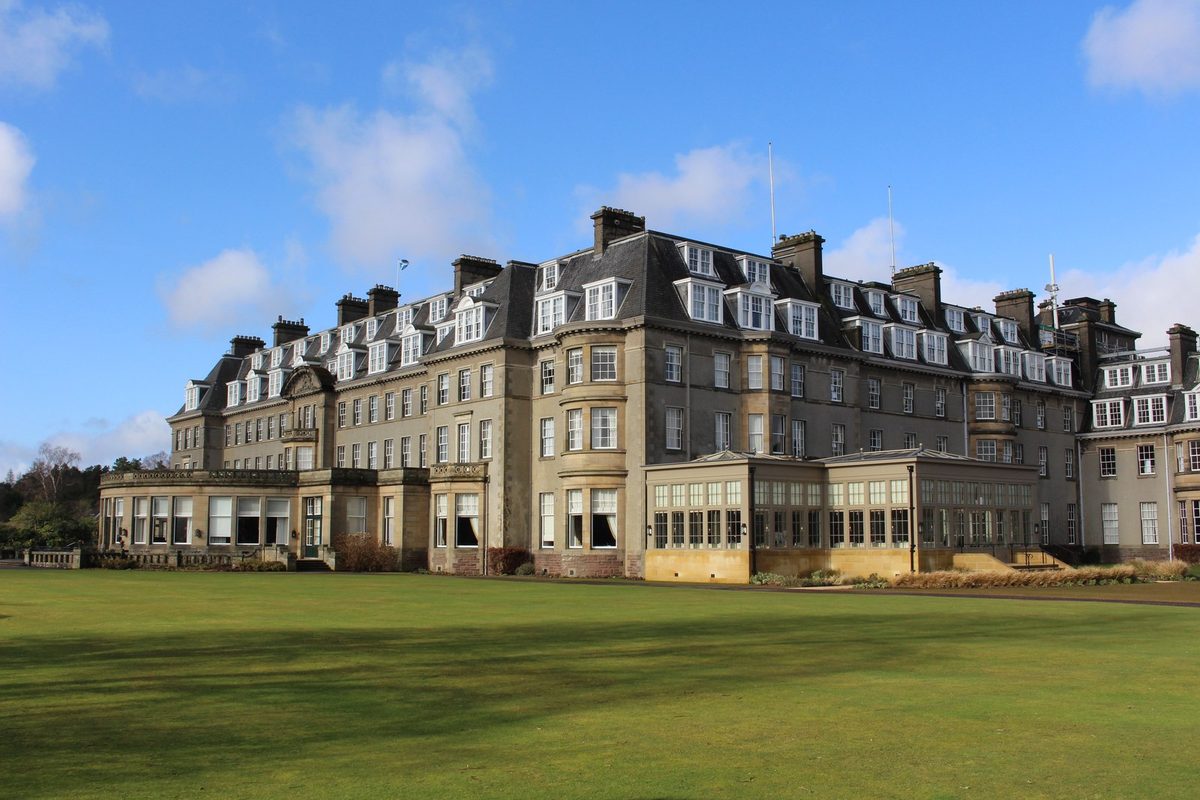
Not every great Scottish course is a links. Inland you will find beautiful parkland and heathland tracks — Gleneagles in Perthshire is the obvious example — where the turf is softer, the trees come into play, and the conditions feel closer to what most visitors play at home. These are a brilliant change of pace, especially if the coast is being battered by a gale, and they tend to be more forgiving for higher handicappers.
How links golf actually plays
The first time I played a links I tried to fly every shot to the flag and shot a number I am too embarrassed to print. The trick is to keep the ball down, use the contours, and accept that a good shot can finish in a bad spot. Embrace the bump-and-run, take one more club than you think into the wind, and treat the deep bunkers as one-shot penalties — get out sideways and move on. Do that and links golf becomes the most creative, addictive golf imaginable. Fight it, and the course will win every time.
The best golf courses in Scotland, region by region
You could spend a lifetime working through Scotland’s courses, so the smartest way to plan is by region — pick one or two areas and play them properly rather than criss-crossing the whole country in a hire car. Below are the regions I send people to, with the standout courses in each. For a deeper ranked rundown, see my companion guide to the best golf courses in Scotland.
Fife and St Andrews — the beating heart
If it is your first Scottish golf trip, start here. St Andrews is not just the Old Course; the St Andrews Links Trust runs seven public courses on the same stretch of coast — the Old, New, Jubilee, Castle, Eden, Strathtyrum and the nine-hole Balgove — and you can walk to most of them from the town. The Old Course is the headline (2026 green fee £355 in high season), but the New and Jubilee are genuinely world-class links in their own right and far easier to book.
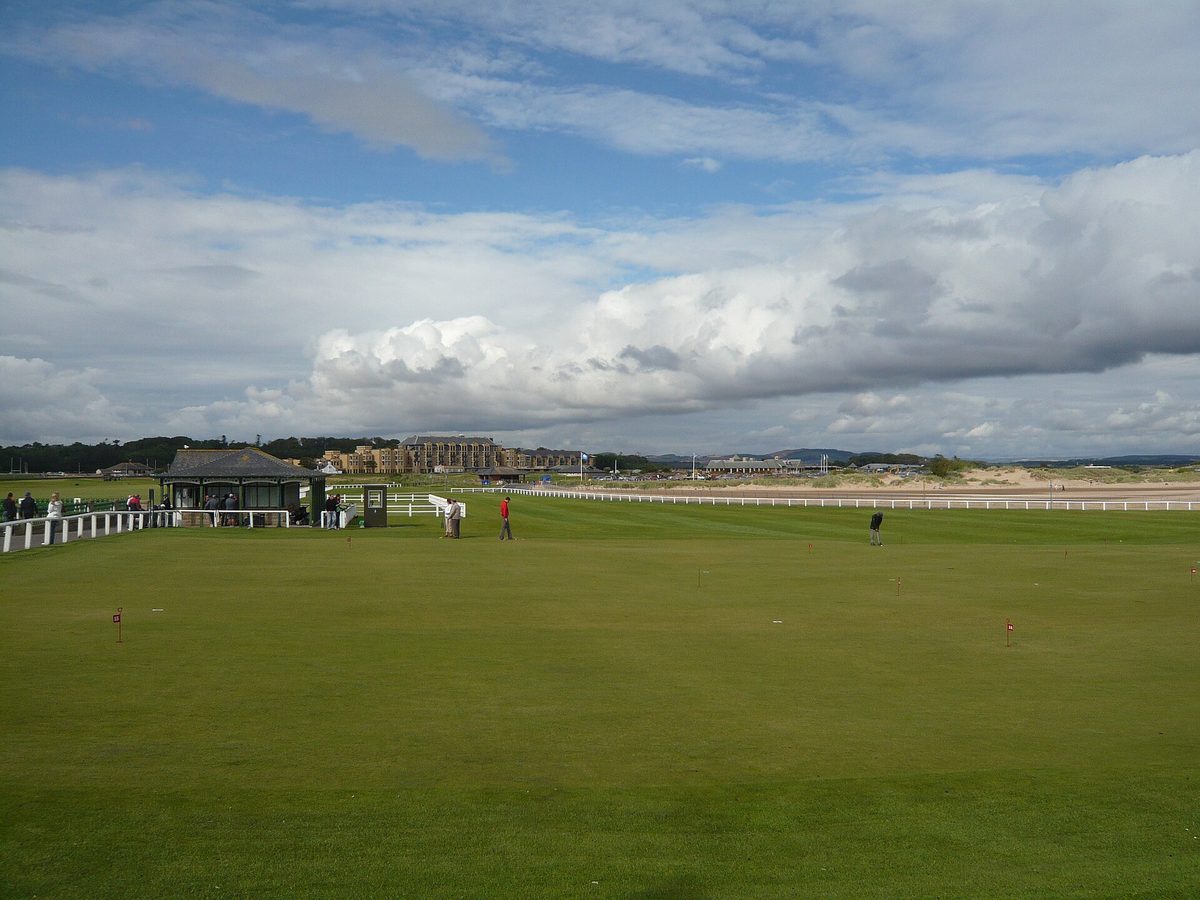
Beyond the town, Fife is stacked. Kingsbarns, a few miles south, is a modern clifftop masterpiece that looks like it has been there for a century (2026 green fee around £486, so a serious splurge). Crail, Elie (about £200), Lundin and Leven Links give you old-school charm at a fraction of the price. I usually build a Fife trip around two St Andrews Trust rounds plus Kingsbarns and a cheaper gem or two — it is the most concentrated great golf in the country.

East Lothian — “Scotland’s Golf Coast”
Just east of Edinburgh, East Lothian packs around 21 courses into roughly 30 miles of coastline, which makes it my top pick for anyone who wants brilliant golf without long drives. North Berwick’s quirky West Links (2026 green fee £320, but no Friday or Saturday visitor play) is one of my favourite courses anywhere — blind shots, stone walls you must play over, and the Bass Rock looming offshore. Gullane has three courses tumbling over a hill, and Muirfield, home of the Honourable Company of Edinburgh Golfers, is one of the world’s great championship links (£395 in 2026, rising to £420 in 2027, with restricted visitor days on Tuesdays and Thursdays).
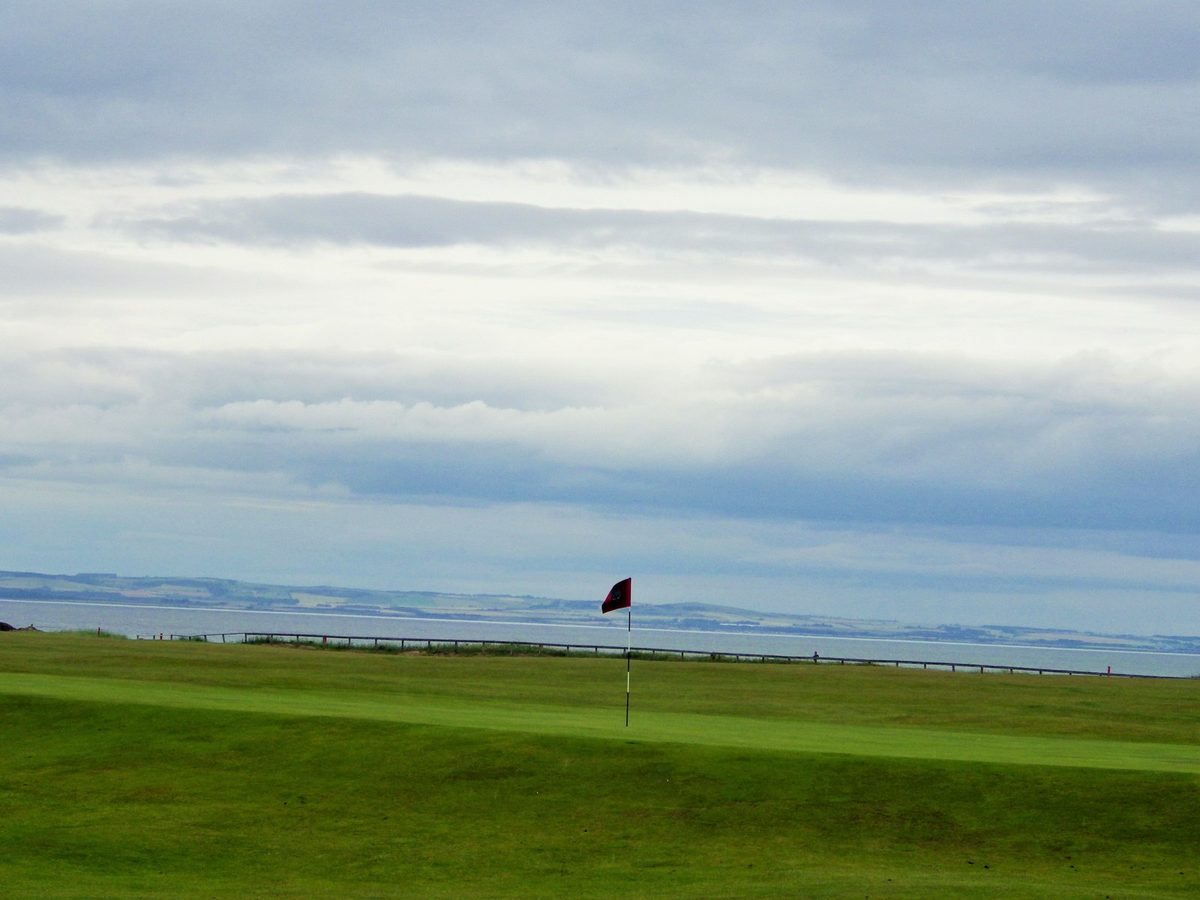
The huge advantage of East Lothian is logistics. You can base yourself in one town, reach a dozen courses inside half an hour, and pop into Edinburgh for dinner. If you are pairing golf with a city break, read my Edinburgh travel guide alongside the dedicated piece on the East Lothian golf coast near Edinburgh.
Ayrshire and the west coast
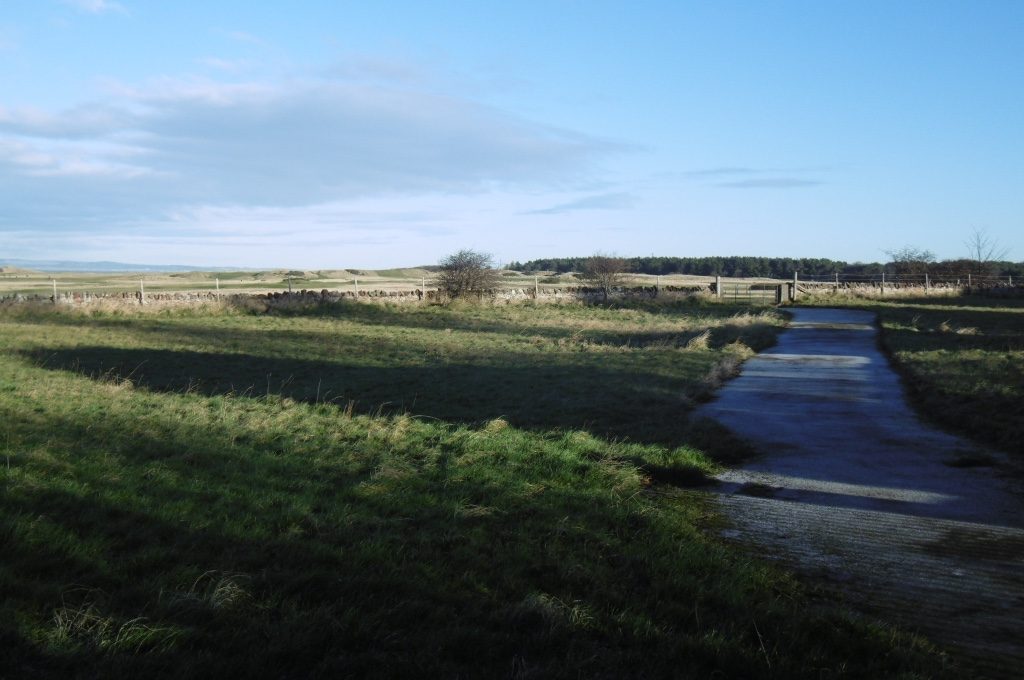
The west coast is Open Championship country. Royal Troon (2026 green fee around £395) and Turnberry’s Ailsa course are the giants here. Turnberry, with its postcard lighthouse and brutal seaside holes, is the most expensive round in the country — about £1,000 in peak season, dropping to roughly £475 if you stay at the hotel — and whether it is “worth it” depends entirely on your budget and your bucket list. I have played it once; I am very glad I did, and I am in no hurry to pay that again.

The west coast’s secret, though, is the value. Prestwick, where the very first Open was played in 1860, is a wonderful, eccentric old links (around £380 in peak summer but as low as £170 midweek off-peak). Western Gailes, Dundonald and the municipal courses around Ayr give you superb golf for sensible money. Ayrshire is an easy day trip if you are based in Glasgow, and the full rundown lives in my guide to Turnberry and Ayrshire’s Open Championship courses.

The Highlands and the far north
This is my personal favourite, and the one I push hardest on anyone who has already “done” St Andrews. Royal Dornoch, a three-hour drive north of Inverness, is regularly ranked among the best courses on the planet and yet costs about £360 in 2026 — a fraction of the marquee names further south, and worth every mile of the journey. The fairways thread along the Dornoch Firth, the turf is sublime, and the welcome is warm.
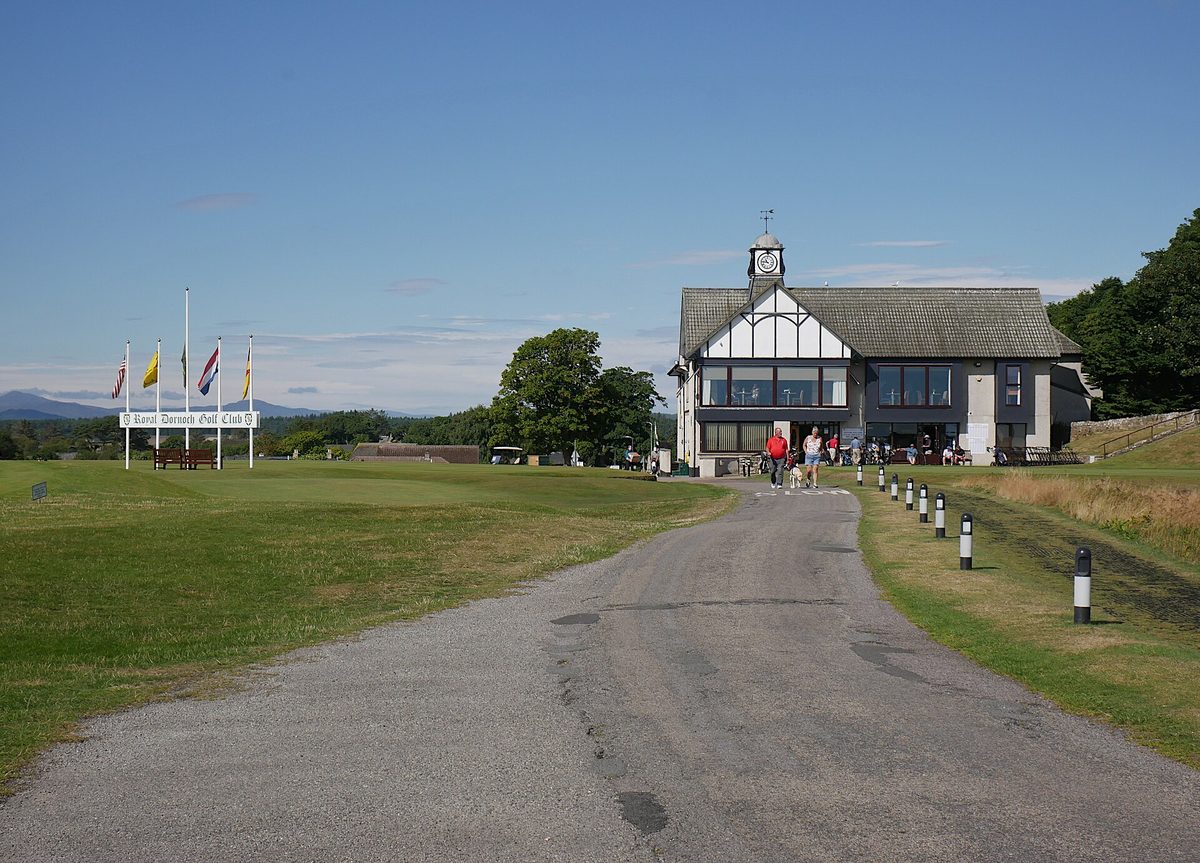
Around it you will find a cluster of brilliant, affordable links — Nairn (around £350), Brora (about £180, with sheep still grazing the course), Tain and Castle Stuart, now part of Cabot Highlands, whose two courses run about £385 each. A Highlands golf loop pairs beautifully with the scenery of the wider region; see my guides to the Scottish Highlands, the North Coast 500 road trip, and the dedicated Royal Dornoch and Highland golf piece. If you are routing through Inverness, my Loch Ness and Inverness guide covers where to stay and eat.
Angus, Aberdeenshire and the east
North of St Andrews, the Angus coast gives you Carnoustie, one of the toughest Open venues in the world. “Car-nasty,” as the pros call it when the wind blows, costs around £360 to play the Championship course in 2026 (£249 in April), and it asks for a handicap certificate — 28 for men, 36 for women. Nearby Panmure (about £195) and Montrose are excellent, quieter alternatives.

Further up in Aberdeenshire, Royal Aberdeen, Cruden Bay and Trump International give you wild, dune-framed links golf with far fewer crowds. Cruden Bay in particular (around £220) is a cult favourite — gloriously old-fashioned, with blind shots and enormous dunes. The east coast is underrated precisely because everyone funnels to St Andrews; if you want big-time links without the queues, this is where to look.

Perthshire and the parkland option
For a change from the coast, Gleneagles in Perthshire is the grand resort experience — three courses (the King’s, Queen’s and the PGA Centenary that hosted the Ryder Cup), manicured to within an inch of their lives, at around £375 per round on the classic courses. It is golf as a luxury holiday rather than a wind-blasted test, and it works brilliantly as a soft landing at the start or end of a trip, or for a mixed group where not everyone is a links purist.
How to play the Old Course at St Andrews
This is the single most common question I get, and it deserves its own section because the booking process genuinely confuses people. The Old Course is public land — you do not need to be a member of anything to play it — but demand massively outstrips supply, so most visitors get on in one of two ways: the advance reservation, or the daily ballot.

The daily ballot, explained
The ballot is the great equaliser, and it is free to enter. You apply for a tee time by 2pm two days before you want to play — so enter on Monday for a Wednesday round. You must enter as a group of two, three or four (single golfers are not eligible for the main ballot), and the results are published online around 4pm the same day. If your name comes out, you pay the green fee; if it doesn’t, you have lost nothing but a little hope. I have won the ballot twice and lost it more often than that, so always have a backup course in mind.
Advance reservations and singles
If you cannot leave it to chance, the Links Trust releases a limited number of advance tee times that open for booking the previous year (typically around late August). These vanish fast and are snapped up by tour operators, which is one reason people use packages. Single golfers have their own options, including turning up at the starter’s hut early to fill gaps — it is a long shot, but I have seen it pay off for patient solo travellers.
2026 fees, The Drive, and what to expect
The 2026 high-season green fee on the Old Course is £355, dropping to about £128 in winter when temporary tees and mats may be in play. One lovely development is “The Drive,” a Links Trust initiative that in 2026 tripled the number of heavily discounted places for Scottish residents — nearly 2,000 player slots across the courses, including 56 tee-time slots on the Old Course itself. Even if that is not you, it is a reminder that this remains, at heart, a course for ordinary golfers. The full booking walkthrough lives in my guide on how to play the Old Course at St Andrews, and packages that include guaranteed times are covered in St Andrews golf packages.
How much does it cost to play golf in Scotland?
Let’s talk money honestly, because the spread is enormous and the marquee prices you read about are not the whole story. Yes, you can pay £1,000 to play Turnberry. You can also play a cracking links for £30. Most visitors land somewhere in between, mixing one or two “bucket-list” rounds with cheaper, equally enjoyable golf.
2026 green fees at a glance
Here are current 2026 high-season visitor rates for courses people ask about most. Treat them as a planning guide — green fees rise almost every year, and several courses have already published higher 2027 prices, so always confirm on the course’s own website before you book.
| Course | Region | 2026 peak green fee | Notes |
|---|---|---|---|
| Turnberry (Ailsa) | Ayrshire | ~£1,000 | ~£475 for hotel guests; the priciest round in Scotland |
| Kingsbarns | Fife | ~£486 | Modern clifftop links near St Andrews |
| Muirfield | East Lothian | £395 | Visitor days Tue/Thu; handicap required; £420 in 2027 |
| Royal Troon (Old) | Ayrshire | £395 | Open venue; lower midweek/off-peak rates |
| Cabot Highlands (Castle Stuart) | Highlands | £385 | Two courses; the new Old Petty also ~£385 |
| Prestwick | Ayrshire | ~£380 | Birthplace of The Open; ~£170 midweek off-peak |
| Gleneagles (King’s / Queen’s) | Perthshire | £375 each | Parkland resort golf |
| Carnoustie (Championship) | Angus | £360 | £249 in April; handicap 28 men / 36 women |
| Royal Dornoch (Championship) | Highlands | £360 | World top-10 for a fraction of the marquee prices |
| Old Course, St Andrews | Fife | £355 | Via free daily ballot; ~£128 in winter |
| North Berwick (West Links) | East Lothian | £320 | No Fri/Sat visitor play; quirky classic |
| Cruden Bay | Aberdeenshire | ~£220 | Cult-favourite dunes links |
| Elie / Panmure / Brora | Various | £180–£200 | Brilliant-value old links |
| Musselburgh / Leven | Various | From ~£24 | Historic municipal links — just turn up |
For context, a 2026 analysis of Scotland’s top 100 courses found an average summer green fee of about £194 and a median of £140, with 94 of the 100 open to public play. So while the headlines are dominated by £400-plus rounds, the typical great Scottish course costs far less than visitors fear. A detailed budget breakdown lives in my guide to how much a golf trip to Scotland costs.
What a whole trip costs
Green fees are only one line on the invoice. Once you add accommodation, a hire car, food and the inevitable nineteenth-hole pints, a realistic budget for a week looks something like this.
| Trip style | Per person, 5–7 nights | What you get |
|---|---|---|
| Budget / hidden-gems | ~£900–£1,500 | Affordable links (£30–£90), guesthouses, shared car |
| Mid-range classic | ~£1,500–£3,000 | A mix of marquee and value courses, good hotels |
| Premium / bucket-list | £3,500–£5,000+ | Old Course, Turnberry-level fees, top hotels, caddies |
On-course extras add up too: a caddie runs about £70–£80 plus a gratuity, push-trolley hire is £10–£30, and club hire is roughly £50–£65 a round if you’d rather not fly with your sticks. Where you sleep makes a big difference to the total — my guide to where to stay in Scotland covers everything from links-side hotels to budget B&Bs, and Scotland travel costs and budgeting tips will help you keep the whole trip in check.
Do you need a handicap or membership to play golf in Scotland?
This worries a lot of first-time visitors, and the good news is that for the overwhelming majority of courses the answer is no. Around 99% of Scottish courses welcome visiting golfers, and you do not need to belong to a club, carry a letter of introduction, or prove anything beyond your ability to pay the green fee. You can quite literally turn up at a municipal links, hand over your money, and tee off.
Courses you can just turn up and play
Most of Scotland’s golf is wonderfully democratic. Municipal links like Musselburgh — one of the oldest playing fields in the game — the St Andrews Trust’s lesser-known courses, and hundreds of village and town clubs will happily take a green fee from a stranger. Booking ahead in summer is wise simply to guarantee a time, but there is no gatekeeping.
Where a handicap is required
The exceptions are the championship venues, which ask for a handicap certificate to protect pace of play. The Old Course currently requires a maximum handicap of 36 for both men and women; Carnoustie asks for 28 (men) and 36 (women). These limits can change, so confirm when you book and bring your certificate or have your handicap accessible on your golf federation’s app. A handful of the most exclusive clubs — Muirfield, Royal Troon — also restrict the days visitors can play, which is the real planning constraint rather than any snobbery about your game.
When to go: the best time of year for golf in Scotland
Timing is the lever that most affects both your experience and your bill. Get it right and you will play in shirtsleeves until ten at night; get it wrong and you will be hitting off mats in a horizontal gale.
Season by season
Peak season runs May to September, when the turf is firmest, the days are longest and the courses are at their best — and busiest and priciest. My sweet spot is late May and early June, before the school holidays, and September, when the crowds thin and the light turns golden. April and October are genuine value months; the weather is a gamble but green fees can fall by a third or more. Winter golf exists, often on temporary greens and mats, and can be a bargain if you don’t mind mud and short days.
Daylight and the famous long evenings
Here is the secret weapon of a summer trip: daylight. Around the June solstice the far north barely gets dark — in the Highlands the sun is up before 4.30am and lingers past 10pm, giving you something like 17 playable hours. I have teed off at 7pm and finished 18 holes in broad daylight. It means you can squeeze in 36 holes a day, or play a relaxed evening round after a long drive. Summer temperatures are mild rather than hot, typically around 17–18°C, so pack layers and decent waterproofs whatever the forecast says — the weather can deliver all four seasons in a single round, and usually does. The fuller picture is in my guides to the best time to visit Scotland and specifically the best time to golf in Scotland.
How to book tee times without a club or membership
Booking is where a Scottish golf trip is won or lost, because the courses everyone wants are finite and the good times go early. The principle is simple: book your marquee rounds first and build the rest of the trip around them, not the other way round.
Booking windows for the big courses
Marquee courses open their visitor tee sheets months ahead — St Andrews advance times typically from around late August for the following year, with Muirfield, Troon and Turnberry on similar long lead times. If your heart is set on a specific course on a specific date, you need to be ready the day bookings open. For everything else, a few weeks’ notice in summer is usually plenty.
DIY versus using an operator
You can absolutely organise a Scottish golf trip yourself — most clubs let you book visitor times directly online or by phone, and doing it yourself saves money. A specialist tour operator, by contrast, typically adds around 25% to the cost but handles the logistics, secures hard-to-get times (including bundled Old Course access), and arranges caddies and transfers. I have done it both ways: DIY for a relaxed Highlands loop, an operator for a high-stakes St Andrews-and-East-Lothian week where I did not want to risk missing out. My step-by-step planner is the guide on how to plan a golf trip to Scotland, and broader options sit within Scotland tours and vacation packages.
Golf trips from the USA and abroad
A huge share of visiting golfers fly in from North America, and the logistics are worth getting right. The single biggest myth I hear from American friends is that Scottish golf is wildly expensive. It can be at the very top, but as the green-fee table above shows, the average great course is far cheaper than a comparable “destination” round in the States — and the experience is the real thing rather than a manufactured one.
Practical tips for an overseas trip: fly into Edinburgh or Glasgow for the central belt and the Ayrshire, Fife and East Lothian courses, or Inverness for a Highlands loop. Ship your clubs ahead with a service like Ship Sticks if you’d rather not wrestle a travel bag through connections, or simply hire clubs on arrival. Build in a rest day for jet lag before your marquee round — you do not want to play the Old Course on no sleep. Package options aimed specifically at overseas travellers, including what is and isn’t included, are covered in my guide to Scotland golf packages and vacations from the USA, and getting around once you land is in getting around Scotland.
Links golf etiquette and tips for first-timers
Scottish golf has a culture, and slotting into it gracefully will make your trip far more enjoyable. None of this is hard, but most of it goes unwritten, so here is what I wish someone had told me before my first round.
Keep up, not down. Pace of play is sacred. Most rounds are walked, not carted, and a fourball is expected to go round in about three and a half to four hours. If you fall behind, wave faster groups through — it is normal and nobody minds. Carrying or pushing your bag is standard; ride-on buggies are rare and sometimes restricted to those with medical need.
Caddies are worth it on the big courses. A good caddie reads the blind shots, judges the wind, and tells stories that make the round. They cost roughly £70–£80 plus a tip, and on a course like the Old or Carnoustie they will save you more strokes than that in lost balls and mis-clubs. Treat them as the local experts they are.
Dress and first-tee manners. Smart golf attire is expected; some private clubs require a jacket in the clubhouse. Shake hands on the first tee, introduce yourself, repair your pitch marks and rake the bunkers. Respect for the course and your playing partners is the whole ethos here, and it is repaid with a genuinely warm welcome.
Beginners are welcome. You do not have to be good to enjoy Scottish golf — you just have to be ready for it to humble you. Pick a couple of friendlier courses, take a caddie or a lesson, and don’t try to play the championship monsters on day one. A first-timer’s primer to the whole experience is my guide to links golf in Scotland for first-timers.
Sample Scotland golf itineraries
To turn all of this into a plan, here are two routes I have actually done and would happily repeat. The golden rule: pick a maximum of two regions for a week, so you are playing golf rather than sitting in the car.
The classic five-night Fife and East Lothian week
Base near St Andrews for three nights — enter the Old Course ballot daily and play the New, Jubilee and Kingsbarns around it. Then shift south to East Lothian for two nights, basing in or near North Berwick, and play the West Links, a Gullane course and, if you can get on, Muirfield. Edinburgh is half an hour away for your final dinner. This is the most efficient great-golf week in Scotland, with almost no long drives.
The five-round Highlands loop
Fly into Inverness and head north. Play Castle Stuart, then Nairn, then base in Dornoch for two or three rounds at Royal Dornoch plus a trip up to Brora and Tain. The golf is world-class, the prices are sane, and the scenery — sea lochs, mountains, empty roads — is as good as the courses. Pair it with a day on the North Coast 500 and you have a trip that golfers talk about for years. Add a whisky stop or two from my Scotch whisky and distilleries guide and you have the perfect Highland week.
Beyond the fairways: rest days and non-golfers
Not everyone in the group will want to play every day, and even die-hards need a break. Scotland makes that easy. Between rounds you can tour world-famous castles in Scotland, eat your way through the country’s food and drink scene, time your trip around the festivals and events calendar, or stretch your legs on the trails in my hiking and outdoor adventures guide. Golfers travelling with family often add a few days exploring the Scottish islands or the dramatic Isle of Skye — the kind of scenery that turns a golf trip into a holiday everyone remembers.
Frequently asked questions about golf in Scotland
How much does a golf trip to Scotland cost?
Plan on roughly £900–£1,500 per person for a budget week of hidden-gem links, £1,500–£3,000 for a mid-range trip mixing marquee and value courses, and £3,500–£5,000 or more for a premium bucket-list week with top hotels and caddies. Green fees vary hugely, from about £24 at municipals to £1,000 at Turnberry.
How do you get a tee time at the Old Course at St Andrews?
Two main routes: the free daily ballot, where you apply as a group of two to four by 2pm two days ahead and find out around 4pm, or an advance reservation booked the previous year (often from late August). Single golfers can try the starter’s hut for gaps. Always have a backup course ready.
What is the best time of year to golf in Scotland?
May to September is peak season, with firm turf and very long daylight — near midsummer the Highlands stay light until past 10pm. Late May, early June and September offer the best balance of weather and quieter courses. April and October are cheaper but weather is a gamble. Pack waterproofs whenever you go.
Do you need a handicap to play golf in Scotland?
For most courses, no — around 99% welcome visitors with no handicap or membership required. The exceptions are championship venues: the Old Course currently asks for a maximum handicap of 36, and Carnoustie 28 for men and 36 for women. Bring a certificate for those, and confirm limits when booking as they can change.
What are the best golf courses in Scotland?
The headline names are the Old Course at St Andrews, Carnoustie, Muirfield, Royal Troon and Turnberry among the Open venues, plus Royal Dornoch, Kingsbarns and North Berwick as world-class favourites. But Scotland’s strength is depth — courses like Cruden Bay, Prestwick and Brora deliver unforgettable golf for far less money.
How many days do you need for a Scotland golf trip?
Five to seven nights is the sweet spot. That gives you four to six rounds, time to win or lose the Old Course ballot, and a rest day for jet lag if you are flying in. Crucially, it lets you focus on one or two regions rather than spending the week driving between distant courses.
How many golf courses are there in Scotland?
More than 550, according to VisitScotland, ranging from championship links to nine-hole village courses. Scotland is often cited as having the most golf courses per head of population of any country in the world. The vast majority are open to visiting golfers, which is what makes a self-planned trip so feasible.
What is the difference between links and parkland golf?
Links courses sit on firm, sandy coastal land with few trees, fierce wind, deep pot bunkers and fast-running turf that rewards low, creative shots. Parkland courses, like Gleneagles, are inland, softer underfoot and tree-lined, playing more like the golf most visitors know from home. Scotland is famous for its links, but offers superb parkland too.
Final thoughts
The reason golf in Scotland gets under your skin is not the famous names or the bucket-list green fees — it is the feeling of playing the game where it was born, on ground that has barely changed in centuries, in weather that makes every par feel earned. You do not need a single-figure handicap or a fat wallet to belong here; you need waterproofs, a sense of humour, and a willingness to play the ball as it lies. Pick a region, book your big round early, leave room for a cheap-and-cheerful links you have never heard of, and let the wind do the rest. I have never come home from a Scottish golf trip without already planning the next one — and I suspect you won’t either.
Where you stay between rounds matters more than most golf trips allow for — we cover the options honestly in luxury hotels in the Scottish Highlands.
Photo credits
All images are used under their respective Creative Commons or public-domain licences via Wikimedia Commons. We are grateful to the photographers.
- Golf in Scotland at its most iconic: the Swilcan Bridge on the Old Course at St Andrews — Photo: Noah_Jurik (CC0) via Wikimedia Commons. Source
- The 18th fairway and town skyline of the Old Course at St Andrews, the Home of Golf — Photo: flickrtickr2009 / CC BY 2.0 via Wikimedia Commons. Source
- The Royal and Ancient Golf Club clubhouse overlooking the first tee at St Andrews — Photo: Erik Thörnqvist / CC BY 2.0 via Wikimedia Commons. Source
- The lighthouse and links of the Ailsa course at Trump Turnberry on the Ayrshire coast — Photo: No machine-readable author provided. Alistair nicol assumed (based on copyright (CC0) via Wikimedia Commons. Source
- Coastal links fairways at Royal Dornoch Golf Club in the Scottish Highlands — Photo: Craig Wallace / CC BY-SA 2.0 via Wikimedia Commons. Source
- The championship links at Carnoustie on Scotland’s Angus coast — Photo: Macieklew / CC BY-SA 4.0 via Wikimedia Commons. Source
- Seaside fairways of North Berwick West Links on East Lothian’s golf coast — Photo: Stuart Shepherd / CC BY-SA 2.0 via Wikimedia Commons. Source
- Open Championship links at Royal Troon on the Ayrshire coast — Photo: Billy McCrorie / CC BY-SA 2.0 via Wikimedia Commons. Source
- The historic links of Muirfield at Gullane in East Lothian — Photo: Richard Webb / CC BY-SA 2.0 via Wikimedia Commons. Source
- Clifftop fairways at Kingsbarns Golf Links on the Fife coast near St Andrews — Photo: S.Möller (CC0) via Wikimedia Commons. Source
- A golfer playing out of a deep revetted pot bunker on a Scottish links course — Photo: Jenni Douglas from Edinburgh, Scotland / CC BY 2.0 via Wikimedia Commons. Source
- The manicured parkland fairways of Gleneagles in Perthshire, a contrast to Scotland’s coastal links — Photo: Graeme Yuill / CC BY-SA 2.0 via Wikimedia Commons. Source
- The historic links of Prestwick Golf Club in Ayrshire, birthplace of The Open Championship in 1860 — Photo: No machine-readable author provided. Markatty~commonswiki assumed (based on copy (CC0) via Wikimedia Commons. Source

1 note from readers