Some places are oversold. The Isle of Skye is not one of them. I’ve been in most weathers — lashing rain that hid the Cuillin completely, and a still June evening when the light at Neist Point turned the sea to liquid gold — and it has never once disappointed me. This is the island that launched a thousand desktop wallpapers: jagged ridgelines, rock pinnacles that look computer-generated, waterfalls into the sea, and a folklore of fairies and clan chiefs that somehow feels entirely plausible once you’re there.
It’s also bigger, slower and busier than most first-timers expect, which is exactly why a good plan matters. So this guide covers the lot: how to actually get to Skye, how many days you need, every sight worth your time grouped by area so you can drive a sensible loop, a ready-made 2–3 day itinerary, where to base yourself, and the honest truth about the crowds and how to dodge them.
The Isle of Skye is the largest island in Scotland’s Inner Hebrides, linked to the mainland by a road bridge. It’s famous for surreal rock formations like the Old Man of Storr and the Quiraing, the blue Fairy Pools, the jagged Cuillin mountains, Neist Point lighthouse and the painted harbour of Portree. Give it at least two to three days — it’s far bigger and slower to drive than it looks.
Skye is the grand finale of most Highlands trips, so use this alongside our Scottish Highlands guide, our Scotland itineraries, and the best time to visit Scotland, plus our master list of things to do in Scotland.
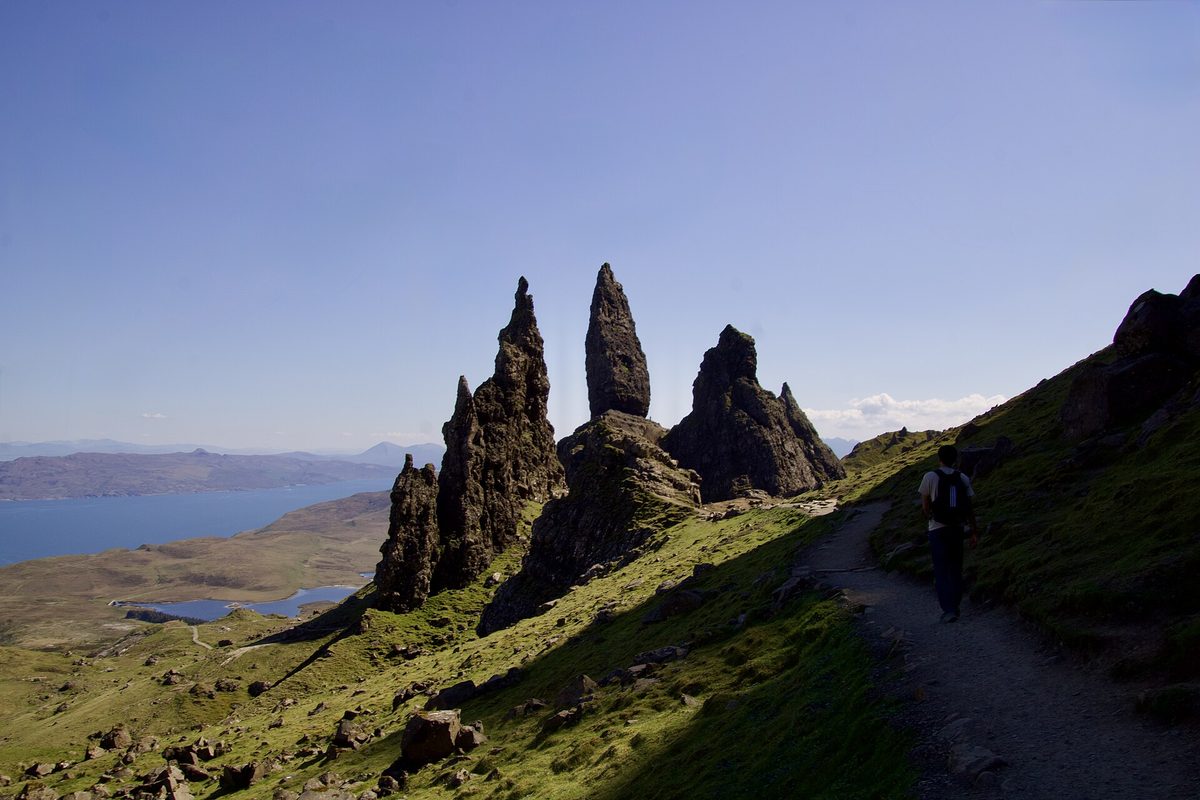
What Is the Isle of Skye Famous For?
Skye (An t-Eilean Sgitheanach in Gaelic — the “winged isle,” for the way its peninsulas spread out like feathers) is famous above all for its otherworldly landscapes. The Trotternish peninsula in the northeast is a geological freak show of toppled rock — the Old Man of Storr and the Quiraing — formed by ancient landslips. The Cuillin, a serrated wall of black gabbro peaks at the island’s heart, is the most challenging mountain range in Britain. Add the cartoonishly blue Fairy Pools, the lighthouse at Neist Point, the painted harbour of Portree, and a deep seam of fairy and clan folklore, and you have an island that has become one of the most photographed places on Earth — and a favourite of film and TV location scouts.
Geographically, it helps to picture Skye as a mountainous hub with peninsulas radiating off it: Trotternish (northeast), Waternish and Duirinish (northwest), Minginish (the Cuillin and Talisker, west), and Sleat (the green south). Almost everything you’ll want to see sits on one of these arms, which is why a little route planning saves hours of backtracking.
How to Get to the Isle of Skye
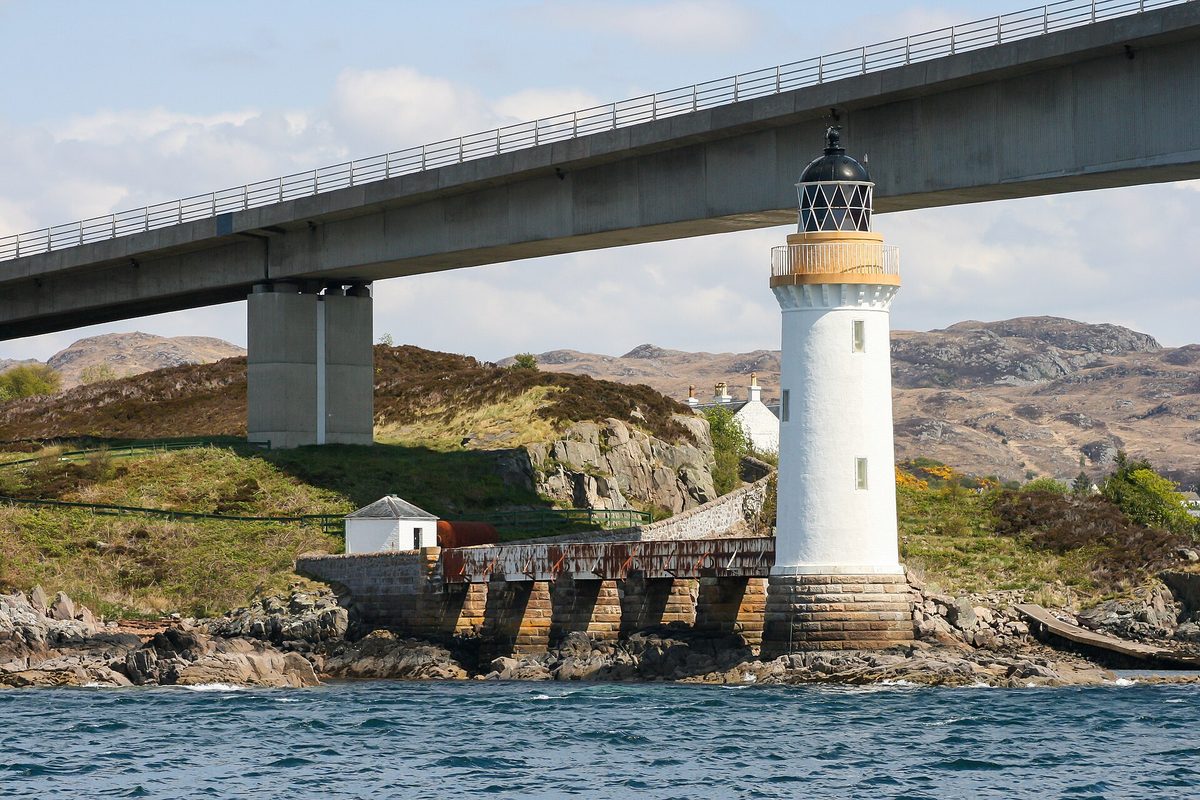
The good news: getting to Skye is easier than it once was. Since 1995 the Skye Bridge has connected the island to the mainland at Kyle of Lochalsh (and it’s been toll-free since 2004), so most people simply drive straight across.
By car. This is how the vast majority arrive, and it’s the way I’d recommend — the bridge from Kyle of Lochalsh to Kyleakin takes seconds, and the approach past Eilean Donan Castle is gorgeous. Realistic driving times: from Inverness about 2 to 2.5 hours (via Loch Ness and Eilean Donan); from Fort William around 2.5 hours; and from Glasgow or Edinburgh a full 5 to 5.5 hours — which is exactly why Skye is not a day trip from the central belt. Details and routes are in our how to get to the Isle of Skye guide. Plenty of drivers fold Skye into a bigger loop with the North Coast 500, crossing between the two over the Bealach na Bà at Applecross.
By ferry. For a more romantic arrival, take the CalMac car ferry from Mallaig to Armadale in the south of the island (about 30 minutes; book ahead in summer). A wonderful loop is to drive up via the bridge and leave via the ferry (or vice versa). There’s also the tiny seasonal Glenelg–Kylerhea turntable ferry, the last of its kind, for a real back-roads adventure.
By train and bus. You can reach Skye without a car. The scenic Kyle Line runs from Inverness to Kyle of Lochalsh (about 2.5 hours), where a Citylink coach continues over the bridge to Portree; alternatively the West Highland Line runs to Mallaig for the ferry. More on car-free travel below and in our Scotland transport guide.
By tour. If you’d rather not drive the single-track roads, excellent small-group tours run multi-day trips to Skye from Edinburgh, Glasgow and Inverness — see our pick of the best Isle of Skye tours.
How Many Days Do You Need on the Isle of Skye?
Three days is ideal, two is the practical minimum, and four or five lets you actually relax. Skye is deceptively large — about 50 miles long, with sights scattered to the ends of long single-track peninsulas — so the island eats time. Two days lets you cover the Trotternish loop and the Fairy Pools/Cuillin area at a brisk pace; a third day opens up Elgol, Dunvegan or Sleat without rushing.
Can you visit Skye as a day trip? Honestly, not well. From Edinburgh or Glasgow it’s 5+ hours each way — a day trip means 10+ hours in a vehicle for a couple of hurried stops. The only day trip that makes sense is a long (~12-hour) organised tour from Inverness, and even then you’ll only scratch the surface. Stay at least two nights if you possibly can. Here’s why distances deceive:
| Route on/to Skye | Driving time |
|---|---|
| Portree → Old Man of Storr | ~15 min |
| Portree → Quiraing (top) | ~35–40 min |
| Portree → Fairy Pools (Glen Brittle) | ~45 min |
| Portree → Neist Point | ~1 hr 15 min |
| Portree → Elgol | ~1 hr |
| Inverness → Portree | ~2.5 hrs |
| Edinburgh/Glasgow → Portree | ~5.5 hrs |
Our full Isle of Skye itinerary turns these into sensible day loops.
Best Things to Do on the Isle of Skye (by Area)
Here’s every sight worth your time, grouped by peninsula so you can drive each as a loop rather than crisscrossing the island. Start with the showstopper.
Trotternish: the iconic northeast loop
If you do one thing on Skye, drive the Trotternish loop — a roughly 50-mile circuit from Portree that strings together the island’s greatest hits. My one tip: drive it clockwise and start early, going against the flow of tour coaches.
The Old Man of Storr is the island’s signature sight — a cluster of rock pinnacles on a green hillside above the sea. The well-built path is about 3.8km round trip and takes 1.5–2 hours; the car park costs around £3 and its 150 spaces fill by mid-morning, so arrive before 9am or after 5pm. Our Old Man of Storr guide has the full how-to.
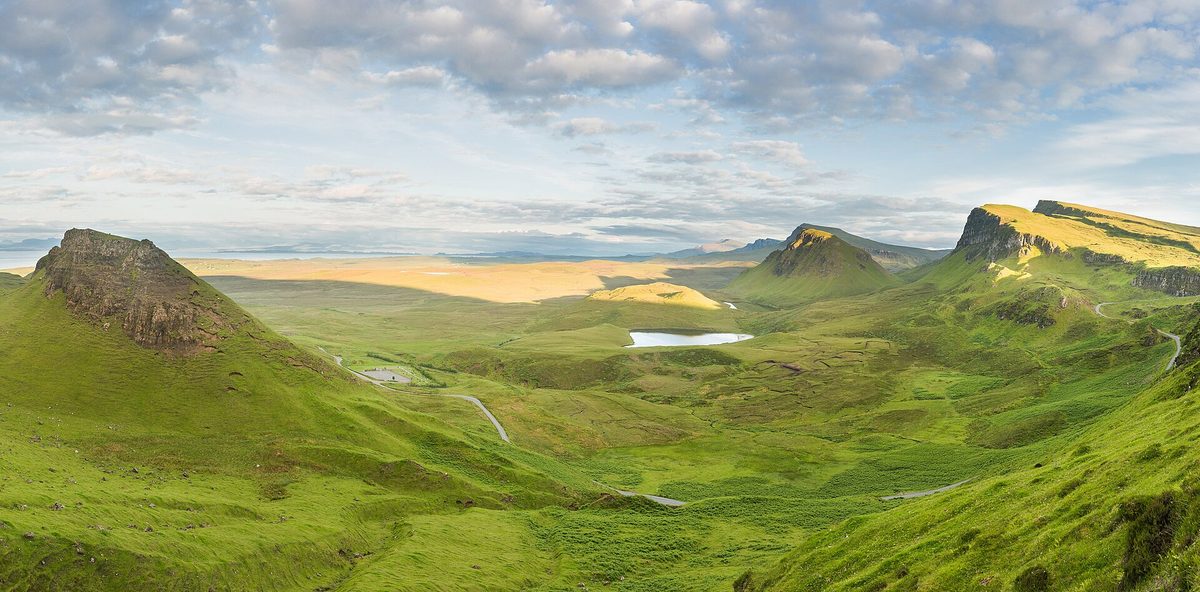
Further north, the Quiraing is even more surreal — a still-slipping landslip of hidden plateaus and spires. The full circuit is about 4.3 miles and 3 hours; if you’re short on time or nerve (the path has an exposed section), the 15-minute walk to the first viewpoint delivers most of the drama. Parking is around £3. See our Quiraing walk guide.

Between the two, stop at the roadside viewpoints for Kilt Rock & Mealt Falls (a pleated sea cliff with a waterfall plunging straight into the sea) and Lealt Falls. For a quieter walk, the path out to Brother’s Point (Rubha nam Brathairean) is a gem most coaches skip, and at Staffin’s An Corran Beach you can spot 165-million-year-old dinosaur footprints at low tide.
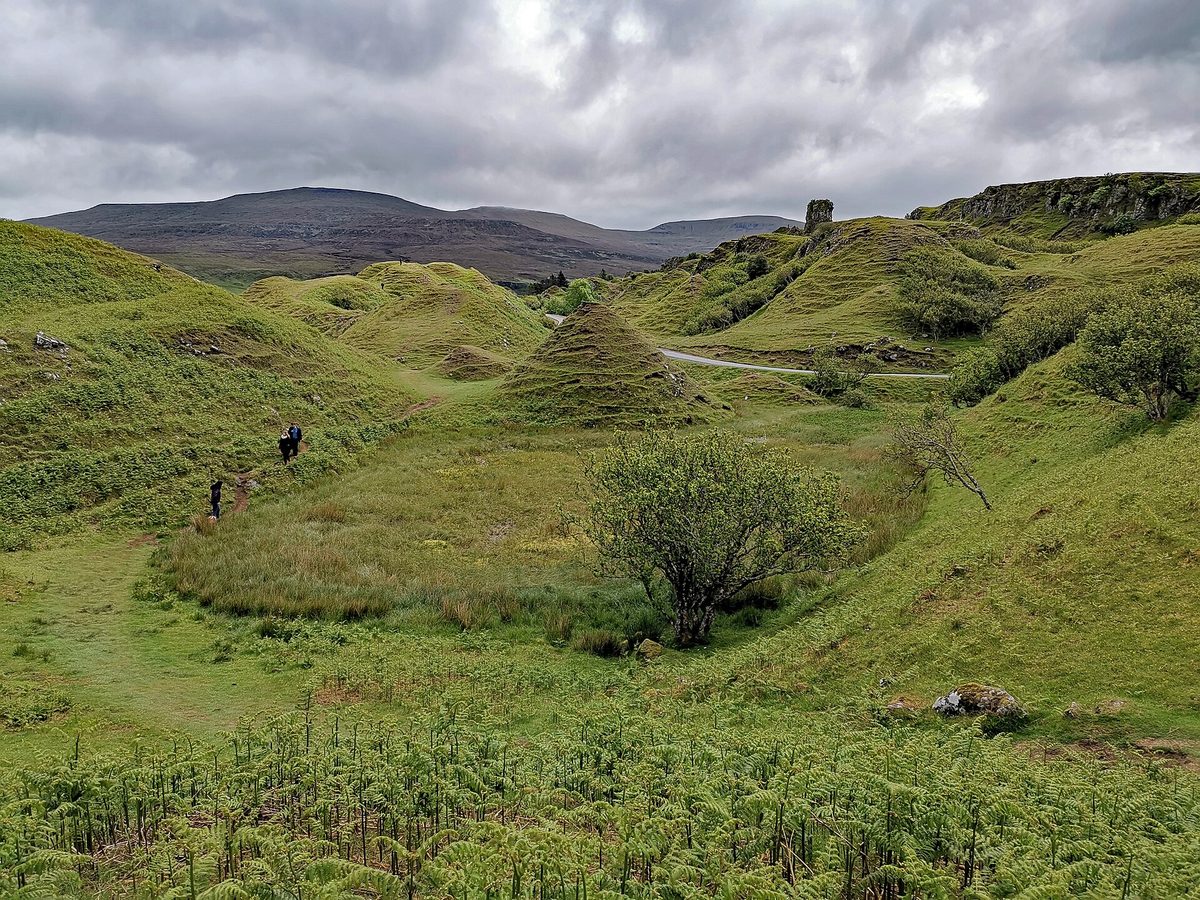
Near Uig, the Fairy Glen is a miniature landscape of perfect conical grassy hills and a rock tower called Castle Ewen — genuinely magical, and best at golden hour (please don’t build the stone spirals; rangers ask visitors not to). Round off the loop with the ruined Duntulm Castle, the thatched cottages of the Skye Museum of Island Life at Kilmuir (and Flora MacDonald’s grave nearby), and the ferry port of Uig. Our Fairy Glen guide has more.
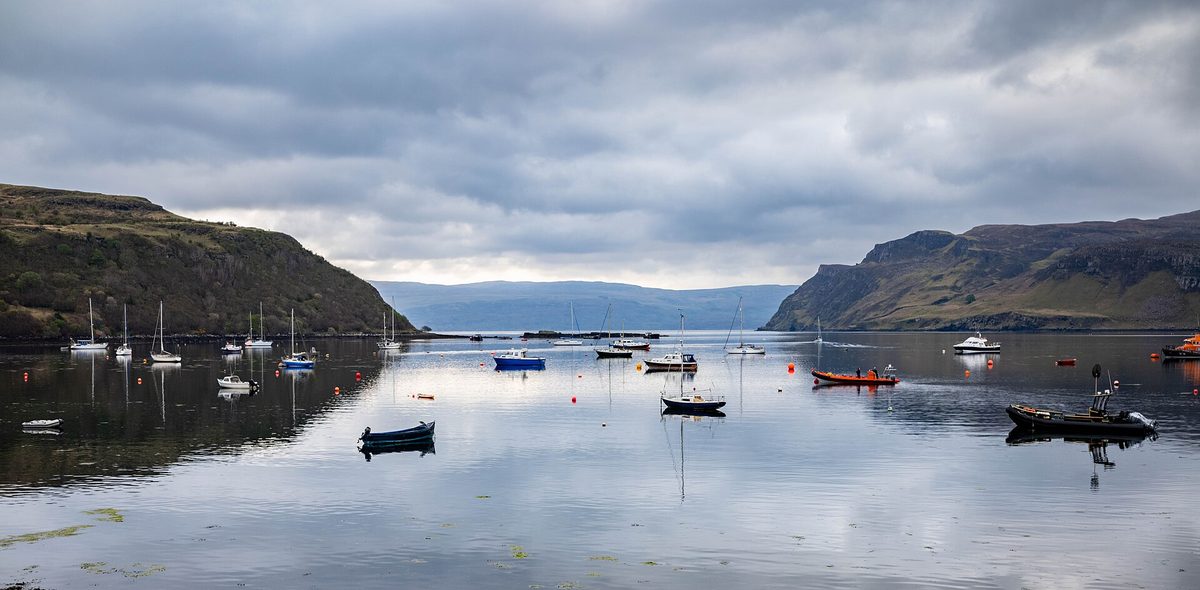
At the loop’s base sits Portree, Skye’s cheerful capital and the obvious place to base yourself — a row of pastel houses around a sheltered harbour, with the island’s best concentration of restaurants, shops and accommodation. It’s tiny but lovely, and the viewpoint at The Lump and the Scorrybreac coastal walk are right on the doorstep. More in our Portree guide.
The Cuillin & the south
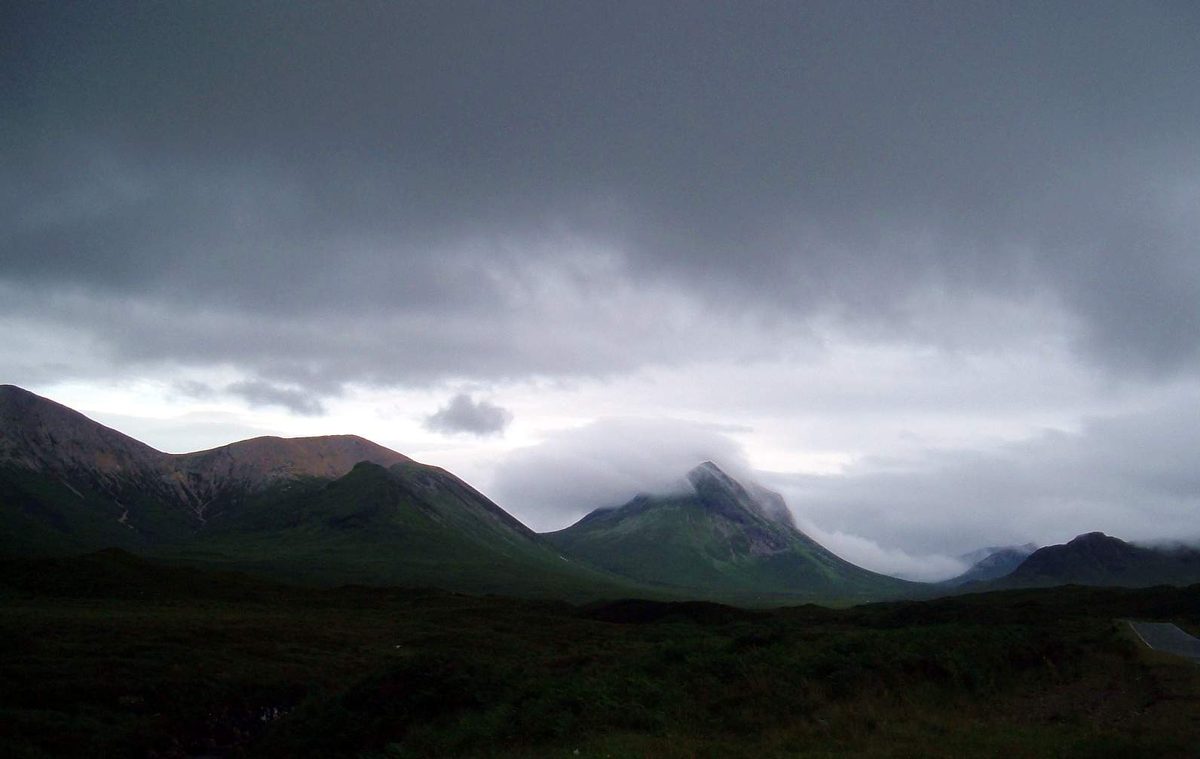
The Cuillin dominate the island’s heart — a serrated ridge of black peaks (the Black Cuillin) and rounded granite hills (the Red Cuillin) that draw serious mountaineers from around the world. You don’t have to climb them to be floored by them: the view from the old bridge at Sligachan, with the Cuillin behind, is one of Skye’s classic scenes. Legend says dipping your face in the river here grants eternal beauty — plenty of people try.
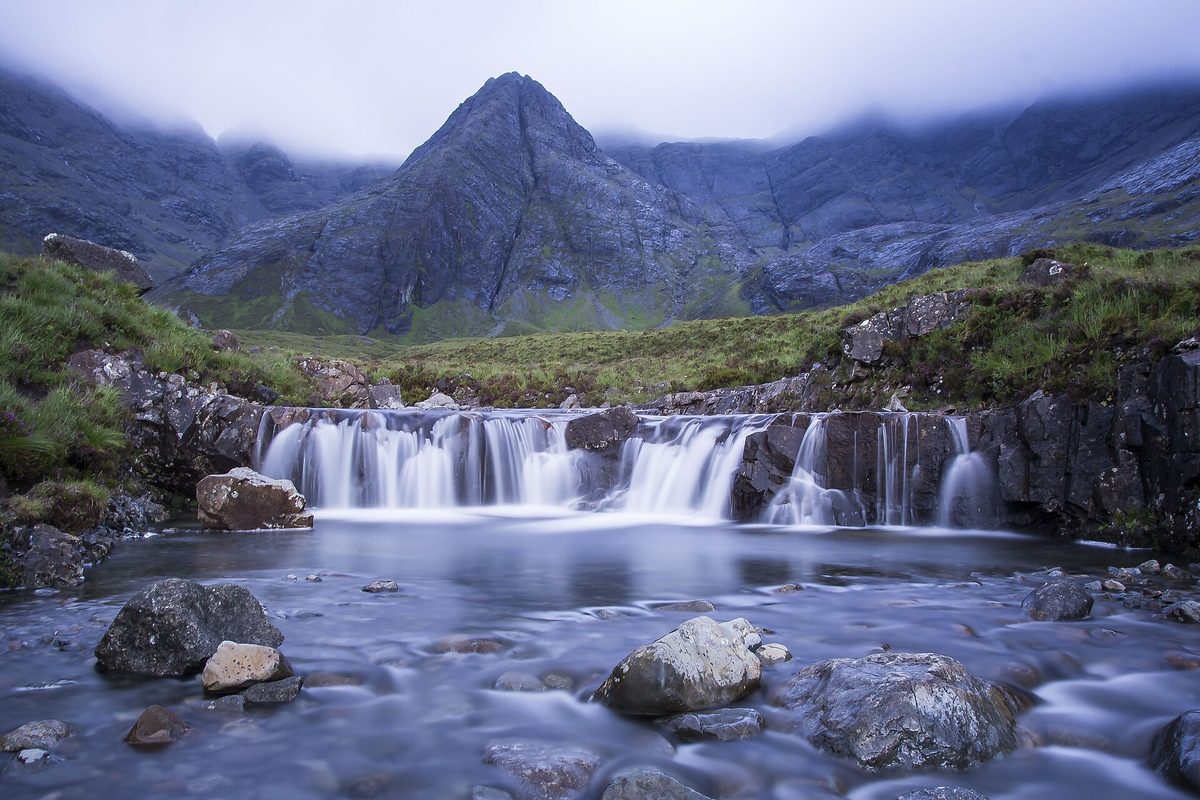
In Glen Brittle, the Fairy Pools are a string of impossibly clear blue-green pools and waterfalls beneath the Cuillin. It’s about a 20-minute walk to the first fall and 2.4km return; the car park is paid and fills fast — at peak times the queue to get in has reached hours, so come early or late. Brave souls wild-swim (it’s genuinely freezing). Our Fairy Pools guide covers parking and timing.
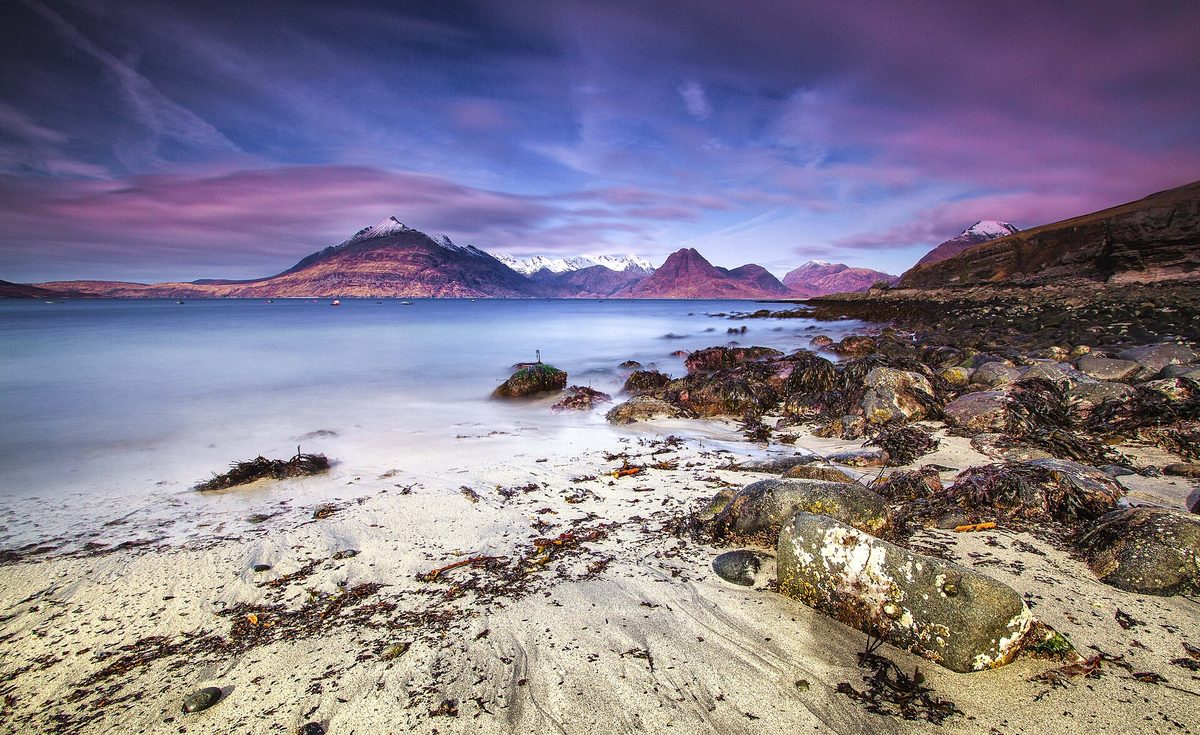
Down a long single-track road, Elgol offers the most jaw-dropping view of the Cuillin, across the water — and a boat trip from here (the Misty Isle or Bella Jane) into Loch Coruisk, a remote glacial loch ringed by peaks, is one of Skye’s great experiences. Hardy hikers tackle Bla Bheinn (Blaven), an outlying Cuillin Munro with a more forgiving route. And no trip is complete without the Talisker Distillery at Carbost — Skye’s famous peaty single malt (see our whisky guide) — and a detour to wild Talisker Bay, with its black-and-white sand and sea stack. The nearby Oyster Shed serves superb seafood straight from the loch.
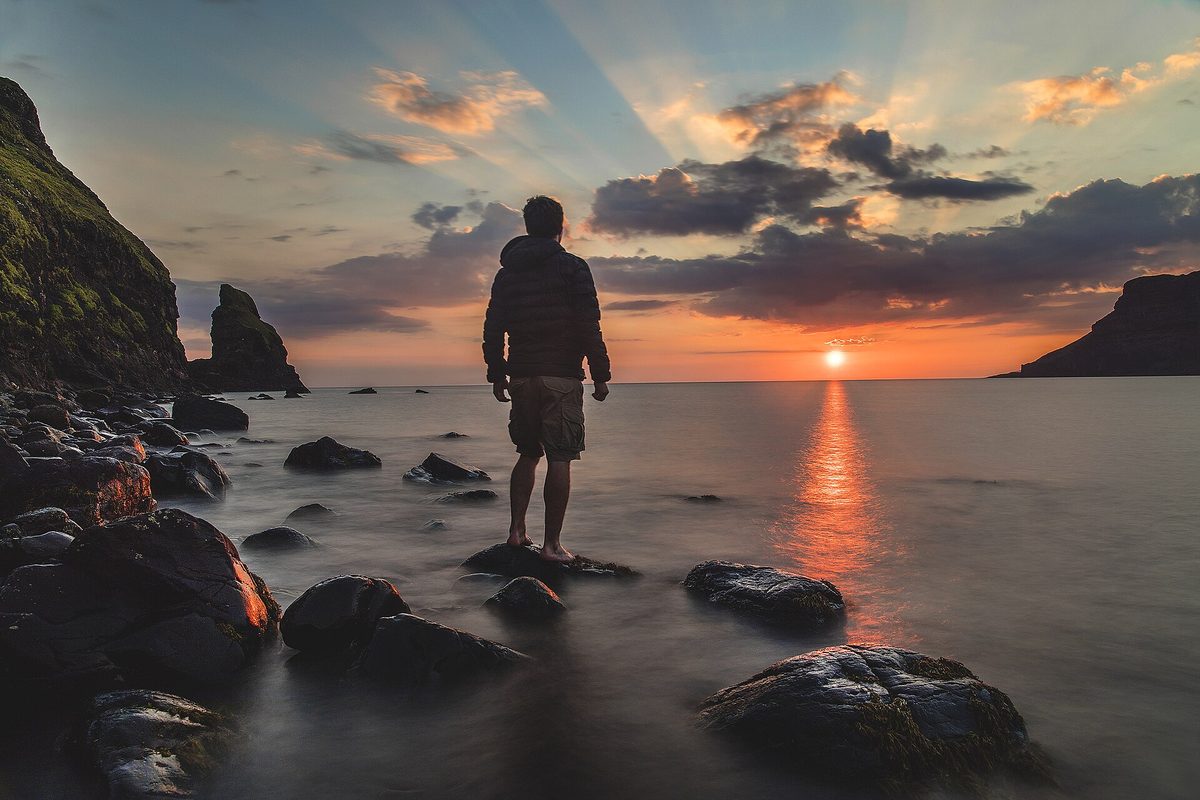
Duirinish & the west
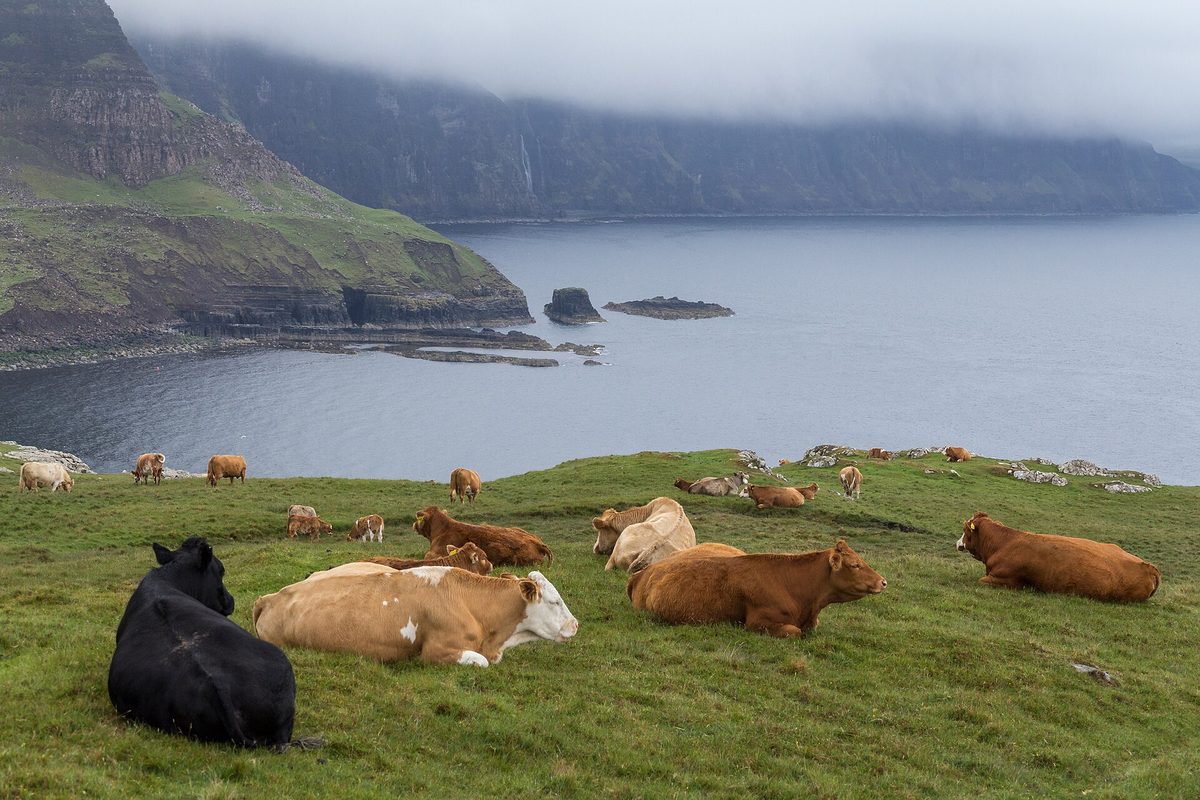
The west holds two unmissables. Neist Point is the westernmost tip of Skye, where a little lighthouse perches above dramatic sea cliffs — it’s the island’s best sunset spot, and a good place to scan for whales and dolphins. The car park is free but gridlocks at golden hour, and it’s a 45-minute, 2-mile round walk (steep on the way back).
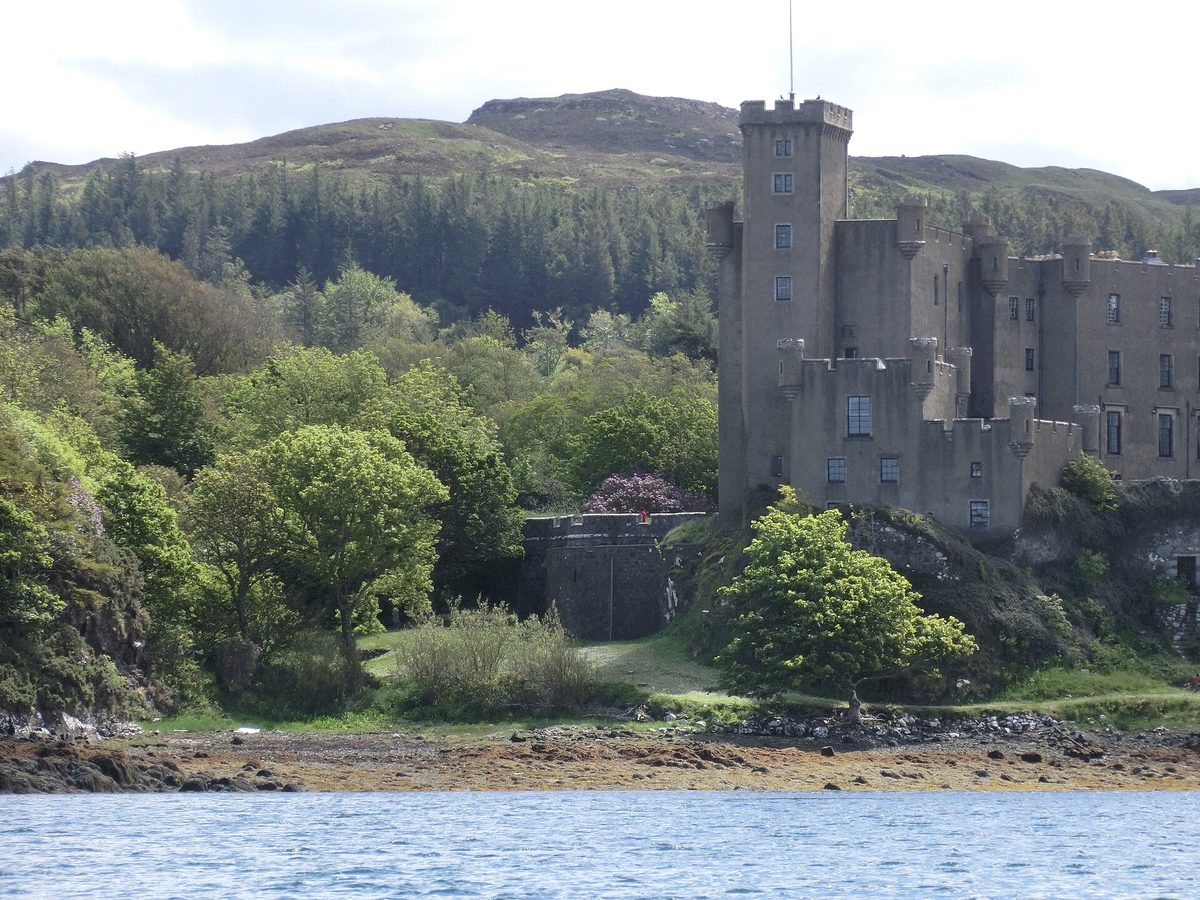
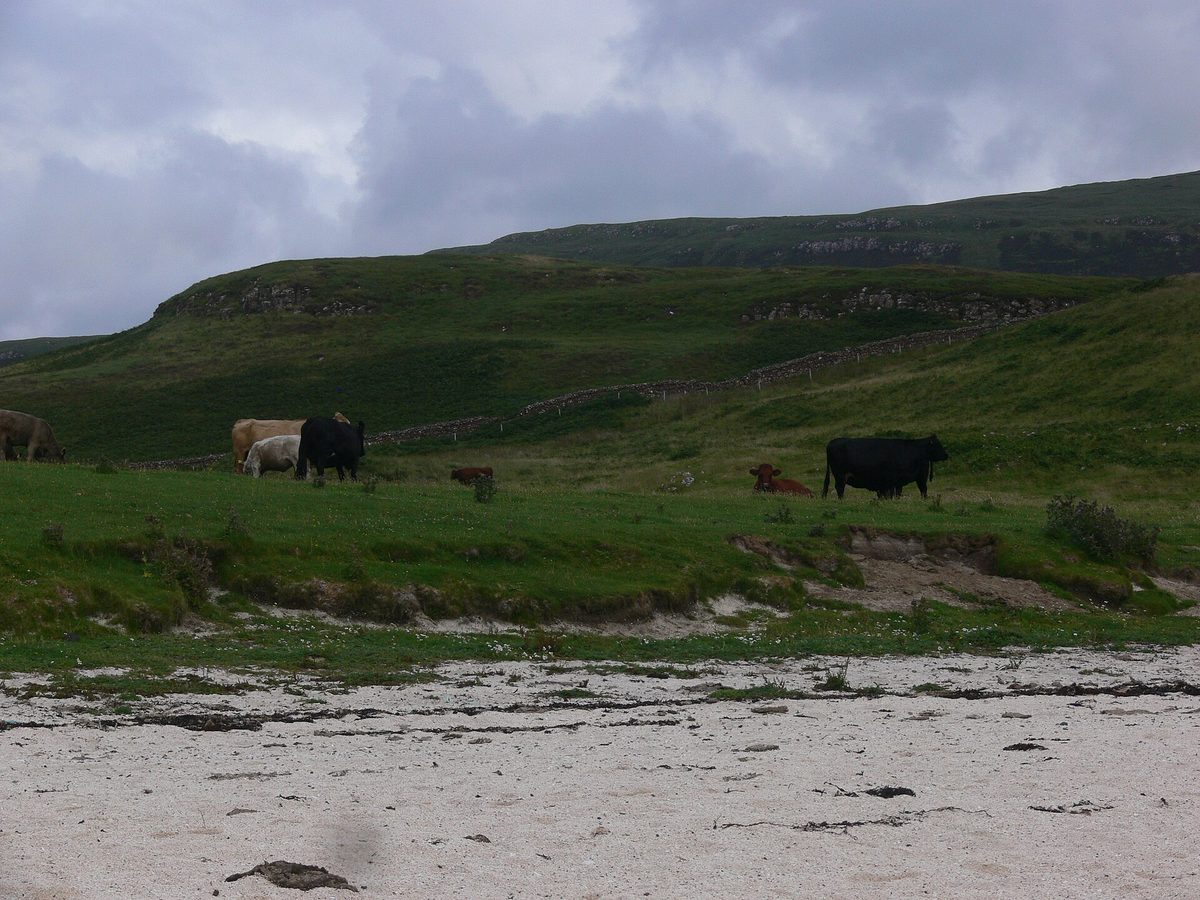
Dunvegan Castle, the ancestral seat of Clan MacLeod, is the oldest continuously inhabited castle in Scotland and home to the mysterious Fairy Flag; its gardens and seal-spotting boat trips are lovely. Nearby, the white Coral Beach at Claigan (actually made of bleached maerl seaweed) is a beautiful, easy walk, and foodies make the pilgrimage to the celebrated Three Chimneys restaurant at Colbost. More castles in our Scotland castles guide.
Sleat & Waternish (and a Raasay day trip)
Greener and gentler, the Sleat peninsula in the south is the “Garden of Skye.” Visit Armadale Castle & the Museum of the Isles (the story of Clan Donald), tour the smart Torabhaig Distillery, and walk out to the Point of Sleat for big sea views. Over in Waternish, settle in at the Stein Inn (the oldest inn on Skye) or book the wonderful Loch Bay seafood restaurant, and browse the tannery at Skyeskyns. With more time, hop the short ferry from Sconser to the quiet Isle of Raasay, with its excellent distillery and the famous “Calum’s Road” — see our island-hopping guide.
A Suggested Isle of Skye Itinerary (2–3 Days)
Here’s how I’d string it all together from a base in or near Portree. Swap days around to chase the best weather — if it’s clear, prioritise the high viewpoints and Elgol; save Dunvegan, the museums and distilleries for a grey day.
Day 1 — the Trotternish loop. Beat the crowds with a sunrise (or early) walk up the Old Man of Storr, then drive the loop clockwise: Lealt Falls, Kilt Rock & Mealt Falls, the Quiraing (full circuit or the viewpoint taster), Duntulm and the Skye Museum of Island Life, then the Fairy Glen near Uig at golden hour. Dinner in Portree.
Day 2 — the Cuillin, west and waterfalls. Start early at the Fairy Pools before the car park fills, take in the Cuillin from Sligachan, then head west for Dunvegan Castle and the Coral Beach, finishing with sunset at Neist Point. Squeeze in the Talisker Distillery if time allows.
Day 3 — Elgol, Sleat or slow Skye. Take the Elgol boat to Loch Coruisk, explore the green Sleat peninsula (Armadale, Torabhaig, Point of Sleat), or simply revisit a favourite spot without the rush. A Raasay day trip also works here.
Only have one day? Do the Trotternish loop in the morning (Storr + Quiraing + Kilt Rock) and the Fairy Pools or Sligachan in the afternoon — and accept you’ll be back. This and longer versions slot into our full Isle of Skye itinerary and the wider Scotland itineraries.
Where to Stay on the Isle of Skye
Where you base yourself shapes your whole trip, because the island is big and the driving is slow. For a first visit I’d stay in or near Portree — it’s central and has the most amenities — but each area has its case. One non-negotiable: book months ahead for June to August, when Skye sells out.
| Base | Best for | Trade-off |
|---|---|---|
| Portree | First-timers; central, most restaurants & shops; close to Trotternish | Busiest and priciest; books out first |
| Broadford | Southern gateway; handy for arriving/leaving and Elgol | Less scenic; 40 min from Trotternish |
| Dunvegan / the west | Neist Point, Coral Beach, quieter feel | Far from Trotternish and the south |
| Carbost | The Cuillin, Fairy Pools and Talisker on the doorstep | Limited dining; remote |
| Sleat / Waternish | Foodies and peace-seekers (Loch Bay, Three Chimneys, Stein Inn) | A drive from the headline sights |
Accommodation runs from the smart Cuillin Hills Hotel and Bosville in Portree to characterful inns like the Stein Inn and Sligachan Hotel, plus a wealth of B&Bs, self-catering cottages and a handful of campsites and pods. If Skye itself is full (it happens), basing in Kyle of Lochalsh or Plockton on the mainland and driving over is a solid plan B. Our where to stay on Skye guide goes deeper, as does the national where to stay in Scotland hub.
Practical Tips for Visiting Skye
Driving on Skye
Most of Skye’s roads beyond the main A-roads are single-track, and getting the etiquette right keeps everyone moving (and friendly). Pull into a passing place on your left to let oncoming cars through or faster traffic overtake — and never park in them, even for a quick photo. Watch for motorhomes, sheep and the odd Highland cow, fuel up in Portree or Broadford (stations are sparse and shut early), and allow more time than the map suggests, especially on the narrow roads to Neist Point and Elgol. The basics are in our renting a car in Scotland guide.
Parking & costs at a glance
Most headline sights now charge for parking, and the popular ones fill early. Rough 2026 figures:
| Sight | Cost | Walk / notes |
|---|---|---|
| Old Man of Storr | ~£3 parking | 1.5–2 hrs; arrive before 9am or after 5pm |
| The Quiraing | ~£3 parking | 15 min to viewpoint; ~3 hrs full circuit |
| Fairy Pools | ~£6 parking | ~1 hr return; long queues at peak |
| Neist Point | Free parking | 45 min return; gridlocks at sunset |
| Dunvegan Castle | ~£16 admission | Gardens included; seal boat extra |
| Talisker Distillery tour | ~£15–30 | Book ahead |
| Elgol–Loch Coruisk boat | ~£30–35 | Seasonal; book ahead |
Best time to visit Skye
May and September are the sweet spots — long days, the best weather odds, fewer crowds, and minimal midges. June has the longest daylight but the crowds are building; July and August are peak for both visitors and midges. Winter is quiet, cheap and atmospheric, but daylight is short and some businesses close. Whenever you come, pack layers and a proper waterproof — Skye makes its own weather (our Scotland travel tips guide has the full packing and midge strategy). More in our best time to visit Skye guide.
Midges
Skye is firmly in midge country. The biting midges are out from late May to September, worst in July and August on still, damp days at dawn and dusk. They don’t bite while you’re driving or in a breeze, and they hate sun and wind — but for calm summer evenings, pack repellent (Smidge is the local favourite) and maybe a head net. Full tactics in our midge season guide.
Visiting Skye without a car
It’s possible with planning. Base in Portree and use Stagecoach and Citylink buses (the Portree–Broadford and Portree–Glendale routes are the most reliable; others are infrequent), arrive by the Kyle Line train plus a connecting coach, and fill the gaps with guided day tours from Portree or Inverness, pre-booked taxis, or e-bike hire for the Trotternish loop. It’s slower than driving, but the headline sights are reachable. See the best Skye tours.
Food & whisky
Skye eats very well for its size. Seafood is the star — the Oyster Shed at Carbost, Loch Bay in Stein, the famous Three Chimneys, and Sea Breezes in Portree — while Talisker and Torabhaig (and Raasay, just across the water) cover the whisky. Stock up for picnics at the Co-op in Portree, and book the standout restaurants well ahead. More in our Scottish food and drink guide.
Skye on Screen and in Legend
Those landscapes haven’t gone unnoticed by Hollywood. Skye’s scenery has stood in for alien worlds and ancient kingdoms in films including Prometheus (the opening was shot near the Old Man of Storr), the 2015 Macbeth (filmed at the Quiraing), The BFG, 47 Ronin, Stardust and Snow White and the Huntsman. It’s also steeped in folklore: the MacLeods’ Fairy Flag at Dunvegan is said to have magical protective powers, the Fairy Bridge in Waternish marks where a fairy wife left her human husband, and the Cuillin themselves carry the name of the Irish warrior Cù Chulainn. Whether or not you believe a word of it, the island wears its myths well.
Beaches, Wildlife & the Great Outdoors
Skye isn’t all mountains. Seek out the white Coral Beach near Dunvegan, wild Talisker Bay with its black-and-white sand, and the golden sands at Glenbrittle and the Point of Sleat. The island is a wildlife stronghold, too: look for white-tailed sea eagles (Europe’s largest bird of prey) soaring over the cliffs, otters along the shorelines, red deer in the glens, and whales, dolphins and seals offshore — Neist Point and the Elgol boat trips are prime spots. For walkers, beyond the headline trails the long-distance Skye Trail (about 80 miles) traverses the island for the truly committed; see our hiking in Scotland guide.
Off the Beaten Path on Skye
Once you’ve ticked off the icons, Skye rewards anyone willing to walk a little further or drive a little longer — and these quieter corners are where the island feels truly wild and your own. A few of my favourites:
- Camasunary and the walk to Loch Coruisk. If you don’t take the Elgol boat, the hike to this remote bay and the hidden loch beneath the Cuillin (with the notorious scrambly “Bad Step”) is one of Skye’s great adventures.
- Boreraig & Suisnish. A moving coastal walk to two villages cleared of their people during the Highland Clearances — roofless townships that tell Skye’s harder history in a beautiful, melancholy setting.
- Rubh’ an Dunain. A peninsula south of Glen Brittle hiding a Bronze Age chambered cairn, an Iron Age fort and a man-made Viking canal and boat shelter — millennia of history with barely another soul about.
- The inner Quiraing. Most people photograph it from the road, but venturing in to find the flat-topped “Table,” the rock spire of “the Needle” and “the Prison” is a different, more thrilling experience.
- Glen Sligachan. A long, wild walk threading between the Black and Red Cuillin — no climbing required to feel utterly surrounded by mountains.
- The Skye Marble Line. The route of a long-gone railway near Torrin that once carried marble from the quarries, now a quiet trail with cracking views over Loch Slapin to Bla Bheinn.
- Waternish’s Trumpan Church. A ruined clifftop church with a grisly clan-massacre past and sweeping views over the Minch toward the Outer Hebrides.
None of these will be crowded, even in August — proof that there’s far more to Skye than the five sights everyone photographs.
Is the Isle of Skye Worth It? Managing the Crowds
Let me be straight with you, because most guides won’t: Skye is absolutely worth it — but it has an overtourism problem, and how you visit makes all the difference. In peak summer, the Fairy Pools car park can back up for an hour or more, the Fairy Glen and Quiraing roads jam with traffic, and the honeypot sites lose some of their magic under the crowds. The island’s tiny infrastructure simply wasn’t built for the numbers it now sees.
The fix isn’t to skip Skye — it’s to be smart about it. Here’s my anti-crowd playbook, honed over several trips:
- Go at the edges of the day. Sunrise and after about 5pm are transformative — the Storr and Quiraing almost to yourself, and the light is better anyway.
- Visit in the shoulder season (May or September) rather than July–August.
- Drive the Trotternish loop clockwise, against the flow of tour coaches.
- Stay at least two nights so you’re not fighting the day-tripper rush, and base outside Portree if you want quiet.
- Seek out the lesser sights — Brother’s Point, Coral Beach, the Point of Sleat, Raasay — which are gorgeous and gloriously empty.
- Tread lightly: stick to paths, take your litter, don’t build stone stacks, and never park in passing places.
Do that, and Skye delivers everything the photos promise — and then some.
Frequently Asked Questions
How many days do you need on the Isle of Skye?
Three days is ideal, two is the practical minimum, and four or five lets you slow down. Skye is far bigger than it looks — about 50 miles long with sights at the ends of long single-track peninsulas — so two days covers the Trotternish loop and the Fairy Pools area at a brisk pace, with a third opening up Elgol, Dunvegan or Sleat.
How do you get to the Isle of Skye?
Most people drive across the toll-free Skye Bridge from Kyle of Lochalsh. You can also take the CalMac car ferry from Mallaig to Armadale (about 30 minutes), or arrive car-free via the Kyle Line train from Inverness plus a Citylink coach to Portree. Multi-day tours run from Edinburgh, Glasgow and Inverness.
Do you need a car on the Isle of Skye?
A car is strongly recommended, as the best sights are spread along remote single-track roads with limited bus service. That said, Skye is doable without one: base in Portree, use Stagecoach and Citylink buses, join guided day tours, and book taxis ahead. It just takes more planning and time.
Is the Isle of Skye worth visiting?
Yes — for many travellers it’s the highlight of Scotland. The scenery is genuinely world-class. The one caveat is summer crowds at the honeypot sights, so give Skye at least two days, visit popular spots early or late, and consider the May or September shoulder season to see it at its best.
What is the Isle of Skye famous for?
Skye is famous for its dramatic landscapes — the Old Man of Storr, the Quiraing, the Fairy Pools and the Cuillin mountains — plus Neist Point lighthouse, the colourful harbour of Portree, Talisker whisky, rich fairy and clan folklore, and frequent appearances as a film and TV location. It’s one of the most photographed places in Britain.
Can you do the Isle of Skye as a day trip?
Not really from the central belt — it’s over five hours each way from Edinburgh or Glasgow, so a day trip means 10+ hours of travel for a couple of rushed stops. The only sensible day trip is a long organised tour from Inverness. To do Skye justice, stay at least two nights.
What is the best time of year to visit the Isle of Skye?
May and September are the sweet spots, with long daylight, decent weather, fewer crowds and minimal midges. June has the longest days but growing crowds; July and August are peak for visitors and midges alike. Winter is quiet and cheap but has short days and some closures.
Where is the best place to stay on the Isle of Skye?
Portree, the island’s capital, is the best all-round base — central, with the most restaurants, shops and accommodation. Alternatives include Broadford (the southern gateway), Dunvegan and the west, Carbost (for the Cuillin and Talisker), and Sleat or Waternish for foodies. Book months ahead for summer.
What are the best things to do on the Isle of Skye?
Walk to the Old Man of Storr and the Quiraing, see the Fairy Pools and Neist Point, drive the Trotternish loop, visit Dunvegan Castle and Portree, take the Elgol boat to Loch Coruisk, tour the Talisker Distillery, and explore the Fairy Glen, Sligachan and Coral Beach. There’s enough for several days.
How far is the Isle of Skye from Edinburgh and Inverness?
From Inverness, Portree is about 2 to 2.5 hours’ drive via Loch Ness and Eilean Donan Castle. From Edinburgh or Glasgow it’s a longer 5 to 5.5 hours, which is why Skye works far better as an overnight destination than a day trip from the central belt.
Are there midges on the Isle of Skye, and when are they worst?
Yes — Skye is in midge country. The biting midges are out from late May to September and worst in July and August, on still, damp days at dawn and dusk. They’re absent in a breeze or sun and don’t bother you while driving. Pack repellent like Smidge and a head net for calm summer evenings.
How hard is the Old Man of Storr hike?
It’s moderate and achievable for most reasonably fit visitors — a well-built path of about 3.8km round trip, taking 1.5 to 2 hours, with a steady uphill climb of around 300 metres. Wear proper shoes (it gets muddy and windy) and arrive early, as the car park fills by mid-morning.
Can you swim in the Fairy Pools?
Yes, wild swimmers do take the plunge in the Fairy Pools, and on a sunny day the clear blue water is tempting. Be warned: it’s genuinely freezing year-round, the rocks are slippery, and conditions change fast after rain. Bring footwear and a towel, and only swim if you’re confident in cold water.
Is the Isle of Skye too crowded?
It can be, at the honeypot sights in July and August, when car parks fill and roads jam. But the crowds are easy to dodge: visit early or late in the day, come in the shoulder season, drive the Trotternish loop clockwise, stay overnight, and seek out the quieter spots. Most of Skye is still wonderfully empty.
What is the capital of the Isle of Skye?
Portree is the capital and largest town on Skye, with a population of around 2,500. Built around a sheltered harbour ringed by colourful houses, it’s the island’s hub for restaurants, shops, services and accommodation — and the most convenient base for exploring the rest of the island.
Final Thoughts
Skye gets under your skin in a way few places do. Yes, it’s busier and bigger than the photos let on, and yes, you’ll share the famous viewpoints with a crowd at midday in August. But get up for a sunrise on the Storr, drive a single-track road to a sea-cliff lighthouse, or watch the Cuillin appear and disappear in the cloud, and you’ll understand why people come back again and again. Give it your time, tread lightly, and let the winged isle work its magic.
Skye is the jewel of any Highlands trip — plan the rest with our Scottish Highlands guide, our Scotland itineraries, and the wider Scottish islands guide.
For Skye specifically, May is the month I keep recommending: long days, the driest stretch of the year and barely a midge. Our guide to visiting Scotland in May sets out the numbers behind that.
Skye is also the island people most often try to bolt onto a trip that cannot absorb it. Before you plan a day trip from Inverness or Edinburgh, read how many days the Highlands actually need — the drive is 2 hours 30 each way from Inverness, and a day trip buys you three photo stops and five hours in a car.
The one Skye landmark this guide still sends people to without enough warning is the far west. Our Neist Point guide covers the single-track run past Glendale, where the famous photograph is actually taken from, and the months when sunset there is worth the drive.
Skye is not always the right place to sleep, even when it is the right place to visit. Kyle of Lochalsh, Plockton and Dornie are often cheaper and no further from the Trotternish road, which is one of the trade-offs we work through in choosing a Highland base.
About the author: This guide was written and is maintained by the ScotlandTourism.org editorial team — travel writers who’ve driven Skye’s single-track roads, queued for the Fairy Pools and watched more Neist Point sunsets than we can count. We update our guides regularly to keep prices and practical details current.
Last updated: June 2026.
Photo credits
All images are used under their respective Creative Commons or public-domain licenses:
- The Old Man of Storr — Lauwz The Kiwistralian (CC0) via Wikimedia Commons
- The Quiraing — © Diliff, CC BY-SA 3.0, via Wikimedia Commons
- The Fairy Pools — © MPerkowski, CC BY-SA 4.0, via Wikimedia Commons
- Neist Point lighthouse — © JoachimKohler-HB, CC BY-SA 4.0, via Wikimedia Commons
- Portree harbour — © rboed*, CC BY 2.0, via Wikimedia Commons
- The Fairy Glen near Uig — © PaulT (Gunther Tschuch), CC BY-SA 4.0, via Wikimedia Commons
- Kilt Rock & Mealt Falls — © Colin, CC BY-SA 4.0, via Wikimedia Commons
- The Cuillin from Sligachan — © Dave Conner from Inverness, Scotland, CC BY 2.0, via Wikimedia Commons
- Dunvegan Castle — © Lobster1, CC BY-SA 3.0, via Wikimedia Commons
- Coral Beach near Dunvegan — © Remi Mathis, CC BY-SA 3.0, via Wikimedia Commons
- The Cuillin from Elgol — Ian Campbell camcam (CC0) via Wikimedia Commons
- The Skye Bridge — © Photograph by Mike Peel (www.mikepeel.net)., CC BY-SA 4.0, via Wikimedia Commons
- Talisker Bay — Joshua Earle joshuaearle (CC0) via Wikimedia Commons
1 note from readers