Most guides to day trips from Inverness will cheerfully sell you the Isle of Skye. Look at the small print first. A coach day tour to Skye runs about 12 hours door to door, and most of that is spent sitting down: Eilean Donan goes past through glass, and the island itself comes as a handful of brief stops. It is not a bad day. It is just not the day the brochure describes.
That is the single most useful thing to know about day trips from Inverness: the drive time is the trip. Everything else — the castle, the loch, the waterfall — is what happens in the gap between the two halves of the driving. So this guide gives you the arithmetic first. For every trip below you get a sense of the driving there and back, how many hours you actually get at the far end, and a straight verdict on whether it works in a day or belongs in an overnight. Inverness is a genuinely brilliant base — there is a reason it anchors so much of the Loch Ness and Inverness region — but it is brilliant for about a 90-minute radius, and increasingly punishing beyond that.
The short answer: which day trips from Inverness are worth it
Loch Ness, Culloden, the Black Isle, Glen Affric and the Cairngorms are the ones to do, with the most unhurried time on the ground at the nearer ones. The Kyle of Lochalsh railway is the best carless day out in the north. Skye, Applecross and John o’ Groats all technically fit in a day, but you will spend more of it driving than looking.
Day trips from Inverness at a glance
| Trip | Return drive time | Hours you actually get there | Doable without a car? | My verdict |
|---|---|---|---|---|
| Loch Ness north end (Urquhart, Drumnadrochit) | About 1 hour to Drumnadrochit and back | 6–7 | Yes — Citylink coaches; check the timetable | Do it, and take the east shore back |
| Culloden and Clava Cairns | Short | 4–5 | Local bus: check Traveline Scotland | Do it as a half day |
| Black Isle and Chanonry Point | Short | 5–6 | Yes — Stagecoach | Do it, tide-timed |
| Aviemore and the Cairngorms | About 1 hour 10 minutes to Aviemore; about 2 hours to Cairngorm Mountain | 6–7 | Yes — train to Aviemore, then bus | Do it, ideally by rail |
| Speyside whisky (Elgin, Dufftown) | About 2 hours (Elgin) to 3 hours (Dufftown) | 4–5 | Partly — train to Elgin | Do it, but pick two distilleries, not five |
| Kyle line to Plockton by train | About 5 hours on the train (about 2.5 each way) | 2.5–3.5 | Rail only — that is the point | Do it — the best day out with no car |
| Applecross and the Bealach na Bà | Most of the day, much of it single track | 2–3 | Check Traveline Scotland | Summer and good weather only |
| Isle of Skye | About 5.5 hours driving; about 12 hours on a coach tour | 3–4 | Yes — but grim | Stay overnight instead |
Lochs, monsters and the Great Glen
This is the obvious cluster and it is obvious for a reason. Loch Ness starts about six miles from the middle of Inverness and runs 23 miles south-west down the Great Glen, holding more fresh water than every lake in England and Wales put together. It is around 230 metres deep at its deepest, which is why nobody can prove anything either way about what lives in it.
Loch Ness done properly: the east shore, not just the A82
Here is the single change that improves this trip most: drive one shore out and the other back. Almost everyone bombs down the A82 on the west side, stops at Urquhart Castle with four coachloads of other people, and comes back the same way. The B852 and B862 on the east shore is a slower, quieter, far prettier road, and coming back that way turns the day into a loop of around 65 to 70 miles.
Going anticlockwise, you get Dores Beach first — a shingle spit about twenty minutes from town, with the long view straight down the loch that every documentary uses. There has been a monster hunter keeping a vigil from a van at Dores for more than thirty years, which tells you something about either the loch or human nature. The Dores Inn is currently closed, though there is pop-up food and drink in its gardens.
Further south, the Falls of Foyers drop into a wooded gorge reached by a steep, root-tangled path down from the village car park. Be honest with yourself about the weather here: after a fortnight of dry June the falls are a trickle and the walk is not worth the knees. After heavy rain in October or March they are genuinely loud. The path is slippery in both conditions.
Return drive: roughly 2 hours for the full loop before stops; Drumnadrochit on its own is about 30 minutes each way. Time on the ground: 5–6 hours. Verdict: the best value day trip from Inverness by a wide margin, and the one I would do first.
Urquhart Castle and Drumnadrochit
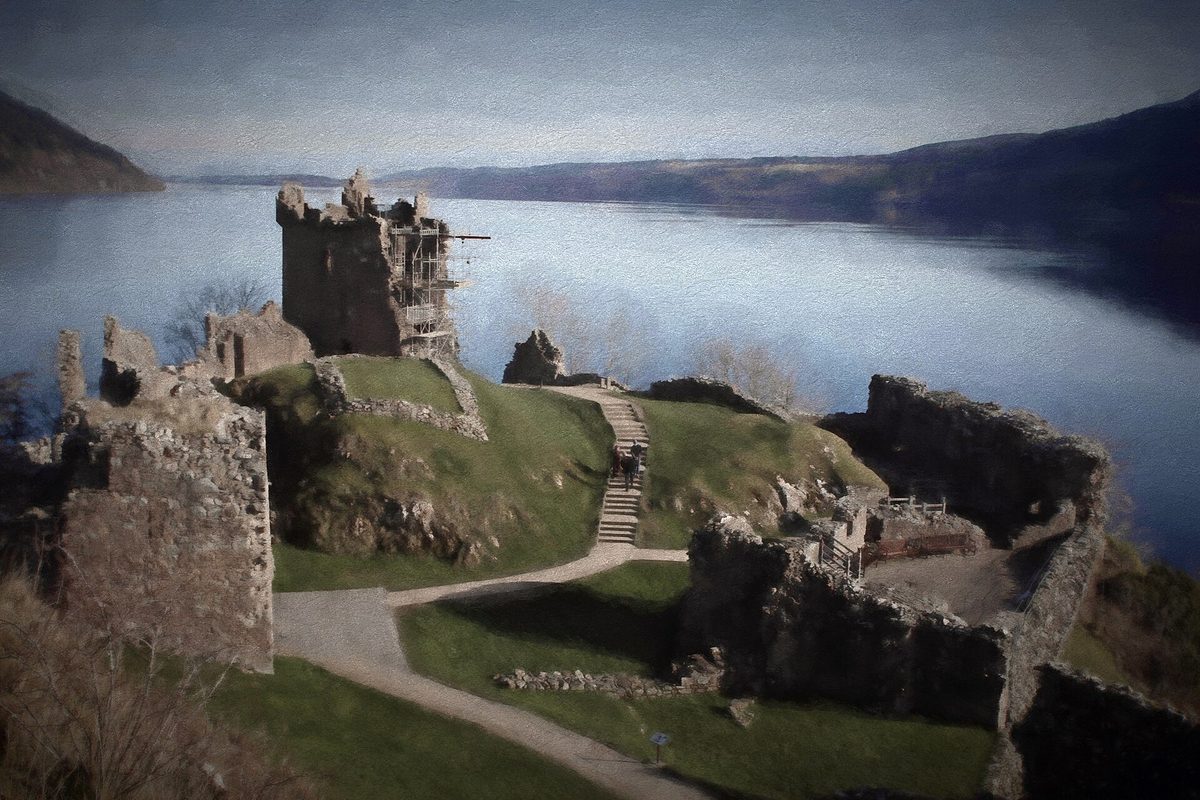
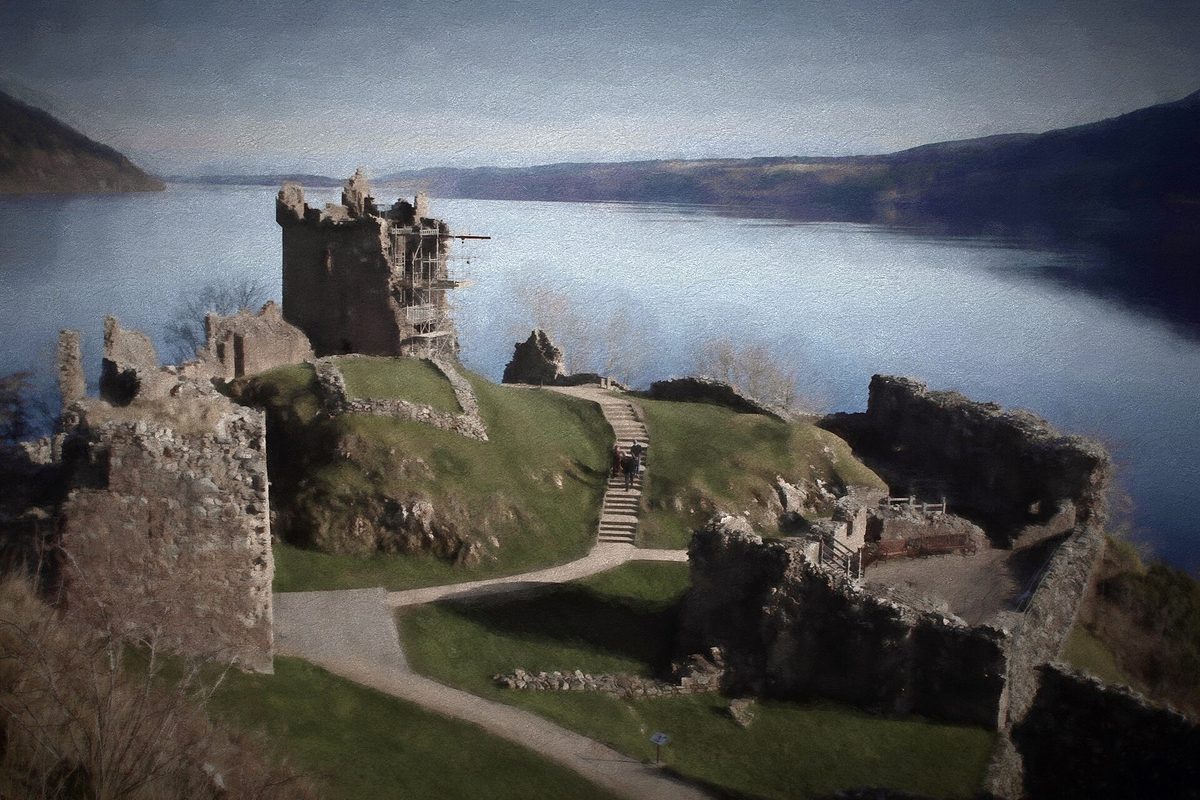
Urquhart is a shell of a castle on a promontory, and its position is the whole point — the Grant Tower looks out along the black water of Loch Ness. Adult entry is £14 online or £16 at the castle. Book a dated slot online if you want to be sure of getting in: once the online tickets sell out there are none at the castle, and the free car park is only guaranteed with a booking. If you are visiting several HES properties, the 14-day Explorer Pass (£48 for an adult from April to October, £38 in winter) can pay for itself, depending on which sites you pick. Our full guide to visiting Urquhart Castle covers the timings in more detail.
Get there for opening or after four o’clock. Between eleven and three the coach parties arrive in waves and the castle is small enough that this matters.
Drumnadrochit itself, on the A82, is where the monster industry lives. There are two competing visitor attractions and a lot of soft toys. The exhibition that takes the science seriously is worth an hour on a wet day; the other one is not. Boat trips leave from Drumnadrochit and from Dochgarroch closer to town, and a cruise on the loch gives you Urquhart from the water. If the monster hunt leaves you cold, the loch is still worth the drive for the shape of the Great Glen alone.
Fort Augustus and the Caledonian Canal
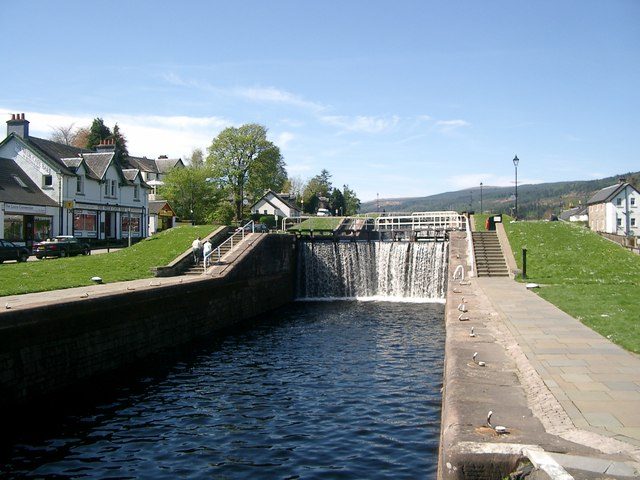
Thirty-three miles south of Inverness, roughly fifty minutes on the A82, Fort Augustus sits at the far end of the loch where Thomas Telford’s canal drops through a flight of five locks in the middle of the village. Watching a yacht work its way down the staircase is a properly good half hour, and the towpath makes an easy flat walk.
It is also the natural turning point for a Loch Ness loop, and the last place with a decent choice of lunch before Fort William. Get there before noon in July and August or you will queue for everything.
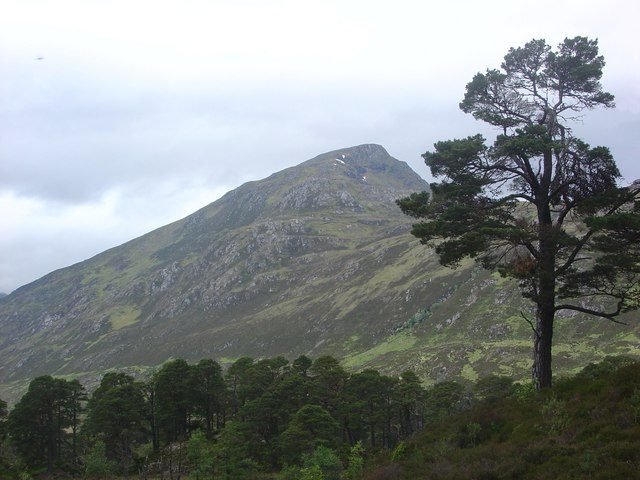
Glen Affric
If you only have one day and you want the Highlands rather than the sights, go to Glen Affric. Take the A82 to Drumnadrochit and the A831 to Cannich, and from there it is about ten miles of single track to the River Affric car park at the road end.
What you get is old Caledonian pinewood on a big scale and a chain of lochs at the end of a single-track road. The short version is the Dog Falls circuit, about an hour. The proper version is the Loch Affric circuit, roughly ten miles and four to five hours on good but rough tracks. Plodda Falls, above Tomich, is a separate detour: a 46-metre waterfall with a viewing platform at the top.
Two warnings. There is no public transport to the glen at all — this is a car or guided-tour trip only. And from late May to September the midges here are ferocious on still, damp days; check our notes on Scotland’s midge season and bring repellent you actually trust.
Return drive: the last ten miles each way are single track, so allow more than the mileage suggests. Time on the ground: 5 hours. Verdict: do it, and take the walking boots.
Coast, castles and battlefields close to home
Most of this section sits close to Inverness, which makes these the trips that survive a bad forecast, a late start or a December afternoon. Cullen and Dunrobin, at the far ends, ask for a longer day.
Culloden Battlefield and Clava Cairns
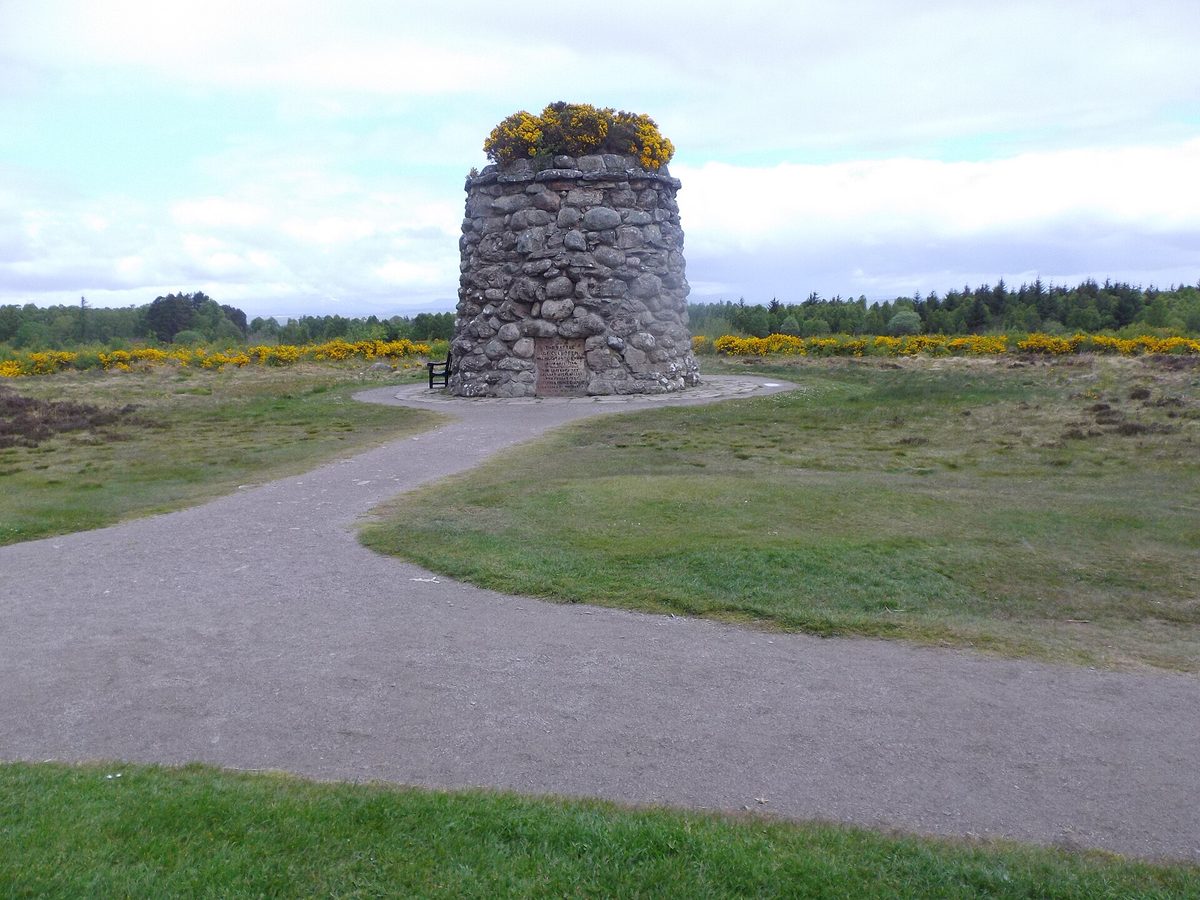
East of the city on the B9006, and the most affecting hour you will spend near Inverness. The 1746 battle that ended the Jacobite rising lasted under an hour and killed roughly 1,500 Jacobites; the moor is now marked with clan headstones and coloured flags showing the two front lines. The National Trust for Scotland visitor centre charges £12.50 for an adult, and members go free. Book ahead in summer. Our Culloden Battlefield guide goes into what to look for out on the moor.
Do the guided walk if you possibly can. The exhibition is well done, but the field only makes sense when someone stands you at the government line and points out how flat and short the ground was.
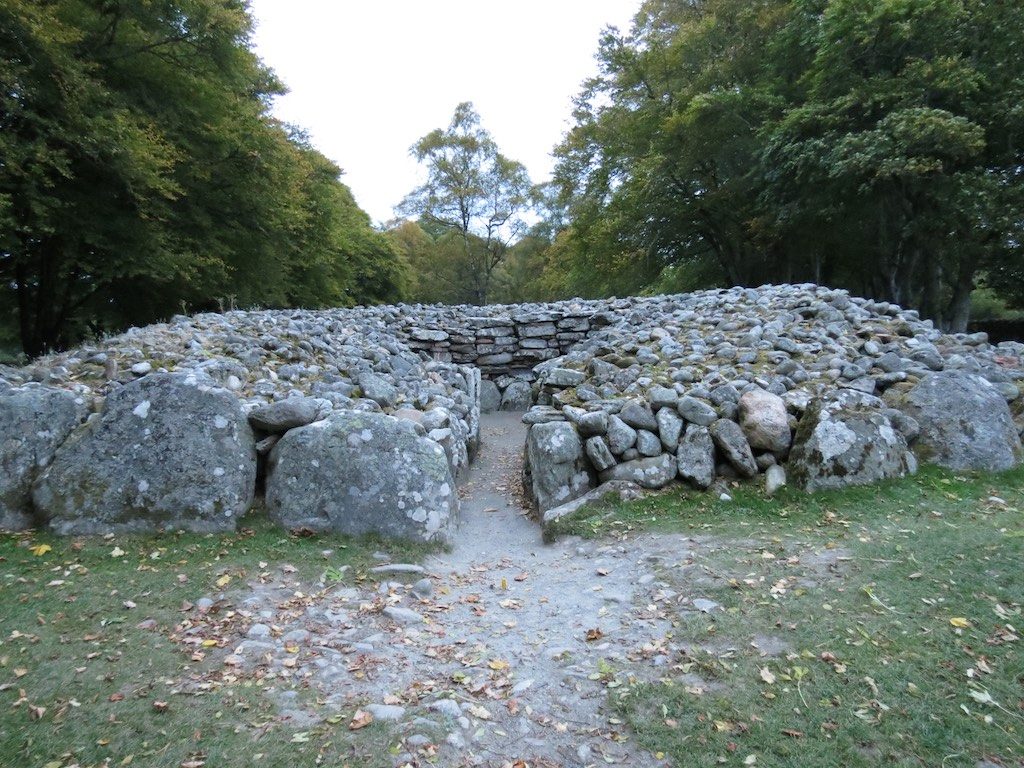
A mile further on, Clava Cairns is free to visit year-round: three Bronze Age burial cairns ringed by standing stones under old beech trees, about 4,000 years old. It takes twenty minutes and it is one of my favourite places in the Highlands, partly because there is nobody selling you anything.
It is also, unavoidably, the site that inspired the standing stones in Outlander, so summer mornings can be busy with visitors doing the Outlander locations circuit. Go early or late and you will likely have it to yourself. Please do not climb on the stones.
Return drive: one of the shortest on this page. Time on the ground: 4–5 hours for both plus lunch. Verdict: the best half day near Inverness, and easy without a car.
Fort George and Cawdor Castle
Fort George, eleven miles east at Ardersier, was built after Culloden to make sure there would never be another, and it has barely changed since it was completed in 1769: a vast eighteenth-century artillery fortress that is still a working army base. The scale is the thing — the ramparts are a mile round, and from them you look straight across the Moray Firth, which means it doubles as a very good dolphin-watching platform. It is a Historic Environment Scotland site, so free with membership or an Explorer Pass.
Cawdor Castle, fourteen miles east, is a private house with a 15th-century tower at its core, a legendary tree growing in the tower vault and gardens that are the real reason to come. Shakespeare’s Macbeth is invoked heavily in the gift shop and has no historical connection to the building whatsoever. The important practical point: Cawdor opens for a summer season, roughly late April to early October, and is shut all winter, which catches out a lot of people who arrive in March expecting it to be open. Check before you drive out.
The Black Isle and Chanonry Point
Cross the Kessock Bridge and you are on the Black Isle within five minutes, which is neither black nor an isle. It is a fat peninsula of barley fields, beech woods and small coastal villages, and it is the easiest escape from Inverness there is.
The headline act is Chanonry Point, a shingle spit between Fortrose and Rosemarkie where the Moray Firth narrows to about a mile. The resident bottlenose dolphins — one of the most northerly populations anywhere — fish the tidal race here, and this is one of the best places in Britain to watch them from dry land. Arrive about an hour after low tide on a rising tide and give it an hour. May to September is the reliable window.
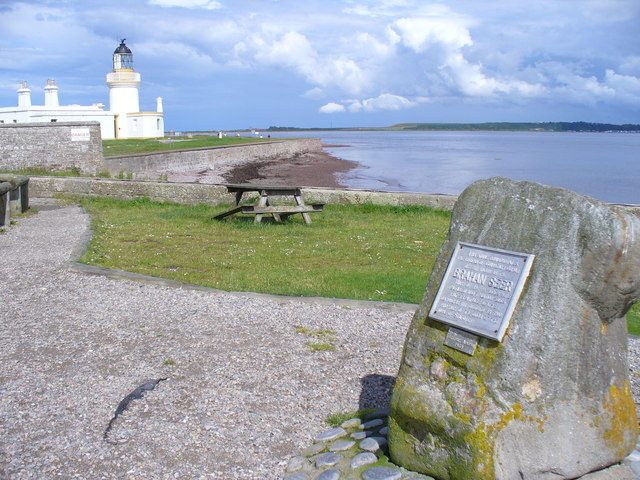
The practical catch: the car park by the lighthouse is tiny and full by mid-morning in summer, and the single-track lane down to it becomes a slow-motion standoff. Park in Fortrose and walk out along the golf course edge. It is a nicer approach anyway.
Fill the rest of the day with the Fairy Glen waterfall walk at Rosemarkie (about an hour), the Groam House Pictish stone collection in the village, and Cromarty at the far tip — a small Georgian port with a courthouse museum and, in season, boat trips out to the dolphins. Rosemarkie beach is a good one for children, with a cafe at the top of the sand.
Return drive: over the Kessock Bridge and across the Black Isle to Fortrose; allow extra for summer traffic and parking. Time on the ground: 5–6 hours. Verdict: do it, and plan the day around the tide table rather than the clock.
Nairn and the Moray coast to Cullen
Nairn is 16 miles east, about 20 minutes by car or by train, and is one of the driest places in Scotland — a low bar, but it holds up more often than you would think. It has a long sandy beach, a small harbour, two championship golf links and enough ice cream. On its own it is a pleasant half day.
Push further and it becomes one of the best drives out of Inverness. Beyond Nairn the A96 and then the coast road string together the seals at Findhorn, the ruined cathedral at Elgin, Lossiemouth, and finally Cullen, where the old railway viaduct strides over the village and the local soup, Cullen skink, is smoked haddock, potato and milk and is exactly as good as that sounds.
Walk twenty minutes east along the sand from Cullen to Portknockie and you reach Bow Fiddle Rock, a quartzite sea arch shaped like the tip of a violin bow, usually with a few hundred gulls on it.
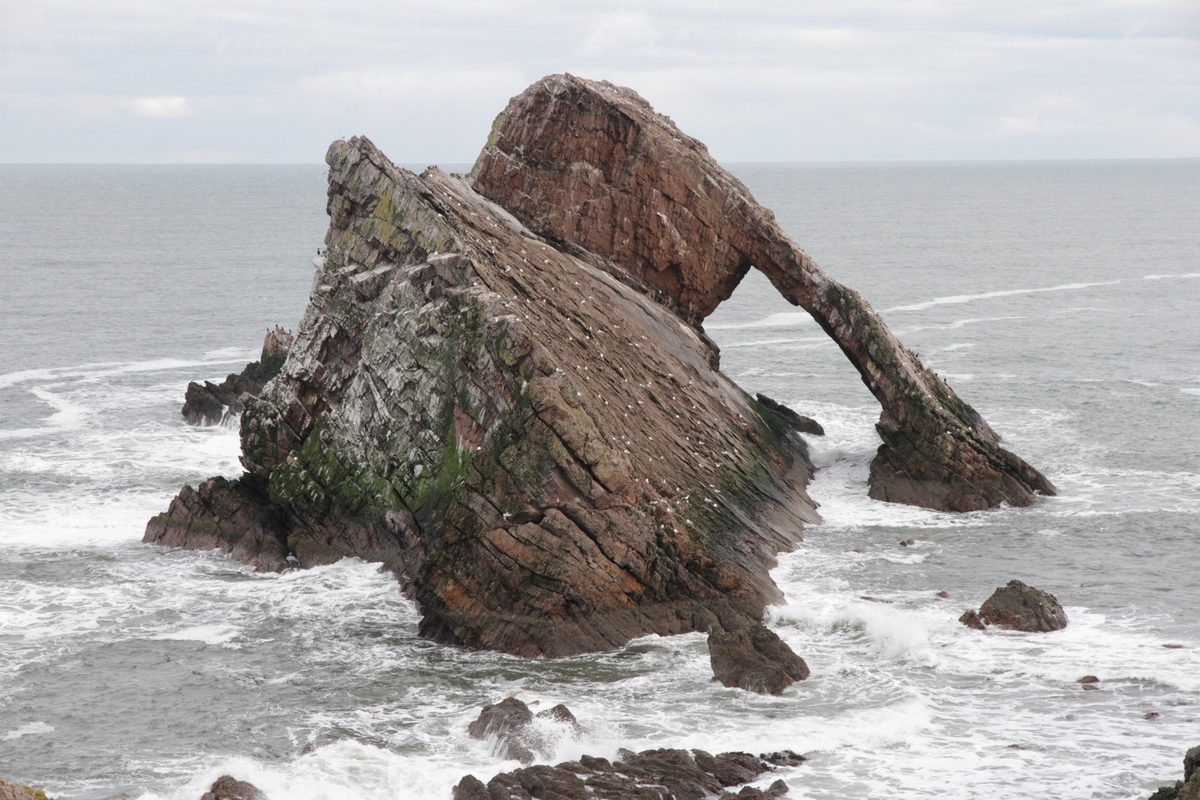
Return drive: the longest in this section, and longer again if you follow the coast road rather than the A96. Time on the ground: 4–5 hours. Verdict: a genuinely underrated day, and the best bad-weather option because so much of it is coastal driving.
Dornoch, Dunrobin Castle and the road north
North on the A9 the road runs across the Cromarty and Dornoch firths on long causeways. Dornoch, roughly an hour’s drive, is a small cathedral town with a beach, a famous golf course and the distinction of hosting Scotland’s last judicial execution for witchcraft: Janet Horne, in 1727, remembered by a stone in a front garden at Littletown.
Ten miles further, Dunrobin Castle at Golspie is the one that surprises people: a French-chateau pile of spires and turrets above formal gardens laid out to imitate Versailles, with falconry displays twice a day in season. It is the seat of the Dukes of Sutherland, which means the guide books tend to skate over the Highland Clearances that the family carried out on this very land — worth knowing before you go, and worth asking about.
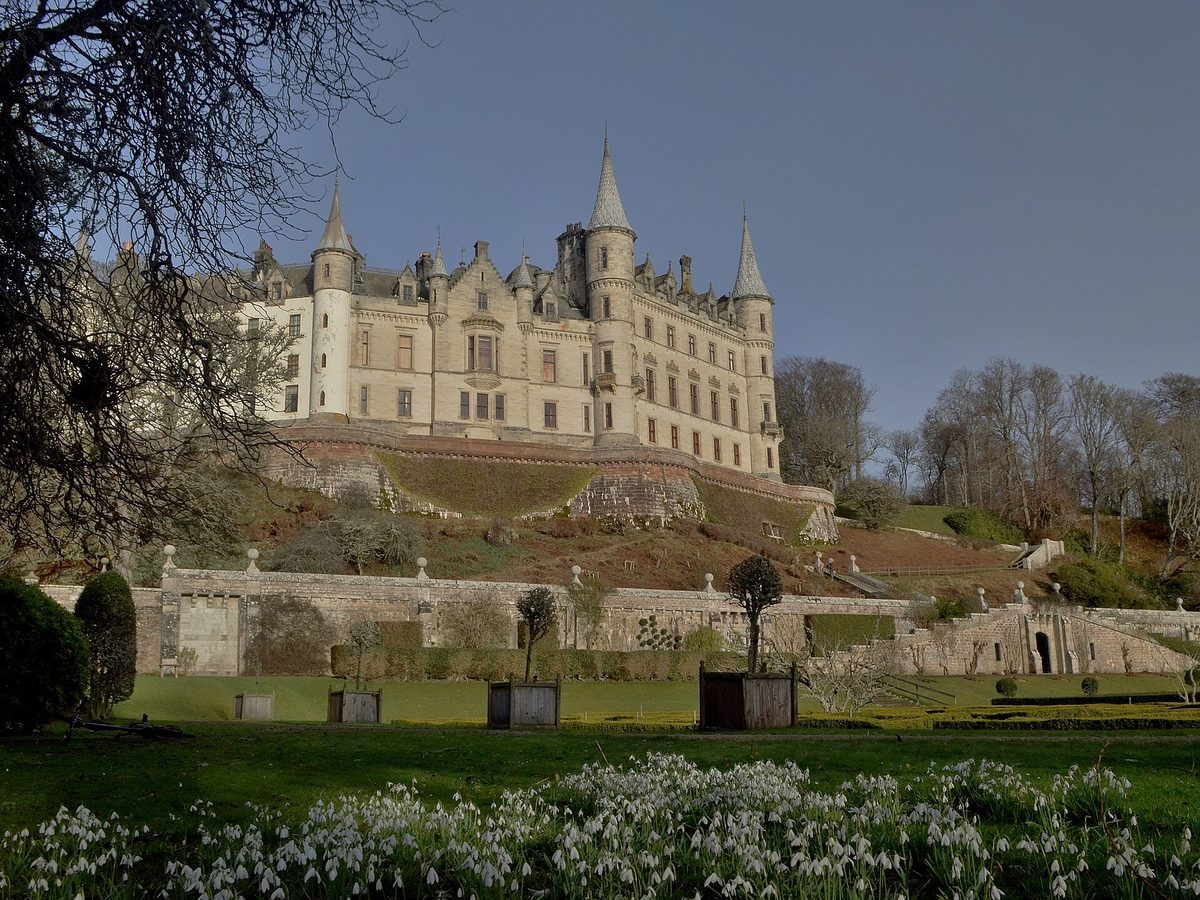
Dunrobin opens roughly April to October and shuts for winter. It also has its own railway station, a summer request stop on the Far North line, which is a lovely way to arrive.
Return drive: about 55 minutes each way to Dornoch without stops, more if you carry on to Dunrobin. Time on the ground: 5 hours. Verdict: do it, and stop at Dornoch beach on the way back. If you are tempted to keep going, that road is part of the North Coast 500, a circuit that starts and finishes in Inverness and needs several days, not one.
West coast, mountain passes and islands
West is where the scenery gets serious and the arithmetic gets hard. The mountains that make it worth going are the same mountains that make the roads slow.
The Kyle of Lochalsh line to Plockton
If you have no car, this is the trip. The Kyle line runs about 80 miles from Inverness across the middle of Scotland to the west coast, takes about two hours 40 minutes each way to Kyle, and has a fair claim to be one of the great railway journeys in Europe — through Dingwall, over the hills and out to the sea lochs, with Skye ahead of you at the end. Trains are few, and fewer still on Sundays, which means you need to plan around the timetable rather than assume it.
Get off at Plockton, the stop before Kyle. It is a sheltered bay of whitewashed cottages with palm trees that survive on the Gulf Stream, and it looks improbable in the best way. The station is about a mile from the village, twenty minutes on foot. Have lunch, walk the shore, get the train back.
One ticketing detail that matters: an Advance fare is cheapest but ties you to a specific train, while an Anytime Return lets you break the journey and pick up a later service, which is what you want if you are stopping at Plockton. Book the Advance fares weeks out if you can. We have more routes like this in our guide to Scotland’s scenic train journeys.
Return journey: about 5 hours on the train. Time on the ground: 2.5–3.5 hours depending on the timetable. Verdict: do it. Better than driving the same route, because you get to look out of the window.
Eilean Donan Castle and Glen Shiel
Eilean Donan sits on a small island where three sea lochs meet at Dornie, on the A87 west of Inverness. It is one of Scotland’s best-known castles and it is largely an early 20th-century reconstruction — in 1719, after a naval bombardment, government troops blew up the medieval original, and it lay in ruins for about two centuries.
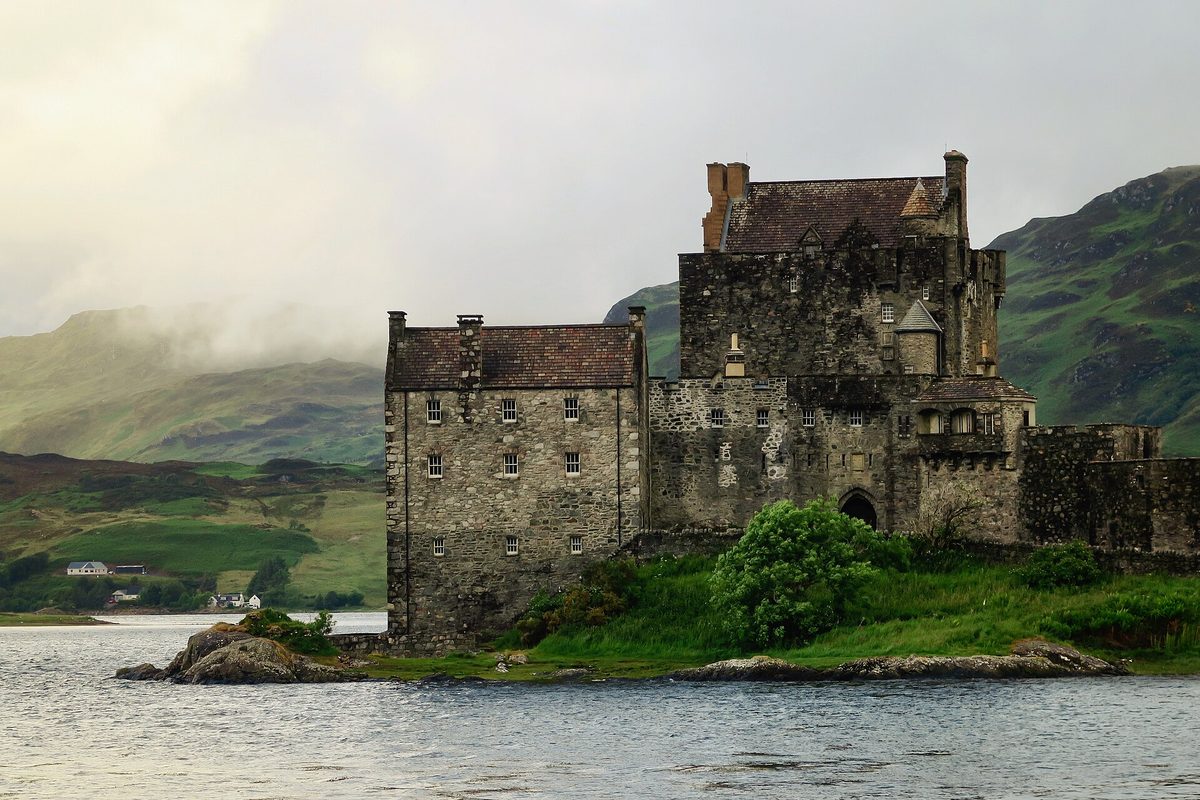
That does not make it a bad visit, but it does change what you should expect: the interior is a comfortable Edwardian-era rebuild rather than a medieval fortress. Read our Eilean Donan Castle guide before you commit to the interior ticket, because plenty of people are happier photographing it from the layby and driving on.
The drive itself is the reason to go. The A87 through Glen Shiel between Cluanie and Shiel Bridge runs beneath the Five Sisters ridge and is, for my money, better than anything on Skye. Stop at the Cluanie viewpoints. Add Glenelg and the last manually operated turntable ferry in Britain (April to October only) and you have a properly full day.
Return drive: around two hours each way, plus stops. Time on the ground: 4 hours. Verdict: yes, if you treat the driving as the attraction.
Applecross and the Bealach na Bà
The Bealach na Bà is the road that everyone photographs on the North Coast 500: a single-track pass climbing from sea level at Tornapress to 626 metres in six miles, with hairpins and gradients around one in five, before dropping to the village of Applecross on the far side. It is the highest ascent of any road in Britain and it is not a normal drive.
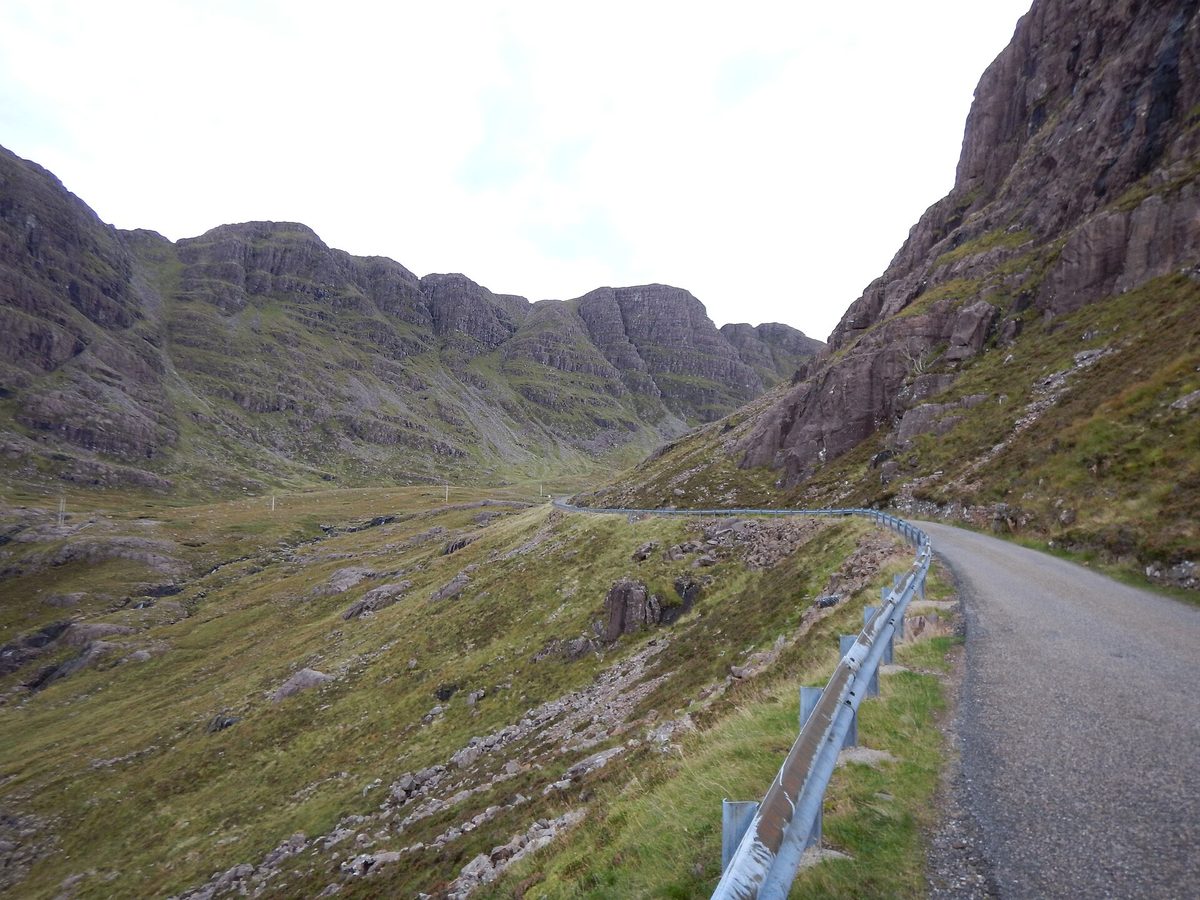
From Inverness it is a long drive each way, longer still if you loop back on the coast road via Shieldaig, which I would recommend. The driving takes up most of the day and leaves you two or three hours at Applecross — enough for the beach, a walk and lunch at the Applecross Inn, which you should book.
The seasonal caveat is not decoration. There is a sign at Tornapress warning that the pass is unsuitable for learner drivers, caravans and large vehicles, and it closes in snow and ice. Between November and March you may drive two hours only to be turned back, and the coast road alternative adds another hour. In fog you see nothing at all from the summit. This is a May-to-September trip, and it wants a clear forecast.
Return drive: most of the day, with the slowest stretch on the single-track pass. Time on the ground: 2–3 hours. Verdict: only in summer, only in good weather, and only if you are a confident driver on single track.
Ullapool, Corrieshalloch and Wester Ross
The A835 via Garve is the direct road from Inverness to Ullapool — about 58 miles and an hour fifteen without stops, on a road that is mostly two lanes. That makes Ullapool the easiest west-coast day trip of the lot: a white-harbour fishing village on Loch Broom, ferries leaving for Stornoway, a good bookshop and a very good chip shop.
On the way, Corrieshalloch Gorge is worth the twenty-minute stop — a 60-metre-deep box canyon crossed by a Victorian suspension bridge that takes six people at a time, with the Falls of Measach dropping below. It is signposted from the A835 and there is a National Trust for Scotland car park.
Return drive: about 58 miles each way; check for roadworks on the A835 before you set off. Time on the ground: 5 hours. Verdict: do it, and choose it over Applecross in winter.
The Isle of Skye: the honest arithmetic
Here is the part that most listicles will not tell you. Inverness to Portree is about 110 miles and roughly two hours 45 minutes each way without stops, so around five and a half hours of driving before you have looked at anything, and more in summer traffic. A commercial coach day tour runs about 12 hours door to door, because it also has to fit in its stops along the way, and which ones depends on the operator.
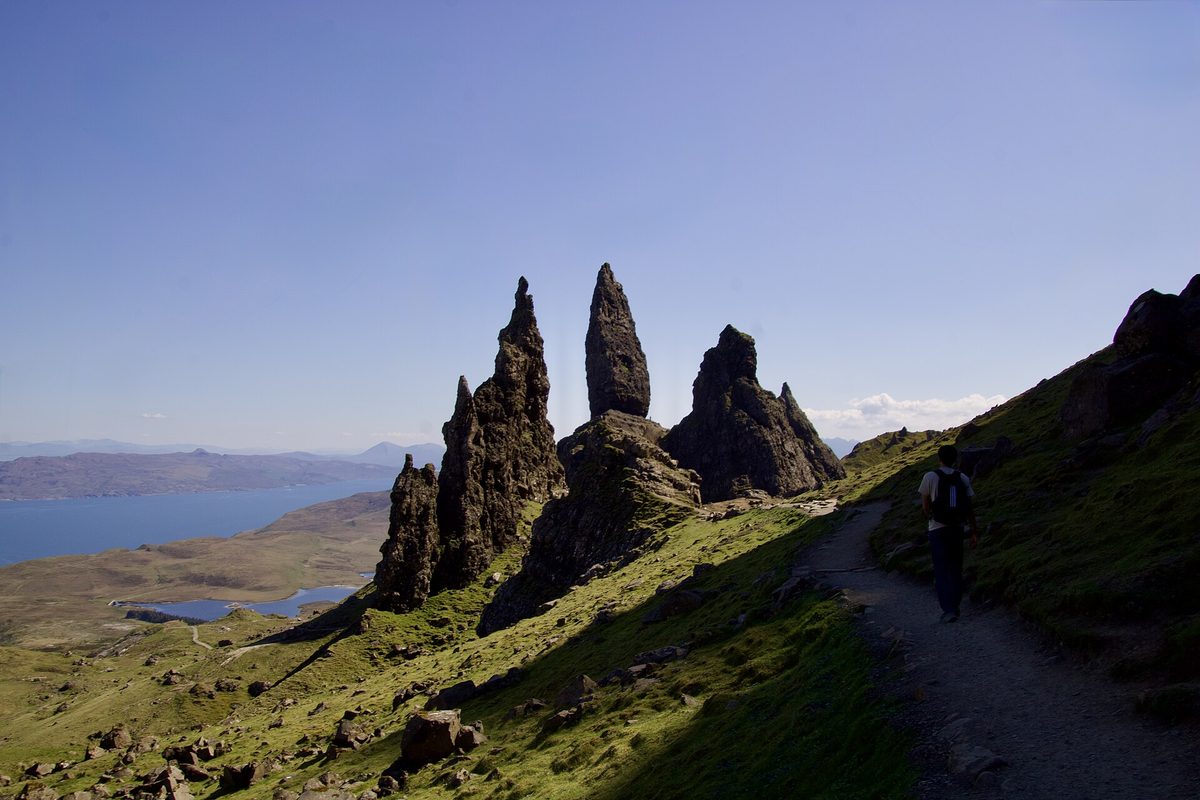
What that buys you on Skye is three to four hours split across three or four stops. That is a photograph of the Old Man of Storr from the road rather than the walk up to it, which takes about 90 minutes return. It is not enough for the six-kilometre Quiraing circuit, and it is nowhere near enough for Neist Point or the Fairy Pools, both of which are an hour beyond Portree in different directions.
If you have exactly one day and you are determined, take the Citylink 917 or a small-group minibus rather than driving yourself, so at least you can sleep. Better: give Skye two nights and go properly, using our Isle of Skye itinerary. Best of all: take the Kyle line to Plockton instead and get the same west-coast light for a third of the sitting.
Return travel: about 5.5 hours driving, about 12 hours by coach. Time on the ground: 3–4 hours. Verdict: the one trip on this page I would tell you to convert into an overnight.
Mountains, forests and the Cairngorms
South of Inverness the A9 climbs onto the Slochd summit and drops into Strathspey, and within forty minutes you are in a different kind of Highlands — drier, pinier, higher and colder.
Aviemore, Rothiemurchus and Loch Morlich
Aviemore is 30 miles south, about 35 minutes by car, and on the main line south with direct trains from Inverness, which makes it one of the best rail day trips in the north. I will be straight with you about the town: it is a functional ski-and-outdoors resort strip and there is nothing to see on the main street.
Everything good is within five miles of it. Loch an Eilein in the Rothiemurchus estate has a ruined island castle and a flat four-and-a-half-kilometre circuit through old pine forest that is one of the loveliest easy walks in Scotland. Loch Morlich, further up the ski road, has a genuine sandy beach at 300 metres above sea level with the Cairngorm plateau behind it, plus kayak and paddleboard hire in summer.
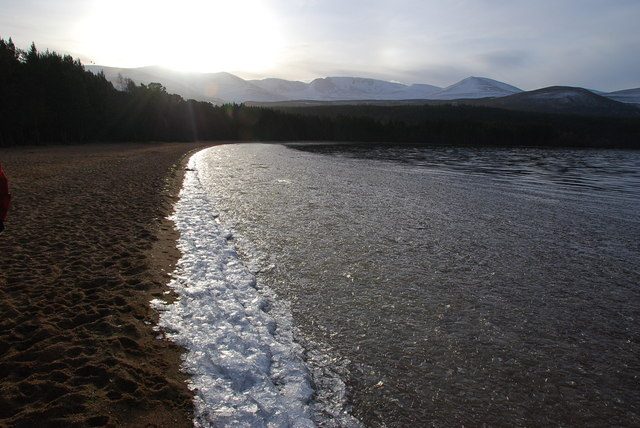
The catch for anyone arriving by train is the last stretch up the ski road: you need the Aviemore Adventurer bus from Aviemore station, so check the last departure back before you commit to a long walk. Our Aviemore and Cairngorms guide has the detail.
Cairngorm Mountain and the funicular
The funicular railway from the Coire Cas base station reopened on 27 February 2025 after a further closure that began in August 2023, and runs daily, weather and maintenance permitting. It shuts for maintenance from 2 to 9 November 2026 and reopens on 10 November — check the mountain’s own site the morning you go.
Two things worth knowing. In winter this is a working ski area, and on a good snow weekend between December and April the Coire Cas car park is full by half past nine and the ski road backs up. And whatever the season, the summit is genuinely cold and exposed; people step off the train in trainers and a hoodie and last four minutes.
Nearby, the Highland Wildlife Park at Kincraig is open year-round and is the best rainy-day card in the region with children — polar bears, Amur tigers and a drive-through reserve.
Return drive: around an hour each way to the ski car park, depending on traffic and weather. Time on the ground: 6 hours. Verdict: do it, and go by train plus bus if the weather is settled.
Whisky, and the slow country east
The two distilleries almost nobody mentions
Every guide sends you to Dufftown. Nobody tells you there are two working distilleries close to Inverness. Glen Ord is at Muir of Ord, which has a station on the Far North line, so you can get there by train. Tomatin is 16 miles south on the A9 and does a straightforward tour and tasting.
If you want one dram and a tour without losing a day to driving, those are your answers. Book ahead: Highland distillery tours run to fixed times and small numbers.
Speyside proper: Dufftown, Aberlour and Craigellachie
Speyside holds more than half of Scotland’s malt distilleries in an area you could cross in half an hour. Dufftown alone has several, Glenfiddich among them; Aberlour, Craigellachie, Cardhu and the Macallan estate are all within a few miles, and the Speyside Cooperage at Craigellachie shows you the barrel-making side, which is more interesting than it sounds.
Dufftown is about an hour and a half by car. The obvious problem is that whisky tours involve drinking whisky. Options, in order of sense: take the train to Elgin (times on ScotRail’s journey planner), then the Stagecoach 36 bus or a taxi on to Dufftown; book a small-group whisky tour with a driver; or nominate a driver and ask the distillery about a take-home dram — Tomatin, for one, gives drivers their tastings as Driver’s Drams to take away. Do not plan more than two tours in a day; they are more tiring than you expect. Our guide to Scotch whisky distilleries covers which ones suit which sort of visitor.
Elgin, Forres and Findhorn
Even if you never touch a dram, the Aberdeen railway line makes a good day out. Elgin Cathedral is a roofless 13th-century wreck that was once the grandest church in the north, and the octagonal chapter house is intact and worth the ticket on its own. Forres, half an hour from Inverness by train, has Sueno’s Stone — a six-metre carved Pictish monument now glassed in against the weather — and the Benromach distillery a short walk from the station.
Findhorn, on the coast beyond Forres, has a sand spit, a seal colony in the bay and an unusually good beach cafe. It needs a car or a taxi from Forres.
Day trips from Inverness without a car
Most guides to this subject quietly assume you are driving. You do not have to be. Inverness is the junction of three railway lines and a national coach hub, and that combination covers more ground than people realise. Our wider Scotland without a car itinerary builds on the same principle.
The three railway lines
Everything runs from Inverness station in the centre of town, five minutes’ walk from the castle.
The Aberdeen line (east) is the workhorse: Nairn in about 20 minutes, then Forres and Elgin, with trains through the day. This is the one that makes a spontaneous day trip possible, though gaps between trains vary, so look at the timetable before you head for the station.
The Kyle of Lochalsh line (west) is the scenic one described above — Plockton in about two hours 25 minutes and Kyle in about two hours 40, on a thin service, so confirm the trains for your travel date.
The Far North line runs up to Thurso and Wick via Dingwall, Tain, Golspie and Helmsdale. It is slow — Golspie is a little over two hours by train, because the line goes the long way round the firths — and there are up to four services a day. Dunrobin Castle has its own summer request stop. Treat it as a day trip to Golspie or Tain, not to Caithness.
The Highland Main Line (south) gives you Aviemore in about 40 minutes and carries on south to Pitlochry.
Buses and coaches
Scottish Citylink runs the long-distance coaches from the bus station next to the rail station. The 917 runs to Portree on Skye. Check Citylink’s timetable for the services that stop in the Loch Ness villages; with the right one, Drumnadrochit and Fort Augustus are straightforward without a car.
Stagecoach handles the local network: services out to Culloden Moor, across the Kessock Bridge to Fortrose, Rosemarkie and Cromarty on the Black Isle, and east to Ardersier for Fort George and on to Nairn. Route numbers do change, so check Traveline Scotland or the Stagecoach app the night before rather than trusting a number you read in a blog post. There are more general pointers in our guide to getting around Scotland.
What buses will not get you to: Glen Affric, Applecross, Cawdor Castle, most of Speyside’s distilleries, and anywhere in the Cairngorms beyond the Aviemore ski-road service.
When a guided tour actually earns its money
I am not automatically pro-tour, but there are three situations where a small-group day tour is plainly the right answer from Inverness. First, the multi-stop Loch Ness circuit, where public transport can get you to two of the six stops and a minibus gets you to all of them. Second, Glen Affric and anywhere else with no service at all. Third, whisky, because someone else drives.
Look for operators running 16-seat minibuses rather than 50-seat coaches — they can use the single-track roads that make these trips good, and they can stop in laybys a coach cannot. Expect roughly £50 to £70 for a full day, excluding attraction entry. Check the pick-up point too — most leave from Bridge Street or the bus station.
Seasonality: the thing that changes everything
The same trip is a different trip in February and July, and this is where most day-trip planning falls apart.
Daylight. Inverness sits at 57.5 degrees north. Around the winter solstice the sun comes up close to nine and is gone by half past three — about six and a half hours of usable light. That kills Skye, Applecross and Cullen outright as day trips, and squeezes even the Cairngorms. In mid-June you have eighteen hours and the practical limit is your own stamina, not the clock. Late October, once the clocks have gone back, gives you around nine — fine for anything inside a three-hour return drive if you are out of the door by half eight, and hopeless for anything further.
Mountain roads. The Bealach na Bà is the obvious casualty of winter, but the Cairngorm ski road, the Struie and the higher stretches of the A9 all get snow gates and closures. Check Traffic Scotland before setting off between November and March.
Ski traffic. From late December through April, a good snow weekend transforms the Aviemore road. Leave Inverness by eight or accept that you will be parking a long way down the hill.
Opening seasons. Cawdor Castle and Dunrobin close for winter entirely. Many west-coast cafes and the Glenelg ferry are April-to-October operations. Urquhart, Culloden and Fort George stay open year-round on shorter hours. This is the single most common way a winter day trip goes wrong — the drive is fine and the destination is shut.
Wildlife. Dolphins at Chanonry Point are most reliable May to September; salmon leap at Rogie Falls roughly July to September; and the aurora is a winter proposition, with the north-facing Black Isle coast a decent place to try on a clear, dark night.
Midges. Late May to September, worst on still humid evenings in wooded glens. Glen Affric and the west coast are the problem areas; the exposed coast and the high Cairngorms are usually fine.
If the dates are still open, our month-by-month breakdown of the best time to visit Scotland is the place to start.
Planning the day: booking, costs and timings
Car hire is the big cost. Expect somewhere around £45 to £80 a day in summer from Inverness airport or the city depots, and book weeks ahead for July and August, when North Coast 500 traffic strips the local fleets bare. Fuel on the A82 and in the far west runs noticeably above city prices, so fill up in Inverness.
Book in advance: Urquhart Castle timed slots, Culloden in summer, any distillery tour, the Applecross Inn for lunch, and Loch Ness cruises in July and August. Everything else you can decide on the morning.
Do not book in advance: the funicular in doubtful weather, and any trip where the whole point is a view.
On timings, leave by half past eight for anything over two hours each way, and by nine for everything else. An early start keeps you ahead of the busiest hours at the big sites.
Finally, membership maths. If you are visiting three or more paid castles, a Historic Environment Scotland Explorer Pass (valid for 14 days: £48 an adult in summer, £38 in winter) or National Trust for Scotland membership can save money, depending on which ones you pick, and the two organisations cover different properties — HES has Urquhart and Fort George, NTS has Culloden and Corrieshalloch.
What underwhelms, and the mistakes to avoid
John o’ Groats. It is about 112 miles and two and a half hours each way via the A9 and Wick without stops, so around five hours of driving, and what waits at the end is a signpost, a car park and some gift shops. It is not even the most northerly point of mainland Britain — Dunnet Head, ten miles west, is. If you want a wild northern coast, drive to Ullapool instead and halve the driving.
The Falls of Foyers in a dry spell. Steep path, slippery steps, and in a dry August you get a damp stain on a rock. Check the recent rainfall before you commit.
Trying to combine Glencoe or Glenfinnan with Inverness in a day. Glencoe is about two hours ten each way and the Glenfinnan Viaduct is close to two hours; both belong to a Fort William base, not this one. The Jacobite steam train is a summer service that leaves Fort William in the morning, so catching it from Inverness means a very early start.
Balmoral and Royal Deeside. Two and a half hours each way over the Lecht or via Braemar, on roads that are slow and snow-prone, and the castle interior opens only a few months a year. Lovely place; wrong base. Do it from Ballater or Braemar on a separate leg.
Booking the big trip on day one. If the forecast is bad, do Culloden, Clava, a distillery or Cromarty and hold Skye or Applecross for the clear day. Highland weather rewards flexibility more than planning.
Underestimating single-track roads. Passing places are for passing and for letting faster traffic overtake, not for parking to take photographs. On the roads to Glen Affric, Applecross and Glenelg, assume you will average around 30mph and plan accordingly.
Booking a Loch Ness monster attraction expecting science. One of the Drumnadrochit exhibitions takes the loch’s ecology and survey history seriously. The other is a gift shop with a queue. Read reviews carefully before you pay.
Frequently asked questions
What is the best day trip from Inverness?
For a first visit, a full Loch Ness loop — down the A82 to Urquhart Castle and Fort Augustus, back up the quiet east shore via the Falls of Foyers and Dores. It is about two hours of driving in total, so you get five or six hours on the ground, and it takes in a castle, a canal, a waterfall and the loch itself.
Can you do a day trip from Inverness to the Isle of Skye?
Yes, but be clear about the cost. Portree is about two and three-quarter hours each way by car before stops, and a coach day tour lasts about 12 hours. You get three to four hours on the island, spread over several brief stops. If Skye matters to you, go for two nights instead.
How do I do day trips from Inverness without a car?
Use the trains for Nairn, Forres, Elgin, Aviemore and Plockton, Citylink coaches for Loch Ness and Skye, and Stagecoach locally for Culloden, Fort George and the Black Isle. Small-group minibus tours fill the gaps — Glen Affric and multi-stop Loch Ness routes especially. Traveline Scotland is the timetable tool to use.
How many days do you need in Inverness?
Two days for the city and its immediate sights, three to four if you want Loch Ness, Culloden, the Black Isle and one longer trip west or south without rushing. Five gives you room for weather. Our guide to how many days to spend in the Scottish Highlands works through the trade-offs.
Is Inverness a good base for the Highlands?
It is the best base in the north for anything within about 90 minutes, and the best place in the region for transport links, hotels and restaurants. For the west coast and Skye, Fort William, Kyle or Portree are better starting points. We compare the options in our roundup of the best base towns in the Scottish Highlands.
Where can I see Highland cows near Inverness?
There are fields with cattle along the B9006 near Culloden and on the Black Isle, and several farms near Loch Ness run paid visits where you can meet them properly. Do not climb fences or feed animals from the roadside.
Is the Bealach na Bà open all year?
Not reliably. The pass is steep single track and can close in snow and ice, and it is unsuitable for caravans, large motorhomes and inexperienced drivers, so check road conditions before you set off. Between November and March, plan on the coast road from Shieldaig as your route in and out, and add an hour.
What is the best day trip from Inverness in bad weather?
Culloden’s visitor centre and Clava Cairns, or the Moray coast run to Elgin Cathedral and Cullen, which is mostly driving and indoor stops. A distillery tour at Glen Ord or Tomatin works in anything. Avoid mountain viewpoints, the funicular and any trip where the payoff is a distant view.
Final thoughts
The best thing about Inverness as a base is that you can be somewhere genuinely remarkable within forty minutes — a Bronze Age burial ground, a battlefield, a dolphin spit, a pine forest that has been there since the ice left. The worst thing you can do with that is spend the day driving past it to reach something further away that you will see for an hour.
Pick two big days and three small ones. Do the Loch Ness loop and the Cairngorms properly, keep Culloden, the Black Isle and a distillery in your back pocket for weather, and if Skye is calling, book a room there rather than a coach seat. The Loch Ness and Inverness area gives back far more when you slow down in it, and the rest of the Scottish Highlands will still be there next time.
About the author: This guide was written and is maintained by the ScotlandTourism.org editorial team — travel writers who’ve spent years exploring Scotland’s cities, Highlands and islands, from bagging Munros to chasing the perfect dram. We update our guides regularly to keep prices, opening details and advice current.
Last updated: October 2026. Prices and opening times change — always check the official site before you travel.
Photo credits
All images are used under their respective Creative Commons or public-domain licenses:
- Urquhart Castle ruins on the shore of Loch Ness — BIG ALBERT, CC0, via Wikimedia Commons
- The memorial cairn on Culloden Battlefield — Stanley Howe, CC BY-SA 2.0, via Wikimedia Commons
- A chambered burial cairn ringed by kerbstones at Balnuaran of Clava ne — Malcolm Manners from Lakeland FL, USA, CC BY 2.0, via Wikimedia Commons
- The lock flight on the Caledonian Canal at Fort Augustus — nairnbairn, CC BY-SA 2.0, via Wikimedia Commons
- Scots pine and hillside in Glen Affric — Alasdair MacDonald, CC BY-SA 2.0, via Wikimedia Commons
- Chanonry Point lighthouse and the Brahan Seer memorial stone on the Bl — Colin Smith, CC BY-SA 2.0, via Wikimedia Commons
- Eilean Donan Castle on Loch Duich — George Hiles hilesy, CC0, via Wikimedia Commons
- The single-track Bealach na Ba mountain pass climbing towards Applecro — James Emmans, CC BY-SA 2.0, via Wikimedia Commons
- The Old Man of Storr on the Isle of Skye — Lauwz The Kiwistralian, CC0, via Wikimedia Commons
- Ice on the shore of Loch Morlich with the snow-covered Cairngorms behi — jeff collins, CC BY-SA 2.0, via Wikimedia Commons
- Dunrobin Castle and its terraced gardens at Golspie in Sutherland — Andrew Tryon, CC BY-SA 2.0, via Wikimedia Commons
- Bow Fiddle Rock sea arch at Portknockie on the Moray coast east of Inv — Alan Hodgson, CC BY-SA 2.0, via Wikimedia Commons