The first time I genuinely fell for Scottish food, I was standing in the rain outside a chippy in Anstruther holding a haggis supper, wondering why nobody had warned me that the thing everyone jokes about would turn out to be delicious. Fifteen-odd trips later, I have eaten my way from Stornoway black pudding at a Hebridean B&B to a two-Michelin-star tasting menu in Perthshire, and I am here to tell you the jokes are wrong.
Scottish food is built on oats, potatoes, world-class beef and game, and some of the best seafood in Europe. The most famous Scottish dishes are haggis with neeps and tatties, cullen skink, Scotch pies, porridge, smoked salmon, cranachan, shortbread and tablet — washed down with Scotch whisky or a can of Irn-Bru.
This guide covers more than 40 traditional Scottish foods and drinks: what each one actually is, what it should cost in 2026, and — the part most lists skip — where to eat the genuinely good version rather than the tourist version. If you are planning a wider trip, it pairs nicely with my guides to things to do in Scotland and building a Scotland itinerary.
Scottish Food at a Glance
| Dish | What it is | Where to try it | Typical 2026 price |
|---|---|---|---|
| Haggis, neeps & tatties | Spiced sheep offal, oats and onion with mashed swede and potato | Pubs everywhere; supermarkets from £2 | £9–14 as a pub main |
| Cullen skink | Smoked haddock, potato and cream soup | Cullen, Moray coast; good cafes nationwide | £6–9 a bowl |
| Fish supper | Battered haddock and chips, chip-shop style | Anstruther, Oban, any good chippy | £10–13 |
| Full Scottish breakfast | Fry-up with Lorne sausage, tattie scone, black pudding | Cafes and B&Bs everywhere | £10–15 |
| Scotch pie | Double-crust hot-water pastry pie with spiced mutton | Bakeries, football grounds | £1.50–3 |
| Arbroath smokie | Hot-smoked haddock, PGI-protected | Arbroath harbour, Angus | £4–7 a pair |
| Cranachan | Raspberries, whipped cream, toasted oats, whisky and honey | Restaurant dessert menus | £6–9 |
| Tablet | Crumbly boiled-sugar sweet, richer than fudge | Farm shops, fairs, sweet shops | £2–4 a bag |
| Shortbread | Butter-rich biscuit, Scotland’s signature bake | Everywhere; best from independent bakeries | £3–6 a box |
| Whisky (a dram) | Single malt Scotch from one of 154 distilleries | Distilleries and whisky bars | £4–10 a pub dram |
| Irn-Bru | Scotland’s neon-orange national soft drink | Literally any shop in the country | £1–2 a can/bottle |

The Savoury Classics of Scottish Food
Haggis, Neeps and Tatties
Scotland’s national dish, and the one you have to stop overthinking. Haggis is sheep heart, liver and lungs minced with oatmeal, suet, onion and a serious amount of white and black pepper, traditionally encased in the stomach (commercial versions use a casing). It eats like a crumbly, peppery, nutty version of a really good sausage stuffing — closer to a spiced mince than anything alarming. Robert Burns called it the “great chieftain o’ the puddin’-race” in 1786, and every 25 January the country eats it ceremonially at Burns suppers.
The classic plate is haggis, neeps and tatties — mashed swede and mashed potato — usually with a whisky cream sauce. A pub portion runs £9–14; around Burns Night supermarkets sell haggis from about £2, and a premium butcher’s haggis (Macsween of Edinburgh is the famous name) is around £7. You will also meet haggis in unexpected places: stuffed into chicken as Balmoral chicken, deep-fried at chip shops as a haggis supper, and folded into pakora at Glasgow curry houses. One quirk worth knowing: traditional haggis has been banned in the United States since 1971 because the USDA prohibits food containing sheep lungs, so eating the real thing in Scotland is non-negotiable. I cover the dish in proper depth in my dedicated guide to what haggis is (and what it tastes like).
Scotch Pie
A small, double-crust pie made with hot-water pastry sturdy enough to eat one-handed on football terraces, which is exactly where millions of them are consumed. The filling is traditionally spiced mutton, the rim stands proud of the lid (historically so a spoonful of beans or mash could sit on top), and a good one from a proper bakery costs £1.50–3. There is an annual World Scotch Pie Championship, and bakers take it extremely seriously. Eat one warm from a morning bakery, not cold from a garage.

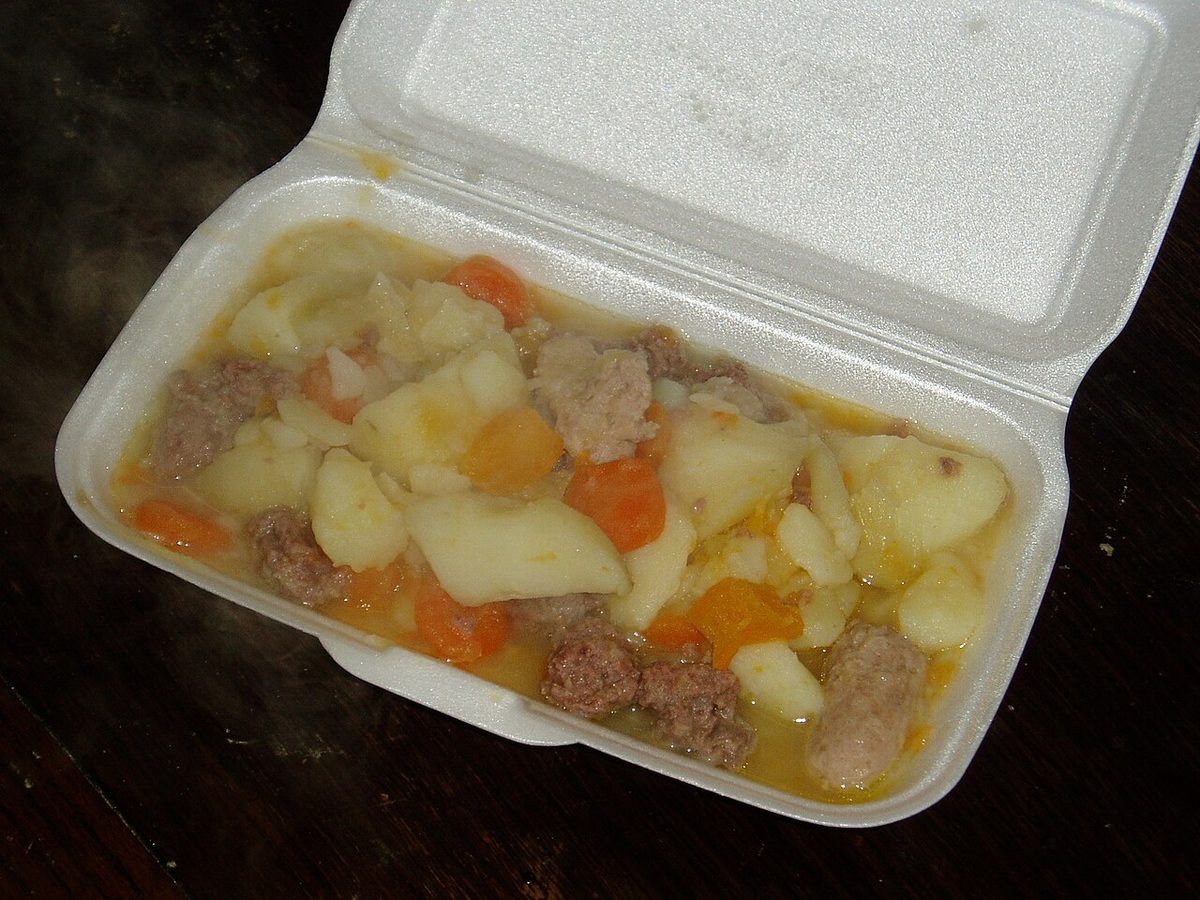
Stovies
Scotland’s great leftovers dish: potatoes slowly stewed with onions, dripping and whatever roast meat is left from Sunday, until everything collapses into a rich, savoury mush. Every family has its own version and will defend it to the death. You will find stovies at farmers’ markets, ceilidhs and old-school cafes for £5–8, often served with oatcakes and beetroot. It is comfort food in its purest form — unphotogenic, unpretentious and exactly what you want after a wet hillwalk in the Highlands.
Mince and Tatties
Beef mince in onion gravy over mashed potato. It sounds like nothing; done properly with good Scotch beef it is quietly wonderful, and it remains one of the most commonly home-cooked dinners in the country. Cafes and pubs serve it for £8–11. If it comes with a doorstop of buttered bread, you are in the right place.
Steak Pie
The traditional New Year’s Day dinner. Slow-cooked beef (sometimes with sausages hidden inside — ask for a “steak and link” pie) under a puff pastry lid, bought by the family-sized foil tray from butchers across the country at Hogmanay. Expect £10–14 as a pub main with chips or mash. If you are in Scotland over New Year — see my guide to Scottish festivals and events — a steak pie dinner on 1 January is as traditional as the fireworks.
Forfar Bridie
Angus’s answer to the Cornish pasty: a horseshoe-shaped shortcrust pastry filled with minced beef and onion, from the town of Forfar. Saddler’s and McLaren’s bakeries in Forfar are the rival custodians; £2–3.50 each. Worth a detour if you are driving between Dundee and the castle country of Aberdeenshire.
Balmoral Chicken
Chicken breast stuffed with haggis, wrapped in bacon, served with whisky sauce — the gateway haggis dish, and a fixture on hotel menus from Edinburgh to Skye for £15–22. Order it if you want the haggis experience with training wheels.
A Proper Scottish Breakfast

The Full Scottish
Scotland’s fry-up outguns the full English on three fronts: the Lorne sausage, the tattie scone and the near-mandatory presence of haggis or black pudding (often both). A proper full Scottish lines up bacon, eggs, Lorne sausage, link sausage, tattie scone, black pudding, haggis, mushrooms, grilled tomato, baked beans and toast, with strong tea. Cafes charge £10–15 in 2026; a good B&B will include it, which is reason enough to book one — my guide to where to stay in Scotland explains why the B&B breakfast is half the value of the room. I have written a full breakdown of every component in my guide to the full Scottish breakfast.
Lorne (Square) Sausage
A slice of seasoned beef sausage meat, cooked flat. No casing, no curve, no apologies. It exists primarily to fit perfectly inside a soft morning roll — a “roll and square” with brown sauce is one of Scotland’s great cheap breakfasts at £3–4.50 from any bakery or roll shop.
Tattie Scones
Thin, griddled potato scones — soft, slightly chewy, magnificent fried in the bacon fat. Buy a packet from any supermarket for about £1 and you will understand why Scots abroad smuggle them home in their luggage.
Black Pudding (Especially Stornoway)
Blood sausage with oatmeal, and the best in Britain comes from Stornoway on the Isle of Lewis, which has held EU Protected Geographical Indication status since 2013. Stornoway black pudding is darker, moister and more deeply savoury than the crumbly stuff elsewhere — rich enough that island restaurants serve it with scallops as a starter. If your travels take in the Scottish islands, eat it at source; otherwise Charles Macleod’s famous “Charlie Barley” puddings are couriered all over the country from about £5.
Porridge
Oats, water or milk, salt — and a surprising amount of passion. The World Porridge Making Championships (the “Golden Spurtle”) have been held in the Highland village of Carrbridge since 1994; the 2026 edition runs on 3 October. Purists stir with a wooden spurtle and salt rather than sugar. Hotel and cafe porridge runs £4–6, usually with cream, honey or a nip of whisky on the side.
Butteries (Rowies)
Aberdeen’s flaky, salty, lard-laminated breakfast roll — imagine a croissant that went to sea for a fortnight and came back saltier and flatter. Brilliant toasted with butter and jam, about £1–1.50 from north-east bakeries. If you are starting the North Coast 500 from Inverness, grab a bag for the road.
Scottish Soups Worth Crossing the Country For
Cullen Skink
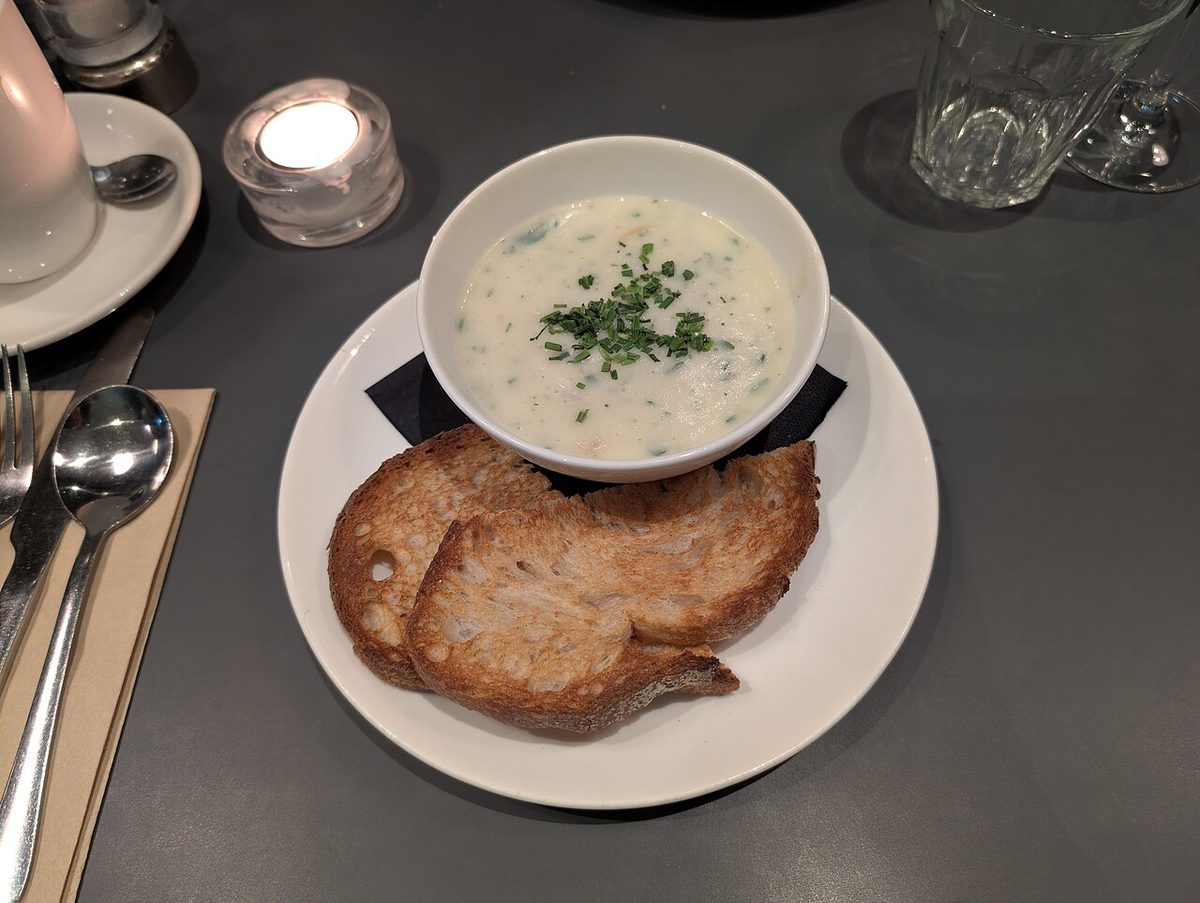
If I could only eat one Scottish dish forever, it would be this: a thick soup of smoked haddock, potato, onion and cream, born in the Moray fishing village of Cullen. It is currently the single highest-rated Scottish food on TasteAtlas (4.3/5, from nearly 4,000 ratings), and there is a World Championship for it held in Cullen each spring — the 2026 winners were crowned in early March. A proper bowl uses undyed Finnan haddie and costs £6–9 with crusty bread. Eat it within sight of the sea if you can; the Moray coast detour fits neatly into a Speyside whisky day — see my Scotch whisky and distilleries guide. For the full story of Scotland’s soups, I have a separate deep-dive into cullen skink, cock-a-leekie and Scotland’s best soups.
Scotch Broth
Barley, lamb or mutton stock, root vegetables and dried pulses, simmered until it can stand a spoon upright. Historically the everyday soup of the whole country, and still the thing to order in a draughty Highland pub for £5–7. It is usually the “soup of the day” even when the menu does not say so.
Cock-a-Leekie
Chicken and leek soup with rice or barley and — in the old recipes — prunes, which sounds wrong and tastes right. Dubbed “Scotland’s national soup,” it has been on Scottish tables since the 16th century and remains a Burns supper and St Andrew’s Day starter.
Partan Bree
A creamy crab soup (“partan” is Scots for crab, “bree” for broth) from the east coast fishing tradition. Rarer on menus than it deserves to be; order it on sight, especially anywhere near Fife or the East Neuk.
Scottish Seafood: The Stuff Other Countries Pay Fortunes For
Here is the open secret of Scottish cuisine: the langoustines, scallops, crab and lobster hauled from Scotland’s cold west-coast waters are so good that most of the catch is exported to Spain and France within hours. Eating them at source — off a pier in Oban or from a shack on Skye — is one of the great cheap luxuries of a Scotland trip. My full Scottish seafood guide maps the best of it.
The Fish Supper
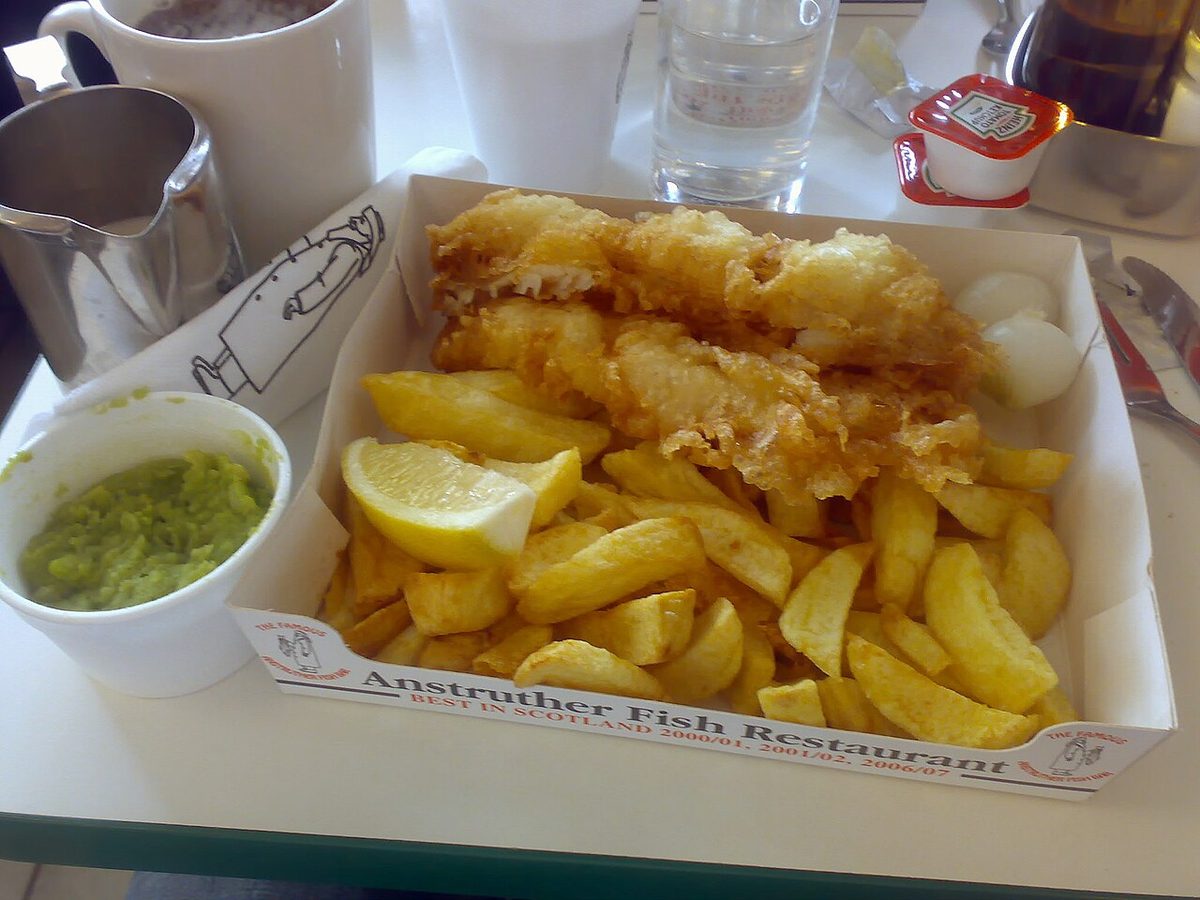
Fish and chips, Scottish-style: battered haddock (not cod, if the chippy knows its business) over chips, wrapped to take away. In 2026 the average UK fish supper costs just over £11 — up roughly nine per cent in a year — and £10–13 is normal at the famous Scottish chippies. The east-coast classics are the Anstruther Fish Bar in Fife and Oban’s harbourfront chippies on the west. Crucially: in Edinburgh you will be asked “salt ’n’ sauce?” — a thin brown chippy sauce — while Glasgow sticks loyally to salt and vinegar. Answer confidently and you pass as a local; the divide is real and surprisingly fierce.
Arbroath Smokies
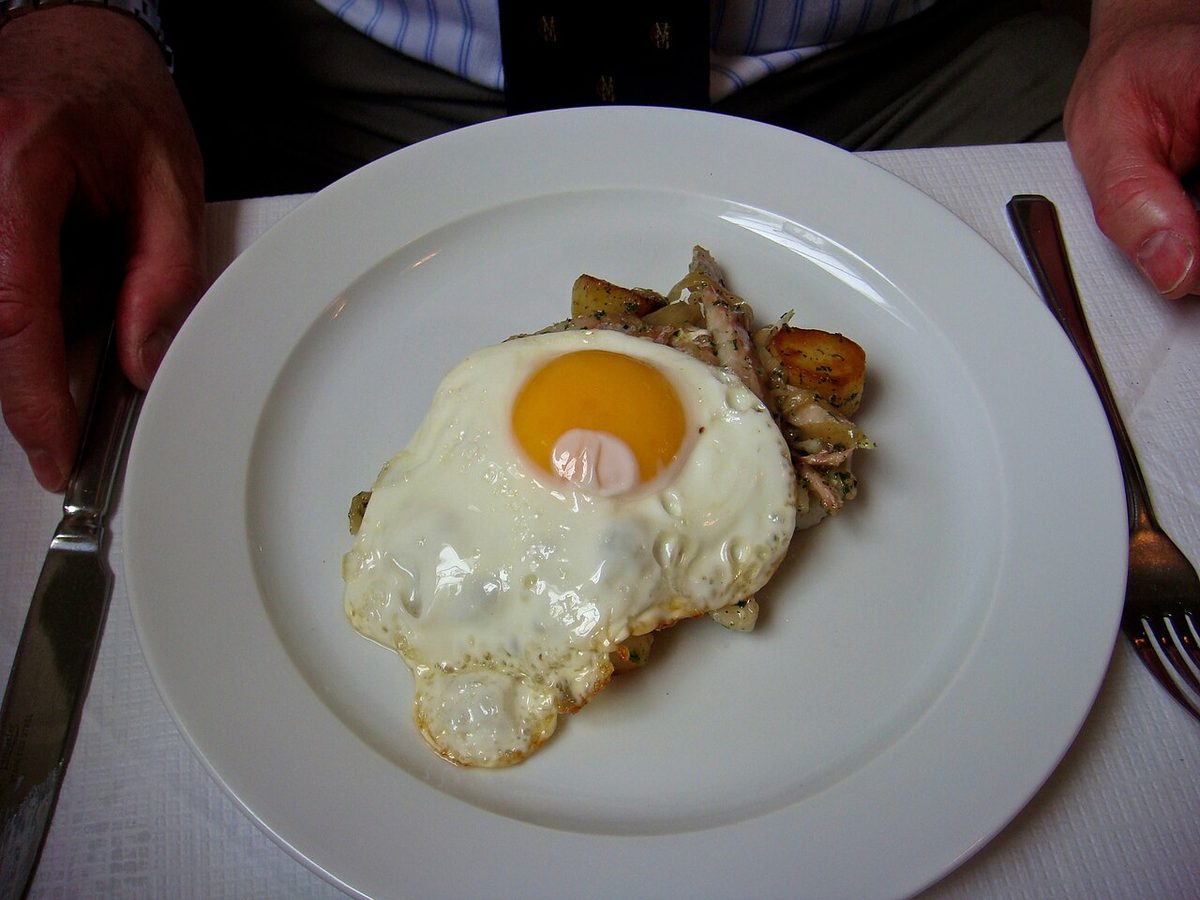
Haddock hot-smoked over hardwood in half-barrels, copper-gold outside and just-cooked inside — protected by PGI status since 2004, meaning a genuine smokie can only be produced in and around Arbroath. Buy a pair still warm from the smokehouses near the harbour (£4–7) and eat them with your fingers. I rate this among the best single bites in Scotland, and it is a 25-minute detour off the A90 between Dundee and Aberdeen.
Smoked Salmon
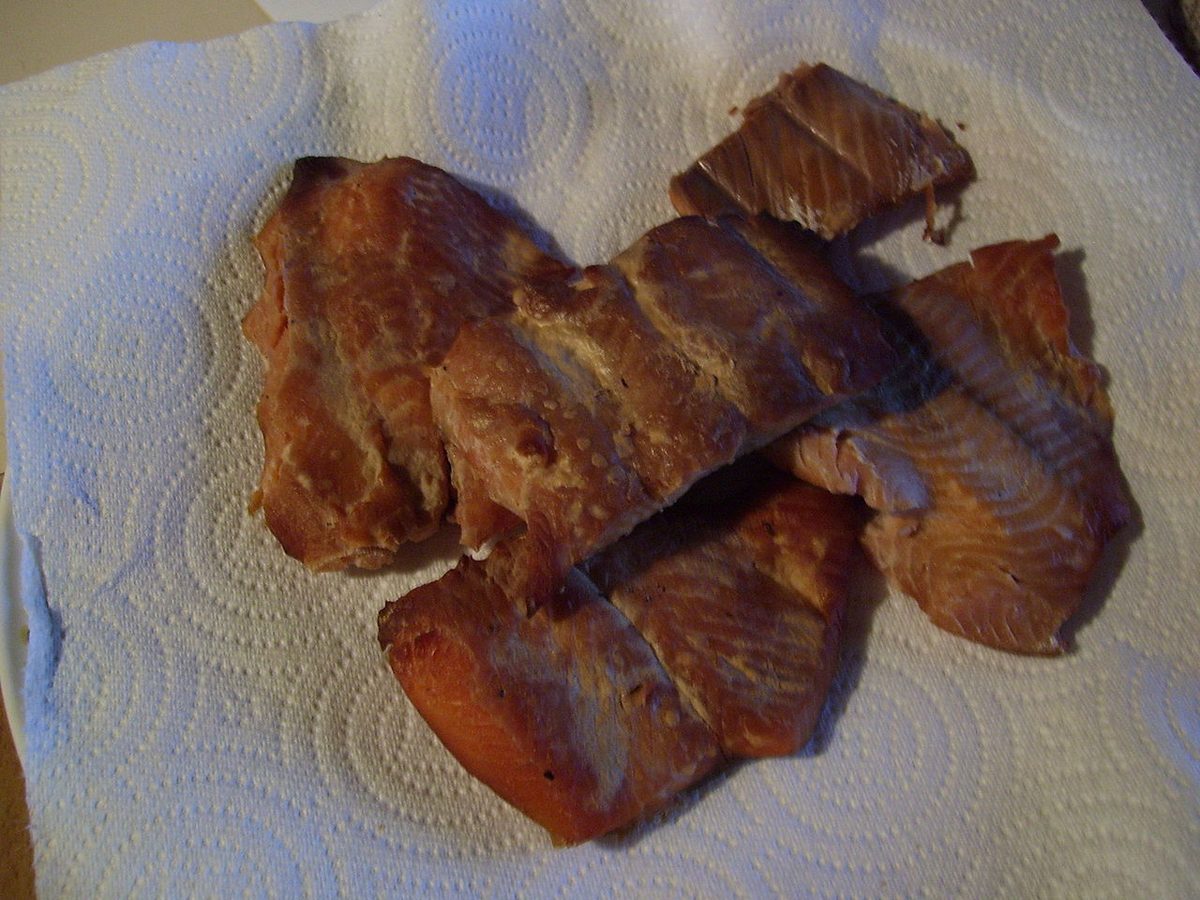
Scottish salmon is the UK’s single biggest food export, and cold-smoked Scottish salmon — silky, oak-smoked, sliced thin — is the benchmark version worldwide. On home turf it tops breakfasts, bagels and oatcakes everywhere from city delis to Highland hotels; expect £5–8 for a smoked salmon starter and look for “Scottish” (farmed) versus the rarer, pricier wild fish. Hot-smoked salmon — flakier, cooked through — is its underrated cousin and brilliant in salads.
Kippers
Cold-smoked herring, split and grilled with butter — the breakfast of the Victorian Highlands and still on every good B&B menu. Loch Fyne kippers and Mallaig kippers are the names to look for, especially if you are catching the ferry to Skye from Mallaig.
Scallops, Langoustines and Oysters
Hand-dived west-coast scallops seared in butter; langoustines with garlic butter and brown bread; Loch Fyne oysters at the original Loch Fyne Oyster Bar near Inveraray. A half-dozen oysters runs £12–18; a langoustine platter at a west-coast seafood shack £15–25 and worth every penny. The green wooden Oban Seafood Hut (the “green shack”) on the railway pier is the famous budget option — arrive before the queue does.
Meat and Game
Aberdeen Angus Beef
The world’s most famous beef breed comes from north-east Scotland, and a properly aged Scotch Beef PGI ribeye in a good steakhouse is a different animal — literally and figuratively — from the export-brand steaks sold under the Angus name abroad. Expect £28–40 for a serious steak in Edinburgh or Glasgow, less at country hotels. Sunday roasts (£14–20) are the budget route to the same beef.
Venison
Scotland’s hills carry hundreds of thousands of red deer, and wild venison — lean, dark, faintly sweet — is on practically every Highland menu as steaks, casseroles or excellent burgers (£9–13 at street level, £18–26 as a restaurant main). It is the obvious dinner after a day in the hills — pair it with my guide to hiking in Scotland.
Grouse
The most intensely flavoured game bird there is, in season from the “Glorious Twelfth” of August to early December. Roast grouse appears on smart restaurant menus within days of the opening — expect £30+ and a rich, iron-y flavour that divides the table. Order it once, in season, somewhere that knows what it is doing.
Scotch Lamb
Heather-fed hill lamb, at its best late summer through autumn. Look for it in Sunday roasts, in Scotch broth, and — at its most traditional — as the mutton in a proper Scotch pie.
Scottish Desserts and Baking
Scotland has a national sweet tooth that borders on the medical, and the baking tradition — girdle scones, fruit loaves, festival cakes — runs deep. These are the essentials; my full guide to traditional Scottish desserts goes further.
Cranachan
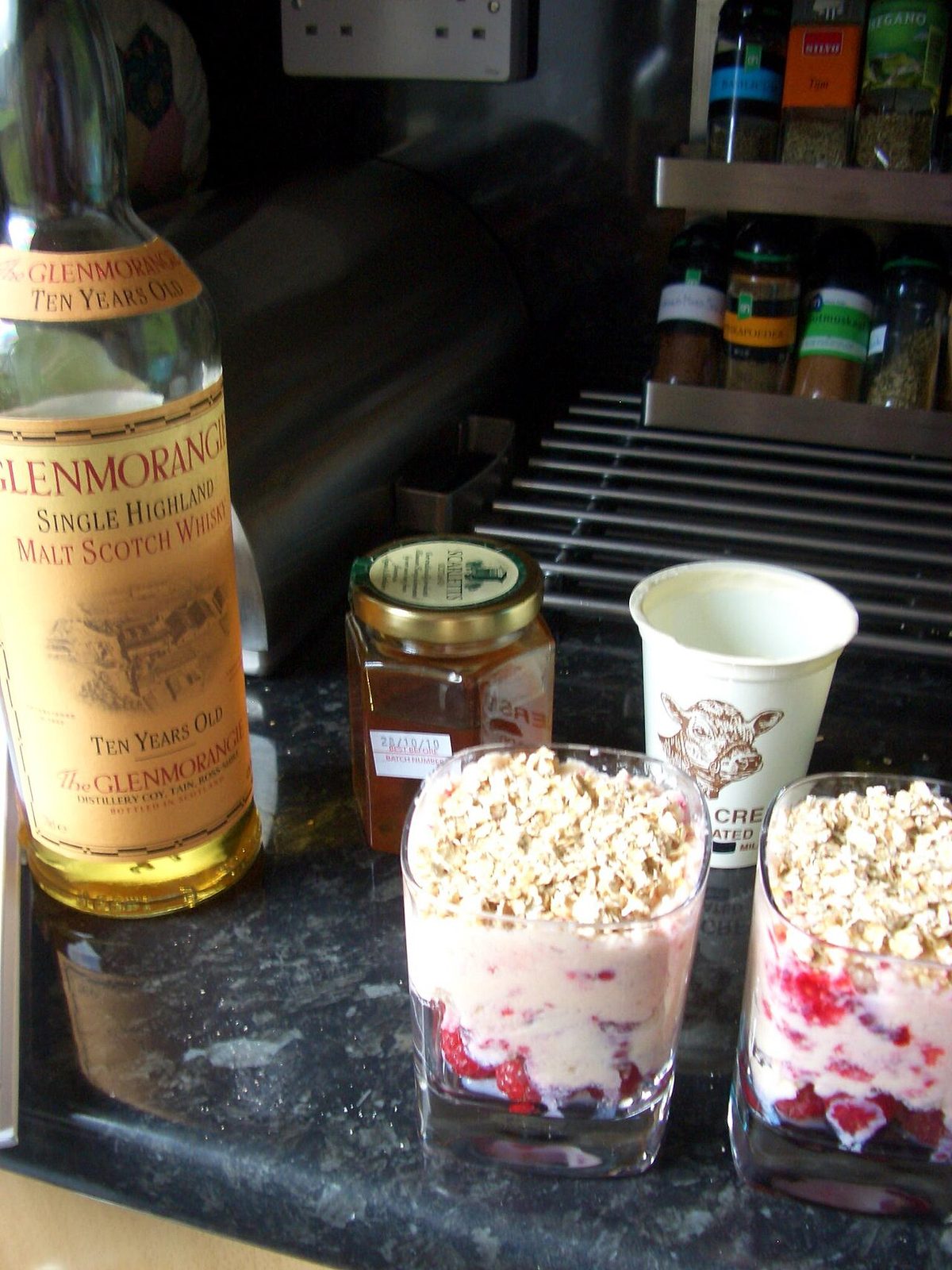
The king of Scottish desserts: layers of whipped cream, toasted pinhead oats, Scottish raspberries, heather honey and a generous slug of whisky. Historically a harvest celebration dish — Scottish raspberries, mostly from Perthshire and Angus, are genuinely world-class — and at its best in July and August when the berries are local. Restaurant versions run £6–9. It is also the easiest Scottish dish to make at home, which is why half the country’s food memories involve it.
Clootie Dumpling
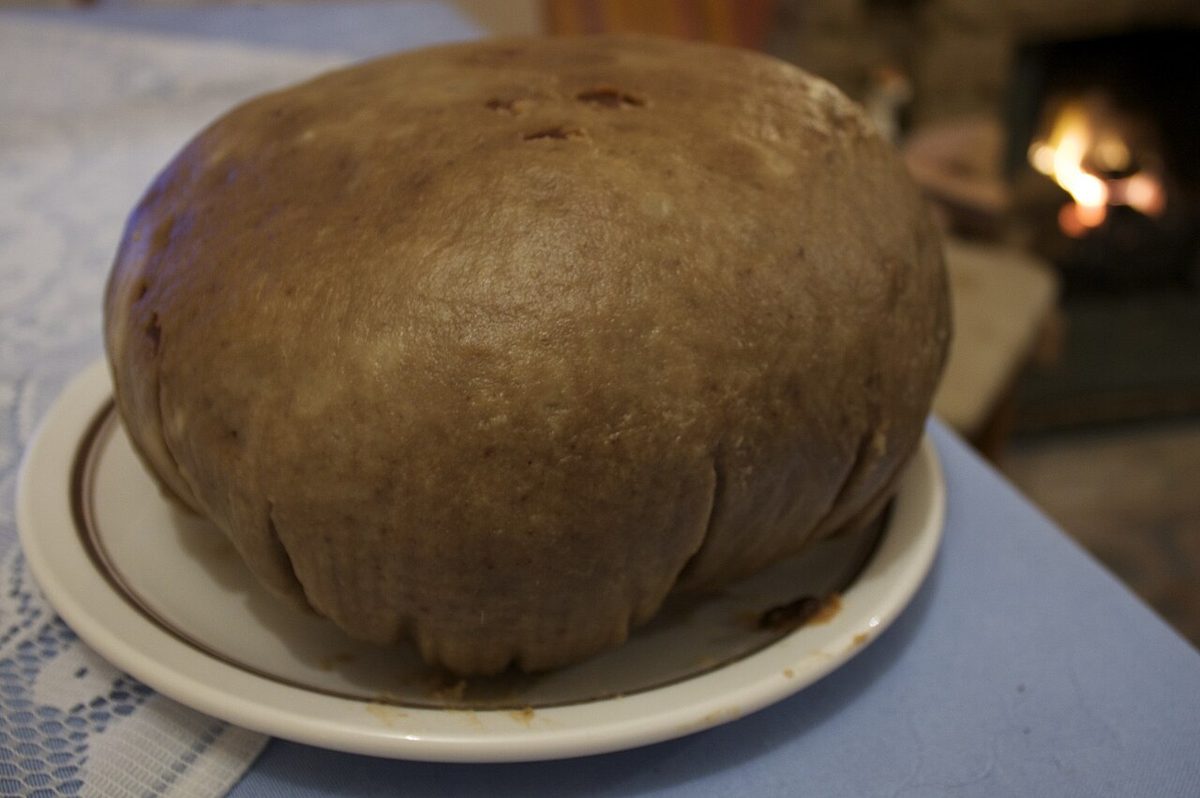
A dense, spiced fruit pudding boiled in a cloth (the “cloot”), which gives it a distinctive skin. It is grandmother food — Christmas and birthdays — served warm with custard, or sliced and fried with breakfast the next day, which I would argue is its true destiny. Cafes in the Highlands serve it with tea for £4–6.
Sticky Toffee Pudding
Contested territory — England claims it too, and its origins are genuinely murky — but the date-sponge-drowned-in-toffee-sauce formula is now a fixture of every Scottish pub menu (£7–9), and some of the best versions I have eaten were in west Highland inns. Claim disputed, custody shared.
Shortbread and Petticoat Tails
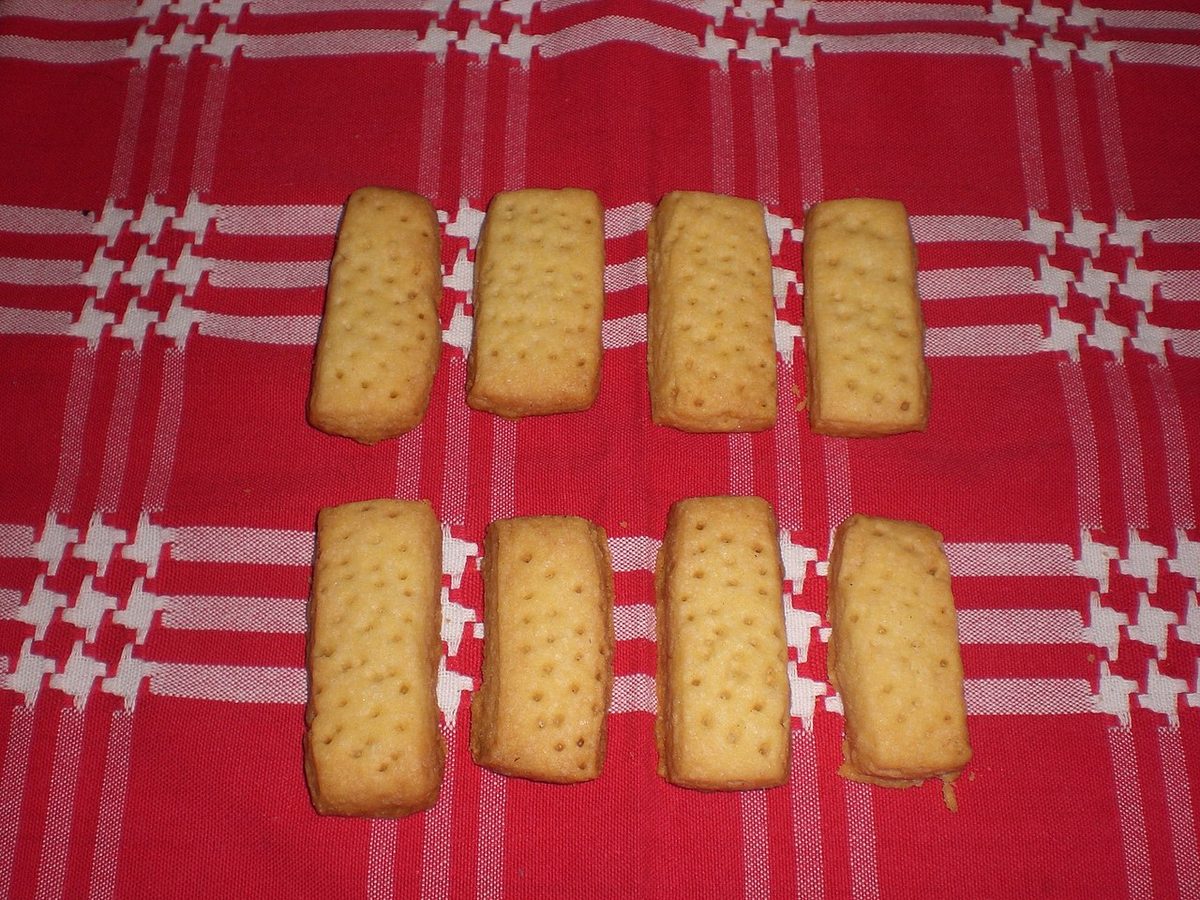
Butter, sugar, flour — Scotland’s most exported taste, refined in the royal kitchens of Mary, Queen of Scots, whose court is credited with the triangular “petticoat tails” shape. Walkers of Aberlour ships its tartan boxes worldwide, but fresh shortbread from an independent bakery (£3–6) is a different experience: warmer, sandier, more buttery. Petticoat tails currently sit second only to cullen skink in TasteAtlas’s Scottish rankings, which feels about right.
Tablet
Sugar, condensed milk and butter boiled and beaten into a crumbly, melt-then-crunch sweet that is emphatically not fudge — it is harder, grainier and sweeter, with written recipes going back to the early 18th century. Sold in £2–4 bags at farm shops, fairs and sweetie shops nationwide. Dangerous to have in the car on a long drive; budget accordingly.
Dundee Cake
A rich fruit cake topped with concentric circles of whole almonds, linked to Dundee’s marmalade trade (the classic recipe includes orange peel). A proper one from a Dundee or Fife bakery costs £8–14 and survives a suitcase journey home better than any other Scottish edible souvenir.
Empire Biscuits, Tunnock’s and the Sweetie Tradition
The Scottish bakery counter is a genre of its own: the Empire biscuit (two shortbread-ish rounds, jam, white icing, jelly sweet on top, £1.50–2.50); the Tunnock’s Tea Cake (marshmallow dome on biscuit in milk chocolate, made in Uddingston since 1956 by a firm founded in 1890 that now turns out roughly 14 million items a week); and boiled sweets with names like soor plooms and Edinburgh rock. Buy a Tunnock’s multipack from any supermarket for about £1.50 and thank me later.
Scottish Cheese (Criminally Underrated)
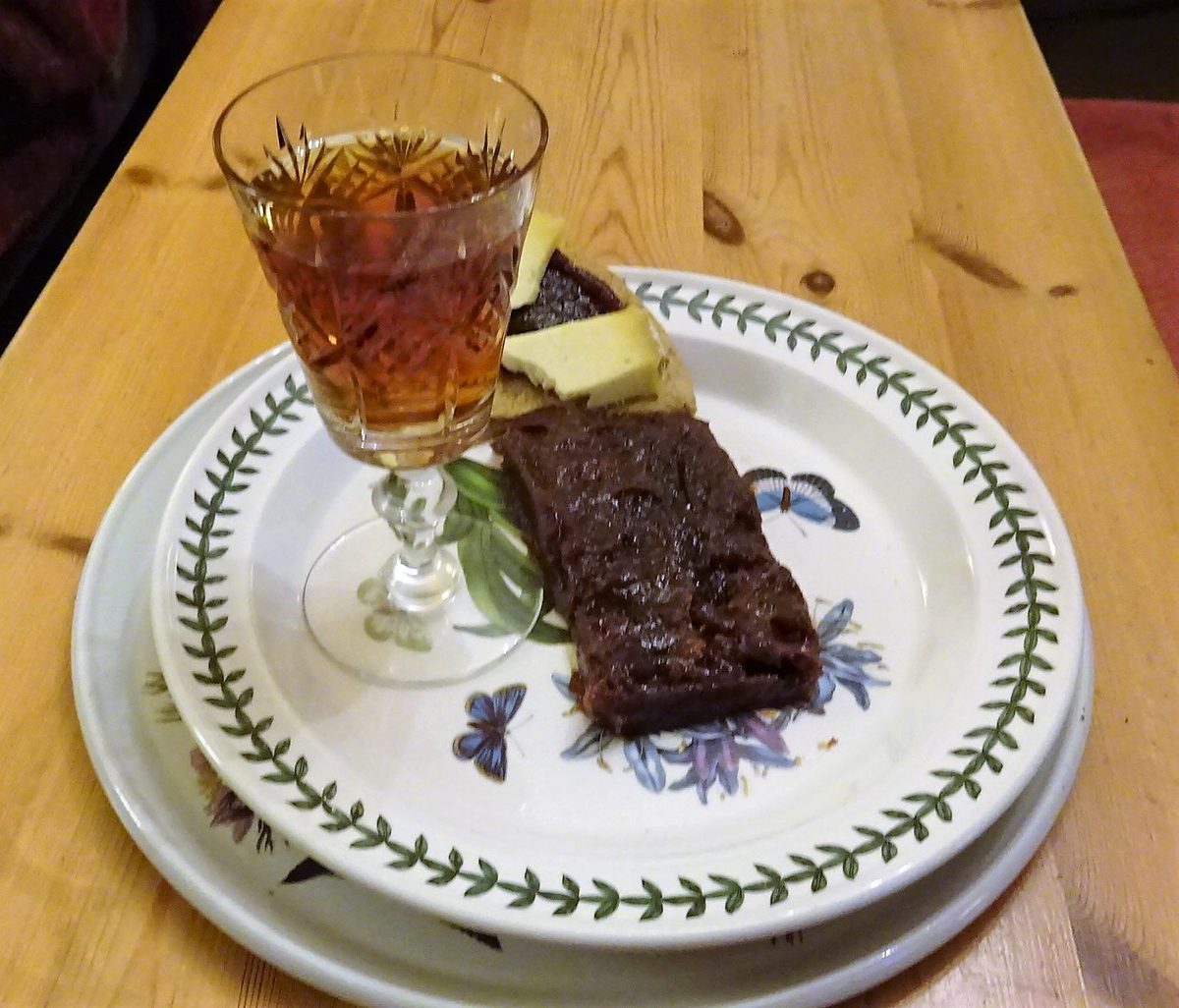
Nobody flies to Scotland for cheese, and everybody should leave converted. The classics: crowdie, a fresh, lemony crofter’s cheese that is brilliant with oatcakes and smoked salmon; caboc, a double-cream cheese rolled in toasted oatmeal, made to a recipe dating to the 15th century; Isle of Mull Cheddar, a fierce, farmhouse cheddar from cows fed partly on draff from the Tobermory distillery; Lanark Blue, a Roquefort-style ewe’s milk blue; and Dunlop, Ayrshire’s sweeter, softer answer to cheddar. A Scottish cheeseboard with oatcakes runs £9–13 in restaurants, or build your own from IJ Mellis (Edinburgh, Glasgow, St Andrews) or the George Mewes counters for half that. The essential partner is the oatcake — Scotland’s ancient daily bread, now its national cracker.
What to Drink in Scotland
Whisky, Briefly
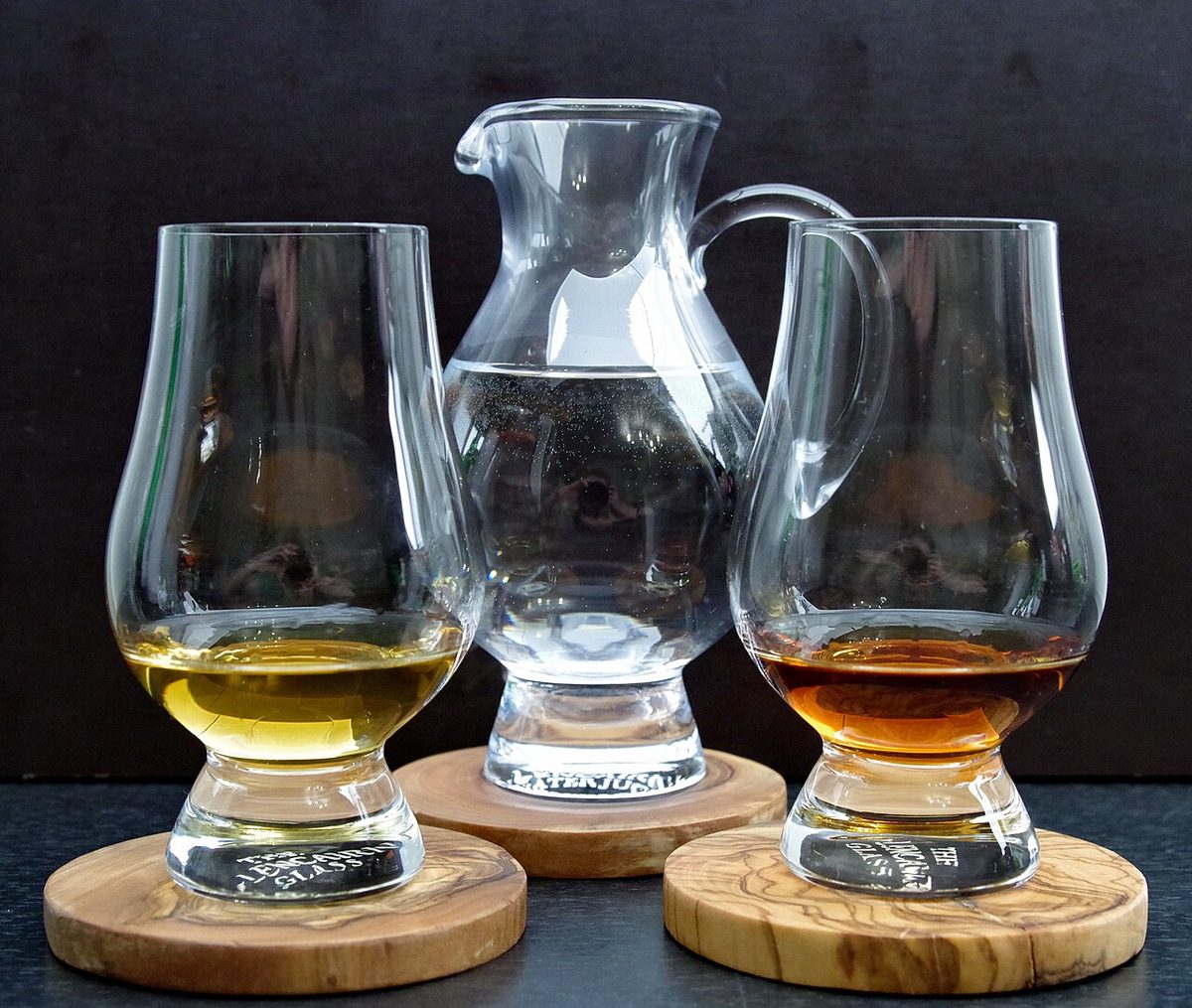
Scotch whisky is its own universe — 154 operating distilleries across five regions (Speyside, Highland, Lowland, Islay, Campbeltown), accounting for around 72 per cent of Scotland’s entire food and drink exports. As a drinker on the ground, the practical facts are these: a standard pub dram costs £4–10 (much more for rare bottlings), distillery tours run £10–25 with a tasting included, and the flavour map runs from light and grassy (Lowland) through honeyed (Speyside) to peat-smoke beach bonfire (Islay). Start with a Speyside if you are new, and add a drop of water before deciding you hate anything. The full tour-planning detail — regions, the best distilleries to visit, how to do Speyside without a car — lives in my Scotch whisky and distilleries pillar guide.
Irn-Bru
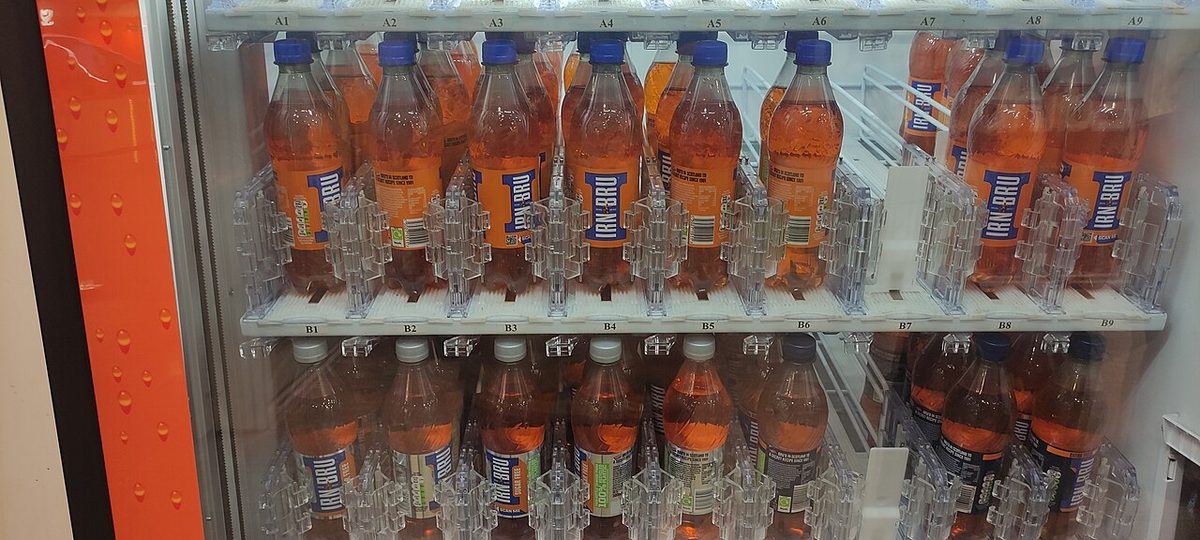
Scotland’s “other national drink”: a violently orange, bubblegum-citrus soft drink made to a secret 32-flavour recipe since 1901, and one of the very few places on Earth where a local soda outsells Coca-Cola. Scots get through a reported 20 cans every second, and it is the national hangover cure of record. It costs £1–2 anywhere that sells anything. You need to try it once; whether you have a second is between you and your dentist.
Gin, Craft Beer and the Rest
Scotland distils around 70 per cent of the UK’s gin (Hendrick’s in Girvan, The Botanist on Islay, Edinburgh Gin and dozens of small stills), and the craft beer scene runs from Tennent’s lager — pouring since 1885 and still Scotland’s pint of record — to BrewDog of Ellon and a wave of island breweries. Sweeter, older curiosities worth one round: Drambuie (whisky, honey, herbs) and Atholl Brose (whisky, oatmeal, honey and cream). I cover all of it, Irn-Bru included, in my guide to Scottish drinks beyond whisky.
Chip Shops, Munchy Boxes and Glorious Guilty Pleasures
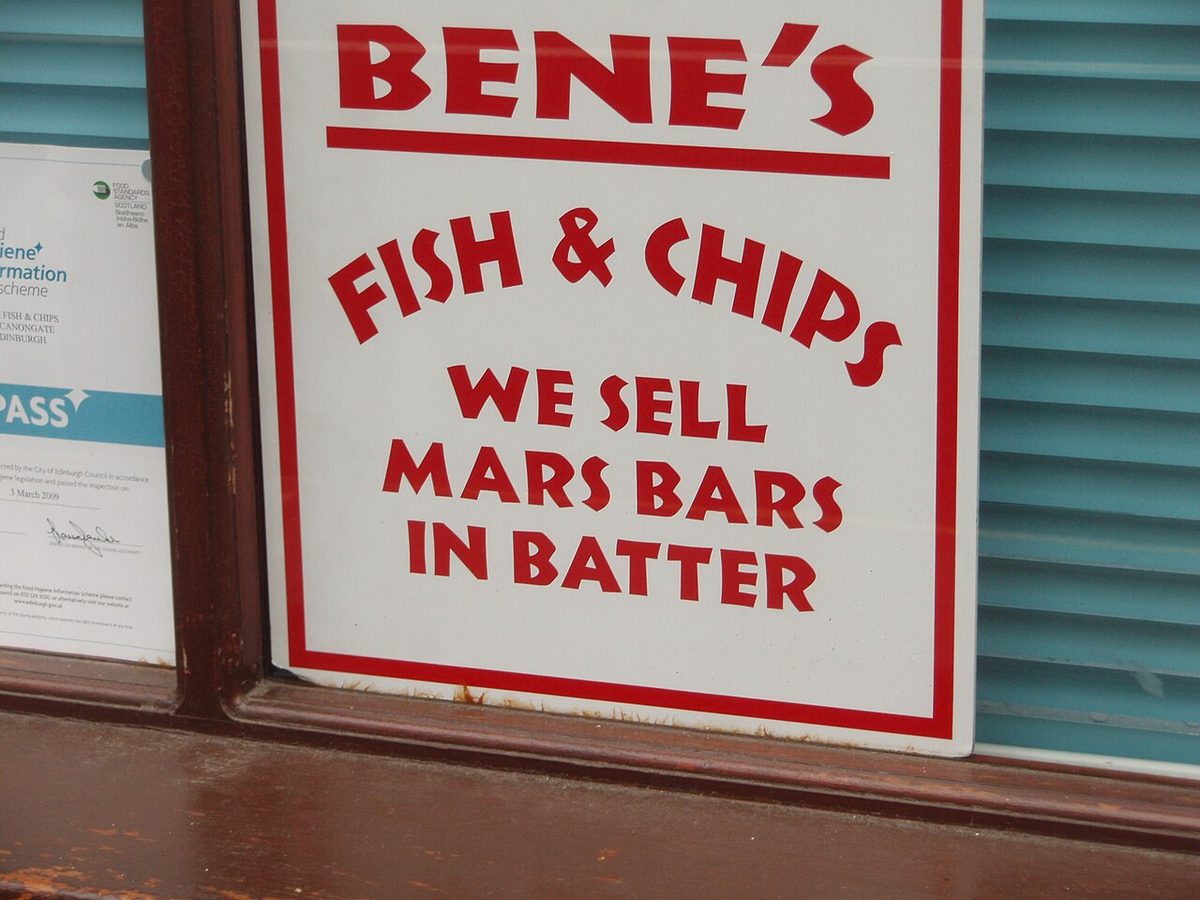
No honest guide to Scottish food can skip the chip-shop canon, and most polite guides do. Their loss. This is a living, unembarrassed part of how Scotland actually eats, and some of it is great.
The Deep-Fried Mars Bar
Invented in 1992 at the Haven Chip Bar (now the Carron Fish Bar) in Stonehaven, when a local lad asked for his Mars bar battered, and propelled to fame by a 1995 newspaper story. The Carron still sells over a hundred a week to pilgrims, with a banner outside claiming the birthright; expect to pay £2–3. The honest review: it is a hot, molten, ludicrous mouthful, better than it has any right to be and absolutely a one-time event. Stonehaven is 20 minutes south of Aberdeen, conveniently close to the most dramatic clifftop ruin in the country — Dunnottar Castle, a highlight of my Scotland castles guide.
The Munchy Box
A Glasgow institution: a pizza box loaded with some unholy committee of doner meat, pakora, chicken tikka, chips, naan and salad, designed for sharing after a night out. £10–15 buys enough for two or three people. Anthropologically essential; cardiologically inadvisable.
Pizza Crunch and the Haggis Supper
The chip-shop genius for battering things extends to pizza (a “pizza crunch supper”), haggis (the haggis supper, £7–9, sincerely recommended), white pudding and king rib. The word “supper” simply means “with chips.” Once you know that, the whole menu decodes itself.
Chicken Tikka Masala, A Scottish Dish?
Glasgow’s Shish Mahal restaurant famously claims the invention of chicken tikka masala in the 1970s, when a customer wanted gravy with his tandoori chicken and a tin of tomato soup entered history. The claim is contested; the city’s curry culture is not. Glasgow has repeatedly been named the UK’s curry capital, and a proper Glasgow curry house dinner belongs on any Scottish food itinerary — haggis pakora to start, obviously. See my picks in the guide to where to eat in Glasgow.
Where to Eat Scottish Food in 2026
Edinburgh
The capital does the full spectrum: haggis at traditional howffs like the Cafe Royal or Whiski on the Royal Mile; refined Scottish cooking at The Witchery and Cafe St Honoré; seafood at Ondine; and the salt-and-sauce chippy experience everywhere else. Edinburgh holds several of Scotland’s Michelin stars, but the best-value move is lunch — the same kitchens at half the evening price. My full guides to where to eat in Edinburgh and the city’s food tours (worth it for first-timers, I think, with caveats) sit alongside my main Edinburgh travel guide.
Glasgow
Scotland’s best-value food city. Cafe Gandolfi has served definitive cullen skink and Stornoway black pudding in the Merchant City since 1979; Mharsanta does Burns-supper-grade haggis year-round; the Ubiquitous Chip has been the west end’s special-occasion room since 1971; and the curry houses settle the tikka masala question nightly. Pair the eating with my Glasgow travel guide.
Beyond the Cities
The pattern to learn: eat the thing where it comes from. Cullen skink in Cullen; smokies in Arbroath; langoustines in Oban; scallops and lobster on Skye (the seafood shacks at Stein and the famous Oyster Shed at Carbost); black pudding in Stornoway; venison anywhere in the Highlands; and the freshest fish suppers in the East Neuk of Fife. Driving the North Coast 500 strings half of these together in one loop, and even a Loch Ness and Inverness stay puts you an hour from Speyside, the Moray coast and some of the best venison menus in the country.
Michelin Stars and Big Occasions
Scotland enters 2026 with 15 Michelin-starred restaurants. Restaurant Andrew Fairlie at Gleneagles and The Glenturret Lalique in Perthshire hold two stars each, and the 2026 Guide added two new one-stars: 1887 at The Torridon, in the north-west Highlands, and Killiecrankie House near Pitlochry. Tasting menus run £95–250 a head. The democratic alternative: the bar lunch at a starred hotel, or simply a great seafood shack — Scotland is one of the few places where the £15 meal and the £150 meal can use the same langoustines.
Regional Specialities: A Quick Map
| Region | Don’t leave without trying |
|---|---|
| Borders | Rumbledethumps (potato, cabbage and cheese bake); Selkirk bannock fruit loaf |
| Aberdeen & North-East | Butteries (rowies); Aberdeen Angus beef; Cullen skink along the Moray coast |
| Angus & Dundee | Arbroath smokies; Forfar bridies; Dundee cake and marmalade |
| Edinburgh & Lothians | Salt ’n’ sauce chippies; Edinburgh rock; the modern Scottish restaurant scene |
| Glasgow & West | Munchy boxes; curry; Tunnock’s (Uddingston); Loch Fyne oysters and kippers |
| Highlands | Venison; game; Highland beef; porridge done properly (Carrbridge) |
| Outer Hebrides | Stornoway black pudding PGI; hand-dived scallops; peat-smoked salmon |
| Orkney & Shetland | Orkney cheddar and bere bannocks; Shetland mussels and reestit mutton |
Seasonal and Festival Foods
Scottish food keeps a calendar. Burns Night (25 January) is the big one — haggis piped into the room, addressed with the Burns poem, served with neeps, tatties and whisky. Hogmanay brings steak pie on New Year’s Day and black bun — a dense fruit cake in pastry — for first-footing. The grouse season opens on 12 August; berry season peaks in July when Perthshire and Angus raspberries and tayberries hit farm shops; and September’s harvest brings game menus everywhere. Competitive eating, Scottish-style, means the Cullen Skink World Championships each spring, the World Scotch Pie Championship (winners announced each winter), and the Golden Spurtle porridge championship in Carrbridge on 3 October 2026. Time a trip around any of them — my guides to the best time to visit Scotland and Scotland’s festivals and events can help you plan it.
Vegetarian, Vegan and Dietary Needs
Easier than the menu above suggests. Vegetarian haggis — oats, pulses, mushrooms, the same pepper-heavy seasoning — has been made by Macsween since 1984, is stocked by every supermarket, and is honestly so convincing that plenty of Scots prefer it. Rumbledethumps, clapshot (the Orkney neeps-and-tatties mash), porridge, oatcakes, tattie scones and cranachan are all naturally vegetarian or easily made so, and Edinburgh and Glasgow both run deep with dedicated vegan restaurants. Coeliacs should know that oats are everywhere and chip-shop batter is not gluten-free, but dedicated GF fish and chips exist in both cities. The full picture — including the best meat-free Burns suppers — is in my guide to vegetarian and vegan food in Scotland.
What Scottish Food Costs in 2026
| Item | Typical 2026 price |
|---|---|
| Roll and square sausage from a bakery | £3–4.50 |
| Scotch pie | £1.50–3 |
| Cafe full Scottish breakfast | £10–15 |
| Bowl of cullen skink with bread | £6–9 |
| Fish supper | £10–13 |
| Haggis, neeps and tatties (pub main) | £9–14 |
| Venison main course | £18–26 |
| Seafood platter (west coast) | £25–40 |
| Pub dram of single malt | £4–10 |
| Distillery tour with tasting | £10–25 |
| Michelin tasting menu | £95–250 |
| Bag of tablet / box of shortbread | £2–6 |
Budget rule of thumb: eat your big meal at lunch, buy breakfast from bakeries, and spend the savings on one properly good seafood dinner. More money-saving detail in my Scotland travel costs and tips guide, and if you would rather have the eating organised for you, several operators in my Scotland tours guide run dedicated food-and-whisky itineraries.
Scottish Food FAQ
What is the national dish of Scotland?
Haggis — a savoury pudding of sheep offal, oatmeal, suet, onion and pepper — is Scotland’s national dish, a status cemented by Robert Burns’s 1786 poem “Address to a Haggis.” It is traditionally served with neeps and tatties (mashed swede and potato) and a dram, especially at Burns suppers every 25 January.
What food is Scotland famous for?
Scotland is best known for haggis, porridge, shortbread, smoked salmon, Aberdeen Angus beef, cullen skink, Scotch pies, tablet and cranachan — plus Scotch whisky and Irn-Bru on the drinks side. Its seafood, particularly west-coast langoustines, scallops and oysters, is rated among the best in Europe and widely exported.
What does haggis taste like?
Haggis tastes like a rich, crumbly, heavily peppered meat stuffing — savoury and nutty from the oatmeal, with a warm spice finish. The texture is closer to a coarse mince than a sausage. Most first-timers are surprised at how approachable it is, especially under whisky cream sauce.
What do Scottish people eat for breakfast?
Day to day: porridge, toast or a roll and square sausage. The weekend treat is the full Scottish — bacon, eggs, Lorne sausage, tattie scone, black pudding and often haggis, with tea. B&Bs serve it as standard, frequently with kippers or smoked haddock as an alternative.
What is a traditional Scottish dessert?
Cranachan — whipped cream, whisky, honey, toasted oats and raspberries — is the classic, followed by clootie dumpling (a spiced fruit pudding boiled in cloth), shortbread and tablet. Sticky toffee pudding is ubiquitous too, though England disputes custody of that one.
What is cullen skink?
Cullen skink is a thick Scottish soup of smoked haddock, potatoes, onions and cream, named after the Moray fishing village of Cullen. It is currently the highest-rated Scottish dish on TasteAtlas and has its own World Championships, held in Cullen each spring. Expect to pay £6–9 a bowl.
Why is haggis banned in the US?
Traditional haggis contains sheep lung, which the US Department of Agriculture has prohibited in food since 1971, so authentic Scottish haggis cannot legally be imported or sold in the United States. American “haggis” is made to modified recipes — another reason to eat the real thing in Scotland.
What is a fish supper?
A fish supper is the Scottish term for takeaway fish and chips — in Scotland usually battered haddock rather than cod. “Supper” means “with chips” at a chippy, so you can also order a haggis supper or sausage supper. In 2026 expect to pay £10–13 at the well-known chippies.
What is Scottish tablet?
Tablet is a traditional Scottish sweet made by boiling sugar, butter and condensed milk, then beating it so it sets crumbly rather than chewy — firmer and grainier than fudge, and sweeter. Recipes appear in Scottish household books from the early 1700s. Farm shops and fairs sell it in £2–4 bags.
What is a munchy box?
A munchy box is a Glasgow takeaway phenomenon: a pizza box filled with a mix of doner kebab meat, pakora, chicken tikka, chips, naan bread and sauces, built for sharing late at night. Most cost £10–15. It has become a semi-ironic icon of modern Scottish food culture.
Final Thoughts
Scottish food spent decades as a punchline, and the punchline is out of date. What I love about eating in Scotland now is the lack of pretence at both ends: the same country that hands you a haggis supper over a chip-shop counter at midnight will, fifteen miles away, serve you hand-dived scallops that Parisian restaurants would queue for. My personal top five, for the record: a warm Arbroath smokie at the harbour, cullen skink anywhere on the Moray coast, langoustines at the Oban green shack, proper cranachan in raspberry season, and a roll and square with brown sauce eaten outdoors on a cold morning. Come hungry, learn the word “supper,” answer the salt-’n’-sauce question with confidence, and you will eat far better here than anyone warned you. For the deeper dish-by-dish version of this guide, start with my list of 20 traditional Scottish foods to try, then plan the trip around it with my Scotland itinerary guide and the practicalities in getting around Scotland.
Some of the best meals are part of a bigger day out — our unusual experiences guide has a few worth building an evening around.
Whisky deserves a trip of its own rather than a single afternoon. Our region-by-region guide to distillery tours in Scotland covers all five whisky regions and, more usefully, how to taste anything at all when someone has to drive. If you want the densest concentration of distilleries in the world, head for the Malt Whisky Trail in Speyside.
Photo Credits
- Traditional Scottish food: haggis with neeps and tatties on a plate — Metukkalihis, CC BY-SA 3.0, via Wikimedia Commons
- Bowl of cullen skink, Scotland's smoked haddock and potato soup — Andy Li, CC0, via Wikimedia Commons
- Full Scottish breakfast with Lorne sausage, tattie scone and black pudding — David Pursehouse from Kawasaki, Japan, CC BY 2.0, via Wikimedia Commons
- A fish supper – battered haddock and chips from a Scottish chippy — Edinburgh Blog, CC BY 2.0, via Wikimedia Commons
- Arbroath smokies, hot-smoked haddock with PGI status from Angus — Simon Doggett from London, UK, CC BY 2.0, via Wikimedia Commons
- Buttery Scottish shortbread fingers — Thorsten Alge, Public domain, via Wikimedia Commons
- A traditional Scotch pie with its hard hot-water crust — Delta-NC (talk), Public domain, via Wikimedia Commons
- Irn-Bru, Scotland's other national drink — Nizzan Cohen, CC0, via Wikimedia Commons
- Scottish oatcakes served with cheese — Rosser1954, CC BY-SA 4.0, via Wikimedia Commons
- An Edinburgh chip shop sign advertising Mars bars in batter — Rathfelder, CC BY-SA 4.0, via Wikimedia Commons
- Clootie dumpling, a traditional Scottish spiced fruit pudding — Matt Riggott from Reykjavik, Iceland, CC BY-SA 2.0, via Wikimedia Commons
- Stovies, the Scottish potato and meat comfort dish — JSL595, Public domain, via Wikimedia Commons
- Slices of smoked salmon – Scotland's biggest single food export — Leslie Seaton from Seattle, WA, USA, CC BY 2.0, via Wikimedia Commons
- Cranachan, the classic Scottish dessert of raspberries, cream, oats and whisky — Saskia van de Nieuwenhof from Edinburgh, United Kingdom, CC BY-SA 2.0, via Wikimedia Commons
- A dram of single malt Scotch whisky in a tasting glass — Lord van Tasm, CC BY-SA 3.0, via Wikimedia Commons