The usual answer to the Stirling Castle vs Edinburgh Castle question is to do both: they’re different, you’ll enjoy them. That is true, and it is also useless to someone with two days in Scotland and one free afternoon.
So here is a straight answer. Stirling is the better castle. Edinburgh is the better experience. They are not competing for the same job, and once you see that, the decision more or less makes itself.
The short answer
If you only get one and you’re already in the capital on a tight schedule, go to Edinburgh Castle — the Honours of Scotland and that setting on the rock have no equivalent anywhere. If you have a spare day and you care what a Scottish royal palace actually looked like from the inside, take the train to Stirling. It is the better building, with roughly a third of the crowd.
| What you’re weighing up | Edinburgh Castle | Stirling Castle |
|---|---|---|
| Adult ticket, booked online | £23.50 (£26 on the door) | £18.50 (£20.50 on the door) |
| Visitors in 2025 (approx.) | Around 2.04 million | Around 620,000 |
| Time to set aside | 2–3 hours | 2–3 hours, or a full day with Stirling itself |
| Its single strongest asset | The Honours of Scotland and the Castle Rock setting | The reconstructed Renaissance palace interiors |
| The view | Rooftops, Princes Street, the Firth of Forth | The Ochils, the Wallace Monument and the Carse of Forth |
| Getting there car-free | Walk up from anywhere central | About 35 minutes by train from Glasgow, about 50 from Edinburgh, then about half a mile uphill from the station |
| What you’re mostly looking at | Fortress, barracks and museums | Palace, great hall and chapel |
| Best for | First trips, short trips, national symbolism | Repeat visits, families, anyone allergic to queues |
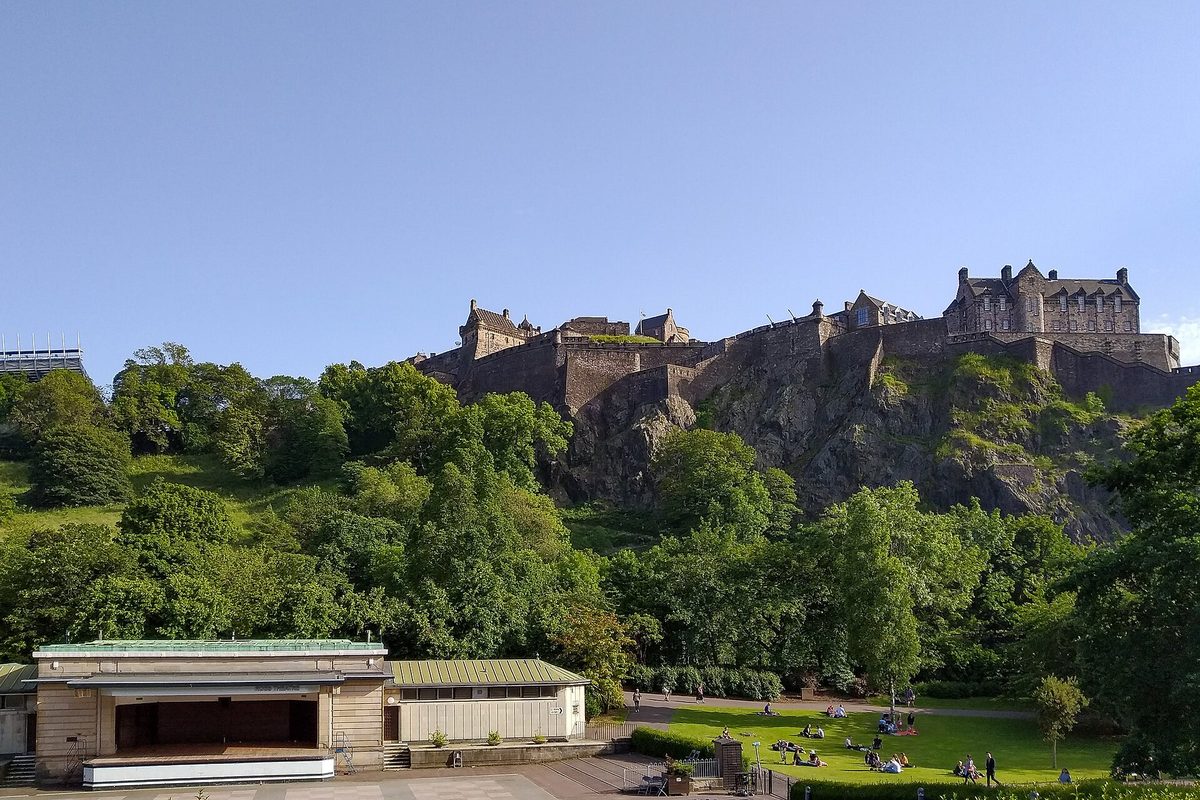
They are answering two different questions
The reason every comparison you read ends in a shrug is that the two places aren’t really the same category of thing. Both are run by Historic Environment Scotland, both sit on volcanic rock, both charge you money at a gate. After that the resemblance thins out fast.
Edinburgh Castle is a garrison and a national symbol
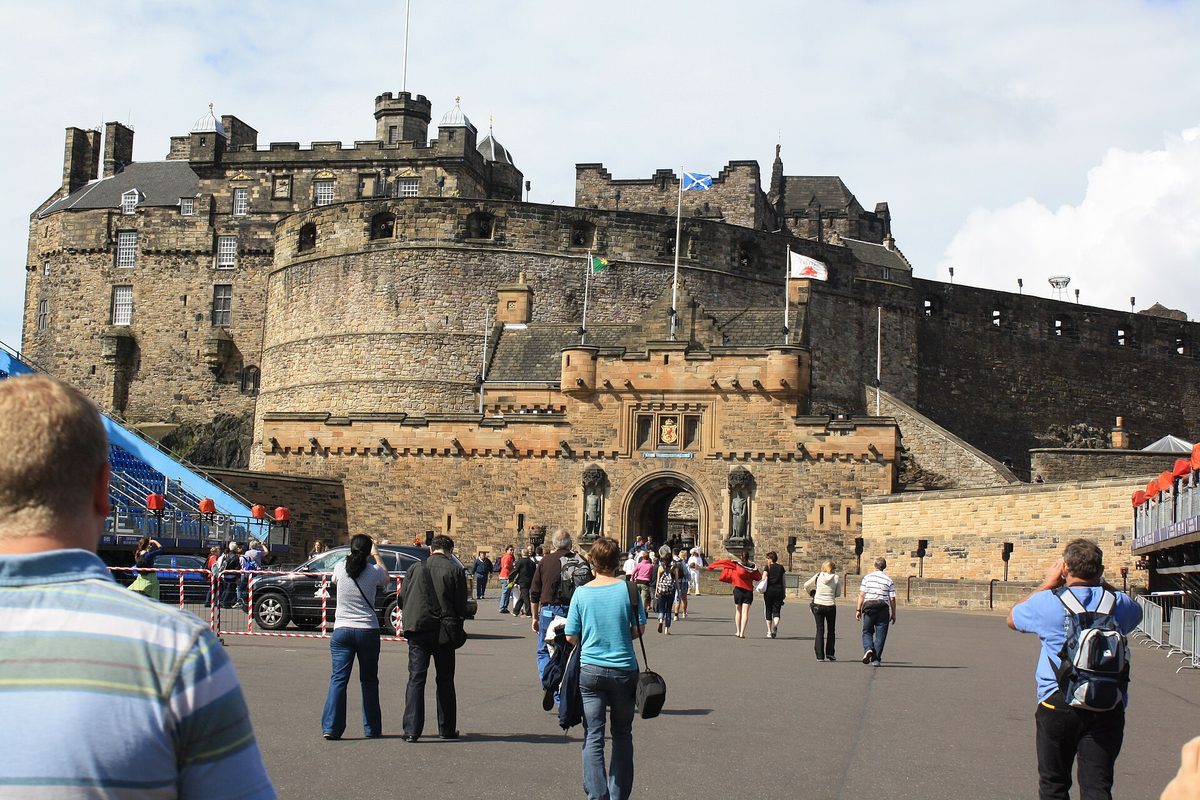
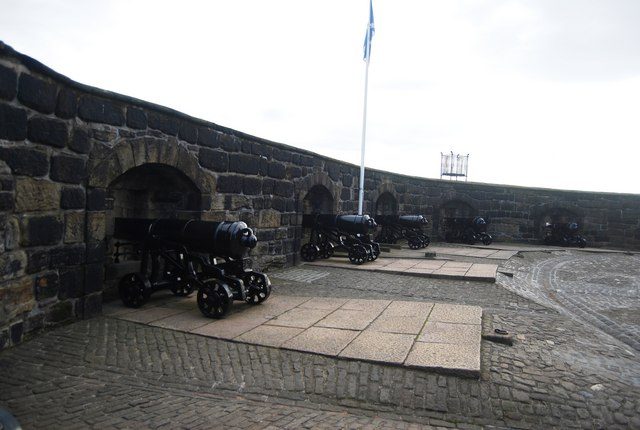
What you are walking around at Edinburgh Castle is, for the most part, a working military fortress that was continuously occupied, altered, knocked about and rebuilt for the better part of a thousand years. Large parts of what you see are barracks and gun batteries. There are three separate military museums inside the walls. The army only fully handed the site over in stages during the twentieth century, and it still feels like somewhere with a duty roster.
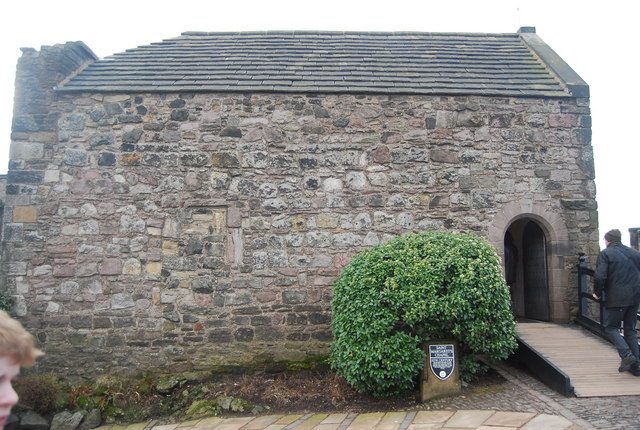
That’s not a criticism, it’s the point. You go for the Honours of Scotland — the oldest crown jewels in Britain, and genuinely moving objects with a hiding-in-a-chest story behind them. You go for the Scottish National War Memorial, which I’d argue is the most affecting room in the whole of Scotland and which almost nobody mentions in these comparisons. You go for St Margaret’s Chapel, a plain little twelfth-century box that is the oldest surviving building in Edinburgh. You go for Mons Meg, for the One O’Clock Gun at 1pm sharp, and for the view down over the gardens.
And you go with roughly two million other people a year. In 2025 the castle recorded 2,044,963 visits, which made it comfortably Scotland’s most visited paid attraction. That number is the single most important fact in this whole comparison, and I’ll come back to it.
Stirling Castle is a Renaissance palace
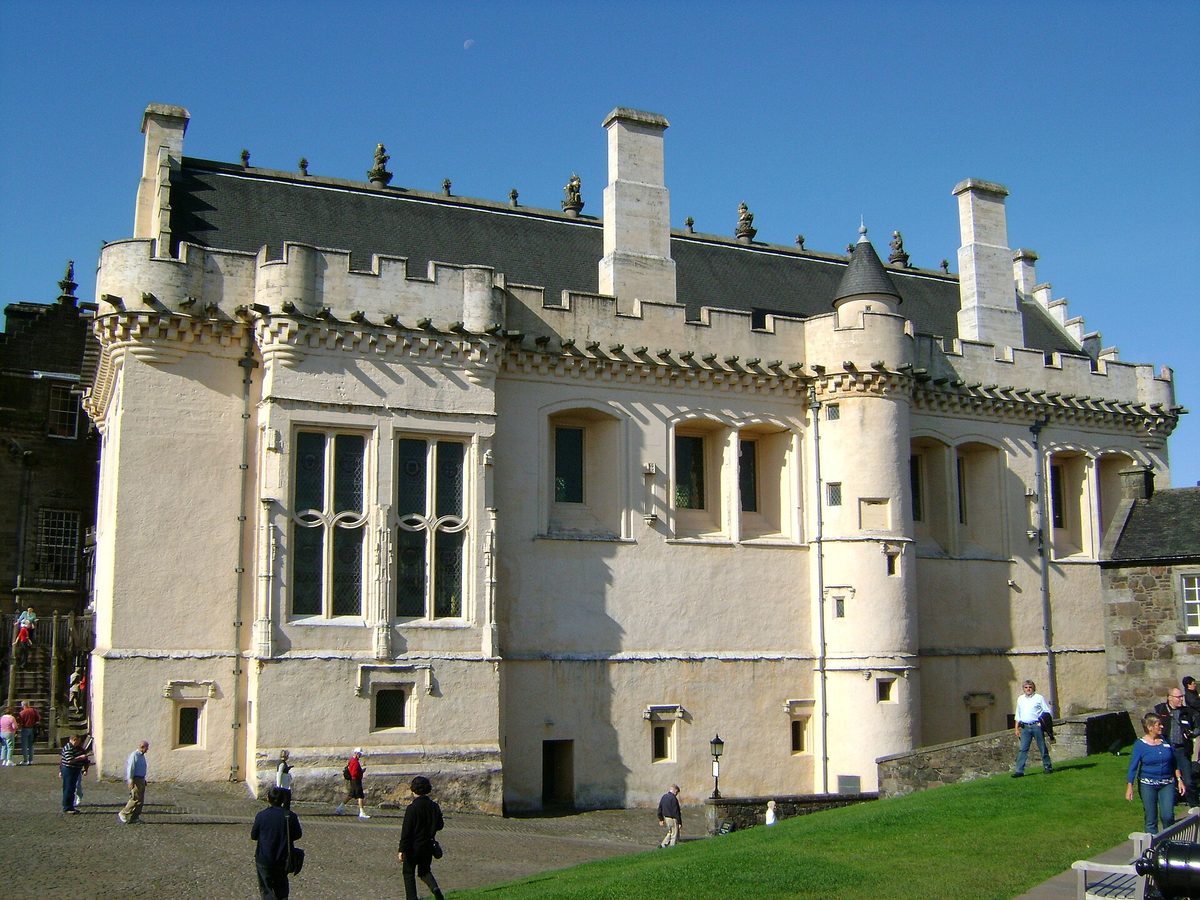
Stirling had the same strategic job — it guarded the lowest bridging point on the Forth, which is why Stirling Bridge in 1297 and Bannockburn in 1314 were fought within a few miles of it. But its surviving glory is domestic rather than military. James IV built the Great Hall. His son James V built the palace block in the 1530s and 1540s as a statement of arrival for his French wife, Mary of Guise. Their daughter, Mary, Queen of Scots, was crowned in the Chapel Royal here in September 1543 at nine months old.
Over about five years to 2011, Historic Scotland spent roughly £12 million putting the interiors of that palace block back the way the evidence suggests they looked in the 1540s. Not tastefully bare stone with an information panel. Painted colour, textiles, furniture, the lot. The palace reopened in June 2011 and it is still, fifteen years on, the most interesting interior in any castle in Scotland.
Stirling took 620,464 visits in 2025. That is a substantial attraction by any normal measure, and it is also under a third of Edinburgh’s. You feel that difference within ninety seconds of walking through the gate.
Stirling Castle vs Edinburgh Castle: the eight things that actually decide it
Crowds and queues
This is where Edinburgh Castle loses people, and it’s worth being precise about why. The problem isn’t the whole site — the upper wards are big and airy. The problem is the funnel. Everyone enters over the same drawbridge, through the same gatehouse and up the same cobbled ramp at the same time, because everyone booked a slot. Then everyone converges on the Honours of Scotland, which is a single one-way route through a series of small rooms. On an August afternoon that queue can eat forty minutes of your visit and you will spend it shuffling.
Stirling has queues in July and August too. They are shorter, they move, and the site absorbs people better because there are three or four genuinely worthwhile things to look at rather than one obvious headliner.
How much of it is actually original
Nobody discusses this and it changes how you feel about both places. The honest answer is that a great deal of what you admire at either castle is a reconstruction, and the two sites are differently upfront about it.
Edinburgh’s Great Hall was finished around 1511 for James IV, and the hammerbeam roof above your head really is late medieval — that timber is the genuine article and it’s rare. But the room beneath it served as a barracks and then, until 1886, as a military hospital, and what you’re standing in now is a lavish Victorian re-imagining. All those weapons arranged in fans on the walls are a Victorian idea of what a medieval hall should look like. It’s a lovely room. It is not 1511.
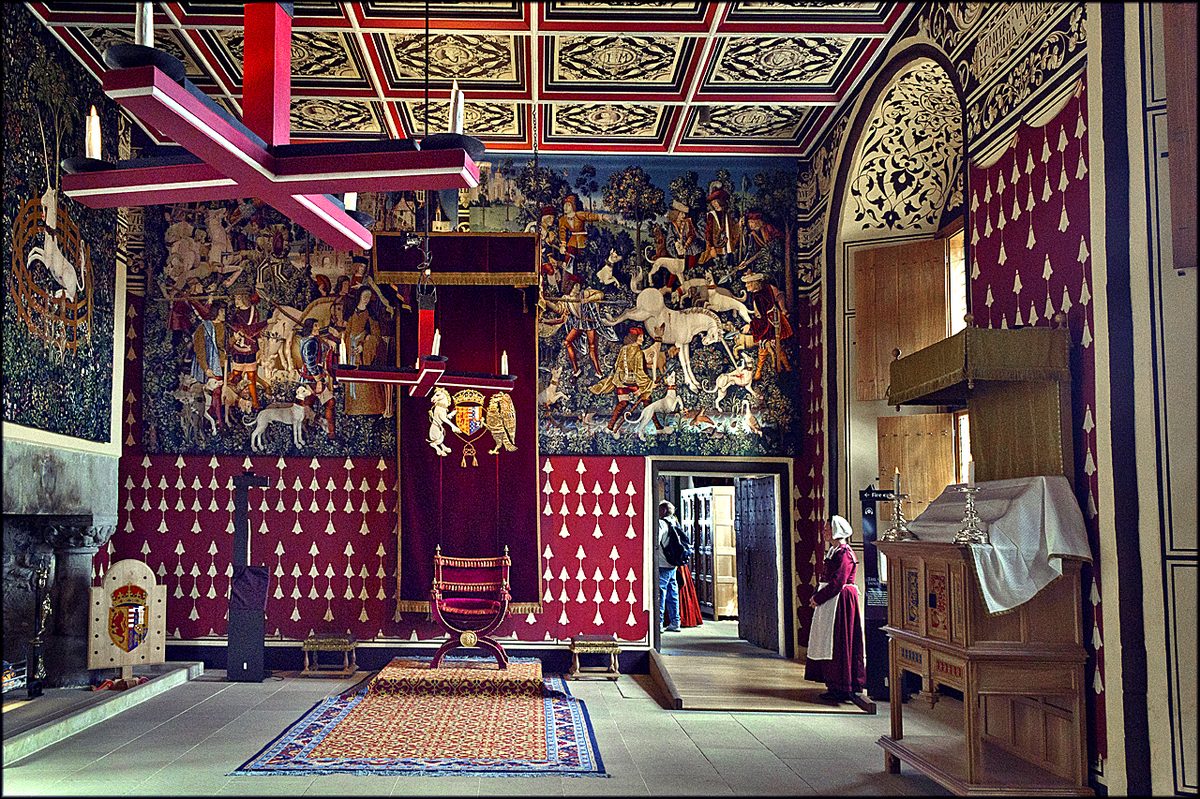
Stirling’s palace interiors are a reconstruction too, and the difference is that Stirling tells you so on a panel at the door. You know you’re looking at a 2011 interpretation of the 1540s. Once you accept that, it is far more informative than an empty stone room, because it answers the question every visitor is silently asking: what did this actually look like when people lived here?
The interiors
Not close. Stirling wins by a distance, and two things do most of the work.
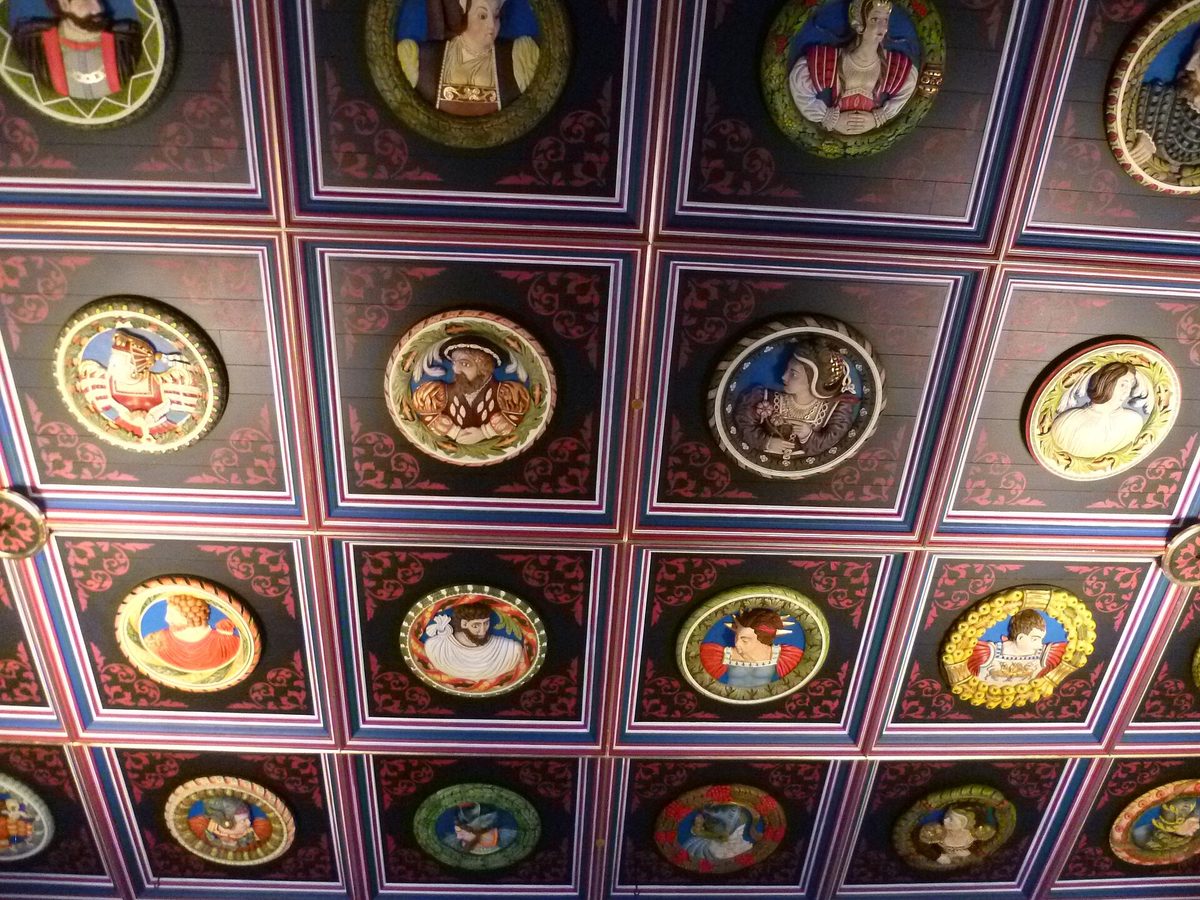
The first is the Stirling Heads: carved oak roundels, a metre or so across, that once studded the ceiling of the King’s Presence Chamber. Kings, queens, Roman emperors, a court jester, Hercules. The surviving originals sit in their own gallery upstairs, weathered and brown; the ceiling itself now carries painted replicas in the colours the evidence points to, and looking up at that ceiling is one of the genuinely surprising moments in Scottish sightseeing. Nothing about the outside of the building prepares you for it.
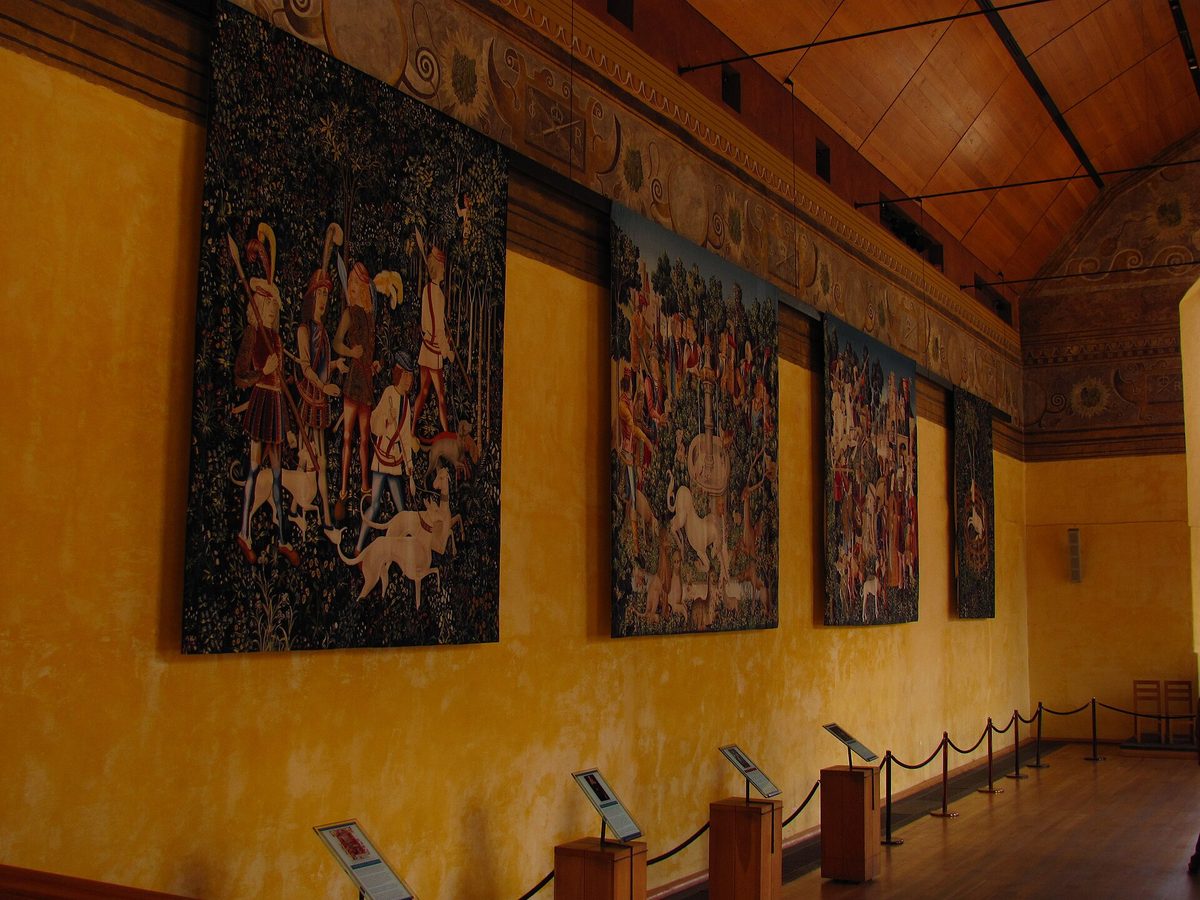
The second is the Hunt of the Unicorn hangings in the Queen’s Inner Hall. Seven large tapestries, hand-woven over about thirteen years, the last one finished in 2015, in studios at the castle and at West Dean. They are based on the famous set now in New York, and the room they hang in — deep red walls, painted ceiling, a throne under a canopy — is the closest thing in Britain to standing inside a sixteenth-century royal apartment.
Edinburgh’s equivalent spaces are thinner. The royal apartments are small and comparatively bare; the birth chamber where James VI was born in 1566 is a tiny panelled room that most people walk through in under a minute. If your interest is interiors, this is the whole argument in one paragraph.
The view
Edinburgh’s view is famous and it is a city view: rooftops, Princes Street, the New Town’s grid, the Firth of Forth beyond, Arthur’s Seat off to the east. It’s excellent, and if you want the wider version of it there’s a case for climbing Arthur’s Seat instead of paying to look at it, since the best view of Edinburgh Castle is from outside Edinburgh Castle.
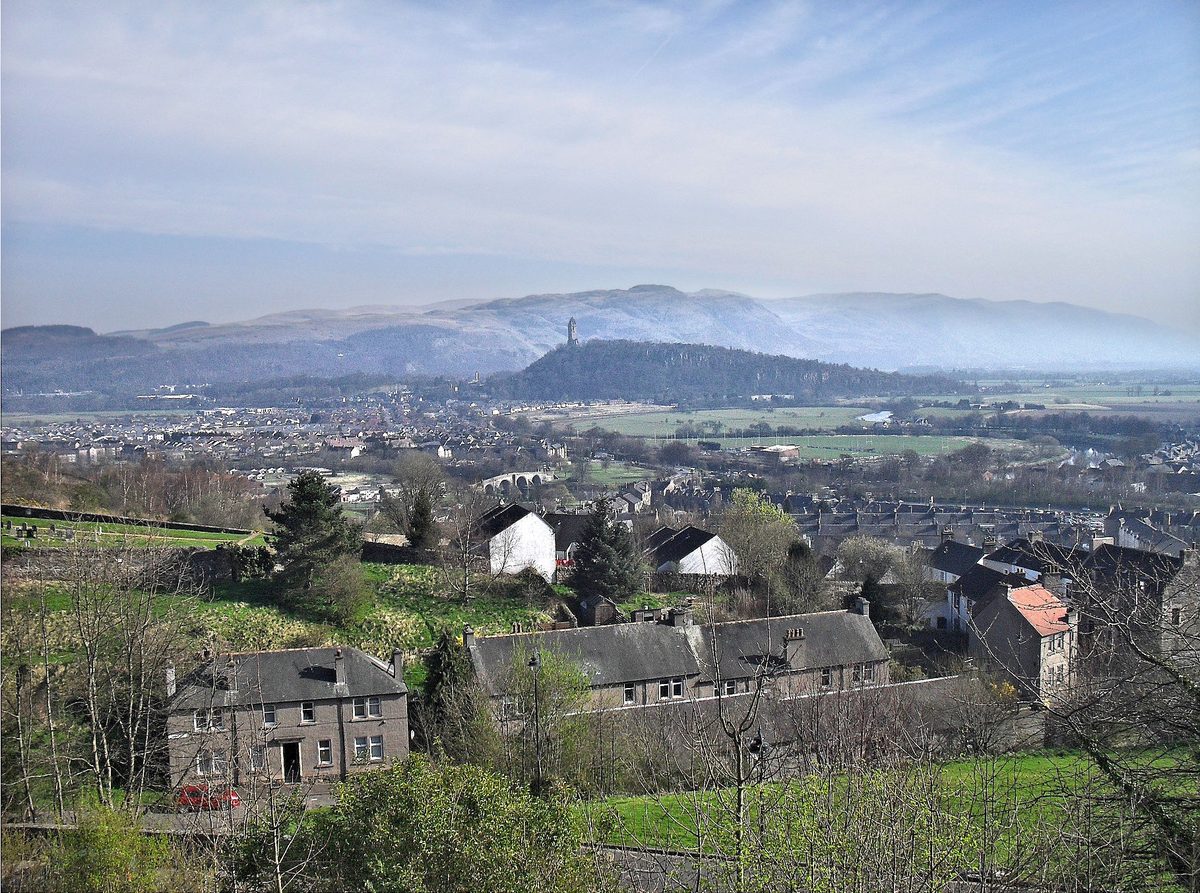
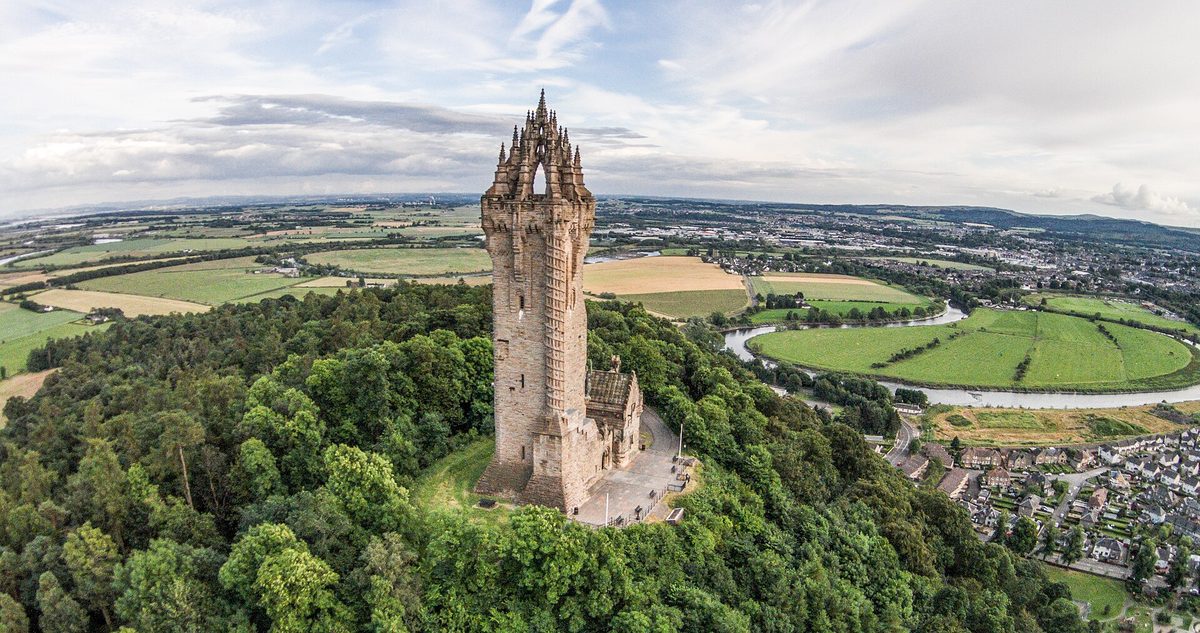
Stirling’s view is a landscape, and I think it’s the better one. You stand on the ramparts and see the Carse of Forth spread out flat and green, the River Forth meandering through it in absurd loops, the Wallace Monument on its crag at Abbey Craig, the Ochil Hills rising behind, and on a clear day the southern Highlands stacked up beyond that. It is also a view that explains something: you can see exactly why holding this rock meant holding Scotland. Edinburgh’s view is prettier in postcard terms. Stirling’s tells you why the castle is there.
The history on display
Both are stacked with it, but they present it differently. Edinburgh gives you national history in object form: the crown, the sceptre, the sword of state, the war memorial, the regimental museums, the prisons of war vaults with the graffiti prisoners carved into the woodwork. It’s a museum-forward experience, and the audio guide (around £4, discounted for members and pass holders) is what makes it hang together. Without it you’ll wander.
Stirling gives you court history: how a Renaissance monarchy staged itself, what it wore, what it ate, who stood where in which room. The costumed interpreters are a big part of this and they’re better than that description sounds — they’ll answer real questions in character and out of it. Guided tours at Stirling are included in the ticket at the time of writing, which is a meaningful difference from Edinburgh where a guided tour is generally an add-on.
One correction worth making, because almost every comparison online still gets it wrong. The Stone of Destiny is no longer at Edinburgh Castle. It left in March 2024 and is now the centrepiece of Perth Museum, which opened on 30 March that year. If seeing the Stone was your reason for choosing Edinburgh Castle, you need to change plan and head for Perthshire instead. The Honours of Scotland are still at Edinburgh Castle. The Stone is not.
Cost, and what a pass changes
An adult ticket to Edinburgh Castle is £23.50 booked online and £26 walking up; concessions are £19 online and a child aged 7–15 is £11.50. Stirling Castle tickets are £18.50 online for an adult and £20.50 on the door. Check both official sites before you travel, because these move.
Two things nobody tells you. First, Edinburgh sells a Flexi Ticket — around £38 for an adult — which gives you one entry on any day inside a seven-day window with no timeslot to commit to. If your dates are loose or the forecast is bad, that flexibility is worth more than the extra outlay.
Second, Stirling runs a car-free discount. Book online with the code GOOD25, arrive by train, bus or bike, show the ticket or the bike at the gate, and you get 25% off standard admission. That takes an adult online ticket from £18.50 to £13.88. Since the train is the sensible way to reach Stirling anyway, you are being paid to do the easy thing. Confirm the code is still running before you rely on it.
Then there’s the Historic Scotland Explorer Pass, valid for fourteen consecutive days. From 1 April to 31 October it costs £48 for an adult, £39 concession, £29 child and £100 for a family of two adults and up to three children; in winter those fall to £38, £31, £23 and £80. It covers participating sites, and a few are excluded, among them Holyrood Palace and Holyrood Abbey. Do the arithmetic before you buy. Edinburgh plus Stirling comes to around £42, so the summer pass doesn’t pay for itself on those two alone, though the winter one just about does. Add Urquhart Castle on a Loch Ness day, or Linlithgow, or Doune, or Fort George, and it starts to make sense fast. It’s the right buy for a two-week trip and the wrong buy for a long weekend. Passes are capped in number and do sell out, so book ahead. Historic Scotland membership is the better option again if you’re staying longer or coming back.
How long each takes
Historic Environment Scotland suggests setting aside at least two hours for Edinburgh Castle and that is about right if you move briskly and don’t hit a bad queue. Three hours is more realistic in summer once you’ve allowed for the Honours queue, the war memorial and one of the military museums. If you’re doing it as part of a packed single day in the city, book the first slot of the morning and treat it as your anchor.
Stirling is a similar two to three hours for the castle itself. The difference is what surrounds it. Edinburgh Castle sits inside a city full of other things to do, so a short visit slots neatly into a day. Stirling Castle is the reason you travelled, so you’ll want the town, the Church of the Holy Rude next door, and probably one of the battlefield sites as well. Budget the whole day and you’ll be glad you did.
Getting there without a car
Edinburgh Castle wins on paper and it isn’t close: it’s at the top of the Royal Mile, walkable from Waverley in fifteen minutes, and if you’re staying anywhere central you’ll pass it repeatedly. Our Royal Mile walking guide covers the approach and what’s worth stopping for on the way up.
But Stirling is far easier than most visitors assume, and this is where the received wisdom is stale. From Glasgow Queen Street the train takes about 35 minutes, with around three direct services an hour. From Edinburgh Waverley the direct train takes about 50 minutes. From Stirling station it’s about half a mile up through the old town, and it is a real hill, steep enough to think twice about with a pushchair or dodgy knees; a taxi from the station spares you the climb. If you’re building a trip around Scotland without a car, Stirling is one of the easiest major castles in the country to reach, and there’s more on connections and ticketing in our guide to getting around Scotland.
Driving to Stirling is straightforward off the M9 or the M80 with parking at the castle on a first-come basis, which fills by mid-morning in summer. Driving to Edinburgh Castle is not a thing you should attempt; use a park and ride.
Which one you should pick
First-time visitor with two days
Edinburgh Castle. I know I’ve spent two thousand words arguing Stirling is the better building, and I stand by it, but with 48 hours you’re going to be in Edinburgh, and Edinburgh Castle is woven into the city in a way that makes skipping it feel perverse. Book the first slot, allow two hours, then get on with the rest of a two-day Edinburgh itinerary. Save Stirling for the trip where you have room for it.
Returning visitor
Stirling, without hesitation. You’ve done the Honours queue. You know what the view from the Argyle Battery looks like. Stirling will show you something you haven’t seen and, more to the point, something you probably didn’t know existed. It’s the best of the day trips out of Edinburgh for exactly this reason.
Families with young children
Stirling, comfortably. There’s more room to move, more to touch, costumed interpreters who will talk to a seven-year-old like a person, the Great Kitchens with their models of a royal feast being prepared, and grass to sit on. Edinburgh Castle with a toddler in August is an exercise in crowd management, and the cobbled ramp is brutal on pushchair wheels. If you’re set on Edinburgh with children, our guides to Edinburgh with kids and family days out across Scotland have gentler alternatives.
History enthusiasts
Both, and if you have to pick, pick by period. If your interest is medieval warfare, the Wars of Independence, the Jacobites or military history generally, Edinburgh has more to show you and the National War Museum alone justifies the ticket. If your interest is the Stewart court, the Renaissance in Scotland, or Mary, Queen of Scots, Stirling is not merely better, it’s the primary site. Anyone working through a broader tour of Scotland’s castles should treat these two as a pair rather than a choice.
People who hate crowds
Stirling, and it isn’t a close call. Under a third of the visitors, spread over a site of comparable size. If you must do Edinburgh, take the earliest slot of the day or the last hour before closing, and go in October rather than August.
Photographers
Split the difference. The best photograph of Edinburgh Castle is taken from outside it, from viewpoints such as Calton Hill, and none of those require a ticket, which makes the castle one of the better subjects on any list of free things to do in Edinburgh. The best photographs from inside a castle, though, are at Stirling: that palace ceiling, the hangings in the Queen’s Inner Hall, the gold-harled Great Hall against a blue sky, and the long view north to the Ochils in late afternoon light.
Anyone travelling in July or August
Stirling. Firmly. Peak season is exactly when a three-to-one difference in visitor numbers stops being a statistic and starts being your afternoon. Edinburgh in August is also hosting the Fringe and the Tattoo simultaneously, which means the castle esplanade is occupied by grandstands and the castle closes early on Tattoo dates. If August is fixed, read up on what’s on across the Scottish festival calendar before you book anything, and consider whether early autumn would serve you better.
Booking, timings and the things that catch people out
Timed slots and the last-entry trap
Both castles sell timed entry slots online, and both are cheaper booked in advance than on the door. Edinburgh Castle regularly sells out well ahead in summer, and Historic Environment Scotland is explicit that once online tickets are gone there is nothing left to buy at the gate. Do not turn up hopeful in August.
The last-entry time is the classic mistake. At Edinburgh Castle, from 1 April to 30 September the castle opens at 9.30am, last entry is 5pm and it closes at 6pm. From 1 October to 31 March, last entry drops to 4pm with a 5pm close. That is a full hour between last entry and closing, and it is not enough time to do the place justice — book the last slot in September and you have an hour before the gates shut, which is not a visit so much as a lap. Stirling follows the same seasonal pattern. Aim for a morning slot or, failing that, mid-afternoon.
Two more Edinburgh-specific traps. During the Military Tattoo the castle can close early on some August dates, so check the official opening times for your visit date before booking. And the One O’Clock Gun fires at 1pm every day except Sundays, Good Friday and Christmas Day — if you want to see it, be up at Mills Mount by about 12.45pm, because that’s when the crowd forms. Our Edinburgh Castle tickets guide goes through the ticket types in more detail.
Making Stirling a full day
The strongest argument for Stirling isn’t really about the castle. It’s that Stirling gives you a complete day out of three sites that explain each other, within a few miles of one another.
Start at the castle for two to three hours. A short walk away is the Church of the Holy Rude, where the infant James VI was crowned in 1567; tourist entry is £7.50 for an adult, with concessions and free entry for children. Then choose one of the two battlefield sites. The National Trust for Scotland’s Bannockburn visitor centre is closed for renovation until mid-2028, but the monuments and grounds of the battlefield stay open. Or head out to the National Wallace Monument at Abbey Craig, £12.20 for an adult, where you climb a 246-step spiral stair to the Crown viewing platform and get the reverse of the castle view: the whole carse laid out with Stirling Castle sitting on its rock in the middle distance. That reverse view is the thing that makes 1297 and 1314 make sense.
That’s a genuinely full day, and it costs less than two people getting into Edinburgh Castle. Stirling also sits at the doorstep of the Trossachs, so it pairs neatly with Loch Lomond and the Trossachs if you have a car and a spare afternoon, and it is an easy stop for anyone based in Glasgow.
What underwhelms, and what to skip
Edinburgh Castle’s honest weaknesses
The entry crush is real and it sets the tone. There are three retail outlets inside the walls plus two food outlets, and on a wet day the proportion of the site that is commerce rather than history is more noticeable than anyone would like.
The regimental museums are for enthusiasts. If you have no particular interest in the Royal Scots or the Royal Scots Dragoon Guards you can skip both without regret — the National War Museum is the one to spend your energy on. The Prisons of War exhibition is good but small. And the Great Hall, for all its Victorian swagger, is a room most people photograph and leave inside four minutes.
The bigger issue is expectation. A lot of visitors arrive imagining a fairytale castle and find a fortified compound of grey buildings, some of which are eighteenth-century barracks. If that’s the picture in your head, the one you actually want is probably Eilean Donan, or one of the others on our list of the best castles in Scotland.
Stirling’s honest weaknesses
Stirling is not a day out on its own if you’re staying in Edinburgh and only have three hours. The journey each way plus the walk up means you need to commit most of a day, and if you can’t, don’t try.
The reconstructed palace divides opinion. A minority of visitors find the painted interiors too clean, too bright, closer to a film set than a ruin. I disagree, but I understand it. If your pleasure comes from atmospheric decay, Stirling will not give you that — go to Tantallon or Caerlaverock instead.
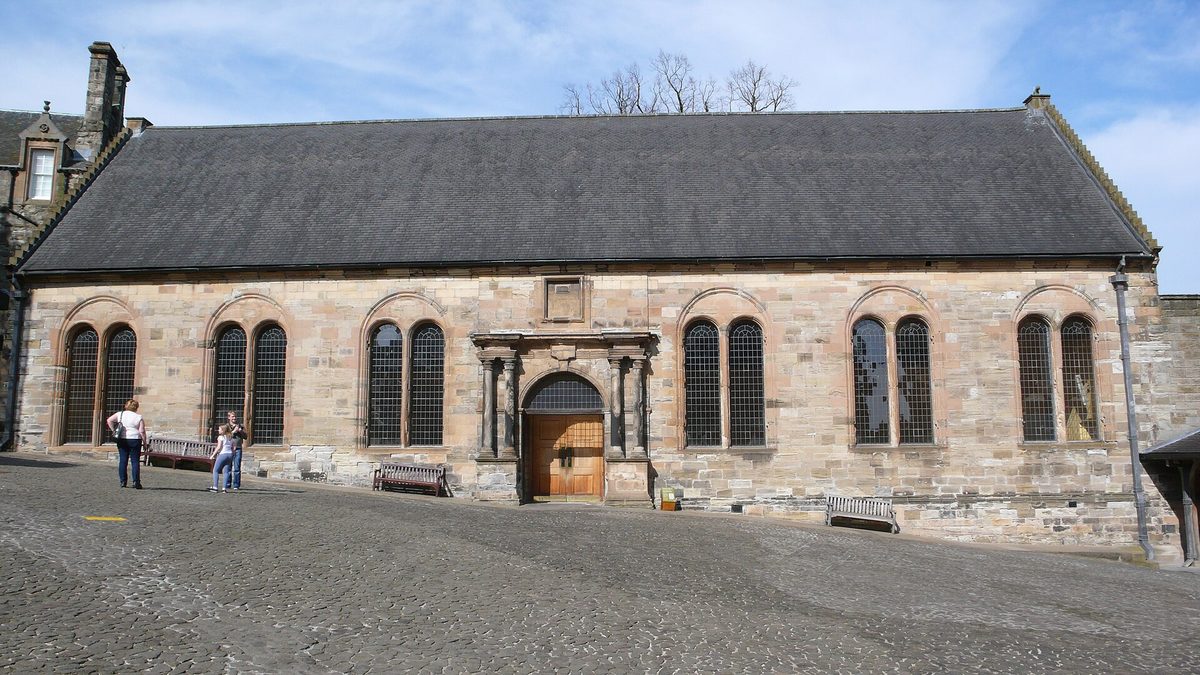
The approach walk from the station is steep. The castle car park fills early. And the Chapel Royal, lovely as it is, is largely an empty room with faded painted decoration from 1628–29, done ahead of Charles I’s visit in 1633, so don’t expect the drama of the palace apartments next door.
The mistakes people actually make
Booking Edinburgh Castle for a late-afternoon slot in October and getting an hour. Turning up at Bannockburn without a booked tour. Assuming the Stone of Destiny is still in Edinburgh. Buying an Explorer Pass for a four-day trip that takes in two sites. Driving into central Edinburgh. And, most common of all, doing Edinburgh Castle on day one of a fortnight in Scotland, then seeing eight more castles and quietly concluding it was the least interesting one. Sequencing matters more than people think — there’s more on that in our first-timer’s guide to Scotland.
Frequently asked questions
Is Stirling Castle worth it if I’ve already seen Edinburgh Castle?
Yes, and more so than the other way round. The two sites barely overlap: Edinburgh gives you a fortress, a crown and a war memorial, Stirling gives you a Renaissance royal palace with its interiors put back. Having done one does not diminish the other. If anything, Stirling lands harder because you have something to measure it against.
Which castle is better value for money?
Stirling, on most measures. It’s £5 cheaper for an adult online, a standard guided tour is included rather than extra, and the 25% car-free discount brings the adult online ticket down to £13.88. Edinburgh costs more and is busier, but the Honours of Scotland and the setting are things you cannot see anywhere else, which is its own kind of value.
Can you do Stirling Castle as a day trip from Edinburgh?
Easily. Direct trains from Waverley take about 50 minutes, and from Stirling station it’s about half a mile uphill to the castle. Leave the city by 9am and you’ll have time for the castle, lunch in the old town and either Bannockburn or the Wallace Monument before heading back.
Do I need to book tickets in advance for either castle?
For Edinburgh Castle, book ahead to guarantee entry, especially in summer: once online tickets sell out there are none at the gate. A Flexi ticket lets you visit any time within seven days without choosing a slot. For Stirling, booking ahead saves you around £2 and guarantees entry, and it’s the only way to claim the car-free discount. Standard tickets at both use timed entry slots.
Is the Stone of Destiny still at Edinburgh Castle?
No. It went from Edinburgh Castle to Perth Museum in March 2024 and is on display there; the museum opened its doors on 30 March. The Honours of Scotland — the crown, sceptre and sword of state — are still at Edinburgh Castle. A lot of guides online have not caught up with the move.
How long do you need at each castle?
Set aside at least two hours for Edinburgh Castle, and closer to three in summer once you’ve allowed for the queue at the Honours. Stirling is a similar two to three hours for the castle itself, but the town and the battlefield sites around it justify a full day, which is the more sensible way to plan it.
Which castle has the better view?
Edinburgh for a city view — rooftops, Princes Street, the Firth of Forth. Stirling for a landscape: the Carse of Forth, the winding Forth, the Wallace Monument and the Ochil Hills, with the southern Highlands behind on a clear day. I prefer Stirling’s, partly because it explains why the castle was built where it was.
Is the Historic Scotland Explorer Pass worth buying for these two?
Not for these two alone. An adult pass is £48 while Edinburgh and Stirling together come to around £41 booked online. Add a third or fourth site — Urquhart, Linlithgow, Fort George, Skara Brae — and it becomes clearly worthwhile. It runs for fourteen consecutive days and numbers are limited, so buy it early or not at all.
Final thoughts
I’d choose Stirling. Given a free day, good weather and no obligation to anyone, that’s where I’d go, because its royal apartments, recreated as they looked in the 1540s, show you Renaissance court life, and you share them with under a third of Edinburgh’s visitor numbers.
But I wouldn’t tell a first-time visitor with two days to skip Edinburgh Castle, because that isn’t really a castle decision. It’s a decision about whether you want to stand at the top of the Royal Mile in the city you came to see, and the answer to that is usually yes.
The useful way to hold both of those thoughts at once is this: Edinburgh Castle is something you do while you’re in Edinburgh. Stirling Castle is somewhere you go. If you have time to go somewhere, go to Stirling. If you don’t, Edinburgh will not let you down — just book the first slot, skip the regimental museums, and give the Scottish National War Memorial the ten minutes it deserves. And if this has left you wanting a longer castle run, our guide to Highland road trip routes strings a good many of them together.
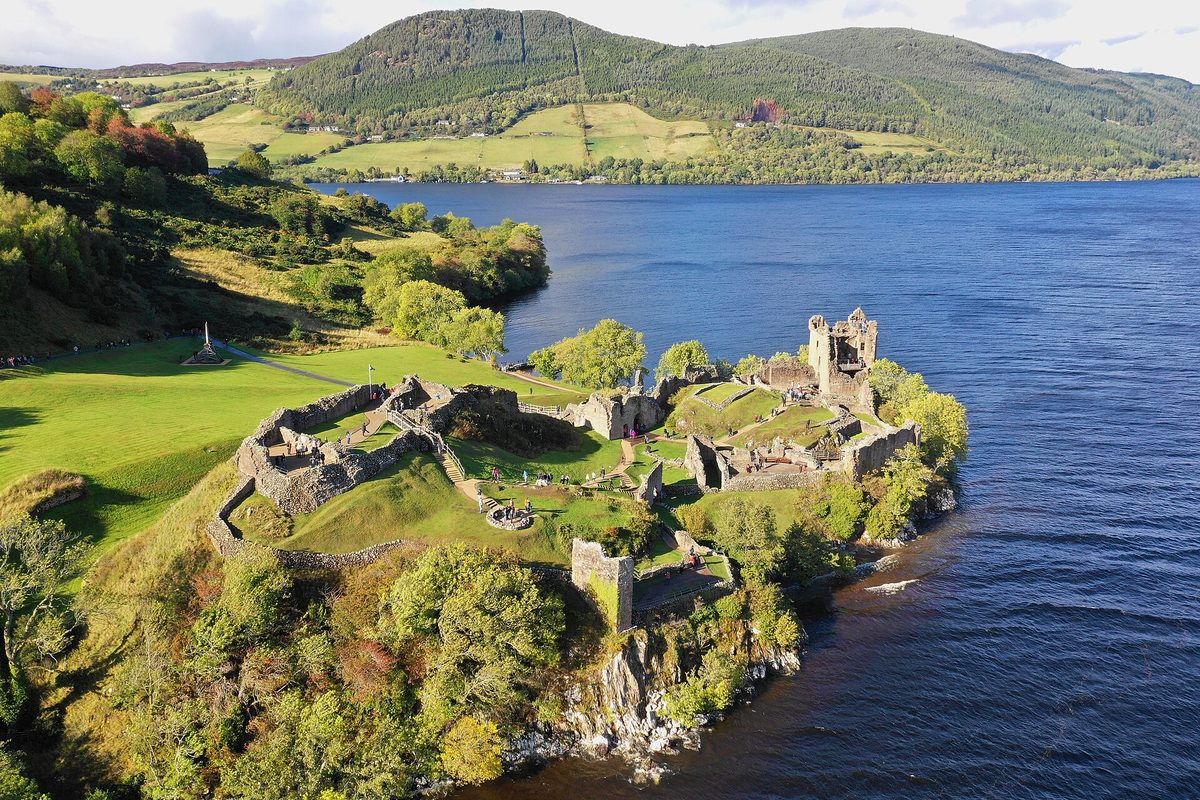
If neither quite wins and you are heading north anyway, Urquhart Castle above Loch Ness is a ruin rather than a rival — the climb up the Grant Tower is the payoff.
About the author: This guide was written and is maintained by the ScotlandTourism.org editorial team — travel writers who’ve spent years exploring Scotland’s cities, Highlands and islands, from bagging Munros to chasing the perfect dram. We update our guides regularly to keep prices, opening details and advice current.
Last updated: October 2026. Prices and opening times change — always check the official site before you travel.
Photo credits
All images are used under their respective Creative Commons or public-domain licenses:
- Edinburgh Castle on Castle Rock seen from Princes Street Gardens — Matti Blume, CC BY-SA 4.0, via Wikimedia Commons
- Visitors crossing the esplanade towards the gatehouse entrance at Edinburgh Castle — MatthewJS, CC BY-SA 3.0, via Wikimedia Commons
- The Queen’s Inner Hall at Stirling Castle, hung with the Hunt of the Unicorn tapestries and restored to its 1540s colour — dun_deagh, CC BY-SA 2.0, via Wikimedia Commons
- The harled exterior of the Great Hall at Stirling Castle, restored in the late 1990s — Kilnburn (talk) 22:54, 22 February 2010 (UTC), Attribution, via Wikimedia Commons
- Painted replica Stirling Heads on the ceiling of the King’s Presence Chamber at Stirling Castle — Kim Traynor, CC BY-SA 3.0, via Wikimedia Commons
- The view from Stirling Castle across the Carse of Forth to the Wallace Monument and the Ochil Hills — Robert Cutts from Bristol, England, UK, CC BY 2.0, via Wikimedia Commons
- Cannon on the ramparts at Edinburgh Castle, a reminder that the site is a garrison fortress — N Chadwick, CC BY-SA 2.0, via Wikimedia Commons
- The Chapel Royal seen across the Inner Close at Stirling Castle — Uriah Welcome, CC BY 2.0, via Wikimedia Commons
- Inside the Chapel Royal at Stirling Castle, hung with unicorn hangings — Janfrie1988, Public domain, via Wikimedia Commons
- The National Wallace Monument on Abbey Craig, visible from the ramparts of Stirling Castle — BusterBrownBB, CC BY-SA 3.0, via Wikimedia Commons
- St Margaret’s Chapel at Edinburgh Castle, the oldest surviving building in the city — Nigel Chadwick, CC BY-SA 2.0, via Wikimedia Commons