The first time I looked properly at Isle of Skye tours, I made the mistake almost everybody makes. I opened nine tabs, compared nine near-identical product pages, and spent forty minutes trying to work out whether a tour that stopped at Kilt Rock was better than one that stopped at Lealt Falls. It isn’t the right question. The stops barely differ. What differs, enormously, is the format — where you leave from, how many hours you spend in a seat, and how many you spend standing on the island with the wind doing something interesting to the light.
I’ve done this in most of its versions: the long day out of Inverness, the three-day run from Edinburgh, a half-day out of Portree when the weather closed in on a walking plan, and a boat from Elgol that turned out to be the best few hours of the trip. So this isn’t a ranked list of products I haven’t taken. It’s a comparison of the four formats that actually exist, with the trade-offs stated plainly, including the ones the operators would rather you didn’t think about until after you’ve paid.
Which Isle of Skye tour should you actually book?
If you’re staying in Inverness, take the twelve-hour day tour — it works. If you’re in Edinburgh or Glasgow, book the three-day small-group trip, not the one-day version, which is mostly a coach journey. And if you’re already on Skye, book locally: a full day from Portree or a boat from Elgol beats anything driven in from the mainland.
That’s the short answer. The rest of this guide is the reasoning, because the gap between the best and worst of these options is far wider than the price difference suggests. Before you go any further, it’s worth reading our complete Isle of Skye guide to get a feel for how the island is laid out — the geography is the thing that decides which tours are possible at all.
The formats at a glance
Prices below are broad bands from operators’ public pages at the time of writing, in low and shoulder season. Peak summer dates cost more, sometimes noticeably. Always check the operator’s own site for the date you want.
| Format | Door to door | Hours actually on Skye | Vehicle | Rough price band | Best for |
|---|---|---|---|---|---|
| One-day tour from Inverness | About 12 hours | 5 to 6 | 8 to 16 seats | £95 to £130 | Seeing Trotternish properly with no car |
| One-day tour from Edinburgh or Glasgow | 13 to 15 hours | 2 to 3 | Coach or mini-coach | £70 to £110 | Honestly, very little |
| Three-day small-group from Edinburgh | 3 days, 2 nights | 1 to 1.5 full days | 8 to 16 seats | £250 to £400 plus beds | Car-free travellers who want Skye to land |
| Full-day tour based on Skye | 7 to 9 hours | All of them | 8 to 16 seats | £70 to £100 | Anyone already staying on the island |
| Half-day from Kyle or Portree | 4 to 5 hours | All of them | Minibus | £40 to £70 | Train arrivals and one-night stays |
| Boat trip from Elgol | 1.5 to 4.5 hours | On the water | RIB or passenger boat | £35 to £70 | Loch Coruisk, seals, the Cuillin from below |
| Private driver-guide | Half or full day | Yours to set | 4 to 8 seats | Per vehicle, often £350 upwards | Families, mobility needs, specific interests |
| Hire car, no tour | As long as you like | All of them | Yours | Hire plus fuel plus parking | Sunrise, sunset and any real walking |
The four formats, compared honestly
The one-day tour from Inverness: the one that works
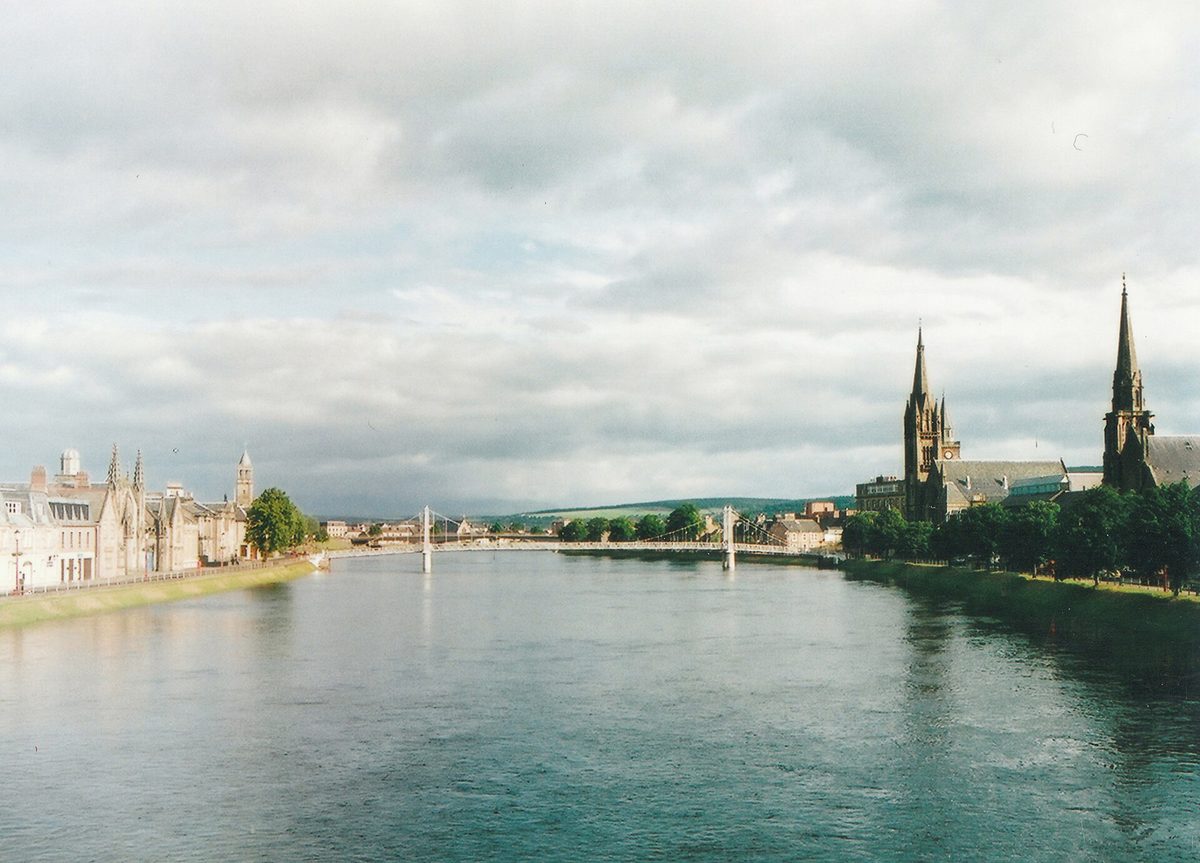
This is the format that gets undersold, probably because it doesn’t generate a three-night booking. Inverness sits roughly 110 miles from Portree by the A82 and A87 — call it two and a half to three hours each way with the coach traffic and the single-track sections beyond Kyle. That leaves a genuine five or six hours on the island, which is enough to do the Trotternish peninsula properly rather than glancing at it.
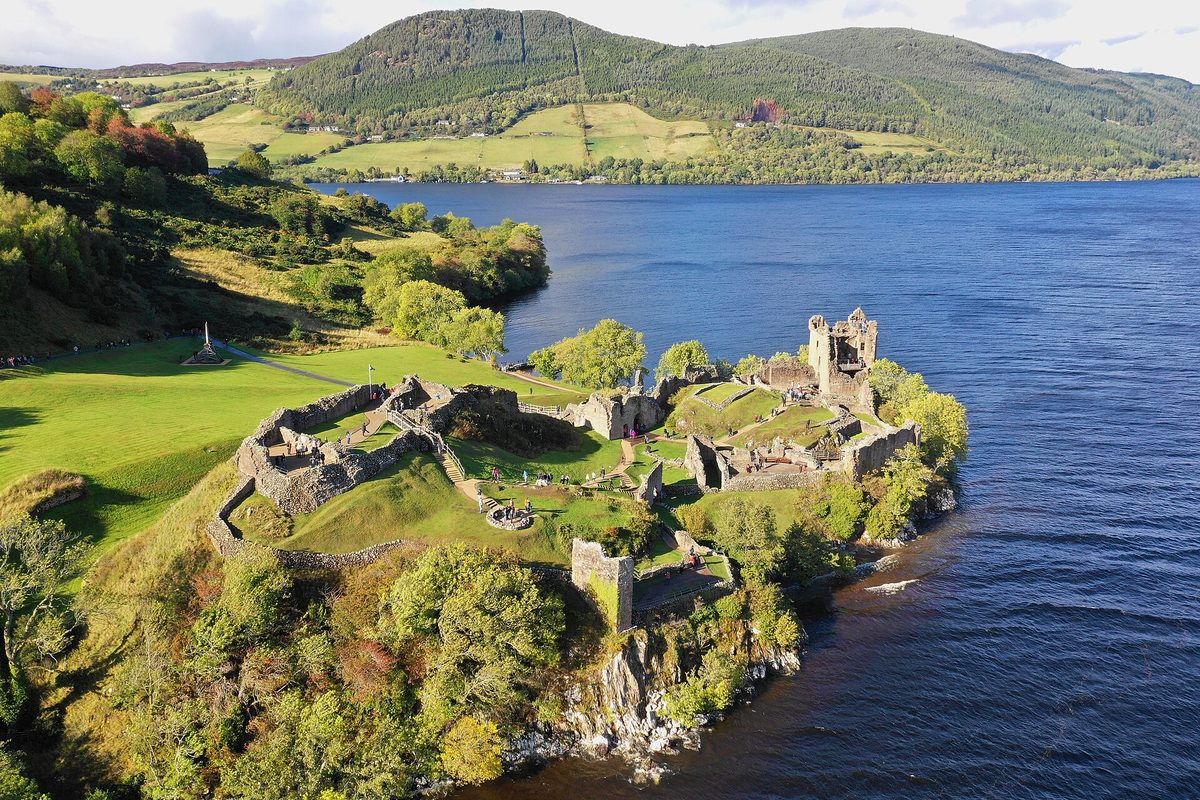
A typical day runs long. One well-known Inverness operator publishes an 8.15am departure and an 8.15pm return, and prices its Skye day tour from around £99 to £115 per person depending on the date, with free cancellation up to 24 hours before departure at the time of writing. That’s twelve hours of your life, and roughly half of it is spent on the island rather than getting to it. On the Edinburgh version, that ratio inverts completely.
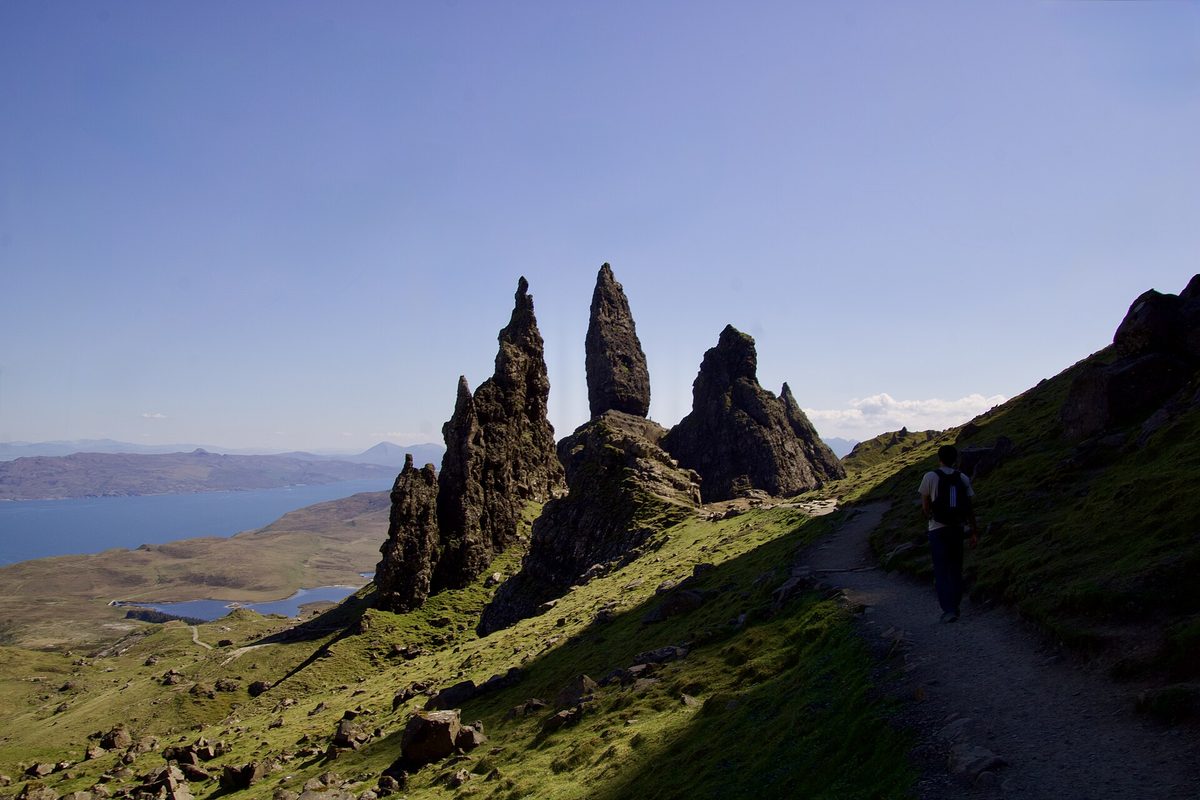
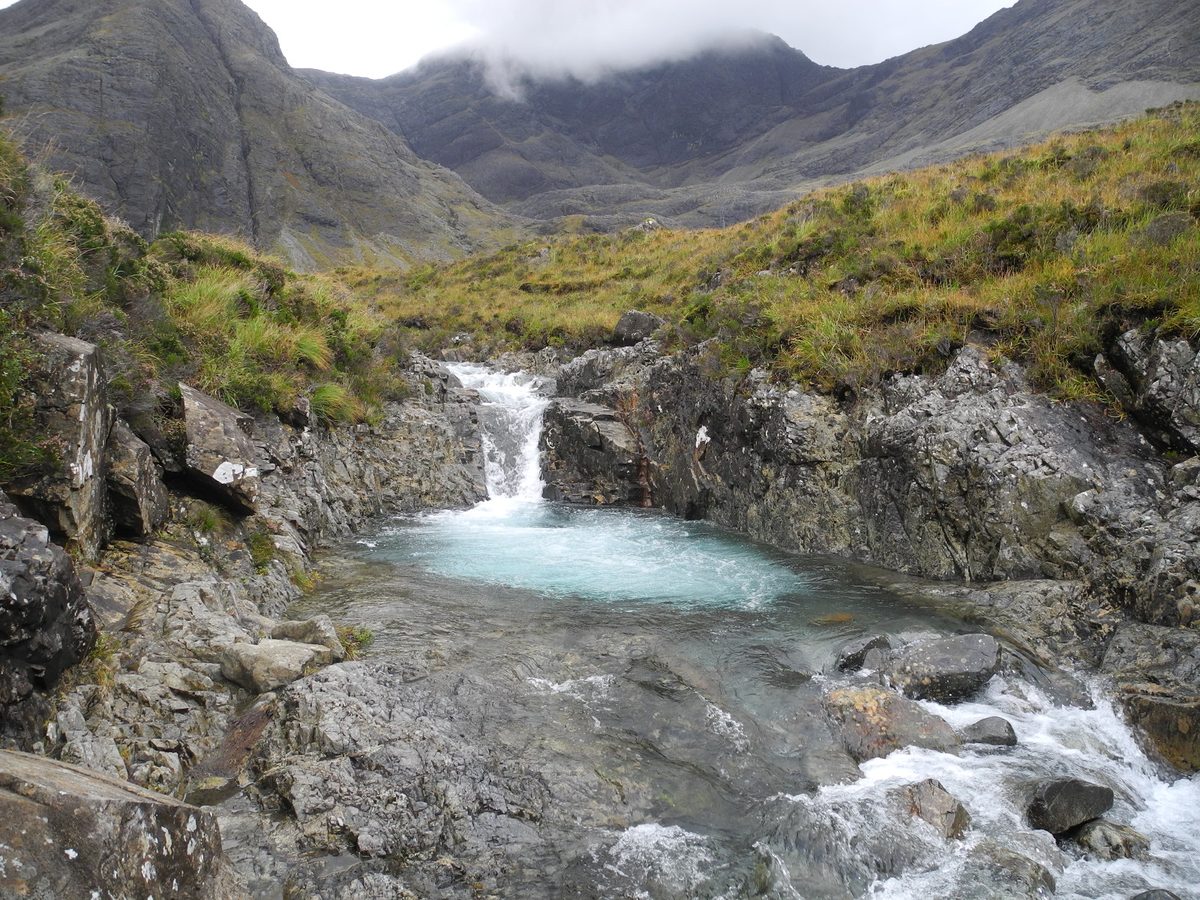
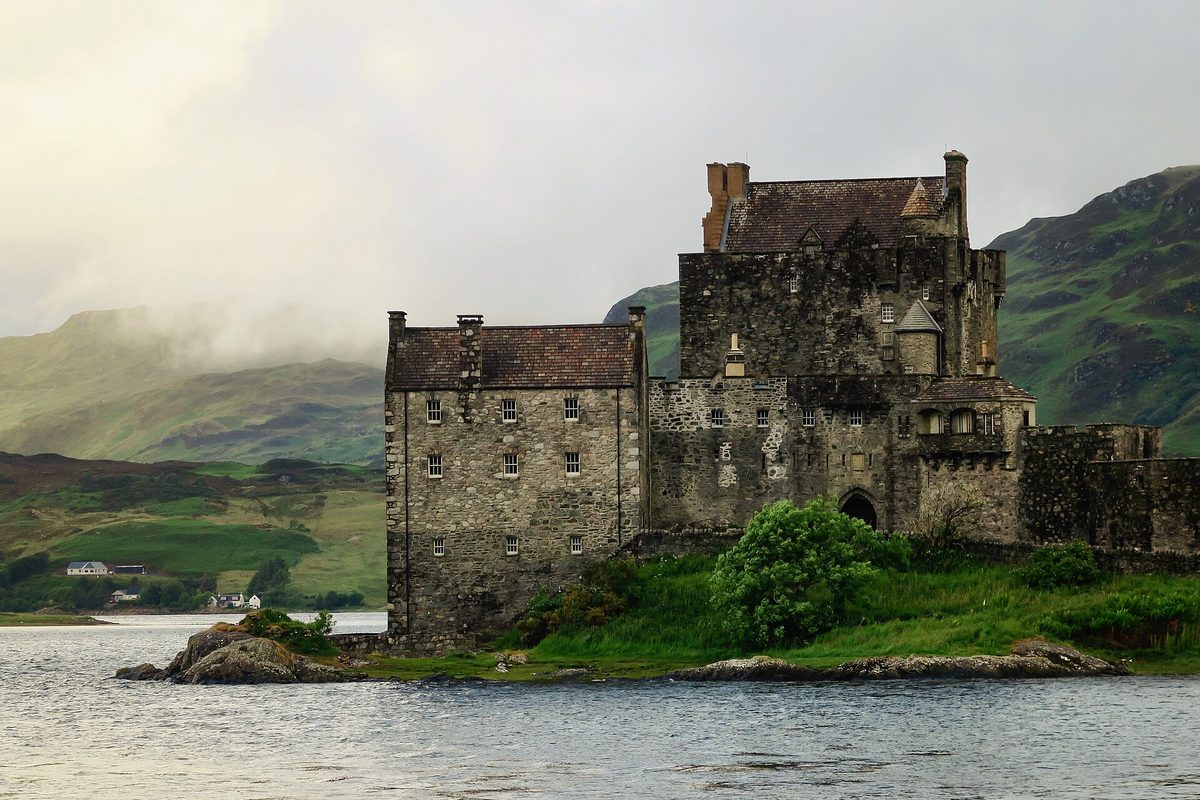
What you get is the greatest-hits run: Loch Ness on the way out, Eilean Donan at Dornie for a photo stop, the Skye Bridge, then some combination of the Fairy Pools, Portree, the Storr and Kilt Rock before turning for home. Some operators publish a 75 to 90 minute stop at the Fairy Pools, which is honest scheduling — the walk in and back is around 1.5 miles and takes most people about forty minutes, so anything shorter is a car park visit.
If you’re basing yourself in the Highland capital anyway, this is the efficient choice. Our guide to Inverness and Loch Ness covers where to stay within walking distance of the usual pick-up points, which matters more than you’d think when the coach leaves before quarter past eight.
The one-day tour from Edinburgh or Glasgow: I’d skip it
Let me be blunt about this one, because the product pages never are. Edinburgh is roughly 230 miles from Skye. Glasgow is a little closer but not enough to change the maths. That’s around five to five and a half hours of driving each way in a vehicle that stops for comfort breaks, and the day is typically sold as thirteen to fifteen hours door to door.
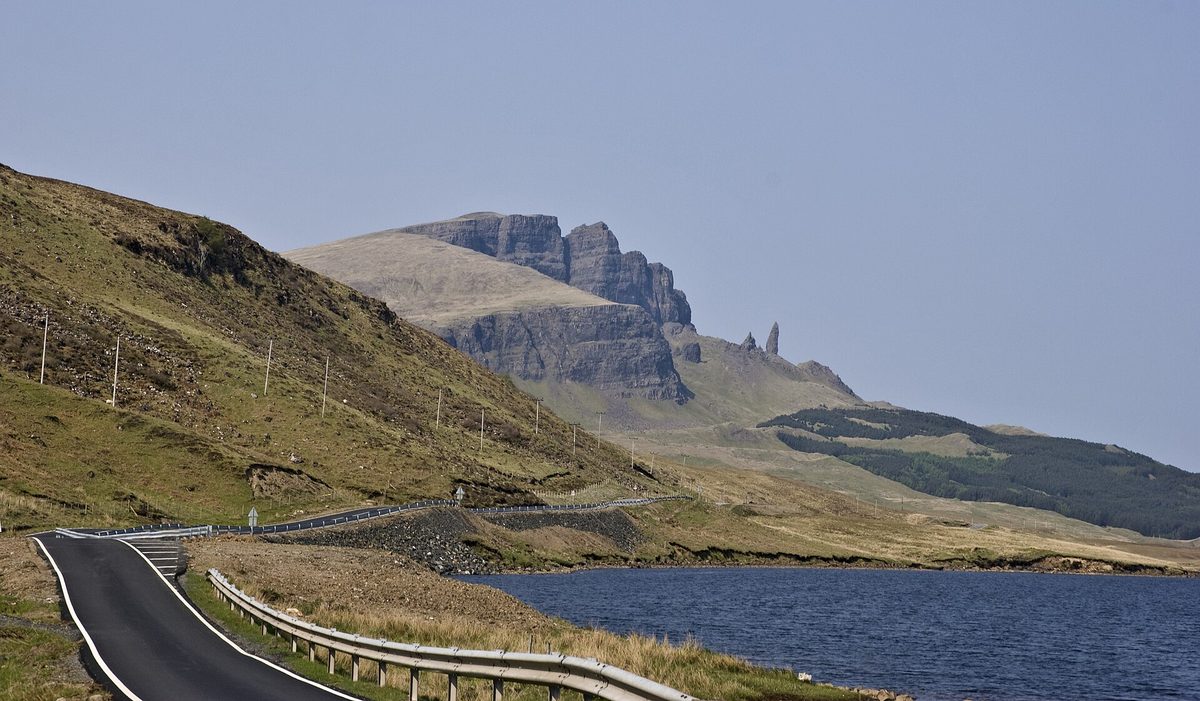
Subtract the driving and the stops on the mainland — Glencoe, the Commando Memorial, somewhere for lunch — and you are left with perhaps two to three hours actually on Skye. In practice that means the Skye Bridge, one viewpoint, and possibly Portree harbour if the traffic behaves. You will not see the Quiraing. You will very likely not see the Fairy Pools. You may see the Old Man of Storr from the road.
Here’s the thing: the drive itself is genuinely good. Rannoch Moor and Glencoe in changeable weather are among the best road miles in Britain, and a decent driver-guide will make the hours pass. But you are paying for a Skye tour and receiving a Highlands coach tour with a brief island cameo, and most people I’ve spoken to who booked it said afterwards they wished they’d done the three-day version instead.
If your time in the capital is genuinely limited to one free day, spend it on something the distance actually supports. Our roundup of day trips from Edinburgh has options that don’t require ten hours in a seat, and the wider Edinburgh travel guide will fill a day comfortably on its own. The same logic applies from Glasgow: the saving in miles is real but small, and the shape of the day is identical.
The three-day small-group tour from Edinburgh: the honest best answer
For a car-free traveller who wants Skye to register as somewhere they’ve been rather than somewhere they’ve driven through, this is the format I’d recommend without much hesitation. Three days, two nights, usually with the nights split between somewhere on the mainland and somewhere on the island, or both nights on Skye if you pick carefully.
That last point matters more than the price. Some three-day itineraries put both nights in Inverness and day-trip to Skye from there, which means you repeat the long A87 run twice and still only get one island day. Others put two nights in or near Portree, which is a different trip entirely: you wake up on Skye, you see the light change, and the guide can chase weather windows rather than a fixed schedule. Read the itinerary line by line and check where you actually sleep.
Prices sit in a wide band, often somewhere between £250 and £400 per person for the tour itself in shoulder season. Watch the accommodation model. Several operators sell the seat and book your bed separately, and their own guide pricing for a bed on these routes can run to well over £150 per room per night in season, so the headline tour price is not the trip price. Ask what’s included before you compare two numbers side by side.
What you gain over the day tour is time on the ground: two proper island half-days instead of one rushed afternoon, evening light on the harbour, and the option of a walk that isn’t measured in minutes. If you’re building the rest of a car-free trip around it, our Scotland without a car itinerary shows how the tour slots into train and bus legs, and getting around Scotland covers the practicalities of the connections either side.
Local tours once you’re already on Skye
Here is the category the mainland listicles ignore almost completely, and it happens to be the best value on the island. If you’re staying on Skye — and our guide to where to stay on the Isle of Skye makes the case for Portree or Broadford as bases — you can join a locally run tour that starts and ends on the island. Every hour you pay for is an island hour.
Full-day options run around eight or nine hours. One long-running Portree operator departs at 08.45 and covers the Fairy Pools, Talisker, a choice of Neist Point or Dunvegan, the Fairy Glen, the Quiraing, Kilt Rock and the Storr, priced at £84.99 standard or £94.99 for a flexible ticket with 24-hour cancellation at the time of writing. Another runs an eight-hour small-group day from Portree in a minibus capped at eight passengers, with pick-ups from accommodation in the north of the island.
Half-days exist too, and they’re the smart pick if you’ve arrived by train. One operator runs a five-hour guided tour departing Kyle of Lochalsh at 11.45am with pick-ups at Kyleakin, Broadford and Portree, timed to get you back for the last train to Inverness. If you’re arriving on the Kyle line — one of the best rides in the country, covered in our guide to Scotland’s scenic train journeys — that’s a neat way to see something substantial without an overnight stay.
There are also niche island tours worth knowing about: whisky-focused days covering Talisker and the Raasay distillery, which spare you the problem of tasting and then driving a single-track road, vintage Jeep trips for up to three passengers, and hiking-led tours that actually walk up to the Storr rather than photographing it from the car park.
Boat trips: the format nobody puts on the list
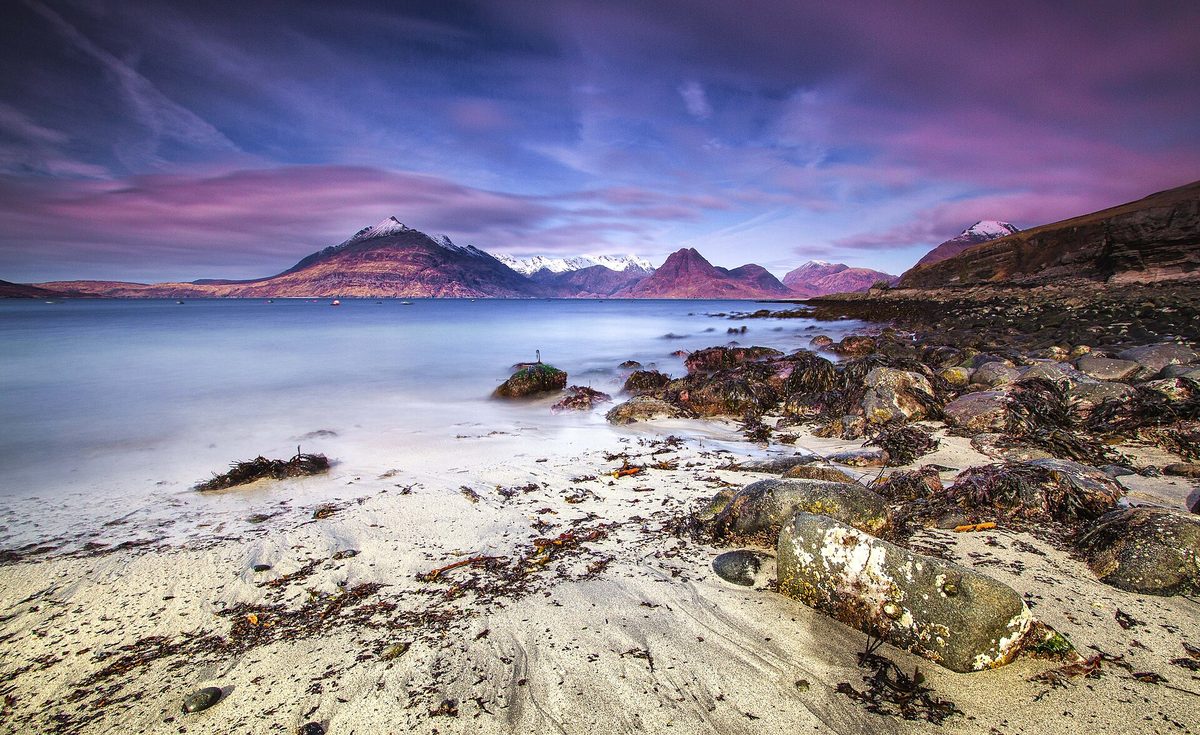
Skye from the sea is a different island, and the boat trips are consistently the thing people tell me they remember. From Elgol, on the south coast, passenger boats run into Loch Scavaig for Loch Coruisk, the freshwater loch sitting in a bowl of the Black Cuillin with a resident seal colony on the way. Typical options are around an hour and a half, three hours, or four and a half hours with time ashore — the longer ones are worth it, because twenty minutes at Coruisk is not enough.
Sailings from Elgol generally run daily from April into October, with a reduced winter service from some operators. There are also fast RIB trips from the same slipway that push further out to Canna, Rum, Eigg and Soay, looking for porpoise, dolphins, seals and the occasional minke whale.
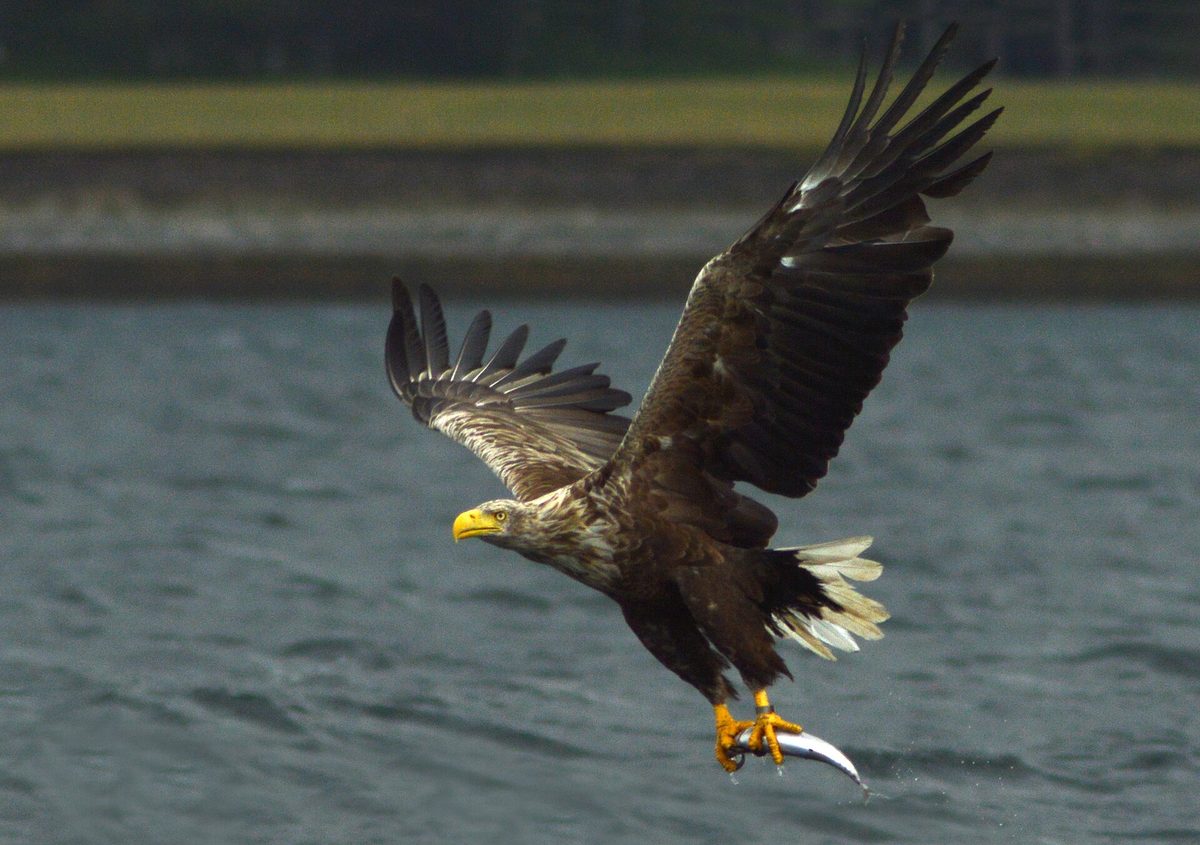
From Portree, the offer is different: sea-eagle trips by RIB or catamaran into the bay and towards Raasay, and three-hour sailings on a yacht out of the harbour. White-tailed eagles are genuinely reliable here, and seeing one take a fish forty metres off the bow does something no viewpoint car park manages. If the islands themselves interest you, our guide to the Scottish islands covers what’s out there beyond Skye.
One practical note: boats cancel. Sea state, not rain, is the deciding factor, and a bright day with a stiff northerly can be a no-go while a drizzly still one sails fine. Build a spare afternoon into your plan if a boat trip is the thing you most want.
Coach or minibus? Vehicle size decides your itinerary
What a 45-seat coach cannot do
Of everything on this page, this is the bit I’d most want a first-time visitor to know, and it’s almost never explained. Skye’s roads were not built for full-size coaches. The A87 spine is fine. Almost everything interesting hangs off it on roads that are narrow, single-track with passing places, or both.
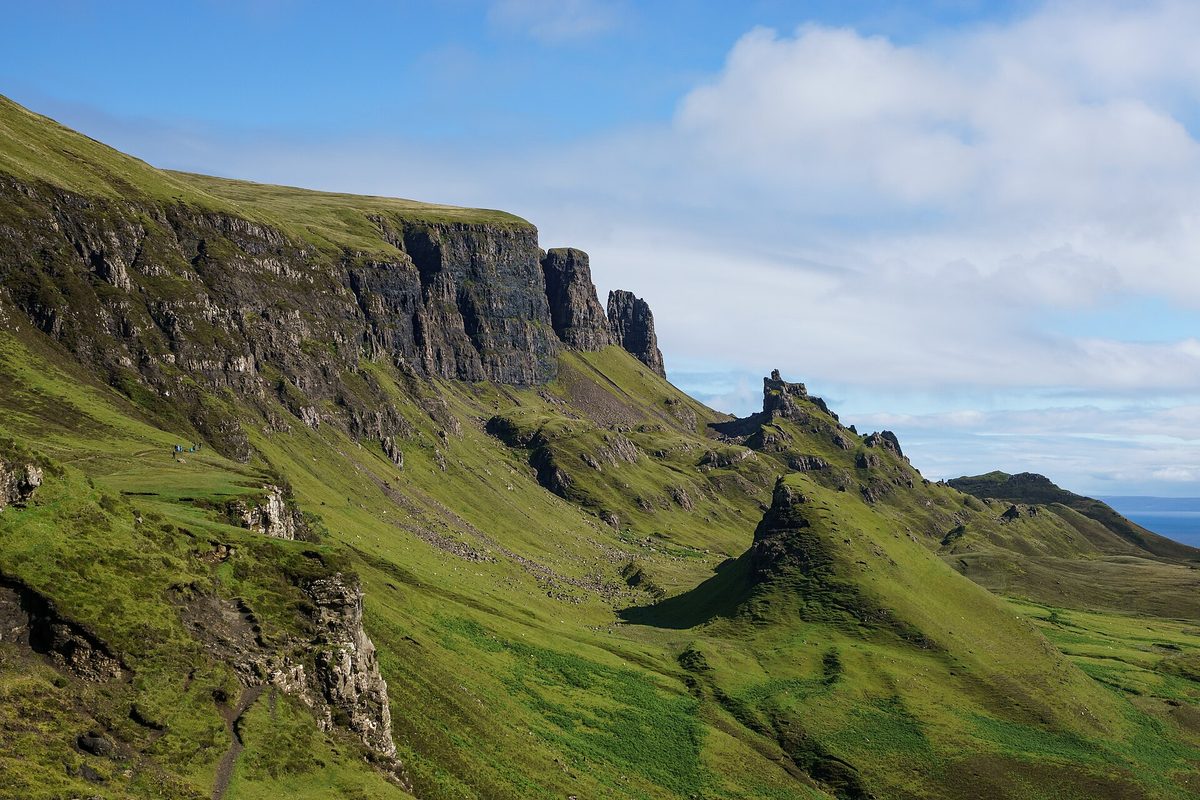
The link road over the Quiraing between Brogaig and Uig is the clearest example — steep, hairpinned, single-track, and closed outright by Highland Council for repairs on more than one occasion in recent years. The Glen Brittle road down to the Fairy Pools is single-track for its final stretch. The road to Elgol is single-track for miles. Neist Point involves a long, thin road to a small car park.
A 45-seat coach can reach Portree, the Storr car park and Kilt Rock. It cannot comfortably do the Quiraing loop or Glen Brittle, and where it can technically fit, it takes an age reversing to passing places while everyone else queues. A 16-seat mini-coach or an 8-seat minibus can go essentially anywhere on the island. That difference is the itinerary, not a comfort detail.
So when you compare two tours and one lists the Quiraing while the other doesn’t, check the vehicle before you conclude one operator is more generous. Frequently they’re just driving something different.
What “small group” actually means
The phrase is used loosely enough to be nearly meaningless. In practice it covers three quite different things:
Up to 16. The most common definition, and the industry standard for the well-known mainland operators running Mercedes mini-coaches. Sixteen is genuinely better than 45 — you can reach the good roads, and stops don’t take twenty minutes to reload. It is still sixteen people at every viewpoint and one toilet queue.
Up to 8. Several Skye-based operators and a few mainland ones cap at eight in an adapted minibus. This is a different experience: the guide can answer questions individually, the vehicle turns anywhere, and you can occasionally change plan for the weather. Usually a modest premium over the 16-seat product, and generally worth it.
Up to 4 to 7, private. Effectively a driver-guide with a car or V-class van. Priced per vehicle rather than per head, which makes it competitive for a family of four and expensive for a couple.
One more thing to check: minimum ages. At least one major operator does not permit children under five on its small-group tours at all. If you’re travelling with young children, confirm the policy before you plan around it, and be realistic about whether a twelve-hour day in a seat is the trip you want.
What a guided day on Skye can and cannot cover
The realistic one-day route
Skye is bigger than it looks on a map, and the driving times are the constraint on everything. From Portree, the Trotternish loop — Storr, Kilt Rock, Staffin, the Quiraing, Uig, back down — is roughly 50 miles and takes a good half-day with stops. The Fairy Pools are around 27 miles the other way, so an hour there and an hour back on top of the walk. Neist Point is roughly 45 miles from Portree, over an hour each way.
Add those up and you’ll see the problem. A single day cannot include Trotternish, Glen Brittle and Neist Point without becoming a driving day with brief stops. Every honest operator picks two of the three. The tours that promise all of them are giving you fifteen minutes at each, which is why people come home saying Skye was crowded and rushed — they experienced a schedule, not a place.
My preference, if I only had one guided day, is Trotternish plus one other thing. The Old Man of Storr and the Quiraing walk are the two landscapes that make Skye distinct from the rest of the Highlands, and they’re twenty minutes apart.
What gets cut, and what it costs you
Guided days almost always cut the walking. The Fairy Pools stop becomes a walk to the first pool and back. The Storr becomes a photograph from the car park, or at best a partial climb. The Quiraing becomes a viewpoint on the road rather than the circuit.
That’s a real loss, and it’s the honest argument for driving yourself. But it’s not nothing to have someone else negotiate the passing places while you look out of the window, and a good driver-guide adds geology, clearance history and the practical business of where the light will be good at four o’clock. Both things are true.
Guided days also cut sunrise and sunset, which on Skye in June and September are exactly when the place is at its best and the car parks are at their emptiest. No scheduled tour will have you at the Quiraing at 6am. That’s a hire-car privilege.
Time in the seat versus time on the ground
The number worth calculating before you book is simple: total hours minus travel hours. Do it for every option you’re considering and the rankings change fast. Twelve hours from Inverness gives you five or six on the island. Fourteen hours from Edinburgh gives you two or three. Nine hours from Portree gives you nine.
Nobody publishes this ratio, because for half the products on page one it’s unflattering. Work it out yourself from the departure time, the return time and a map.
Booking: lead times, prices and the questions to ask
How far ahead to book
Peak season on Skye runs roughly June to early September, and it’s genuinely busy. Small-group tours capped at eight fill first and can be gone weeks ahead for July and August dates. Multi-day tours from Edinburgh with island accommodation included book furthest out, because the beds are the bottleneck — Portree does not have infinite rooms.
As a rough guide: book multi-day summer tours a couple of months ahead, small-group island day tours a few weeks ahead, and larger 16-seat day tours a week or two ahead. Boat trips from Elgol are worth booking a few days out in summer and can often be picked up the day before in May or late September.
Shoulder season is a different world. Late April, May and late September have most operators running, far more availability, and better odds of a clear day than the July average. Our guide to Scotland in September goes into the trade-offs, and if you’re weighing June against August, read up on midge season first — standing still at a viewpoint in damp, windless weather is exactly when they find you.
What things cost, roughly
I’m not going to quote precise prices I can’t stand behind for your travel date, because tour pricing moves by season and by day of the week. The bands in the table above are a starting point. Two things to watch:
Attraction entry is usually extra. Dunvegan Castle, distillery tours and the dinosaur museum at Staffin are typically not included in the ticket price, and a guide will say so on the day rather than in the booking flow.
Parking charges are now real money on Skye and are paid by the operator on group tours, but they tell you something about crowding. The Fairy Pools car park, run by a community trust, has charged around £8 for a car and roughly £20 for a tour bus at recent rates. If you’re self-driving instead, budget for this at every major stop.
The questions worth asking before you book
Five questions, and the answers will separate the good operators from the ones selling a spreadsheet:
What vehicle, and how many seats? Not “small group” — the actual number. This tells you which roads you’ll be on.
How long at each stop? A good operator will tell you 75 minutes at the Fairy Pools and 20 at Kilt Rock. A vague answer means a tight schedule.
What’s the plan if the weather is poor? On Skye it will be, at some point. Ask whether the itinerary flexes or runs regardless.
Is the tour guaranteed to run, and what’s the cancellation window? Some operators guarantee departures regardless of numbers; others cancel small dates. Free cancellation up to 24 hours ahead is common and worth having.
Where exactly do we sleep, on a multi-day tour? “Skye or the surrounding area” can mean Kyle of Lochalsh, which is on the mainland. Get the town name.
Who should skip the tour entirely, and other honest bits
Skip the tour and hire a car if any of this is you
I say this as someone who has enjoyed several guided days on Skye: for a lot of people, a hire car is straightforwardly the better answer, and no operator is going to tell you so.
Hire a car if you want to walk. Any of the real Skye walks — the Storr circuit, the Quiraing loop, the full length of the Fairy Pools glen — needs two to three hours you will not be given on a tour. Our hiking in Scotland guide covers what those routes involve.
Hire a car if you’re staying two nights or more. At that point the tour cost for two people approaches the hire cost, and you get sunrise, sunset, and the freedom to abandon a plan when the cloud sits on the ridge all morning. Our Isle of Skye itinerary is built around that flexibility.
Hire a car if you’re already driving elsewhere in Scotland. If Skye is one stop on a bigger loop, adding a tour makes no sense — see our Highlands road trip routes for how the island fits into a wider drive, and the best base towns in the Highlands for where to sleep along the way.
Conversely, take the tour if you don’t drive, if you don’t want to drive on single-track roads in the rain, if you’re travelling solo and would rather not do 220 miles alone, or if you actively want the commentary. Those are all good reasons, and the guided product serves them well.
What underwhelms
The Fairy Glen at Uig is pleasant and small, and on a busy tour day it can have more people than it has grassy mounds. It is not the highlight some itineraries imply.
The Fairy Pools are lovely and extremely busy. If your tour arrives at midday in July you will queue on the path. The pools themselves are worth seeing; the experience of seeing them at peak time is not what the photographs suggest.
Neist Point on a day tour is often a mistake. It’s a long drive for a short stop, and unless you have time to walk down towards the lighthouse it’s a car park with a view. It rewards an evening visit, which tours don’t do.
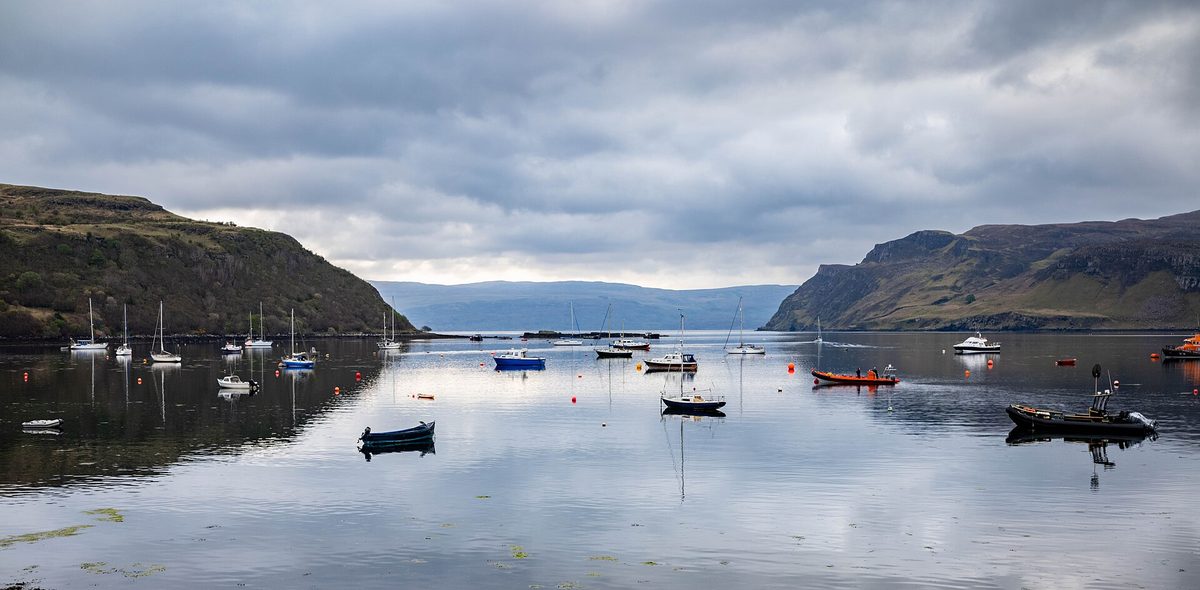
And Portree, honestly, is a small working town with a pretty harbour front. It’s a good lunch stop. Give it an hour and don’t expect more.
Common mistakes
Booking the Edinburgh day tour because it’s cheaper than the three-day one. It is, and it delivers proportionally less than the price gap suggests.
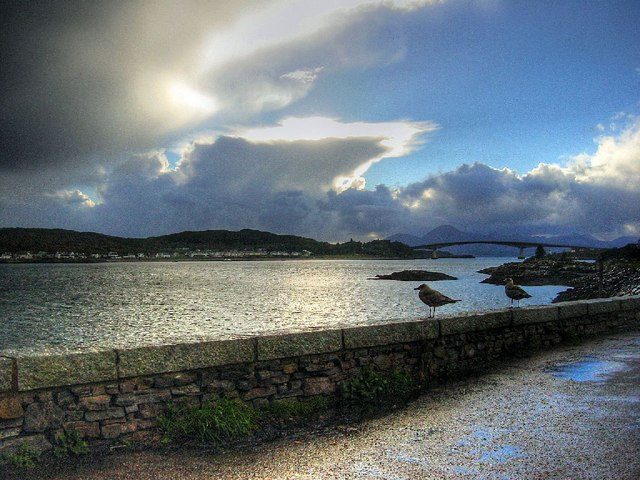
Assuming the Skye Bridge means a short hop. The bridge opened in 1995 and replaced the ferry, but Kyle of Lochalsh to Portree is still around 35 miles of A87 beyond it.
Planning a single day on Skye at all, if you have any choice. Two nights is where the island starts to make sense, and the second night costs less than the first day was worth.
Underestimating the cloud base. Skye gets a lot of rain, but the bigger problem is low cloud sitting on the ridge all morning while the coast is clear. A tour runs regardless, and on those days the Storr is a rumour. Check the forecast the evening before and, if you have a spare day, use it.
Frequently asked questions
Is a day trip to the Isle of Skye from Edinburgh worth it?
For most people, no. Edinburgh is roughly 230 miles from Skye, so a one-day tour is around ten hours of travel for perhaps two to three hours on the island. The drive through Glencoe is genuinely good, but you’ll see very little of Skye itself. The three-day version is the better use of the money.
How long is the Isle of Skye day tour from Inverness?
Typically about twelve hours door to door — one well-known operator publishes 8.15am to 8.15pm. Inverness sits roughly 110 miles from Portree, so you spend around five to six hours travelling and a similar amount actually on the island, which is enough to cover the Trotternish peninsula with real stops.
What does “small group” mean on an Isle of Skye tour?
Usually a maximum of 16 passengers in a mini-coach, which is the standard for the larger mainland operators. Several Skye-based companies cap at eight in an adapted minibus, and private tours run four to seven. Always ask for the actual number rather than trusting the phrase.
Can I do an Isle of Skye tour without a car?
Yes, easily. Take the train or bus to Kyle of Lochalsh or the bus to Portree, then join a locally run tour — half-days from Kyle are timed around train arrivals, and full days run from Portree. Alternatively, a three-day small-group tour from Edinburgh handles everything door to door.
Are there Skye tours from Portree?
Several. Full-day island tours depart Portree around 08.45 and cover the Fairy Pools, Talisker, Neist Point or Dunvegan, the Quiraing and the Storr. Smaller operators run eight-hour days capped at eight passengers with accommodation pick-ups. Boat trips also leave Portree harbour for sea eagles and Raasay.
How far in advance should I book an Isle of Skye tour?
For July and August, book multi-day tours a couple of months ahead and small-group day tours a few weeks ahead — the eight-seat minibuses fill first. In May and late September you can usually book a week or two out. Boat trips from Elgol are worth securing a few days ahead in summer.
Do Isle of Skye tours include hiking?
Rarely anything substantial. Most include short walks of 20 to 40 minutes — the path in to the Fairy Pools, a stretch of the Storr path, a viewpoint at the Quiraing. A handful of specialist operators run hiking-focused days that climb to the Old Man of Storr properly. If walking is the point, hire a car.
What is the best boat trip on Skye?
The Elgol sailing to Loch Coruisk, for the setting alone — a freshwater loch ringed by the Black Cuillin, with a seal colony on the way. Take a longer option with time ashore rather than the shortest cruise. From Portree, the sea-eagle trips are the pick. Sailings run daily from around April to October.
Final thoughts
The best Isle of Skye tour isn’t a product, it’s a format, and the right one falls out of two facts: where you’re starting from, and whether you can drive. From Inverness, the day tour is a fair deal. From Edinburgh, take three days or don’t go yet. Already on Skye? Book locally and get a boat out of Elgol while you’re at it.
What I’d say above all is that Skye rewards slowness, and every tour format is a compromise with that. The people who come away disappointed are almost always the ones who tried to see all of it in the shortest time available. Pick two things, do them properly, and leave the rest for next time — the island is not going anywhere, and it looks different in every month of the year anyway.
If you’re still deciding how the island fits into a bigger trip, start with how to get to the Isle of Skye and work backwards from there. And if Skye turns out to be the beginning rather than the end, the wider Scottish Highlands are right there on the way home.
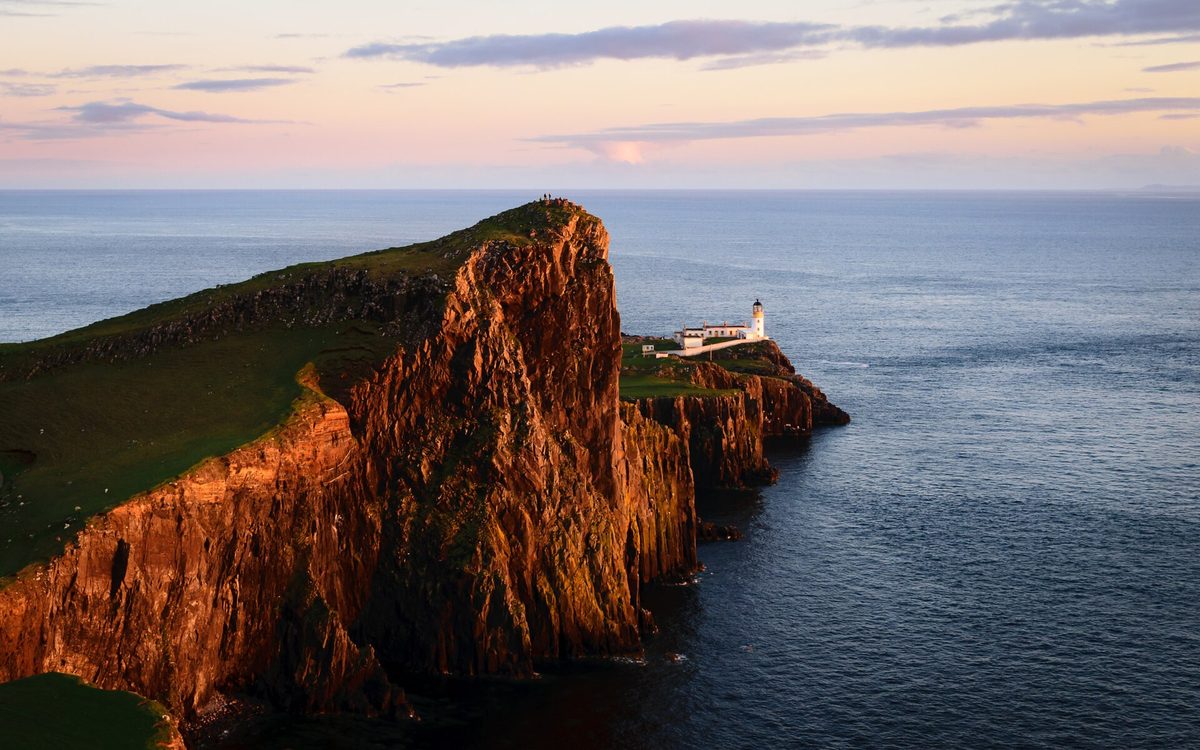
Most Skye tours skip the far west because the roads are slow. If that is the shot you came for, you will need your own car and the timings in our Neist Point guide.
About the author: This guide was written and is maintained by the ScotlandTourism.org editorial team — travel writers who’ve spent years exploring Scotland’s cities, Highlands and islands, from bagging Munros to chasing the perfect dram. We update our guides regularly to keep prices, opening details and advice current.
Last updated: September 2026. Prices and opening times change — always check the official site before you travel.
Photo credits
All images are used under their respective Creative Commons or public-domain licenses:
- Old man of storr — Lauwz The Kiwistralian, CC0, via Wikimedia Commons
- Quiraing ridge — Colin, CC BY-SA 4.0, via Wikimedia Commons
- Trotternish road — Berit from Redhill/Surrey, UK, CC BY 2.0, via Wikimedia Commons
- Portree harbour — rboed*, CC BY 2.0, via Wikimedia Commons
- Fairy pools — Drianmcdonald, CC BY 4.0, via Wikimedia Commons
- Neist lighthouse — Dean Ferrier, CC BY-SA 3.0, via Wikimedia Commons
- Elgol shore — Ian Campbell camcam, CC0, via Wikimedia Commons
- Sea eagle — Jacob Spinks from England, CC BY 2.0, via Wikimedia Commons
- Eilean donan — George Hiles hilesy, CC0, via Wikimedia Commons
- Skye bridge — Markus Skubic, CC BY-SA 2.0, via Wikimedia Commons
- Sligachan — Richard Dorrell, CC BY-SA 2.0, via Wikimedia Commons