
I still remember standing at a cash machine in Fort William, soaked to the skin in June, realising three things at once: my “summer” packing list was a joke, my card worked absolutely everywhere so the wad of cash was pointless, and the £68 I’d just paid for a forgettable hotel room would have got me a lovely B&B with a cooked breakfast if I’d booked three months earlier. Scotland is one of the easiest countries in the world to travel around — but it quietly punishes people who turn up unprepared.
These Scotland travel tips cover everything I wish I’d known before my first trip: what Scotland actually costs in 2026, the new £20 UK ETA most visitors now need, how to drive single-track roads without enraging the locals, when the midges bite, what to pack, and how to keep a Highlands trip from draining your bank account.
Scotland Travel Tips at a Glance
If you read nothing else, this table covers the essentials. Everything below it goes deeper, with real prices in pounds rather than vague hand-waving.
| Essential | What you need to know (2026) |
|---|---|
| Currency | Pound sterling (£/GBP). Scottish banks print their own notes — all valid UK currency |
| Entry | UK ETA required for US, EU, Canadian and Australian visitors: £20, valid 2 years |
| Daily budget | Roughly £80 (budget), £160 (mid-range), £260+ (luxury) per person per day |
| Tipping | ~10% at sit-down restaurants for good service; not expected in pubs |
| Plugs | UK Type G, 230V — pack an adapter |
| Driving | On the left; drink-drive limit stricter than England’s (effectively zero) |
| Emergency numbers | 999 or 112 (emergency), 101 (non-emergency police), 111 (NHS 24) |
| Best months | May, early June and September — light, fewer crowds, fewer midges |
| Midge season | Late May to early September; worst July to early August on the west coast |
| Tap water | Excellent and free — bring a refillable bottle |
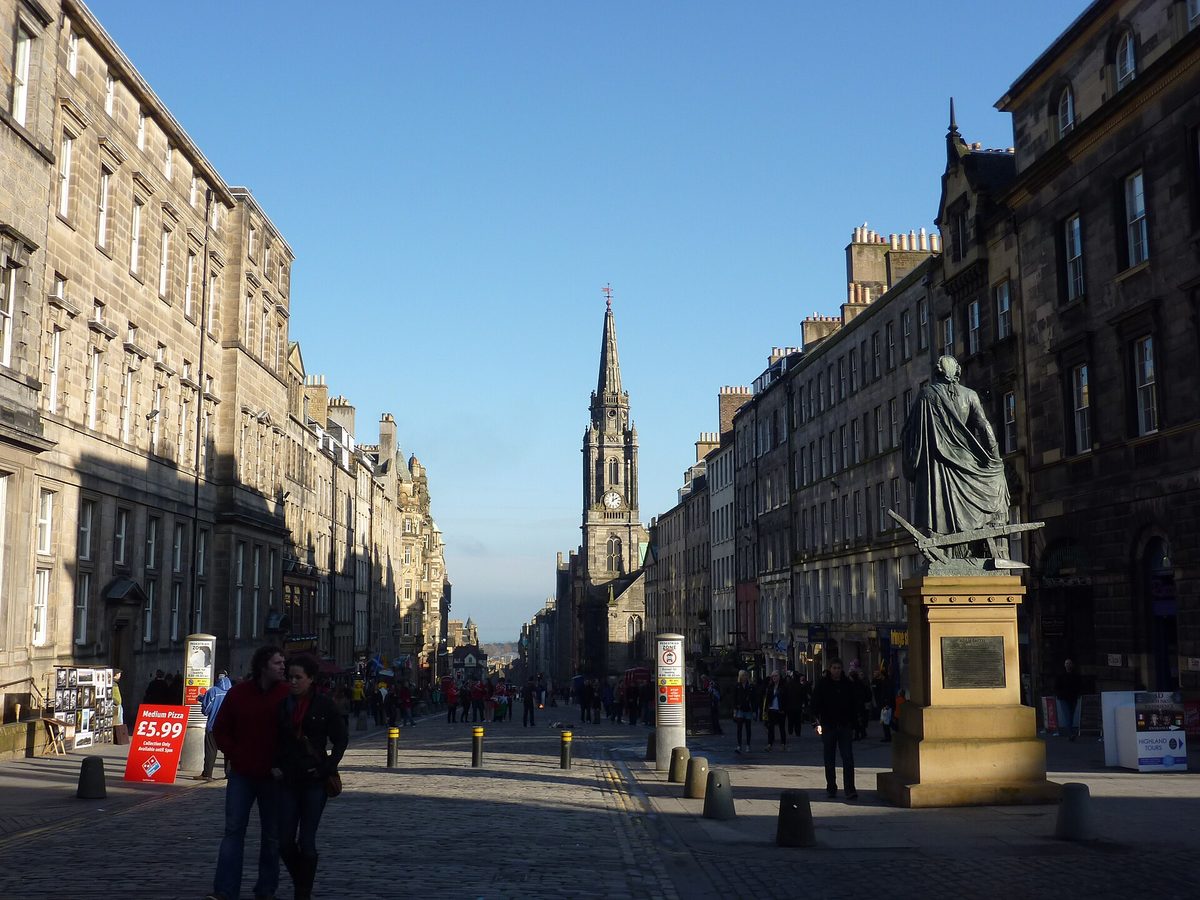
Before You Go: Entry Requirements in 2026
The UK ETA: the new step most blogs still miss
This is the single most important update for 2026, and you’d be amazed how many guides haven’t caught up. Since 25 February 2026, every visa-exempt visitor — Americans, Canadians, Australians, and EU citizens included — needs an Electronic Travel Authorisation (ETA) to enter the UK, Scotland included. It costs £20 (it went up from £16 in April 2026), it’s valid for two years and unlimited entries, and you apply through the official UK ETA app or gov.uk in about ten minutes.
Most applications are approved within minutes, but the Home Office tells you to allow three working days — so don’t leave it until you’re standing at the departure gate. British and Irish citizens don’t need one. And be careful: there’s a cottage industry of lookalike websites charging £60+ for the same £20 application. Only use gov.uk or the official app.
Passports, insurance and how far ahead to book
Your passport just needs to be valid for the length of your stay, though I’d never travel on one with less than six months left. Travel insurance for Scotland is not legally required, but the NHS is not free for visitors beyond emergency treatment, and a missed connection in August festival season can get expensive fast.
Booking lead times matter more here than almost anywhere I’ve travelled. For July and August, the good accommodation on the Isle of Skye, around Inverness and Loch Ness, and along the North Coast 500 books out six to twelve months ahead. Edinburgh in August — Fringe season — is its own beast, with rooms at double their usual rate. If your dates are fixed, sort the beds before the flights. Our Scotland itinerary guide walks through realistic route planning, and the where to stay guide covers which bases make sense for which trip.
Is Scotland Expensive? Real 2026 Costs
The honest answer: Scotland is moderately expensive — pricier than Spain or Portugal, broadly similar to Ireland, cheaper than Switzerland or Iceland — but the gap between a smart budget and a careless one is enormous. I’ve done Scotland on £70 a day and I’ve burned through £250 a day without trying. The difference was mostly booking lead time, August, and how often I ate in hotels. We break this question down in full in Is Scotland Expensive?, but here are the headline numbers.
Daily budgets by travel style
| Travel style | Per person, per day | What that looks like |
|---|---|---|
| Backpacker | £75–90 | Hostel dorms (£25–40), supermarket meal deals, buses, free museums and hills |
| Mid-range | £150–185 | B&Bs and 3-star hotels, one sit-down meal a day, shared car hire, paid attractions |
| Comfortable/luxury | £260+ | 4–5 star or boutique stays, restaurants, private tours, castle hotels |
Two people travelling together do far better than these numbers suggest, because rooms and car hire are shared. A mid-range couple should plan on roughly £250–320 per day all-in, not £300–370.
Accommodation: the line item that decides your trip
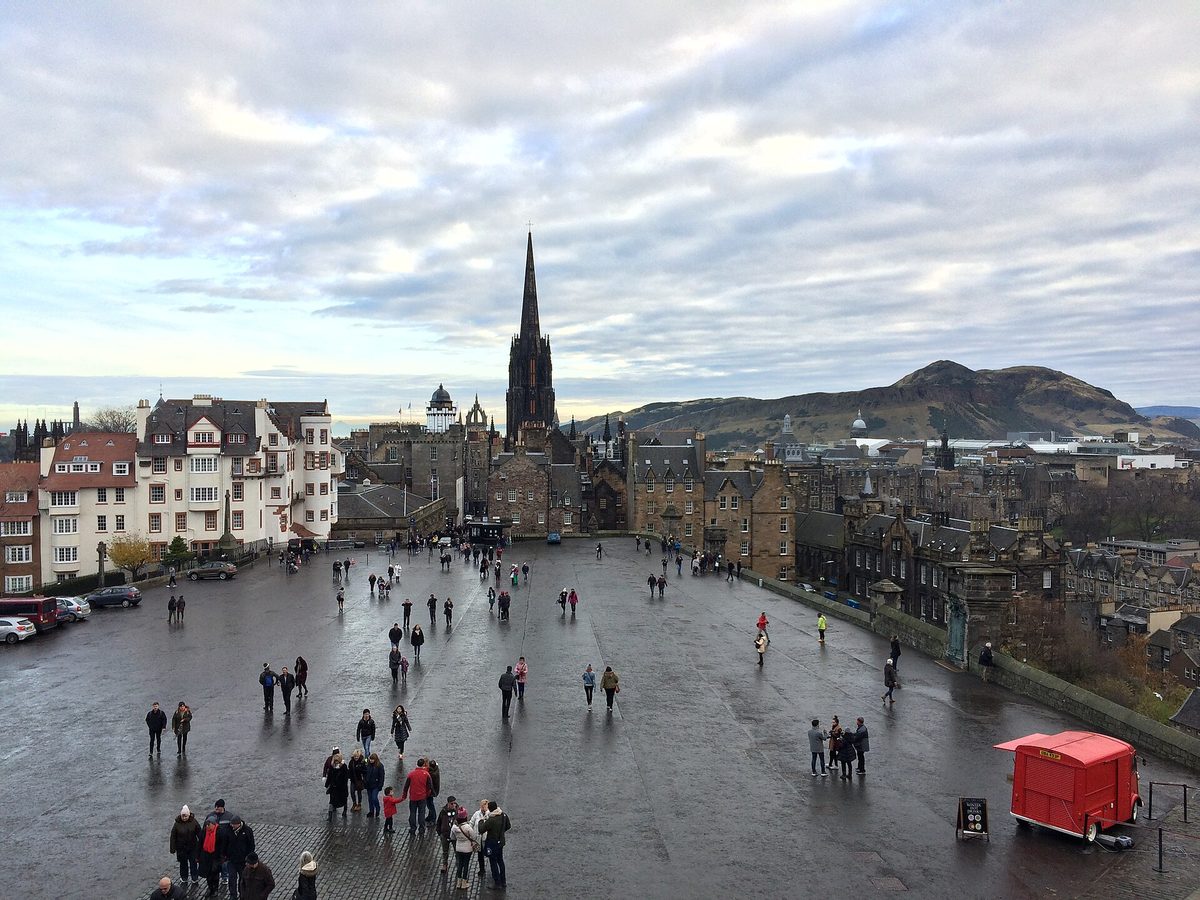
Per night, in 2026, you’re looking at: hostel dorms £25–40; simple guesthouses £50–70; decent B&Bs £70–120 (usually with a proper cooked breakfast that genuinely replaces lunch); mid-range hotels £100–130; and upmarket or character properties £150–300+. Edinburgh runs hottest — rooms near the castle average around 40% above the Scottish norm, and in August the whole city roughly doubles. Scotland’s second city is reliably 20–30% cheaper than Edinburgh for an equivalent room and is 50 minutes away by train, which is a legitimate money hack if you’re flexible.
Food and drink, from £3.50 to £90
Scotland’s food spectrum is wide and you can eat well at every point on it. A supermarket meal deal (sandwich, snack, drink) is still under £5 and is the standard lunch of half the country. A fish supper from a chippy runs £9–12, a pub main £14–18, a mid-range restaurant main £18–25, and a serious tasting menu in Edinburgh £75–90. A pint is £4.50–6.50 in cities, often less in Highland villages; a dram of single malt starts around £4 and climbs as far as your curiosity does. The full picture — including why you should never skip the B&B breakfast — is in our Scottish food and drink guide.
A worked example: 7 days, two people, mid-range
Numbers in guides are useless without a worked example, so here’s a realistic week for a couple — Edinburgh, the Highlands and Skye, hire car, decent B&Bs, booked about four months out. This is the format we expand on in How Much Does a Trip to Scotland Cost?
| Item | Cost for two (7 days) |
|---|---|
| Accommodation (6 nights, B&B/3-star mix) | £780 |
| Car hire (7 days, compact, full insurance) | £320 |
| Fuel (~700 miles at ~159p/litre) | £120 |
| Food and drink | £560 |
| Attractions and tours | £190 |
| UK ETAs (two, valid for 2 years) | £40 |
| Total (excluding flights) | £2,010 |
Could you do the same week for £1,200? Absolutely — hostels, buses and picnics. Could you spend £5,000? Without breaking a sweat. That’s the point: Scotland’s costs are mostly decisions, not fate. Our Scotland on a budget guide covers the cheap end properly.

Getting Around Scotland (and What It Costs)
Hiring a car: when it’s worth it and what you’ll pay
For the Highlands, the islands and the NC500, a car transforms the trip — public transport reaches the towns but rarely the glens, beaches and viewpoints you actually came for. In 2026, Edinburgh Airport car hire averages £56–71 per day if you book late, but drops below £25 a day for a compact booked a couple of months ahead outside peak season. Petrol sits around 158–159p per litre (diesel ~184p) — roughly $7.20 a US gallon, which makes American visitors visibly flinch at the pump. Budget £45–60 of fuel for a typical Highlands week, more on island-hopping routes. Remember fuel stations get sparse north of Inverness; fill up when you can, not when you must.
Skip the car entirely for Edinburgh and Glasgow — parking is £20–30 a day in the cities and the centres are walkable. The smart pattern is: do the cities car-free, then collect the car on your way north. Full comparisons are in our getting around Scotland guide.
Driving on the left and the art of the single-track road
Driving on the left rattles most visitors for about a day, then becomes normal. Roundabouts clockwise, give way to the right, and you’ll be fine. What nobody prepares you for is the single-track road — one lane, two directions, and small marked passing places every hundred metres or so. The rules are simple but non-negotiable: when you meet an oncoming car, whoever is nearest a passing place pulls in; if the passing place is on your right, stop opposite it and let the other car use it — never cross onto the wrong side. Don’t ever park in a passing place, and if a local appears in your mirror, pull in and let them past; they’re commuting, you’re sightseeing. Then there’s the “wee wave” — a lifted hand of thanks every time someone gives way. Skip it and you’ll be silently catalogued as a tourist of the worst kind.

One more thing, and it matters: Scotland’s drink-drive limit is 50mg per 100ml of blood — stricter than England’s 80mg. In practice it means if you’re driving, you’re not drinking. One pint can put you over. Police Scotland enforce it without humour, and so should you. Save the distillery drams for days someone else drives — most distilleries will happily give the driver a take-home miniature instead.
Trains, buses and the Hogwarts Express question
ScotRail’s network is excellent between cities and genuinely scenic in places — the West Highland Line between Glasgow and Mallaig is regularly voted among the world’s great rail journeys. The trick is Advance tickets: they go on sale up to 12 weeks ahead and save up to 60%. Edinburgh to Inverness starts at £21.70 Advance; Glasgow to Fort William from £30. Buy on the day and you’ll pay double or worse. Citylink coaches fill the gaps the trains don’t reach, cheaply.

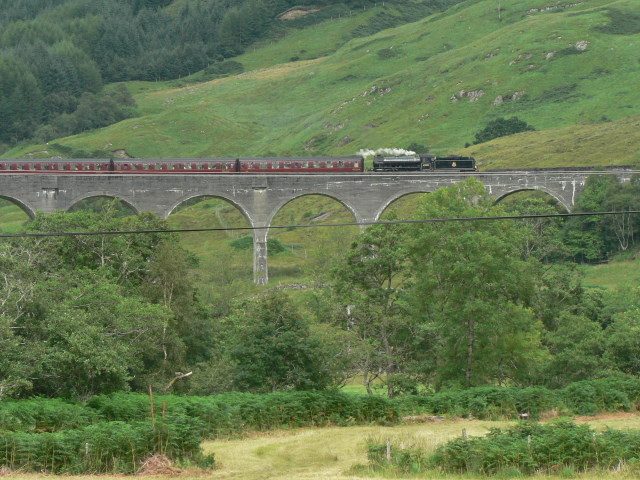
Now, the Jacobite — the steam train that crosses the Glenfinnan Viaduct and stars as the Hogwarts Express. In 2026 it costs £65 return standard class, £98 first class, and it sells out months ahead. Here’s the tip the brochures won’t give you: the regular ScotRail service runs the identical Fort William–Mallaig line, over the same viaduct, from £7.80. No steam, same views, an eighth of the price. If the steam matters to you, book the Jacobite early and enjoy it; if the scenery is the point, take ScotRail and spend the difference on dinner in Mallaig. More route ideas live in our Scotland tours guide if you’d rather someone else did the driving altogether.

When to Visit: Weather, Crowds and Midge Season
The honest month-by-month verdict
My standing advice: May, early June or September. You get long daylight (in June it’s light until after 10pm), the best odds of dry weather, thinner crowds and — crucially — fewer midges. July and August bring the warmest temperatures (17–19°C typically; “warm” is relative) but also peak prices, peak coach tours and peak midges. Winter has its own moody appeal — snow on the Cairngorms, cosy pubs, northern lights chances up north — but short days (sunset before 4pm in December) and island ferries that cancel in storms. The full breakdown is in our best time to visit Scotland guide, including festival dates from the events calendar.
Whatever month you choose, accept this now: you will get rain, sun, wind and possibly hail in the same afternoon. Scots call it “four seasons in one day” and they are not exaggerating. The weather isn’t a problem to solve; it’s the price of the scenery.
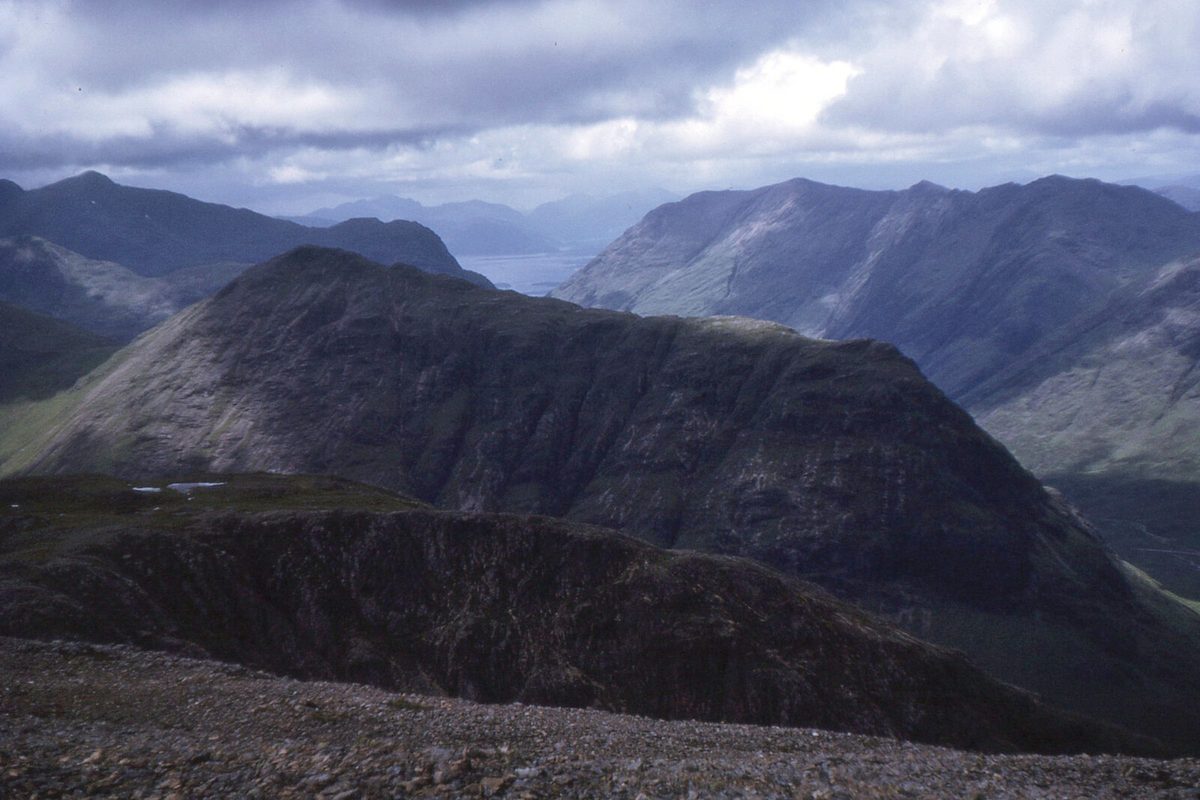
Midges: smaller than your fears, more annoying than you think
The Highland midge is a tiny biting fly that emerges in clouds on still, damp evenings from late May to early September, peaking late July to early August, mostly on the west coast — Skye, Lochaber, Torridon. They don’t carry disease and a single bite is trivial; two hundred bites at a campsite at dusk is a memory you’ll keep. The good news: they can’t fly in wind above about 6mph, they hate bright sunshine, and they’re nearly absent on the east coast. The fix is a £9 bottle of Smidge (the local repellent of choice), a £5 head net if you’re camping, and checking the Smidge midge forecast before you pitch a tent. I’ve had entire west-coast weeks with barely a bite — wind is your friend.

Money Matters: Currency, Cards and Tipping
Scottish banknotes, explained once and for all
Scotland uses the pound sterling, exactly like the rest of the UK — but three Scottish banks (Bank of Scotland, Royal Bank of Scotland and Clydesdale) print their own notes, so your change will come in designs you’ve never seen. They’re all real money. English notes work fine in Scotland too. The only quirk: some shops in England get sniffy about Scottish notes, so spend them before you head south. The deeper details — including why you should refuse airport currency exchange rates — are in our money and currency in Scotland guide.
In practice, you barely need cash at all. Contactless cards and phone payments work in essentially every shop, pub, café, taxi and rural honesty box with a card reader — I’ve gone ten-day trips using under £20 in cash. What that cash was for: the odd 20–30p public toilet, a couple of small honesty boxes, and one stubborn village chip shop. Carry a few pound coins and you’re covered. Tell your bank you’re travelling, and always choose to be charged in pounds, never your home currency, when a terminal offers the choice — “dynamic currency conversion” is a quiet 3–5% rip-off.
Tipping without awkwardness
Tipping in Scotland is relaxed, and as an American friend put it after a week here, “liberating.” Around 10% at sit-down restaurants for good service — check the bill first, because some places add a service charge already. Nobody tips at the bar in a pub (though offering to buy the bartender a drink — “and one for yourself” — is a charming old custom). Taxis: round up. Hotel housekeeping: a couple of pounds if you like. Tour guides: £5–10 for a good day tour. Nothing is compulsory, and nobody will chase you down the street. The complete etiquette is in our tipping in Scotland guide.
What to Pack for Scotland (Hint: Layers, Not Umbrellas)
Here’s the packing philosophy that took me three soggy trips to learn: pack for weather that changes hourly, not for a season. That means layers — a base layer, a fleece or jumper, and a genuinely waterproof jacket with a hood. Note “waterproof,” not “water-resistant”; Scottish rain laughs at water-resistant. Umbrellas are nearly useless because the rain arrives horizontally; locals will watch yours invert with quiet satisfaction.

The non-negotiables: waterproof jacket, walking shoes or boots that can handle mud, warm layer even in July (Highland evenings drop to single digits), a UK Type G plug adapter, sunscreen (the northern sun burns through wind-chill deception), Smidge if you’re going west in summer, and a refillable water bottle — Scottish tap water is some of the best in the world and every café will fill it. If you’re tackling proper hills, see our hiking in Scotland guide for the serious kit list. The complete seasonal checklist is in what to pack for Scotland.
What you can skip: formal clothes (almost nowhere cares), a travel kettle (every room in Britain has one, by law of culture), and half the shoes you’re considering. Laundrettes and travel wash exist.
Staying Connected: SIMs, eSIMs and Highland Dead Zones
If your phone supports eSIM, sort it before you fly: tourist eSIMs for the UK run £10–25 for 20–50GB, activated in minutes. Physical SIMs from Three, Smarty or Giffgaff give unlimited data for £20–30 a month if you’re staying longer. EU travellers should check their plan — some still include UK roaming, many no longer do. US carriers’ international day passes (around $10–12 a day) cost more than an entire month of local data, which is the kind of math worth doing once. Our Scotland eSIM and SIM card guide compares the current deals.
Expect proper dead zones in the Highlands, glens and islands regardless of carrier — download offline maps (Google Maps offline areas, or OS Maps for walkers) before you leave wifi. The dead zones are a feature, honestly. Lean into them.
Saving Money: Free Things, Passes and Quiet Hacks
Scotland hands you an astonishing amount for free. Every national museum — including the National Museum of Scotland and the Scottish National Gallery in Edinburgh, and Kelvingrove in Glasgow — is free. The hills, glens, beaches and lochs, which are the actual point of Scotland, are free. Climbing Arthur’s Seat costs nothing and beats several paid viewpoints I could name. Most of the best things to do in Scotland don’t have a ticket booth.
Where tickets exist, book online: Edinburgh Castle is £21.50 online versus £24 at the gate, and summer slots genuinely sell out. If you’re hitting multiple castles and abbeys, a Historic Scotland Explorer Pass pays for itself by the third site — we run the numbers in the castles in Scotland guide. Whisky-wise, the Scotch Whisky Experience starts at £21, but a working distillery tour in the £15–20 range with a take-home dram is usually better value and better fun.
The quieter hacks: eat your big meal at lunch (many restaurants run lunch menus 30–40% cheaper than dinner), make the B&B breakfast do the work of two meals, take the £7.80 train over the £65 one when steam doesn’t matter to you, stay in Glasgow or Stirling instead of Edinburgh in August, and travel May or September when everything — rooms, cars, ferries — costs less and queues shorter.

Culture, Etiquette and the Mistakes Everyone Makes
Don’t call Scotland England
The big one first: Scotland is not England. It’s a distinct nation within the United Kingdom, with its own parliament, legal system, education system, banknotes and — you may have noticed — opinions. Referring to Scotland as England, or to a Scottish person as English, is the fastest way to chill a friendly conversation. “Britain” or “the UK” are safe; “Scotland” is correct; “England” is a different country to the south.
While we’re at it: it’s “whisky” (no e), a measure of it is a “dram,” and ordering a £40 single malt with cola will cause an actual, audible silence. Ask the bartender what they’d drink instead — Scots are evangelists for their national product and the question makes friends. A drop of water in a cask-strength whisky isn’t sacrilege; it’s how the professionals drink it.

Eat the haggis. Yes, really
Haggis is peppery, savoury and delicious, and the standard tourist performance of squeamishness about it is tiresome on both sides of the table. Order it with neeps and tatties (swede and potato), or as a starter with whisky sauce, or from a chippy, deep-fried, at 11pm. If you eat sausage, you have no philosophical ground to refuse haggis. Vegetarian haggis, surprisingly, is also excellent and on nearly every menu.
A few more quick ones: Scots queue seriously, so don’t jump one. “Cheers” works as both a toast and a thank-you. The deep-fried Mars bar is a joke Scotland is in on — you don’t have to order one. And pronunciation: Edinburgh is “ED-in-bruh” (never “Edin-burrow”), Glasgow is “GLAHZ-go,” and the loch in Loch Ness has a soft guttural “ch” — “lock” is acceptable, “lotch” is not.
If you want to know what you are agreeing to first, we explain what haggis actually tastes like rather than just listing what goes in it. And a proper full Scottish breakfast is worth seeking out too — the square sausage and tattie scone are the parts that make it Scottish rather than English.
The Outdoors: Right to Roam, Wild Camping and Staying Safe
Scotland’s remarkable right to roam
Scotland has some of the most generous access laws on Earth. Under the Land Reform (Scotland) Act 2003 and the Scottish Outdoor Access Code, you can walk, cycle and wild camp on most unenclosed land — hills, moors, beaches, forests — provided you do it responsibly: small numbers, short stays, no fires in dry spells, leave no trace, and stay away from houses, crops and farm animals. For hikers and cyclists this is transformative; routes like the West Highland Way exist in their current form because of it.
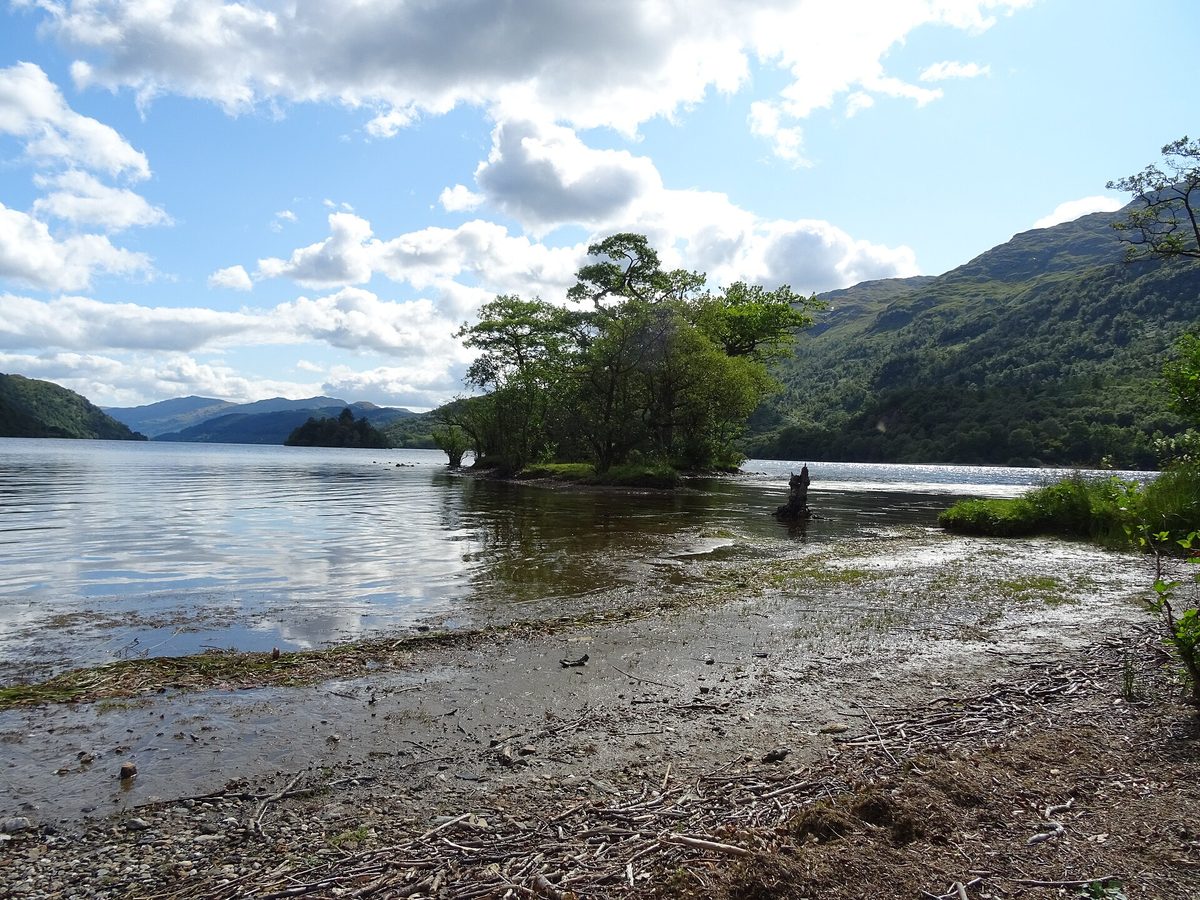
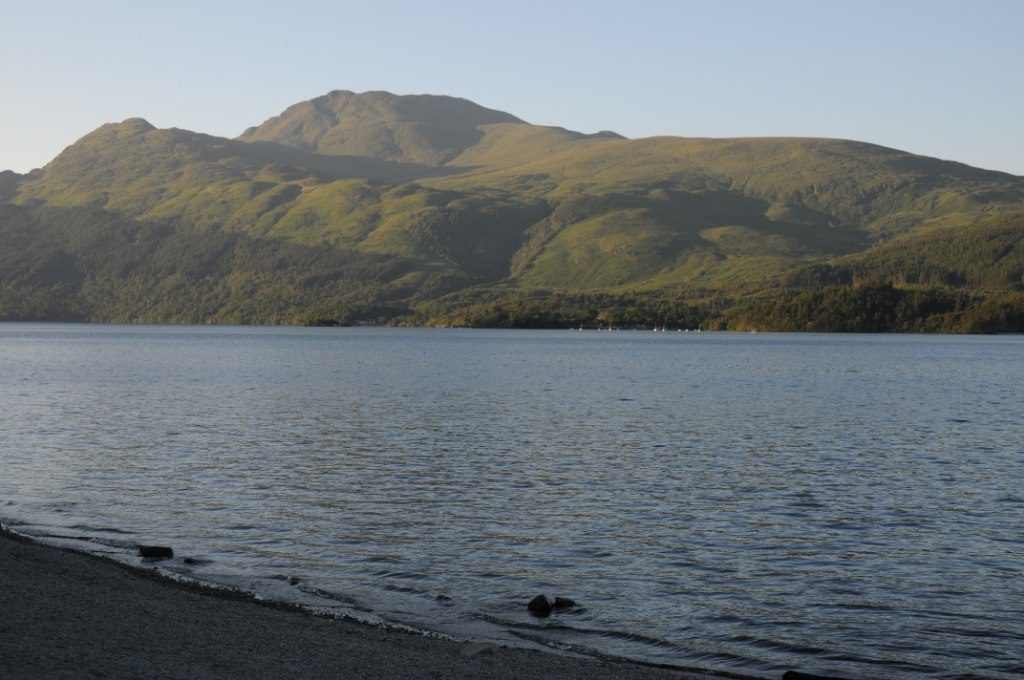
The one major exception: the busiest shores of Loch Lomond, where Camping Management Zones apply from March to September and you need a £4.50-per-night permit (or a campsite pitch). It’s a response to years of abuse of exactly the freedom described above — book the permit online and don’t be part of the problem. Everywhere else, pitch late, leave early, and leave nothing.
Safety, solo travel and the Hebridean Sunday
Scotland is, bluntly, one of the safest destinations you can pick — violent crime against tourists is rare, solo and female travellers consistently report feeling comfortable, and the standard city common sense (watch your phone in crowded Edinburgh streets in August) covers most of it. We go deeper in Is Scotland Safe for Tourists?. The genuine risks here are outdoor ones: weather on the hills changes violently fast, and Mountain Rescue exists because people underestimate Scottish mountains that are “only” 1,000 metres. Check the forecast, tell someone your route, and turn back when the cloud comes down. Emergency number 999 (or 112) reaches police, ambulance and Mountain Rescue alike; 111 is NHS 24 for non-emergency medical advice.

One regional quirk that catches even seasoned travellers: in the Outer Hebrides — Lewis and Harris especially — Sunday observance is real. Most shops, fuel stations, attractions and all public transport simply close. If you’re island-hopping through the Scottish islands on a Saturday, buy your fuel and food that afternoon, plan a slow Sunday of beaches and walks, and treat it as a feature of one of Europe’s most distinctive cultures rather than an inconvenience. Luskentyre beach asks nothing of you on a Sunday except that you stand on it and stare.
Ten Quick-Fire Scotland Travel Tips I Give Every Friend
- Book Skye, the NC500 and August-in-Edinburgh accommodation 6–12 months out; everything else, 2–4 months is fine.
- Hire the smallest car you can live with — Highland roads and village car parks were not designed for SUVs.
- Carry £5 in pound coins for toilets and honesty boxes; pay for everything else by card.
- Picnic lunches from supermarkets, proper dinners out — best food-budget ratio in the country.
- The east coast is drier and midge-light; the west coast is more dramatic. Plan accordingly.
- Free museums on rainy days, hills on dry ones — never waste a sunny Scottish day indoors.
- Golfers: book St Andrews ballots and tee times months ahead — our golf in Scotland guide explains the system.
- Loch Ness is wonderful but it’s one of 30,000 lochs — the Highlands hide quieter, cheaper, equally beautiful water.
- Download offline maps before leaving the city; Highland signal is theoretical.
- Say yes to conversations in pubs. The single best thing in Scotland is free and it talks back.
How Many Days Do You Need in Scotland?
The itinerary mistake I see most often isn’t too few days — it’s too many places. Scotland looks small on a map and drives big in reality: Edinburgh to Skye is five hours without stops, and there are always stops, because the scenery keeps committing acts of violence against your schedule. As a rule of thumb: five days covers Edinburgh plus a first taste of the Highlands; seven days makes the classic Edinburgh–Glencoe–Skye–Loch Ness loop comfortable instead of frantic; ten days adds Glasgow, Speyside distilleries or the east coast; and two weeks opens up the islands properly, ferries and all.
Whatever the length, build in one deliberately empty day per week. The best afternoon of my last trip was an unplanned one in a village hall café in Plockton that the itinerary said I should have spent driving. Distances, drive times and honest day-by-day routes are mapped out in our Scotland itinerary guide, and if you’d rather hand the logistics to someone else entirely, the tours and packages guide compares the small-group operators worth your money. City-first travellers should weigh up the Edinburgh city guide and the Glasgow city guide — they’re different cities with different souls, and the correct answer to “which one?” is usually the train ticket that includes both.
Scotland Travel Tips FAQ
Do Americans need a visa or ETA to visit Scotland in 2026?
Americans don’t need a visa for stays up to six months, but since 25 February 2026 they do need a UK Electronic Travel Authorisation (ETA). It costs £20, is valid for two years and unlimited visits, and you apply via the official UK ETA app or gov.uk. Apply at least three working days before travel; most approvals arrive within minutes.
Is Scotland expensive to visit?
Scotland is moderately expensive: comparable to Ireland, cheaper than Iceland or Switzerland, pricier than southern Europe. Budget travellers manage on £75–90 per person per day, mid-range visitors should plan £150–185, and luxury starts around £260. Accommodation is the biggest variable — booking several months ahead and avoiding August can cut costs by a third.
How much does a 7-day trip to Scotland cost?
A realistic mid-range week for two — hire car, B&Bs, restaurant dinners, major attractions — runs about £2,000 excluding flights. A budget week using hostels, buses and supermarket lunches can come in near £1,100 for two, while a luxury castle-hotel itinerary easily exceeds £4,500. August and late bookings inflate every number.
What is the best month to visit Scotland?
May and September are the sweet spots: long daylight, the best chance of dry weather, fewer crowds, lower prices and far fewer midges than high summer. June adds even longer days. July and August bring peak season prices, coach crowds and peak midge activity, while winter offers atmosphere and northern lights at the cost of short days.
Do you tip in Scotland?
Tipping is appreciated but never compulsory. Leave around 10% at sit-down restaurants for good service, after checking whether a service charge is already on the bill. Don’t tip at pub bars; round up taxi fares; give £5–10 to an excellent day-tour guide. No one will ever chase you over a tip — the pressure simply doesn’t exist.
Can I use English pounds in Scotland?
Yes. Scotland uses pound sterling, and English notes are accepted everywhere. Scottish banks issue their own banknote designs, which are equally valid UK currency — though some English shops hesitate over them, so spend Scottish notes before heading south. In practice, contactless card payment works almost universally, and most visitors need very little cash at all.
Do I need cash in Scotland?
Very little. Cards and phone payments are accepted in virtually every shop, pub, café and taxi, even in small Highland villages. Keep a few pound coins for public toilets (20–30p), honesty boxes and the occasional cash-only chip shop. Choose to pay in pounds rather than your home currency whenever a card terminal offers the option.
When is midge season in Scotland?
Midges are active from late May to early September, peaking from mid-July to early August, mainly on the west coast and around still water at dawn and dusk. They can’t fly in winds above about 6mph and dislike bright sun. Smidge repellent (~£9), a head net for campers and a breezy pitch solve most of the problem.
Is it hard for Americans to drive in Scotland?
Most adjust to left-side driving within a day, especially in an automatic. The real learning curve is single-track roads: pull into passing places to let oncoming traffic through, never park in them, and wave thanks. Note Scotland’s drink-drive limit is stricter than England’s — effectively zero — and rural fuel stations are sparse, so fill up early.
Is wild camping legal in Scotland?
Yes — Scotland’s right to roam allows responsible wild camping on most unenclosed land under the Scottish Outdoor Access Code: small groups, two or three nights maximum, no fires in dry conditions, leave no trace. The exception is Loch Lomond’s Camping Management Zones (March–September), where a £4.50 per night permit is required.
Is Scotland safe for solo travellers?
Yes — Scotland ranks among Europe’s safest destinations, and solo travellers, including women, consistently report feeling comfortable in cities and rural areas alike. Use normal city awareness in crowded festival-season Edinburgh. The more relevant risks are outdoors: fast-changing mountain weather and remote terrain. Check forecasts, share your route, and save 999 for emergencies including Mountain Rescue.
What should I pack for Scotland in summer?
Layers: t-shirts plus a fleece, a hooded waterproof jacket (not water-resistant — waterproof), walking shoes that handle mud, and a warm layer for evenings that can drop below 10°C even in July. Add a Type G plug adapter, sunscreen, Smidge repellent for the west coast, and a refillable bottle for Scotland’s excellent tap water.
Final Thoughts
Scotland rewards exactly the kind of traveller these tips create: someone who books the right things early, packs a real waterproof, learns the passing-place dance, keeps a few pound coins in a pocket, and then — preparation done — relaxes completely. Because the country’s actual character isn’t in the logistics. It’s in the barman who draws you a map to a beach with no name on it, the weather that ruins one plan and hands you a better one, the £7.80 train over the world’s most famous viaduct. Plan with your head, then travel with the other thing. Start with our itinerary guide, check when to go, and lean on the transport guide when the map starts looking ambitious. Scotland will do the rest.
For a fuller rundown of what costs nothing at all, see the best free things to do in Scotland.
If Edinburgh is your base, the choice of area matters more there than in most British cities — night noise, tenement stairs and the walk from Waverley all pull in different directions. Our guide to where to stay in Edinburgh sets out those trade-offs, including the visitor levy the city now applies to accommodation.
Packing for Scotland gets far easier once you have looked at the actual figures. Our regional weather breakdown by month gives temperature, rain days, sunshine and daylight for the east, the west, the Highlands and Shetland.
For the sequencing rather than the tips — dates, then route, then car, then beds, then tickets — work through our step-by-step guide to planning a trip to Scotland, which puts real booking lead times against each month of the countdown.
If this is your first Scottish trip, there is a companion piece to this one. Our guide to what to know before your first time in Scotland covers the misconceptions that actually cost people days and money — passing-place etiquette, Sunday petrol, and why the Highlands are not a day trip from Edinburgh.
Eating plant-based here is easier than it was and harder than the city guides imply, so we mapped it region by region in our guide to vegan and vegetarian food in Scotland.
Accommodation is where most Scotland budgets go wrong, and it is usually a timing problem rather than a spending one. We break down realistic nightly costs by format, and when your number simply will not stretch, in our guide to budget accommodation in Scotland.
Photo Credits
- Single Track Road — Russel Wills, CC BY-SA 2.0, via Wikimedia Commons
- Jacobite Glenfinnan — de:Benutzer:Nicolas17, CC BY-SA 2.5, via Wikimedia Commons
- Scotrail Train — Geof Sheppard, CC BY-SA 4.0, via Wikimedia Commons
- Highland Cow — Anthony O'Neil, CC BY-SA 2.0, via Wikimedia Commons
- Glen Coe — Jim Barton, CC BY-SA 2.0, via Wikimedia Commons
- Wild Camping — GeographUser, CC0, via Wikimedia Commons
- Haggis — Metukkalihis, CC BY-SA 3.0, via Wikimedia Commons
- Luskentyre Harris — Scotboy19, CC BY-SA 4.0, via Wikimedia Commons
- Hiking Gear — John Lucas, CC BY-SA 2.0, via Wikimedia Commons
- Whisky Dram — Lord van Tasm, CC BY-SA 3.0, via Wikimedia Commons
- Currency — Eric Kilby from Somerville, MA, USA, CC BY-SA 4.0, via Wikimedia Commons
- Edinburgh Castle — Gareth Davies, CC BY-SA 4.0, via Wikimedia Commons
- Royal Mile Edinburgh — Richard West, CC BY-SA 2.0, via Wikimedia Commons

1 note from readers