I once stood on Princes Street at one minute past midnight with 45,000 strangers singing Auld Lang Syne in the sleet, and three weeks later I was on a pitch-black street in Lerwick watching a thousand bearded men hurl flaming torches into a Viking longship. That, in two scenes, is what makes Scotland festivals and events such a ridiculous, wonderful rabbit hole: this is a small country that somehow stages the world’s biggest arts festival, the world’s largest winter music festival, and a calendar of fire ceremonies that predate the calendar itself.
The quick answer: Scotland festivals and events run year-round, peaking in August when the Edinburgh Festival Fringe (7–31 August 2026), the Royal Edinburgh Military Tattoo and the International Festival all collide. Winter brings Hogmanay, Celtic Connections, Burns Night and Up Helly Aa; summer means Highland Games and music festivals. Book marquee events 3–9 months ahead and expect tickets from free to about £96.

I have been building trips around Scottish festivals for the best part of fifteen years — sometimes deliberately, sometimes by happy accident (turning up in Dunoon the same weekend as 23,000 Cowal Gathering spectators taught me a sharp lesson about booking accommodation in Scotland early). This guide is the one I wish someone had handed me at the start: a month-by-month calendar of what’s on in Scotland, honest deep-dives into the marquee events, real 2026 dates and GBP prices, and the booking lead times nobody warns you about.
Scotland festivals and events at a glance
Here is the cheat sheet I send friends before we get into the detail. Dates are confirmed 2026 dates where the organisers have published them; otherwise I’ve given the reliable annual pattern.
| Event | When | Where | Typical cost | Book ahead? |
|---|---|---|---|---|
| Celtic Connections | Mid–late January | Glasgow | £15–£45 per gig | 1–2 months |
| Burns Night | 25 January | Everywhere | Free–£60 (supper) | 2–4 weeks |
| Up Helly Aa | Last Tuesday of January | Lerwick, Shetland | Procession free | 9–12 months (beds!) |
| Beltane Fire Festival | 30 April | Calton Hill, Edinburgh | £15–£20 | 2–4 weeks |
| Spirit of Speyside | Late April–early May | Speyside | £10–£150 per event | Sells out in days |
| Highland Games season | May–September | Nationwide | £5–£15 entry | Braemar only |
| Royal Highland Show | 18–21 June 2026 | Ingliston, Edinburgh | ~£35–£38/day | 2–3 months |
| TRNSMT | 19–21 June 2026 | Glasgow Green | ~£83/day | 3–6 months |
| Edinburgh Festival Fringe | 7–31 August 2026 | Edinburgh | Free–£20 per show | Beds 6–9 months |
| Royal Edinburgh Military Tattoo | 7–29 August 2026 | Edinburgh Castle | £42–£216 | 6–9 months |
| Braemar Gathering | 5 September 2026 | Braemar, Deeside | ~£15–£60 | 3–6 months |
| Edinburgh’s Hogmanay | 29 Dec–1 Jan | Edinburgh | £18–£72.50+ | 3–6 months |
One thing before the calendar: if your dates are flexible, read my guide to the best time to visit Scotland alongside this page, because the festival you pick will quietly decide your weather, your budget and your crowd tolerance for you.
Scotland events calendar: what’s on month by month
This is the spine of the whole page — a working Scotland events calendar you can plan a trip around. I’ve kept it to the events I’d actually cross the country for, with one honest planning note per month.
January in Scotland: fire, folk and haggis
January is secretly one of my favourite months for events in Scotland, precisely because nobody expects it. Celtic Connections takes over Glasgow for two and a half weeks (14–31 January in 2027) with around 2,000 folk, roots and world musicians spread across the Royal Concert Hall, the Barrowland Ballroom and every venue in between — it is the world’s largest winter music festival and the city hums with sessions until 3am. Burns Night lands on 25 January everywhere from village halls to five-star hotels; expect haggis, whisky and the Address recited with theatrical relish. And on the last Tuesday of January, Lerwick stages Up Helly Aa, the Viking fire festival that ends with a burning longship. Planning note: Lerwick’s beds for Up Helly Aa book out the best part of a year ahead — I’m not exaggerating.

February in Scotland: light in the dark
Aberdeen kicks off the month with SPECTRA, a free festival of light installations that transforms the granite city, and Fort William hosts its Mountain Festival for film-and-crampon types who are probably also eyeing my guide to hiking in Scotland. It’s a quiet month otherwise — which makes it superb for cheap city breaks between events.
March in Scotland: poems and early spring
StAnza, Scotland’s international poetry festival, fills St Andrews in early March, and Glasgow’s International Comedy Festival warms up the city’s legendarily tough crowds. March is also when I start booking summer festival accommodation in earnest — consider yourself nudged.
April in Scotland: Beltane and the whisky season opener
April ends with a bang. On the 30th, the Beltane Fire Festival turns Edinburgh’s Calton Hill into a swirling pagan theatre of drummers, fire-spinners and painted bodies (£15 advance, £20 on the night, and worth every penny). The same week, the Spirit of Speyside Whisky Festival opens its 600-plus events across more than 50 distilleries — pair it with my tour of the best Scotch whisky distilleries — and the Shetland Folk Festival (30 April–3 May 2026) packs island halls with fiddlers. Edinburgh’s Science Festival runs over the school holidays too. Planning note: popular Speyside tastings sell out within days of the February on-sale.

May in Scotland: the Highland Games begin
The first caber goes up in May as the Highland Games season opens at Gourock, and TradFest fills Edinburgh with folk music. On Islay, Fèis Ìle (the Islay whisky festival) sees each distillery throw open its doors on its own day — ferries and beds are the bottleneck, so read up on Scotland’s islands before committing. May weather is often the year’s best, a fact I bang on about in my festival-season guide.
June in Scotland: show season and the solstice
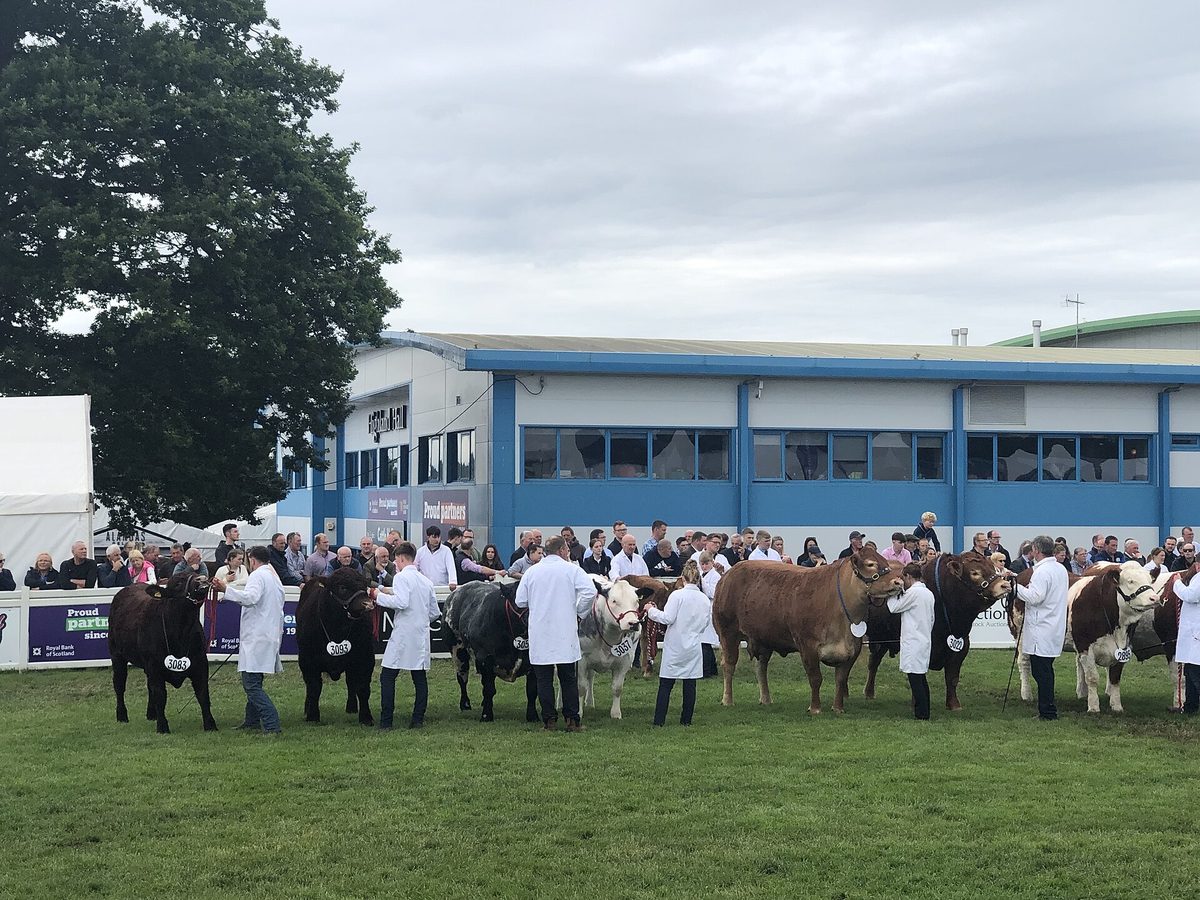
June 2026 is frankly absurd. The Royal Highland Show (18–21 June, Ingliston) brings 200,000 people to ogle prize bulls, show-jumping and the best of Scottish food and drink — adult day tickets run about £35–£38 and under-16s go free. The very same weekend, TRNSMT (19–21 June 2026, moved earlier this year) packs Glasgow Green with 50,000 music fans a day for Lewis Capaldi, Kasabian and Richard Ashcroft at roughly £83 a day. Add midsummer solstice events and you have a scheduling headache I solve by basing myself between the two cities — see my Scotland itinerary for how.
July in Scotland: island music and games in full swing
July belongs to the islands and the games fields. HebCelt (15–18 July 2026) is four days of Celtic music in the grounds of Lews Castle in Stornoway, and it’s the friendliest festival I’ve ever attended — the whole of Lewis seems to volunteer. Glasgow’s Jazz Festival and the free Glasgow Mela fill the city, while Highland Games hit their stride: there’s a games somewhere every weekend, from village fields in Perthshire to the seafront at Nairn. In 2026 there’s a one-off heavyweight addition: the Glasgow Commonwealth Games (23 July–2 August) returns to the city, so Glasgow accommodation that fortnight will be carnage — book absurdly early or stay in Stirling and train in.
August in Scotland: the big one
August in Edinburgh is the single greatest concentration of culture on the planet — the Fringe (7–31 August 2026), the International Festival (7–30 August), the Book Festival (15–30 August) and the Royal Edinburgh Military Tattoo (7–29 August) all running simultaneously. Across the M8, Glasgow answers with the World Pipe Band Championships on Glasgow Green (14–15 August 2026, 8,000-plus pipers and drummers), and the season’s biggest Highland Games, the Cowal Highland Gathering, closes the month in Dunoon (27–29 August 2026). I’ve given August its own deep-dive below because it deserves it — and because it’s where most first-timers blow their budget.

September in Scotland: Braemar and breathing space
The Braemar Gathering — the royal one — lands on Saturday 5 September 2026, with the King traditionally in the front row. Doors Open Days run all month, unlocking hundreds of buildings (including some castles in Scotland that normally keep you out) for free, and the Wigtown Book Festival (late September into October) fills Scotland’s National Book Town in Dumfries and Galloway. September is my honest pick for festival-going with sanity intact: events still everywhere, crowds gone, and the Highlands turning gold.
October in Scotland: Mòd, stories and Samhuinn
The Royal National Mòd — the championship of Gaelic music and culture — moves to a different town each October (9–17 October in 2026), and Edinburgh hosts its International Storytelling Festival. Pitlochry’s Enchanted Forest sound-and-light show sells well over 80,000 tickets, and on the 31st the Samhuinn Fire Festival (Beltane’s dark twin) takes over Edinburgh’s Holyrood Park. Half-term crowds aside, October is underrated — especially around Loch Ness and Inverness in autumn colour.
November in Scotland: St Andrew’s Day and the lights go on
Scotland’s national day is 30 November, marked with ceilidhs, free museum entry and events nationwide; Oban’s WinterStorm festival celebrates trad music; and the Christmas markets switch on in Edinburgh and Glasgow mid-month. It’s dark by 4pm — plan accordingly and embrace it.

December in Scotland: Hogmanay
December builds inexorably to Hogmanay, Scotland’s New Year — a three-day Edinburgh festival (29 December–1 January) plus wilder, older celebrations from Stonehaven’s fireballs to first-footing traditions in every village. Full deep-dive below. Planning note: Hogmanay hotel rates in Edinburgh triple; the early-bird ticket releases each summer are genuinely worth catching.
The Edinburgh Festival in August: what it’s really like
Let me say the quiet part first: August in Edinburgh is simultaneously the best thing Scotland does and the most logistically punishing trip you can plan here. Around three million tickets are issued across the festivals, the population of the city roughly doubles, and the Royal Mile becomes a slow-moving river of flyers, fire-jugglers and the overwhelmed. I love it without reservation — but go in with your eyes open and your bed booked.
Edinburgh Festival Fringe 2026: dates, tickets and free shows
The Edinburgh Festival Fringe runs 7–31 August 2026: over 3,000 shows a day across 250-plus venues, from converted shipping containers to grand old theatres. The maths that surprises people: most tickets cost £15–£17 and rarely top £20, the Free Fringe and pay-what-you-can shows (from £2.50) are enormous, and the two preview days are heavily discounted. My system after many Augusts: book two or three “anchor” shows a day in advance, then fill the gaps on word of mouth — the half-price hut on the Mound and the queue gossip are better curators than any algorithm.

The Royal Edinburgh Military Tattoo: prices and booking reality
The Tattoo (7–29 August 2026, Monday to Saturday — no Sunday shows) is the one event on this page you cannot wing. It sells around 220,000 seats on Edinburgh Castle’s esplanade and most performances sell out months ahead; tickets go on sale the previous autumn. Expect to pay from £42 for the cheapest seats, £89–£96 for most side seating, and over £200 for premier sections. It is unashamedly theatrical — massed pipes and drums, military bands from three continents, a lone piper on the ramparts — and even my most cynical friends come out misty-eyed. Take a layer; the esplanade at 10.30pm is Baltic even in August.
The International, Book and Art festivals
The Edinburgh International Festival (7–30 August 2026) is the curated, big-stage counterpart to the Fringe’s free-for-all — world-class opera, orchestras and theatre, with more than 50,000 tickets at £30 or under. The Book Festival (15–30 August) and the Art Festival round it out. Don’t treat these as the Fringe’s posh cousins; some of my best festival memories are EIF late-nights that cost less than a Fringe comedy ticket.
The honest bit: crowds, costs and how I’d plan it
Accommodation is the boss battle. Edinburgh beds in August routinely double or triple in price and the good-value ones vanish six to nine months out. If you’ve missed that window, do what I now do by choice: stay in Glasgow or Stirling and train in — it’s 50 minutes from Glasgow Queen Street, trains run past midnight during the festivals, and the savings buy a lot of show tickets. My Edinburgh travel guide covers neighbourhoods worth the premium, and my notes on getting around Scotland explain the rail tactics. And if crowds genuinely aren’t your thing, August Edinburgh will not convert you — come in September instead and keep your blood pressure.
Hogmanay: how Scotland does New Year
Hogmanay is not “New Year’s Eve with bagpipes”. Scotland banned Christmas for the better part of 400 years, so the midwinter blowout migrated to 31 December and acquired its own liturgy: first-footing (the first visitor after midnight should carry coal, shortbread or whisky), Auld Lang Syne sung properly with crossed arms, and fire — always fire.

Edinburgh’s Hogmanay: the street party
Edinburgh’s official Hogmanay (29 December–1 January) opens with a torchlight procession down the Royal Mile (around £18 to carry a torch), peaks with the Princes Street street party (around £30, capped at roughly 45,000 people) and the Concert in the Gardens (£72.50 and up depending on the headliner), and ends with the Loony Dook — a fancy-dress plunge into the Firth of Forth on 1 January that I have done precisely once. Midnight, when the fireworks go up off the Castle ramparts in every direction, is one of the great European new-year moments.
Stonehaven Fireballs and the older Hogmanay
My favourite Hogmanay isn’t in Edinburgh at all. In Stonehaven, just south of Aberdeen, around 40 locals swing flaming wire cages around their heads as they parade the High Street at midnight — 20-odd minutes of controlled madness, completely free to watch, no tickets required, followed by fireworks over the harbour. Arrive by 10.30pm for a decent spot. Villages across the country keep their own versions — the Burning of the Clavie in Burghead (11 January, by the old calendar) is the deepest cut of Scotland’s fire festival tradition.

Which Hogmanay is right for you?
Big-night-out people: Edinburgh, no contest. Families: the afternoon Bairns’ Hogmanay events and the torchlight procession, then home before the crush. Travellers who want a story nobody else has: Stonehaven, or book a year ahead and spend New Year week in Shetland building up to Up Helly Aa. Whatever you choose, sort your bed by early autumn — this is the second-spikiest accommodation week of the year after Fringe weekends, as I explain in my guide to where to stay in Scotland.
Highland Games season: May to September
Somewhere between sport, ceilidh and village fete, the Highland Games are the most reliably joyful day out on the Scottish calendar. From May to September there are games most weekends — over 60 gatherings — and after years of attending I can promise the small ones are at least as good as the famous ones.

What actually happens at a Highland Games
The heavy events are the headline: tossing the caber (a 19-foot tree trunk, scored on the angle it lands, not the distance), putting the stone, throwing the hammer. Around them: Highland dancing competitions on a flatbed stage, solo piping, massed pipe bands, hill races, tug o’ war, and a beer tent run with military precision by the local rugby club. Entry typically costs £5–£15, kids often free, and you bring a picnic rug and stay all day. It is gloriously unironic — these are real competitions with real prize money, some dating back centuries (Ceres in Fife claims 1314).
The Braemar Gathering: the royal one
Braemar (first Saturday of September — 5 September 2026) is the games the royal family attends, a tradition running since Queen Victoria’s day at Balmoral up the road. It’s the only games where I’d insist you book ahead: grandstand seats sell out months out (uncovered seats from roughly £15–£30, covered stands more like £60), and Deeside accommodation goes with them. The setting, ringed by hills on Royal Deeside, is the most beautiful of any games in the country.

The games I’d actually choose
For scale: the Cowal Highland Gathering in Dunoon (27–29 August 2026) is the world’s biggest, with 3,500 competitors and the World Highland Dancing Championship. For atmosphere: give me Atholl (with its private army), Nairn on the seafront, or any village games where the announcer knows every competitor’s granny. If you’re driving the North Coast 500 in summer, the Helmsdale and Durness games are perfect route stops; the events calendar in my things to do in Scotland guide lists more. Etiquette is simple: clap everyone, don’t walk across the dancing stage, and never call a kilt a skirt.
Fire, Vikings and the ancient festivals
Scotland’s oldest events don’t have headline sponsors. They have fire, costumes that take a year to sew, and origins that disappear into folklore — and they cluster in the darkest months, which is exactly when Scotland needs them.

Up Helly Aa: Shetland’s Viking fire festival
On the last Tuesday of January (26 January 2027 next), Lerwick gives itself over to Europe’s largest fire festival. The Guizer Jarl and his squad spend all day in full Viking regalia; at night, nearly a thousand torch-bearing guizers march in procession before hurling their torches into a replica longship, which burns spectacularly while the town sings. Then the real night begins: the halls, where squads perform skits until breakfast. Watching the procession is free; hall tickets are mostly invitation-only, but the rural Up Helly Aas (a dozen of them, January to March across Shetland) are easier to access and just as fierce. Getting there in January means the overnight ferry from Aberdeen or a flight that may or may not respect the weather — my Scottish islands guide covers both. Book Lerwick beds around a year out.
Beltane and Samhuinn: Edinburgh’s pagan calendar
The Beltane Fire Society has, since 1988, revived the old Celtic fire calendar on Edinburgh’s hills: Beltane on 30 April on Calton Hill (May Queen, Green Man, several hundred painted performers, £15–£20), and Samhuinn on 31 October marking winter’s return. Neither is a re-enactment — they’re living theatre, slightly anarchic, and unlike anything else on this page.
The strange survivors
The Burning of the Clavie (Burghead, 11 January): a barrel of burning tar carried around the village, embers handed out for luck. The Common Ridings across the Borders (June–July): hundreds of horses re-tracing town boundaries at full gallop, Hawick’s and Selkirk’s being the most stirring. South Queensferry’s Burryman (August): a man covered head to toe in burrs walks the town for nine hours. Nobody fully knows why. That’s rather the point.
Music, whisky and food festivals beyond Edinburgh
Edinburgh hogs the headlines, but at least half of my favourite Scottish festival memories happened elsewhere — and spreading your trip beyond the capital is the single best way to dodge the August price gouge.

Celtic Connections: Glasgow in January
Eighteen days, 300-plus events, 2,000 musicians: Celtic Connections is the world’s largest winter music festival and Glasgow at its absolute best. Individual gigs run roughly £15–£45, the Festival Club late sessions are legendary, and January hotel rates make it the best-value festival trip in Britain. It pairs perfectly with a couple of days exploring Glasgow itself.
The big music weekends
TRNSMT (19–21 June 2026, Glasgow Green) is Scotland’s biggest pop-rock weekend — no camping, city-centre, roughly £83 a day. HebCelt in Stornoway (15–18 July 2026) is its spiritual opposite: Celtic music under (occasionally) blue Hebridean skies. Add the Tiree Music Festival, Orkney Folk Festival and Knockengorroch and you could build an entire summer around island and field festivals — many people quietly do, often via an organised Scotland tour that handles the ferries.
Whisky and food festivals
Spirit of Speyside (29 April–4 May 2026) is the giant: 600-plus tastings, warehouse tours and ceilidhs across 50-plus distilleries, with events from £10 to £150. Fèis Ìle on Islay (late May) is the peatier pilgrimage. On the food side, the Royal Highland Show doubles as Scotland’s biggest larder, and harvest-season food festivals run from Stranraer’s oysters to Stornoway’s seafood — all covered in my Scottish food and drink guide. Designated drivers: distillery festivals will happily fill your boot rather than your glass.
Best time to visit Scotland for festivals, by traveller type
“When should I come?” is the question I’m asked most, and the honest answer is: it depends entirely on who you are. Here’s how I’d steer different travellers — with a fuller breakdown in my dedicated guide to the best time to visit Scotland for festivals.
First-timers
August, despite everything I said about the costs. The Fringe-plus-Tattoo combination is a bucket-list experience that simply has no equivalent, and if you book beds by January you’ll survive the prices. Build in three or four days afterwards to decompress somewhere quiet — the Isle of Skye in early September is the classic exhale.
Families
June or July: the Royal Highland Show is heaven for kids (tractors, baby animals, free under-16 entry), any village Highland Games will swallow a whole day happily, and daylight runs past 10pm. December’s Christmas markets and the family-friendly afternoon Hogmanay events work well too, if you pack for the cold — my Scotland travel tips cover the layering sermon.
Music and whisky obsessives
January for Celtic Connections (and a Burns supper while you’re at it), then back in late April when Speyside opens the season. Hotel prices in both windows are kind, which leaves more budget for the bottle shop.
Winter travellers and crowd-avoiders
If you want festivals without elbows: September (Braemar, Doors Open Days, Wigtown) and October (Mòd, Samhuinn, Enchanted Forest) are the sweet spots. If you want full midwinter drama, commit to the Up Helly Aa pilgrimage — six hours of daylight, ferries at the mercy of the weather, and one of the most extraordinary nights of your life.
Planning essentials: tickets, beds and lead times
The single biggest difference between a smooth festival trip and an expensive scramble is when you book — so here’s the lead-time table I wish existed when I started.
| Event | Tickets on sale | Book accommodation | Honest difficulty |
|---|---|---|---|
| Military Tattoo | Previous autumn | 6–9 months ahead | Hard — sells out |
| Edinburgh Fringe | Programme out June; many shows walk-up | 6–9 months ahead | Tickets easy, beds brutal |
| Hogmanay (Edinburgh) | Early-bird from summer | 3–6 months ahead | Moderate |
| Up Helly Aa | Procession free | 9–12 months ahead | Beds are the event |
| Spirit of Speyside | February — sells out in days | 3–6 months ahead | Hard for top tastings |
| Braemar Gathering | Spring | 3–6 months ahead | Moderate–hard |
| TRNSMT | Previous autumn/winter | 2–3 months ahead | Easy–moderate |
| Village Highland Games | Pay at the gate | Days ahead | Delightfully easy |
What festivals in Scotland actually cost
The spread is wider than people expect. Genuinely free: Stonehaven Fireballs, the World Pipe Band Championships’ Saturday street presence, Doors Open Days, SPECTRA, Glasgow Mela, most Fringe street theatre, and watching the Up Helly Aa procession. Cheap (£5–£20): village Highland Games, Free Fringe shows, Beltane, most single Fringe tickets. Mid (£30–£90): Hogmanay street party, Royal Highland Show, TRNSMT day tickets, decent Tattoo seats. Splurge (£100+): premier Tattoo seats, Concert in the Gardens VIP, the rarest Speyside tastings. A week built around free and cheap events is absolutely possible — it’s the bed, not the ticket, that empties wallets.
Getting around during the big events
Trains between Edinburgh and Glasgow run every 15 minutes and late during the festivals — the 50-minute hop is your price-arbitrage weapon. For Braemar, Speyside and the games circuit you really want a car (single-track-road etiquette and all — see getting around Scotland). For Shetland, book the NorthLink ferry cabin early and treat a weather-delayed flight as part of the adventure. City buses during Edinburgh’s August run diverted and rammed; walk — the Old Town is more compact than the crowds make it feel.
Frequently asked questions about Scotland festivals and events
What is the biggest festival in Scotland?
The Edinburgh Festival Fringe is the biggest — the largest arts festival in the world, with over 3,000 shows a day across 250-plus venues each August and millions of tickets issued. Combined with the simultaneous International Festival, Book Festival and Military Tattoo, August in Edinburgh dwarfs every other event in the country.
When is the Edinburgh Fringe 2026?
The Edinburgh Festival Fringe 2026 runs from Friday 7 August to Monday 31 August. The Royal Edinburgh Military Tattoo runs 7–29 August and the Edinburgh International Festival 7–30 August, so the whole festival city is in full swing for those three-and-a-bit weeks.
How much are Edinburgh Fringe tickets?
Most Fringe tickets cost £15–£17 and rarely exceed £20. The Free Fringe runs hundreds of shows on a pass-the-bucket basis, pay-what-you-can tickets start around £2.50, and the opening preview days are heavily discounted. Two or three shows a day is comfortably affordable; accommodation is the real expense.
How much do Edinburgh Tattoo tickets cost?
Royal Edinburgh Military Tattoo tickets start from about £42, with most standard side seating at £89–£96 and premier seats above £200. Tickets go on sale the previous autumn and most of the 25 performances sell out months in advance, so book as early as you possibly can.
What is Hogmanay and how is it celebrated?
Hogmanay is the Scottish New Year celebration, rooted in centuries when Christmas was suppressed in Scotland. It’s celebrated with fire ceremonies, first-footing (the first visitor after midnight brings symbolic gifts), and Auld Lang Syne. Edinburgh’s official Hogmanay festival runs 29 December to 1 January with a torchlight procession, street party and fireworks.
What are the Highland Games?
Highland Games are traditional Scottish gatherings combining heavy athletics (caber toss, hammer, stone put), Highland dancing, piping competitions and pipe bands. More than 60 games run across Scotland from May to September. Entry is usually £5–£15; the Braemar Gathering, attended by the royal family, is the most famous.
What is Up Helly Aa and can tourists go?
Up Helly Aa is Shetland’s Viking fire festival, held in Lerwick on the last Tuesday of January, when nearly 1,000 costumed guizers parade with torches and burn a replica longship. Tourists can watch the procession free of charge; the after-parties in halls are mostly invitation-only. Book Lerwick accommodation up to a year ahead.
When is Burns Night?
Burns Night is 25 January every year, marking the birthday of poet Robert Burns. Scots celebrate with a Burns supper: haggis piped in and addressed with Burns’s poem, neeps and tatties, whisky toasts, and recitals. Public suppers run everywhere from pubs (often free entry) to formal hotel dinners around £40–£60.
What month is best for festivals in Scotland?
August has the most happening — the Fringe, Tattoo and International Festival all at once — but it’s also the most crowded and expensive. For value and atmosphere, January (Celtic Connections, Burns Night, Up Helly Aa) and September (Braemar Gathering, Doors Open Days) are outstanding alternatives.
Is August a bad time to visit Edinburgh?
August is the best and worst time at once: the city is electric with the world’s largest arts festival, but accommodation doubles or triples in price and the Old Town is genuinely crowded. If festivals are the point, embrace it and book six to nine months ahead; if not, visit in May, June or September instead.
Final thoughts
Scotland’s festival calendar is the country in concentrated form: a bit of fire, a lot of music, weather-proof good humour, and a complete refusal to let midwinter win. You could visit a dozen times and never repeat an event — pipe bands on Glasgow Green one trip, a burning longship in a Shetland gale the next. My only firm rules: book the bed before the ticket, spread at least one trip beyond Edinburgh, and never stand downwind of a fireball swinger. Start with the month-by-month calendar above, cross-reference the seasons guide, and build the rest of your Scotland itinerary around what’s on. There are far worse ways to organise a life, never mind a holiday. And if your travels allow one indulgence, perhaps a round at one of the championship links from my golf in Scotland guide between festivals — Scotland does like to layer its pleasures.
August also turns Edinburgh into an unusually cheap city if you know where to look. A large share of the Fringe programme is free or pay-what-you-want, and the Royal Mile street performances cost nothing at all. Our guide to free things to do in Edinburgh covers the festival month alongside the rest of the year.
If the festivals are the reason you are coming but the August prices are not, look at Scotland in September — the city empties out within days of the Fringe closing, and the rest of the country is at its autumn best.
The Braemar Gathering, on the first Saturday in September, is the one Highland games worth planning a whole trip around. Our guide to Balmoral and Royal Deeside covers the valley either side of it, from the Linn of Dee to the castles strung along the A93.
A good deal of the Scottish festival year is organised around food. Which dishes belong to which date is set out in our guide to traditional Scottish desserts, from black bun at Hogmanay to clootie dumpling at Burns Night.
Photo credits
- Massed pipes and drums performing at the Royal Edinburgh Military Tattoo on Edinburgh Castle esplanade — Photo: David Dixon / CC BY-SA 2.0 via Wikimedia Commons
- New Year fireworks exploding over Edinburgh Castle during the Hogmanay street party — Photo: smudie / CC BY-SA 2.0 via Wikimedia Commons
- Torch-bearing guizers in Viking costume at the Up Helly Aa fire festival in Lerwick, Shetland — Photo: Griceylipper / CC BY 4.0 via Wikimedia Commons
- Athlete tossing the caber at a traditional Scottish Highland Games — Photo: AlasdairW / CC BY-SA 4.0 via Wikimedia Commons
- Fire performers at the Beltane Fire Festival on Calton Hill, Edinburgh, on 30 April — Photo: Roger Griffith (CC0/public domain) via Wikimedia Commons
- Glasgow Royal Concert Hall, the main venue of the Celtic Connections winter music festival — Photo: Davidwoodfimmaker (CC0/public domain) via Wikimedia Commons
- Pipe bands competing at the World Pipe Band Championships on Glasgow Green — Photo: Dave Conner from Inverness, Scotland / CC BY 2.0 via Wikimedia Commons
- Haggis with neeps and tatties served at a traditional Burns Night supper — Photo: Kim Traynor / CC BY-SA 3.0 via Wikimedia Commons
- Edinburgh Christmas market lights in Princes Street Gardens below the castle in winter — Photo: Jim Barton / CC BY-SA 2.0 via Wikimedia Commons
- Crowds watching street performers on the Royal Mile during the Edinburgh Festival Fringe, the heart of Scotland festivals and events in August — Photo: Brian McNeil / CC BY 3.0 via Wikimedia Commons
- Livestock judging at the Royal Highland Show at Ingliston, Edinburgh, in June — Photo: Richard Webb / CC BY-SA 2.0 via Wikimedia Commons
- Fireball swingers parading down Stonehaven High Street at midnight on Hogmanay — Photo: MrPurple at English Wikipedia / CC BY 3.0 via Wikimedia Commons
- Massed pipe bands parading at a Highland Games in the Scottish Highlands — Photo: Dave Conner from Inverness, Scotland / CC BY 2.0 via Wikimedia Commons