
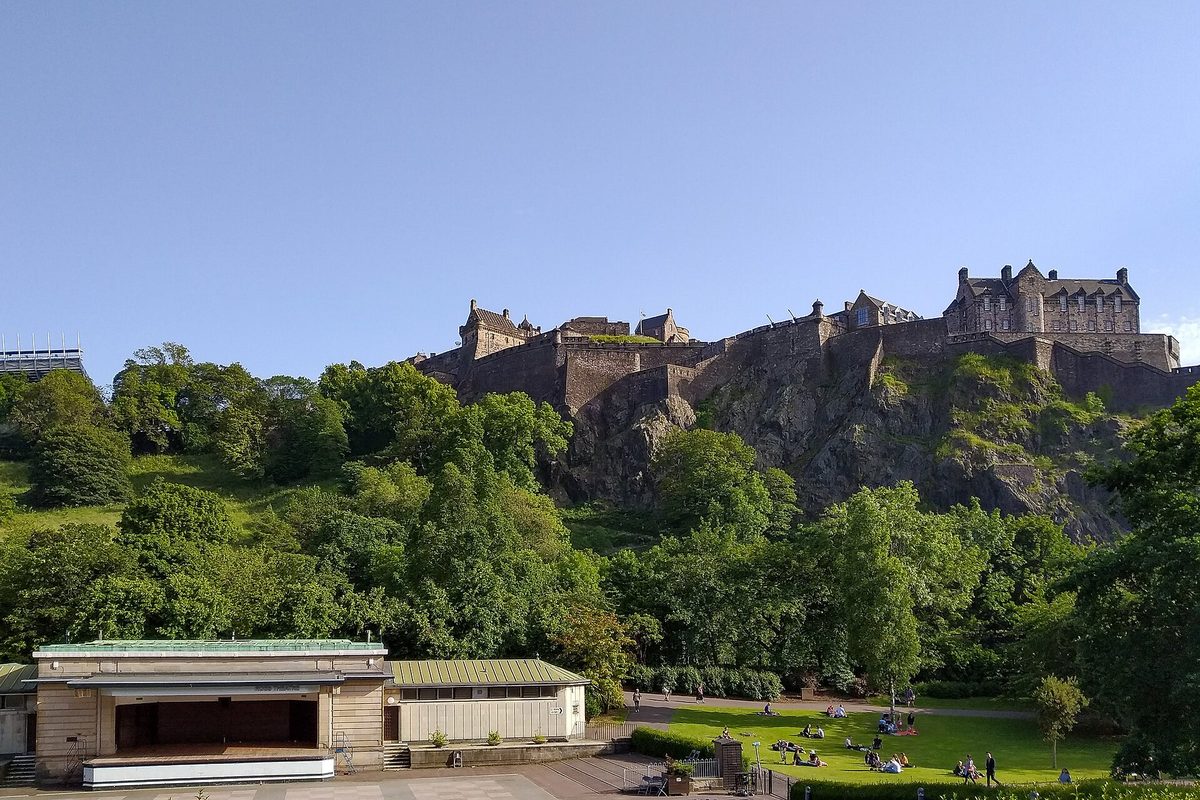
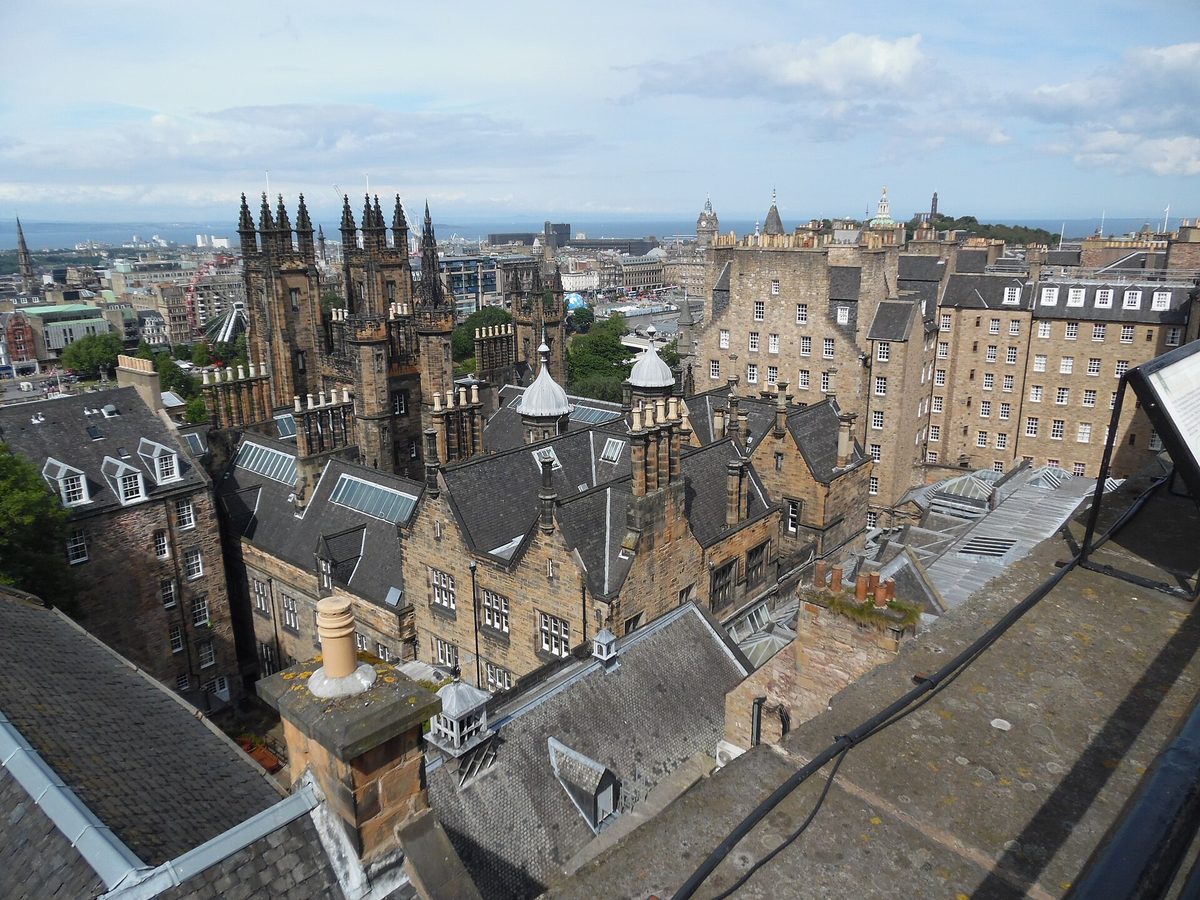
There’s a moment, walking out of Waverley Station and up onto the bridges, when Edinburgh hits you all at once: the castle on its black crag, the Old Town piling up the hill in a jumble of spires and chimney pots, the green sweep of Princes Street Gardens, and Arthur’s Seat brooding over the lot. I’ve arrived here dozens of times and it still gets me every single time. Few capitals pack so much drama into so small a space, and the list of the best things to do in Edinburgh is gloriously long.
That compactness is the secret to Edinburgh: it’s a world-class city you can largely explore on foot, where a medieval royal mile, an elegant Georgian new town, an extinct volcano and a working harbour all sit within a couple of miles of each other. The hard part isn’t finding things to do — it’s choosing. So I’ve sorted the best things to do in Edinburgh by must-sees, by neighbourhood, by interest, and by how long you’ve got, with honest steers on what’s worth your money and what to skip.
The best things to do in Edinburgh are exploring Edinburgh Castle and walking the Royal Mile, hiking up Arthur’s Seat for the view, touring the Palace of Holyroodhouse and the underground Real Mary King’s Close, browsing the free National Museum of Scotland, and wandering the Old Town, Victoria Street and Dean Village. Give it two to three days, ideally with a day trip to Stirling or the Highlands.
This guide works whether you’ve got 24 hours on a layover, a long weekend, or the better part of a week. And when you’re ready to look beyond the capital, it slots straight into our wider guide to things to do in Scotland.
Edinburgh at a Glance
- Why visit: a UNESCO World Heritage capital of castles, festivals, ghost stories and Georgian grandeur — Scotland’s most popular destination for good reason.
- How long: two days for the essentials, three to do it justice, four or five if you want day trips.
- Best time: May–June and September for mild weather and fewer crowds; August for the festivals (electric but packed); December for Christmas markets and Hogmanay. See our best time to visit Scotland guide.
- Getting in: from Edinburgh Airport, the tram (around £6.50, ~35 min) or the Airlink 100 bus (around £5.50, ~30 min) both run to the centre; a taxi is roughly 25 minutes.
- Getting around: walk. The centre is tiny; Lothian Buses and trams cover the rest, with a daily fare cap. You do not need a car.
- Money: pound sterling (£). Many of the best museums and galleries are free. Wider costs are covered in our Scotland travel tips.
If you only have time for the headline acts, here’s the shortlist I steer everyone toward first:
| Attraction | Area | Best for | Cost (approx.) |
|---|---|---|---|
| Edinburgh Castle | Old Town | History, views | ~£22, book ahead |
| The Royal Mile | Old Town | Everyone | Free to walk |
| Arthur’s Seat | Holyrood Park | Views, walkers | Free |
| Palace of Holyroodhouse | Old Town | Royal history | ~£20 |
| Real Mary King’s Close | Old Town | Dark history | ~£23 |
| National Museum of Scotland | Old Town | Families, rainy days | Free |
| Calton Hill | New Town edge | Sunset, skyline | Free |
| Royal Yacht Britannia | Leith | Royal history | ~£20 |
Prices are rough 2026 guides for an adult ticket — always check the official site before you go, and book the castle online in advance to save money and skip the queue.
Top Things to Do in Edinburgh: The Must-See Attractions
Start here. These are the sights that define a first visit — the ones I’d be a little sad to hear you missed.
Edinburgh Castle
You can’t miss it — literally, it looms over everything from its plug of extinct volcano. Edinburgh Castle is Scotland’s most-visited paid attraction, and yes, it earns the crowds. Inside you’ll find the Honours of Scotland (the oldest crown jewels in Britain) and the Stone of Destiny, tiny 12th-century St Margaret’s Chapel (the oldest building in the city), the giant medieval cannon Mons Meg, and the National War Museum. Time your visit for 1pm to catch the One O’Clock Gun being fired. Tickets are around £22 — buy online in advance for a morning slot to save money and skip the worst queues. Our Edinburgh Castle tickets guide has the full how-to.
Walk the Royal Mile

The Royal Mile is the spine of the Old Town, running downhill from the castle to the Palace of Holyroodhouse. It’s touristy, sure, but it’s also genuinely medieval, and the magic is in the closes — the narrow alleys branching off it, each with a story. Duck into them. Visit free St Giles’ Cathedral with its crown spire and jewel-box Thistle Chapel, spot the Heart of Midlothian mosaic in the cobbles (locals spit on it for luck), and listen for the bagpipers. Walk it early in the morning before the crowds and souvenir shops wake up. Full walking route in our Royal Mile guide.
Hike up Arthur’s Seat
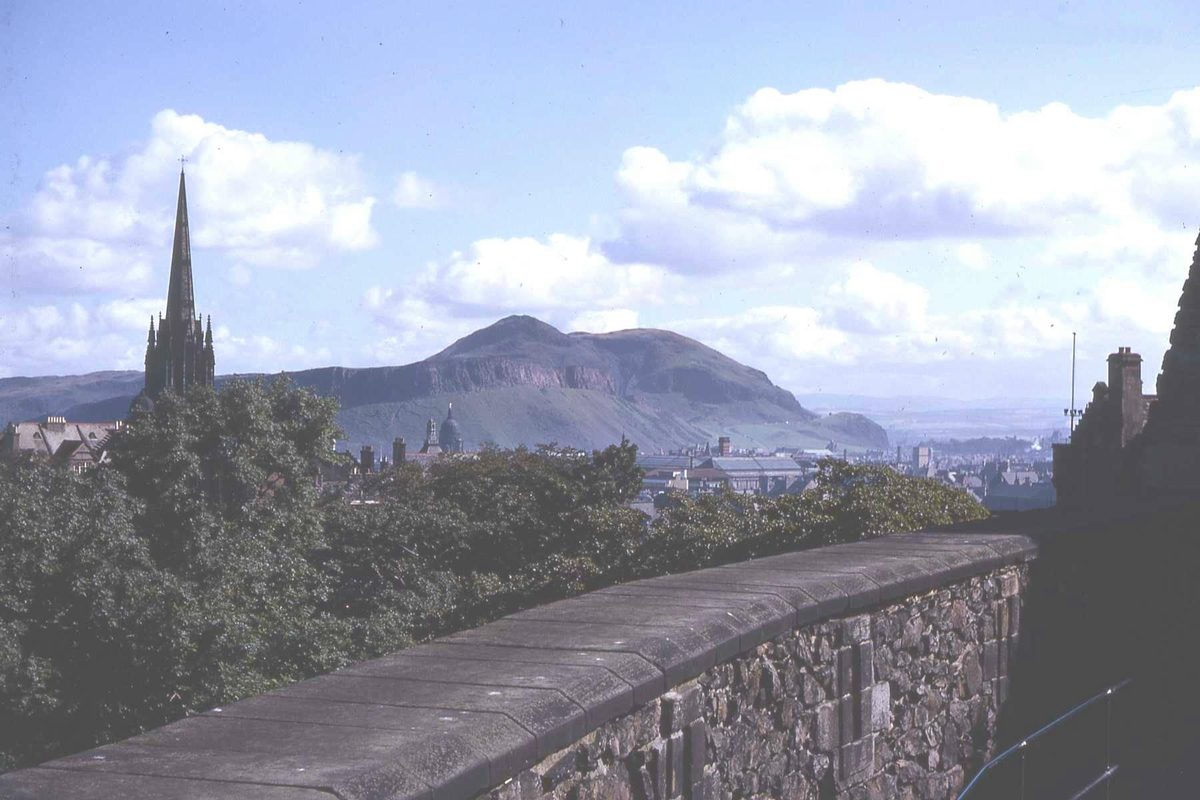
Where else can you climb a proper hill in the middle of a capital city? Arthur’s Seat, the 251-metre peak of an extinct volcano in Holyrood Park, gives you the best view in Edinburgh — the whole city, the Firth of Forth, and on a clear day the hills of Fife beyond. The most direct route from Dunsapie Loch takes about 30–45 minutes; the longer route past the Salisbury Crags is more scenic. Wear proper shoes (it gets muddy and windy) and it costs nothing. See our Arthur’s Seat hiking guide for all the routes.
Palace of Holyroodhouse
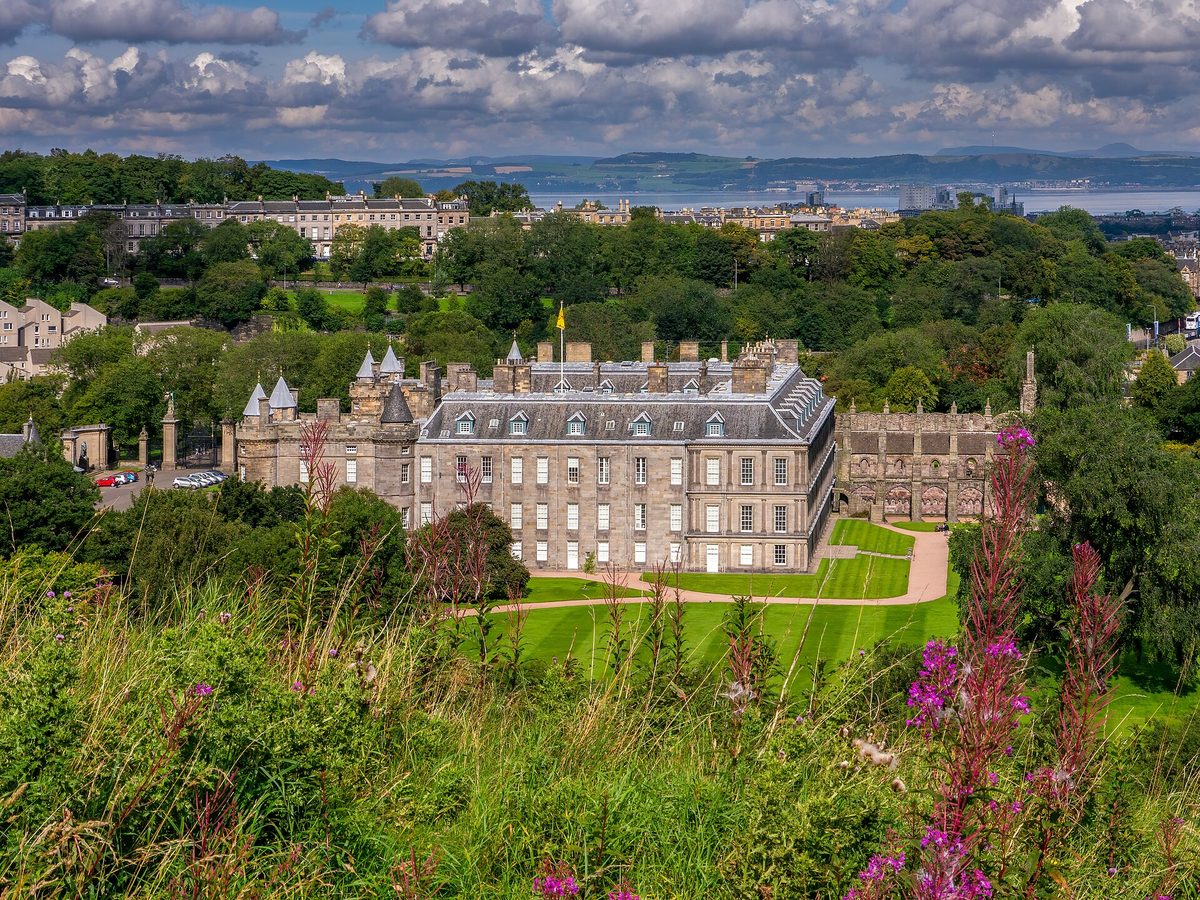
At the bottom of the Royal Mile sits the King’s official residence in Scotland. The Palace of Holyroodhouse is steeped in the drama of Mary, Queen of Scots — you can visit her chambers, including the spot where her secretary Rizzio was famously murdered. The ruined Holyrood Abbey next door is hauntingly beautiful, and the included audio guide is excellent. Around £20, and worth it if you’re into royal history.
The Real Mary King’s Close
Beneath the Royal Mile lies a warren of 17th-century streets, sealed up and built over centuries ago. The Real Mary King’s Close tour walks you through these underground closes with a costumed guide, telling the (sometimes grim) stories of the people who lived here, plague and all. It’s one of Edinburgh’s most atmospheric hours — book ahead, around £23. If you like your history dark, pair it with the city’s ghostly side (more below).
National Museum of Scotland
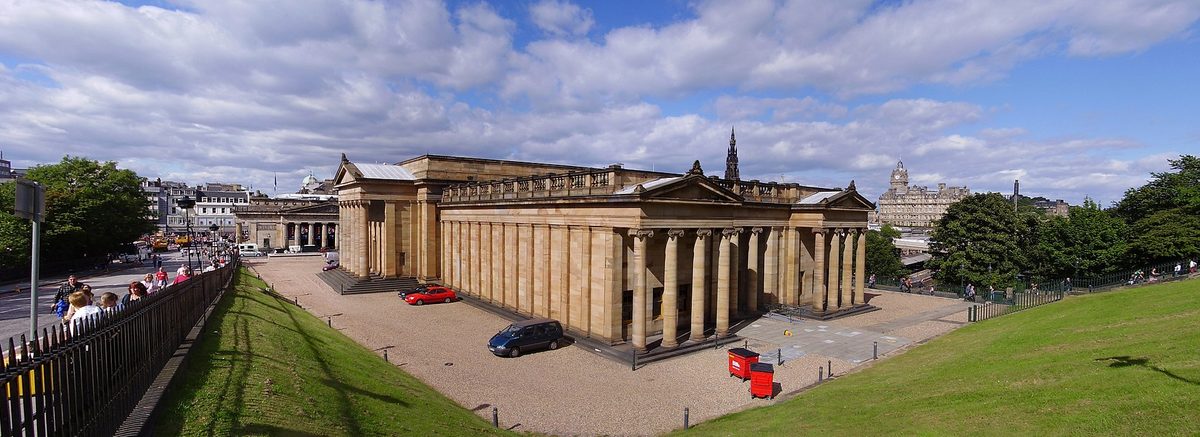
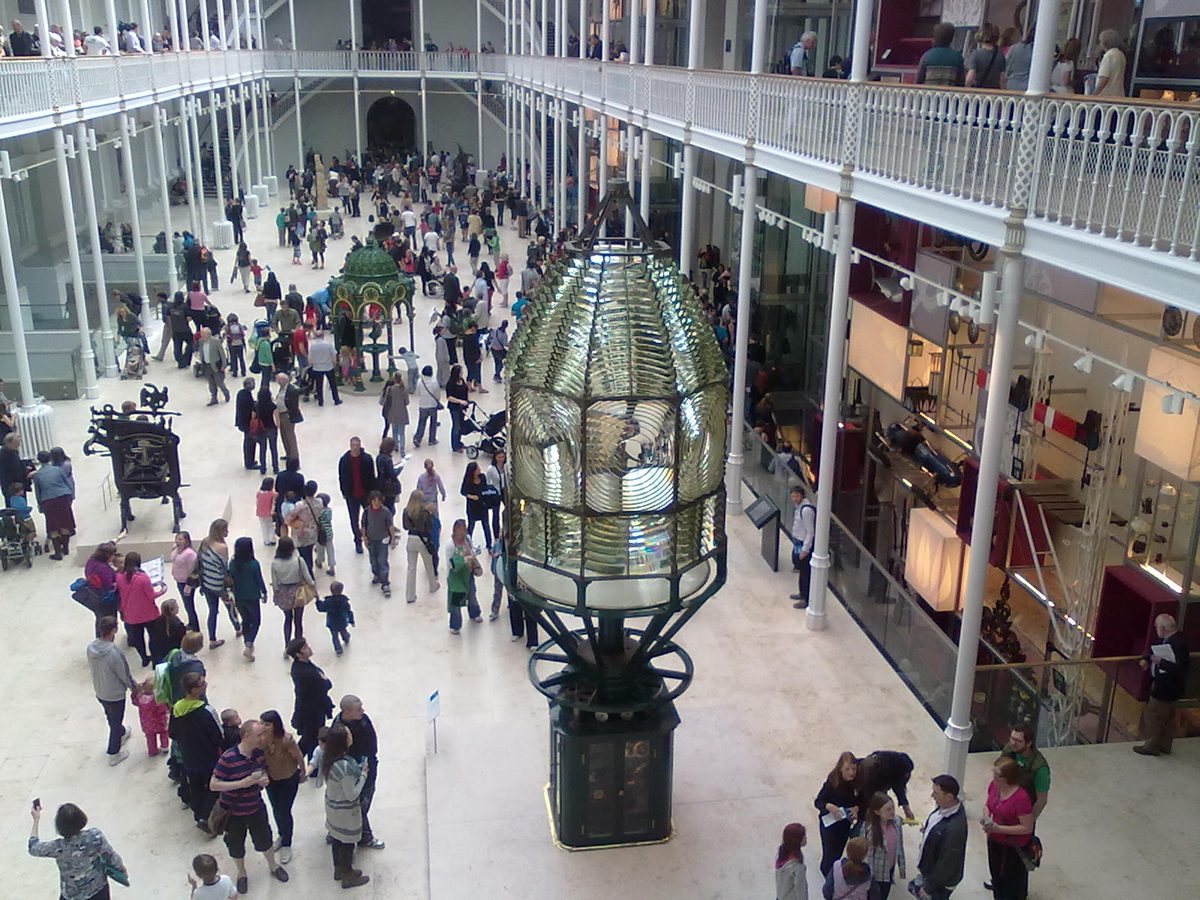
If it rains — and it will — make for the National Museum of Scotland. It’s free, vast, and brilliant for all ages: Dolly the Sheep (the first cloned mammal), the medieval Lewis Chessmen, the hypnotic Millennium Clock, and a soaring Victorian Grand Gallery. Don’t miss the rooftop terrace for a sneaky free view over the city. Easily a half-day in itself.
Calton Hill
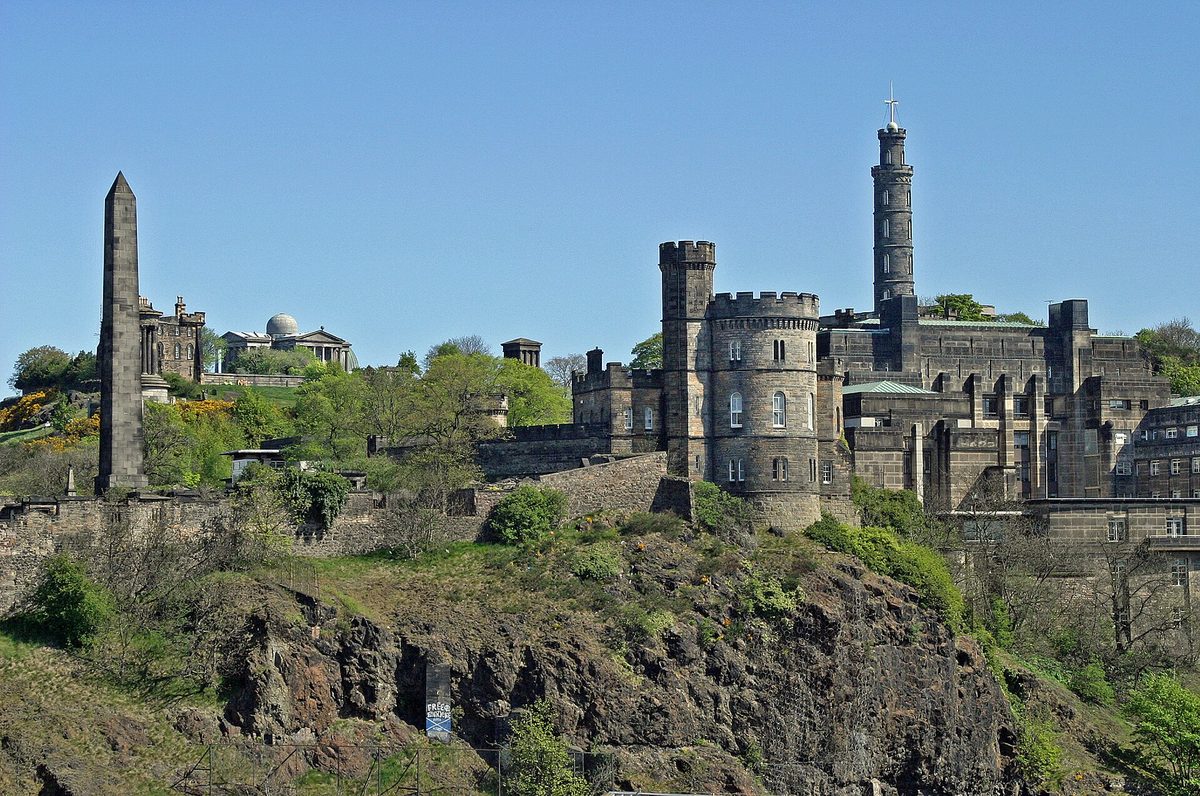
For the postcard skyline of Edinburgh — the one with the castle, the Old Town and the half-built “Athens of the North” monument — climb Calton Hill. It’s a five-minute stroll up from the east end of Princes Street, and it’s the best sunset spot in the city. The unfinished National Monument (modelled on the Parthenon, abandoned when the money ran out) and the Nelson Monument crown the top.
A few more worth your time
The Camera Obscura & World of Illusions by the castle is gloriously old-fashioned fun (its rooftop “camera” has projected live images of the city since 1835) and a hit with kids. Climb the 287 steps of the Gothic Scott Monument on Princes Street for around £8. And down in Leith, tour the Royal Yacht Britannia, the Royal Family’s former floating home — consistently rated one of the UK’s best attractions.
Things to Do in Edinburgh by Neighbourhood
Edinburgh rewards aimless wandering more than almost any city I know. Each district has its own character — here’s how to think about them.
The Old Town
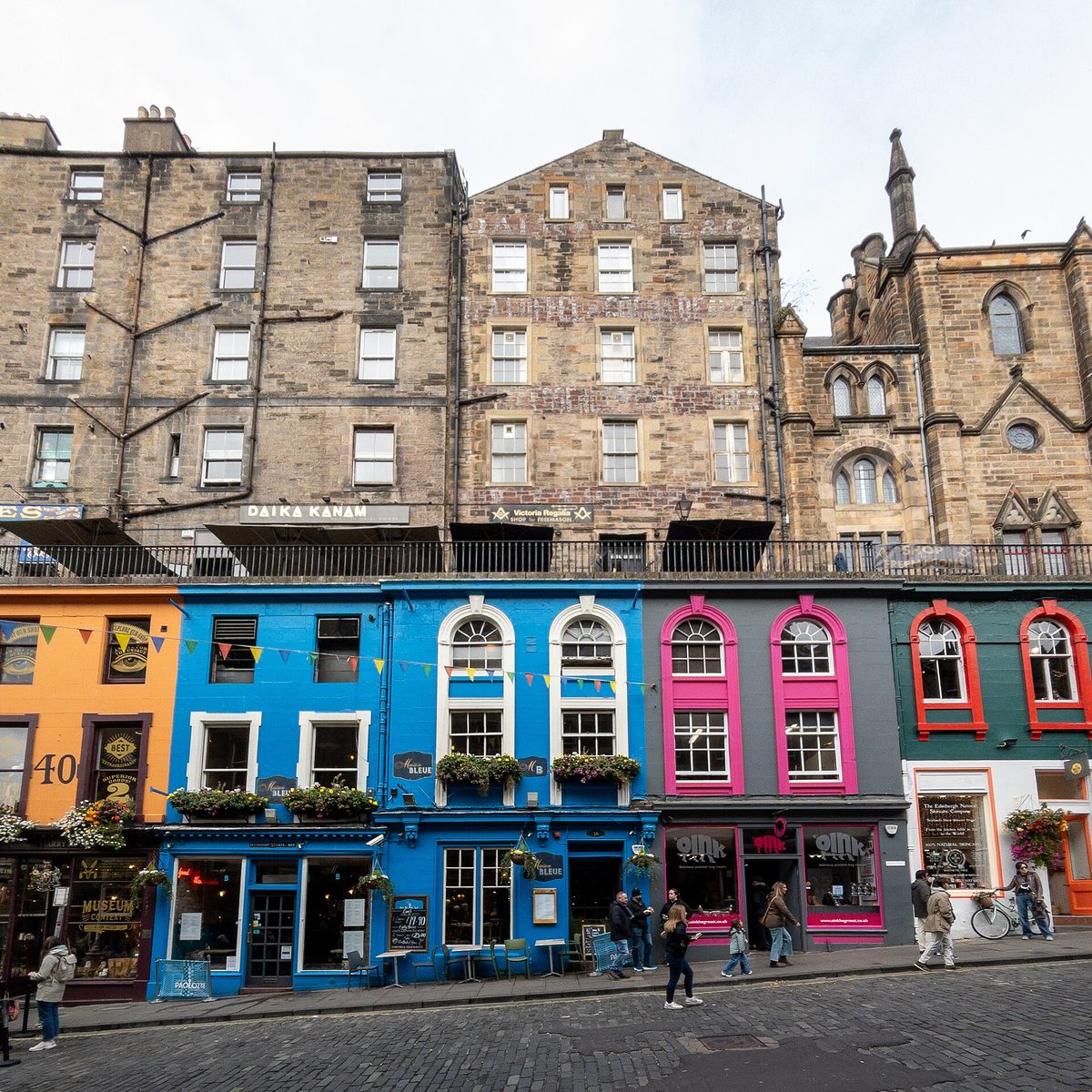
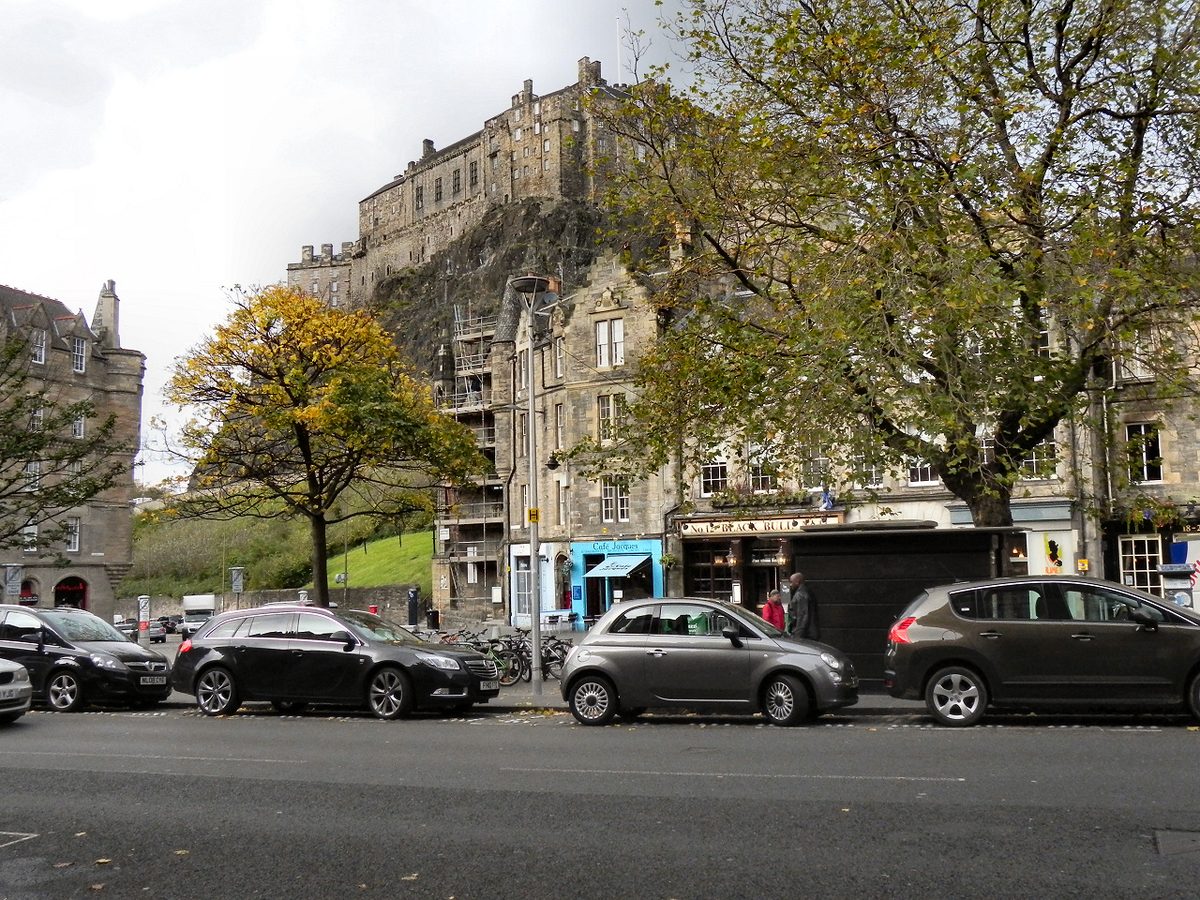
The medieval heart, and where you’ll spend most of your time. Beyond the Royal Mile, seek out Victoria Street — the curving, rainbow-coloured row of shops widely said to have inspired Diagon Alley — and the Grassmarket below it, a former market and execution ground that’s now a buzzy square of pubs with the castle towering overhead. Find the hidden viewpoint at The Vennel for a classic castle photo, pay your respects to Greyfriars Bobby (the loyal wee dog) and wander spooky Greyfriars Kirkyard, where J.K. Rowling borrowed a few names.
The New Town
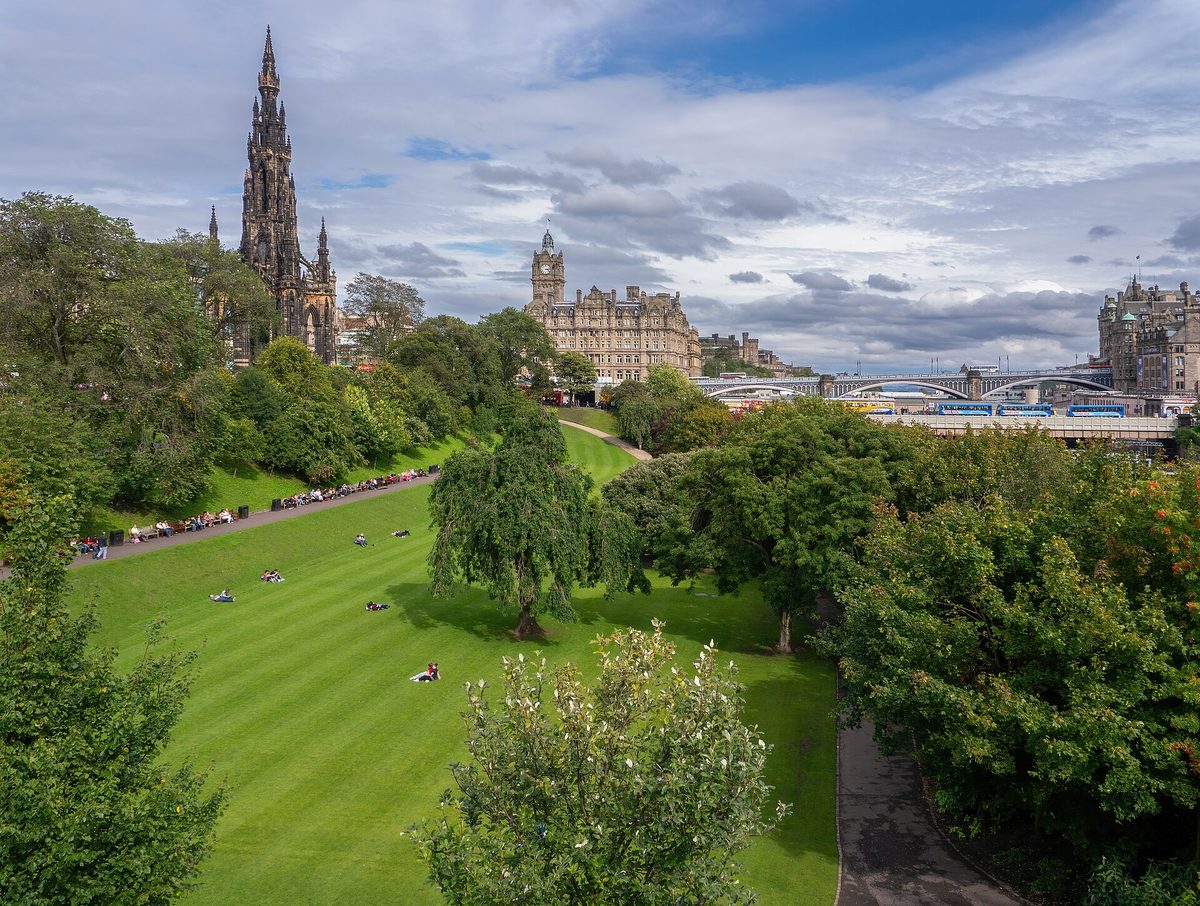
“New” is relative — this is a masterpiece of Georgian town planning from the 1700s, and a UNESCO site in its own right. Stroll the elegant George Street and Princes Street (with its gardens and the Scott Monument), photograph the symmetry of Charlotte Square and visit the restored Georgian House, and don’t miss the free Scottish National Portrait Gallery, a neo-Gothic stunner. This is the Edinburgh of fine shopping, cocktail bars and wide skies — a deliberate contrast to the Old Town’s huddle.
Stockbridge
A short walk north and you’re in Stockbridge, which feels like a village that happens to sit in a capital city. It’s all independent shops, brunch spots and good pubs. Come on a Sunday for the Stockbridge Market, photograph impossibly pretty Circus Lane, and walk the Water of Leith from here. The Royal Botanic Garden is right next door — 70 free acres of glasshouses and giant trees.
Leith
Edinburgh’s historic port has reinvented itself as the city’s coolest postcode. Down on The Shore, you’ll find some of Edinburgh’s best restaurants (including a clutch of Michelin recognition), waterside pubs, and the Royal Yacht Britannia at Ocean Terminal. It’s a 20-minute bus ride or a pleasant walk down the Water of Leith from the centre — and a great spot for dinner with a more local feel. Our where to eat in Edinburgh guide leans heavily on Leith.
Dean Village & the Water of Leith
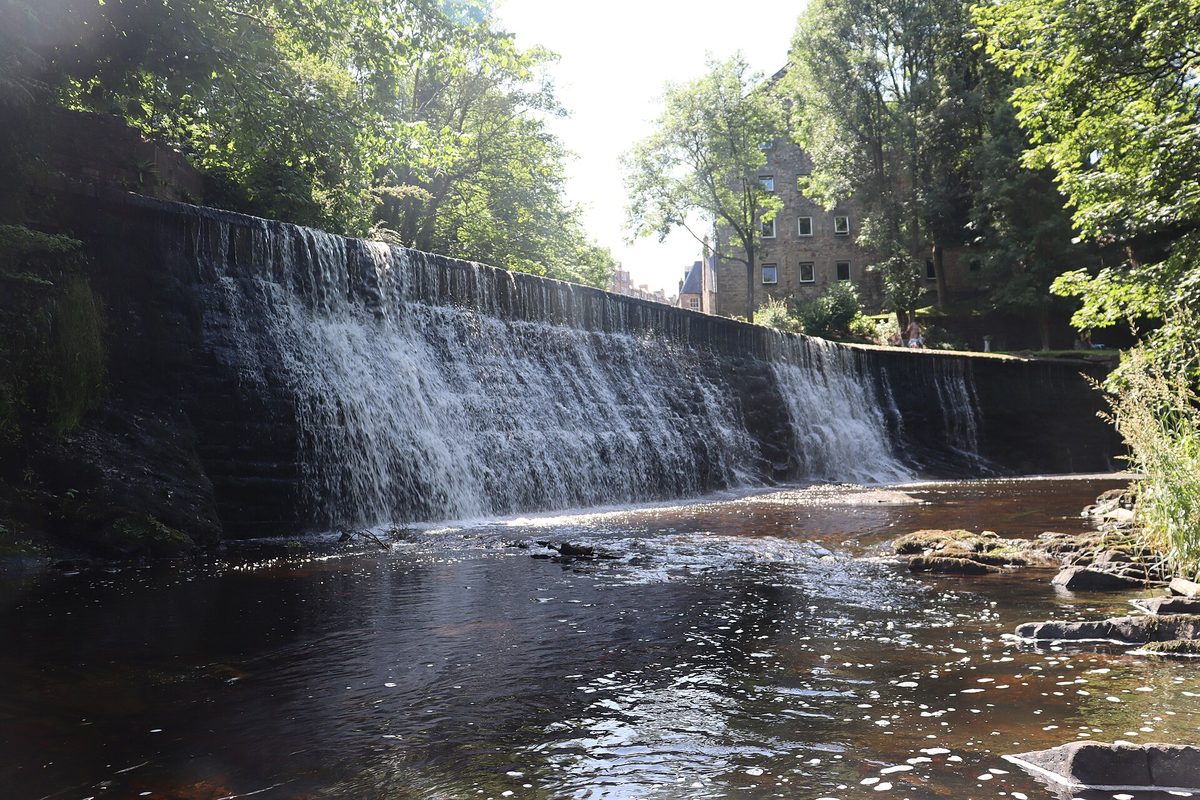
Five minutes from the bustle of Princes Street, Dean Village feels like stepping into a storybook: a former milling hamlet of Tudor-esque buildings tucked into a gorge on the Water of Leith. It’s tiny, so be respectful (people live here), but it’s one of the most photogenic corners of the city. Follow the riverside walkway to St Bernard’s Well and on toward Stockbridge or the Scottish National Gallery of Modern Art.
Beyond the centre
With more time, ride the bus out to Portobello, Edinburgh’s surprisingly lovely beach suburb with a Victorian promenade, or to South Queensferry beneath the three great Forth bridges. The Meadows and the Southside near the university are leafy and student-y; the West End is genteel and good for theatre.
Things to Do in Edinburgh by Interest
Whatever brought you here, Edinburgh has a version of itself for you. Lean in.
For history lovers
This is one of Europe’s great history cities. Beyond the Castle and Holyrood, dig into Gladstone’s Land (a restored 17th-century tenement on the Royal Mile), the Museum of Edinburgh, and brooding Craigmillar Castle on the edge of town — a far quieter ruin where Mary, Queen of Scots once sheltered. The whole Old Town is essentially an open-air museum of the Scottish Enlightenment, when Edinburgh earned its “Athens of the North” nickname. For more fortresses across the country, see our guide to Scotland’s castles.
For Harry Potter & literary fans
J.K. Rowling wrote much of the early Harry Potter books in Edinburgh cafés, and the city is stitched into the magic. Wander Victoria Street (Diagon Alley), find the “Tom Riddle” and “McGonagall” graves in Greyfriars Kirkyard, and skip the gift-shop scrum for the gorgeous MinaLima gallery instead. But Edinburgh’s literary credentials run far deeper — it’s a UNESCO City of Literature, home to Robert Burns, Sir Walter Scott and Robert Louis Stevenson. Visit the free Writers’ Museum and climb the Scott Monument. Plan the wizarding trail with our Edinburgh Harry Potter guide, part of the wider Harry Potter in Scotland trail.
For ghosts & dark history
Few cities do macabre as well as Edinburgh, built as it is on top of its own buried past. Take a tour of the South Bridge Vaults — abandoned chambers beneath the streets, home to the city’s poorest and, the guides insist, a few lingering spirits. Brave a night-time visit to the Covenanters’ Prison in Greyfriars, hear the gruesome tale of the body-snatchers Burke and Hare, and descend into Mary King’s Close. Operators like Mercat and City of the Dead run the best-regarded tours. Compare them in our Edinburgh ghost tours & vaults guide.
For food & drink
Edinburgh’s eating has come a long way. Try the Scottish classics — haggis, neeps and tatties, a proper full Scottish breakfast, fresh Leith seafood — then explore the modern scene in Leith and Stockbridge. On the drink front, this is whisky and gin country: ride the barrel through the Scotch Whisky Experience by the castle, visit the slick Johnnie Walker Princes Street, or tour a working city distillery like Holyrood or Edinburgh Gin. For the bigger picture, see our guides to Scottish food and drink and whisky distilleries.
For art & museum lovers
Edinburgh’s national collections are world-class and, wonderfully, free. The Scottish National Gallery on the Mound (Old Masters and Scottish art), the Portrait Gallery, and the Gallery of Modern Art out near Dean Village would each fill an afternoon. The Surgeons’ Hall Museums are fascinatingly grisly, and Dynamic Earth is a fun science stop for families.
For outdoors & views
For such a built-up place, Edinburgh is brilliantly green. Beyond Arthur’s Seat and Calton Hill, picnic on The Meadows, lose an afternoon in the Royal Botanic Garden, walk the Water of Leith end to end, or escape to the sands at Portobello. The newest addition is the Lost Shore Surf Resort at Ratho — Europe’s largest inland surf lagoon, a short drive west.
Edinburgh Itineraries: 1, 2 and 3 Days
Not sure how to string it together? Here’s how I’d spend your time, scaled to your trip. For hour-by-hour versions, see our dedicated 2 days in Edinburgh itinerary and one day in Edinburgh guides.
One day in Edinburgh
Tight but doable. Start early at Edinburgh Castle, walk down the Royal Mile (popping into St Giles’ and a close or two) to Holyrood, then either climb Arthur’s Seat or, if your legs are done, head up Calton Hill for the skyline. Dinner in the Old Town, and if you’ve any energy left, a ghost tour after dark. It’s a lot — but you’ll have seen the essence.
Two days in Edinburgh
The sweet spot for a first visit. Day 1 — the Old Town: Castle, Royal Mile, Mary King’s Close, Victoria Street and the Grassmarket. Day 2 — the New Town and beyond: Princes Street and the galleries, Calton Hill, then Stockbridge and Dean Village, finishing with dinner in Leith. Slot in the National Museum if it rains.
Three days in Edinburgh
Now you can breathe. Keep days one and two, then use day three for whatever you love most — a deeper museum dive, the Royal Yacht Britannia and Portobello beach, a whisky or food tour — or take a day trip (see below). Three days is my sweet-spot recommendation; it lets the city unfold at a human pace. Wondering how it fits a bigger trip? Our Scotland itineraries and how many days in Scotland guide help you balance the capital against the Highlands.
Free Things to Do in Edinburgh
Edinburgh can be pricey, but a remarkable amount of the good stuff is free. You could fill two days without paying for a single attraction:
- The National Museum of Scotland and all three national galleries.
- Hiking Arthur’s Seat and the Salisbury Crags.
- Sunset from Calton Hill.
- Wandering Dean Village and the Water of Leith walkway.
- St Giles’ Cathedral (a small donation is appreciated).
- The Royal Botanic Garden (glasshouses charge a small fee).
- Greyfriars Kirkyard and Greyfriars Bobby.
- Princes Street Gardens and the views up to the castle.
- A tip-based walking tour of the Old Town.
- People-watching on the Royal Mile during festival season.
More ideas in our free things to do in Edinburgh guide, plus our honest take on whether Scotland is expensive.
Things to Do in Edinburgh with Kids
Edinburgh is a genuinely great city for families. The Camera Obscura and its illusions, hands-on science at Dynamic Earth, Dolly the Sheep and the interactive galleries at the National Museum, and the pandas and penguins at Edinburgh Zoo all go down a treat. The Castle is a hit (cannons!), Arthur’s Seat is an adventure, and the Museum of Childhood on the Royal Mile is free and charming. Full rundown in our Edinburgh with kids guide.
The Best Day Trips from Edinburgh
One of Edinburgh’s underrated strengths is how easily you can escape it. Loads of Scotland’s greatest hits are within day-trip range — many without a car, thanks to fast trains from Waverley and Haymarket. Here’s the quick comparison, then the details.
| Day trip | Travel time | How to get there | Best for |
|---|---|---|---|
| Stirling & the Wallace Monument | ~50 min | Direct train | Castles, history |
| Rosslyn Chapel | ~40 min | Lothian bus 37 | Mystery, carving |
| North Berwick & Tantallon Castle | ~35 min | Direct train | Coast, seabirds |
| South Queensferry & the Forth Bridges | ~25 min | Train/bus | Engineering, boat trips |
| The Kelpies & Falkirk Wheel | ~30–60 min | Train + walk/bus | Families, photos |
| Glasgow | ~50 min | Frequent trains | Culture, music |
| St Andrews | ~1h45 | Train to Leuchars + bus | Golf, coast |
| Loch Lomond / the Highlands | 2–4 hr | Organised tour | Scenery |

Stirling
If you only do one day trip, make it Stirling. Its castle rivals Edinburgh’s and is usually less crowded, and the surrounding fields saw the battles of Stirling Bridge and Bannockburn that decided Scottish independence. The Gothic Wallace Monument looms nearby. An easy direct train.
Rosslyn Chapel
Half an hour south in the village of Roslin, the 15th-century Rosslyn Chapel is a riot of mysterious stone carving made famous by The Da Vinci Code. Small, atmospheric and reachable on the everyday Lothian bus 37.
North Berwick, Bass Rock & Tantallon Castle
A breezy seaside town on the East Lothian coast, North Berwick pairs sandy beaches with the Scottish Seabird Centre and boat trips out to the Bass Rock, home to the world’s largest colony of northern gannets. Dramatic clifftop Tantallon Castle is a short hop away.
South Queensferry & the Forth Bridges
Just outside the city, the three Forth Bridges span the firth in a parade of Victorian, mid-century and modern engineering — the red cantilevered Forth Bridge (1890) is a UNESCO World Heritage Site. Pretty South Queensferry below makes a lovely lunch stop, with boat trips to Inchcolm Island and its ruined abbey.
The Kelpies & the Falkirk Wheel
Great for families: the 30-metre Kelpies are the world’s largest equine sculptures, and the nearby Falkirk Wheel is a genuinely ingenious rotating boat lift. Easy to combine in half a day.
Glasgow, St Andrews & the Highlands
Scotland’s biggest city, Glasgow, is under an hour by train and well worth comparing — see Edinburgh vs Glasgow and our Glasgow guide. Golfers and coast-lovers should head for St Andrews. And while the Highlands are a stretch for a day, plenty of organised tours run from Edinburgh up to Loch Ness, Glencoe and even the Isle of Skye — including Outlander tours and trips to ride the Jacobite “Hogwarts Express” steam train. With more days to spare, the NC500 road trip is the classic extension. We round up the best in day trips from Edinburgh and the best day tours from Edinburgh.
Edinburgh Festivals & the Best Time to Visit
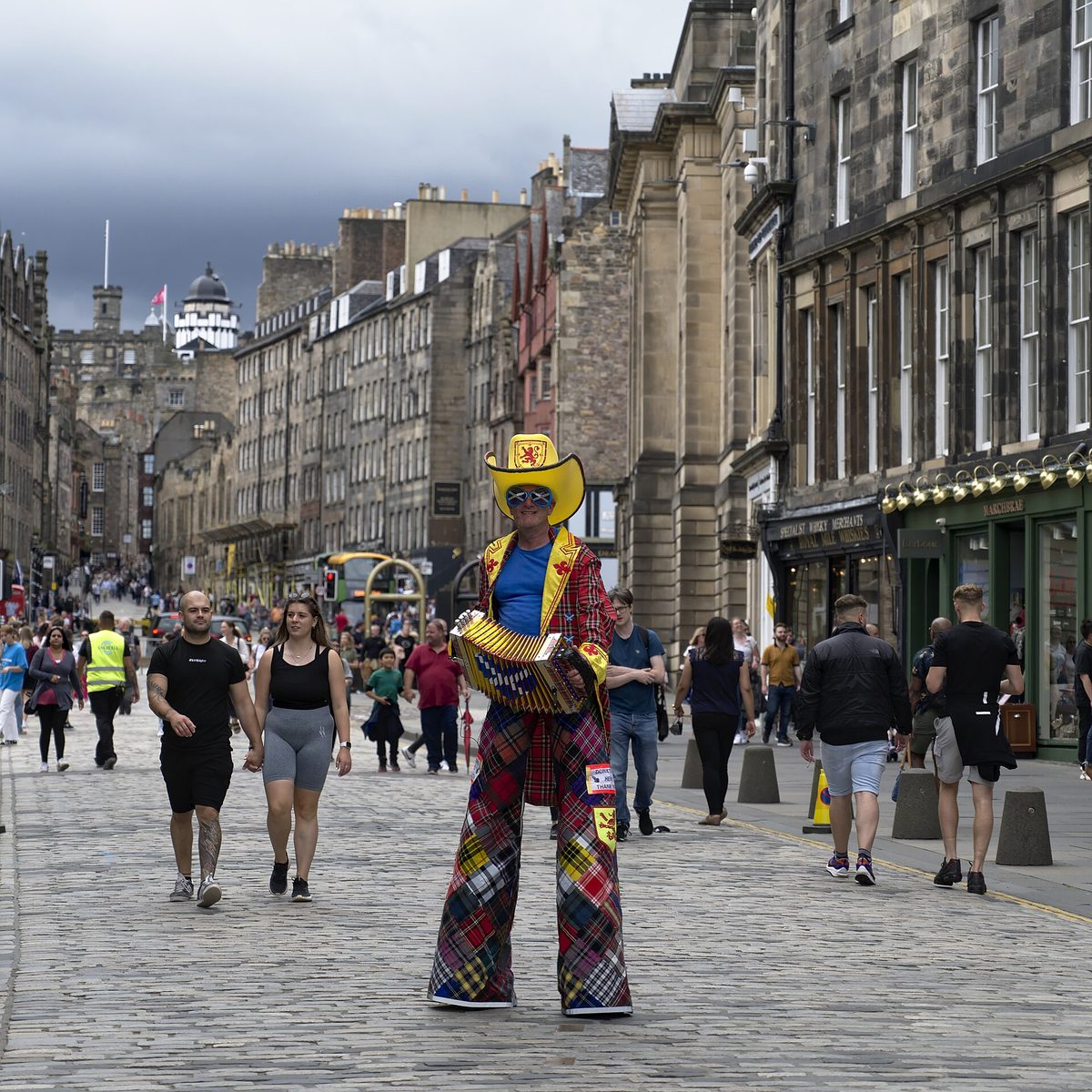
Edinburgh is the festival capital of the world, and timing your trip around (or deliberately away from) them changes everything.
August: the Fringe and the festivals
Every August the city explodes into the Edinburgh Festival Fringe — the largest arts festival on the planet — alongside the Edinburgh International Festival, the Royal Edinburgh Military Tattoo on the castle esplanade, and the Book and Jazz festivals. The streets throng with performers and the energy is unforgettable. The flip side: it’s packed, accommodation prices roughly double, and you must book everything early. Worth doing once in your life — just go in with eyes open. Our Fringe guide has the survival tips.
Winter: Hogmanay and Christmas
Edinburgh does the festive season brilliantly. The Christmas market in Princes Street Gardens, ice skating and the big wheel run through December, building to Hogmanay — Scotland’s legendary New Year, with a torchlight procession, a vast street party and fireworks off the castle. Book months ahead. See our Hogmanay guide.
When to go, month by month
For the best balance of decent weather and manageable crowds, aim for May, June or September. July and August are warmest but busiest (and August is festival mayhem). Winter is dark and cold but atmospheric and cheaper outside Hogmanay. There’s a full breakdown in our best time to visit Scotland guide and the wider Scotland festivals and events calendar.
Where to Stay in Edinburgh
Where you base yourself shapes your trip. The short version:
- Old Town — first-timers who want to be in the thick of the history and atmosphere (and don’t mind hills, cobbles and some noise).
- New Town — elegant, central and walkable, with the best shopping and dining; great for couples.
- Grassmarket — lively and characterful, with pubs on the doorstep (can be loud at weekends).
- Stockbridge — quieter and more local, a short walk from the centre; lovely for a relaxed stay.
- Leith — the foodie pick, often better value, with a 20-minute bus into town.
Full area-by-area picks across budgets are in our where to stay in Edinburgh guide, part of the wider where to stay in Scotland hub.
Getting to & Around Edinburgh
Edinburgh is wonderfully walkable — you can cross the centre in 20 minutes — so most visitors never need a car. Here’s how to get in from the airport and around:
| From the airport | Time | Cost (approx.) | Notes |
|---|---|---|---|
| Tram | ~35 min | ~£6.50 | To St Andrew Square / York Place |
| Airlink 100 bus | ~30 min | ~£5.50 | Frequent, to Waverley Bridge |
| Taxi / ride-share | ~25 min | ~£25–30 | Door to door |
Around town, Lothian Buses and the tram use a tap-on contactless system with a daily price cap (around £5.50), and you simply walk for most Old Town sights. You’d only want a car for exploring further afield — and even then, many Highland day trips are easier by organised tour or train than by driving and parking in the city.
Edinburgh: Worth It vs Overrated (An Honest Take)
I love this city, which is exactly why I’ll be straight with you about where to spend your time and money — and where not to.
- Worth it: Edinburgh Castle (yes, it’s busy and ~£22, but it delivers — go first thing). Mary King’s Close. Arthur’s Seat. The free national museums and galleries. A vault or ghost tour after dark.
- Overrated / skip: The Elephant House café trades hard on a “birthplace of Harry Potter” claim — Rowling wrote in many cafés, the food is unremarkable, and it’s often mobbed; admire it from outside. The Edinburgh Dungeon is a pricey theme-park take on history — a real Mary King’s Close or Mercat vaults tour is far better. And the Royal Mile’s tartan-and-fudge gift shops are overpriced tourist traps.
- Touristy but fun: the Camera Obscura is unashamedly gimmicky and genuinely a great time, especially with kids.
- Manage expectations: a Loch Ness day trip from Edinburgh is a very long day in a minibus for a fairly brief lochside stop — gorgeous scenery en route, but consider closer Stirling or the Trossachs if time is tight.
Frequently Asked Questions
How many days do you need in Edinburgh?
Two days covers the essentials — the Castle, Royal Mile, Holyrood, Arthur’s Seat and the New Town. Three days is the sweet spot, letting you add neighbourhoods like Leith and Stockbridge or a museum deep-dive. With four or five days you can fit in day trips to Stirling, the coast or the Highlands.
Is Edinburgh Castle worth it?
Yes. It’s Scotland’s most-visited attraction for good reason — the Crown Jewels, the Stone of Destiny, St Margaret’s Chapel and sweeping views over the city. At around £22 it’s not cheap, so book online in advance for a morning slot to save a little and beat the worst of the crowds.
Is Edinburgh expensive to visit?
It’s one of the UK’s pricier cities, especially in August and at Hogmanay. Budget travellers can manage on roughly £60–80 a day using hostels and free attractions; mid-range trips run about £120–180 a day. The saving grace is that the national museums and galleries — and the city’s hills and parks — are free.
What is the best time of year to visit Edinburgh?
May, June and September offer the best mix of mild weather and manageable crowds. August brings the world-famous festivals but also peak prices and packed streets. December is festive and atmospheric, building to the huge Hogmanay celebrations. Winter days are short, so plan around the limited daylight.
Is Edinburgh walkable?
Very. The city centre is compact enough to cross on foot in about 20 minutes, and most major sights are within easy walking distance of each other. Just be ready for steep hills, cobbled streets and changeable weather — comfortable, grippy shoes and a waterproof are essential.
What are the best free things to do in Edinburgh?
Plenty. The National Museum of Scotland and the three national galleries are all free, as are hiking Arthur’s Seat, watching the sunset from Calton Hill, wandering Dean Village, visiting St Giles’ Cathedral and Greyfriars Kirkyard, and strolling Princes Street Gardens. You could easily fill two days without paying for a single attraction.
Is Edinburgh or Glasgow better to visit?
They’re different rather than better or worse. Edinburgh is the more obviously beautiful, historic capital — ideal for first-timers. Glasgow is grittier and stronger on music, food and nightlife. They’re under an hour apart by train, so if you can, visit both and decide for yourself.
How do you get from Edinburgh Airport to the city centre?
The tram (around £6.50, about 35 minutes) runs to St Andrew Square in the New Town, while the Airlink 100 bus (around £5.50, about 30 minutes) goes to Waverley Bridge. Both are frequent and reliable. A taxi or ride-share takes around 25 minutes and costs roughly £25–30.
What is Edinburgh famous for?
Edinburgh is famous for its castle, the Royal Mile and medieval Old Town, the world’s largest arts festival (the Fringe), Hogmanay, whisky, and its literary heritage as a UNESCO City of Literature — the home of Burns, Scott, Stevenson and the cafés where Harry Potter was written. It’s also nicknamed the “Athens of the North.”
What are the best day trips from Edinburgh?
Stirling and its castle, mysterious Rosslyn Chapel, the seaside town of North Berwick, the Forth Bridges at South Queensferry, and the Kelpies at Falkirk are all easy half- or full-day trips by train or bus. Glasgow and St Andrews are also within range, and organised tours reach Loch Ness and the Highlands.
Is Edinburgh good for families?
Excellent. Kids love the Castle and its cannons, the illusions at Camera Obscura, hands-on science at Dynamic Earth, Dolly the Sheep at the free National Museum, and the pandas and penguins at Edinburgh Zoo. Climbing Arthur’s Seat is a mini-adventure, and the Museum of Childhood on the Royal Mile is free.
What is there to do in Edinburgh at night?
Take a ghost or underground-vaults tour, catch live traditional music at a pub like Sandy Bell’s, see a show at the Festival Theatre or Usher Hall, or settle into a whisky bar. The Old Town and Grassmarket buzz after dark, and during August the whole city stays up late for the Fringe.
Practical Tips for Visiting Edinburgh
A few hard-won pointers to make your visit smoother:
- Pack layers and a waterproof. Edinburgh weather turns on a sixpence, and the wind off the Firth of Forth has teeth even in summer.
- Wear comfortable, grippy shoes. The Old Town is all cobbles, stairs and steep wynds — this is not a heels city.
- Book the big-hitters ahead. Edinburgh Castle, the Real Mary King’s Close, the Military Tattoo and anything during August routinely sell out.
- Tipping is modest. Around 10% in restaurants if service isn’t already included; it’s not expected in pubs.
- Mind the Sunday and winter hours. Some attractions and smaller shops close earlier — check before you trek across town.
- Go contactless on transport. Tap on Lothian Buses and the tram; the daily fare cap means you can hop on and off without overpaying.
- You won’t need midge repellent in the city — but you will if you’re heading into the Highlands afterwards. See our Scotland packing guide.
Final Thoughts
Edinburgh is the kind of city that gives back exactly as much as you put in. Tick off the castle and the Royal Mile by all means, but the moments you’ll remember are the unplanned ones — stumbling down a hidden close, catching the light from Calton Hill, hearing a fiddle session spill out of a pub door. Give it three days if you can, wear good shoes, pack a raincoat, and let yourself wander.
When the city has worked its magic and you’re plotting the rest of your trip, our guides to things to do in Scotland, the Isle of Skye and Scotland itineraries will take it from here.
Edinburgh is the obvious base for a short trip. If that is what you are planning, our 3-day Scotland itinerary pairs the city with the one day out that suits you, and does the maths on self-drive versus a coach seat.
About the author: This guide was written and is maintained by the ScotlandTourism.org editorial team — travel writers who know Edinburgh’s closes, hills and festivals inside out. We update our guides regularly to keep prices and practical details current.
Last updated: June 2026.
Photo credits
All images are used under their respective Creative Commons or public-domain licenses:
- Edinburgh Old Town skyline — © David Hillas, CC BY-SA 2.0, via Wikimedia Commons
- Edinburgh Castle from Princes Street — © Matti Blume, CC BY-SA, via Wikimedia Commons
- The Royal Mile — © Daniel Kraft, CC BY-SA 3.0, via Wikimedia Commons
- Arthur’s Seat — © Richard Park, CC BY-SA 2.0, via Wikimedia Commons
- Calton Hill — © W. Bulach, CC BY-SA 4.0, via Wikimedia Commons
- Victoria Street — © Drnoble, CC BY-SA 4.0, via Wikimedia Commons
- Palace of Holyroodhouse — © Ermell, CC BY-SA 4.0, via Wikimedia Commons
- Dean Village — © Mike Shaw, CC BY-SA 4.0, via Wikimedia Commons
- Princes Street Gardens & Scott Monument — © Ermell, CC BY-SA 4.0, via Wikimedia Commons
- National Museum of Scotland — © Klaus with K, CC BY-SA 3.0, via Wikimedia Commons
- Edinburgh Festival Fringe — © Magnus Hagdorn from UK, CC BY-SA 2.0, via Wikimedia Commons
- The Forth Bridge — Myself (Adrian Pingstone). (Public domain) via Wikimedia Commons
- The Grassmarket — © David Dixon, CC BY-SA 2.0, via Wikimedia Commons



3 notes from readers