Drive the North Coast 500 in late October and reach Durness in the late afternoon, and the light is already going. By the Kyle of Tongue it can be properly dark, and you are crawling along the A838 behind your own headlights, seeing nothing, on a road built for seeing things.
Search “best time to drive NC500” and you get a dozen recycled Scotland-in-spring articles. Here is what a short October day teaches you instead: this is not a weather question. It is a question about daylight, traffic and what is actually open — in that order. Get those wrong and you have paid for a 516-mile scenic loop you cannot see.
The best time to drive NC500: the short answer
For most drivers, mid-May to mid-June is the best time to drive the NC500: roughly 16 and a half to 18 hours of daylight at Inverness, and late spring and early summer are normally the driest part of the year in northern Scotland. Midges can be about from May, so campers should pack repellent. September is the strong second choice — warmer sea, thinner traffic, autumn colour and the start of aurora season. High summer can be very busy.
NC500 timing at a glance
| Window | Daylight | Traffic | Midge risk | My verdict |
|---|---|---|---|---|
| Mid-May to mid-June | Very long | Building, manageable | Low, building | The best window, full stop |
| Late June | Longest of the year | Heavy from about the 20th | Rising fast | Great light, worsening crowds |
| July to mid-August | Very long, shortening | Peak — convoys on single-track | High | Only if school holidays force it |
| September | Around 13h mid-month | Drops sharply after the first week | Falling through the month | Excellent second choice |
| April | Long | Light | Few | Underrated; wind is the trade-off |
| October | Shortening fast | Very light after the first week | Tailing off | Beautiful colour, tight daylight budget |
| November to March | Short to lengthening | Almost none | None | For confident winter drivers only |
Why the NC500 needs its own timing answer
Most articles on this question are a generic Scotland seasons piece with the route name pasted over the top. That is why they all say “May or September” and then fail to tell you why, or what changes if you ignore them.
The NC500 is a specific object with specific constraints. It is a roughly 516-mile loop from Inverness that climbs to 626 metres on a mountain pass, runs long stretches of single-track with passing places, reaches as far north as Dunnet Head, and has a service economy — fuel, food, beds — that switches itself on and off with the season. None of that is true of a city break in Edinburgh, and general advice on the best time to visit Scotland simply does not model it.
So here are the four things that decide when to go, in the order they actually matter, followed by a verdict I am willing to defend. If you have not yet chosen your route or direction, read this alongside the full North Coast 500 route guide, because timing and routing interact more than most people expect.
Daylight first: the light is the itinerary
This is the constraint nobody quantifies properly, and it is the one that will make or break your trip.
The NC500 climbs far enough north that the seasonal daylight swing is more extreme than anything a visitor from London, Paris or Chicago is calibrated for.
How the light swings
Daylight is longest around the June solstice and shortest around the December one. Mid-September sits at about 13 hours, and the mid-May to mid-June window gives far more than the winter months. Check sunrise and sunset times for your own dates before you fix the route.
The gap between midsummer and midwinter is the single resource this trip runs on.
And the raw sunrise-to-sunset figure understates June, because at this latitude the sun barely dips far enough below the horizon for proper darkness. From roughly late May to late July there is no astronomical night in the far north at all — the northern sky stays a deep blue that Shetlanders call the “simmer dim”.
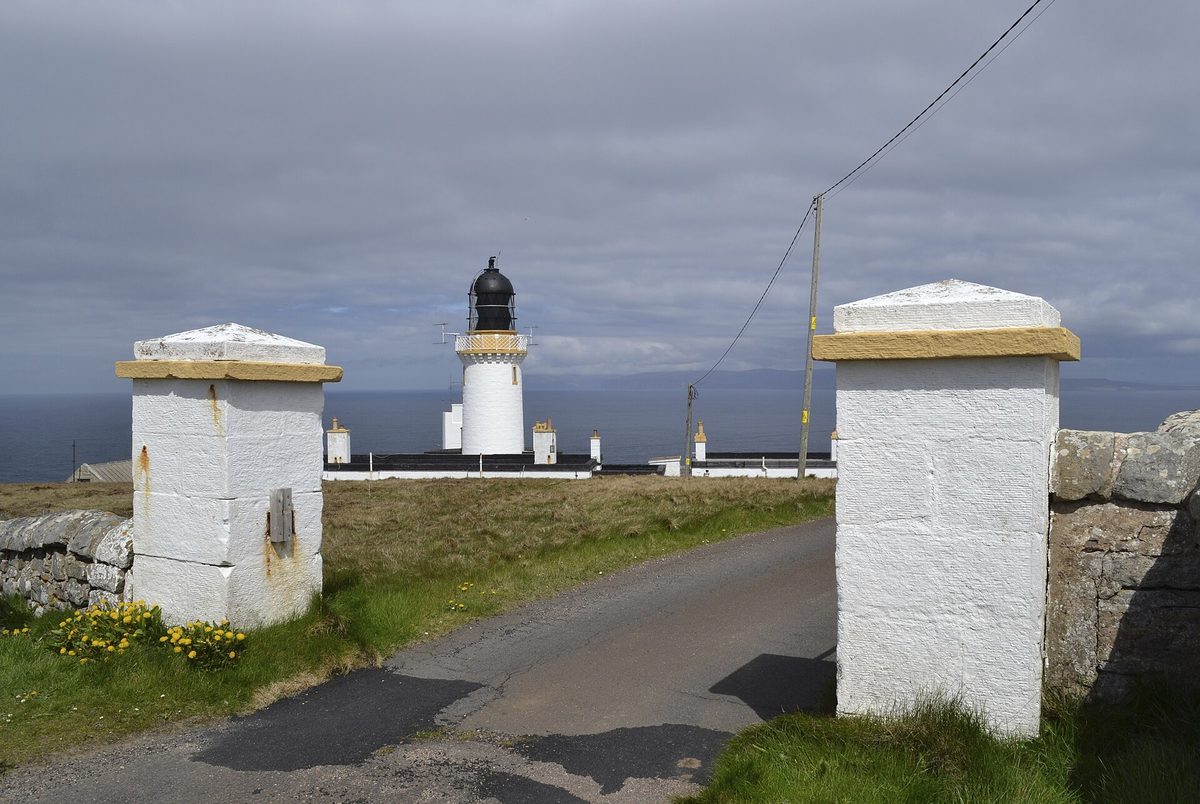
What 18 hours actually buys you
A June day on the NC500 is not just longer, it is structurally different. You can leave Ullapool at eight, spend three hours walking above Achmelvich, have lunch in Lochinver, drive the B869 coast road slowly, get to Kylesku for the evening light on the bridge, and still have four hours of usable light left.
You can also cheat. The single best trick on this route is driving the busy stretches between seven and nine in the evening in June, when the coaches have stopped, the day-trippers have gone to dinner and the light on the Assynt hills is at its best. That trick only exists from about mid-May to early August.
What a midwinter day takes away
Now run the same route in mid-December. Daylight is brief, and Highland weather routinely eats an hour of that at each end with low cloud.
A comfortable five-day loop is built on driving days of 70 to 110 miles with three or four proper stops. In December that will not fit into daylight, because single-track roads and a mountain pass take far longer than the mileage suggests, even before you have stopped anywhere. So you either cut the stops, drive in the dark, or add days. There is no fourth option.
And driving in the dark here is not the same as driving in the dark at home. Much of the route has no lighting, no cat’s eyes, no white lines, deer on the verge and sheep on the tarmac. A five-day loop that is relaxed in June is genuinely unsafe to attempt at the same pace in December.
Build a daylight budget before you build an itinerary
Try this before you plan any trip. Look up sunrise and sunset for your month. Subtract two hours for weather and for the fact that you will not be moving at first and last light. Divide the remainder into driving time and stopping time at roughly two to one.
In June that leaves a long working day, in October a short one, in December very little. Then look at a seven-day NC500 itinerary and ask whether each day’s driving fits. Seven days works in almost any month. The five-day version works comfortably from April to September and gets tight either side. A three or four-day loop is a summer-only proposition, and I would not attempt it outside May to August.
Traffic second: a season squeezed into eight weeks
The NC500 has an unusually compressed season. The overwhelming share of its traffic lands in July and August, with a fat shoulder either side, and almost nothing between November and March. That concentration is the reason the route generates local friction that a 516-mile road really should not.
What “busy” means on a single-track road
Busy on a dual carriageway means slower. Busy on single-track means something different. When the traffic density crosses a threshold, you stop making progress between passing places and start moving in convoys of six or eight vehicles, reversing to let oncoming traffic through, with a motorhome at the front setting the pace at 25mph.
Local reporting through the peak years has put journey times for residents at up to three times their off-season equivalent. That is not a queue. That is a different road.
The knock-on effects are the ones that spoil days. Passing places used as car parks, so the passing place is not there when you need it. The Bealach na Bà car park at the summit full by ten in the morning. Nowhere to leave the car at Achmelvich or Clachtoll. A ninety-minute wait for a table at the Applecross Inn on a warm July evening, having driven the pass specifically to eat there.
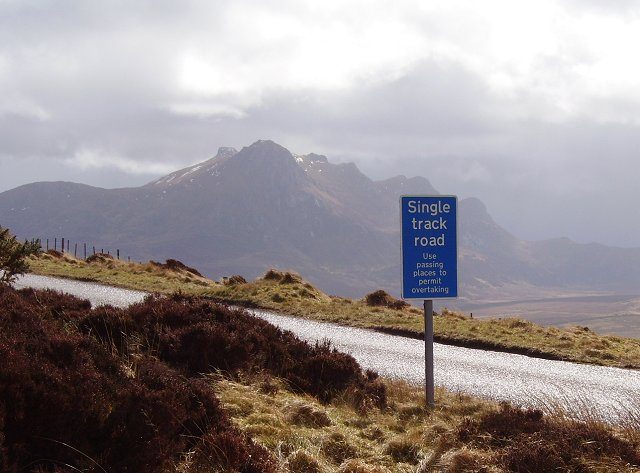
Where the route breaks first
Not every mile suffers equally. The bits that break first are Applecross and the Bealach na Bà (C1087), the B869 Drumbeg road north of Lochinver, the single-track stretch of the A894 near Kylesku, the approach to Smoo Cave at Durness, and the John o’ Groats car park. Almost everything on the east coast between Wick and Inverness stays civilised all year, which is one of several arguments for thinking carefully about which direction you drive the loop.
Booking lead times, month by month
Traffic seasonality shows up as booking pressure long before you arrive. As a rough guide at the time of writing: for July and August you want beds locked in six months out, and the small west-coast places closer to nine. For late May, June and early September, three to four months is usually enough. For April and October, four to six weeks. For November to March you can often book a fortnight ahead, but you must check what is actually open.
The scarce nights are Applecross, Durness, Lochinver, Kinlochbervie and Scourie — small villages with a handful of rooms each. Inverness, Ullapool, Thurso, Wick and Dornoch have depth. If your dates are fixed and late, build the trip around the Highland towns with real accommodation stock and accept longer driving days.
Cost tracks the same curve. I have set out the full picture in the NC500 cost and budget breakdown, and if price is the dominant constraint, the cheapest times to visit Scotland map onto the NC500 almost exactly.
Midges third: who should actually care
The internet has this one badly wrong in both directions. It terrifies people who are going to sleep in hotels and drive a car, and it under-warns people who are going to camp.
The season
Highland midges start hatching from about the middle to end of May. Numbers build through June, peak in high summer, fall away through September and die off with the autumn frosts. On the west and north coasts of the NC500 they are worst near still water, damp ground and woodland edge, at dawn and dusk.
They are effectively absent in wind. A breeze of about 6 or 7mph grounds them, which is why the exposed north coast at Melvich or Strathy is often fine while a sheltered inlet ten miles away is unbearable. Bright sunshine keeps them down too; dull, still light at dawn and dusk is when they bite. The detail is in our guide to Scotland’s midge season.
If you sleep indoors and drive a car, they barely matter
I want to say this plainly because so much NC500 content will not. If you are driving a car, staying in B&Bs and hotels, and doing your walking between ten and six, midges will affect maybe two or three moments of a week-long trip. Windows up, doors shut quickly, and that is the whole strategy.
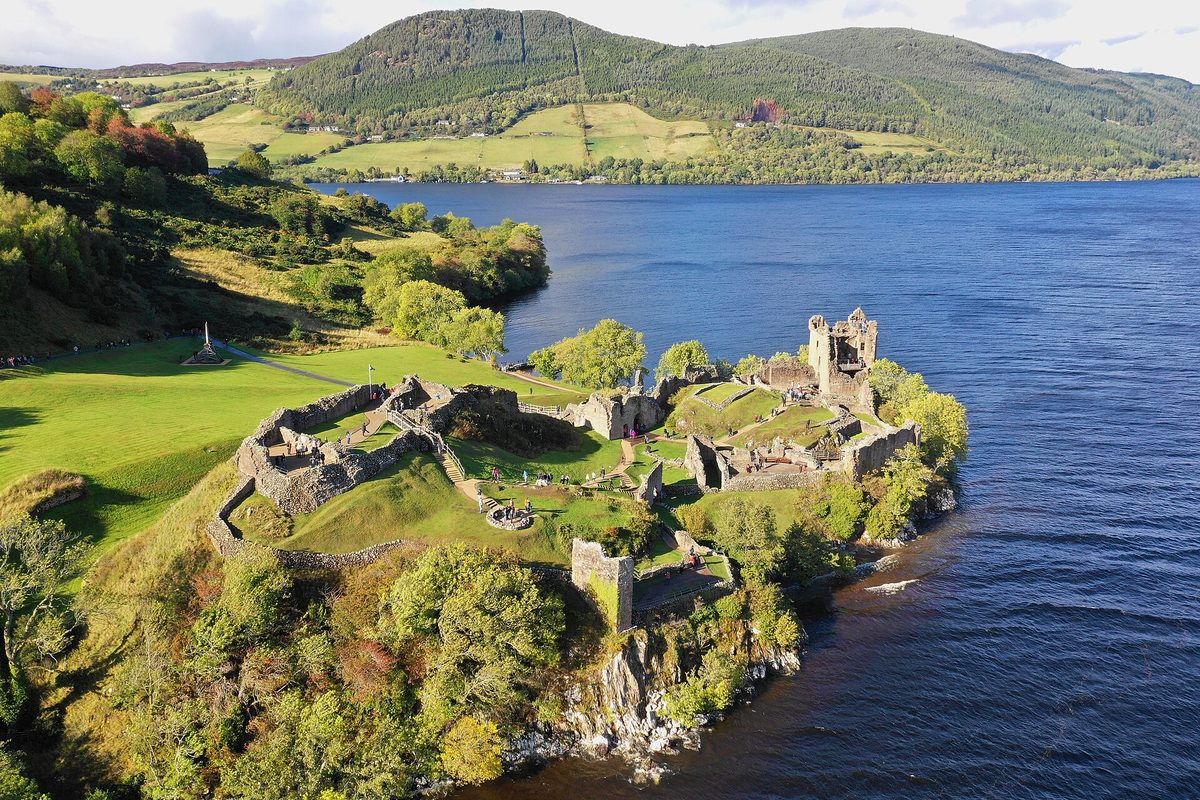
The exposure is at the edges: a sunset at Clachtoll on a still evening, a picnic at Loch Assynt, five minutes fiddling with a tripod at Ardvreck Castle at nine at night in July. Carry a small bottle of Smidge or Avon Skin So Soft in the door pocket and you have solved it. Do not let midges push you out of the best month of the year.
If you camp or sleep in a van, they change everything
Completely different calculation. Midges own the two hours either side of dusk, which is exactly when campers cook, pitch, wash up and sit outside. A still July evening at a west-coast campsite is not a mild annoyance; it is the reason people pack up at nine and drive somewhere windy.
If you are camping or in a van, the timing advice genuinely changes: aim for mid-May to mid-June or late September to early October, and if you must go in July or August, favour the exposed north coast and headland pitches over sheltered west-coast inlets. This is one of the real differences between the two ways of doing the route, alongside all the others in our comparison of campervan hire versus a car on the NC500.
Winter roads fourth: what closes and what does not
Winter deserves more than a line about wrapping up warm, because the ways a winter trip goes wrong are specific and avoidable.
Bealach na Bà closes, and you need a plan for that
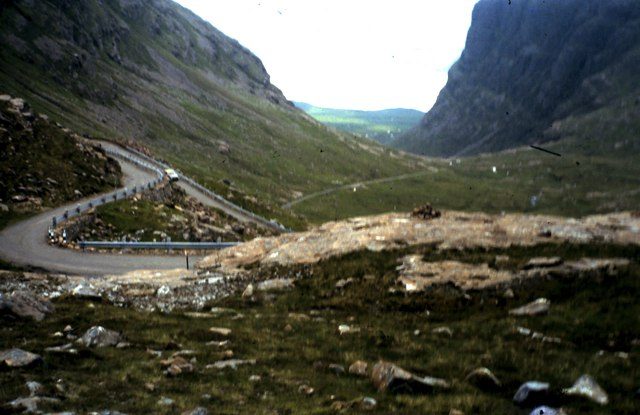
The Bealach na Bà (C1087) climbs from sea level at Tornapress to 626 metres with hairpins and gradients around 20%. It has snow gates at both ends, and Highland Council closes it regularly from roughly November to March — sometimes overnight, sometimes for weeks at a stretch.
The good news is that the alternative is genuinely lovely. The coast road (C1092) from Shieldaig round to Applecross stays open in almost all conditions and is a fine drive in its own right, with long views to Raasay and Skye. It is longer and slower, so add about an hour. Just know it exists and check before you commit, because arriving at a closed snow gate at Tornapress in the dark is a bad evening.
Gritting is not uniform
The A9, A835, A836 and A99 are treated priority routes and are usually driveable. The B roads — the B869 Drumbeg loop, the B876 in Caithness, the minor roads out to headlands — often are not, or are treated late. Black ice on the descent into Drumbeg on an untreated morning is not an experience I would recommend. Check Traffic Scotland before each leg, not just the night before.
Half the route closes for the season
This is the thing that catches people out. From roughly late October to Easter, a large share of the west-coast B&Bs, the seasonal cafes, the campsites, the visitor centres and even some fuel stations reduce hours or shut entirely. Fuel between Ullapool and Durness thins out badly in winter, and Sunday opening is not a given.
My rule for winter: never let the tank drop below half, carry food and water in the car, and phone ahead rather than trusting a website that was last updated in August.
Storms take out power and roads at short notice
Atlantic storms from October through February bring sustained winds that close high-sided-vehicle routes, take down power lines in the far north-west, and occasionally cut roads with flooding or fallen trees. Power cuts of several hours are normal in Assynt and Sutherland in a bad week. A trip planned with no slack in it will not survive one.
Month by month on the NC500
The table below compares the months with one another rather than giving exact figures, and Highland weather ignores averages whenever it feels like it — our Scotland weather by month guide has the wider national picture.
| Month | Daylight | Typical temp | Rain | Midges | Traffic | What’s open | Aurora |
|---|---|---|---|---|---|---|---|
| January | Short | Cold | Changeable | None | Quiet | Many seasonal places shut | Good |
| February | Lengthening | Cold | Changeable | None | Quiet | Many seasonal places shut | Good |
| March | Lengthening fast | Cold | Changeable | None | Quiet | Some seasonal places reopening | Fair |
| April | Long | Cool | Changeable | Few | Light | More reopening; check dates | Slim |
| May | Very long | Cool to mild | Normally among the driest | Can be active | Building | Most seasonal places open | None |
| June | Longest of the year | Mild | Normally among the driest | Active and building | Busy | Most seasonal places open | None |
| July | Very long | Warmest | Changeable | At their peak | Very busy | Most seasonal places open | None |
| August | Long, shortening | Warmest | Changeable | At their peak | Very busy | Most seasonal places open | Slim, late month |
| September | Around 13h mid-month | Mild | Changeable | Declining | Quieter | Many seasonal places open | Season opens |
| October | Shortening fast | Cool | Changeable | Tailing off | Quiet | Seasonal closures begin | Good |
| November | Short | Cold | Changeable | None | Quiet | Many seasonal places shut | Good |
| December | Shortest of the year | Cold | Changeable | None | Quiet | Many seasonal places shut | Very good |
January and February
Six to nine hours of light, a route where most of the small businesses are shut, and roads that are empty because sensible people are elsewhere. The payoff is real: Sango Bay to yourself, Loch Assynt frozen at the margins, and one of the best aurora windows in the UK on a clear night. This is a trip for people who want that specific thing, not a cheaper version of a summer trip.
March
Daylight climbs fast — nearly twelve hours by mid-month, and the clocks go forward at the end of it, which changes the feel of an evening completely. Weather stays unreliable and cold. Lambing brings sheep onto unfenced roads, so slow right down through Sutherland. Plenty of seasonal places are still shut, so confirm opening dates before you book a route around them.
April
Genuinely underrated, and my pick if you want quiet. Fourteen hours of light, businesses reopening around Easter, few midges, sharp clear air and hills still holding snow. The trade-off is wind: April gales off the Atlantic are serious, and a high-sided van on the A838 in a 50mph westerly is hard work. Waterfalls are at their best after the winter.
May
The best single month, and it is not especially close. Nearly seventeen hours of daylight by mid-month. May is typically the driest month of the year on Scotland’s west coast — a genuine climatic fact rather than optimism. Midges are only starting to appear. Traffic present but not oppressive. Everything open. Gorse and bluebells, seabirds back on the cliffs at Duncansby and Handa. The rest of the country is good too, as our Scotland in May guide sets out.
June
The light month. Eighteen-plus hours, no true darkness, and evenings that go on so long you stop checking the time. Weather is usually decent. Two caveats: from about the third week, midges arrive properly, and traffic steps up hard as English and Scottish schools start finishing. The first fortnight of June is close to perfect. The last fortnight is a different trip.
July
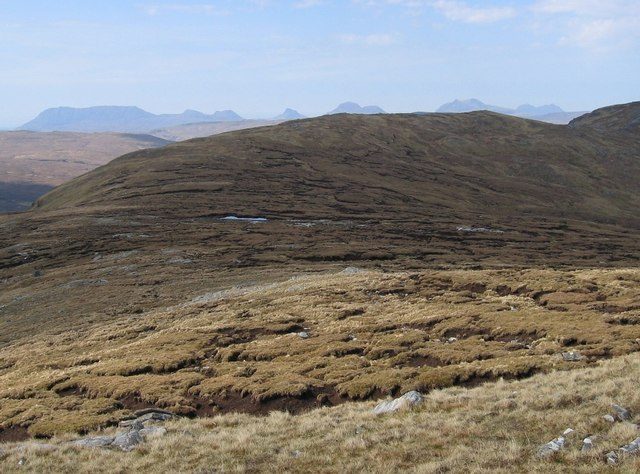
One of the two warmest months, in the heart of the busy summer season, and the month when the route’s pressure points show. Convoys on single-track, full car parks by mid-morning, restaurants needing bookings days ahead. Midges are at full strength for campers. If July is your only option, drive the loop anticlockwise, start each day early, and book everything. It works — it just costs you patience.
August
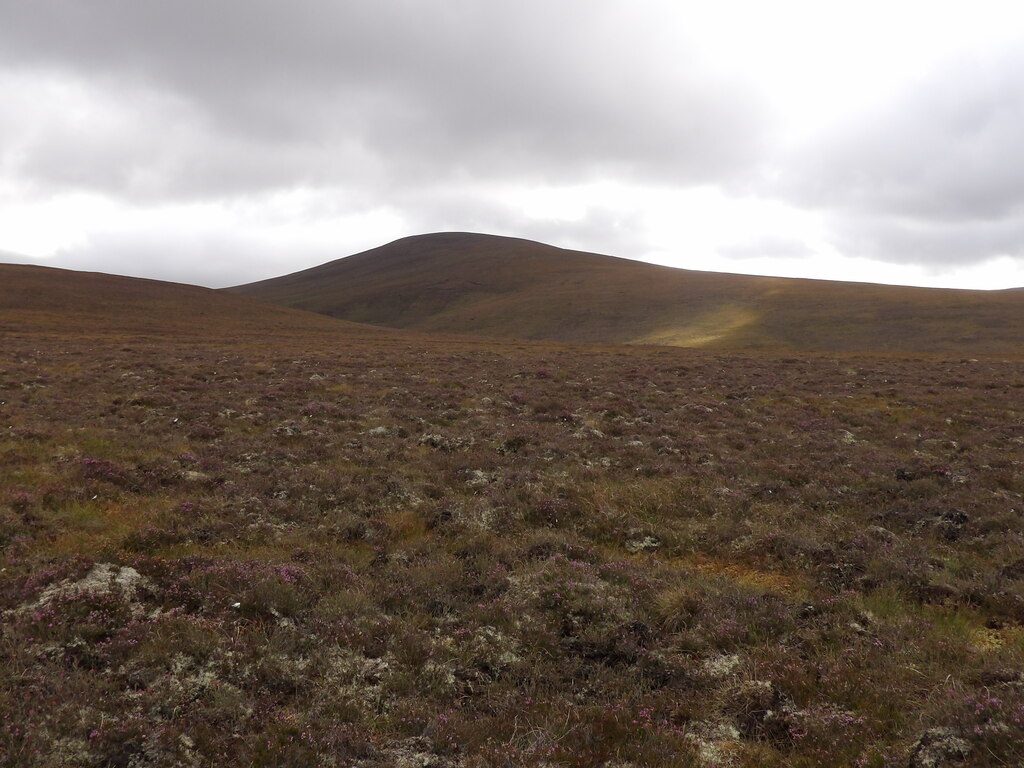
Much like July, with two differences. Daylight has dropped by more than two hours, which you feel in the evenings. And the heather comes into bloom across the moors from mid-month, turning whole hillsides purple. Traffic stays at peak until the Scottish schools go back in the third week, then eases noticeably in the final days.
September
The other right answer. The first fortnight keeps many of summer’s advantages — daylight in Caithness falling from about 14 hours to about 13, mild air, many seasonal places still open — while the roads grow quieter. Sea temperature peaks in early September, so if you intend to swim at Achmelvich or Ceannabeinne, this is the month for it. Midges fade. Autumn colour starts in the birches from about the 20th. Aurora season reopens as darkness returns. More on the wider case in Scotland in September.
October
Beautiful and demanding. Colour peaks in the first half, the light is low and golden all day, and you will have viewpoints to yourself. But daylight is down to around ten and a half hours mid-month and falls below nine by the end, the clocks go back on the last Sunday, and rainfall climbs. Seasonal closures begin around the middle of the month. Plan shorter driving days than you think you need, and read Scotland in October before committing.
November and December
November is the wettest month on much of the west coast and has under eight hours of light. December has just over six. Both are for a particular kind of traveller: someone who wants a storm-lit, empty, slightly serious version of the Highlands and has the driving experience and the flexibility to handle it. On the plus side, December offers the darkest skies and the best statistical aurora odds of the year.
The verdict, and why I will defend it
Mid-May to mid-June wins
Four things line up in that four-week window and they do not line up anywhere else in the year.
You get long days: about sixteen and a half hours of daylight at Inverness in mid-May, close to 18 by the June solstice. You get the part of the year that is normally driest in northern Scotland. Midges are out from May, but their numbers are still building, so they matter mainly if you are camping. And traffic is usually lighter than it will be once the school holidays begin.
The only thing you sacrifice is a couple of degrees of warmth and the heather. I will take that trade every time. If I had one week in the year to drive this route, it would be the last week of May.
September is the strong second
Take the first three weeks of September and you get quiet roads, warm sea, mild air, autumn colour arriving and the aurora season starting. What you give up is daylight — thirteen hours rather than seventeen — and a bit of weather reliability.
Choose September over May if you want the route quiet, you plan to swim or spend time on the beaches, or you want a shot at the northern lights. Choose May if daylight, dryness and having everything open matter more.
When the verdict does not hold
If you are tied to school holidays, you are going in July or August and the honest advice is not “go another time” but “go earlier in the day and book further ahead”. If you are chasing aurora, May and June are the two worst months of the year and you should be looking at October to February instead. If you want heather in bloom, you need the second half of August. And if you want the route to yourself more than you want anything else, November to March delivers that and nothing else does.
Winter on the NC500, done properly
I do not want to talk anyone out of a winter loop. I want to talk you into doing it correctly, because done right it is the most memorable version of this route.
Give yourself extra days for what you would do in five. Build the day around the middle hours of daylight and treat anything outside that as a bonus. Base yourself in fewer places for longer — three nights in Ullapool, three in Thurso — rather than moving every night. Skip the B-road detours that make no sense in the dark, and accept that the Drumbeg road and the Bealach may simply not be available.
Take proper winter tyres or at minimum all-seasons, a shovel, a blanket, a torch, a power bank and more food than you need. Download offline maps: mobile signal on the A838 and A894 is patchy in perfect conditions and worse in weather. Check the Met Office and Traffic Scotland every morning.
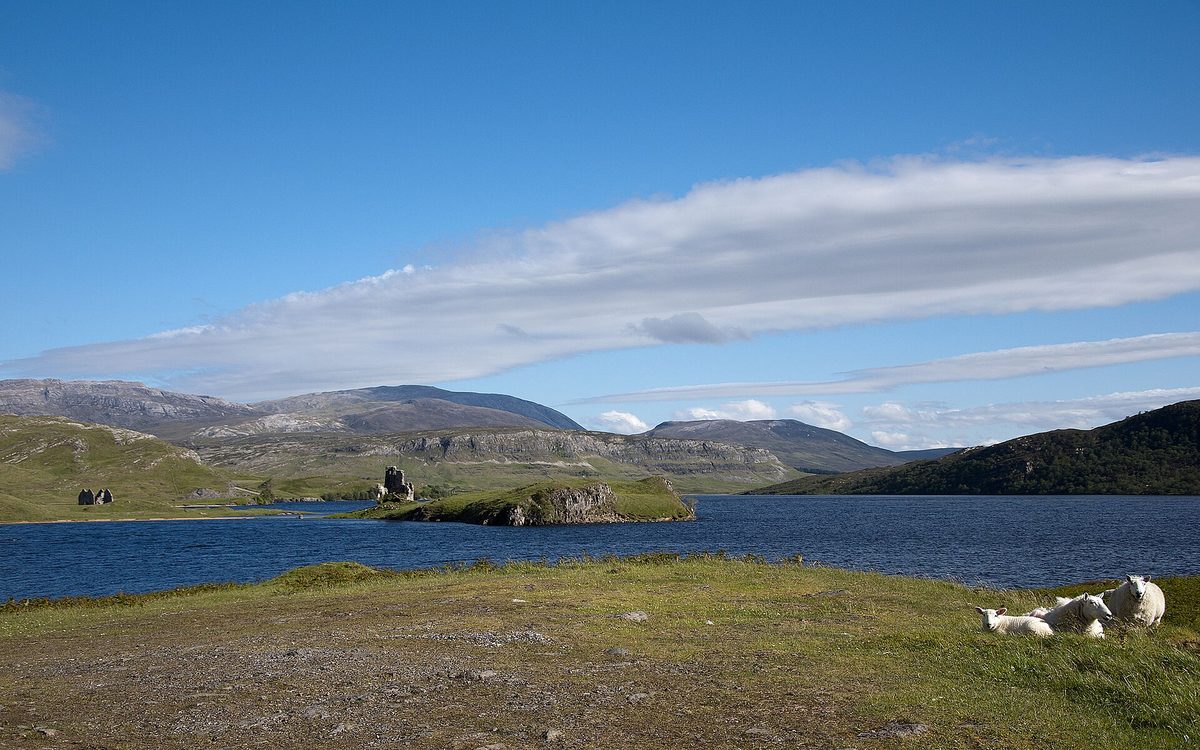
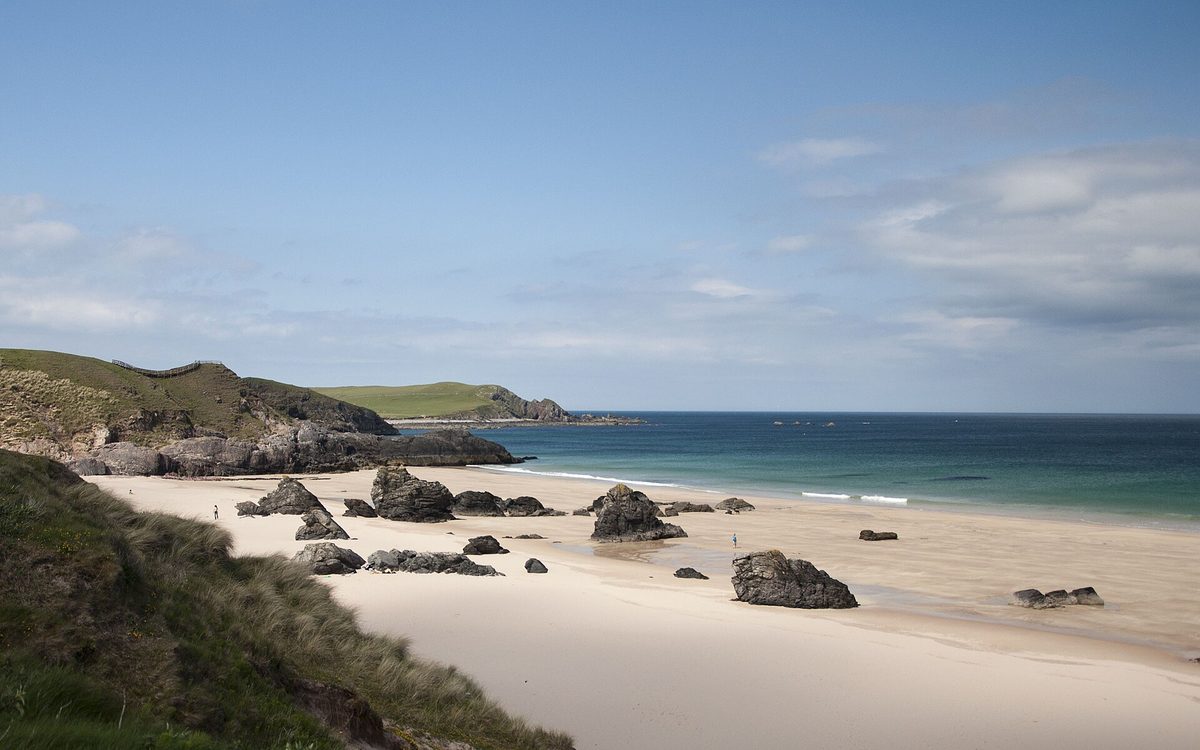
The reward is a route with no other traffic on it, low sun that never climbs high enough to flatten the landscape, and skies dark enough for the aurora. Dunnet Head, Strathy Point, Sango Bay at Durness and the beaches around Bettyhill all face north over open sea with no town lights behind them. Our guide to the best time for the northern lights in Scotland is worth reading first, and so is setting your expectations honestly: most clear winter nights give you nothing at all.
For the broader picture of what a Highland winter involves, Scotland in winter covers the parts that apply beyond this route.
Timing around dates and events
School holidays and bank holidays
Scottish schools break up around the end of June and go back in the third week of August — earlier at both ends than in England, which is why the Scottish domestic surge arrives before the English one. English schools generally break up in late July and go back around the start of September, though dates vary by school and council. The overlap falls in high summer, when the route can be very busy, so book beds early and allow extra time on the roads.
May bank holidays and the Easter weekend create sharp two or three-day spikes, particularly at Applecross and Durness. If your dates are flexible by a few days, moving off a bank holiday weekend is worth more than moving month.
Events worth planning around
The Bealach Beag and Bealach Mor cycling events run over the Applecross pass in the spring and early autumn respectively, and the pass can be extremely busy with riders on those days — check the dates before you book Applecross. Highland games run through the summer at Dornoch, Halkirk, Durness and elsewhere, mostly July and August, and are worth diverting for if you land on one. Check local listings for your exact dates — a games day can also mean every room in a small town is taken.
Wildlife and natural timing
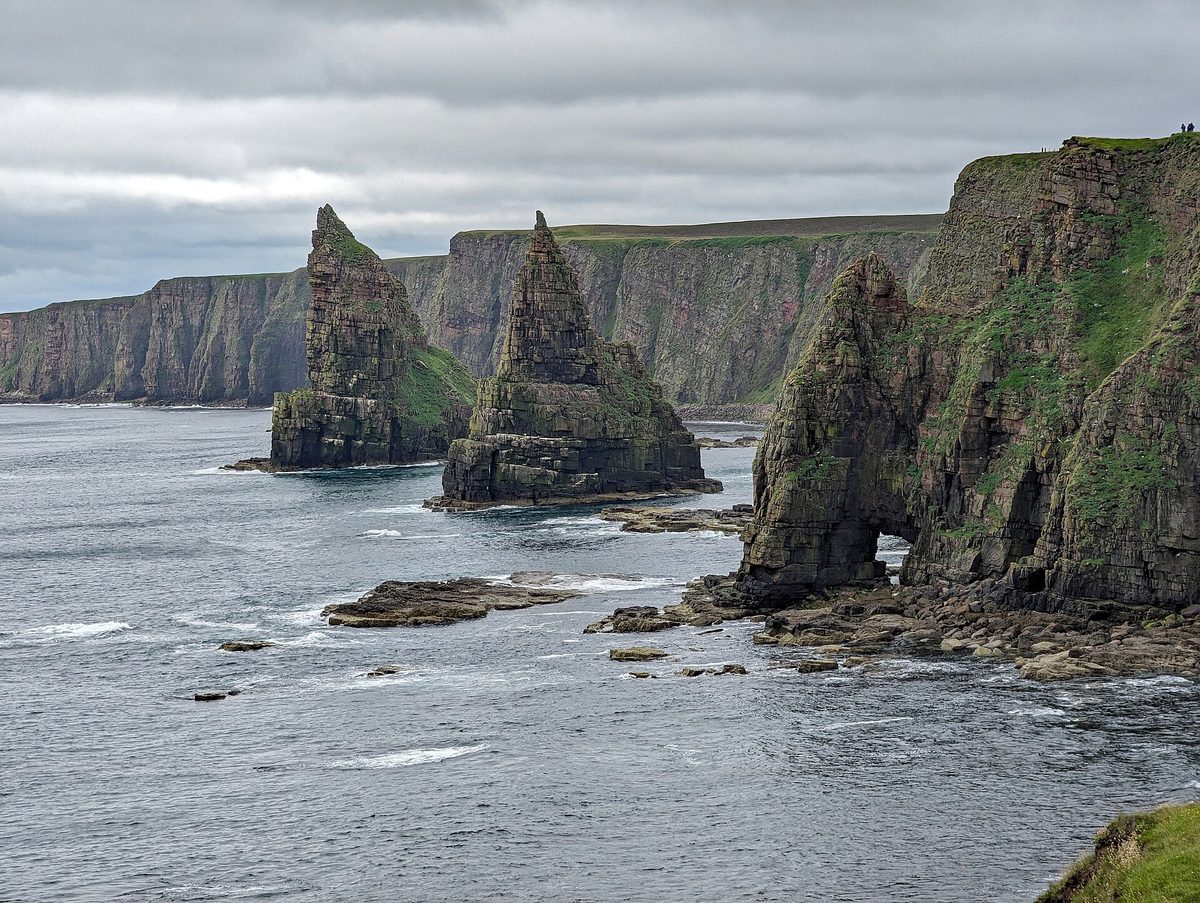
Seabirds are on the cliffs at Duncansby Head and Handa Island from about April to early August, with puffins gone by early August. Red deer rut on the hill from late September into October, which is the best time to see and hear them. Sea temperature is at its coldest in February and March and its warmest in late August and early September — a difference of maybe seven degrees, and very much noticeable if you swim.
Practical planning by season
How many days you actually need
Five days is the common answer and it is a good one from May to September. From October to April I would say seven as a minimum, and I would rather you did half the route well than all of it in the dark. The full case for each length is in the main NC500 guide, which also covers where to break the loop if you have fewer days than the route wants.
Getting there
Inverness is the practical start. It has an airport with flights from London, Amsterdam and several UK cities, and it sits on the Highland Main Line from Edinburgh and Glasgow, about three and a half hours by train. For a summer trip, book the hire car early, before the beds — a point our guide to getting around Scotland makes rather more diplomatically than I just did.
Driving up from Edinburgh or Glasgow adds three to four hours each way, and I would build that into the itinerary rather than treating it as transit. The A9 through Perthshire and the Cairngorms is a fine drive, and taking two days over the approach from Edinburgh is a legitimate way to do it.
What to book, and when
In order of urgency: hire car first for peak months, then any night in Applecross, then the north-west villages, then the flexible east coast. Restaurants matter more than people expect — the Applecross Inn, the Kylesku Hotel and the Seafood Shack in Ullapool all fill in season, and in the far north-west a place that is fully booked means no dinner at all rather than a walk down the street.
Off-season, the booking changes shape entirely. You are no longer competing for availability, you are checking existence. Phone. If nobody answers, assume closed.
What underwhelms, and the mistakes I see most
Going in October because it is cheap
My own mistake, and the most common one. October pricing looks like a bargain until you realise you have bought a route you cannot see for half the day. If budget is driving the decision, late April and the last week of September both give you far more daylight for not much more money.
Letting midges choose the month
Moving a car-based hotel trip from June to October to dodge midges means giving up hours of daylight a day to avoid an insect you would barely meet between the car and the front door. If you are not camping, midges should be about the fifth thing on your list.
Assuming summer means good weather
July and August are the warmest months but not the driest, and the west coast can sit under cloud for a week in any season. Average summer highs reach around 19°C near the Moray Firth and run cooler on exposed coasts and higher ground. Pack for rain and wind in every month, including August.
John o’ Groats
An honest word: John o’ Groats is the least rewarding stop on the route in any month. It is a signpost, a car park and some gift shops. Duncansby Head, two miles east, has the sea stacks and the cliffs and is the reason to be in that corner at all. Go there instead, or as well, and do not schedule an afternoon for it.
Planning summer driving days as if the roads flow
In July, a 100-mile day on the west coast can take far longer than the mileage suggests. People build June itineraries and run them in August, then spend the week late and irritated. Pad your driving estimates generously for peak season, or drive before nine in the morning.
Ignoring the shoulder-season closure cliff
Mid-October is not a gentle taper. A lot of places shut within the same fortnight. If you are travelling after about the 15th of October, check every single overnight and every planned lunch stop directly, and have a supermarket backup.
Frequently asked questions
What is the single best month to drive the NC500?
May. It combines nearly seventeen hours of daylight, the driest conditions of the west-coast year, few midges and traffic below the level where single-track roads start forming convoys. Late May specifically is my pick. June is a very close second and slightly longer on light, but midges and crowds both arrive in its final fortnight.
How many hours of daylight will I get on the NC500?
Days are longest from May to July, about 13 hours in mid-September, and short from November to February. Check sunrise and sunset times for your dates, and subtract an hour or two for cloud and low sun. Daylight, not weather, is what determines how much of the route you can realistically see in a day.
Are midges really that bad on the NC500?
If you are in a car and sleeping indoors, no — they will bother you for a handful of minutes across a whole week, mainly at dusk near still water. If you are camping or in a campervan, yes, from late June through August they will dictate where and when you cook and sit outside. Repellent and wind both work.
Can you drive the NC500 in winter?
Yes, with the right preparation. Allow extra days over a five-day route, build the day around the middle hours of daylight, be ready for snow to close the Bealach na Bà and take the coastal road to Applecross if it does, and confirm that every bed and fuel stop is actually open. Winter tyres, offline maps and daily weather checks are not optional.
When is the NC500 quietest?
November to February, by a very wide margin. For a quiet trip with services still running, the first half of April and the last week of September through mid-October are the realistic answers. Mid-week always beats weekends, and anything before nine in the morning is quiet even in August.
When is the best time to see the northern lights on the NC500?
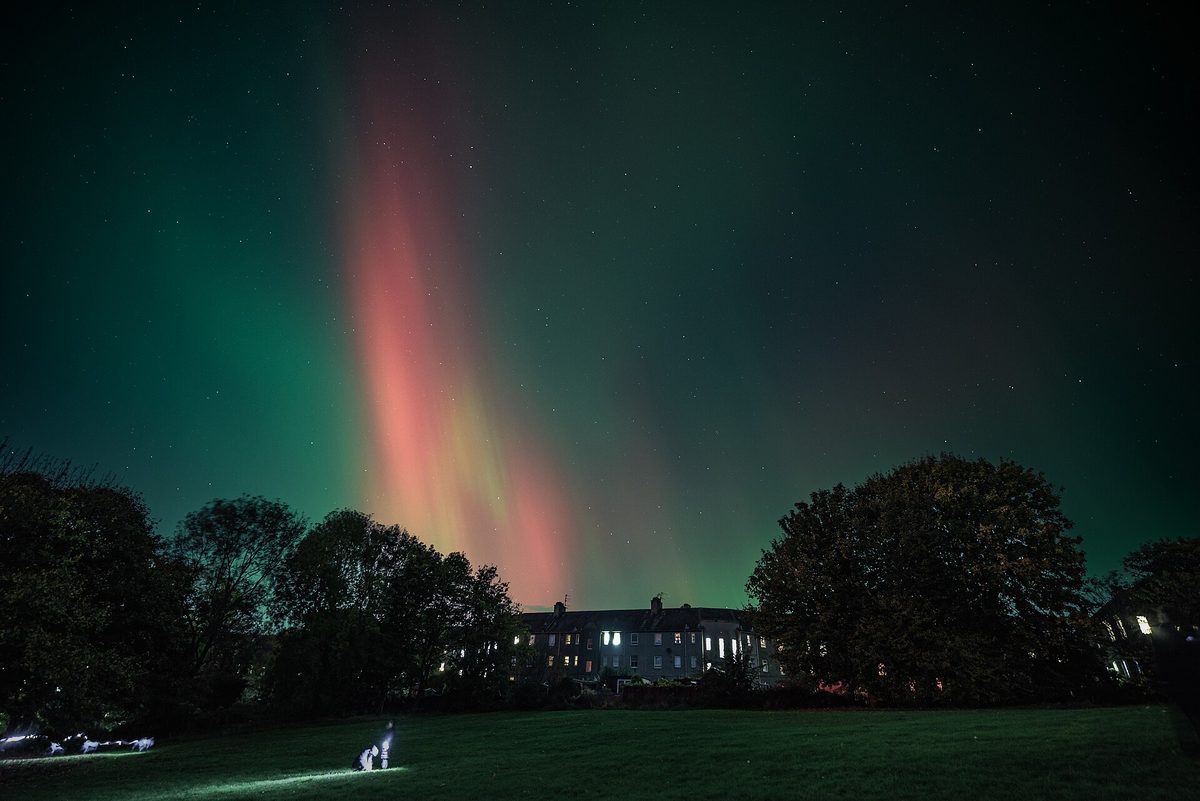
Between late September and March, when there is enough darkness. December and January give the longest dark hours; the equinox periods around late September and late March often see more geomagnetic activity. You need clear skies, a north-facing viewpoint and luck. Most clear nights produce nothing, so treat it as a bonus rather than a plan.
Is September or May better for the NC500?
May for daylight, dry weather and having every business open. September for quiet roads, warm sea, autumn colour and aurora. If you are driving and staying in hotels, May. If you are camping, swimming or want the route to yourself, the first three weeks of September. Both comfortably beat July and August.
When does Bealach na Bà close?
Most often between November and March, when snow or ice triggers the snow gates at Tornapress and Applecross. Closures can last from a single night to several weeks. The coast road via Shieldaig (C1092) stays open in nearly all conditions and adds around an hour. Check Highland Council or Traffic Scotland updates on the morning you plan to cross.
Final thoughts
If you take one thing from this, make it the daylight budget. Everything else — midges, crowds, rain, closures — is a preference or an inconvenience. Daylight is the thing you cannot negotiate with, and up here it varies enormously across the year.
Book the last week of May or the first week of June if you possibly can. Take September if you cannot. Go in winter if you actively want the empty, storm-lit version and are willing to slow the whole trip down to earn it. And whichever you choose, build in a spare day, because the Highlands will use it.
If you can choose, aim for late May: long, light evenings and roads that are quieter than they will be in high summer. If you are still working out the shape of the trip rather than the timing, our guide to Highland road trip routes is the right next stop.
Whichever month you settle on, beds are the constraint that decides the rest. Our stage-by-stage guide to where to stay on the NC500 sets out how far ahead each overnight stop needs booking, and where to sleep instead when the town you wanted is full.
About the author: This guide was written and is maintained by the ScotlandTourism.org editorial team — travel writers who’ve spent years exploring Scotland’s cities, Highlands and islands, from bagging Munros to chasing the perfect dram. We update our guides regularly to keep prices, opening details and advice current.
Last updated: August 2026. Prices and opening times change — always check the official site before you travel.
Photo credits
All images are used under their respective Creative Commons or public-domain licenses:
- Hairpin bends of the Bealach na Ba mountain pass above Applecross on the NC500 — ronnie leask, CC BY-SA 2.0, via Wikimedia Commons
- Ullapool harbour on Loch Broom, a key overnight stop on the North Coast 500 — Giorgio Galeotti, CC BY 4.0, via Wikimedia Commons
- Dunnet Head lighthouse, the most northerly point of mainland Britain — Terry Robinson, CC BY-SA 2.0, via Wikimedia Commons
- The distinctive Assynt peaks on the skyline above open Highland moorland on the NC500 west coast — Stuart Meek, CC BY-SA 2.0, via Wikimedia Commons
- Ardvreck Castle ruins beside Loch Assynt on the west coast of the North Coast 500 — Paul Hermans, CC BY-SA 3.0, via Wikimedia Commons
- The Stacks of Duncansby near John o Groats on the Caithness coast — PaulT (Gunther Tschuch), CC BY-SA 4.0, via Wikimedia Commons
- Purple heather in bloom across Highland moorland in late summer — David Bremner, CC BY-SA 2.0, via Wikimedia Commons
- Pale sand and clear water at Achmelvich beach in Assynt — Graham Hogg, CC BY-SA 2.0, via Wikimedia Commons
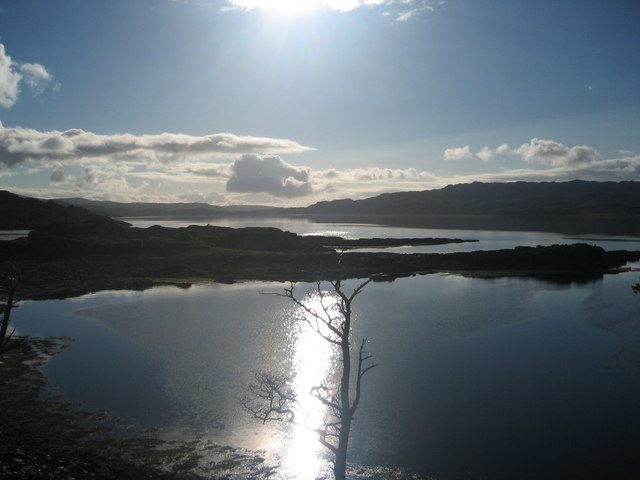
- Low sun over the water on the Applecross peninsula in Wester Ross — Ceitidh MacMaster, CC BY-SA 2.0, via Wikimedia Commons
- Single-track road sign on the A836 below Ben Loyal, typical of the NC500 north coast — Richard Webb, CC BY-SA 2.0, via Wikimedia Commons
- Aurora borealis over Scotland on a clear autumn night, best seen between September and March — Gary Campbell-Hall, CC BY 2.0, via Wikimedia Commons
- Sango Bay at Durness on the north coast of Sutherland — Paul Hermans, CC BY-SA 3.0, via Wikimedia Commons