It is easy to give Inverness more nights than the city itself needs and spend the surplus driving to places that are not Inverness. Two nights, with the city walked properly, makes a far better trip. The trouble is the gap between what the guides promise and what the place actually is.
So here is the honest version. Almost every list of things to do in Inverness pads its count with Loch Ness, Culloden, Clava Cairns, Cawdor Castle and the Black Isle. Those are all excellent. None of them is in Inverness. Strip them out and you are left with a compact riverside city, about 48,000 people in its urban core, that you can walk end to end in half a day — and which, in the two or three hours that matter, is genuinely lovely.
The best things to do in Inverness: the short answer
In the city itself, the best things to do in Inverness are the riverside walk out to the Ness Islands, Leakey’s second-hand bookshop in a converted Gaelic church, the Victorian Market, the free Inverness Museum and Art Gallery, the reopened Inverness Castle Experience, and live traditional music after dark. Two nights is the right allocation.
Inverness at a glance
| What | Where | Cost | Time needed | My verdict |
|---|---|---|---|---|
| Ness Islands riverside walk | Upriver from Ness Bridge | Free | A long stroll | The single best thing in town |
| Leakey’s Bookshop | Church Street | Second-hand bookshop | As long as you browse | The best indoor stop in Inverness |
| Inverness Castle Experience | Castle Hill | Around £20 adult online | About 2 hours | Reopened 2026; worth it if you like modern museums |
| Inverness Museum and Art Gallery | Castle Wynd | Free | 45–90 minutes | Underrated; check the days, it shuts Sun–Mon |
| Victorian Market | Academy Street / Church Street | Free to walk through | A quick look, or lunch | Go for the food hall, stay for the ironwork |
| Inverness Cathedral | Ardross Street, west bank | Around £6 adult | 20–30 minutes | Handsome outside; the charge puts some people off |
| Caledonian Canal towpath | Muirtown, western edge of town | Free | A longer walk out | Flat, quiet, quietly satisfying |
| Live trad music | Church Street & Academy Street | Price of a pint | An evening | What people tell me afterwards was the highlight |
The thing nobody says out loud: Inverness is a base, not a destination
Inverness is small. How small depends on where you draw the boundary: the old urban core had 48,248 residents in 2022, while Greater Inverness, drawn wider, was put at 63,320 in 2016. Whichever figure you use, this is a city smaller than Carlisle.
That matters for planning. The historic core — castle mound, High Street, Church Street, Academy Street, the two riverbanks between Ness Bridge and Greig Street — is about fifteen minutes from one end to the other on foot. You can see all of it in an afternoon. If you have come expecting an Edinburgh or a Glasgow, you will be disappointed within about ninety minutes.
What Inverness is instead is the best-connected town in the north of Scotland. Trains, planes, buses and four major roads meet here. Every serious Highland itinerary passes through it. That is why it belongs on your route and why I keep coming back — but it also means the honest advice is to treat it as a hub with a very good half-day attached, not as a city break in its own right.
My allocation, after several visits: two nights. That gives you one full day in and around the city and one day out to Loch Ness and the Great Glen, with two evenings for the music. One night is doable but rushed. Three or more only makes sense if you are using Inverness as a fixed base for a week of day trips, which is a legitimate strategy and one I cover further down.
If you are still choosing where to sleep across a Highland trip, it is worth reading how Inverness compares with the alternatives in our guide to the best base towns in the Scottish Highlands. Fort William, Aviemore and Ullapool all beat it on scenery. None beats it on connections.
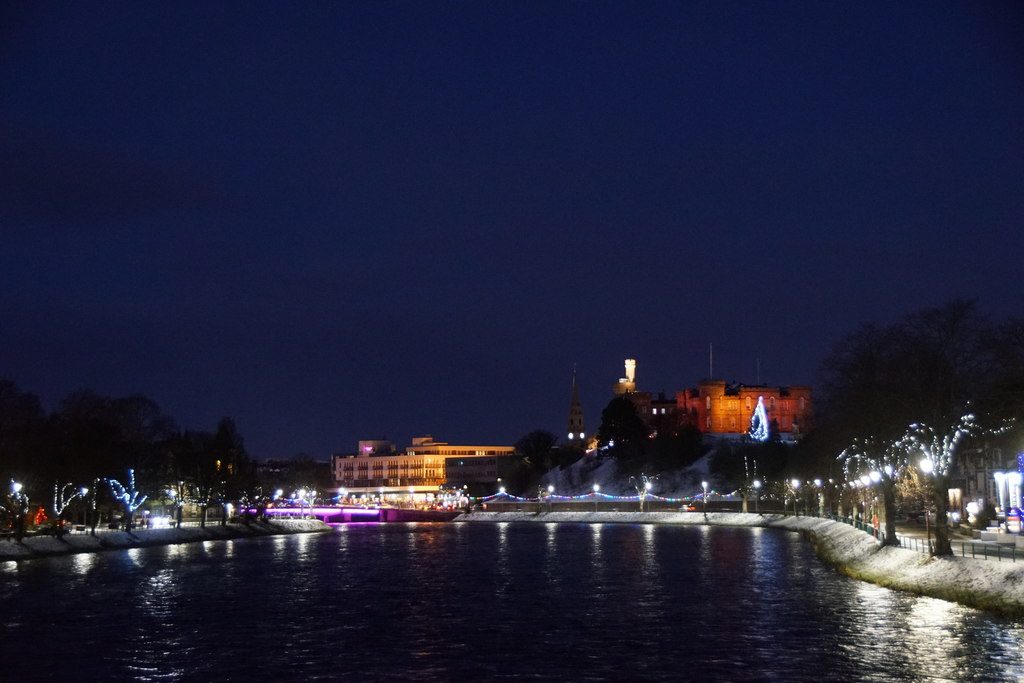
The riverside: the best free hour in the Highlands
Here is where the standard listicle fails you. Most give the Ness Islands a single sentence, usually somewhere near the bottom, between the cathedral and a shopping centre. It should be the first item on the page.
The Ness Islands
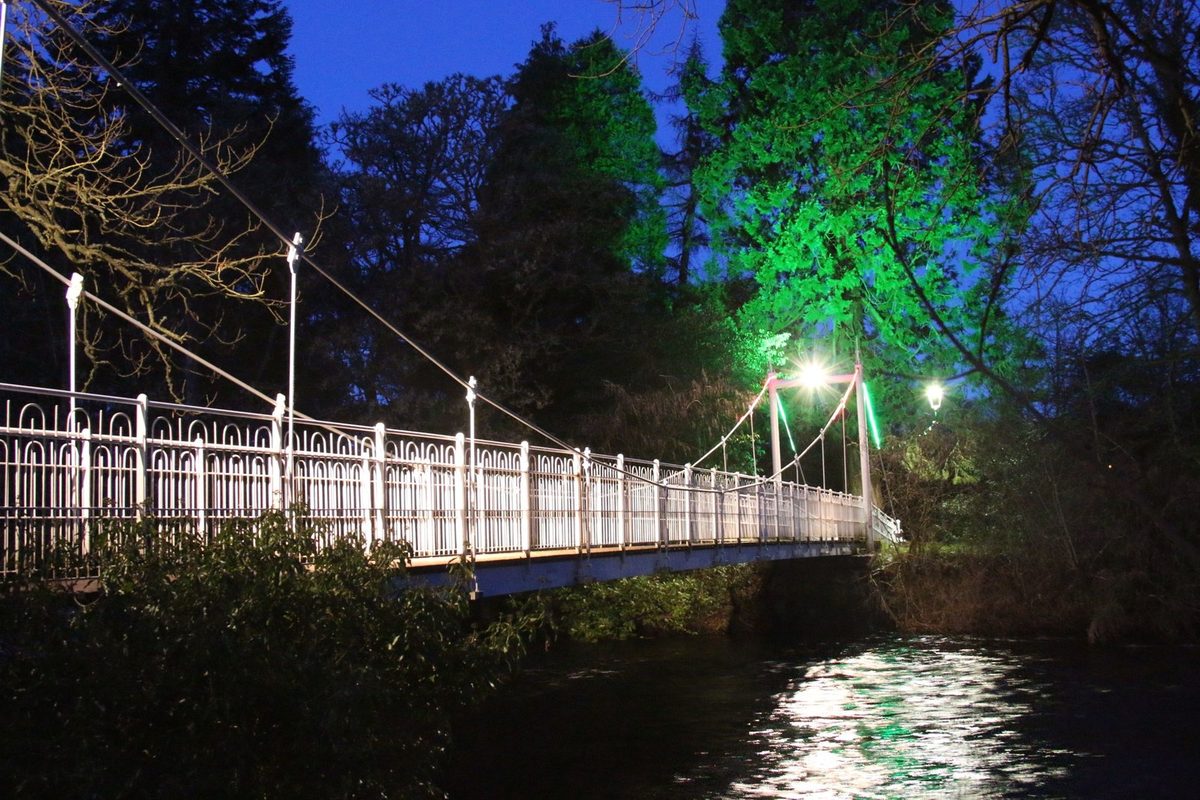
The River Ness runs fast and wide through the middle of town, and about a kilometre upstream from Ness Bridge it splits around a chain of small wooded islands. Victorian engineers strung iron suspension footbridges across the channels, and the result is a public park you reach by walking out over rushing water on a bridge that bounces gently under you.
The first bridges out to the islands were swept away in the flood of 1849. Their replacements, put up in 1853–54, were designed by James Dredge, with slender cast-iron pylons and tapering iron rod chains rather than heavy cables.
What you get is Scots pine, beech and lime, benches carved by local makers, the river loud on both sides, and locals running, walking dogs and pushing prams. There is a fallen tree carved into a Nessie shape that everyone photographs. It costs nothing, and you can walk straight out to it from the city centre.
Two practical notes. It is not floodlit — there was an illuminated display for a few winters, but Highland Council removed the equipment after repeated vandalism, so do not plan a night visit expecting lights. And the riverside footbridges do close in heavy spate and after storms; the Infirmary Bridge was shut for months after storm damage sheared parts of its deck suspension. Check locally if the river is up.
The full river circuit, and how far to push it
The good version of this walk is a loop. Go out along one bank, cross at the islands, come back down the other.
The greedy version keeps going. Past the islands the path runs on to Whin Park, which has a decent free playground and a miniature railway that runs in season for a couple of pounds a ride, and then to the Bught, where the Highland Games are held. Keep going and you reach the Botanic Gardens. Cross the Ness upstream and you can come back down the west bank past Eden Court.
Do the whole thing and you have knocked out two hours, seen the best of the city’s green space, and spent nothing. On a dry day in May or September that is a better morning than most paid attractions in the Highlands, and it is one of the better entries on any list of free things to do in Scotland.
Greig Street Bridge and the two other footbridges
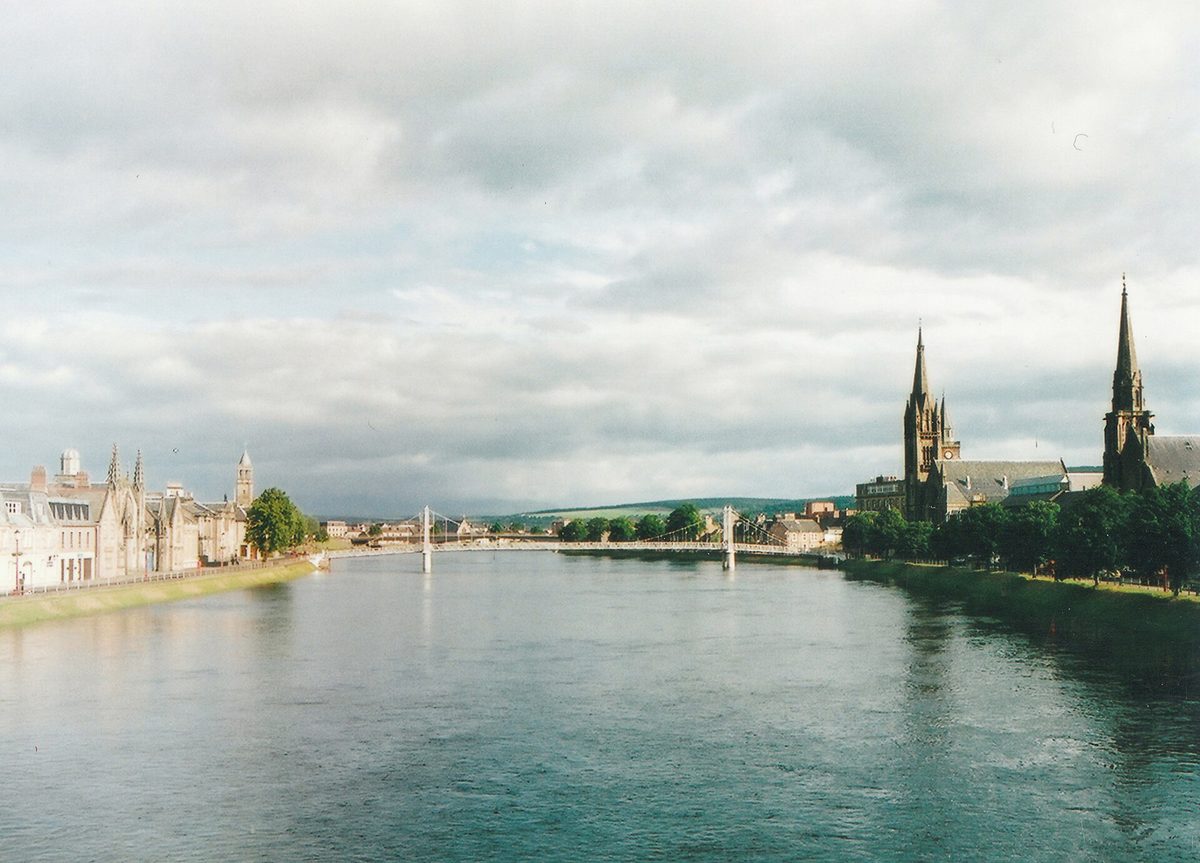
The city has three slender pedestrian suspension bridges over the Ness, and they are the reason Inverness photographs better than it has any right to. Greig Street Bridge is the one you want at sunset: stand in the middle and you get the cathedral’s twin towers on one side, the castle on its mound on the other, and the river running away underneath you.
It takes four minutes to walk there from the High Street. Most visitors never do it, because nobody tells them to.
Inverness Botanic Gardens
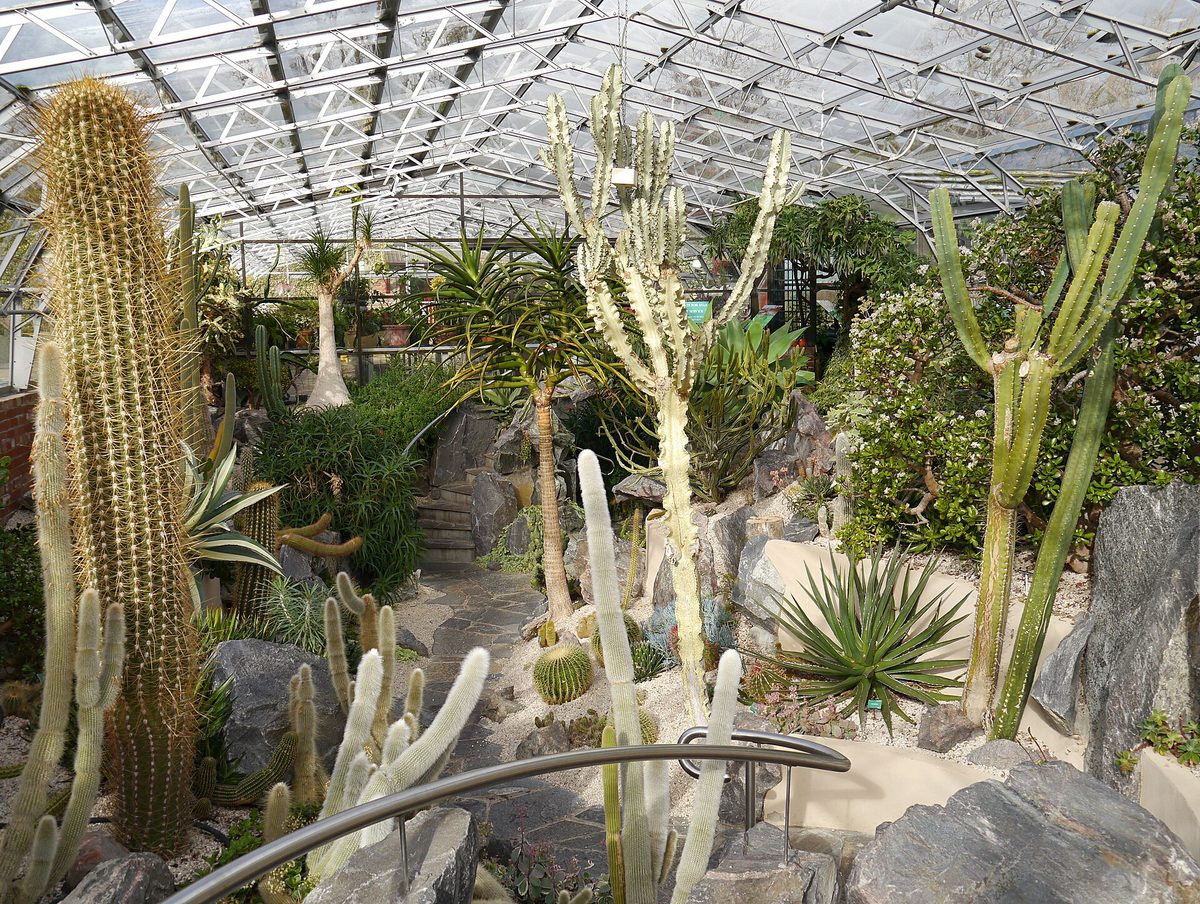
About thirty minutes on foot from the centre on Bught Lane, run by the charity High Life Highland, and free to walk into — they ask for a donation and you should give one. There are outdoor beds, a Tropical House and a Cactus House, which is a genuinely strange thing to find at this latitude; they bill it as the most northerly botanic garden in the UK.
Opening has been running daily, roughly half past nine to four, with the café taking last orders shortly before closing. It is not Kew. It is forty-five pleasant minutes and an excellent bad-weather backstop at the far end of the river walk. Assistance dogs only.
The Caledonian Canal towpath at Muirtown
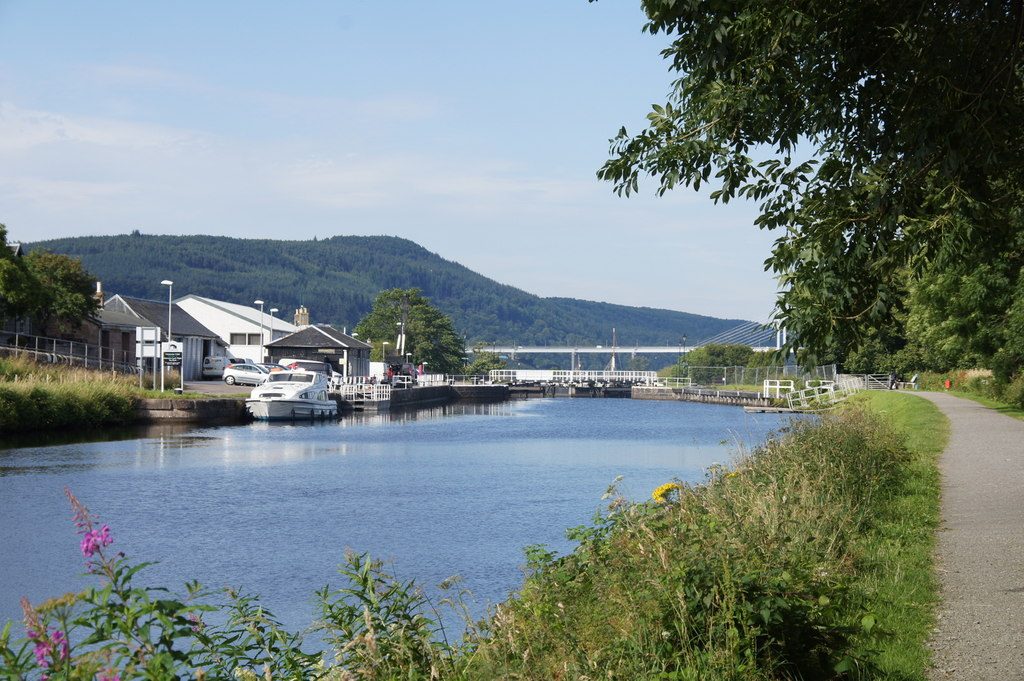
This is the other walk, and it is the one almost nobody does. Thomas Telford’s Caledonian Canal was built between 1803 and 1822 to carry shipping through the Great Glen without going round Cape Wrath. Its northern end runs through the western edge of Inverness.
Walk out to Muirtown, on the western edge of the city, and you come to a flight of four locks stepping the canal down towards the sea, with Muirtown Basin and its swing bridge beyond. If a yacht is locking through you can stand and watch the whole slow business for half an hour. A short walk further along the towpath brings you to Clachnaharry sea lock, built at the end of a man-made peninsula so that boats can always reach the deep water of the Beauly Firth. From there you look across at the Kessock Bridge and the Black Isle.
It is free and mostly level; check Scottish Canals’ site for current closures and step-free access points. The Great Glen Way, the 79-mile route from Fort William, finishes in Inverness, so on summer afternoons you may pass walkers at the end of it looking extremely pleased with themselves.
Indoors in Inverness, which matters, because it rains
Inverness sits in a rain shadow and is drier than Fort William, but this is still the Highlands. You want a wet-weather plan, and the good news is that the two best indoor things in town are both free to enter.
Leakey’s Bookshop
If you do one indoor thing in Inverness, do this. Leakey’s occupies the old St Mary’s Gaelic Church on Church Street, a plain late-Georgian kirk that the shop moved into in the early 1990s. The family has been selling books in Inverness since 1979, and the shop bills itself as Scotland’s largest second-hand bookshop, with some 100,000 volumes.
What makes it memorable is not the count. It is the room. A big wood-burning stove sits in the middle of the floor and is lit through the colder months, so the whole place smells of woodsmoke and old paper. Shelves run up the walls to the height of the original windows. A staircase takes you to a mezzanine gallery that looks down over the lot, where there are chairs, coffee and usually work by local artists on the walls. The pulpit is still there. Antique maps and prints fill racks along one side.
Practicalities matter here because the hours catch people out. Opening days and times have changed over the years, so check the shop’s own site the day before rather than trusting a listing.
Give it half an hour minimum. Give it two if you are the sort of person who reads the spines. The Scottish history and Highland sections are deep, and if you are chasing family names on a trip to trace Scottish ancestry through clan and tartan, this is the best shelf of genealogical odds and ends I know of north of Edinburgh.
Inverness Museum and Art Gallery
Free, run by High Life Highland, tucked into Castle Wynd at the foot of the castle mound, and consistently underrated. It covers the whole Highland region rather than just the city: geology, Pictish carved stones (the Ardross Wolf is the piece to find), Jacobite material, Highland silver and social history, plus a temporary exhibition programme and a small art gallery upstairs.
Ninety minutes is generous; forty-five is enough for most people. There is a coffee shop and a shop.
The trap is the opening days. Through the summer it has been running Tuesday to Saturday, ten to five, closed Sunday and Monday. In winter the hours shrink further, opening around midday midweek. That means a Sunday-and-Monday visit to Inverness misses it entirely, which is exactly the two nights a lot of people book. Check before you build a day around it. Note too that the passenger lift has been out of service, with steps at the entrance, so step-free access has not been available — worth a call ahead if that affects you.
The Victorian Market
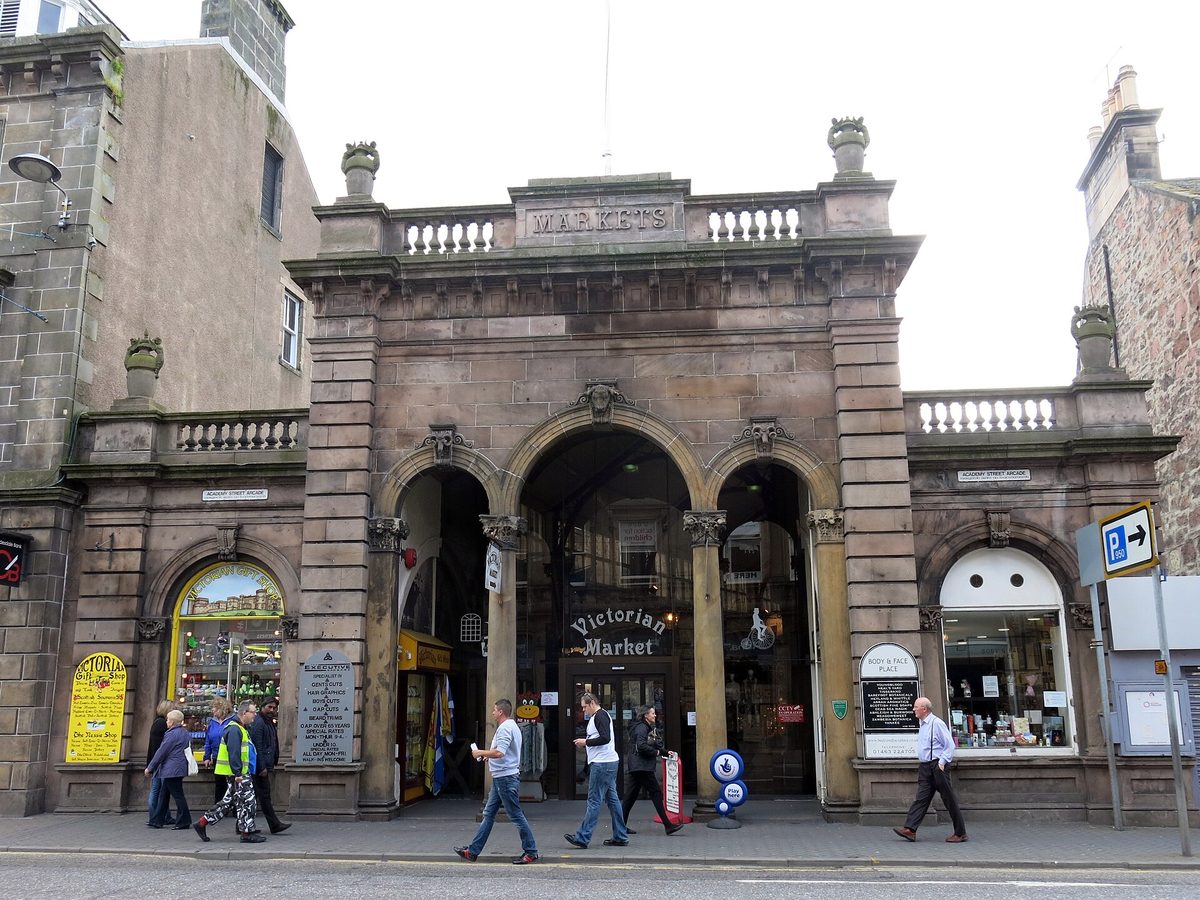
Opened in 1870, rebuilt after a fire and reopened in 1891, and still doing its job. Three intersecting covered arcades — Market Hall, Market Arcade and Queensgate Arcade — run between Academy Street, Church Street, Union Street and Queensgate, with cast-iron arches, round-headed shopfronts and a domed roof over the crossing. There are more than thirty independent businesses in it: a barber, a butcher, gift shops, a tattoo studio, a couple of decent coffee places.
The reason to go now rather than five years ago is the food hall, which opened in September 2022 in the restored Market Hall with independent food traders and communal seating. It is the best cheap lunch in the city centre and a completely serviceable dinner. There is usually free live music in the hall on Friday and Saturday evenings, roughly six to eight.
The market has been open seven days from eight in the morning, though individual traders keep their own hours and the aggregator sites contradict each other on closing time. Turn up in the middle of the day and it will be busy; turn up at half past five on a Tuesday and half of it will be shuttered.
Look for the grooves worn into the stone arch by the Church Street entrance, where fishmongers sharpened their knives. Small thing. I like it.
Abertarff House
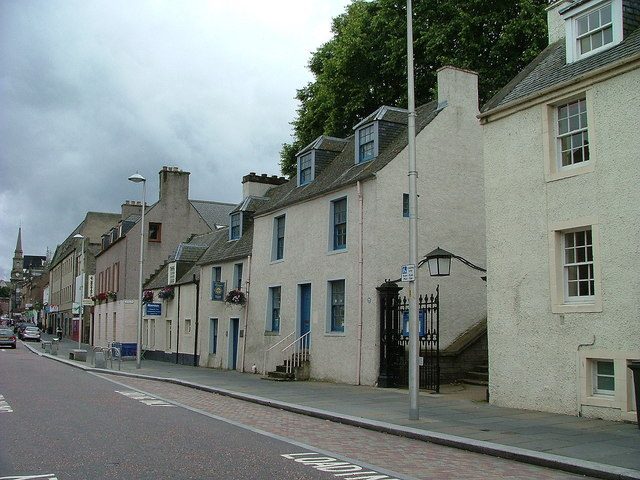
The oldest house in Inverness, built in 1593, harled white with crow-stepped gables and a projecting turnpike stair, standing on Church Street between the bookshop and the pubs. The National Trust for Scotland looks after it and entry is free.
Manage your expectations: two ground-floor rooms with a small exhibition on seventeenth-century Inverness, original oak beams and a marriage stone over the fireplace. Fifteen minutes. But it is free, it is on your route to Leakey’s anyway, and the National Trust for Scotland counts it an important example of sixteenth-century domestic architecture. The house had a Fraser of Lovat connection, which will raise an eyebrow for anyone who has been following the Outlander trail round Scotland.
Opening is seasonal and the hours are short — recent seasons have run roughly June to October, late morning to mid-afternoon. Check the NTS listing rather than trusting a map pin.
Eden Court
Not a sight, but useful. Eden Court on the west bank is the biggest arts venue in the Highlands, with theatres, cinema screens and a bar, and it programmes properly — touring drama, comedy, folk and traditional music, arthouse and mainstream film. On a filthy November evening it is the best thing in Inverness that is not a pub. Look at what is on before you write off a wet night.
The castle, the cathedral, and the kirk on the hill
Inverness Castle: open again, and here is the current position
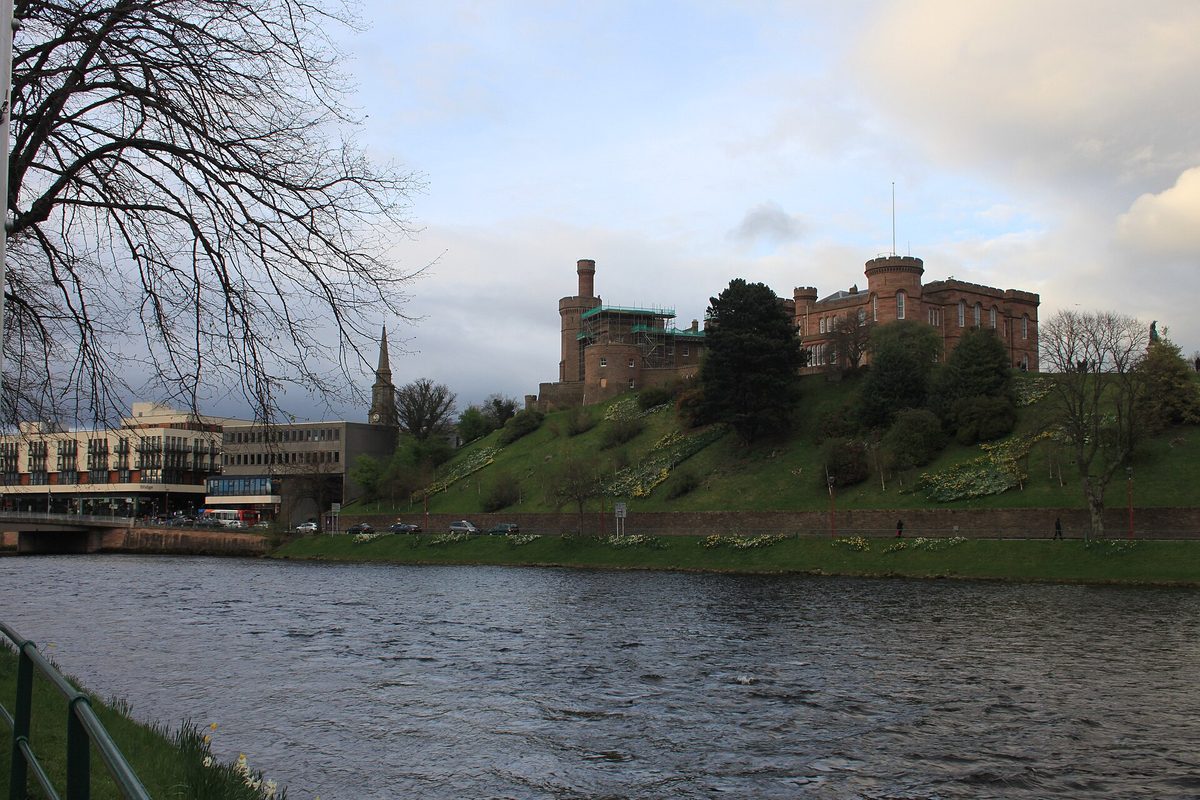
This one needs care, because most articles you will read online are out of date. The castle spent roughly four years closed and wrapped in scaffolding while it was converted into a new visitor attraction. That work is finished. The Inverness Castle Experience had a soft opening in December 2025 and opened fully in February 2026. It is run by High Life Highland, and the redevelopment was reported at around £47 million.
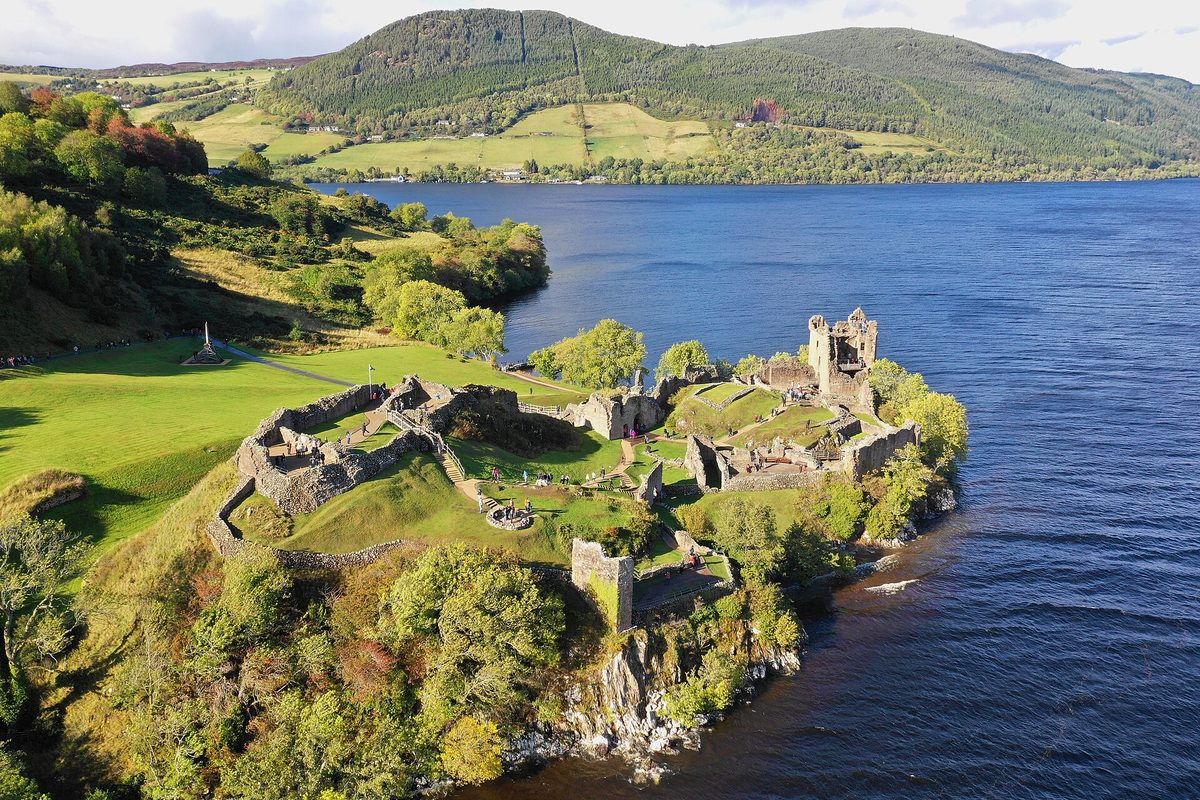
What it is not is a medieval castle. The red sandstone building on the mound dates from the 1830s, built as a courthouse and jail on the site of far older fortresses. If you arrive expecting stone spiral stairs and arrow slits you have the wrong building — for that you want Urquhart Castle on Loch Ness, sixteen miles down the road.
What it is instead is a modern, immersive interpretation centre about the Highlands: film, sound, installations, a section on the band Runrig, embroidered panels telling regional stories, and a roof terrace on the South Tower with a full circle of views over the river, the Great Glen and the Moray Firth. Visitors have been reporting a visit of around two hours.
Prices at the time of writing: around £20 for an adult booked online and £22 walking up, about £18 online for over-65s, roughly £14 online for children aged five to fifteen, with family tickets from about £24. Under-fives and carers go free but still need a ticket. Entry slots run every ten minutes. Opening has been daily except Christmas Day, ten in the morning until seven from April to September with last admission at five, and until six from October to March with last admission at four. Book online: it is cheaper and it guarantees your slot.
The bit worth knowing: the gardens, the shop and the Saltire Bistro do not require a ticket. If you do not fancy paying, you can still walk up the mound, look at the view, poke round the shop and have a coffee. There is also a Highland-themed afternoon tea in the North Tower at around £40 a head, served at set times and requiring booking several days ahead.
Is it worth £20? If you like well-made contemporary museums and you are about to spend a week in the Highlands, yes — it does a good job of framing what you are about to see. If you were hoping to walk round a castle, no. Be clear which you are.
Inverness Cathedral
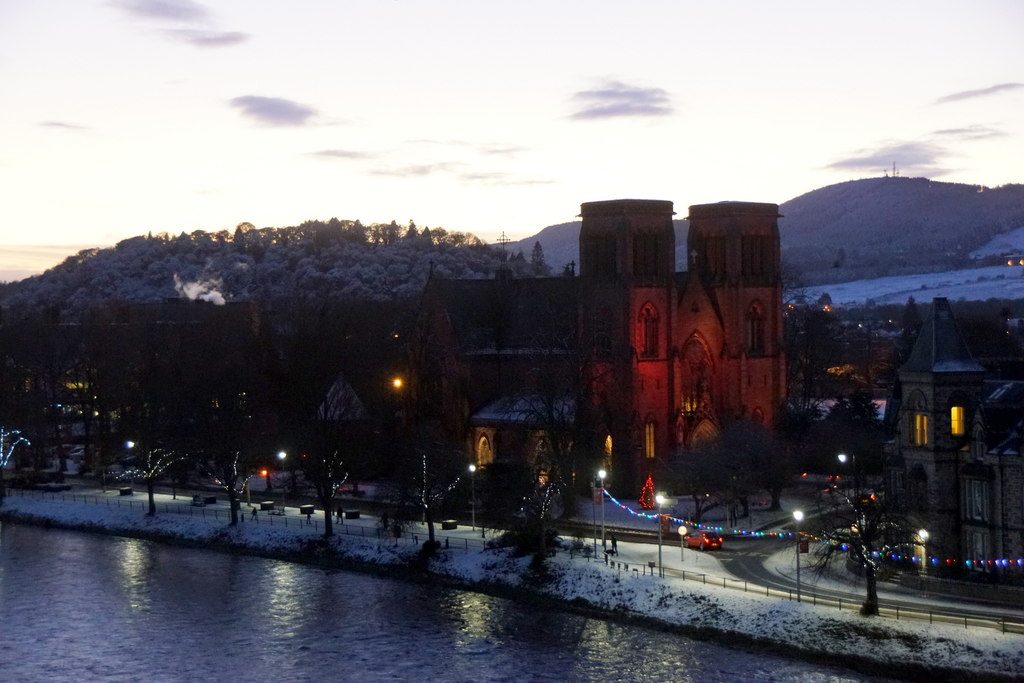
The Cathedral Church of St Andrew sits directly across the river from the castle, and the pairing is the classic Inverness view. It was built in 1866–69 in red sandstone Gothic revival, and it holds a real distinction: the first new cathedral completed in Great Britain since the Reformation. The two towers were meant to carry tall spires which were never added, and honestly the stumpy version suits it.
Inside there is Hardman stained glass, the great west window included, and carved angels on the pulpit, reredos and font. Opening has been nine to six, every day of the year, with a charge of around £6 for adults, roughly £3 for teenagers and £2 for younger children. There is no charge if you are coming in to pray, light a candle or attend a service — the fee is for visiting as a tourist, and the cathedral takes no public funding.
My honest view: twenty minutes and a fiver. If you are on a tight budget and choosing between this and something else, the exterior from Greig Street Bridge gives you most of the pleasure for nothing.
The Old High Church
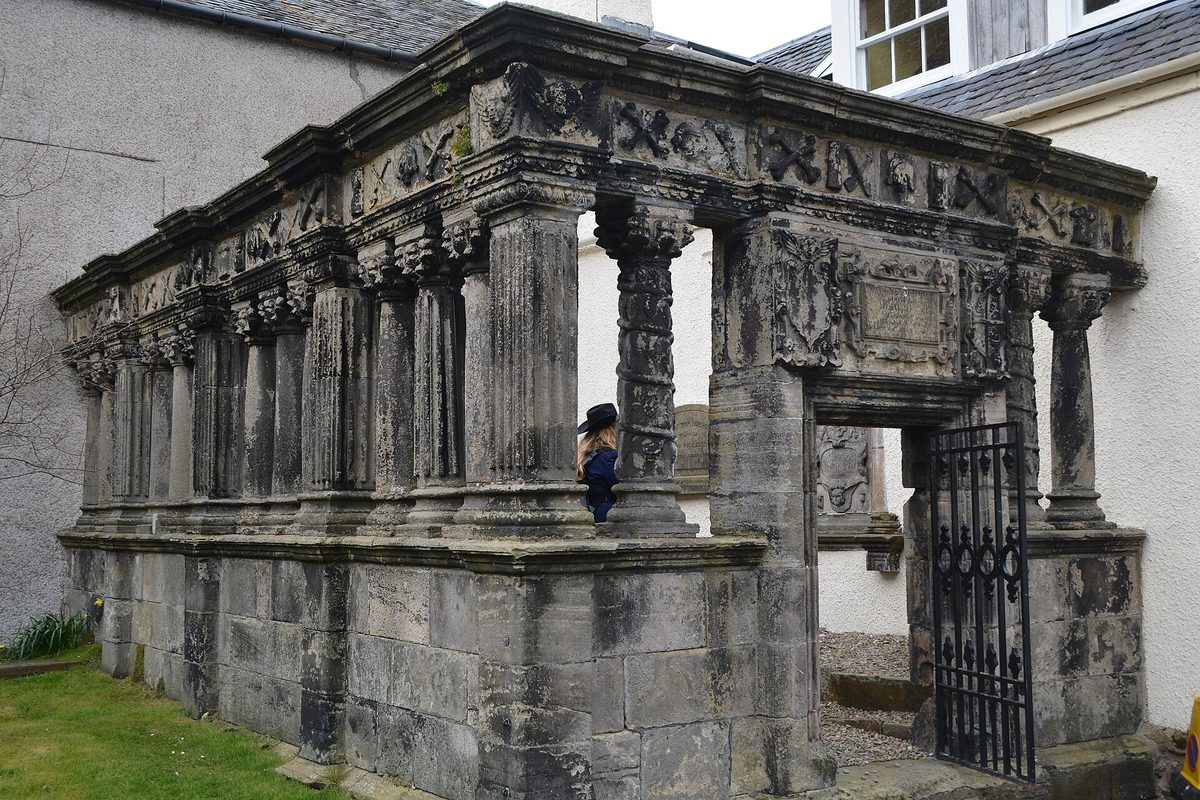
A church on a mound above the east bank, on a site tradition links with Columba’s preaching in the sixth century. The lower part of the tower is fourteenth century and the oldest part of the fabric; the body of the church is eighteenth. During and after Culloden in 1746 it served as a prison for Jacobites, some of whom were executed here.
The status here has changed and most guides have not caught up. The Church of Scotland put the building up for sale, and a community group, Save Old High Inverness, has taken it over with plans for a community hub. The building is closed to the public and no opening date has been set.
The building is not open to visitors, so you will see it from the outside. The view over the river down to the bridges is the real draw anyway, and the walk up from Church Street takes three minutes. If Jacobite history is why you are here, this is the most atmospheric spot in the city and it pairs directly with the Culloden battlefield visit five miles east.
The Town House and the High Street
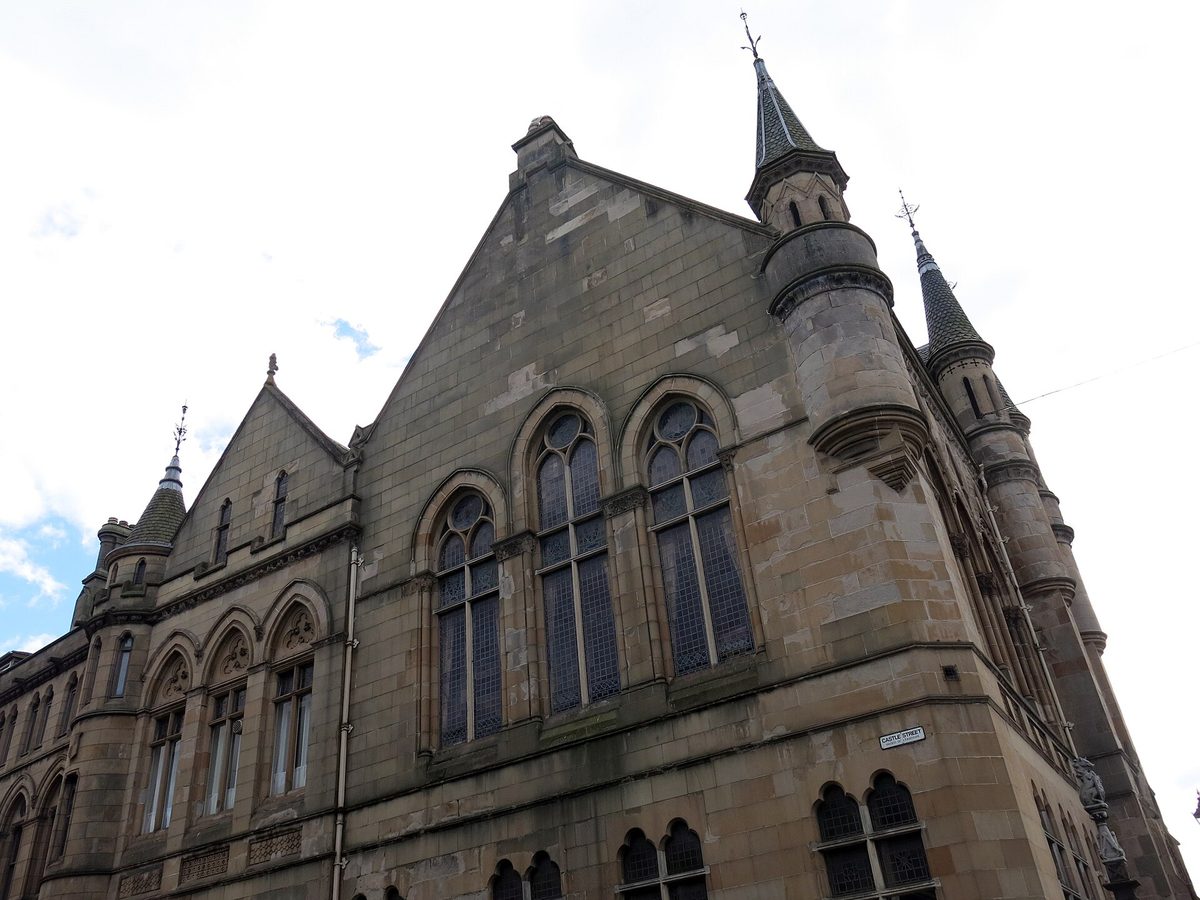
The Town House on the corner of the High Street is a proper piece of Victorian civic Gothic, all turrets and pointed windows, and it hosted the first British cabinet meeting held outside London, in 1921. Free guided tours have been trialled through a local scheme with advance booking, but the programme has been a pilot rather than a fixture, so do not build a day around it — check whether tours are running before you plan.
And now the candid bit. The Inverness High Street is an ordinary British high street. Pedestrianised, granite-fronted, and lined with the same chains you have at home, with the Eastgate Centre at one end. There is a nice Victorian steeple and a stone unicorn and a market cross with the old Clach-na-cudainn stone set into it. There is nothing else there for a visitor. Walk through it, do not plan around it, and spend your time on Church Street and the river instead.
Live traditional music, which is what people actually remember
Ask someone six months after their Inverness trip what they remember and it is almost never the castle. It is a Tuesday night in a crowded bar with a fiddle, a box and a bodhrán three feet away and a pint going warm because nobody wants to move.
Inverness is unusually good for this because it is a real regional capital with a real resident music scene rather than a tourist town importing performers. Two venues in particular, both a two-minute walk apart.
MacGregor’s Bar
On Academy Street, opened in 2017 by Bruce MacGregor, the Inverness fiddler who co-founded Blazin’ Fiddles and spent years presenting traditional music on radio. That pedigree shows in the booking: the music leans properly traditional rather than pub-covers-with-a-tin-whistle, and there is live music seven nights. Good beer list, good food, and it fills up early on weekends.
This is the one I send people to first if they want the real thing.
Hootananny
On Church Street, and the better-known of the two. The ground-floor bar has live music every night, trad sessions and bands both; check its events calendar for who is playing and when. Upstairs there are club nights and ticketed gigs at weekends. It also does food and has rooms above.
Hootananny is unashamedly a tourist favourite and it is all the better for not pretending otherwise — the playing is good, the room is packed, and on a Saturday you will be standing. It has been opening from late afternoon, running to midnight Sunday to Thursday and very late on Friday and Saturday. Some upstairs events are ticketed, so check the listings if there is a specific act you want.
Book a table if you want to eat. Turning up at eight on a summer Saturday and expecting to sit down is optimistic.
The rest of the night
The Gellions on Bridge Street claims to be the oldest pub in Inverness, dating itself to 1841 — a claim that local historians have picked at more than once, with Lauders also in the running, so take the boast with a smile. Either way, there is music seven nights and it is an unpretentious room.
The Victorian Market Hall puts on free music in the food hall at the end of the working week, early enough that it works with children in tow and cheap enough that you can eat while you listen.
One absence to know about: the Ironworks, the venue of around 1,000 capacity on Academy Street that brought touring bands to the Highlands, closed after its final gig on 4 February 2023. The redevelopment scheme for the site fell apart. There is an active local campaign about it. What that means for you is that Inverness has excellent small-room trad music and almost nothing at gig-hall scale, so if you were hoping to catch a touring band, check Eden Court and manage expectations.
A word on Friday and Saturday nights in midsummer. Inverness is a cheap, well-connected city with a lot of bars in a small area, and from about June to August the streets around Bridge Street and Academy Street get loud with stag and hen parties after eleven. It is not threatening, it is just noisy. If you are a light sleeper, pick a room on the west bank or up towards Crown rather than directly over a bar.
Eating and drinking
Inverness punches above its size on food, largely because it feeds the whole region. Book ahead in July and August — the good places genuinely fill.
At the top end, Rocpool on Ness Walk has been running since 2002, sits in the Michelin Guide, and cooks with flavours from around the world, with a river view. The Mustard Seed occupies a converted church overlooking the River Ness, with an upstairs terrace, and has been going since 1995; the fixed-price lunch has long been the best-value proper meal in the city. Both need reservations at weekends.
In the middle, Café 1 on Castle Street is a long-standing bistro that does Highland beef properly. Scotch & Rye on Queensgate does cocktails and large American-style burgers and is loud in a good way.
Cheaper and more interesting: the Victorian Market food hall, as above. Velocity Café on Crown Avenue is a social enterprise combining a bike workshop with a largely vegetarian kitchen, and it is the friendliest room in Inverness — though its opening days have been unusual, so check before you walk up the hill. The Black Isle Bar on Church Street is owned by Black Isle Brewery and pours organic beer alongside wood-fired pizza, with bunk rooms upstairs.
For a dram, Uile-bheist on Ness Bank is a distillery and brewery on the riverbank in the city itself, billed as the first whisky distillery in Inverness in decades, with tours and a taproom. Its own spirit is young, as you would expect. For serious whisky you want Speyside, forty-five minutes east — see our guide to Scotch whisky distilleries. And ten minutes north over the Kessock Bridge, Black Isle Brewery runs tours of the brewery; check the days and times on its own site, especially in winter.
If you want to know what to order rather than where, our primer on Scottish food and drink covers the ground, cullen skink and all.
Where the day trips go
This is not a day-trips article, but you will be doing at least one, so here is the honest ranking with drive times from the city centre.
Loch Ness and Urquhart Castle
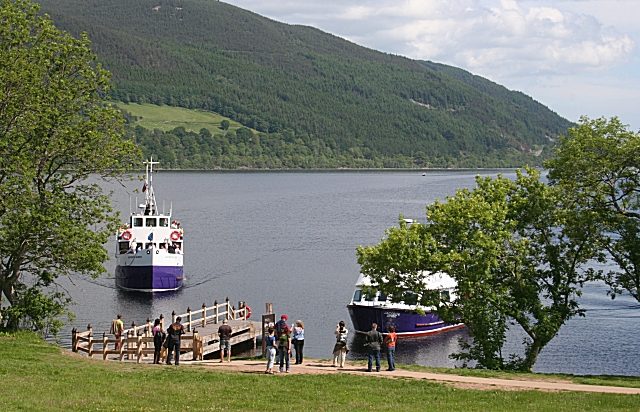
The obvious one, and the reason most people are in Inverness at all — we cover the whole area in our Loch Ness and Inverness regional guide. Urquhart Castle sits on a promontory down the A82. Book online in advance: parking is free, but a space is only guaranteed when you book online. Cruises leave from Dochgarroch and Clansman on the loch, and from the city itself. We have gone into detail on which Loch Ness cruises are worth the money, and taken a harder look at the question in is Loch Ness actually worth visiting. Short version: the loch itself is a long dark trench and looks it; the castle and the boat are what make the day.
Culloden and Clava Cairns
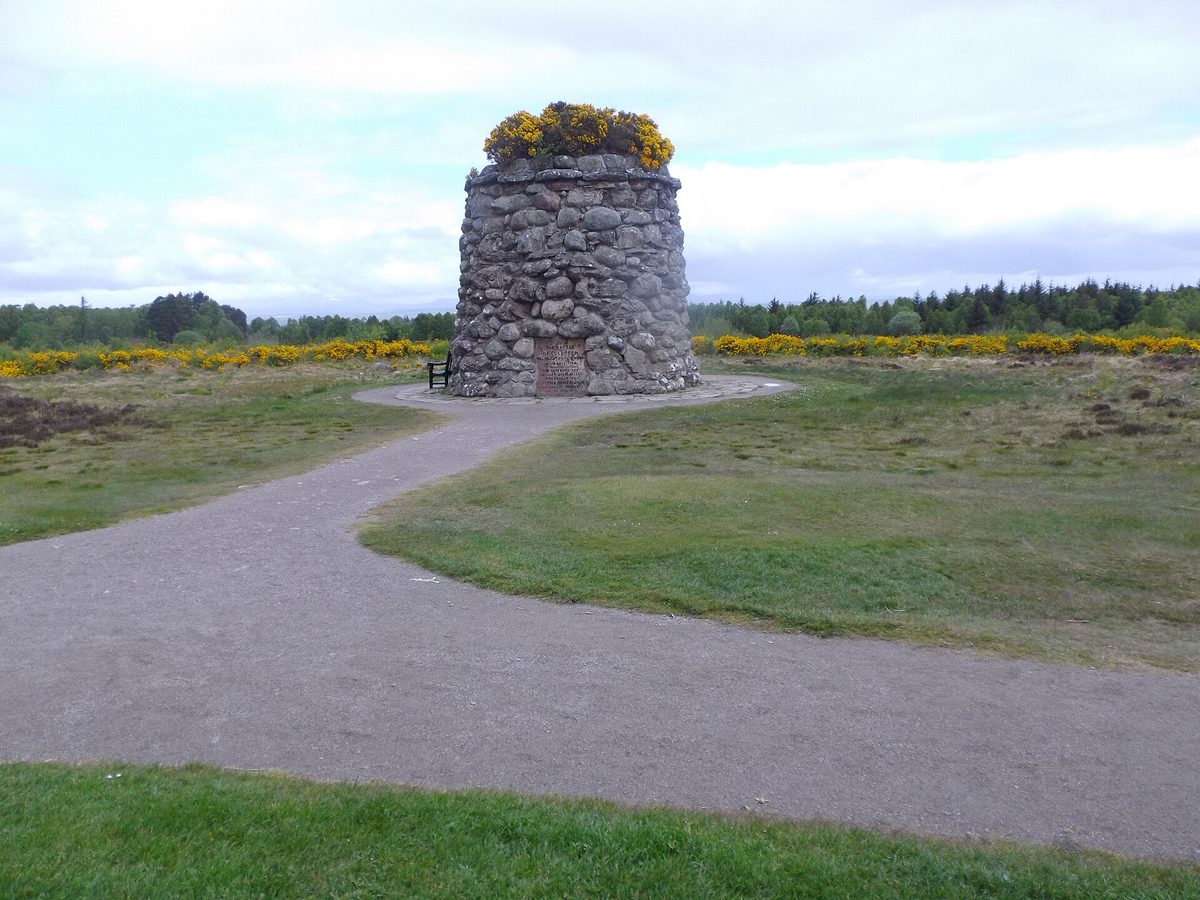
Culloden Moor is five miles east. The battle of 16 April 1746 was over in under an hour and left around 1,600 dead, some 1,500 of them Jacobite. The National Trust for Scotland visitor centre is one of the best-designed museums in Scotland, telling the government and Jacobite accounts on opposite walls of each room, and you should do it before walking the moor rather than after. The battlefield paths are free; parking and the exhibition are charged.
Ten minutes further on, the Clava Cairns are three Bronze Age chambered cairns with standing stones, free and open at all times, and quietly the more moving of the two sites early on a weekday morning.
Fort George and Chanonry Point
Fort George at Ardersier is a vast eighteenth-century artillery fortress, completed in 1769 after the Jacobite rising to make sure it never happened again, and it survives largely unaltered. Historic Environment Scotland runs it; adult admission has been around £10 booked online. The Highlanders’ Museum inside is included in the price and holds the largest regimental collection outside Edinburgh.
Across the water, Chanonry Point on the Black Isle is one of the best shore-based dolphin-watching spots in Europe. Bottlenose dolphins come in to feed on a rising tide; roughly May to September gives the best odds. Check the tide table, arrive an hour before high water, and expect company.
Cawdor, Speyside and the Black Isle
Cawdor Castle is a lived-in family seat with excellent gardens, open seasonally from about April to October, and its Macbeth connection is entirely legendary. Speyside starts around Grantown and is whisky country. The Black Isle is not an island, is barely a hill, and is a very pleasant hour’s driving with Cromarty at the end of it — a small Georgian town that deserves better than the twenty minutes most people give it.
Aviemore and the Cairngorms
The one everybody forgets, because it is south rather than west and does not have a monster in it. Aviemore is thirty miles down the A9 and puts you inside Britain’s largest national park: the funicular and the mountain railway at Cairn Gorm, the ospreys at Loch Garten, Rothiemurchus and the old Caledonian pine forest, reindeer on the hill above Glenmore.
If your Inverness day is going to be a wet one, this is often the better bet than Loch Ness, because the forest walks at Rothiemurchus and Loch an Eilein are sheltered and good in rain, whereas a loch cruise in a squall is a test of character. It is also the drive you are probably doing anyway if you came up the A9 — so consider doing it on the way in rather than as a round trip.
Skye — think twice
Every tour desk in Inverness sells a Skye day trip. It is one of the most popular tours in Scotland. It is also two and a quarter hours each way before you have seen anything, which means a twelve-hour day for a thin slice of a very large island.
If you have no other chance, take it — Eilean Donan on the way is worth the journey on its own. If you have three spare days later in your trip, do not; give Skye its own stay instead, as our Isle of Skye itinerary lays out.
How long to spend, and a plan that works
Two nights is the right answer
One full day for the city and the river, one full day out to Loch Ness or Culloden, two evenings for music and food. If you are moving on to the North Coast 500 or across to the west, that is also exactly the right amount of rest before a long driving stretch.
One day in Inverness
Start at nine with coffee on Church Street. Abertarff House and Leakey’s before the crowds. Up to the Old High Church for the view. Across Ness Bridge and along the west bank, out to the Ness Islands, back down the east bank — that is your two hours and the best of the day. Lunch in the Victorian Market food hall. Inverness Museum and Art Gallery in the early afternoon, or the Castle Experience if you have booked. Greig Street Bridge at golden hour. Dinner, then music at MacGregor’s or Hootananny.
That is a full, satisfying day and it costs very little if you skip the paid attractions.
The second day
Either the Loch Ness side — Urquhart Castle plus a cruise, back for six — or the Culloden side, which pairs the battlefield, Clava Cairns and Fort George into a comfortable day with a car. Do not attempt both in one day; you will spend it in the car park at each.
Without a car, the Loch Ness side is far easier: coach tours and the Urquhart-and-cruise combinations depart from the city centre daily in season. Culloden is reachable on the local Stagecoach bus but takes planning. Our guide to seeing Scotland without a car goes into the detail.
Where to sleep, in one paragraph
Inverness has very few big hotels and a great many six- and eight-room guesthouses, which is why it sells out in a way that surprises people. Three areas are worth knowing. The east bank around Church Street, Academy Street and Bridge Street puts you on top of the bars and the market — ideal for the music, less ideal for sleep on a July Saturday. The west bank along Ness Bank and Ardross Terrace is quieter, five minutes further from the pubs, and lined with Victorian villas turned guesthouse. And the Crown district, up the hill behind the castle, is residential, cheaper, and a short but genuinely steep walk back at midnight.
Whichever you pick, book early. The general rules for the whole country are in our guide to where to stay in Scotland, but the Inverness-specific point is that supply is small and inelastic: when the Highland Games, the Loch Ness Marathon or Belladrum are on, the city is effectively full and prices roughly double.
What to book ahead, and how far
Urquhart Castle timed tickets: at least a few days in high season, more for a specific slot. Loch Ness cruises: a day or two, more in July and August. The Castle Experience: online, ideally the day before, both for the discount and the slot. Restaurant tables at Rocpool and the Mustard Seed: a week in summer. Accommodation: as early as you can, because Inverness runs on small guesthouses with six or eight rooms and they sell out. Car hire: weeks ahead in summer, as Highland supply is tight and prices spike.
Getting to Inverness, and getting around
By train
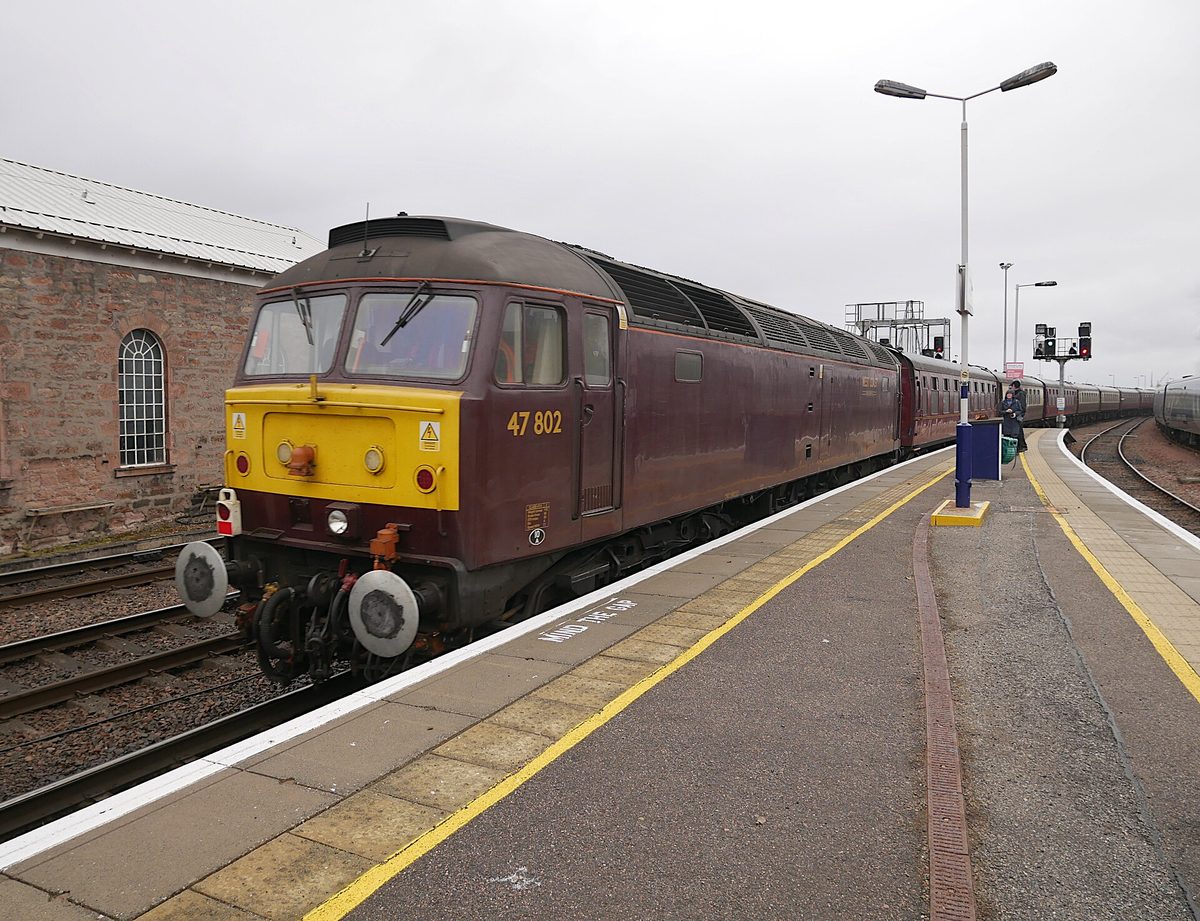
Inverness station is five minutes’ walk from the castle and the reason the city works as a base. The Highland Main Line runs down through Aviemore and Perth to Edinburgh and Glasgow in roughly three and a half hours. Aberdeen is a little over two. The Caledonian Sleeper leaves London Euston in the evening and gets in around a quarter to nine the following morning, which remains one of the great arrivals in British travel.
Two of the finest railway journeys in Britain start here. The Kyle of Lochalsh line runs west through Garve and Achnashellach to the Skye crossing in roughly two and three-quarter hours. The Far North Line runs up the east coast and across the Flow Country peatlands to Thurso in about four hours and Wick in about four and a half, calling at request stops with names like Kinbrace and Scotscalder. Both are covered in our roundup of scenic train journeys in Scotland. Times shift with the timetable, so treat these as approximate.
By air
Inverness Airport at Dalcross is about nine miles north-east. Stagecoach service 1 runs to the city roughly hourly under the current flat regional fare, which has been £2 a journey; a taxi takes around twenty minutes. There is a rail station at the airport with an eleven-minute run into the city, but it is a twenty-minute walk from the platform round to the terminal, so the bus is usually simpler with luggage.
Routes have included London, Manchester, Birmingham, Bristol, Belfast, Dublin, Amsterdam and Frankfurt, plus seasonal sun and island services. Check current operators before you build an itinerary around a specific connection.
By car
The A9 from Perth is the main artery and is a mix of dual and single carriageway with average-speed cameras along much of it; allow three hours from Edinburgh and do not try to make up time. The A96 comes in from Aberdeen, the A82 up the Great Glen from Fort William, the A835 from Ullapool.
In town, city-centre parking is metered and the multi-storeys at Rose Street and the Eastgate Centre are the practical options. Here is the thing though: you do not need a car for the city at all. Everything in this article except the Botanic Gardens is within a fifteen-minute walk of the castle. If you are hiring, consider picking the car up on your second morning rather than paying for a night of parking — the depots are clustered around the station and the airport, and a day saved on hire and parking pays for a decent dinner.
When to go
May, June and September are the best months: long days, the lowest rainfall of the year, and the crowds either building or thinning rather than peaking. Midsummer in Inverness gives you light until well after ten, which effectively adds an evening to every day.
July and August are busy and accommodation prices climb hard. Midges are less of a problem in the city than out on the west coast — you are on a breezy firth, not in a sheltered glen — but you will meet them on the river at dusk in July, so read up on Scotland’s midge season before you plan an evening walk.
October is my quiet favourite: the trees along the Ness turn, the light is low and gold, the salmon are running, and the city empties. Winter is cold, dark and cheap, with a genuine chance of the northern lights on clear nights this far north — you need to be out of the streetlights and looking north, and we have set out realistic odds and dates for catching the aurora in Scotland.
Dates worth building around: the Inverness Highland Games take over Bught Park on a Saturday in mid-July; the Loch Ness Marathon and its associated 10K finish at Bught Park in late September; and Belladrum Tartan Heart, the region’s big music festival, runs at the start of August a few miles west at Beauly. All three fill the city’s beds, so check the dates before you book rather than after.
What underwhelms, and the mistakes I see people make
Expecting a medieval castle. The building on the mound is a Victorian courthouse in red sandstone. It is a fine object in the skyline and the new attraction inside is well made, but it is not an old castle and no amount of marketing changes that.
The High Street. Ordinary. Chains, a shopping centre, a couple of good Victorian frontages. Do not allocate it time.
Booking one night. The most common mistake. One night means arriving at five, eating, sleeping and leaving at nine, and you will see nothing. Two nights is the minimum that lets Inverness be anything other than a bed.
Booking five nights. The opposite mistake, usually made by people who have read that Inverness is the capital of the Highlands and assumed that means it is large. Unless you are deliberately running day trips out of a fixed base, you will run out of city on day two.
Turning up on a Sunday or Monday. The museum shuts both days. Leakey’s shuts Sundays. A Sunday-Monday visit strips out two of the best things in town. Check days, not just hours.
Driving to Loch Ness and just looking at it. A lay-by view of Loch Ness is a grey trench between two hills. It is genuinely underwhelming from the roadside. Either get on the water or go to Urquhart Castle; ideally both.
Trying to do Skye and Inverness in the same 48 hours. You will spend nine of them on a road.
Assuming there is a big-venue gig scene. Since the Ironworks closed, there is not. Small rooms with excellent trad music, yes. Touring bands, mostly not.
Assuming it is all step-free. Inverness is flatter than Edinburgh but it is not flat. The castle sits on a mound, the Old High Church sits on another, and the Crown district is a proper hill. The riverside path and the canal towpath are the level routes. Inside, it is more mixed: the museum has steps at its door and no working lift, the castle’s main roof terrace is accessible but one section is not, and Abertarff House is a sixteenth-century town house with the constraints you would expect. Ring ahead rather than assume.
Underrating the walk. This is the one that costs people the most. The Ness Islands are free, twenty minutes away, and better than anything you will pay for in the city. Do not save them for a spare hour that never comes.
Frequently asked questions
Is Inverness worth visiting?
Yes, for two nights, on the way to somewhere else. The riverside walk, Leakey’s, the market and an evening of live music make a genuinely good short stop, and the transport links make it the natural Highland hub. As a standalone city break it is thin — you will exhaust it faster than you expect.
How many days do you need in Inverness?
Two nights and one full day covers the city comfortably. Add a second full day for Loch Ness or Culloden. Beyond that you have stopped seeing the city and started commuting out of it, which is a fine plan but a different one — see our guide to how many days you need in the Scottish Highlands.
Is Inverness Castle open to visitors?
Yes. After roughly four years closed for a redevelopment reported at around £47 million, the Inverness Castle Experience opened fully in February 2026 and now runs daily except Christmas Day, with adult tickets around £20 booked online. The gardens, shop and bistro are free to enter without a ticket.
Can you walk from Inverness to Loch Ness?
Not sensibly as a day walk to the famous parts. The loch’s northern tip is about six miles from the centre along the canal and river, and Urquhart Castle is sixteen miles further down the A82. Walk the canal towpath for the pleasure of it, then drive, cruise or take a coach for the loch proper.
What is there to do in Inverness when it rains?
Leakey’s Bookshop, the Inverness Museum and Art Gallery, the covered Victorian Market and its food hall, the Castle Experience, Abertarff House, the Botanic Gardens glasshouses, and a film or a play at Eden Court. That is a full wet day without repeating yourself.
Is Inverness expensive?
Less than Edinburgh, more than you would guess for a small city, and sharply seasonal. July and August accommodation can double. The city itself is cheap to enjoy — the river, the market, the museum, Abertarff House and the canal towpath are all free, so it is perfectly possible to have an excellent day here and spend nothing beyond lunch.
Do you need a car in Inverness?
Not for the city. Everything here is walkable, and parking is a cost rather than a convenience. You need wheels for Culloden, Fort George, Cawdor and the Black Isle — or a coach tour, which for Loch Ness is easier than driving anyway.
Is Inverness a good base for the Highlands?
A practical one. It is the official start and finish of the North Coast 500 loop, and Loch Ness, Culloden and the Black Isle are all close by. For scenery, Aviemore or Fort William beat it.
Final thoughts
Inverness will not overwhelm you and it does not try to. It is a working northern city, under 50,000 people in its urban core, with a fast river through the middle, a market, a bookshop in a church, and a set of small bars where people play extremely good music on weeknights for the price of a drink.
Give it two nights, walk out to the islands on your first morning, and let it be what it is: the most useful place in the Highlands, with a very good half-day attached. Then get on the road north or west, which is where you were always going anyway. Our wider Scottish Highlands guide picks up from there.
About the author: This guide was written and is maintained by the ScotlandTourism.org editorial team — travel writers who’ve spent years exploring Scotland’s cities, Highlands and islands, from bagging Munros to chasing the perfect dram. We update our guides regularly to keep prices, opening details and advice current.
Last updated: October 2026. Prices and opening times change — always check the official site before you travel.
Photo credits
All images are used under their respective Creative Commons or public-domain licenses:
- An iron suspension footbridge leading out to the wooded Ness Islands in Inverness — Alan Reid, CC BY-SA 2.0, via Wikimedia Commons
- Inverness Castle in red sandstone above the River Ness, home of the Inverness Castle… — Roger Davies, CC BY-SA 2.0, via Wikimedia Commons
- The River Ness and the Inverness skyline lit up at dusk in winter — Mike Pennington, CC BY-SA 2.0, via Wikimedia Commons
- Inverness Cathedral and its twin towers seen from the castle mound above the River Ness — Mike Pennington, CC BY-SA 2.0, via Wikimedia Commons
- The towpath approaching Muirtown Locks on the Caledonian Canal at Inverness — Mike Pennington, CC BY-SA 2.0, via Wikimedia Commons
- A carved stone mausoleum in the kirkyard of the Old High Church, Inverness — Lewis Clarke, CC BY-SA 2.0, via Wikimedia Commons
- Inverness Town House, the Victorian Gothic civic building on the city’s High Street — Enric, CC BY-SA 4.0, via Wikimedia Commons
- A locomotive at Inverness railway station, the hub of the Highland rail network — Craig Wallace, CC BY-SA 2.0, via Wikimedia Commons
- Suspension footbridges over the River Ness in Inverness, with the cathedral spires on… — Gunnar Klack, CC BY-SA 4.0, via Wikimedia Commons
- The Academy Street entrance to the Victorian Market, one of the main things to do in… — Enric, CC BY-SA 4.0, via Wikimedia Commons
- Inside the Cactus House at Inverness Botanic Gardens — Craig Wallace, CC BY-SA 2.0, via Wikimedia Commons
- Church Street in Inverness, home to Leakey’s Bookshop and Abertarff House — Dave Fergusson, CC BY-SA 2.0, via Wikimedia Commons