Plenty of printed versions of a north coast 500 3 day itinerary look fine on paper and fall apart on the road. The moment of truth usually comes in the evening, in a lay-by near the Kylesku Bridge, with the light going and your bed still a long drive away. Not hard. Not ambitious. Just not possible with stops.
So let me be blunt from the top. Three days is physically achievable — people do it every summer weekend — but the full 516-mile loop in three days is a car endurance event with photo stops, not a holiday. There are better ways to spend the leave you have, and this guide gives you three of them with the mileage and the honest driving hours attached, so you can pick with your eyes open rather than discover the truth somewhere near Scourie.
Can you drive the North Coast 500 in 3 days?
Yes, and no. The full loop works out at roughly 172 miles a day, much of it on slow roads, which only functions in the long days of early summer: Inverness has more than 16 hours of daylight from mid-May to the start of August, and by the end of August that is down to about 14. My advice: drive the west coast half instead, or find a fourth day. Both give you a far better trip.
That’s the short version. The rest of this guide is for the person who has already booked the leave, already booked the flight, and needs the best possible plan inside three or four days. I’ve laid out three options below. Read the driving hours before you read the pretty bits.
Your north coast 500 3 day itinerary options at a glance
| Option | Route | Total miles | Driving hours | Nights on the road | Best for |
|---|---|---|---|---|---|
| 1. Full loop, 3 days | Inverness → Durness → Gairloch → Inverness (anticlockwise) | The whole loop | Longest of the four: long days with little time out of the car | 2 (Durness, Gairloch) | Badge collectors, in the longest days of summer only |
| 2. West coast half, 3 days | Inverness → Applecross → Torridon → Ullapool → Assynt → A835 home | Well short of the full loop | Shortest of the four | 2 (Shieldaig, Ullapool) | Almost everyone — the one I’d pick |
| 3. Four days, two bases | As option 2, plus a full day in Assynt from an Ullapool base | Option 2 plus the Assynt loop | A little more than option 2, spread over an extra day | 3 (Shieldaig, Ullapool ×2) | Anyone who can squeeze out one extra day |
| 3b. Full loop, 4 days | Inverness → Durness → Ullapool → Applecross → Inverness | The whole loop, with the Assynt coast | As long as option 1, over four days | 3 | Completists with a bit more sense |
| Not covered here | The full loop in 2 days | 516 | Two days of almost nothing but driving | 1 | Nobody. Please don’t. |
The arithmetic every other guide leaves out
The official route is 516 miles. Divide by three and you get 172 miles a day. That number sounds harmless if you drive 172 miles down a motorway in under three hours at home. It is not the same thing here.
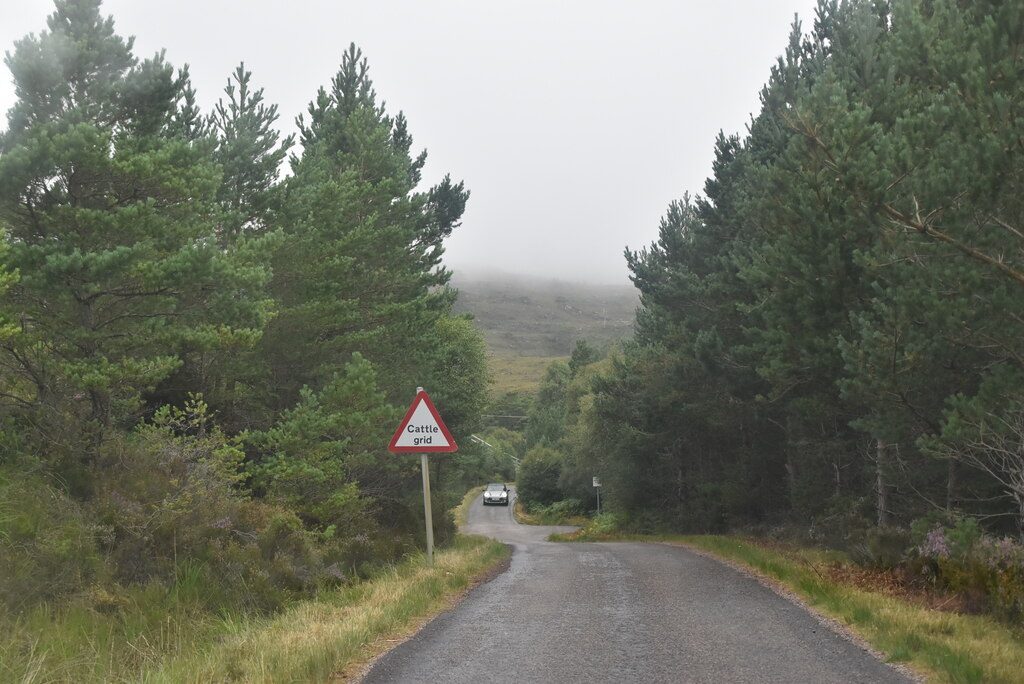
Large sections of the west and north coasts are single track with passing places. The A894 north of Kylesku, the B869 through Assynt, the coast road round the Applecross peninsula, the A838 from Durness to Tongue — all of them are roads where 30mph is a decent average and 40mph means you’re driving badly. Even the wider stretches are constant bends, blind summits, sheep and cattle grids. Across a full lap, even with the fast A9 miles up the east coast, allow far more time than the distance suggests.
So 172 miles a day is a long stint of wheels turning. That’s the bit the itineraries print. Here’s the bit they don’t: on a scenic route you stop. Fuel, coffee, loo, a castle, a beach, three viewpoints, one wrong turning, twenty minutes stuck behind a motorhome that won’t use the passing places. Add those up and a day’s driving turns into a day out of the door from breakfast to evening.
Do that three days running and you will have spent your entire holiday in a driving position. Which brings us to daylight.
Daylight is the hard constraint, not stamina
You cannot drive the NC500 in the dark and get anything out of it. Those numbers only work when the sun is up long enough to absorb them. Roughly, at Inverness — and remember Durness sits a full degree further north, so it gains more in June and loses more in December:
| Month | Approximate daylight at Inverness | Full loop in 3 days? |
|---|---|---|
| Mid-March | ~11h45 | No — you’d finish two days in the dark |
| Mid-April | ~14h | Marginal, and only with 7am starts |
| Mid-May | ~16h35 | Yes |
| Mid-June | ~18h | Yes — the only genuinely comfortable window |
| Mid-July | ~17h | Yes, but the roads are at their busiest |
| Mid-August | ~15h | Yes, just |
| Mid-September | ~12h50 | Marginal — do the west coast half instead |
| Mid-October | ~10h25 | No |
| November–February | ~6h35–10h30 | Absolutely not |
If your leave falls outside May to August, stop reading option 1 and go straight to option 2. It isn’t a compromise, it’s an upgrade. Our guide to the best time of year to visit Scotland goes into the seasonal trade-offs properly.
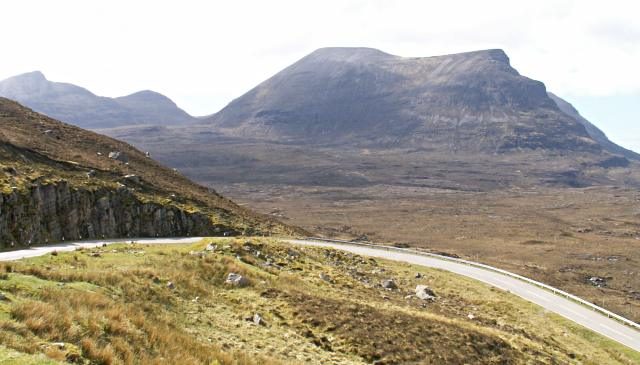
Which option should you pick?
Four questions, and they take about ninety seconds to answer honestly.
Is your trip between mid-May and mid-August? If no, option 1 is off the table regardless of how much you want it. Go to option 2.
Is there more than one driver? If you’re solo, five-hour driving days three days running are a safety question, not a comfort one. Take option 2 or 3.
Do you care more about the complete lap or about the scenery? There is no wrong answer here, but you should know which one you’re optimising for before you book, because the two plans are almost mutually exclusive. If the answer is the lap, own it and take option 1 with a clear head.
Could you plausibly find a fourth day? A day of unpaid leave, a Friday night flight, a later flight home. If yes, take it — option 3 is better value than any other change you can make.
Option 1: the full loop in three days, anticlockwise
If you want the badge, here it is. I’m running this anticlockwise, by which I mean north out of Inverness on the A9 up the east coast first, across the top, then down the west coast home. People label the two directions inconsistently and argue about it endlessly, so ignore the word and read the towns.
The reason for going this way on a three-day trip is simple: the east coast is the fastest ground on the route and also the least interesting. Get it done on day one while you’re fresh and the tank is full, and you buy yourself two days in the good stuff. Go the other way and you finish your trip on the A9 in the rain, which is a miserable way to end anything.
| Day | Route | Miles | Driving | Realistic day length | Sleep |
|---|---|---|---|---|---|
| 1 | Inverness → Wick → Thurso → Durness (A9, A99, A836, A838) | Long | Long, fast on the A9 | Most of the day | Durness |
| 2 | Durness → Kylesku → Lochinver → Ullapool → Gairloch (A838, A894, A837, A835, A832) | Long | Long, slow in places | Most of the day | Gairloch |
| 3 | Gairloch → Torridon → Applecross → Bealach na Bà → Inverness (A832, A896, A890) | Long | Long, with the pass to climb | All day | Home |
Day 1: Inverness to Durness via Wick and Thurso
Set an alarm. Genuinely. You want to be on the A9 north by seven, and if you are staying in town the night before you should have paid for parking somewhere you can reach at that hour.
The A9 to Wick is the one part of the loop where you make proper time. Golspie and Dunrobin Castle come up about 50 miles north of Inverness and this is the single east-coast stop I’d defend on a three-day trip — a French-chateau silhouette above its own gardens, with falconry displays in season. It’s open roughly April to October; check dunrobincastle.co.uk before you commit an hour to it. If you’re building a wider trip around Scotland’s castles, this is your one hit on the NC500 that isn’t a roofless ruin.
North of Helmsdale the road climbs the Berriedale Braes, which used to be a genuinely alarming hairpin descent and has since been realigned. Past Latheron, if you have time in hand and strong knees, the Whaligoe Steps drop several hundred stone steps down a cleft in the cliff to a tiny former herring harbour. It’s the most memorable thing on the east coast and almost nobody stops.
Wick, Duncansby Head, Thurso. I’d take Duncansby Head over John o’Groats every time — a walk over sheep-cropped grass from the lighthouse gets you to the Duncansby Stacks, two enormous sea pyramids standing off the cliff, and it costs you nothing but the walk.
Then the long westward run on the A836 through Bettyhill and over the Kyle of Tongue causeway, with Ben Loyal standing up on your left like something drawn by a child who’d been told what a mountain should look like. This last stretch is where the day bites, and it is slower than the map suggests.
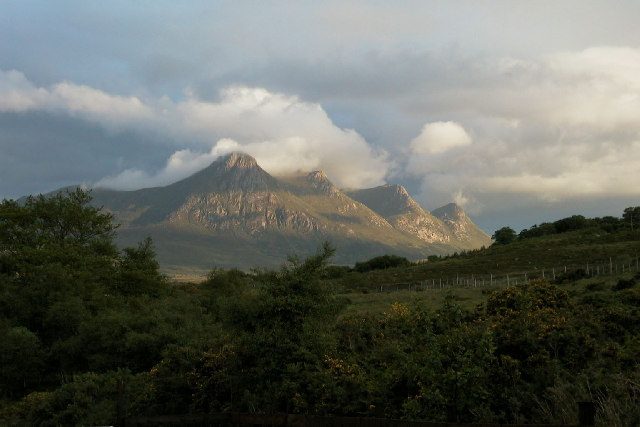
Durness for the night. Smoo Cave sits at the edge of the village and the outer chamber is free to walk into; the boat trip through to the inner cave is seasonal and gets cancelled after heavy rain.
Day 2: Durness to Gairloch via Kylesku and Ullapool
Shorter on paper, slower in practice, and the best day of the three. The A838 south from Durness runs along Loch Eriboll and then across some of the emptiest country in Britain before the A894 delivers you to Kylesku.
Stop at the lay-by on the south side of Kylesku Bridge. The bridge is a curved concrete span opened in 1984 and it is genuinely one of the finest pieces of engineering on the route, with Quinag piled up behind it.
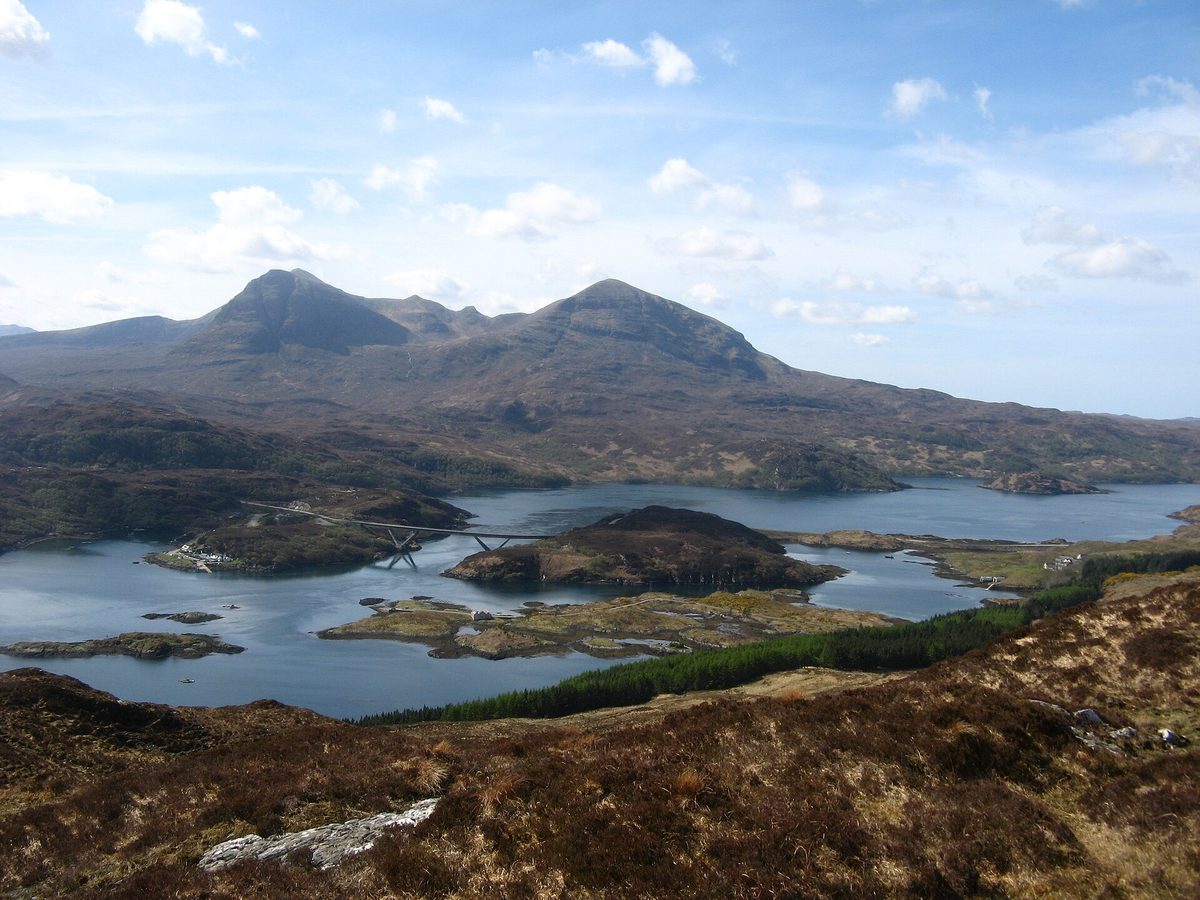
South of Kylesku you have a decision. The A837 runs straight past Loch Assynt to Ardvreck Castle and on to the A835. The B869 loops out to the coast through Drumbeg and Clachtoll, with Achmelvich down a side road off it, and it is spectacular and extremely slow — single track, blind, steep, and far slower than the direct road. On a three-day full loop you do not have that time. Take the A837, pull in at Ardvreck Castle, buy a pie at the Lochinver Larder if you detour that far, and keep moving. This is precisely the sacrifice that a fourth day undoes.
Ullapool for a late lunch, then the A835 south to Corrieshalloch Gorge — a mile-long slot in the rock with a suspension footbridge slung across it, run by the National Trust for Scotland. Then west on the A832 past Ardessie Falls, Gruinard Bay and Inverewe Garden at Poolewe, and into Gairloch for the night.
Day 3: Gairloch to Inverness via Applecross
This is the hardest day and the one people underestimate, because the map looks short and the roads are the slowest on the route.
The A832 runs down the side of Loch Maree with Slioch across the water — if you get one clear morning on your trip, hope it’s this one. Then Kinlochewe, and the A896 through Glen Torridon, which for my money is the best twenty-five miles of driving in Scotland. Liathach fills the entire windscreen. There is a Countryside Centre car park at the foot of it, and you should get out for ten minutes even though you are behind schedule.
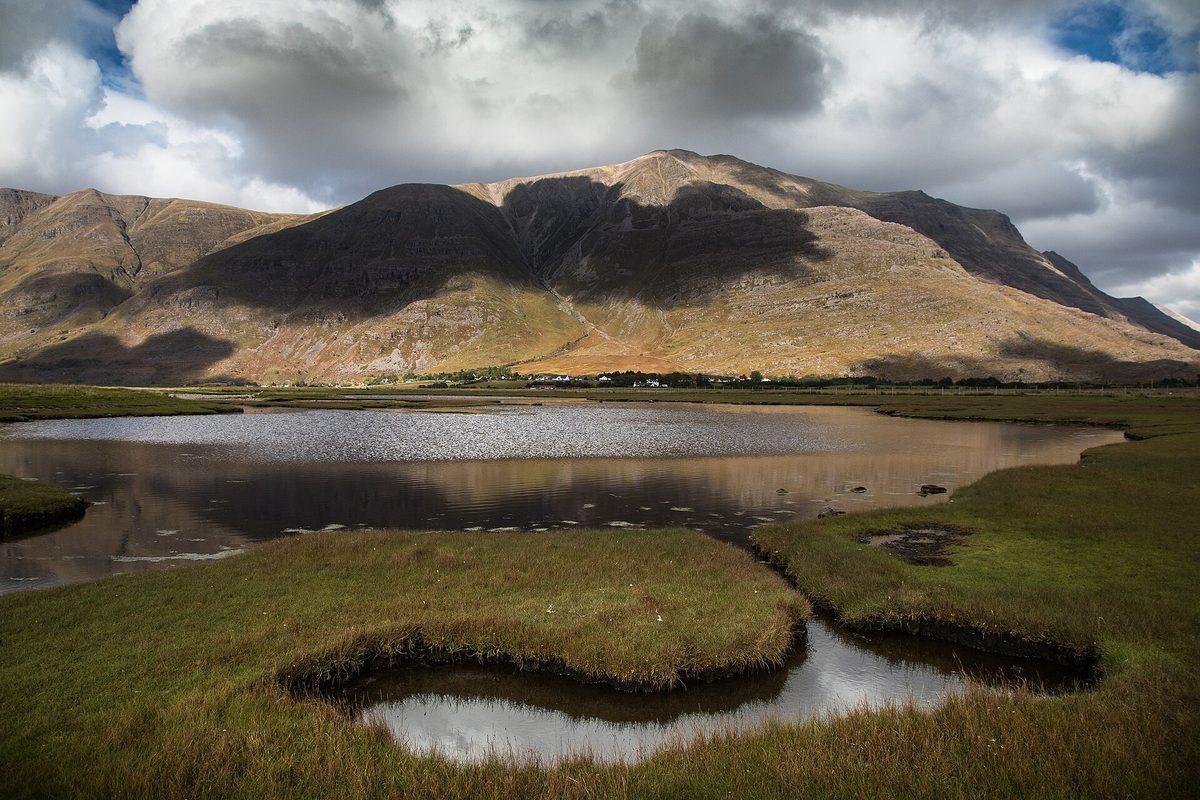
Shieldaig, then the Applecross coast road: single track all the way round the peninsula, slower than it looks on the map and worth every minute. Lunch at the Applecross Inn if you booked; if you didn’t book, you’re queueing.
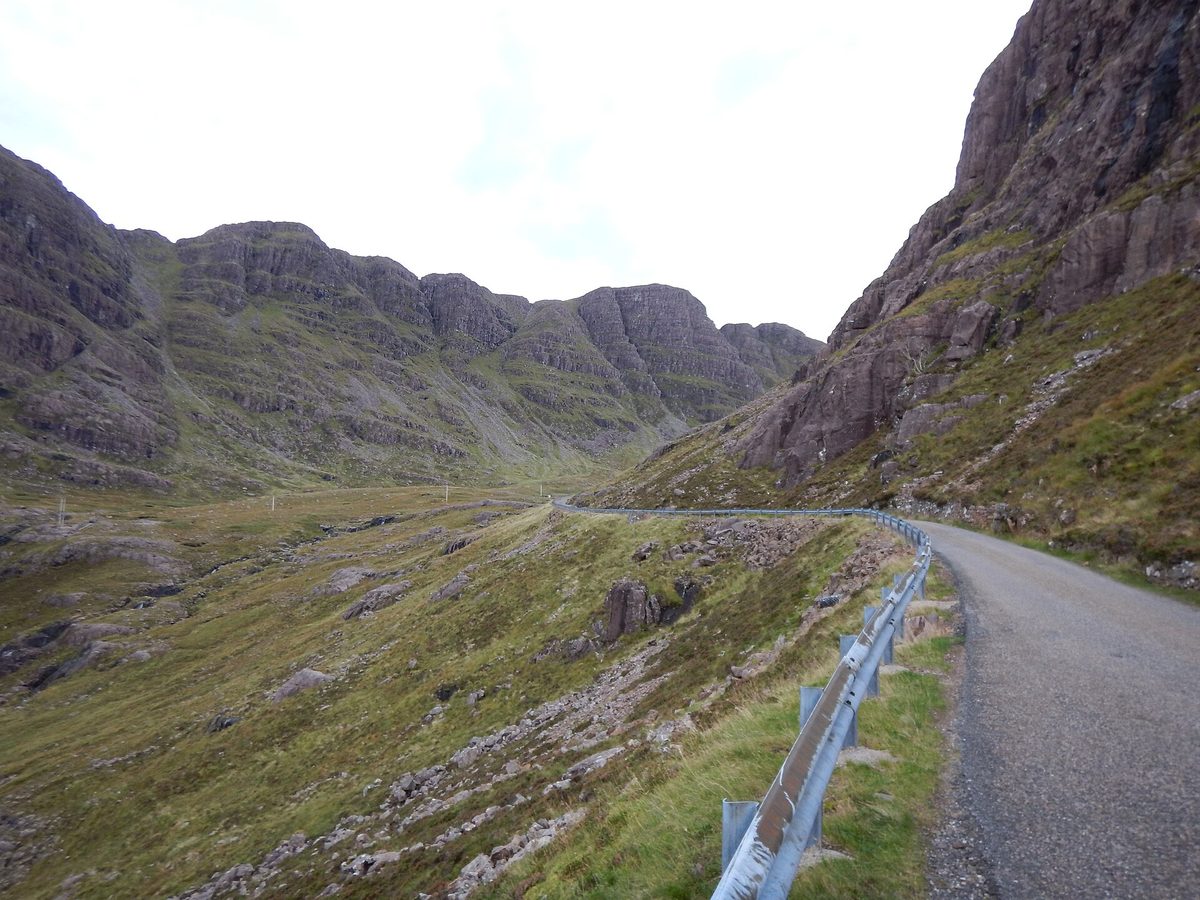
Then the Bealach na Bà, which climbs to 626 metres in a series of hairpins: the greatest continuous ascent of any road in the UK, with gradients touching 20 per cent. It is signed as unsuitable for learner drivers, caravans and large vehicles, and it closes in snow and ice. Drive it in second gear, use the passing places, and don’t let anyone hurry you.
Down to Tornapress, along Loch Carron, and then the long unglamorous run home on the A890 and A832 through Achnasheen and Garve. You will have driven the whole loop in three days and you will have seen a great deal of it through glass.
Option 2: the three-day west coast half — what I’d actually do
Here is the version I recommend to friends, and the one I’d book myself if someone handed me a long weekend tomorrow. You drive Inverness to Applecross, Torridon, Ullapool and the edge of Assynt, then come home down the A835. That is a good deal shorter than the full 516 miles, with far fewer hours at the wheel.
What you give up is the north coast and the east coast. What you keep is Bealach na Bà, Applecross, Torridon, Loch Maree, Gairloch, Corrieshalloch, Ullapool and a taste of Assynt — which is to say most of the scenery people actually came for. The north coast is beautiful and I’d never tell you to skip it forever. I’m telling you to skip it this time, and come back.
| Day | Route | Miles | Driving | Sleep |
|---|---|---|---|---|
| 1 | Inverness → Lochcarron → Bealach na Bà → Applecross → Shieldaig | Moderate | Slowed by the pass | Shieldaig or Torridon |
| 2 | Shieldaig → Kinlochewe → Gairloch → Poolewe → Dundonnell → Ullapool | Moderate | Relaxed, with time to stop | Ullapool |
| 3 | Ullapool → Knockan Crag → Ardvreck → Lochinver → back down the A835 to Inverness | Longest of the three | The longest day at the wheel | Home |
Day 1: Inverness to Shieldaig over the Bealach
A relaxed start, which is the entire point. Head west on the A835 and A832, and if you fancy stretching your legs early, Rogie Falls has a short forest walk and a suspension bridge over the Black Water. Lochcarron makes a decent coffee stop, and there’s a fuel station there — use it, because the peninsula is thin on pumps.
Then Tornapress and up. The Bealach na Bà is the reason you came, and doing it on day one with a full day’s daylight in hand rather than at four in the afternoon on a schedule is a completely different experience. At the top there’s a car park and, on a clear day, the Cuillin of Skye laid out across the water. On a bad day you’ll see fifteen metres of wet tarmac and a cloud. Both are memorable; only one is photogenic.
Applecross village sits in a bay on the far side. Give yourself the afternoon here, then take the coast road north to Shieldaig for the night, which is a further hour of single track and one of the loveliest hours you’ll spend in a car.
Day 2: Shieldaig to Ullapool the slow way
Ninety-five miles and under three hours of driving, which means a proper day rather than a transit. Start with Glen Torridon in the morning light — drive east up the A896 to the Torridon Countryside Centre and back if you slept in Shieldaig, or straight out if you slept at Torridon itself.
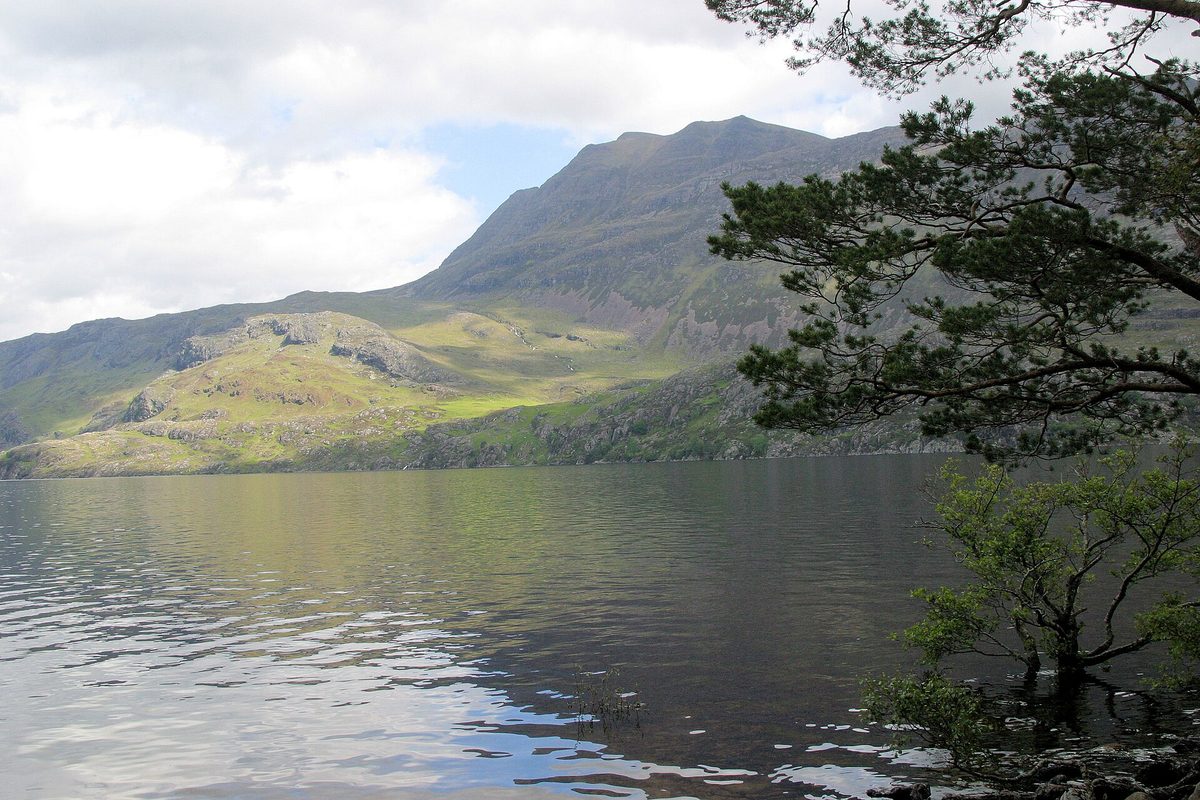
Then the A832 north past Loch Maree. Victoria Falls has a small signed car park and a five-minute walk. Gairloch has beaches, a small museum and the best food options for thirty miles in either direction. Inverewe Garden at Poolewe is worth ninety minutes if you like plants and is skippable if you don’t.
North again past Gruinard Bay, one of the better sand beaches on this coast and rarely busy — our round-up of the best beaches in Scotland has more of them if you want to build a day around sand rather than mountains. Ardessie Falls tumble down beside the road at Dundonnell with An Teallach behind, then it’s Corrieshalloch Gorge and a short run north into Ullapool.
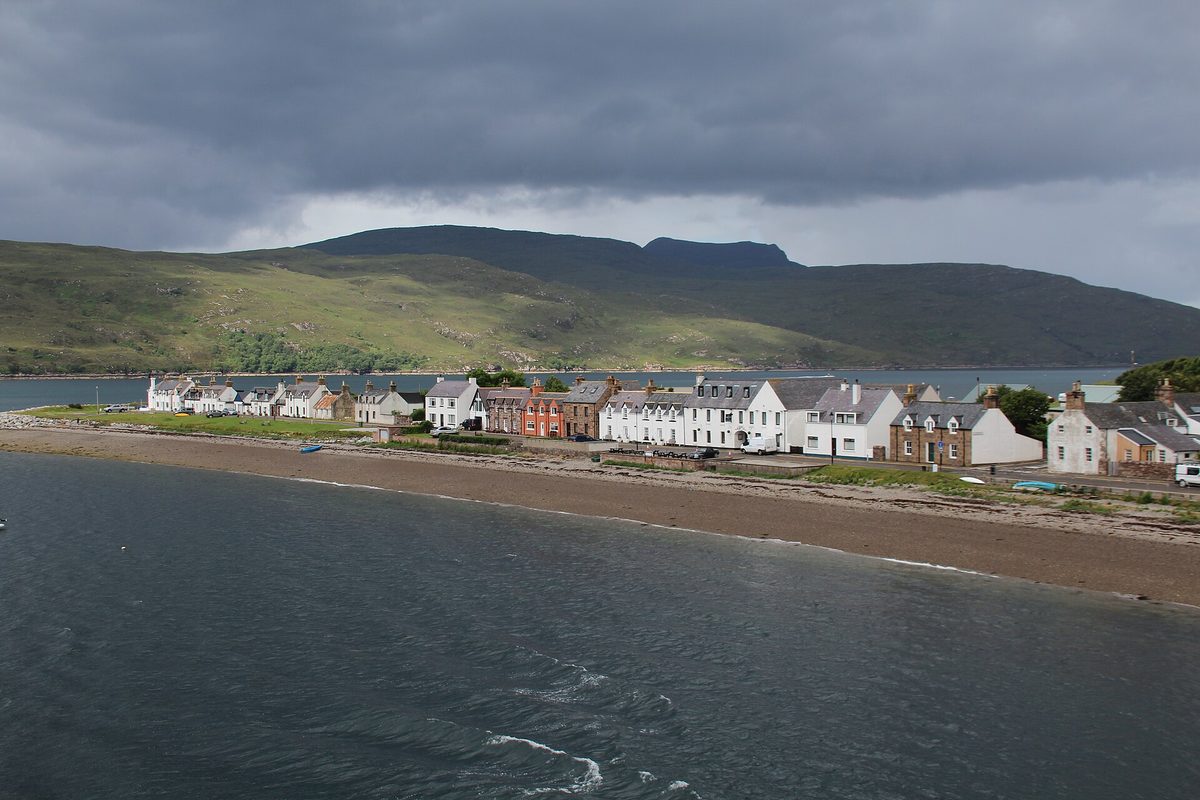
Ullapool is the best small town on the route: a proper working harbour with the CalMac ferry to Stornoway coming and going, a row of white houses along the shore, and more places to eat than anywhere else north of Inverness. Book a table.
Day 3: a taste of Assynt, then home
Head north on the A835 and A837. Knockan Crag is a free nature reserve with a short hillside trail and interpretation boards explaining the Moine Thrust, which is the geological fault that turned Victorian science on its head. It is a better twenty minutes than it sounds.
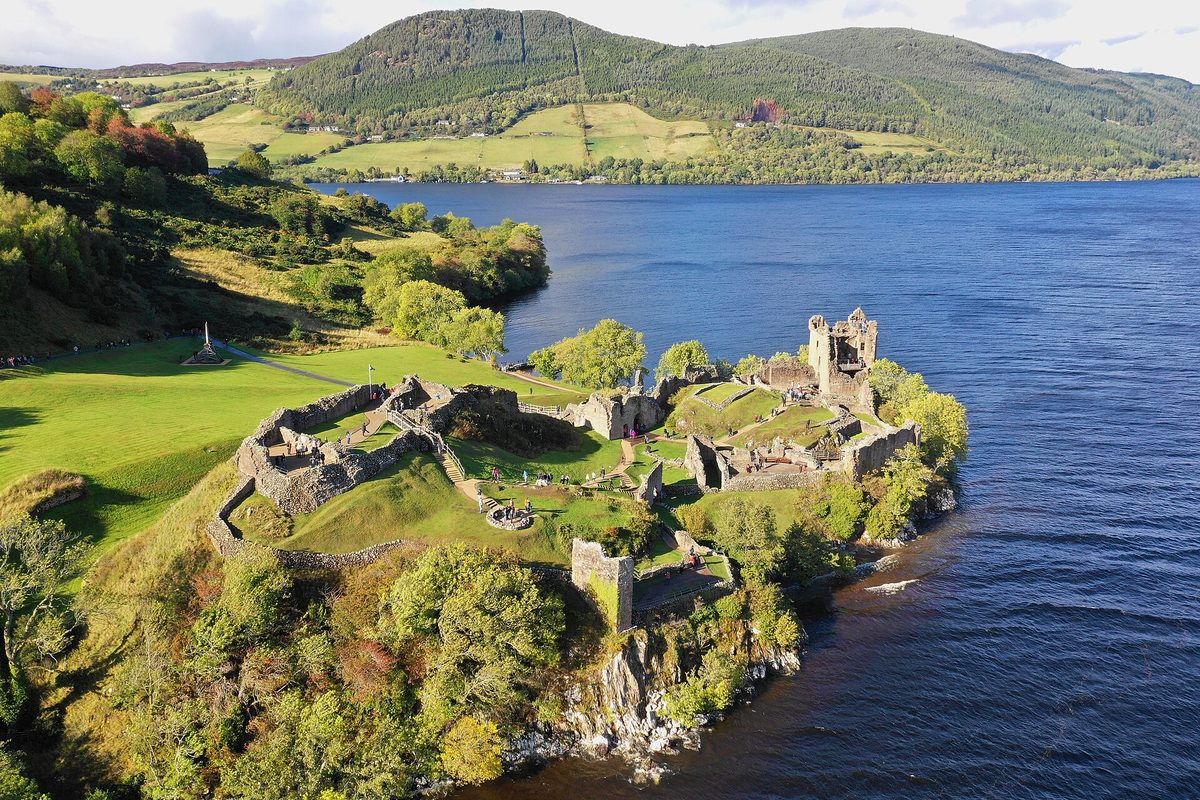
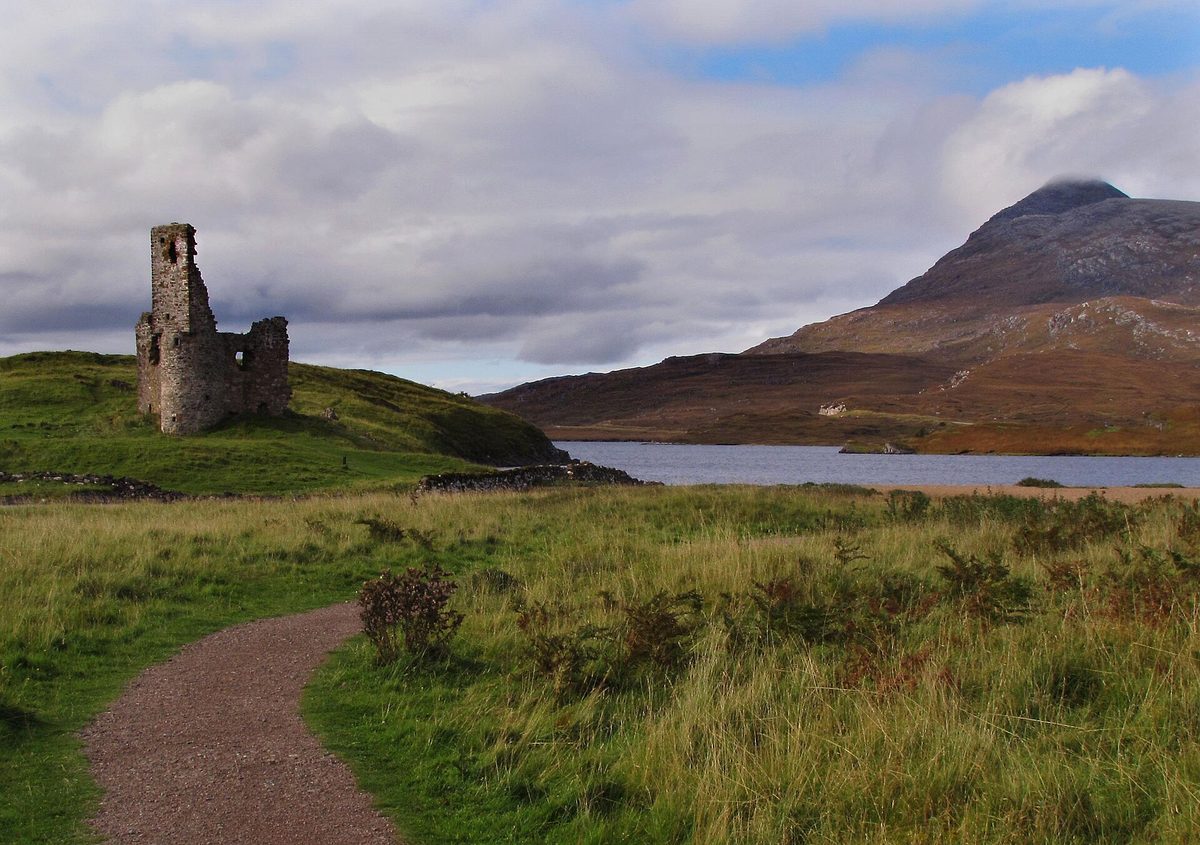
Ardvreck Castle stands on a spit in Loch Assynt with Quinag behind it, five minutes from a free roadside car park. Push on to Lochinver for a pie from the Larder, then turn round and come back down the A835.
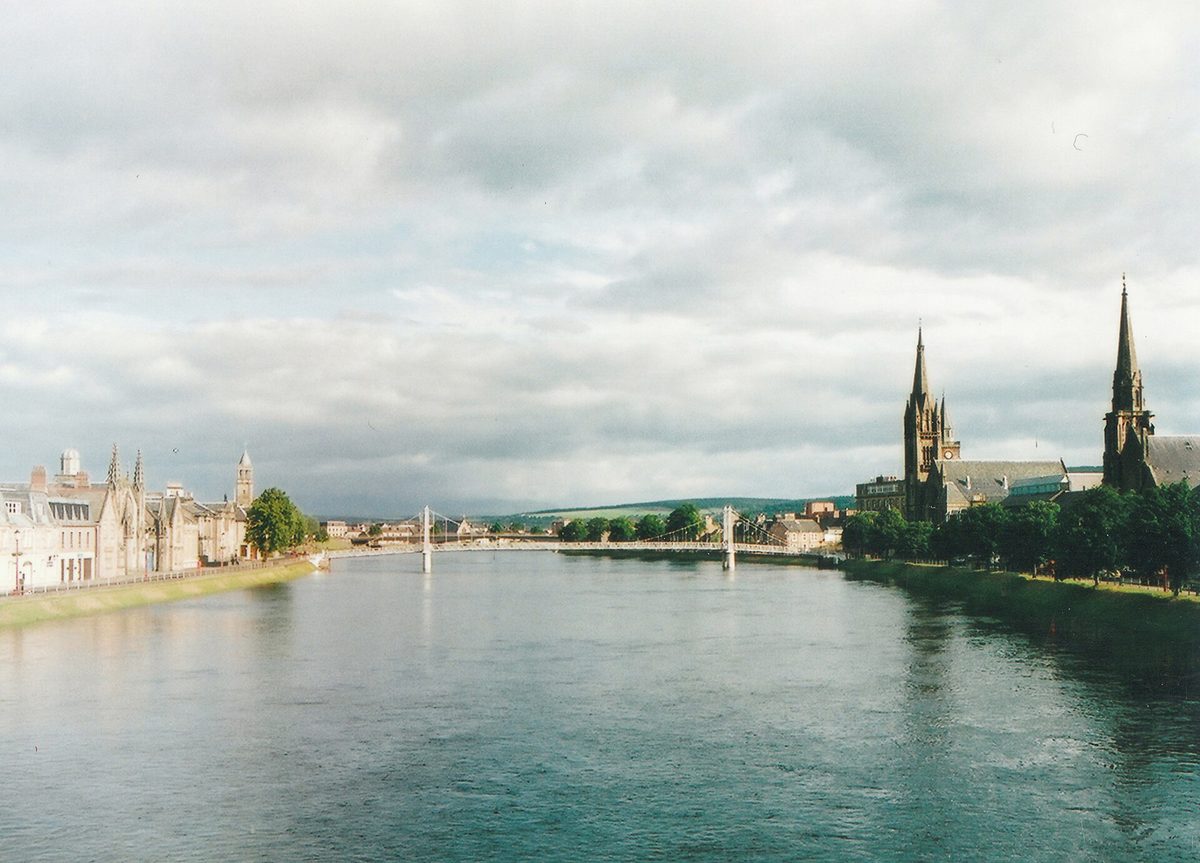
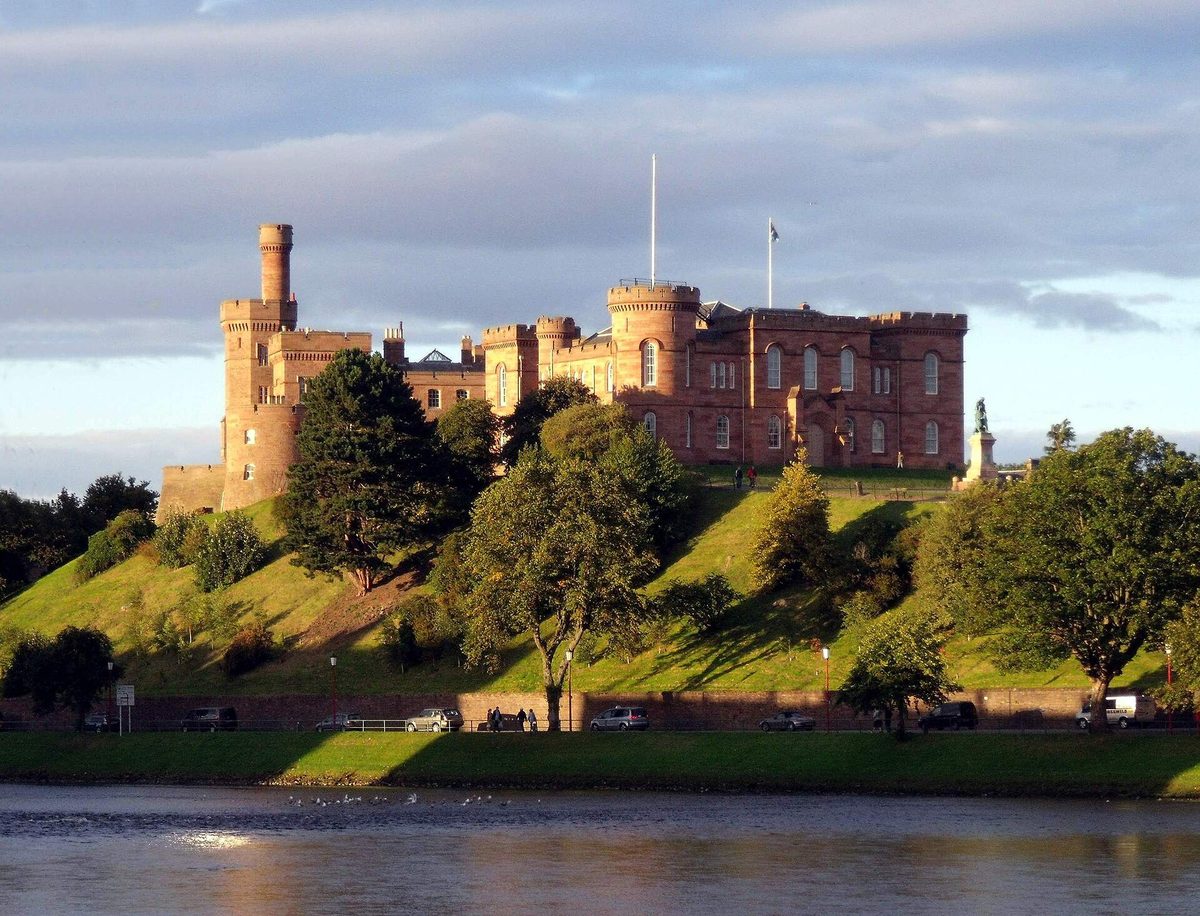
You’ll be in Inverness by early evening with time for a walk along the River Ness and a decent dinner. If you have an extra hour, the Black Isle is fifteen minutes out of town and Chanonry Point is one of the best places in Britain to see bottlenose dolphins from dry land, usually on a rising tide. Our guide to Inverness and Loch Ness covers what to do with a spare afternoon at either end of the trip.
Option 3: four days, which is where the trip starts to breathe
If you can find a fourth day, find it. It is worth more than any other change you can make to this trip, and it costs you one extra night’s accommodation and nothing else.
The fourth day doesn’t go into more miles. It goes into Assynt — the stretch between Ullapool and Kylesku that is, to my eye, the strangest and best landscape in Scotland. Suilven, Stac Pollaidh, Canisp and Quinag stand up out of a bog of lochans like isolated ruins, because that’s more or less what they are: sandstone survivors sitting on a floor of gneiss three billion years old. On a three-day trip you drive past it. On four days you get inside it.
And critically, the four-day version lets you sleep two nights in Ullapool. Which brings me to the single best piece of logistical advice in this guide.
| Day | Route | Miles | Driving | Sleep |
|---|---|---|---|---|
| 1 | Inverness → Bealach na Bà → Applecross → Shieldaig | Moderate | Slow over the Bealach | Shieldaig or Torridon |
| 2 | Shieldaig → Loch Maree → Gairloch → Corrieshalloch → Ullapool | Moderate | Easy-going | Ullapool |
| 3 | Assynt loop: Knockan Crag, Ardvreck, Lochinver, B869 (Achmelvich, Clachtoll, Stoer), Kylesku — back to Ullapool | Moderate | Slow: the B869 is single track | Ullapool again — no packing |
| 4 | Ullapool → Inverness, with Rogie Falls and the Black Isle | Shortest of the four | Short, with time for stops | Home |
What day three actually buys you
The B869. That’s what it buys you. This is the single-track coast road that leaves the A837 near Lochinver, loops out past Achmelvich and Clachtoll to Stoer, then rejoins the A894 at Unapool. It is slow, narrow and steep, and every mile of it is worth it.
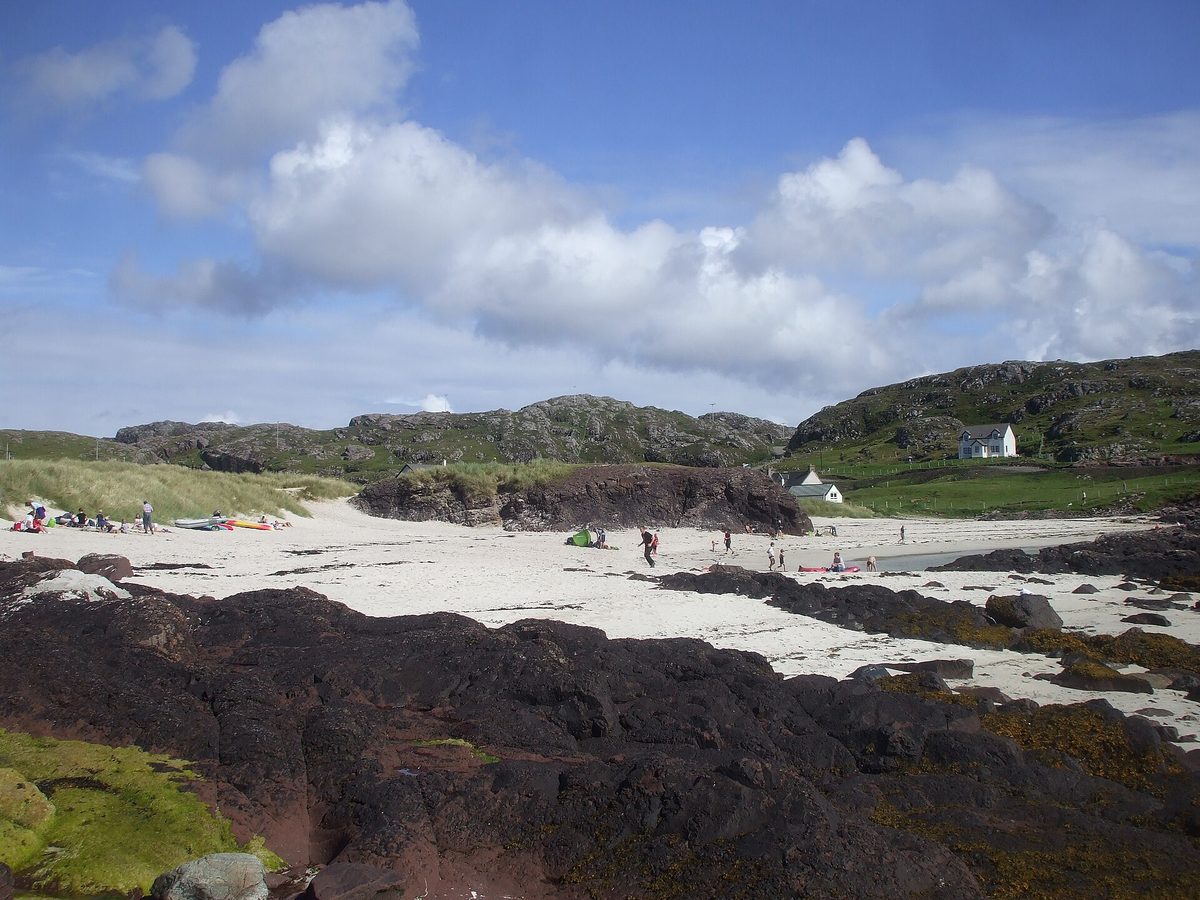
Achmelvich is a small crescent of white sand in a rocky cove that looks like it’s been airlifted in from somewhere considerably warmer. The car park is tiny and fills by eleven in July. Clachtoll, further along the B869, is bigger, has parking by the campsite, and is where I’d actually spend an hour. From Stoer lighthouse it’s a two-mile walk each way over the cliff tops to the Old Man of Stoer, a sea stack standing clear of the coast — allow two hours there and back and don’t attempt it in a gale.
If you’d rather climb something, Stac Pollaidh is the one to do. It’s 612 metres high, and a circuit path starts from the car park on the Achiltibuie road. It is not a Munro and that is exactly why it fits — the views from the ridge are better than half the Munros in the country for a third of the effort. Hillwalking in Scotland is a whole subject in itself, but on a four-day trip this is the walk to pick.
The four-day full loop, if you must
Some of you want the whole circle and won’t be talked out of it. Fine — four days makes it defensible. Run it anticlockwise: Inverness to Durness by the east and north coasts, Durness to Ullapool via Assynt and the B869, Ullapool to Applecross via Gairloch and Torridon, then Applecross over the Bealach and home (that last leg alone is about 80 miles and 2h15 of driving before you stop for anything). That puts the hard day at the front while you’re fresh and leaves a gentle finish. It still means three one-night stays, which I don’t love, but it works.
Two bases beat four one-night stands
Here is the thing nobody puts in an itinerary, because it isn’t photogenic. Every time you change accommodation you lose roughly an hour. Repacking, checking out, finding the next place, checking in, working out where the parking is, discovering the room is up two flights and the key needs collecting from the pub. Do that four times in four days and you have spent half a day on luggage.
On a three-day trip you get two nights, so two bases is the floor. On four days, resist the urge to sleep somewhere new every night. Two nights in Ullapool and one in Shieldaig gives you the same route with an entire evening handed back to you — and the second Ullapool evening, when you already know where the good table is and you don’t have to drive anywhere, is often the best of the trip.
Ullapool and the Torridon/Shieldaig area are the two obvious anchors for a short NC500. Both have enough beds, both sit at a natural pivot point in the route, and both have somewhere to eat that isn’t a petrol station. If you’re weighing up alternatives, our rundown of the best base towns in the Scottish Highlands compares them properly, and the wider where to stay in Scotland guide covers the accommodation types you’ll meet up here.
Fly to Inverness. Don’t drive up from Edinburgh.
This is where most short NC500 trips are quietly ruined before they start.
Edinburgh to Inverness is about 157 miles on the A9 and takes a bit over three hours in good conditions. Do that at both ends of a three-day trip and you have spent six and a half hours — the best part of a whole day — on a road that isn’t the NC500 at all. On a three-day trip that’s a third of your holiday. It is the difference between option 1 being possible and impossible.
Inverness Airport sits at Dalcross, about nine miles east of the city on the A96, with car hire desks in the terminal. There are direct flights from a decent spread of UK airports and a handful of European ones, and you can be driving west within forty minutes of landing. The Caledonian Sleeper from London Euston is the other good answer: you go to bed in London and get off in Inverness after breakfast, rested, with the whole day in front of you.
If you’re set on driving up, at least treat the A9 as a travel day rather than pretending it’s part of the trip — our Edinburgh to the Highlands road trip guide makes a decent day of it with stops at Pitlochry and the Cairngorms, and there’s more on trains, buses and hire cars in getting around Scotland.
The Friday night trick
Fly or drive to Inverness on Friday evening, sleep in the city, and start driving at half seven on Saturday morning. That one decision effectively buys you a fourth morning — the difference between leaving Inverness at 07:30 and leaving at 11:00 after a flight is three and a half hours, which on this route is Corrieshalloch, Applecross and lunch.
The same applies at the other end. If your flight home is late on the final day you can use the last morning properly instead of watching the clock from Ullapool.
What to skip without regret on a short trip
Being specific about what to leave out is more useful than another list of things to see, so here it is, ranked by how little you’ll miss it.
The entire east coast between Wick and Inverness
Around 105 miles of pleasant, gentle, largely unremarkable coastline: farmland, forestry, a few small towns, some distant sea. It is the section every three-day itinerary quietly pads out with a distillery and a waterfall. On options 2 and 3 you never go near it, and on option 1 you drive it fast on day one. The exception is Dunrobin Castle, which is genuinely good if castles are your thing.
John o’Groats
A signpost, a car park, some gift shops and a hotel. It isn’t the most northerly point of mainland Britain — that’s Dunnet Head, twelve miles west — and it isn’t the north-east tip either, which is Duncansby Head, two miles along the road and vastly better. If you need the photograph, take it and leave within fifteen minutes.
The Falls of Shin
A small waterfall on the inland road with a visitor centre and a car park. If you happen to be driving past it in salmon season and need a leg-stretch, fine. Do not build a detour around it. You will have seen four better waterfalls that morning.
Any notion of walking a Munro
I love the hills and I am telling you not to. A Munro up here is a six-to-eight-hour day with a real chance of navigation in cloud, and it will eat an entire day of a three-day trip plus your ability to drive safely the next morning. Ben Hope, Scotland’s most northerly Munro at 927 metres, is a superb hill and it does not belong in this itinerary. Stac Pollaidh, Knockan Crag or the flat mile out to a beach are the right scale here.
Cape Wrath, Sandwood Bay and Handa Island
All excellent, all requiring a half-day minimum apiece — Cape Wrath needs a ferry and a minibus across a live firing range, Sandwood Bay is an eight-mile round-trip walk from Blairmore, and Handa Island means a small seasonal boat from Tarbet plus a few hours on the island itself. They belong on a five-day NC500 itinerary or a seven-day version, not this one.
Distillery tours
A tour and tasting takes a big bite out of a short day, and the driver can’t drink. Buy a bottle in Ullapool and save the distillery visits for a trip where somebody else is driving.
Practical planning for a short NC500
What to book, and how far ahead
Accommodation is the binding constraint on this route, not flights. There simply aren’t many beds between Torridon and Durness, and in July and August the good ones go months out. For a summer trip I’d be booking in January or February. For May or September you’ll get away with six to eight weeks.
Book dinner too. This surprises people. In villages with two restaurants and a hotel bar, turning up at eight on a Friday in August without a table booked means a bag of crisps. The Applecross Inn in particular is famous enough that walk-ins queue.
Hire cars from Inverness Airport also tighten up in summer, and automatics tighten up first. If you want an automatic in July, book it when you book the flight.
What a three or four day NC500 actually costs
Rough figures at the time of writing, for two people sharing, excluding flights — treat these as a planning sketch rather than a quote, because summer pricing up here moves a lot.
| Item | Rough cost | Notes |
|---|---|---|
| Small hire car, 4 days | £150–£320 | Top of the range in July–August; automatics cost more and sell out first |
| Fuel, 340–530 miles | £55–£95 | Rural pumps run noticeably dearer than Inverness — fill in town |
| Accommodation, per night for two | £100–£200 | B&Bs and small hotels; hostels and pods from around £30 a head |
| Dinner for two | £45–£80 | Limited choice means limited competition on price |
| Attractions | £0–£40 total | Most of the best things — passes, beaches, Ardvreck, Knockan Crag — are free |
The honest headline is that the scenery costs nothing and the beds cost everything. A three-day west coast trip for two comes in around £550–£800 all in; the four-day version adds roughly £150–£250. Shifting from August to late May or late September will knock a meaningful chunk off the accommodation line and give you emptier roads into the bargain.
If you’d rather not drive it yourself
Not everyone wants to spend a long weekend concentrating on single-track bends, and if you’re visiting from a country that drives on the right, a three-day NC500 is a demanding introduction to British roads. Small-group tours run out of Inverness on three-day schedules and take the driving decision away entirely — you see less, but you see it from a window seat and you can have a whisky at the end of the day. Our overview of guided tours in Scotland covers the operators and formats.
Doing the NC500 on public transport is a different proposition and largely not viable in three days — the far north-west has a handful of buses a week rather than a day. If you’re carless by choice or necessity, our Scotland without a car itinerary builds a better trip around the rail network instead, and the train to Kyle of Lochalsh is one of the finest journeys in Britain.
What to have in the car
Nothing exotic, but a few things make a short trip smoother. Offline maps downloaded before you leave Inverness. A paper OS map or a road atlas as backup, because the phone will fail somewhere. Midge repellent in the door pocket from late May onward. Waterproofs within reach rather than in the boot under the suitcase, since the good stops are usually the wet ones. Snacks and a full water bottle, because there are long stretches with nothing open. And a proper coat even in July — the top of the Bealach na Bà can be ten degrees colder and considerably windier than the car park you left twenty minutes earlier.
Fuel, food and the practicalities of remoteness
Fill up in Inverness before you leave, and again at Ullapool, Durness, Thurso and Gairloch depending on your route. My rule up here is never to drop below a quarter of a tank. Opening hours at staffed rural pumps vary, and a few are card-only 24-hour pumps with no staff at all, like the community filling station at Applecross.
Electric cars are entirely doable but need planning. Charging is thinner on the west coast than the east, chargers at the popular stops can have queues in season, and mobile signal for the payment app is patchy. Plan your charging stops in advance rather than assuming.
On signal generally: expect long dead zones on the west and north coasts. If you’re relying on live navigation you will lose it, probably somewhere with three unsigned junctions and no phone bars, which is exactly why the offline maps matter.
Driving the single-track roads
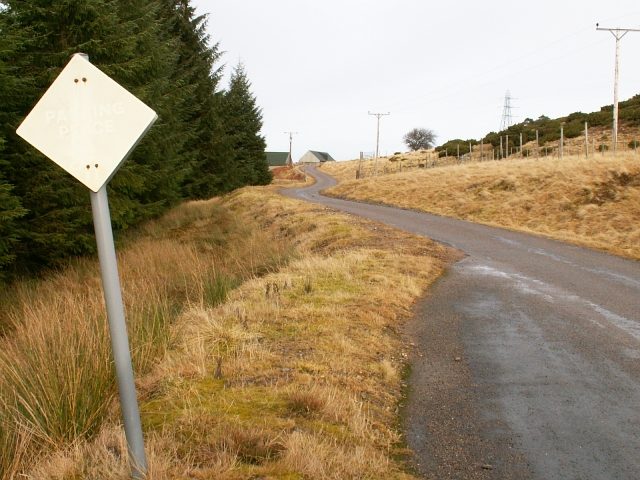
Passing places are for passing and nothing else. If the passing place is on your left, pull into it. If it’s on your right, stop opposite it and let the other car use it. Never park in one, not even for thirty seconds and a photograph. If somebody is sitting on your bumper, pull in and wave them past — it’s often a local trying to get to work, and it costs you ten seconds.
Watch for sheep and deer, particularly at dawn and dusk. Check traffic.gov.scot before big driving days in winter and shoulder season, because the Bealach na Bà closes with snow and the A835 can too.
Midges, weather and when to go
Midges run from late May to September and peak in July and August, particularly on still, damp evenings on the west coast. They don’t bother you while you’re driving; they bother you the second you stop at a viewpoint at seven in the evening. Repellent lives in the door pocket, not the boot. Our guide to Scotland’s midge season has the detail on where and when they’re worst.
For a short trip my order of preference is late May, early June, then September. May gives you long days, fewer midges and lower prices than high summer. September gives you autumn colour, quieter roads and a genuine chance of the aurora on a clear night, because there is very little light pollution north of Ullapool.
What underwhelms, and the mistakes I see people make
The route is a marketing line, not a road
The NC500 is a suggested itinerary linking existing public roads, launched in 2015. There is no NC500 road, no continuous signage in the way people expect, and no obligation to complete the circle. Once you internalise that, cutting it in half stops feeling like failure and starts feeling like planning.
People trust Google Maps timings
Satnav times on single-track roads such as the B869, the Applecross coast road and the A838 are optimistic, because the software doesn’t model passing places, motorhomes or the fact that you will stop. Treat them as a minimum and plan from that.
Everybody drives the same direction on the same weekend
Peak season means convoys. If you can, steer clear of the weeks when the Scottish and English school holidays overlap. Term dates differ from council to council, so check the ones that matter on gov.uk and the Scottish councils’ own sites before you fix your week. The cheapest weeks of the year up here are also, not coincidentally, the quietest.
The scenery is not uniformly good
Honestly: the section from Wick down to Inverness is ordinary by Highland standards, and the inland run from Lairg south is dull. There are also long stretches of west coast where low cloud means you see wet bracken and windscreen wipers for an hour. That’s Scotland. The good bits are so good that they carry it, but nobody should arrive expecting 516 miles of continuous drama.
Three days plus a Skye detour
People try this constantly and it doesn’t work. Skye deserves three days on its own, and bolting it onto a short NC500 gives you neither. Do one or the other; the Isle of Skye will still be there next year.
Underestimating how tired driving makes you
Five hours of concentrated single-track driving is more tiring than eight hours on a motorway. Two people who can both drive changes this trip completely. If you’re solo, take option 2 or 3 and don’t argue with me about it.
Frequently asked questions
Is 3 days enough for the North Coast 500?
Not for the full 516-mile loop, no. Three days means around 172 miles a day, much of it on single track, with barely time to leave the car. Three days is plenty, though, for the west coast half — Applecross, Torridon, Gairloch, Ullapool and the fringe of Assynt — which is where most of the best scenery is anyway.
How many hours a day will I actually be driving on a 3-day NC500?
On the full loop, five to five and a half hours of wheels-turning per day, which becomes nine to ten hours away from your accommodation once you factor in fuel, food and stops. On the three-day west coast half it drops to about three and a half hours a day, which leaves genuine time to walk and look.
Should I drive the NC500 clockwise or anticlockwise in 3 days?
For a three-day full loop, go up the east coast first on the A9 and come home down the west. You cover the fastest, least interesting ground on day one while you’re fresh, and you finish in Torridon and Applecross rather than on a trunk road. For the west coast half, direction barely matters.
Can you do the NC500 in 4 days?
Yes, and four days is the point where it becomes a holiday rather than an endurance drive. Either do the full loop over four days, or better, do the west coast with two nights in Ullapool and spend a full day in Assynt on the B869. The second version is far more enjoyable.
What’s the best month for a 3-day NC500 trip?
Late May or early June. You get 16 to 18 hours of daylight, which is what a short trip needs most, and you are ahead of the school summer holidays. September is the strong second choice for colour and quiet, though the shorter days rule out the full three-day loop.
Where should I stay on a short North Coast 500 trip?
Ullapool and the Torridon or Shieldaig area. Both have enough beds and places to eat, and both sit where you naturally need to be at the end of a day. On the full three-day loop you’ll want Durness and Gairloch instead. Book months ahead for July and August.
Do I need a 4×4 or a special car for the NC500?
No. A standard small car is ideal — easier on single track and easier to park. Anything wide is a liability on the Bealach na Bà and the B869, and motorhomes over about six metres should take the A896 inland route rather than the pass, which is signed as unsuitable for large vehicles.
Is the North Coast 500 worth it if I only have a long weekend?
Yes, provided you do a section rather than the circuit. A three-day west coast run gets you the best mountain road in Britain, two of its finest sea lochs and a working Highland port, and you come home rested. Attempting the full loop in the same time gets you a sore back and a phone full of blurred photographs.
Final thoughts
The North Coast 500 has a number in its name, and numbers make people competitive. I understand the pull of the complete lap — the line on the map that joins up, the sense that a half-route is somehow a half-trip. It isn’t.
Three good days on this route come down to fewer miles, two beds, one mountain pass driven slowly in good light, and an evening in Ullapool with nothing to do but eat. Completing the circle matters less than you think. What Torridon looks like in the morning is the part you will remember.
Go west, sleep in fewer places, and leave the top of Scotland for the trip where you have a week. When you do come back for it, our full North Coast 500 route guide covers the whole loop stop by stop, and the wider Scottish Highlands guide will give you plenty of reasons to book the leave properly next time.
And if the fourth day does materialise — take it. That’s the whole of Assynt, and it’s the best thing on the NC500.
About the author: This guide was written and is maintained by the ScotlandTourism.org editorial team — travel writers who’ve spent years exploring Scotland’s cities, Highlands and islands, from bagging Munros to chasing the perfect dram. We update our guides regularly to keep prices, opening details and advice current.
Last updated: August 2026. Prices and opening times change — always check the official site before you travel.
Photo credits
All images are used under their respective Creative Commons or public-domain licenses:
- Hairpin bends of the Bealach na Ba pass climbing towards Applecross on a north coast 500 3 day itinerary — James Emmans, CC BY-SA 2.0, via Wikimedia Commons
- The A894 climbing past Quinag in Assynt, typical NC500 driving country — Jim Bain, CC BY-SA 2.0, via Wikimedia Commons
- Ben Loyal seen from the Kyle of Tongue on the north coast section of the North Coast 500 — Terry Jacombs, CC BY-SA 2.0, via Wikimedia Commons
- Kylesku Bridge curving across Loch a Chairn Bhain on the A894 in Sutherland — Reboelje, Public domain, via Wikimedia Commons
- Liathach rising above Loch Torridon on the west coast section of the North Coast 500 — Simaron from Lower Saxony, Germany, CC BY-SA 2.0, via Wikimedia Commons
- The single-track Applecross coast road in low cloud, one of the slowest stretches of the NC500 — N Chadwick, CC BY-SA 2.0, via Wikimedia Commons
- Loch Maree seen from the A832 between Kinlochewe and Gairloch on an NC500 long weekend — Stuart Logan, CC BY-SA 2.0, via Wikimedia Commons
- Ullapool on Loch Broom, the strongest overnight base on a north coast 500 short break — GerritR, CC BY-SA 4.0, via Wikimedia Commons
- Ardvreck Castle ruins beside Loch Assynt on the A837 in Sutherland — Carol Bleasdale, CC BY-SA 2.0, via Wikimedia Commons
- Clachtoll Beach on the B869 coast road in Assynt on the north coast 500 — John Lord, CC BY-SA 2.0, via Wikimedia Commons
- Inverness Castle above the River Ness, the start and finish of every NC500 short break — dave conner from Inverness, Scotland, CC BY 2.0, via Wikimedia Commons
- A passing place sign on a single-track Highland road, the default road surface of the NC500 — Jim Bain, CC BY-SA 2.0, via Wikimedia Commons