Plenty of people drive the North Coast 500 with a tent, working round the NC500 campsites and pitching wild in between. The surprise is how differently the law treats the two. A walker pitching a small tent out of sight of the road is exercising a legal right. A campervan parked overnight in a layby is not, and many of the people in vans have no idea.
That confusion sits underneath almost everything written about NC500 campsites and wild camping, and it is worth clearing up before you book a thing. Scotland’s access legislation gives you a genuine, generous right to pitch a small tent on most unenclosed land. It gives you no right whatsoever to park a motorhome overnight and call it camping. Those are two different activities with two different sets of rules, and conflating them is how a beautiful road ended up with angry residents and locked laybys.
The short answer
You can wild camp in a lightweight tent almost anywhere on unenclosed land along the NC500, for two or three nights, in small numbers, carried in on foot. You cannot wild camp in a campervan or motorhome — access rights exclude motor vehicles, so vans need a campsite or a designated overnight car park.
NC500 campsites at a glance
| Campsite | Stage of the route | Booking | Typical season | Worth knowing |
|---|---|---|---|---|
| Rosemarkie (Camping and Caravanning Club) | Black Isle, day one | Online, members and non-members | Roughly March to October | Beachfront pitches, dolphins off Chanonry Point |
| Brora (Caravan and Motorhome Club) | East Sutherland | Online | Roughly March to November | About 300 metres from the beach, terns nesting |
| Dunnet Bay (Caravan and Motorhome Club) | Caithness | Online | Roughly March to early November | Behind the dunes, best base for Orkney day trips |
| Sango Sands Oasis, Durness | North west corner | Hookups pre-booked, grass first-come | April to October | Cliff-edge pitches above the beach, and it is windy |
| Scourie | North west | No booking 18 October to 31 March; arrive noon–5pm | Open all year | Self-contained camping only from 1 November, during winter maintenance |
| Clachtoll Beach | Assynt | Online, books out early | Late March to late October | Serviced and unserviced pitches, hairdryers and all |
| Broomfield Holiday Park, Ullapool | Wester Ross | Online | Roughly April to September | Two minutes’ walk from the pubs and the ferry |
| Applecross | South west | Online only, book weeks ahead | Roughly March to October | Full by mid-afternoon in July, no exceptions |
Prices and dates move every season. Everything below is what I found at the time of writing — check the operator’s own site before you commit, particularly for the shoulder months.
Pitching a tent and parking a van are not the same thing
This is the section the ranking pages skip, and it is the one that will keep you out of trouble.
What the law actually gives you
Scotland’s access rights cover most land, and the Scottish Outdoor Access Code sets out what exercising them responsibly looks like. On camping, the Code is specific: access rights cover lightweight camping in a tent, in small numbers, for no more than two or three nights in one place. That is the whole shape of it. Small tent, few people, short stay, then move on.
In practice that means one or two tents rather than a row of six. It means unenclosed land — not a field with crops or livestock in it, not someone’s garden, not a walled paddock. It means well away from buildings and roads. And it means you carry your kit in. Access rights are rights of access on foot, by bike, on horseback and by canoe. They are not rights to drive.
What it does not give you
Access rights do not extend to motor vehicles. That single sentence resolves most of the arguments you will read online. A campervan parked in a layby overnight is not wild camping; it is overnight parking on a public road, which is governed by traffic law, local byelaws and whatever the landowner or council has decided, not by the Access Code. The official North Coast 500 organisation states it as plainly as anyone: wild camping access rules do not apply to motorised vehicles.
That does not make van overnighting illegal everywhere. It makes it discretionary. In a lot of places nobody minds a single self-contained van tucked into a large car park for one night, leaving no trace and gone by eight. In others there are signs and height barriers telling you otherwise. The difference between those two situations is not something you get to decide from the driver’s seat.
If you have not settled on your vehicle yet, it is worth reading our comparison of hiring a campervan versus taking a car and using campsites before you book, because the accommodation maths changes completely depending on which you choose.
Why this matters more here than anywhere else
The NC500 was launched in 2015 and traffic went up faster than anything on the ground could absorb. The route runs through crofting townships with single-track roads, septic tanks, one shop, and passing places that were designed for a tractor and a post van. When a couple of hundred vehicles a day become a couple of thousand, the pressure lands on toilets, bins and verges that nobody funded.
The result is a genuine tension you can feel as you drive. Most people in the Highlands are welcoming and pleased you came. They are also, quite reasonably, sick of finding toilet paper behind the dunes. The single most useful thing you can do about it is not go in the last week of July, and our guide to what Scotland is like in May makes the case better than I can here.
The Highland Campervan and Motorhome Scheme
Since July 2024 the Highland Council has run a voluntary membership scheme for self-contained vehicles. It costs £40 for seven days, with no shorter or longer options and no concessions, though you can buy several memberships across a year.
What it buys you is access to twelve designated council car parks for overnight stays, plus use of some High Life Highland facilities for showers. The car parks include Torvean in Inverness, Nairn Harbour, Dunnet Head, Dunnet Seadrift, Noss Head, Reiss Beach and Riverside in Wick, the tourist information car park in Durness village, Shore Street in Golspie, Latheron car park in Ullapool, Gairloch harbour and Little Gruinard Beach.
The rules are worth reading before you rely on it. Overnight use runs from 10pm to 8am, there is a 72-hour no-return rule at each car park, all activity must stay inside the vehicle — no awnings, no tables and chairs — and daytime parking charges still apply, so you must be gone before day rates start. There is no booking system and no guarantee of a space; it is first-come, first-served with a traffic-light indicator on the council website. Waste disposal is not included in the membership.
Be realistic about what this is. Twelve car parks across an area the size of Wales is not an aire network. It is a first step, and by the council’s own reporting the scheme has raised far less than hoped. Buy it if you are touring in a van, because it funds the toilets you will use, but do not plan a fortnight around it.
Emptying a toilet without ruining a septic tank
This is the single most practical thing nobody writes about. Chemical toilet disposal on the NC500 is genuinely scarce, and it gets scarcer from October onwards when campsites shut.
Several campsites let non-residents use their disposal facilities for a fee, usually somewhere between £5 and £10, because they pay to have the waste treated. Clachtoll Beach Campsite in Assynt is one. Inver Caravan Park at Dunbeath on the east coast and Ferry View at Gills Bay near John o’ Groats both take non-residents. Black Rock at Evanton and Beauly Holiday Park cover the Inverness end.
Two rules. Ring ahead rather than turning up, because some sites restrict facilities to guests in high season. And use green toilet fluid, not blue — most Highland sites drain to septic tanks, and blue formaldehyde-based chemicals kill the bacteria those tanks depend on. Getting this wrong costs a small business real money.
Campsites stage by stage around the loop
The sites below run anticlockwise from Inverness. Our guide to the route map and which direction to drive makes the case both ways if you are undecided.
The Black Isle and Easter Ross: your gentle first night
Almost nobody camps on night one, and I think that is a mistake. Driving out of Inverness and going straight for Dornoch or beyond means you arrive somewhere in the dark with a tent you have not pitched since last summer.
Rosemarkie sits right on the beach on the Black Isle, about a 30-minute drive from Inverness, run by the Camping and Caravanning Club. Non-members can book. It is a small site with grass pitches only, an amenities block and a washing-up area, and Chanonry Point is a short walk away, where bottlenose dolphins come through the narrows on a rising tide. Expect somewhere around £30 a night for a pitch with hookup in season.
Fortrose Bay Campsite, in neighbouring Fortrose, is a seasonal site with views over the Moray Firth, open from April to October. It is the more relaxed of the two.
If you would rather start with a roof over your head and pick up the tent the following morning, our companion guide on where to stay on the NC500 covers the hotels, hostels and B&Bs stage by stage.
East Sutherland: Dornoch, Golspie and Brora
The east coast is the easy quarter of the route. The A9 is a proper two-lane road, the towns have supermarkets, and the campsites are larger and better equipped than anything you will find in the north west.
Dornoch Caravan and Camping Park sits behind the links beside the famous golf course, open from late March to late October, and runs from £22 for a single person without electricity to £33 for a pitch with electricity for up to four people. It is a good place to do laundry before the facilities thin out.
Grannie’s Heilan’ Hame at Embo is the holiday-park option — indoor pool, kids’ club, zipwire, the lot. It is neither quiet nor cheap, and it often carries a two-night minimum, but if you are travelling with children who have already had enough of the car it will buy you an evening’s peace. It is the one site on the route designed to entertain children rather than tolerate them.
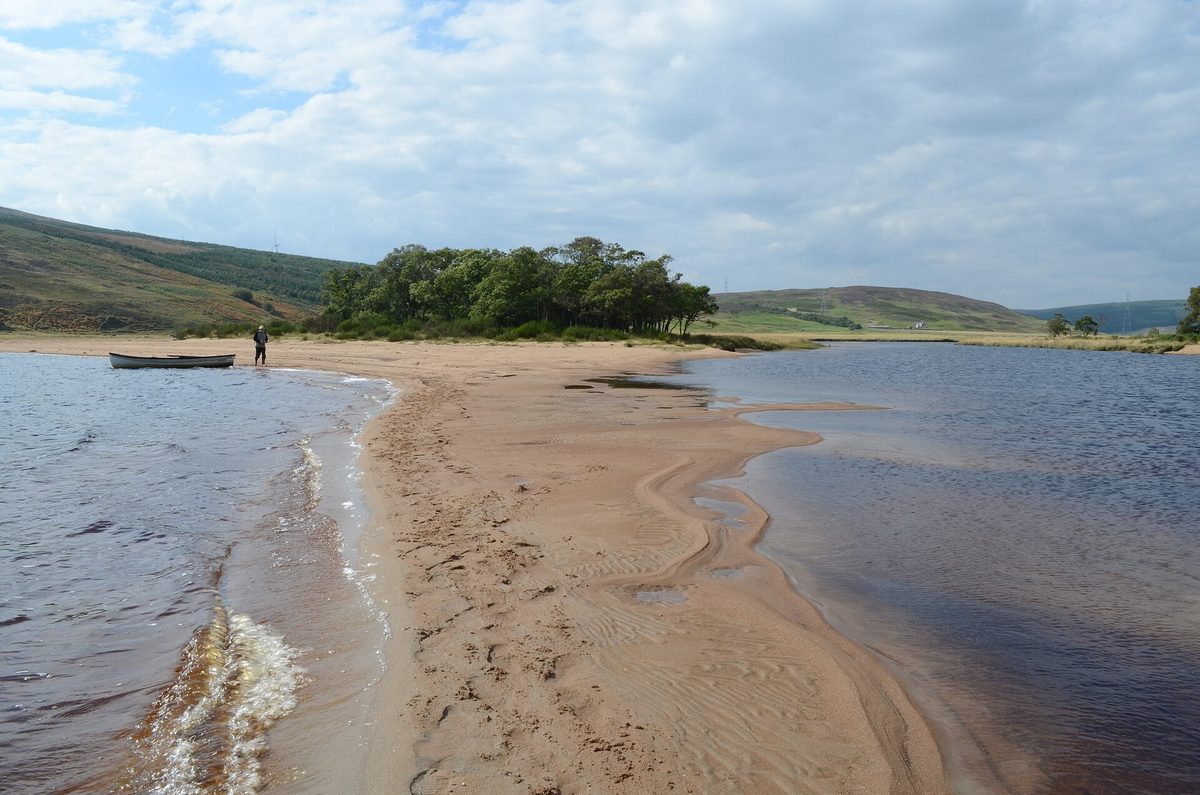
Brora Caravan Club Site is my pick of the three. It is a short walk from a long sandy beach, and Arctic terns nest above the waterline. Member rates start around £22. The village has a shop, a couple of places to eat and a distillery on the edge of town that does tours in season.
Caithness: Wick, John o’ Groats and Dunnet Bay
Caithness is flatter and emptier than people expect, and the light on a clear evening is extraordinary. It is also the stretch where the wind starts to matter.
Wick River Campsite is open roughly May to September and sits in walking distance of the town. One warning that has caught people out: the main entrance passes under a low railway bridge with a height restriction of a little under three metres, so anything tall needs the alternative approach the site emails on booking.
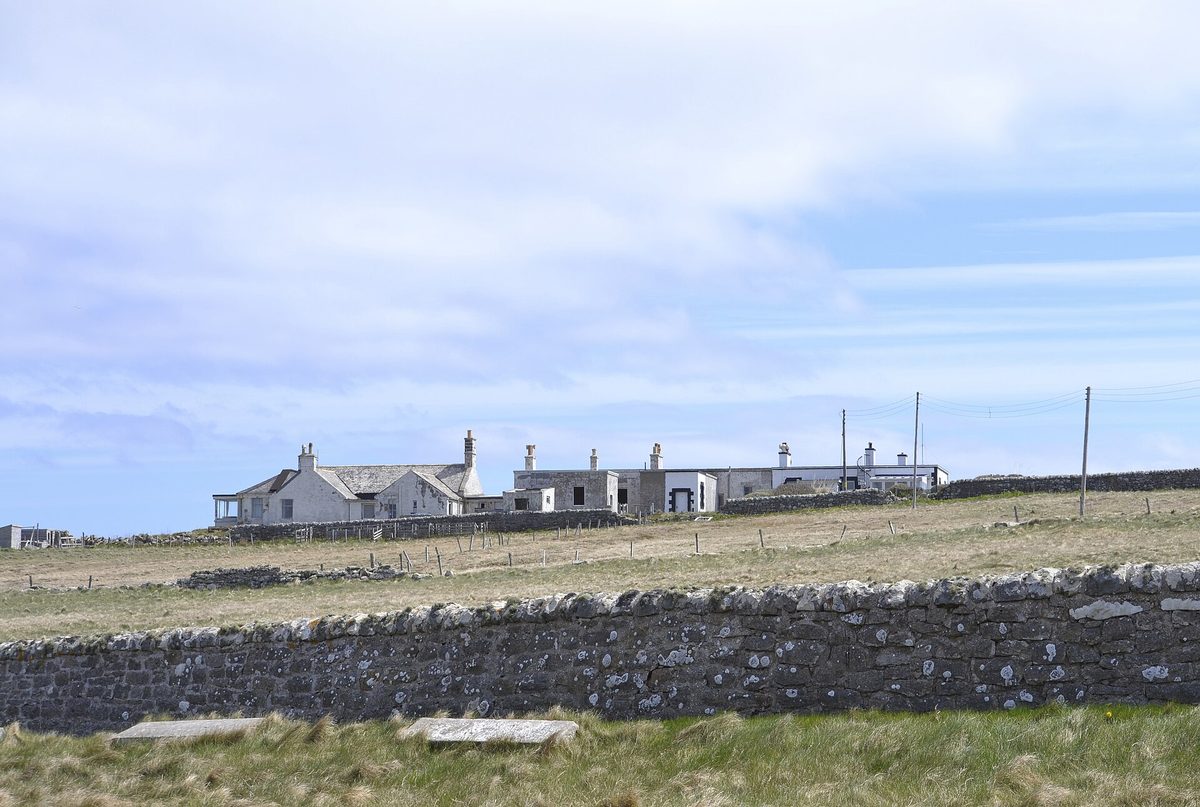
John o’ Groats Caravan and Camping Site is an unusual place to sleep — right on the seafront of the Pentland Firth with Stroma and Orkney across the water. A powered pitch for a vehicle under 8 metres and one adult starts at £31.50 a night (£22.50 plus £9 for electricity), with each extra person £3.50. It is very exposed. Check the current status before you rely on it, as the site has been through refurbishment in recent years.
Dunnet Bay is the one I would book. It is a Caravan and Motorhome Club site tucked behind the dunes at the end of a two-mile beach, open March to early November, with a modern heated toilet block and laundry. Member pitches start around £26. Thurso is the place for supplies, Gills Bay has the short ferry to Orkney, and Dunnet Head — the actual northernmost point of mainland Britain, not John o’ Groats — is a short drive north. Departure times vary by site: the Camping and Caravanning Club sites at Rosemarkie and Inverewe Gardens give noon, so check yours before you start packing a wet tent.
The north coast: Thurso to Durness
This is the loneliest driving on the route and the part I like most. The A836 west of Thurso runs past Melvich, Bettyhill and Tongue, and campsites are small, independent and often crofter-run.
Thurso Bay Camping and Caravan Site is a large, plain site with individual plots, hot showers and a supermarket across the road, open roughly April to October, with views out towards Orkney and a coastal path from the gate. Not scenic, extremely useful.
Further west, Talmine near Tongue is a small, exposed site looking out over the Kyle of Tongue to Ben Loyal, and Halladale Inn Caravan Park at Melvich fills the long gap between Thurso and Bettyhill. Neither is fancy. Both are the only thing for miles, which on this coast is the point.
Durness: Sango Sands and the cliff-edge pitches
Sango Sands Oasis is the campsite everybody photographs, and for once the photographs are honest. The pitches sit on top of the cliffs, directly above the beaches of Sango Bay.
Two things about it. First, the booking model, which trips people up: you only need to book if you want an electric hookup. Non-serviced grass pitches are first-come, first-served, so on a July afternoon you want to be arriving by about three o’clock rather than seven. Adults pay £13.50 each for the first two and £6 for each one after that, with electricity £8 extra. Out of season the toilet block closes but self-contained vehicles can stay for a flat rate of about £20 including power, water and waste, with public toilets by the shop.
Second, the wind. That clifftop position is superb in still weather and brutal in a westerly, with nothing to break it for three thousand miles. If you are tenting, take the inland rows and peg out every guy line, including the ones you normally ignore.
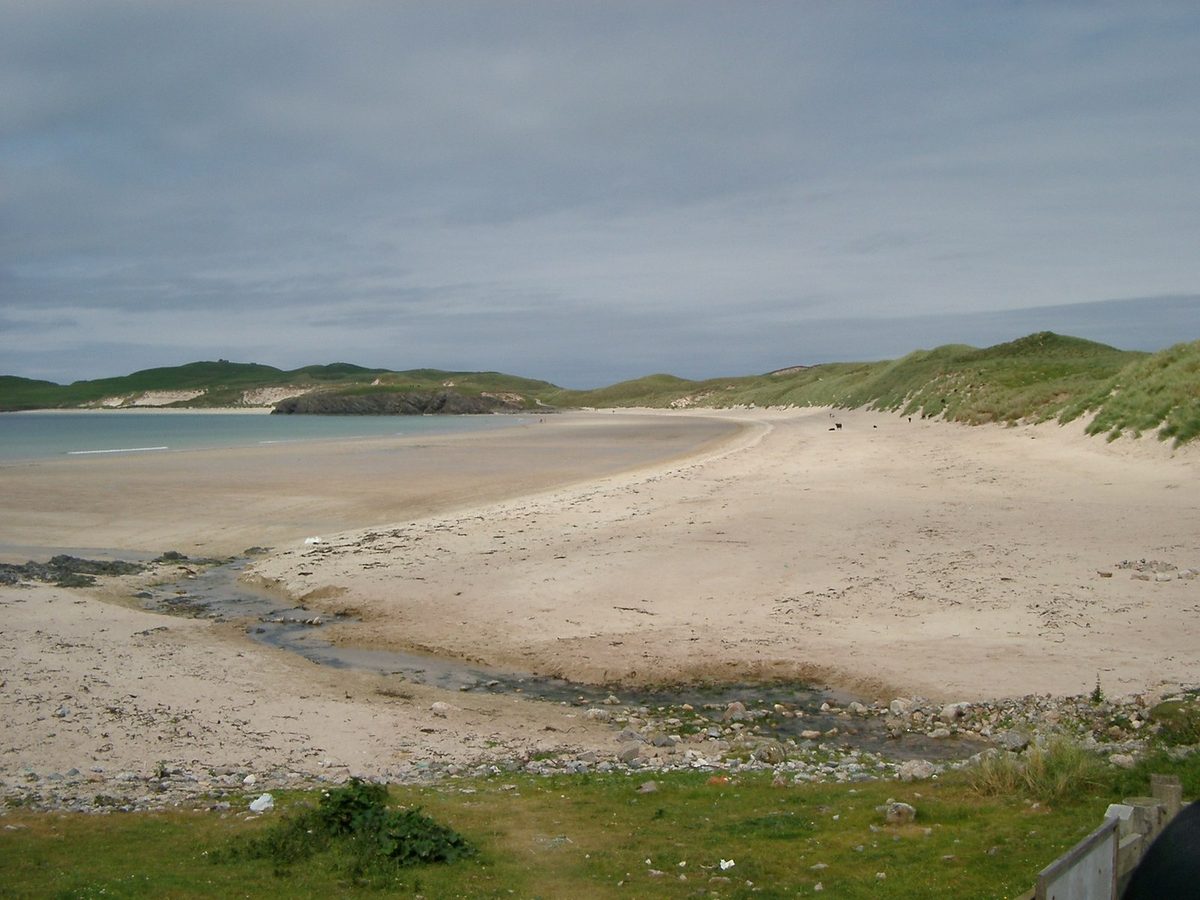
Durness itself has more to do than its size suggests. Smoo Cave is a five-minute drive with a sea cave you can walk into and a boat trip into the inner chamber in summer, and Balnakeil Bay a couple of miles west has a mile of pale sand and a craft village in an old early-warning station with a decent chocolatier. The village is also one of the twelve council overnight car parks for scheme members.
Scourie and Kylesku
Scourie Campsite deserves more attention than it gets, for one reason: it is open all year, though from 1 November winter maintenance limits it to self-contained camping. It sits on the edge of Scourie Bay with hardstanding pitches, showers outside the maintenance period and waste disposal, £24 for two adults and a vehicle with electric hookup £9 extra. Laundry runs on coins. Out of season there is generally no booking — you just arrive in the afternoon — but confirm the current arrangement, because the notice changes each year.
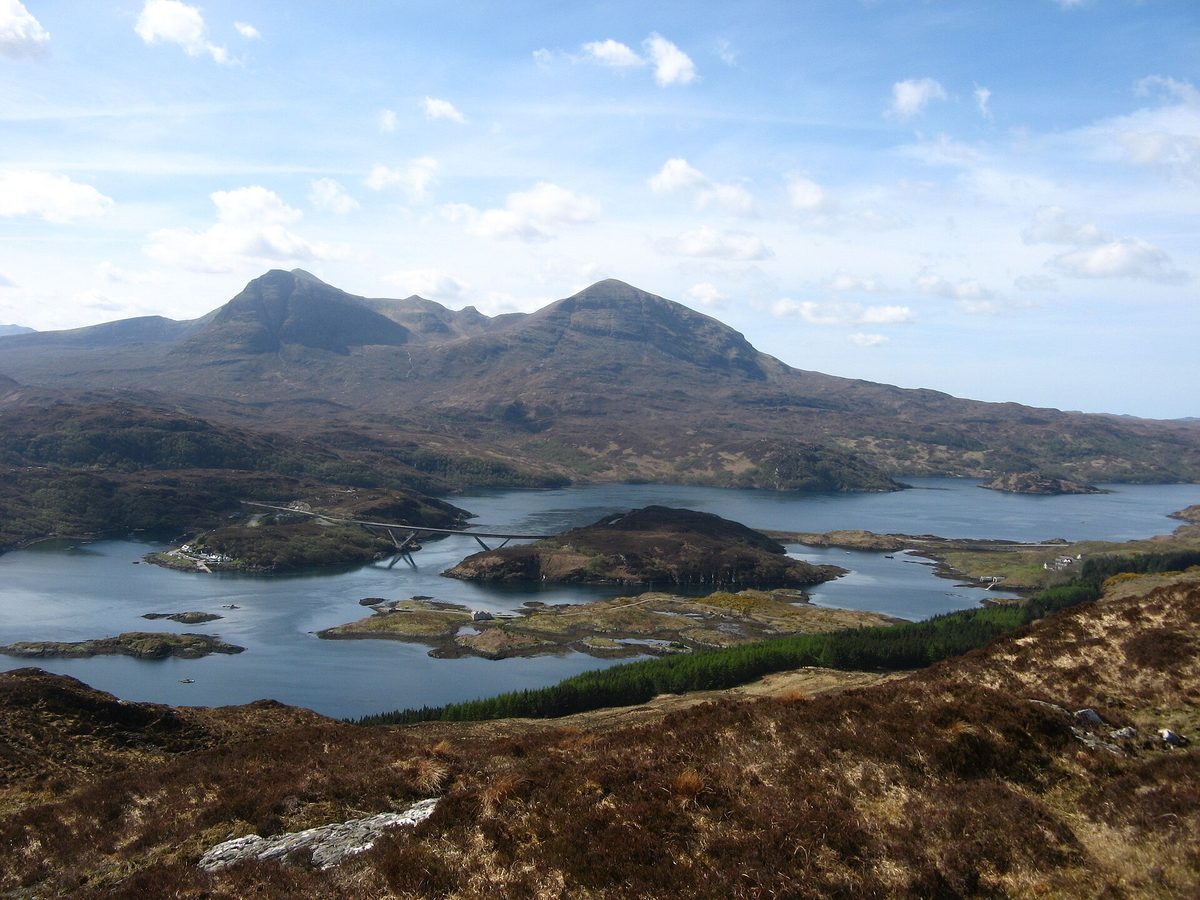
It is a good base for the Handa Island ferry, which runs from Tarbet in summer to a seabird reserve with puffins, razorbills and one of the largest guillemot colonies in Britain. Twenty minutes further south, Kylesku Bridge curves across Loch a’ Chàirn Bhàin and is the single best photograph on the route in evening light.
Assynt: Clachtoll and Achmelvich
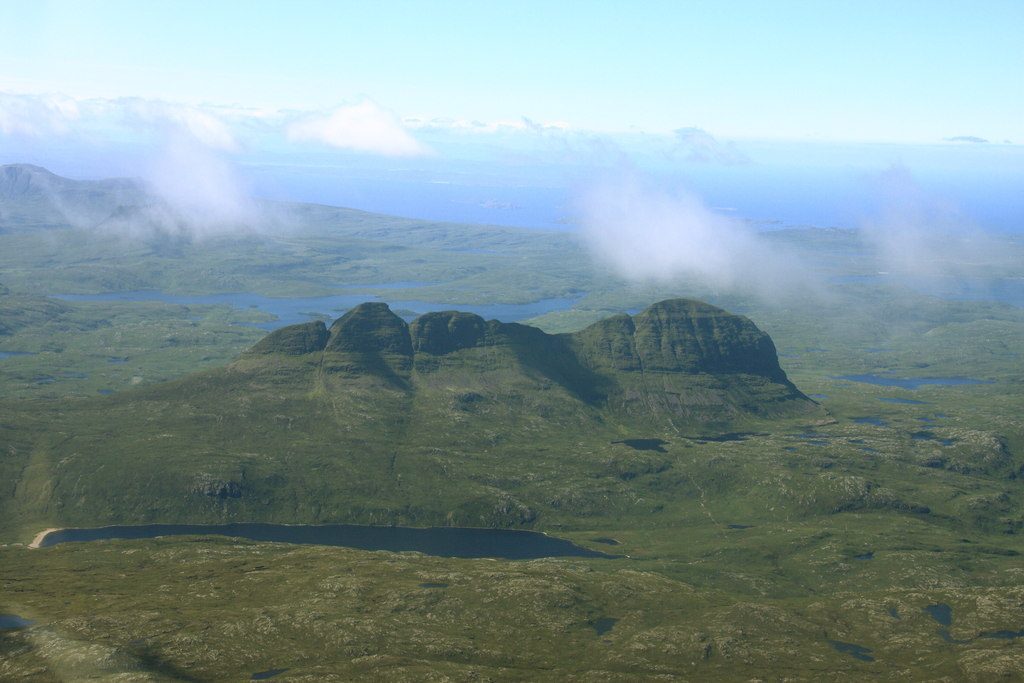
If you camp anywhere on the NC500, camp here. Assynt is the strangest landscape in Scotland — ancient Lewisian gneiss studded with isolated peaks like Suilven and Quinag rising straight out of a moor full of lochans.
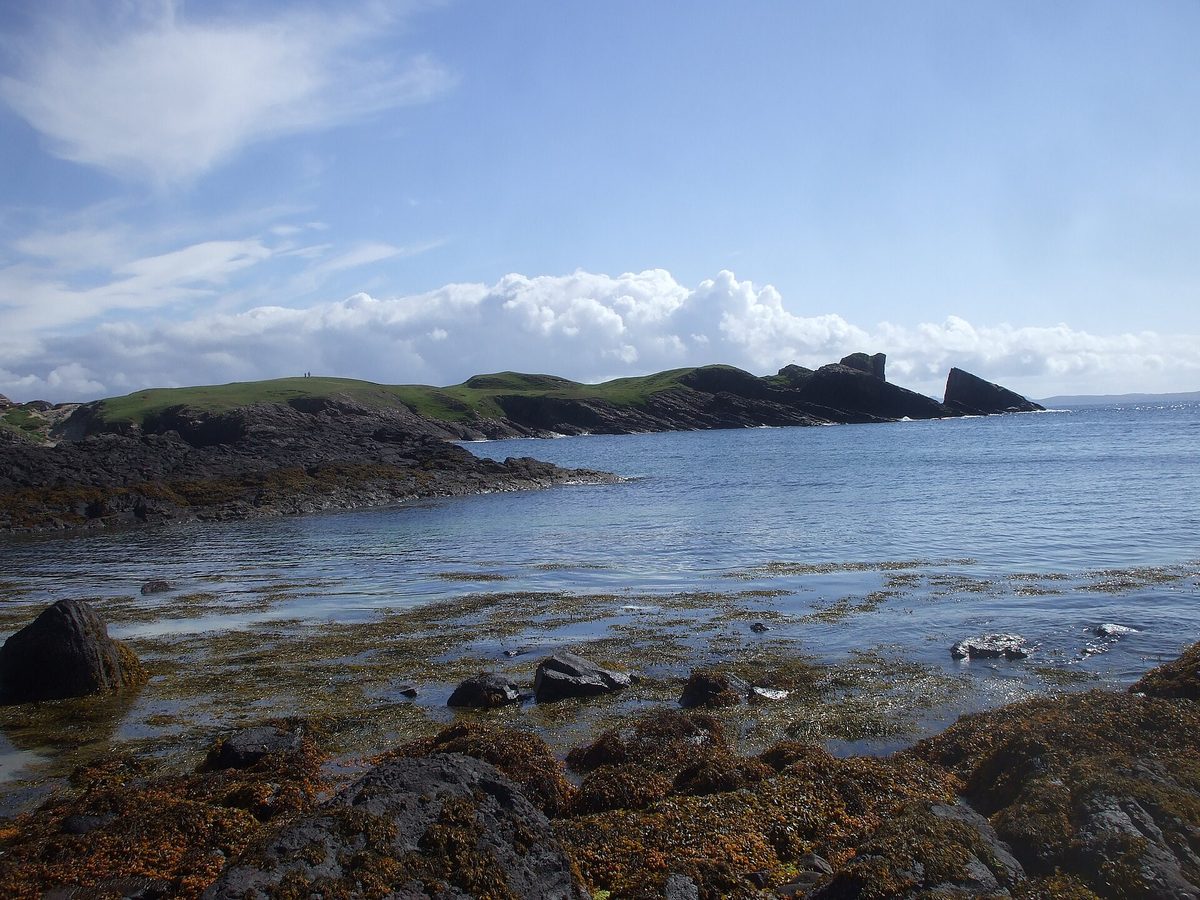
Clachtoll Beach Campsite, about five miles north of Lochinver, has serviced pitches with electricity and fresh water as well as unserviced ones, and the amenity block is well kitted out. Free hot showers, hairdryers and straightener points in the block, a laundry, a toaster, wifi, a heated dog shower, and eco-friendly detergents throughout. Pitches sit behind the dunes with wooden walkways down to a golden bay and the Split Rock. It runs from late March to late October and costs £20 for one adult or £26 for two on an unserviced pitch. Book it. In July it goes early.
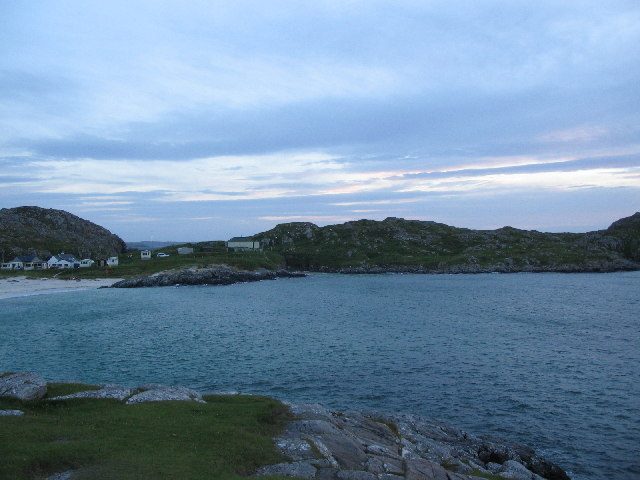
Shore Caravan Site at Achmelvich, four miles from Lochinver, is the looser alternative: flat grass, no marked pitches, and a policy of trying not to turn anyone away, with an overflow field when the main site fills. There is a toilet block, laundry, small shop, a chip shop and wifi. One thing to know: it operates a strict no-dogs policy — turn up with a dog and you will be turned away, so do not risk it.
The beach at Achmelvich is one of the best in the country, which our roundup of Scotland’s finest beaches will confirm. Lochinver itself has a fuel station, a Spar and a pie shop that has achieved minor legend status.
Ullapool and Ardmair
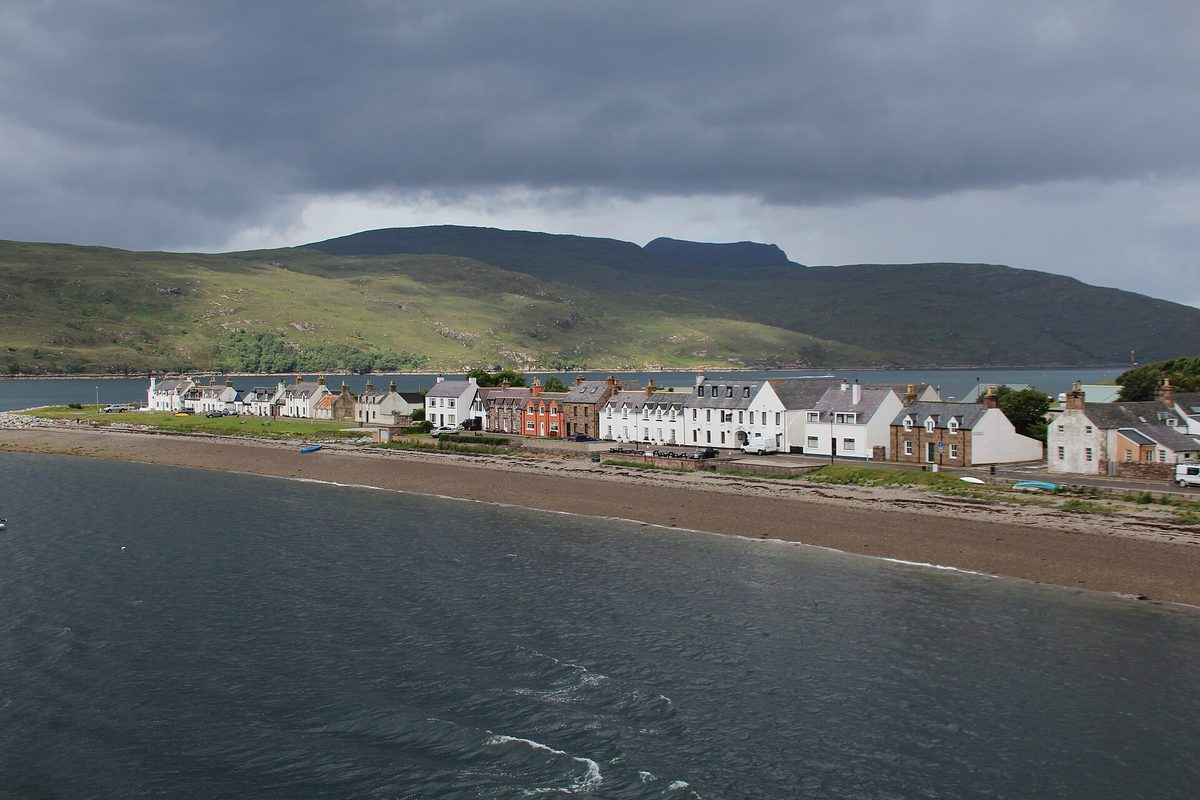
Broomfield Holiday Park occupies the low ground at the end of Ullapool village, looking straight out over Loch Broom. There is hardstanding and grass, electric hookup, a play area and toilet blocks, roughly £19 for one adult or somewhere near £25 for two with a vehicle. What you are paying for is the location: two minutes on foot to the Ceilidh Place, the chip shop, the bookshop and the ferry terminal for Stornoway. It runs roughly April to September.
Ardmair Point, three miles north on the A835, is the one the ranking articles all forget. It sits on a shingle spit under Ben Mor Coigach with a view down Loch Kanaird, and it is quieter, more sheltered and rather more pleasant to wake up in than Broomfield. If Ullapool is full — and in August it will be — this is your answer.
Ullapool is the best place on the whole loop to reprovision. Stock up and fill the tank here before heading north, whatever the gauge says, though there are food shops farther on, including the SPAR at Lochinver. Our guide to the real cost of driving the NC500 goes into fuel prices in more detail.
Wester Ross: Gairloch, Poolewe and Gruinard
Sands Caravan and Camping, about three miles out of Gairloch on the B8021, is one of the most enjoyable sites on this stretch. It runs down to its own beach with views to Skye and the Outer Hebrides, and you can choose between a sheltered spot in the dunes or a raised pitch with the view and the weather. There is a shop selling bread, gas and alcohol, a laundry, a playground and a cafe in high season. Around £21 for one adult, camping pods available, roughly March to October. Note that some guides misfile this one under Poolewe — it is on the Gairloch side.
Inverewe Gardens at Poolewe has a small Camping and Caravanning Club site near the National Trust for Scotland garden, with rates from £9.30 a night per member adult, and Gruinard Bay Caravan Park at Laide sits above a pink sand bay, roughly April to October.
This is walking country. Slioch, An Teallach and the paths around Loch Maree are all within reach, and our overview of hiking in Scotland covers what you need for the bigger days.
Applecross
Applecross Campsite is the one that catches people out. It has about ten serviced hardstandings and nine electric grass pitches plus a large tent area, free hot showers, shaver points, dishwashing, wifi near reception and a clutch of glamping huts. It opens from 1 March to 31 October, and standard camping costs £12 per adult a night in March, April and October and £15 from May to September. Free-standing barbecues are fine; campfires are not.
Book it online, weeks ahead, and mean it. Applecross has one campsite, one inn, a single-track approach and a reputation, and on a July afternoon it is full by about three o’clock. There is no realistic fallback within an hour.
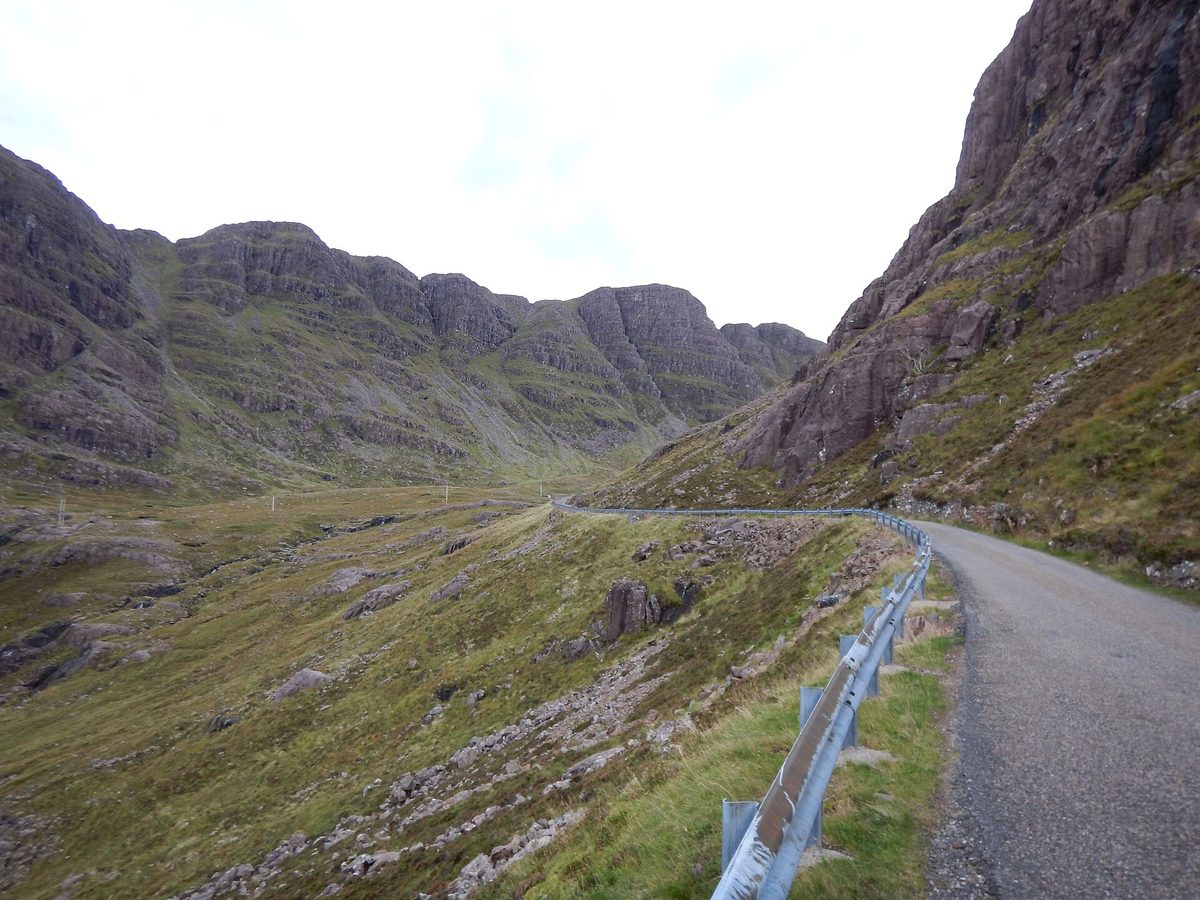
Getting there is the other consideration. The Bealach na Ba climbs from sea level to 626 metres in a series of hairpins, which makes it one of the biggest continuous road ascents anywhere in Britain. It is a magnificent drive and completely unsuitable for large motorhomes and caravans — there are signs at the bottom saying so, and they are not being cautious. Take the coast road round by Shieldaig instead if you are in anything sizeable. It takes longer and is a lovely drive in its own right.
Building your own NC500 campsite map
Every guide gives you a list. What almost none of them give you is the spacing, and the spacing is what determines whether your trip works.
The route is roughly 516 miles. Campsites are not evenly distributed along it. There is a dense cluster around Inverness and the Black Isle, a comfortable run up the east coast, and then two long, thin stretches where your options collapse to one or two places.
The gaps that catch people out
The first is Thurso to Durness, along the north coast with Talmine, Melvich and a couple of small crofting sites in between. It looks like a short hop. Allow two and a half hours, because the road narrows to single track west of Bettyhill and the Kyle of Tongue causeway is the sort of place you stop whether you meant to or not.
The second is Durness to Ullapool, the finest driving on the loop and also the slowest. Scourie, Clachtoll, Achmelvich and Ardmair are effectively your whole choice, and in August they compete with everyone else’s whole choice. Budget three hours of driving and arrive early.
The third is Gairloch to Applecross. On the map it looks manageable. In practice it is the Bealach na Ba or a long detour by Shieldaig, and either way you should treat it as a half-day rather than an afternoon leg.
How to space your nights
The pattern that has worked best for me on a seven-night trip is Rosemarkie or Fortrose, then Brora, then Dunnet Bay for two nights so you can do Dunnet Head and Duncansby without packing up, then Durness, then Clachtoll for two nights, then Applecross, then back to Inverness. That gives you two static bases in the parts of the route worth lingering in, and no single driving day longer than about three hours.
If you have five nights, cut the second night at Dunnet Bay and drop Applecross, taking the coast road round by Shieldaig instead. Our five-day NC500 itinerary follows roughly that shape, and the wider Highlands road trip routes guide shows how to bolt Skye or Torridon onto the end.
Camping with a dog
Most sites on the route welcome dogs, and Clachtoll goes as far as a heated dog shower. The exception is Achmelvich, which operates a strict no-dogs policy and will turn you away at the gate, so if you are travelling with one, plan Clachtoll instead. Out on the hill, keep dogs on a lead near livestock between April and July when ground-nesting birds and lambs are about, and bag and carry out waste exactly as you would your own.
Wild camping properly, without the sermon
If you are pitching a tent away from campsites, here is what actually matters, in the order it matters.
Where to pitch
Walk in. Not a token twenty metres from the car — far enough that you are out of sight of the road and any house. That single habit resolves about 90 per cent of the conflict on this route, because almost nobody objects to a tent they cannot see.
Avoid enclosed fields, anything with livestock or crops, and the machair behind west coast beaches, which looks like a lawn and is actually a fragile dune grassland that takes years to recover from a trampled pitch. Choose flat, dry ground and do not dig drainage trenches or move boulders. Two nights, three at the outside, then move on. Camp alone or as a small group. If somewhere is already busy, go somewhere else — the Access Code explicitly asks you to have a backup plan, and it is good advice rather than a formality.
Going to the loo
This is the thing locals complain about most, and they are right to. Carry a trowel, hand sanitiser and sealable bags. Pee at least 30 metres from any loch, river or burn. For the rest, get as far as you can from buildings, paths, open water and livestock, dig a shallow hole, do your business, and replace the turf on top. Paper and anything sanitary comes out with you in a bag — it does not break down, and burning it is how wildfires start.
If the ground is thin peat over rock and you cannot dig, bag everything and carry it out. It is not pleasant. It is also not optional. And when you reach a village, do not leave the bag beside a full bin; take it to a proper waste point.
Fires, and why the ground itself burns
Bring a stove. Not as a nice-to-have — as the plan.
Much of the North Coast 500 crosses blanket peatland, and dry peat burns downwards and sideways underground where you cannot see it. A fire that looks dead on the surface can smoulder for days and resurface fifty metres away. Wildfires have burned large areas of the Highlands in recent summers, so treat the risk as real whenever the ground is dry.
The official guidance from both NatureScot and the NC500 organisation is unambiguous: do not light open fires, including fire bowls and disposable barbecues, near forests, farmland, peaty ground or buildings, and pay attention to fire danger warnings. Use a camping stove on a level, non-flammable surface away from dry vegetation. Take cigarette ends and broken glass away with you, because both start fires.
The spot in the photograph is probably somebody’s croft
Here is the practical version of the etiquette. That flat green shelf above the beach with the perfect view? On this coast, flat, green, well-drained ground near the sea is agricultural land, because it is the only agricultural land there is. Crofting townships are laid out in narrow strips running down to the shore, and the fact that a strip has no fence and no sheep in it this week does not mean it is common ground.
If a spot looks improbably good and improbably convenient to park at, someone owns it and probably cuts silage on it. Look for the signs: rig lines in the grass, a gate, a water trough, a fence line running down to the water. And if a van pulls in beside you and then another, take that as a cue to move rather than a reassurance. A cluster of vehicles in a layby is not a campsite; it is the thing that gets laybys closed.
What to bring, and what will break
The tent
Buy for wind, not for weight or price. The north coast gets Atlantic weather with no landmass to slow it down, and a gale in June is unremarkable. What fails is the cheap two-pole dome with fibreglass poles — the poles shatter at the ferrule, usually at two in the morning. You want an aluminium-poled tunnel or geodesic tent, a full complement of proper pegs, and the discipline to peg out every guy line even when it is calm at eight in the evening.
You also want a porch. Not for storage — for midges. A tent with a generous vestibule and a well-sealed mesh inner is the difference between cooking dinner in peace and eating a cold sandwich inside your sleeping bag.
Midges
Highland midges are active from roughly late May to early September, worst in June and July, and they concentrate at dawn and dusk in still, damp, overcast conditions. They do not fly in wind above about seven miles an hour, which is one of the few advantages of a breezy clifftop pitch.
What works: a head net, which looks daft and is completely non-negotiable; a repellent containing DEET or the Avon Skin So Soft dry oil spray that half of Scotland swears by; long sleeves at dusk; and choosing exposed, breezy pitches over sheltered ones by water. What does not work is stoicism. Our full guide to Scotland’s midge season has the month-by-month detail if you are camping in high summer.
Ticks, which nobody warns you about
Midges get all the attention and ticks are the ones that matter medically. They sit on the tips of bracken and long grass waiting for something warm to brush past, they are most active from April to October, and the west coast bracken slopes around Assynt, Torridon and Applecross are full of them.
Lyme disease is present in Scotland and the risk is small but not negligible. The practical drill is simple: tuck trousers into socks when you are pushing through bracken, do a proper check of ankles, knees, waistband, armpits and hairline every evening before you get into the bag, and carry a tick remover — the little plastic hook costs about £5 and works far better than tweezers or any of the folk remedies. Grip close to the skin, twist and lift, and do not burn it, squeeze it or cover it in Vaseline. If a spreading circular rash appears in the following weeks, or you feel flu-like, see a doctor and mention the bite.
Water and washing when there is no tap
On a campsite this is a non-issue. Wild camping, it becomes the thing that shapes your day.
Highland burn water is generally excellent, but only if you take it from a fast-running stream well above any habitation, track or grazing, and ideally above the last fence line. Anything draining a field with sheep on it, or a stretch of bog with a dead deer somewhere upstream, needs treating. A squeeze filter or a bottle of chlorine dioxide tablets weighs almost nothing and removes the question entirely.
Wash yourself, your pots and your clothes well away from any watercourse, using a pan rather than standing in the burn, and keep soap out of rivers and lochs. Take biodegradable soap and use very little of it. And carry more drinking water than you think for the north coast stretch, because the burns there run through peat and come out the colour of weak tea — harmless, but not appealing in a cup of coffee.
Pods, huts and the escape hatch
Several sites on the route keep a handful of camping pods or glamping huts alongside the pitches, and they are worth knowing about for the night when the forecast turns genuinely nasty. Applecross has huts, Sands at Gairloch has pods and wigwams, and there is a small pod site a couple of miles outside Brora with a sauna. Expect somewhere in the region of £60 to £130 a night depending on the fit-out and the season.
They book up faster than the pitches do, because everyone has the same idea at the same time. If you are camping in April or October and want a fallback, reserve one for the middle of your trip when you book everything else, rather than hoping to find one on the day with no phone signal.
Everything else
A four-season sleeping bag or a three-season one with a liner, because clear nights in Assynt in May get close to freezing. A sleeping mat with proper insulation, not a foam roll. Waterproofs that still are. Two pairs of dry socks more than you think. A power bank, because you will not be plugged in for days. Cash, because a couple of the honesty-box sites and the smaller shops still prefer it. And an OS map or offline mapping, for reasons that lead directly into the next point.
Planning: timing, booking and the signal problem
How long you need
Camping slows you down. Pitching, cooking and striking camp cost you a couple of hours a day that people staying in hotels simply do not spend, and in rain it is worse. If you would drive the loop in five days with a bed each night, give yourself seven with a tent. Our seven-day NC500 itinerary is the one I would follow, and if you only have a long weekend the three to four-day version shows what has to give.
Camping the route without a car
It is entirely doable by bike, and bikepacking is arguably the purest way to use Scotland’s access rights, because you genuinely are arriving under your own steam. The riding is hard — there is more climbing than the coastal profile suggests and the westerlies are relentless — but campsites will almost always squeeze a cyclist in when they have turned away vans, and the wild camping rules work in your favour.
By public transport it is harder but not impossible. Trains run from Inverness to Thurso and Wick on the Far North Line, and to Kyle of Lochalsh on the west, with limited local buses filling some of the gaps along the north coast. You will not complete the loop cleanly, and services thin out badly on Sundays and in winter. Our guide to seeing Scotland without a car sets out what is realistic.
April and September are the sweet spot
I will be direct: the best camping months on the NC500 are late April to early June and the first three weeks of September. In late April and May the midges have not started, the days are long, the roads are quiet and the light is remarkable, though you need a warm bag. September gives you no midges again, warmer sea, dry-ish ground, autumn colour on the birches and campsites that have space.
July and August have the warmest weather and everything else against them: full campsites, peak midges, busy single-track roads and the highest prices. If you must go then, book everything you can and start looking for a pitch by mid-afternoon. Our guides to the best time to drive the NC500 and Scotland in September break the trade-offs down further before you pick your dates.
One bonus of the shoulder months: the far north has some of the darkest skies in Britain, and from September onwards you have real darkness again. Our guide to stargazing under Scotland’s dark skies explains what is realistically possible from a tent door in Caithness, aurora included.
What camping actually saves you
People assume camping makes the NC500 cheap. It makes it cheaper, which is not the same thing.
Two adults on a serviced pitch will spend roughly £25 to £35 a night in season. The same two people in a B&B or small hotel on this route in July are looking at £120 to £180, and often more in Durness and Applecross where supply is tiny. Over a seven-night loop that is a difference of somewhere around £700, which is not trivial.
Against that, set the costs people forget. Camping gear that will survive a Highland gale is a few hundred pounds if you are starting from nothing. You will eat out less but shop more, and the small village shops on the north west coast charge what you would expect for goods that have come 200 miles up a single-track road. Fuel is a big line item on this trip whatever you sleep in, and pump prices vary around the loop, so check them as you go. And if you hire a campervan rather than using your own car, the daily rate in peak season will wipe out most of the accommodation saving on its own.
The honest summary: camping saves real money in July and August when hotel rates peak, and saves rather less in May or September when you can find a room for £90. Camp because you want to wake up on a clifftop, not because of the spreadsheet.
What closes from October to March
Most of it. Clachtoll, Broomfield, Sango Sands’ main operation, Sands, Gruinard Bay, Wick River and Applecross all shut for winter, generally somewhere between the end of September and the end of October. Dunnet Bay and Brora run into early November. The Camping and Caravanning Club sites vary year to year.
What stays open is a short list: Scourie all year (self-contained camping only from November, while the toilet block is shut for maintenance), and Sango Sands on a self-contained-vehicle basis with the facilities closed. For anywhere else, check the winter dates with the site before you set off. Winter camping here is genuinely rewarding — empty roads, aurora chances, five hours of daylight — but it needs planning rather than optimism. Our guide to Scotland in winter sets expectations honestly.
You will lose signal, and it matters more than you think
Mobile coverage on the north west of the route is patchy to non-existent. Between Durness and Ullapool there are long stretches with nothing on any network, and even in villages you may get a bar of 2G and no data. Which means the strategy of “we’ll see how we feel and book something this afternoon” simply does not work once you are past Durness.
Do three things before you leave a signal area. Download offline maps for the whole loop. Screenshot or save the phone numbers, addresses and opening hours of every campsite you might use for the next two days. And tell someone your rough plan. Our roundup of practical Scotland travel tips covers the rest of the small stuff.
If something goes wrong
This is worth five minutes of thought before you go, because the north west of Scotland is genuinely remote and camping puts you further from help than a hotel does.
The nearest major hospital to most of the route is Raigmore in Inverness, with Caithness General in Wick covering the north east corner. From Durness or Achiltibuie you are a long way from either, and an ambulance is not arriving quickly. Small injuries that would be an inconvenience at home — a burn from a stove, a cut, a twisted ankle at the far end of a walk — need a first aid kit that can actually cope for a few hours.
Register your phone for emergency SMS before you travel by texting “register” to 999 and following the reply. It takes a minute and it lets you text the emergency services from a spot with too little signal to hold a call, which describes a great deal of this coast. Note that 112 works identically to 999 and will latch onto any available network, not just your own.
Beyond that: tell someone your rough plan and when you expect to be back in signal, keep the tank above half on the north west stretch because fuel stations are far apart and several close early and on Sundays, and carry a head torch with spare batteries rather than relying on your phone. None of this is dramatic. It is just the difference between an inconvenience and a bad evening.
Honest assessment: what disappoints and what people get wrong
The campsites are functional, not luxurious. With a couple of exceptions — Clachtoll, Ardtower near Inverness, the newer club blocks — you are getting a clean toilet block, a hot shower and a patch of grass. Drying rooms are very rare, so plan on damp kit and a car heater rather than a warm room with radiators. If you are picturing something like a French municipal site with a pool, adjust.
People wildly underestimate the driving. Single-track roads with passing places average considerably less than the posted limit once you factor in the stopping and reversing. Applecross to Ullapool looks like nothing on a map and takes the best part of three hours. Fewer stops, longer at each.
The east coast gets skipped and should not be. Everyone races the A9 to get to the north west, then spends two nights in Assynt fighting for a pitch. Dunrobin Castle, Whaligoe Steps, the beaches at Dornoch and Brora, and the campsites are less crowded. Our rundown of what the Highlands hold beyond the west coast makes the case.
Arriving late is the classic error. In high season, the popular west coast sites — Applecross, Clachtoll, Sango Sands’ unserviced pitches — are effectively gone by mid-afternoon. If you are still driving at six looking for somewhere, you are already in trouble, and there is no signal to phone ahead.
The council scheme is not an aire network, and treating it as one will strand you. Twelve car parks, no bookings and no guarantee of space, and you cannot return to the same car park within 72 hours. Use them as a bonus rather than a plan, and have a campsite in reserve.
Facilities shut before the campsite does. Several sites keep taking bookings into late October while the shower block, laundry and shop have already closed for the season, particularly on the north coast. If you are travelling in the shoulder months, ask specifically what will be open rather than whether the site is.
And the mistake that causes actual harm: assuming the tent rules apply to your van. If you have driven to your pitch, you are not wild camping. Use a campsite, use a scheme car park, or accept that you are relying on somebody’s goodwill rather than a right.
Frequently asked questions
Is wild camping legal on the NC500?
Yes, in a tent. The Land Reform (Scotland) Act 2003 gives you the right to camp on most unenclosed land if you are lightweight, in small numbers, and stay no more than two or three nights in one place. You must reach the spot without a motor vehicle and follow the Scottish Outdoor Access Code, including leaving no trace.
Can I sleep in my campervan in a layby on the NC500?
Access rights do not cover motor vehicles, so this is not wild camping and it is not a right. Some laybys and car parks tolerate a single self-contained van overnight; many now have signs or barriers preventing it. The safer options are campsites or the Highland Council’s twelve designated overnight car parks under its voluntary membership scheme.
Do I need to book NC500 campsites in advance?
In July and August, yes, for anywhere on the west coast, and Applecross needs weeks rather than days. Sango Sands at Durness only requires booking for electric hookup, with grass pitches first-come. In May and September you can be more relaxed, but remember there is often no phone signal to book on the day.
How much do NC500 campsites cost?
At the time of writing, budget roughly £13 to £22 a night for one adult on a basic pitch, and £25 to £35 for two people with electric hookup. Club sites sit at the upper end for non-members. Wild camping in a tent is free. Prices change every season, so check before you travel.
Are there campsites open all year on the NC500?
A handful. Scourie is open all year, though from 1 November its toilet block closes for maintenance and only self-contained units can stay. Sango Sands takes self-contained vehicles out of season with the facilities closed. Most other sites shut between October and March.
Can I have a campfire while camping on the NC500?
You should not. Much of the route sits on peat and forestry, and peat fires burn underground and spread invisibly. NatureScot advises against open fires, fire bowls and disposable barbecues near peaty ground, forest or farmland, and most campsites ban them outright. Bring a camping stove and use it on a level, non-flammable surface.
When is the best time to camp on the NC500?
Late April to early June and the first three weeks of September. You get long days, open campsites, quieter roads and no midges, at the cost of colder nights in spring. July and August bring the warmest weather along with full sites, peak midges and the heaviest traffic on the single-track sections.
Are midges really that bad?
In June and July, on a still, damp evening, beside water, yes. They stop biting in a decent breeze and vanish outside roughly late May to early September. A head net, a repellent and a tent with a proper mesh inner and porch make it entirely manageable. Camping in May or September avoids the problem completely.
Final thoughts
Camping is the best way to do this route, even on the nights the rain gets in. You wake up where you fell asleep, with the sea forty metres away and nobody else awake, and no hotel gives you that.
Just be clear about which activity you are doing. If you are carrying a tent on your back, Scotland has given you one of the most generous access rights in Europe — use it lightly and leave nothing behind. If you are driving a van, you are a guest in car parks and campsites that people pay to maintain, and the goodwill you are relying on is finite. Get that distinction right and the NC500 is as good as road trips get. Start with the full North Coast 500 route guide, then pick your month, then book Applecross.
About the author: This guide was written and is maintained by the ScotlandTourism.org editorial team — travel writers who’ve spent years exploring Scotland’s cities, Highlands and islands, from bagging Munros to chasing the perfect dram. We update our guides regularly to keep prices, opening details and advice current.
Last updated: October 2026. Prices and opening times change — always check the official site before you travel.
Photo credits
All images are used under their respective Creative Commons or public-domain licenses:
- Rosemarkie beach on the Black Isle, close to the first campsites on the NC500 — Jennifer Petrie, CC BY-SA 2.0, via Wikimedia Commons
- The sandy shore of Loch Brora in east Sutherland, near the NC500 campsite at Brora — Andrew Tryon, CC BY-SA 2.0, via Wikimedia Commons
- Exposed ground and drystone walls on Dunnet Head in Caithness, near Dunnet Bay campsite — Terry Robinson, CC BY-SA 2.0, via Wikimedia Commons
- Balnakeil Bay and its dunes at Durness, a short drive from the Sango Sands NC500 campsite — Hugh Venables, CC BY-SA 2.0, via Wikimedia Commons
- Kylesku Bridge on the NC500 between Scourie and Assynt — Reboelje, Public domain, via Wikimedia Commons
- Clachtoll Bay in Assynt, beside one of the best campsites on the NC500 — John Lord, CC BY-SA 2.0, via Wikimedia Commons
- Achmelvich Bay near Lochinver at dusk, with the campsite above the beach — Phil Williams, CC BY-SA 2.0, via Wikimedia Commons
- Suilven and the lochan-strewn moorland of Assynt, wild camping country on the NC500 — Adrian Beney, CC BY-SA 2.0, via Wikimedia Commons
- Ullapool on Loch Broom, the main west coast campsite hub on the North Coast 500 — GerritR, CC BY-SA 4.0, via Wikimedia Commons
- The Bealach na Ba climbing towards Applecross, the hardest road on the NC500 route — James Emmans, CC BY-SA 2.0, via Wikimedia Commons