The first time I planned Scotland in September I booked the first week, because that is what the internet told me to do. Cheaper than August, it said. Quieter than August. Autumn colour. I arrived on the 2nd, paid Edinburgh prices that were barely off their Fringe peak, and got eaten alive by midges on a still evening at Glen Nevis. There was no autumn colour anywhere. The hills were the same green-brown they had been in July.
Two years later I went back on the 19th and had a completely different holiday for less money. That is the thing nobody says out loud: September is not one month in Scotland. It is two months stitched together, and the seam runs somewhere around the second week.
Is September a good time to visit Scotland?
Yes — but the second half is far better than the first. Days 1–10 still price and feel like peak season with midges active in the west. From about the 15th, midges collapse, red deer start rutting, the first birch and bracken turn, and the aurora becomes possible again. You give up roughly two hours twenty minutes of daylight across the month.
September at a glance: the first week versus the last
| What changes | 1–10 September | 11–20 September | 21–30 September |
|---|---|---|---|
| Crowds and prices | Still near-peak, especially Edinburgh, Skye and Fort William | Noticeably softening; trails empty out | Genuine shoulder-season rates |
| Midges (west and Highlands) | Active on still, damp evenings | Declining fast | Usually finished after the first proper cold night |
| Daylight, Inverness | About 14 hours | Around 12 hours 50 minutes on the 15th | Under 11 hours 45 minutes by the 30th |
| Heather and leaf colour | Heather often still holding purple on the hill | Heather fading; bracken starting to turn | First birch gold, bracken rust; woodland colour still building |
| Red deer rut | Not yet | Stags gathering, occasional roaring | Roaring audible from the roadside in the right glens |
| Aurora possibility | Nights too short and pale | Dark enough from mid-month | Real chance around the equinox, given clear skies and activity |
| Ferries and attractions | Full summer timetables | Full summer timetables | Some seasonal sites close 30 September; ferries stay on summer times |
| Events | Braemar Gathering (5th, 2026) | Pitlochry Highland Games (12th, 2026); Doors Open Days weekends | Doors Open Days continue; harvest and food events |
All of that is one calendar month. If you take one thing from this guide, take that table and go and look at your dates again — and if you are still choosing between seasons, our month-by-month breakdown of when to visit Scotland sets the whole year side by side.
The two Septembers, and which one you should book
Scotland’s tourist calendar does not turn over on the 1st. It turns over when several unrelated things happen to line up, and in September they line up around the middle of the month.
1–10 September: peak season with the festivals removed
The Edinburgh Festival Fringe runs 7–31 August in 2026, so by the time September starts the tents are down and the flyerers have gone home. What has not gone home is the pricing. Edinburgh hotels hold their nerve for a good week or so afterwards, and a lot of visitors book that week precisely because they have read that September is cheap.
It is cheaper than Fringe week. It is not cheap. If your dates are flexible at all, moving a trip from the 3rd to the 17th will usually save you more than any other single decision you make, and it costs you almost nothing in weather. It is the first thing I would change on anyone’s plan.
Midges are the other reason to be wary of the first ten days. They need a run of cold nights to finish, and in a mild year the west coast and the inner glens will still have them on a windless, damp evening at the start of the month. Wind above about 10mph shuts them down, which is why an exposed ridge is fine and a sheltered campsite by a burn is not.
The one genuine advantage of the early window is daylight. You get well over two extra hours of usable light on 1 September compared with the 30th, and if you are covering big distances on a first trip that matters. Everything else about the first ten days is a compromise dressed up as a shoulder season.
11–20 September: the pivot
This is the sweet spot for most people. Schools across England, Wales and most of Europe are back — Scottish schools went back in mid-August — so the family traffic has drained away. Attractions and ferries are still on full summer timetables. Rates have come off. And you are past the point where midges reliably ruin an evening.
The hills are quiet in a way that surprises people. A car park on Skye that had forty cars in it in July will have eight. Popular hill paths that were a queue in August are yours. If you were put off walking in Scotland by stories of crowded summits, this fortnight is your answer.
21–30 September: the connoisseur’s window
The last ten days are where September earns its reputation among people who come back year after year. The rut starts. The first birch turns. The aurora becomes a real possibility rather than a theoretical one. Prices are properly shoulder-season.
The costs are real too. Daylight is draining away at close to five minutes a day, and by the 30th Inverness is down to under 11 hours 45 minutes between sunrise and sunset. Weather gets more changeable. And some seasonal attractions close on 30 September, which catches people out.
Scotland September weather, region by region
The national average is useless here because Scotland’s weather divides sharply east to west. Broadly: expect daytime highs in the mid-teens Celsius at sea level and overnight lows around 8–10°C, with the Highlands and anywhere above 500 metres notably colder.
Edinburgh and the east
Drier and sunnier than the west, with September averages around 60–70mm of rain spread over a dozen or more days — showery rather than sustained. Highs typically sit around 16–17°C early in the month, easing towards 13–14°C by the end.
The east coast has its own party trick: haar, a cold sea fog that rolls in off the North Sea and can drop the temperature by several degrees in twenty minutes while leaving Glasgow in sunshine. It usually burns off by midday. If you wake up to a white-out over Leith, do not cancel the day. Our full guide to Edinburgh covers the indoor fallbacks that make a haar morning painless.
Glasgow and the west coast
Wetter and windier, with rainfall totals that can be double the east’s on the same day. The compensation is that the west clears fast — Atlantic weather moves through, so a morning of horizontal drizzle at Arisaig can be a gold-lit evening by six.
The west is also where the midges hang on longest, and where the best light of the whole trip is most likely to happen. Give the coast more days than you think it needs and fewer fixed plans.
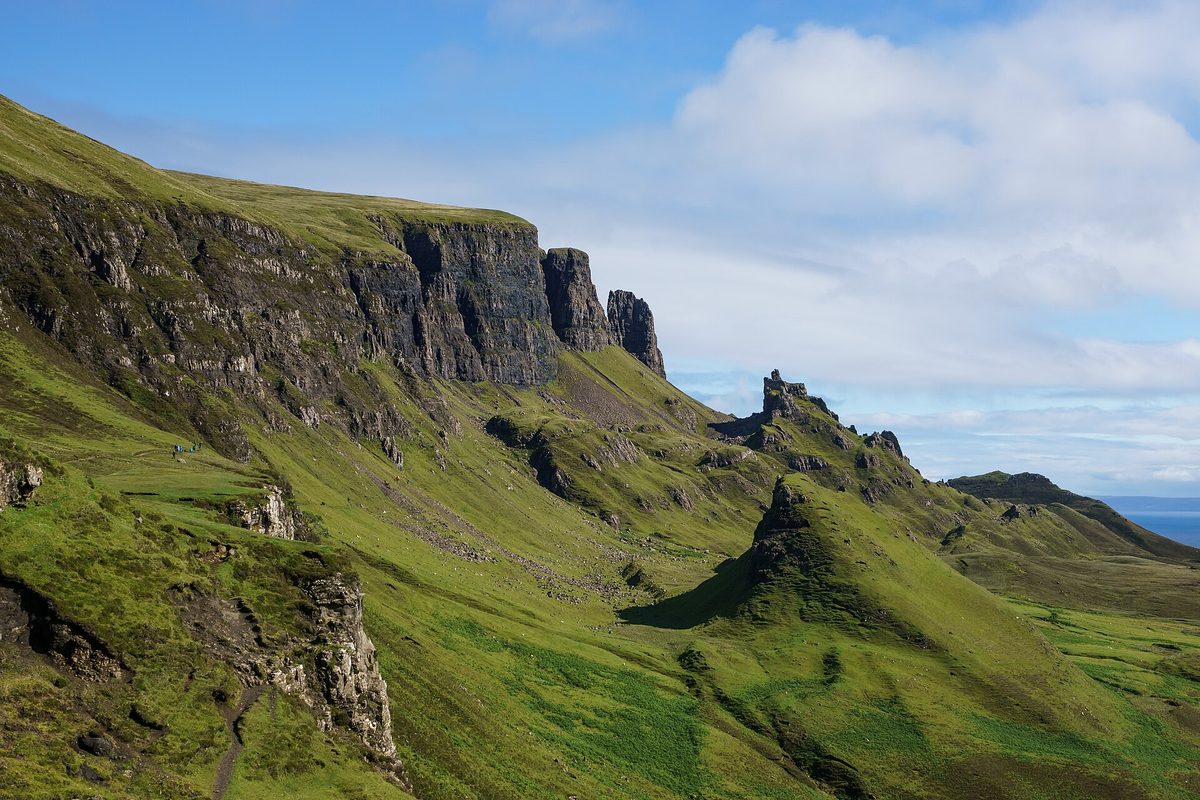
The Highlands, Skye and the islands
Cooler, wilder, more exposed. Ben Nevis at 1,345 metres sits around freezing at the summit for parts of September even when Fort William is in shirtsleeves, and the first snow on the Cairngorm plateau is not unusual in the last week. If you are heading for the tops, take winter-grade layers regardless of the forecast in the glen.
Out on Scotland’s islands, wind is the variable that ruins plans rather than rain. September gales are not common but they are not rare either, and a cancelled sailing on a Tuesday can mean a Thursday departure. Build a spare day in.
What late September gives you that no other month does
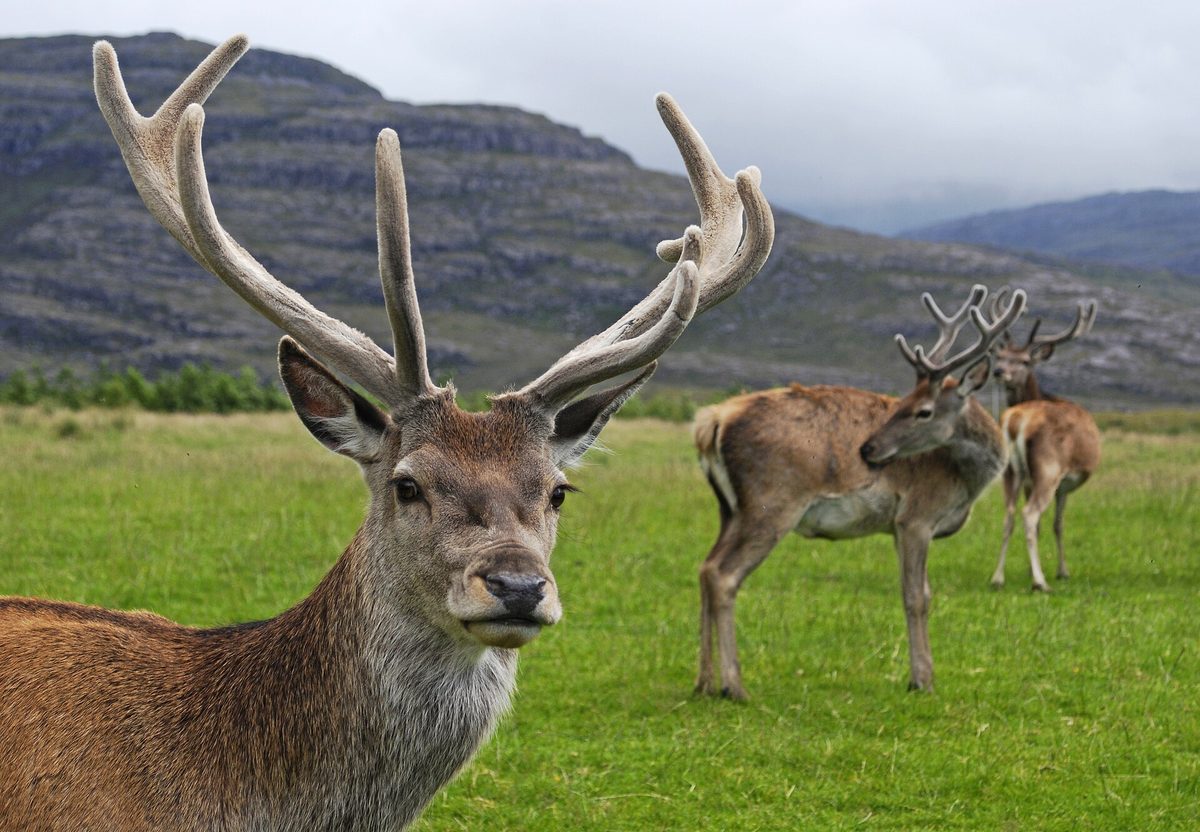
The red deer rut
This is the headline act and it is astonishing that so few September guides mention it. From roughly the third week, stags start roaring — a sound like a bad-tempered lion with a chest infection, carrying a long way across open ground.
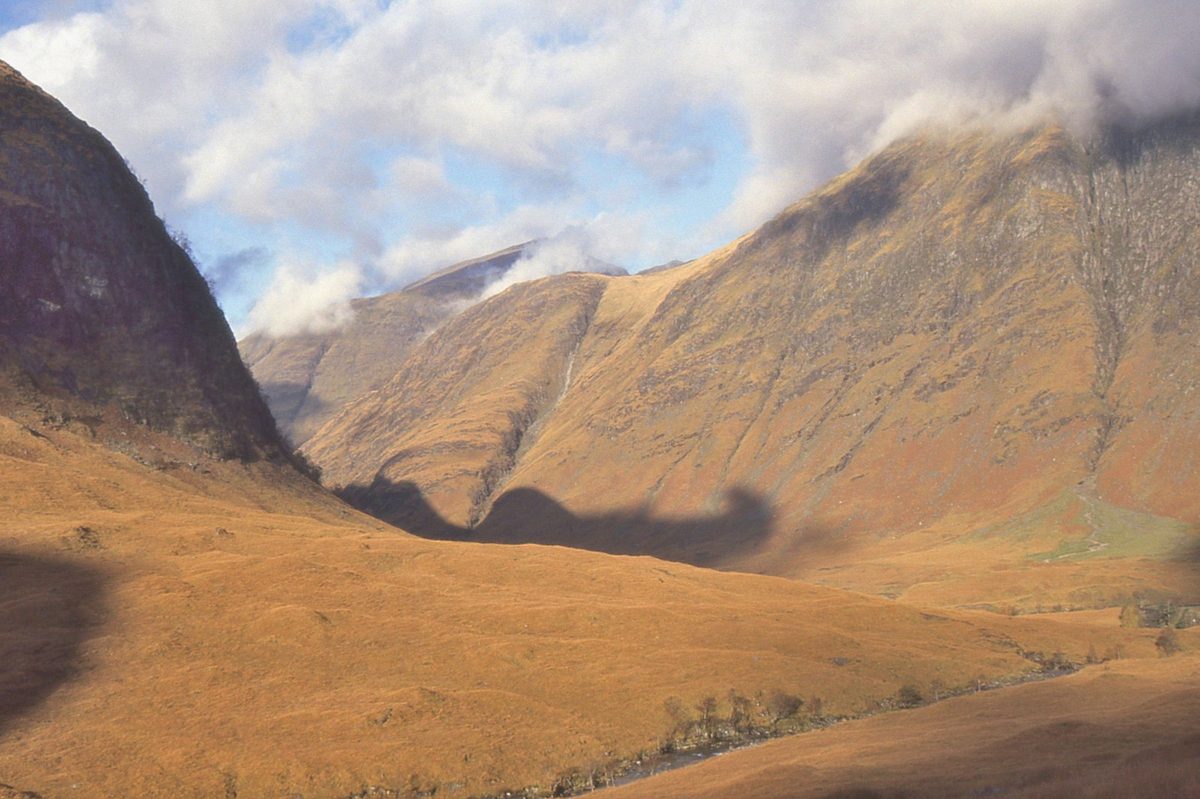
You do not need a safari or a guide. You need to be somewhere with red deer at dawn or dusk and to keep your engine off. Reliable places: Glen Etive, on the single-track road that runs about twelve miles south from the A82 at Glen Coe and dead-ends at the loch; the Isle of Jura, which has famously more deer than people; the Cairngorms, particularly around Glen Feshie and the Mar Lodge estate near Braemar; and Galloway Forest Park in the south-west, which most visitors never think of.
Keep your distance. A rutting stag is an animal that can weigh 150kg or more, with a head full of hormones and antlers, and stalking is also under way on many estates from late summer, so check locally before you wander off the path on private land.
Midges giving up
The Scottish midge season runs roughly from late May to early September, and it ends properly with the first sustained cold nights. Travel after about the 15th and your odds improve enormously; travel in the last week and in most years you will barely notice them.
It is worth checking the Scottish Midge Forecast in the week before you go rather than assuming. Mild, damp Septembers extend the season; a cold snap on the 8th ends it early. Wind is your friend either way.
The aurora coming back
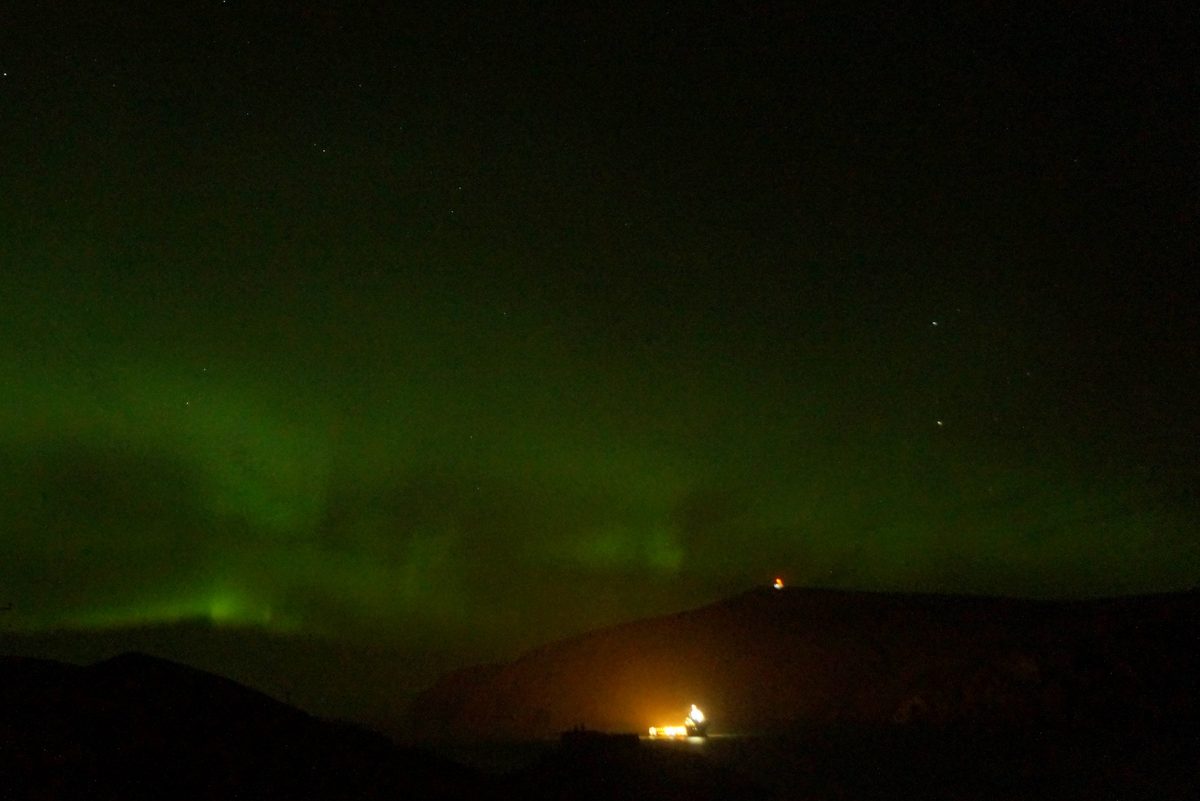
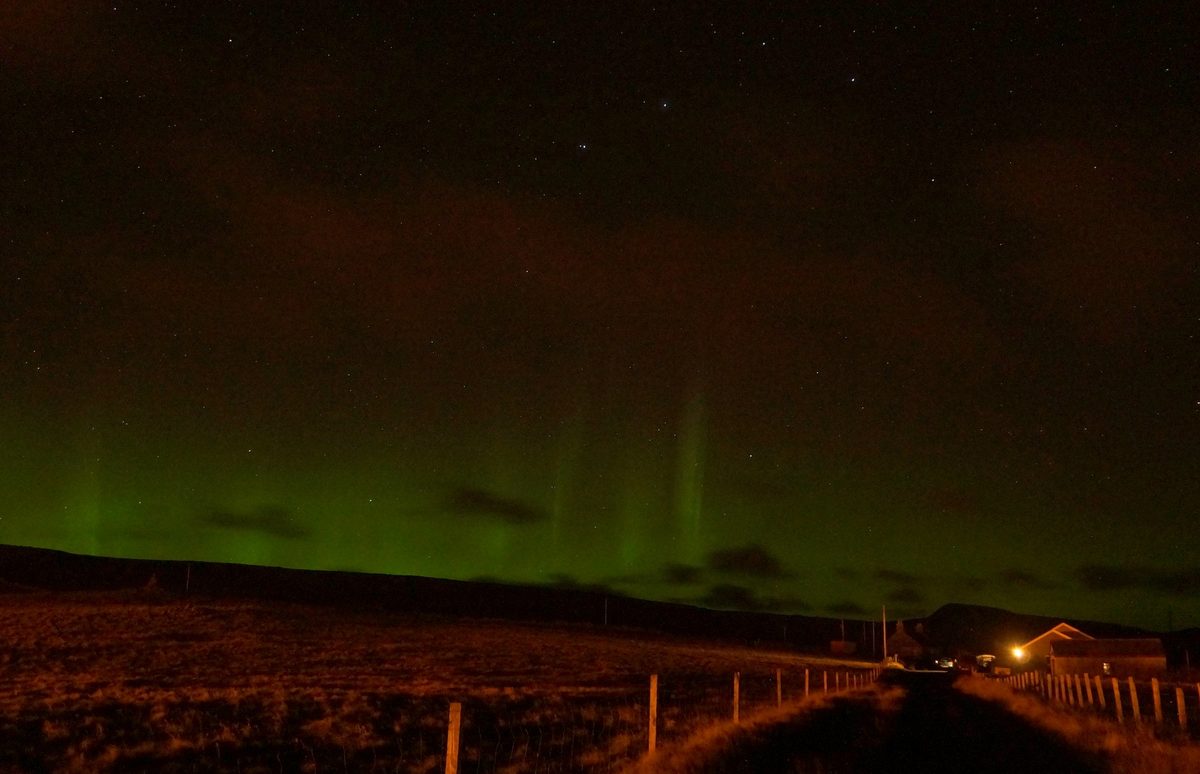
Scotland’s summer nights are simply not dark enough for the northern lights. From mid-September that changes, and the weeks around the equinox — 23 September in 2026 — are statistically among the better times of year for geomagnetic activity.
You still need three things at once: a solar event, clear skies and an unobstructed view north. Shetland, Caithness, the north coast and Galloway’s dark-sky country give you the best odds. If this is a priority, our guide to Scotland’s dark sky sites is where to start planning.
Heather at the start, gold at the end
Here is where I have to be blunt, because the competition is not. Heather peaks in August. In a good year it holds decent purple into the first week or two of September and then goes over. If purple hillsides are the picture in your head, you want mid-August, not late September.
What you get instead in the last ten days is the very beginning of autumn: bracken turning rust on the lower slopes, the first birch going yellow, rowan berries out. It is beautiful and it is early. Full woodland colour is an October event.
Where to go: matching the month to the trip
If you want the rut and the wildlife
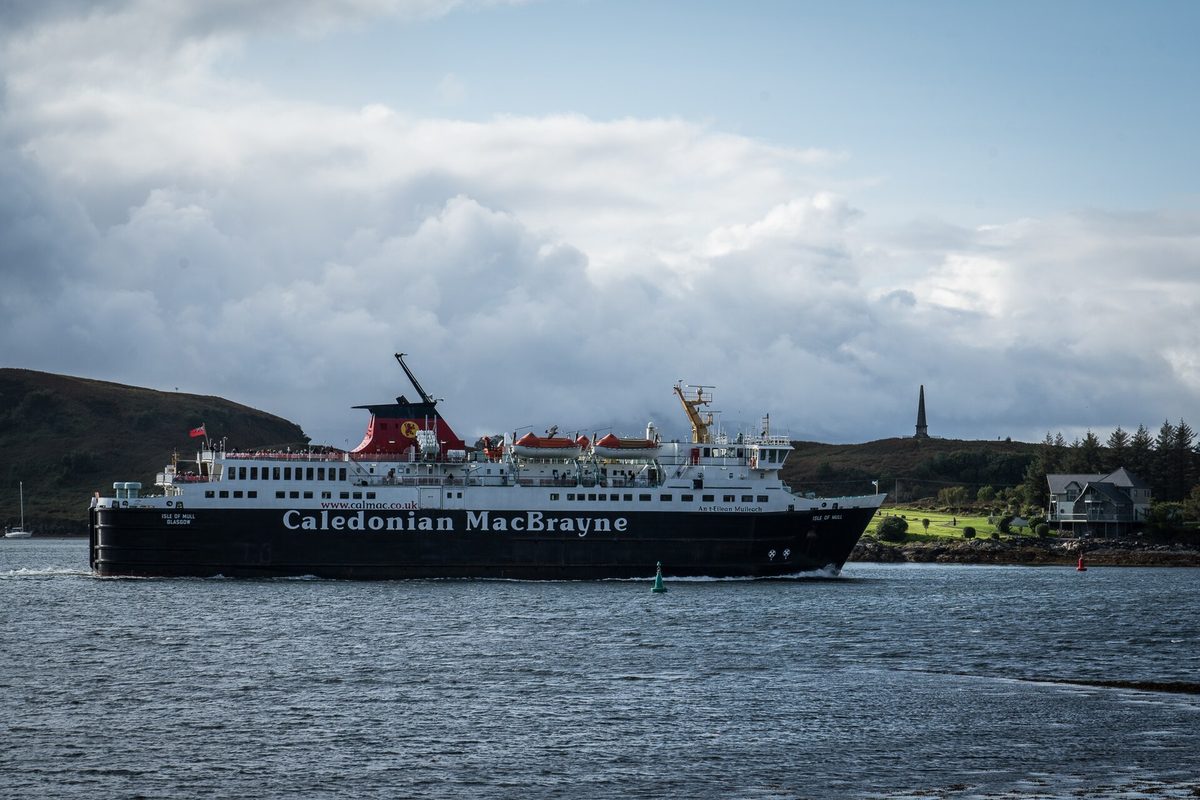
Base yourself in the Cairngorms or in Argyll and go out at first light. Jura is the purist’s choice, reached via Islay — the CalMac crossing from Kennacraig to Port Askaig takes a little over two hours, then a short ferry across the Sound of Jura. Add the whisky and you have a trip; the island’s distilleries feature in our round-up of Scotland’s distilleries and how to visit them.
Closer to the road, Glen Etive and the Glen Coe area put you within sight of deer without a boat. If you also want the shaggy orange variety, our guide to finding Highland cows lists the fields that reliably deliver.
If autumn colour is the whole point
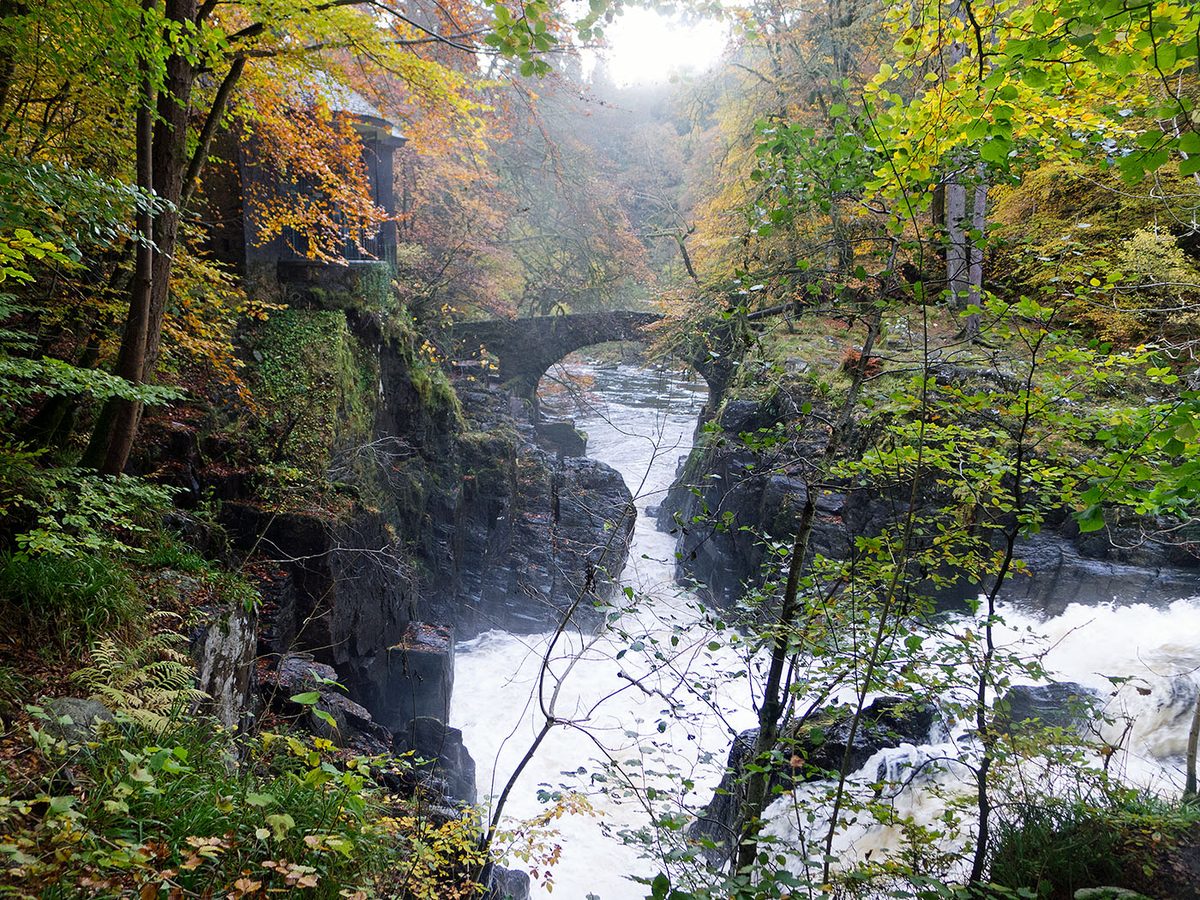
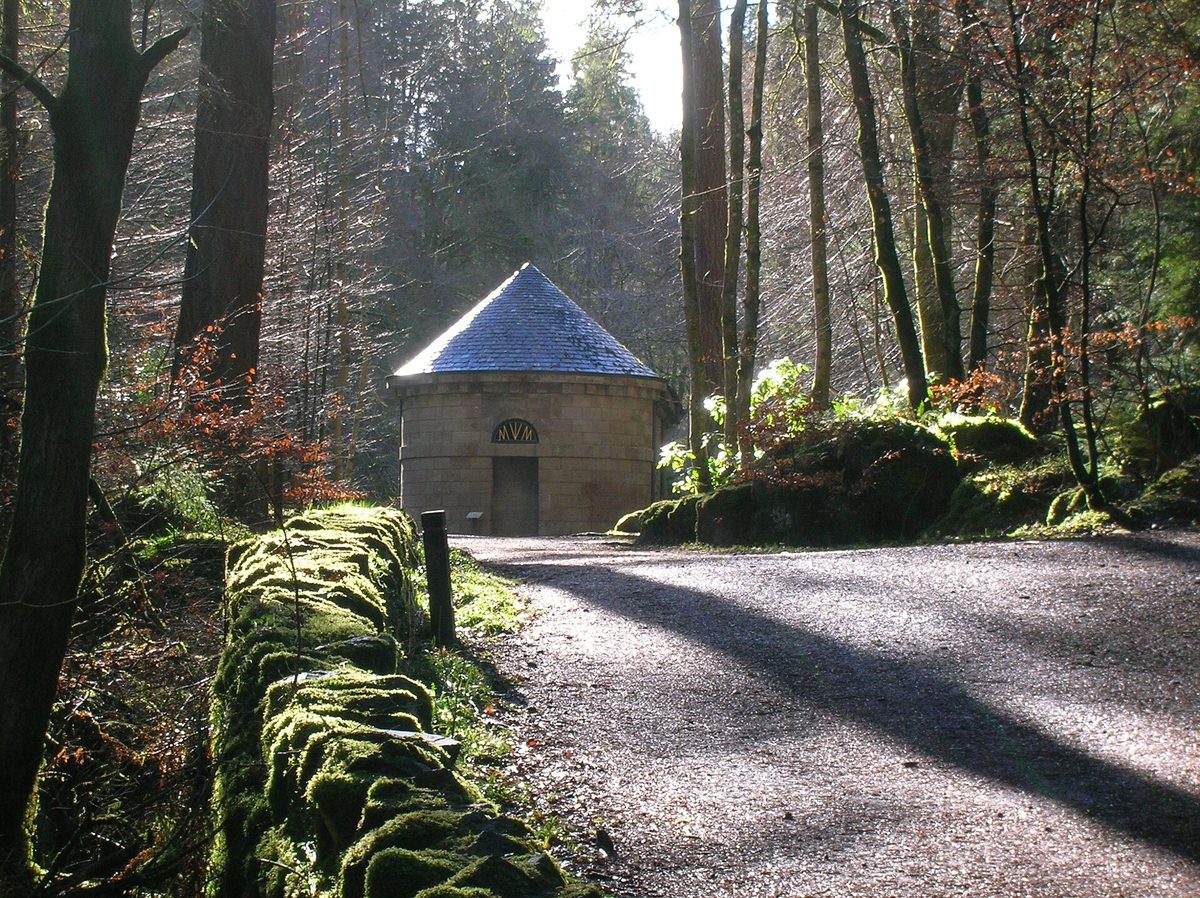
Then be honest with yourself about dates. Perthshire’s Big Tree Country — Dunkeld, The Hermitage, Killiecrankie, the Faskally woods above Pitlochry — is the best woodland colour in Britain, and it peaks somewhere in mid-to-late October. Late September gives you the overture, not the symphony.
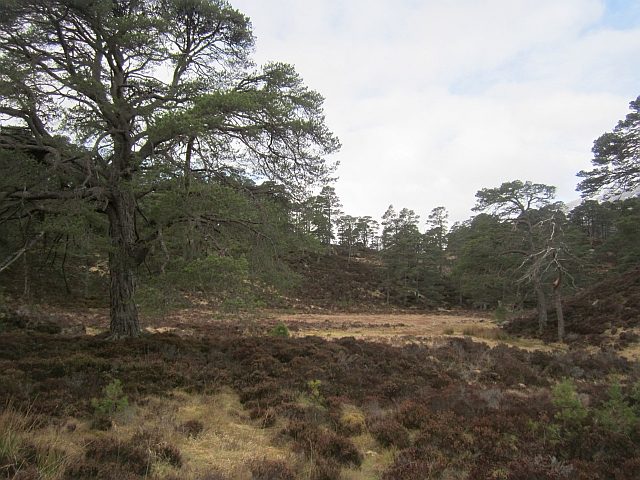
If your dates are fixed to September, go for the places where the interest is not purely leaf colour: Glen Affric’s native pine and birch, the Trossachs, or the lochside woods around Loch Lomond. You will get atmosphere and a few early turning trees rather than a wall of amber.
If it is your first trip to Scotland
Do the classic loop and enjoy the fact that it is finally quiet. Edinburgh, then west or north into the hills, then back. Ten days is comfortable; a week is tight but workable. We have a set of route options in our Scotland itinerary planner, and if you are squeezing the capital into a single day before heading north, our one-day Edinburgh route is built for exactly that.
September also happens to be an excellent month for the railway. The West Highland Line to Mallaig is at its best under low autumn light, and the Jacobite steam service runs its afternoon departure daily until 25 September in 2026, with the morning service continuing into late October — check current dates before you build a day around it. More options in our guide to Scotland’s scenic rail journeys.
If you are driving the North Coast 500
September is arguably the best month of the year for it. The campervan convoy thins out after the first week, the passing places stop being a contact sport, and the light is low enough to make the Assynt hills look the way they look in photographs. Just note that you are losing daylight fast in the last week, so cut your daily mileage. Our North Coast 500 route guide has the stage-by-stage detail.
If you want islands
Skye is still busy in the first ten days and pleasantly manageable after that; our Isle of Skye guide covers where the pressure points are. For genuine quiet, look at Mull, Harris or Orkney, all of which are still on full summer sailings throughout September.
September events: what is on, and what is not
Braemar Gathering — Saturday 5 September 2026
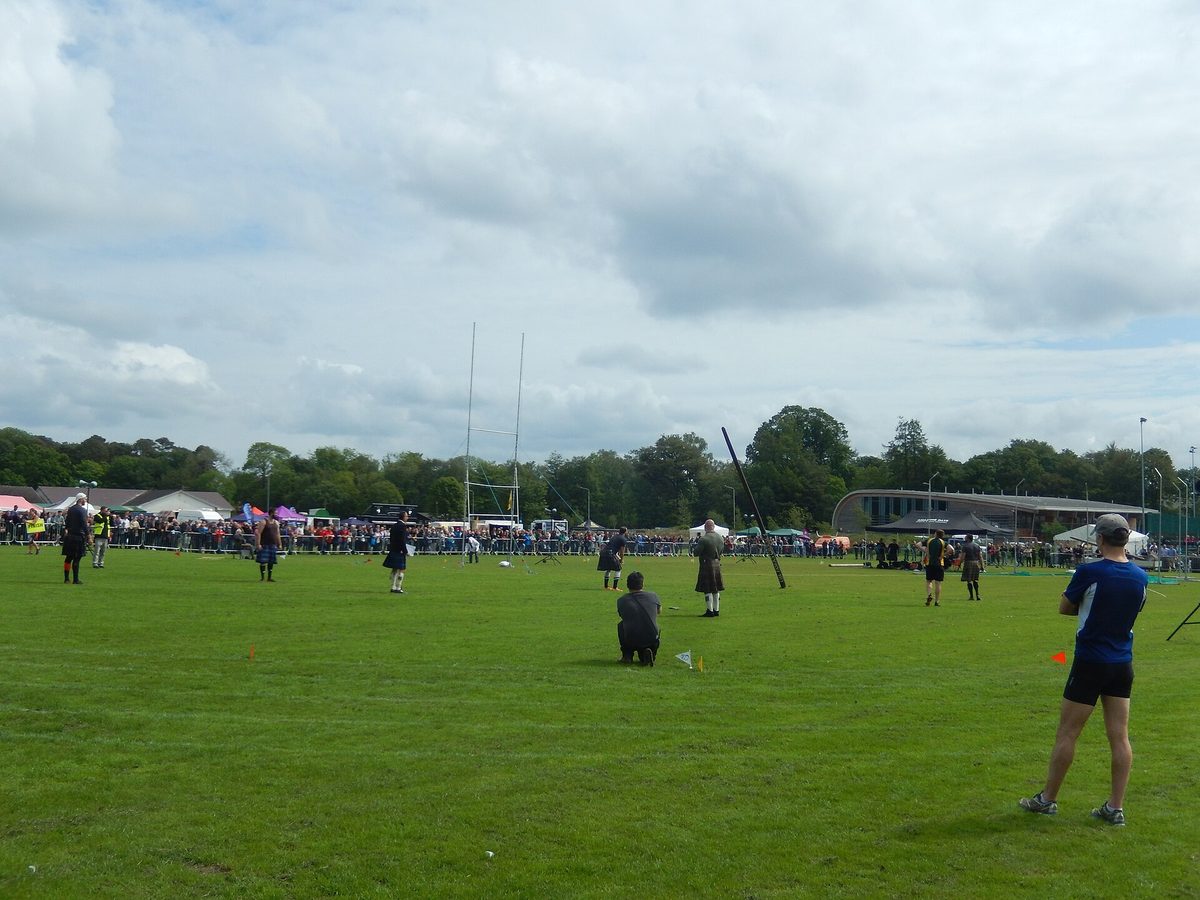
The most famous of the Highland games, held on the first Saturday of September in Braemar, Aberdeenshire, and traditionally attended by a member of the royal family. Caber, hammer, hill race, massed pipe bands. Tickets go on sale well in advance and the good seated ones sell out, so book early rather than turning up hopeful.
Pitlochry Highland Games — Saturday 12 September 2026
Worth naming separately, because a surprising number of travel articles merge this with Braemar. They are different events, in different counties, a week apart. Pitlochry is held on the second Saturday of September on the Recreation Ground, with a pipe band parade down Atholl Road late morning, and it is traditionally the closing meeting of the games season. Smaller, cheaper, easier to get to from the A9. Our Scottish festivals and events calendar covers the wider season.
Doors Open Days — throughout September
The best free thing that happens in Scotland all year, and hardly anyone plans around it. Coordinated by the Scottish Civic Trust, Doors Open Days opens hundreds of buildings that are normally closed to the public — working churches, private townhouses, engineering works, council chambers, lighthouses — at no charge.
Different regions take different weekends. In 2026 Aberdeenshire runs 19–20 September and Edinburgh and East Lothian run 26–27 September, with other areas spread across the month. Programmes go live in late summer; some popular buildings need a free ticket booked in advance.
What is not on in September
The Enchanted Forest at Faskally Wood near Pitlochry is often listed as a September event. In 2026 it runs 8 October to 8 November, so a September trip misses it entirely. The Edinburgh festivals finish on 31 August. And Highland games are winding down, not ramping up — Pitlochry is close to the last of them.
Planning the practical side
How long you need
Seven nights is the realistic minimum for Edinburgh plus a meaningful stretch of Highlands. Ten to twelve nights lets you add an island or the north coast without driving yourself into the ground. If you only have four or five nights, pick one region and stay put — the mistake I see most often in September is people building an August-length driving plan onto shortening days.
Getting there and getting around
Edinburgh and Glasgow airports both have good September connections; Inverness is smaller but saves you a long drive north. Trains work well between the cities and north to Inverness in around three and a half hours, but the Highlands and islands really do want a car. Our guide to getting around Scotland compares the options honestly, including where the train genuinely beats driving.
Two September-specific driving notes. First, single-track roads in the west are much less stressful once the peak-season traffic has gone. Second, deer are on the move during the rut and road collisions spike in autumn — slow down at dawn and dusk on unfenced Highland roads, and assume that where one deer crossed, three more are about to.
What to book, and how far ahead
For the first ten days, book accommodation two to three months out, especially on Skye and around Fort William. For the last ten days you have far more room, though the good small hotels and the popular self-catering places still go early.
Book ahead regardless for: Braemar Gathering tickets, timed entry at the big castles, any island ferry where you are taking a car, and a table at the handful of Highland restaurants actually doing something interesting with Scottish produce — there are fewer of them than you would think, and they fill. CalMac vehicle spaces on the busier routes still sell out in September even when foot passenger space is wide open. Our overview of where to base yourself in Scotland is worth a read before you lock anything in.
Closures to watch in the last week
Many of Historic Environment Scotland’s seasonal properties close for the year on 30 September — check each site individually, because the big ones stay open all year and the small ones do not. CalMac’s timetables are more forgiving than people assume: the 2026 summer timetable runs to 18 October, with winter sailings from 19 October, so September is fully covered. Smaller operators, private boat trips and some distillery tours do wind down from late September.
What to pack
A proper waterproof jacket, not a shower-resistant one. Waterproof trousers if you plan to walk. Boots that cope with wet ground, because September ground is wet ground. Layers, including one warm one for evenings that are genuinely cold by the last week. Midge repellent for the first half of the month. A head torch if you are out at dusk chasing deer or aurora. Leave the umbrella at home; the wind will have it.
What underwhelms, and the mistakes I keep seeing
Expecting autumn colour. The single biggest disappointment. September is the run-up to Scottish autumn, not autumn itself. Manage the expectation and you will enjoy what is actually there; arrive expecting New England and you will spend the week feeling short-changed.
Booking the first week for shoulder-season prices. You will not get them. That week is priced like summer because it still behaves like summer.
Assuming the midges are done on 1 September. They are not, in the west, in a mild year. Bring repellent even if you are travelling late; it weighs nothing.
Planning August driving distances. Losing two hours twenty minutes of daylight across the month is not abstract. A route that worked comfortably in July becomes a scramble in the dark in the last week of September.
Turning up at a seasonal castle on 1 October. Or on the 30th at 4pm, when winter hours have already started at some sites. Check opening times the week you travel, not the month you book. Our castle guide flags which of the big ones open year-round.
Chasing the rut in the wrong place. Deer are not everywhere. Fenced farmland, forestry plantation and busy roadside laybys will not deliver. Open hill ground at first light will.
Treating September as a guaranteed weather upgrade. It is not. It is a crowd and price upgrade with a modest weather downgrade. If sunshine is your priority, look at May instead — our comparison of what Scotland is like in May makes the case for the other end of the shoulder season.

Frequently asked questions
Is it too cold to visit Scotland in September?
No. Daytime highs at sea level generally sit in the mid-teens Celsius, dropping a few degrees by the end of the month. Evenings are cool rather than cold, and you will want a warm layer after dark, particularly in the Highlands. Only the summits are genuinely cold, where near-freezing conditions and early snow are possible in the last week.
Are there still midges in Scotland in September?
In the first ten days, yes — on the west coast and in sheltered Highland glens, on still, damp evenings. Numbers fall away sharply through the middle of the month and usually end with the first sustained cold night. Travel after about the 20th and in most years midges are a non-issue. Check the Scottish Midge Forecast before you go.
Can you see autumn colour in Scotland in September?
Only the beginning of it. Bracken starts turning rust and the first birch goes yellow in the final week, but Scotland’s woodland colour peaks in October — Perthshire’s Big Tree Country is at its best somewhere from mid to late that month. If foliage is your reason for coming, book October rather than September.
Is September a good time to see the northern lights in Scotland?
From mid-September onwards, yes. Nights become dark enough for the aurora to show, and the weeks around the equinox tend to see increased geomagnetic activity. You still need clear skies, a strong enough solar event and a dark northern horizon, so treat any sighting as a bonus rather than a plan.
How much daylight does Scotland get in September?
Inverness has roughly 14 hours between sunrise and sunset on 1 September, about 12 hours 50 minutes by the 15th, and under 11 hours 45 minutes by the 30th. Edinburgh is a few minutes shorter early in the month and near-identical by the end. Plan shorter driving days in the final week.
Is Scotland cheaper in September than August?
Meaningfully so, but not evenly. The first week still carries near-peak accommodation rates, particularly in Edinburgh, on Skye and around Fort William. Prices soften noticeably from the second week and are properly shoulder-season by the last ten days. Shifting your dates a fortnight later is usually the biggest saving available.
Do attractions close in September in Scotland?
Most stay open all month. The change comes at the end: many of Historic Environment Scotland’s seasonal sites close for the year on 30 September, and some smaller attractions and boat operators wind down in the last week. Ferries are fine — CalMac’s summer timetable ran to 18 October in 2026. Always check individual opening times before travelling.
What should I wear in Scotland in September?
Layers under a proper waterproof jacket, with waterproof trousers if you are walking. Boots rather than trainers, a warm mid-layer for evenings, and a hat and gloves if you are heading for the hills late in the month. Add midge repellent for the first half. Wind makes umbrellas useless almost everywhere.

Final thoughts
September is the month I recommend most often, with one condition attached: go late. The first ten days give you summer’s prices without summer’s guarantees. The last ten give you roaring stags at dawn, empty hill paths, no midges, real savings and a genuine shot at the aurora — at the cost of a couple of hours of daylight and a slightly higher chance of a wet afternoon.
That is a trade I would take every year. Book the 15th to the 30th, keep your driving days short, pack for rain you may not get, and set an alarm for one dark morning on the hill. The roaring is worth the alarm clock.
Once the week is fixed, the rest is just choosing where to point the car. Our round-up of the places most worth building a trip around is the shortlist I work from, and if the hills are where you are heading, start with our guide to the Scottish Highlands.
September is the second-best month for the north loop, and for good reasons: thinner traffic, the sea still warm enough to swim in, and the aurora season beginning. Our guide to the best time to drive the NC500 sets September against May and explains where each wins.
About the author: This guide was written and is maintained by the ScotlandTourism.org editorial team — travel writers who’ve spent years exploring Scotland’s cities, Highlands and islands, from bagging Munros to chasing the perfect dram. We update our guides regularly to keep prices, opening details and advice current.
Last updated: August 2026. Prices and opening times change — always check the official site before you travel.
Photo credits
All images are used under their respective Creative Commons or public-domain licenses:
- Russet hillsides above Glen Etive in the Scottish Highlands in autumn — Jim Barton, CC BY-SA 2.0, via Wikimedia Commons
- A red deer stag with a group of stags on open Highland ground — derivative work: Massimo Catarinella (talk)
Red_deer_stag.jpg: Mehmet Karatay, CC BY-SA 3.0, via Wikimedia Commons - Ossian’s Hall and the tall conifers of The Hermitage near Dunkeld in Perthshire — Rosser1954 Roger Griffith, Public domain, via Wikimedia Commons
- The caber upright mid-throw at a Scottish Highland games meeting — AlasdairW, CC BY-SA 4.0, via Wikimedia Commons
- Glenfinnan and Loch Shiel, with the West Highland Line viaduct at the edge of the glen — J. Drevet, CC BY-SA 3.0, via Wikimedia Commons
- The Quiraing on the Trotternish ridge, Isle of Skye — Colin, CC BY-SA 4.0, via Wikimedia Commons
- The aurora borealis over Baltasound on Unst, Shetland — Mike Pennington, CC BY-SA 2.0, via Wikimedia Commons
- Edinburgh’s Old Town skyline seen across the roof of Waverley station — Depthcharge101, CC BY-SA 3.0, via Wikimedia Commons
- The Caledonian MacBrayne ferry Isle of Mull leaving Oban bay — Brian Deegan, CC BY-SA 2.0, via Wikimedia Commons
- Scots pine and heather in the native woodland of Glen Affric — Richard Webb, CC BY-SA 2.0, via Wikimedia Commons