The first time I drove it I had four days, and I finished the loop convinced the answer to is the NC500 worth it was no. I came home with a sore back, 900 photographs of the same three mountains taken from a moving car, and the distinct feeling that I had been sold something. The second time I gave it nine days, went in early June, and it turned into one of the best weeks of driving I have ever had anywhere in Europe. Same road. Completely different trip.
So I have stopped giving the answer most travel sites give, which is a cheerful yes followed by the same six photographs. The honest answer is that it depends on about five things, and you can check all five before you book anything. Get them right and the north-west Highlands will do things to you that no amount of hype prepares you for. Get them wrong and you will spend a fortune to sit in a queue behind a motorhome on a road you cannot overtake on.
The short answer
Yes, if you have seven days or more, genuinely enjoy driving, book accommodation months ahead, and travel in May, June or September. No, if you have four days, dislike single-track roads, need a fixed schedule, want restaurants and nightlife, or are turning up in August without bookings. The scenery is world-class. The branding around it is not.
Is the NC500 worth it for your trip? An at-a-glance verdict
| Your situation | Verdict | Why |
|---|---|---|
| 7–10 days, May/June/September, booked ahead | Yes, without hesitation | You get roughly 2–3 hours of driving a day and time to actually stop |
| 5–6 days, shoulder season, booked ahead | Yes, with discipline | Workable if you skip the east coast quickly and accept you will miss things |
| 3–4 days | No — do a section instead | 516 miles at Highland speeds is 16–18 hours of driving before a single stop |
| August, no bookings | No | Rooms sell out months ahead and the roads are at their worst |
| Nervous or inexperienced driver | Probably not | Hundreds of miles of single-track with passing places and blind summits |
| Want restaurants, bars and indoor things to do | No | Whole stretches have one pub, and kitchens often close at 8pm |
| Large motorhome or towing a caravan | Only with careful route planning | The Bealach na Ba bans them outright and west coast passing places are tight |
| First trip to Scotland, one week total | No — go to Skye and Glencoe | More iconic landscape per hour driven, far less commitment |
What the North Coast 500 actually is
This matters more than it sounds, because most of the disappointment I hear about comes from a misunderstanding of what people have bought.
A brand laid over roads that already existed
In March 2015, the Tourism Project Board of the North Highland Initiative — a body set up a decade earlier by the then Prince Charles to support the north Highland economy — launched a 516-mile driving loop from Inverness, up the east coast, along the top of the country, down the west coast and back. Not a metre of new tarmac was laid. No passing places were added. No new lay-bys, no new toilets, no new petrol stations. What was added was a name, a logo, a map and a website.
As a piece of destination marketing it was extraordinarily effective. As infrastructure planning it was nothing at all, and that gap is the single best explanation for almost every complaint you will read about the route. The roads were built for crofting communities and fishing boats. They now carry a tourism product with an international profile, and nobody upgraded the middle bit.
Understanding that changes how you plan. You are not driving a purpose-built scenic highway like the Great Ocean Road or the Blue Ridge Parkway. You are driving the A9, the A99, the A836, the A838, the A894, the A835 and the A832 — ordinary Highland roads that people use to get to work, take children to school and deliver fuel oil. Behave accordingly and the trip is a joy. Behave like you are on a theme-park circuit and you will annoy everyone, including yourself.
Where the scenery genuinely earns every word
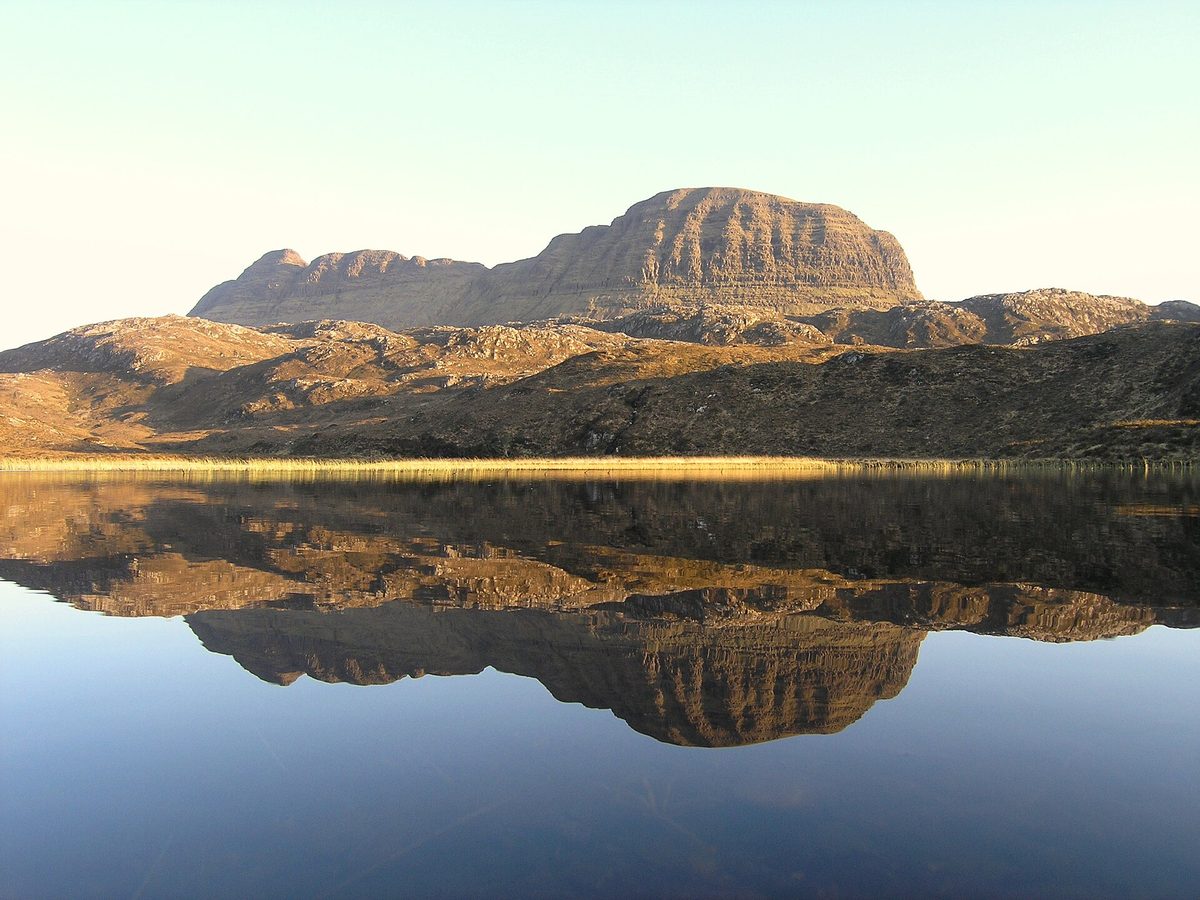
Now the good part, because I am not here to talk you out of it. The stretch from Applecross north through Torridon, Gairloch and Ullapool, and then onwards into Assynt, is as good as coastal driving gets in Europe. I mean that literally, having driven a fair chunk of the alternatives.
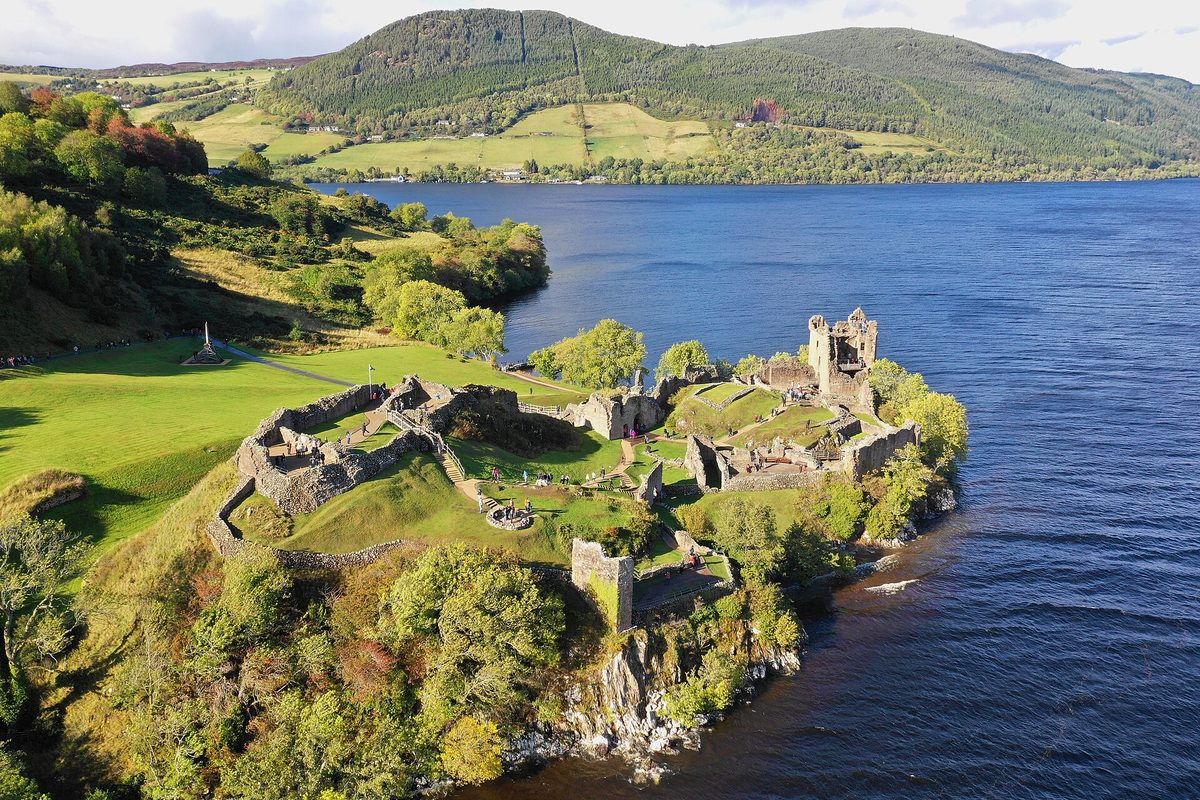
Assynt in particular does something no other part of Britain does. The mountains — Suilven, Stac Pollaidh, Quinag, Canisp — sit as isolated lumps on a floor of ancient rock and scattered lochans, so they read as far bigger than their modest heights suggest. Suilven is only 731 metres. It looks like a cathedral. Drive the single-track loop out to Achiltibuie on a clear evening and you will understand what all the fuss was about.
The north coast has its own thing going on: Sandwood Bay, Balnakeil, Ceannabeinne and the beaches around Tongue are pale sand and genuinely turquoise water in the right light, backed by nothing much at all. Some of Scotland’s finest stretches of sand sit up here, and in June you will often have them to yourself.
Where it is honestly ordinary
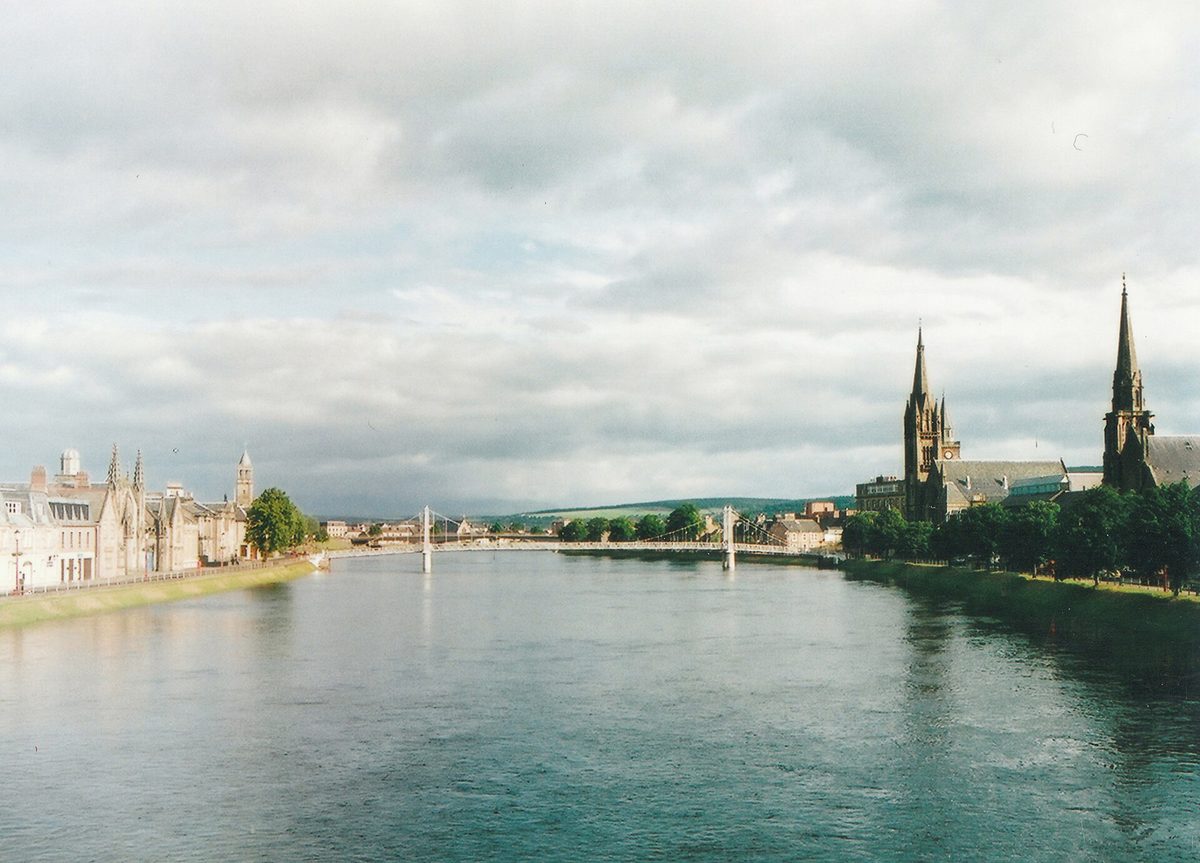
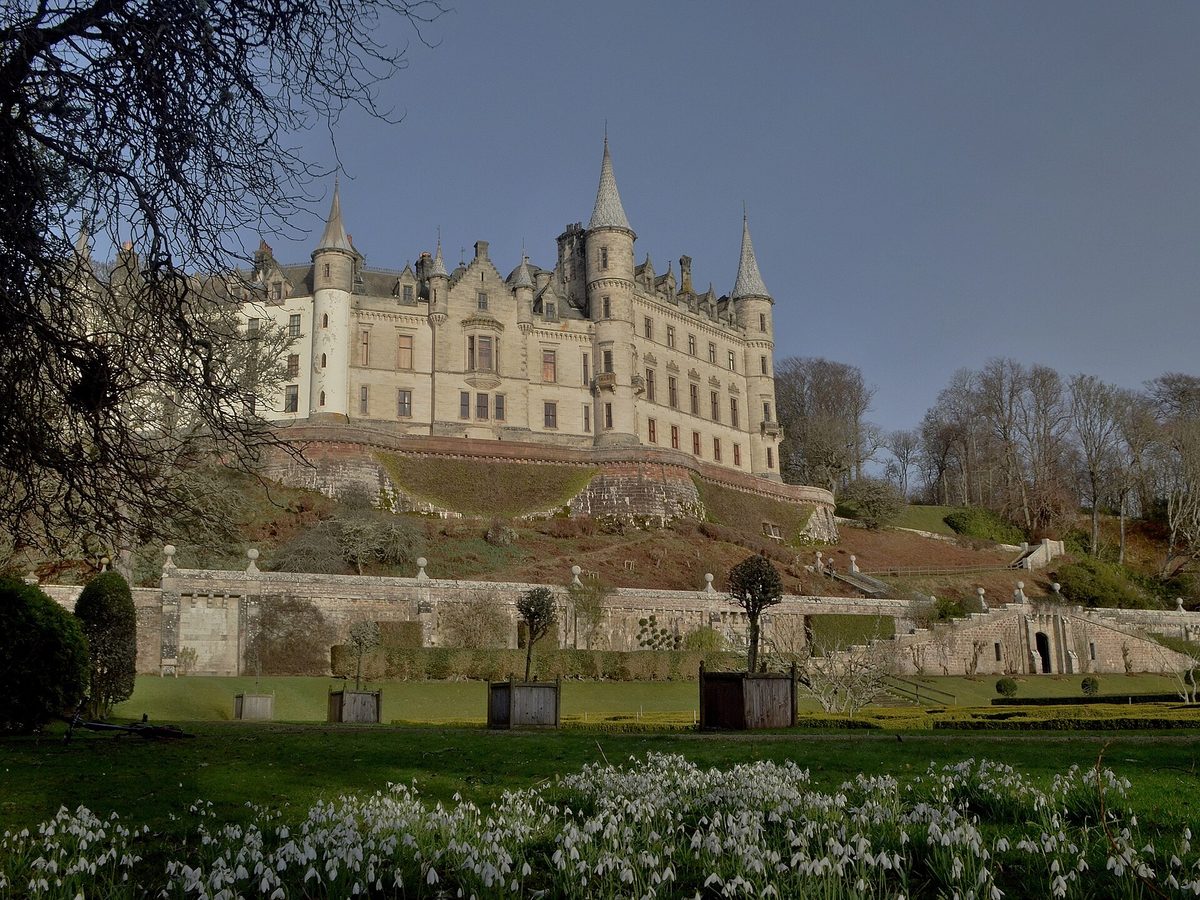
The east coast from Inverness up to Wick is pleasant and unremarkable. Farmland, forestry, the odd distillery, Dunrobin Castle looking like it wandered in from the Loire. It is fine. It is not why you came, and treating it as a full day is one of the easiest mistakes to fix.
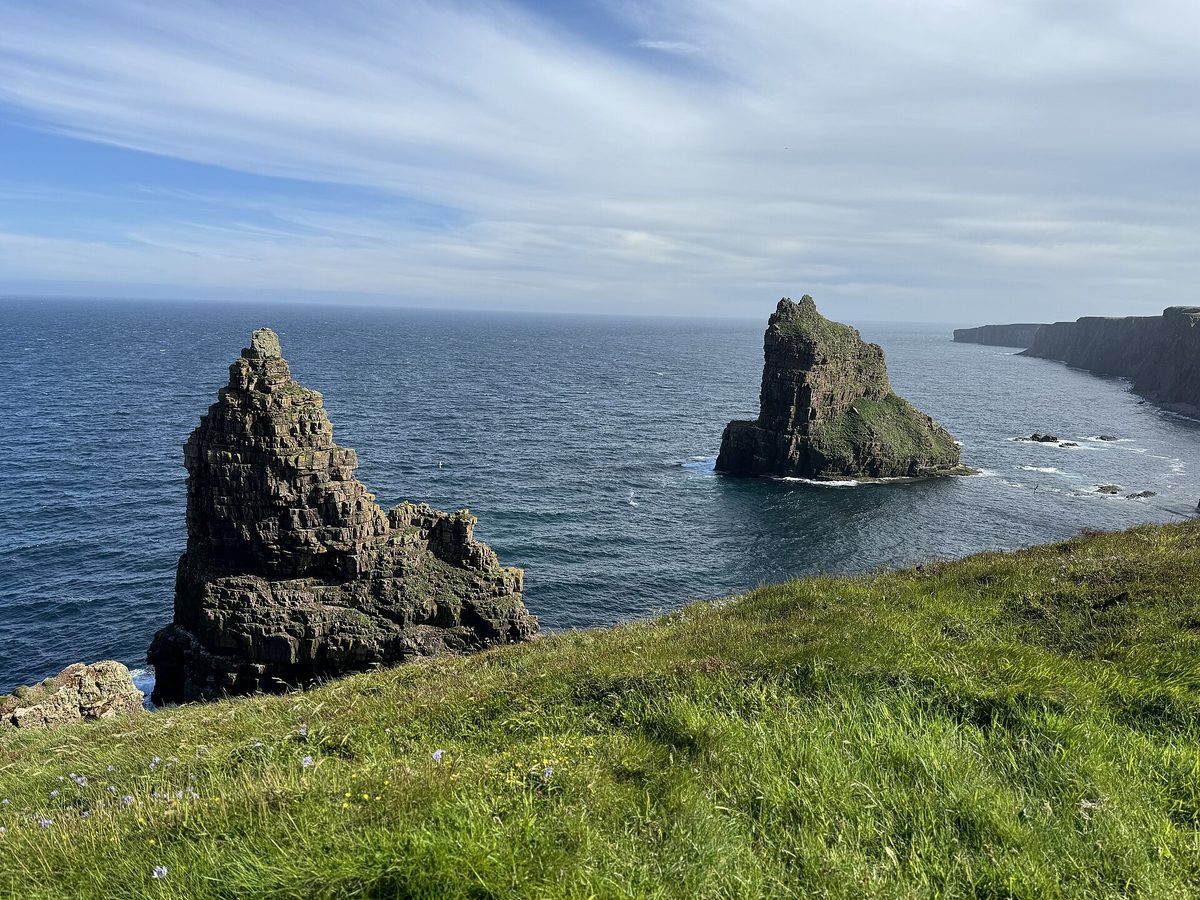
Caithness divides people. The far north-east is flat, treeless, wind-scoured moor and flagstone, with a bleakness I have grown fond of but which many visitors find simply empty. John o’ Groats itself is a car park, a signpost and a gift shop, and the walk out to the Duncansby Stacks twenty minutes down the road is worth ten of it.
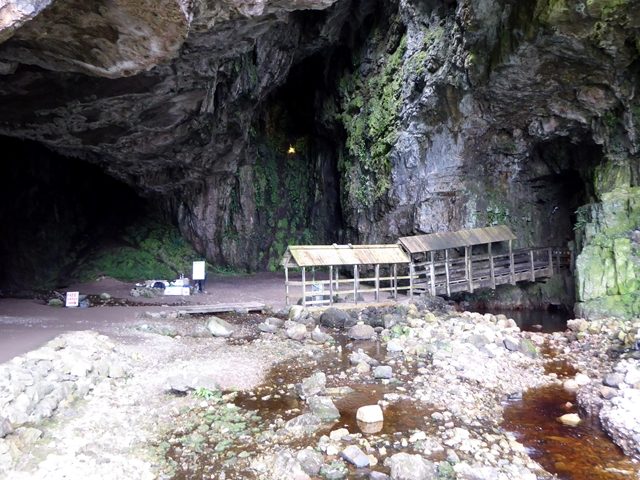
The north coast between Thurso and Durness is the stretch people most often underrate. It is only about 70 miles but it takes half a day if you do it properly, and it holds the best single-sight-per-mile ratio on the route: Strathy Point, the Kyle of Tongue causeway with Ben Loyal behind it, Ceannabeinne beach, and Smoo Cave, a huge combined sea and freshwater cave you can walk into for free at the edge of Durness village.
The point is that roughly 40 per cent of the loop is scenery you would not cross a country for. When someone tells you the whole 516 miles is spectacular, they are selling something. Knowing which bits to hurry through is most of what separates a good NC500 from a mediocre one, and it is worth reading up on which stops actually justify the parking faff before you set off.
Worth it if…
You have seven days or more
Seven is where the trip changes character. At seven to nine days you average two to three hours behind the wheel per day, which leaves genuine time for a hill walk, a long lunch, a boat trip or simply sitting somewhere with a flask while the weather does something interesting. Ten days is luxurious. Our seven-day version of the route is the one I recommend to most people, and there is a tighter five-day plan if that is all you can carve out.
You like driving as an activity
This is the filter nobody applies and it is the most important one. Some people find single-track roads, blind summits, gear changes and the small social choreography of passing places genuinely enjoyable. If that is you, the west coast is a gift and you will finish each day happy.
If driving is simply the tax you pay to arrive somewhere, you will find the NC500 exhausting, because the driving is the attraction. There is no cable car, no big museum, no headline sight to justify the miles. There is the road, and what you can see from it.
You booked months ago
Accommodation on the route is thin, seasonal and books absurdly early. For June to August, I would have beds confirmed by January, and the good small hotels in Applecross, Lochinver, Kylesku and Durness go earlier than that. Our guide to where to stay along the route goes through the sensible overnight stops; if you are camping or in a van, the rules and realities are covered in our campsites and wild camping guide.
You are going in May, June or September
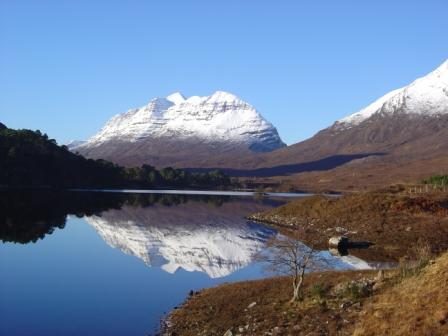
May and June give you the longest daylight in Britain — usable light until nearly 11pm in mid-June this far north — the driest months statistically, and midges that have not properly woken up. September gives you emptier roads, autumn colour on the Torridon hills and a decent shot at settled weather, though light shortens fast. Our breakdown of the best time to drive the North Coast 500 gets into the month-by-month detail, and if midges worry you, they should — read the midge season guide before you book July.
Not worth it if…
You have four days
I have done it. It is not a holiday, it is a driving challenge with scenery attached. In four days you will spend six hours a day in the car, you will start skipping stops by day two to stay on schedule, and you will arrive at the best part of the route — the west coast — too tired to appreciate it.
If four days is genuinely all you have, do not do the loop. Do half of it. Inverness to Ullapool, up through Assynt to Durness, back down the same way with different stops. You will see more, drive less and enjoy it far more. We have a short-trip version of the route that does exactly this.
Single-track roads make you tense
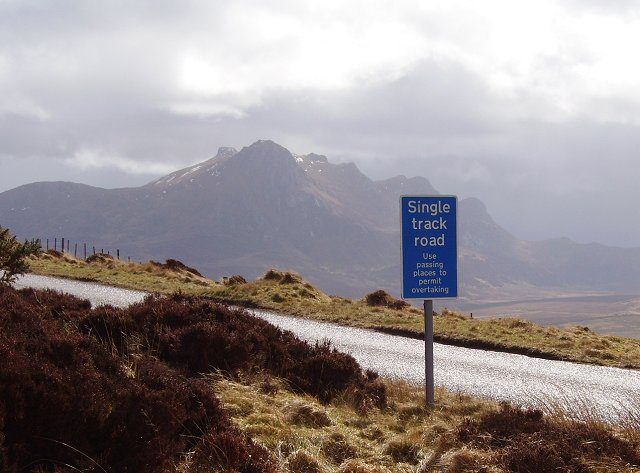
There are hundreds of miles of them, especially between Applecross and Kylesku. Single-track means one lane with passing places, blind summits where you cannot see oncoming traffic until it is close, sheep on the tarmac, and the constant low-level calculation of who reverses. Add rain and a hire car you are not used to and it becomes genuinely tiring rather than romantic.
Be honest with yourself here. There is no shame in it, and there are better trips for you. Consider a guided small-group tour or a base-and-explore trip instead.
You need to be somewhere at a fixed time each evening
Highland journey times are unpredictable in a way that spreadsheets do not capture. A single tractor, a road closure, a herd of deer, or forty minutes of roadworks at a bridge and your plan is gone. If you have booked a non-refundable dinner reservation 90 miles away at 7pm every night, you will spend the week anxious and driving faster than you should.
You want restaurants, nightlife and things to do indoors
The food on the route has improved enormously — Applecross Inn, the seafood shacks around Kylesku and Lochinver, the pie shops, the small distilleries — but this is not a dining destination. Many villages have exactly one place to eat, it may well be full, and the kitchen frequently stops at 8pm or earlier outside peak season. Sunday is quieter again.
If it rains for three days, and it can, there is very little indoor alternative. That is not a criticism of the north Highlands; it is simply what a population density of a few people per square mile produces. If your idea of a good holiday includes museums, galleries and a choice of restaurants, spend those days in Edinburgh instead and give the Highlands a shorter, better-targeted visit.
You are going in August without bookings
August is the worst combination: peak traffic, peak prices, peak midges, and accommodation that sold out in February. Turning up hoping to find somewhere is a plan that used to work in 2014 and does not work now. If August is fixed for you, book everything, expect queues at the popular parking spots, and lower your expectations about solitude.
The arithmetic almost nobody does before booking
Here is the calculation that should decide your trip, and it takes thirty seconds.
The loop is 516 miles. Average speed on the NC500, taking single-track sections, towns, sheep, caravans and junctions together, lands somewhere around 30–33mph in practice. That is 16–18 hours of pure driving. Not driving plus stops. Not driving plus lunch. Just tyres turning.
Now add reality. Every photo stop costs you 10–20 minutes by the time you have found somewhere legal to pull in, got out, taken the picture and got going again. A short walk is an hour. Lunch is an hour. Fuel is fifteen minutes. A castle is two hours. Do six meaningful stops a day and you have added four to five hours on top of the driving.
So: 16–18 hours driving spread over four days is four and a half hours a day before you stop for anything, which realistically becomes eight to nine hours out of the accommodation. Over seven days it is two and a half hours a day, which becomes a comfortable six with stops. Over ten days it is under two hours a day and you can actually walk up a hill.
That is the whole argument in numbers. Plan by hours, never by miles. A 60-mile day on the west coast can take longer than a 120-mile day on the east, and if you want to sanity-check your budget while you are at it, our NC500 cost breakdown puts figures on fuel, beds and food.
The specific ways people ruin their own trip
Driving it anticlockwise for no particular reason
Both directions work, and anyone who tells you there is only one correct way is overstating it. But there is a real argument for clockwise — east coast first — which is that it puts the sea on your left on the west coast, so the passenger gets the view and you are not pulling across traffic to reach viewpoints. It also saves the best scenery for the back half, and lets you get used to Highland roads on the easy east side before Applecross.
The reason people go anticlockwise is usually that they want to hit the west coast on day one while they are fresh. That is a defensible choice. Choosing it because a forum said so, without thinking about which side the sea is on, is not. Our route map and direction guide lays out the trade-off properly.
Planning by mileage instead of by hours
See above. This is the mistake that generates every other mistake. If your itinerary says “Day 3: 140 miles”, rewrite it as “Day 3: five hours of driving” and see whether you still want to do it.
Not understanding what passing places are for
This one causes more local anger than litter, and it is easy to get right. A passing place is for two things: letting oncoming traffic through, and letting faster traffic behind you overtake. The second half is the bit visitors miss.
The sign literally says so — “use passing places to permit overtaking”. If a local van is sitting behind you, they are not being rude, they are working. Pull into the next passing place on your left, stop, let them past, get a wave, carry on. It costs you eight seconds. And when the passing place is on your right, you stop opposite it and let the other car use it — you do not drive into it.
Two more things. Never park in a passing place, even for a moment, even for a photograph. And keep the gap you leave sensible: pulling in 300 metres early and crawling helps nobody.
Booking accommodation last
People book flights, then a car, then think about beds. On this route that order is backwards. Beds are the constraint, and they determine your entire itinerary because there are only so many places with rooms. Fix your overnight stops first, then build the driving around them.
Treating the Bealach na Ba as compulsory
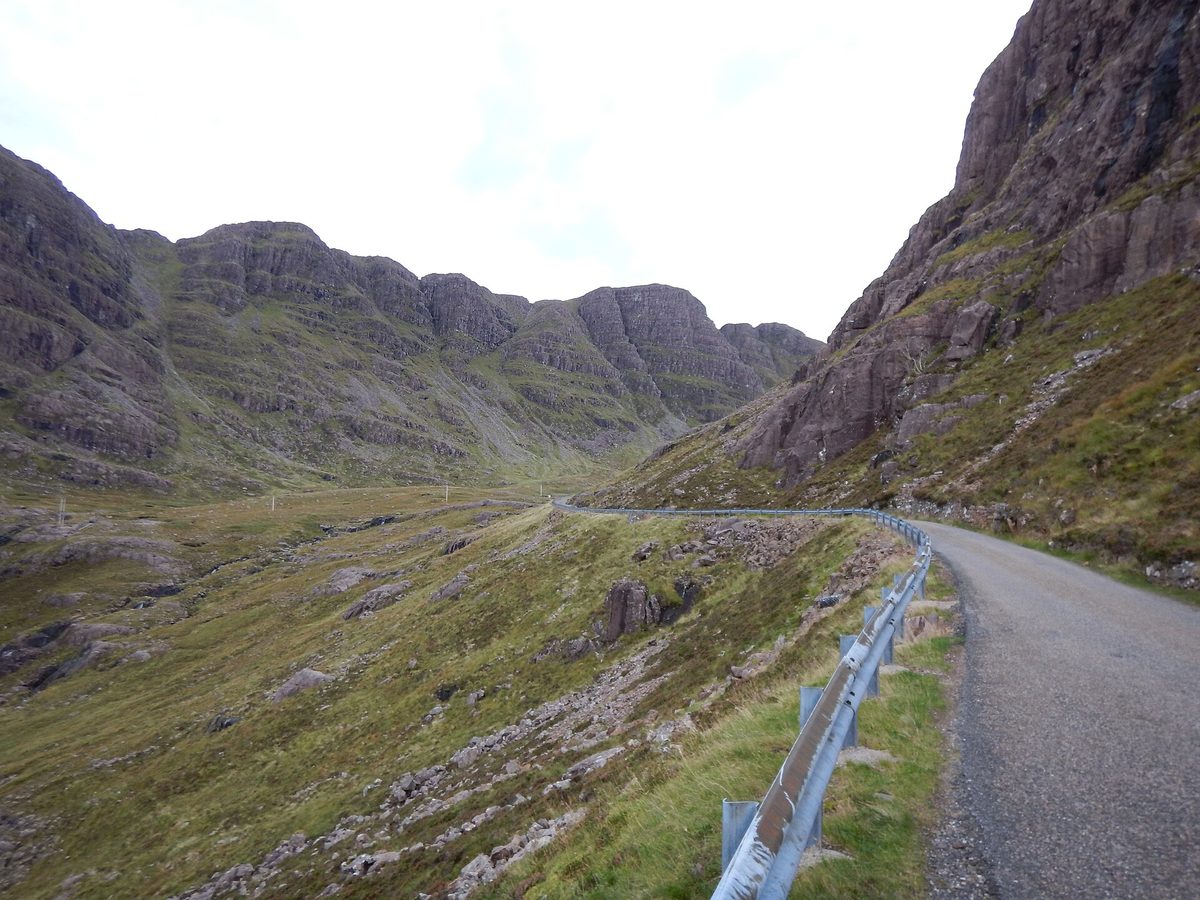
The Bealach na Ba is a genuinely remarkable road — 626 metres, the greatest ascent of any road climb in the UK, hairpins with gradients approaching 20 per cent, built in 1822. On a clear day it is the single most exciting piece of driving on the route.
On a wet, low-cloud day it is 40 minutes of tense first-gear work in fog with nothing to see at the top, and there is a perfectly good coast road to Applecross via Shieldaig that is arguably prettier. It is closed or impassable in snow and ice, and it is signed as unsuitable for large vehicles, caravans and learner drivers — motorhomes should not be attempting it at all.
Check the cloud base before you commit. If the top is in cloud, take the coast road and come back another year. The mountain is not going anywhere, and a viewpoint you cannot see is not worth risking your clutch for.
Assuming fuel will be open
North and west of Ullapool, filling stations are sparse, expensive, and frequently shut on Sundays and in the evenings. Several are manned rather than 24-hour card operated. I use a simple rule: never let the tank drop below half north of Inverness, and fill up in Ullapool, Durness, Thurso and Wick whenever you pass one, whether you need it or not.
Electric vehicles need more planning again. Chargers exist across the north but they are individually few, occasionally out of service, and can have a queue in summer. Check a live charger map the evening before rather than the morning of.
Trusting the phone for navigation
Mobile signal on the route is patchy to non-existent for long stretches, particularly between Applecross and Shieldaig, across the Assynt back roads and along much of the north coast. If your navigation depends on a live data connection, it will fail you somewhere inconvenient, usually at a junction in the rain.
Download offline maps for the whole of the northern Highlands before you leave Inverness. Do the same with any accommodation booking confirmations, addresses and phone numbers — a printed sheet in the glovebox has saved me twice. Assume you will not be able to phone ahead to say you are running late.
There is a second, subtler problem. Satellite navigation optimises for speed, and on the NC500 the fastest line is often not the route you came for. It will happily send you inland on a wider road while the coastal loop you wanted — the Coigach road to Achiltibuie, the Applecross coast road, the detour to Stoer lighthouse — goes unmentioned. Set individual waypoints for the places you actually want to see rather than the next town, and follow the brown tourist-route signs where they appear.
And a small thing that matters more than it should: a paper map. The Ordnance Survey road map of northern Scotland costs a few pounds, works in a valley with no signal, and gives you something the phone cannot — a sense of where you are in relation to everything else. It is also the fastest way to work out an alternative when a road closes, which happens.
Trying to see everything
There are perhaps forty things on the route that a guide will tell you to stop for. You cannot do forty in a week without the week becoming a chore. Pick eight or ten that genuinely appeal to you, do those properly, and let the rest go past the window. The people who enjoy the NC500 most are the ones who spend an afternoon on one beach rather than fifteen minutes on four.
The overtourism question, answered honestly
You will have seen the headlines and you may be wondering whether you are welcome. It deserves a straight answer rather than either the defensive tourism-board version or the “the Highlands are ruined” version.
What residents actually report
In June 2026 an independent assessment of the route by BiGGAR Economics, commissioned by NC500 Ltd alongside Highland Council and Highlands and Islands Enterprise, surveyed 828 residents, 617 visitors and 99 businesses. The findings were uncomfortable reading for the brand. Around 90 per cent of residents said they had seen signs of environmental damage along the route. More than half reported observing dangerous or irresponsible driving “very often”. Over 60 per cent said they did not feel NC500 Ltd acts in the best interests of the local area.
Those are not fringe opinions. They are the settled view of the people who live there, and the specific grievances are consistent: congestion on roads not built for the volume, litter, human waste left in lay-bys, campervans overnighting in passing places and car parks, and drivers overtaking dangerously because they are running late for a booking 90 miles away.
What the route actually pays for
The same study found the NC500 generated around £98.8 million of gross value added in 2025 and supported roughly 1,335 jobs in the north Highlands. Some 41 per cent of businesses said visitors let them open longer hours, extend their season or offer more. Around one in ten residents earned income from renting accommodation. Distilleries, cafes, campsites and guesthouses exist now that did not exist in 2014.
This is a part of Scotland that lost population for a century and a half. Jobs that let young people stay are not a trivial benefit, and dismissing the economic case is as lazy as dismissing the resident case.
What that means for you, practically
Both things are true at once, and the resolution is not to stay away. It is to be the kind of visitor who is a net positive. That means: spend money locally rather than arriving with a boot full of supermarket food; use campsites rather than free-camping in a van, which is not what Scotland’s access rights cover; take your rubbish with you; use passing places properly; and go outside July and August if you possibly can. Highland Council is actively exploring a visitor levy to fund infrastructure, so budget for the possibility that some of this becomes a formal charge in the coming years.
None of that is onerous. It is roughly what any of us would want from a visitor to our own street.
Practical planning: how long, when and what to book
How long. Five days is the workable minimum, seven is the sweet spot, ten is a proper holiday. If you have three or four, drive a section rather than the loop — and if you are set on the full circuit anyway, accept in advance that you are booking a driving holiday rather than a sightseeing one.
When. Late May and early June for daylight and dry weather; September for quiet roads and colour. Avoid the last two weeks of July and all of August unless you have no choice. Winter is for confident drivers only — ice, single-track roads, six hours of daylight in December and closures on the high passes — though the aurora prospects up here are the best in the country if you are set on it. Whatever month you pick, assume you will get one properly wet day in every three and plan a low-effort day around it.
Getting there. Inverness is the natural start and end. It has an airport with UK connections, a mainline station from Edinburgh, Glasgow and London, and every hire company. Give yourself a night in Inverness before you start rather than collecting a car at 2pm and driving straight into a four-hour leg.
What vehicle. A small or mid-size car is the right answer for almost everyone. Wider vehicles make passing places harder and the Bealach na Ba impossible. Campervans give you flexibility but bring their own constraints — we compare the two properly in our guide to campervan hire versus a car on the NC500.
What to book, and when. Accommodation first and earliest — six months ahead for summer, three for shoulder season. Hire car next, because Inverness stock is genuinely finite in July. Then any boat trips or tours. Restaurants only where a place is famously small, such as the Applecross Inn. Everything else can be decided on the day.
Without a car. It is hard but not impossible. Buses serve the main settlements thinly, and there are guided options. If you cannot drive, read our car-free Scotland itinerary before committing to the north, because the north and west coasts are the thinnest-served part of the country for public transport.
Better trips, if the loop is not for you
Saying no to the NC500 does not mean saying no to the Highlands. These are the alternatives I actually suggest to people, depending on why the loop does not fit.
If you want the same drama with less driving: Wester Ross without the loop
Take the same road as far as Ullapool, spend three nights around Torridon, Gairloch and Poolewe, add a couple in Assynt, then come back. You get the best 40 per cent of the NC500 and none of the flat bits, and you can walk somewhere every day. This is what I would do with five days and a preference for hills over mileage.
If you have less than five days: Skye and Glencoe
For a first Scottish trip on a tight schedule, Skye plus Glencoe delivers more recognisable landscape per hour of driving than anywhere else in the country. Skye has its own crowding problems in summer, but the distances are shorter and the sights are closer together. You can stitch the two together with a night in Fort William and still be back in Glasgow inside five days.
If you want a quieter drive: the Argyll Coastal Route
Roughly 130 miles from Tarbet on Loch Lomond up through Inveraray and along the coast towards Fort William, this is sea lochs, castles, oyster bars and mountain passes with a fraction of the traffic. It works beautifully as a two- or three-day drive with Oban as a base, and it is far easier driving than the north-west.
If you want mountains without single-track: the Snow Roads
The Snow Roads Scenic Route runs about 90 miles through the eastern Cairngorms from Blairgowrie to Grantown-on-Spey, over the highest public roads in Britain. Wide, well-surfaced, high and empty. Pair it with a few nights around Aviemore and the Cairngorms and you have a low-stress Highland week. The name is a warning for winter, though.
If you like the loop format: the North East 250
A 250-mile circuit taking in the Moray Firth fishing villages, the Aberdeenshire coast, castle country and the eastern Cairngorms. Better weather statistics than the west, proper roads, more distilleries than anywhere in Scotland, and a fraction of the visitors.
If you would rather unpack once: base and explore
Honestly, this is what I now recommend most often. Pick two bases — say Ullapool and Torridon, or Inverness and Gairloch — and do day trips out and back. You lose the satisfaction of completing a circuit and you gain evenings that are not spent arriving somewhere new. Our guide to the best base towns in the Highlands covers the options, and there is a wider list of Highland road trip routes if you want to compare.
Frequently asked questions
Is the NC500 worth it in 3 days?
No. Three days means roughly six hours of driving daily before any stops, and you will spend the trip watching the good bits go past the window. Drive a section instead — Inverness to Ullapool and up through Assynt and back is a far better three days than a rushed full circuit.
How many hours of driving is the NC500?
Around 16 to 18 hours of pure driving for the full 516 miles, based on a realistic average of 30–33mph once single-track sections, villages and junctions are included. Add roughly four to five hours a day for photo stops, walks, meals and fuel. Plan in hours, never miles.
Is the NC500 too busy now?
In July and August, parts of it are, particularly the west coast and popular car parks. In May, June, September and October it is comfortable, and in the shoulder months you will drive for long stretches without meeting anyone. Traffic volume is a seasonal problem, not a permanent one.
Is the NC500 difficult to drive?
It is not technically dangerous, but it is demanding. Expect hundreds of miles of single-track road with passing places, blind summits, livestock and no overtaking. Confident drivers find it enjoyable. Nervous drivers, or anyone unused to driving on the left, will find it tiring rather than fun.
Should I drive the NC500 clockwise or anticlockwise?
Clockwise puts the sea on your left along the west coast, which makes viewpoints easier to reach and gives the passenger the view. It also eases you into Highland roads on the gentler east coast. Anticlockwise is perfectly valid, particularly if you want the west coast while you are fresh.
Is the NC500 worth it in a campervan?
It can be, if the van is small and you use campsites rather than parking overnight in lay-bys. Large motorhomes struggle on west coast single-track and are not permitted on the Bealach na Ba. Book campsites ahead in summer — the good ones fill up just as hotels do.
What is the best month to drive the NC500?
Late May and early June, for the longest daylight in Britain, the driest statistics of the year and midges that have not yet peaked. September is the strong second choice for quieter roads and autumn colour, though daylight shortens quickly. Avoid August if you have any flexibility.
Can you do the NC500 with young children?
You can, but it is a lot of car time and there is little in the way of wet-weather entertainment. Shorten it drastically, base yourself in two places rather than moving every night, and build days around beaches and short walks. The east coast, with Dunrobin Castle and easy beaches, is far more child-friendly than the west.
Final thoughts
My verdict, for what it is worth: the driving is worth it, the branding is not, and the two get confused constantly.
If you have seven days, you like being behind the wheel, you booked in January and you are going in June, the North Coast 500 is one of the best road trips in Europe and I would go again tomorrow. Assynt on a clear evening is the sort of thing you remember for decades.
If you have four days, or you are dreading the single-track roads, or it is the first week of August and you have not booked, then the honest answer is that this trip will not give you what the photographs promised. That is not a failure on your part. It is a route that was marketed far harder than it was built for, and it rewards people who match themselves to it rather than the other way round.
Either way, do not do it out of obligation. There is more good driving in Scotland than the loop, and the best trip is the one you would still choose if nobody had given it a number. Work out what you actually want from the week — hills, beaches, food, driving, quiet — and then pick the route that delivers it, rather than the one with the best logo.
About the author: This guide was written and is maintained by the ScotlandTourism.org editorial team — travel writers who’ve spent years exploring Scotland’s cities, Highlands and islands, from bagging Munros to chasing the perfect dram. We update our guides regularly to keep prices, opening details and advice current.
Last updated: October 2026. Prices and opening times change — always check the official site before you travel.
Photo credits
All images are used under their respective Creative Commons or public-domain licenses:
- The single-track road climbing the Bealach na Ba pass towards Applecross on the NC500 — James Emmans, CC BY-SA 2.0, via Wikimedia Commons
- A single-track road sign on the A836 telling drivers to use passing places to permit overtaking — Richard Webb, CC BY-SA 2.0, via Wikimedia Commons
- Suilven reflected in still water in Assynt, the scenic high point of the NC500 — Andrew Tryon, CC BY-SA 2.0, via Wikimedia Commons
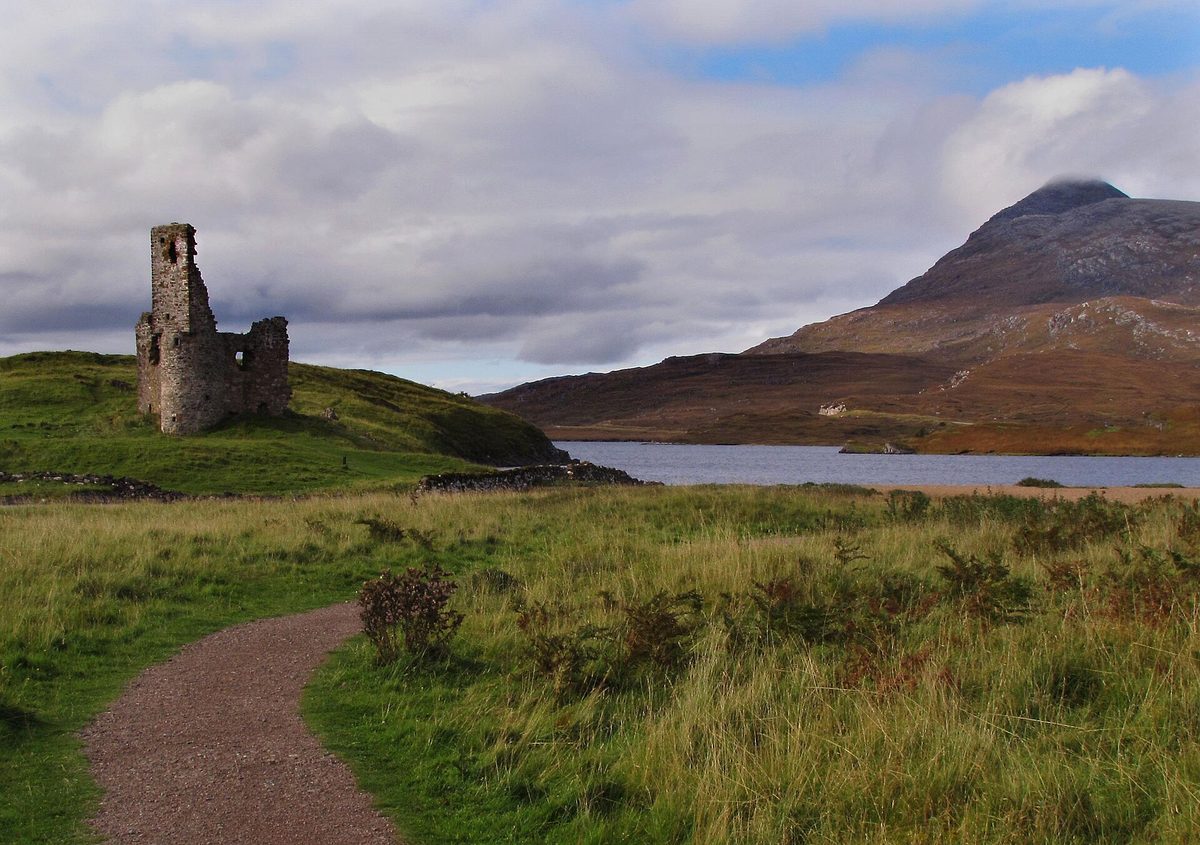
- The ruins of Ardvreck Castle beside Loch Assynt on the NC500 west coast — Carol Bleasdale, CC BY-SA 2.0, via Wikimedia Commons
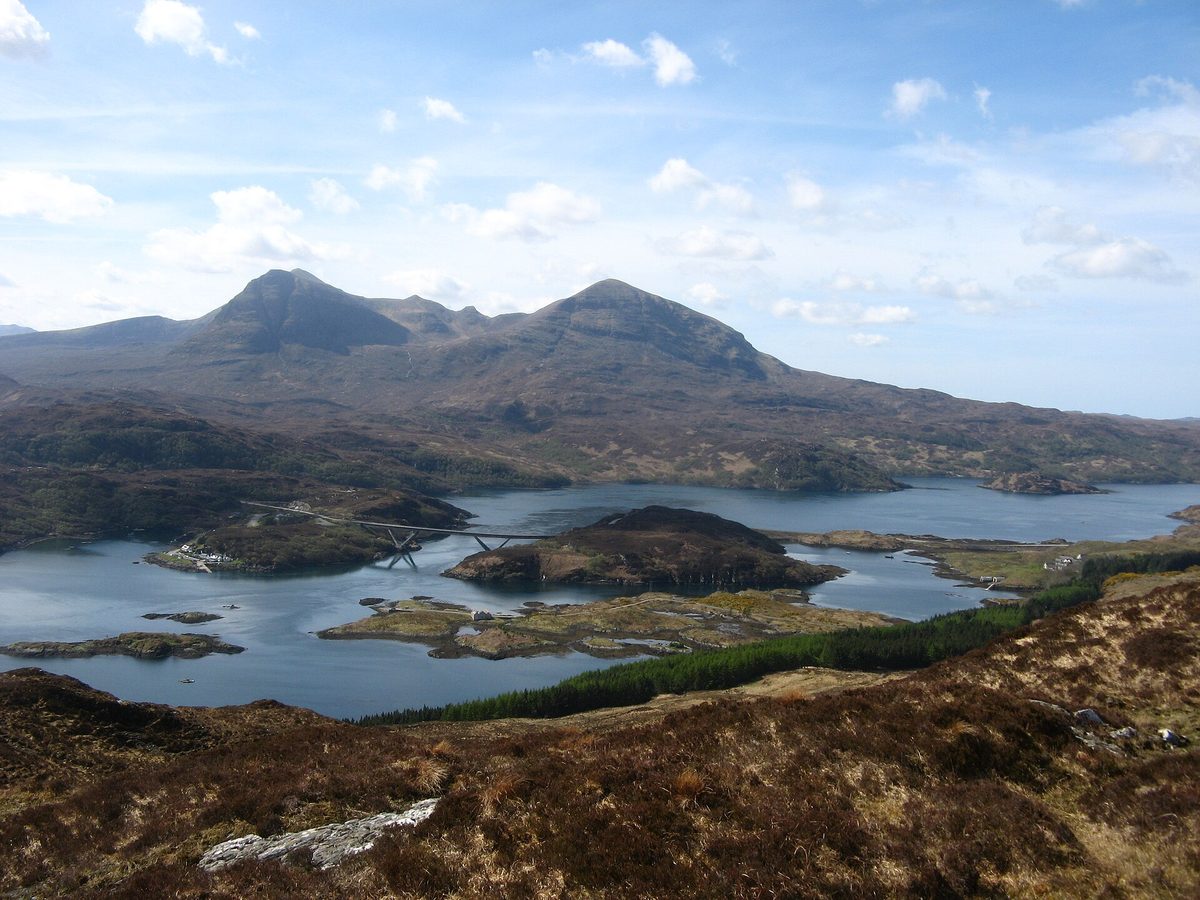
- Kylesku Bridge curving across Loch a Chairn Bhain in north-west Sutherland — Reboelje, Public domain, via Wikimedia Commons
- Liathach in the Torridon mountains reflected in Loch Clair, Wester Ross — Tom Forrest, CC BY-SA 2.0, via Wikimedia Commons
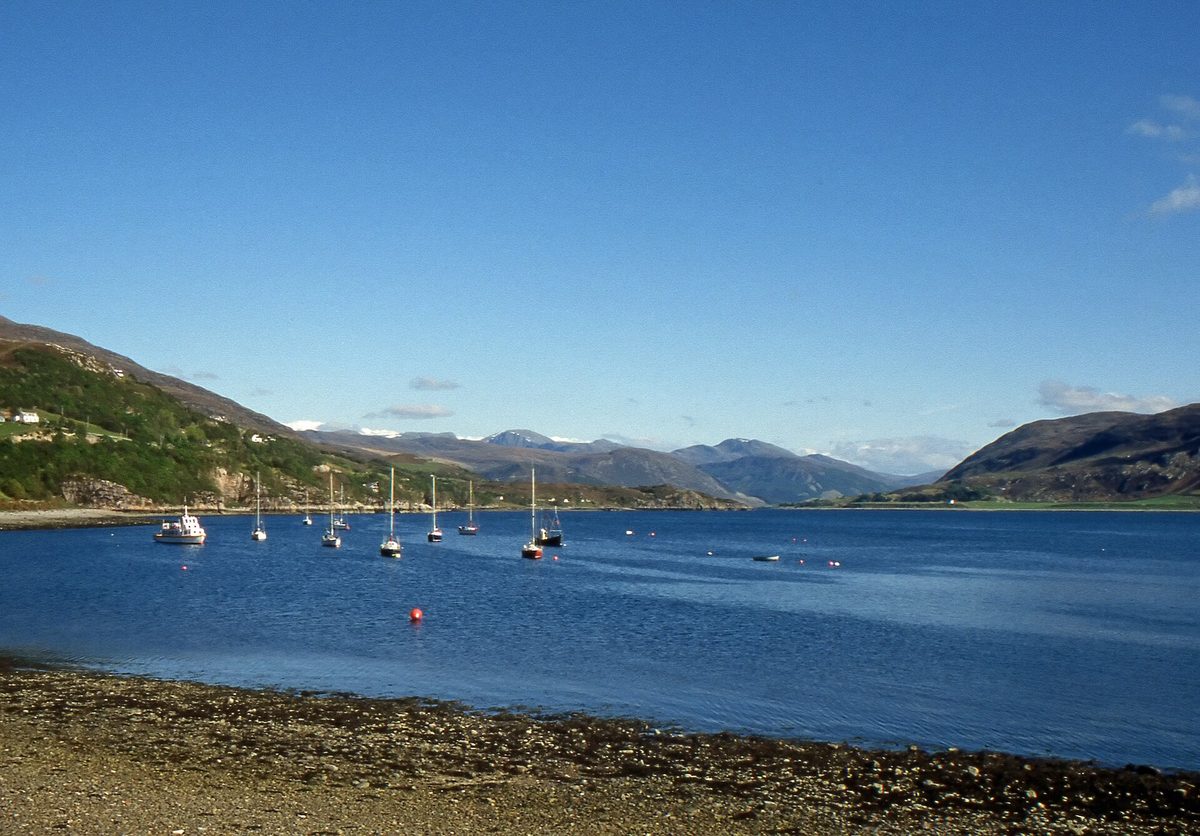
- Loch Broom at Ullapool, the biggest town on the west coast leg of the NC500 — Giorgio Galeotti, CC BY 4.0, via Wikimedia Commons
- The beach and sea stack at Sandwood Bay in north-west Sutherland — Manico at English Wikipedia, Public domain, via Wikimedia Commons
- The entrance to Smoo Cave near Durness on the north coast — Oliver Dixon, CC BY-SA 2.0, via Wikimedia Commons
- The Duncansby Stacks on the Caithness coast beyond John o Groats — MaxKaane, CC BY-SA 4.0, via Wikimedia Commons
- Dunrobin Castle near Golspie on the east coast leg of the North Coast 500 — Andrew Tryon, CC BY-SA 2.0, via Wikimedia Commons