
Planning a first trip to Scotland is a wonderful problem to have, and a slightly overwhelming one. The country is small enough that you feel you should be able to “do it all,” and just big enough — with slow, winding roads — that you absolutely can’t. The single most useful thing I can give you is a realistic Scotland itinerary: not a fantasy route that has you driving eight hours a day, but day-by-day plans that match the time you actually have.
So that’s what this is. Below you’ll find complete itineraries for 3, 5, 7, 10 and 14 days, a fully car-free version by train and bus, and a condensed North Coast 500 loop — each with daily stops, where to sleep, and honest driving times. I’ve made every mistake so you don’t have to (cramming too much in being the big one).
The classic Scotland itinerary loops from Edinburgh through the Highlands to the Isle of Skye and Loch Ness and back, and 7–10 days is the ideal length for a first visit. With less time, base yourself in Edinburgh and take day trips; with two weeks, add the islands, Speyside or the North Coast 500. A car gives you the most freedom, but a great car-free route by train and bus is very doable.
Use the jump links or just scroll to your trip length. And once you’ve picked a route, pair it with our guides to the best time to visit Scotland and the best things to do in Scotland to fill in the detail.

How Many Days Do You Need in Scotland?
The honest answer: more than you think, because the driving is slower than the map suggests and you’ll want to stop constantly. For a first trip taking in Edinburgh, the Highlands and the Isle of Skye, 7 to 10 days is the sweet spot. Here’s what each length realistically buys you:
| Trip length | What you can realistically do | Bases |
|---|---|---|
| 3 days | Edinburgh in depth, plus one big Highland day trip (Loch Ness, Glencoe or Stirling) | 1 |
| 5 days | Edinburgh + a Highlands sampler (Glencoe, Loch Ness/Inverness) — Skye is a stretch | 2 |
| 7 days | The classic loop with a real shot at the Isle of Skye | 3 |
| 10 days | The classic loop at a slower pace, plus the Cairngorms or an island | 3–4 |
| 14 days | Add Glasgow, Oban & Mull, the NC500 or Orkney, and remote corners | 5–6 |
My golden rule, learned the hard way: roughly one base per two to three days, and never change hotels every single night. Constant packing and unpacking is the fastest way to exhaust yourself and resent the drive. It’s far better to settle into a place for two nights and day-trip out. There’s a fuller decision guide in our how many days in Scotland article.
How to Plan Your Scotland Trip: Choosing a Route

Before the day-by-day plans, a few decisions shape everything else. Get these right and the rest falls into place. There’s a full walkthrough in our how to plan a trip to Scotland guide, but here’s the essence.
Where to start: Edinburgh, Glasgow or Inverness?
Most first-timers fly into Edinburgh and it’s the ideal launchpad — it’s the most beautiful introduction to the country and the natural start (or end) of the classic loop. Glasgow airport is just as convenient if you’re heading straight for the west and the Highlands, and the two cities are only an hour apart by train or car. Inverness is the move if you’re focused on the far north or the North Coast 500. You can also fly into one and out of another (an “open-jaw” ticket) to avoid backtracking. Compare the cities in our Edinburgh and Glasgow guides.
The classic Scotland loop
Nearly every great first-trip route is a version of the same loop, and for good reason — it strings together the icons with sensible drives:
Edinburgh → Loch Lomond & the Trossachs → Glencoe → Fort William → Glenfinnan → Isle of Skye → Eilean Donan → Loch Ness & Inverness → the Cairngorms / Pitlochry → back to Edinburgh.
You can run it in either direction, expand it with more nights, or trim it down — the itineraries below are all built on this skeleton.
Clockwise or anti-clockwise?
The eternal debate. My steer: if you’re starting in Edinburgh, go anti-clockwise (west-coast first) — head out to Loch Lomond, Glencoe and Skye while you’re fresh and the scenery is at its most dramatic, then wind back through Loch Ness, the Cairngorms and Pitlochry. It saves the gentler, easier driving for the end when you’re tired. Cities-first (clockwise) works fine too, and is slightly better in winter when you want to bank the long-daylight activities early. Either way, you’re doing a loop, so you won’t “miss” anything.
Scotland driving distances and times
This is the table I wish every itinerary included. Scottish roads are slow — single carriageways, single-track lanes, sheep, and views that demand stops — so always pad the satnav time by 20–30% for photo breaks. These are realistic driving times between the main hubs:
| From → To | Drive time | Distance |
|---|---|---|
| Edinburgh → Glasgow | ~1 hr | 47 miles |
| Edinburgh → Stirling | ~1 hr | 37 miles |
| Edinburgh → Fort William | ~3 hrs | 146 miles |
| Glasgow → Fort William (via Loch Lomond & Glencoe) | ~2.5–3 hrs | 104 miles |
| Fort William → Portree (Isle of Skye) | ~2.5 hrs | 116 miles |
| Portree (Skye) → Inverness (via Eilean Donan) | ~2.5 hrs | 113 miles |
| Inverness → Edinburgh (via Cairngorms) | ~3.5 hrs | 158 miles |
| Inverness → Loch Ness (Drumnadrochit) | ~30 min | 15 miles |
| Inverness → John o’ Groats (NC500 leg) | ~2.5 hrs | 120 miles |
The takeaway: even the longest single legs here are about three to four hours, but a day that strings two or three of them together (plus stops) becomes a slog. The itineraries below keep daily driving to a comfortable 2–4 hours. For the mechanics of hiring and driving, see renting a car in Scotland and getting around Scotland.
3-Day Scotland Itinerary (A Long Weekend)
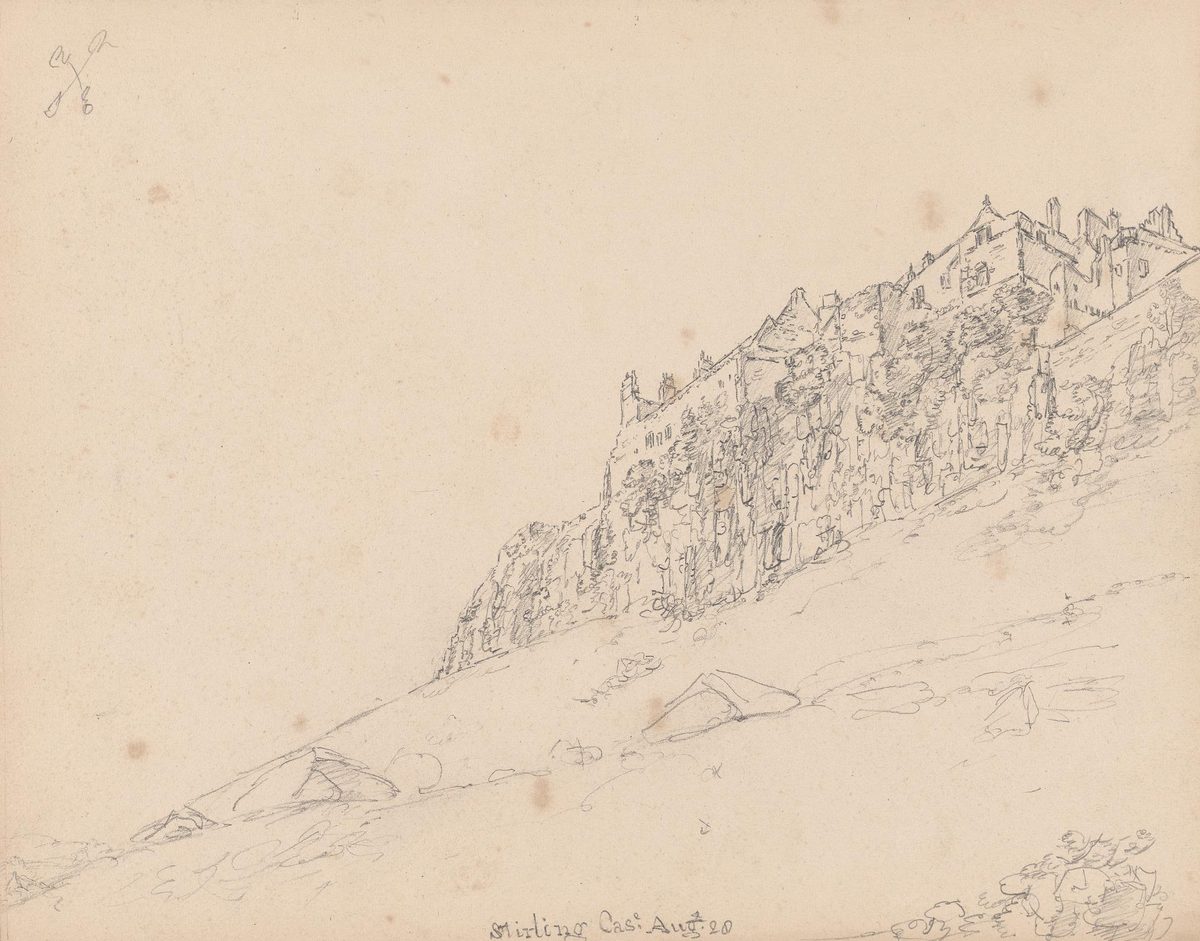
Three days isn’t long, so resist the urge to chase the Highlands and instead base yourself in Edinburgh, dipping a toe into the countryside on day trips. You’ll see a lot and never feel rushed. (Please don’t try to “do” Skye in three days — it’s a 5–6 hour drive each way.)
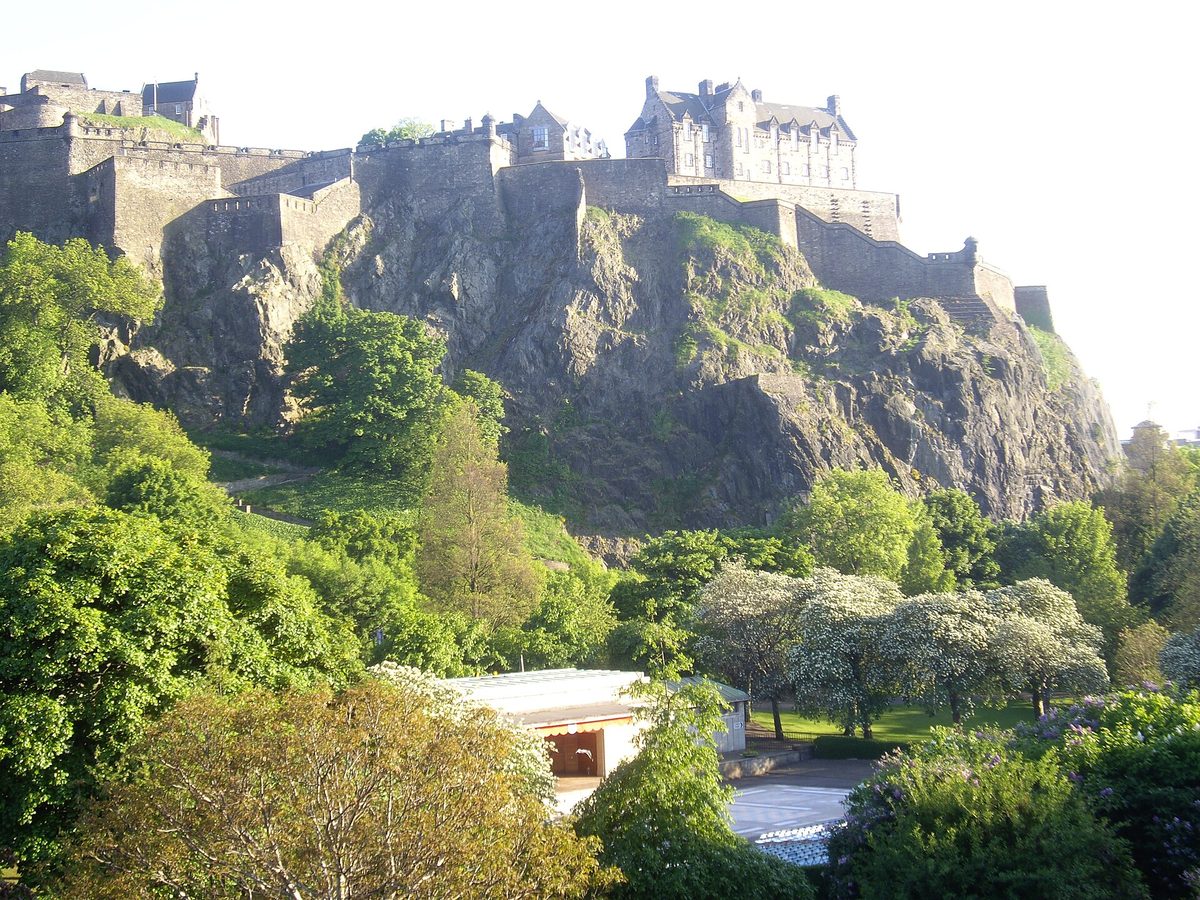
Day 1 — Edinburgh’s Old Town. Edinburgh Castle first thing, then walk the Royal Mile to Holyrood, climb Arthur’s Seat for the view, and explore the closes and the Grassmarket. Overnight: Edinburgh.
Day 2 — Edinburgh’s New Town + a half-day out. Calton Hill, Princes Street, Dean Village and the free national galleries in the morning; in the afternoon, hop a 50-minute train to Stirling for its castle and the Wallace Monument, or to Glasgow. Overnight: Edinburgh.
Day 3 — a Highland day trip. Take a full-day tour (or self-drive) to Loch Ness, Glencoe and the Highlands — a long but spectacular day — or keep it gentler with the Kelpies, the Falkirk Wheel and Stirling. Drive (if self-driving the Highland loop): 7–8 hrs round trip. Overnight: Edinburgh or depart.
Want this spelled out hour by hour? See our 3 days in Scotland itinerary.
5-Day Scotland Itinerary (Edinburgh + a Highlands Sampler)
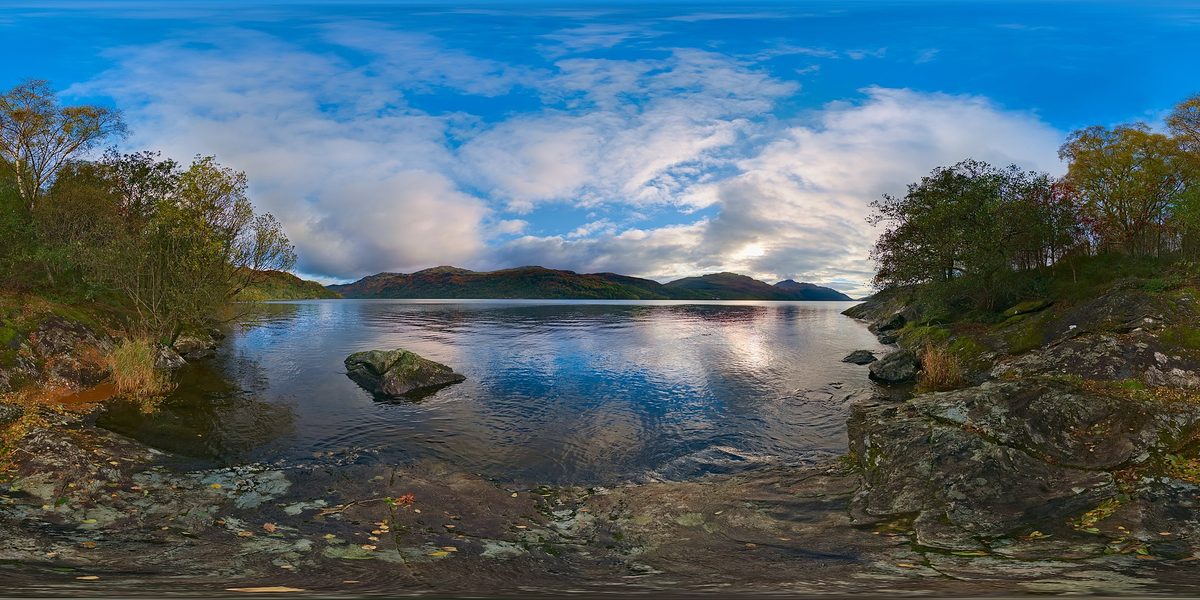
Five days lets you pair the capital with a proper taste of the Highlands using two bases. It’s a relaxed route that deliberately leaves out the Isle of Skye (which deserves more time than five days allows) in favour of Glencoe, Loch Ness and the drama of the central Highlands.
Day 1 — Edinburgh. The Old Town highlights as above. Overnight: Edinburgh.
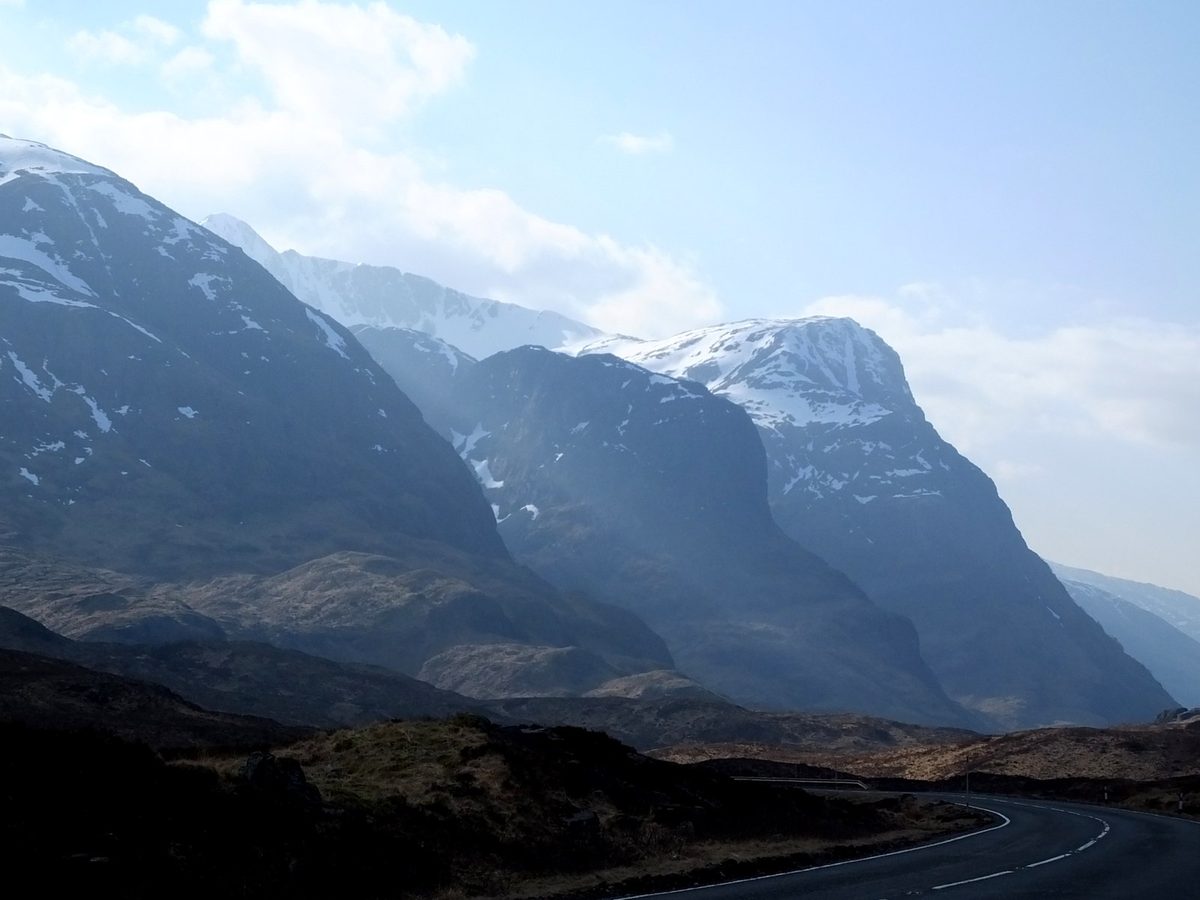
Day 2 — Edinburgh to Fort William via the west. Drive out past Loch Lomond and the Trossachs, over wild Rannoch Moor, and through jaw-dropping Glencoe (stop at the Three Sisters viewpoint). Drive: ~3.5 hrs plus stops. Overnight: Fort William.
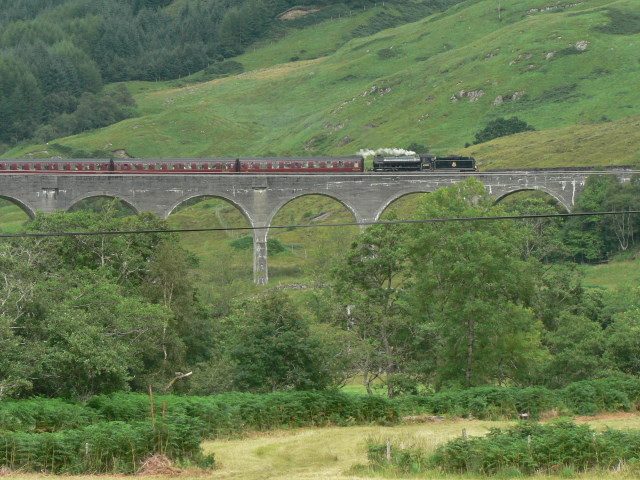
Day 3 — Fort William and Glen Nevis. See the Glenfinnan Viaduct (time it for the Jacobite steam train), walk in Glen Nevis to the Steall Falls, then drive the Great Glen to Loch Ness. Drive: ~2.5 hrs. Overnight: Inverness or Drumnadrochit.
Day 4 — Loch Ness and the road south. Visit Urquhart Castle and take a loch cruise, then Culloden Battlefield and Clava Cairns, before driving south through the Cairngorms to pretty Pitlochry. Drive: ~2.5 hrs. Overnight: Pitlochry.
Day 5 — Pitlochry to Edinburgh. A distillery or a walk to the Queen’s View, then the easy run back to the capital. Drive: ~1.5 hrs. Overnight: Edinburgh or depart.
Full version: our 5-day Scotland itinerary, with more on Loch Ness and Inverness.
7-Day Scotland Itinerary (The Best Route for First-Timers)
If you have a week, this is the one. Seven days is enough to drive the classic loop and spend two nights on the Isle of Skye — the combination most first-timers are dreaming of. It runs anti-clockwise from Edinburgh, saving the gentler driving for the end. There’s an expanded version in our 7-day Scotland itinerary.
Day 1 — Edinburgh. Castle, Royal Mile, Arthur’s Seat and the Old Town closes; dinner in the New Town. Overnight: Edinburgh.
Day 2 — Edinburgh to Fort William via Glencoe. Drive west past Loch Lomond, across Rannoch Moor and through Glencoe — the most cinematic stretch of road in the country. Drive: ~3.5 hrs plus stops. Overnight: Fort William.
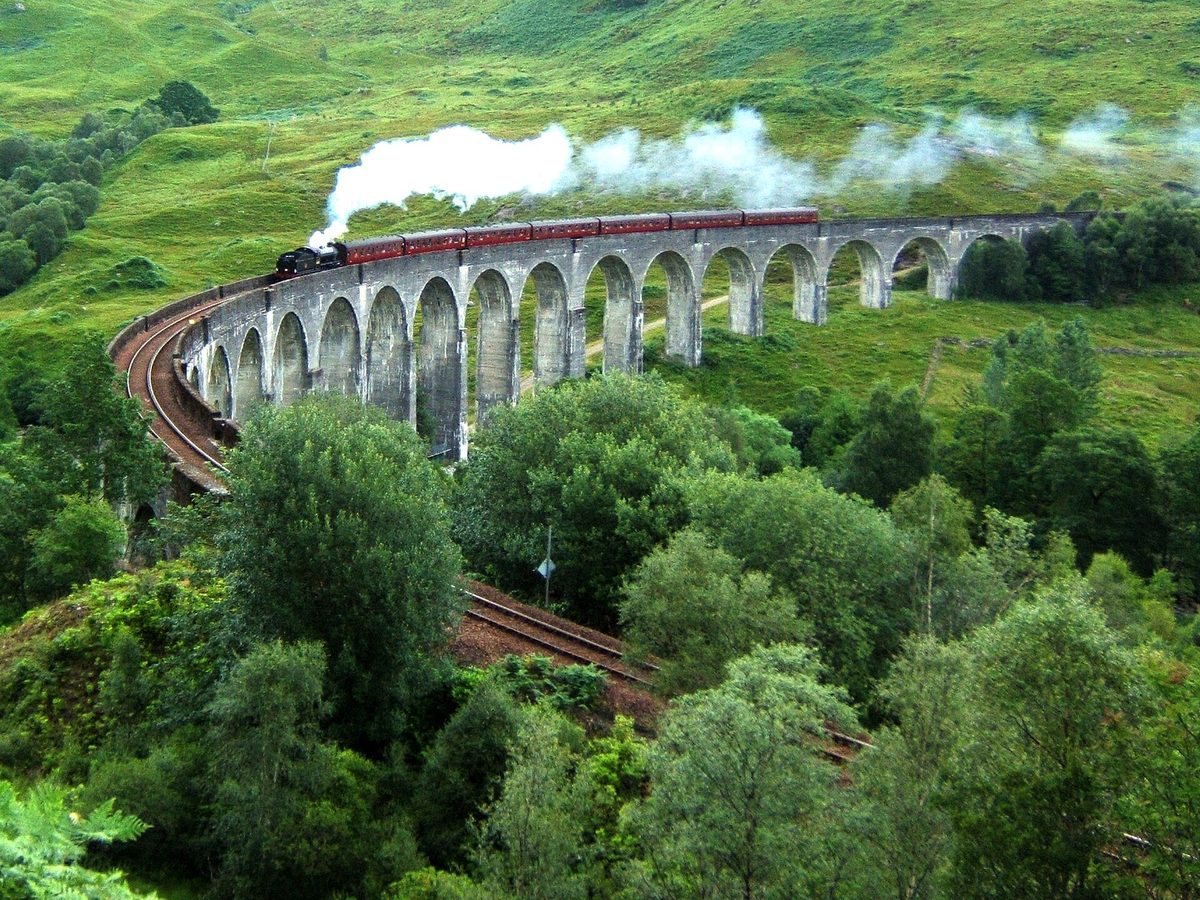
Day 3 — Fort William to the Isle of Skye. Catch the Jacobite steam train over the Glenfinnan Viaduct (the “Hogwarts Express” — book ahead; departures are usually mid-morning and early afternoon from Fort William), or watch it for free from the viaduct trail. Then drive to Skye over the bridge, or take the scenic Mallaig–Armadale ferry (around 45 minutes; book ahead in summer). Drive: ~2.5–3 hrs. Overnight: Portree, Skye.
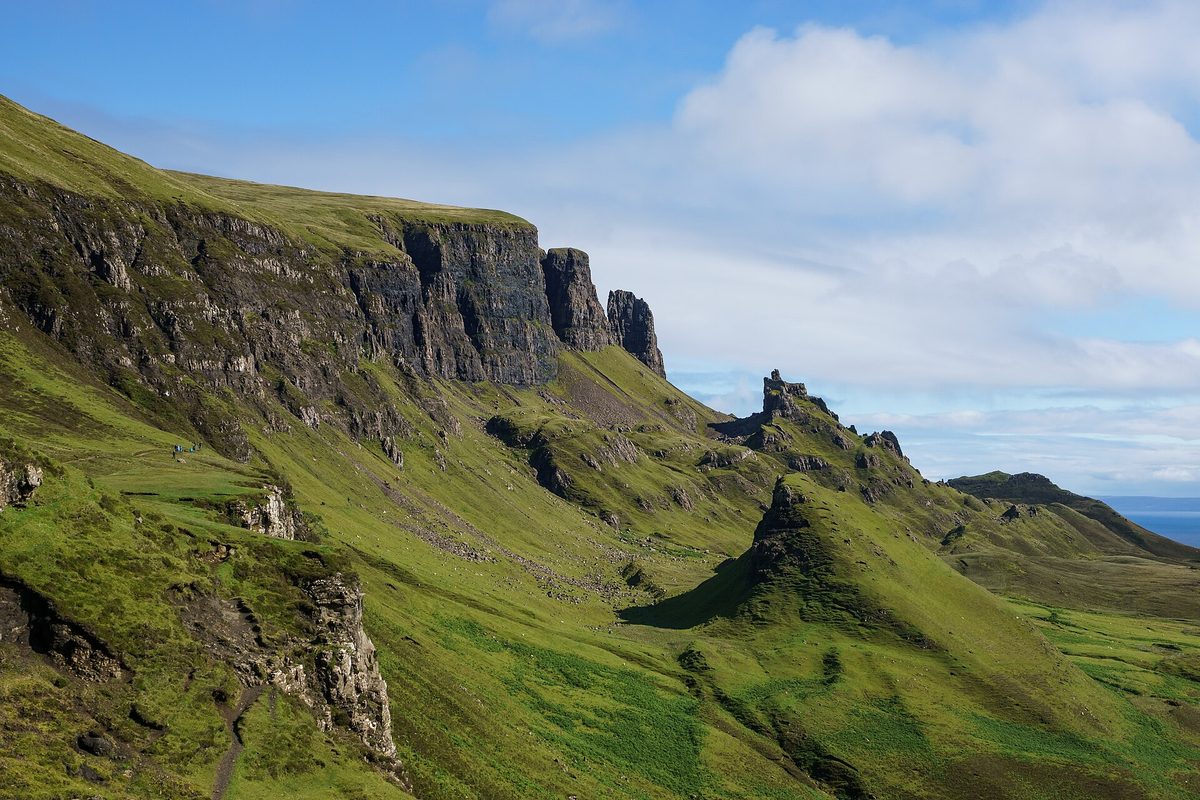
Day 4 — Isle of Skye. Drive the Trotternish loop: the Old Man of Storr (1.5-hr round-trip climb), Kilt Rock & Mealt Falls, and the otherworldly Quiraing. In the afternoon, the Fairy Pools (£6 parking) or Neist Point lighthouse for sunset. Overnight: Portree, Skye. Two nights here is the minimum to see Skye unrushed — more in our Isle of Skye guide.
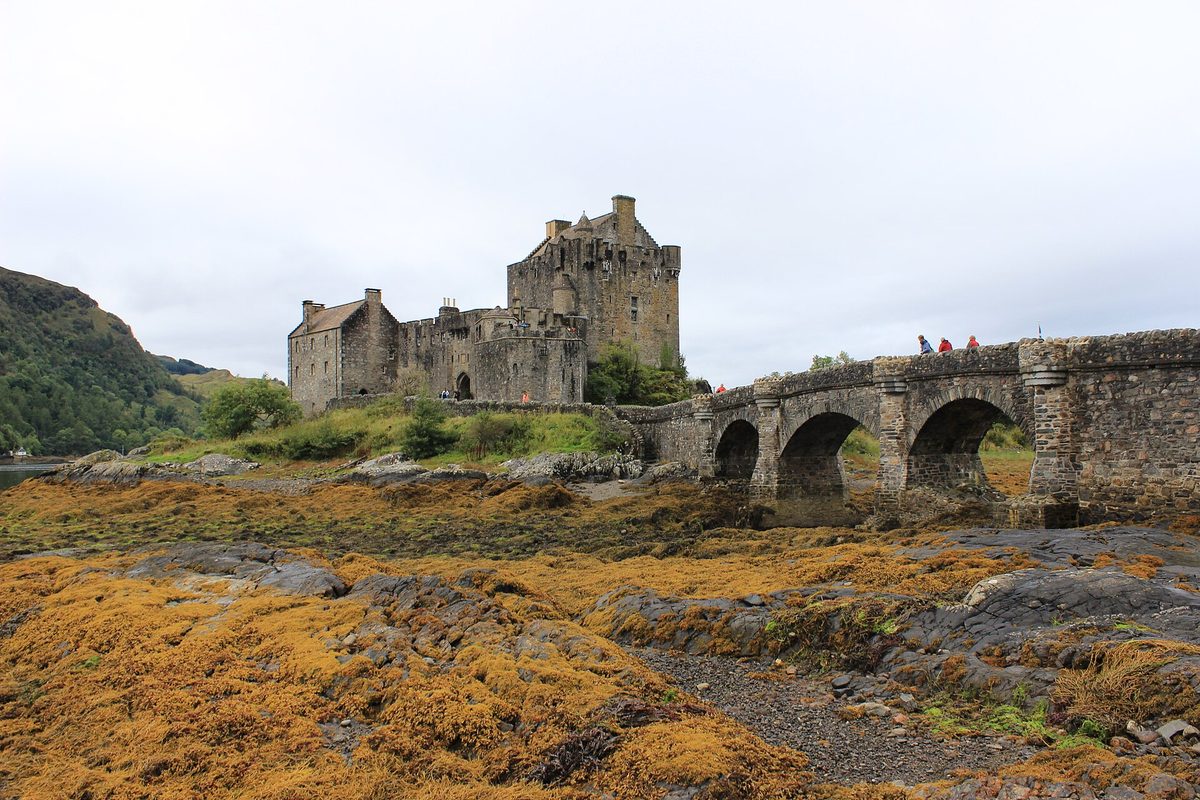
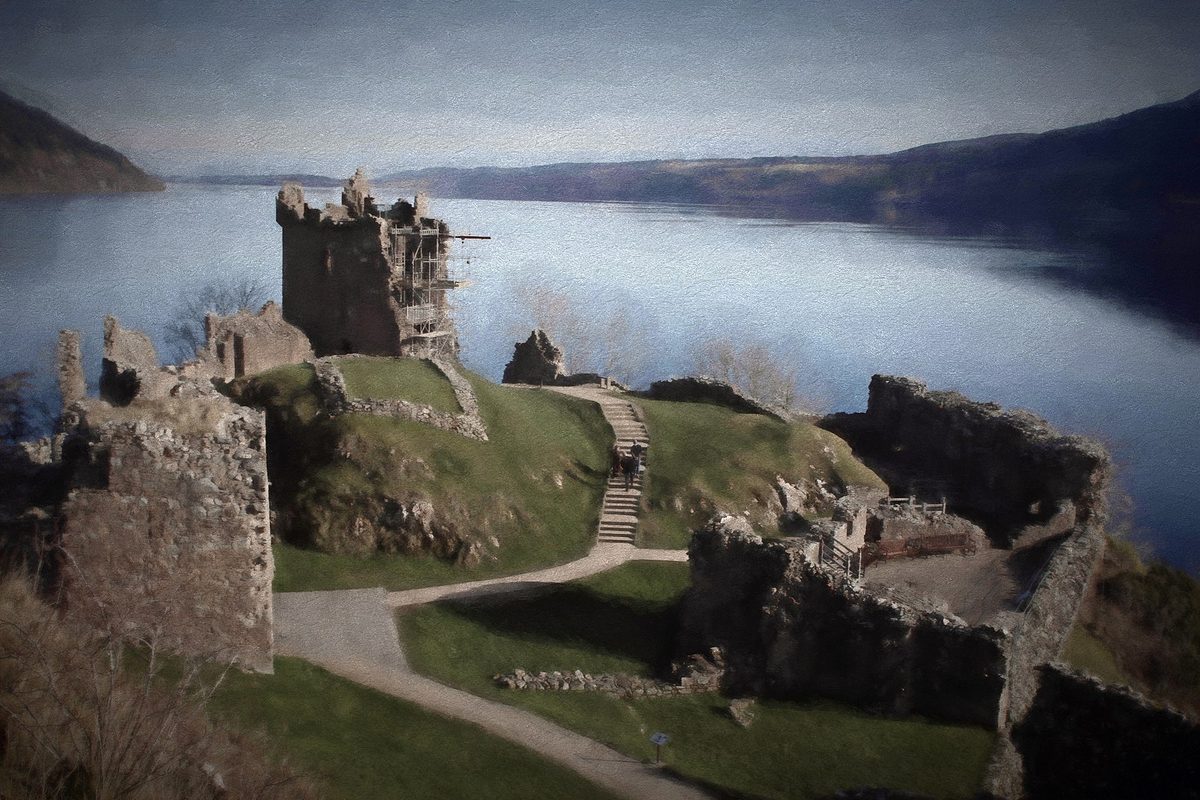
Day 5 — Skye to Inverness via Loch Ness. Leave Skye over the bridge and stop at iconic Eilean Donan Castle, then follow the Great Glen to Loch Ness — visit Urquhart Castle and, if you fancy it, a monster-spotting cruise. Drive: ~3 hrs. Overnight: Inverness.
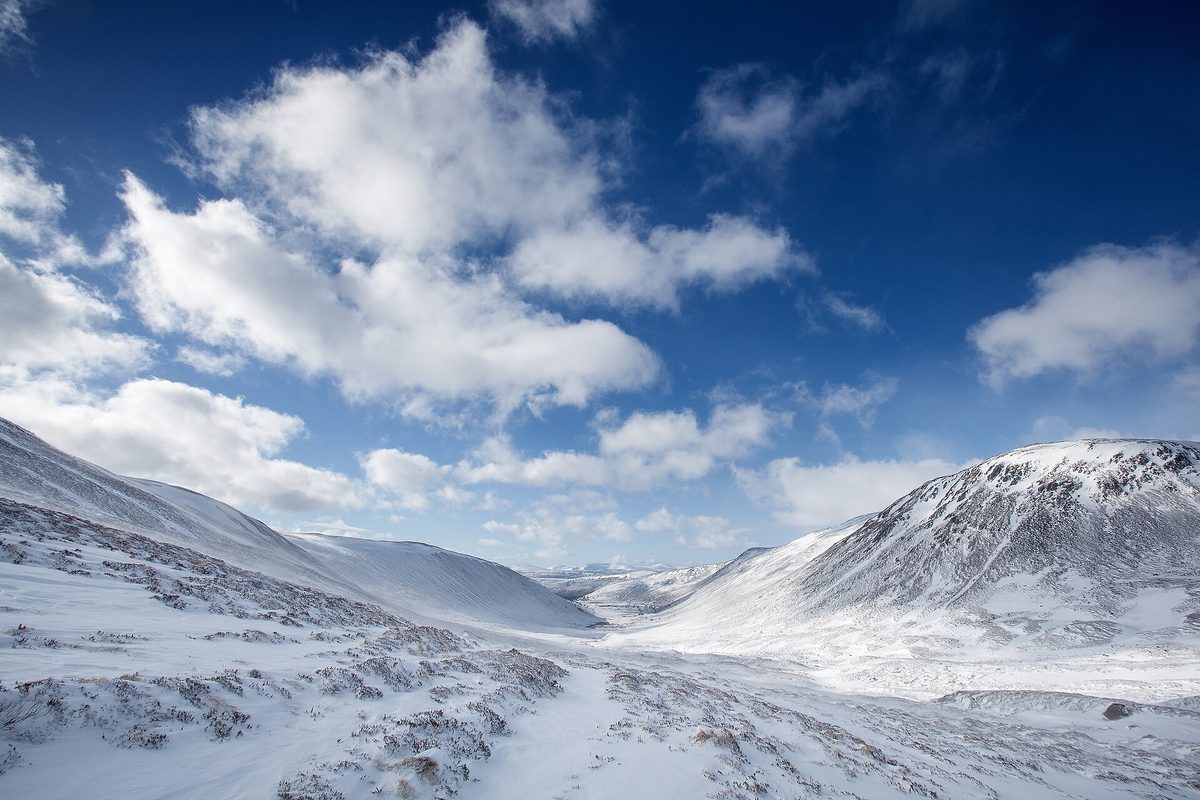
Day 6 — Inverness, Culloden and the Cairngorms. Pay your respects at Culloden Battlefield and the nearby Clava Cairns, then drive south into the Cairngorms National Park — pause at Aviemore or storybook Pitlochry. Drive: ~2.5 hrs. Overnight: Pitlochry or Aviemore.
Day 7 — back to Edinburgh. A final distillery or a walk, then the easy drive south, perhaps via Stirling and the Kelpies if your flight is late. Drive: ~2 hrs. Overnight: Edinburgh or depart.
Driving the Edinburgh-to-Highlands legs is half the fun — we break down the best routes and stops in our Edinburgh to the Highlands road trip guide.
10-Day Scotland Itinerary (The Classic Loop, Unhurried)
With ten days you can drive the same classic loop but actually breathe — three nights on Skye, time for the Cairngorms and a Speyside whisky detour, and fewer of those soul-sapping one-night stops. This is my favourite length for a first trip. The full version lives in our 10-day Scotland itinerary.
Days 1–2 — Edinburgh (2 nights). Two full days to do the capital justice, Old Town and New Town, with an evening ghost tour or a day trip to Stirling.
Day 3 — to Glencoe & Fort William. Via Loch Lomond and Rannoch Moor. Drive: ~3.5 hrs. Overnight: Fort William (2 nights).
Day 4 — Lochaber. The Glenfinnan Viaduct and Jacobite train, Glen Nevis and the Steall Falls walk, maybe the Nevis Range gondola.
Day 5 — to the Isle of Skye. Over the bridge or via the Mallaig ferry. Drive: ~2.5 hrs. Overnight: Skye (3 nights).
Days 6–7 — Isle of Skye. The Trotternish loop (Storr, Quiraing, Kilt Rock); the Fairy Pools, Neist Point, Talisker Distillery and Dunvegan Castle. Three nights means no rushing.
Day 8 — Skye to Inverness. Eilean Donan Castle, then Loch Ness and Urquhart Castle. Drive: ~3 hrs. Overnight: Inverness.
Day 9 — Culloden & Speyside. Culloden Battlefield, then east into Speyside for a distillery or two (Glenfiddich, The Glenlivet). Overnight: Aviemore or Speyside. See our whisky distilleries guide.
Day 10 — Cairngorms to Edinburgh. A morning in the Cairngorms, then south via Pitlochry. Drive: ~3 hrs. Depart.
14-Day (2-Week) Scotland Itinerary
Two weeks is when Scotland really opens up. You keep the classic loop but add Glasgow, the west-coast gateway of Oban with a day out to Mull, Iona and Staffa, more island time, and a slower pace throughout. Full version: our 2-week Scotland itinerary.
Days 1–2 — Edinburgh. The capital in full, plus Stirling or the Kelpies.
Day 3 — to Glasgow. Via Stirling. Kelvingrove, the West End and Glasgow’s music scene. Overnight: Glasgow. (Glasgow guide.)
Day 4 — to Oban. Along Loch Lomond’s west shore to the “seafood capital.” Drive: ~2.5 hrs. Overnight: Oban (2 nights).
Day 5 — Mull, Iona & Staffa. A classic three-isles day trip — Tobermory, Iona Abbey and Fingal’s Cave. (island-hopping guide.)
Day 6 — Oban to Fort William. Via Glencoe. Overnight: Fort William (2 nights).
Day 7 — Lochaber. Glenfinnan, Glen Nevis, Steall Falls.
Days 8–10 — Isle of Skye (3 nights). The full island at a gentle pace.
Day 11 — to Inverness. Eilean Donan and Loch Ness. Overnight: Inverness.
Days 12–13 — Cairngorms & Speyside. Culloden, whisky, mountain scenery and storybook Loch an Eilein. Overnight: Aviemore / Pitlochry.
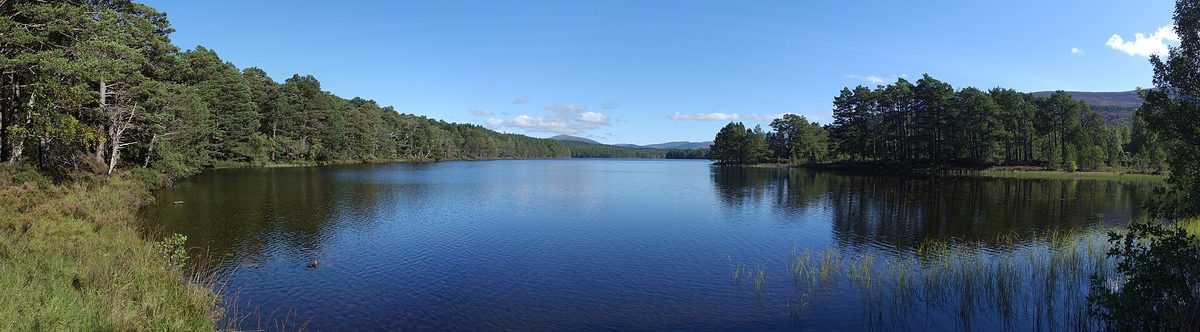
Day 14 — to Edinburgh, via St Andrews. The home of golf and a lovely coast, then back to the capital. Depart.
Got even longer? This is the point to bolt on the North Coast 500 (add 5–7 days) or a trip to Orkney from the far north.
Car-Free Scotland Itinerary (By Train & Bus, 7–10 Days)
You do not need a car to have a brilliant trip — Scotland’s trains and buses are better than visitors expect, and going car-free is often 30–50% cheaper for solo travellers and couples once you tot up rental, fuel, parking and ferries. The one catch is the Isle of Skye, whose sights are spread out and barely served by public transport, so you’ll want a day tour or a single day’s car hire there. Here’s a proven car-free loop; there’s a fuller version in our Scotland without a car itinerary.
Days 1–3 — Edinburgh. Entirely walkable; trams and buses for the rest. Day-trip by train to Stirling or Glasgow.
Day 3–4 — train to Inverness. ScotRail Edinburgh→Inverness takes about 3.5–4 hours through the Cairngorms. Base in Inverness (2 nights); reach Loch Ness, Urquhart Castle and Culloden by local bus or a half-day tour.
Day 5–6 — to Skye by the Kyle line. Take the gorgeous Inverness–Kyle of Lochalsh train (~2.5 hrs), then a Citylink bus to Portree. Base on Skye (2 nights) and join a day tour for the Trotternish sights.
Day 7 — bus to Fort William. The Citylink 915/916 runs from Skye down to Fort William (~2 hrs) past Eilean Donan. From here, ride the Jacobite steam train to Mallaig over the Glenfinnan Viaduct.
Day 8 — the West Highland Line to Glasgow. One of the world’s great rail journeys (~3.75 hrs) across Rannoch Moor. Finish in Glasgow, then a 50-minute train back to Edinburgh or out via Glasgow Airport.
Useful tools: a Spirit of Scotland Travelpass can pay off for rail-heavy trips, and apps like Trainline/Omio plus a railcard trim costs. More in getting around Scotland and our guided tours guide for the Skye legs.
Best Road-Trip Routes Beyond the Classic Loop
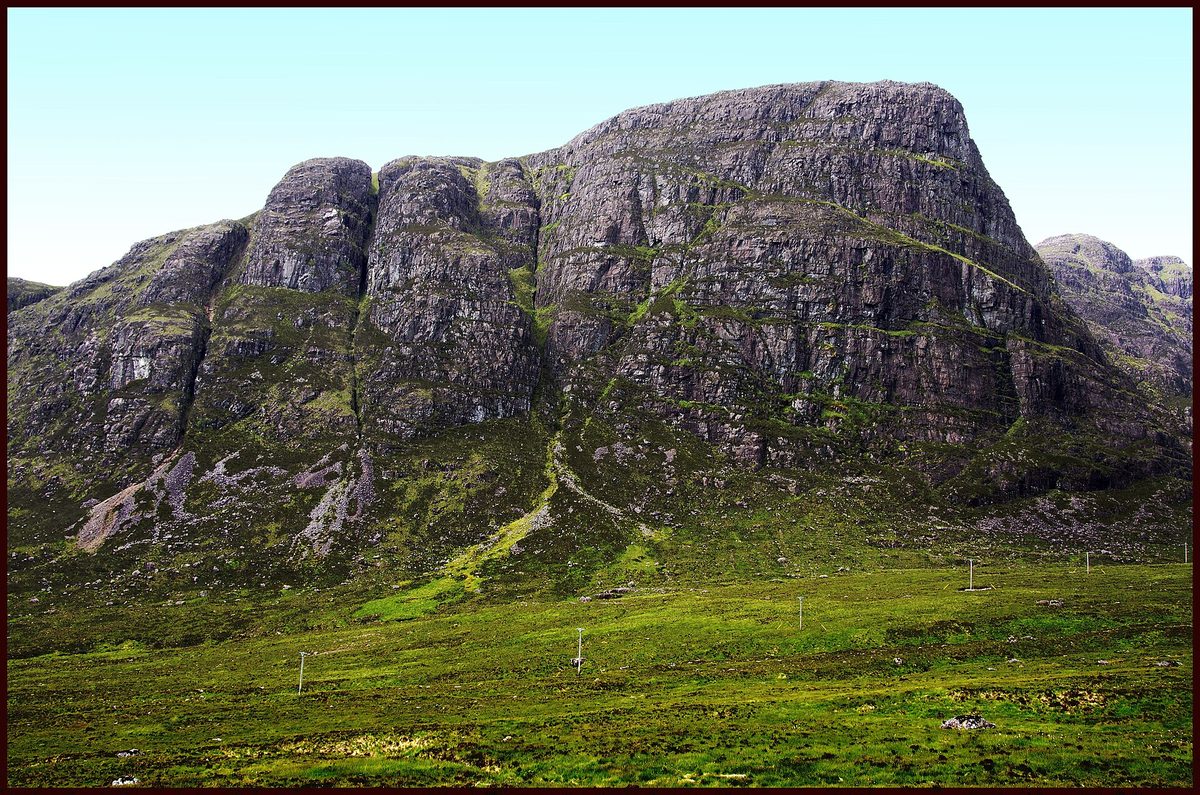
Once you’ve got the classic loop, Scotland has a lifetime of other routes. The big ones:
The North Coast 500. Scotland’s answer to Route 66 — a 516-mile loop from Inverness around the wild far north. A typical anti-clockwise run takes 5–7 days: Inverness → Applecross over the white-knuckle Bealach na Bà → Torridon → Ullapool → the Assynt peaks (Suilven, Stac Pollaidh) → Kylesku → Durness and Smoo Cave → the north coast to John o’ Groats → Dunrobin Castle → back to Inverness. Book accommodation early and take it slow on the single-track roads. We map it day by day in our North Coast 500 guide and 7-day NC500 itinerary; a campervan is a popular way to do it.
Island-hopping. String together the Hebrides — Arran, Mull, Iona, or the Outer Hebrides of Lewis and Harris — using CalMac ferries. The Snow Roads through the Cairngorms and the West Highland Way (for walkers — see our hiking in Scotland guide) round out the options. Plan island routes with our Scottish islands guide, and see all the driving routes in Scottish Highlands road trip routes.
Practical Logistics for Your Scotland Itinerary
Car vs train vs guided tour
For the Highlands, Skye and the NC500, a car gives you the most freedom and reaches places buses don’t. For the cities and central belt you don’t need one — trains are fast and frequent. If you’d rather not drive on the left or tackle single-track roads, Scotland’s small-group tours are excellent and the scenic rail lines cover a lot of ground. Many travellers mix it: cities and the Edinburgh–Inverness leg by train, then a hire car or tour for the Highland portion.
Driving in Scotland: what to know
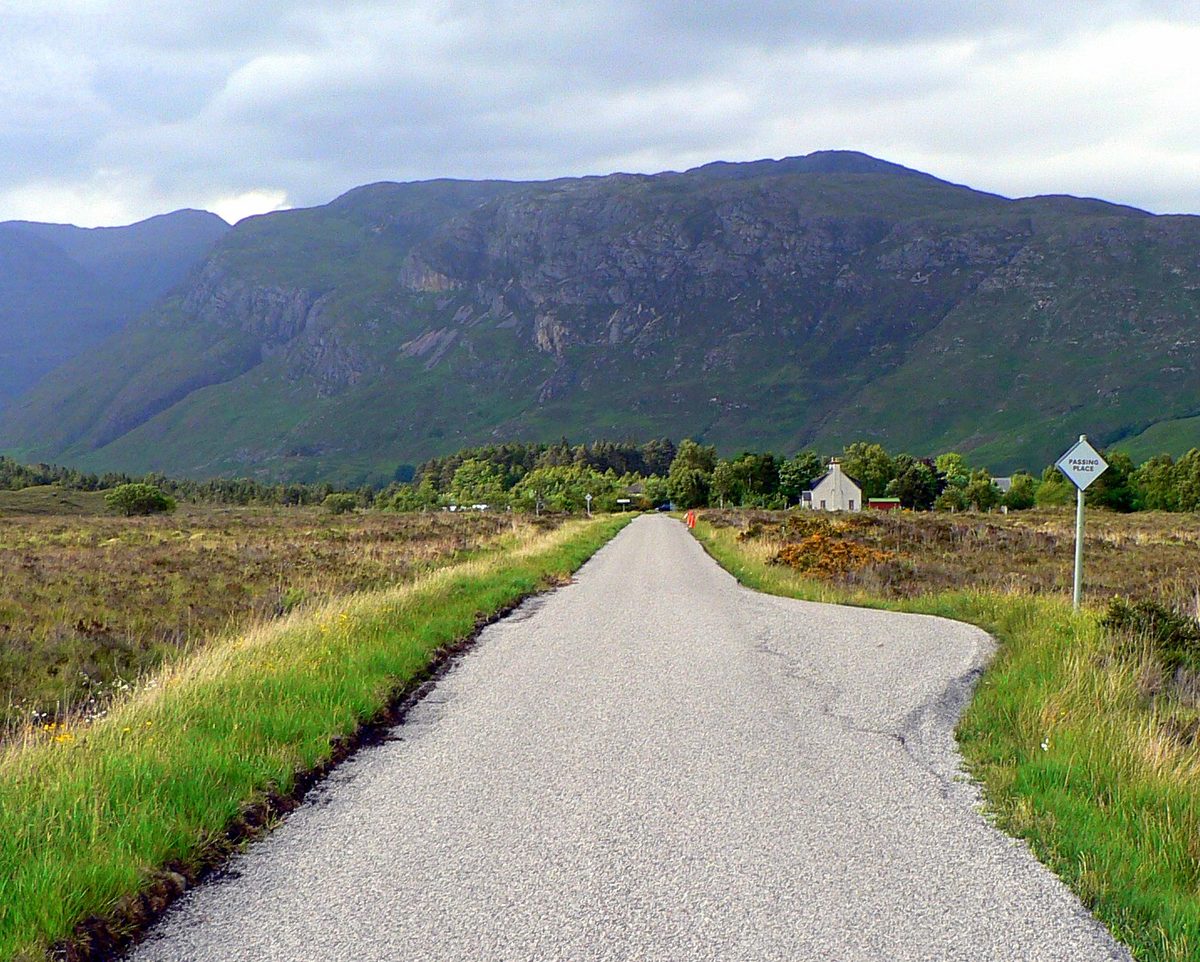
Scotland drives on the left, and most hire cars are manual (request an automatic well ahead, and expect to pay more). The thing that catches first-timers out is single-track roads — common on Skye, the NC500 and the islands. The etiquette is simple: pull into a passing place on your left to let oncoming cars through or faster traffic overtake, never park in them, and give a friendly wave. Fuel up whenever you can in remote areas, and pad your drive times. Full detail in renting a car in Scotland.
When to go (and how it changes these itineraries)
May, June and September are the sweet spots — long days, kinder weather, fewer crowds and minimal midges. July and August are warmest and busiest (and worst for west-coast midges) — and August is festival season in Edinburgh, so book beds months out. In winter, short daylight and Highland road/ferry closures mean you should weight the itinerary toward cities and keep plans flexible. See our guide to Scotland’s seasons and midge season guides.
How much will it cost?
Scotland isn’t cheap, but it’s flexible. Rough per-person costs, excluding international flights:
| Style | Per day (pp) | 7 days (pp) | 10 days (pp) |
|---|---|---|---|
| Budget | £60–90 | ~£450–650 | ~£650–900 |
| Mid-range | £130–200 | ~£950–1,400 | ~£1,350–2,000 |
| Luxury | £300+ | £2,100+ | £3,000+ |
Add a hire car at roughly £50–90/day plus fuel and the odd parking or ferry fee. Because of that, going car-free is often cheaper for one or two people. Dig into the numbers in is Scotland expensive?
What to book ahead
In summer, book accommodation (especially Skye and the NC500) months out, plus the Jacobite steam train, the Mallaig–Armadale ferry, Edinburgh Castle, and any distillery tours. Sort your accommodation bases early. And don’t forget entry rules: most visa-exempt visitors (including US, Canadian, Australian and EU citizens) now need a UK ETA — apply before you travel; see do you need an ETA for Scotland?
First-Timer Mistakes to Avoid
- Over-packing the route. Trying to add the NC500 to a 7-day trip, or “doing” Skye as a day trip from Edinburgh — both end in misery. Match ambition to time.
- Too many one-night stops. Constant packing kills a trip. Aim for two-night bases.
- Underestimating drive times. The map lies. Pad by 20–30% for stops and slow roads.
- Ignoring single-track etiquette. Learn the passing-place rules before you hit Skye or the NC500.
- Not pre-booking ferries, the Jacobite train and summer accommodation. They sell out.
- Forgetting the UK ETA. Apply before you fly.
- Renting a manual you can’t drive. Reserve an automatic early.
A few more orientation tips live in our first time in Scotland guide.
Where to Base Yourself: The Best Overnight Stops
Picking the right bases is half the battle — a few well-chosen towns let you day-trip out without repacking. These are the ones the itineraries above lean on, and what each is good for:
- Edinburgh — the start/end of nearly every trip; stay in the Old or New Town and go car-free here.
- Glencoe / Fort William — the western Highlands hub for Glen Nevis, Glenfinnan and the road to Skye.
- Portree (Isle of Skye) — the island’s lively capital and the obvious base for the Trotternish and west-coast sights (book very early).
- Inverness — the Highland capital and gateway to Loch Ness, Culloden and the NC500.
- Oban — the west-coast ferry port for Mull, Iona and the inner isles, with superb seafood.
- Pitlochry or Aviemore — gentle Perthshire/Cairngorms bases that break up the drive south and put whisky and forest walks on your doorstep.
For specific hotels, B&Bs and castle stays in each, see our where to stay in Scotland guide.
Inverness is the base almost every itinerary above passes through, and there is a real trade-off between sleeping in the city and sleeping on the water. Our area-by-area guide to where to stay in Inverness and Loch Ness weighs it up, and if you only have one day there, these are the day trips worth the drive.
Customizing Your Scotland Itinerary
None of these routes is set in stone — treat them as a skeleton to flex around your interests, your pace and the season:
- Got an extra day or two? The best use is almost always an extra night on Skye, then the Cairngorms and Speyside, then Glasgow or a slice of the North Coast 500.
- Short on time? Cut Skye first — it’s the biggest single time-sink — and keep Edinburgh plus a compact Highland loop through Glencoe and Loch Ness.
- Whisky lover? Build in a Speyside detour on the way south, or swap a Highland day for Islay.
- History and castles? Add Stirling, Culloden, Doune and clifftop Dunnottar — our castles guide helps you cluster them.
- Travelling in winter? Weight the trip toward Edinburgh and Glasgow, shorten Highland driving days to fit the short daylight, and keep plans flexible for weather.
- Families with kids? Slow the pace and work in the Kelpies, the Highland Wildlife Park and the Jacobite steam train; two-night bases matter even more with children.
The one rule whatever you change: if you add a stop, take a drive out somewhere else, so no single day turns into a marathon behind the wheel. For inspiration on what to slot in, browse the best things to do in Scotland, or work through the 30 experiences worth building a trip around.
Frequently Asked Questions
How many days do you need in Scotland?
Seven to ten days is ideal for a first trip taking in Edinburgh, the Highlands and the Isle of Skye. Three days suits a city break with one day trip; five days gives a Highlands sampler without Skye; and two weeks lets you add Glasgow, the islands or the North Coast 500. Driving is slow, so don’t over-pack the route.
What is the best Scotland itinerary for first-timers?
The classic 7-day loop: two nights in Edinburgh, then Glencoe and Fort William, two nights on the Isle of Skye, and back via Eilean Donan, Loch Ness, Inverness and the Cairngorms. It hits the icons with comfortable daily drives of two to four hours and a real, unrushed taste of Skye.
Do you need a car to visit Scotland?
Not for the cities, which are well connected by fast trains. For the Highlands, Skye and the NC500, a car gives the most freedom — but a car-free trip by ScotRail and Citylink bus, topped up with day tours for Skye, is very doable and often 30–50% cheaper for solo travellers and couples.
Should you drive Scotland clockwise or anti-clockwise?
Starting from Edinburgh, anti-clockwise (west-coast first) is my pick: you tackle the most dramatic scenery and trickiest driving while fresh, then wind back through gentler country. Clockwise (cities first) works fine too and can be better in winter. Either way it’s a loop, so you won’t miss anything.
How many nights should you spend on the Isle of Skye?
At least two nights, ideally three. The island is bigger and slower to drive than people expect, and the best sights — the Old Man of Storr, the Quiraing, the Fairy Pools and Neist Point — are spread out. Two nights lets you see the highlights; three means you can do it without rushing. Our day-by-day plans for 1, 2 and 3 days on Skye group the sights by peninsula so you spend far less of the day behind the wheel.
Can you see Edinburgh, the Highlands and Skye in one week?
Yes — that’s exactly what the 7-day itinerary above does. It’s the most popular first-timer route. The key is limiting yourself to three bases (Edinburgh, Skye and one Highland stop), keeping daily drives to two to four hours, and resisting the urge to also squeeze in the North Coast 500.
Where should you start a Scotland road trip?
Edinburgh is the most popular and scenic starting point and the natural anchor of the classic loop. Glasgow works equally well for a west-coast focus, and the two are an hour apart. Start in Inverness if your priority is the far north or the NC500. Flying into one city and out of another avoids backtracking.
What is the best time of year for a Scotland road trip?
May, June and September offer the best balance of long days, decent weather, fewer crowds and minimal midges. July and August are warmest but busiest and worst for midges on the west coast. Winter is dramatic and cheap but brings short daylight and the risk of Highland road closures.
How much does a Scotland trip cost?
Excluding flights, budget travellers can manage on roughly £60–90 a day, mid-range trips run about £130–200 a day, and luxury starts around £300. Add £50–90 a day for a hire car plus fuel and parking. A 7-day mid-range trip works out to roughly £950–1,400 per person. Our Scotland travel tips guide breaks down where the money actually goes.
Is driving in Scotland difficult?
It’s straightforward once you adjust to driving on the left and the slower pace. The main challenge is single-track roads on Skye, the islands and the NC500: pull into passing places to let others by, never park in them, and don’t rush. Request an automatic hire car early if you can’t drive a manual.
How do you get around Scotland without a car?
ScotRail trains link the cities and reach Inverness, Kyle of Lochalsh (for Skye) and Mallaig, while Citylink coaches cover the Highlands and Skye. Combine them with day tours for spread-out areas like Skye and the NC500. A Spirit of Scotland Travelpass and a railcard can cut costs on rail-heavy trips.
What is the North Coast 500 and how long does it take?
The NC500 is a 516-mile scenic driving loop around the northern Highlands from Inverness, taking in beaches, mountains, castles and remote coast. Most people drive it in five to seven days; rushing it in three misses the point. It’s best from May to September, and accommodation books up far ahead.
Is 5 days enough for Scotland?
Five days is enough for Edinburgh plus a Highlands sampler — Glencoe, Fort William and Loch Ness — using two bases. It’s not really enough to add the Isle of Skye, which sits a long drive west and deserves its own two to three nights. Save Skye for a seven-day or longer trip.
What are the most common first-timer mistakes?
Cramming too much into the route, booking too many one-night stops, underestimating driving times, ignoring single-track-road etiquette, failing to pre-book ferries and the Jacobite train, forgetting the UK ETA, and renting a manual car you can’t drive. Slow down, build in two-night bases, and pad your drive times.
Do I need an ETA or visa to visit Scotland?
Most visa-exempt visitors — including US, Canadian, Australian and EU citizens — now need a UK Electronic Travel Authorisation (ETA) to enter Scotland, which is part of the UK. It’s a quick online application made before you travel. Always check the latest official requirements for your nationality before booking.
Should you fly into Edinburgh or Glasgow?
Either works — they’re only an hour apart and both have good international links. Edinburgh is the prettier, more popular start to the classic loop; Glasgow is marginally handier for the west coast and the islands. Consider flying into one and out of the other to avoid doubling back at the end.
Final Thoughts: Build the Trip Around Your Time
The best Scotland itinerary isn’t the one that crams in the most — it’s the one paced for the days you actually have, with enough slack to pull over when the light does something ridiculous over a loch (it will). Pick your duration from the plans above, settle into two-night bases, pad your drive times, and leave room to be surprised. That’s the trip people come home raving about.
Next, lock in your timing with our best time to visit Scotland guide, browse the best things to do in Scotland, and start with the city most trips begin in, Edinburgh.
Most Scotland trips open in Edinburgh, and two days there is the usual allocation. Our two-day Edinburgh itinerary blocks the city out by walking minutes and gradient rather than by attraction, so the plan survives contact with the Old Town. If you have a spare day at either end, the day trips from Edinburgh guide sorts the options by whether you genuinely need a car.
Building a spring trip? Scotland in spring maps out when the seasonal attractions, ferries and mountain roads actually reopen, which matters more than the weather for an early-year itinerary.
Whichever itinerary you settle on, the number of times you unpack decides how much of it you actually enjoy. We set out the two- and three-base blueprints that work in our guide for first-time visitors, including why six towns in six nights is the classic mistake.
For pure scenery, our round-up of the most beautiful places in Scotland tells you where each viewpoint actually is and when the light works.
About the author: This guide was written and is maintained by the ScotlandTourism.org editorial team — travel writers who’ve driven the classic loop, the NC500 and the car-free rail routes more times than we can count. We update our itineraries regularly to keep drive times, prices and practical details current.
Last updated: June 2026.
Photo credits
All images are used under their respective Creative Commons or public-domain licenses:
- A Highland road through Glencoe — © Steven Brown, CC BY-SA 2.0, via Wikimedia Commons
- Edinburgh’s Old Town skyline — © Depthcharge101, CC BY-SA 3.0, via Wikimedia Commons
- The Three Sisters of Glencoe — © sylvia duckworth, CC BY-SA 2.0, via Wikimedia Commons
- The Quiraing, Isle of Skye — © Colin, CC BY-SA 4.0, via Wikimedia Commons
- Urquhart Castle, Loch Ness — BIG ALBERT (CC0) via Wikimedia Commons
- Bealach na Ba on the North Coast 500 — © brian gillman, CC BY 3.0, via Wikimedia Commons
- The Jacobite steam train, Glenfinnan Viaduct — © de:Benutzer:Nicolas17, CC BY-SA 2.5, via Wikimedia Commons
- Loch Lomond — © Daniel Kraft, CC BY-SA 3.0, via Wikimedia Commons
- Stirling Castle — James Moore (CC0) via Wikimedia Commons
- Eilean Donan Castle — © Mimihitam, CC BY-SA 3.0, via Wikimedia Commons
- A single-track Highland road — © Wojsyl, CC BY-SA 3.0, via Wikimedia Commons
- The Cairngorms National Park — Unsplash (CC0) via Wikimedia Commons
- Loch an Eilein, near Aviemore — © Spike, CC BY-SA 4.0, via Wikimedia Commons

1 note from readers