The first time I drove onto Skye it was the last week of October and I lost the light at ten past five. I had planned three walks that day. I managed one and a half, and the second half was done by head torch on the wrong side of a burn. Search the best time to visit Isle of Skye and you will get twelve months of hedging. That trip taught me the question is not really about weather at all. It is about how many usable hours you get, and what the sky is doing during them.
Most guides answer this by listing seasons. Spring is fresh, summer is warm, autumn has colour, winter is dramatic, and there is no bad time. All of that is true of almost anywhere in Scotland, and none of it helps you choose a fortnight. Skye is a specific island at 57.4°N with a specific rainfall problem, a specific insect and a very specific shortage of beds, and those four things give you a genuine answer.
Best time to visit Isle of Skye: the short answer
Late May and mid-to-late September are the two best windows. Late May gives you the driest month of the year, over sixteen hours of daylight and barely any midges. Late September gives you twelve hours of light, thinning crowds, softer prices and the first frosts killing the midges off. July and August are the worst value.
Skye at a glance: pick your window by what you care about
| What you are optimising for | Best window | Why |
|---|---|---|
| Driest weather and long days | Mid-May to mid-June | May is comfortably the driest month; daylight is already past sixteen hours by mid-May |
| Fewest midges with usable light | Late April to about 20 May | The first hatch usually comes in the third week of May, and you still get 15–16 hours of light |
| Balance of everything | 10–30 September | Twelve hours of light, crowds gone after the school holidays, prices dropping, midges fading |
| Cheapest beds with something still open | Late October to November | Rooms fall to a fraction of August rates, but expect eight to ten hours of light and a lot of rain |
| Long summer evenings and boat trips | June to early July | Eighteen hours of daylight at the solstice and every operator running full timetables |
| Snow, aurora and an empty island | January to February | Under seven and a half hours of light, half the island shut, and the drama to yourself |
| Autumn colour on the moor | Mid-September to mid-October | Bracken and rowan turn, heather fades to rust, and the light gets low and sideways |
The four numbers that actually decide it
Forget the seasonal adjectives. Four measurable variables change the answer on Skye far more than they do on the mainland, and once you understand them you can choose your own dates without anyone’s help.
1. Daylight, and why 57.4°N is not a detail
Skye sits further north than Moscow. That gives you a swing in daylight so extreme that it decides your itinerary before you have looked at a single forecast.
At the June solstice you get almost exactly eighteen hours between sunrise and sunset in Portree — the sun comes up around 04:26 and goes down around 22:26 in British Summer Time. Add civil twilight either side and you can genuinely read a map from half three in the morning until nearly half eleven at night. It never gets properly dark; astronomical twilight does not end at all from roughly mid-May to late July.
At the December solstice you get six hours and thirty-six minutes. Sunrise around 09:04, sunset around 15:40, and if it is overcast — which it usually is — the useful window is shorter still. That is not a difference of degree. That is the difference between doing the Quiraing, the Storr and Neist Point in one day, and doing one of them badly.
Here is the practical version. In late June you can eat dinner in Portree at eight and still walk up to the Old Man of Storr for the light afterwards. In late December, if you want to see sunrise at the Storr, you leave your accommodation in the dark and you have used a fifth of your daylight getting there. Anyone planning several of the walks in our route-by-route Skye itinerary should treat daylight hours as the hard constraint and everything else as preference.
2. Rain, and the fact that beats every other argument
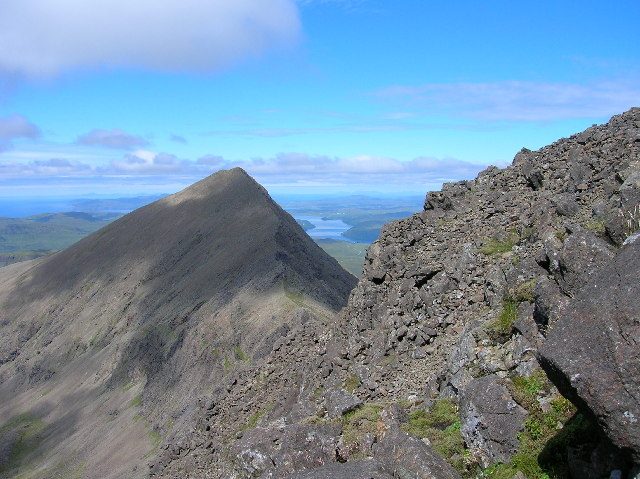
Skye is among the wetter inhabited corners of Britain. Coastal Portree takes somewhere around 1,700–1,900mm a year depending on which station and which run of years you use, against a UK average nearer 1,150mm. Go inland and up into the Cuillin and the figures get considerably worse, because the ridge is the first serious obstacle a wet Atlantic airstream meets after Ireland.
That is the bit the generic Scotland guides miss. The Cuillin catch weather that the rest of Scotland never sees. It can be a decent afternoon in Inverness and a torrent at Sligachan on the same day, and you cannot infer one from the other. Our wider country-level breakdown of Scottish weather month by month is a fair starting point, but on Skye you should assume wetter and windier than whatever it says.
Now the useful part. The rainfall is not evenly spread, and the distribution is lopsided enough to settle the argument on its own. October, November, December and January are the wet months, each running somewhere near 200mm. May is the driest, at roughly 80mm. That is a two-and-a-half-fold difference between the best month and the worst.
Put another way: a week in May and a week in October are not two versions of the same holiday with different colours on the hillside. In statistical terms you get more than twice as much rain in one as the other, on top of only two-thirds of the daylight. That single fact is the strongest argument in this article, and it is why I will not tell you all months are equal.
It does still rain in May. Nine or ten wet days out of thirty-one is normal. But wet days in May tend to be showers between bright spells, whereas wet days in November tend to be an entire sky sitting on the island for thirty-six hours. Pack for both regardless. Waterproof trousers are not optional on Skye in any month, and I would rather carry them unused for six days than spend one day soaked to the thigh on the Trotternish ridge.
3. Midges, and where they actually are
Culicoides impunctatus, the Highland midge, is the variable most people get wrong — not the timing, but the geography.
The timing first. The first generation hatches from around the third week of May, once ground temperatures hold above roughly 10°C. Numbers climb through June, peak from late June to early September, and collapse with the first proper frosts, usually late September. By mid-October they are effectively gone. Smidge publishes a Scottish midge forecast that runs live through the season and is worth checking in the week before you travel.
Now the geography, which matters more. Midges cannot fly in wind above about six miles an hour, they dislike direct sun, and they need damp and shelter. So the risk on Skye is not island-wide, it is site by site, and the difference between sites is enormous.
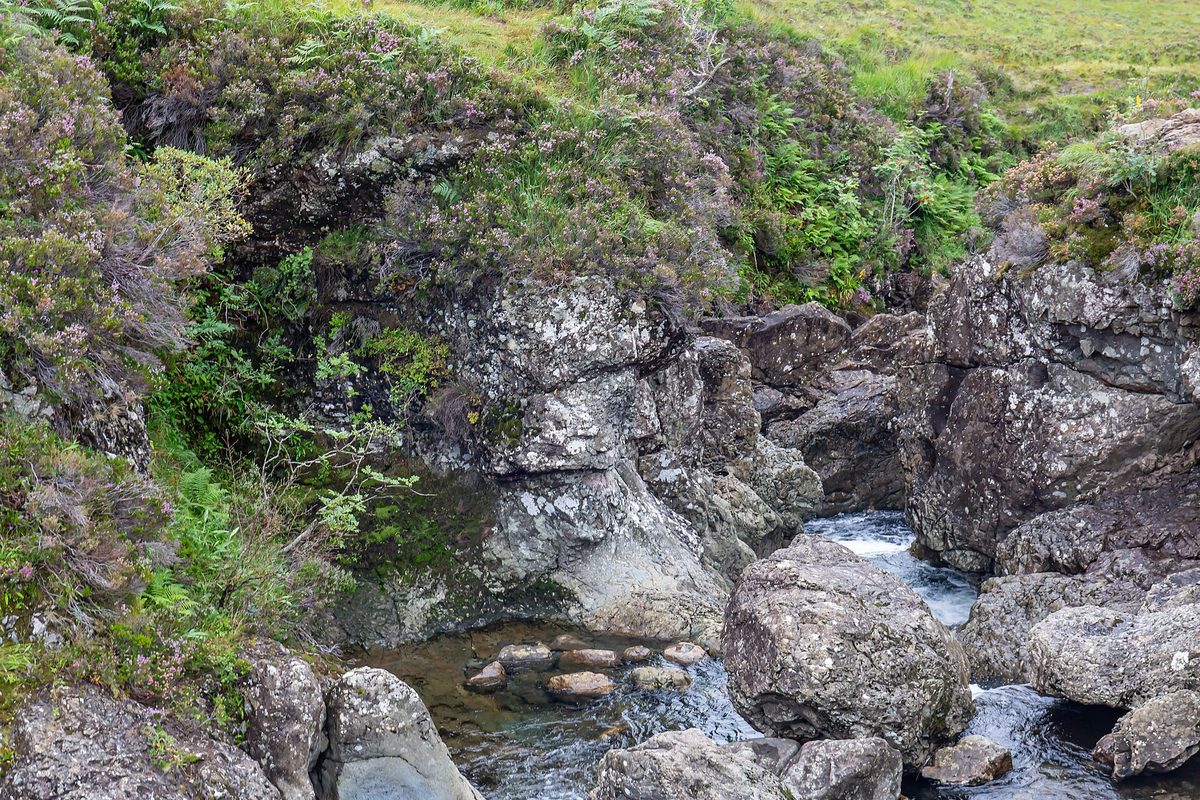
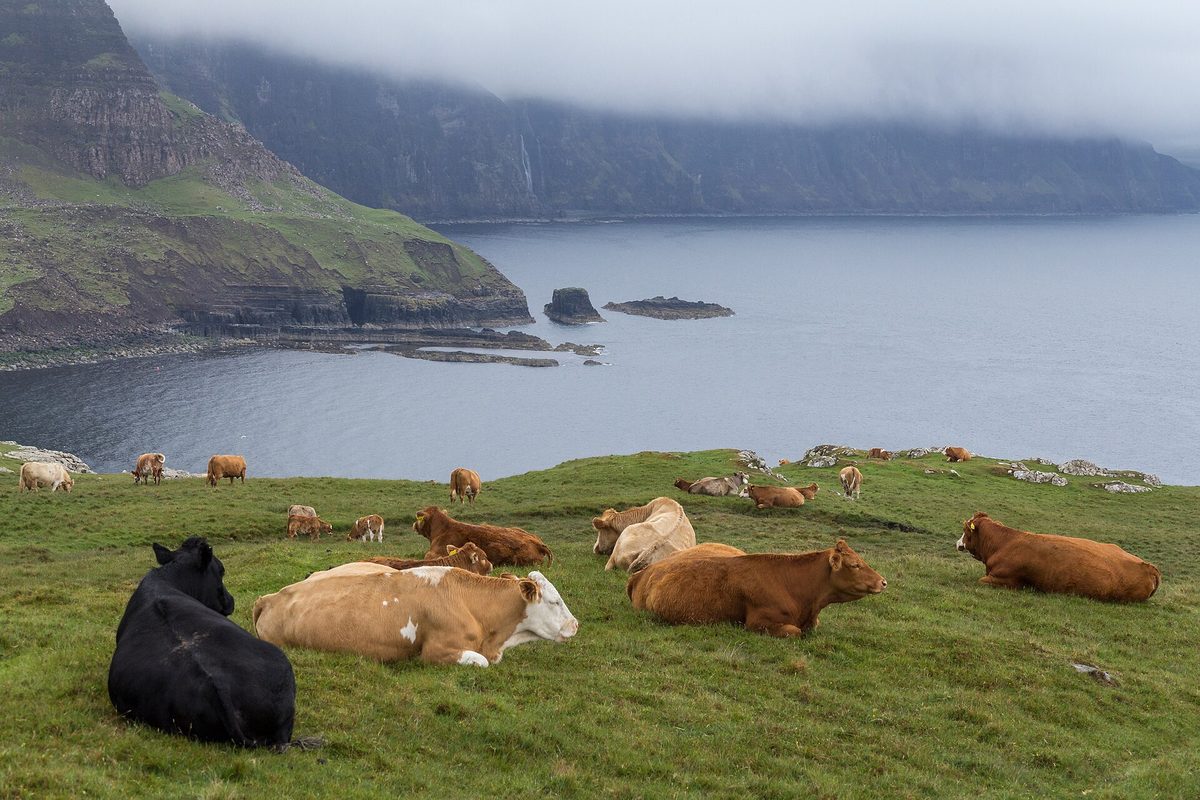
The walk up to the Fairy Pools in Glen Brittle is a sheltered river valley with wet ground and vegetation on both banks. On a still, damp August evening it is genuinely unpleasant. The grassy hollows of the Fairy Glen above Uig are worse still, because the whole appeal of the place is that it is a series of sheltered dips out of the wind. Meanwhile the headland at Neist Point is a west-facing peninsula that is almost never still, and I have walked it in the second week of August without a single bite.
Which gives you a workable rule. If you are visiting in high summer, put the exposed coastal sites in your evenings and the sheltered inland ones in the middle of a breezy day. Height helps too — you are largely clear of them above about 400 metres, so the upper sections of the ridge walks are fine even when the car park is grim. For the wider picture across the country, we cover the pattern in more detail in our guide to when midge season starts and ends in Scotland.
4. Capacity, which is the one nobody plans for
Skye has roughly 13,000 residents and a bed base that has barely moved in a decade, against visitor numbers that have gone up sharply. The island is not big enough to absorb its own peak season, and this shows up in three ways.
Accommodation is the first. In July and August, decent places in Portree, Dunvegan and Sleat are routinely gone four to six months ahead, and what remains is priced accordingly. In late September the same room is frequently half what it cost in the first week of August. If you are choosing between towns, our rundown of where to base yourself on Skye is worth reading before you book rather than after.
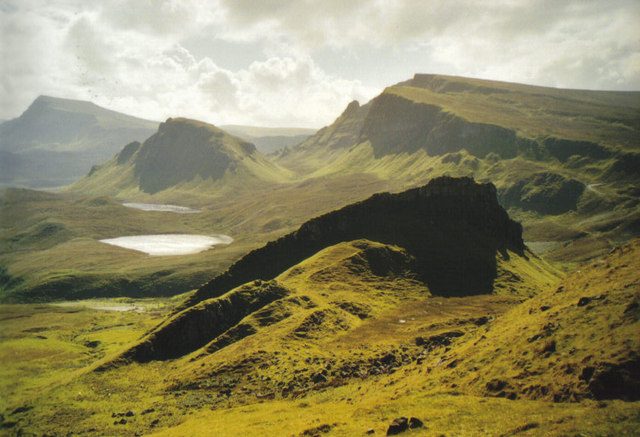
Car parks are the second. Portree fills up by mid-morning in summer — Somerled Square and the Bayfield car parks will both be full by around ten on an August Tuesday. The Old Man of Storr car park, the Fairy Pools car park at Glen Brittle and the Quiraing car park at Bealach Ollasgairte all charge now, all are small, and all overflow onto verges that they were never designed to take. Expect a few pounds at each, and check current rates when you arrive.
Roads are the third. Most of Skye away from the A87 is single-track with passing places, and single-track roads do not degrade gracefully. Add a hundred extra cars a day and the whole system slows, because everyone is reversing. In September it flows. In August it does not.
Skye month by month
Here is the data in one place. Temperatures are typical overnight lows and daytime highs at sea level — subtract two to three degrees for anywhere on the Cuillin. Rainfall figures are approximate and vary with the station used, so treat them as relative rather than absolute. Daylight is sunrise to sunset in the middle of the month at Portree.
| Month | Typical temps (°C) | Rough rainfall | Daylight (mid-month) | Midge risk | Crowds |
|---|---|---|---|---|---|
| January | 2–7 | ~200mm, around 20 wet days | 7h 15m | None | Very low |
| February | 2–7 | ~145mm | 9h 25m | None | Very low |
| March | 3–9 | ~150mm | 11h 40m | None | Low |
| April | 4–11 | ~100mm | 14h 15m | None | Rising, spikes at Easter |
| May | 6–14 | ~80mm — the driest month | 16h 30m | Nil until about the 20th, then low | Moderate, jumps at half-term |
| June | 9–16 | ~95mm | 18h 00m at the solstice | Moderate, climbing fast after mid-month | High from the last week |
| July | 11–17 | ~105mm | 17h 25m | High | Peak |
| August | 11–17 | ~120mm | 15h 20m | High — often the worst of the year | Peak |
| September | 9–15 | ~165mm | 12h 55m | Moderate early, gone after the first frosts | Falls away sharply after the first week |
| October | 7–12 | ~210mm — the wettest month | 10h 30m | Effectively none after mid-month | Low, brief mid-month school break |
| November | 4–9 | ~195mm | 8h 05m | None | Very low |
| December | 3–7 | ~205mm | 6h 40m | None | Very low, short festive spike |
The two windows I recommend, and why
Late May: the strongest single fortnight
If you can only take one recommendation from this page, take this one. The fortnight from roughly 15 to 31 May is the best combination of variables Skye offers all year.
You get the driest month on the calendar. You get sixteen and a half to seventeen hours of daylight, which is within an hour and a half of the solstice maximum and more than enough for two walks and a drive. You get the midges either absent or barely started. You get every boat operator, restaurant and visitor centre open and running proper timetables. And you get prices that are meaningfully below the July and August peak, though not bargain territory.
The trade-off is honest and small: it can still be cold, six degrees overnight is normal, and the English late-May half-term brings a noticeable bump in traffic in the final week. If you have flexibility, aim for the middle two weeks rather than the very end. The wider case for this month is set out in our guide to what Scotland is like in May, and it holds even more strongly on Skye than it does on the mainland.
Mid-to-late September: the best value fortnight
The window from about 10 to 30 September is my other pick, and for a different set of reasons.
Scottish schools went back in mid-August and English ones are back by the first week of September, and the island empties in a way you can feel within about four days. You still get twelve to thirteen hours of daylight, which is plenty. The first frosts of the month knock the midges back hard. Sea temperatures are at their annual peak, around 13°C, so boat trips are at their most comfortable and the whale and dolphin sightings off the west coast are still good. Bracken and rowan are turning. And the accommodation market flips: the room that was fully booked in August has availability at a much lower rate.
The trade-off is rainfall. September runs roughly double May, and the last third of the month can be genuinely stormy. It is a gamble you take knowingly in exchange for having the Quiraing car park to yourself. Our broader look at September across Scotland covers the wider picture, and our page on the cheapest times to travel in Scotland explains why the price cliff lands where it does.
Skye in winter, honestly
I am not going to pretend winter is a secret best season, because for most first-time visitors it is not. But it is not the write-off some guides imply either, and the trade-offs are worth stating plainly.
What genuinely goes wrong
Daylight is the big one. Between mid-November and late January you have between six and a half and eight hours, and that is before cloud. If you drive from Portree to Neist Point and back you have spent a meaningful fraction of the day in the car.
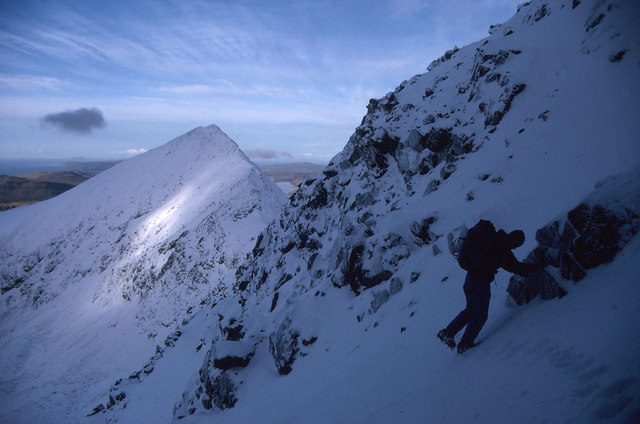
Ice on the paths is the second. The upper section of the path to the Old Man of Storr holds ice from about mid-December through February. It is a rebuilt gravel path lower down, but the last pull towards the pinnacles is steep, north-facing and unforgiving when frozen. Microspikes turn it from risky into straightforward, and I would not go up without them in January.
Roads are the third. The single-track road over the ridge between Staffin and Uig, which is how most people reach the Quiraing walk, is high, exposed and among the first things to close in snow or ice. It is not gritted to the standard of the A87. Check Traffic Scotland before you commit, and be prepared to drive round the long way.
And the fourth is simply that a lot of the island shuts. Several of the best-known restaurants close for weeks in January and February, boat operators stop entirely from around late October to Easter, and the choice of anywhere to eat after seven in the evening outside Portree and Broadford narrows dramatically. Ring ahead. Do not assume.
What genuinely goes right
You get the island to yourself. Not thin crowds — no crowds. I have parked at the Storr in early February and walked up without seeing another person.
Prices collapse. Winter rates on Skye are a different market to summer rates, and self-catering in particular becomes very good value.
Snow on the Cuillin against a low sun is as good as Scotland looks. It does not snow at sea level often on Skye — the sea keeps the coast just above freezing most of the time, and six snow days a year is typical — but the tops hold it, and that contrast between white ridge and green coast is a winter-only thing.
And the sky. At 57.4°N with almost no light pollution, Skye is a serious dark-sky location, and from September to March you have the hours of darkness to use it. Aurora is a realistic possibility rather than a certainty: at this latitude you are usually looking at a green arc low on the northern horizon, most of the colour showing up on a long exposure rather than to the naked eye. Face north from somewhere like Waternish or the Trotternish coast, wait for a clear night and a decent solar forecast, and accept that most nights you will see nothing. Our guide to timing an aurora trip in Scotland goes further on the solar side of it. What you cannot do is see it in June or July — it never gets dark enough.
Planning the practicalities
How long you need, and how it changes by season
Three full days is the realistic minimum for the headline sights, and four to five is much better. But the honest answer is that the number changes with the calendar, which is a point nobody makes.
In late June, three days of eighteen-hour daylight is genuinely enough to see Trotternish, Duirinish and the Cuillin foothills. In December, the same three days gives you under twenty hours of light in total and you will manage roughly half as much. If you are visiting between November and February, add a day for every two you would have planned in summer. Our overview of what there is to see and do across the island gives you a sense of how much you are trying to fit in.
Getting there: bridge, ferries and what runs when
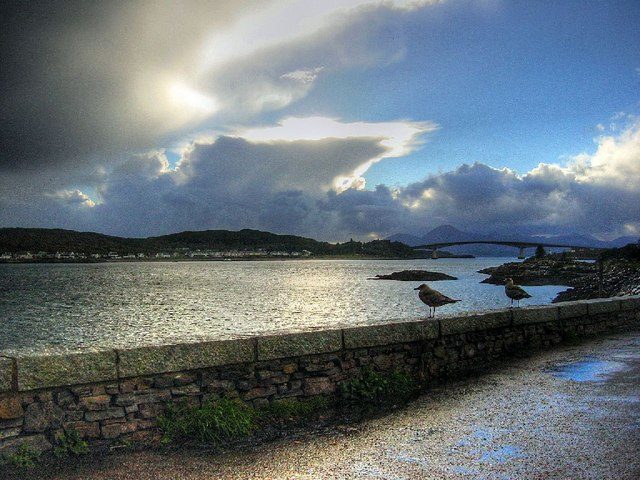
The Skye Bridge from Kyle of Lochalsh to Kyleakin is open all year and has been free since the tolls were scrapped in December 2004. That is the reliable option and it does not care what month it is.
The ferries do. The CalMac crossing from Mallaig to Armadale takes about forty-five minutes and runs a reduced winter timetable, and it books out for vehicles in summer. The Glenelg to Kylerhea turntable ferry — a lovely ten-minute crossing on the last manually operated turntable ferry in the world — only runs from roughly Easter to October, so it is simply not an option in winter. Uig on the west coast is the departure point for Harris and North Uist if you are island-hopping onward. Full details of every route are in our guide to getting to the Isle of Skye.
Both ferries are also weather-dependent in a way the bridge is not. Between November and March, a westerly gale will cancel sailings with little notice. If you are on a tight schedule in winter, use the bridge.
Driving daily versus walking: the answer changes
Here is a distinction that matters more than most people realise. If you are based in Portree and driving out each day to short walks and viewpoints, your limiting factor is daylight and traffic, and September and May both work beautifully. If you are hillwalking — the Cuillin, the full Trotternish ridge, anything with exposure — your limiting factor is weather windows and hours, and June gives you far more margin for error than September does.
Serious walkers should skew earlier: June, even with the midges, buys you the ability to start at five and finish at nine. Sightseers should skew to September. Anyone planning multi-day routes will find our overview of hiking across Scotland useful for the seasonal caveats on higher ground.
What to book, and how far ahead
For July and August: accommodation four to six months ahead, minimum. Popular dinner reservations four to eight weeks. Vehicle spaces on the Mallaig ferry as soon as the timetable opens.
For May and September: accommodation two to three months ahead is usually comfortable, though the very best guest houses go earlier. Dinner a week or two out.
For November to March: book accommodation a few weeks ahead if you like, but check what is actually open before you book anything else. A guided day out can take the road stress off entirely, though fewer operators run between November and Easter, so confirm the dates before you build a day around one.
What underwhelms, and the mistakes I see most
Booking July because it is warmest
The temperature difference between May and July on Skye is about three degrees at the daytime high. Three degrees. For that you accept roughly triple the crowds, double the room rate, peak midges and no meaningful gain in daylight over late May. It is the single worst trade in Skye planning and thousands of people make it every year.
Assuming winter means snow
People book February expecting a white island and get six weeks of grey rain at four degrees. Snow lies reliably on the Cuillin tops and only occasionally at sea level. If snow is the point of your trip, the Cairngorms are the far safer bet — the comparison in our guide to Scotland in winter is worth reading first.
Treating a bad forecast as a lost day
Skye weather moves fast. A forecast of rain rarely means rain all day; it usually means three or four squalls with bright, washed light in between, which is when the island looks its best. The mistake is cancelling. The better move is to go anyway and carry a decent jacket.
Doing the whole island from one base in a short winter day
Portree to Neist Point is about 90 minutes each way on roads that get slow. In June that is fine. In December it uses most of your light. Split your base or cut your list — our guide to Portree as a base sets out what is genuinely within reach of the town.
Expecting the Fairy Pools to be a swim
The water comes straight off the Cuillin and sits around 10°C at the height of summer. People arrive in August with towels and leave without getting in. It is a walk with excellent water, not a bathing spot, unless you are properly acclimatised.
Ignoring the wind
Temperature on Skye is close to meaningless without wind speed. Twelve degrees with a 40mph westerly at Neist Point feels colder than four degrees in still air at Sligachan. Check wind before you check temperature, every single day.
Frequently asked questions
What is the wettest month on the Isle of Skye?
October is usually the wettest, running around 210mm, with December, January and November close behind. The four months from October to January account for a disproportionate share of the annual total. May is the driest at roughly 80mm, which is around a third of an October. Figures vary by station and by year, so treat them as relative rather than exact.
When do midges start and stop on Skye?
The first generation usually hatches around the third week of May, once ground temperatures hold above about 10°C. Numbers peak from late June to early September and drop sharply with the first frosts, typically late September, leaving mid-October onwards clear. They cannot fly in wind over about six miles an hour, so exposed coastal sites stay comfortable even in the worst weeks.
Is the Isle of Skye worth visiting in winter?
Yes, if you go in knowing what you are trading. You get an empty island, low prices and snow on the Cuillin, in exchange for six to eight hours of daylight, a lot of rain, icy paths and many closures. It suits a returning visitor or a photographer far better than a first-timer trying to see everything.
How many hours of daylight does Skye get in December?
Around six hours and forty minutes in the middle of the month, dropping to six hours thirty-six at the solstice. Sunrise is about 09:04 and sunset about 15:40. Overcast skies shorten the usable window further. Compare that with eighteen hours at the June solstice and you can see why the same itinerary takes twice as long.
Can you see the northern lights from the Isle of Skye?
Sometimes, from roughly September to March. Skye is dark enough, but at 57.4°N you are usually looking at a low green arc on the northern horizon rather than an overhead display, and much of the colour only appears on a long exposure. It is impossible in June and July because it never gets properly dark.
Is May or September better for visiting Skye?
May for weather, September for value. May is drier and gives you four more hours of daylight; September is quieter, cheaper and has the sea at its warmest. If your trip is walking-led, choose May. If it is driving and sightseeing and you want the car parks empty, choose the second half of September.
How far ahead should I book accommodation on Skye?
Four to six months for July and August, and longer for anything well reviewed. Two to three months is usually enough for May and September. In winter you can often book a few weeks out, but check what is actually open first, because a cheap room is no use if nothing nearby is serving food.
Do I need a car on Skye, and does that change by season?
A car makes an enormous difference and the season sharpens that. Summer bus services connect Portree, Broadford, Uig and Dunvegan reasonably well; winter timetables thin out considerably and evening services largely vanish. Doing Skye by bus in February is possible but it will cost you most of your daylight sitting at stops.
Final thoughts
I have been to Skye in every month except February, and the trip I would repeat tomorrow was the third week of May: seventeen hours of light, four dry days out of six, one midge bite in total, and a room in Portree I booked in March without difficulty. The trip I would repeat second was the third week of September, for the simple pleasure of standing at the Quiraing at four in the afternoon with nobody else there.
The one I would not repeat was the first week of August. It rained anyway.
Pick a window, book it early enough that you are not choosing from what is left, and take the waterproofs regardless. If you are still assembling the wider trip, our island overview and our guide to the best time to visit Scotland as a whole will help you fit Skye into everything else without wasting your best weather on a motorway.
About the author: This guide was written and is maintained by the ScotlandTourism.org editorial team — travel writers who’ve spent years exploring Scotland’s cities, Highlands and islands, from bagging Munros to chasing the perfect dram. We update our guides regularly to keep prices, opening details and advice current.
Last updated: August 2026. Prices and opening times change — always check the official site before you travel.
Photo credits
All images are used under their respective Creative Commons or public-domain licenses:
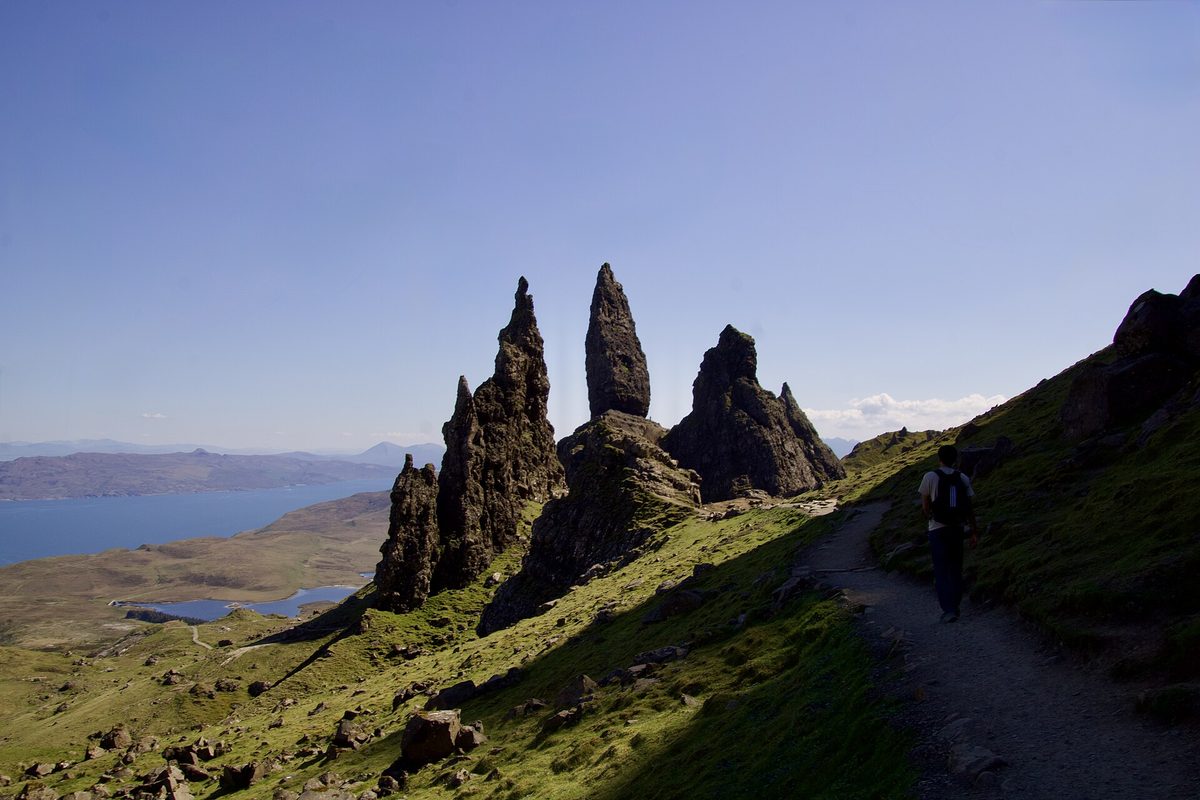
- A walker on the path to the Old Man of Storr on a clear day, Isle of Skye — Lauwz The Kiwistralian, CC0, via Wikimedia Commons
- A ridge in the Black Cuillin above Glen Brittle, Isle of Skye, on a clear summer day — Ailith Stewart, CC BY-SA 2.0, via Wikimedia Commons
- Boats moored in Portree harbour under grey cloud on the Isle of Skye — rboed*, CC BY 2.0, via Wikimedia Commons
- Heather and damp burn-side vegetation at the Fairy Pools in Glen Brittle, Isle of Skye — Balon Greyjoy, CC BY-SA 3.0, via Wikimedia Commons
- Cattle grazing on the windy clifftop near Neist Point, Isle of Skye — JoachimKohler-HB, CC BY-SA 4.0, via Wikimedia Commons
- The Quiraing landslip on the Trotternish ridge, Isle of Skye, under broken cloud — Carol Walker, CC BY-SA 2.0, via Wikimedia Commons
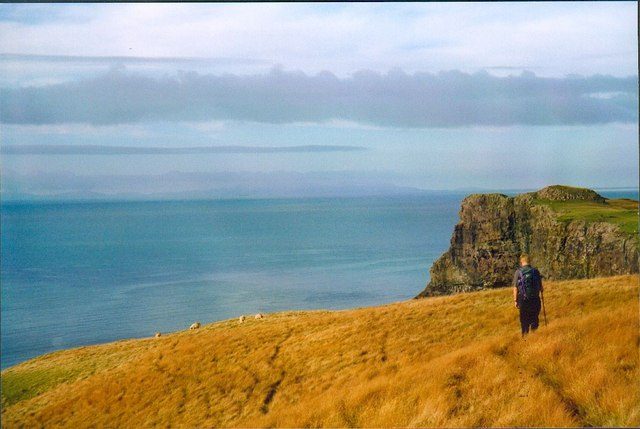
- A walker on the clifftop path above Talisker Bay on the Isle of Skye in autumn — Gordon Hatton, CC BY-SA 2.0, via Wikimedia Commons
- A hillwalker on steep snow on Sgurr a’Mhadaidh in the Cuillin, Isle of Skye, in winter — John Bennett, CC BY-SA 2.0, via Wikimedia Commons
- Fishing boats at Elgol with the Cuillin across Loch Scavaig, Isle of Skye — Dave Fergusson, CC BY-SA 2.0, via Wikimedia Commons
- The Skye Bridge seen from Kyle of Lochalsh under a breaking sky — Markus Skubic, CC BY-SA 2.0, via Wikimedia Commons