The first time I tried to do one day in Edinburgh properly, I got it wrong. I came off a ship at South Queensferry at half past nine, spent an hour on a coach and in a queue, bought a castle ticket because that is what you do, and by half two I was standing at the bottom of the Royal Mile realising I had to walk all the way back up a 67-metre hill to get to my bus. I saw about a third of what I could have seen.
The problem with almost every one-day guide out there is that it assumes you woke up in a hotel on George Street with fourteen hours and unlimited legs. Most people don’t. They arrive by tender, or on a tram from the airport with a flight to catch, or off a late train with one evening and one morning. Those are three completely different days, and pretending otherwise is why so many visitors end up sprinting past the good bits.
One day in Edinburgh: the short answer
Edinburgh’s Old Town core is walkable in about twenty minutes end to end, so one day is genuinely enough for the highlights — if you pick one paid attraction, not three. Build the day around the Royal Mile, St Giles’, Victoria Street, the Grassmarket and Greyfriars, then choose either Edinburgh Castle or Arthur’s Seat. Never both.

Which one-day route is yours?
Work out which row you’re in before you read another word. The rest of this guide is built around these three arrivals, and the honest usable-hours figure is the one that should decide your day. For the wider picture — neighbourhoods, seasons and how the city fits together — start with our complete guide to visiting Edinburgh, then come back here for the timings.
| How you arrive | Realistic hours in the city | Transfer each way | Transfer cost (approx, adult) | Paid attractions that fit | Go for |
|---|---|---|---|---|---|
| Cruise, South Queensferry (tender) | 4–5.5 of an 8-hour call | 30–40 min bus or train, plus tendering | Around £10 return on the CruiseLink bus | One, at a push | Old Town loop, no castle |
| Cruise, Newhaven or Leith (alongside or short tender) | 5.5–6.5 of an 8-hour call | 25–35 min on the tram | £2.40 single, £6.00 day ticket | One comfortably | Old Town loop plus castle or Calton Hill |
| Airport layover, 6 hours | 2.5–3 | 30 min tram to Princes Street | Around £8 single, airport zone | None — don’t try | Calton Hill and the Royal Mile |
| Airport layover, 9 hours | 4.5–5 | 30 min tram to Princes Street | Around £8 single, airport zone | One, pre-booked | Old Town loop plus one ticket |
| One night, arriving afternoon | 5 that evening, plus a morning | Waverley is in the middle of everything | Nothing, if you stay central | Two, split across evening and morning | Evening tour, then castle at opening |
| Full day, staying in town | 10–12 | None | None | Two, maybe three | Castle at 9.30am, Arthur’s Seat late |
Three rows, three genuinely different days. The rest of this guide walks each one, but first you need to understand the ground you’re walking on, because in Edinburgh that is the whole game.
The geography nobody explains, and why it wrecks schedules
Edinburgh is not flat, and it is not one city. It’s two, stacked at different heights, with a railway line in the trench between them. Understand that and your day stops going wrong.
The Old Town sits on a ridge. The New Town doesn’t.
The Old Town runs along the spine of a glacial ridge with Castle Rock at the western end. The New Town is a Georgian grid laid out on lower, flatter ground to the north. Between them sits the valley that holds Princes Street Gardens and Waverley station.
What that means in practice: every time you cross between the two, you go up or down. The Mound, the Playfair Steps, Cockburn Street, the Waverley Steps — all of them are climbs, and all of them will cost you more minutes than a map suggests.
The Royal Mile runs downhill, east, and it is steeper than it looks
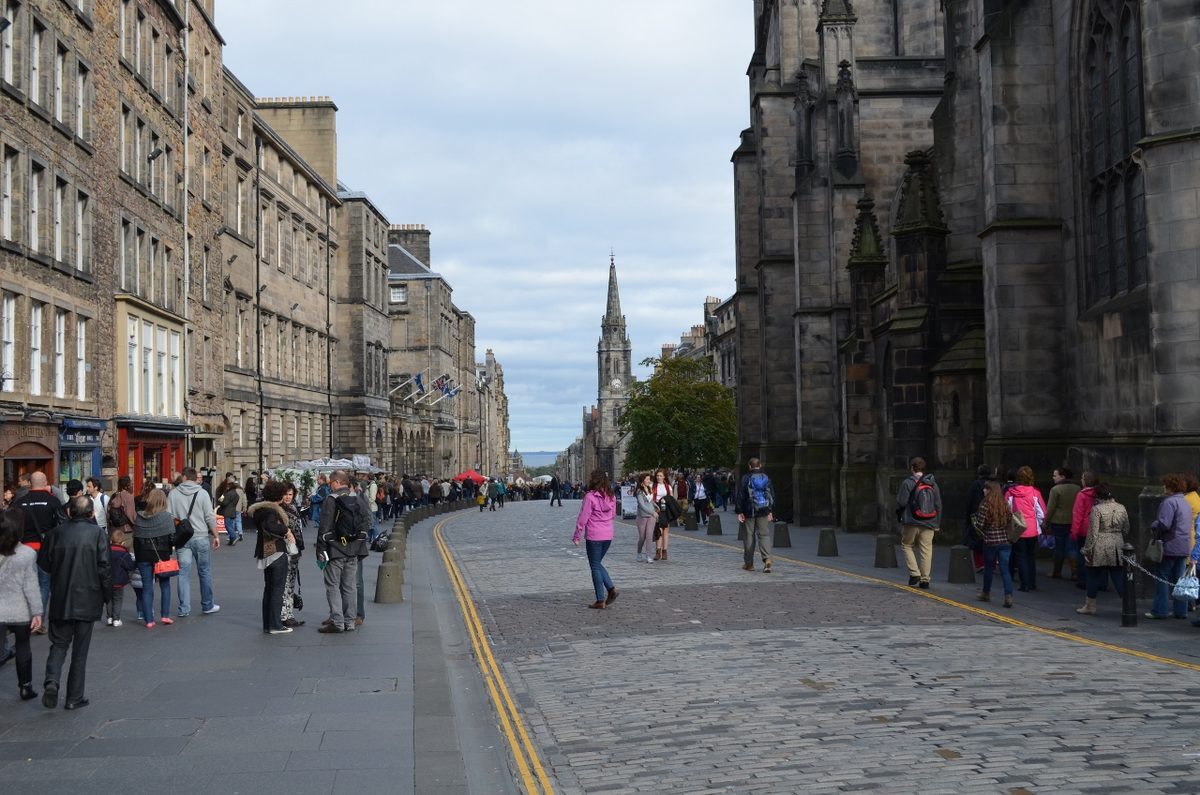
The Royal Mile is 1.81 km — one old Scots mile, which is why the name is not quite a lie. It drops from about 109 metres above sea level at the castle esplanade to about 42 metres at the Palace of Holyroodhouse. That’s a 67-metre descent over a little over a mile, an average gradient of roughly four per cent.
Walking down it feels effortless. That’s the trap.
The walk back up from Holyrood is the thing that ruins the day
Nobody plans for the return leg. You drift down the Royal Mile taking photographs, reach the Scottish Parliament, look at the palace, and then discover you have to climb 67 metres back to where you started — on cobbles, into the wind, with tired feet, at the exact point in the afternoon when your energy has gone.
Budget 25 to 35 minutes for that climb at an unhurried pace. It is not hard, but it is relentless, and it has cost more one-day visitors their last attraction than anything else I can think of.
The way round it: don’t walk to the bottom unless you have a reason. Turn back at the Canongate, or pick up a Lothian bus westbound along the Canongate to save your legs the worst of the climb, or plan Arthur’s Seat as the end of your day and take a bus or taxi back from Holyrood afterwards.
Everything you actually want is in one square mile
Here’s the good news. The castle esplanade, St Giles’, Victoria Street, the Grassmarket, Greyfriars Kirkyard, the National Museum of Scotland and the Vennel steps all sit inside a rectangle you could walk around in half an hour. The closes and wynds running off the Royal Mile are the most rewarding thing in the city and they cost nothing.
That compactness is what makes a one-day visit work at all. Waste it by chasing Dean Village or Leith and you’ve thrown away your only real advantage.
Route one: the cruise day (about five usable hours)
Most large ships calling at “Edinburgh” don’t dock in Edinburgh at all. They anchor off Hound Point in the Firth of Forth and tender you ashore at Hawes Pier in South Queensferry, roughly nine and a half miles west of the city centre and directly beneath the Forth Bridge.
Smaller ships sometimes use Newhaven or Leith on the northern waterfront, which is a much easier day. Rosyth, across the water in Fife, is occasional and effectively rules Edinburgh out unless you’re on a coach tour.
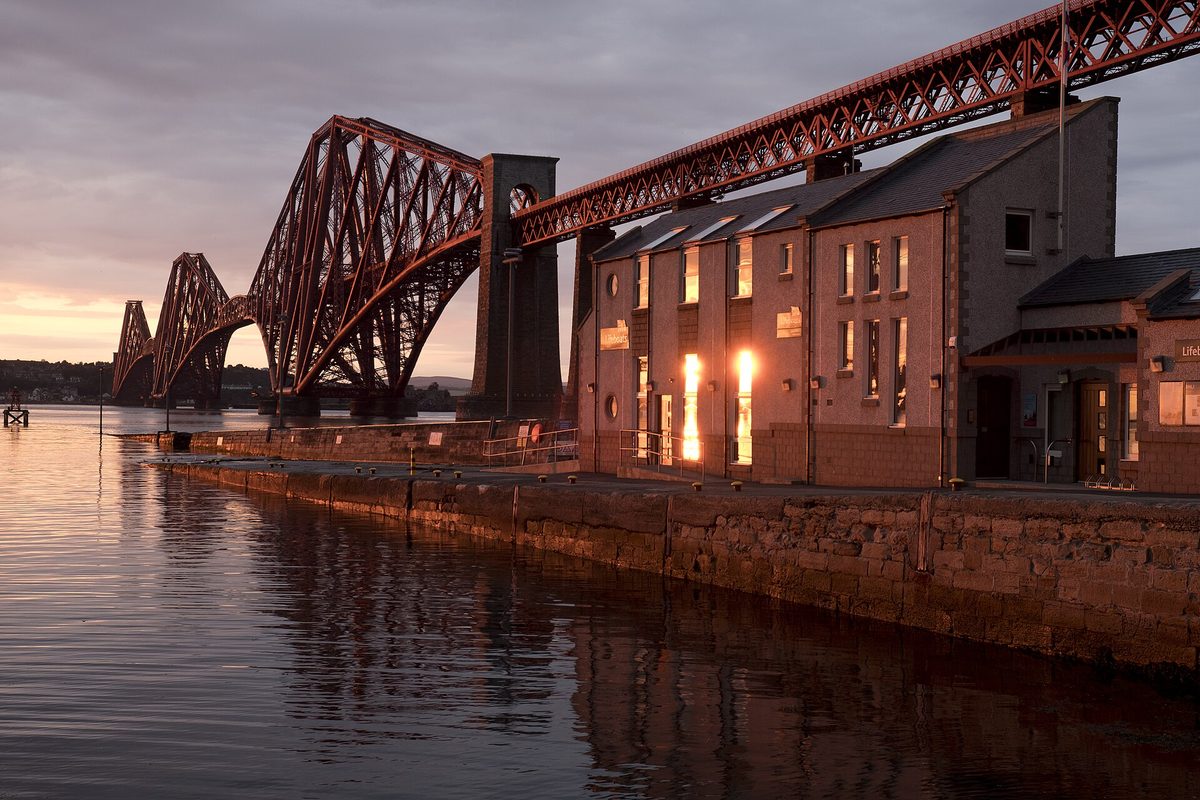
The honest hours maths
Take an eight-hour port call, which is typical. Now subtract:
- Tender queue and crossing ashore: 30–60 minutes. The crossing itself is about ten minutes. The queue is the variable.
- Transfer into the city: 30–40 minutes on the X99 CruiseLink bus from Hawes Pier.
- Transfer back: the same again, and cruise-day buses fill up.
- Return tendering plus your own buffer: an hour, minimum. All-aboard is usually 30 to 60 minutes before sailing, and you do not want to be the person watching your ship from the pier.
That leaves four to five and a half hours on the ground. Plan for four and treat anything more as a bonus.
One alternative worth knowing: from Hawes Pier you can walk up to Dalmeny station in fifteen to twenty minutes — it is uphill and signposted — and take a ScotRail train that puts you into Waverley in roughly fifteen minutes, right in the middle of the Old Town. It is not always faster door to door, but it is far less exposed to road traffic on Queensferry Road, which can turn a 40-minute bus into 70 on a bad afternoon.
The five-hour cruise route
Assume you’re standing outside Waverley or stepping off the CruiseLink bus near St Andrew Square. Here’s the loop I’d walk, and I’d skip the castle interior entirely.
0:00 – 0:15. Up Cockburn Street rather than the Waverley Steps. It’s a gentler curve, the shops are better, and you come out on the Royal Mile at the High Street rather than the tourist crush at the top.
0:15 – 0:45. St Giles’ Cathedral and Parliament Square. Entry is free with a suggested donation of around £10 at the time of writing, and there’s a small charge, a couple of pounds, if you want to photograph inside. The Thistle Chapel alone justifies the stop. Give it twenty minutes.
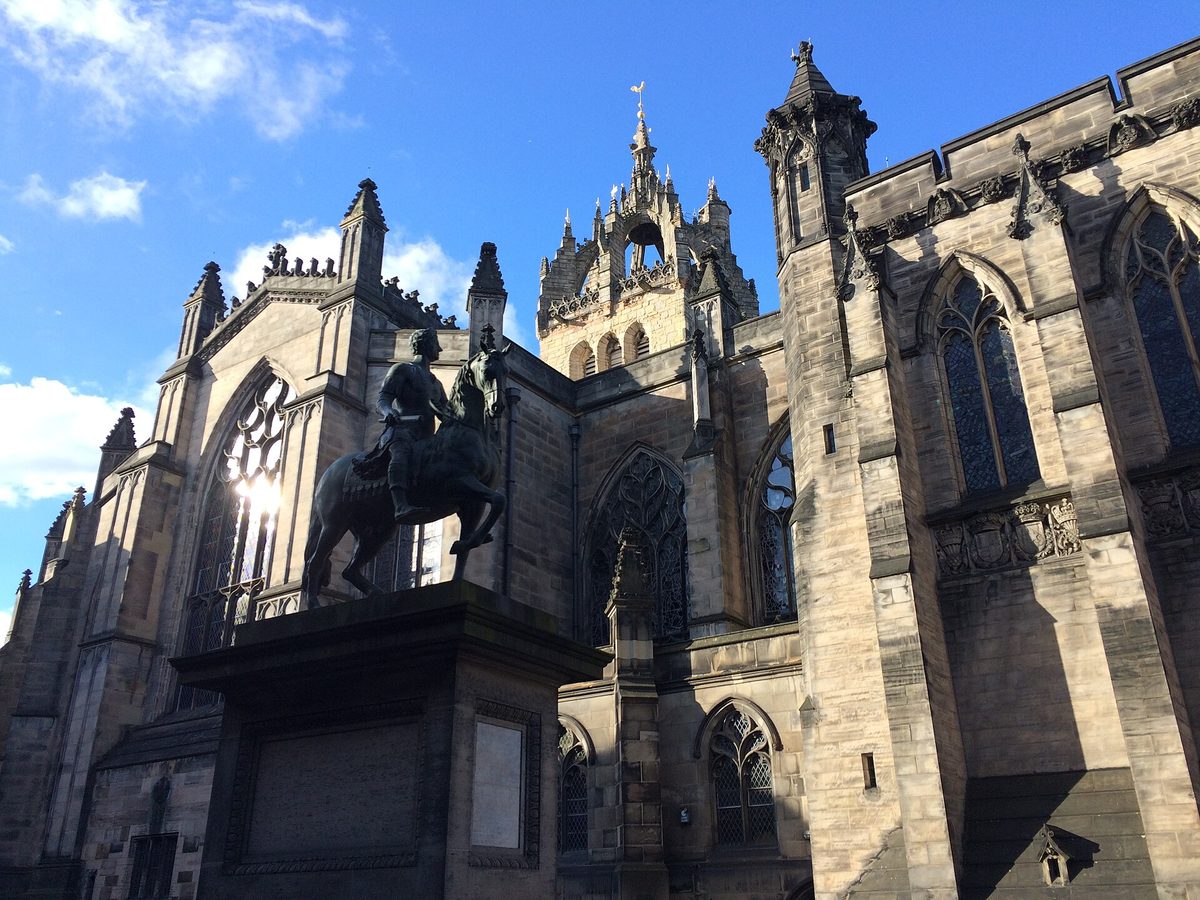
0:45 – 1:15. Walk west up the Royal Mile as far as Castlehill. Look at the esplanade, take your photograph of the gatehouse, and keep your money. Then double back a hundred metres and drop down George IV Bridge.
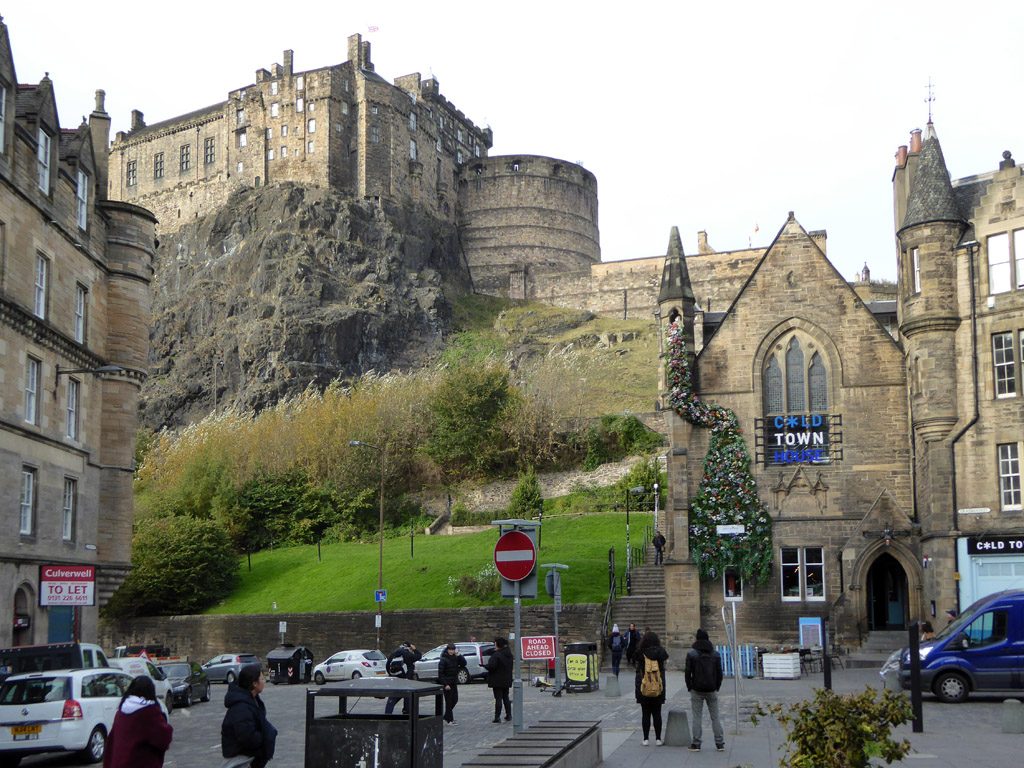
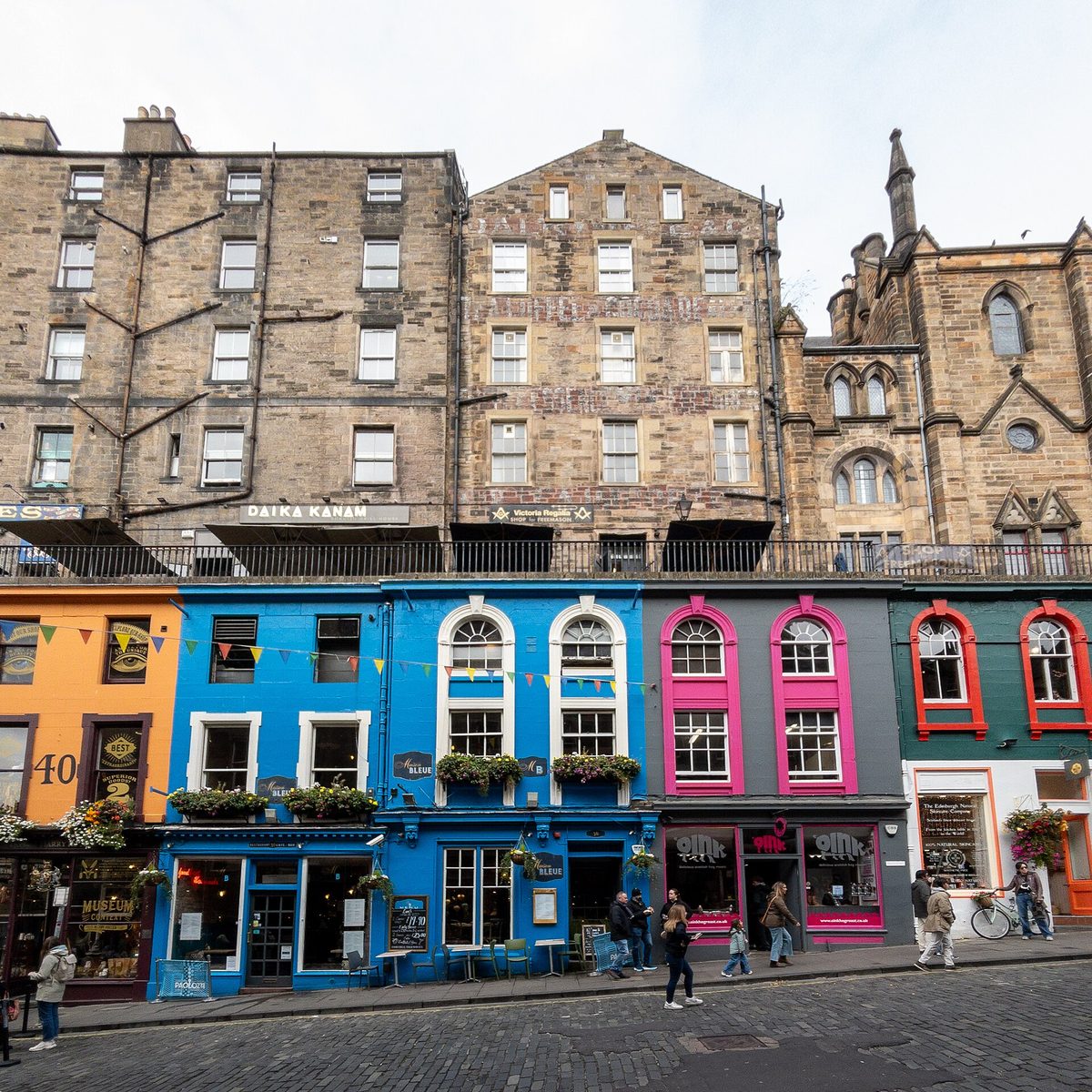
1:15 – 2:00. Victoria Street, then down into the Grassmarket. This is the best twenty minutes of the day for most people: the curve of the street, the painted shopfronts, the castle rock looming over the square at the bottom. Get a coffee, sit outside if the weather allows.
2:00 – 2:20. The Vennel steps at the western end of the Grassmarket. Climb them, turn around. That’s your castle photograph, and it’s better than anything you’d get from inside the walls.
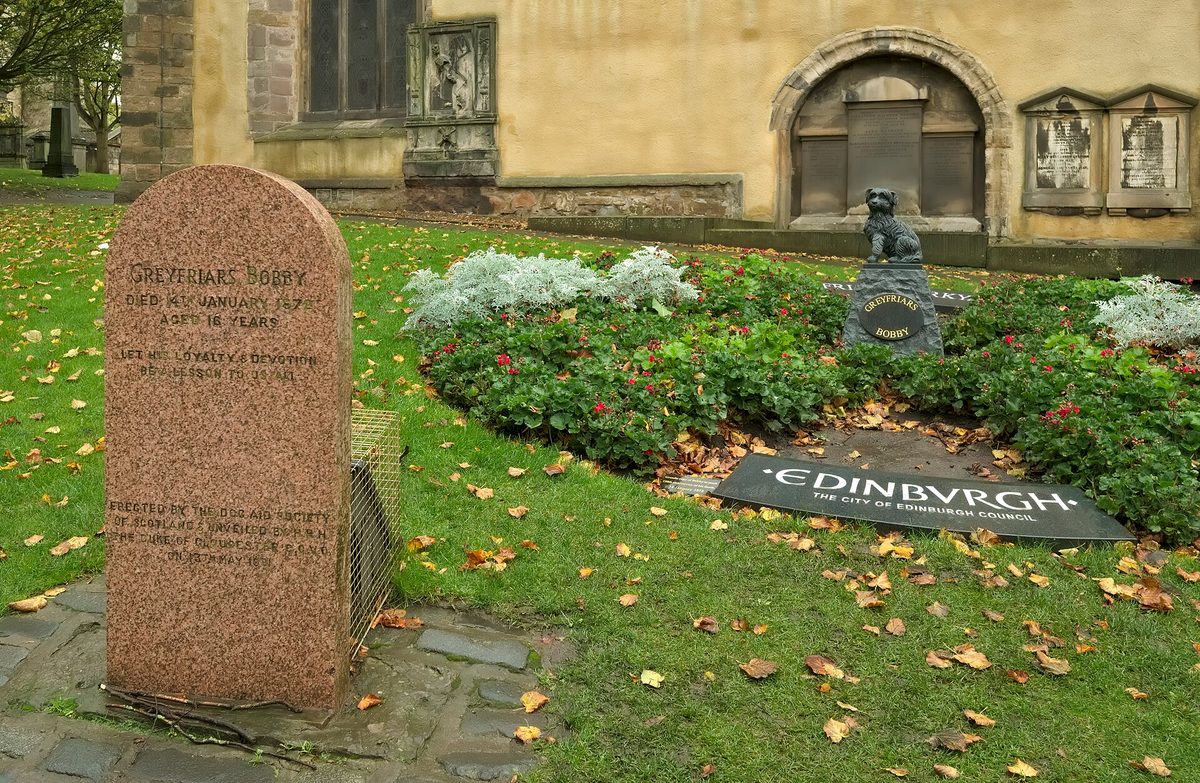
2:20 – 3:00. Greyfriars Kirkyard. Bobby’s grave is just inside the gate, the Flodden Wall runs along the southern edge, and the whole place is free and rarely rushed.
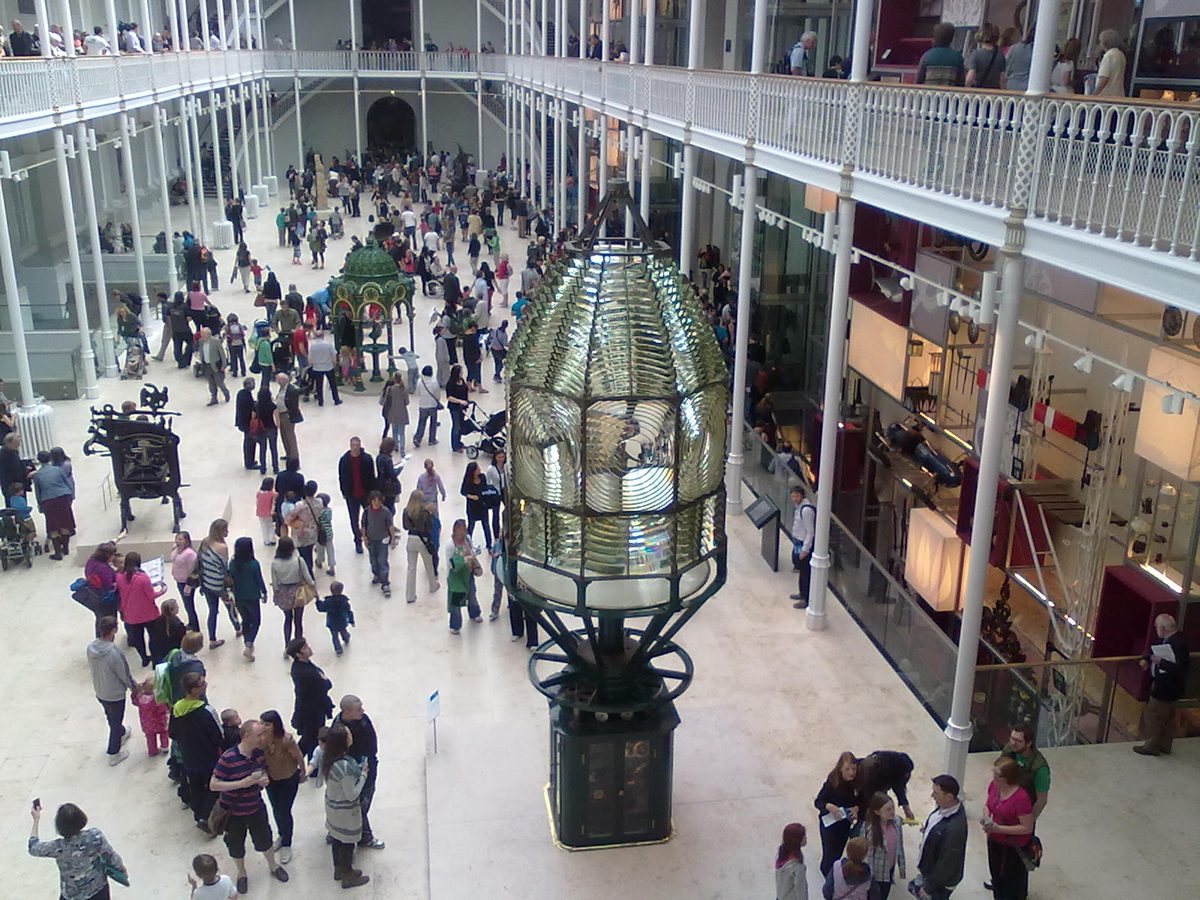
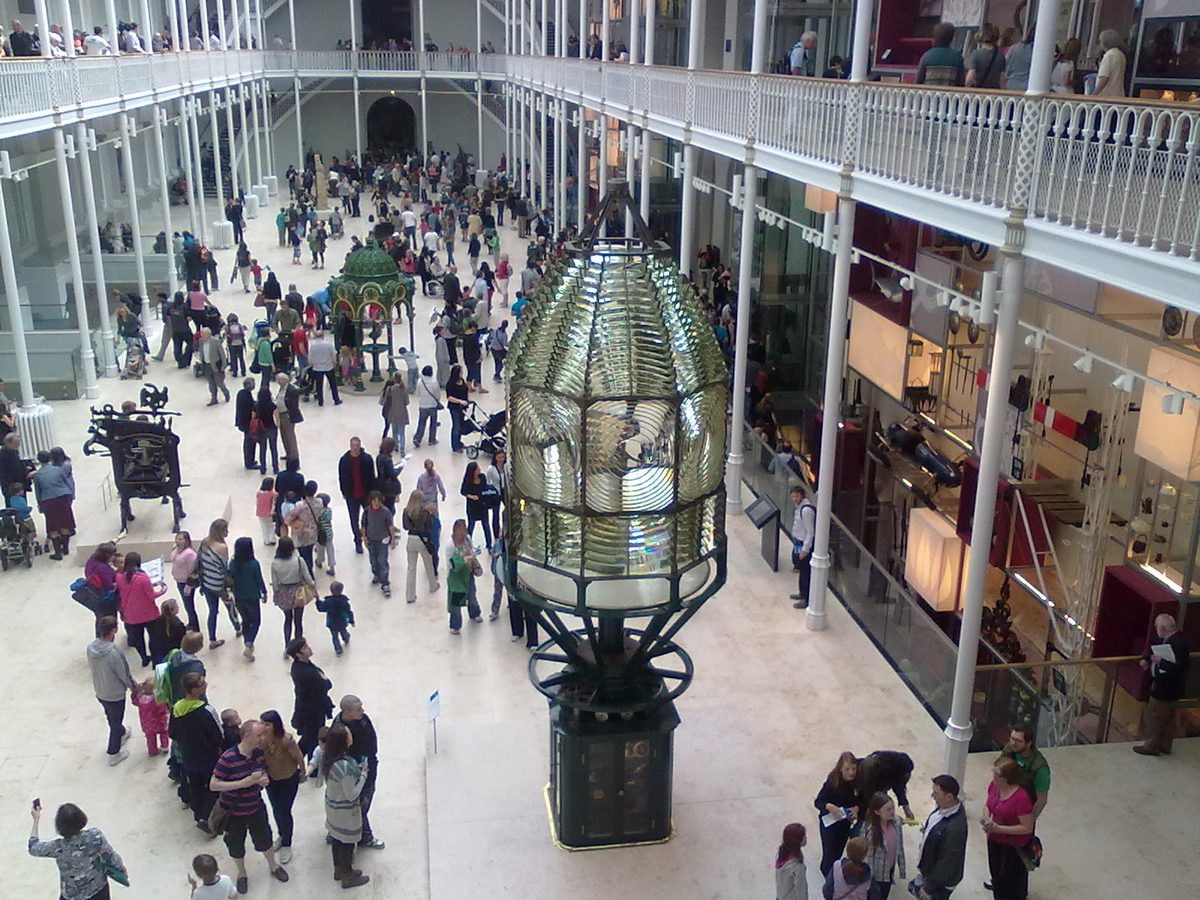
3:00 – 4:00. The National Museum of Scotland on Chambers Street. Free, enormous, and there’s a roof terrace on the top floor with one of the better castle views in town when it’s open. An hour is enough for the Scottish galleries and the terrace.
4:00 onwards. Walk back down to Waverley or across to the bus, with time in hand. If you have an extra hour, spend it in Princes Street Gardens looking up at the thing you’ve been walking around all day.
If your call is ten hours or more
Then and only then, book a castle slot for 10.30am and do it first. Everything above still works, shifted two and a half hours later. If you’re weighing up whether to leave the port at all, our guide to excursions and day trips around Edinburgh covers what’s realistically reachable and what isn’t.
Route two: the airport layover
Edinburgh is one of the few European airports where leaving the terminal on a layover genuinely makes sense, because the tram is direct, frequent and drops you in the middle of the city.
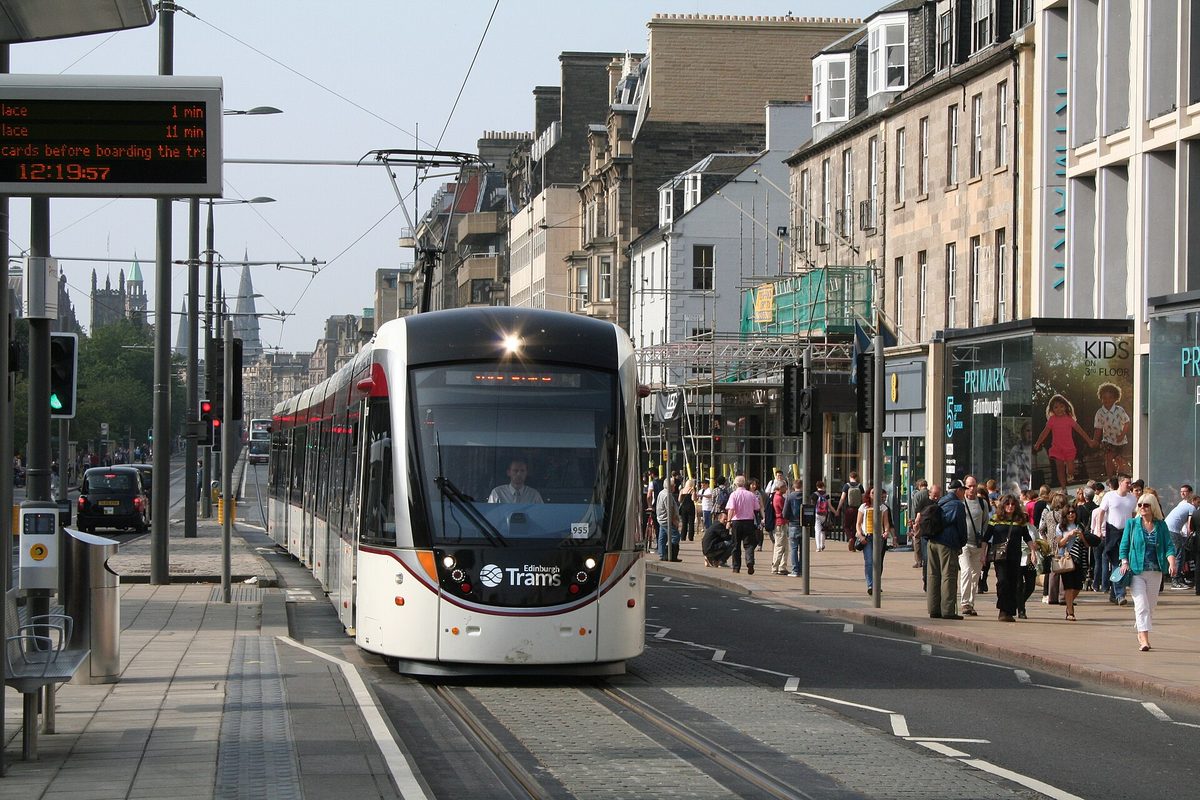
The tram maths, in plain numbers
The tram stop sits right outside the main terminal. The journey to Princes Street and St Andrew Square takes 30 minutes. Trams run every seven minutes between about 06:30 and 19:00, every ten minutes early and late. The first departs the airport at 06:30 and the last at 22:52 at the time of writing.
An adult airport-zone single costs around £8, frozen in the February 2026 fares review while city fares went up. If you’re going to make more than two journeys, the airport-zone day ticket at £14.00 is better value. Inside the city, a tram or bus single is £2.40 and an all-day ticket £6.00. Contactless works on both trams and Lothian buses.
Now the arithmetic that matters. Take your layover length, then subtract 30 minutes each way on the tram, 15 minutes of walking to and from stops, and two hours of airport buffer for a long-haul departure — 90 minutes if you’re on a domestic hop and travelling light.
A six-hour layover leaves you roughly two hours and forty minutes in the city. A nine-hour layover leaves nearly five. Under five hours, stay airside and have a decent lunch instead. There’s no version of the maths that makes it worthwhile.
The layover route
Get off at St Andrew Square, not Princes Street — it’s closer to Waverley and to the steps you’ll want.
With under three hours, do this: walk east along Waterloo Place for ten minutes and climb Calton Hill. It takes about fifteen minutes up a stepped path, it’s free, and the view along Princes Street to the castle with the Dugald Stewart Monument in the foreground is the single best return on time anywhere in Edinburgh. Then come down, cross to the Royal Mile via North Bridge, walk fifteen minutes of it, and turn around.
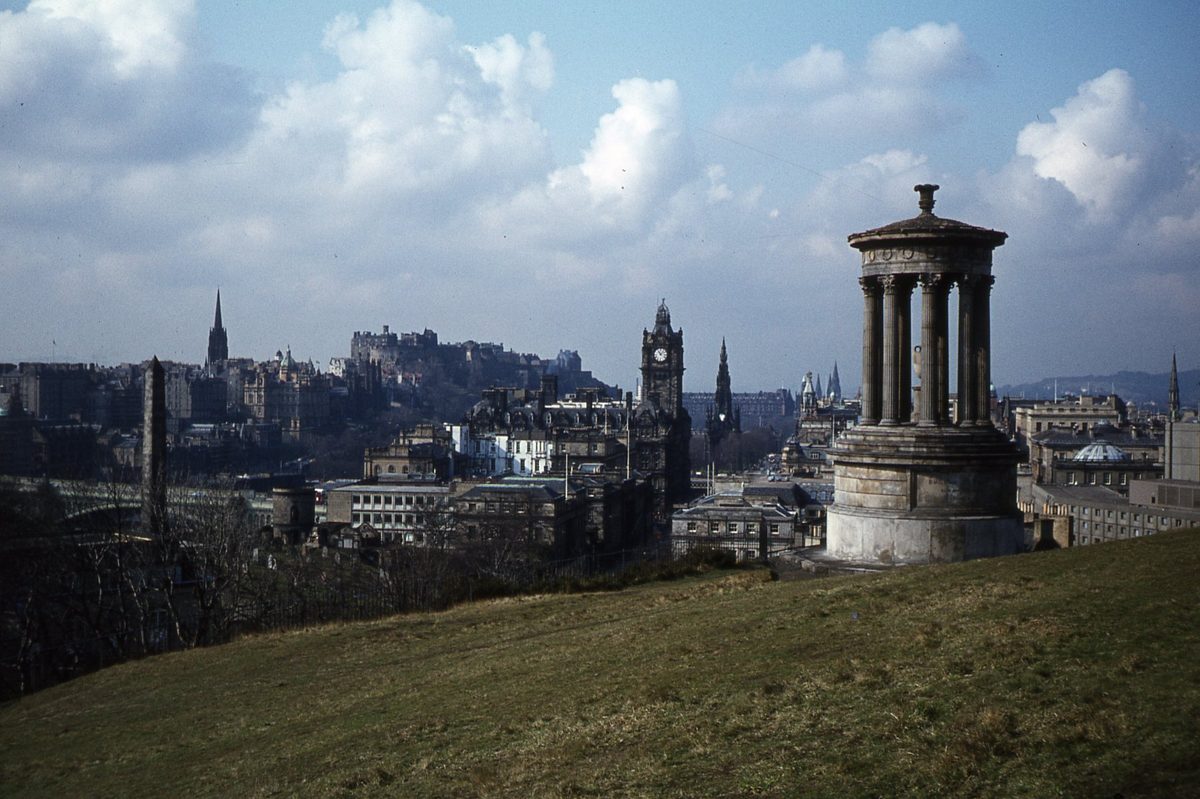
With four or five hours, add the Victoria Street and Grassmarket loop from route one, and finish at the West End–Princes Street tram stop instead of walking back to St Andrew Square. About three kilometres of walking in total, most of it interesting.
The hard deadline
Set an alarm for the moment you need to be on a tram, and set it earlier than feels necessary. Trams have been known to run part-route during city-centre road closures — there was disruption on Princes Street affecting through services at the time of writing — and the fallback is the Airlink 100 bus from Waverley Bridge, which takes about half an hour but is subject to traffic.
Leave your bag at the airport rather than dragging it round cobbles. There’s left luggage at Edinburgh Airport and at Waverley, though both charge by the item and the day. If you’re piecing together a longer trip around this stop, our notes on travelling around Scotland by train, bus and car will save you some head-scratching.
Route three: one night in Edinburgh, which changes everything
An evening in Edinburgh is worth more than four extra daylight hours, and almost nobody plans for it. The Old Town after dark — wet setts, gas-style lamps, the closes half-lit — is the version of the city people remember.
The evening route
Late afternoon. Drop your bag, get to Calton Hill for the light. Sunset in Edinburgh swings wildly: close to 10pm in late June, and before 3.45pm around the winter solstice. Check the time for your date before you plan anything around it, because a December “evening” starts in the middle of the afternoon.
Around 6pm. Dinner in the Grassmarket or the Old Town. Book it. Edinburgh’s kitchens fill up on Fridays and Saturdays year-round and every single night in August. Haggis, neeps and tatties is worth ordering once even if you think you won’t like it; our guide to what to eat and drink in Scotland explains what else is worth your one meal.
8pm or 9pm. This is where the evening earns its keep. The underground vaults and ghost tours only run after dark, they last about 60 to 90 minutes, and they take you into spaces you cannot otherwise see — the South Bridge vaults, the closes sealed under the City Chambers. They need booking, sometimes days ahead in summer.
10pm onwards. A pub with live folk music, or a whisky bar. You are two minutes from both from almost anywhere in the Old Town.
The morning after
Now you get to choose properly, because you have a fresh pair of legs and a clear three hours.
Option one: Edinburgh Castle at the 9.30am opening. Book the first slot, be at the gate at 9.20, and you’ll walk through the Crown Jewels and St Margaret’s Chapel before the coach parties land. Full detail on slots, queues and what’s worth your time inside is in our Edinburgh Castle tickets and visiting guide.
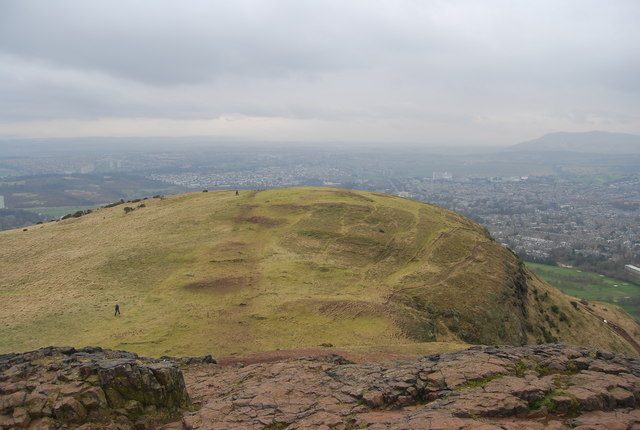
Option two: Arthur’s Seat at first light. It’s 251 metres, roughly 90 minutes to two hours round trip from the Holyrood side, and on a clear morning you can see across the Firth of Forth to Fife. Our route guide to climbing Arthur’s Seat covers the two main paths and which one to take in wet weather.
If you can stretch the trip to two nights, don’t agonise — just take the second night. Our two-day Edinburgh itinerary is a far less compromised way to see the city, and choosing the right neighbourhood to stay in matters more than the hotel itself when your time is short.
The decision point: Edinburgh Castle or Arthur’s Seat?
This is the fork in the road, and it comes at about the four-hour mark of any one-day visit. You can do one properly. You cannot do both unless you have ten hours and good knees.
What the castle actually costs you
An adult ticket is £23.50 booked online, £26.00 if you turn up at the gate, with concessions at £19.00 online and children seven to fifteen at £14.00. Audio guides are an extra £4.00. Prices change, so check before you go.
But the money is the smaller cost. Add the walk up Castlehill, the timed-entry queue at the gatehouse, and an hour and a half inside if you want to see the Honours of Scotland, the Great Hall and the National War Museum without jogging. Call it two and a half hours from leaving the Royal Mile to being back on it.
On a six-hour day, that’s over 40 per cent of everything you have. And here’s the honest part: what most people photograph and remember about Edinburgh Castle is the outside of it, seen from the Grassmarket, the Vennel, Princes Street Gardens or Calton Hill. The inside is a series of good but conventional museum rooms, and on a wet August afternoon it is very crowded indeed.
What Arthur’s Seat actually costs you
Nothing in money, and between two and three hours in time once you’ve factored in getting to Holyrood Park and back. It’s a proper hill walk, not a stroll — the paths are uneven, exposed and often greasy after rain — and it will finish your legs for the day.
It is also the best thing in Edinburgh, and the only one of these two that you cannot get anywhere else.
The third option, which most one-day visitors should take
Do neither, and spend the money and the hours on the compact stuff instead. This is the recommendation I give most often and the one people thank me for afterwards.
Camera Obscura and World of Illusions, at the top of Castlehill, costs somewhere in the low-to-mid twenties for an adult at the time of writing and takes about 90 minutes. The rooftop terrace gives you a 360-degree view that includes the castle, which the castle itself obviously cannot. The Victorian camera obscura show on the top floor is genuinely good and the illusion floors are far better than they sound.
Around that, stack the free things: St Giles’, Greyfriars, the Grassmarket, the Vennel, the National Museum, Calton Hill. Total spend under £30, total time about four hours, and you’ll have seen more of Edinburgh than the person who queued for the castle. There’s a longer list in our guide to free things to do in Edinburgh.
Eating well when you have no time to waste
Fast, good, and near the Royal Mile
Oink on Victoria Street does hot pulled-pork rolls with haggis or sage-and-onion stuffing, served until they run out, usually mid-afternoon. Five minutes, eaten walking. Mary’s Milk Bar in the Grassmarket makes its gelato fresh each morning and the queue moves.
Anything with a laminated menu, a tartan awning and a man in a kilt outside on the Royal Mile itself: keep walking. You are paying a location premium for the worst food in the Old Town.
A sit-down meal, if you have ninety minutes
Book it, and book it for before 6.30pm or after 8.30pm to dodge the crush. The Grassmarket, Victoria Street and the streets around Chambers Street all have solid options within two minutes of each other, which means if your first choice is full you haven’t lost the afternoon.
When it rains, and it will
The National Museum of Scotland is the answer to bad weather in Edinburgh. It’s free, it’s vast, it’s warm, and it’s a four-minute walk from Greyfriars. Second answer: the National Galleries on the Mound, also free, also central. Neither needs booking.
What to book, and what to leave alone
Book in advance
- Edinburgh Castle, if you’re doing it. Slots sell out weeks ahead in July and August, and once online tickets are gone there is nothing at the gate.
- Dinner, any Friday or Saturday, and every night in August.
- Any evening tour — vaults, ghosts, or a walking tour of the Harry Potter locations. These run small groups and fill up.
- Real Mary King’s Close, if that’s your one attraction. It’s timed entry and it’s popular.
Don’t bother booking
Transport, unless you’re arriving by train. Trams and buses take contactless. St Giles’, Greyfriars, the museums and the galleries are walk-in. And do not pre-book a hop-on hop-off bus, for reasons I’ll come to.
Practical bits that catch people out
Wear shoes you’ve already broken in, with grip. Edinburgh’s Old Town is laid with stone setts, not tarmac, and they are slick when wet. Carry a waterproof regardless of the forecast — our practical tips for travelling in Scotland go into this properly, but the short version is that Edinburgh weather changes on a twenty-minute cycle and the wind comes straight off the North Sea.
If your day falls in August, know what you’re walking into. The Fringe turns the Royal Mile into a solid wall of performers and flyerers, and getting from St Giles’ to the castle can take three times as long as it should. It’s wonderful and it’s exhausting; our guide to Scotland’s festivals and events calendar has the dates. Outside August, the crowd problem largely disappears — and the best months to visit Scotland for a city day are probably May and September.
What a one-day visitor should skip
This is the section I wish someone had written for me. Every item here is a decent thing to do. None of them belongs in a single day.
The Palace of Holyroodhouse
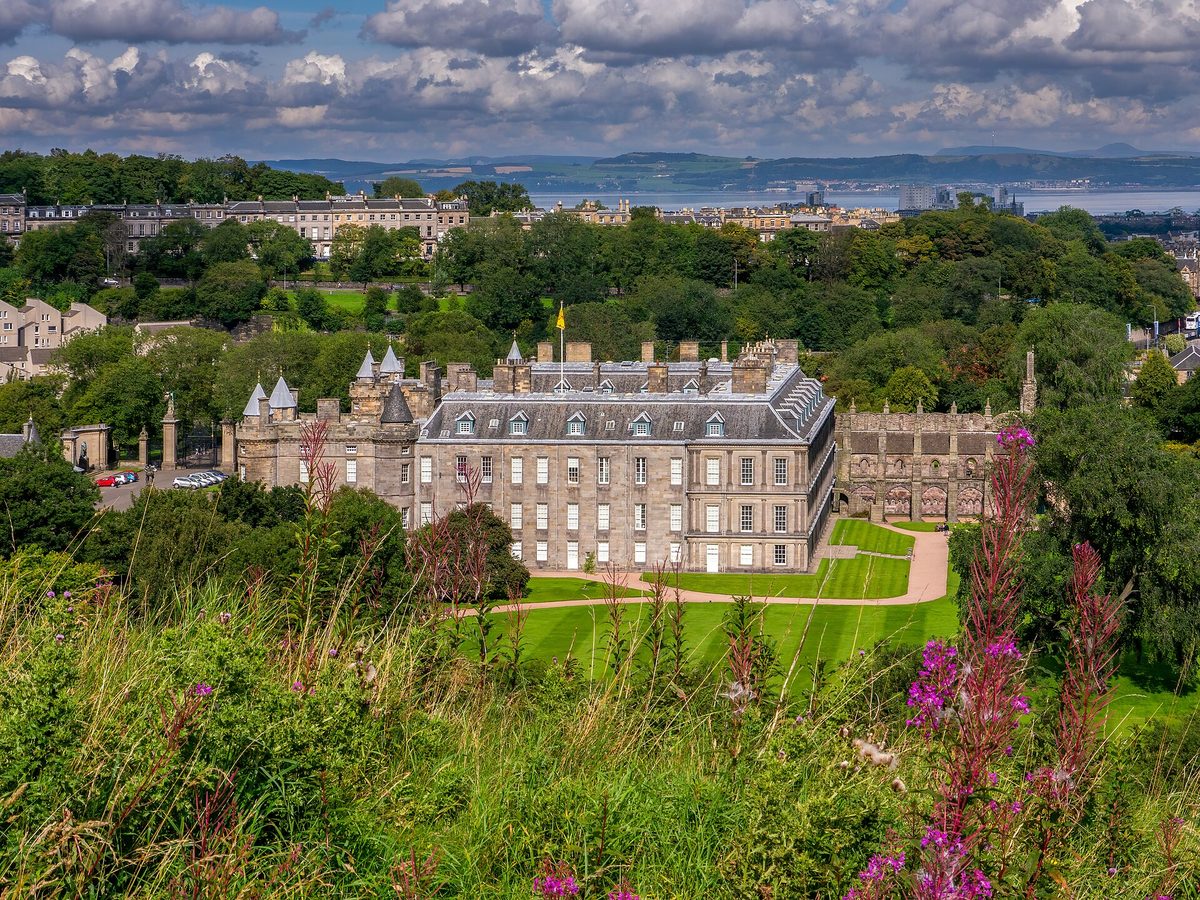
It’s at the wrong end of the hill. The ticket is in the low-to-mid twenties, the visit takes 60 to 90 minutes, and when you come out you are 67 metres below where you need to be. If you’re choosing one royal or historic building, choose the castle — it’s better positioned, better presented and you were going to walk past it anyway. Save Holyrood for a second visit.
Dean Village and Stockbridge
Both are lovely. Both are 25 to 30 minutes’ walk from Princes Street, each way. That’s an hour of walking to look at a very handsome former milling hamlet on the Water of Leith. On a two-day trip, absolutely. On a six-hour cruise call, it’s the single worst use of your time on this list.
The Scott Monument climb
287 steps, narrow enough that you have to squeeze past people coming down, and the view from the top is a view of Edinburgh without the Scott Monument in it. Admire it from the gardens instead and put the twenty minutes into the Vennel.
Hop-on hop-off buses
These make sense in Rome or London. They make no sense in Edinburgh, where the Old Town core is twenty minutes end to end on foot and the bus cannot go up Victoria Street, into the Grassmarket, or along the pedestrianised stretch of the Royal Mile. You’d spend most of your day sitting on the top deck of a vehicle going round the outside of the thing you came to see.
Leith and the Royal Yacht Britannia
The tram makes Leith easy, but “easy” still means 25 to 35 minutes each way plus about two hours aboard. That’s three hours. It’s a genuinely good visit and a strange, intimate one — and it belongs on day two.
Any day trip out of the city
You will see adverts for Loch Ness and the Highlands in a day from Edinburgh. Those coaches leave around 8am and get back around 8pm, and the great majority of that is a windscreen. If the Highlands matter to you, give them their own days — our Scotland itinerary planner shows how to fit them in without wrecking your city time, and the train north is a far better way to see the country than a coach window.
Whisky “experiences” that run over an hour
A tasting flight in a good bar takes twenty minutes and teaches you more than a multi-floor immersive attraction. If whisky is the point of your trip, plan a distillery day properly — there’s a rundown in our guide to Scotland’s whisky distilleries and regions.
The mistakes that cost people an hour
Booking a castle slot for 2pm. It traps your entire day around a single fixed point in the middle of it, and the castle is at its busiest. If you’re going, go at opening.
Walking all the way to the bottom of the Royal Mile without a plan to get back. Covered above, but it bears repeating, because it happens to almost everyone once.
Assuming Sunday hours are normal hours. St Giles’ opens later on Sundays, some smaller attractions don’t open at all, and the One O’Clock Gun at the castle doesn’t fire on Sundays. Check the specific day.
Trying to eat on the Royal Mile at 1pm in August. You will queue for forty minutes for a mediocre meal. Eat at 12 or at 2.30.
Underestimating the Waverley Steps. If you’re coming out of the station with a bag, use the lifts or the Market Street exit. That flight of steps has broken more spirits than Arthur’s Seat.
Bringing children on the six-hour version of this route. It’s too much walking on too many gradients. There’s a gentler shape to the day in our guide to visiting Edinburgh with children.
Frequently asked questions
Is one day in Edinburgh enough?
For the highlights, yes — the Old Town is compact enough that you can see St Giles’, Victoria Street, the Grassmarket, Greyfriars and a proper viewpoint in four or five hours. What one day cannot give you is depth, an evening, or both the castle and Arthur’s Seat. Two days is the point where Edinburgh stops feeling rushed.
Can you do Edinburgh Castle and Arthur’s Seat in one day?
Only if you have ten or more hours and you’re comfortable walking eight to ten kilometres including a hill. The castle takes about two and a half hours all in, Arthur’s Seat two to three, and they sit at opposite ends of a 67-metre descent. With six hours, pick one — or skip both and spend the time on the Old Town.
How much does one day in Edinburgh cost?
You can have an excellent day for under £40 a head: nothing for St Giles’, Greyfriars, the National Museum and Calton Hill, around £6 for an all-day transport ticket, and the rest on food. Add £23.50 if you do the castle. A full day with a paid attraction, lunch and dinner realistically lands between £70 and £100 per person.
Is Edinburgh walkable in a day?
Very. The core sights sit within about a square mile, and you’ll rarely walk more than fifteen minutes between two of them. The catch is vertical, not horizontal — the Old Town is on a ridge, so almost every connection involves steps or a gradient. Expect 12,000 to 18,000 steps and dress your feet accordingly.
Can I visit Edinburgh on a layover from the airport?
Yes, if your layover is six hours or more. The tram runs from outside the terminal to Princes Street in 30 minutes, every seven minutes at peak, for around £8 single. Subtract an hour of travel and two hours of airport buffer and a six-hour layover gives you roughly two and a half hours in the city. Under five hours, don’t risk it.
Which Edinburgh cruise port is best for a day in the city?
Newhaven and Leith, easily — the tram runs from beside the terminal to Princes Street in 25 to 35 minutes for £2.40. South Queensferry is the most common berth and needs a tender plus a 30 to 40 minute bus. Rosyth is 50 to 70 minutes by road and effectively rules out an independent city visit.
What should I do in Edinburgh if it rains all day?
Head indoors and stay central. The National Museum of Scotland and the National Galleries are both free, both large enough for two hours, and both within ten minutes of the Royal Mile. Add St Giles’, a whisky bar and Camera Obscura and you have a full day without getting soaked. Skip Arthur’s Seat entirely — the paths are genuinely slippery when wet.
Do I need to book anything in advance?
Edinburgh Castle, yes, especially between June and September — when online slots sell out there is nothing available at the gate. Book dinner too, and any evening tour. Everything else on this itinerary is walk-in, including the museums, St Giles’ and Greyfriars. Transport takes contactless with no booking at all.
Final thoughts
The best one-day visitors I’ve watched are the ones who gave something up early. They looked at the castle price and the queue, decided against it before ten in the morning, and spent the day walking closes, sitting in the Grassmarket with a coffee and climbing the Vennel steps twice because the light had changed.
Edinburgh rewards that. It is a city you read at street level — the gaps between buildings, the sudden drops, the way the castle appears at the end of an alley you weren’t expecting. You don’t need a ticket for any of it.
So pick your route, pick your one paid thing, and let the rest of the list go. Then come back for the castles, the islands and the hills — ideally with a stop in Glasgow on the way, because the two cities are only fifty minutes apart and nothing alike.
About the author: This guide was written and is maintained by the ScotlandTourism.org editorial team — travel writers who’ve spent years exploring Scotland’s cities, Highlands and islands, from bagging Munros to chasing the perfect dram. We update our guides regularly to keep prices, opening details and advice current.
Last updated: August 2026. Prices and opening times change — always check the official site before you travel.
Photo credits
All images are used under their respective Creative Commons or public-domain licenses:
- Edinburgh Castle on its volcanic crag seen from Princes Street Gardens — Matti Blume, CC BY-SA 4.0, via Wikimedia Commons
- The glazed roof and platforms of Edinburgh Waverley station — Liberaler Humanist, CC BY-SA 3.0, via Wikimedia Commons
- An Edinburgh tram at a stop on Princes Street in the New Town — Dr Neil Clifton, CC BY-SA 2.0, via Wikimedia Commons
- Hawes Pier at South Queensferry directly beneath the Forth Bridge — Michael Strickhausen, CC BY-SA 4.0, via Wikimedia Commons
- The Royal Mile in Edinburgh’s Old Town, looking downhill east towards the Tron Kirk — Daniel Hallen from United Kingdom, CC BY 2.0, via Wikimedia Commons
- St Giles’ Cathedral and the Charles II statue in Parliament Square — Gareth Davies, CC BY-SA 4.0, via Wikimedia Commons
- The curved, brightly painted shopfronts of Victoria Street in Edinburgh’s Old Town — Drnoble, CC BY-SA 4.0, via Wikimedia Commons
- The Grassmarket in Edinburgh with the castle rock rising directly above it — Robin Webster, CC BY-SA 2.0, via Wikimedia Commons
- The grave of Greyfriars Bobby beside the entrance to Greyfriars Kirkyard — Daniel Kraft, CC BY-SA 4.0, via Wikimedia Commons
- The Palace of Holyroodhouse at the bottom of the Royal Mile, seen from Holyrood Park — Ermell, CC BY-SA 4.0, via Wikimedia Commons
- The view west over Edinburgh from near the summit of Arthur’s Seat — N Chadwick, CC BY-SA 2.0, via Wikimedia Commons
- The Dugald Stewart Monument on Calton Hill with the castle on the skyline behind — Colin Park, CC BY-SA 2.0, via Wikimedia Commons