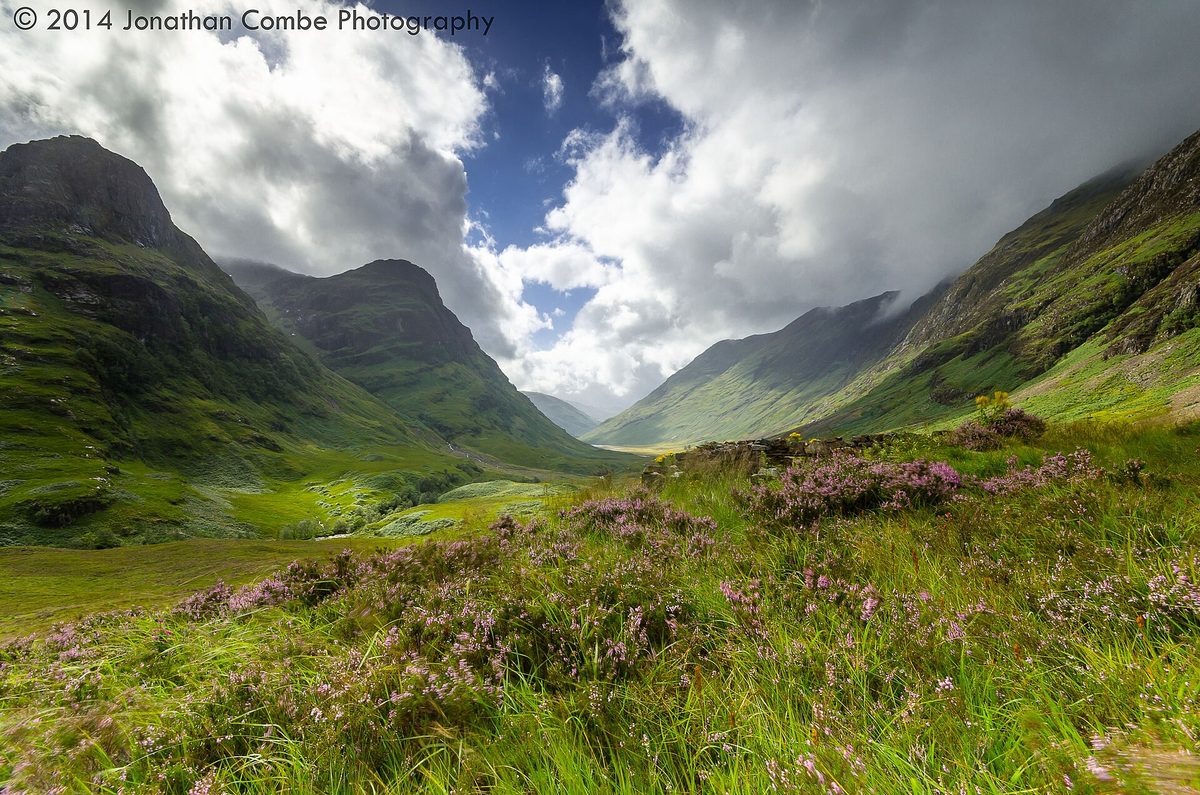
The first time I drove the A82 north in late June I stopped at the top of Glen Coe at ten past ten in the evening, still in sunglasses, and had to check my watch twice. That is the thing nobody warns you about Scotland in summer: it isn’t the warmth that gets you, it’s the light. Days that refuse to end. Dinner at nine with the sun still on the hills.
The second thing nobody tells you is that June, July and August are not one season. They are three quite different months wearing the same coat, and picking the wrong one for what you actually want to do is the most common planning mistake I see. So this guide compares them properly — temperature, rain, daylight, midges, crowds and price — and then covers the peak-season mechanics that catch people out. If you’re still weighing up the whole calendar, start with our overview of the best time to visit Scotland and come back here once you’ve narrowed it to summer.
Is summer a good time to visit Scotland?
Yes, with a caveat. Summer gives you the longest days in Britain, every attraction and ferry running, and the fullest events calendar of the year. It does not give you Mediterranean heat — expect highs of roughly 17–19°C. You are buying daylight and access, not warmth, and you pay for it in crowds, prices and midges.
June, July and August compared at a glance
Figures below are long-run averages rather than forecasts, drawn from Met Office climate data and sunrise tables. Treat them as a shape, not a promise — any given fortnight can go badly off script in either direction.
| June | July | August | |
|---|---|---|---|
| Average daytime high (Edinburgh) | 17°C | 19°C | 19°C |
| Average daytime high (west Highlands) | 16°C | 18°C | 17°C |
| Days with rain (east coast / west coast) | 10 / 15 | 11 / 16 | 12 / 17 |
| Daylight mid-month, Edinburgh | 17 hr 35 min at solstice | 16 hr 50 min | 15 hr, falling fast |
| Daylight mid-month, Lerwick | 19 hr, never fully dark | 18 hr | 16 hr |
| Midge risk, Highlands and islands | low until mid-June, high after | severe | severe, easing late in the month |
| Crowd level | busy, not yet peak | peak everywhere | extreme in Edinburgh, moderate elsewhere |
| Accommodation price index (May = 100) | 105 | 120 | 115 nationally, 200–300 in Edinburgh |
Read the bottom two rows together and you have the single most useful fact in this article: August is not uniformly expensive. It is ruinously expensive in one city and perfectly reasonable ninety minutes’ drive away.
June: the month you come for the light
Scotland in June is my quiet favourite of the three, and the reason is arithmetic. Edinburgh gets 17 hours and 35 minutes of daylight at the solstice, and the twilight either side of that means you can genuinely read outdoors at 11pm. Push north and it gets absurd.
What the weather actually does in June
Across most of Scotland, June is the driest and sunniest of the three summer months. Eastern Scotland — Edinburgh, Fife, Aberdeenshire, the Moray coast — does particularly well, and Inverness sits in a rain shadow that gives it under 900mm a year, roughly half what falls on Fort William.
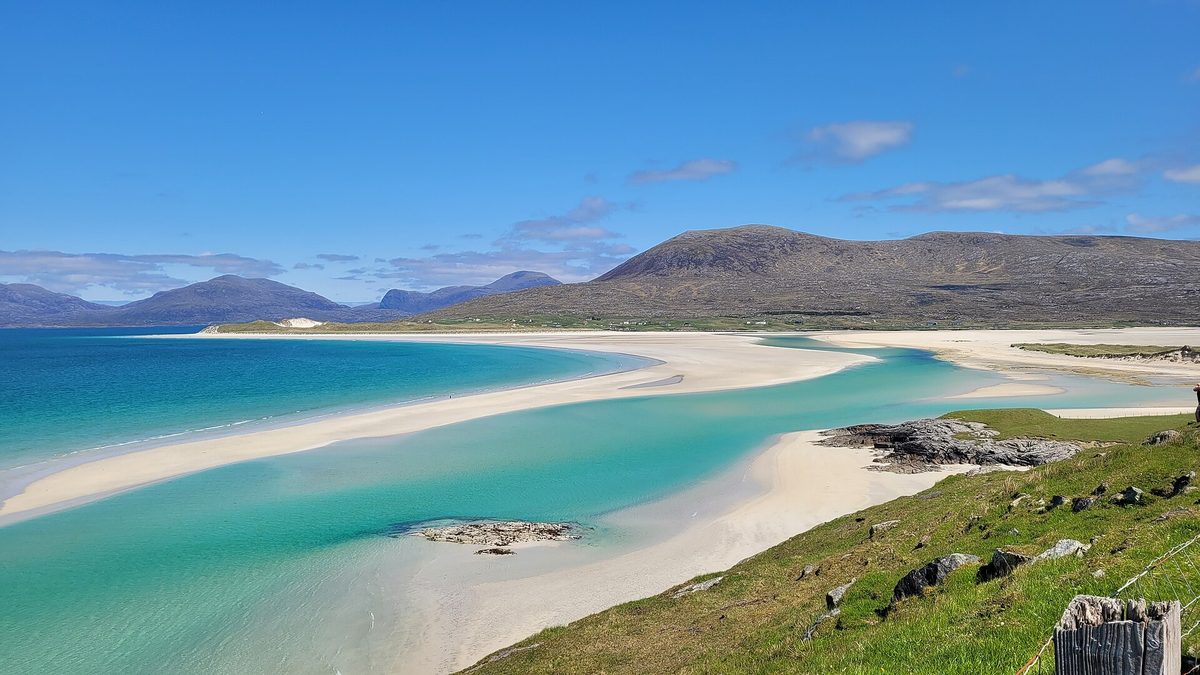
The trade-off is that it’s a degree or two cooler than July, and the sea is still cold enough to make a swim at any of the white-sand beaches on the west coast a short, loud experience. Bring a wetsuit if you’re serious about getting in.
June also carries a genuine risk of haar — the cold sea fog that rolls off the North Sea and sits over Edinburgh, Fife and the east coast for days at a time while the west basks. It is the one weather phenomenon that can make a June city break feel like November. It usually burns off inland by mid-afternoon.
The simmer dim, and how far north you can push it
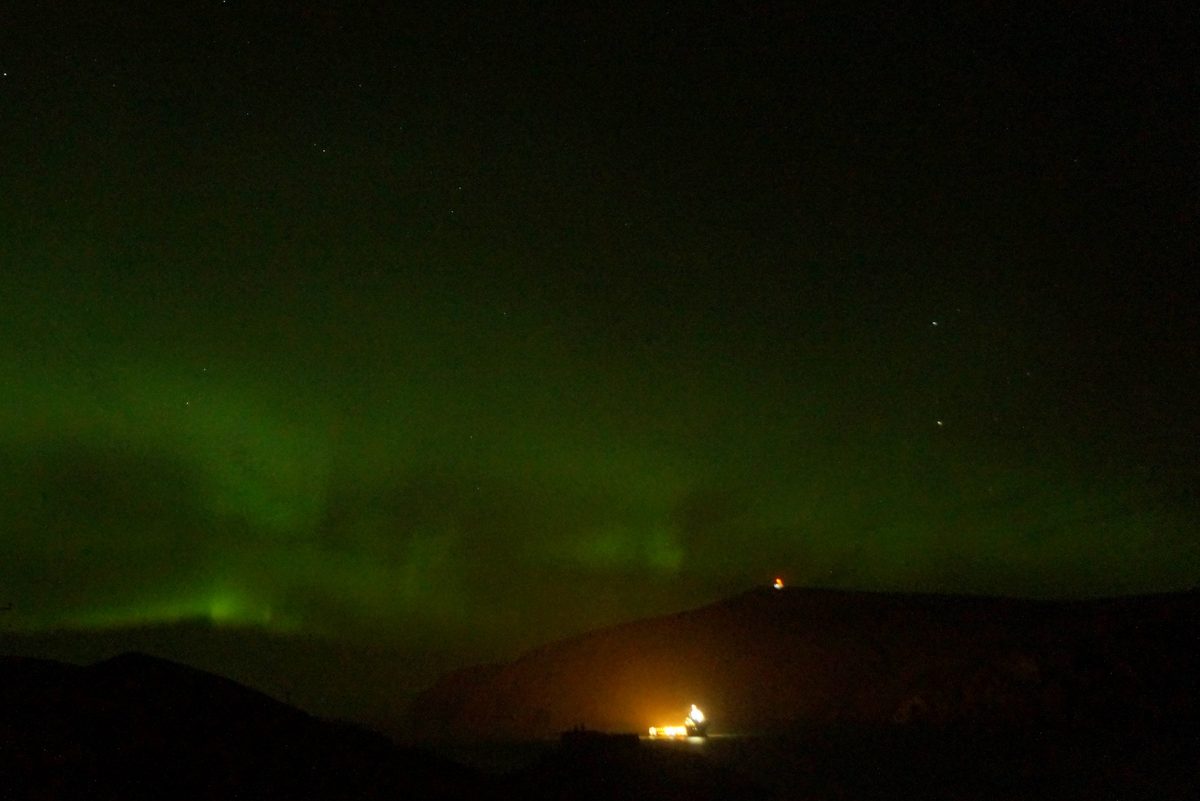
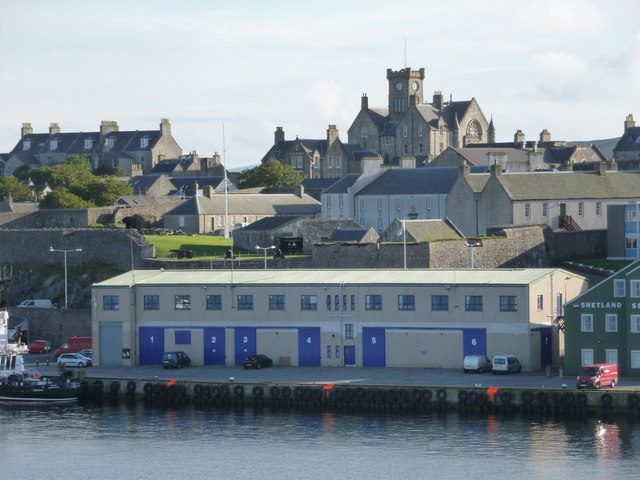
Lerwick, at 60 degrees north, gets just under 19 hours of daylight on 21 June and never reaches proper darkness at all. Shetlanders call the lingering half-light the simmer dim, and it is a strange, worthwhile thing to experience once — midnight that looks like eight in the evening, with a horizon that stays faintly bronze all night.
Orkney is nearly as good and considerably easier to reach. If a trip to the far north appeals, June is the month to do it; by mid-August the effect has largely gone. Our guide to the Scottish islands covers how the ferry and flight connections stitch together.
The midge clock starts mid-June
The first serious hatch of biting midges arrives in the Highlands and islands somewhere around the middle of June, and the change is abrupt. A campsite at Glen Nevis on 8 June and the same campsite on 22 June are different propositions entirely.
If you can only travel in June, aim for the first fortnight. If you can’t, read the midge section further down before you book anything with the word “lochside” in the description.
Who June suits
June is the month for anyone whose plan depends on daylight: long walks, photography, driving big distances, island-hopping, or squeezing three things into a day. It’s also the only one of the three months when seabird colonies are reliably full — puffins generally leave their burrows by late July, so if you want them, June is the safe bet and August is too late.
Early June in particular sits very close to what makes May such a strong month for a Scottish trip: long days, low insect pressure, moderate prices. It’s a sweet spot that closes quickly.
July: warmest, wettest in the west, and busiest on the ground
July is the month most people picture when they say “Scotland in summer”, and it delivers the warmest averages of the year. It also delivers the most people, the most rain in the west, and the worst insects.
Scotland in July is warm by Scottish standards
Edinburgh averages a high of around 19°C in July. Inland Perthshire and the Borders can nudge past that; the Hebrides and the far north rarely do. A hot July day in Scotland is 24°C and everyone talks about it. A genuine heatwave in the mid-to-high twenties happens perhaps a few days a year, and Scottish buildings — thick stone, small windows, no air conditioning — handle it badly.
The rain picture splits sharply east to west. Fort William and the western seaboard can see rain on around 16 days in July, which sounds worse than it is: much of it falls as short, hard showers between bright spells rather than all-day drizzle. Pack for the showers and you’ll be fine.
Scottish school holidays start before English ones
This catches out a lot of visitors. Scottish schools break up at the end of June — around 29 June to 2 July depending on the council — and go back in mid-August, roughly the 14th to the 20th. English and Welsh schools break up in late July.
The practical effect is that domestic Scottish family demand peaks in early July, then overlaps with the English holidays from late July, then drops away sharply in the third week of August while English families are still off. If you want the quietest week of the three months on Highland roads, it is usually the third or fourth week of August.
Highland games season is at full tilt
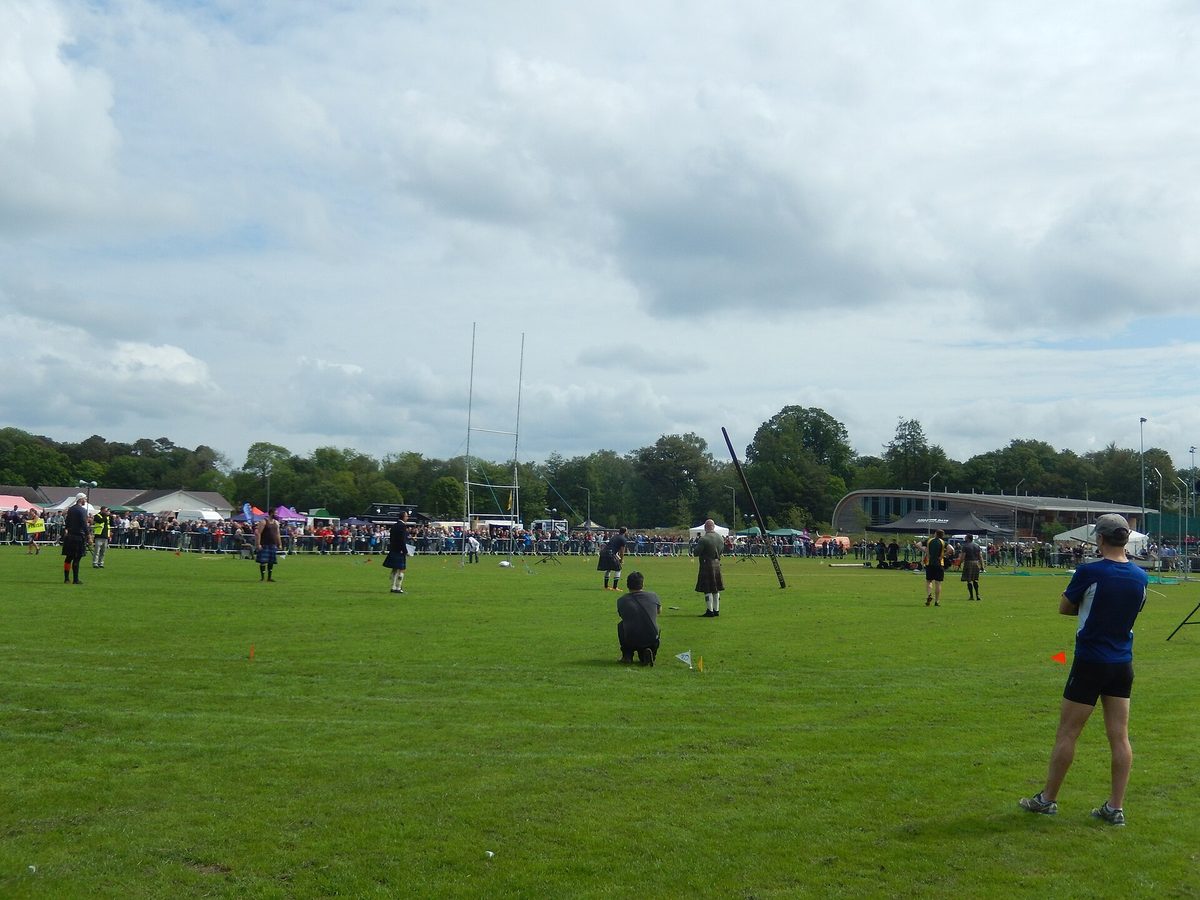
From late June through August there is a Highland gathering somewhere in Scotland most weekends — heavy events, piping, Highland dancing, a tug-of-war and a beer tent. Inverness Highland Games usually falls in mid-July, Stirling in mid-August, and the Cowal Gathering at Dunoon in late August is the biggest of the lot.
The famous Braemar Gathering, the one royalty attends, is actually the first Saturday in September, so don’t build a July trip around it. Entry to a local games is usually a few pounds on the gate and no booking is needed; check the current listings on our Scottish festivals and events calendar before you set off.
Midges at their absolute worst
July is the peak. Populations are at maximum density, evenings are warm and often windless, and the west coast humidity keeps them active for hours at both ends of the day. Glen Coe, Fort William, Torridon, the Great Glen, Skye and Argyll are the recognised worst areas.
This does not mean don’t come. It means the difference between a good and a wretched evening is entirely down to preparation, and I’ve written the operational detail below.
Who July suits
July is right for you if you want the warmest possible weather, the fullest events calendar, and you’re prepared to book everything well ahead. It’s the strongest month for boat trips, sea kayaking, wildlife cruises and anything on the water, because operators run full timetables and cancellations for weather are least common.
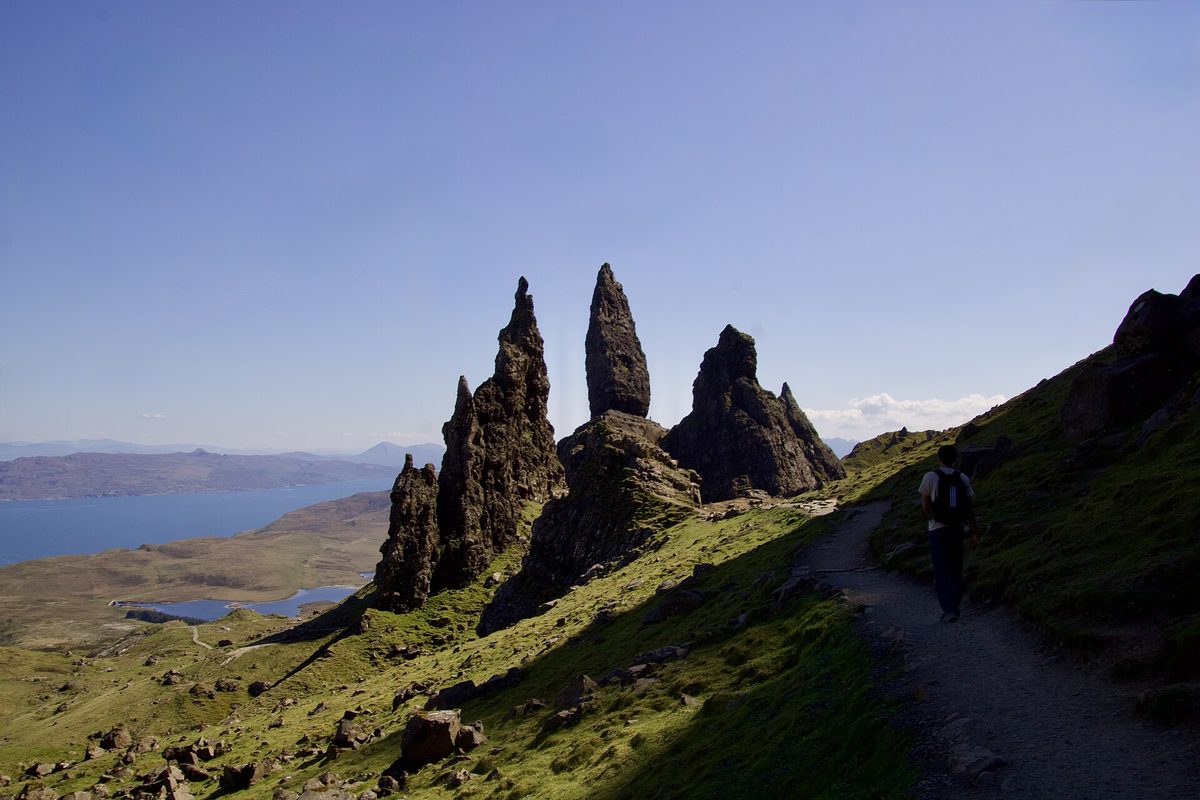
It’s the worst month for anyone hoping to have a well-known viewpoint to themselves. The car park at the Old Man of Storr on Skye fills by nine in the morning in July, and the Quiraing and Fairy Pools are no better.
August: two completely different countries at once
August is the month that most rewards understanding, because Scotland effectively splits in two. There is Edinburgh, which becomes the largest arts festival on earth, and there is everywhere else, which is calmer than July.
Edinburgh during the festivals
The Edinburgh Festival Fringe runs 7–31 August 2026, with the Edinburgh International Festival alongside it from 7–30 August and the Royal Edinburgh Military Tattoo on the Castle Esplanade for most of the month. The Fringe alone puts several thousand shows into every church hall, cellar and function room in the city.
What that does to accommodation is not subtle. Rooms that go for £120 in May routinely ask £300 or more in the third week of August, and the cheap end of the market disappears entirely. If you want to be in the city for the festivals, book by January or February; by May you are choosing between what’s left. Our guide to where to stay in Edinburgh explains which neighbourhoods hold their value.
The workaround plenty of people use is to sleep in Glasgow, Linlithgow, Stirling or North Berwick and commute in. Trains from Glasgow Queen Street to Edinburgh Waverley run every fifteen minutes and take about 50 minutes; from Linlithgow it’s 20 minutes. You will save a great deal of money and lose the late-night part of the festival, which is a real loss but a survivable one.
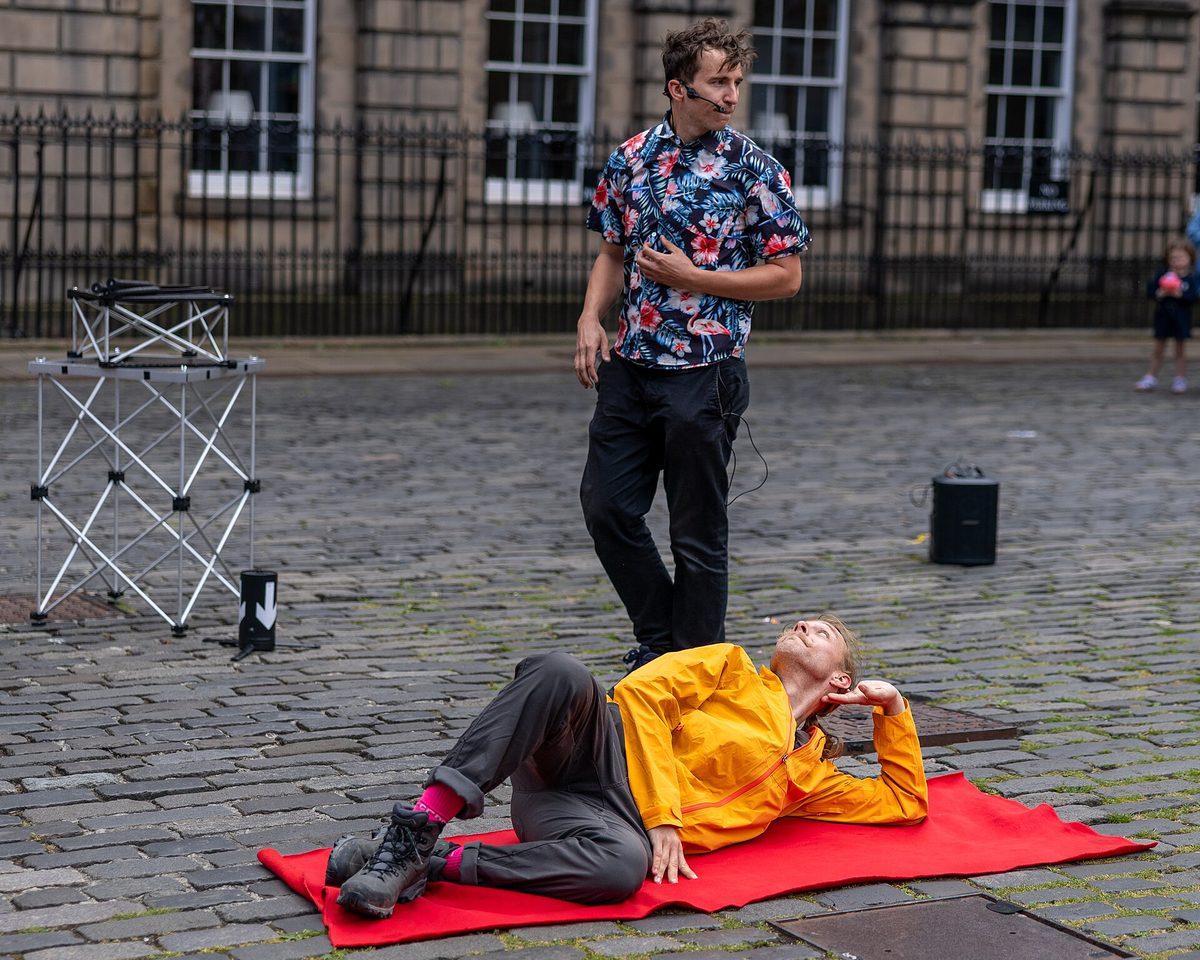
My honest advice on the Fringe itself: don’t over-plan. Book three or four things you actively want to see, then fill the gaps by walking into whatever is starting in ten minutes. The free-entry, pay-what-you-can shows are frequently better than the ones with posters. Move between venues on foot; the Old Town is small and the traffic is dreadful.
If you’re only passing through, the compressed route in our single day in Edinburgh itinerary still works in August, but add half an hour to every walking estimate and book timed Edinburgh Castle entry in advance rather than queueing on the Esplanade.
The rest of Scotland in August is quieter than you’d guess
Here is the thing that gets lost. While Edinburgh is at 100% occupancy, the Highlands in late August are noticeably easier than July. Scottish schools are back, the roads thin out, and the trails on Skye and in Torridon feel almost civilised by comparison.
Prices outside Edinburgh soften too, particularly from the third week onwards. If you are combining a city stop with a Highland loop, the smart shape is Edinburgh at the start or end of August and the north in the last ten days. Our suggested Scotland itineraries show how to sequence that without doubling back.
Heather, and the light beginning to go
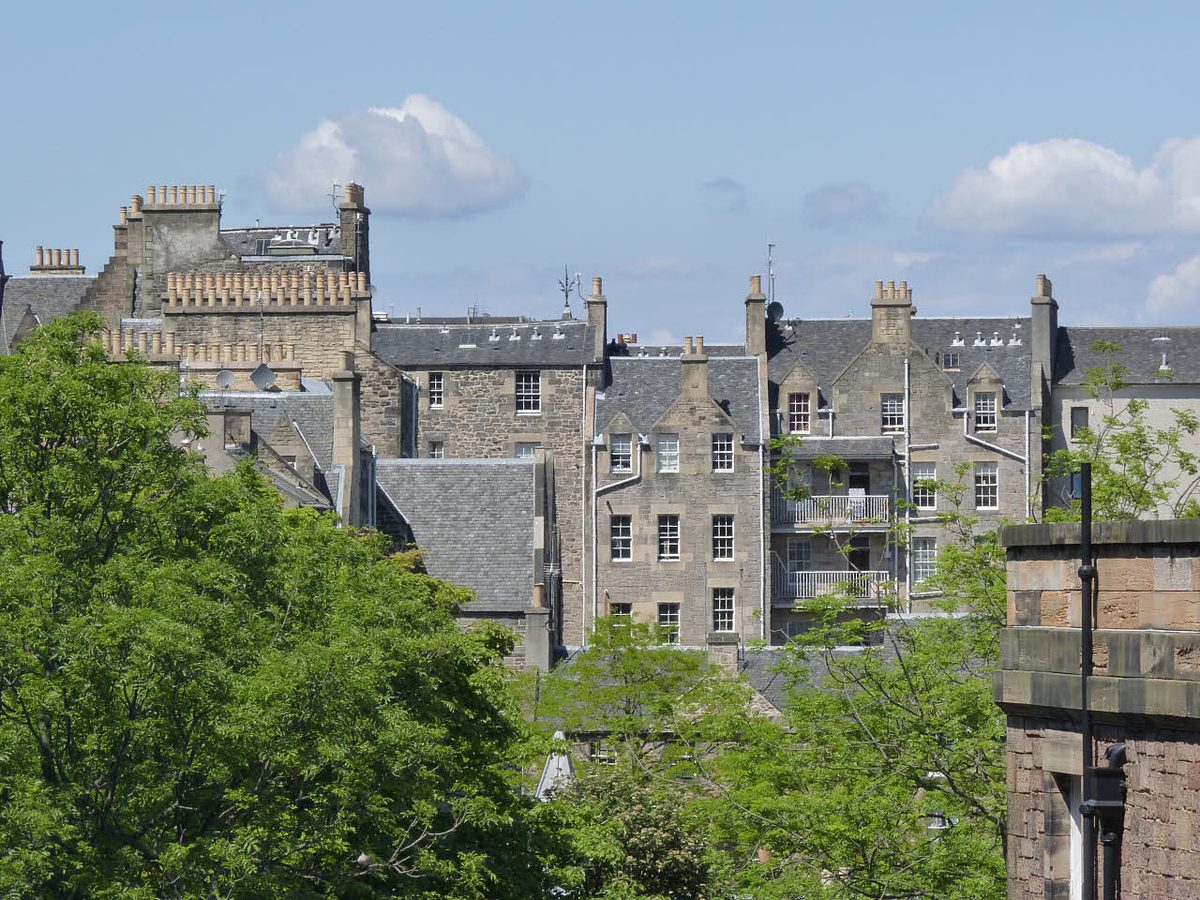
On weather alone, Scotland in August is close to a carbon copy of July — the same highs in the east, a shade cooler in the north-west, marginally wetter. What changes is the colour. Ling heather turns the hills purple from around mid-August, peaking in the last two weeks and lingering into September at higher and more northerly ground. It is the one visual thing August has that June and July don’t, and on the moors of Perthshire, the Cairngorms and the Angus glens it changes the whole colour of a landscape.
The other side of the ledger is daylight. Edinburgh loses roughly four minutes a day through August, dropping from about 16 hours at the start of the month to under 14 by the 31st. Sunset moves from 21:15 to 20:00. You notice it, particularly if you’ve built a driving itinerary assuming long evenings. By the time you reach September’s shorter, softer days the change is complete.
Who August suits
August is right for festival-goers, obviously, and for anyone who wants purple hills. It’s also quietly the best of the three months for a late-summer Highland road trip, provided you go after the 18th and accept slightly shorter days.
It’s the wrong month for puffins, for the far-north midnight light, and for anyone who wants Edinburgh at a sane price.
So which month would I actually pick?
The first two weeks of June, without much hesitation.
You get the longest days of the year, the best chance of dry weather, seabird colonies still occupied, and — crucially — you slip in ahead of the main midge hatch. Prices are a notch below July, and the roads are busy rather than clogged. The only thing you sacrifice is a couple of degrees of warmth and the festivals.
My second pick is the last ten days of August, which beats July comfortably. You get the heather, thinning crowds, warm-ish water for wild swimming, and softening prices everywhere outside the capital. July is the month I’d choose last of the three, for the simple reason that it combines maximum crowding with maximum midges and offers roughly one degree of extra warmth in exchange.
That said, if you’re travelling with school-age children from England, July is often the only option available — in which case go west-coast-late or east-coast-early, book everything, and treat repellent as non-negotiable.
Peak-season logistics most guides skip entirely
This is the part that actually determines whether your summer trip works. Scotland’s tourist infrastructure is small, seasonal and easily saturated, and the failure modes are predictable.
CalMac ferries and the vehicle deck problem
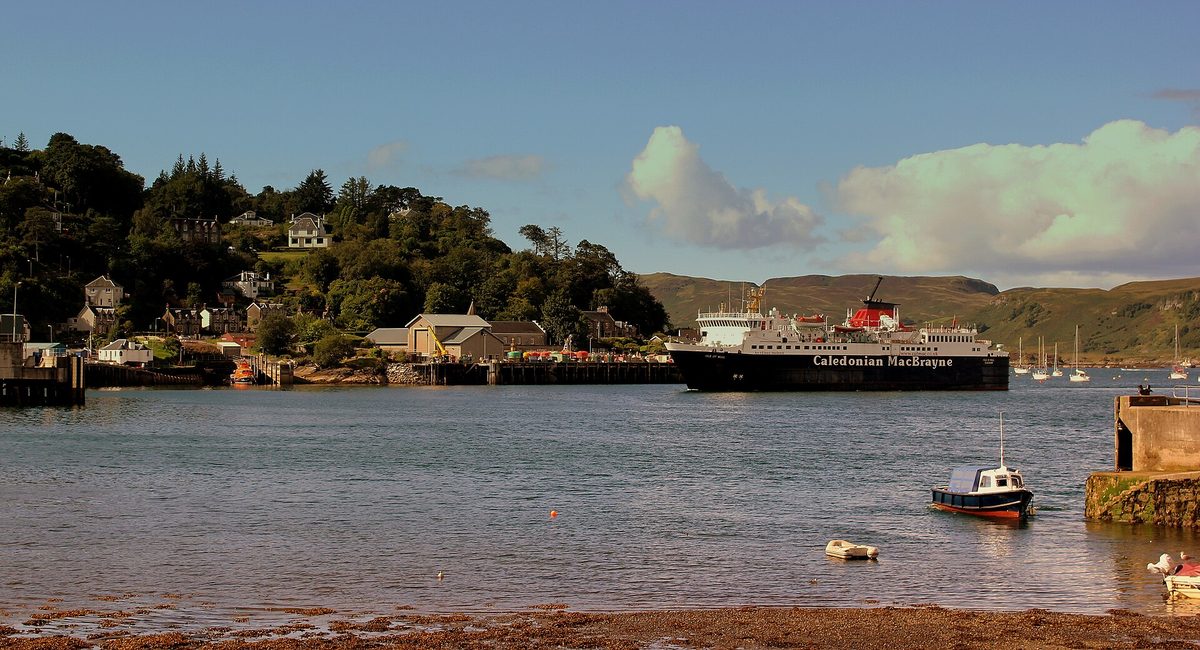
Caledonian MacBrayne runs the west coast island network, and the thing to understand is that foot passengers and cars are two completely different booking realities. Foot passengers can almost always turn up. Vehicle spaces on the popular summer crossings sell out weeks and sometimes months ahead.
The routes that go first are Oban to Craignure for Mull (about 46 minutes), Uig to Tarbert for Harris (roughly 1 hr 40 min), Kennacraig to Islay (around 2 hr 20 min), Ardrossan to Brodick for Arran, and Ullapool to Stornoway (about 2 hr 30 min). Summer timetable bookings typically open the preceding winter, and popular July and August sailings can be gone within days of release.
Two practical points. First, Skye does not need a ferry at all — the Skye Bridge from Kyle of Lochalsh has been toll-free since 2004, which is why Skye absorbs so much more summer traffic than Mull or Harris. Second, if you cannot get a vehicle space, going as a foot passenger and hiring a car or bike on the island is often cheaper than the ferry fare for a car anyway. Check current timetables and fares directly with CalMac, and see our notes on getting around Scotland for how the ferry, rail and bus networks connect.
The NC500 books out first, and earliest
The North Coast 500 route around the far north has a structural problem in summer: the number of visitors has grown enormously while the number of beds in Durness, Lochinver, Applecross and Scourie has barely changed. Small places with eight rooms and one pub cannot absorb it.
For July and August, book NC500 accommodation four to six months ahead. That is not scaremongering; single-property villages genuinely fill by spring. If you’re booking in May for August, expect to be driving longer daily legs between the beds you can actually get, which is the opposite of how the route is meant to work.
The same pressure applies, less severely, to Skye, Glencoe, Torridon and Ullapool. Everywhere in the Highlands that has a famous view and fewer than twenty rooms is a booking risk in high summer.
Single-track roads and passing places
Large parts of the north-west are single-track with passing places, and the etiquette is not obvious to visitors. Passing places are for passing and for letting faster traffic overtake — they are not lay-bys for photographs, and blocking one at Applecross while a delivery lorry waits is the fastest way to be remembered badly.
The rules in practice: if the passing place is on your left, pull into it. If it’s on your right, stop opposite it and let the other car use it. Never reverse further than you have to, but do reverse if you’re closer to a place than they are. Raise a hand in thanks — everyone does, and it matters. And pull over to let locals past; the person behind you may be driving that road for the fourth time today.
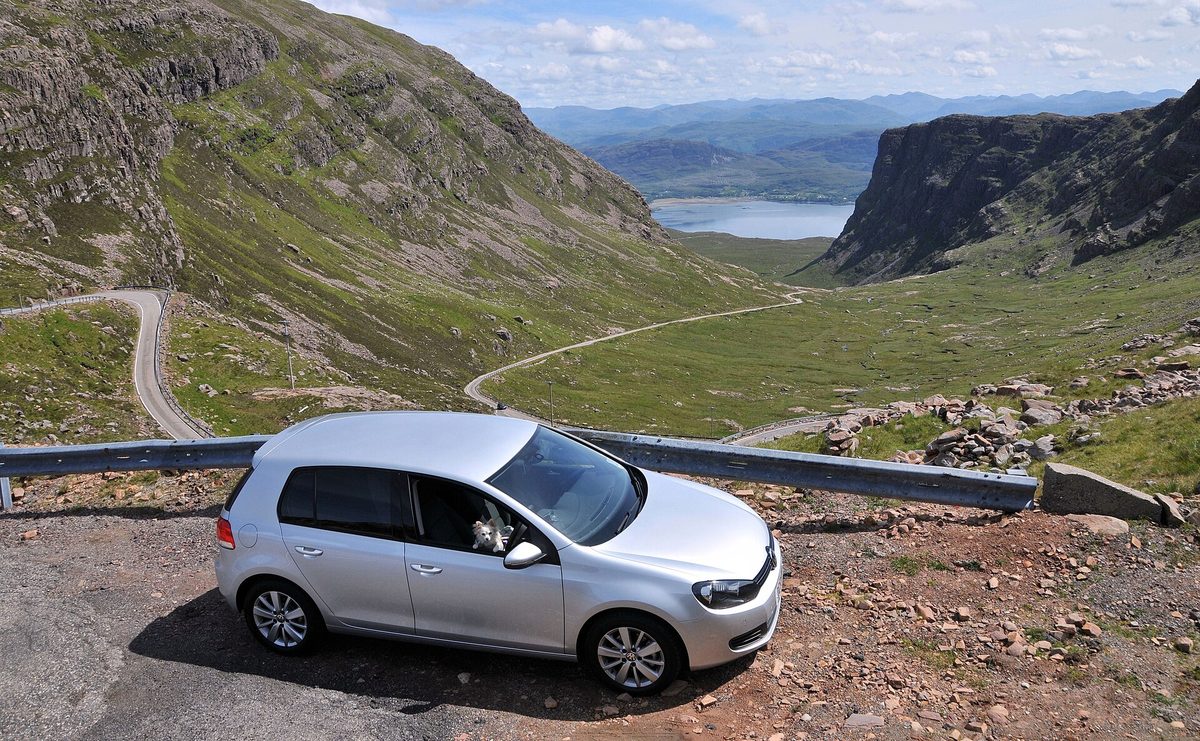
The Bealach na Ba to Applecross is the road that punishes overconfidence most. It climbs to 626 metres with hairpins, gradients around 20%, and no barrier in places. It is unsuitable for large motorhomes and learner drivers, and both are signposted at the bottom. In summer traffic, allow an hour for the 18 kilometres.
Wild camping and the Loch Lomond permit zones
Scotland’s access legislation gives you a right of responsible access to most land, and lightweight wild camping is part of that. It is a genuine freedom and rare in Europe. It is also under real pressure in summer, and the abuse — abandoned tents, fire scars, human waste at popular lochsides — is why one national park now regulates it.
Inside Loch Lomond & The Trossachs National Park, four camping management zones require a permit between 1 March and 30 September. Permits cost around £4.50 per tent per night at the time of writing and are booked online through the park authority; summer weekends go weeks in advance. The zones cover specific lochside strips — West Loch Lomond, East Loch Lomond, the Trossachs West around Loch Chon, and North Loch Earn — and amount to a small fraction of the park. Outside the zones and outside the season, normal access rules apply and camping is free.
Wherever you pitch: small tents only, away from roads and houses, no more than two or three nights in one spot, no campfires on peat or in forest, use a stove, and carry everything out. Following the Scottish Outdoor Access Code is the reason the freedom still exists.
Doing it without a car
Summer is the one season when car-free travel in Scotland genuinely works, because every seasonal service is running. The West Highland Line from Glasgow Queen Street to Mallaig is one of the great railway journeys anywhere, and Citylink coaches reach most Highland towns. Our round-up of Scotland’s most scenic rail routes covers the ones worth planning a day around.
Book long-distance train tickets as advance singles the moment they’re released — usually about twelve weeks out — because walk-up fares in August are eye-watering. Sleeper berths from London for July and August sell out months ahead.
Midges: an operational problem, not a joke
The Highland midge is about 1.5mm long, hunts by carbon dioxide, and swarms. A single bite is trivial; two hundred bites in twenty minutes ruins an evening and, for some people, produces a genuinely unpleasant reaction lasting days.
What actually works, in order of effectiveness:
- Wind. Midges cannot fly in a breeze above roughly 7mph. A slightly exposed pitch or picnic spot beats a sheltered one every time in summer. This single fact solves most of the problem.
- Timing. They are worst at dawn and dusk, in still, humid, overcast conditions. Bright midday sun and open ground are relatively safe.
- A head net. Costs a couple of pounds, weighs nothing, and looks ridiculous. Wear it anyway when you’re pitching a tent or cooking.
- Repellent. The Scottish standard is Smidge, which uses picaridin rather than DEET and is sold in every petrol station and outdoor shop north of Perth. Buy it when you arrive; it works and it doesn’t melt your sunglasses.
- Long sleeves and light colours. Midges are drawn to dark clothing. Cover ankles and wrists, which is where they concentrate.
Check the Scottish Midge Forecast — run using trap data and weather stations — before committing to a west-coast campsite in July. And note that the east coast, the Northern Isles, exposed beaches and any town of decent size are largely fine. Midges are a Highland and island evening problem, not a national one. You will not be bitten on Buchanan Street in Glasgow.
What to pack, and what people get wrong
The recurring error is packing for one weather system. A single Scottish summer day can produce warm sun, driving rain and a cold wind, sometimes within an hour, and always more so on the coast and at altitude.
What I carry, every summer trip: a properly waterproof jacket with a hood (not showerproof — waterproof), one warm mid-layer even in July, trousers that dry fast, boots or shoes you don’t mind soaking, sunglasses and high-factor sun cream, a head net, midge repellent, and a small pack that everything fits into so you can carry it all rather than choose in the morning.
What you can leave behind: an umbrella, which is useless in Highland wind; heavy formal clothes, since almost nothing in Scotland requires them; and shorts as your only leg option. Sun cream genuinely matters — at 56 to 60 degrees north the summer sun is on you for sixteen hours and people burn without noticing because the air is cool.
How long you need, and what to book in what order
A first summer trip that includes Edinburgh and any meaningful Highland time needs eight days minimum, and ten is better. Five days forces you into a coach-tour rhythm of long drives and thirty-minute stops. Scotland is not large on the map, but the roads are slow: Edinburgh to Portree on Skye is around 5 hr 30 min without stops, and in July you should budget closer to seven.
The booking order that saves the most money and grief:
- Six months out: Edinburgh accommodation if you’re there in August; NC500 or remote Highland beds for July and August; Caledonian Sleeper berths.
- Three to four months out: CalMac vehicle spaces as soon as the summer timetable is bookable; hire car, which rises steeply in price and runs out of automatics first.
- Six to twelve weeks out: advance train tickets; popular distillery tours, several of which cap group sizes at eight or ten; boat trips to Staffa and the Treshnish Isles.
- Two to four weeks out: timed entry for Edinburgh Castle and the busier Scottish castles; restaurant tables in Edinburgh for August, which is genuinely necessary.
- On the day: almost everything else. Hillwalks, beaches, most museums, and the free half of the Fringe.
What underwhelms, and the mistakes I keep seeing
Loch Ness. I’ll say it plainly: the loch itself is a long, dark, straight-sided body of water, and from the A82 you get a view of trees and water that doesn’t change much for 37 kilometres. Urquhart Castle is worth the stop and gets extremely busy; the monster exhibitions are for children. If your itinerary has a full day at Loch Ness and Inverness, give half of it to Glen Affric instead.
The Fairy Pools on Skye. A pretty river with a car park that charges, a path that erodes, and in July a queue for the photograph. Go at seven in the morning or don’t go.
Edinburgh’s Royal Mile in the last two weeks of August. It is at moments barely walkable, and the shops on it are largely tartan tat. The Royal Mile is worth walking — early, before ten — but the closes and the streets either side are the better experience once the festival crowds are up.
Three mistakes that cost people days. Assuming a Highland day trip from Edinburgh gets you to Skye and back — it doesn’t, not sensibly, and you’ll spend eleven hours on a coach. Booking a lochside cottage in July without thinking about midges. And planning a route entirely on distance rather than road type: 80 kilometres of single-track through Wester Ross is a two-hour drive, not a fifty-minute one.
One more, gentler: don’t try to see all the famous places. Scotland in summer punishes greed. Pick a region, stay in it, and let the long evenings do the rest — which is broadly the advice in our general Scotland travel tips.
Frequently asked questions
What is the warmest month in Scotland?
July, marginally, with average daytime highs of around 19°C in Edinburgh and 17–18°C in the west Highlands. August runs almost identically warm in the east and about a degree cooler in the north-west. The difference between July and August is small enough that it should not decide your trip on its own.
Is Scotland hot in summer?
No. Scottish summer highs sit around 17–19°C, which is pleasant walking weather rather than beach weather. Days in the mid-twenties happen a handful of times a season and make the news. Sea temperatures peak at roughly 13–14°C in August. Pack a warm layer even in July — evenings and exposed coasts get cold.
Is June or July better for visiting Scotland?
June, for most people. You get longer days, generally drier and sunnier weather, lower prices, fewer crowds and far fewer midges if you travel in the first fortnight. July’s only real advantages are a degree or so of extra warmth and a fuller events calendar. Choose July only if warmth or school holidays dictate it.
How far ahead should I book accommodation for a Scottish summer?
Edinburgh in August: six months or more, ideally by January. Remote Highland areas and the North Coast 500 in July and August: four to six months. Larger towns such as Inverness, Oban and Fort William: two to three months. Cities outside festival season: a few weeks is usually sufficient, though prices rise as you leave it later.
How bad are midges in Scotland in summer?
Bad in specific places at specific times. The west Highlands and islands, at dawn and dusk, in still and humid conditions from mid-June through August, can be genuinely miserable without repellent and a head net. Anywhere windy, coastal-exposed, eastern or urban is largely unaffected. Preparation reduces it to a nuisance rather than a trip-ruiner.
Is August a bad time to visit because of the Edinburgh festivals?
Only if you’re staying in Edinburgh and don’t want the festivals. The city is at capacity and prices double or triple through the month. The rest of Scotland is actually calmer in late August than in July, with heather on the hills and softer prices, so a Highland-focused August trip is a good idea rather than a bad one.
Does it rain a lot in Scotland in summer?
The east coast sees rain on roughly 10–12 days a month in summer, the west coast on 15–17. Most of it falls as showers between bright spells rather than continuous rain. Fort William gets more than twice Inverness’s annual total, so your route matters more than your dates. A waterproof jacket handles nearly all of it.
Can I swim in the sea in Scotland in summer?
Yes, and people do, especially on the Hebridean beaches and along the East Lothian and Moray coasts. Water temperatures reach about 13–14°C at the August peak — cold but manageable for a short swim, and much easier in a wetsuit. Check tides and currents; many of the best-looking beaches have no lifeguard cover.
Final thoughts
The reason I keep coming back in summer isn’t the temperature, which is unremarkable, or the crowds, which are not. It’s that a June evening in the Highlands goes on for so long that time stops feeling like a constraint. You finish a walk at nine, drive somewhere else, and there’s still light for another hour.
Pick your month for what you actually want. Light and space: early June. Warmth, water and games: July, booked to the hilt. Heather, festivals and quiet roads: late August. Whichever you choose, book the ferries and the far-north beds before anything else, buy the repellent when you land, and take the waterproof even on the blue-sky mornings. Scotland in summer rewards the prepared far more than it rewards the optimistic.
About the author: This guide was written and is maintained by the ScotlandTourism.org editorial team — travel writers who’ve spent years exploring Scotland’s cities, Highlands and islands, from bagging Munros to chasing the perfect dram. We update our guides regularly to keep prices, opening details and advice current.
Last updated: August 2026. Prices and opening times change — always check the official site before you travel.
Photo credits
All images are used under their respective Creative Commons or public-domain licenses:
- Green summer light over the mountains of Glen Coe in the Scottish Highlands — Jonathan Combe from Scotland, CC BY 2.0, via Wikimedia Commons
- Lerwick harbour in Shetland under a bright northern sky — Chris Downer, CC BY-SA 2.0, via Wikimedia Commons
- A competitor tossing the caber at a Scottish Highland games — AlasdairW, CC BY-SA 4.0, via Wikimedia Commons
- The Old Man of Storr rock pinnacle on the Isle of Skye — Lauwz The Kiwistralian, CC0, via Wikimedia Commons
- A street performer entertaining a crowd during the Edinburgh Fringe — Quejaytee, CC BY 4.0, via Wikimedia Commons
- The Royal Mile in Edinburgh’s Old Town packed with visitors — Alan Murray-Rust, CC BY-SA 2.0, via Wikimedia Commons
- Pale sand and turquoise water at Luskentyre beach on the Isle of Harris — Scotboy19, CC BY-SA 4.0, via Wikimedia Commons
- A Caledonian MacBrayne ferry loading vehicles at Oban — calflier001, CC BY-SA 2.0, via Wikimedia Commons
- The hairpin bends of the Bealach na Ba road at Applecross — Mike McBey, CC BY 2.0, via Wikimedia Commons
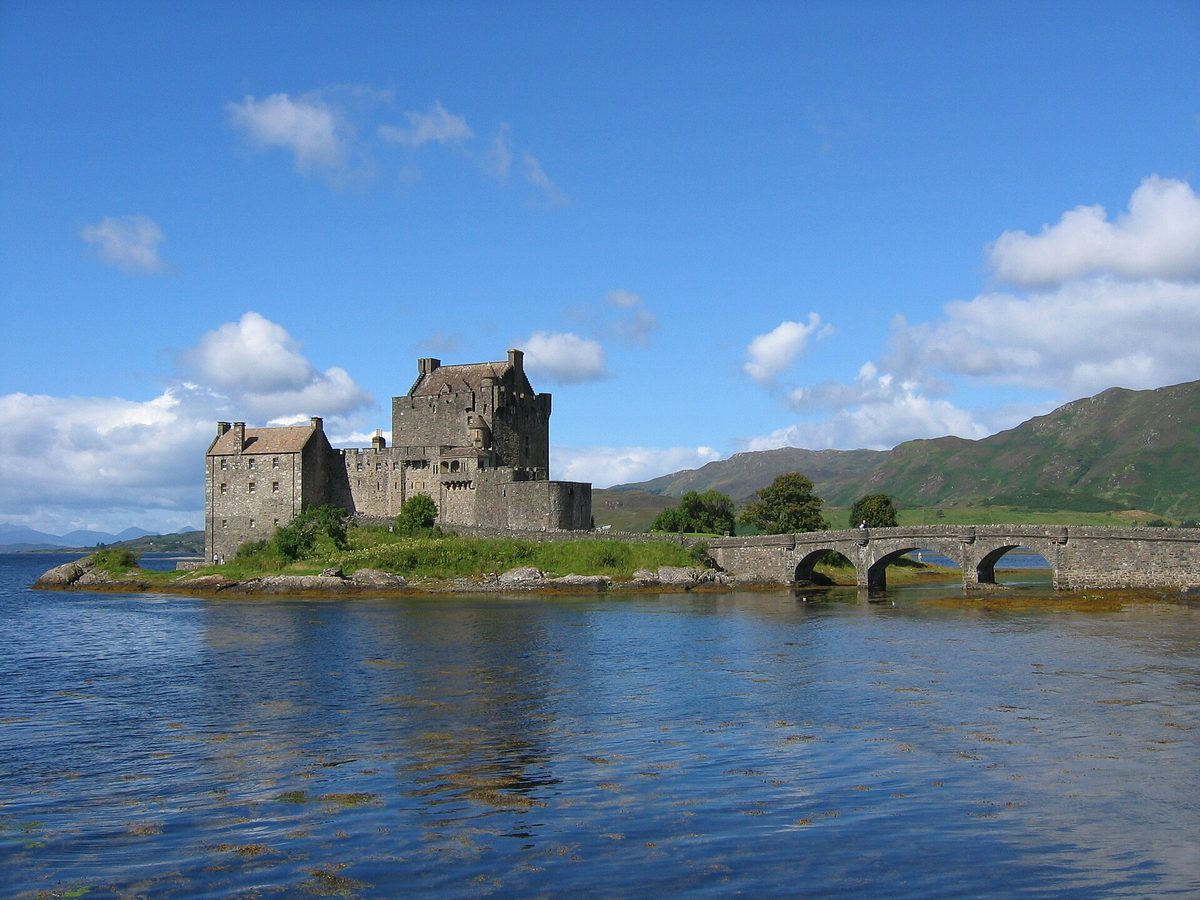
- Eilean Donan Castle at the meeting of three sea lochs — Bigar, Public domain, via Wikimedia Commons