
The first time I worked out how much of this country costs nothing, I was standing in the Grand Gallery of the National Museum of Scotland on a wet Tuesday in February, steaming gently, having walked in past a door with no ticket desk on it. I’d budgeted £60 for the day. I spent £4.20, on a coffee.
Here is what nobody quite says about free things to do in Scotland: the good stuff is not the consolation prize. The national museums and galleries are free as a matter of policy, not as a gesture. And because of an Act passed in 2003, you have a legal right to walk across nearly every hill, forest and lochshore in the country. Two structural facts. Between them they will fill a fortnight.
The short answer
Scotland’s national museums and galleries are free to enter, and the Scottish Outdoor Access Code gives you a statutory right to walk, cycle and wild camp on most land. So the two largest categories — culture and landscape — cost nothing. Budget instead for transport, for parking at the honeypot sites, and for food.
Free things in Scotland at a glance
| What | Where | Cost | The catch |
|---|---|---|---|
| National museums and galleries | Edinburgh, Glasgow, Dundee, Aberdeen, Inverness | Free | Special exhibitions ticketed separately, often £12–£20 |
| Walking on open land | Almost everywhere | Free | Access rights do not cover motor vehicles — car parks charge |
| Wild camping | Most of Scotland | Free | Loch Lomond zones need a £4.50 permit, 1 March–30 September |
| Fairy Pools | Glen Brittle, Skye | Free to walk | Car park around £8 a car, £10 a campervan |
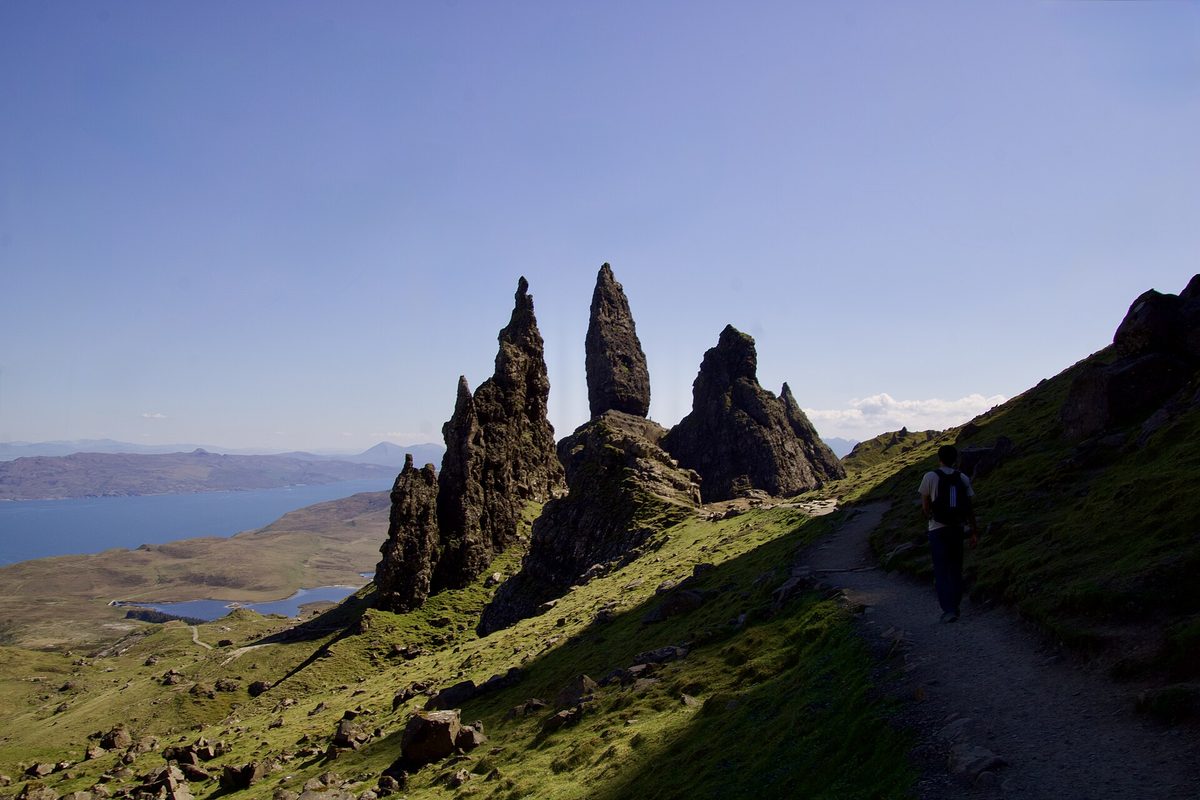
| Old Man of Storr | Trotternish, Skye | Free to walk | Car park £6 for six hours, £8 for twelve |
| Glenfinnan Viaduct | Lochaber | Free to view | Trust car park £5; climbing the monument is £5 more |
| Free Fringe | Edinburgh, August | Free or pay-what-you-want | Bucket at the door; beds in the city cost triple |
| Doors Open Days | Nationwide, September weekends | Free | Popular buildings release limited slots in advance |

Why so much of Scotland is free in the first place
This is the part every other guide skips, and it is the part that actually changes how you plan. Two policies do nearly all the work.
The national collections do not charge
National Museums Scotland and the National Galleries of Scotland both operate free general admission. That covers the National Museum of Scotland on Chambers Street, the Scottish National Gallery on the Mound, the Portrait Gallery on Queen Street, both Modern buildings out at Belford Road, and the National Museum of Rural Life near East Kilbride, among others. Glasgow’s civic museums — Kelvingrove, the Riverside, the Burrell, GoMA, St Mungo’s — are free too, as are Aberdeen’s and Dundee’s.
The catch is consistent and worth remembering: the permanent collections are free, the big touring exhibitions are not. A blockbuster show in the basement of the National at the Mound will typically want £12 to £20 from you. You can decline it and still see the Titians, the Vermeer and the Raeburns upstairs at no cost. Nobody will stop you at the door.
The Scottish Outdoor Access Code
The Land Reform (Scotland) Act 2003 created a statutory right of responsible access over most land and inland water. Not a courtesy, not a network of permitted paths — a right. You may walk, cycle, ride, canoe and swim across hill, moor, forest, riverbank and beach, including land in private ownership, as long as you behave responsibly.
The exclusions are narrow and sensible: houses and their immediate garden ground, schools, sports pitches in use, building sites, and fields of growing crops. Otherwise, if you can get there on foot, you are entitled to be there. This single fact is why walking routes across the Highlands are usually free of gates, stiles and honesty boxes, and why the country feels so unusually open compared with the rest of Britain.
One clause catches visitors out. Access rights do not include motor vehicles. Landowners are entirely within their rights to charge you for parking on their land, and increasingly they do. Your right to walk up the hill is free. Your right to leave a car at the bottom is not.
Wild camping is legal, with real rules
NatureScot’s wording is precise, so I will use theirs: you may enjoy the outdoors on most land responsibly, and this includes lightweight camping in a tent, in small numbers, for no more than two or three nights in one place. Small tent, well away from buildings and roads, out before you wear a scar into the ground.
Use a stove rather than an open fire — wildfire risk in dry spells is genuinely serious, and fire bowls and disposable barbecues count as open fires. Bury or bag your waste, and stay at least 30 metres from any burn or loch when you need to pee. Carry a trowel. Carry your litter out. If a spot is already busy, have a plan B and use it.
Done properly this turns a £120 night into a free one, which is why serious walkers can cross the country on very little. It also means the difference between a trip you can afford and one you cannot — look at our notes on accommodation across Scotland and you will see how quickly beds add up in July.
The Loch Lomond exception, which is real
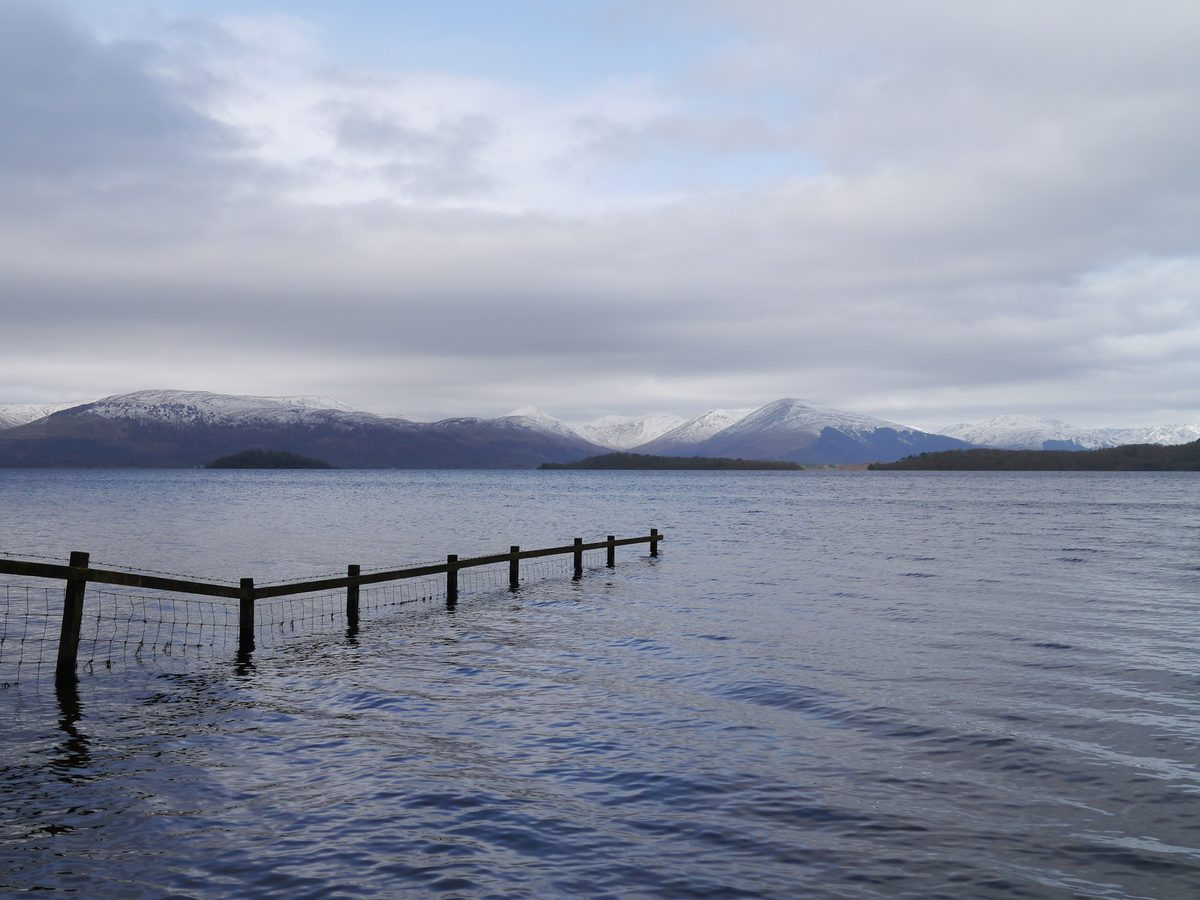
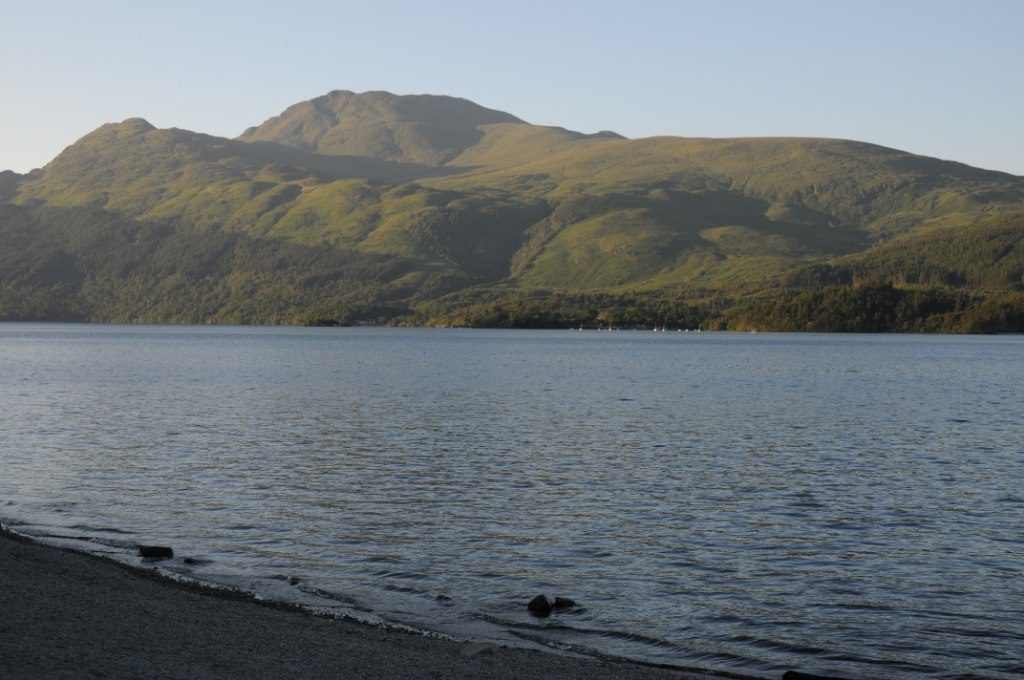
There is one significant exception, and getting it wrong can earn you a fine. Loch Lomond & The Trossachs National Park operates Camping Management Byelaws over popular lochshore areas from 1 March to 30 September every year. Inside those Camping Management Zones you must either book a campsite or buy a permit.
Permits cost £4.50 per tent or motorhome per night, one permit per tent, bookable up to four weeks ahead and for a maximum of three nights in one area. You can arrive from 1pm and must be away by 11am; motorhome permits run 7pm to 10am. Organised youth groups such as Scouts and Duke of Edinburgh parties can apply for free permission. The park authority also runs its own campsites at Loch Chon, Loch Achray, Sallochy and on Inchcailloch island.
Outside the zones, ordinary access rights apply and you camp for nothing. The byelaws are under review during 2026, with a public consultation running over the summer, so check the park authority’s site rather than trusting a blog post from three years ago — including this one.
Free things to do in Edinburgh
Edinburgh is expensive to sleep in and remarkably cheap to spend a day in. You could fill four days without paying for a single admission.
The National Museum of Scotland
Chambers Street, free, and enormous — you will not do it in one visit. Dolly the sheep is here, so is a Lewis chessman, so is the Millennium Clock, which performs on the hour and quietly unsettles children. The roof terrace has one of the best castle views in the city and almost nobody knows about it. Two hours minimum, four if you have a curious teenager. It is also near the top of our list of days out that actually work with children.
The National Galleries
Three separate free sites. The Scottish National Gallery at the foot of the Mound for the old masters; the Portrait Gallery on Queen Street, which is worth the walk for the building alone; and Modern One and Modern Two on Belford Road, reachable on foot along the Water of Leith. Only the ticketed temporary shows cost anything.
Arthur’s Seat and Holyrood Park
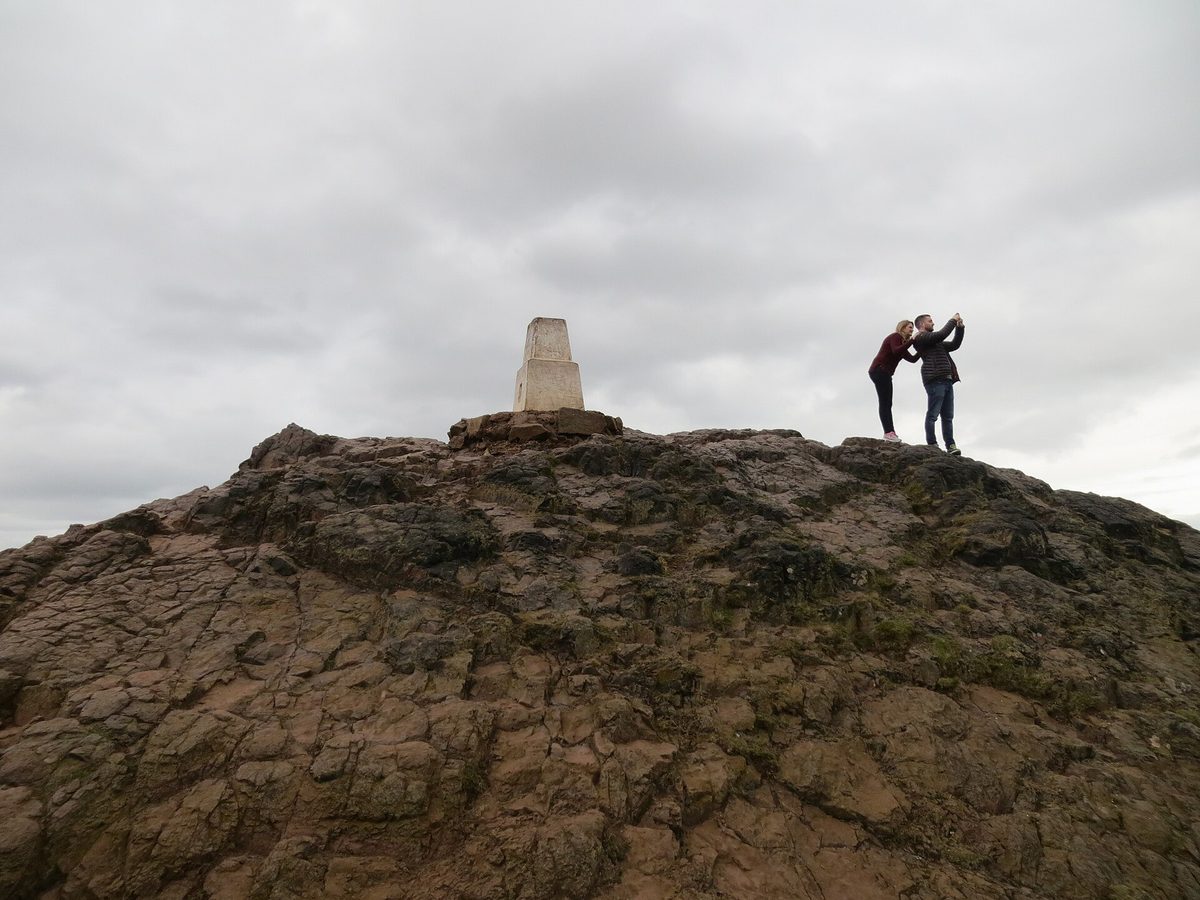
An extinct volcano in the middle of a capital city, 251 metres, roughly 45 minutes up from the Holyrood side. The whole park is free and open at all hours. Parking at the Holyrood end is chargeable, but the small car park by St Margaret’s Loch is generally free and puts you 30 minutes from the top. Wear proper shoes; the Gutted Haddie route is loose scree and people go over on it every summer.
Calton Hill and the Scottish Parliament
Calton Hill is a ten-minute climb from Princes Street for the postcard view back along the ridge. Free to walk up; only the Nelson Monument charges. Next door, the Scottish Parliament is free to enter, with free guided tours on non-sitting days — book ahead, they fill. Enric Miralles’s building is far stranger and better in person than in photographs.
The Water of Leith and Portobello
The Water of Leith Walkway runs roughly twelve miles from Balerno down to the shore at Leith, mostly on a shaded riverside path, passing Dean Village and the modern art galleries. And Portobello is a proper sandy beach with a Victorian promenade, twenty minutes on the number 26 bus from Princes Street. More on both in our guide to Edinburgh.
Free things to do in Glasgow
Glasgow is the strongest free-museum city in Britain outside London, and I will argue that with anyone.
Kelvingrove Art Gallery and Museum
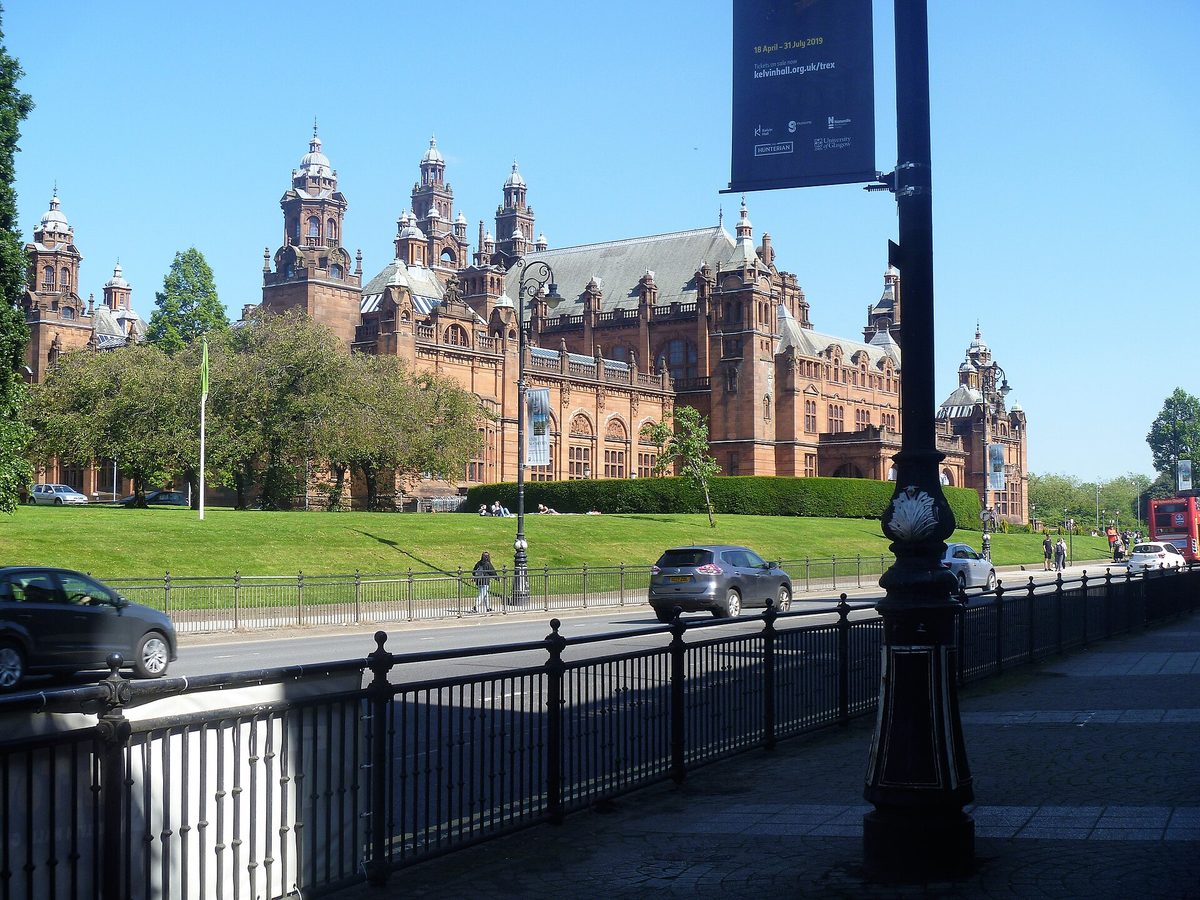
Scotland’s most visited free attraction, and deservedly. Twenty-two galleries, roughly 8,000 objects, a Spitfire hanging from the ceiling and Dalí’s Christ of Saint John of the Cross in a room of its own. There are free organ recitals most days at 1pm — check the day’s board when you come in. Allow two hours.
The Riverside Museum and the Burrell
The Riverside, Zaha Hadid’s zigzag on the Clyde, holds the city’s transport collection and a recreated 1930s street. Free, and the tall ship Glenlee moored outside asks only for a donation. Out in Pollok Country Park, the Burrell Collection reopened after a long refit and is free as well — medieval stained glass, Degas, Chinese ceramics, all given to the city by one shipping magnate with an obsessive eye.
Pollok Country Park and the Necropolis
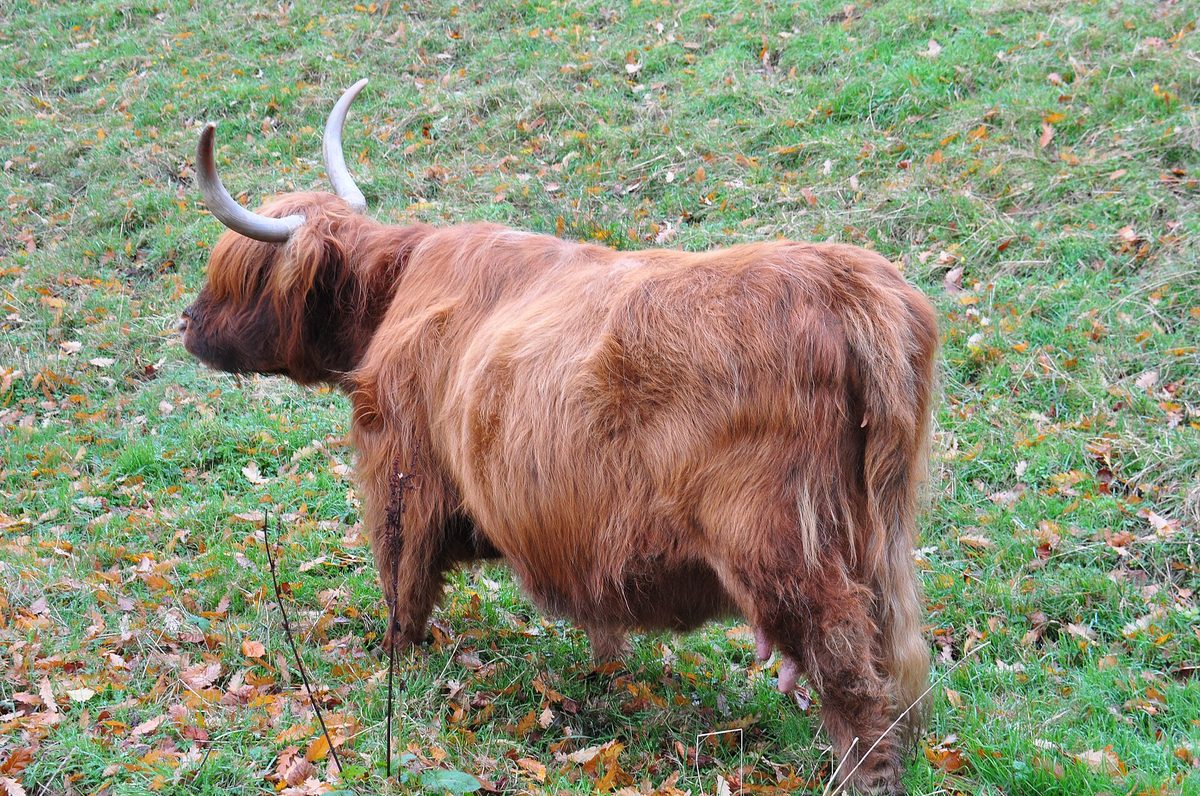
Pollok is about 360 acres, free, and has a fold of Highland cattle you can walk right up to the fence of — the easiest sighting in the central belt if you have not made it north yet. Compare notes with our guide to finding Highland cows around the country. On the other side of the city, the Necropolis behind the Cathedral is a Victorian hillside cemetery with 50,000 burials and a view over the whole East End. Free, open daily, and quieter than it should be. The rest of Glasgow deserves more than a day.
The other cities: Dundee, Aberdeen, Inverness, Perth, Stirling
These get skipped, and they should not.
Dundee
V&A Dundee charges only for its temporary exhibitions; the building and the permanent design gallery are free, and Charles Rennie Mackintosh’s reassembled Oak Room alone justifies the trip. The McManus, a Gothic pile in the centre, is free and has a humpback whale skeleton overhead. Mills Observatory on Balgay Hill — Britain’s first purpose-built public observatory — has free displays, though planetarium shows are ticketed.
Aberdeen
Aberdeen Art Gallery reopened after a major refurbishment and is free. So is the Maritime Museum on Shiprow, which tells the North Sea oil story better than anywhere. Old Aberdeen, twenty minutes north, is cobbled and free to wander, with King’s College Chapel, founded in 1495, and its crown spire.
Inverness
Inverness Museum and Art Gallery is free. So is the walk out to the Ness Islands, a chain of wooded islets linked by Victorian footbridges about twenty minutes upriver from the centre — it is the nicest free hour in the city. Down the coast at Chanonry Point, bottlenose dolphins come close in on a rising tide; the viewing is free, the small car park is not, and it fills an hour early in summer. Our Loch Ness and Inverness guide has the tide-timing detail.
Perth and Stirling
Perth Museum is free, and the Stone of Destiny sits at the centre of it. Entry to the Stone of Destiny experience is free but uses timed slots booked at the front desk, so arrive with some flexibility. In Stirling, the Old Town Jail and Castle both charge, but the walk up through the medieval town, round the Church of the Holy Rude and out to the Back Walk under the castle rock costs nothing and gives you the same view for free.
Free things to do across the Highlands and islands
Out here, almost everything is free and the money goes on fuel, ferries and parking. Plan around that and the Highlands become the cheapest part of the trip, not the most expensive.
The free historic sites
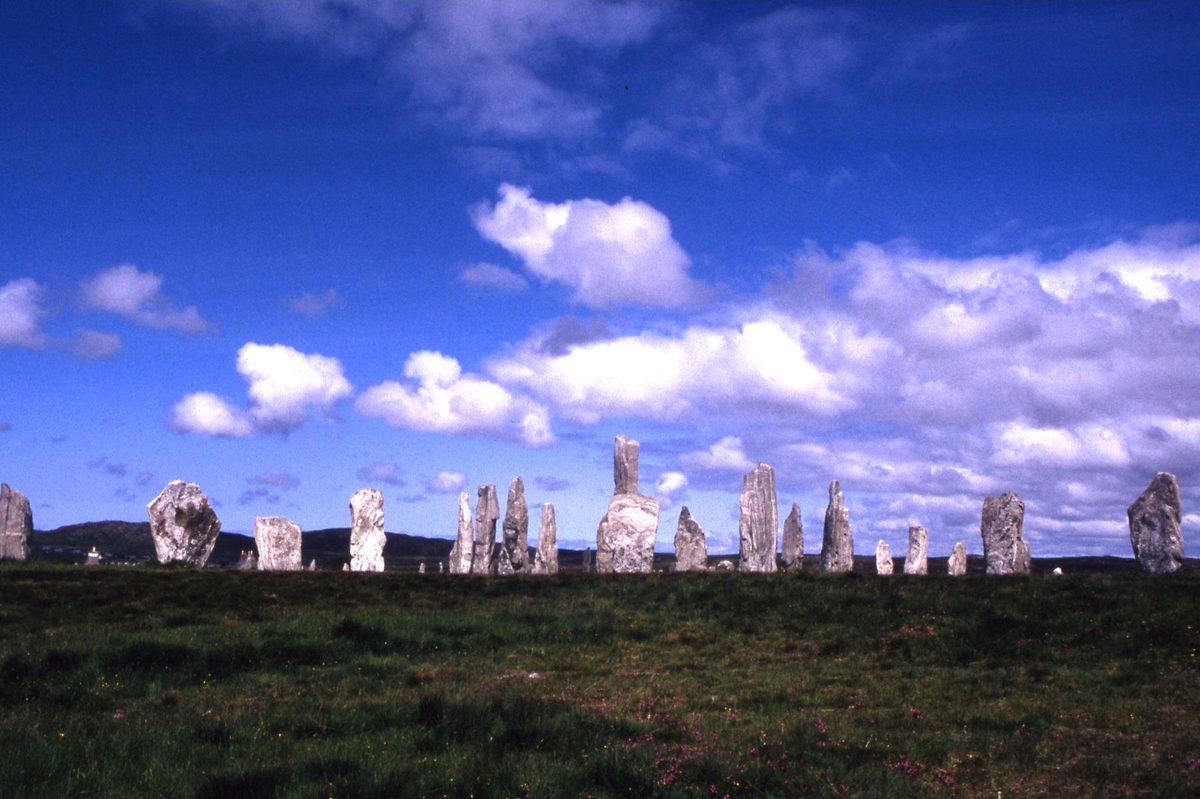
Historic Environment Scotland charges at its staffed properties and leaves several hundred unstaffed sites open, unlocked and free. The good ones: Clava Cairns near Culloden, 4,000 years old and eerie in low light; the Callanish Standing Stones on Lewis, older than Stonehenge and usually almost empty; the Ring of Brodgar and Stones of Stenness on Orkney; Kilmartin Glen in Argyll, with 800 monuments in six miles; and the Grey Cairns of Camster in Caithness, where you crawl into a 5,000-year-old chamber on your hands and knees. No tickets, no opening hours, no one taking your money.
Glens, beaches and coastline
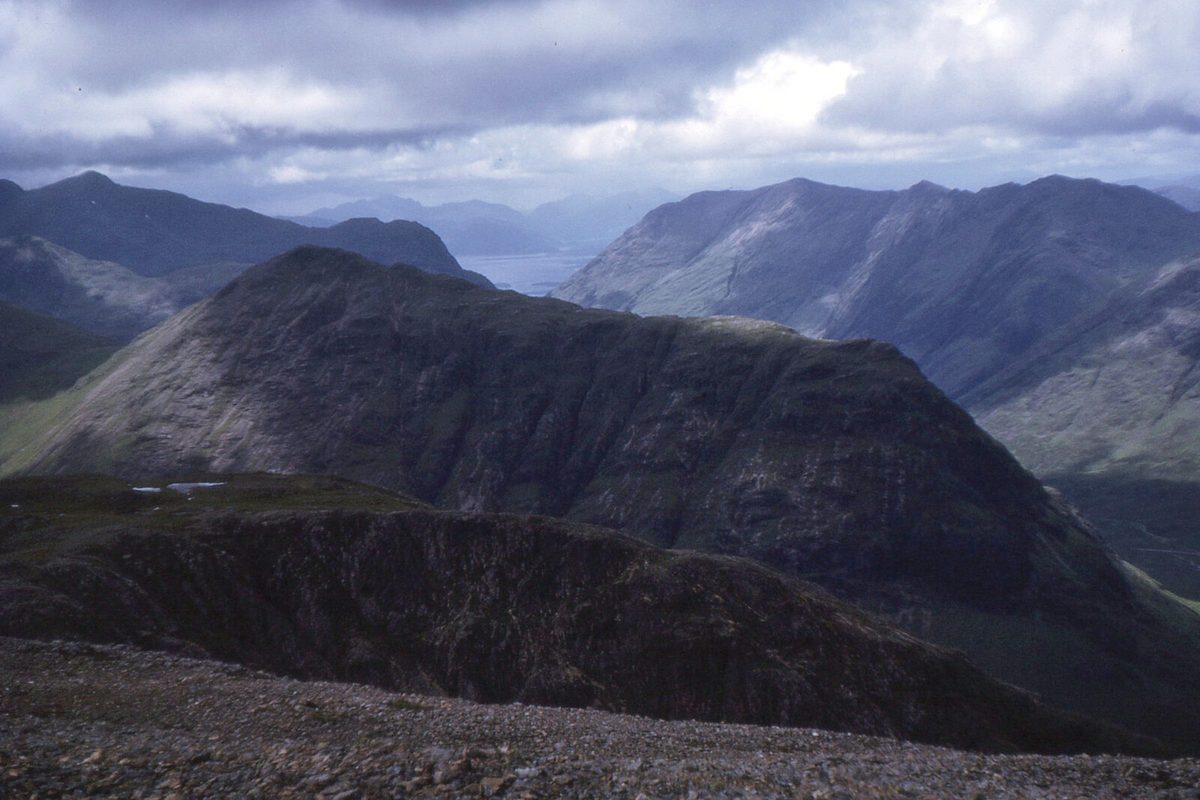
Glen Coe is free, and the Three Sisters viewpoints on the A82 are lay-bys, not attractions. Glen Etive, the single-track road off the A82, is free and gloriously empty on a weekday. The whole of the North Coast 500 route is a public road you can drive for the price of fuel. As for sand, the beaches are the biggest free asset the country has — Luskentyre, Sandwood Bay, Achmelvich, Calgary — and we have ranked them properly in our guide to Scotland’s best beaches. Ferries to reach some of the islands are the real cost, not the beach.
Museums in unlikely places
The Highland Folk Museum at Newtonmore is free and genuinely good — an open-air mile of reconstructed Highland buildings including the 1700s township used in Outlander. It opens roughly April to October only. Shetland Museum and Archives in Lerwick is free, as is Museum nan Eilean at Lews Castle in Stornoway. See our overview of the Highlands for how to string these together.
Free festivals and events worth timing a trip around
Scotland’s events calendar has an unusually large free layer under the ticketed one.
The Free Fringe, in August
The Edinburgh Festival Fringe is the largest arts festival on the planet, and a whole parallel festival inside it charges nothing. Free Fringe shows run on a bucket at the exit — put something in it, five pounds is normal and the performer usually keeps all of it. You can see four or five shows a day for the price of goodwill. Accommodation, on the other hand, roughly triples in August; book by January or stay in Glasgow and take the 50-minute train.
Doors Open Days, every September weekend
Billed as Scotland’s largest free festival, and the one locals actually use. Buildings normally closed to the public — law courts, working theatres, private clubs, masonic halls, water treatment works, tenement roofs — open their doors on the September weekends, free, city by city. Popular buildings run limited slots that go early, so look at the programme when it publishes in August. More on the year’s calendar in our roundup of Scottish festivals and events.
Highland Games and Hogmanay
Most Highland Games charge modest admission — usually £8 to £15 — but the pipe bands march through the town beforehand for nothing, and some smaller games are free to watch from the surrounding field. At New Year, the Stonehaven Fireballs is the one to see: at midnight, locals swing burning wire cages around their heads and parade the high street. Free to stand and watch. Edinburgh’s Hogmanay street party, by contrast, has been ticketed for years.
The traps: “free” attractions that quietly cost money
This is where budgets go wrong, and it is almost always parking.
Parking at the honeypot sites
These are the current headline rates, and they climb most springs:
- Fairy Pools, Glen Brittle — around £8 a car, £4 a motorbike, £10 a campervan. Run by the Outdoor Access Trust for Scotland; the money pays for the path, the toilets and local community projects, and the charity publishes exactly where it goes.
- Old Man of Storr — £6 up to six hours, £8 up to twelve. 140 spaces, machine or the RingGo app, and motorhomes have to use the on-street bays because of a height barrier. No overnight stays.
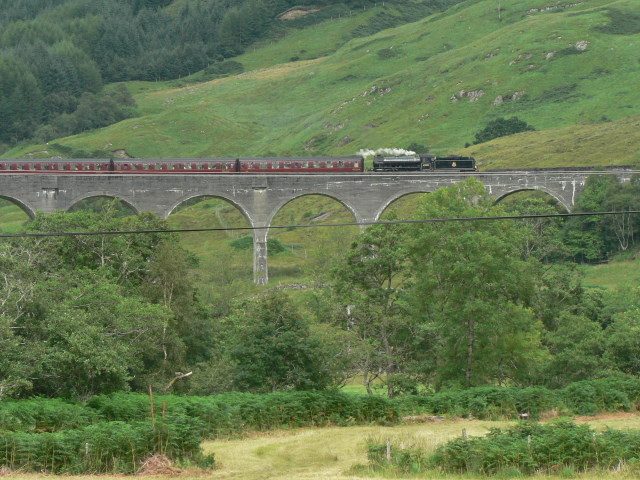
- Glenfinnan Monument — £5 for the car park, free for Trust members. The visitor centre is free to enter; climbing the monument is £5 on top. Arrive by train or bus and you get a free hot drink and a two-for-one on the monument.
None of this is a swindle — the paths at these three sites were being trampled to mud, and someone has to pay. But if you drive to five Skye sites in a day you will spend £30 on parking at “free” attractions, which is precisely the kind of thing budget guides forget to mention. Our Skye planning notes go through the site-by-site maths.
Free entry, paid exhibition
Every national museum runs this model. The mistake is booking the ticketed show first and assuming the rest needs paying for as well. Walk in, do the free galleries, then decide whether the exhibition is worth £16. Half the time it is not.
Free grounds, paid interior
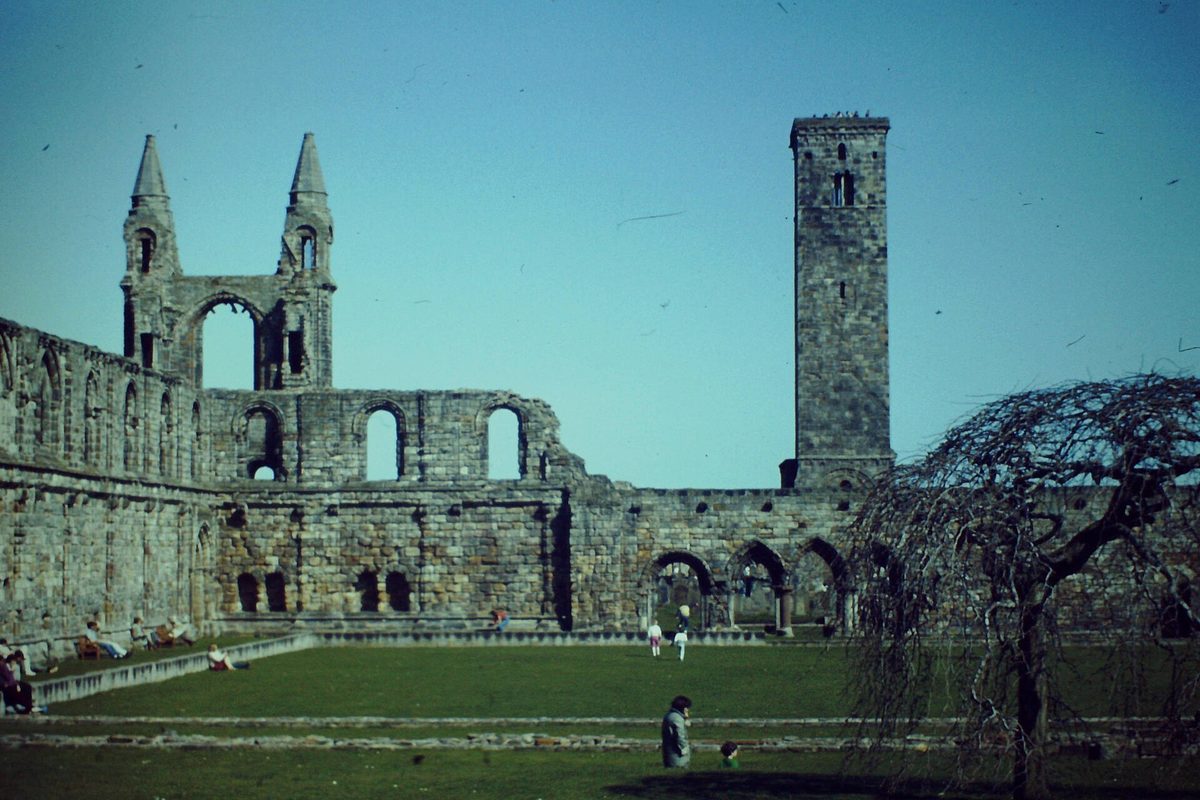
Plenty of Scotland’s castles let you walk the grounds for nothing and charge only at the door. Crathes in Aberdeenshire has six waymarked woodland trails that are free to use. Dunstaffnage near Oban has free chapel ruins and a circular walk. Culzean, Brodick and Drum all have grounds worth a morning. And several ruins are free outright: Kilchurn on Loch Awe, Castle Tioram in Moidart, and the ruined nave and graveyard of St Andrews Cathedral, where only the tower and museum are ticketed.
Distillery tours are not free
A myth I hear constantly. Standard tours run about £18 to £25 and the premium tastings go well past £100. A few visitor centres will let you into the shop for a small paid dram without a tour, which is the cheap way in. Our distillery guide flags which ones do that.
Planning a genuinely cheap trip
How long, and where to base yourself
Seven to ten days is the sweet spot. Two nights Edinburgh, two Glasgow, four or five in the west or north. Basing yourself in cities and taking day trips is cheaper than a new bed every night, and you avoid the £90 single-night rural premium in July and August. If you want a route already worked out, start from our Scotland itinerary.
Getting around without a car
Intercity buses are far and away the cheapest option — Edinburgh to Glasgow runs about £8 to £10, Glasgow to Inverness £25 to £35 if you book ahead. Trains are dearer but sometimes spectacular; the West Highland Line to Mallaig is one of the great rail journeys anywhere and costs a fraction of a coach tour. Advance fares open twelve weeks out and are the single biggest saving available. See our notes on travelling around Scotland for the ferry and rail-pass detail.
What to book ahead, and how far
Very little needs booking, which is the point. But: Loch Lomond camping permits open four weeks out and summer weekends go; Scottish Parliament tours fill a week or two ahead; Doors Open Days slots for the popular buildings go within days of publication in August; and CalMac ferries with a car want six to eight weeks in high season. Everything else you can decide on the morning.
Eating for less
Supermarket meal deals are about £4, a bakery lunch £5 to £7, and a pub main £15 to £20. Lunchtime menus at good restaurants are routinely half the evening price for the same kitchen. If you are camping, a stove and a bag of pasta reduces the daily food spend to almost nothing — though do try one proper meal, because Scottish food has improved beyond recognition in fifteen years.
Honestly: what underwhelms, and the mistakes people make
The Fairy Pools. Pretty, small, and utterly mobbed between 10am and 4pm from May to September. You pay £8 to park, walk twenty minutes and share a modest set of waterfalls with 200 people. Go at 7am or skip it — there are better free pools within an hour’s drive that nobody photographs.
Loch Ness from the roadside. A large, dark, entirely ordinary-looking loch. The lay-bys on the A82 do not repay a two-hour detour. Urquhart Castle is genuinely good and genuinely ticketed.
Assuming free means empty. Kelvingrove on a wet Sunday in August is a scrum. The free sites are free for everyone, and roughly a million people a year work that out. Go at opening or in the last ninety minutes.
Underestimating the weather. A free day out becomes an expensive one when you buy an emergency waterproof in Fort William. Bring one.
Camping badly. The right of access holds only if you use it responsibly. Big group tents by the roadside, fires on peat, and litter left at lochshores are exactly what caused the Loch Lomond byelaws in the first place. Behave, and the rest of the country stays open.
Driving everywhere. Fuel, parking and single-track-road nerves will cost you more than the bus. On Skye, on Mull and around Glen Coe, the buses go where you want to go. There is more of this in our practical travel tips, and if you are still deciding when to come, our notes on the best time to visit matter more for cost than anything else.
Frequently asked questions
Are museums really free in Scotland?
Yes. The national museums and galleries, plus the civic museums in Glasgow, Aberdeen, Dundee and Inverness, all have free general admission. You will be asked for nothing at the door. Temporary blockbuster exhibitions are ticketed separately, usually £12 to £20, and donation boxes are voluntary in the genuine sense.
Can you wild camp anywhere in Scotland?
Almost. The access code allows lightweight camping on most unenclosed land, in small numbers, for two or three nights maximum in one spot. The exceptions are enclosed fields, gardens, sports grounds and building sites — and the Loch Lomond & The Trossachs Camping Management Zones, where from 1 March to 30 September you need a £4.50 permit or a campsite booking.
How much does a budget day in Scotland cost?
In a city, £20 to £30 covers food and local transport if all your activities are free. On the road, £35 to £50 a day is realistic with a hostel bed; wild camping brings that to about £15 plus fuel. The variable that wrecks budgets is not admissions, it is accommodation and, on the islands, ferries.
Is Edinburgh Castle free?
No, and it is one of the most expensive tickets in the country. But the Esplanade in front of it is free and open, the view from Castle Hill is the one on the postcards, and Calton Hill gives you a better photograph of the castle than the castle gives you of anything.
Do I need to pay to walk in the Highlands?
No. Access to the land is a statutory right. What you may pay for is parking at the trailhead — expect £3 to £8 at popular sites — and a public toilet, where one exists. Bothies, maintained by volunteers, are free to sleep in and cannot be booked.
What is the best free thing to do in Scotland?
For a single day, Kelvingrove in Glasgow. For a week, walking a stretch of a long-distance route and camping beside it. If you have to pick one moment, arrive at the Callanish Stones on Lewis at dusk in October, when there is nobody there and no ticket office to have kept you out.
Are there free things to do in Scotland when it rains?
Plenty, which is just as well. Every national museum and gallery, all the Glasgow civic museums, the Scottish Parliament, the Kibble Palace glasshouse in Glasgow’s Botanic Gardens, Perth Museum, and every public library with a local history room. A wet fortnight in Scotland is an argument for the cities, not against the trip.
Final thoughts
I still think about that February afternoon in Chambers Street. Not because it was free, but because free is what let me stay four hours instead of rationing the visit against the ticket price. That is the real gift of how Scotland does this — the museums do not care how long you stay, and the hills do not care whether you have a permit.
Spend your money on getting here and on somewhere decent to sleep. The country itself will mostly cost you nothing. If you want more ideas beyond the free ones, our full list of Scottish attractions and experiences will keep you busy for a decade.
Edinburgh is the single best city in the country for doing this properly, largely because several national museums and galleries there charge nothing for their permanent collections. Our rundown of free things to do in Edinburgh ranks them by whether they are worth your afternoon rather than simply by whether they happen to cost nothing.
Timing cuts costs as sharply as anything on this page. See when Scotland is cheapest to visit for the weeks where accommodation falls hardest, and the trade-offs you accept in return.
About the author: This guide was written and is maintained by the ScotlandTourism.org editorial team — travel writers who’ve spent years exploring Scotland’s cities, Highlands and islands, from bagging Munros to chasing the perfect dram. We update our guides regularly to keep prices, opening details and advice current.
Last updated: August 2026. Prices and opening times change — always check the official site before you travel.
Photo credits
All images are used under their respective Creative Commons or public-domain licenses:
- Scottish National Gallery — User:Hassocks5489, CC0, via Wikimedia Commons
- Glencoe — Jim Barton, CC BY-SA 2.0, via Wikimedia Commons
- Loch Lomond — James T M Towill, CC BY-SA 2.0, via Wikimedia Commons
- Arthurs Seat — John Ferguson, CC BY-SA 2.0, via Wikimedia Commons
- Kelvingrove Building — Michael Dibb, CC BY-SA 2.0, via Wikimedia Commons
- Pollok Park — Osama Shukir Muhammed Amin FRCP(Glasg), CC BY-SA 4.0, via Wikimedia Commons
- Kelpies — Richard Sutcliffe, CC BY-SA 2.0, via Wikimedia Commons
- Callanish — Colin Park, CC BY-SA 2.0, via Wikimedia Commons
- Old Man Of Storr — Lauwz The Kiwistralian, CC0, via Wikimedia Commons
- St Andrews Cathedral — Colin Smith, CC BY-SA 2.0, via Wikimedia Commons

1 note from readers