
The most useful thing anyone ever told me about things to do in Scotland with kids was this: the attraction that ruins a day is almost never the wrong attraction, it’s the right attraction at the wrong age. A four-year-old at Culloden is a small person standing in a wet field. A ten-year-old at Culloden is completely absorbed. Same field, same afternoon, totally different day out.
Every list I read before my first family trip north told me where to go. None of them told me who it suited, how far the walk was, whether a pushchair would survive it, or what to do when it rained on Tuesday and Wednesday and Thursday. So this guide is organised by age as well as by region, it puts the numbers in, and it has a rainy-day section that I’d read first if I were you.

The short answer
Base yourself in Edinburgh or Glasgow for museums, castles and easy wet-weather cover, then give the Cairngorms four or five nights for animals, forest trails and short walks that small legs can manage. Under-fives do best in cities and on beaches. Skye and the far north-west suit eight and up.
Things to do in Scotland with kids: at a glance
| Place | Where | Best age | Rough cost, family of four | Indoors? | Book ahead? |
|---|---|---|---|---|---|
| National Museum of Scotland | Edinburgh | 2–14, all of them | Free | Yes | No |
| Edinburgh Castle | Edinburgh | 6+; hard work with a pushchair | Around £75 online | Partly | Yes — weeks ahead in summer |
| Camera Obscura | Edinburgh | 5–12 is the sweet spot | Around £85, less before 9am | Yes | Worth it in August |
| Riverside Museum & Tall Ship | Glasgow | 18 months–12 | Free, car park up to £10 | Yes | No |
| Glasgow Science Centre | Glasgow | 4–13 | Around £55–60 plus £4 parking | Yes | School holidays only |
| Blair Drummond Safari Park | Near Stirling | 3–11 | Around £75–80 | No | Yes — no gate sales |
| Highland Wildlife Park | Kincraig, Cairngorms | 3–12 | Around £85 | No | Yes in July–August |
| Jacobite steam train | Fort William to Mallaig | 6+ (it’s a long day) | Around £240 standard return | Yes | Yes — months ahead |
Prices move and most big attractions run seasonal discounts, so check before you book. Under-3s go free almost everywhere; the age a child starts paying adult rates varies wildly, which matters more than you’d think when you’re buying four tickets a day.
What actually works, age band by age band
This is the part every other guide skips. Here is how Scotland lands at each age.
Toddlers and under-fives
Keep it flat, keep it short, and stay in the central belt or the Cairngorms. Toddlers do not care about scenery. They care about animals, sand, water, playparks and pushing buttons.
The wins: the Riverside Museum in Glasgow (trams they can climb into, a Victorian street, lifts to every floor, a Changing Places facility on the ground floor); Edinburgh Zoo; the beach at Portobello or Cramond, both reachable by city bus; Loch Morlich near Aviemore, which is a freshwater beach with a car park fifty metres away; and the animal farms and safari parks, where the pushchair goes everywhere.
The traps: any castle on a rock, anywhere requiring a stile, and long drives. Two hours in a car seat is a hard ceiling at this age and there is nowhere in the Highlands where two hours gets you far.
One practical note that saved us repeatedly — bring a carrier as well as a pushchair. Half the good short walks in Scotland have a gate, a step or forty metres of mud that a buggy cannot cross.
Five to nine
The golden band. Old enough to walk two or three miles with bribery, young enough that a rock pool is genuinely thrilling. This is the age Scotland is best at.
Aim for: rock pooling on the East Lothian coast, the Camera Obscura in Edinburgh (the mirror maze and the vortex tunnel go down better than the actual camera obscura, which needs a bright day and some patience), the science centres in Glasgow, Edinburgh and Dundee, dolphin watching from Chanonry Point on the Black Isle, the reindeer hill trips above Glenmore, and any forest with a play trail in it. Go and find a field of Highland cows while you’re at it — it costs nothing and it works every time.
Castles start to land at about six, but pick the right ones. Stirling, Urquhart and Dunnottar give you ramparts, cannons and space to run. Rooms full of furniture do not.
Ten to fourteen
Now the country opens up. Ten-year-olds can do the Old Man of Storr, cope with a five-hour driving day if you break it properly, and take something real from Culloden, the Highland Folk Museum and the Jacobite story. This is also when the film-location stuff pays off, so if there’s a Potter fan in the car, the Harry Potter locations around Scotland become a viable spine for a whole trip.
Add activity to the mix. Coasteering on the east coast, mountain biking at Glentress or Laggan Wolftrax, the aerial courses at Landmark near Carrbridge, sea kayaking from Oban, an indoor ice wall at Kinlochleven. At this age the doing beats the looking, every time.
Teenagers
Teenagers will tell you they’re bored of scenery by day three, and they are not entirely wrong — Scotland shows you a lot of the same shapes in a row. Break the pattern with things they can post about and things they can do.
That means cities with actual shops (Glasgow beats Edinburgh for this by a mile), gigs and festivals in August, surfing lessons at Belhaven or Thurso, a night in a bothy or a wild camp, ghost tours and the Real Mary King’s Close under the Royal Mile, and the more physical out-of-the-ordinary experiences like canyoning in Perthshire. If they play golf, plenty of ordinary Scottish clubs welcome juniors for a few pounds — it is not all St Andrews at championship prices.
Rainy days: the section you’ll actually use
Scotland gets rain on somewhere between 150 and 250 days a year depending where you are, and the west is the wet end. Plan on losing one day in three to weather in summer, and more than that in autumn. The families who have a good time are the ones who’ve already decided what Tuesday looks like if it’s horizontal.
Two rules first. Buy waterproof trousers for the children, not just jackets — a wet bottom half ends a day faster than anything. And check opening days rather than opening hours: outside the summer months a lot of smaller places close on Mondays and Tuesdays.
Edinburgh in the rain
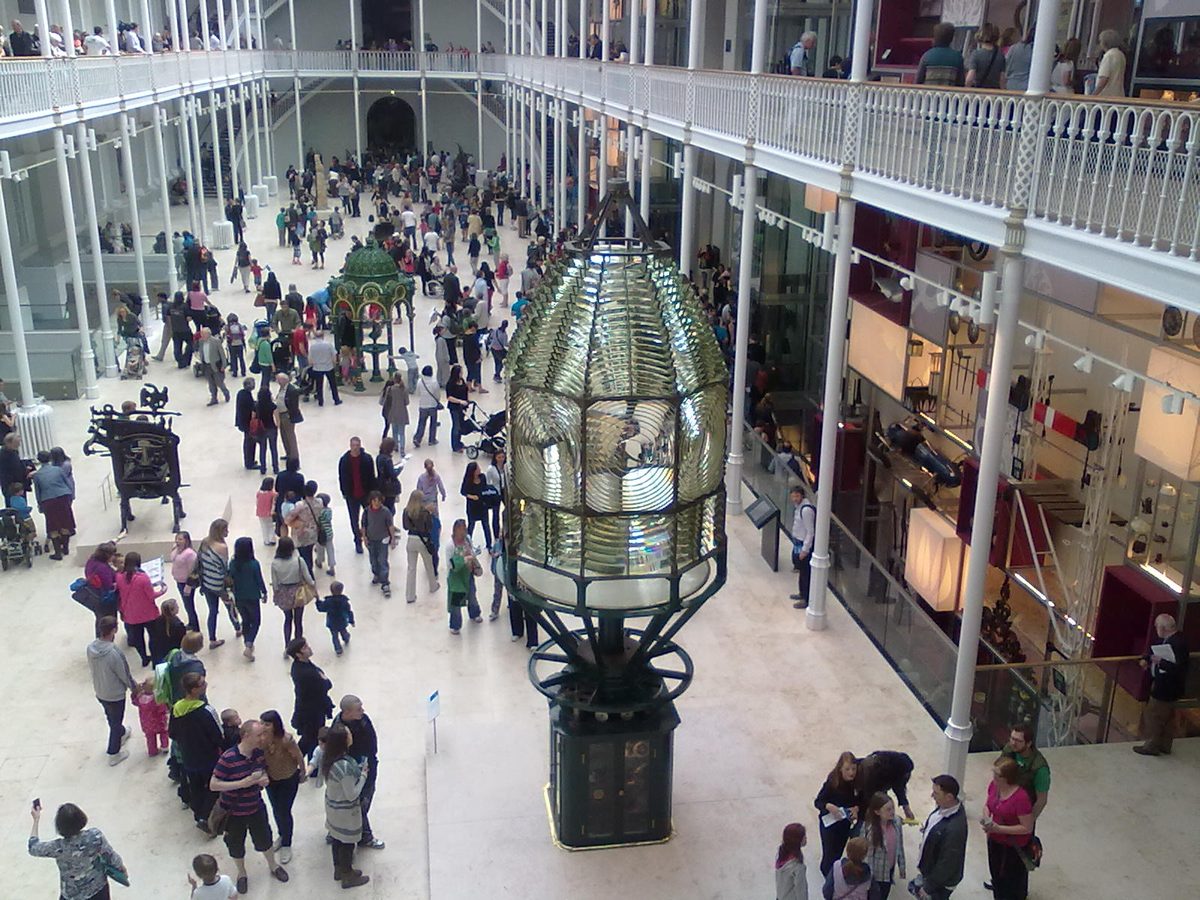
The best in Scotland for this, comfortably. The National Museum of Scotland on Chambers Street is free, enormous and covers dinosaurs, Dolly the sheep, a Formula 1 simulator and an entire hands-on gallery for under-fives. You can spend four hours there and not repeat yourself. The Museum of Childhood on the High Street is also free and takes about forty-five minutes.
Paid options: Camera Obscura (adult around £24.95, child 5–15 around £17.95, under-fives free, and there’s a £4 per ticket discount if you take the first slot before 9am), and Dynamic Earth at the foot of the Royal Mile, which is roughly £21.50 adult and £13.50 for 4–15s and turns your ticket into a twelve-month pass. The Royal Commonwealth Pool has flumes and a shallow teaching pool. Our full Edinburgh guide has more on getting round the city when the weather turns.
Glasgow in the rain
Glasgow’s free museums are the single best value in the country. Kelvingrove — a Spitfire hanging from the ceiling, a floating heads installation children love, and an organ recital at one o’clock most days. The Riverside Museum and the Tall Ship Glenlee next to it. The Hunterian. All free, all indoors.
The Glasgow Science Centre is the paid one worth paying for: three floors of hands-on exhibits, a planetarium for about £3.50 extra, and an IMAX. Reckon on roughly £15–17 per adult and £10–13 per child depending on whether you’re there at peak times, plus £4 to park all day. If your children need to run rather than look, the trampoline and inflatable parks around Kinning Park and the east end will buy you two hours. There’s more in our Glasgow travel guide.
Dundee, Fife and the east coast
Dundee has quietly become the best wet-weather city in Scotland for families. V&A Dundee is free, open daily and has a buggy park on the ground floor. Next door, Discovery Point and Captain Scott’s ship run about £14 for an adult off-peak and around £10 for a child aged 5–16, with under-fives free. Dundee Science Centre is a short walk away.
Elsewhere on that coast: Deep Sea World at North Queensferry (an underwater tunnel, which is a reliable hit at four and above), St Andrews Aquarium, and the National Museum of Flight at East Fortune in East Lothian, where children can walk through Concorde.
Inverness, the Cairngorms and the north
Thinner on the ground, so plan harder. Landmark Forest Adventure Park at Carrbridge has enough under cover to save a wet afternoon, though at roughly £39 an adult and £37 a child it’s the most expensive family ticket in this guide by some distance. The Loch Ness Centre at Drumnadrochit is an indoor exhibition and does a decent job of taking the monster seriously as a scientific story rather than a gift shop. Inverness Leisure has a big pool with a wave machine.
The Highland Folk Museum at Newtonmore is free and genuinely excellent — but it’s an eighty-acre outdoor site, so it is a fine-weather answer, not a wet one.
Skye and the west — the honest bit
There is almost nothing to do indoors on Skye. The Aros Centre in Portree, the swimming pool, a handful of cafes, and that is broadly it for a rainy day with a five-year-old. Distilleries won’t take under-18s.
So if you take small children to Skye or the west Highlands, either accept that you will be walking in the rain in waterproofs, or plan the wet days as driving days to somewhere with a roof. It is the biggest planning mistake families make on the west coast, and the reason I’d push a first Scottish family trip towards the Cairngorms side of the Highlands instead.
Where to go, region by region
Edinburgh and the east
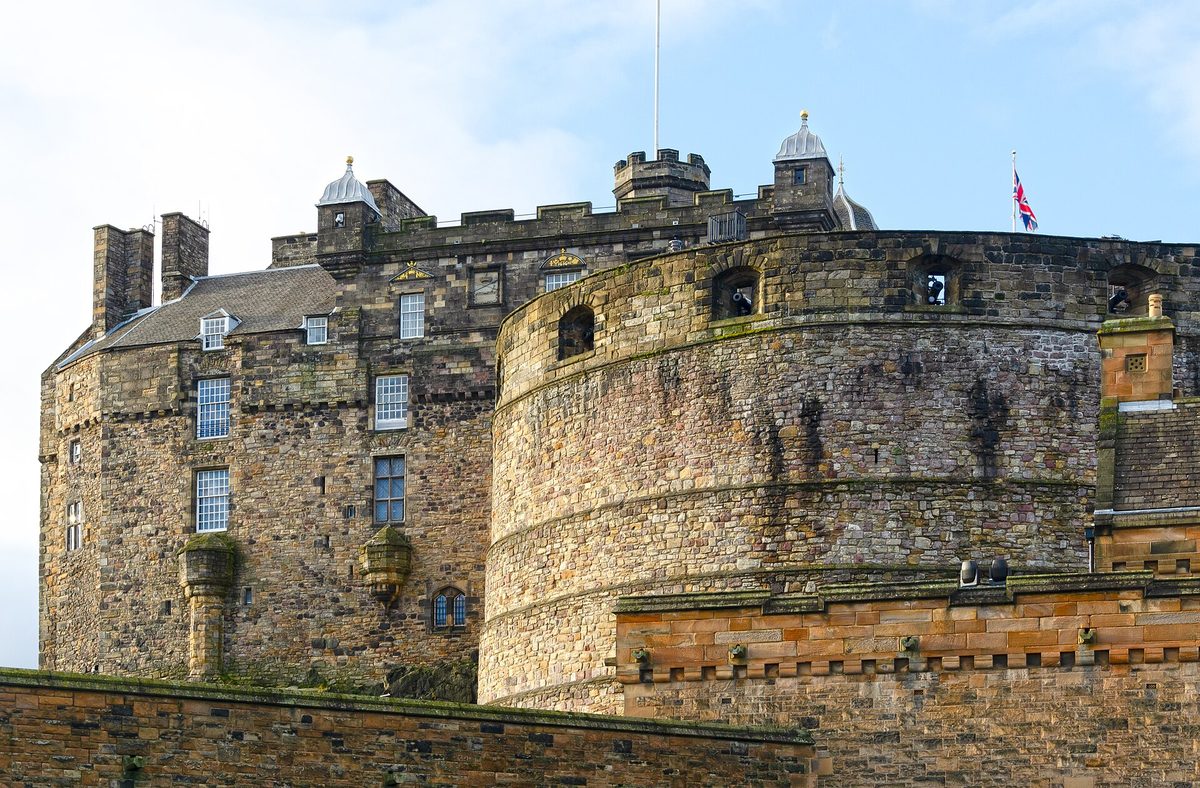
Edinburgh Castle is the obvious one and it is worth doing, with caveats. Adult tickets are around £23.50 booked online and £26 at the gate, children aged 7–15 about £14, under-sevens free. It sells out in summer, sometimes weeks ahead. Now the bit nobody mentions: the route through the castle is steep and cobbled, there are steps everywhere, and staff cannot store pushchairs for you. With a toddler, take the carrier. They will lend you sensory backpacks and ear defenders from the ticket office, which is a kindness worth knowing about.
Arthur’s Seat is a proper little hill in the middle of the city — about two miles round trip and 251 metres up. From the Dunsapie Loch car park it’s a twenty-five minute climb rather than an hour. Down at sea level, Portobello has sand, a promenade, ice cream and a bus from the city centre. Further east, the Scottish Seabird Centre at North Berwick puts live cameras on the gannet colony at Bass Rock, and the rock pools along that coast are the best in the country.
For a day out with a decent playground attached, look at the National Trust for Scotland properties — Newhailes near Musselburgh has an adventure play area that children rate higher than the eighteenth-century villa next to it, which is fair enough.
Glasgow, Loch Lomond and the west
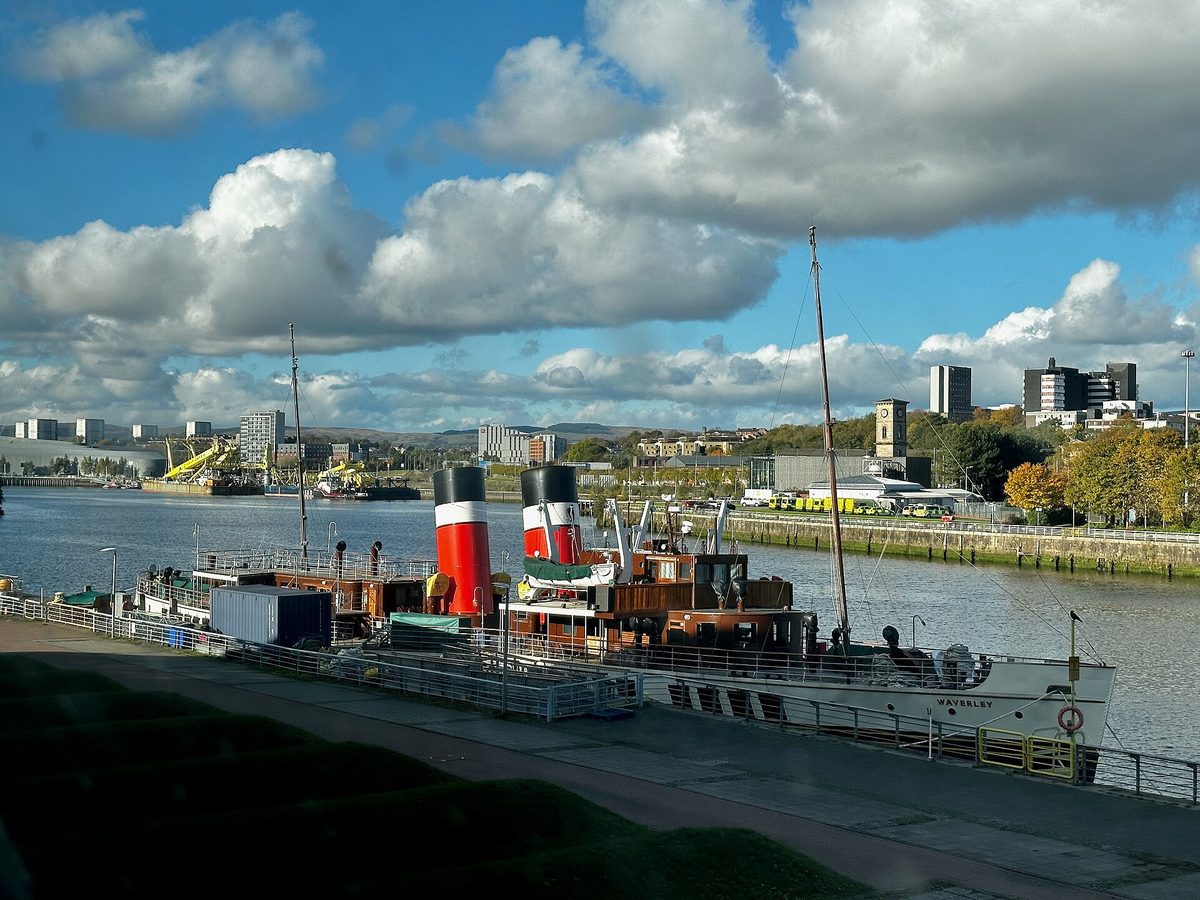
Glasgow is underrated with children and better value than Edinburgh in almost every respect. Beyond the free museums, the seagoing paddle steamer Waverley usually runs Clyde sailings over the summer — check the season’s timetable, but it is a genuinely different sort of day out.
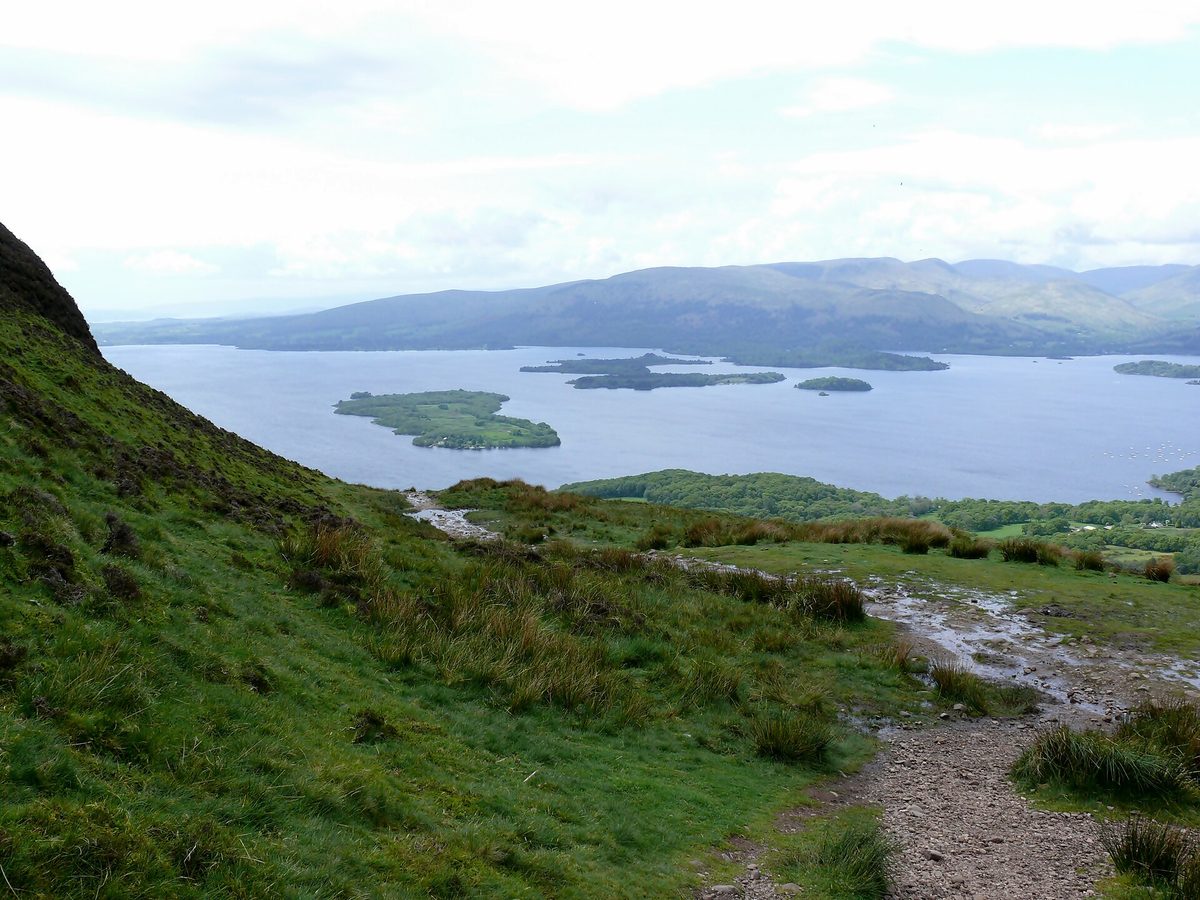
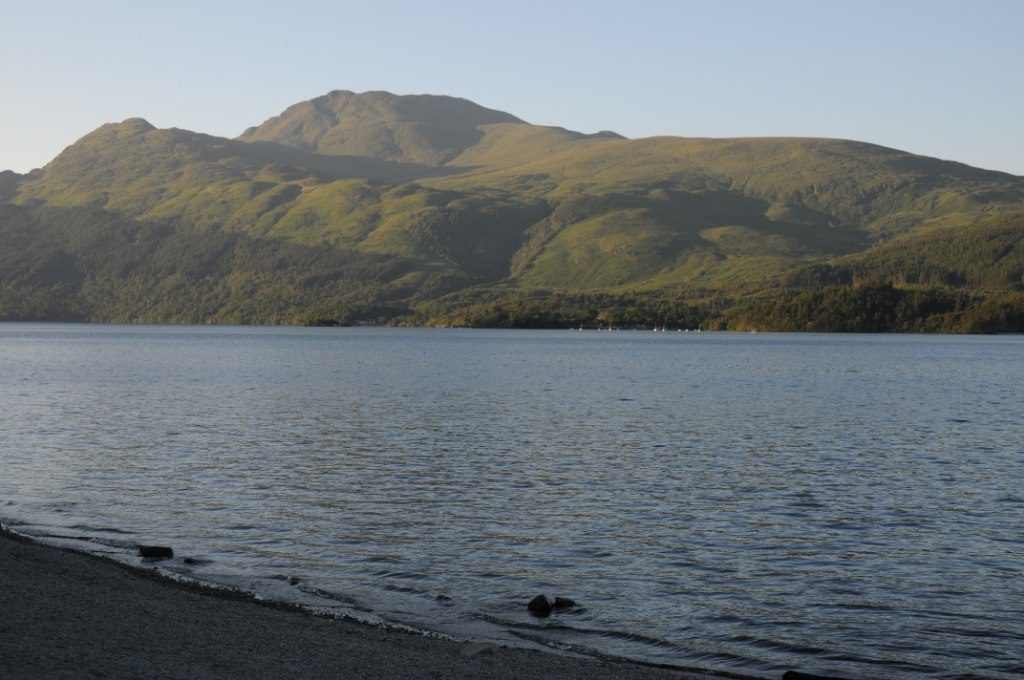
Loch Lomond is forty minutes from the city. Balmaha on the east shore is the practical base: a car park, a beach of sorts, boat trips to Inchcailloch, and Conic Hill rising behind it. Further west, Culzean Castle in Ayrshire has the best castle playground in Scotland — Adventure Cove, with a pirate ship and rope swings — and a family ticket at around £55 covering two adults and children. That is the rare case where the playground alone justifies the entry fee.
Stirling and Falkirk — the bit in the middle
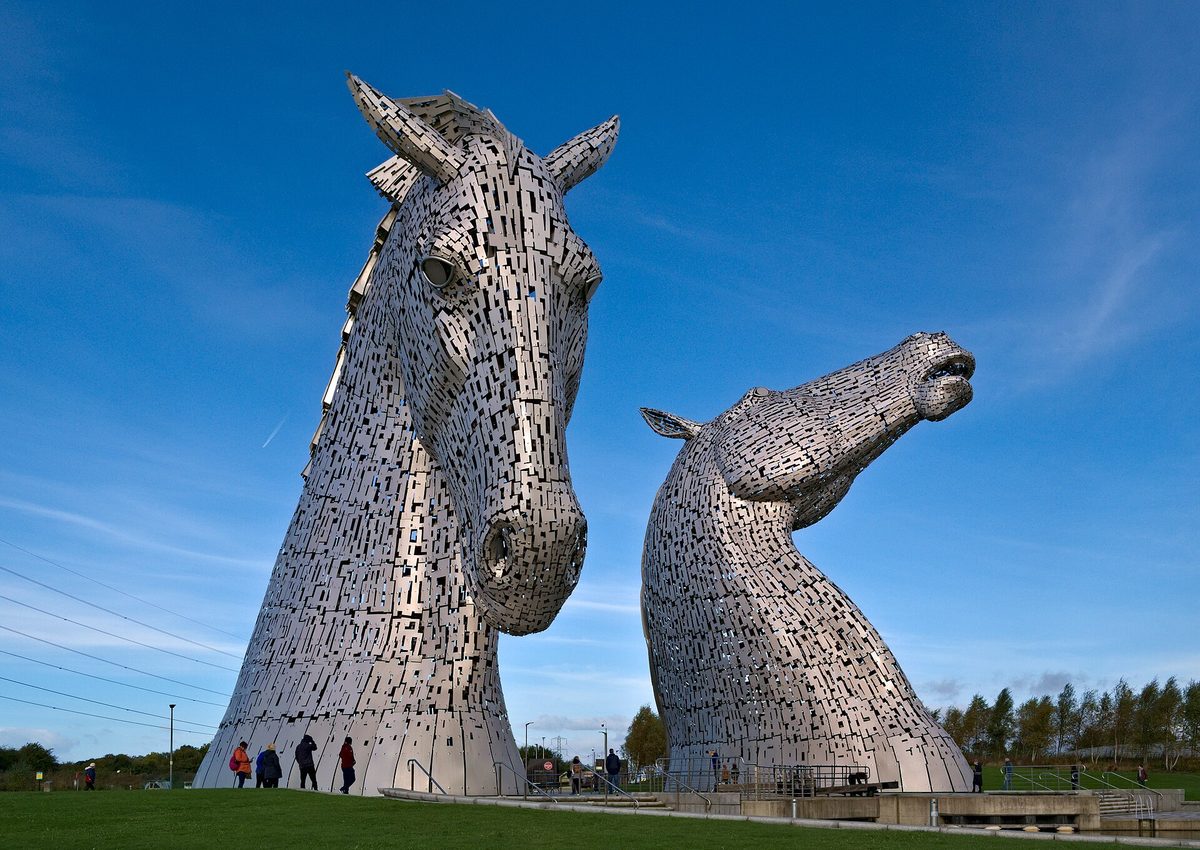
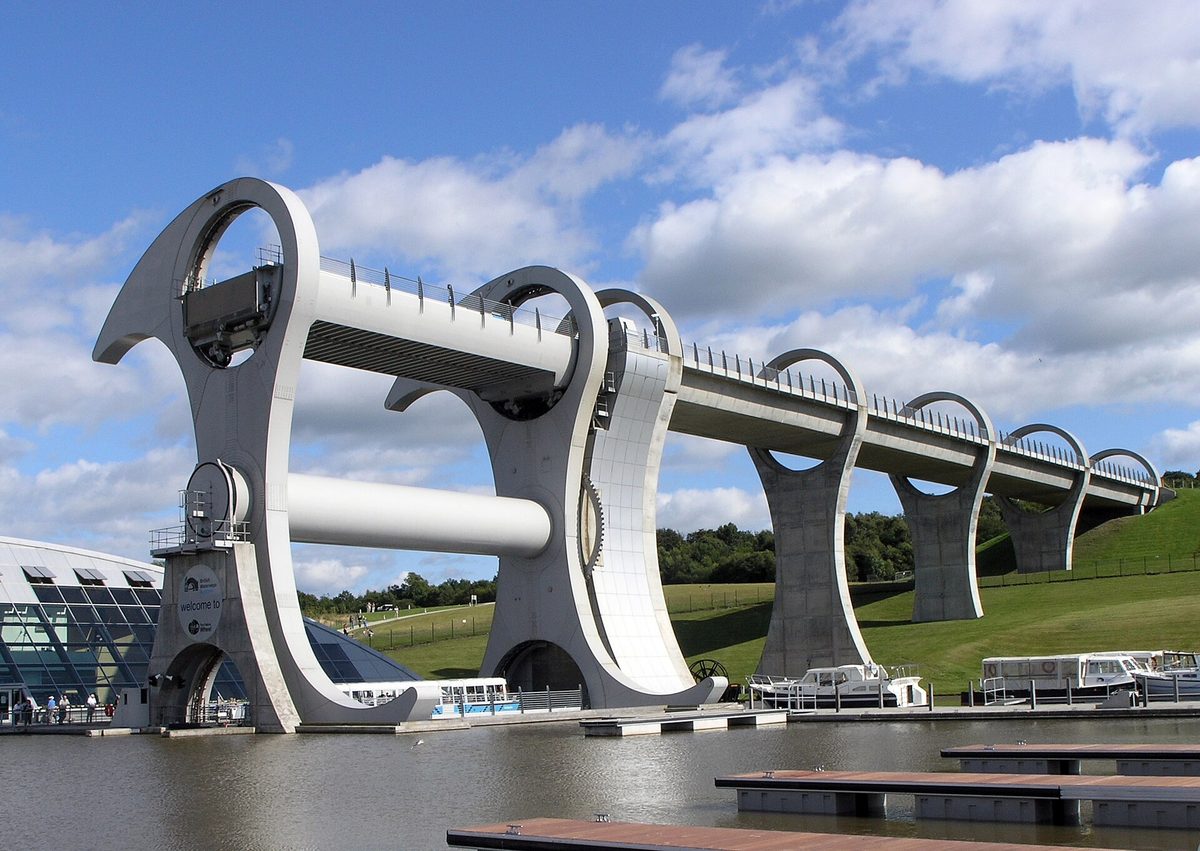
If you’re driving between Edinburgh and Glasgow, or heading north, this strip is where to break the journey. The Kelpies at Falkirk are two thirty-metre horse heads beside the canal, free to walk up to, with a playpark and a cafe. Twenty minutes away, the Falkirk Wheel is a rotating boat lift you can ride on for about £15.70 an adult, or watch turn for nothing.
Blair Drummond Safari Park near Stirling is the full day: a drive-through reserve, a boat to the lemur island, and a big adventure area. Regular tickets run about £23.50 for adults and £16.50 for children aged 3–15, with summer discounts closer to £21 and £14.50. It’s pre-book only — you cannot turn up and pay at the gate — and it closes over winter. Stirling Castle itself is flatter and far less crowded than Edinburgh’s, with a Great Hall painted the colour of a digestive biscuit that children always ask about.
The Cairngorms and Inverness
If I had one week and children under ten, I’d spend four nights of it in or near Aviemore. Nothing else in Scotland packs this much family-shaped activity into a half-hour radius.
The Highland Wildlife Park at Kincraig is a drive-through reserve plus walk-round enclosures, with polar bears and Scottish wildcats; roughly £25 adult and £17.50 child. The Cairngorm Reindeer Centre runs guided hill trips to a free-ranging herd, around £28 an adult, and you walk out onto the hillside to meet them — a proper twenty-minute uphill walk, so not for the very smallest. Loch Morlich has a sandy beach, kayak hire and a flat forest loop. Rothiemurchus has trails, a farm shop and fishing.
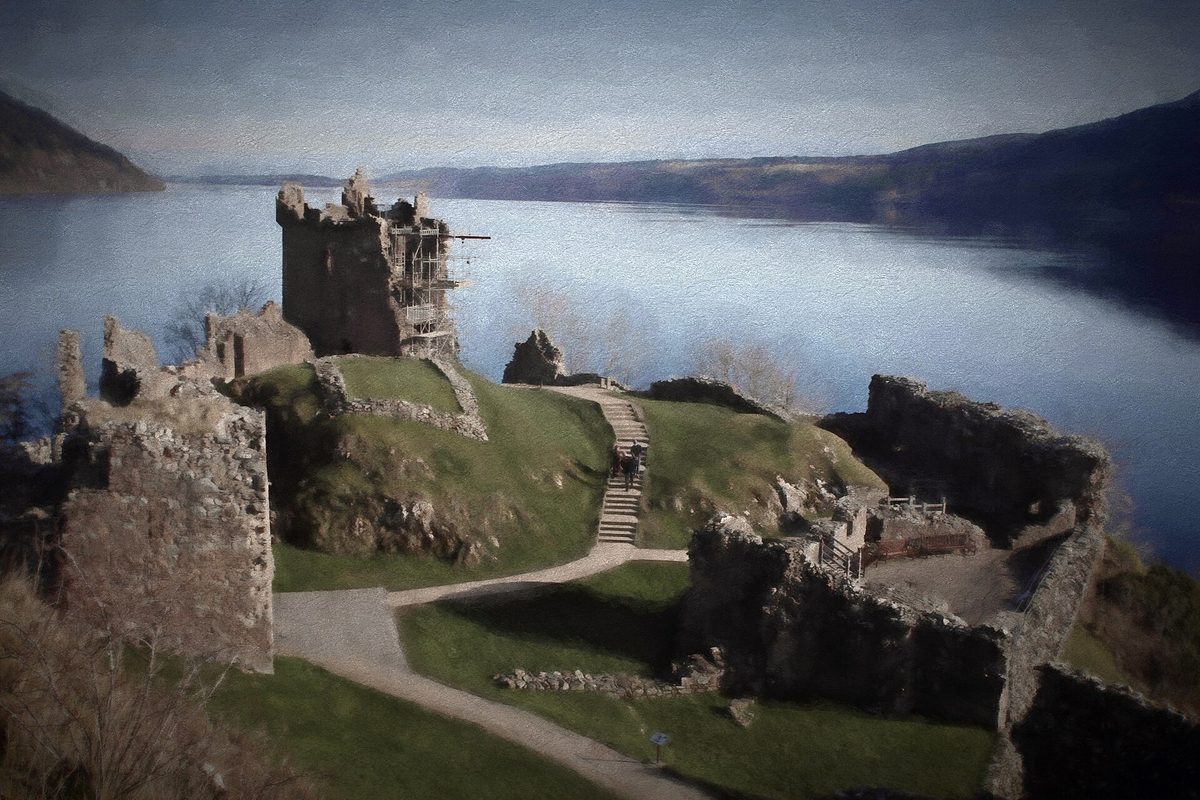
Twenty-five minutes north, Inverness is the base for Loch Ness. Urquhart Castle sits on the shore near Drumnadrochit and is the most photogenic ruin on the loch; boat trips run from Inverness, Dochgarroch and Fort Augustus. Set expectations honestly — you will see a large grey loch. Our Loch Ness and Inverness guide covers which cruises are worth the money.
One more for this corner, and it is free: wild bottlenose dolphins come within a few dozen metres of the shore at Chanonry Point on the Black Isle. Children tend to remember it far longer than a wildlife park. Time it with our Chanonry Point tide guide, because turning up at the wrong state of the tide means seeing nothing at all.
Fort William, Glenfinnan and Skye
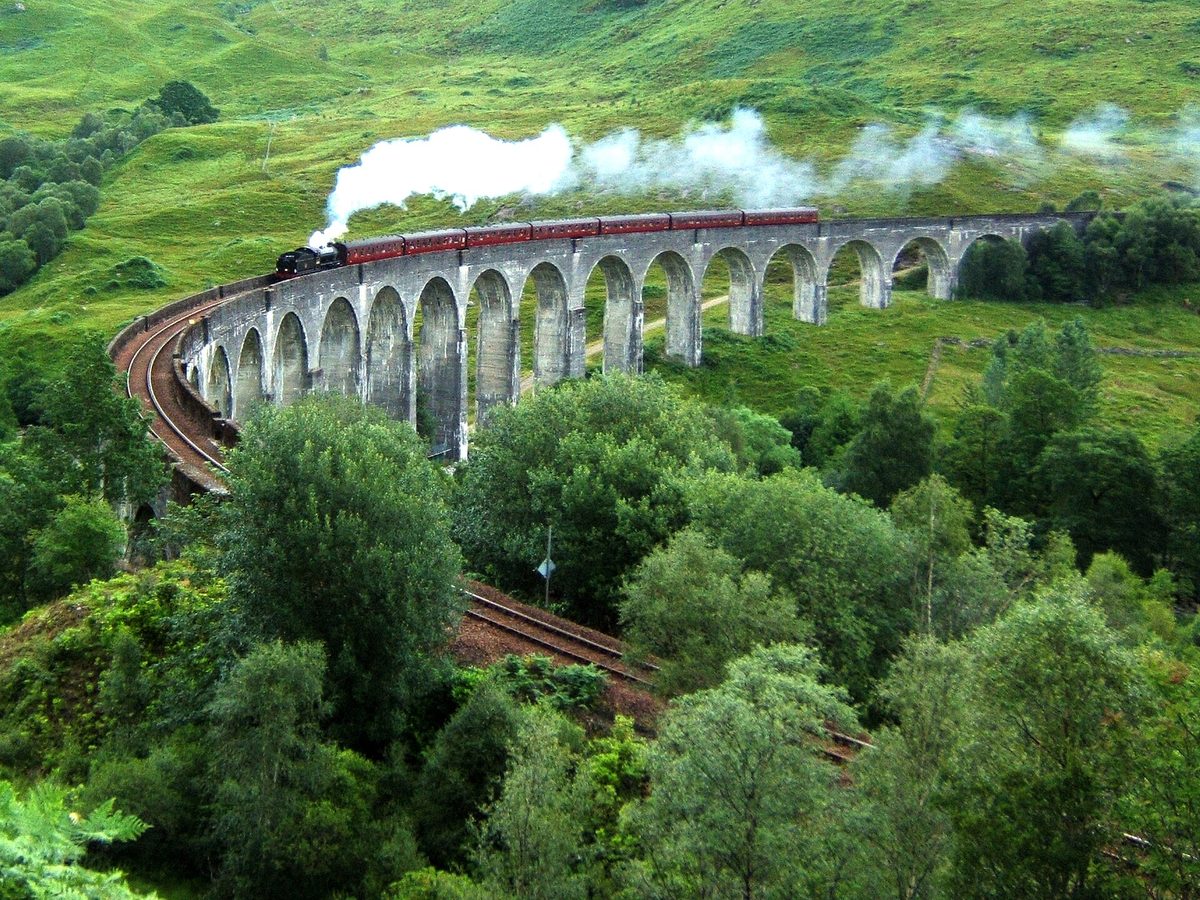
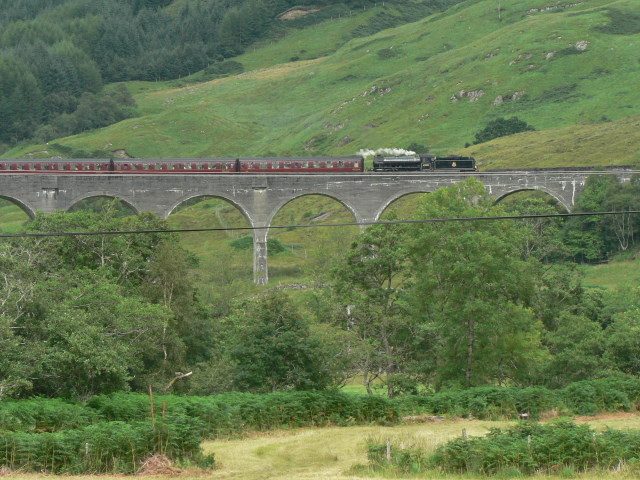
The Jacobite steam train from Fort William to Mallaig is the Hogwarts Express, and it is the single most oversubscribed thing in Scotland. 2026 fares are around £76 an adult and £43 a child for a standard return, plus a booking fee; first class runs closer to £116 and £76. It’s a return-only ticket, children aged 16 and under must travel with a paying adult, and the season runs roughly June to October. Book months ahead. It is a long day — about two hours each way plus a couple of hours in Mallaig — which is why I’d put it at six and above.
If you miss out, park at Glenfinnan and watch it cross the viaduct for free instead. Check the timetable, arrive forty minutes early, and walk the short uphill path to the viewpoint. Honestly, the watching is better than the riding, because you can see the thing you came to see.
Skye is beautiful and it is hard work with small children: single-track roads, full car parks, few facilities and, as above, nothing to do when it rains. Give it two nights minimum, not a day trip from Inverness, and read the Isle of Skye guide before you commit. If you want island scenery with an easier surface, Arran and Mull are more forgiving with young children than Skye in high season.
Walks that work with small legs — and the ones that don’t
Scotland is great for family walking, but only if you pick correctly. Here’s the honest sort.
Genuinely easy, including with a buggy
The Hermitage near Dunkeld is the best short walk in Scotland with young children: a wide gravel path through Douglas firs to Ossian’s Hall, a folly balanced over the Black Linn falls, about a mile and a half round trip. An all-terrain buggy will do it. Car park charge applies.
Loch an Eilein in Rothiemurchus is a flat 4.5km loop round a loch with a ruined castle on an island in it — big-wheeled buggies fine, umbrella-folds a struggle. Corrieshalloch Gorge near Ullapool gives you a Victorian suspension bridge over a 45-metre drop in about ten minutes from the car park, which is a very high thrill-to-effort ratio. Loch Morlich’s shore path and the Falls of Dochart at Killin are both five-minute wins.
Doable from about six or seven
The Fairy Pools on Skye are a 2.4km round trip, roughly forty minutes each way on a rebuilt path, with stepping-stone river crossings that become genuinely impassable after heavy rain. There’s a paid car park and no shelter. Fine at seven, miserable at three.
Conic Hill above Balmaha is about 4km return with 300 metres of climbing — steep, but short, with a Loch Lomond view that earns it. The Whangie near Loch Lomond is a rock corridor children love, on a boggy 2.5km path. The Glenfinnan viewpoint is fifteen to twenty minutes uphill on rough ground.
Not with small children, whatever the internet says
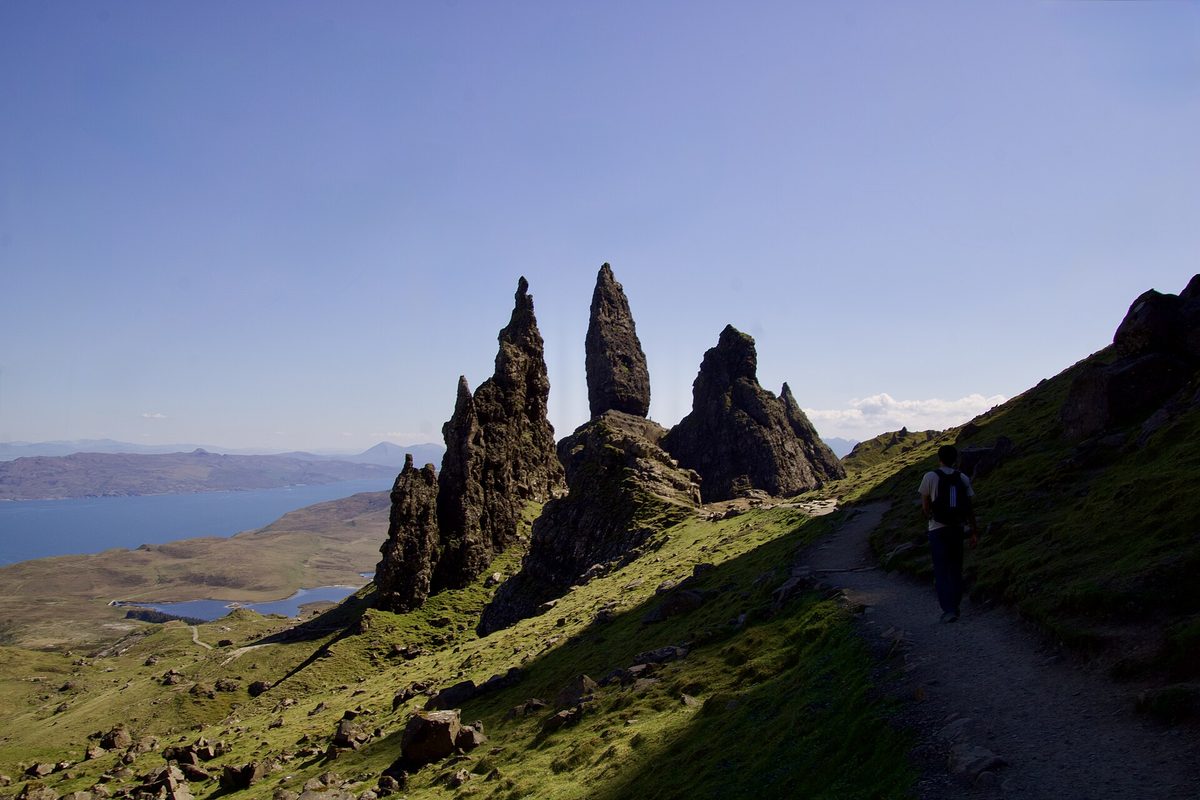
The Old Man of Storr is 3.8km round trip and typically an hour and a quarter, but it is relentlessly uphill on loose ground and the car park costs around £6 for six hours. I’d say eight and up, or a carrier. The Quiraing has exposed sections with a real drop and very limited parking. The Steall Falls gorge path in Glen Nevis has a long, unfenced drop to the river.
And Ben Nevis is not a family walk. It is 1,345 metres, seven to nine hours return, and the summit plateau is a serious place in bad visibility. One popular guide suggests Munro bagging as a family activity; some Munros are fine for fit teenagers with proper kit, but nobody should be reading “there is no such thing as an easy Munro” and hearing “take the five-year-old”. There’s plenty more on grading routes properly in our guide to walking and hiking in Scotland.
Driving with children: what the map doesn’t tell you
Scotland looks small. It drives large. Roughly speaking, and with no stops:
- Edinburgh to Glasgow — about 50 miles, an hour and a quarter by car, 50 minutes by train
- Edinburgh to Inverness — about 157 miles up the A9, three and a quarter hours
- Edinburgh to Fort William — about 145 miles, three hours
- Glasgow to Oban — about 95 miles, two and a quarter hours
- Inverness to Portree on Skye — about 110 miles, two and a half hours
- Fort William to Mallaig — about 42 miles, an hour and ten
Now add children. My working rule is fifty per cent on top of whatever the satnav says, because you will stop for the loo, you will stop for the coo in the field, and you will stop because someone has dropped something. A three-hour drive is a four-and-a-half-hour day. Plan two of those in a week, not five.
Three specifics worth knowing. The A9 between Dunblane and Inverness is average-speed camera controlled for most of its length, so there is no making up time. The A82 along Loch Lomond and through Glencoe is narrow and endlessly twisty — it is the road that makes children car sick, so sit the susceptible one in the front if they’re old enough. And single-track roads with passing places are much slower than they look; assume 25mph, not 50.
By train, children under five travel free on ScotRail and 5–15s pay half fare, and there are periodic offers letting up to four children travel for a pound each with an adult. That makes Edinburgh–Glasgow, Glasgow–Oban and the West Highland Line to Mallaig cheap family days out in their own right. Our guide to getting around Scotland goes into the passes in detail.
What it costs, and how to spend a lot less
A family of four doing one paid attraction a day will spend somewhere between £60 and £90 on tickets alone. Over a week that is real money, and it is avoidable.
The passes are the biggest lever. A Historic Environment Scotland Explorer Pass for the 2026 summer season costs £100 for a family of two adults and up to three children aged 7–15, valid for fourteen consecutive days, and covers Edinburgh Castle, Stirling Castle, Urquhart Castle and dozens more. Two castle visits and it’s already paying. National Trust for Scotland membership works the same way for Culzean, Glencoe, Brodick and the rest, and includes the car parks, which are £4 a time at places like Glencoe.
Then there’s the free layer, which in Scotland is unusually good. Nearly every public museum and gallery in Edinburgh, Glasgow, Dundee and Aberdeen is free. So are the beaches, the forest trails, the Kelpies, the Falls of Dochart, and most of the country’s ruined castles. We’ve pulled the best of it together in a full guide to free things to do in Scotland, which is worth a read before you book anything.
Two more savings. Book online — the gate price is routinely £2–3 more per person. And self-cater: eating out for four twice a day in tourist Scotland is brutal, whereas a cottage kitchen plus one good pub meal every other night is both cheaper and calmer. There’s more on choosing a base in our guide to where to stay in Scotland.
What underwhelms children, even though it’s sold to families
Nobody writes this section, so here it is.
Whisky distilleries. They appear on every family list. Most will not admit under-18s to a tour at all, and the ones that do won’t let a child into the tasting room. It is an adults-only day dressed up as a cultural experience. Save the distillery visits for a trip without the kids.
Culloden, for under-eights. The visitor centre exhibition is superb and the battlefield is moving. To a six-year-old it is a large grey field with flags. From about nine or ten it starts to land properly, and the children’s trail is well done.
The Scott Monument. 287 steps in a spiral so tight that adults have to turn sideways. No pushchairs, obviously, and small children find it frightening rather than fun.
Standing stones. Callanish and Clava Cairns are remarkable and children give them about four minutes. Fine as a stop, not as a destination.
Loch Ness itself. The loch is 23 miles of dark water with a road down one side. The exhibition at Drumnadrochit is worth doing; the cluster of gift shops around it is not; and the boat trip is a boat trip. Manage expectations out loud, in the car, before you arrive.
Glenfinnan when no train is due. It’s a bridge. Check the timings.
Edinburgh in August with a pushchair. The Fringe is wonderful and the Royal Mile becomes physically impassable with a buggy. If you’re going during the festival season, use the carrier and go early.
The common thread: children need to do something, touch something or climb something. Anything that asks them to look respectfully at an object behind glass has about eight minutes in it.
Planning the trip: how long, when, what to book
Seven to ten days is the sweet spot. Two bases, not four. A realistic first trip: three nights Edinburgh, four nights in the Cairngorms, and if you have longer, add three in Glasgow or on Arran rather than pushing further north-west.
For timing, late May to early June is the best window — long days, fewer people, and the midges haven’t properly started. July and August bring school holidays, full car parks and the worst of the midges on the west coast. September is quieter and often clearer, but the light goes fast by the end of the month. There’s a fuller breakdown in our guide to the best time to visit Scotland.
Book these ahead, in this order: the Jacobite steam train (months), self-catering for July and August (months), Edinburgh Castle (weeks), CalMac ferries if you’re taking a car to an island (weeks, and February for August sailings), and Blair Drummond, which doesn’t sell at the gate at all. Everything else you can do a few days out.
Pack waterproof trousers, wellies and a spare complete set of clothes per child in the boot. Midge repellent from June to August if you’re going west, and a head net if you’re camping. And if you want a ready-made route rather than building your own, our Scotland itinerary ideas and the wider list of things to do in Scotland will give you a frame to hang the family days on.
Frequently asked questions
What is the best age to take children to Scotland?
Six to twelve, comfortably. They can walk far enough to reach the good places, they still find animals and castles exciting, and they’re old enough to sit through a three-hour drive. Under-fives are perfectly doable if you stay in the central belt and the Cairngorms and keep drives under two hours. Teenagers need activities booked in, not scenery.
Is Scotland expensive for a family holiday?
Accommodation and eating out are the expensive parts; the sightseeing needn’t be. Every national museum is free, as are the beaches, forests and most ruined castles. A family of four can easily spend £80 a day on tickets, or almost nothing, depending on the choices. Passes and self-catering are the two big savings.
What is there to do in Scotland with kids when it rains?
In Edinburgh and Glasgow, plenty — the free national museums, the science centres, Camera Obscura, Dynamic Earth, swimming pools. In Dundee, V&A Dundee and Discovery Point. In the Highlands it’s thinner: Landmark Forest Adventure Park, the Loch Ness Centre and leisure pools. On Skye, honestly, almost nothing indoors at all.
Do you need a car in Scotland with children?
For the Highlands and islands, yes, unless you’re taking a guided tour. For Edinburgh, Glasgow, Stirling, Dundee and the east coast, no — the trains are good, under-fives travel free and 5–15s pay half. A common compromise is a few days car-free in the cities, then a hire car for the Highland leg.
How many days do you need in Scotland with kids?
Seven to ten. Fewer than five and you’ll spend a third of it driving. Use two bases, not four, and build in one deliberately empty day per week — a beach, a playpark, a swimming pool — because that’s the day everyone remembers and it’s the day nobody plans.
What is the best month to visit Scotland with children?
Late May and early June. Daylight runs past ten at night, the schools haven’t broken up, the roads are quiet and the midges are only just waking up. August is the busiest and buggiest. If you must travel in the school holidays, book accommodation and the big-ticket attractions months in advance.
Can children go into pubs and restaurants in Scotland?
Usually yes, but it varies by venue rather than by law — each licensed premises sets its own rules, and many allow under-14s until early evening when food is being served. Family-friendly pubs are common outside city centres. If it matters, ring ahead; the answer is different in a Highland hotel bar and a Glasgow city pub.
Is the Isle of Skye worth it with young children?
With under-sevens, I’d be cautious. The walks are longer and rougher than the photographs suggest, the car parks fill by 10am in summer, facilities are sparse and there is essentially nothing to do indoors when it rains. From eight upwards it’s wonderful. Give it two or three nights, never a day trip.
Final thoughts
The thing I’d go back and tell myself is that Scotland rewards doing less. The families who come home saying it was the best holiday they’ve had are almost never the ones who saw the most castles. They’re the ones who found a beach with nobody on it, spent three hours there, and let the rest of the plan collapse.
So pick two bases. Pick attractions that match the ages in the car rather than the ones with the best photographs. Buy the waterproof trousers. Decide now what you’ll do on the wet day, because there will be a wet day. And leave room for the Highland cow in the field, the one that isn’t on any itinerary and that everyone will still be talking about at Christmas.
If you’re still deciding where to point the car, the country’s most beautiful places and its best beaches are a good place to start — and a fair few of them cost nothing at all to visit.
Edinburgh deserves its own plan with children in tow, mostly because the Old Town is a hard city to push a buggy around. Our guide to Edinburgh with kids bands every attraction by age and maps the step-free routes between the Royal Mile and Princes Street that save you a fight on the setts.
Families usually do better with a kitchen than a hotel dining room. Our guide to self-catering cottages in the Highlands covers what to check before you book.
About the author: This guide was written and is maintained by the ScotlandTourism.org editorial team — travel writers who’ve spent years exploring Scotland’s cities, Highlands and islands, from bagging Munros to chasing the perfect dram. We update our guides regularly to keep prices, opening details and advice current.
Last updated: August 2026. Prices and opening times change — always check the official site before you travel.
Photo credits
All images are used under their respective Creative Commons or public-domain licenses:
- Hairy Coo — Anthony O’Neil, CC BY-SA 2.0, via Wikimedia Commons
- National Museum — Brian McNeil, CC BY-SA 3.0, via Wikimedia Commons
- Edinburgh Castle — Peulle, CC BY 4.0, via Wikimedia Commons
- Waverley Clyde — dave souza, CC BY-SA 4.0, via Wikimedia Commons
- Loch Lomond — Ad Meskens, CC BY-SA 3.0, via Wikimedia Commons
- Kelpies Falkirk — Daniel Kraft, CC BY-SA 4.0, via Wikimedia Commons
- Urquhart Castle — BIG ALBERT, CC0, via Wikimedia Commons
- Glenfinnan Viaduct — de:Benutzer:Nicolas17, CC BY-SA 2.5, via Wikimedia Commons
- Storr Skye — Lauwz The Kiwistralian, CC0, via Wikimedia Commons
- Falkirk Wheel — Sean Mack, CC BY 2.5, via Wikimedia Commons

2 notes from readers