The first time I planned a Scottish trip properly, I did it the way everyone does: I counted the nights on my booking confirmation, called it eight days, and built a route to match. I lost the first day to a red-eye and a hire-car desk, the last one to a 06:00 alarm, and one in the middle to horizontal rain in Wester Ross. The eight-day trip was a five-day trip wearing a disguise.
So when someone asks me how many days in Scotland they need, I don’t start with a number. I start with subtraction. Work out what you actually get, price each region in days the way you’d price it in pounds, then see what your calendar can afford. Do that and the answer stops being a guess.
How many days in Scotland? The short answer
Seven full days is the honest minimum for Edinburgh plus a proper run through the Highlands. Ten gives you Skye without rushing. Twelve to fourteen buys islands. Below five you should pick one region and stay there. In December, subtract two to three days from any of those figures — the daylight simply isn’t there.
Scotland day costs at a glance
Here is the table I actually use. Treat these as the minimum a place needs before it repays the drive to get there, not as a ceiling.
| Region | Days needed | Days to do it well | What eats the time |
|---|---|---|---|
| Edinburgh | 2 | 3 | Castle queues, the vertical Old Town, one museum too many |
| Glasgow | 1 | 2 | Galleries and Mackintosh buildings spread across the city |
| Loch Lomond, Trossachs & Stirling | 1 | 2 | Nothing much — this is the easy one |
| Glencoe & Fort William | 1 | 2 | Weather; the good walks are half-day walks |
| Isle of Skye | 3 | 4 | Two hours of driving before you reach anything, plus cloud |
| Inverness, Loch Ness & Cairngorms | 1 | 3 | Distance between sites; the Cairngorms deserve a full day |
| North Coast 500 | 5 | 7 | 516 miles of single-track and 25mph averages |
| Orkney | 2 | 3 | Ferry or flight at each end, both weather-dependent |
| Outer Hebrides | 3 | 5 | A 2.5-hour crossing, then 130 miles of island chain |
| Speyside (whisky) | 2 | 3 | Two distillery tours a day is the sane maximum |
Add up the regions you want, apply the deductions below, and you have your number. If you’d rather see the finished shapes those numbers make, our complete guide to planning a Scotland itinerary lays out the routes region by region.
Start by subtracting: the days you don’t actually get
This is the part every other guide skips, and it’s the part that ruins trips. A ten-day booking is not ten days of Scotland.
The arrival day is not a day
If you’re flying in from North America, you’ll almost certainly be on an overnight, landing at Edinburgh or Glasgow somewhere between about half six and ten in the morning. Then: passport queue, baggage, the hire-car shuttle, the hire-car desk, the twenty minutes working out which side of the multi-storey your Vauxhall is on, and the first fifteen miles of driving on the left while running on four hours of aircraft sleep.
By the time that’s done it’s midday and you’ve been awake since yesterday. Do not put a three-hour drive after it. Book a hotel in the city you land in, walk somewhere flat, eat early, sleep. Count that day as a half at best, and zero if you’re honest.
Coming from within the UK or Europe changes the maths. A morning flight from London lands before eleven and you genuinely do get an afternoon. Arriving by train into Edinburgh Waverley, which drops you in the middle of the Old Town, is the single most efficient way to start a Scottish trip — you’re sightseeing forty minutes after you step off.
The departure morning is worth less than you think
Most transatlantic returns leave in the late morning, which means an airport arrival around 08:00, which means a 06:30 hotel checkout, which means the last night has to be spent within an hour of the airport. That doesn’t just cost you the final morning — it costs you the previous evening too, because you’ve had to drive back from wherever the good stuff was.
Budget a full day for the return leg if you’re flying out of Edinburgh or Glasgow and your last stop was north of Perth. Inverness Airport helps here if your route ends in the Highlands, though the connections are fewer.
One day a week goes to weather
Not lost, exactly — downgraded. In a Scottish week you can reasonably expect one day where the cloud sits at 200 metres and the view you drove for is a grey wall. I plan for it now. It’s why I’d rather spend three nights on Skye than two: three nights buys two full days, so a write-off still leaves you one. Two nights buys one full day, and a bad one means you saw a car park.
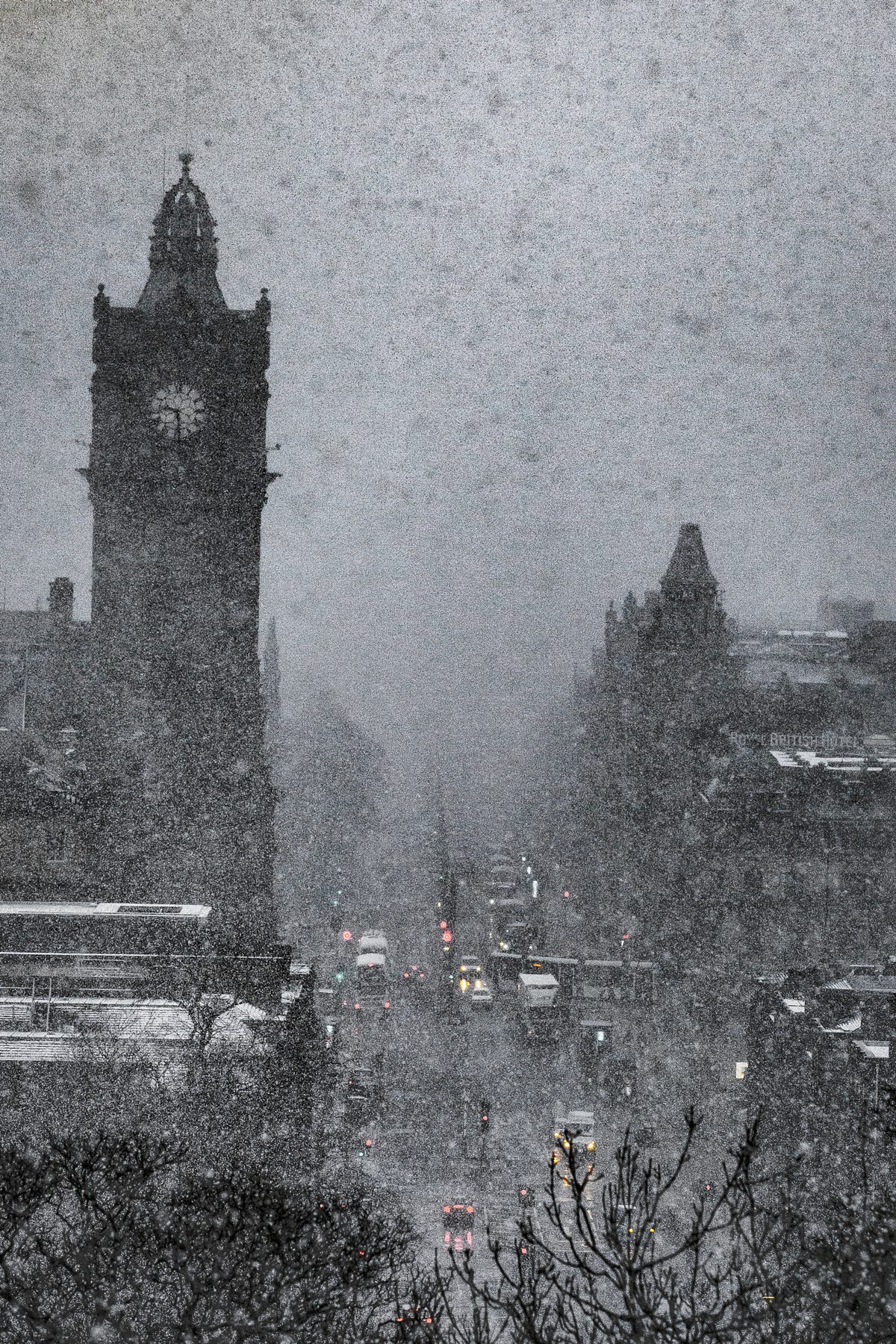
Daylight is a budget line, and in winter it’s brutal
This is the deduction that changes the answer by whole days, and almost nobody costs it.
On 21 December, Inverness gets about six hours and thirty-five minutes of daylight. The sun comes up around 08:55 and it’s gone by about 15:35, and on an overcast day the useful light is shorter still at both ends. Edinburgh, a couple of degrees further south, does slightly better at just under seven hours.
On 21 June, Inverness gets a shade over eighteen hours, and the sky never properly darkens. Edinburgh gets about seventeen and a half.
Run the numbers on that. A June day gives you roughly two and three-quarter times the usable light of a December day. A Highland route that works comfortably in seven summer days needs nine or ten in midwinter, because you cannot drive the A82 through Glencoe, walk anything, and see Eilean Donan between nine and half three. You’ll do one of those things, not three.
The shoulder months sit in between and are the most useful thing to understand about Scottish trip length. Mid-October at Inverness gives you about ten and a half hours — enough for a proper day, with autumn colour thrown in. Early November drops to around nine. By early February you’re back to eight and a quarter and climbing fast.
If you’re weighing months against each other, read our breakdown of the best time of year to visit Scotland alongside this one, and if you’re set on a December or January trip, our guide to Scotland in winter is honest about what closes and what stays open.
What each region actually costs in days
Days are the currency. Here’s what things cost.
Edinburgh: two days, three if you like museums
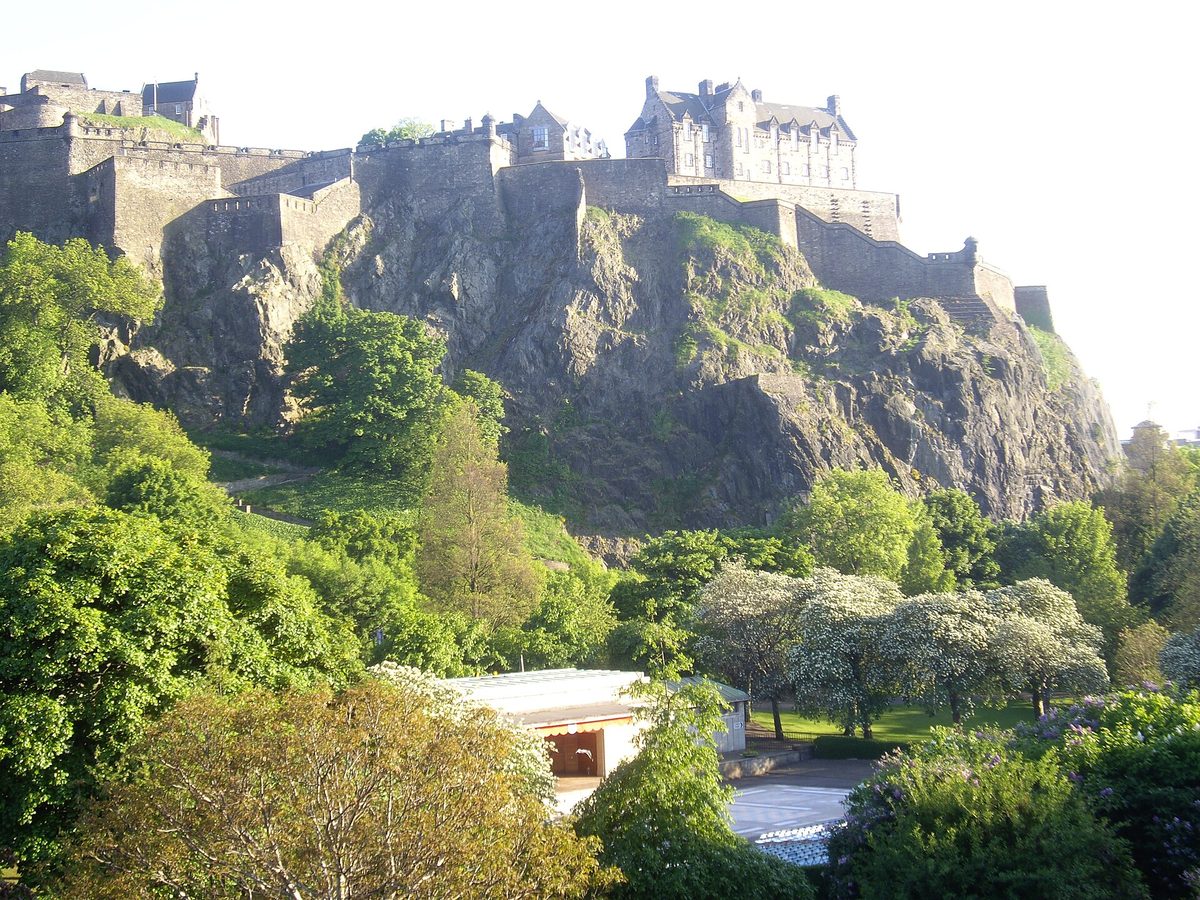
Day one is the Old Town spine — the castle, the Royal Mile down to Holyrood, and a climb up Arthur’s Seat or Calton Hill for the view that makes sense of the geography. Day two is the New Town, the National Museum of Scotland, and whichever of the city’s oddities appeals: the vaults, Dean Village, the Botanics.
One day is possible and I’ve done it, but you’ll be choosing between the castle and the palace rather than doing both. Our two-day Edinburgh plan is the version I’d actually recommend, and for everything else the city holds, our Edinburgh travel guide has the detail.
A note on the castle: it takes two hours minimum, three if you’re thorough, and the timed-entry slots sell out weeks ahead in July and August. Tickets were north of £20 a head at the time of writing — check the current price when you book.
Glasgow: one day, two if you care about art or music
Glasgow is a day trip from Edinburgh by train — fifty minutes, several an hour. That’s how most people fit it in, and for a first visit it’s fine. Kelvingrove, the Mackintosh buildings, a wander round the Merchant City and you’ve had the measure of it.
Give it two nights and you get the thing Glasgow is actually good at, which is evenings. Our Glasgow guide makes the case better than I can here.
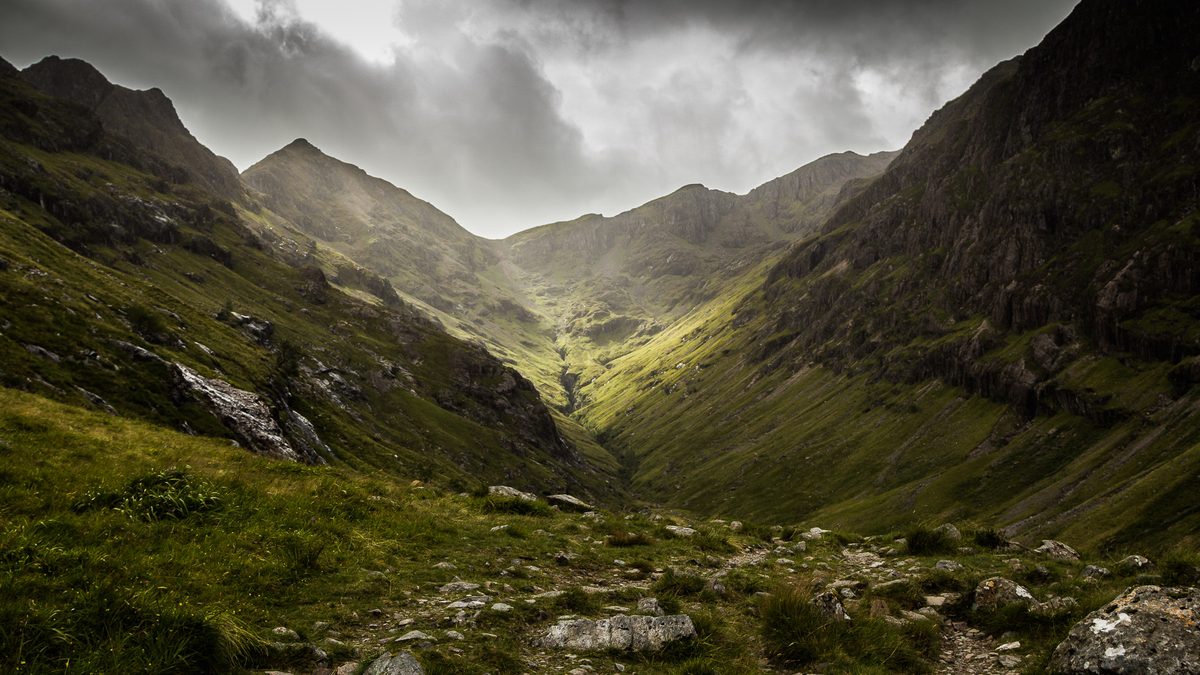
Glencoe and Fort William: one day minimum, two to walk
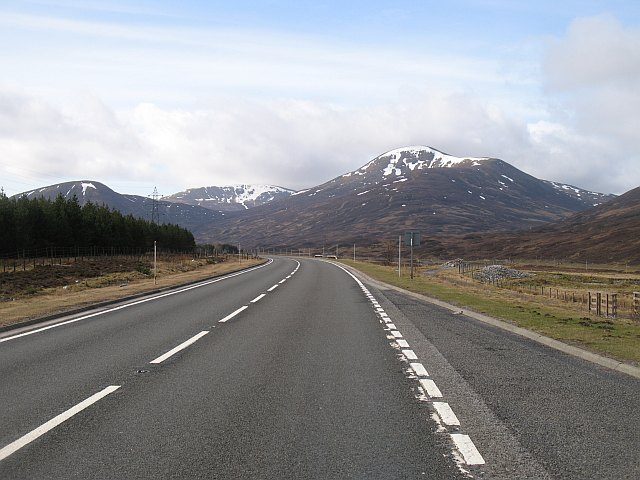
Driving the A82 through Rannoch Moor and down into Glencoe takes about forty minutes of actual driving and about two hours of real time, because you will stop. The viewpoint at the Three Sisters, the Glencoe Visitor Centre, the road down to the loch — that’s a morning.
If you want to walk into the Lost Valley or up the Pap of Glencoe, that’s a separate day. If you want Ben Nevis, that’s a full day and then some: eight to nine hours on the mountain track for most people, and it needs a weather window.
Isle of Skye: three days or don’t bother
I’ll be blunt about this one because I see it go wrong constantly. Skye is not a day trip and it barely works as an overnight.
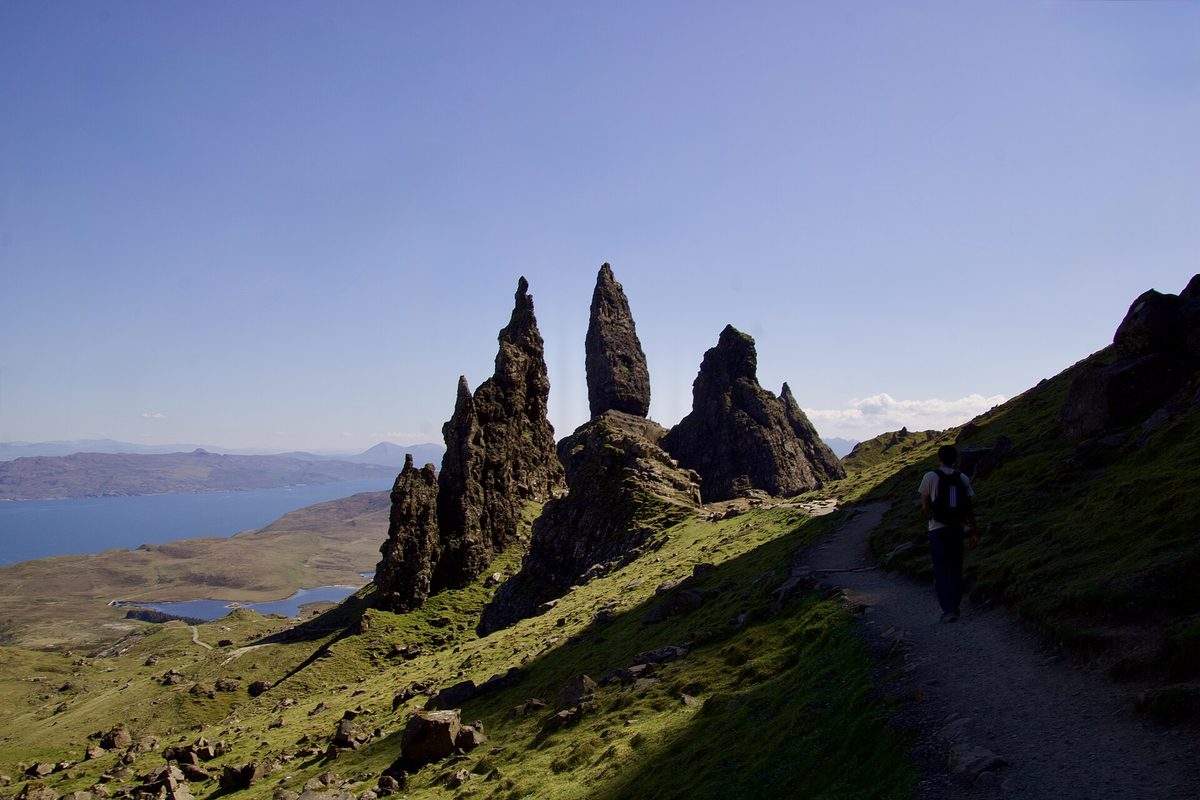
From Edinburgh to Portree is about 230 miles and somewhere between five and a half and six hours of driving without stops. From Inverness it’s around 110 miles and two and a half hours. Once you’re on the island, Portree to Neist Point is an hour each way; Portree to the Quiraing is forty minutes; the walk up to the Old Man of Storr is ninety minutes return before you’ve stopped to look at anything.
Two nights on Skye gives you one full day, and if that day is cloudy — and cloud sits on the Trotternish ridge more often than not — you’ve driven eleven hours round trip for nothing. Three nights gives you two full days, so one bad one still leaves a good one. That’s the minimum that makes the arithmetic work.
The bridge at Kyle of Lochalsh is free, incidentally, and has been since the tolls came off in 2004, so the crossing itself costs you nothing but the drive. Our Isle of Skye guide goes through the individual sites and what each one takes.
Inverness, Loch Ness and the Cairngorms: one to three
Loch Ness is a stop, not a destination. Urquhart Castle is worth ninety minutes and the loch itself is worth the drive along the A82, but a whole day there is a day wasted. Bundle it with your run north and you’ve spent half a day, which is right. Our Loch Ness and Inverness guide sets sensible expectations.
The Cairngorms are the underrated bit. Aviemore, the Rothiemurchus pinewoods, the funicular up Cairn Gorm, the reindeer herd — that’s a genuine full day and it’s the part of the Highlands that most first-timers skip because Skye has better publicity.
The North Coast 500: five days minimum, seven to enjoy it
VisitScotland puts the route at 516 miles and suggests allowing five to seven days. I’d go further: five is the survival figure and seven is the one where you stop resenting the car.
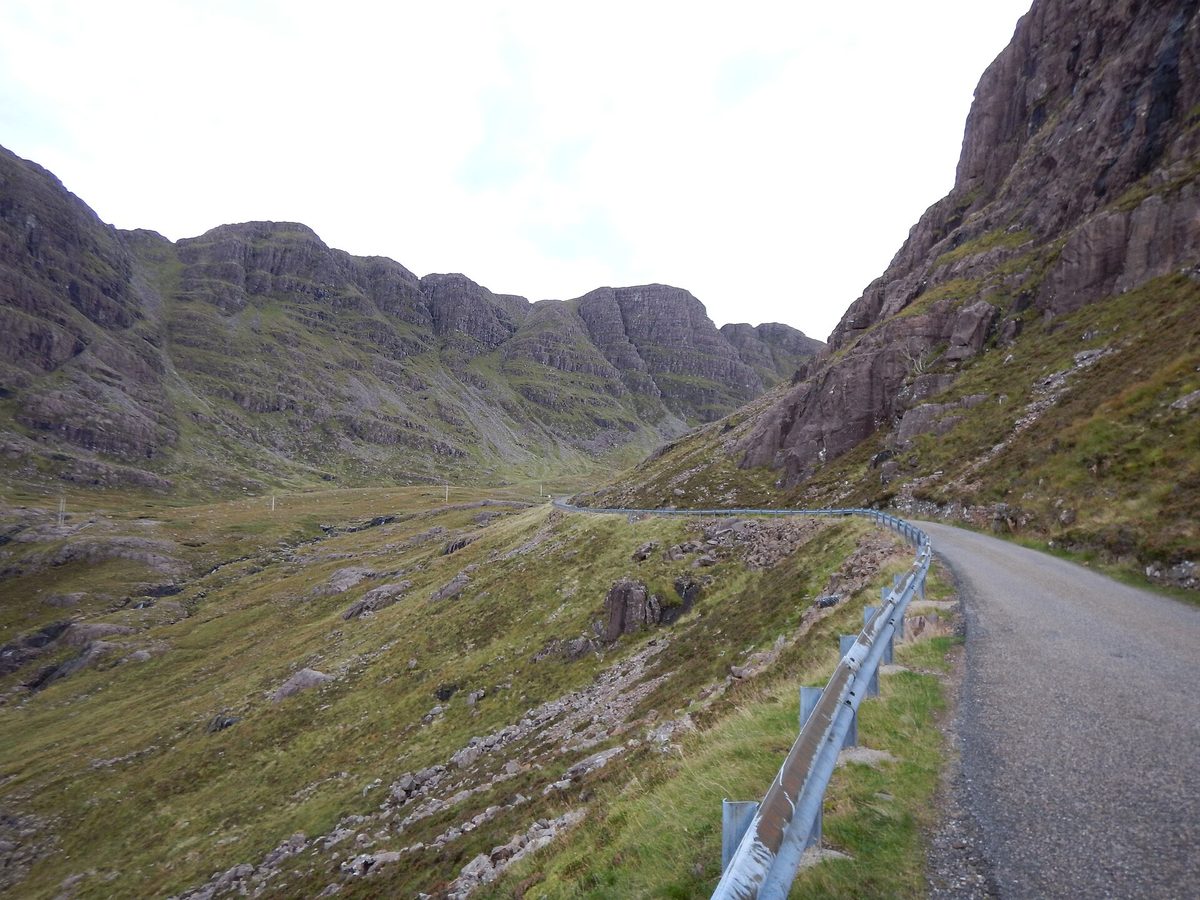
The reason is surface, not distance. Long stretches of the west coast section are single-track with passing places, which means your average speed drops to something like 25mph even where the sign says 60. The Bealach na Bà over to Applecross climbs to around 626 metres in a series of hairpins that you do not hurry. Add a caravan in front of you and a photo stop every ten minutes and a “two-hour” leg becomes four.
Do it in three days and you’ll have driven the North Coast 500 without seeing it. Our North Coast 500 route guide breaks the loop into legs with realistic timings.
Orkney: two days, and both ends are weather-dependent
Orkney costs two days plus the getting there. The short vehicle crossings from the Caithness coast run around an hour to ninety minutes depending on which one you take, and there are flights to Kirkwall from Inverness, Aberdeen, Edinburgh and Glasgow — roughly 45 minutes from Inverness, longer from the central belt. All of them can be disrupted by wind, so build slack in.
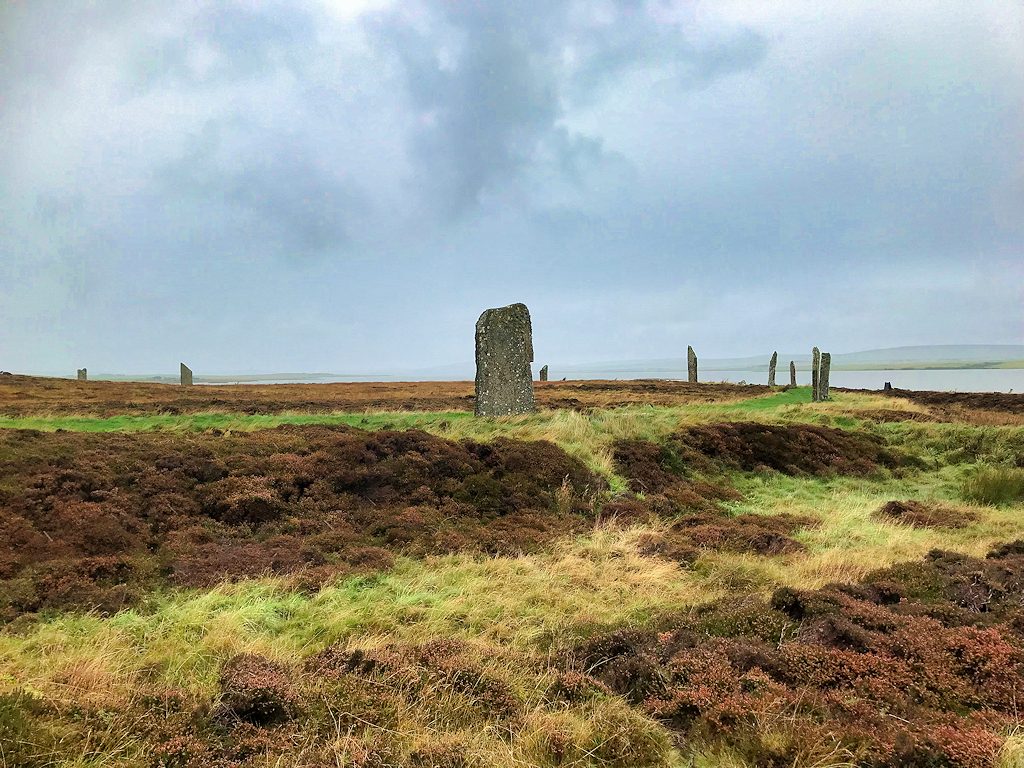
Once there, two full days covers the Neolithic core — Skara Brae, the Ring of Brodgar, Maeshowe, the Stones of Stenness — plus Kirkwall, St Magnus Cathedral and Scapa Flow. Three lets you add Hoy and the Old Man.
Orkney is the single best add-on to an NC500 trip, because you’re already at the top of the country. Bolted onto an Edinburgh-and-Skye route it’s an expensive detour.
Outer Hebrides: three days minimum, five to do it properly
The Ullapool to Stornoway crossing takes around two and a half hours with CalMac, and vehicle check-in closes 45 minutes before departure — miss it and you’re waiting for the next sailing, which may be tomorrow. Summer 2026 fares were £12.75 for an adult foot passenger single and £69.05 for a car, one way, at the time of writing.
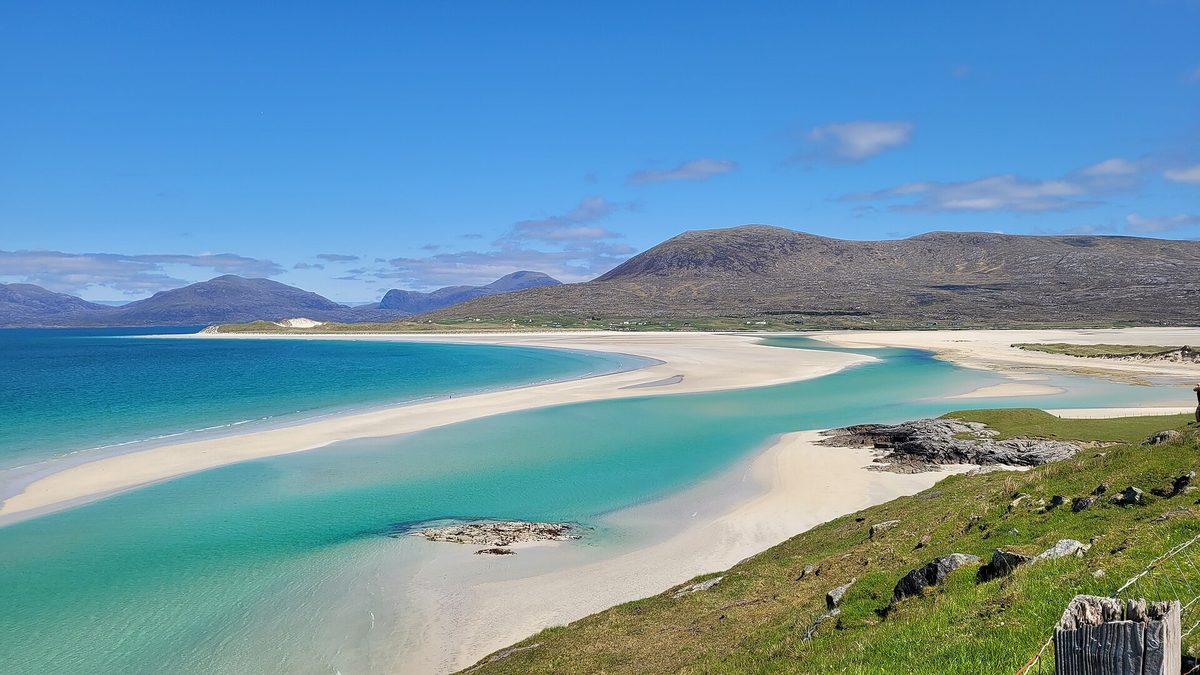
Lewis and Harris alone run about 130 miles end to end on roads that don’t encourage speed. Three days gets you the Callanish stones, Luskentyre beach and the Golden Road. Five gets you down through the Uists to Barra, which is where the island chain gets properly strange and lovely.
Book the ferry the moment your dates are fixed. Summer car spaces on the popular sailings go months ahead. Our Scottish islands guide compares the main groups, and if you’re wondering whether the sand at Luskentyre is worth a 2.5-hour crossing: it is.
Speyside and the whisky regions: two days
Two distillery tours in a day is the maximum before they blur, and that’s assuming someone else is driving or you’re using the driver’s dram system. Speyside has the highest concentration in the country, which means two days based around Dufftown or Aberlour gets you four distilleries and the Speyside Cooperage without much driving between them.
Islay is a different proposition: a two-hour ferry from Kennacraig, and then two or three days once you’re there. Our Scotch whisky distillery guide covers which regions suit which palate.
The driving-hours rule, and how to apply it
Here is the single most useful planning rule I know for Scotland.
More than four hours behind the wheel and it is a transit day, not a sightseeing day. Budget it as travel, tick nothing else off, and don’t be disappointed when nothing else gets done.
Under two hours of driving is a proper sightseeing day with a change of base. Two to four hours is one good stop plus a base change. Over four and you’re a courier.
Now the adjustment that matters: Scottish driving times are not the times your phone gives you. On motorway and dual carriageway — the M8, the M90, the A9 south of Perth — the estimates are broadly right. On single-carriageway A-roads through the Highlands, add about 25%. On single-track with passing places, add 50% or more, and add more again in July and August when everyone else is on the same road.
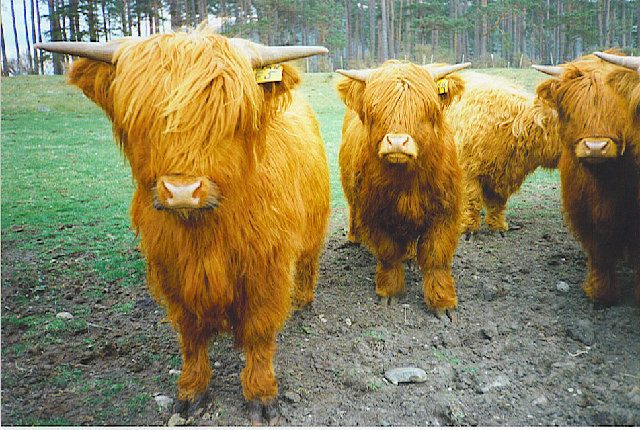
Then add stopping time. Nobody drives past their first Highland cow. Nobody drives past Eilean Donan. A realistic Highland day is roughly one hour of stops for every hour of driving, which is why a three-hour drive fills a day.
A worked example
Take a common seven-day plan: Edinburgh, then Glencoe, then Skye for two nights, then Inverness, then back to Edinburgh.
Edinburgh to Glencoe is around three hours. Glencoe to Portree is about three and a half. Portree to Inverness is two and a half. Inverness to Edinburgh is three and a half on the A9. That’s twelve and a half hours of pure driving, plus stops, spread across seven days — of which one is an arrival day and one is a departure day.
So five usable days, four of which involve a base change. It works, just, but only because no single leg breaks the four-hour rule. Push Skye to three nights and you’d want eight or nine days. Add the NC500 and you’re at twelve.
The fix, when the sums don’t work, is almost never to drive faster. It’s to cut a region. Our seven-day Scotland itinerary shows this route with the timings built in, and the five-day version shows what has to go when you have less.
How many days by traveller type
The number changes depending on why you’re coming. These are the six briefs I’m asked about most.
The first-time visitor: 8 to 10 days
Edinburgh two, Glencoe and the west one to two, Skye three, Inverness and the Cairngorms one to two, plus arrival and departure. That’s eight at a squeeze and ten comfortably. Ten is the length I’d recommend to almost anyone doing this once and wanting to see the headline landscapes without living in the car — our ten-day Scotland itinerary is built exactly to that shape.
The ancestry visitor: 9 to 12 days
This one always needs more days than people expect, because records and places are in different parts of the country. Budget a full day in Edinburgh for the archives — the search rooms are weekdays only, and you’ll want a day pass and a shortlist of names before you walk in. Then budget two to three days for the actual parish, which is rarely near anywhere else you want to go and may be a two-hour drive from the nearest town with a hotel.
Then add the kirkyard, the local heritage centre with its odd opening hours, and the drive back. Ten days is about right, twelve if the family came from more than one county. Do the archive day early in the trip, not late — what you find will change where you want to go.
The walker: 10 days minimum, 14 to bag anything
If you’re here for the hills, the arithmetic is different: you need weather days as spares, not as losses. Scotland has 282 Munros at the last count, and a summit day is a whole day — five to nine hours on the hill plus the drive to the start.
Base yourself rather than touring. Four nights in Fort William, four in Torridon or Kinlochewe, and you’ll walk more than someone doing a fourteen-day loop. If you’re doing the West Highland Way end to end, that’s seven to eight days of walking on its own before you add anything else. Our hiking in Scotland guide has route lengths and grades.
The whisky traveller: 7 to 9 days
Two days Speyside, two or three on Islay, one in Edinburgh at either end, plus travel between them — Speyside to Kennacraig for the Islay ferry is the best part of a day on its own. Seven days covers one region well; nine covers two.
The constraint is not distance, it’s tasting capacity and the drink-drive limit, which in Scotland is lower than in England at 22 microgrammes per 100ml of breath. Plan a designated driver or use the trains and buses for the tasting days.
The family with young children: add 30% to everything
Halve the driving and add days. A three-hour leg with a four-year-old is a four-and-a-half-hour leg. Two bases for a week rather than four, chosen so there’s something to do within twenty minutes of the accommodation on a wet day.
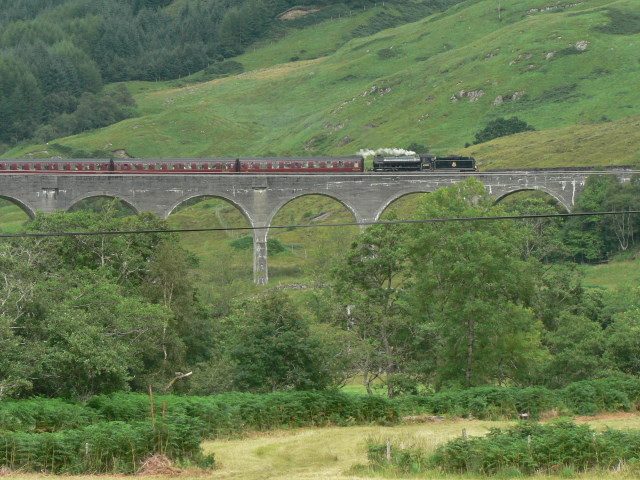
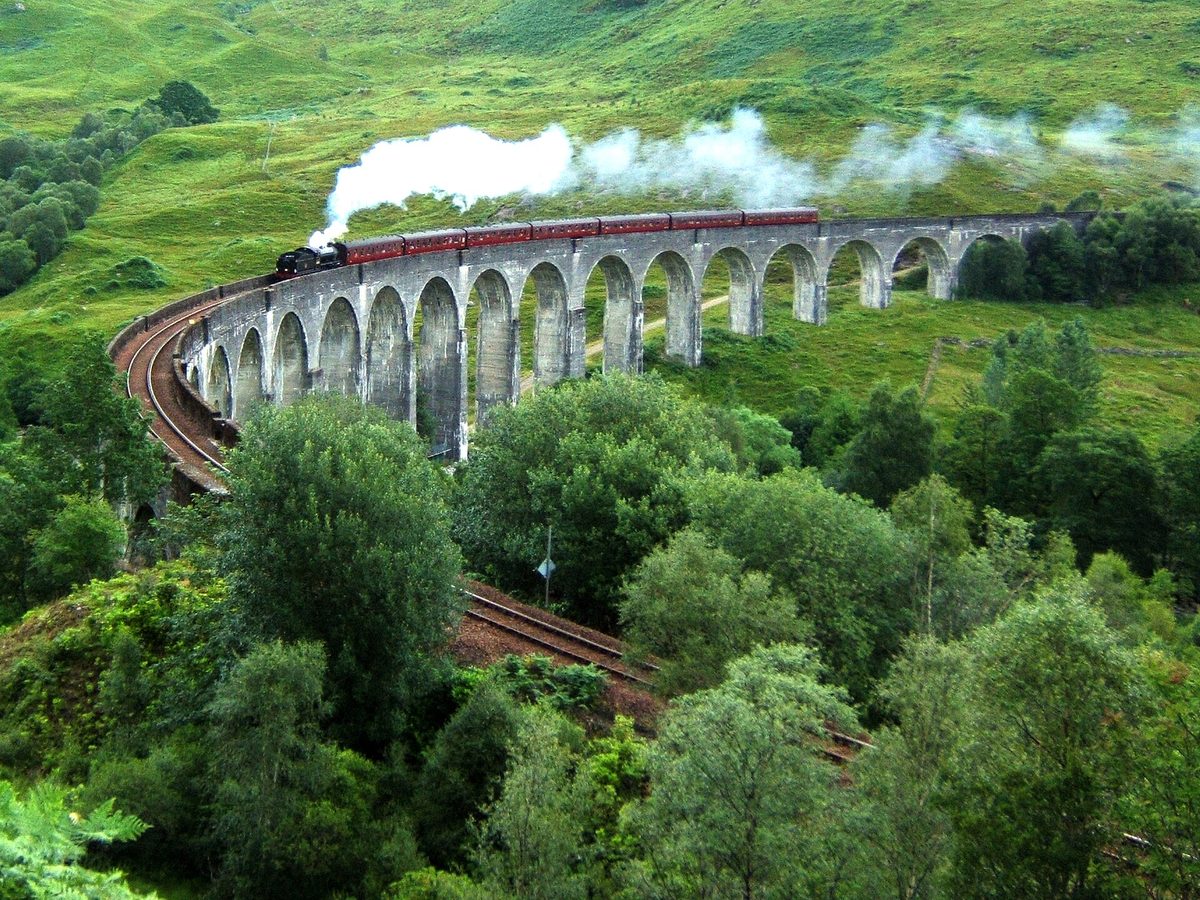
The Jacobite steam train over the Glenfinnan Viaduct, the Cairngorm reindeer, Edinburgh’s Camera Obscura, a castle with a proper drawbridge — these buy you goodwill that a scenic viewpoint does not. Our guide to Scotland with children is built around that principle. Eight to ten days, two or three bases, no leg over two and a half hours.
The returning visitor: 7 to 10 days, one region
If you’ve done Edinburgh and Skye, stop touring. Pick one thing — the Hebrides, Orkney and Shetland, Galloway and the Borders, Argyll and the whisky isles — and give it the whole trip. Seven days in one region beats fourteen days across five, and it’s how you find the Scotland that isn’t in the brochures. A two-week Scotland itinerary works well for this if you can get the time, because it lets you do one region deeply and one lightly.
Planning the practicalities around your number
Once you have a day count, three things need booking in a particular order, and the order matters more than people realise.
Ferries first, if islands are involved. Car spaces on the CalMac summer sailings to Lewis, Harris and Mull go months ahead, and to Orkney the same applies in July. Your ferry dates fix your route; everything else moves around them. Book the moment your flights are confirmed.
Accommodation second. Skye, Ullapool, Applecross and the whole north coast run out of beds in high summer, and the NC500 has made this considerably worse. If you’re travelling June to August, three to four months ahead is not paranoid. Our guide to where to stay in Scotland covers which bases work for which routes.
Hire car third, but don’t leave it late. Scotland’s fleet is small and summer prices climb sharply. Book something with a small engine and a small body — you’ll be grateful on the passing places — and check whether your card’s insurance covers the excess, because the desk upsell is expensive. Automatic transmission is a scarce and pricey option here, so book early if you need one.
Timed attractions last, but still weeks ahead in summer: Edinburgh Castle, the Jacobite steam train, distillery tours with limited group sizes. Everything else can be decided on the day.
If you’d rather not drive at all, that changes your day count upward by roughly 20%, because you’re on someone else’s timetable. Our guide to getting around Scotland compares trains, buses and hire cars honestly, and a guided multi-day tour will handle the driving if that’s the sticking point.
Where the extra day stops paying
Every additional day you add to a Scottish trip is worth less than the one before it, and the drop-off is sharper than you’d think.
Days one to three are worth an enormous amount: they’re the difference between having seen Scotland and having changed planes in it. Days four to seven are still excellent value — each one adds a whole region. Days eight to twelve are good but flattening, because by then you’re adding depth rather than novelty, which is worth having but worth less.
Around day twelve, on a mainland driving trip, the curve goes flat. You’ve seen the Highlands, you’ve seen a city or two, you’ve done the coast, and day thirteen mostly buys you a slightly longer walk. I’ve done sixteen-day mainland trips and the last four days were pleasant rather than necessary.
The exception, and it’s a big one, is islands. Adding Orkney or the Outer Hebrides restarts the curve entirely, because they aren’t more of the same — the Neolithic sites on Orkney and the machair beaches of the Uists have no mainland equivalent. So the rule is this: past day twelve, extra days only pay if they cross water.
The second exception is going slower rather than further. If day thirteen means three nights in one place instead of two, walking the same glen twice and having a conversation in a pub, that’s worth more than day thirteen spent driving somewhere new. Most people discover this on their second trip.
What goes wrong, and what to skip
A few honest observations after a good many Scottish trips.
Loch Ness underwhelms most people. It’s a long, dark, narrow loch with limited access to its shores, and the visitor attractions around Drumnadrochit are thin. Urquhart Castle earns its ninety minutes. The monster exhibitions do not. Drive the A82 along it, stop at the castle, keep going.
John o’ Groats is a signpost and a car park. If you’re doing the NC500 you’ll pass it, and you should — Duncansby Head just along the road is the genuinely good bit, with sea stacks and puffins in season. Don’t make a pilgrimage of the sign itself.
The three-days-does-Scotland plan. The single most common mistake is trying to fit Edinburgh, Loch Ness and Skye into three or four days. It’s ten hours of driving for two hours of looking. With four days, do Edinburgh and one day trip. That’s a good short trip; the other thing is a bad long one.
Overbooking the days you have. Four sights a day is a plan; two is a holiday. Scotland rewards standing still — the light changes every fifteen minutes and the good moments tend to happen while you’re waiting for something else.
Ignoring midge season on a camping or walking trip. Late May through to September, worst from June to August, and worst of all on still, damp evenings on the west coast. It won’t change your day count but it will change where you spend the evenings. Our guide to Scotland’s midge season has the month-by-month detail.
Assuming the Highlands means Skye. Torridon, Assynt, Knoydart and Glen Affric are all as good and considerably emptier. Our Scottish Highlands guide covers the ones that don’t make the postcards.
Frequently asked questions
Is 5 days enough for Scotland?
Five days is enough for one region done well, not for the country. Edinburgh plus the Trossachs and Glencoe works; Edinburgh plus Skye does not, because the drive alone eats two of the five. If Skye is non-negotiable, fly into Inverness and base yourself there instead of Edinburgh.
Is 7 days enough for Scotland?
Seven days is the point at which a Scottish trip stops feeling like a sprint, provided you count them honestly. With an arrival and a departure day, seven gives you five usable days — enough for Edinburgh, the west Highlands and either Skye or the Cairngorms, but not both.
How many days do I need in Scotland to see the Highlands?
Four full days on the ground, plus your arrival and departure days, so six to seven in total. That covers Glencoe, the road to the isles, Loch Ness and the Cairngorms at a sane pace. Add three more days if you want Skye, and five more for the North Coast 500.
Do I need more days in Scotland in winter?
Yes — add two to three days to any summer plan. Inverness gets about six and a half hours of daylight around the winter solstice against roughly eighteen in June, so you cover far less ground per day. Some Highland attractions and smaller ferries also run reduced timetables from November to March.
How many days do you need on the Isle of Skye?
Three nights, giving two full days plus a spare for weather. Two nights leaves you one day, and if that day is clouded in you’ve made a long drive for nothing. Four nights is better still if you want to walk the Quiraing and the Storr properly rather than photographing them from the car park.
Is 2 weeks too long in Scotland?
Not if you use it well. Fourteen days is close to ideal if you include islands — mainland Highlands plus Orkney, or mainland plus the Outer Hebrides. It’s slightly too long for a purely mainland driving loop, where the value flattens around day twelve. Slow down rather than adding miles.
How many days do you need for the North Coast 500?
Five days is the minimum and seven is the number that makes it enjoyable. VisitScotland suggests five to seven for the 516-mile loop. Anything under five and you’re driving through scenery rather than stopping in it, and the single-track sections punish anyone in a hurry.
Should I add days for the Scottish islands?
Yes, and more than you think. Orkney costs two days plus travel at both ends, the Outer Hebrides three to five plus a 2.5-hour crossing, Islay two to three plus a ferry. Ferries are weather-dependent, so build in a spare day rather than booking a tight connection to a flight home.
Final thoughts
If you take one thing from all of this, make it the subtraction. Count your nights, take off the arrival day and the departure morning, take off one day a week for weather, take off another two or three if you’re coming in the dark months. What’s left is your real trip length — and it’s usually two or three days shorter than the number on your booking.
Then spend that number carefully. Two days on Edinburgh, three on Skye, five on the north coast, and refuse to squeeze any of them. Scotland is a small country that behaves like a large one, and the single best decision most visitors make is cutting one region out entirely so the rest can breathe.
Ten days is the number I’d give most first-timers. Fourteen if you want an island. Seven if that’s what you have, and one region if it’s fewer. Whatever you land on, our Scotland itinerary planner will turn that number into a route.
If the answer you landed on is mostly Highland time, the maths changes again once you are north of the Highland Boundary Fault, where drive times stretch and the days go further apart. Our guide to how many days you need in the Scottish Highlands works through the same question region by region, and it is the one to read before you commit a week to the north.
About the author: This guide was written and is maintained by the ScotlandTourism.org editorial team — travel writers who’ve spent years exploring Scotland’s cities, Highlands and islands, from bagging Munros to chasing the perfect dram. We update our guides regularly to keep prices, opening details and advice current.
Last updated: August 2026. Prices and opening times change — always check the official site before you travel.
Photo credits
All images are used under their respective Creative Commons or public-domain licenses:
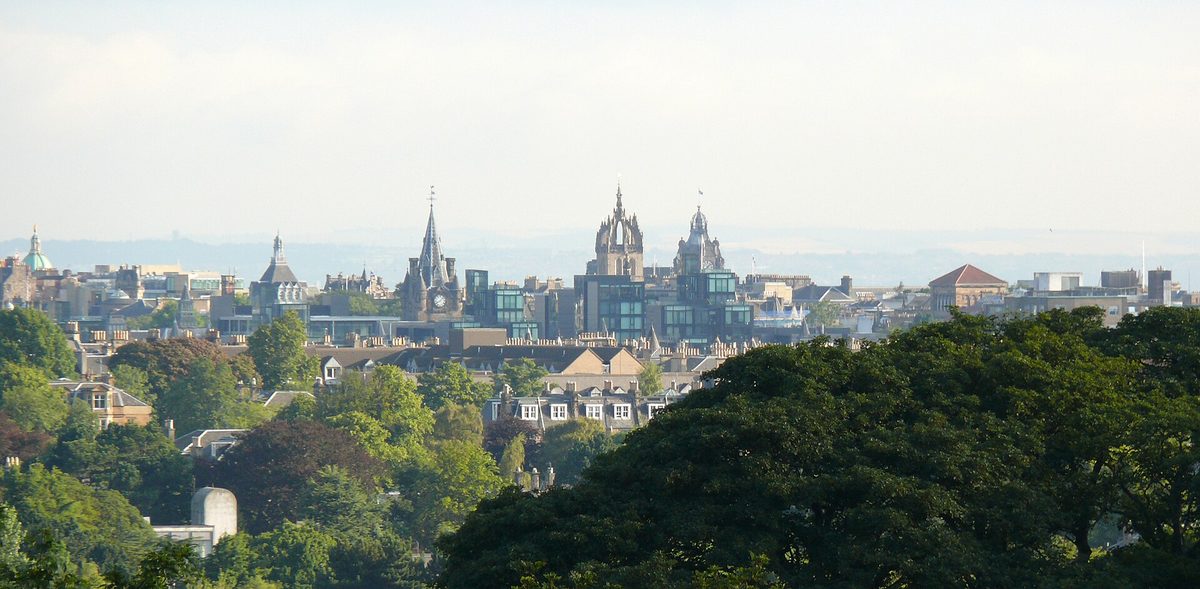
- Edinburgh Old Town rooftops and spires, the two days most Scotland trips start with — Ad Meskens, CC BY-SA 3.0, via Wikimedia Commons
- Edinburgh on a short winter afternoon, when daylight runs out by half past three — Paul Vallis, CC BY-SA 3.0, via Wikimedia Commons
- The peaks of Glen Coe rising above the A82, a classic half-day stop on a Scotland itinerary — Thomas Haid, CC BY 3.0, via Wikimedia Commons
- The hairpin bends of the Bealach na Ba pass on the North Coast 500 route — James Emmans, CC BY-SA 2.0, via Geograph
- The Old Man of Storr pinnacle on the Isle of Skye, which needs three days to be worth the drive — Lauwz The Kiwistralian, CC0, via Wikimedia Commons
- The Ring of Brodgar stone circle on Orkney, a two-day add-on to any Scotland trip — David Dixon, CC BY-SA 2.0, via Geograph
- White sand and turquoise water at Luskentyre on the Isle of Harris in the Outer Hebrides — Scotboy19, CC BY-SA 4.0, via Wikimedia Commons
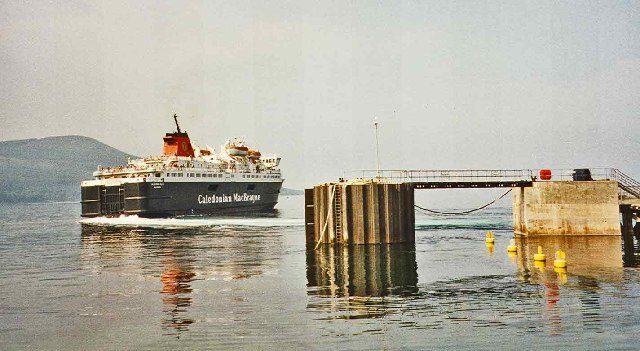
- A CalMac ferry crossing to the Scottish islands, the timetable that shapes island days — Christine Matthews, CC BY-SA 2.0, via Geograph
- A Highland cow in a Scottish field, the roadside stop that eats fifteen minutes of every day — Colin Smith, CC BY-SA 2.0, via Geograph
- The Glenfinnan Viaduct in the west Highlands, a timed stop that must be budgeted for — de:Benutzer:Nicolas17, CC BY-SA 2.5, via Wikimedia Commons