A square sausage in a floury roll, bought from a bakery first thing and too hot to hold in one hand, costs about three quid. Nobody writes lists about it. Haggis in a restaurant with tartan carpet and a piper outside costs four times as much, and it is rarely the better meal.
That gap is the reason this guide exists. Most articles about traditional Scottish food are photo galleries with two sentences of history attached, written by people who have never queued in a Scottish chip shop at eleven at night. What they never tell you is where you actually encounter each dish, roughly what you’ll pay for it, and whether Scots eat it every week or only when there’s a visitor at the table. That distinction changes how you eat here. For the wider picture on producers, distilleries and drinking, start with our guide to Scottish food and drink and use this page as the index to the plate itself.
What is traditional Scottish food?
Traditional Scottish food is built on oats, potatoes, root vegetables, sheep and beef, and cold-water seafood from the Atlantic and the North Sea. In practice that means haggis, cooked breakfasts, thick soups like Cullen skink, chip-shop suppers, and a deep baking tradition of shortbread, tablet and steamed puddings. Much of it is cheap, filling and eaten daily.
Scottish dishes at a glance
| Dish | Where you actually find it | Rough price | Everyday or tourist food? |
|---|---|---|---|
| Haggis, neeps and tatties | Pub menus year-round, Burns suppers in January | Around £15 as a pub main | Occasional — not a weekly dinner |
| Morning roll with square sausage | Every bakery and café before about 11am | Around £3.50 | Genuinely everyday |
| Fish supper | Chip shops in every town, however small | Around £11–£13 | Weekly for a lot of people |
| Cullen skink | Coastal pubs, strongest in Moray and the north-east | Around £8 as a starter | Occasional, and worth ordering |
| Langoustines | West coast seafood shacks and harbour restaurants | £20–£30 as a main | Rare at home — most of the catch is exported |
| Tunnock’s teacake or caramel wafer | Every corner shop, petrol station and staff room | Under 50p | Genuinely everyday |
| Deep-fried Mars bar | Some chip shops | Around £3.50 | A novelty, not a staple |
| Cranachan | Restaurant dessert menus, especially in summer | Around £8 | Occasional and celebratory |
Prices are what I’d expect to pay at the time of writing and vary a lot between a Glasgow café and a harbour restaurant on Skye. Treat them as a sense of scale rather than a quote.
The national plate: haggis, neeps and tatties
Let’s deal with the obvious one first, and honestly.
Haggis
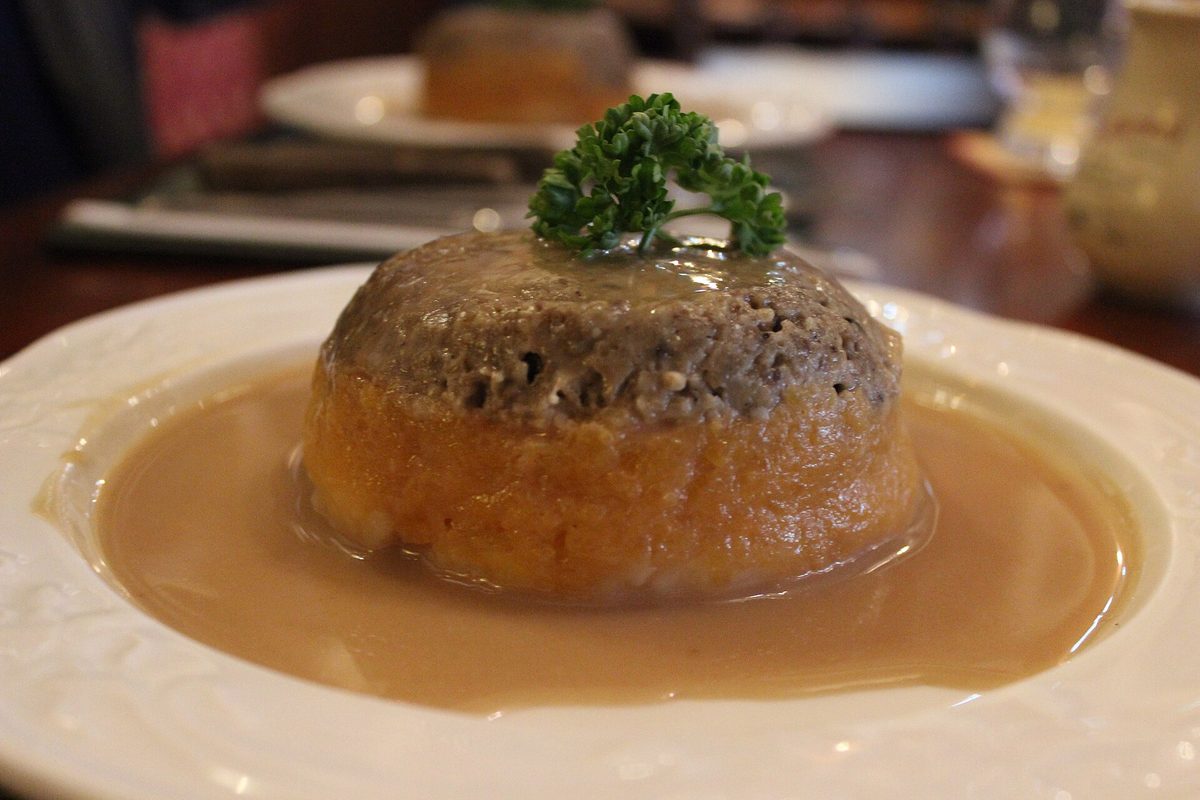
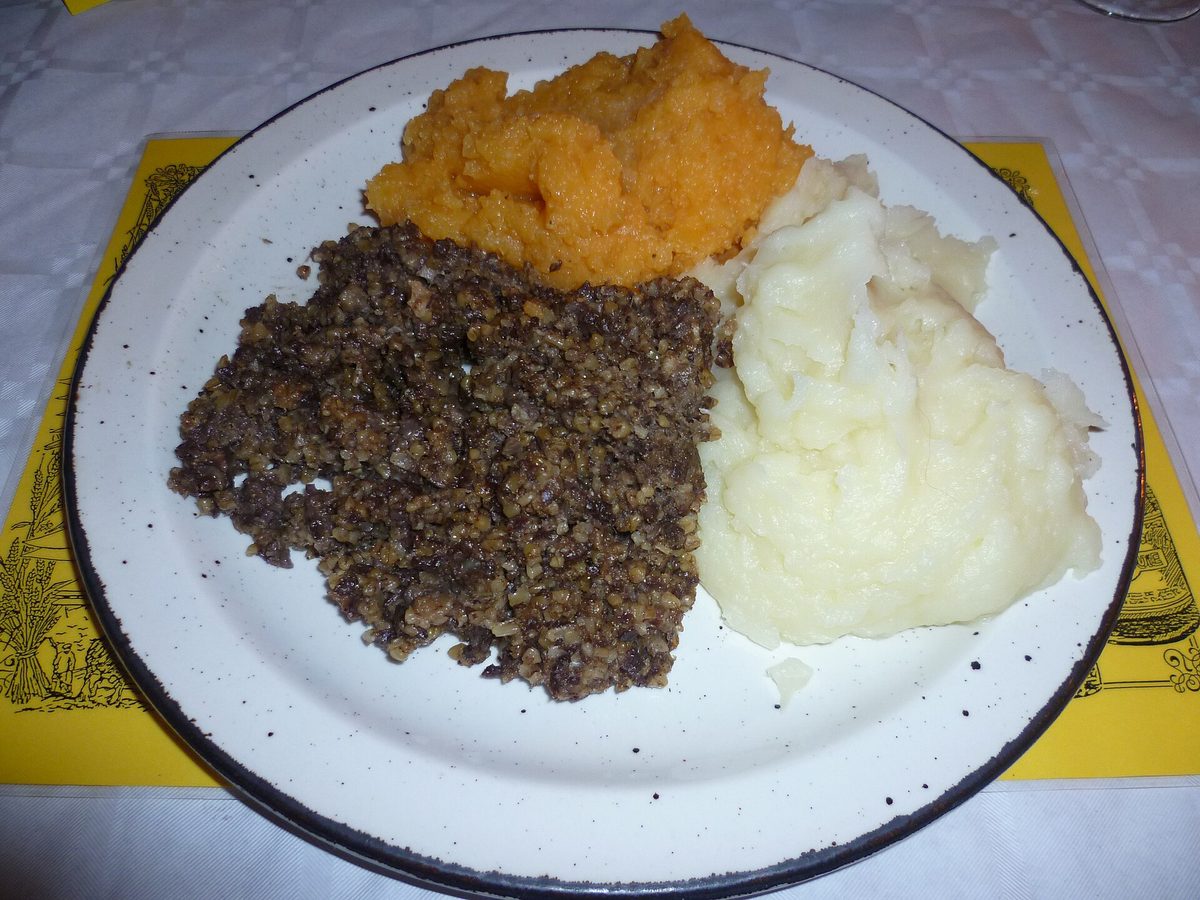
Haggis is sheep’s pluck — heart, liver and lungs — minced with oatmeal, onion, suet and a lot of black pepper, then cooked in a casing. It tastes like a peppery, crumbly, slightly nutty mince. It is not weird. If you have eaten a decent sausage or a pâté, you have eaten something further from your comfort zone than haggis.
Here is the part nobody says: no Scot eats haggis weekly. It’s a January dish, a special-occasion dish, and a pub-menu dish that exists partly because visitors order it. That doesn’t make it bad. It makes it more like Christmas pudding than like bread.
Where to eat it well: a decent pub kitchen rather than a restaurant with a piper outside. Around £14 to £18 for a main portion.
Neeps and tatties
A translation problem worth clearing up. Neeps are swede — what North Americans call rutabaga — not the small white turnip. They’re boiled and mashed with butter and a lot of pepper, and their sweetness is what makes the plate work. Tatties are mashed potatoes. Both are mashed separately and served in distinct piles, and if a restaurant gives you one grey mound of everything, that’s a signal about the kitchen.
Burns Night, and whether to plan around it
Burns Night falls on 25 January, marking the birthday of Robert Burns, and it’s the one night of the year when haggis is genuinely everywhere: addressed with a recital, piped to the table, cut open with a knife. Hotels, pubs and community halls run suppers across the country and many need booking weeks ahead. If you’re already considering a trip in Scotland in winter, it’s a real reason to time it for late January. Our round-up of Scottish festivals and events has the wider calendar.
Vegetarian haggis is not a compromise
Vegetarian haggis — usually oats, pulses, seeds, root veg and the same aggressive pepper — is genuinely good, sold in every supermarket, and on more pub menus than you’d expect. If you’re travelling with a vegetarian, this is the single easiest thing to get right in Scotland.
Breakfast is where Scotland quietly wins
If you eat one category of Scottish food properly, make it breakfast. It’s cheap, it’s everywhere, and it contains the items Scots actually eat by habit rather than by tradition.
Square Lorne sausage
A slab of seasoned minced beef and pork, sliced square, fried flat. It exists in that shape for one reason: it fits a morning roll exactly, edge to edge, with no gaps. Order a roll and sausage in any Scottish bakery and this is what you get. Around £3 to £4.50. It is, for my money, the best thing you can eat in Scotland for under a fiver.
Tattie scones
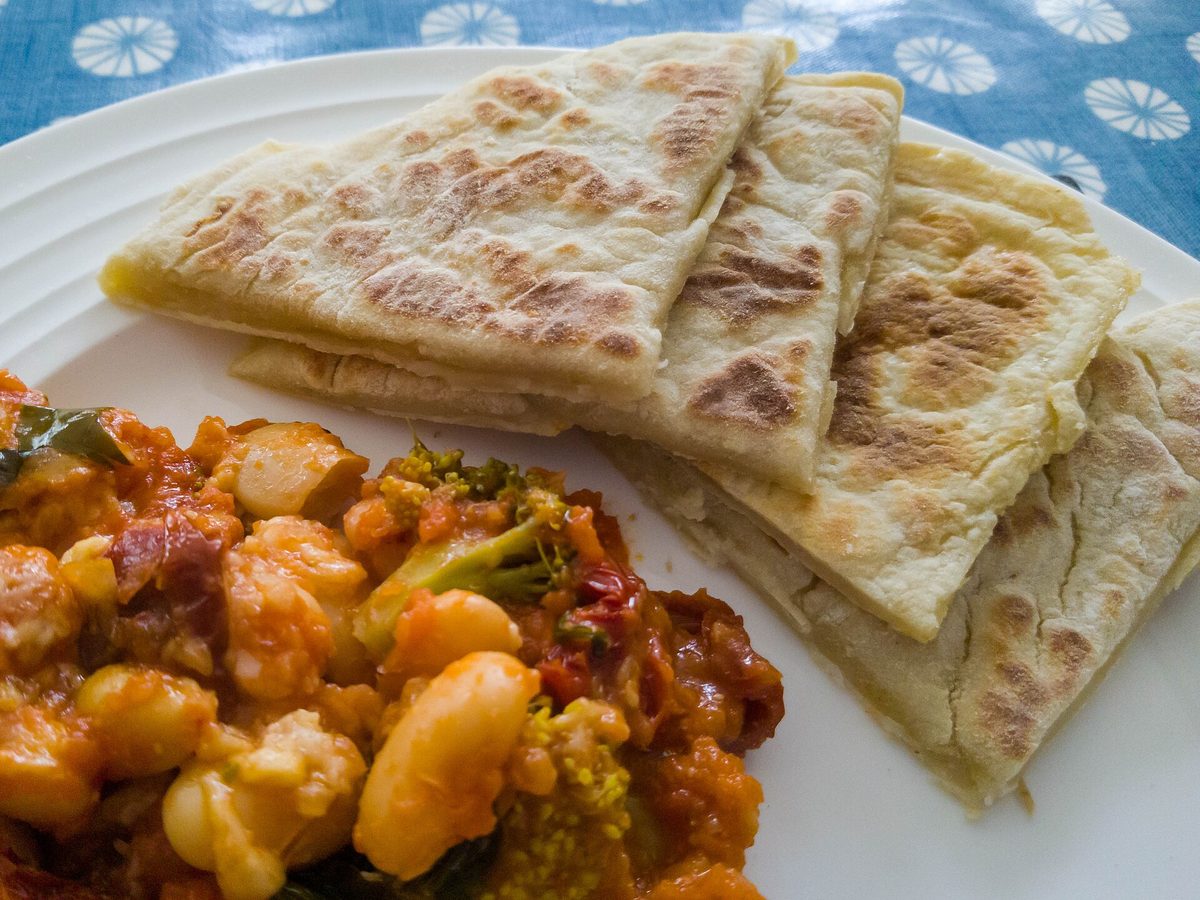
Soft triangles of mashed potato, flour and butter, cooked on a girdle and then fried until the edges go crisp. They’re the item on a cooked breakfast that visitors ask about afterwards. A packet from a supermarket costs about a pound and travels well if you’re self-catering.
Black pudding and white pudding
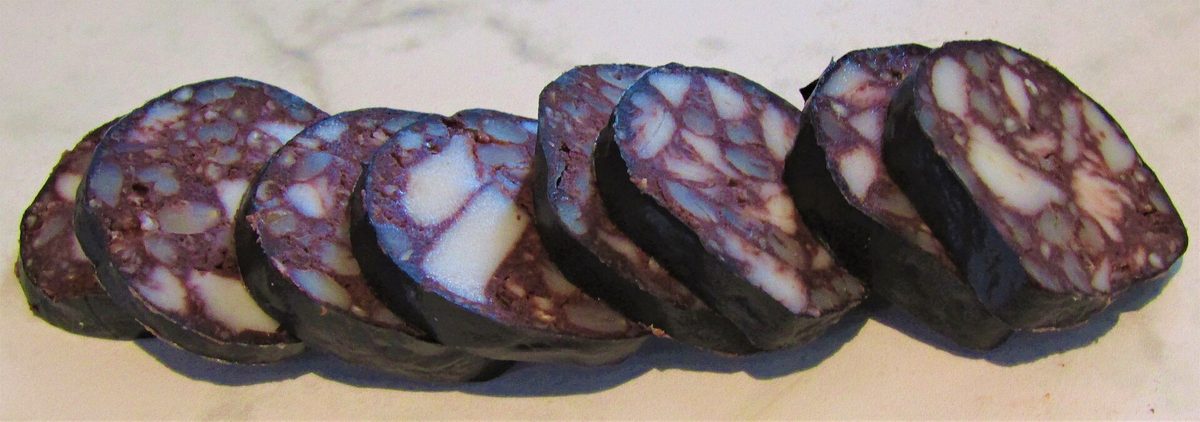
Black pudding is blood, oatmeal, suet and spice, and the Scottish version has noticeably more oats than the English or Spanish equivalents, which gives it a drier, crumblier texture. Stornoway Black Pudding, made on Lewis, holds protected geographical status — a genuine mark of origin rather than marketing. White pudding is the same idea without the blood: oatmeal, suet, onion. In a chip shop, a “white pudding supper” means it comes battered and deep-fried, which is a thing you should probably do once.
The morning roll
The unglamorous hero. A soft, floury, slightly stale-tasting-by-design bread roll, sold by the bag in every bakery, filled with sausage, bacon or egg. This is what Scotland actually eats on a Tuesday. A bakery roll and a coffee will cost you around £5 and beat a £16 hotel breakfast more often than it loses.
Porridge
Traditionally made with pinhead oats, water and salt — no sugar, no milk. The salted version divides people sharply and I’d suggest trying it once before deciding you were right all along. Carrbridge in the Cairngorms hosts the Golden Spurtle world porridge championship, which tells you how seriously this is taken; if you’re passing through, our guide to Aviemore and the Cairngorms covers the area.
Soups and one-pot food
This is the category most visitors skip and most Scots grew up on. It’s also where the best value on a menu usually hides.
Cullen skink
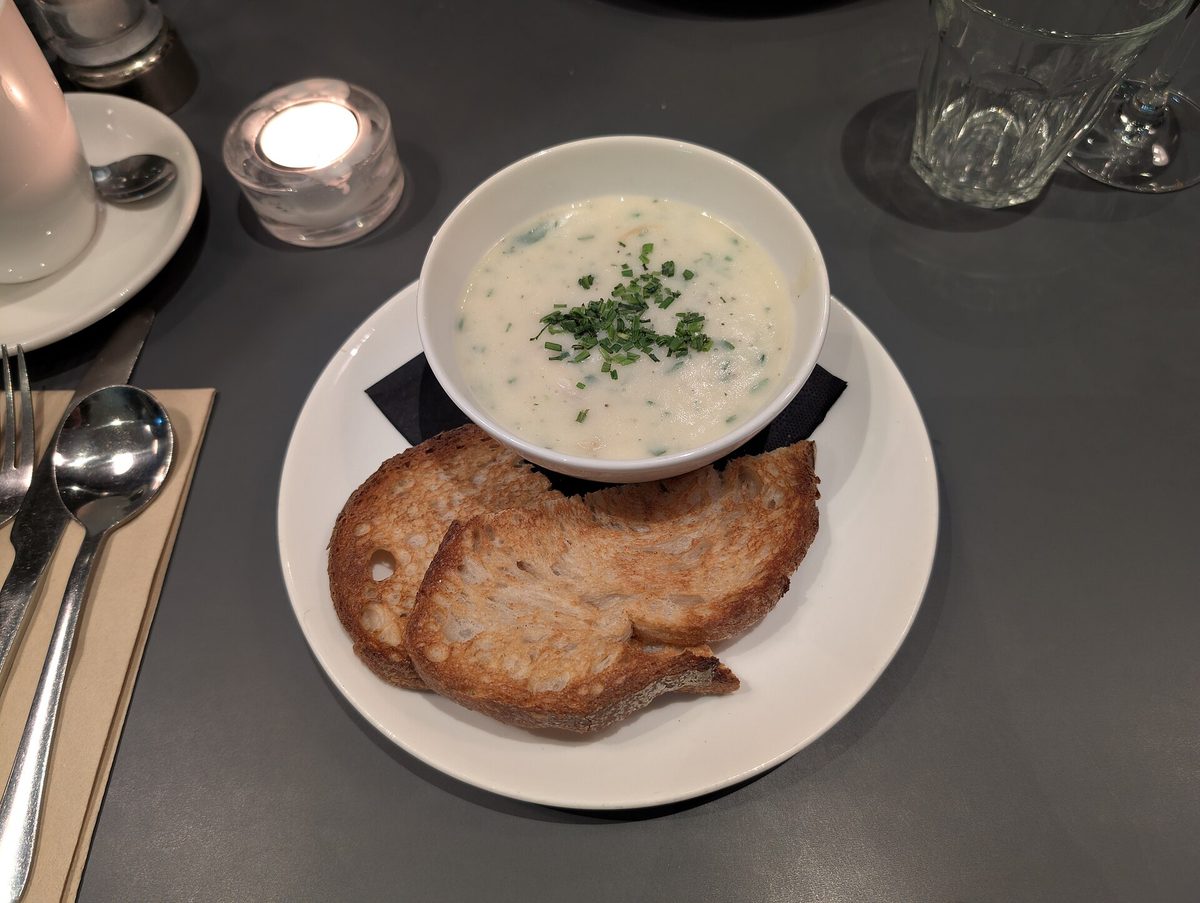
Smoked haddock, potato, onion and milk, thickened, served with bread. Named after Cullen, a small town on the Moray Firth coast. A good one is smoky rather than salty, with the fish in flakes rather than dissolved into paste, and it will ruin most chowders for you. Around £7 to £9 as a starter, and it’s often big enough to be lunch.
The north-east coast is the place to order it. If you’re heading that way for the dolphins at Chanonry Point or basing yourself in the area, you’re already in the right part of the country for it.
Scotch broth and cock-a-leekie
Scotch broth is barley, root vegetables and lamb or mutton, simmered until everything gives up. Cock-a-leekie is chicken and leeks, sometimes with prunes, which sounds wrong and isn’t. Both are properly cheap — often £5 to £7 with bread — and both are better in a small-town pub than anywhere with a wine list.
Stovies
Potatoes, onions and leftover roast meat, stewed slowly in dripping or stock until it collapses into something between a stew and a mash. Served with oatcakes and pickled beetroot. There is no fixed recipe; every family and every region does it differently, and arguing about it is part of the dish. You’re most likely to meet stovies at a funeral tea, a wedding, a football club or a village hall, which is exactly why it never makes the glossy lists.
Mince and tatties
Beef mince in gravy with onion and carrot, over mashed potato. This is the genuine Scottish weeknight dinner — the dish that would win a vote if you asked people what they actually cook. It looks like nothing. Order it in a pub anyway, particularly if it’s on a lunch menu at around £10.
Seafood: the best thing in Scotland and the most exported
Scotland lands some of the finest shellfish in Europe and then sends most of it abroad. That is the single strangest fact about eating here, and it’s worth understanding, because it explains why seafood can feel oddly scarce inland and then be extraordinary the moment you reach a harbour.
Langoustines
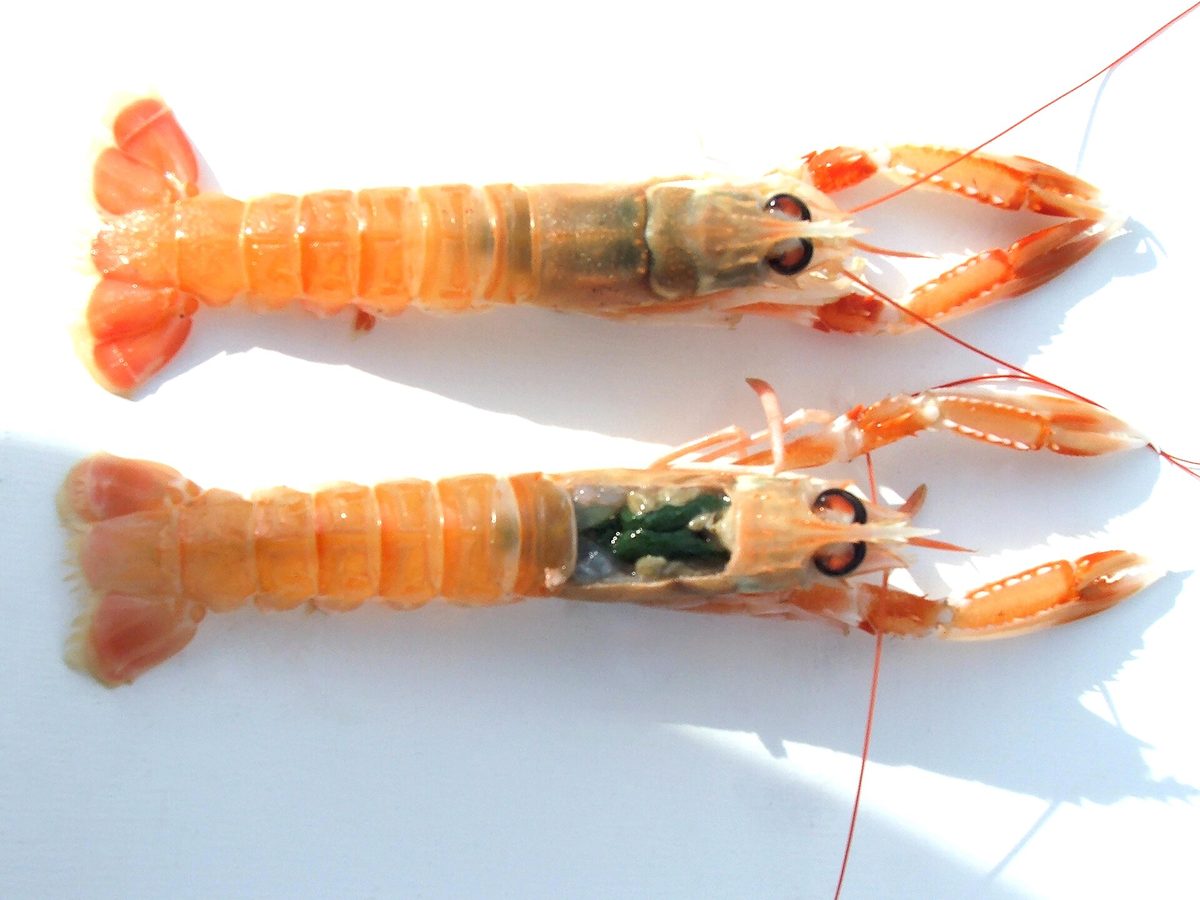
Also sold as Dublin Bay prawns or scampi, though what you get in a basket of breaded scampi bears little relation. Whole langoustines, boiled and served hot with garlic butter, or cold with mayonnaise, are as good as shellfish gets. The great majority of the Scottish catch goes to Spain, France and Italy. To eat them at home, get to the west coast: Oban and the harbours around Argyll and Skye are where the seafood shacks are. Expect £20 to £30 for a main-sized plate; a takeaway box from a harbour van can be half that.
Arbroath smokies
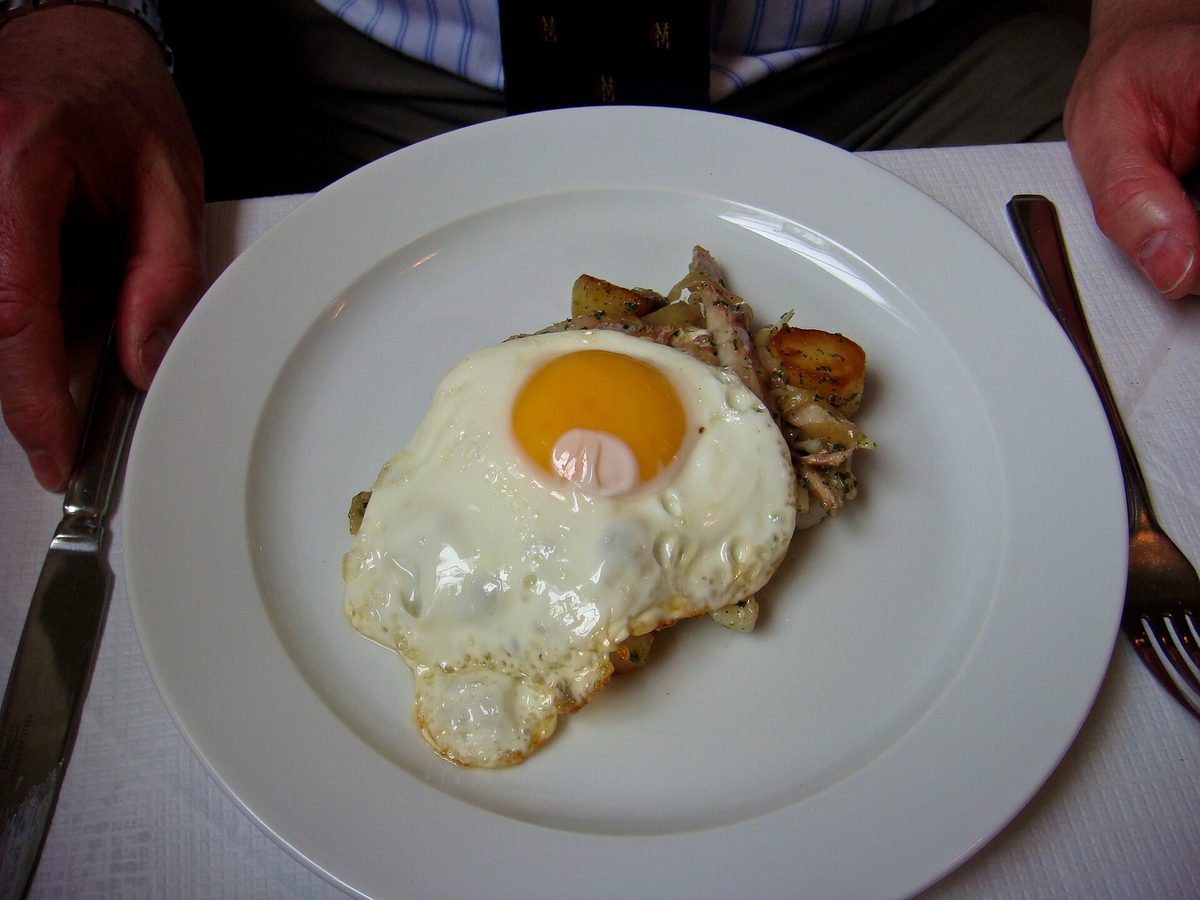
Haddock, tied in pairs, salted and hot-smoked over hardwood in a barrel until the skin goes copper and the flesh is cooked through. They hold protected geographical status and can only be called smokies if made within a few miles of Arbroath on the Angus coast. Buy one still warm from a smokehouse in the town, eat it with your fingers with bread and butter, and it will be one of the two or three things you remember about the trip.
Hot-smoked is not the same as cold-smoked. Cold-smoked salmon is the silky, translucent stuff on a bagel; hot-smoked flakes like cooked fish. Scotland does both well and the labels are worth reading.
Salmon, mussels and scallops
Scottish farmed salmon has protected status. Wild salmon is a different and much rarer proposition, largely catch-and-release now, and anything advertised as wild deserves a question about where it came from.
Rope-grown mussels from the sea lochs are, I’d argue, better value than anything else on a Scottish menu — a kilo pot with white wine and cream for around £14, and it’s a proper meal. Hand-dived scallops are the other one: expensive at £12 to £16 for three or four as a starter, and worth it once. Ask whether they’re dived or dredged; the difference is real and any kitchen that dives them will tell you gladly.
The chip shop and the everyday
If you want to understand how Scotland actually eats, go to a chip shop at ten on a Friday night. This is the most honest food culture in the country and the one the glossy lists treat as an afterthought.
The fish supper
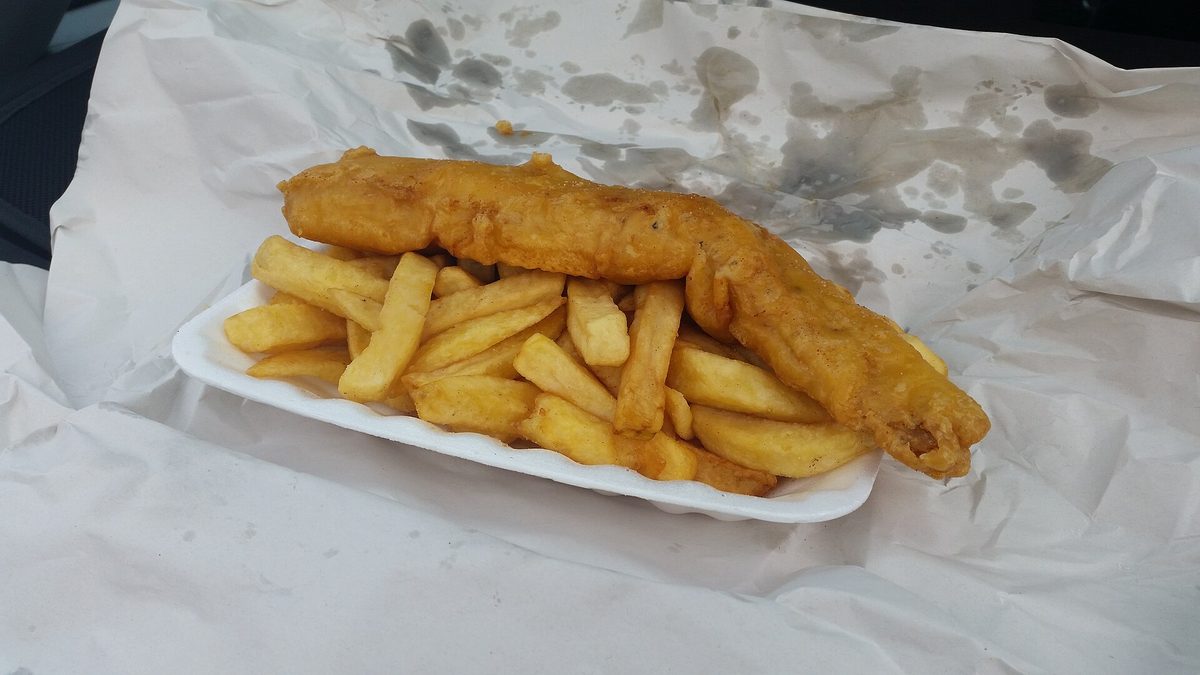
“Supper” means it comes with chips; “single” means it doesn’t. Haddock is the default in Scotland, not cod — ordering cod marks you out immediately. The chips are thicker and softer than English chips. Salt and vinegar is standard almost everywhere, but in Edinburgh you’ll be asked if you want “salt and sauce” — a thin brown sauce cut with vinegar that Edinburgh defends fiercely and Glasgow finds baffling. Say yes once. Around £11 to £13. A coastal chip shop with a queue of locals is a near-guaranteed good meal.
Chips and cheese, and the rest of the menu
Chips and cheese — grated cheddar melted over hot chips — is eaten by more people in Scotland, more often, than haggis will ever be. Around £4.50. So is chips and curry sauce, and the battered sausage, and the pizza crunch, which is a whole pizza dipped in batter and deep-fried. None of this is traditional in the tartan-and-heather sense. All of it is genuinely, unarguably what people eat.
The deep-fried Mars bar, honestly
Here’s the truth. The deep-fried Mars bar is usually traced to a chip shop in Stonehaven in the mid-1990s, it got picked up by newspapers as shorthand for the Scottish diet, and it has been sold to tourists ever since. Almost no Scot eats them. It costs around £3.50, it is sweet and hot and gone in four bites, and it is a photograph rather than a meal. Have one if you want the photograph. Don’t structure a food itinerary around it.
Scotch pies and bridies
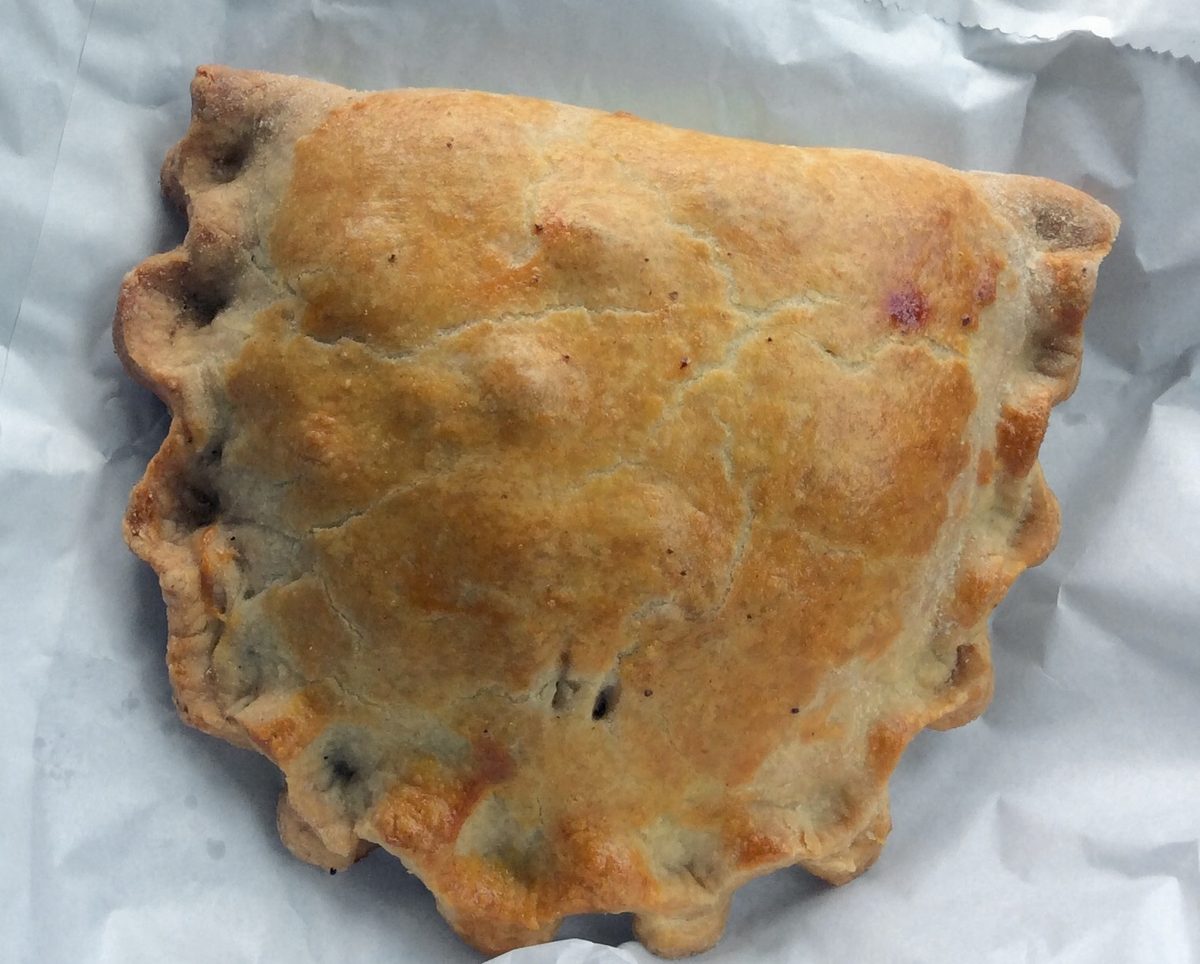
The Scotch pie is a small, straight-sided hot-water pastry case with a pastry lid, traditionally filled with spiced minced mutton. The crust is firm enough to eat by hand, which is why it is a fixture at football grounds. Around £2 to £2.50 from a bakery. The bridie is its Angus cousin: a folded pastry of steak and onion, from Forfar, flakier and larger. Both are better from a proper bakery than a supermarket, and a bakery lunch of a pie, a cake and a coffee for around £7 is the best-value hot food in the country.
Baking and puddings
Scotland’s baking tradition is stronger than its restaurant tradition, and it’s the part of the food culture most under-sold to visitors.
Cranachan
Raspberries, cream, toasted oatmeal, honey and whisky, layered in a glass. Scottish raspberries are genuinely excellent — the climate suits them — and in July and August this dessert is superb. Out of season, made with imported fruit, it’s fine and no more. Around £8 on a restaurant menu.
Clootie dumpling
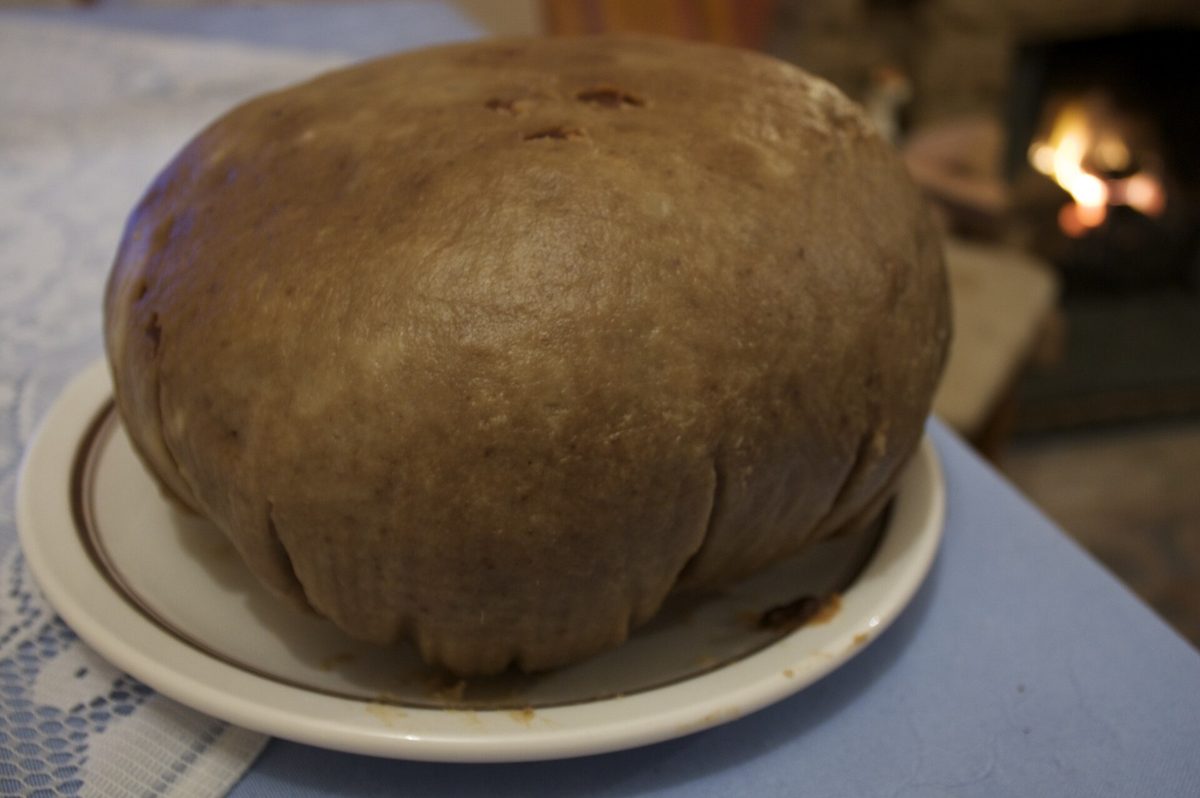
A dense fruit pudding, spiced with cinnamon and ginger, wrapped in a cloth — the “cloot” — and steamed for hours, which gives it a slightly leathery skin. Served hot with cream at Christmas and Hogmanay, or fried in slices with a cooked breakfast the next morning, which is the better version. Harder to find on menus than it should be; farm shops and village cafés in the Highlands are your best chance.
Shortbread
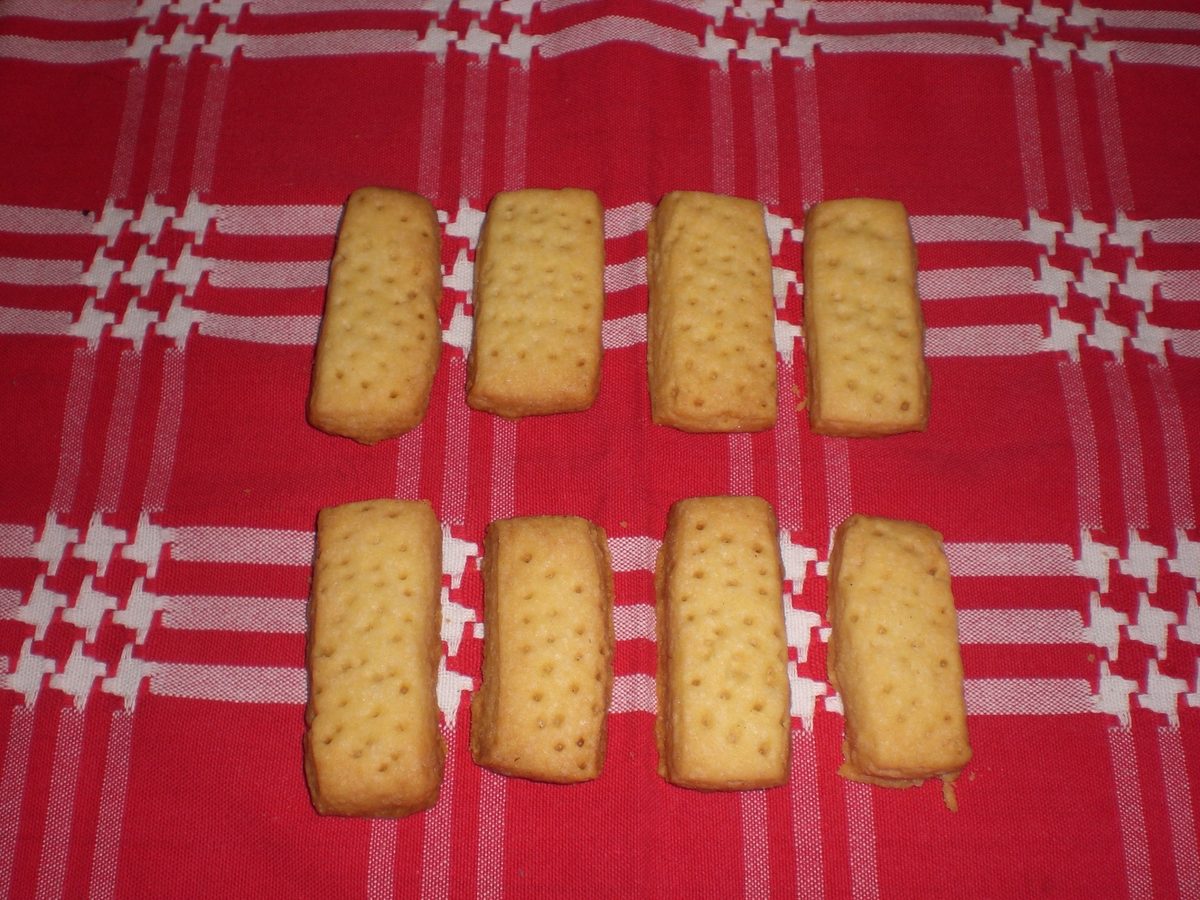
Butter, sugar, flour, and not much else. The tourist-shop tartan tins are fine but overpriced at £8 to £12; a bag from a local bakery costs a fraction of that and will be better because it’s fresher. Petticoat tails are the round wedges, fingers are the rectangles, and the difference is shape, not recipe.
Dundee cake
A light fruit cake with almonds arranged in concentric circles on top and no marzipan, linked to Dundee’s old marmalade trade. It keeps for weeks and posts well, which makes it one of the better edible souvenirs.
Tablet, Empire biscuits and Tunnock’s
Tablet is sugar, condensed milk and butter, boiled and beaten until it crystallises into something grainier and harder than fudge, and startlingly sweet. Buy it from a farm shop or a church sale rather than a gift shop.
The Empire biscuit is two shortbread rounds with jam between, iced on top, with a glacé cherry. It was called a German biscuit until the First World War, which is a small piece of history sitting in every bakery window. And Tunnock’s — the teacake and the caramel wafer, made in Uddingston just outside Glasgow — are the most-eaten Scottish confection by a distance. Under 50p each, in every shop in the country. If you want one souvenir that Scots genuinely eat, it’s a box of teacakes.
What Scotland drinks
Whisky
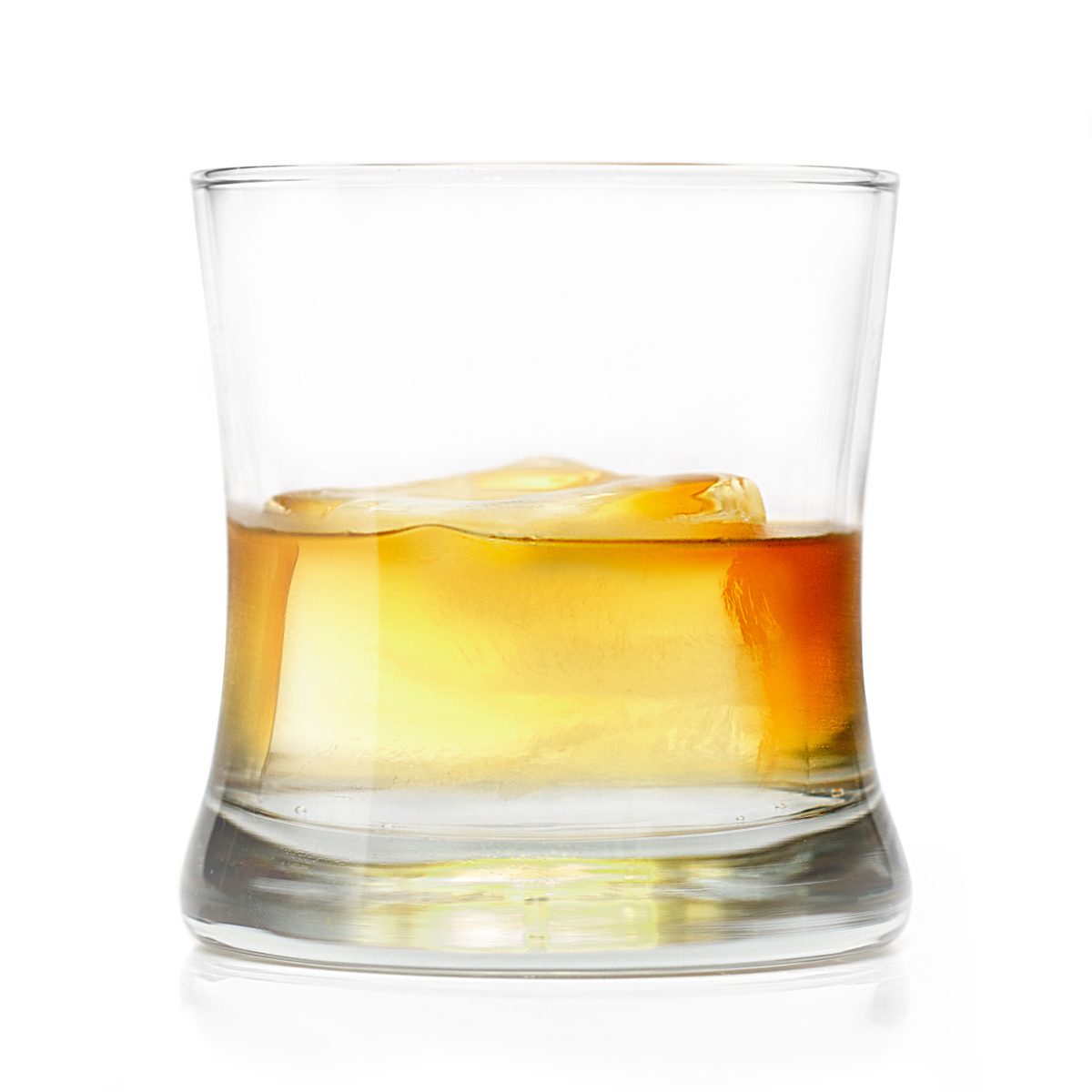
A “dram” just means a measure. In a pub, a standard 25ml of a decent single malt starts around £4.50 and climbs steeply. The regions — Speyside, Highland, Islay, Lowland, Campbeltown — are a rough guide to style rather than a rule, with Islay the peaty, smoky end and Speyside the sweeter, fruitier one. If you don’t like whisky, you have probably had an Islay when you’d have liked a Speyside, or the other way round.
Distillery tours are the best way to work out which you like, and most run tastings from around £18 to £25. Our guide to Scotch whisky distilleries covers which ones are worth the detour and how to book.
Irn-Bru
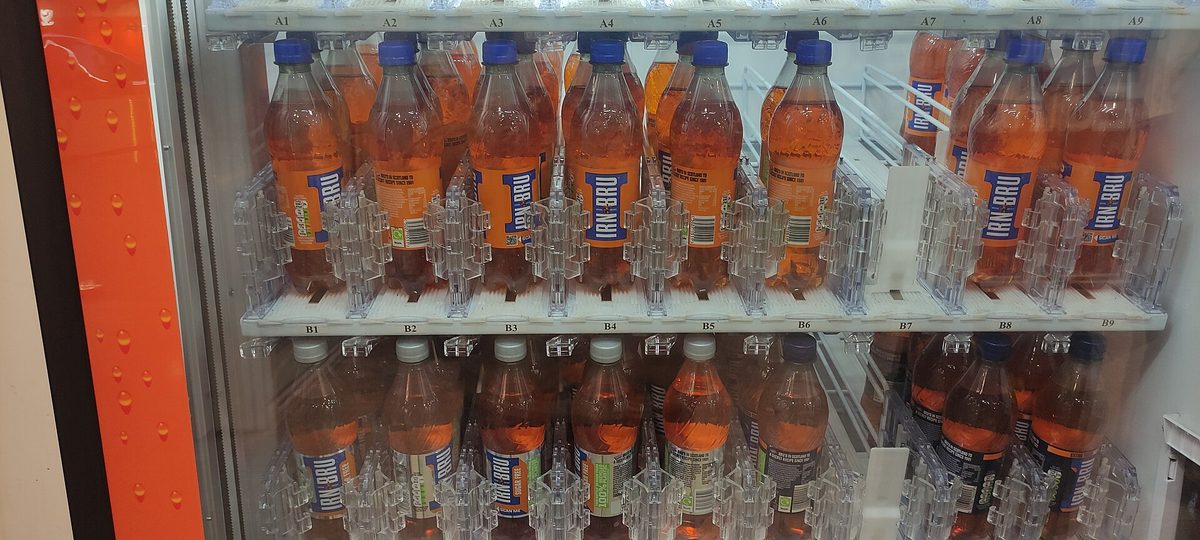
Bright orange, made by A.G. Barr in Cumbernauld, and long claimed as the one market in the world where a local soft drink held its own against Coca-Cola. The flavour is difficult to describe — bubblegum, iron filings, cream soda, depending who you ask. Around £1.50 for a 500ml bottle. It is also, universally and unofficially, the national hangover cure.
Beer and gin
Scottish craft brewing has grown enormously and most decent pubs now have several local taps; a pint runs around £5 to £6.50 depending on the city. Gin is the quieter success story — a large share of the UK’s gin is distilled in Scotland, and small distilleries on the islands and in the Borders do tours and tastings that are usually cheaper and less crowded than the whisky equivalents.
Where to actually eat well
This is the practical section, and it matters more than the dish list.
Bakeries beat restaurants on value, consistently
A good Scottish bakery is the best-value food in the country and there is one in almost every town. Pie, bridie, roll and sausage, shortbread, an iced bun. Lunch there comes to about £7, where a mid-range restaurant on a main street will want around £20. Go before midday; the good ones sell out.
Chip shops: judge by the queue
Ignore the awards in the window and look at who’s queuing. Locals in work clothes at half five is the signal you want. Coastal towns generally beat inland ones on fish quality for obvious reasons.
Farm shops and delis
Underrated and increasingly good. Cheese, cured meat, smoked fish, tablet, bread, and often a café attached. If you’re self-catering or driving a route like the North Coast 500, farm shops will feed you better and cheaper than the restaurants along the way, and they’re open when kitchens aren’t.
Pub kitchens
The best mid-range eating in Scotland. A pub with a short chalkboard menu and no laminated pictures is almost always a better bet than a restaurant with a long one. Expect £14 to £20 for a main.
The tartan-tourist restaurant, and how to spot one
You’ll find them on the Royal Mile, around the main squares in Glasgow, and in the tourist end of every Highland town. The signals: a menu in four languages, photographs of the food, a piper outside, “traditional” in the name, staff handing out flyers on the pavement. The food isn’t dangerous, it’s just expensive for what it is. Walk two streets back from the main drag and compare the menus before you sit down.
Booking and timing
Kitchens in small towns can stop serving earlier than visitors expect, and some close for a day or two a week outside the cities, so check a pub’s food service days and last orders before you set out. In summer, popular restaurants on Skye and along the west coast need booking days or weeks ahead — this catches people out constantly. Our Scotland travel tips cover the wider practicalities, and first-time visitor advice is worth a read before you go.
Vegetarian and vegan Scotland
Scotland has a reputation for being difficult if you don’t eat meat, and it’s about fifteen years out of date. Glasgow has a big vegan scene with dedicated restaurants, and Edinburgh is an easy city to eat meat-free in too.
More useful for travellers: the traditional repertoire adapts easily. Vegetarian haggis is standard everywhere. Stovies are frequently made meat-free. Tattie scones, porridge, oatcakes, shortbread, cranachan and tablet are all vegetarian as standard, and several are vegan or trivially made so. Rumbledethumps — potato, cabbage and onion baked with cheese, from the Borders — is a proper vegetarian main.
Where it does get harder is rural pub menus, where the vegetarian option is sometimes a single pasta dish. In genuinely remote areas, self-catering with a farm-shop stop is often the better plan. Advance booking helps: phone ahead and most kitchens will happily sort something.
What underwhelms, and what to skip
Being useful means saying this plainly.
The deep-fried Mars bar is a novelty, not a dish. Covered above, but it bears repeating because it takes up more space in food articles than in Scottish life.
Haggis in a tourist restaurant is usually disappointing. Not because haggis is bad but because those kitchens are cooking to a coach schedule. Order it in a pub instead.
Gift-shop shortbread and tablet are overpriced. The tartan tin costs three times what a bakery bag costs and tastes worse. Buy edible souvenirs from bakeries, farm shops and supermarkets.
Cranachan out of raspberry season is forgettable. July and August it’s excellent. In February it’s cream and oats.
Battered scampi is not langoustine in any meaningful sense. If you want the real thing, get to a harbour.
Don’t judge Scottish coffee by hotel breakfast. Independent roasteries in the cities are genuinely good; hotel filter coffee is not, and one is not evidence about the other.
And the mistake I see most often: visitors spend their entire food budget on evening restaurant meals and eat rubbish at lunchtime. Reverse it. Bakery or chip-shop lunch, one good dinner every second or third night. You’ll eat better and spend less, and you’ll see more of the country while you’re doing it.
Planning your eating around a trip
A few things that make the food side of a Scottish itinerary work.
Seafood follows geography. The west coast and the islands for shellfish, the north-east for smoked fish, the Borders and Aberdeenshire for beef and lamb. Building even one coastal night into a route pays off — see our Scotland itinerary ideas for how the regions link up.
Seasons matter more than you’d think. Raspberries and soft fruit peak in July and August; game appears on menus in autumn; scallops and shellfish are best in the colder months. The best time to visit Scotland depends on what you want to eat as much as the weather.
Book the good places, not the famous ones. Two weeks ahead in summer for anywhere with a reputation on the islands. A week is usually enough in the cities.
Carry cash for the small places. Some harbour vans, farm shops and rural chippies are still cash-preferred, though this is fading.
Eating with children is easy. Almost everything here suits kids: chips, pies, breakfast rolls, tablet. Pubs across Scotland serve families until early evening — our guide to Scotland with kids has more.
If you’re touring without a car, cities and larger towns give you far more choice, and the smaller the place the earlier its one kitchen stops serving. And if you’re based in the Highlands, Inverness is the best-supplied town north of Perth for bakeries, delis and restaurants.
Frequently asked questions
What is the national dish of Scotland?
Haggis, served with neeps (mashed swede) and tatties (mashed potato). It’s a savoury pudding of sheep’s offal, oatmeal, onion, suet and pepper. It’s on pub menus year-round but is most associated with Burns Night on 25 January. Vegetarian haggis is widely available and genuinely good.
What food is Scotland famous for?
Haggis, Scotch whisky, shortbread, smoked salmon, Arbroath smokies, Cullen skink and the fish supper. Less famous but more widely eaten are the square Lorne sausage, tattie scones, mince and tatties, Tunnock’s teacakes and Irn-Bru. The famous list and the eaten-daily list overlap less than you’d expect.
Is Scottish food expensive?
It depends entirely on where you eat. A bakery lunch costs around £7, a fish supper around £11 to £13, a pub main £14 to £20, and a seafood restaurant main £25 or more. Bakeries, chip shops and farm shops give you far better value than mid-range restaurants on tourist streets.
Do people in Scotland actually eat haggis?
Yes, but occasionally rather than routinely — think Burns Night, a pub meal, or a supermarket haggis a few times a year. It’s closer to a celebration food than a staple. The genuinely everyday items are morning rolls, mince and tatties, chip-shop food and Tunnock’s.
What should vegetarians eat in Scotland?
Vegetarian haggis, rumbledethumps, tattie scones, porridge, oatcakes with Scottish cheese, and meat-free stovies. Edinburgh and Glasgow have strong vegan scenes. Rural pub menus can be thin on options, so phoning ahead or self-catering with farm-shop supplies is worth doing in remote areas.
Is the deep-fried Mars bar real?
It’s real and you can buy one, usually for around £3.50, in some chip shops. It’s traced to a Stonehaven chip shop in the mid-1990s and became a media shorthand for the Scottish diet. Scots very rarely eat them. Treat it as a novelty rather than a dish.
What is the best Scottish food souvenir to take home?
Tunnock’s teacakes or caramel wafers, a Dundee cake, oatcakes, tablet from a farm shop, or a bag of bakery shortbread. Vacuum-packed smoked salmon travels well. Skip the tartan gift tins, which cost several times what the same product costs in a supermarket. Check your own country’s import rules on meat and fish.
Where can I try the best seafood in Scotland?
The west coast and the islands. Oban, the Argyll harbours, Skye and the sea lochs are where langoustines, mussels, oysters and hand-dived scallops are landed and eaten fresh. On the east side, Arbroath for smokies and the Moray coast for Cullen skink. Harbour-side seafood shacks often beat formal restaurants on both quality and price.
Final thoughts
The version of traditional Scottish food that reaches the internet is a tartan tin and a photograph of haggis. The version you’ll actually eat is a hot roll at eight in the morning, a bag of chips walking back to the car, a pot of mussels in a harbour pub, and a smokie eaten with your fingers on a wall in Arbroath. The second list is better and it costs less.
So my advice is simple. Try the national dish once, in a pub rather than a theatre. Then spend the rest of your trip eating the things Scots eat without thinking about it. Bakeries at lunch, chip shops at night, seafood whenever you’re near a harbour. For the wider picture on producers, distilleries and drinking your way round the country, our Scottish food and drink guide is the place to go next, and if you’re still shaping the trip itself, the Scotland bucket list will give you somewhere to point the car.
Two side-roads off this one are worth taking. The sweet end of the Scottish table gets its own treatment in our guide to Scottish desserts and where to find them, and if you want to understand the one soup everybody mentions and nobody explains properly, start with cullen skink and Scotland’s other great soups.
About the author: This guide was written and is maintained by the ScotlandTourism.org editorial team — travel writers who’ve spent years exploring Scotland’s cities, Highlands and islands, from bagging Munros to chasing the perfect dram. We update our guides regularly to keep prices, opening details and advice current.
Last updated: November 2026. Prices and opening times change — always check the official site before you travel.
Photo credits
All images are used under their respective Creative Commons or public-domain licenses:
- Haggis — Kim Traynor, CC BY-SA 3.0, via Wikimedia Commons
- Tattie scones — Colin, CC BY-SA 4.0, via Wikimedia Commons
- Sliced black pudding — Kolforn, CC BY-SA 4.0, via Wikimedia Commons
- A bowl of Cullen skink — Andy Li, CC0, via Wikimedia Commons
- An Arbroath smokie served with potatoes and a fried egg — Simon Doggett from London, UK, CC BY 2.0, via Wikimedia Commons
- Langoustines — Isabelle Cheret, CC BY 4.0, via Wikimedia Commons
- A fish supper of battered haddock and chips in a tray — Gvjekoslav, CC0, via Wikimedia Commons
- A bridie — Lindy Buckley from Nanjing, China, CC BY 2.0, via Wikimedia Commons
- A clootie dumpling — Matt Riggott from Reykjavik, Iceland, CC BY-SA 2.0, via Wikimedia Commons
- Scottish shortbread fingers — Thorsten Alge, Public domain, via Wikimedia Commons
- A dram of Scotch whisky poured over ice — Benjamin Thompson, CC BY 3.0, via Wikimedia Commons
- Bottles of Irn-Bru — Nizzan Cohen, CC0, via Wikimedia Commons