Most people meet haggis through its ingredient list, which is the wrong way round. Almost every answer to the question what is haggis starts and finishes with a list of organs, which tells you roughly as much about eating it as a list of grape varieties tells you about drinking wine.
So let me give you the answer that actually matters when you are standing at a bar with a menu in your hand. Haggis is peppery. It is coarse and crumbly rather than smooth. It tastes far more like a very well-seasoned sausage stuffing than like anything you would recognise as offal. And the reason so many people who swore they would hate it end up finishing the plate is that the oatmeal, not the meat, is doing most of the work.
What is haggis? The short answer
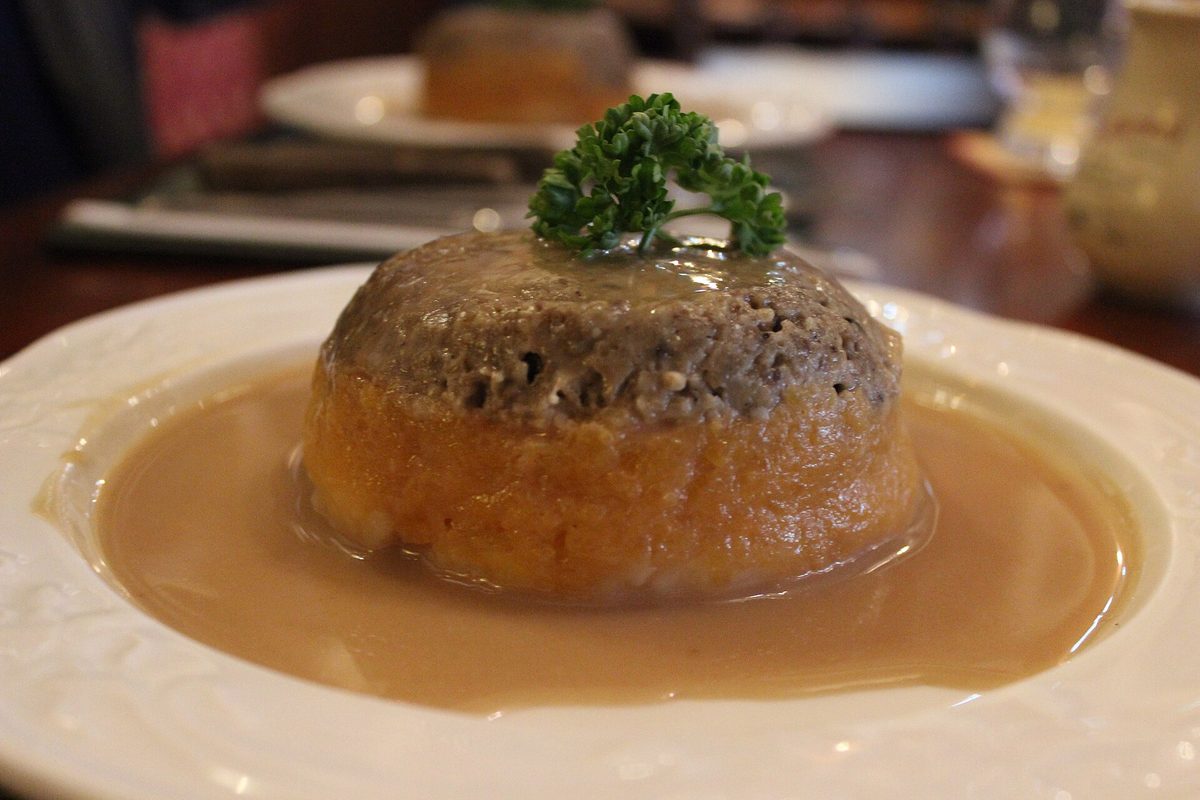
Haggis is a savoury pudding of minced sheep offal — heart, liver and lungs — mixed with oatmeal, suet, onion, stock and a heavy hand of black pepper, then cooked slowly in a casing. It eats like a coarse, crumbly, spiced mince. Traditionally the casing was a sheep’s stomach; today an artificial casing is common.
How you will actually meet haggis on a menu
Almost nobody writing about haggis mentions that you will probably first encounter it as a deep-fried ball with a dipping sauce, or as a slice on a breakfast plate, rather than in the ceremonial mound the photographs always show. Here is the realistic range, with rough prices at the time of writing.
| What you’ll see on the menu | What actually arrives | Rough price | Good first try? |
|---|---|---|---|
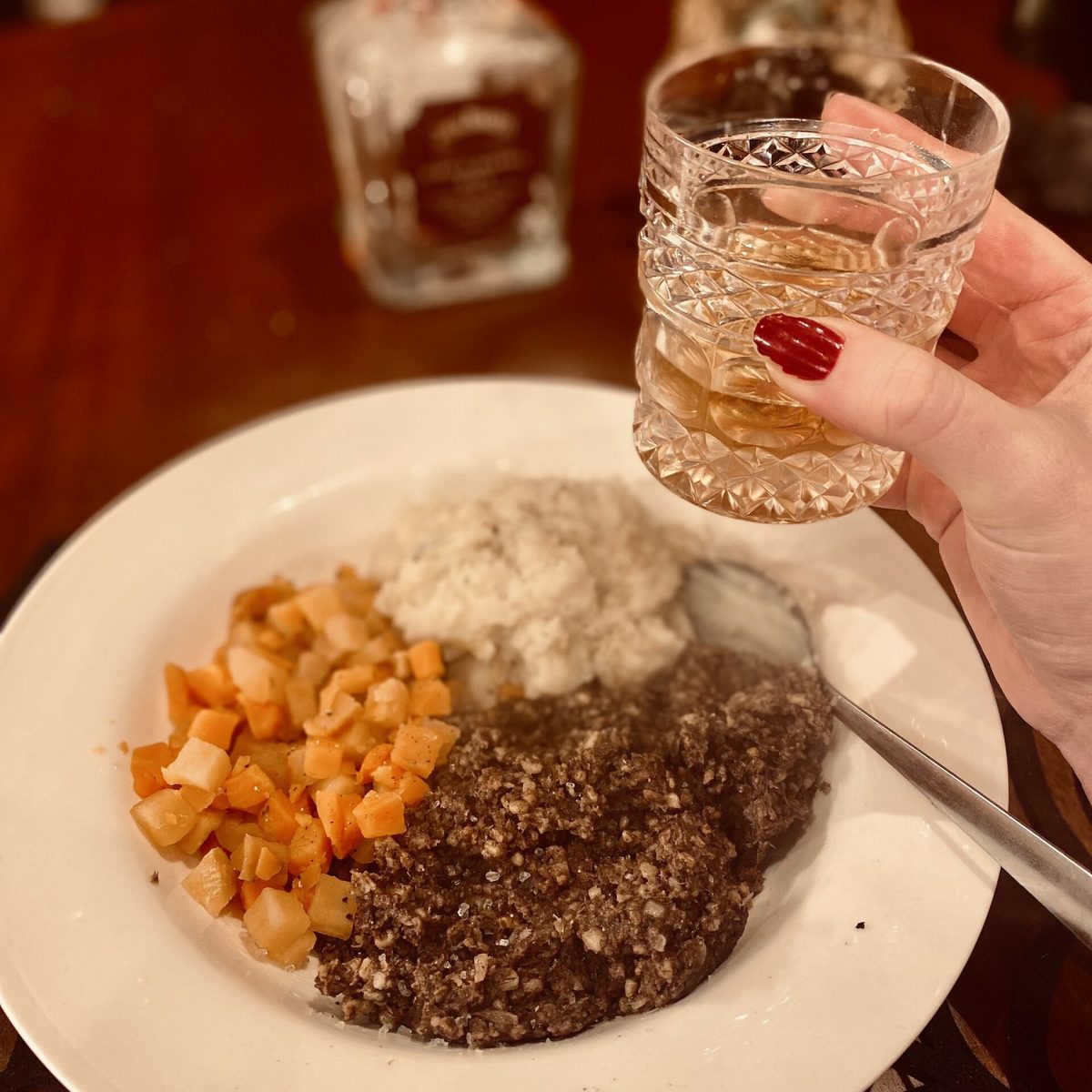
| Haggis, neeps and tatties | A generous scoop of haggis with mashed swede and mashed potato, usually a whisky cream sauce on top or on the side | Around £14–18 as a main | Yes — the benchmark |
| Haggis stack or tower (starter) | The same three things layered into a neat cylinder with a ring mould. Half the portion, all the flavour | Around £8–10 | The best low-risk option |
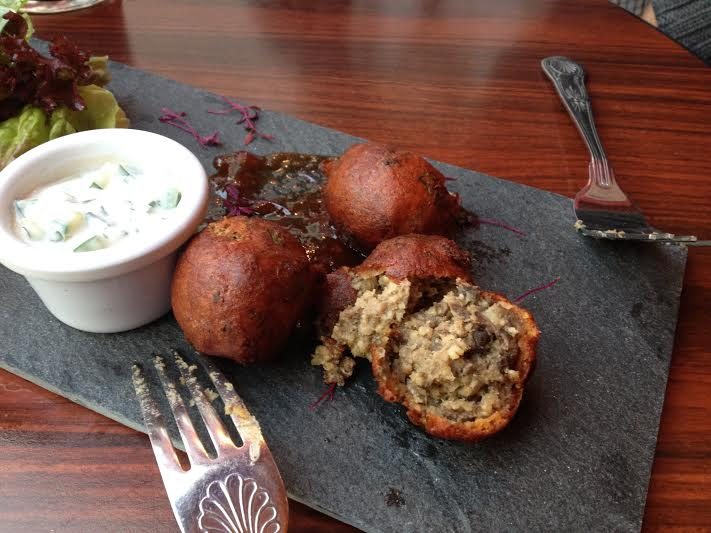
| Haggis bon bons | Golf-ball-sized haggis, breadcrumbed and deep-fried, with a whisky or peppercorn dip | Around £7–9 for three or four | Yes, if you’re nervous |
| Haggis supper | Chip-shop haggis in batter with chips, wrapped in paper. Salt and sauce if you’re in Edinburgh | Around £7–9 | Fun, but not representative |
| Balmoral chicken | A chicken breast stuffed with haggis, wrapped in bacon, whisky sauce alongside | Around £19–24 | The gentlest introduction |
| Breakfast haggis | A round slice, fried, on a full Scottish breakfast next to the black pudding | Usually included, or around £2 extra | Very easy going |
| Haggis pakora | A Glasgow invention: spiced haggis fritters with raita or a chilli sauce | Around £7–9 | Yes, and genuinely good |
| Vegetarian haggis | Pulses, oats, seeds and vegetables, seasoned the same way. Served identically | Same price as the meat version | Yes — not a consolation prize |
If you are building a food-led trip, the wider guide to Scottish food and drink sets haggis alongside everything else worth eating here, and our round-up of traditional Scottish food goes dish by dish through the classics it sits with.
What haggis actually tastes like
This is the section every other page skips, and it is the only one most people came for. So, in order of what hits you.
Pepper first, meat second
The dominant flavour of haggis is black pepper. Not a gentle background warmth — a proper, forward, throat-clearing peppery heat that arrives before anything else and stays through the mouthful. Most recipes also carry nutmeg, mace, coriander and sometimes a little cayenne, but pepper is the one you notice.
Underneath the pepper is savouriness rather than a specific meat flavour. It is deeply meaty in the way a good stuffing or a farmhouse pâté is meaty: rounded, slightly sweet from the onion, faintly mineral. If you are actively hunting for liver you will find a whisper of it at the back, similar to the note in a coarse country terrine. If you are not hunting for it, you will not find it at all.
Coarse and crumbly, not smooth
Texture is where haggis surprises people most. It is not a pâté and it is not a smooth paste. It breaks into loose, moist crumbs under the fork, somewhere between a well-cooked mince and the inside of a sausage that has been squeezed out of its skin. There is real graininess to it from the oatmeal, which stays slightly toothsome rather than dissolving.
Good haggis is moist but not wet. The suet keeps it rich without turning greasy, and if the kitchen has crisped the edges in a pan you get little browned bits that are the best part of the plate. Bad haggis is dry and sandy, and that is a manufacturing problem, not a haggis problem — more on which below.
What it is closest to, if you need a comparison
Nothing maps perfectly, but these get you close:
- Sage and onion stuffing with meat in it. Probably the closest of the lot. Same crumbly bulk, same savoury-herby register, just peppery instead of sage-heavy.
- The filling of a good pork sausage, eaten out of its skin, with oats added.
- Black pudding, but lighter. Similar peppery-oaty character; haggis is looser, less iron-rich and less dense.
- A coarse pâté de campagne, if you crumbled it and dried it out slightly.
- Faggots, if you have eaten them in the English Midlands. Almost the same family of dish.
The 2001 English edition of Larousse Gastronomique settled on “an excellent nutty texture and delicious savoury flavour”, which is dry but accurate. Nutty is the right word for what the oatmeal does.
The offal question, answered honestly
Let me not be defensive about this, because defensiveness is what makes people suspicious.
Yes, traditional haggis contains sheep’s lung, heart and liver. That is the pluck. In a traditional recipe the lung is roughly 10 to 15 per cent of the mix. No, you will not encounter anything recognisable as an organ. Everything is minced fine and cooked for hours; by the time it reaches you it is a homogeneous crumb with no visible pieces, no chewy bits and no texture that announces where it came from.
The reason it works is the reason a good pâté works, or a boudin noir, or a bowl of chicken liver parfait. Offal, minced and heavily seasoned and bulked out with something starchy, stops reading as offal and starts reading as depth. If you have happily eaten a sausage roll, a pork pie or a supermarket pâté, you have already crossed this bridge.
The one honest caveat: if you have a genuine, physical aversion to liver — the sort where the smell alone ends the meal — you may pick up the faint liver note and not enjoy it. That is a small minority of people, but it is not nothing.
What is haggis made of, ingredient by ingredient
The pluck
Sheep’s pluck means the heart, liver and lungs, taken together. It is boiled first, then minced. Heart gives firmness, liver gives the depth, lungs give lightness and an airy quality that keeps the whole thing from going dense. Some commercial haggis substitutes pig offal for part or all of the sheep offal — Ramsay of Carluke, for instance, has long made a version built largely on pork. Producers are generally upfront about this on the label, so it is worth turning the packet over.
Oatmeal and suet
Pinhead or medium oatmeal is what gives haggis its structure and its crumb, and it is a much larger share of the mix than most people assume. Suet carries the fat and the richness. This is a thrifty dish that makes a meal of offal and grain, and the grain is not a filler in the pejorative sense — it is the point.
Onion, stock and spice
Onion, softened and minced in, does most of the sweetening. Stock from boiling the pluck goes back into the mix to keep it moist. Then black pepper, salt and a warm spice blend that varies from butcher to butcher. This is where the recipes actually differ, and why two haggis from two shops on the same street can taste noticeably different.
The casing, and why it is almost never a stomach any more
Here is a fact that would calm a lot of nerves if anyone bothered to lead with it: the great majority of haggis sold in Scotland today is cooked in a synthetic casing, not a sheep’s stomach. You buy it looking like a large, dark, slightly wrinkled sausage in a plastic-looking skin, you simmer or oven-bake it, you slit it open and spoon out the contents. The casing is discarded and never eaten.
Stomach casings still exist. Small butchers make them for Burns Night, and a handful of restaurants order them for the ceremony because a haggis in a natural casing looks the part when it is carried in. But if you buy a haggis in a Scottish supermarket in June, it will be synthetic, and it will taste the same.
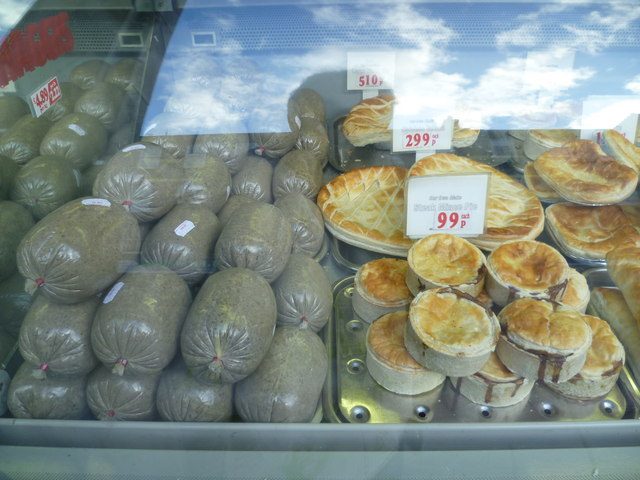
Good haggis versus bad haggis, and why the gap is enormous
Nobody tells you this and it matters more than anything else on this page. The difference between a good butcher’s haggis and a cheap supermarket one is not marginal. It is the difference between a dish you would order again and a dish that puts you off for a decade.
Cheap haggis is dry, over-oated, under-spiced and grey. It crumbles into something closer to damp sawdust than to meat, and the pepper is there in name only. It is the version that generates the “I tried haggis once” stories.
Good haggis is glossy and dark, holds together on the fork before it breaks, tastes properly of pepper and spice, and has enough fat in it that the crumbs feel rich rather than powdery. You can usually see the difference before you taste it.
How to buy a good one
- Buy from a butcher, not the chilled aisle. Any decent Scottish butcher makes their own or stocks a named local maker, and will happily tell you which. Expect to pay around £5–7 for a 400g to 500g haggis at the time of writing — enough for two people.
- Look for named producers. Macsween of Edinburgh, a long-established family producer, is a reliable benchmark. Simon Howie, based in Perthshire, is widely stocked and consistently good. Plenty of small butchers beat both.
- Check the meat content on the label. The higher the offal and the lower the rusk-style filler, the better it will eat.
- Ignore the shape. A ball haggis and a sausage-shaped haggis are the same thing in different casings.
If you are self-catering anywhere in the Highlands, a butcher’s haggis is one of the easiest good dinners going — simmer it for the time on the packet, mash a swede, mash some potatoes, done. Our notes on where to stay in Scotland cover the self-catering options where that is actually possible.
Neeps and tatties, and what they actually are
Neeps are not turnips, whatever the translation on the menu says. In Scotland, neeps means swede — the large, waxy, purple-and-orange root that Americans call rutabaga. Small white turnips are a different vegetable and will give you a thinner, sharper mash that fights the haggis instead of supporting it.
Tatties are potatoes, mashed, usually with a good amount of butter. The two are mashed separately and served in their own drifts alongside the haggis. In Orkney they are mashed together into a single dish called clapshot, which is arguably better and rarely offered south of the islands.
North of Aberdeen, you will occasionally be served haggis with mince as well as neeps and tatties, which sounds like too much and is in fact excellent on a cold night.
The whisky sauce that comes with most restaurant versions is a cream reduction with a slug of Scotch and often mustard or crushed peppercorns. Ask for it on the side rather than poured over. It is good, but it is rich, and a plate that is already peppery and buttery does not need to be swimming.
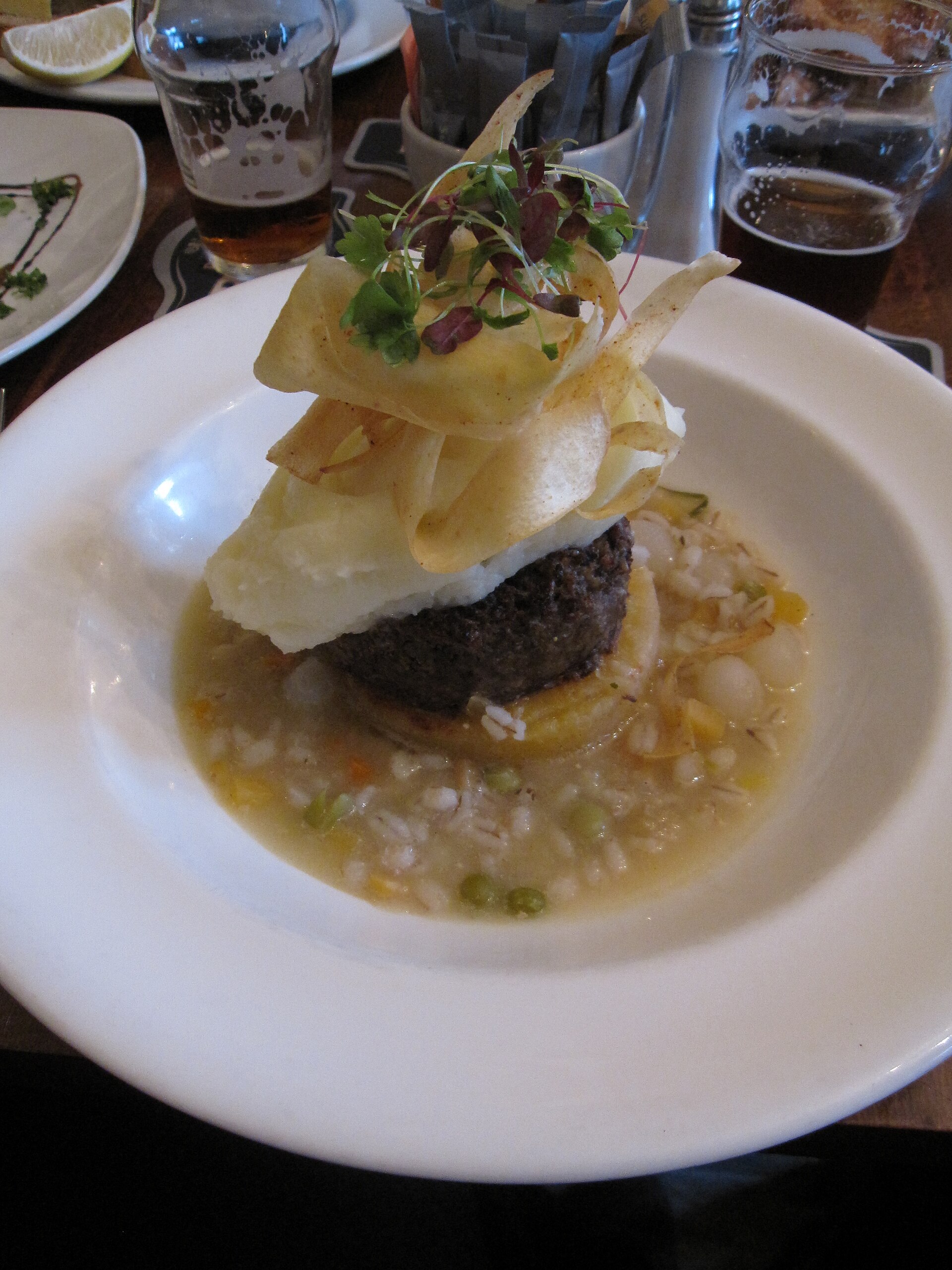
Vegetarian haggis is genuinely good, not a compromise
I want to be careful not to oversell this, so here is the plain version: vegetarian haggis is a properly good dish in its own right, established producers such as Macsween make it, and if you ordered it without being told you would not feel short-changed.
It has been on sale commercially since 1984, which is long enough to stop treating it as a novelty. Macsween’s version is built on oats, black kidney beans, carrot, swede, mushrooms, red split lentils, onions, and pumpkin and sunflower seeds, with margarine, seasoned with the same spice profile as the meat one.
Crucially, it gets the texture right. The crumb is there, the pepper is there, and mushrooms and lentils supply enough savoury depth that it does not read as a vegetable side dish pretending to be a main. Most Scottish pubs and restaurants list it as a straight swap on the same plate, at the same price, so a mixed table can order the same dish two ways. Many versions are vegan as well as vegetarian, but check — some use butter in the mash rather than in the haggis itself.
Burns Night, and why a poem made this the national dish
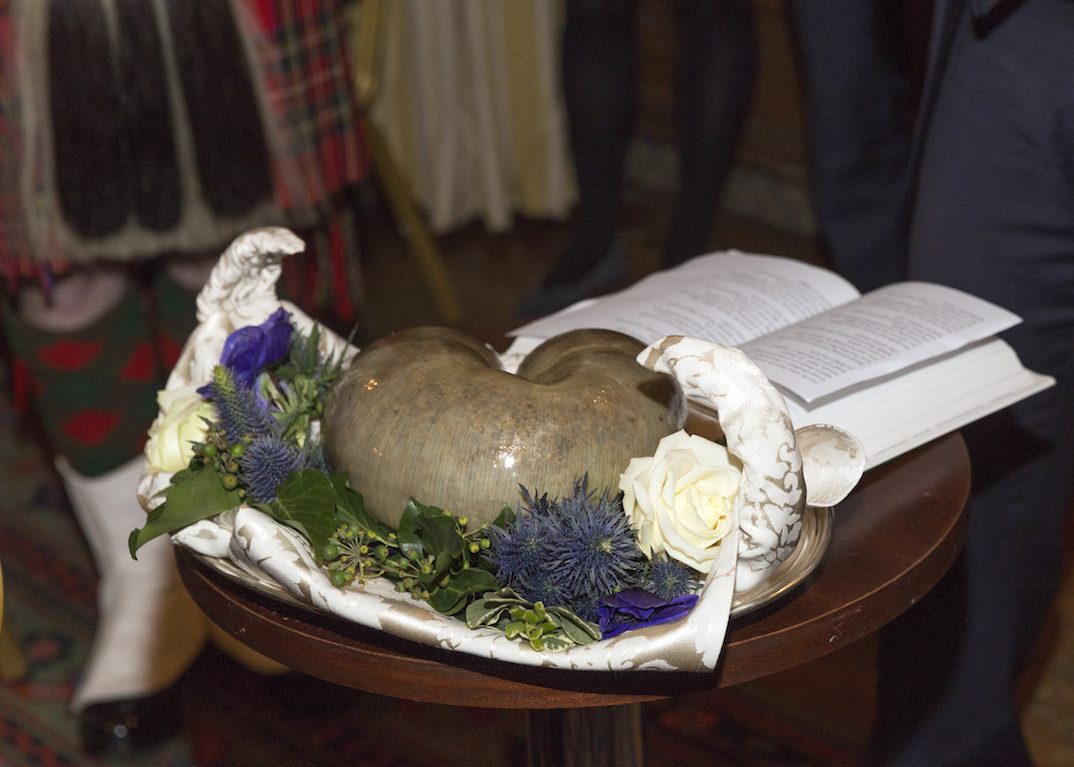
25 January, every year
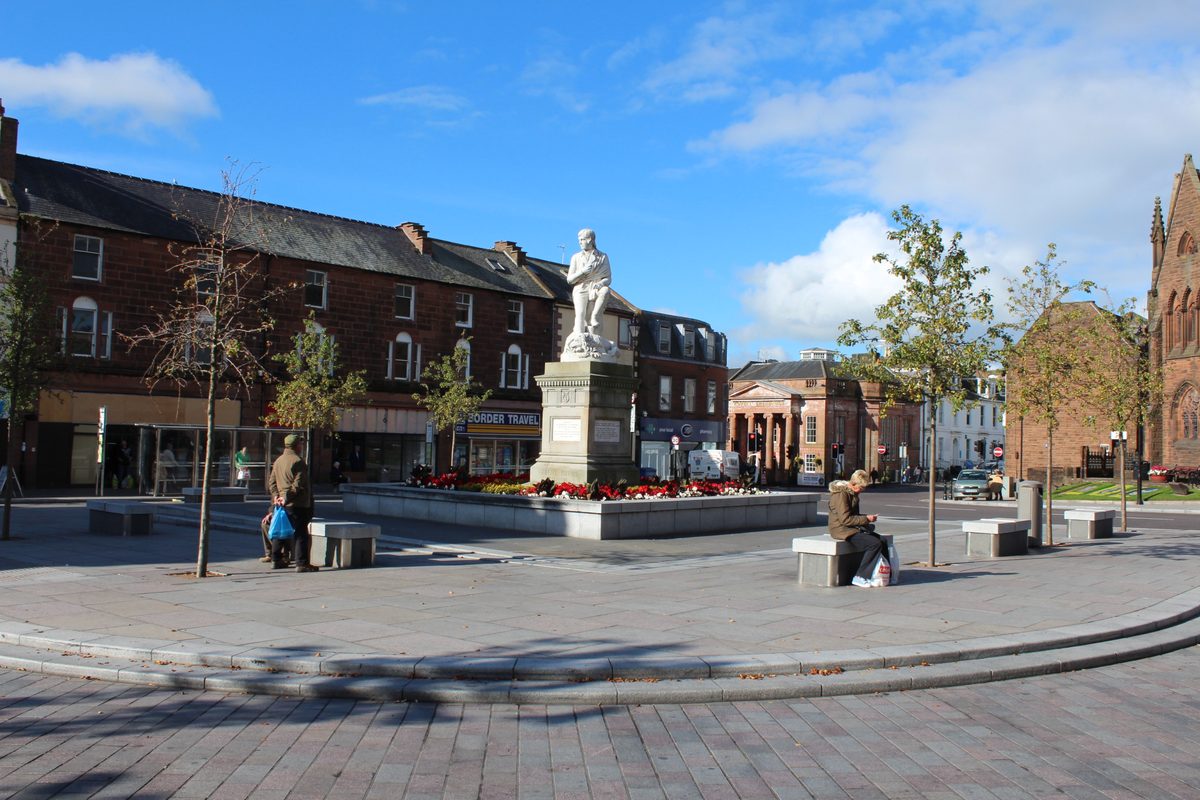
Robert Burns was born on 25 January 1759 in Alloway, Ayrshire, and died in 1796 at 37. In 1801 a group of his friends gathered to mark the anniversary of his death with a dinner, and the format stuck. Today the Burns supper is held on or near his birthday, 25 January, and it happens in village halls, hotel dining rooms, rugby clubs and front rooms across Scotland and wherever Scots have settled.
If you are here in January and want to see one, book early. Hotels and restaurants across Edinburgh and Glasgow run public Burns suppers and they sell out. Our guide to Scotland’s festivals and events has the wider calendar, and visiting Scotland in winter covers what else the month has going for it.
The Address to a Haggis
Burns wrote “Address to a Haggis” in 1786; it appeared in the Caledonian Mercury in December of that year. It is eight stanzas of mock-heroic praise for a cheap dish eaten by poor people, and it is funnier than its reputation suggests — a good chunk of it is Burns being rude about thin French cooking by comparison.
At a proper Burns supper the haggis is carried in on a platter behind a piper, everyone stands, and someone recites the poem over it. It opens:
Fair fa’ your honest, sonsie face,
Great chieftain o’ the puddin-race!
At the line about cutting it open, the reciter drives a knife into the haggis and splits it lengthways, at which point steam goes everywhere and the front row learns something about where to sit. Then everyone toasts it with whisky and sits down to eat. It is theatrical, slightly absurd, and one of the better nights out you can have in a Scottish January — it sits comfortably alongside the other experiences you can only really have here.
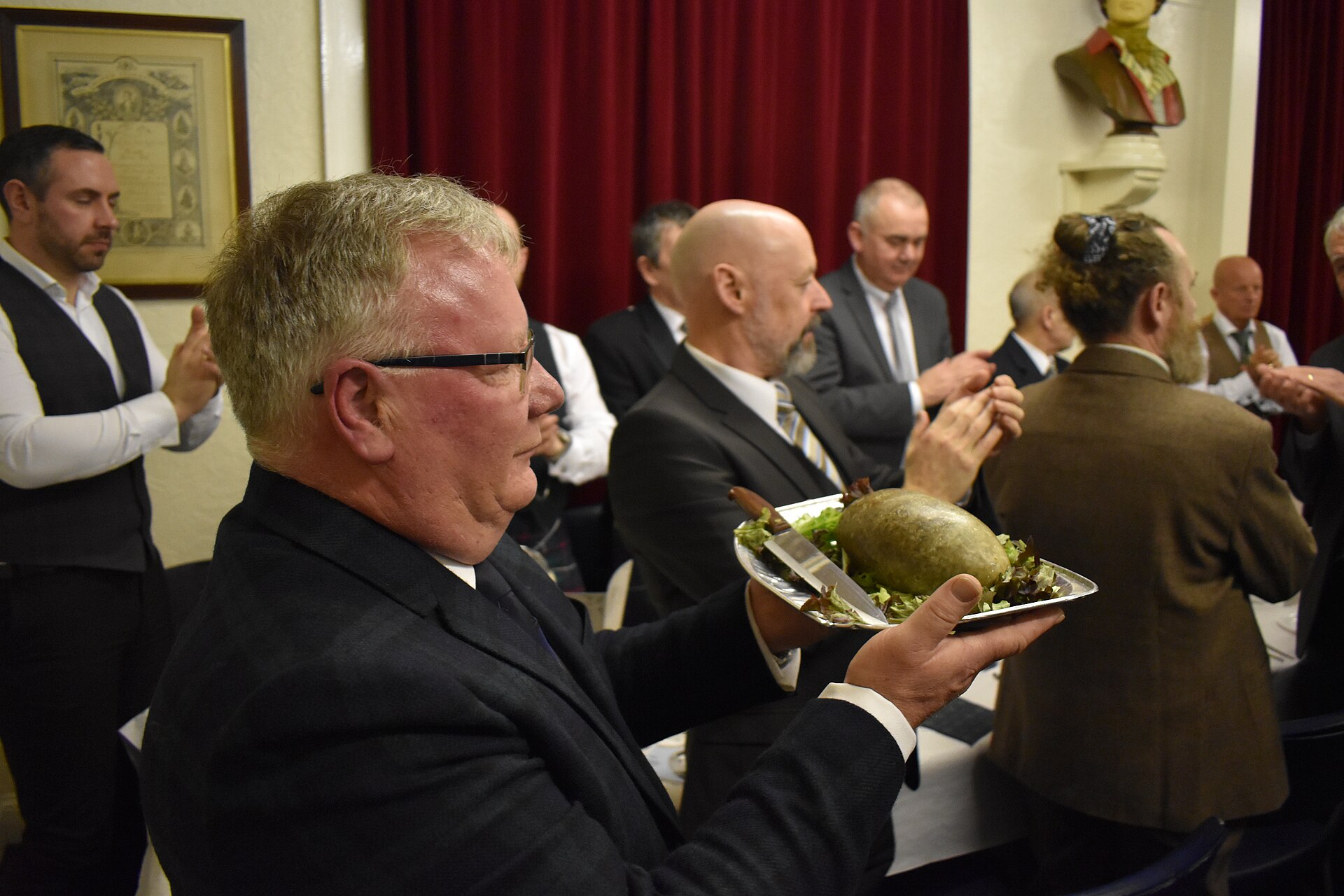
The wild haggis, and why Scots keep a straight face
You will be told, at some point, that the haggis is a small shaggy creature of the Highland hills, and that its legs are shorter on one side than the other so it can run round a steep slope without falling over — which is why there are clockwise and anticlockwise haggis, and why they cannot mate with each other. It is a joke, it has been running for well over a century, and Scots deliver it deadpan because the payoff is entirely in whether you believe them. A 2003 poll reported that roughly a third of American visitors thought haggis was an animal, which is the statistic that keeps the gag alive. Play along, then order one.
Why Americans cannot buy real haggis, and what that means for you
If you are reading this from the United States and have eaten something labelled haggis at home, you have not eaten traditional haggis. This is worth knowing before you compare notes.
On 17 June 1971 the USDA published a rule stating that livestock lungs shall not be saved for use as human food. It applies to all federally inspected livestock, not just sheep. The stated reasoning is that stomach fluid can enter the lungs during slaughter. The effect, though, is that traditional haggis cannot be imported into the US and cannot legally be produced there either.
American-made “haggis” therefore leaves the lung out and compensates with extra heart, liver or ground lamb. It is a perfectly decent product. It is also denser and closer to a pâté, because the lung is precisely the ingredient that makes traditional haggis light and airy.
Two footnotes worth having. The BSE-era ban on British beef and lamb was a separate issue, and the lung rule stands on its own. And Macsween’s US site promotes its Scottish Veggie Crumble; whether a meat haggis of theirs is on American shelves by the time you read this is worth checking on the producer’s own site rather than taking my word for it.
The practical upshot: if haggis is on your list, eat it here. It is one of the things that genuinely does not travel, which is a decent argument for putting it near the top of any Scotland bucket list.
How to eat haggis for the first time
Order the starter, not the main
If you are unsure, order a haggis stack or a portion of bon bons as a starter. You get the full flavour for around £8–10 and a third of the commitment, and if you love it you can order the main next time. A full main portion is a lot of a rich, dense dish for someone meeting it cold.
Get the whisky sauce, on the side
Whisky cream sauce is the single best thing you can put on haggis, and it is not just a tourist flourish — the cream rounds off the pepper and the alcohol cuts the fat. Ask for it separately so you control how much lands on the plate. If a peppercorn sauce is the only option, take it.
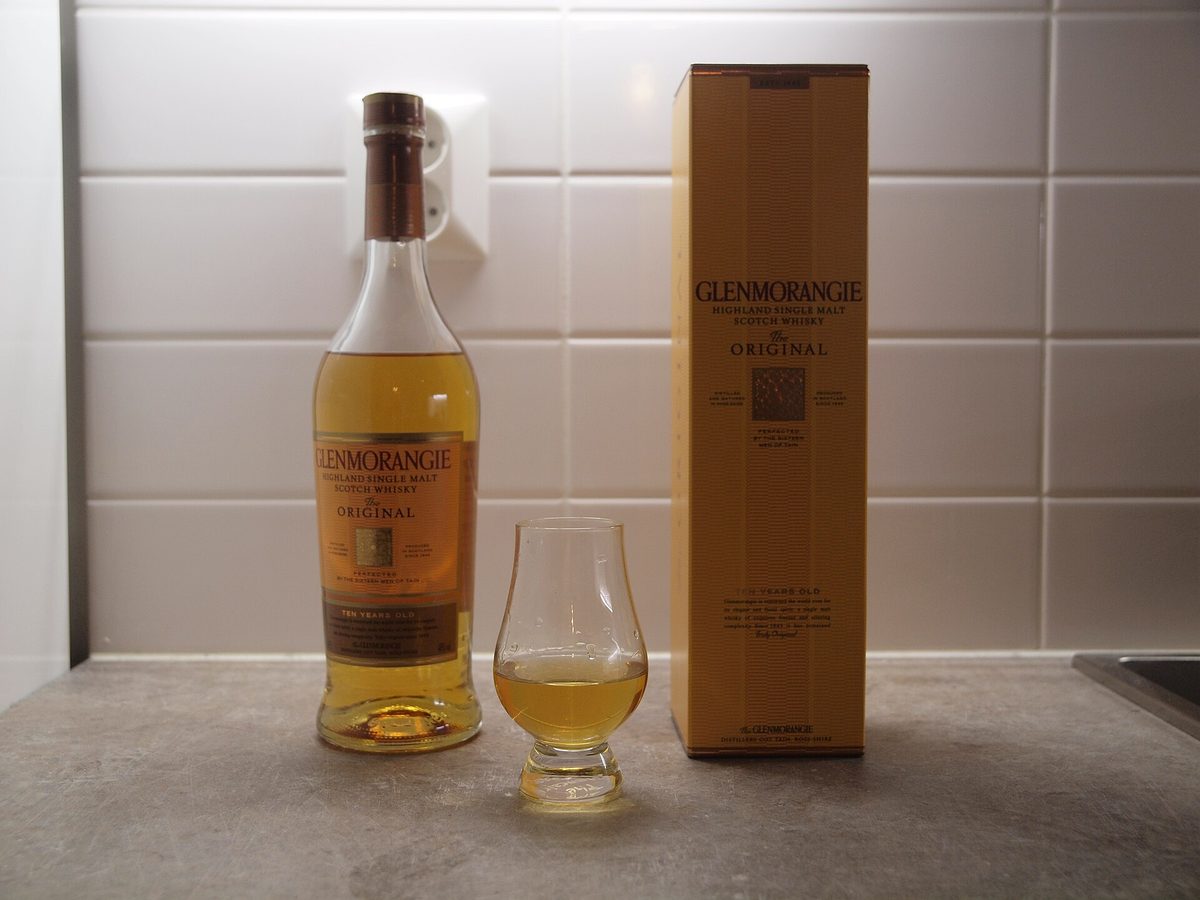
Have a dram with it, and pick the right one
A Speyside or Highland malt with some sweetness works far better than a heavily peated Islay whisky, which will steamroller the food. Glenmorangie, Glenfiddich and Balvenie all do the job for a few pounds a measure in most pubs. A splash of water opens it up. If whisky is not your thing, a dark ale or a stout works well and nobody will mind. Our guide to Scotch whisky distilleries is the place to go if the dram turns out to be the part you enjoy most.
Eat everything together
Do not take a forkful of plain haggis first to test it. The dish is designed as a three-part mouthful: haggis, sweet neeps, buttery tatties. On its own the haggis is intensely peppery and a bit much. With the mash it balances out, which is the whole design.
If you bounce off it, order this instead
No shame in it. Ask for Cullen skink, a thick smoked haddock, potato and onion soup that is one of the best things in Scottish cooking and about as unthreatening as food gets. Scotch broth, a steak pie, or fish and chips will all be on the same menu. Cullen skink is the one I would push you towards, and our run-through of the classic Scottish dishes explains what else on that menu is worth your time.
Where and when to try it
Haggis is on menus year-round, everywhere, in every price bracket. You do not need to plan a trip around it. Whether you need to book depends on the restaurant, and Burns Night on 25 January brings special suppers, so check with the venue you have in mind.
In Edinburgh the old-town pubs and hotel restaurants all serve it, and you will find it within a few minutes’ walk of anywhere on the Royal Mile. Prices climb steeply the closer you get to the castle, so walk two streets off the tourist route and you will pay less for a better version. If you are planning a short city stay, both our one day in Edinburgh route and the longer two-day Edinburgh itinerary leave room for a proper sit-down dinner.
In Glasgow the cooking is more inventive with it — haggis pakora came out of the city’s Scottish-Indian restaurants, and places like Stravaigin have long made their own haggis in-house. Mharsanta is another, cooking with locally sourced Scottish produce. Menus change, so check before you make a special journey.
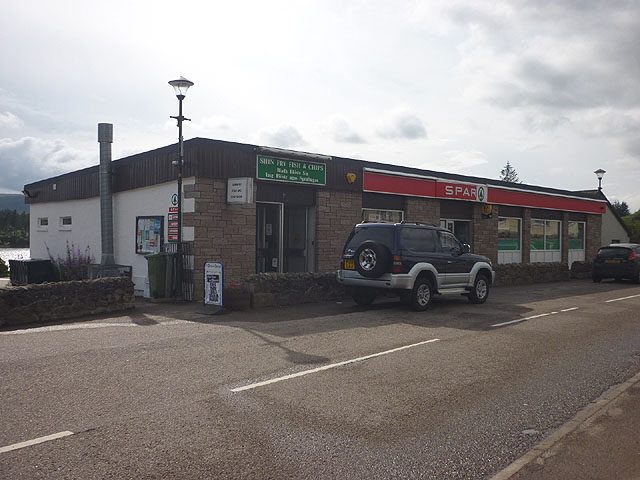
In the Highlands, the butcher is often better than the restaurant. Inverness has good butchers and a solid pub scene, and if you are basing yourself there for a few days — see our notes on where to stay around Inverness and Loch Ness — you will not struggle to find it. It also turns up in unexpected places on the North Coast 500, where a haggis supper from a village chip shop is a fine end to a long day’s driving.
What underwhelms, and the mistakes people make
Chip-shop haggis is not a fair test
A haggis supper — battered and deep-fried with chips — is a proper Scottish thing and worth eating once. It is not a good way to judge the dish. The batter and the fryer flatten the spicing, and chip shops rarely use the best haggis. If your only experience is a haggis supper at midnight, you have not really tried it.
The hotel breakfast slice can be poor
Haggis on a full Scottish breakfast is a lovely thing when the hotel uses a decent product. Plenty use a cheap one, slice it thin and fry it hard, and you end up with a dry grey disc. Judge it in the evening instead.
Read the menu on the busiest tourist streets
On the busiest stretches of the Royal Mile, read the menu before you sit down, and compare it with a decent pub in Leith or Stockbridge. This is one of the more useful things in our general Scotland travel tips.
Ordering it as a main when you are already full
Haggis is heavy. It is oats and suet and offal, designed to keep a farm worker going through a February day. After a full day of walking it is perfect. After a big lunch it will defeat you.
Expecting something exotic
Some people are quietly disappointed that haggis is not stranger. They have built up the idea of a challenging, confronting dish and what arrives is a nice peppery mince with mash. That is the honest outcome for a lot of visitors. It is comfort food, not a dare.
Frequently asked questions
Is haggis good?
Good haggis is genuinely very good — peppery, savoury, comforting, and better than its reputation. Bad haggis is dry and dull. The variable is the producer, not the dish. Order it in a decent pub or restaurant rather than judging it by a chip-shop or budget-hotel version, and the odds are strongly in your favour.
Does haggis taste like offal?
Not in any obvious way. The offal is minced fine, cooked for hours and buried under black pepper, spices and oatmeal, so what you taste is savoury depth rather than organ meat. There is a faint liver note at the back, comparable to a coarse country pâté. Most people who dislike liver on its own are fine with haggis.
What is haggis made of exactly?
Sheep’s pluck — heart, liver and lungs — minced with oatmeal, suet, onion, stock, salt and a spice mix built around black pepper. It is then cooked slowly in a casing. Oatmeal makes up a large share of the mix. Some commercial versions substitute pig offal, which the label will state.
Is haggis still cooked in a sheep’s stomach?
Rarely. Almost all haggis sold today uses a synthetic casing, which is easier to handle, safer and cheaper. Some butchers still make stomach-cased haggis for Burns Night, mainly because it looks right for the ceremony. The casing is never eaten either way, so the difference is presentational rather than culinary.
Why is haggis banned in the United States?
A USDA rule published on 17 June 1971 prohibits livestock lungs in human food, and sheep lung is a core haggis ingredient. It applies to imports and domestic production alike, and covers all livestock rather than targeting Scotland. American versions leave the lung out, which makes them denser and more pâté-like than the real thing.
Is vegetarian haggis worth trying?
Yes. It has been sold commercially since 1984. Built on oats, pulses, root vegetables, mushrooms and seeds with the same spicing, it gets both the pepper and the crumbly texture right. Many menus offer it alongside the meat version at the same price.
When is Burns Night and do I need to book?
Burns Night falls on 25 January, Robert Burns’s birthday. Public Burns suppers in Edinburgh and Glasgow hotels and restaurants sell out well in advance, so book several weeks ahead if you want a full ceremony with a piper and the Address to a Haggis. Ordinary restaurants serve haggis all year without any booking required.
How much does haggis cost in Scotland?
At the time of writing, expect around £14–18 for haggis, neeps and tatties as a pub main, £8–10 for a starter-sized stack, and £7–9 for a haggis supper from a chip shop. A 400g to 500g haggis from a butcher, enough for two, costs around £5–7.
Final thoughts
Order it anyway, even if it feels like signing a waiver. The gap between what the ingredient list promises and what turns up on the plate is enormous, and it runs entirely in your favour.
Order the starter portion if you are nervous, take the whisky sauce on the side, and eat it with the neeps and tatties rather than testing it alone. If you like a good sausage, you will like this. And if you want to keep going, the wider world of Scottish food and drink has plenty more worth your appetite — Cullen skink, Arbroath smokies, a proper steak pie — all of which pair nicely with a few days in the Scottish Highlands or a first trip planned around our first-time-in-Scotland advice.
About the author: This guide was written and is maintained by the ScotlandTourism.org editorial team — travel writers who’ve spent years exploring Scotland’s cities, Highlands and islands, from bagging Munros to chasing the perfect dram. We update our guides regularly to keep prices, opening details and advice current.
Last updated: November 2026. Prices and opening times change — always check the official site before you travel.
Photo credits
All images are used under their respective Creative Commons or public-domain licenses:
- Haggis — Evelyn Hollow, CC BY-SA 4.0, via Wikimedia Commons
- A whole haggis presented on a platter at a Burns supper — Number 10, Public domain, via Wikimedia Commons
- Haggis for sale in a Scottish butcher shop window alongside pies — kim traynor, CC BY-SA 2.0, via Wikimedia Commons
- Haggis pakora cut open — Aymatth2, CC BY-SA 4.0, via Wikimedia Commons
- The Robert Burns statue in Dumfries — Billy McCrorie, CC BY-SA 2.0, via Wikimedia Commons
- A Highland chip shop of the kind that sells a haggis supper — Karl and Ali, CC BY-SA 2.0, via Wikimedia Commons
- A glass of Highland single malt — JIP, CC BY-SA 3.0, via Wikimedia Commons
- Bringing in the haggis at a Dundee Burns supper: Bringing in the haggis by Connor Beaton, CC BY-SA 4.0, via Wikimedia Commons.
- Haggis, neeps and tatties in Pitlochry: Haggis at the Auld Smiddy Inn by Bernt Rostad, CC BY 2.0, via Wikimedia Commons.