The question I get asked more than any other about Scotland is not what to see. It is where to sleep. And the reason people find it so hard to answer is that almost nobody answers it properly: work out where to stay in the Scottish Highlands and you have solved about 70% of your trip, because the bed you book is what determines how many hours of every single day you spend behind a windscreen.
I have based myself in all eight of the towns below at different times, and I have made the classic mistake more than once — booking somewhere lovely, then discovering it sits two and a half hours from everything I actually wanted to see. This guide treats the whole thing as a driving problem rather than a beauty contest. Real drive times, what each town gives you at half past eight at night, what it costs, and when you should stop trying to find one perfect base and split the trip in two.
Where to stay in the Scottish Highlands: the short answer
For a first trip, Inverness. It has the most beds, the shortest drives to Loch Ness, the Cairngorms and the north coast, and kitchens still serving at 8:30pm. If your plans lean west — Glencoe, Glenfinnan, Skye, Mallaig — base in Fort William instead. For anything over five days, split the week between two towns rather than forcing one.
The eight bases at a glance
| Base | Strongest for | Drive to Portree | Drive to Glencoe | Hot meal at 8:30pm? | Typical summer double |
|---|---|---|---|---|---|
| Inverness | Loch Ness, Culloden, Cairngorms, the north | 2h 30m | 2h | Yes, reliably, year-round | £90 to £160 |
| Fort William | Glencoe, Ben Nevis, Glenfinnan, Mallaig | 2h 45m | 30 min | Usually, if you order by 8:30 | £100 to £180 |
| Aviemore | Cairngorms walking, families, winter snow | 3h 15m | 2h 15m | Usually | £100 to £180 |
| Oban | Mull, Iona, seafood, arriving from Glasgow | 4h | 1h | Yes in season, thin in winter | £100 to £170 |
| Pitlochry | First or last night, rail access, distilleries | 4h 15m | 2h | In season, yes | £90 to £160 |
| Ullapool | Assynt, the north-west, Lewis ferry | 2h 30m | 3h | In season only | £110 to £190 |
| Kyle of Lochalsh | Skye at lower cost, Applecross, Plockton | 50 min | 2h 15m | Rarely | £90 to £150 |
| Portree | Skye at sunrise, no daily bridge run | — | 3h | Yes, if you booked a table | £150 to £260 |
Times are typical driving times in decent conditions, not the optimistic figures your satnav shows in January. Add 20% in July, add more if you are behind a motorhome on a single-track road, and remember that every one of these numbers is one way.
Think of it as a driving problem, not a beauty contest
The Scottish Highlands take in an area larger than Wales, laced with sea lochs that force every road into an enormous detour. Glencoe and Ullapool look close together on a map. They are three hours apart, and the road between them is not a motorway.
So before you look at a single hotel photograph, do this bit of arithmetic.
The ninety-minute rule
Ninety minutes each way is the practical limit for a day trip you will enjoy. Three hours of driving, plus stops, plus lunch, plus the walk you actually came for, and you are back at seven o’clock feeling like you have earned your dinner.
At two hours each way you are looking at a nine-hour day and you will resent it by the third repetition. At two and a half hours each way — Inverness to Skye, say — you have a five-hour round trip and perhaps three usable hours at the far end. People do it. They come home saying Skye was crowded and disappointing, having seen one car park and a queue.
Draw a 90-minute circle around each candidate base and see how many of the places on your list fall inside it. That single exercise usually picks the town for you. If you are still working out how long the trip should be in the first place, our guide to how many days you need in the Highlands pairs neatly with this one.
What a town owes you after 6pm
This is the factor nobody writes about and everybody feels. You come off a hill at six, soaked, and you want a hot meal, a pint and a shop that sells plasters.
In Inverness that is a non-event. In Kyle of Lochalsh in November it can be a genuine problem. Highland kitchens close early — last orders at 8pm or 8:30pm is normal, not unusual, and in the smaller places the one restaurant may be shut on a Monday and shut altogether from October. Supermarkets are your safety net: Inverness, Fort William, Aviemore and Oban all have large ones open into the evening, and the rest of this list does not.
The three questions that decide it
First: is your trip weighted west or east? Skye, Glencoe, Glenfinnan, Applecross and Mull are west. Loch Ness, Culloden, the Cairngorms, Speyside and the far north are east and central. Almost nobody’s list is evenly split, and the weighting picks your side of the country.
Second: are you driving? If not, your options shrink to four towns, and one of them is not in the Highlands at all.
Third: how many nights? Under four, pick one base and accept the compromise. Five or more, and a split beats a single base almost every time — more on that below.
The all-rounders: Inverness and Fort William
These two carry most Highland trips between them, and the choice between them is the real decision behind the phrase “best base for the Scottish Highlands”.
Inverness — functional, well-connected, not beautiful
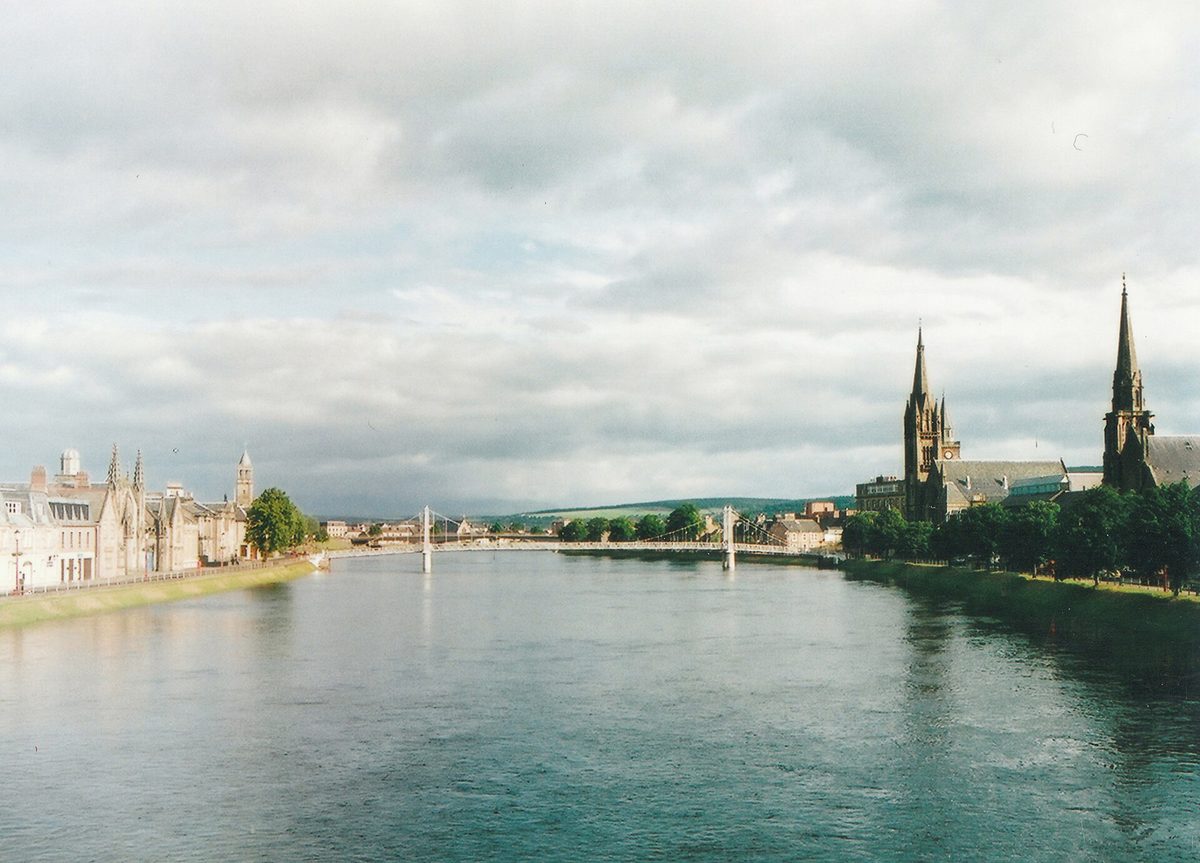
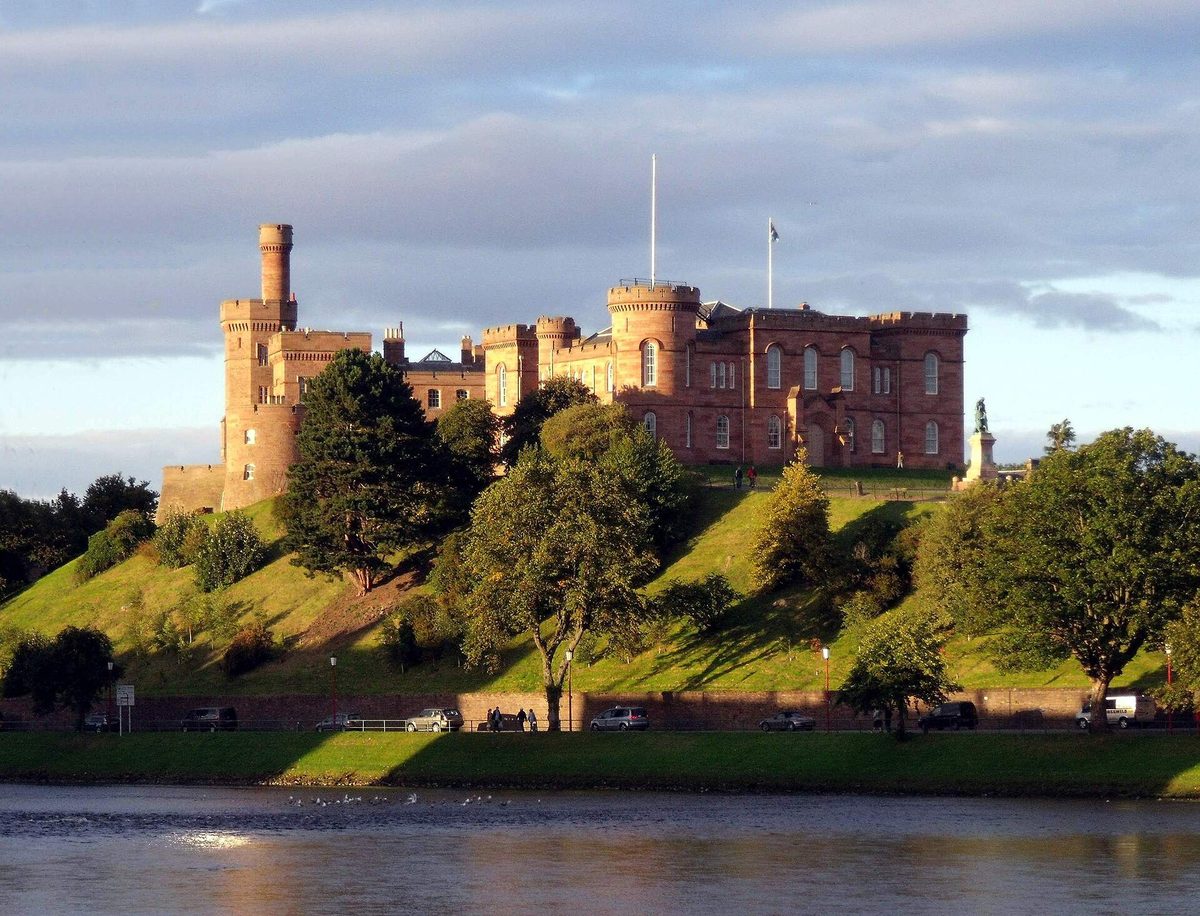
Let me be honest first, because plenty of guides will not be: Inverness is not a pretty town. It has a fine stretch of river, a red sandstone castle on a mound, the Ness Islands footbridges, and beyond that a perfectly ordinary British high street of chain shops and 1960s infill. Arrive expecting a Highland Bruges and you will be deflated within an hour.
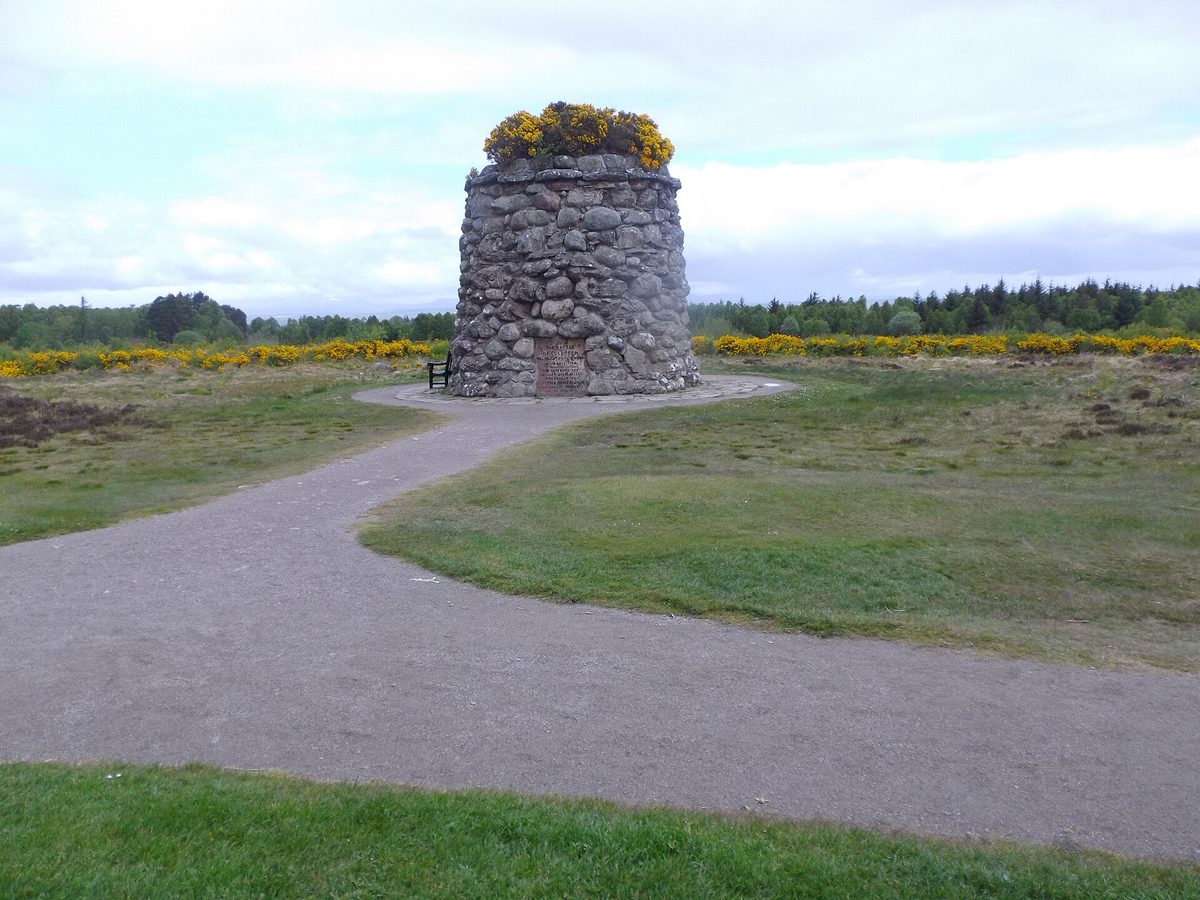
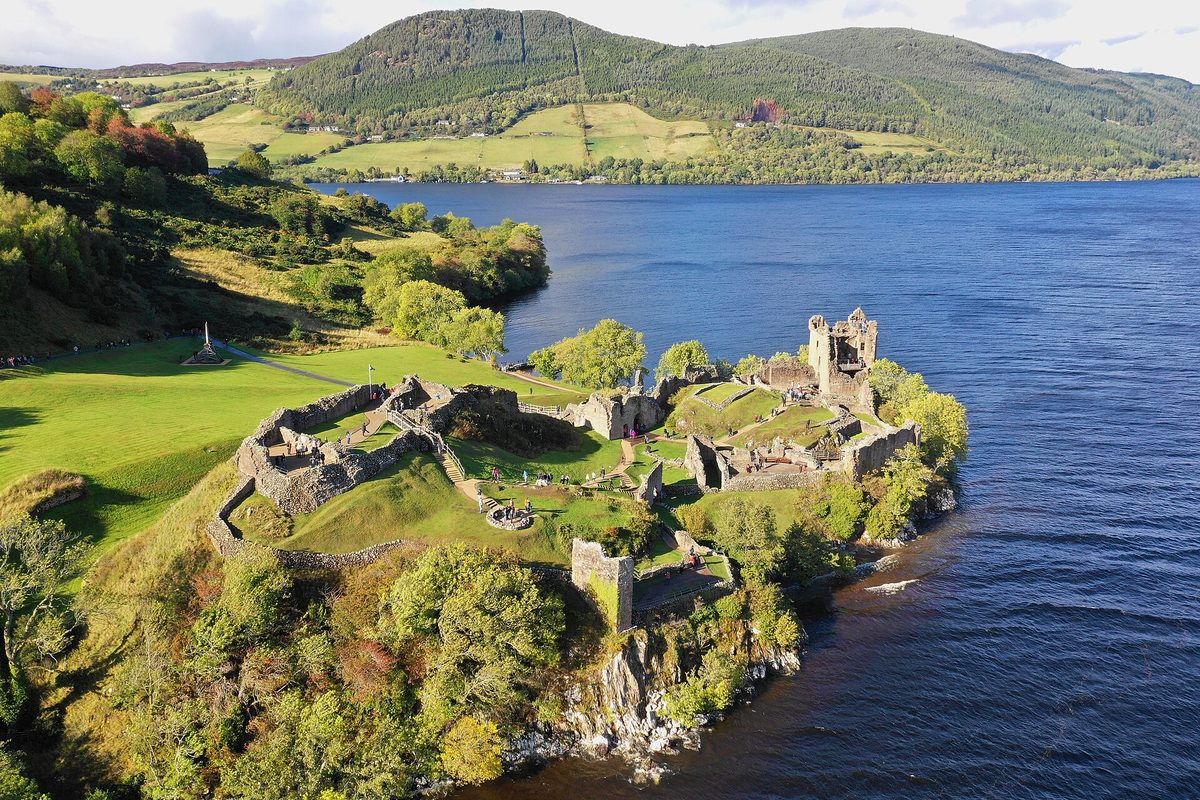
Arrive expecting a working small city that makes your holiday easier, and it delivers completely. Culloden is 15 minutes away. Urquhart Castle on Loch Ness is about 30 minutes down the A82. Cawdor Castle and the Moray Firth dolphin viewpoints at Chanonry Point are inside half an hour. Aviemore and the Cairngorms are 40 minutes on the A9, Ullapool 1h 15m, Fort William 1h 30m, John o’ Groats about 2h 30m. Nearly everything in the eastern and central Highlands sits inside that 90-minute circle.
After dark it is the only base on this list where I would confidently turn up at 8:30pm on a wet Tuesday in February and expect a proper dinner. There are restaurants along Church Street and the riverside, late supermarkets, a cinema, a theatre, and the sort of takeaway options that matter when you have been driving since dawn.
Rooms run from around £90 for a decent chain or guesthouse double to £160 for something with character, with the airport hotels cheaper and the riverside boutiques dearer. It is also the one Highland town where you can often still find a bed a fortnight out — except on event weekends. The Belladrum festival near Beauly, usually early August, empties the city of rooms, as do the summer Highland Games weekends, so check the local events calendar before you fix your dates.
The weakness is the west. Skye is a 2h 30m drive each way, Glencoe two hours, Glenfinnan close to two. Those are real days out, not afternoons.
Fort William — superb setting, disappointing town
Fort William is where the mountains are, and the town centre is the thing people are least prepared for. The High Street is a short pedestrianised run of ordinary shops. A dual-carriageway bypass runs between the town and the loch shore, so the water you can see from every approach road is oddly hard to reach on foot. There is an industrial edge to the north. If you arrive expecting Chamonix or Zermatt, you will spend your first evening wondering what went wrong.
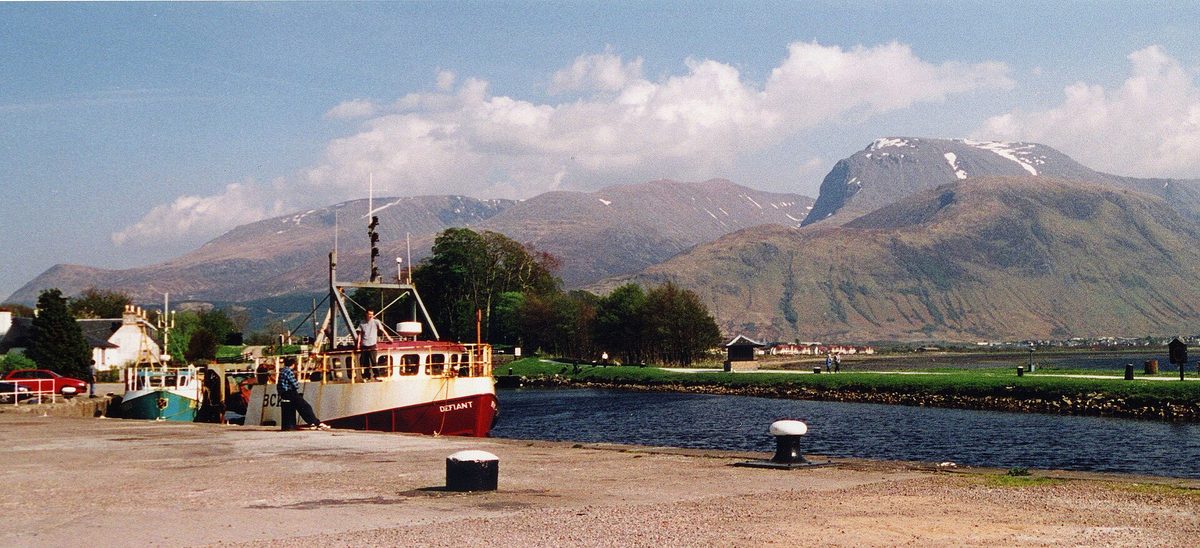
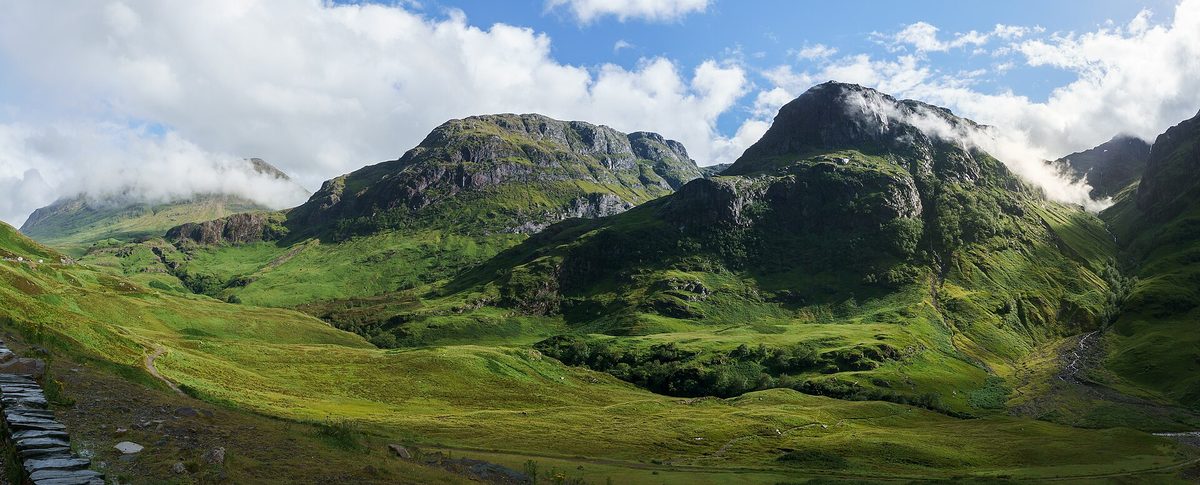
What you are actually paying for is the location, and it is outstanding. Glen Nevis and the Ben Nevis path start ten minutes from the town centre. The Three Sisters viewpoint in Glencoe is 30 minutes south on the A82. The Glenfinnan Viaduct is 30 minutes west on the A830, Mallaig and the Silver Sands of Morar about 1h 10m, Fort Augustus and the southern end of Loch Ness 50 minutes, Oban 1h 30m. There is more inside 90 minutes of Fort William than inside 90 minutes of anywhere else in Scotland.
Evenings are workable rather than generous. The High Street has a decent handful of restaurants and a couple of good pubs, there is a large supermarket that stays open late, and there is a proper mountaineering shop for when your boots give up. But kitchens tend to stop around 8:30pm, and in high summer the good places want you to book. Our Fort William guide covers what to do on the days when Ben Nevis is in cloud, which is most of them.
Expect £100 to £180 for a double in season; B&Bs along the Achintore Road on the loch shore are often the best value. Book earlier than you think for Fort William, because it is squeezed by walkers finishing the West Highland Way, climbers, and the mountain-bike crowd at Nevis Range on race weekends.
Fort William vs Inverness, decided properly
Forget which is nicer. Score your list.
If Glencoe, Ben Nevis, Glenfinnan, Mallaig, Ardnamurchan or the Jacobite steam train appear on it, Fort William wins and it is not close. If Loch Ness, Culloden, Speyside whisky, the Cairngorms, dolphins, Orkney or the north coast appear, Inverness wins by the same margin.
If Skye is the headline act, neither of them is the right answer and you should be looking at Kyle of Lochalsh or Portree. And if your list has items from both columns, you have just discovered that you need two bases, which is fine and usually cheaper than you fear.
The specialists: Aviemore, Pitlochry and Oban
Three towns that beat both all-rounders for particular trips, and lose badly for others.
Aviemore — the Cairngorms, families and winter
Aviemore is a purpose-built outdoor resort strung along one main street, and it is unapologetic about it. Nobody comes for the architecture. They come because the Cairngorm ski road, Loch Morlich’s sandy beach and the Rothiemurchus pine forest are all within 25 minutes, and because everything is set up for people arriving with wet boots and small children.
Drive times: Inverness 40 minutes, Loch Ness at Urquhart Castle about 1h 05m, the Speyside distilleries around Aberlour and Dufftown roughly an hour, Pitlochry 50 minutes down the A9. Glencoe is 2h 15m and Skye 3h 15m, which tells you plainly that this is an eastern base.
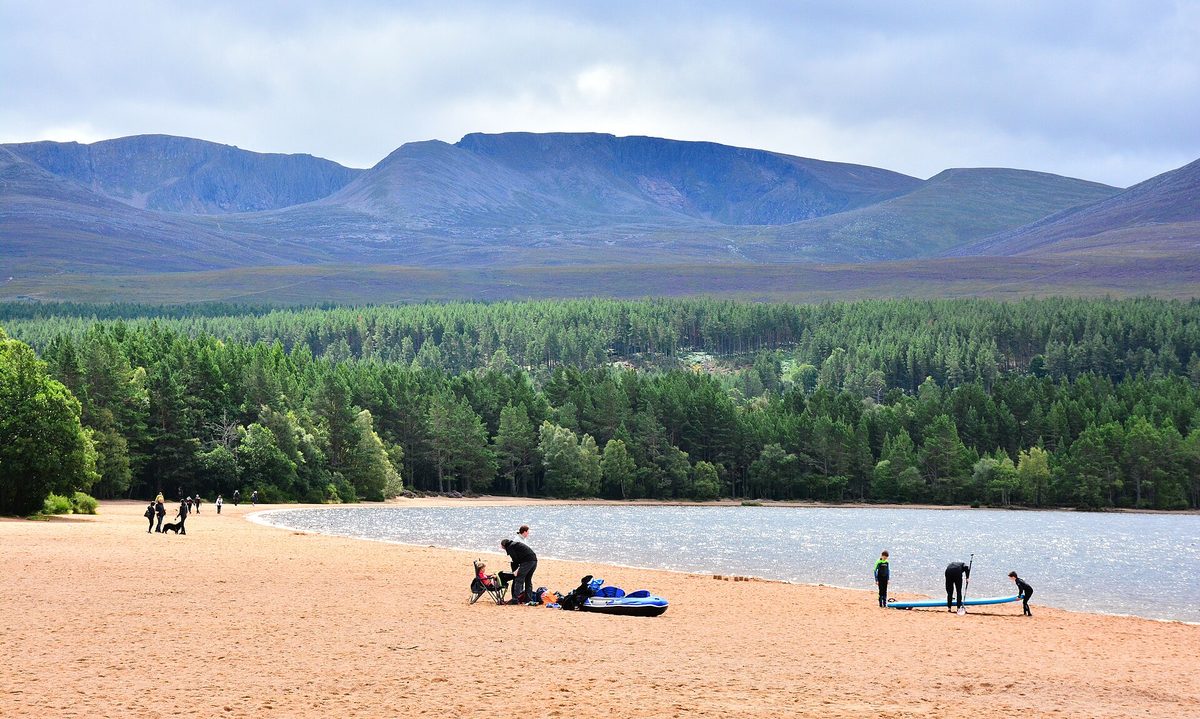
Evenings are fine without being exciting — hotel bars, a couple of good pubs, a big supermarket, and the mountain-town habit of feeding people who have been out all day. Rooms run £100 to £180 in summer, and the pattern is unusual: it also has a winter peak. Snowy weekends from January to March, plus February half-term and Easter, are the hardest nights of the year to book, and prices reflect it. The full picture is in our guide to Aviemore and the Cairngorms.
One genuine advantage for car-free travellers: the Caledonian Sleeper’s Highland portion stops here, so you can step off a London train and be walking under Scots pines before mid-morning.
Pitlochry — the gateway, not the destination
There is a reasonable argument that Pitlochry should not be on this list at all. It sits on the A9 in Highland Perthshire, at the southern threshold of the Highlands rather than inside them. Used as a base for the real Highlands it is too far south: Skye is over four hours, Ullapool nearly three, and even Glencoe is two.
Used as what it actually is — the first or last night of a Highland trip — it is close to perfect. Edinburgh is 1h 30m, Glasgow 1h 40m, Inverness 1h 35m. You can land at Edinburgh Airport, drive 90 minutes, and start your holiday properly instead of losing a day. On the way home you can do the reverse and not miss your flight.
The town itself is Victorian, walkable and genuinely pleasant, with two distilleries within a couple of miles, the Festival Theatre running through the season, the salmon ladder at the dam, and Blair Castle and the Queen’s View both close by. It is on the Highland Main Line and the sleeper stops here too, which makes it one of the easiest Highland towns to reach without a car. If you are coming up from the capital, it sits directly on the route described in our Edinburgh to Highlands road trip.
Rooms are £90 to £160 and the town is busiest in October, when the autumn colour along the Tummel valley draws coach parties.
Oban — the base for islands and seafood
Oban is the western ferry port, and that is its whole argument. Craignure on Mull is a crossing of roughly 45 minutes; from there you can reach Iona and the Staffa boats. Coll, Tiree, Colonsay, Barra and South Uist all sail from the same pier. If islands are what you came for, no other mainland base competes, and our guide to the Scottish islands is worth reading before you commit to a sailing.
By road, Glencoe is an hour, Fort William 1h 30m, Inveraray 50 minutes, Glasgow about 2h 30m. Skye is four hours, so cross it off. The town has the best seafood on this list by a distance, a working harbour, a distillery in the middle of it, and McCaig’s Tower on the hill for the sunset view. In summer the restaurants serve late and the chip vans by the pier serve later; in January it is a much quieter place.
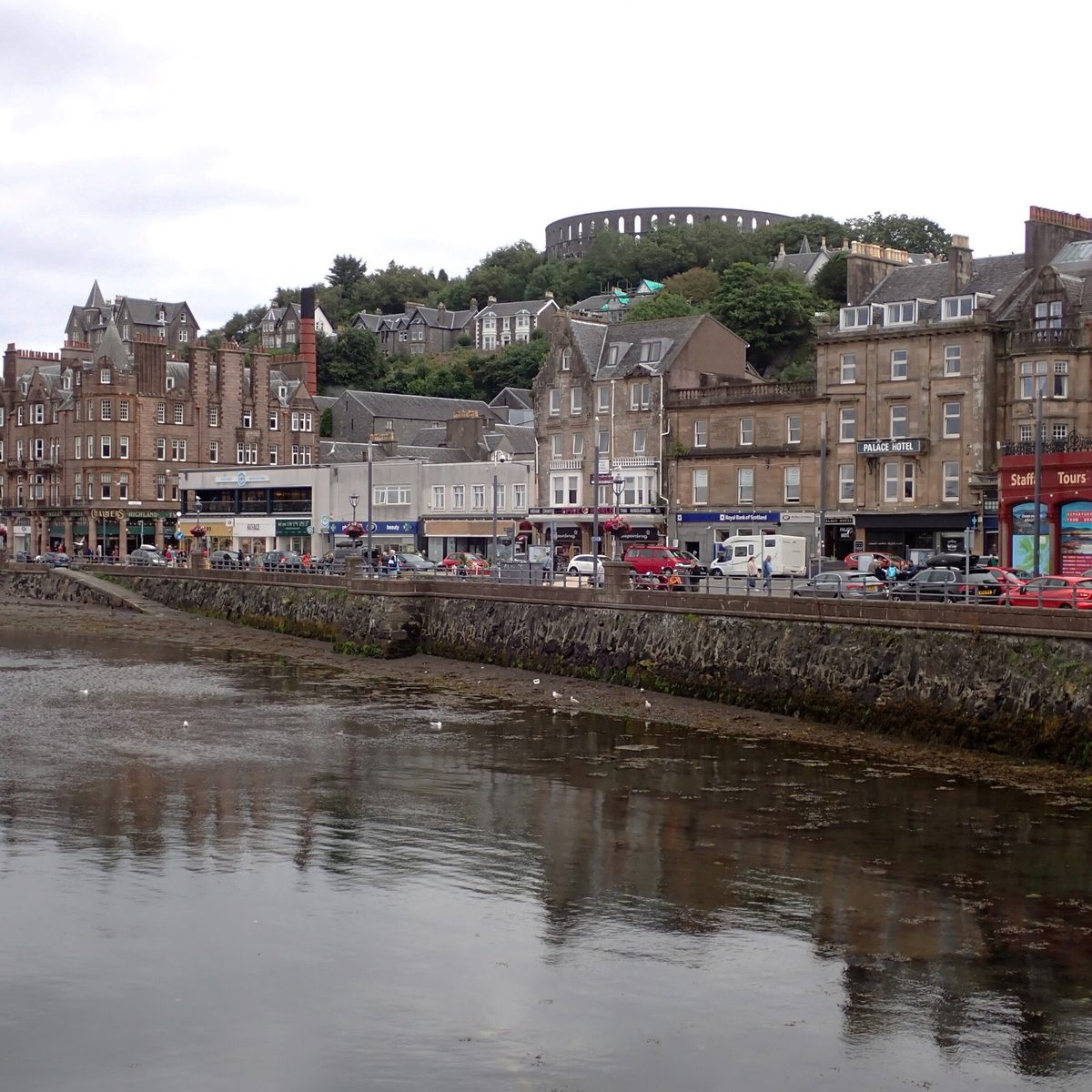
It is also the easiest of these towns to reach by train from Glasgow, at around three hours on the West Highland Line. Rooms are £100 to £170, with seafront Victorian hotels at the upper end. See our Oban travel guide for the ferry-day logistics, which reward a bit of planning.
The catch: if you are sailing anywhere, book the car deck well ahead in summer and be at the pier when they tell you, not when you feel like it. Miss a sailing and you have lost the day, not an hour.
The west-coast bases: Kyle of Lochalsh, Portree and Ullapool
These three exist to solve the Skye problem and the north-west problem, and each involves a trade you should make consciously.
Kyle of Lochalsh — the value play for Skye
Nobody puts Kyle of Lochalsh on a list of the prettiest Highland towns, and that is exactly why it is worth your attention. It sits at the mainland end of the Skye Bridge, which has been toll-free since 2004. That one fact makes it the most underrated base in the Highlands: you get Skye access at mainland prices.
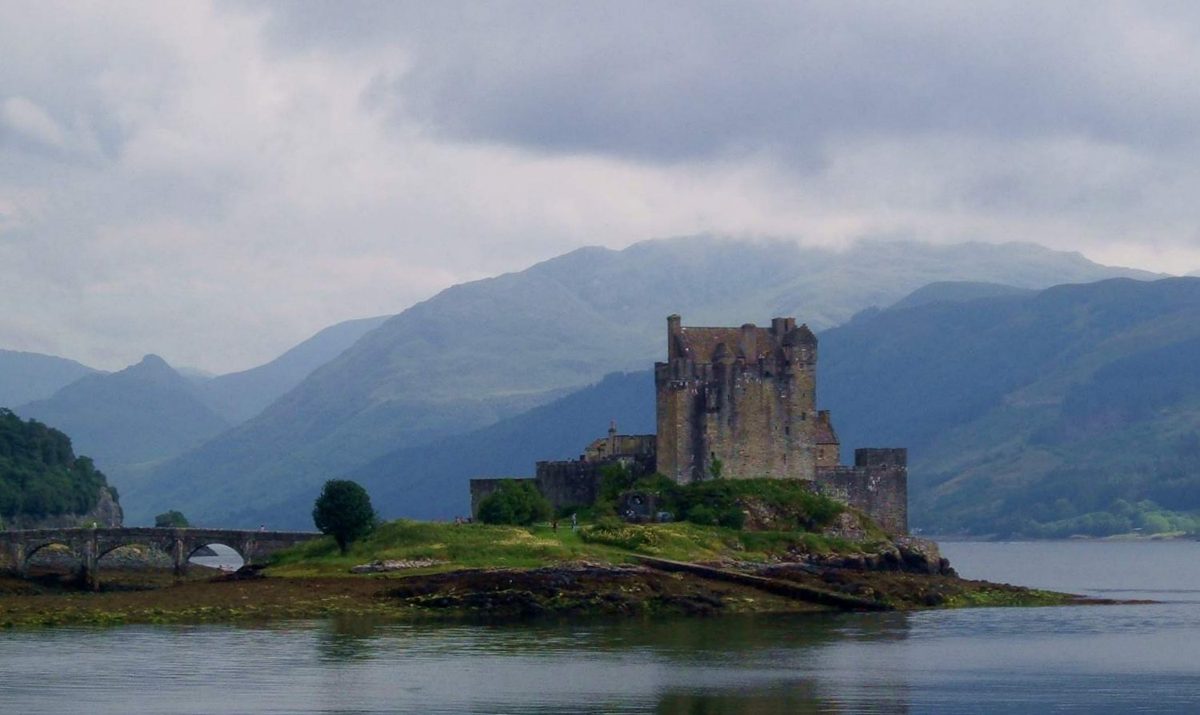
Portree is 50 minutes away. The Old Man of Storr car park is around 1h 05m, the Fairy Pools at Glenbrittle about 1h 10m, the Quiraing roughly 1h 25m. Eilean Donan Castle is ten minutes back down the A87, Plockton 15 minutes north, and the Bealach na Ba to Applecross about 1h 20m. Inverness is 1h 50m; Fort William two hours.
The maths is straightforward. A double in Kyle or Plockton typically runs £90 to £150 against £150 to £260 in Portree in July, and you can usually book it two months out rather than six. The cost is 40 minutes of bridge driving on Skye days.
The honest weakness is the evening. Kyle is a small ferry-era village with a Co-op, a chippy and a couple of hotel restaurants, and outside summer it goes quiet very early. Plockton, 15 minutes north, is prettier and has two proper inns, which is why I would generally sleep there instead if the budget stretches. Kyle’s compensation is the railway: it is the terminus of the Kyle Line from Inverness, about 2h 35m through the hills, with roughly four services each way Monday to Saturday and fewer on Sundays — check ScotRail before you rely on it.
Portree — you are paying for the mornings
Staying on Skye costs more and books out earlier than anywhere else in this guide. What you buy is time of day. The Storr and the Quiraing at 7am, with the light low and the car parks empty, are a completely different experience from the same places at 11am with three coaches in. From Portree the Storr is 15 minutes; from Kyle it is over an hour, and you will not be getting up at 5:30am to make it.
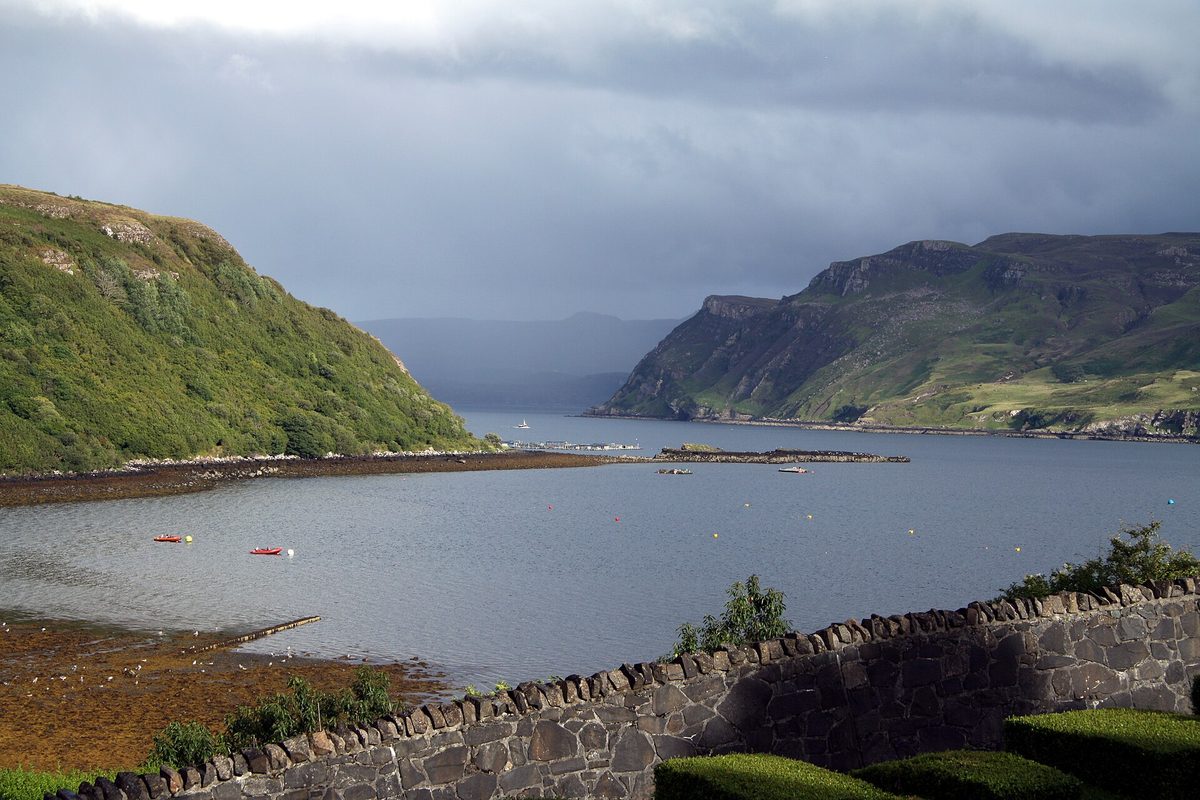
Portree is Skye’s only town of any size, arranged around a square and a harbour of coloured houses. The Quiraing is 35 to 40 minutes, Dunvegan Castle 40, the Talisker distillery at Carbost around 40, Neist Point about 1h 15m, Elgol an hour. Getting off the island takes 45 minutes to the bridge or an hour to Armadale for the Mallaig ferry.
In July and August expect £150 to £260 for an ordinary double, book four to six months ahead, and reserve dinner tables a few days in advance — turning up at 8pm in August and walking between full restaurants is a rite of passage nobody enjoys. In winter, several places close entirely.
My honest advice: two nights in Portree and two at Kyle or Plockton usually beats four nights of either. You get the early mornings where they matter and pay mainland prices for half the stay.
Ullapool — the north-west, and the ferry
Ullapool is a planned fishing village of white terraces on Loch Broom, and it is the only place on the north-west coast that functions as a proper base. Inverness is 1h 15m over the hill. Corrieshalloch Gorge is 15 minutes, Stac Pollaidh about half an hour, Lochinver and the Assynt coast 50 minutes, Handa Island around 1h 20m, Durness roughly 2h 15m. Skye is 2h 30m and Glencoe three hours, so this is a north-west base only.
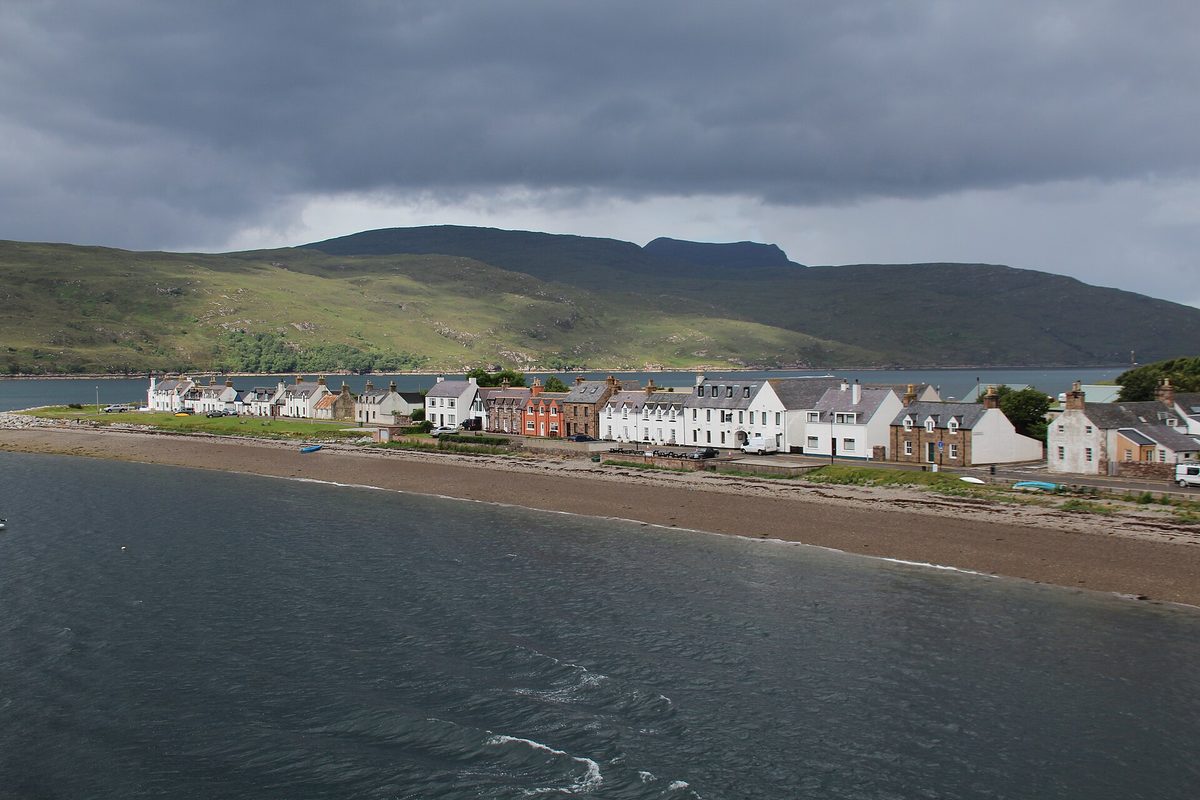
It is also the ferry port for Stornoway on Lewis, a crossing of around 2h 30m, which makes it the obvious jumping-off point for the Outer Hebrides. And it sits directly on the North Coast 500, which is both its blessing and its curse: from May to September the village is a bottleneck of motorhomes and beds go early. Three to four months ahead is sensible for July.
Evenings are seasonal. In summer there is a proper little scene — the arts centre and bookshop on West Argyle Street, seafood served from a shack by the pier, live music in the pubs. In February a good half of it is shut. Rooms run £110 to £190 and there is not much stock, so prices spike hard when the ferry is busy. There is no railway; the Citylink 961 from Inverness takes about 1h 25m and is timed around the sailings.
When two bases beat one, and when three do
This is the part most guides skip, and for trips of five nights or more it is usually the right answer.
Each move costs you roughly half a day: pack, check out, drive, arrive too early for check-in, find the new supermarket. So the rule is two nights minimum in any base, and never move for a single night more than once in a trip. Within that constraint, splitting is almost always better than a single base, because you stop paying the same long drive twice a day.
Five nights: two bases
Fort William two nights, then Inverness three. You get Glencoe, Ben Nevis and Glenfinnan from the first, Loch Ness, Culloden and the Cairngorms from the second, and the transfer between them is a 1h 30m drive along Loch Lochy and Loch Ness that is a sightseeing day in itself.
The west-weighted alternative is Fort William two nights, then Kyle or Portree three, giving you Skye properly. If you would rather see the whole shape of a trip first, our seven-day Scotland itinerary shows how these blocks fit around Edinburgh.
Seven nights: three bases, moving one way
Pitlochry or Oban one night on the way up, Fort William two, Skye or Kyle two, Inverness two. Every drive is under two hours, you never double back, and you finish at an airport and a railway station. This is the itinerary I recommend most often, and it is the one that makes the “which single base?” question dissolve.
Ten nights or more: add the north-west
Add two nights in Ullapool between Skye and Inverness, and you get Assynt, Stac Pollaidh and the Coigach coast — some of the emptiest and best country in Britain, and the part that day-trippers from Inverness never reach. It is the stretch of the trip people talk about afterwards.
When one base genuinely is enough
Three or four nights, one base. Two moves in a four-night trip means you spend a quarter of your holiday in transit. Pick Inverness for an eastern trip, Fort William for a western one, and accept that you will not see everything. You were not going to anyway.
Doing it without a car
You can absolutely visit the Highlands car-free, but your base choice narrows to towns on the rail or coach network, and the practical shortlist is Inverness, Fort William, Aviemore, Oban, Pitlochry and Kyle of Lochalsh.
The trains that matter
Inverness is the hub: the Highland Main Line from Perth and Edinburgh, the Aberdeen line, the Far North Line to Thurso and Wick, and the Kyle Line west to Kyle of Lochalsh in a little under three hours. Fort William and Oban sit on the West Highland Line from Glasgow Queen Street, about 3h 45m and three hours respectively, and the Fort William line continues to Mallaig past the Glenfinnan Viaduct — the ordinary ScotRail service runs that stretch year-round and costs a fraction of the steam train.
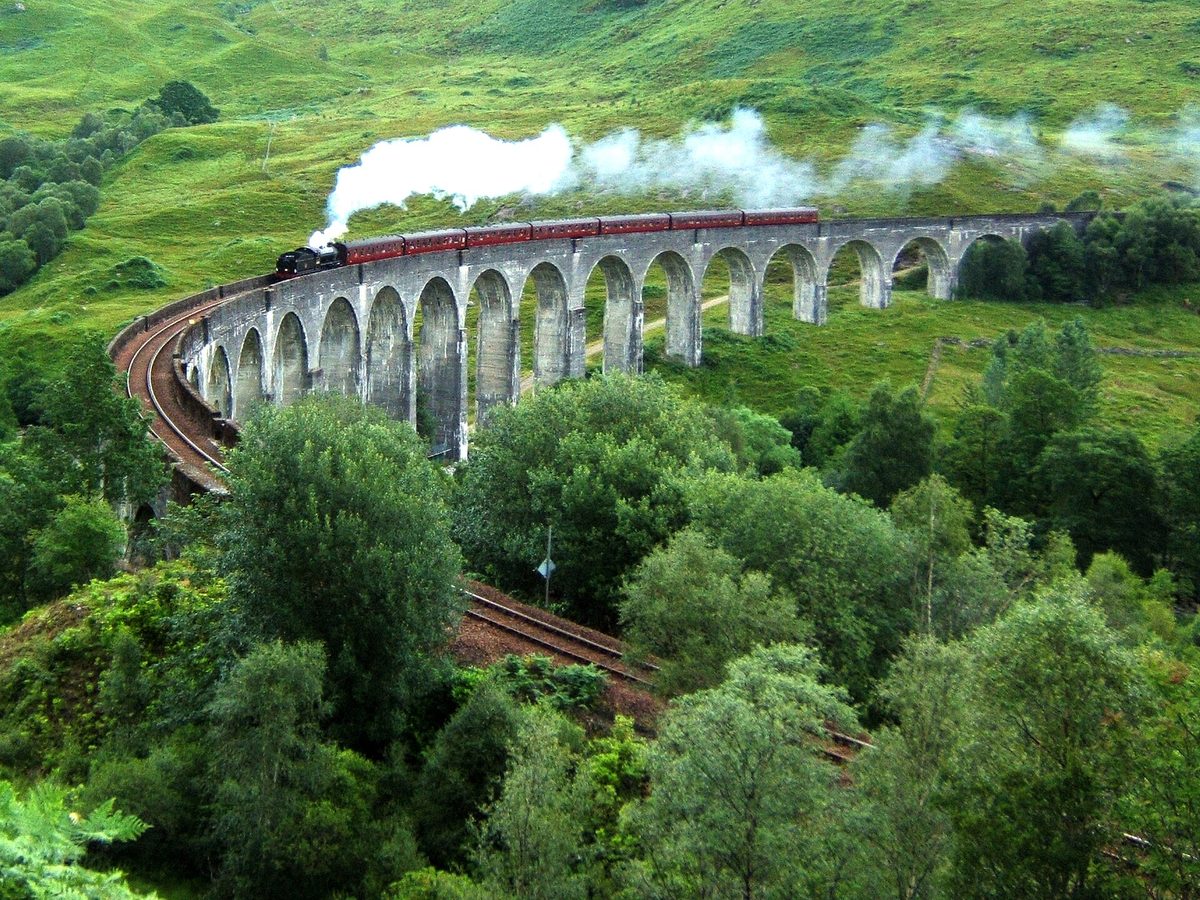
The Caledonian Sleeper from London splits in the small hours, with one portion serving Fort William and another running via Pitlochry and Aviemore to Inverness. Waking up in the Highlands having lost no daylight is a genuinely good use of a night, and several of these routes appear in our roundup of Scotland’s most scenic train journeys.
The coaches that fill the gaps
Scottish Citylink covers what the railway does not. The 919 runs Inverness to Fort William along Loch Ness, the 917 runs Inverness to Portree, the 915 and 916 run Glasgow to Fort William and on to Portree and Uig, and the 961 links Inverness with Ullapool for the Stornoway ferry. Book ahead in summer; these fill.
Two warnings. Sunday services thin out dramatically across the whole network, and local buses on Skye and in the north-west are built around school runs rather than sightseeing. If you are relying on public transport, our guides to getting around Scotland and to a full car-free Scotland itinerary will save you a lot of timetable staring.
Where day tours make sense
Inverness has by far the best choice of organised day trips — Skye, Orkney, Loch Ness, the Cairngorms — which is another point in its favour if you are not driving. A Skye day tour from Inverness is a long day for a short visit, but it beats not going, and it removes the problem of parking at the honeypots.
What it costs, and how far ahead to book
Highland accommodation is not cheap, and the gap between the well-served towns and the remote ones is smaller than you would expect — sometimes reversed, because scarcity beats convenience.
Rough price tiers
At the time of writing, a double room in high season runs roughly £90 to £120 at the budget end (chain hotels, guesthouses, hostels with private rooms), £120 to £180 in the middle, and £200 upwards for a good hotel with a view. Portree and Ullapool sit a tier above the others in July and August. Hostels and bunkhouses are widespread in Fort William, Aviemore and on Skye, and self-catering makes real sense for four or more people — though most cottages want a full week in summer.
Budget around £60 to £90 a day for fuel and food on top if you are driving properly. Fuel is cheapest at the supermarkets in Inverness, Fort William and Aviemore, and noticeably dearer on Skye, in Assynt and along the far north-west — where some pumps also shut in the evening and on Sundays. Fill up when you are at half a tank, not when the light comes on. The savings from travelling in May or late September rather than August are substantial, on rooms and on patience alike.
Booking lead times that actually reflect reality
Skye in July and August: four to six months, and that is not scaremongering. Ullapool during the NC500 season: three to four months. Fort William in summer, or any weekend with an event at Nevis Range: three months. Aviemore for snowy winter weekends and school holidays: two to three months. Oban when the Mull ferries are busy: two to three months.
Inverness is the forgiving one. Outside festival weekends you can often book four to six weeks out and still have choice, which is exactly why it works as a fallback when everything else has gone.
What to book besides the bed
The Jacobite steam train sells out months ahead. CalMac car decks on the popular summer sailings need booking, foot passengers usually do not. Hire cars from Inverness and Glasgow airports get expensive and scarce from June, so book them when you book the flight. And a dinner table in Portree or Ullapool in August is worth reserving days in advance. Broader timing advice sits in our guide to the best time to visit Scotland, and if you are picking between towns across the whole country rather than just the Highlands, see where to stay in Scotland.
Honest warnings and the mistakes I see most
Some of these I have made myself, which is how I know how annoying they are.
Booking a remote cottage as a touring base
The single most expensive mistake, in time. A cottage 40 minutes down a single-track road is a wonderful place to read a book by a fire. As a base for daily sightseeing it adds 80 minutes to every day of your holiday, and there is no shop. Somewhere remote is a destination, not a hub. Pick one or the other deliberately.
Assuming “on Loch Ness” means convenient
Loch Ness hotels advertise the view, and the view is real. What you do not see in the photograph is that you are 25 to 40 minutes from a restaurant, and that the loch itself is a long, straight, dark trench that photographs far less impressively than it sounds. Drumnadrochit and Fort Augustus both work as bases; a lone hotel halfway down the B862 does not.
Trying to reach the north coast from Inverness
Durness is a solid three hours from Inverness, and longer if you go round by Ullapool. John o’ Groats is 2h 30m, and the drive is largely flat farmland until the final stretch. People book a week in Inverness planning to “do the NC500 in day trips” and then discover the route is 516 miles long. It needs its own nights, in Ullapool and somewhere on the north coast.
Underestimating single-track roads
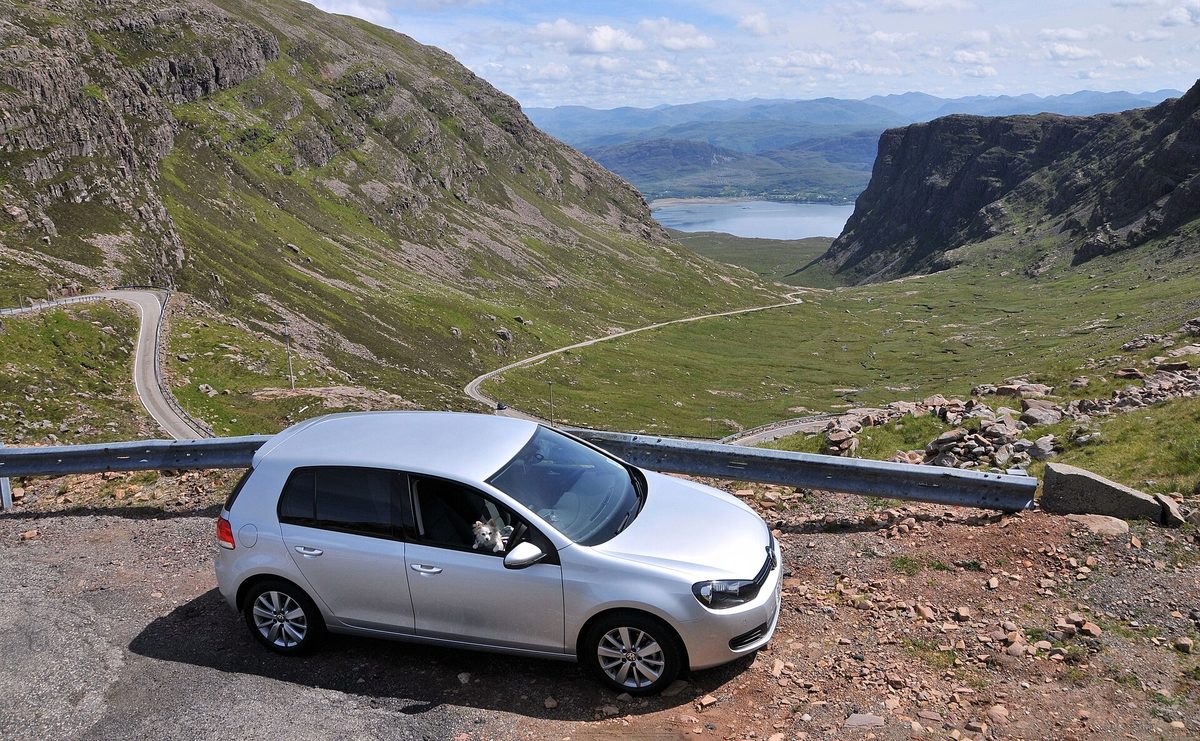
On the A-roads of the west and north-west, plan for an average nearer 35mph than 60. The Bealach na Ba over to Applecross rises to 626 metres with gradients of 1 in 5 and hairpin bends, and it is signed as unsuitable for caravans and inexperienced drivers — take the longer coast road via Shieldaig if you are towing anything or nervous. Passing places are for passing and for letting faster locals through, not for parking while you photograph a stag.
Ignoring the midges when picking a west-coast base
From late May to early September, still damp evenings on the west coast belong to the midges. Ullapool, Fort William, Glencoe and Skye all suffer; Inverness and the east coast are noticeably better, and anywhere with a breeze off the sea is fine. It is a real factor in whether you enjoy sitting outside your accommodation, and our guide to Scotland’s midge season explains the timing properly.
Expecting the two workhorse towns to be pretty
To repeat the point, because it prevents more disappointment than anything else here: Inverness and Fort William are useful, not lovely. The beauty is in the twenty miles around them. If you want to sleep somewhere that looks like the postcard, that is Plockton, Portree, Ullapool, Glencoe village or Kinlochleven — and every one of those choices costs you either money or driving time. Choose knowingly.
Frequently asked questions
Where is the best place to stay in the Scottish Highlands for a first visit?
Inverness, for most people. It has the widest choice of beds and restaurants, the best transport links, and the shortest drives to Loch Ness, Culloden and the Cairngorms. It is not a beautiful town, but it makes the rest of the trip easy. Choose Fort William instead if Glencoe and Skye dominate your list.
Is Inverness or Fort William the better base?
It depends entirely on which half of the Highlands you want. Fort William is 30 minutes from Glencoe and Glenfinnan and ten from Ben Nevis. Inverness is 30 minutes from Loch Ness and 40 from the Cairngorms. Fort William wins on mountains, Inverness on choice, connections and evenings. Two nights in each solves it.
Can you visit Skye as a day trip from Inverness?
You can, but I would not. It is around 2h 30m each way, so a five-hour round trip leaving perhaps three usable hours on the island — enough for Portree and one viewpoint. If Skye matters to you, sleep at Kyle of Lochalsh or on the island itself for at least two nights.
How far ahead should I book Highland accommodation?
Skye in July and August needs four to six months. Ullapool in NC500 season and Fort William in summer need around three. Aviemore’s snowy winter weekends need two to three. Inverness is the exception and can often be booked four to six weeks out, except on festival weekends. Prices rise long before rooms run out.
Can you explore the Scottish Highlands without a car?
Yes, if you base yourself on the network. Inverness, Fort William, Aviemore, Oban, Pitlochry and Kyle of Lochalsh all have rail links, and Citylink coaches reach Portree and Ullapool. You will trade flexibility for timetables, and Sundays are thin, but the trains themselves are among the best journeys in Britain.
Is it cheaper to stay at Kyle of Lochalsh than on Skye?
Usually, and often substantially. A Kyle or Plockton double frequently comes in well below a comparable Portree room in high summer, and it books out later. The trade is around 50 minutes each way to Portree and no early-morning access to the Storr or the Quiraing before the crowds arrive.
How many bases do I need for a week in the Highlands?
Three at most, two nights minimum in each, and always moving in one direction. A typical week runs Pitlochry or Oban, then Fort William, then Skye or Kyle, then Inverness. Any more moving than that and you spend your holiday checking in and out rather than looking at mountains.
Which Highland base works best in winter?
Inverness, comfortably. It is the only one where restaurants, shops and attractions stay reliably open through January and February, and the roads around it are gritted trunk routes. Aviemore is the alternative if you want snow and skiing. Much of Skye, Ullapool and the north-west closes down substantially out of season.
Final thoughts
Most of the disappointment I hear about the Highlands traces back to a bed booked in the wrong place. The scenery never lets people down. The four-hour round trip to reach it does.
So be unsentimental about it. Write down the six things you actually want to see, draw your 90-minute circles, and pick the town that captures the most of them — even if that town turns out to be an ordinary small city with a retail park on the edge of it. Then, if you have five nights or more, split the trip and stop driving the same road twice. You will see more, drive less, and eat better, which is a decent definition of a good holiday anywhere.
Inverness is the obvious northern base, and our guide to what there actually is to do in the city itself separates the town from the day trips it is better known for.
Once you have settled on a base, the question becomes what sort of roof you want over it. We compare the top end honestly in our guide to luxury hotels in the Scottish Highlands, and make the case for renting a whole house in Highland self-catering cottages.
About the author: This guide was written and is maintained by the ScotlandTourism.org editorial team — travel writers who’ve spent years exploring Scotland’s cities, Highlands and islands, from bagging Munros to chasing the perfect dram. We update our guides regularly to keep prices, opening details and advice current.
Last updated: September 2026. Prices and opening times change — always check the official site before you travel.
Photo credits
All images are used under their respective Creative Commons or public-domain licenses:
- Inverness — dave conner from Inverness, Scotland, CC BY 2.0, via Wikimedia Commons
- Ben nevis fort william — Mike McBey, CC BY 2.0, via Wikimedia Commons
- Glencoe three sisters — Colin, CC BY-SA 4.0, via Wikimedia Commons
- Aviemore — Mike McBey, CC BY 2.0, via Wikimedia Commons
- Pitlochry — Holger Uwe Schmitt, CC BY-SA 4.0, via Wikimedia Commons
- Oban — habiloid, CC BY-SA 2.0, via Wikimedia Commons
- Eilean donan — Dave Conner from Inverness, Scotland, CC BY 2.0, via Wikimedia Commons
- Portree harbour — Chmee2, CC BY-SA 3.0, via Wikimedia Commons
- Ullapool — GerritR, CC BY-SA 4.0, via Wikimedia Commons
- Bealach pass — Mike McBey, CC BY 2.0, via Wikimedia Commons
- Glenfinnan — de:Benutzer:Nicolas17, CC BY-SA 2.5, via Wikimedia Commons