The first time I helped a friend work out how to plan a trip to Scotland, she had already booked her flights. Non-refundable, into Glasgow, out of Glasgow, ten nights in the second week of July. Then she asked me where she should stay on Skye. I had to tell her that on the day she was asking — a Tuesday in February — there were four rooms left on the whole island for her dates, and the cheapest was £310 a night above a pub in Broadford.
That is the thing nobody tells you. Scotland is not a hard country to travel in. It is a hard country to book, because the good bits are small, the season is short, and half the beds in the Highlands sit inside villages with a population of two hundred. Get the sequence right and it is straightforward. Get it backwards and you spend your holiday driving.
How to plan a trip to Scotland: the short answer
Work backwards from a calendar, not a wish list. Fix your dates first, then draw a realistic route, then book the hire car, then the accommodation, then attraction tickets. Highland and island beds for July go from about January onwards; Edinburgh in August needs booking the previous autumn. Everything else can wait.
The Scotland trip planning checklist, at a glance
This is the Scotland trip planning checklist I now send people instead of arguing with them. Lead times are for a summer trip; shift everything three to four months later if you are travelling between October and April, when almost nothing sells out except Hogmanay.
| When | What you lock in | Why then |
|---|---|---|
| 12 months out | Dates, and long-haul flights if August | Fringe-season Edinburgh is a different market; transatlantic fares open roughly 11–12 months ahead |
| 9 months out | Route, bases, Edinburgh beds for August | Central Edinburgh August rooms are largely gone by spring, and prices multiply |
| 6 months out | Hire car (especially automatic), CalMac car spaces | Automatics are a small share of the UK fleet; CalMac summer sailings open the previous December/January |
| 3–5 months out | Skye, NC500, Torridon, Applecross, Islay beds | These villages have dozens of rooms, not hundreds — July fills from January |
| 2–3 months out | Advance train fares, Jacobite steam train, distillery tours | ScotRail advance fares open around 12 weeks ahead; small distilleries run tiny groups |
| 1 month out | Edinburgh Castle timed slot, restaurants, tours | Timed entry sells out in summer and there are no walk-ups once online sales close |
| 1 week out | Insurance check, cards, offline maps, packing | The admin that quietly ruins trips if you leave it to the airport |
| Day before | Screenshots, ferry status, weather, fuel plan | Signal disappears north-west of Ullapool and stays gone |
The booking order, and why getting it backwards hurts
Dates before route. Route before car. Car before beds. Beds before tickets. That order is not fussiness — each decision constrains the next one, and if you make them out of sequence you end up paying to undo them.
Here is what happens when people go the other way. They see a beautiful hotel on Instagram, book it, and then discover it is in Torridon, which is two and a half hours from Skye and three and a half from Inverness, and now their whole week bends around one building. Or they book a car for the full ten days and then realise four of those days are spent in Edinburgh, where the car costs them £25 a night in a car park and does nothing but sit there.
Step one: fix your dates and don’t move them
Everything downstream is priced off your dates. Before you commit, read up on the best time to visit Scotland and be honest about which trade-off you want. May and September are the two months I recommend most often: long daylight, fewer people than July, and the midges are either not started or on the way out. June has the longest days — it is barely dark at all in the far north — but the biting starts. August is Scotland at full volume and full price.
If your dates are flexible, look at when Scotland is cheapest to visit before you book anything, because the gap between the second week of May and the second week of August is not marginal. It is often double.
Step two: draw the route before you book a bed
Open a map. Put your arrival airport on it, your departure airport, and no more than four or five overnight bases. Then check the driving time between each pair — and add a third on top of whatever the app tells you, because it assumes you drive past Glencoe without stopping, which you will not.
Our Scotland itinerary guide is the place to start if you have no route at all yet; it lays out the standard loops and what each one costs you in driving hours. If you already know your trip length, go straight to the version that fits: the classic one week in Scotland, or a ten-day loop that adds an island without turning the week into a relay.
Step three: book the car
Before the beds, not after. The car determines what “an hour away” means, and in July the automatic fleet at Edinburgh and Glasgow airports genuinely runs out. More on that below, because it is the single most common trap for American visitors.
Step four: book the beds
Now, and in the order of scarcity: Skye first, then the north-west coast, then Edinburgh, then everything else. Cities have depth. Villages do not.
Step five: tickets, tours and restaurant tables
Last, because they are the easiest to move and the cheapest to lose. There are exactly three things I book more than a month out: the Jacobite steam train, a distillery I actually care about, and Edinburgh Castle if I am going in high summer.
How long you need, and where to fly into
Seven nights is the honest minimum for Edinburgh plus one Highland region. Ten nights gets you Edinburgh, the Highlands and one island without a day that feels like a transfer. Under five nights, stay in one place and take day trips — that is not a compromise, it is the correct answer. If you are genuinely unsure, work through how many days you need in Scotland before you buy flights, because trip length is the one decision you cannot cheaply reverse.
Edinburgh (EDI) has the most direct transatlantic and European routes and is the natural start for a first visit. Glasgow (GLA) is better if you are heading west first — to Oban, Loch Lomond or the ferry ports. Inverness (INV) has few direct international flights but saves you an entire day’s driving if the Highlands are the whole point; it is worth pricing a connection through London, Amsterdam or Dublin to get there.
The move most people miss: fly into one airport and out of another. Edinburgh in, Inverness out, or Glasgow in, Edinburgh out. Open-jaw fares are often barely more expensive and they save you a full backtracking day. If you are relying on trains and buses rather than a car, read getting around Scotland first, because it changes which bases make sense.
Twelve months out: dates, and the August question
Twelve months feels absurd. For most of the year it is. There is exactly one situation where it is not, and it is Edinburgh in August.
For roughly three and a half weeks each August the city hosts the Fringe, the International Festival, the Book Festival and the Military Tattoo simultaneously. The population swells, and the accommodation market stops behaving like a normal market. Rooms that cost £120 in June go for £400. Serviced flats get let by the week to performers. The advice I give without hesitation: if you want central Edinburgh in August, book between October and December of the previous year. By spring the affordable middle has gone and you are choosing between a dorm bed and something eye-watering.
Two workarounds, both of which I have used. Stay in Glasgow and take the train in — it is around 50 minutes from Queen Street to Waverley, trains run constantly, and Glasgow in August is a normal city at normal prices. Or stay along the East Lothian coast at North Berwick or Musselburgh, both on the rail line. Neither is as romantic as waking up in the Old Town, but neither costs £400.
If August is not fixed for you, look properly at what else is on before you choose. Our guide to Scottish festivals and events covers the whole calendar, and there are weeks in June and September where you get the country at half the intensity.
This is also the window for long-haul flights. Airlines typically open seats around eleven months ahead, and for summer transatlantic routes into Edinburgh the fares tend to be at their most reasonable early, then climb. I would not obsess over shaving £40 off a fare — but I would not leave a July or August transatlantic booking until March either.
Nine months out: route, bases and the Skye problem
By now you should be able to say your trip out loud in one sentence. “Three nights Edinburgh, two nights Skye, two nights Inverness, one night Glasgow.” If you cannot, you are not ready to book accommodation.
The Isle of Skye deserves its own paragraph because it breaks every assumption visitors bring. It is the size of a large county with the accommodation stock of a small town. Portree, the main settlement, has around two and a half thousand residents. In July, that island absorbs an enormous number of visitors, and the practical consequence is that Skye accommodation for July is effectively gone by January. Not expensive — gone. What is left in spring is the overpriced remainder.
The same applies, slightly less severely, along the North Coast 500. Durness, Lochinver, Kinlochbervie, Applecross — these are villages with a handful of guest houses each. When people complain that the NC500 is “ruined”, what they usually mean is that they tried to book it in April for August and ended up doing 300-mile days because the only rooms left were in the wrong places.

My honest advice on both: if you want them in high summer, book nine months ahead or restructure the trip. Skye works beautifully in late September, when the light is better anyway. And the Highlands are enormous — Torridon, Glen Affric, Knoydart and the Ardnamurchan peninsula deliver the same landscape with a fraction of the pressure.
Nine months is also when I would settle the Edinburgh question if you are visiting outside August. The city has real depth of supply, so you are not racing a deadline, but the good mid-range places in the Old Town and New Town do fill for weekends. Our guide to where to stay in Edinburgh breaks it down by neighbourhood; the short version is that Old Town is atmosphere and noise, New Town is elegance and quiet, and Leith is where you eat.
Six months out: the hire car and the ferries
This is the month people underestimate, and it is the one that causes the most expensive mistakes.
The automatic transmission trap
Britain drives manual. The proportion of hire cars with automatic gearboxes at Scottish airports is much smaller than in North America, and it is smaller again once you get away from Edinburgh and Glasgow. In July and August the automatic fleet books out.
The reason to book six months ahead is not the price. It is availability. I have watched a family arrive at Edinburgh airport in August with a confirmed booking for “or similar” and be offered a manual, a nine-seat minibus, or nothing. If nobody in your party can drive a manual, treat the automatic as a hard requirement, book it early, and pay the premium without complaining — it is usually a meaningful daily uplift over the manual rate, and it is worth every penny compared to learning to change gear with your left hand on the Bealach na Bà.
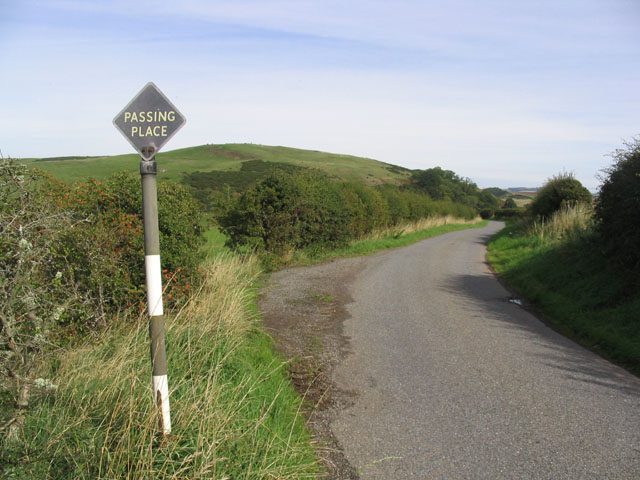
Two more things while you are at it. Book the smallest car your luggage genuinely fits into, because single-track roads with dry-stone walls are not the place for a large estate. And check the pickup location — some cheap quotes are for off-airport depots that need a shuttle bus, which matters when you land at 9pm.
CalMac car spaces
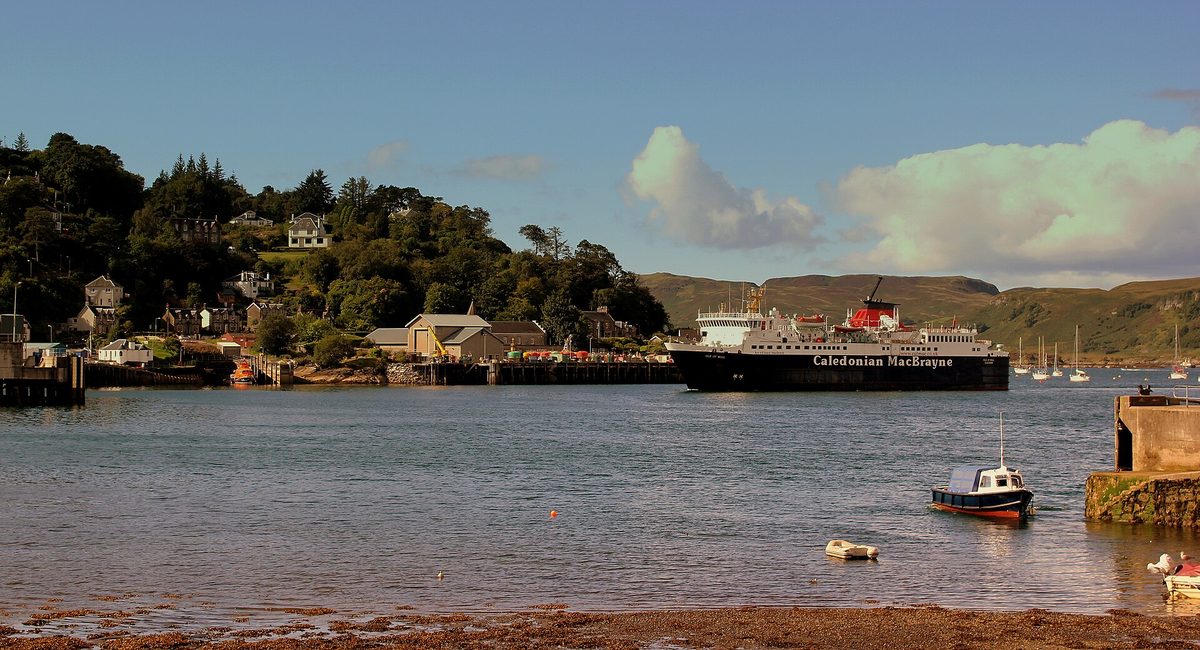
If your route touches Mull, Islay, Harris, Lewis, Arran or the small isles, you need a ferry with a car space, and car decks are finite in a way passenger space is not. Caledonian MacBrayne runs most of the west coast network, and their summer timetable typically opens for booking in phases the preceding December and January — the summer 2026 timetable, running late March to mid-October, opened in two phases on 17 December and 27 January. Popular summer sailings, particularly Oban–Craignure for Mull and Kennacraig–Islay, take bookings fast.
Foot passengers have far more freedom and rarely need to book. If your island plan is Mull or Arran for a day, going on foot and using local buses removes the whole problem. Skye, usefully, needs no ferry at all — the bridge from Kyle of Lochalsh has been toll-free since 2004, though the Mallaig–Armadale crossing is the prettier way in if you can get a space.
Weather cancels sailings. It is not rare, and it is not only a winter thing. If a ferry is load-bearing for your itinerary — as in, you have a flight home two days later — build a spare day around it. The long crossings from Ullapool and Uig, out across the Minch, are the ones I would least like to be relying on.
Three to five months out: the beds that sell out
Now you book accommodation in order of scarcity, and the order matters more than the dates.
Tier one, book first: Skye, Applecross, Torridon, Durness, Ullapool, Islay, Iona, anywhere on Harris. These places have tens of rooms, not hundreds. Tier two: Fort William, Oban, Pitlochry, Aviemore, Portree’s outskirts. Tier three: Inverness, Stirling, Perth, Glasgow, Edinburgh outside August. Tier three you can genuinely leave until six weeks out and be fine.
A few practical notes I wish someone had given me. Scottish B&Bs are frequently better value and better run than hotels, but many have two or three rooms and a hard cancellation policy, so read it. Rural places often ask for a minimum two-night stay in summer, which is a hint you should be taking anyway. And in winter a lot of Highland guest houses simply close from November to March — that is not a booking system error, it is the season.
Self-catering cottages are the best value for four or more people and give you a kitchen, which matters when the nearest restaurant shuts at eight. Hostels in Scotland are unusually good, and several of the Highland ones are in buildings you would pay hotel money to stay in elsewhere.
One rule I hold to: never book two consecutive one-night stays in the Highlands. Packing, checking out, driving, checking in and unpacking eats three hours you did not budget, and you will do it twice. Two nights minimum per base, always.
Two to three months out: trains, tours and the whisky
ScotRail advance fares generally go on sale around twelve weeks before travel, and the difference between an advance single and a walk-up fare on the Edinburgh–Inverness or Glasgow–Fort William routes is substantial. If you know your train date, book it the day fares release.
The West Highland Line from Glasgow to Mallaig is the one journey I would put on any itinerary, car or no car. It crosses the Glenfinnan Viaduct, runs along Loch Eilt and Loch nan Uamh, and costs a fraction of what the steam service does. Our guide to Scotland’s scenic train journeys covers the rest, including the Kyle line and the sleeper from London.
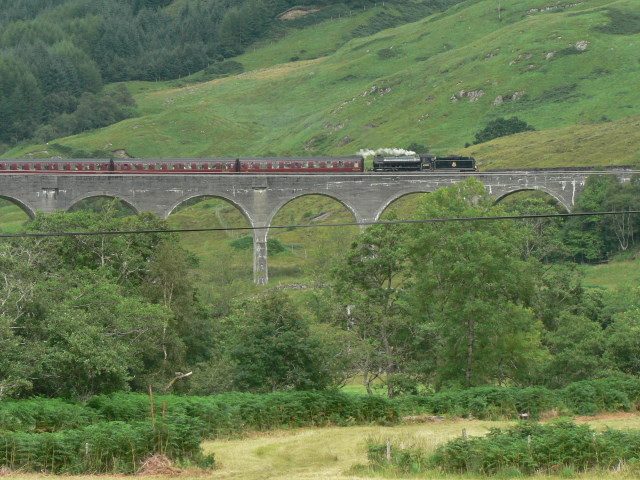
The Jacobite steam train — the Hogwarts Express one — is a different animal. Tickets historically release in the winter for the following season and the peak-summer dates disappear within days. It has also had a bumpy few years operationally, with regulatory disputes delaying the start of recent seasons, so check the operator’s current status before you build a day around it rather than assuming it runs. The scenery is identical on the ordinary ScotRail service on the same line, at a small fraction of the fare, which is worth knowing.

Distilleries are the other thing to book now. The big Speyside and Islay names run tours that fill in summer, and the small ones run groups of eight, which sell out for exactly that reason. Book two or three at most across a whole trip — distillery tours are more similar to one another than the marketing suggests, and three in a day is a slog even before you consider that someone has to drive. Our Scotch whisky distillery guide covers which regions taste like what.
If you would rather someone else did the driving, this is also the point to book a multi-day trip. The reputable operators running small-group Highland departures fill their summer dates early, and the good guides are booked out well before the buses are.
One month out: timed slots and restaurant tables
Edinburgh Castle now runs timed entry, and in summer the slots sell out. The important detail, which catches people every year: once online sales for a day have closed, there are no walk-up tickets at the gate. You do not queue and get in anyway. You do not get in.
Booking online is also cheaper — at the time of writing an adult ticket is around £21.50 online against £24 at the gate, though check the official site as prices move each season. Take the earliest slot of the day if you can; by eleven the courtyards are shoulder to shoulder. Our Edinburgh Castle tickets guide goes into which ticket type is worth it and how long to allow.
A month out is also when I book restaurants. Not many — two or three across a trip — but the good places in Edinburgh, and any restaurant with a Michelin star or a coastal seafood reputation, book weeks ahead in summer. Everywhere else in Scotland you can walk in, though rural pubs frequently stop serving food at 8pm, which is a genuine planning constraint if you have been out walking.
Most things do not need booking and I would leave them alone. The National Museum of Scotland and Kelvingrove in Glasgow are free and walk-in. Most castles sell on the door. Hills, beaches and lochs require nothing. My rule is that anything requiring a timed slot gets booked and everything else gets decided on the morning, based on the sky.

The week before: the admin that actually matters
Five things, in order.
Tell your bank. Not because Scotland is exotic, but because a blocked card on a Sunday in Ullapool is a real problem.
Download offline maps. Whichever app you use, download the whole of Scotland, not just a route. This is not optional in the north-west. More on why below.
Check your insurance actually covers what you are doing. Hillwalking is usually fine. Scrambling, winter mountaineering and anything with a rope frequently are not.
Sort the driving documents. If you are hiring a car, check what the specific company wants — some ask for a second form of ID or a credit card in the main driver’s name, and a debit card will be refused at the desk.
Pack for weather, not season. A waterproof jacket with a hood, waterproof shoes, one warm layer and a hat, in July. I have been rained on horizontally in Glencoe in August and sunburnt on Harris in April. Add midge repellent containing DEET or a Smidge-style product if you are travelling between late May and September — our midge season guide explains exactly when and where they bite, and the honest answer is that they are worse than people admit and less catastrophic than the internet suggests.
The day before and the day you land
Screenshot everything: booking confirmations, addresses, ferry references, the hire car reservation. Signal will fail somewhere and it will be the moment you need an address.
Check the ferry operator’s service status if a crossing is in the next few days, and check the mountain weather forecast rather than the town forecast if you plan to walk. They differ enormously; a pleasant day in Fort William can be a 50mph gust on the Ben Nevis plateau.
On arrival day, do not plan a long drive. Collect the car, get out of the airport, and drive somewhere within ninety minutes. Jet lag plus driving on the left plus a roundabout system you have not met before is not a combination to attempt at the end of a transatlantic flight. If you land in Edinburgh, my standing suggestion is to skip the car entirely for the city days — pick it up on the morning you leave. Parking in central Edinburgh is expensive and the city is walkable end to end, as our Edinburgh travel guide lays out.
What it costs: three realistic daily budgets
These are per person per day, excluding international flights, based on two people sharing. Everything moves, so treat them as bands rather than quotes and check current prices before you commit.
| Band | Per person per day | What that actually buys |
|---|---|---|
| Lean | £70–£95 | Hostel dorm or simple B&B, supermarket breakfast and lunch, one pub meal, buses and trains, free museums, one paid attraction every other day |
| Middle | £150–£220 | Decent B&B or three-star hotel room split two ways, share of a hire car and fuel, a paid attraction daily, pub dinner with a drink, the odd distillery tour |
| Comfortable | £350+ | Well-located hotels or a country house, dinner somewhere you booked, a private guide or a premium tasting, no compromise on location |
Some fixed numbers to build around. A hire car is often £45–£90 a day in summer for a small automatic, less for a manual, and far less outside July and August. Petrol runs somewhere around £1.40–£1.60 a litre and is noticeably dearer in the far north-west, where the filling stations are few and close early — fill up at Ullapool, Inverness or Fort William rather than hoping. A pub main is usually £15–£20. A dram of ordinary single malt is £5–£8, a great one considerably more.
The biggest single saving available is the season. The same trip in late September against the second week of August is often 30 to 40 per cent cheaper on accommodation alone, with better light and fewer people. If your dates are movable at all, move them.
The administrative stuff nobody writes about properly
Do you need an international driving permit?
For most visitors, no. If you hold a valid full driving licence from outside Great Britain you can generally drive here as a visitor without an IDP — the GOV.UK checker tells you your specific case in about thirty seconds, and it is the only source I would trust on this.
Two caveats worth knowing. If your licence is not written in the Latin alphabet, an IDP or an official translation makes life at the rental desk much easier, and some companies will insist. And individual hire firms set their own policies on top of the law, so read the terms of your specific booking rather than a general article — including this one.
What you almost certainly will need: the physical licence, not a photo of it; a credit card in the main driver’s name for the deposit; and, if you hold a UK licence, a DVLA check code generated online within the previous 21 days.
What a hire-car excess waiver actually costs
This is where rental companies make their margin, and where visitors get the biggest unpleasant surprise.
Your quoted rate normally includes collision damage waiver, which sounds like insurance but is not. It caps your liability at the “excess” — commonly £1,000 to £1,500, sometimes more on larger cars. Scratch the car on a passing place wall, and that is the number you are exposed to.
At the desk they will offer to reduce that excess to zero. Expect roughly £12–£30 a day for that, which on a ten-day trip is a serious sum. The alternative most experienced travellers use is a standalone excess policy bought separately before you travel — typically a few pounds a day, or an annual European policy for around £40–£60. The mechanism differs: the hire company still charges your card if there is damage, and you claim it back. Slower, much cheaper.
Whichever you choose, decide before you get to the counter. Deciding at the desk at 10pm with a queue behind you is how the expensive option gets chosen.
Cards, contactless and the near-death of cash
Scotland is close to cashless. Contactless is accepted essentially everywhere — buses, cafes, castle gift shops, Highland pubs, car parks. I carry £20 in notes for a whole trip and often come home with it.
The exceptions are worth listing: a few honesty boxes at rural car parks and farm gates, some very small island shops, community-run ferries, and the occasional parking meter that has not been upgraded. Public toilets in some towns charge a small coin fee. Twenty or thirty pounds in coins and small notes covers all of it.
One quirk that confuses visitors: Scottish banks issue their own banknotes, which look nothing like Bank of England notes. They are perfectly valid throughout the UK, but shops in England sometimes hesitate over them, so spend them before you fly home from a London connection. And decline “dynamic currency conversion” if a card machine offers to charge you in dollars or euros — the exchange rate is always worse.
Mobile coverage, and why offline maps are not optional
Coverage in the Central Belt and the main Highland towns is fine. Coverage in the north-west is not, and the numbers are worse than most people expect. A survey of mobile coverage along the North Coast 500 found tens of miles of the route with no 4G signal from any of the four UK networks at all, with the stretch beside Loch Eriboll among the worst — over eighteen continuous miles without coverage.
Knoydart, much of Torridon and Fisherfield, and long sections of the far north-west are the same. Your satnav stops recalculating, the address of tonight’s B&B refuses to load, and if you are navigating off a live map you are simply stuck.
The fix takes ten minutes at home. Download offline map data for the whole country. GPS positioning itself needs no phone signal — your handset talks to satellites — so with the map tiles stored locally, navigation keeps working in a total dead zone. If you are walking, carry a paper Ordnance Survey map as well. Batteries die in cold and wet, and Scotland provides both.
One more habit worth adopting: note the postcode of each night’s accommodation somewhere offline, because postcodes are what satnavs want and what you will not be able to look up.
Travel insurance for a country with free emergency care
Here is the nuance most articles get wrong in one direction or the other.
Accident and emergency treatment in Scotland is free to everyone, regardless of where you live. So is treatment a clinician judges immediately necessary. But if you are not ordinarily resident in the UK, further hospital treatment — an admission, an operation, a follow-up — is generally chargeable. Insurance matters for what happens after the ambulance.
Mountain rescue is the other half, and it is the opposite of what visitors assume. Scotland’s mountain rescue teams are volunteers — twenty-six of them, more than 850 people, funded largely by public donation — and they do not charge the person they rescue. No bill, no insurance requirement, no means test. They dealt with the better part of 800 incidents in 2025 alone. If you need them, call 999, ask for the police, then ask for mountain rescue. Donate afterwards if you can; three in five rescues are paid for by the public.
So what is the insurance for? Repatriation if you are seriously hurt, which is the genuinely enormous cost. Cancellation when a storm shuts the airport. A cancelled ferry that costs you a night’s accommodation and a flight. Lost luggage. And, importantly, check the activities schedule — ordinary hillwalking is normally covered, but winter conditions, scrambling and anything involving ropes often are not, and a Munro in February is a winter mountaineering environment whatever the calendar says. If your trip involves serious walking, read our hiking in Scotland guide on conditions before you assume your policy applies.
Where Scotland trips go wrong
I have watched all of these happen, more than once.
Treating the map as flat. Mainland Scotland is roughly 275 miles from the Border to the north coast, which sounds trivial and is not. Average speeds on single-track roads with passing places are 30–35mph, and that is before you stop for photographs, sheep or a coach reversing. Inverness to Durness is 100 miles and takes two and a half hours minimum. Edinburgh to Portree is a solid six-hour day. Halve what you think you can cover.
Doing the NC500 in three days. It is a 516-mile route around the top of the country. Three days makes it a driving endurance event with a coastline going past the window. Five days is the minimum I would suggest and seven is better; if you only have three, do a section and do it properly.
Booking Loch Ness as a destination. The loch itself is a long, dark, straight body of water with a road down one side. Urquhart Castle is worth the stop and the drive along the south side is lovely, but the monster industry at Drumnadrochit underwhelms almost everyone. Our Loch Ness and Inverness guide is honest about which bits earn the detour.
Overdosing on castles. Scotland has hundreds and after four they blur. Pick three that are genuinely different from one another — a working royal palace, a ruin on a headland, a Victorian fantasy — and skip the rest. Our castles in Scotland guide sorts them by type rather than listing everything.
Skipping Glasgow. The default first-timer route treats it as an airport. It has the best museums in Scotland, most of them free, the strongest live music scene in the country, and better food than Edinburgh for the money. One day there is not a wasted day, as our Glasgow travel guide argues at length.
Planning every hour. Scottish weather rewrites itineraries. Leave one unbooked day per week and use it for whatever the sky allows. The best days I have had here were the ones I had not planned.
Frequently asked questions
How far in advance should I plan a trip to Scotland?
For summer, start nine to twelve months out and have accommodation booked by three to five months. For May, September or October, four to six months is comfortable. For November through March you can book six weeks ahead and be fine, with the exception of Hogmanay in Edinburgh, which behaves like August.
What is the cheapest month to visit Scotland?
January and February, by a distance, though days are short and many Highland businesses close. The best value with the trip still fully functional is late April, early May or the second half of September, when prices drop but everything is open.
Do I need to hire a car in Scotland?
Not for Edinburgh, Glasgow, or a trip built on trains and organised day trips. Yes, in practice, for the north-west Highlands, most of Skye beyond Portree, and anywhere you want to stop when you feel like it. A useful compromise is trains between cities and a car hired for four or five Highland days only.
How many days do you need in Scotland?
Seven nights covers Edinburgh plus one Highland region without rushing. Ten covers Edinburgh, the Highlands and an island. Fourteen lets you add the Outer Hebrides or Orkney at a civilised pace. Under five, base yourself in one city and take day trips rather than trying to cover ground.
Is Scotland expensive to visit?
It is comparable to the rest of western Europe, with accommodation the biggest variable. A lean trip runs around £70–£95 per person per day, a mid-range one £150–£220. Museums are frequently free, hillwalking costs nothing, and the season you choose affects your total more than anything else you decide.
What should I book first when planning a Scotland trip?
Flights or dates, then the hire car, then accommodation in the scarcest places — Skye and the north-west coast — then cities, then attraction tickets. Booking a hotel before you have a route is the single most common mistake, and it is the hardest one to undo.
Do I need an adaptor and what about mobile roaming?
The UK uses three-pin Type G plugs at 230V, so bring an adaptor and check your devices handle the voltage. Roaming charges vary hugely by home network since Brexit changed the rules for EU visitors — check with your provider before you fly rather than after, and consider a local eSIM if the daily rate is punishing.
Is Scotland good for a first-time trip to the UK?
Very. It is compact, English-speaking, safe, and the concentration of landscape per mile driven is extraordinary. The one adjustment visitors underestimate is the driving — left-hand side, narrow roads, and single-track sections where you reverse to a passing place. Give yourself a gentle first day and it stops being intimidating quickly.
Final thoughts
The reason I bang on about the sequence is that Scotland punishes disorder more than most countries. Not because anything is difficult, but because the places you most want to be have the fewest beds, and the roads between them are slower than the map admits.
Get the order right — dates, route, car, beds, tickets — and the rest of the planning is pleasure rather than damage control. Leave a spare day. Book two nights everywhere. Download the maps. Then let the weather decide the rest, because it is going to anyway, and some of the best afternoons I have had in this country started with a plan that fell apart before ten in the morning.
If a Highland road trip is in the plan, budget for it properly — fuel in the north-west runs well above Inverness prices and beds are a seller’s market in July. Our NC500 cost guide builds the number from parts you can actually adjust.
About the author: This guide was written and is maintained by the ScotlandTourism.org editorial team — travel writers who’ve spent years exploring Scotland’s cities, Highlands and islands, from bagging Munros to chasing the perfect dram. We update our guides regularly to keep prices, opening details and advice current.
Last updated: August 2026. Prices and opening times change — always check the official site before you travel.
Photo credits
All images are used under their respective Creative Commons or public-domain licenses:
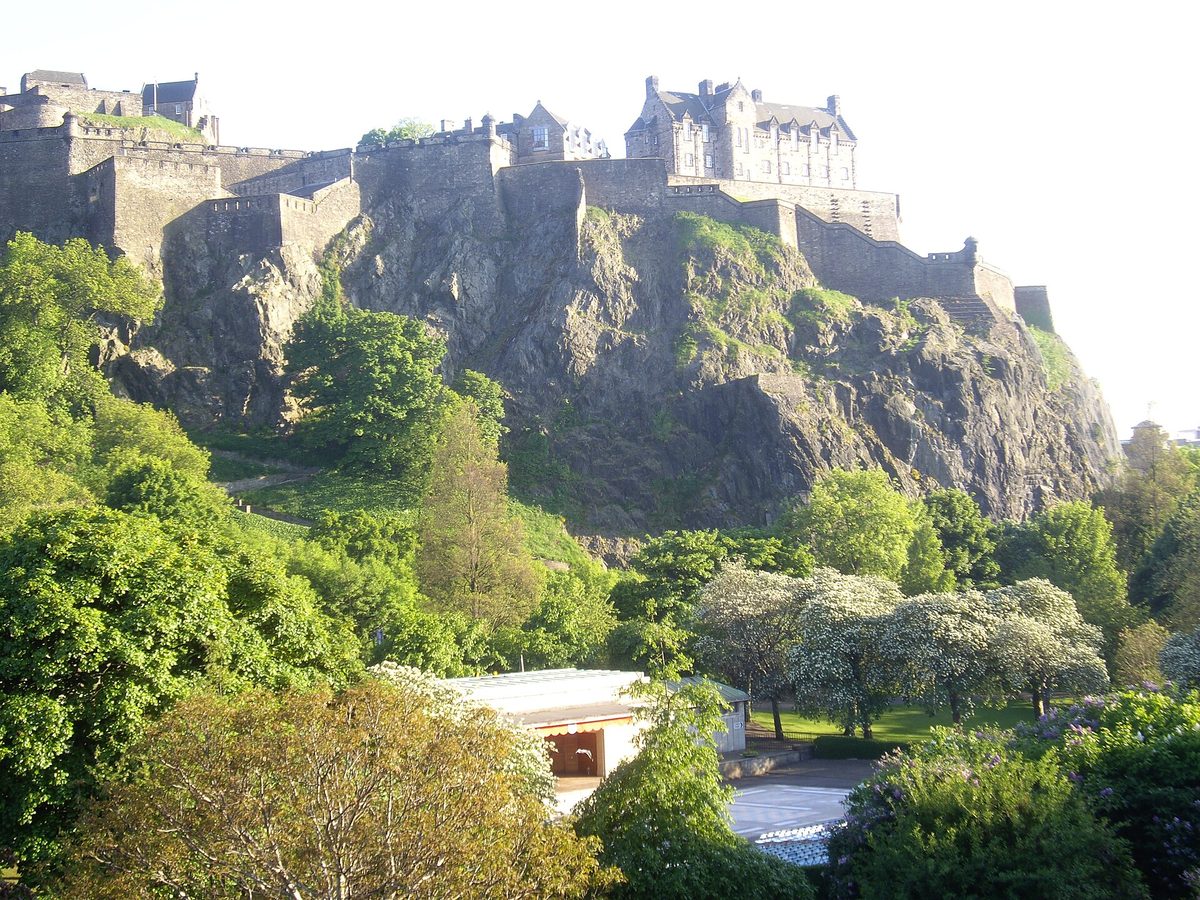
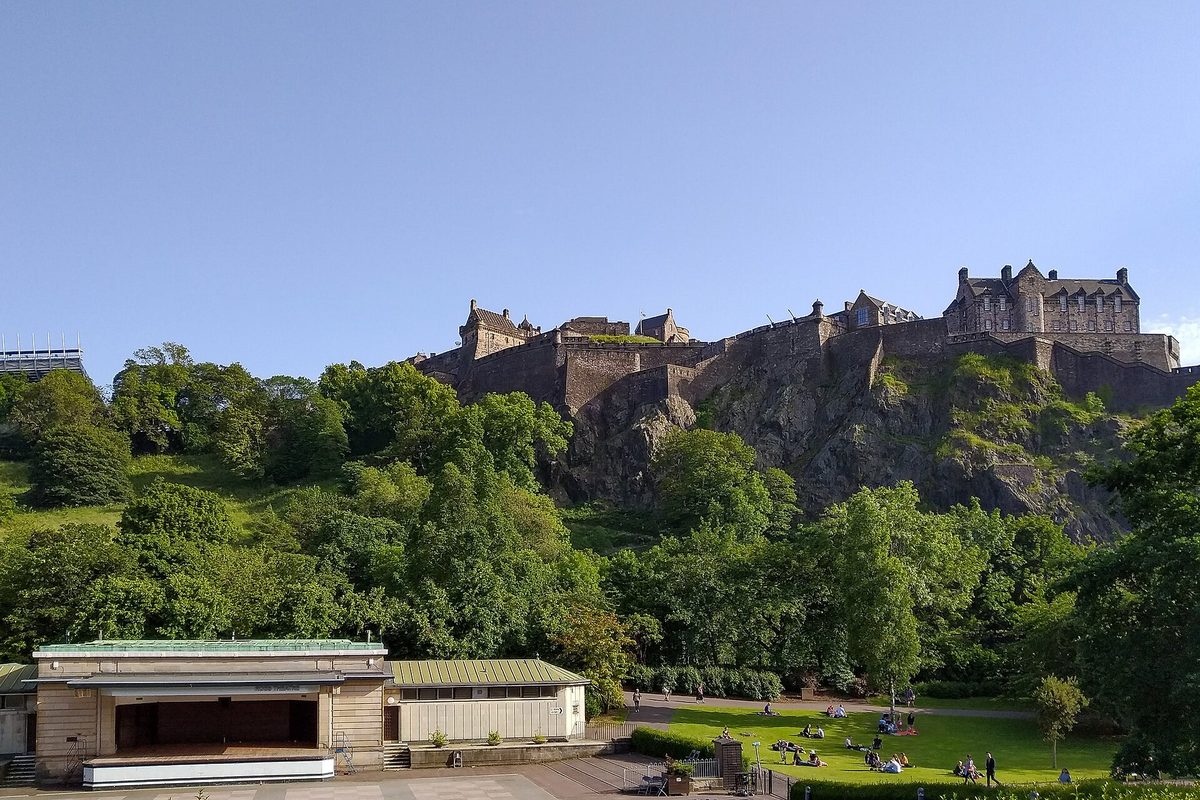
- Edinburgh Castle seen from Princes Street Gardens, a fixed point in most Scotland trip plans — Matti Blume, CC BY-SA 4.0, via Wikimedia Commons
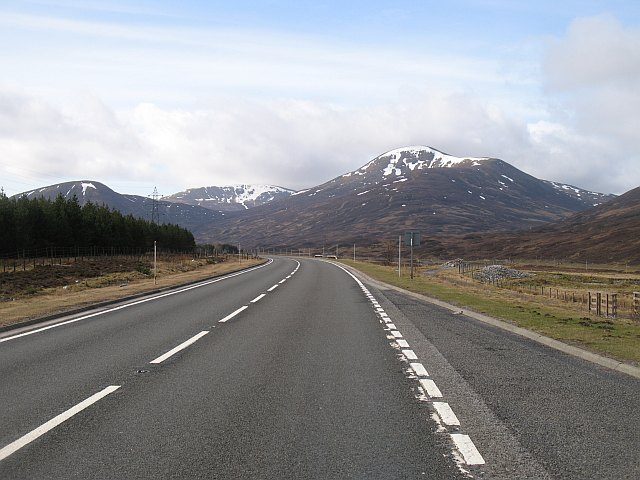
- A single-track Highland road with a passing place sign — Walter Baxter, CC BY-SA 2.0, via Geograph
- The Old Man of Storr rock pinnacle on the Isle of Skye — Lauwz The Kiwistralian, CC0, via Wikimedia Commons
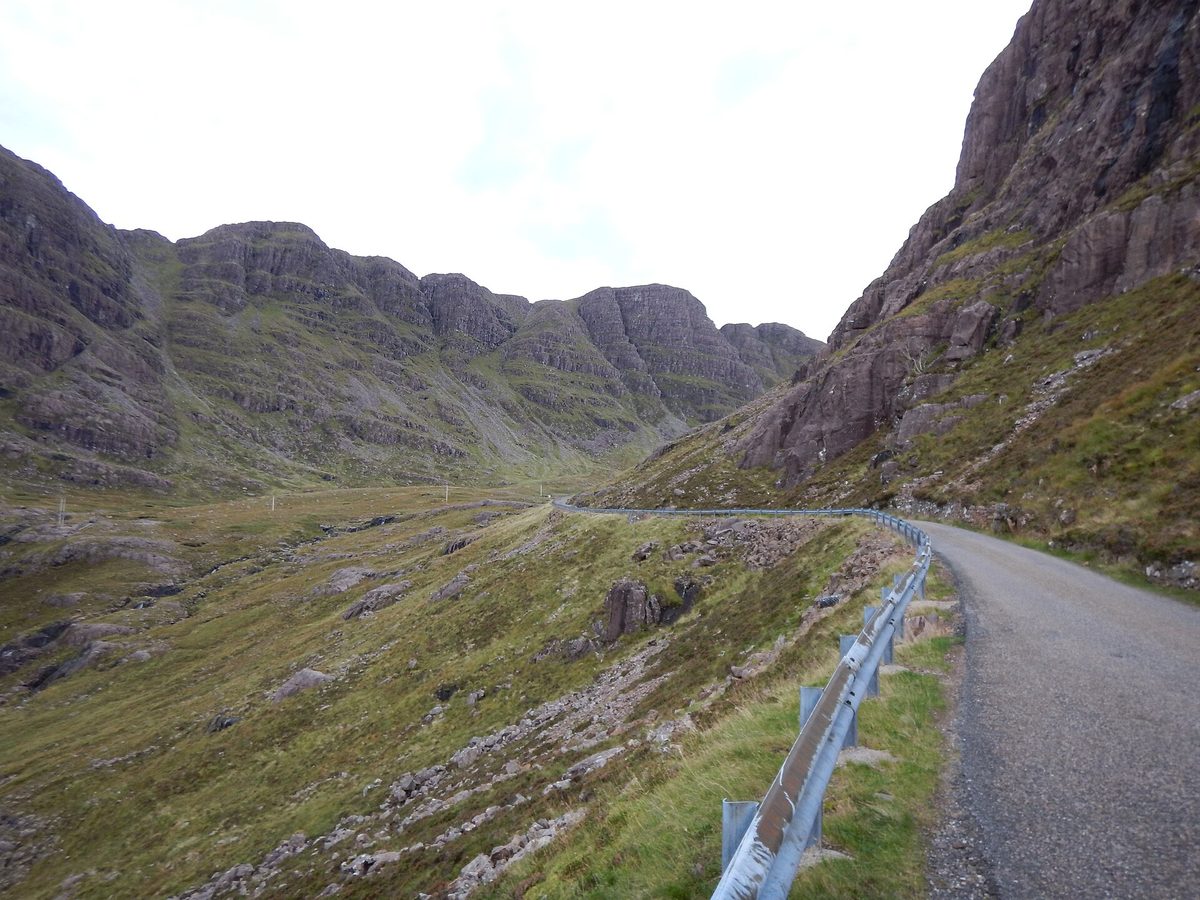
- The hairpin bends of the Bealach na Ba road to Applecross in the north-west Highlands — James Emmans, CC BY-SA 2.0, via Geograph
- A CalMac ferry at Oban, where car deck spaces need booking months ahead in summer — calflier001, CC BY-SA 2.0, via Wikimedia Commons
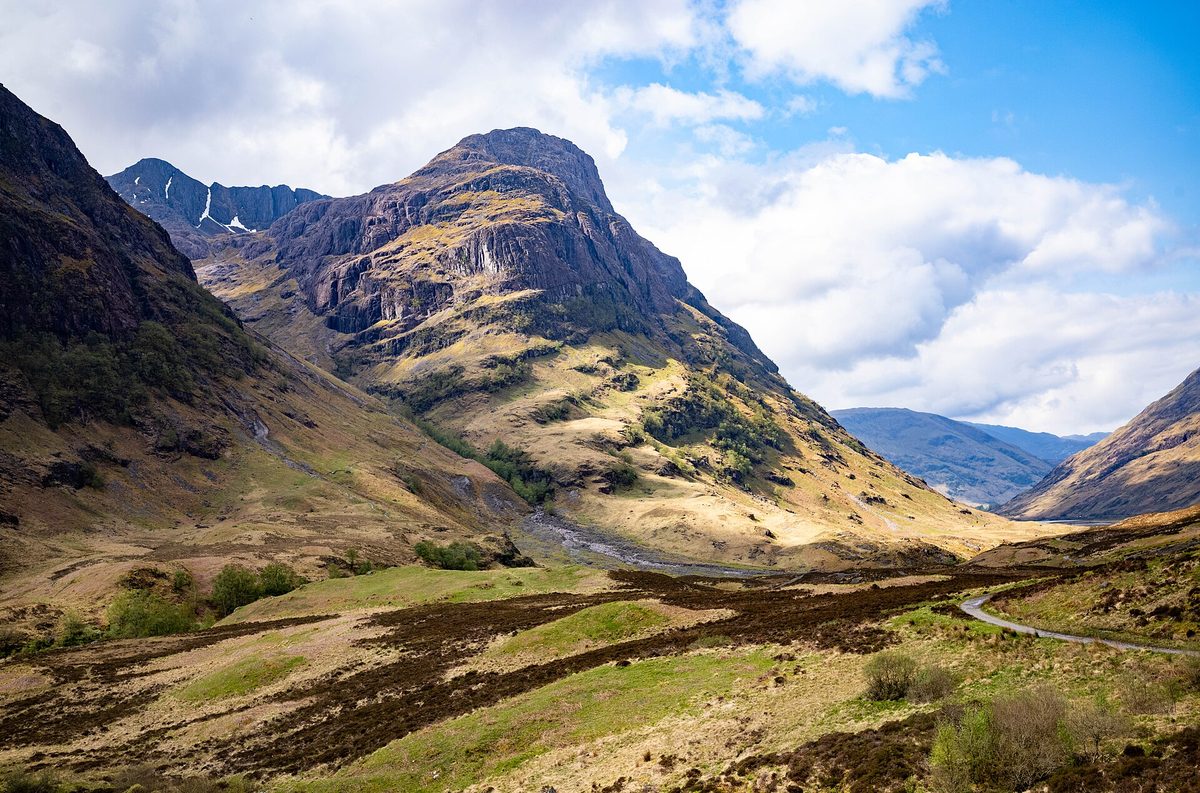
- The Three Sisters ridge in Glencoe, a standard stop on a Highlands driving route — rboed*, CC BY 2.0, via Wikimedia Commons
- A steam train crossing the Glenfinnan Viaduct in the west Highlands — Chris Downer, CC BY-SA 2.0, via Geograph
- The ruins of Urquhart Castle beside Loch Ness — BIG ALBERT, CC0, via Wikimedia Commons
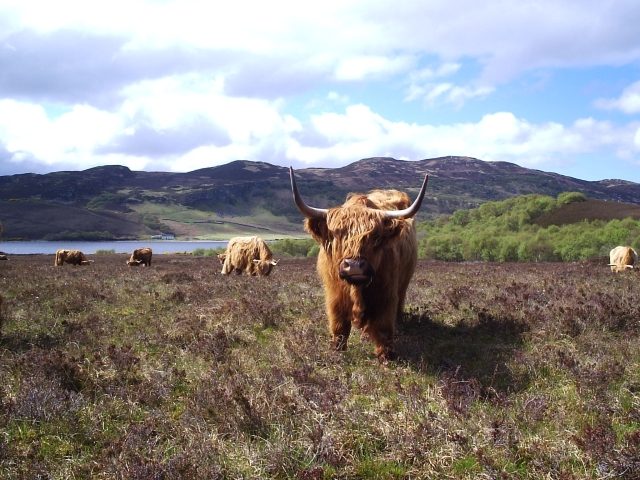
- A Highland cow in a field in rural Scotland — Donald Bain, CC BY-SA 2.0, via Geograph
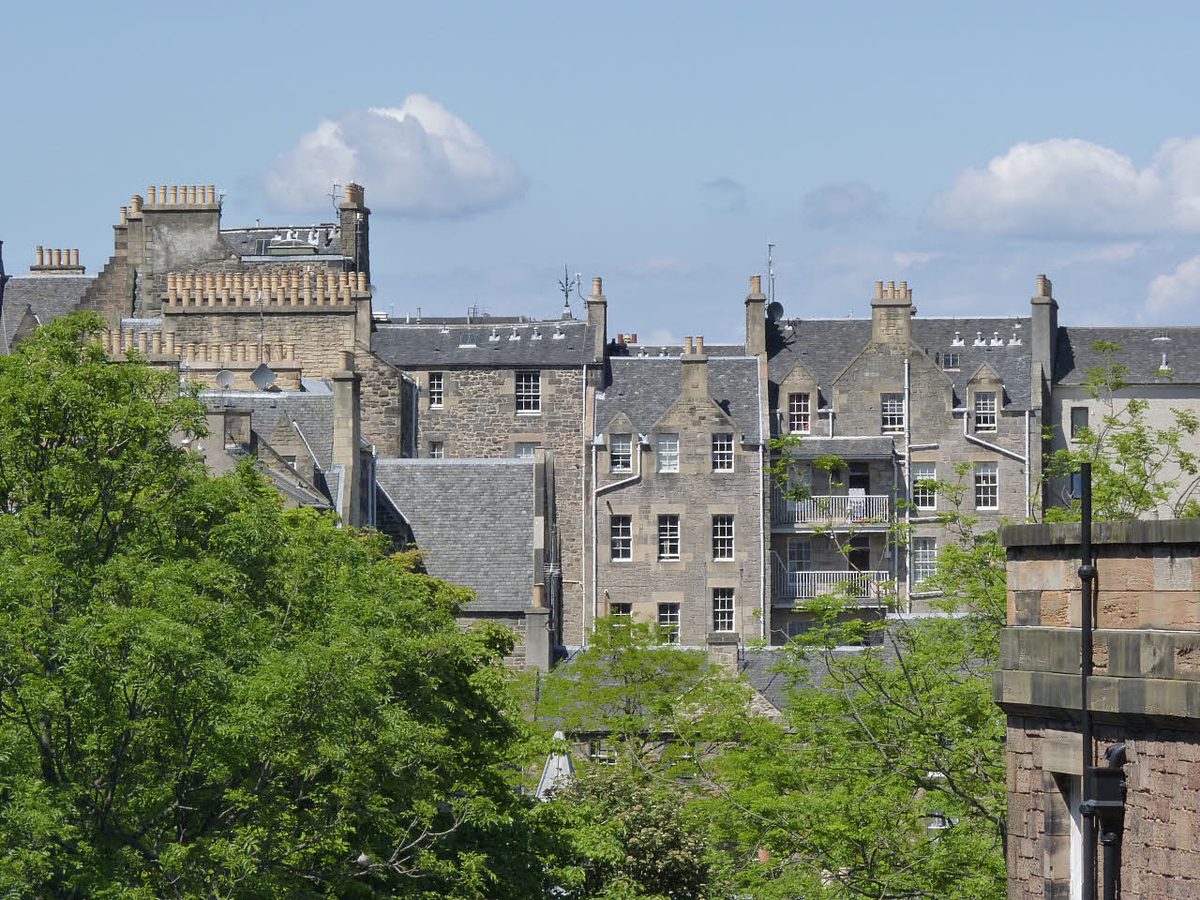
- Stone tenements and chimney stacks in Edinburgh’s Old Town, just off the Royal Mile — Alan Murray-Rust, CC BY-SA 2.0, via Geograph