The first thing most people do when they start looking into their Scottish clan ancestry is type a surname into a box on a shop website. Thirty seconds later they have a clan, a crest, a motto and a tartan, and a suggestion that they might like the 8-yard kilt in medium weight. I did exactly this years ago, on behalf of a friend with a Sutherland grandmother, and felt briefly pleased with myself.
Then I looked at what that box was actually doing. It was matching a string of letters against a list, and the list had been compiled by people selling cloth. That is not research. The good news is that the real research is genuinely available, it is cheap, and—this is the part nobody writes about—it produces an itinerary. Do it properly and you end up with a parish, a valley, a kirkyard and a reason to drive somewhere specific. Do it the shop way and you end up with a kilt.
The short answer
Surname-to-clan lookups are marketing, not genealogy. To research Scottish clan ancestry properly, work backwards from a known ancestor through ScotlandsPeople: statutory registers from 1855, Old Parish Registers before that, and the census. Once you have a parish, plan the trip around it—archives in Edinburgh or Inverness, the kirkyard, and any clan site that genuinely relates.
Scottish clan ancestry research at a glance
| Stage | What you are looking for | Where | Cost | Do it before or during the trip? |
|---|---|---|---|---|
| Family paperwork | A name, a date, and any Scottish place name at all | Your own relatives and boxes | Free | Before, months before |
| Statutory registers 1855–present | Births, marriages, deaths with parents named | ScotlandsPeople online | 6 credits (£1.50) per record | Before |
| Census 1841–1921 | The whole household, ages, birth parish | ScotlandsPeople online | 6 credits (£1.50) | Before |
| Old Parish Registers 1553–1854 | Baptisms, banns, burials before civil registration | ScotlandsPeople online | 6 credits (£1.50) | Before |
| Wills, testaments, valuation rolls | Property, occupation, who inherited what | ScotlandsPeople online | 10 credits (£2.50) / 2 credits (50p) | Before |
| Estate papers, school rolls, local press | The material that was never digitised | Highland Archive Centre, county archives | Free to visit | During |
| Gravestones and kirkyards | Relationships, occupations, home farms | The parish itself | Free | During |
| Clan sites and museums | Context, not proof | Skye, Mull, Culloden, Newtonmore | Free to around £13 | During |
The surname lookup is a shop window, not a record
I want to be careful here, because I am not trying to take anything away from anyone. If wearing a particular tartan makes you feel connected to a place your family left in 1852, wear it. Nobody is checking. But it helps enormously to know what you are actually holding, because otherwise you spend your holiday looking for a connection that was never documented, and miss the one that was.
Sept lists are lists, not evidence
A sept is a surname historically associated with a larger clan. That sounds precise. It is not. Sept lists were largely assembled in the nineteenth and twentieth centuries by clan societies, tartan merchants and enthusiastic antiquarians, and they contradict each other constantly. The same surname will appear on the sept lists of three or four different clans depending on whose list you are reading, because more than one merchant wanted your business.
The deeper problem is that clanship was territorial before it was genetic. If your people farmed in a chief’s country, they were of his following, whatever they were called—and plenty of families took the chief’s surname without a drop of shared blood. Meanwhile there were Campbells in Fife who had nothing to do with Argyll and never did. Surname alone cannot distinguish between those cases. Only a parish can.
The tartan you were told is yours was probably designed in 1842
Here is the fact that reframes the whole thing. The idea that every Scottish family has its own distinct, ancient tartan is largely a Victorian construction, and one book did an outsized amount of the constructing.
The Vestiarium Scoticum was published in Edinburgh in 1842 by two brothers calling themselves John Sobieski Stuart and Charles Edward Stuart, who also claimed to be grandsons of Bonnie Prince Charlie. They presented it as a reproduction of a fifteenth-century manuscript setting out the clan tartans of Scottish families, including Lowland and Border families who had almost certainly never worn tartan at all.
Sir Walter Scott read a description of the manuscript in 1829 and was sceptical within days. He noted there was no corroborating evidence anywhere, doubted that Lowlanders had ever worn clan tartans, and pointed out that even the book’s Latin title was wrong. He went further and rejected the entire premise, writing that distinguishing clans by their tartans was a fashion of modern date.
He was right. In 1895 the surviving 1721 copy was finally subjected to chemical testing, and the analyst reported that the document appeared to have been treated to make the writing look older than it was. No earlier manuscript was ever produced, and nobody outside the brothers ever saw the one they claimed to be working from. Tartan scholars today treat the book as a fabrication.
And yet dozens of its seventy-five colour plates went straight into the trade and are still sold today as authentic clan setts. That is the odd, slightly wonderful thing about it: the forgery worked. Those patterns are now genuinely old, genuinely Scottish, and genuinely meaningful to millions of people. They are simply not evidence of your descent from anybody.
What the Scottish Register of Tartans actually does
People often assume the government register settles the question. It does not, and it does not claim to. The Scottish Register of Tartans was created by an Act of the Scottish Parliament in 2008 and is maintained by National Records of Scotland. It is the world’s only official government register of tartan designs, and it is free to search at tartanregister.gov.uk.
But what it records is the design: the name, the thread count, the colours and the background information supplied by whoever registered it. It holds well over 10,000 designs and takes in hundreds more every year, submitted by individuals, companies, charities, football clubs and overseas organisations. Registration is a records function, not an authentication of anybody’s ancestry. A tartan appearing on the register with your surname on it means someone registered a tartan with your surname on it.
Search it anyway. It is a good half hour, and it is honest about what it is, which is more than the shop finders manage.
The record trail that actually works
Scotland’s records are, genuinely, among the best in Europe for this, and the reason is a single administrative decision. When civil registration began in 1855, Scotland asked for far more detail than England did.
Statutory registers, 1855 onwards
A Scottish birth certificate gives the parents’ names and, crucially, the date and place of their marriage. A marriage certificate names both sets of parents. A death certificate names the parents of the deceased even if they died at ninety. That means one certificate hands you the next search, and the next, and you can often climb four or five generations from a single starting point without ever guessing.
On ScotlandsPeople the older records are open: births over 100 years old, marriages over 75, deaths over 50. Each costs 6 credits, which is £1.50.
Old Parish Registers, 1553–1854
Before 1855 you are in the Church of Scotland’s parish registers—baptisms, proclamations of banns and burials. They are on ScotlandsPeople and they are wildly uneven. Some Lowland parishes have near-continuous runs from the late 1500s. Some Highland parishes have almost nothing before 1800. Fire, damp and simple indifference took a lot of it.
Two things catch people out. First, if your family were Roman Catholic—common in the western Highlands, the Small Isles and parts of the north-east—or Episcopalian, or one of the Dissenting Presbyterian bodies, they may not appear in the Established Church registers at all. Catholic registers have been digitised and are searchable on the same site. Second, the Disruption of 1843, when around a third of Church of Scotland ministers walked out to form the Free Church, scattered families across different register sets mid-century.
The census, 1841 to 1921
The census is where a name becomes a household. Every person present on census night, with ages, occupations and—from 1851—the parish of birth for those born in Scotland. That parish of birth is the single most valuable line of text in Scottish clan ancestry research, because it is the thing that turns a surname into a destination.
If your ancestor sailed in 1884, look at the 1881 census first. You will usually find the whole family still at home, three years before they scattered.
Wills, testaments and valuation rolls
Two underused sets. Wills and testaments cost 10 credits (£2.50) and often contain an inventory—the cattle, the boat, the loom, the debts owed to and by. It is the closest most of us get to seeing what an ancestor actually owned.
Valuation rolls cost only 2 credits (50p) and were compiled annually from 1855. They list every property with its owner, its tenant and its value, which makes them a cheap and precise way to watch a family move, or to confirm that the John MacKay in the 1871 census is the same John MacKay as in 1881. Crofters and cottars returns from the Napier Commission are also 2 credits.
What the credits actually cost
This is the bit every competing guide waves away as “a small fee”. Here is the mechanism. Searching the indexes is free—you can hunt names, dates and parishes all day without paying anything, and you should, because the index alone often tells you whether a record exists. You pay to view and download the image.
One credit is 25p, bought in bundles. Most records land between 6 and 10 credits, so £1.50 to £2.50 each. Coats of arms are the expensive outlier at 40 credits (£10), and a high-quality download from the separate Image Library is £15 and not paid in credits at all. Printing in the search room costs 1 credit a page.
Budget realistically: a focused first pass on one family line usually runs to £30–£60 of credits. Prices can change, so check the charges page before you load up. Credits do not buy official certificates, and they cannot be used to pay for a seat in the search room.
Where to go in person
You can do eighty per cent of this from your sofa. The remaining twenty per cent is why you fly.
The ScotlandsPeople Centre, Edinburgh
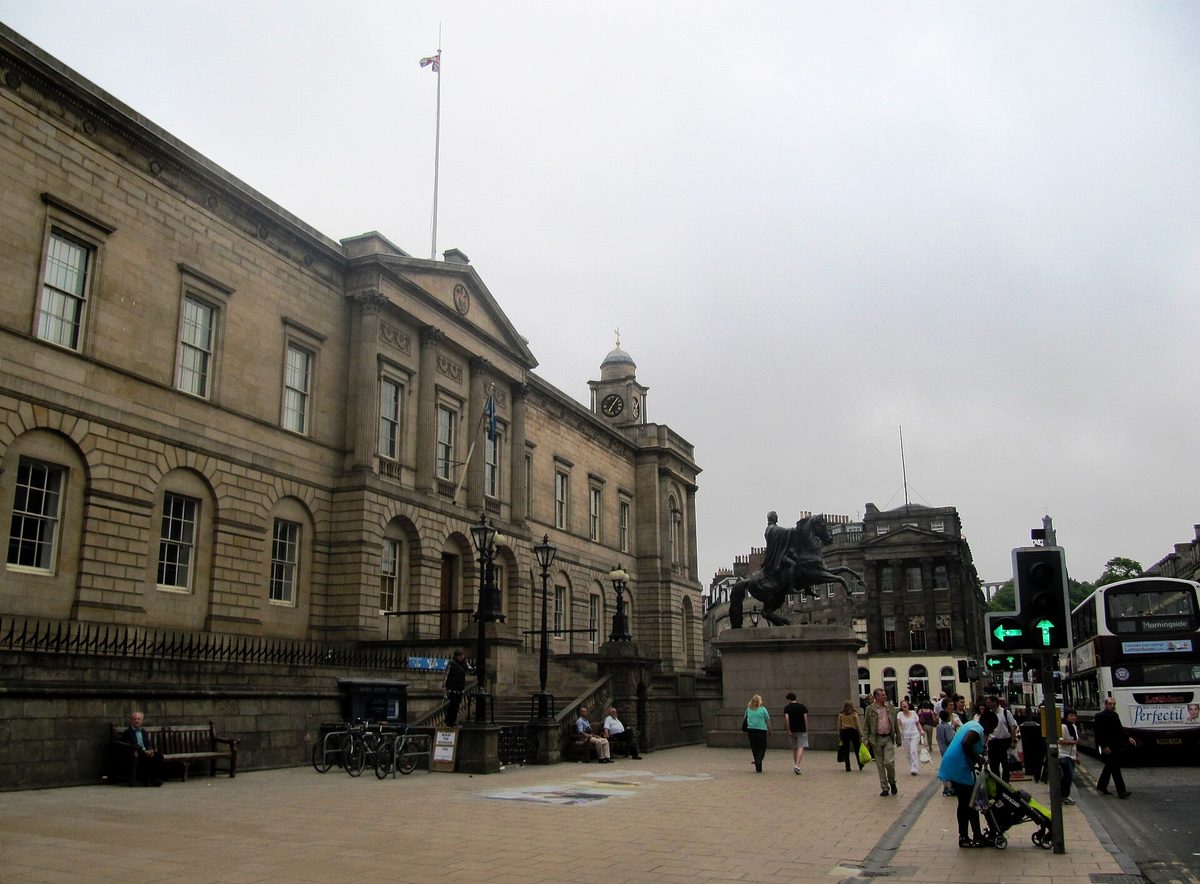
General Register House stands at the east end of Princes Street, at 2 Princes Street, EH1 3YY—the domed classical building with the Duke of Wellington on a horse outside it, about four minutes’ walk from Waverley station. Inside is the ScotlandsPeople Centre, where you get a desk and access to everything digitised, including modern records you cannot see online.
A seat is £15 for the full day, 9am to 4pm, Monday to Friday except public holidays. You must book online in advance—they cannot take bookings or payments in person, which trips up a lot of visitors who assume they can walk in. Bookings are non-refundable but movable with at least 24 hours’ notice on a working day. Bring your own laptop; small bags are fine, large luggage is not. Pay-per-view charges still apply to anything you save.
There is one genuinely useful loophole. They run a limited number of free two-hour sessions for personal users, every second Thursday from 2pm to 4pm, walk-in only and one per calendar month. Create your account before you turn up. Check the current dates before you plan around it.
The National Records of Scotland search rooms are a separate proposition and hold the material that was never digitised—estate papers, court records, private collections. For those you need a reader’s ticket, which you apply for on your first visit. Bring proof of name, proof of address, and two recent passport-sized photographs, 45mm by 35mm, on photographic paper. Tickets go to over-16s only. The photographs catch people out constantly; get them done at home, not in a panic on the Royal Mile.
The Scottish Genealogy Society, 15 Victoria Terrace
Five minutes from the Royal Mile, up on Victoria Terrace above the curve of Victoria Street, sits the Scottish Genealogy Society’s library and family history centre. Founded in 1953, it holds the largest collection of graveyard inscriptions in the country—much of it unpublished and therefore not findable anywhere online—plus Old Parish Registers on film for the whole of Scotland, some 4,000 volumes on family and social history, and a large donated collection of individual family histories.
Members get access to the centre, volunteers who will sit with you, a quarterly journal and workshops on things like old Scottish handwriting, which is a genuine skill and one you will wish you had by about day two. If you are coming a long way, joining before you travel is a small cost against a lot of expertise. Confirm opening arrangements before you visit—it is a volunteer-run centre and hours are not shop hours.
The Highland Archive Centre, Inverness
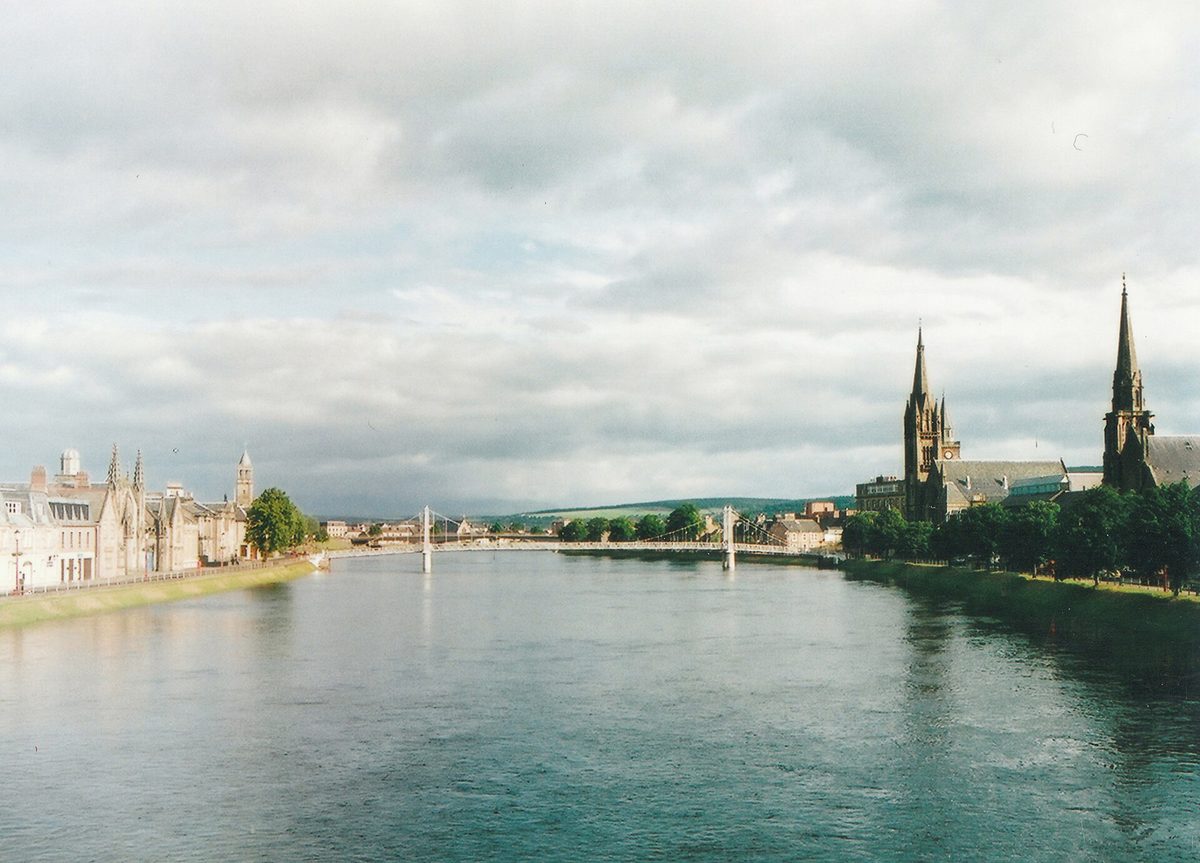
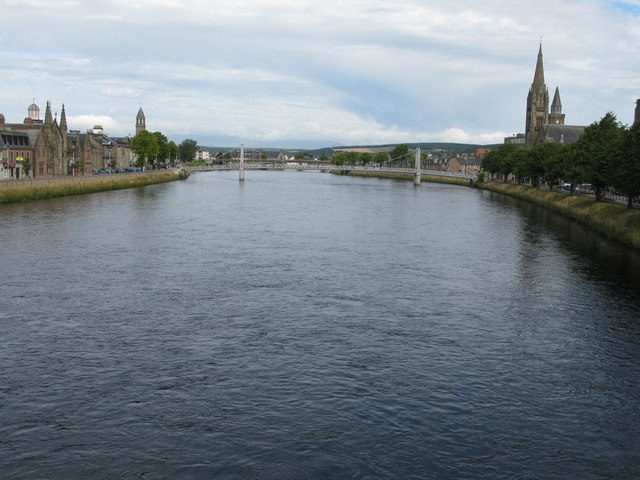
If your line runs to Inverness-shire, Nairn, Ross and Cromarty or Sutherland, this is the building. It sits on Bught Road, IV3 5SS, about 25 minutes’ walk south along the riverbank from the Ness Bridge, and it is a pleasant walk with the river on your left. Buses 2, 2A and 8 stop at Cemetery Gates.
Open Monday, Tuesday, Thursday and Friday, 10am to 4.30pm, closed Wednesdays and weekends—note that Wednesday closure, because it has ruined more than one carefully planned Highland itinerary. There is no charge to visit or to use the collections; High Life Highland is a charity and donations are the mechanism. Collections run from the fourteenth century to the present and include estate papers, school records, church registers and maps.
There is a dedicated Family History Room and staff who do this every day. You can drop in, but pre-booking and requesting documents in advance gets far more out of a single visit. They also sell ScotlandsPeople Network access, Tuesday to Thursday, for a daily fee, and they will do remote research for you if you cannot travel. Their online catalogue covers over 130,000 descriptions across four centres—Inverness, Portree, Fort William and Wick—so you can work out what exists before you book flights. Inverness and Loch Ness make an obvious base for all of this.
Local family history societies
Every region has one, they are small, and they hold the indexed monumental inscriptions, poor relief records and burial registers that nobody has photographed. They are staffed by volunteers who have spent thirty years on the parish you care about. An email six weeks ahead, with names and dates attached, will often produce more than a day of your own searching.
What DNA can and cannot tell you
Let me be blunt: a commercial DNA test will not tell you your clan. It cannot. Clan membership was a social and territorial relationship, and social relationships do not leave a genetic signature.
What the tests do usefully offer is threefold. Ethnicity estimates can suggest a broad region, and if that region falls in the Highlands or Islands it is a soft hint that the clan system was part of your family’s world. Autosomal matches connect you to living cousins, some of whom have already done years of documentary work on the exact line where you are stuck—this is by far the most valuable output, and it is also the one that requires you to email strangers politely. Y-DNA traces the direct paternal line, and several clan surname projects have been running for years, so if you carry the surname there may already be a group your results can be compared against.
Two cautions. Trees attached to DNA matches are frequently unsourced and sometimes badly wrong; verify anything you borrow. And ethnicity percentages shift when companies update their reference panels, so a number that reads “32% Scottish” today is a modelled estimate, not a measurement. Treat DNA as a clue generator and the records as the proof.
Turning the research into a trip
This is the half that page one leaves out entirely, and it is the half that matters once you have a parish name written down.
Clan castles you can actually get into
Plenty of clan strongholds are private houses, working farms or roofless heaps on cliff edges. Some are properly visitable, and it is worth knowing which before you drive three hours.
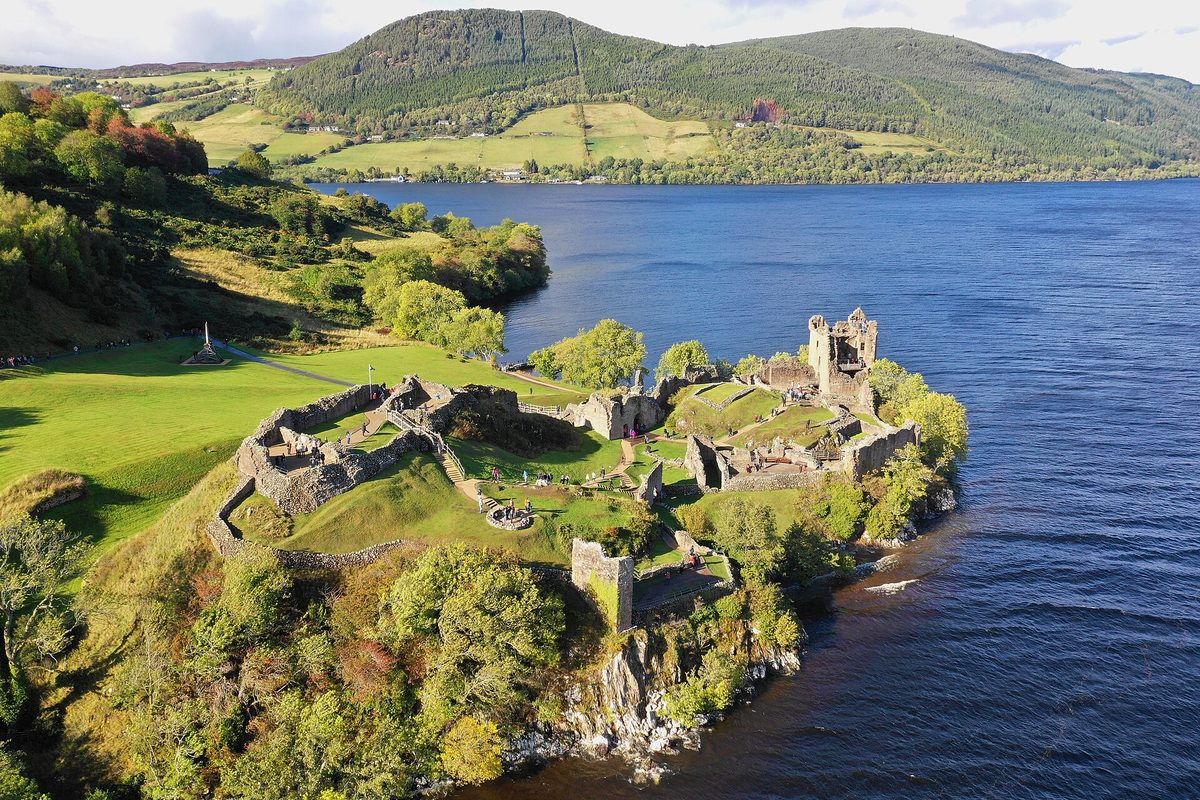
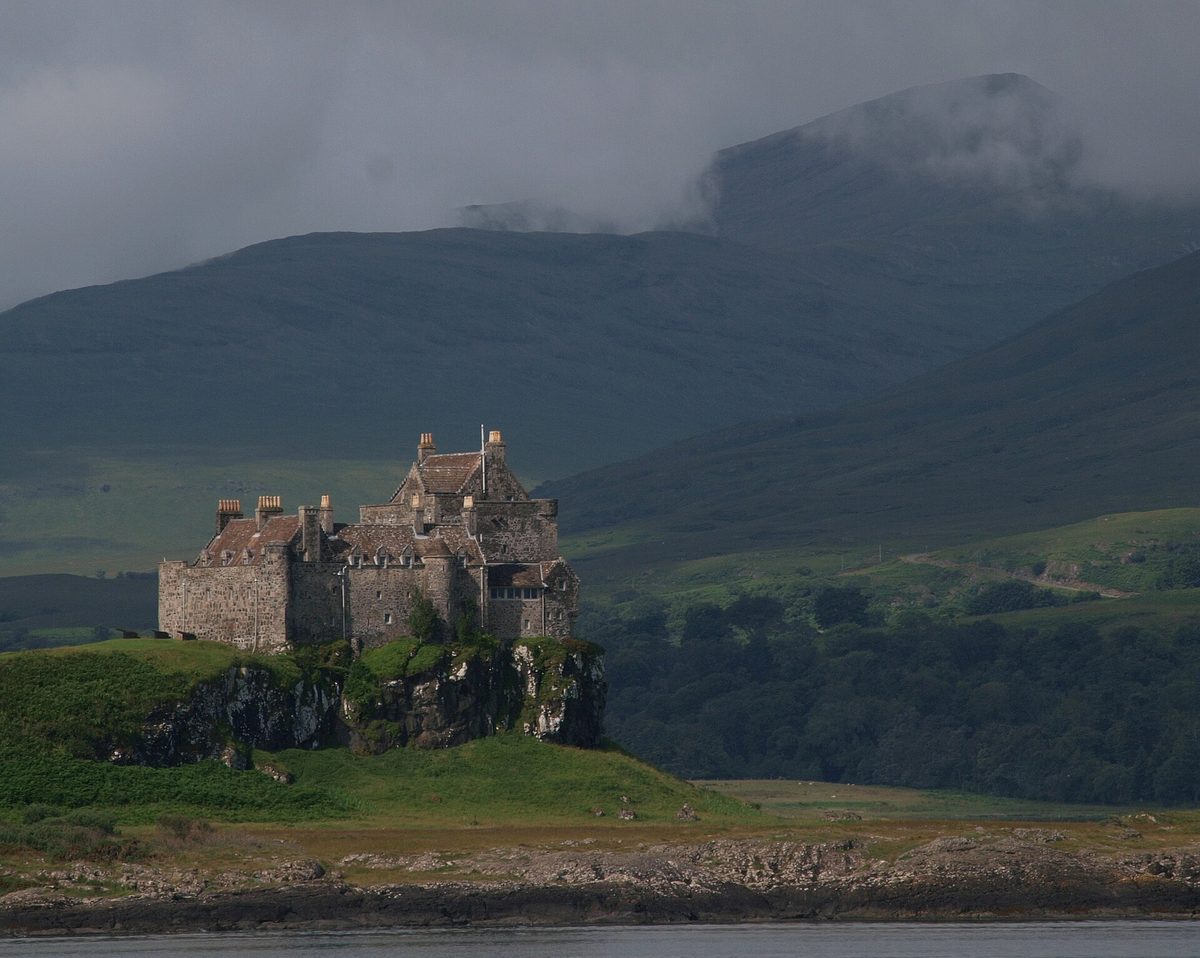
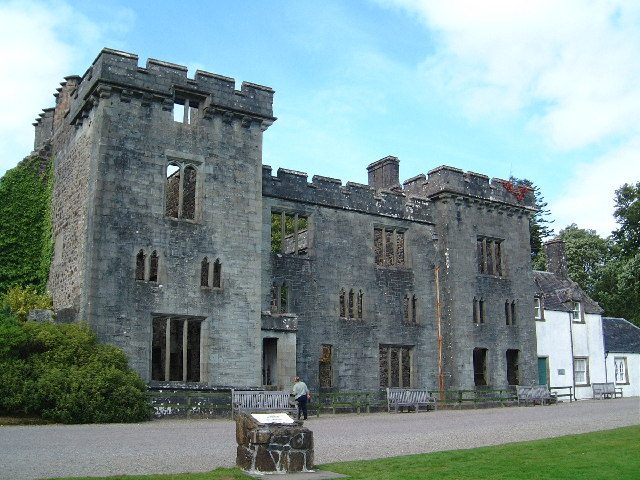
Duart Castle on Mull is the seat of the chief of Clan Maclean, sitting on its rock above the Sound of Mull, and it opens seasonally with a genuine clan story attached—it was bought back and restored by the family in 1911 after long ruin. Armadale on Skye is the Clan Donald Centre: the castle itself is a shell, but the Museum of the Isles beside it is a serious museum, and the gardens are the reason to linger. Adult entry has been around £13, children 7–15 around £7, generally open daily from around late March to the end of October—check current prices and dates before you go.
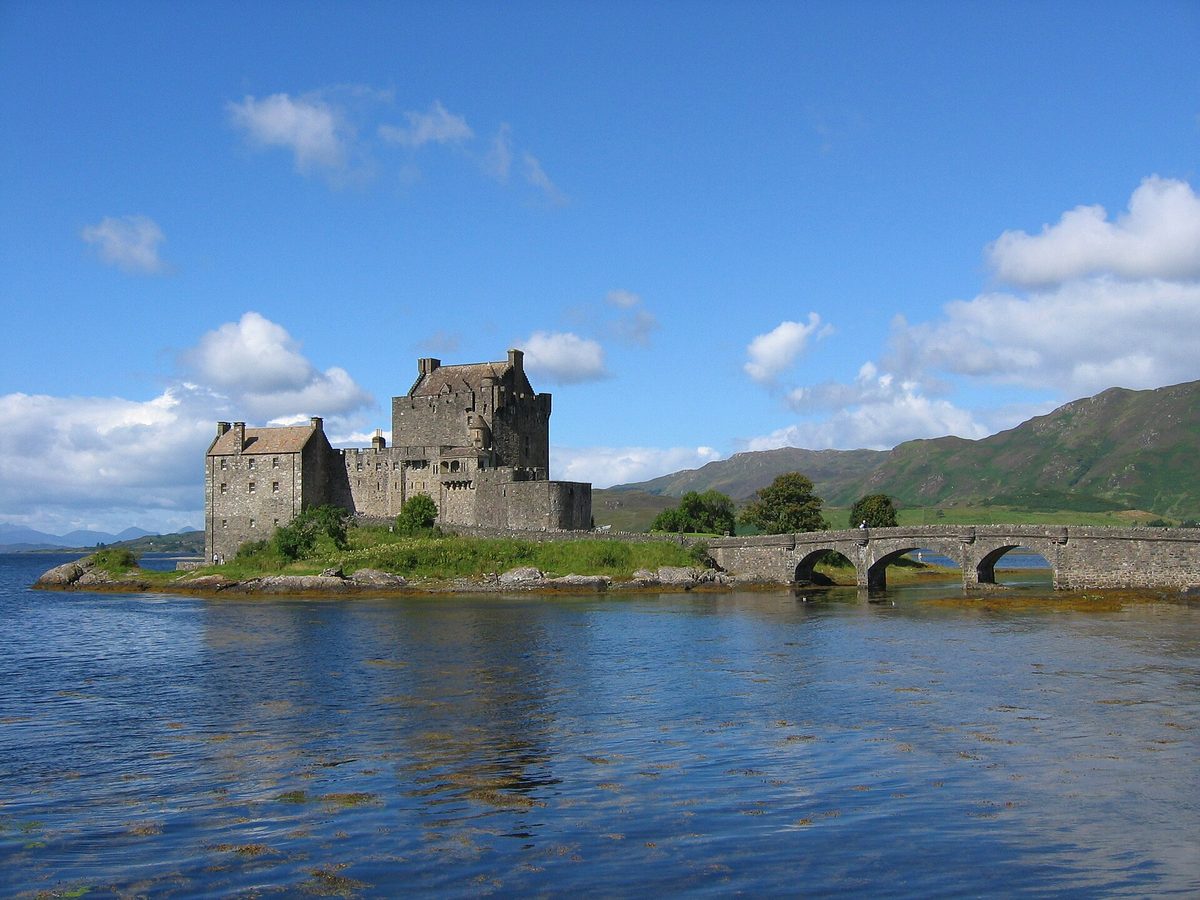
Eilean Donan at Dornie is one of the most photographed castles in Scotland and connects to Clan Macrae and Clan Mackenzie; our full guide to visiting Eilean Donan covers timing and crowds. It is almost entirely a twentieth-century reconstruction, which does not make it less interesting, but does mean you are looking at an idea of a clan castle rather than the fabric of one.
On the east coast, Dunnottar’s cliff-top ruin near Stonehaven carries Keith and Marischal associations and is the more atmospheric ruin by some distance. For the wider picture, our complete guide to Scotland’s castles is the place to start, and the pick of the best castles to visit sorts them by what you actually get for your ticket.
Clan museums and the one museum everyone should visit
The Highland Folk Museum at Newtonmore, in Badenoch, is the best heritage day in Scotland for anyone with Highland ancestors, and it is free. It is an open-air site over a mile long, with a reconstructed early 1700s township at one end—turf walls, low doorways, peat smoke—built from archaeological evidence rather than romance. Standing inside one of those houses tells you more about how your people lived than any castle will.
It opens daily from around the start of April to late October, roughly 10am to 5pm in high summer and shorter hours from September; entry is free with donations welcomed, and there is a small card-only parking charge. No booking needed unless you are a group. It sits just off the A9, twelve miles south-west of Aviemore, so it slots neatly into a drive north; our Aviemore and Cairngorms guide covers the area around it.
Culloden and the clan graves
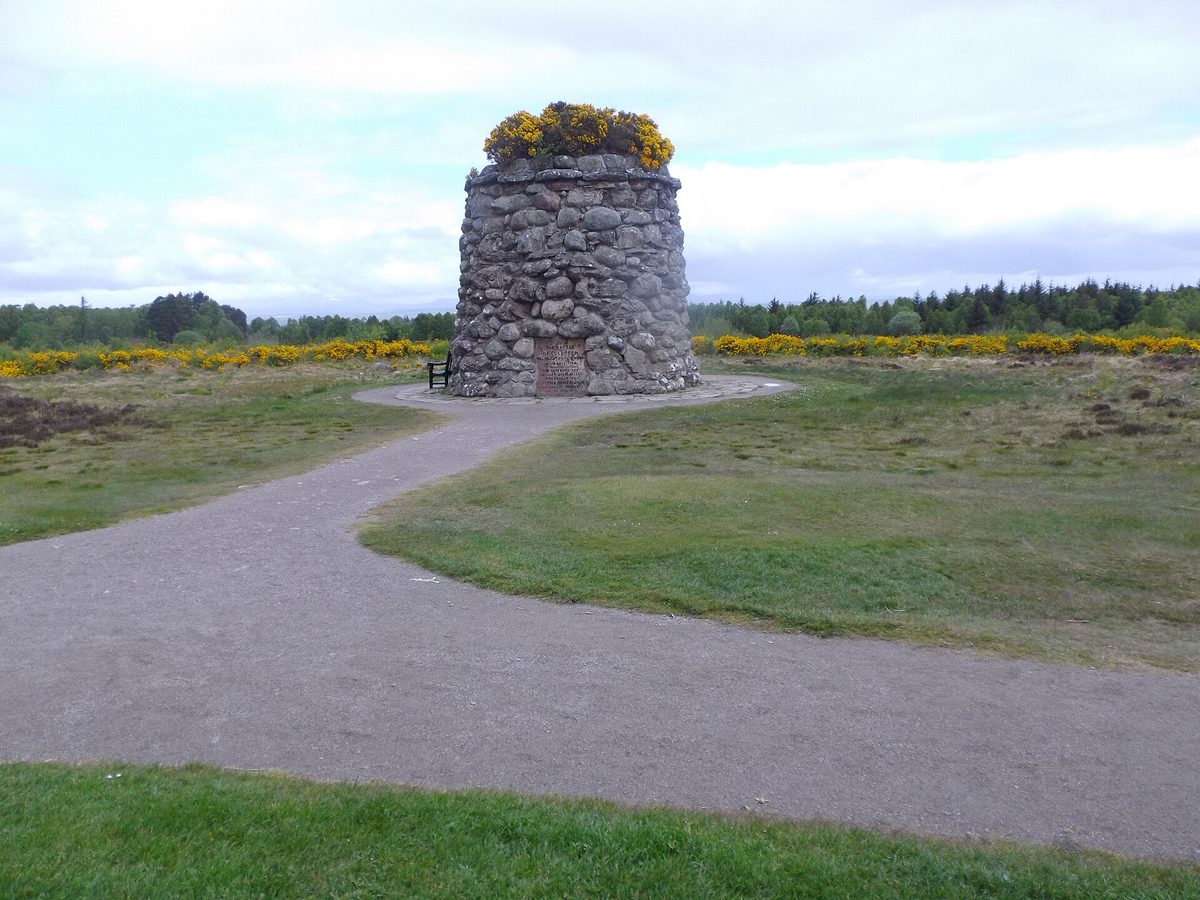
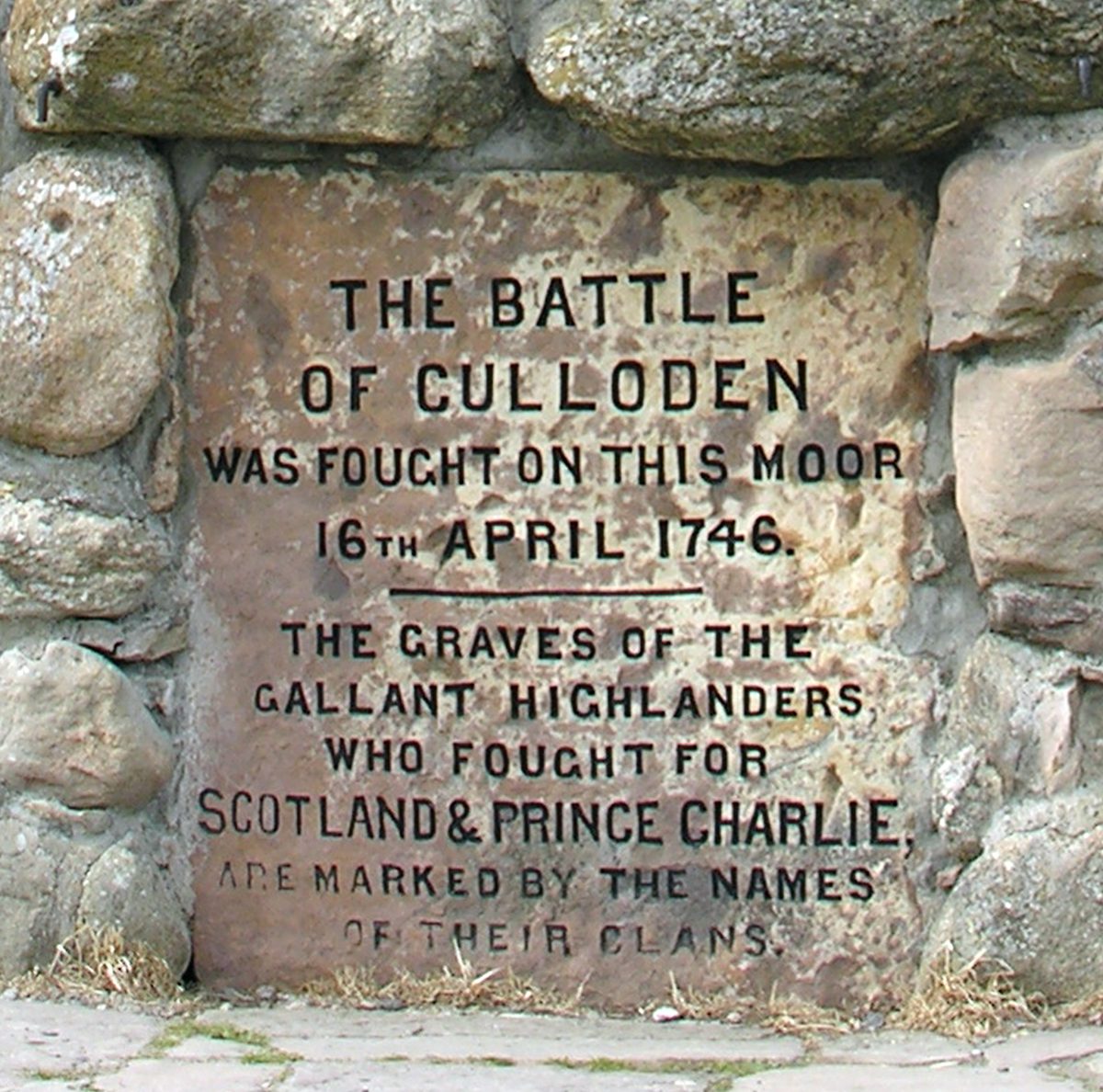
Culloden Moor is five miles east of Inverness and it is not a day out. On 16 April 1746 around 1,600 men died there in under an hour, 1,500 of them Jacobites, and the moor still reads as a burial ground because it is one.
The clan grave markers were placed in the nineteenth century, and it is worth knowing that they are memorials rather than surveyed graves—the stones were sited by tradition, not excavation. That does not lessen them. The inscription on the memorial cairn says the graves of the Highlanders who fell are marked by the names of their clans, and walking that line of low stones reading MacGillivray, Cameron, Fraser, Stewart is a quiet twenty minutes that people do not forget.
The battlefield itself is open daily and free to walk. The visitor centre and its 360-degree battle immersion room charge separately—recently £12.50 adult, £8 child, £33 family, with car parking £5 on top and free entry for National Trust for Scotland members. Prices move; check before you go. Go early or late if you can. At midday in July the coach traffic changes the atmosphere entirely.
Clearance country: Strathnaver and Kildonan
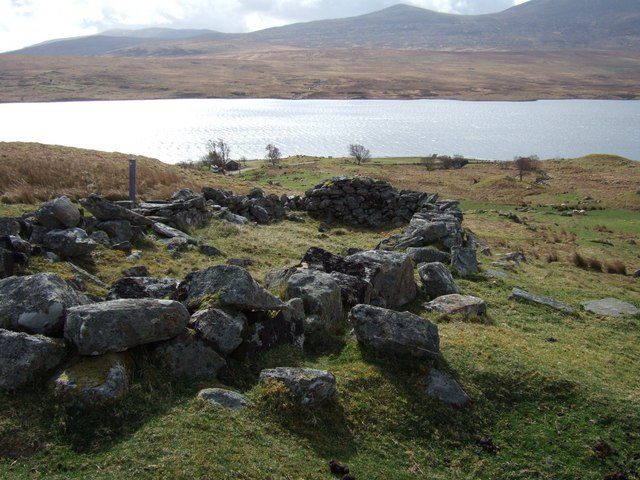
If your family left Sutherland in the first half of the nineteenth century, they very likely did not choose to. The northern straths were cleared for sheep, and the evidence is still lying in the grass.
Strathnaver Museum at Bettyhill, on the north coast, occupies the former Parish Church of Farr and reopened in 2023 after a £2m refurbishment. It tells the Clearances through this specific valley, and it functions as the planning desk for the Strathnaver Trail, a chain of around 29 archaeological sites running up the strath towards Loch Naver. You do not need to do all of them. Do the museum, then two or three stops, and the drive changes character—you start seeing house platforms and old field boundaries where you previously saw hillside.
Timespan at Helmsdale covers the Strath of Kildonan on the east side, including the emigration to what became Winnipeg, and there is a Clearances trail running roughly 25 miles up the strath with a supporting app. Both sit on or just off the North Coast 500 route, so a Clearance-focused day is easy to fold into a longer Highland driving route without adding days.
A word on tone. These are places where people were burned out of their homes. The museums handle it well and without melodrama, and it is worth matching that.
Kirkyards and gravestone research
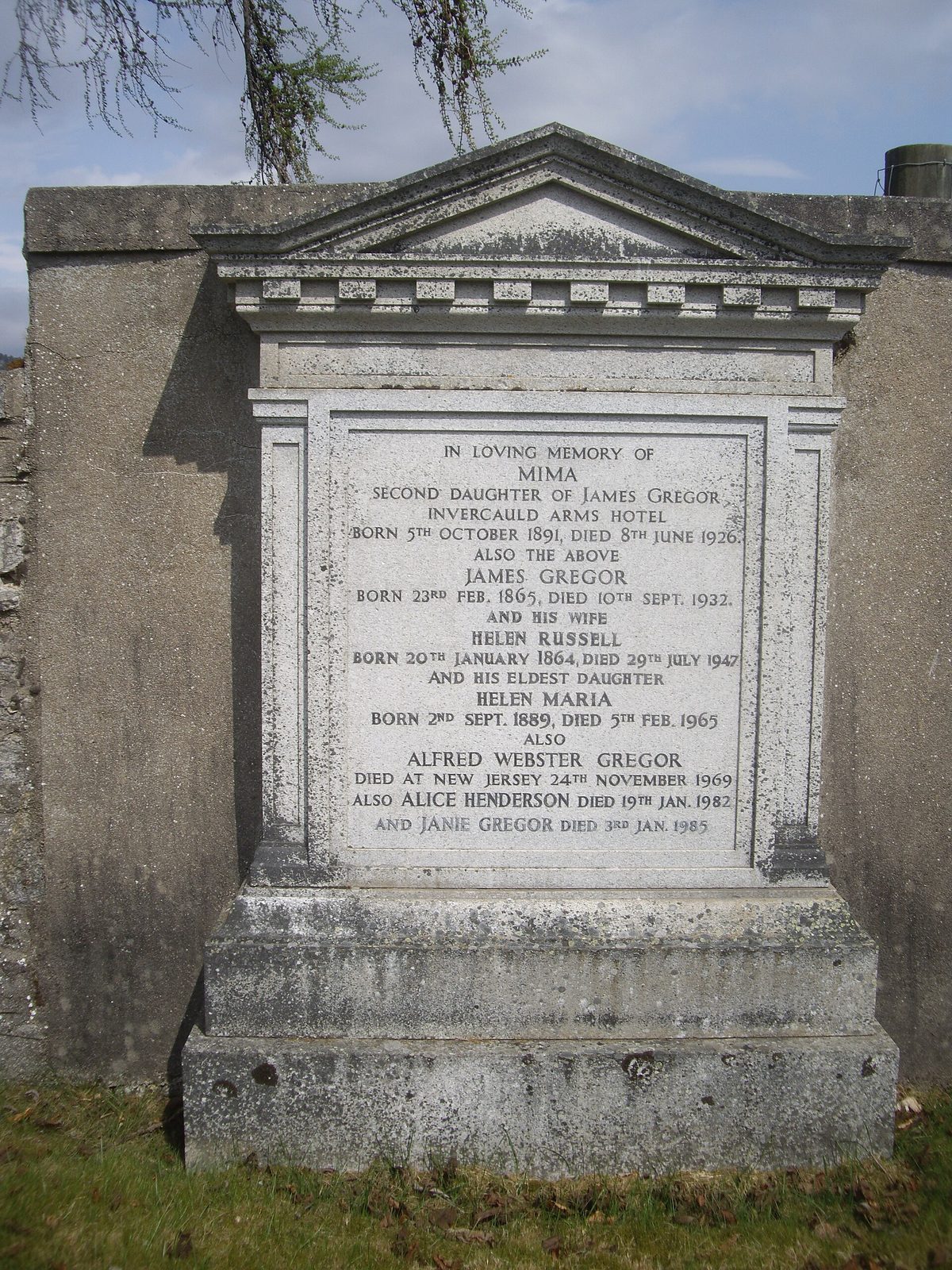
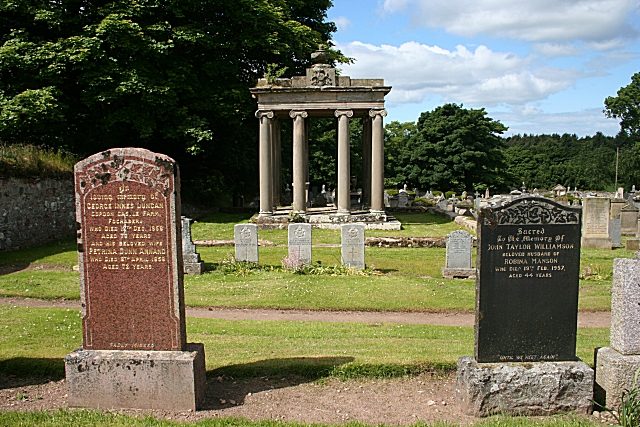
Even where the church is a ruin, the kirkyard usually survives, and eighteenth and nineteenth-century Scottish stones are unusually talkative. They record relationships, occupations, the name of the farm, sometimes the emigrant son who died in Ontario. That last detail is often the bridge between the Scottish family and the overseas one.
Practicalities that make the difference: go on an overcast day, because harsh sun flattens shallow lettering. Take a torch and hold it at a low raking angle across the stone—this works better than anything else and works even in daylight. Take a soft brush for lichen, never a wire one, and never chalk, flour or shaving foam; several of these damage stone and all of them will annoy the people who maintain the ground. Photograph the whole stone and then the inscription in sections, and photograph the stones either side, because families cluster.
Check first whether the inscriptions have already been transcribed. The Scottish Genealogy Society and local societies have covered thousands of burial grounds, and reading a transcription in a warm room beats squinting at granite in horizontal rain.
Highland Games and clan gatherings
Games run from around May to September across the country, and the larger ones have clan tents staffed by society volunteers who will happily look at your notes. It is the most sociable form of research there is. Our guide to Scotland’s festivals and events calendar has the seasonal picture; check individual games dates well ahead, because the good ones fill their local accommodation completely.
The order to do this in
Sequence matters more than effort. This is the order that avoids wasted money.
One. Interview your oldest relatives, on a recording, before anything else. Ask for names, maiden names, towns, occupations, religion and any story about the crossing. Write down the uncertain things too.
Two. Work backwards through the records of the country your family emigrated to—naturalisation papers, ship manifests, census returns, obituaries. Your aim is one Scottish place name and one approximate date. Until you have that, ScotlandsPeople will just eat credits.
Three. Search the ScotlandsPeople indexes free. Establish what exists before you buy anything.
Four. Buy a small bundle of credits and work the certificate chain: birth to marriage to the next generation’s births. Take screenshots and keep a research log with every search you ran, including the ones that found nothing.
Five. Pin the family to a parish using the census, then move into the Old Parish Registers for that parish specifically.
Six. Only now look at clan associations, and look at them geographically. Which chief’s country was that parish in, in that century? That is a real question with a real answer, and it is a different question from what your surname is.
Seven. Contact the relevant local archive and family history society, with specifics, at least a month before you travel.
Eight. Build the itinerary around the parish. Everything else is context.
Planning the trip itself
Allow more time than feels necessary. A roots trip that also wants to see Skye and Edinburgh needs ten days minimum; our 10-day Scotland itinerary is a workable frame, and the full trip-planning guide covers the logistics. If your parish is rural, budget two nights near it rather than one, because you will want a second morning at the kirkyard.
Hire a car. Most of these places have no useful bus service, and the archives close at 4.30pm; our guide to getting around Scotland sets out the alternatives if driving is not an option.
On timing, May and September are the sweet spot: long enough days for kirkyard photography, most museums open, fewer coaches at Culloden, and the midges either not started or fading. May in Scotland in particular gives you light until well past nine. Check the best time to visit against your own priorities, and read up on midge season if you are planning June to August fieldwork in damp glens.
Book these things ahead: your ScotlandsPeople Centre seat (weeks, not days), your archive appointment and document requests, and accommodation in the Highlands if you are travelling between June and August. Our guide to the best Highland base towns helps if you are unsure where to sit for three nights.
The etiquette point, which matters and which nobody mentions: write to small parish churches and community archives before turning up. Many are staffed by one person on two mornings a week. A short email with your family names, the dates and what you are hoping to see, sent well in advance, is the difference between a locked door and someone waiting for you with the burial register already out. Offer a donation. Say thank you afterwards, in writing.
What disappoints, and what to skip
Skip the paid “find your clan” certificate. Whatever it costs, it is a database lookup with a border printed round it. The Scottish Register of Tartans is free and the census is £1.50.
Manage expectations on the Highland brick wall. Fixed hereditary surnames arrived late in the Highlands. Under patronymics a man took his father’s forename as his surname, so a father and son could carry different surnames legitimately. Combined with thin pre-1800 parish records, most Highland lines stop somewhere in the mid-1700s and no amount of money moves them. That is not your failure. It is the record.
Do not expect a Lowland clan. The clan system operated mainly in the Highlands and Islands. If your family were Ayrshire weavers or Fife fishermen, they had a surname, a trade and a parish, and no chief. That is a perfectly good ancestry and it does not need a tartan bolted onto it.
Some clan castles are a let-down. A handful are essentially a car park, a shell and a shop. Check what is actually open before committing half a day, especially outside the April–October season when many close entirely.
Be careful with Outlander-adjacent expectations. The Clan Fraser stone at Culloden draws a lot of visitors who have arrived through the novels and the series, which is fine, but the historical Frasers of Lovat are a more complicated story than the fiction. Our Outlander filming locations guide covers the fictional trail on its own terms.
Do not plan around a chief. Writing to a chief’s family cold, hoping for a meeting, is not how this works. Clan society secretaries are the useful contact, and they are usually delighted to hear from you.
Frequently asked questions
How do I find my Scottish clan for certain?
You find the parish, not the clan. Trace your line back through the census and parish registers until you have a place, then ask which chief held that district at that date. Surname alone cannot answer it, because clanship followed territory and many people took a chief’s name without kinship.
Is there really a tartan for my surname?
There is probably a tartan carrying your surname, and it may well be a fine tartan, but the notion that each family has held its own ancient sett is largely a Victorian invention. Many designs sold as clan tartans trace to the 1842 Vestiarium Scoticum, which was denounced as a forgery within a few years of publication.
How much does ScotlandsPeople cost?
Searching the indexes is free. Viewing records costs credits at 25p each: most statutory records, census entries and church register entries are 6 credits (£1.50), wills and testaments 10 credits (£2.50), valuation rolls just 2 credits (50p). A first pass on one family line typically runs £30 to £60. Check current charges before buying.
Can a DNA test tell me which clan I belong to?
No. Clan membership was social and territorial, so it leaves no genetic marker. DNA is useful for finding living cousins who have already researched your line, for broad regional hints, and—via Y-DNA surname projects—for testing whether you match a documented paternal group. It supplements records; it does not replace them.
Do I need to book the ScotlandsPeople Centre in advance?
Yes. A full-day seat at General Register House in Edinburgh costs £15 and must be booked online; staff cannot take bookings or payment in person. Free two-hour walk-in sessions run every second Thursday afternoon, one per person per calendar month, but they are limited and cannot be reserved.
How far back can Scottish records realistically take me?
Statutory registers from 1855 are detailed and reliable. Old Parish Registers reach back to 1553 in the best Lowland parishes but are patchy in the Highlands, and often begin only in the 1700s. Most families get six or seven generations. Highland lines frequently stop in the mid-1700s where fixed surnames were adopted.
Is Culloden worth visiting if I have no proven Jacobite ancestor?
Yes, though go for the history rather than a personal connection. The battlefield is free to walk and open daily; the visitor centre charges around £12.50 for adults with £5 parking. The clan stones are memorials placed in the nineteenth century, sited by tradition rather than excavation.
What should I do before I fly?
Get a parish name, book your archive seats, email the local family history society and any small parish church, print your research log, and pack a torch, a soft brush and spare camera batteries. For the NRS search rooms you will also need identification, something showing your current address, and two passport photographs at 45mm by 35mm.
Final thoughts
The version of this trip that works is not the one where you buy a kilt and stand in front of a castle that a database assigned you. It is the one where you know the name of the parish, the name of the farm, and roughly what your people did there, and you spend an afternoon in a kirkyard finding the stone.
That afternoon is cheap. It costs a few pounds of credits, a couple of polite emails and the willingness to be told that your surname does not entitle you to anything in particular. What you get back is specific, which is worth far more than a crest. And you will still be free to buy the kilt on the way home—you will just know exactly what it is you are buying. If you are still shaping the wider trip, our guide to first-time visitor advice and the Scotland bucket list will help you fill the days either side.
About the author: This guide was written and is maintained by the ScotlandTourism.org editorial team — travel writers who’ve spent years exploring Scotland’s cities, Highlands and islands, from bagging Munros to chasing the perfect dram. We update our guides regularly to keep prices, opening details and advice current.
Last updated: October 2026. Prices and opening times change — always check the official site before you travel.
Photo credits
All images are used under their respective Creative Commons or public-domain licenses:
- General Register House on Princes Street in Edinburgh, home of the National Records of… — Palickap, CC BY-SA 4.0, via Wikimedia Commons
- The memorial cairn inscription at Culloden, noting that the graves are marked by the… — M. Metz, derivative work Lämpel, CC BY-SA 3.0, via Wikimedia Commons
- The ruined Armadale Castle on Skye, home of the Clan Donald Museum of the Isles — colin price, CC BY-SA 2.0, via Wikimedia Commons
- Ruined stone walls of the cleared Grummore township beside Loch Naver in Strathnaver,… — Jude Dobson, CC BY-SA 2.0, via Wikimedia Commons
- Headstones and a classical mausoleum in Bellie Kirkyard, Moray, typical of a Scottish… — Anne Burgess, CC BY-SA 2.0, via Wikimedia Commons
- A Scottish family headstone recording several generations, the kind of inscription… — Stanley Howe, CC BY-SA 2.0, via Wikimedia Commons
- Eilean Donan Castle at Dornie, associated with Clan Macrae and Clan Mackenzie — Bigar, Public domain, via Wikimedia Commons
- Duart Castle on Mull, seat of the chief of Clan Maclean and open to visitors in season — Steve Houldsworth, CC BY-SA 2.0, via Wikimedia Commons
- The River Ness in Inverness, the best base town for Highland archive and Scottish clan… — G Laird, CC BY-SA 2.0, via Wikimedia Commons