A first Highland itinerary usually goes the same way. You drive north from Edinburgh with six places pencilled in for day one and make three of them. The other three are brown signs going past at 50mph while you calculate, for the fourth time that afternoon, whether you can still reach Skye before the pub stops doing food.
That is the part nobody tells you when you ask how many days in the Scottish Highlands you need. The number matters far less than which Highlands you mean, and almost every guide answers the wrong question. So here is the answer as I would give it to a friend: a way of reasoning about it, with real drive times attached, rather than a number to obey.
How many days in the Scottish Highlands: the short answer
Five days is the first honestly good Highland trip — enough for one region properly, or Skye without hating yourself. Two or three days works only if you pick a single glen and stay put. Seven days unlocks the North Coast 500 or a Skye and Wester Ross loop. Ten to fourteen adds islands and, better still, lets you stop packing every morning.
If you want the wider national version of this question — Edinburgh, Glasgow and the coast included — that is a different calculation, and our guide to how long you need in Scotland overall covers it. This one is about the north and west, the part of the country the Scottish Highlands guide covers in full.
The drive-time table nobody publishes
Every Highland plan lives or dies on this table. These are realistic times, not the ones your phone quotes on a Tuesday in February with empty roads. Allow extra in July and August, and more again if you are stuck behind a motorhome on a single-track road with nowhere to overtake.
| Route | Distance | Realistic driving time | What it costs your day |
|---|---|---|---|
| Edinburgh → Fort William | around 135 miles | 3 hours | Half your day. Leave at 9am, arrive for a late lunch |
| Edinburgh → Inverness (A9) | around 155 miles | 3 hours 15 minutes | The fastest road north; average-speed cameras watch the single-carriageway sections between Perth and Inverness |
| Fort William → Portree, Skye | over 100 miles | about 2 hours 30 minutes without stops; longer in summer traffic | A travel day with two or three stops, not a hop |
| Inverness → Portree, Skye | around 112 miles | 2 hours 30 minutes | Five hours in the car if you come back the same day |
| Inverness → Durness | roughly 105–112 miles | 2 hours 30 minutes to 3 hours | Much of the road beyond Lairg is single-track, and slower than it looks |
| Fort William → Oban | around 50 miles | 1 hour 20 minutes | One of the genuinely short Highland drives |
| Glasgow → Oban | around 95 miles | 2 hours 15 minutes | The easiest approach to the west coast |
| Full North Coast 500 loop | 516 miles | 5 days minimum, 7 to enjoy it | Over 100 miles a day before you stop for anything |
Two numbers underpin all of that. The first: once you are off the A9 and the dual-carriageway sections of the A82, allow far more time per mile than the speed limit suggests. Not because you are dawdling — because of bends, sheep, blind summits, tractors, log lorries and the fact that a 60mph limit on a single-track road is a legal fiction rather than an instruction.
The second: every viewpoint stop takes longer than you budgeted. Not five minutes. You pull in, you get out, the wind takes your hat, someone wants a photo, then a coffee, then the loo. Plan six stops on a long driving day without allowing for them and the day runs away from you, which is how people end up checking into a B&B at nine at night with a bag of crisps for dinner.
Why “the Highlands” is the wrong unit of measurement
Here is the thing that makes the question unanswerable as usually asked. The Highland council area alone covers 26,484 square kilometres, islands included — roughly 10,000 square miles and around a third of Scotland’s land area. It is larger than Wales. Add Argyll, Highland Perthshire, Moray and the bits of Stirlingshire that are unmistakably Highland in character and you are talking about something close to half the country.
Asking how many days you need in the Highlands is therefore a bit like asking how many days you need in the Alps. The honest reply is another question: which part?
The five Highlands, and how far apart they are
I find it useful to break the region into five chunks that behave very differently on a map.
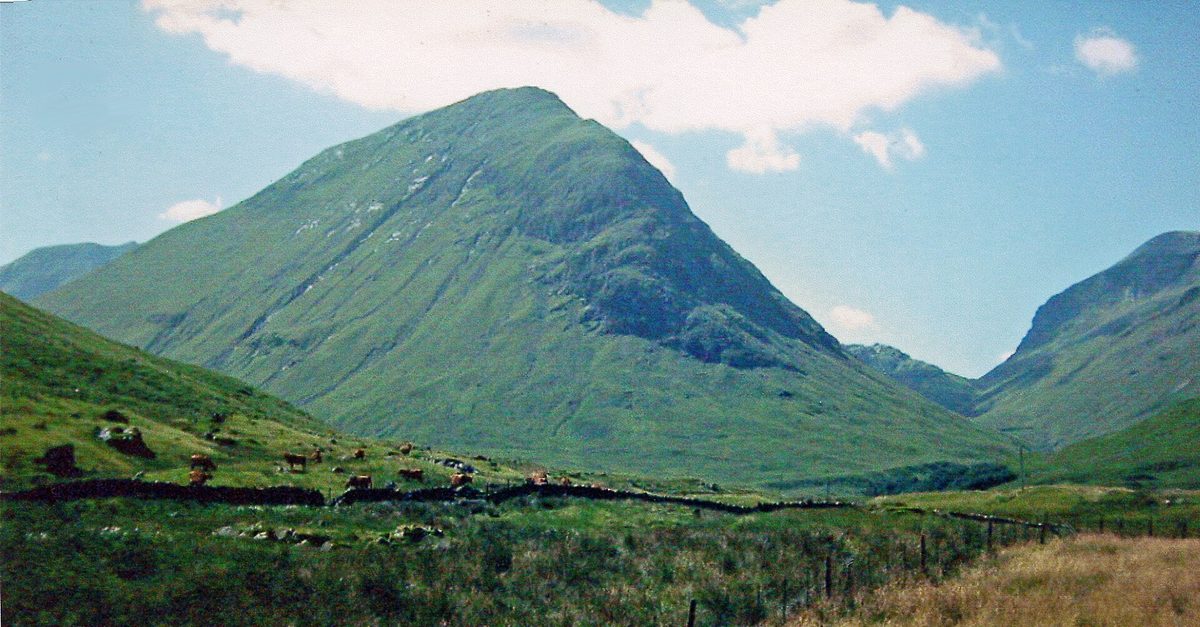
The western Highlands — Glencoe, Fort William, Glen Nevis, Glenfinnan, Ardnamurchan. Dramatic, compact and reachable from Edinburgh or Glasgow in about three hours. For my money no part of Scotland packs more scenery into fewer miles, which makes it the best value for a short trip. Start with what there is to do in Glencoe and the surrounding glens.
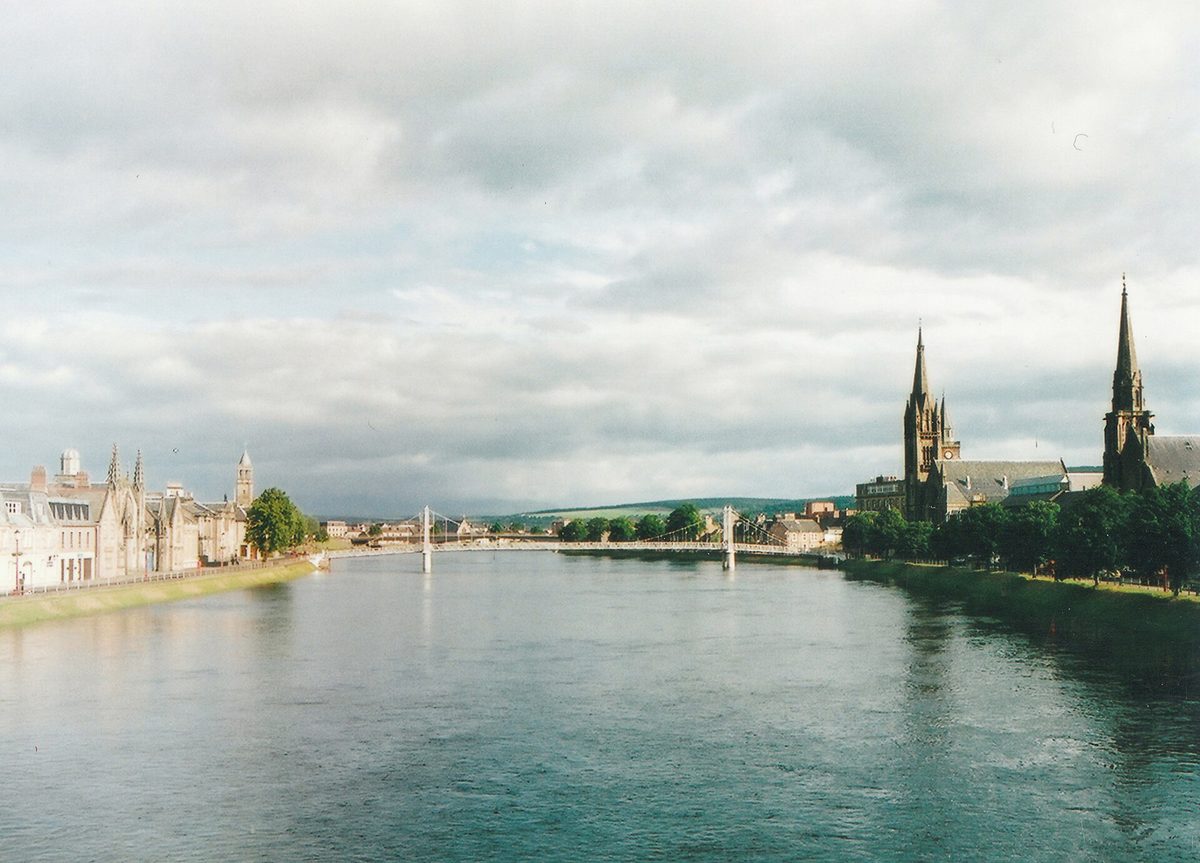
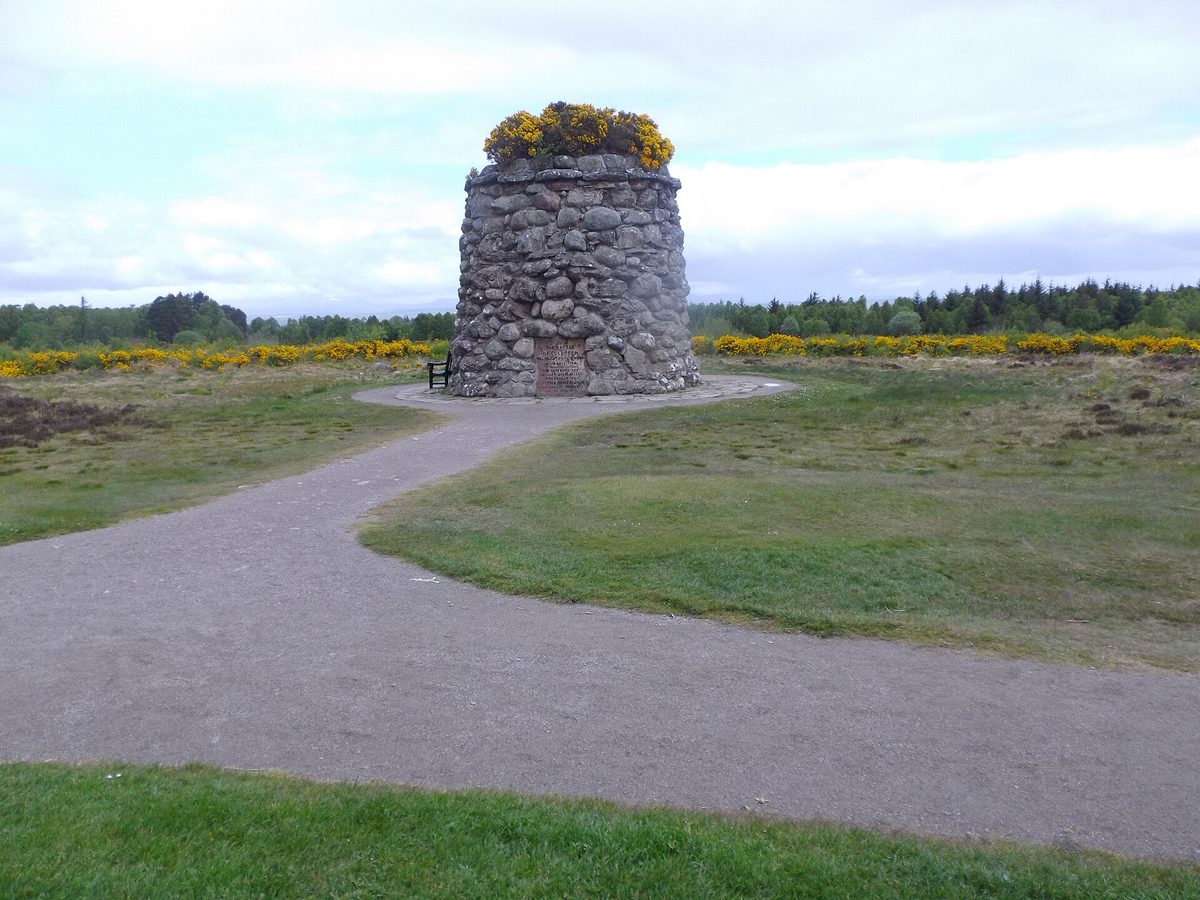
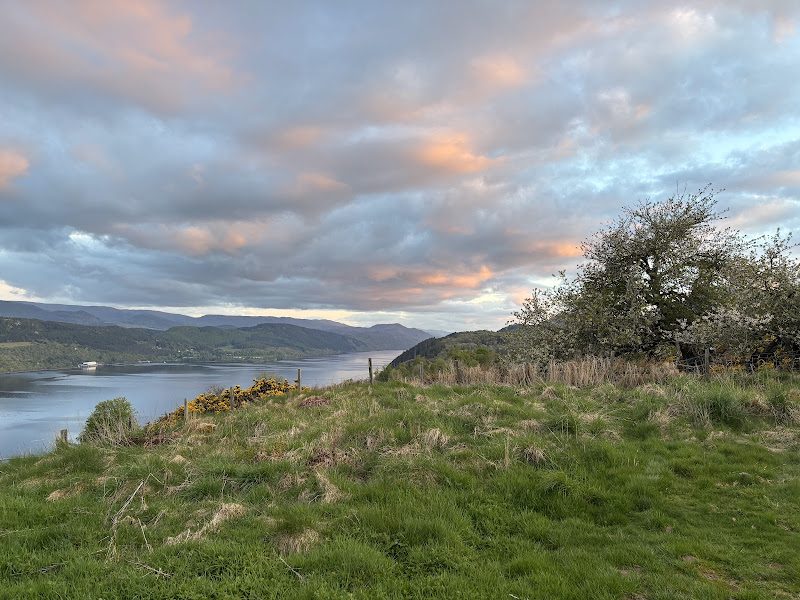
The Great Glen and Inverness — Loch Ness, Fort Augustus, Culloden, the Black Isle. Easy driving on the whole, well served by trains, and the natural base if you are flying into Inverness. Loch Ness and Inverness are a half-day each, not a full day, whatever the coach tours imply.
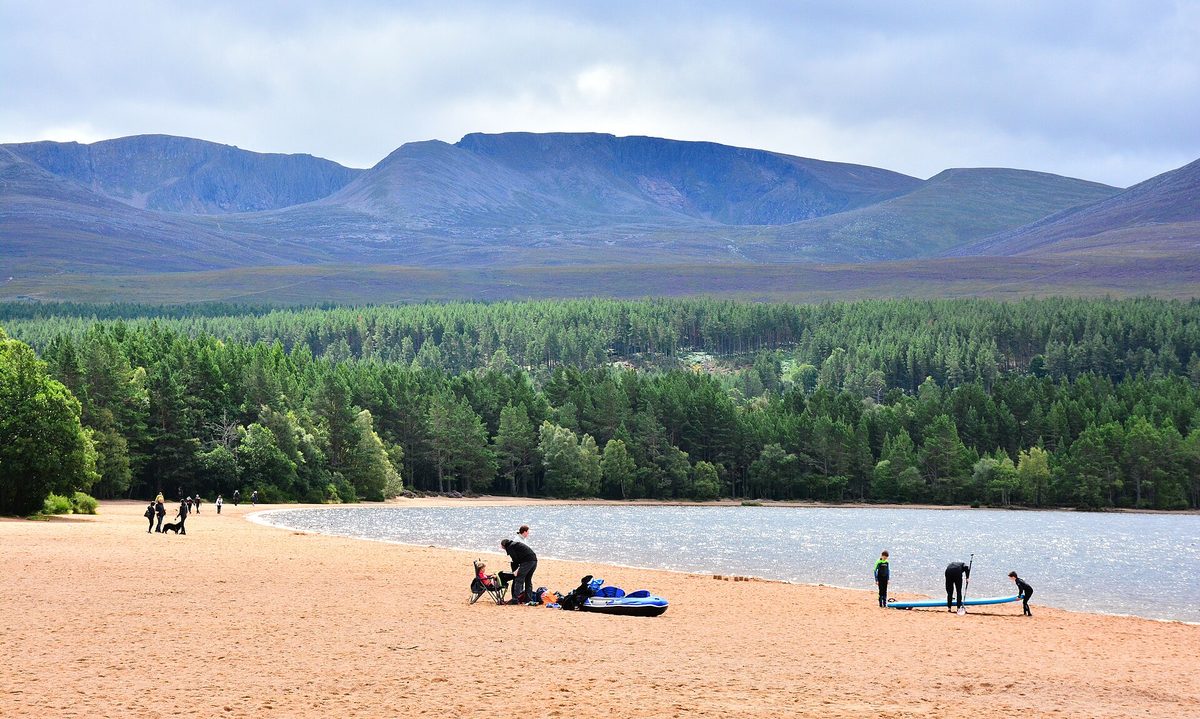
The Cairngorms and Speyside — Aviemore, Loch Morlich, Grantown, the whisky towns, and Highland Perthshire on the southern edge. Gentler, greener, far better in bad weather because so much of it is forest and river rather than exposed ridge.
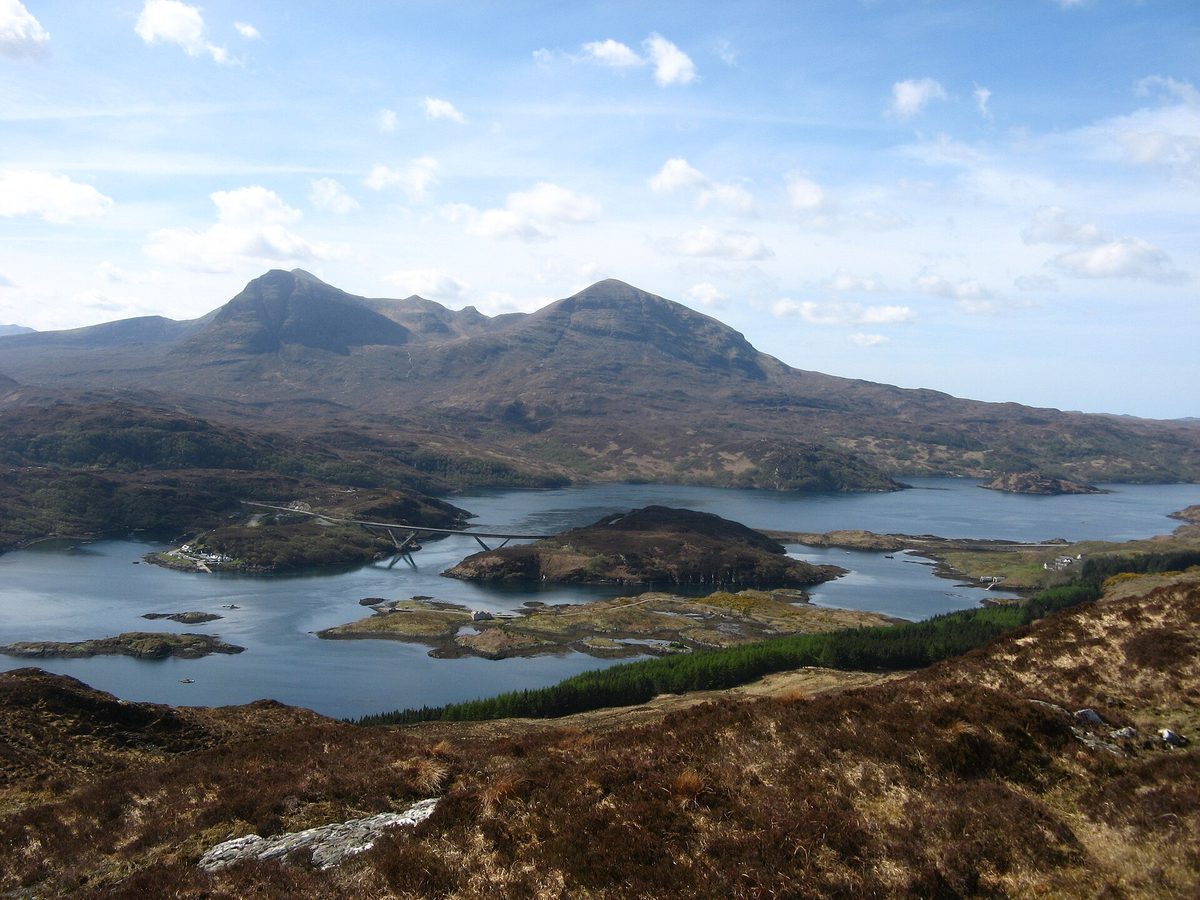
Wester Ross and the far north — Torridon, Applecross, Ullapool, Assynt, Durness, Sutherland. The best landscape in Britain and the slowest roads in Britain, which is not a coincidence. Budget generously here or do not come.
Argyll and the island gateways — Oban, Mull, Kintyre, the Slate Islands. Technically Highland, functionally a different holiday: ferries, seafood, sea light rather than mountains.
Fort William to Durness is about five hours of driving. Oban to Aviemore is around three and a half. If your plan involves two of these five chunks in three days, the plan is a driving holiday with scenery attached.
How Highland driving actually works
Before we get to trip lengths, a short and unglamorous section that will save you more time than any itinerary.
Single-track roads are normal across Wester Ross, Sutherland, much of Skye and every peninsula worth visiting. They are not frightening — they are just slow. Passing places come at irregular intervals. Pull into one on your left, or wait opposite one on your right; give way to traffic coming uphill where you can, be ready to reverse, and never park in a passing place, no matter how good the view. A raised hand of thanks as you pass is standard, and you will feel rude within an hour if you do not do it.
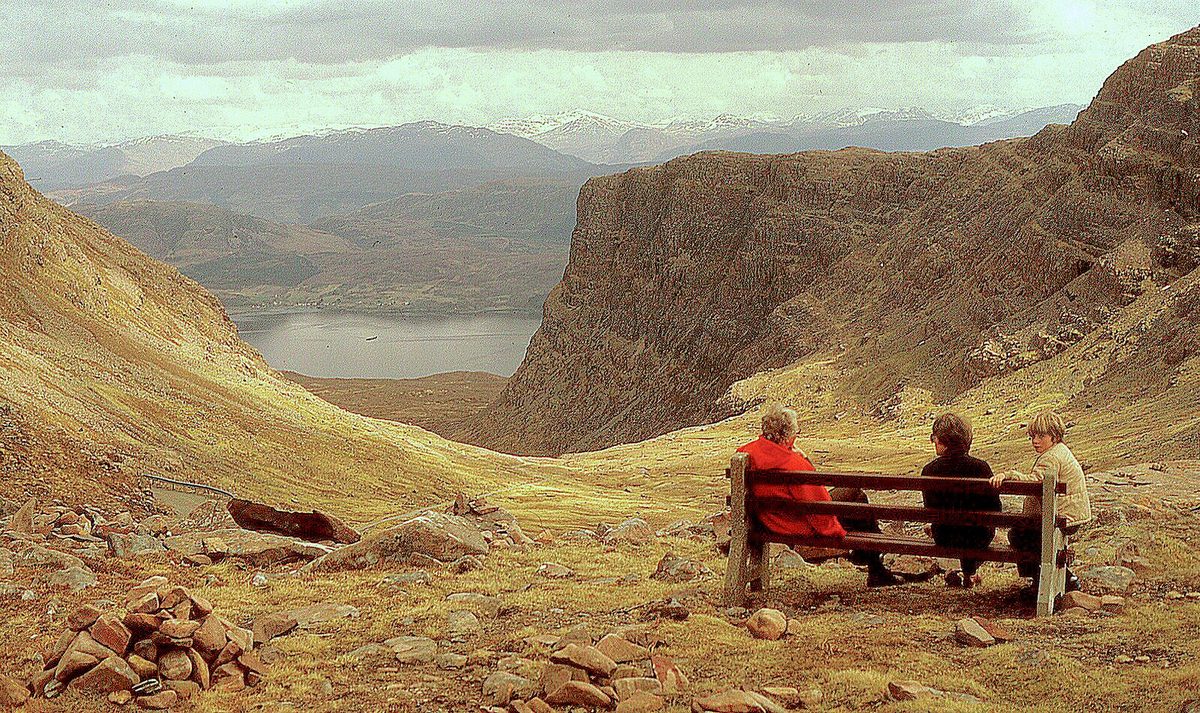
The famous example is the Bealach na Bà, the pass over to Applecross, which climbs from sea level to 626 metres on single-track hairpins, with gradients of about 20%, and is the greatest continuous road climb in the UK. It is glorious. It is also about 11 miles that take far longer than the distance suggests, so allow plenty of time. Snow can close it in winter, and in low cloud it is miserable.
A few other things that eat time. Fuel stations thin out dramatically north and west of Inverness, and several close on Sundays — fill up at half a tank, not a quarter. Mobile signal disappears for long stretches, so download offline maps before you leave. Deer are a genuine hazard at dawn and dusk, especially on the A82 around Rannoch Moor and on the roads through Glen Shiel. And in high summer the roads themselves are busy: tourist traffic congests parts of Skye’s road network, so allow extra time for every journey there.
Ferries deserve their own line in the plan, because they are the one part of a Highland trip that will not wait for you. A missed sailing to Mull or Harris is not a 20-minute inconvenience; sailings are limited, and the next one can be hours away. Build ferry days around the timetable first and the sightseeing second, and always leave more slack getting to a terminal than getting away from one.
Weather does something similar to your schedule, though more quietly. Highland forecasts are unreliable beyond about 36 hours and wildly different between the coast and the tops, which is why a rigid itinerary is a fragile one. The fix is not to plan less — it is to plan two options for each day, one high and one low. If Ben Nevis is in cloud you go to Glen Nevis and the falls. If Skye is being sandblasted you go to Portree and the Talisker distillery. You keep the day; you just change its shape.
The honest answer, by trip length
Two days: pick one glen, not a loop
Two days in the Highlands is a taster, and that is fine. It is not fine to treat it as a lap. With two days you have roughly one full day of daylight after travel, so choose a single area and go deep.
My two picks. Either Glencoe and Fort William, reached in about three hours from Edinburgh, with the second day given over to Glen Nevis, the Steall Falls walk and the Glenfinnan viewpoint. Or, if you are coming from the east or want gentler ground, Pitlochry and the southern Cairngorms — under two hours from Edinburgh, which leaves you far more actual holiday. Our guide to Pitlochry and Highland Perthshire makes the case for that one better than I can here, and it is the softest possible landing into Highland travel.
What two days cannot do: Skye, Loch Ness and Glencoe together. That is a 400-mile weekend and you will remember the car.
Three days: one region, done properly
Three days is where the classic mistake lives. Everyone wants to bolt Skye on, and everyone regrets it. Skye from Edinburgh is a five-hour drive each way; on a three-day trip that is two of your three days spent driving to and from an island you then get four hours on.
What three days does buy you is a region done properly. Fort William as a base gives you Glencoe, Ben Nevis, Glen Nevis, the Commando Memorial and Glenfinnan, all short drives — see what to do around Fort William for how much is within easy reach. Aviemore is the base for Loch Morlich, Rothiemurchus and Cairngorm Mountain, with Speyside’s distilleries down the valley. The Cairngorm plateau itself means a proper mountain walk: outside the snowsports season the funicular does not let you out onto the mountain unless you are booked on a guided walk. The Aviemore and Cairngorms guide has the detail. Or take the southern route through Loch Lomond and the Trossachs if you are starting in Glasgow and want mountains within an hour of the city.
If your three days are your entire Scottish trip rather than the Highland portion of a longer one, the three-day Scotland itinerary handles the Edinburgh-plus-one-big-day-out version, which is honestly the better shape for such a short trip.
Five days: the first honest Highland trip
Five days is the threshold. It is the first length at which you can absorb a bad-weather day, a wrong turn and a long lunch without the whole plan falling over. Three good options.
Skye becomes viable. Two nights on the way up or down, three nights on the island, and Skye starts being a place rather than a photo opportunity. The Isle of Skye guide explains why the island eats time: the Trotternish loop alone is a full day, the Fairy Pools and Neist Point are on opposite sides, and the drive from Portree to Elgol takes an hour each way.
Oban and Mull. Glasgow to Oban is a little over two hours; the ferry to Craignure takes around 45 minutes and needs booking in summer. Two nights on Mull, a day for Iona or Staffa, two nights in Oban. It is the least stressful five-day Highland trip I know, and the Oban guide covers the ferry logistics that make or break it.
Cairngorms plus Speyside. Aviemore, Grantown-on-Spey, Tomintoul, a couple of distilleries and the funicular. Short drives, good food, excellent in September and October when the hills turn.
For how a five-day Highland leg sits inside a whole trip, the five-day Scotland itinerary is the companion piece.
Seven days: the loops open up
A week is where the two great Highland routes become sensible rather than punishing.
The North Coast 500 is 516 miles from Inverness back to Inverness. Five days is the minimum and it is a hard five — over 100 miles a day, single-track for long stretches, and precious little slack. Seven days is where it becomes the trip people rave about: three nights on the west coast between Applecross and Kylesku, one in Durness, one on the north coast, one on the east.
The alternative I often prefer is a Skye and Wester Ross loop: Fort William, Glenfinnan, Skye for three nights, then back over the bridge to Torridon and Applecross, finishing at Inverness. Less mileage, arguably better landscape, and far fewer campervans.
Seven days also lets you do the thing that transforms a Highland trip: stay two nights everywhere. Four bases in seven nights instead of six. The difference in how the holiday feels is enormous. The seven-day Scotland itinerary shows the version that includes a city at either end.
Ten to fourteen days: islands, and the luxury of standing still
At ten days the Outer Hebrides become possible — Skye to Harris by ferry from Uig, down the spine of the islands, back from Barra or Lochboisdale. At fourteen you can add Orkney, or Islay and Jura, or simply spend four nights in one place and walk.
This is also the length at which the Highlands stop being a checklist. You can take a weather day. You can go back to a viewpoint that was in cloud. You can do a Munro. Our ten-day Scotland itinerary and the longer two-week Scotland itinerary both build in that slack deliberately.
If you only take one thing from this article: at every length, the upgrade is fewer moves, not more places.
Base-and-radiate versus loop
This is the design decision that matters more than the number of days, and almost nobody frames it clearly.
A loop moves you on every night or two: Edinburgh, Glencoe, Skye, Inverness, home. It covers the most ground and it photographs beautifully. It also means packing every morning, checking in every evening, and never learning a place well enough to have a favourite table anywhere.
Base-and-radiate picks one or two towns and does day trips out and back. You unpack once. You come home to the same bed. You can react to the weather, which in the Highlands is not a small advantage — if the tops are in cloud you go to the coast instead, and you have lost nothing.
My rule: under five days, always base-and-radiate. Five to seven days, two bases. Over a week, you can loop, but keep at least two of your stops to two nights each.
Base towns and their radii
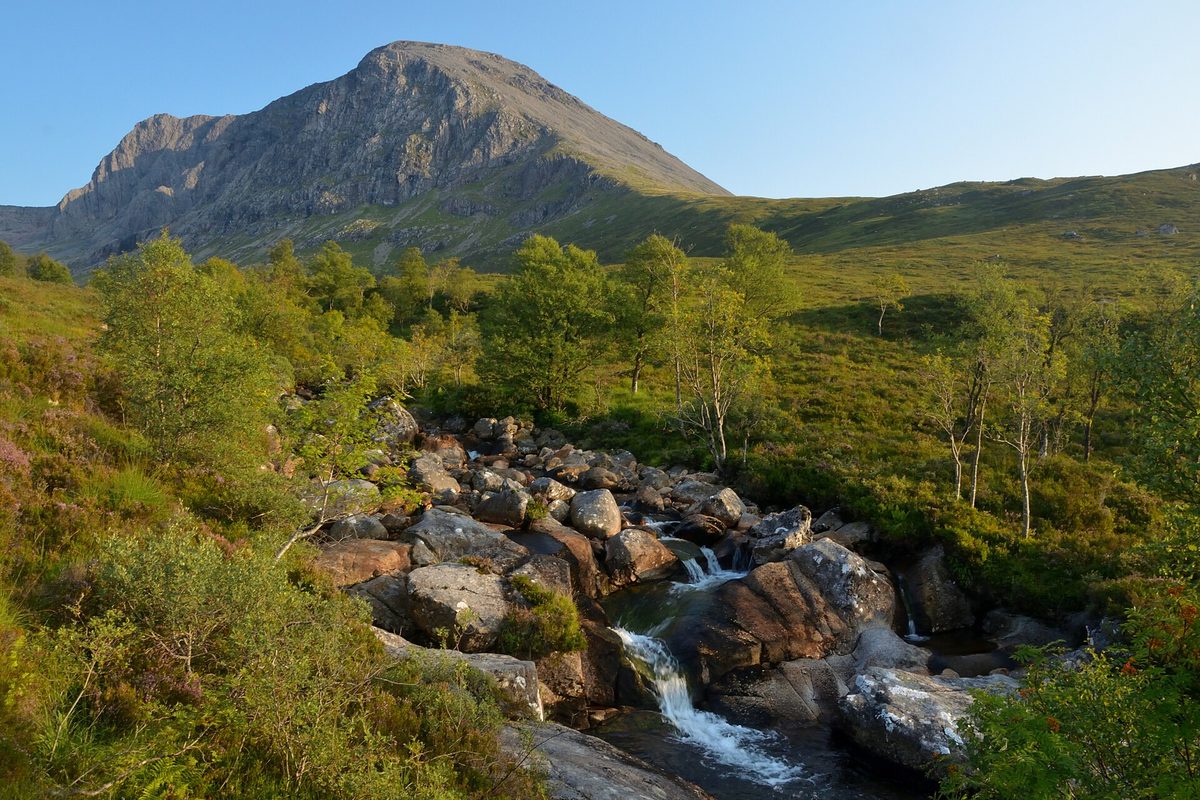
Fort William — Glencoe and Glenfinnan (18½ miles west on the A830) are short drives, Mallaig and Oban longer ones, and Ben Nevis is at the front door; allow for traffic and parking. The strongest single base in the western Highlands.
Aviemore — Loch Morlich and the Cairngorm ski road close by, with the Speyside distilleries, Inverness and Pitlochry further afield. Best all-weather base in Scotland.
Inverness — Culloden, the north end of Loch Ness and the Black Isle dolphins are all short drives; the Cairngorms and Ullapool make longer day trips. Excellent for everything except Skye, which is too far and always will be.
Pitlochry — Queen’s View and Blair Castle are short drives, Perth and Aviemore a little further, and Edinburgh is near enough for the first or last night of a trip. The gateway base, and much underrated for a first Highland trip.
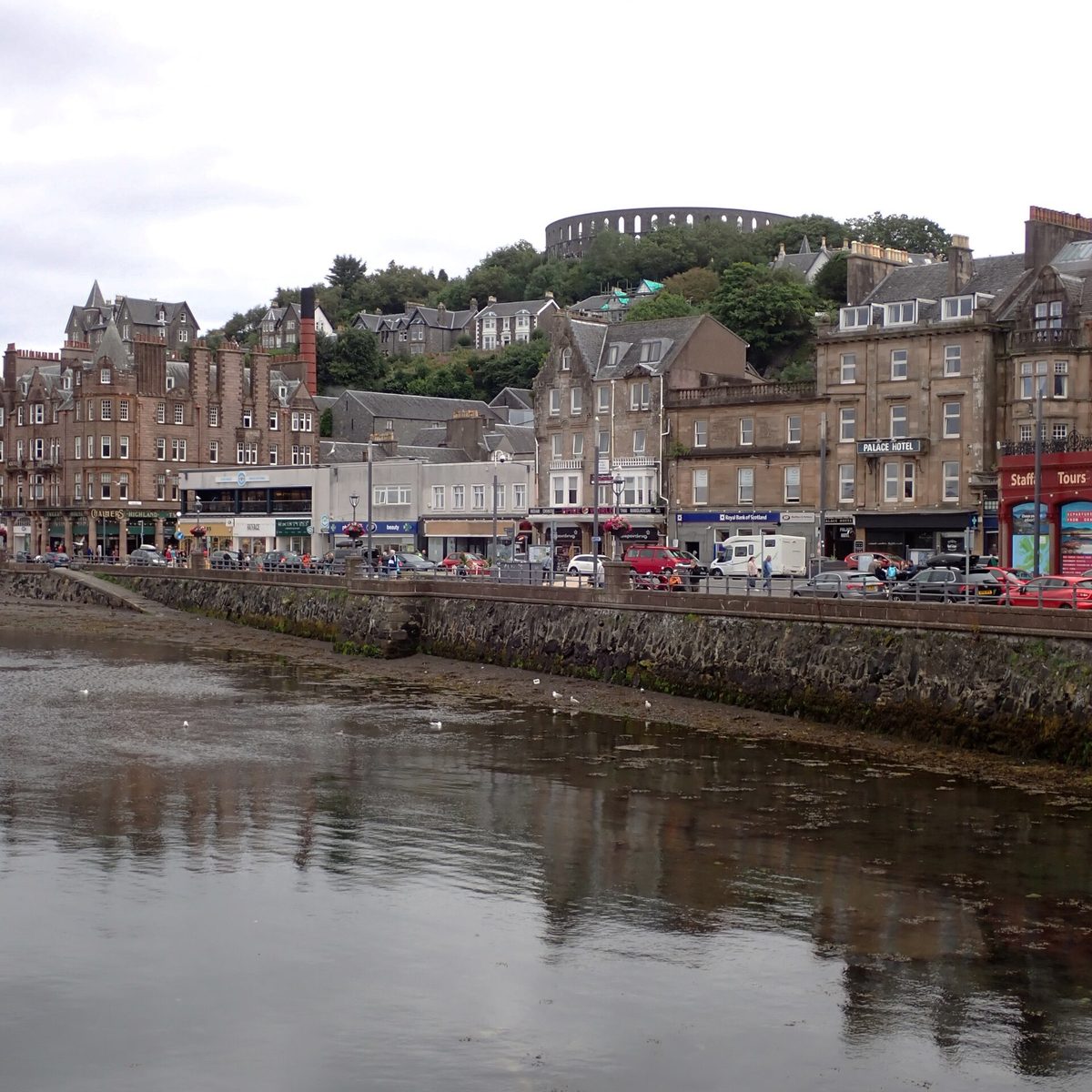
Oban — Mull ferry 45 minutes across, Glencoe 1 hour, Kilmartin Glen 40 minutes, Loch Awe 30. Ferries, seafood and a distillery on the main street.
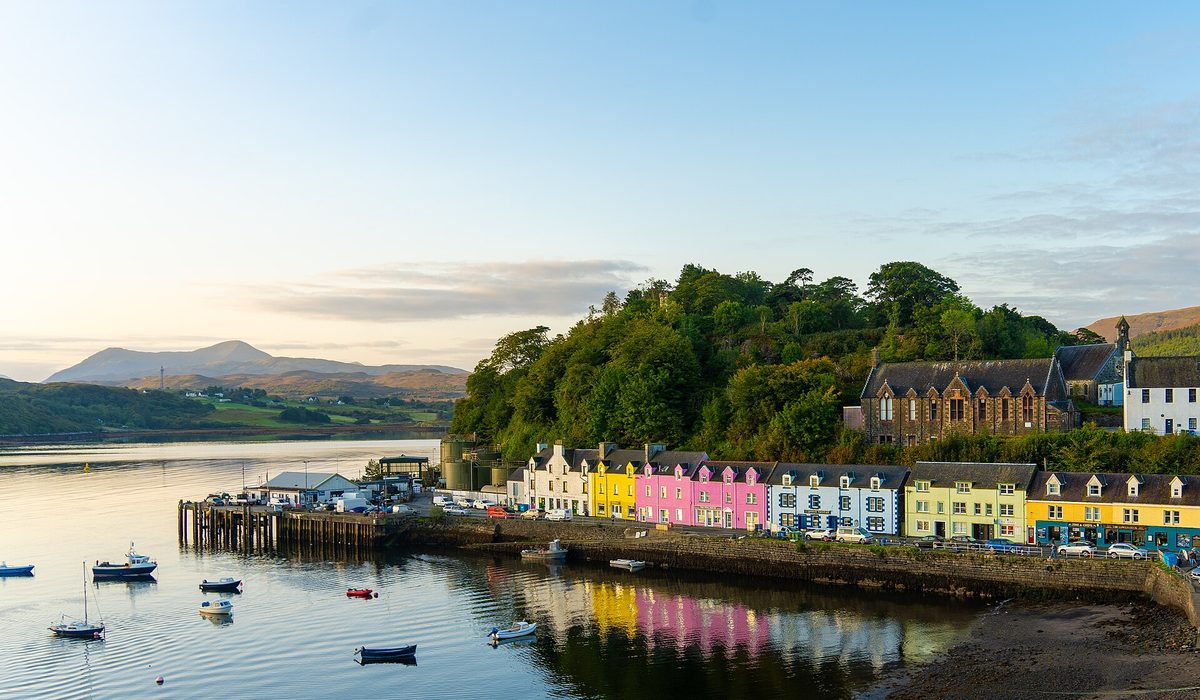
Portree — driving times vary across Skye: Dunvegan Castle and the Fairy Pools are about 35 minutes away, Neist Point about 50 and Armadale about 55, before any delays. If you are doing Skye, base here or in Dunvegan, not on the mainland.
Ullapool — Corrieshalloch Gorge, Stac Pollaidh, Lochinver and Achmelvich all make easy outings from the town. The obvious pause point on the NC500 and a good place to break the west-coast leg for two nights.
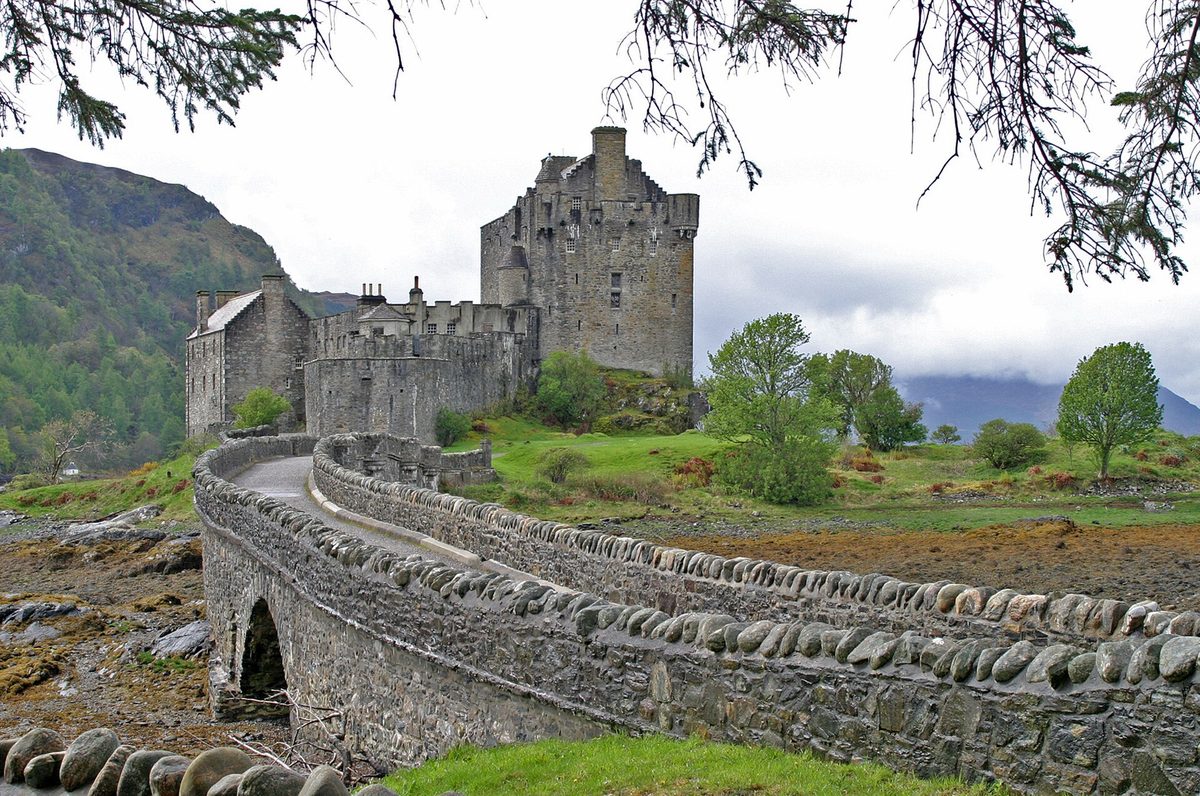
There is a hybrid worth knowing about, and it is what I use most often. Take two bases at opposite ends of a region and treat the drive between them as a sightseeing day rather than a transfer. Fort William for three nights and Portree for three, with the Glenfinnan road and Eilean Donan filling the day in between, gives you six nights and only one move. That is the same ground a six-stop loop covers, with five fewer check-ins.
The season changes the answer
The same itinerary needs different numbers of days in December and June, and this is the part most planning guides skip entirely.
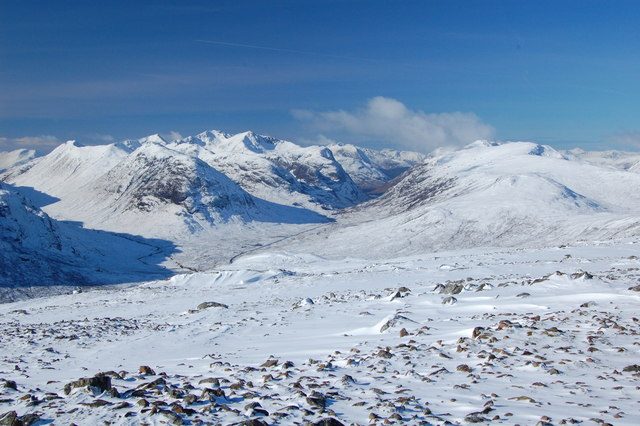
In midwinter, Inverness gets around six hours and forty minutes of daylight at the solstice — sunrise after half past eight, dark by half three. That is not enough time to drive 120 miles and see anything at either end. Roads are slower, high passes close, ferries cancel in gales, and a good number of rural cafes, castles and visitor centres shut from November to March. My rule of thumb is to add a third to any winter Highland plan: a five-day summer route needs seven days in January. The compensations are real — empty roads, snow on the tops, wood fires — and our guide to Scotland in winter covers what stays open.
Midsummer runs the other way. In June the light lasts long into the evening, which stretches every sightseeing day. That is the single strongest argument for a May or June trip. The counterweights are traffic on the A82 and A87, accommodation booked out months ahead, and midges from roughly late May through September in still, damp weather near water.
My own preference is late September into early October. The light is low and long, the roads have emptied, the midges have gone, and most attractions are still open. You need fewer days in that shoulder period than in winter, and you will queue for nothing.
Doing it without a car
You can absolutely see the Highlands without driving. You just need more days, because you are on someone else’s timetable.
The rail network reaches further than people expect. Edinburgh to Inverness takes a little over three hours. Glasgow to Fort William on the West Highland Line is 123 miles of slow going, and one of the finest train journeys in Europe. Glasgow to Oban is a shade over three hours, Glasgow to Mallaig around five and a quarter, and Edinburgh to Pitlochry under two. From Fort William the line carries on to Mallaig; check ScotRail’s timetable for the day’s services.
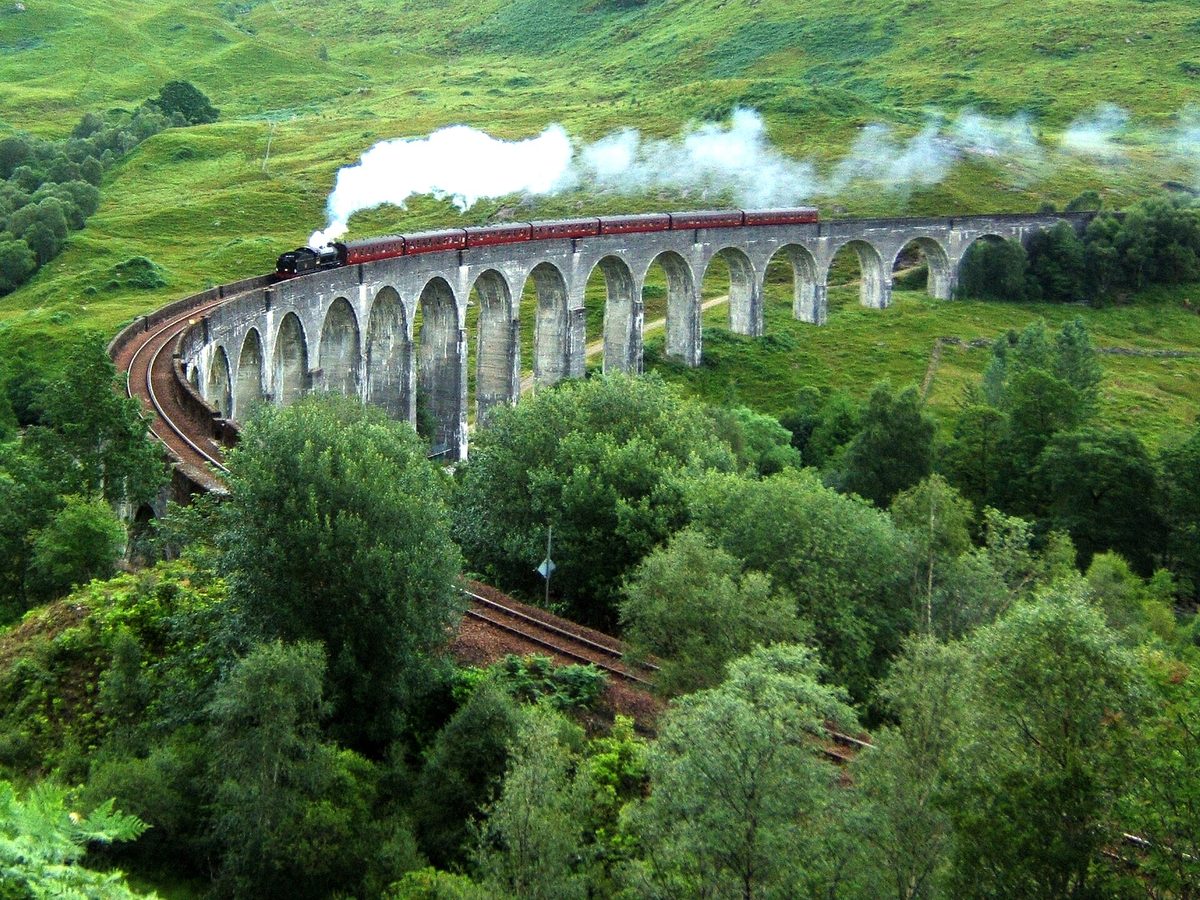
Add the seasonal steam service and you have one of the great days out in Britain: the Jacobite steam train over the Glenfinnan Viaduct, which sells out months ahead in summer and should be booked the moment tickets release.
For Skye, Scottish Citylink runs coaches from Inverness to Portree; check the times on Citylink’s website. Alternatively, take the train to Mallaig and the CalMac ferry to Armadale, a 30-minute crossing that costs well under £20 for a car and a good deal less on foot at the time of writing — check CalMac for current fares and sailings before you plan around it.
The honest trade-off: a car-free Highland trip needs roughly two extra days compared with driving the same route, and it works far better as base-and-radiate than as a loop. Our Scotland without a car itinerary sets out a version that actually connects.
The two mistakes that ruin Highland trips
A different bed every night
This is the big one. Booked seven nights in seven places because each looked lovely on the map? You have booked a removals job. Every morning starts with packing, every afternoon ends with a check-in, and the two hours in between that you imagined spending on a hill are spent in a car park reorganising a boot.
Two nights minimum, everywhere, is the single best rule in Highland trip design. If that means cutting a region, cut the region. You will see less and enjoy it more, which is the correct trade.
Treating Skye as a day trip
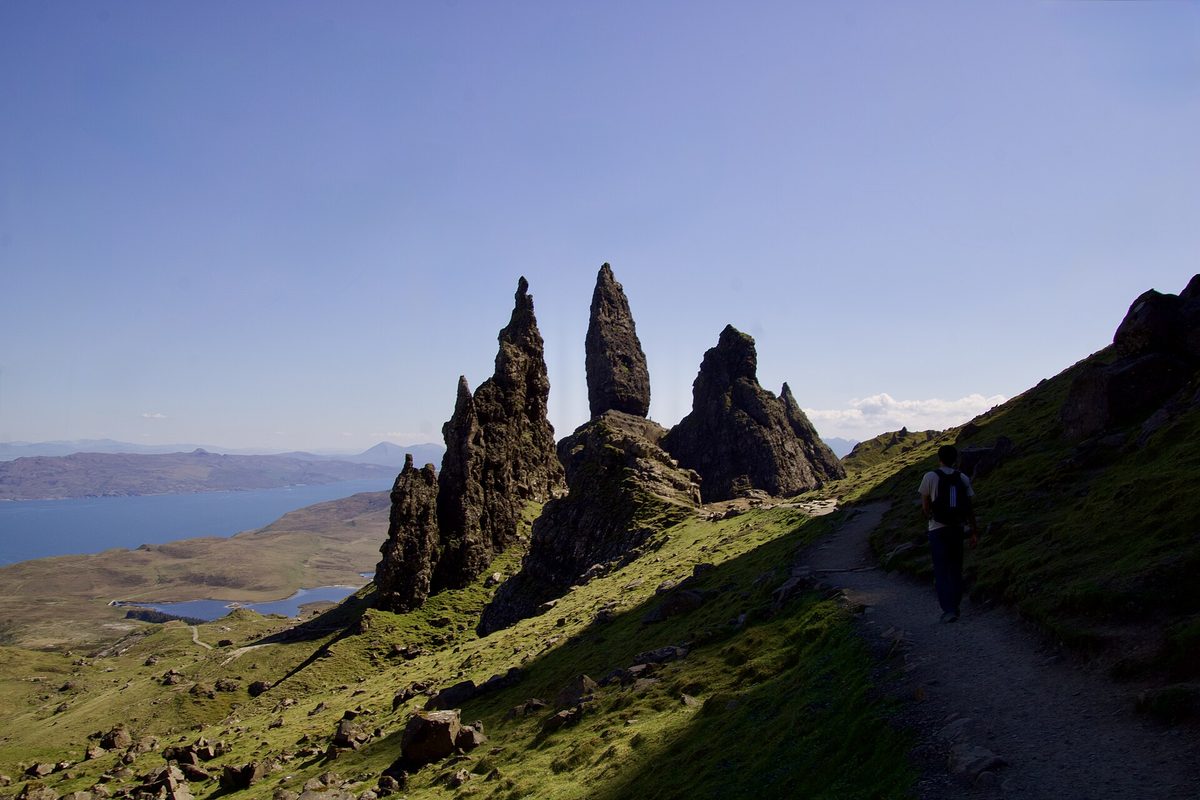
Skye from Inverness is two and a half hours each way. A day trip is therefore five hours of driving for perhaps four hours on the island, most of which goes on the Old Man of Storr car park, Kilt Rock and a sandwich. You will have driven across Scotland to look at three viewpoints through a windscreen.
If Skye matters to you, give it two nights minimum and stay on the island. If you cannot, drop it without guilt and spend the day in Wester Ross or Glen Affric instead — both are quieter, closer and, on their day, every bit as good.
Three smaller errors worth naming
Planning by distance rather than by road type. Sixty miles on the A9 is an hour; sixty miles on the A838 in Sutherland is closer to two.
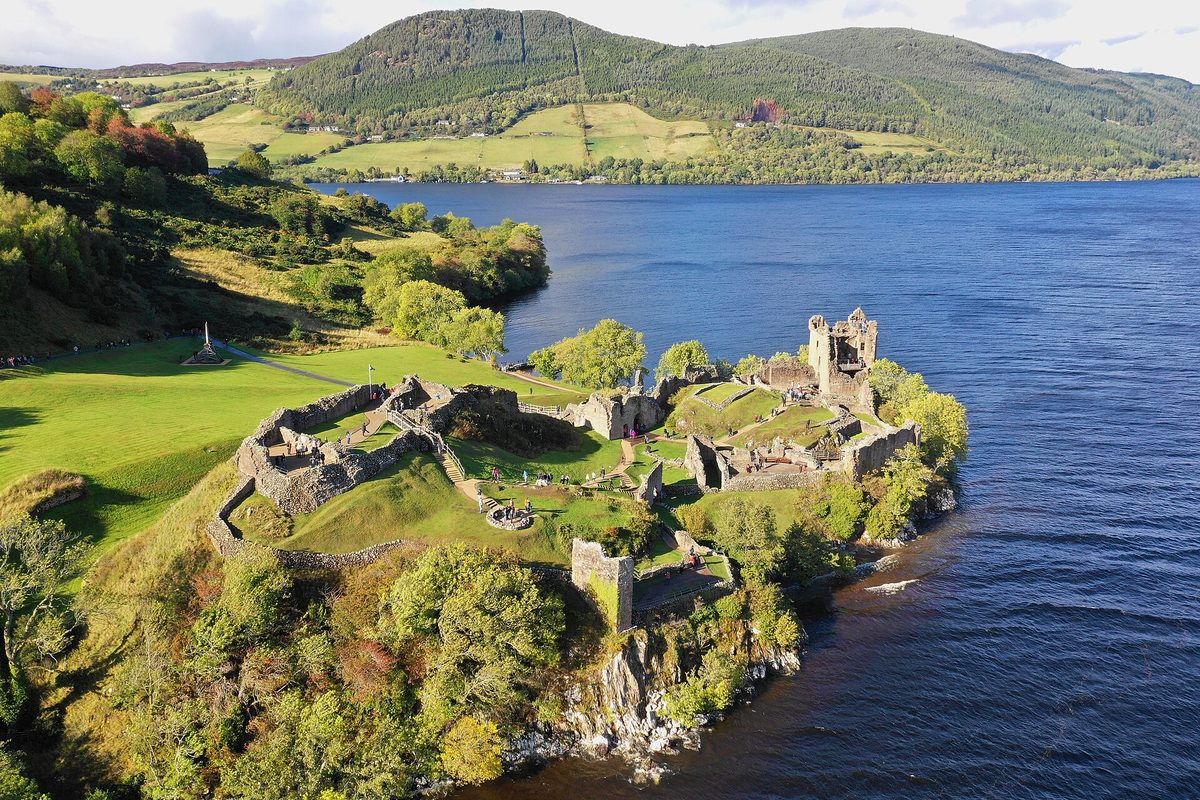
Expecting Loch Ness to be the highlight. It is long, deep and famous, and from the road it is a large body of water with trees. Urquhart Castle earns its entry fee; the loch itself is not the best in Scotland, and the roundup of Scotland’s most beautiful lochs makes the case for several better ones.
Assuming a big-name attraction needs a whole day. Most Highland sights take a few hours at most, not a day: Urquhart Castle, the Glenfinnan viewpoint, Corrieshalloch Gorge, a distillery tour. What eats the day is the driving between them, so build your schedule around drive times and treat the stops as the easy part.
Ignoring the approach. The drive up from Edinburgh or Glasgow is not dead time — the run over Rannoch Moor is among the best hours of driving in Britain, and our Edinburgh to Highlands road trip treats it as part of the holiday rather than a transfer.
What to book, and how far ahead
Accommodation is the constraint, not attractions. In the western Highlands and on Skye, June to August rooms go three to six months ahead, and the good small places go earlier than that. If you are travelling in peak season, book beds before you finalise the route — then build the route around what you got.
Car hire runs the same way. Inverness and Glasgow airport depots sell out in July, and prices climb steeply the closer you book. Reserve early and cancel later if plans change.
Ferries need booking for vehicles in summer — CalMac’s Oban to Mull and Mallaig to Armadale crossings both fill up, and foot passengers have far more freedom than drivers. The Jacobite steam train and the Cairngorm funicular should be booked as soon as dates are announced. Everything else — castles, distilleries, walks — you can generally decide on the morning.
One last piece of arithmetic that catches people out: count your arrival and departure days honestly. A flight landing at Edinburgh at two in the afternoon does not give you a Highland day, it gives you a drive. A ten o’clock departure the following week takes another. A “seven-day trip” is very often five usable days once you subtract both ends, and if you have booked seven nights of accommodation in six places on that basis, the maths will find you out somewhere around Ullapool.
Frequently asked questions
Is 3 days enough for the Scottish Highlands?
Three days is enough for one region, not for the Highlands. Base yourself in Fort William, Aviemore or Pitlochry and you will have a genuinely good trip. Try to link Glencoe, Skye and Loch Ness in the same three days and you will spend around 400 miles in the car for a handful of car-park photographs.
How many days do you need for the North Coast 500?
The loop is 516 miles from Inverness back to Inverness. Five days is the practical minimum and it is relentless — over 100 miles daily on roads that are frequently single-track. Seven days is the sweet spot, with two nights somewhere on the west coast. Ten days turns it into a proper holiday rather than a driving challenge.
Can you visit the Isle of Skye as a day trip from Inverness?
You can, but I would not. It is around 112 miles and two and a half hours each way, so a day trip is five hours of driving for maybe four hours on Skye. Give the island two nights minimum and stay in Portree or Dunvegan. If you only have a day, spend it in Wester Ross instead.
Is it better to have one base or move every night?
One or two bases beats moving nightly at almost every trip length. Packing and checking in eats around two hours a day, and it always eats the middle of the day when the light is best. Under five days, use a single base. Over a week, allow two nights minimum at each stop.
How many days do you need in the Highlands in winter?
Add roughly a third to whatever you would allow in summer. Inverness sees under seven hours of daylight around the December solstice, roads are slower, high passes can close and many rural attractions shut from November to March. A five-day summer route realistically wants seven days in January.
Do you need a car for the Scottish Highlands?
No, but allow about two extra days. Trains reach Inverness, Fort William, Mallaig, Oban and Pitlochry, Citylink coaches cover Skye and the main corridors, and CalMac serves the islands. It works best as a base-and-radiate trip built around rail towns rather than as a driving loop done by bus.
What is the minimum time for Edinburgh and the Highlands together?
Five days, and even that is tight: two days in Edinburgh, three in one Highland region. Seven days is the first length where you can include a city, one Highland area and a day of slack. Anything shorter and one of the two gets shortchanged, usually the Highlands.
What is the best time of year to go?
Late May to June for long daylight and greenery, late September to early October for empty roads, autumn colour and no midges. July and August have the warmest weather and the worst traffic, and need booking months ahead. Winter is beautiful and cheap, but plan for very short days.
Final thoughts
The Highlands punish ambition and reward patience, which is an annoying thing to be told when you have flown a long way and have a week. But another glen squeezed in is rarely what you remember. What you remember is a second night in Torridon, or going back up the Storr path when the cloud lifts in the evening.
So take the number you first thought of, subtract one destination, and add a night. Then go and look at the region in more detail and pick the corner of it that sounds most like your kind of holiday. That is the whole method, and it works at every length.
About the author: This guide was written and is maintained by the ScotlandTourism.org editorial team — travel writers who’ve spent years exploring Scotland’s cities, Highlands and islands, from bagging Munros to chasing the perfect dram. We update our guides regularly to keep prices, opening details and advice current.
Last updated: September 2026. Prices and opening times change — always check the official site before you travel.
Photo credits
All images are used under their respective Creative Commons or public-domain licenses:
- The glen at Altnafeadh at the head of Glen Coe, on the A82 route into the western… — Ben Brooksbank, CC BY-SA 2.0, via Wikimedia Commons
- Kylesku Bridge and the hills of Assynt, a landmark on the North Coast 500 in Sutherland — Reboelje, Public domain, via Wikimedia Commons
- The view from the top of the Bealach na Ba, the greatest continuous road climb in the UK, above… — Mike McBey, CC BY 2.0, via Wikimedia Commons
- The Allt a’ Mhuilinn burn below Ben Nevis, on the doorstep of Fort William — Andrew Tryon, CC BY-SA 2.0, via Wikimedia Commons
- Loch Morlich and the Cairngorms near Aviemore, an all-weather base in the eastern… — Mike McBey, CC BY 2.0, via Wikimedia Commons
- Oban seafront and McCaig’s Tower, the ferry gateway to Mull and the southern Hebrides — habiloid, CC BY-SA 2.0, via Wikimedia Commons
- Portree harbour on the Isle of Skye, the best base if you are giving Skye more than a day — הגמל התימני, CC BY-SA 4.0, via Wikimedia Commons
- The Old Man of Storr on Skye, two and a half hours’ drive from Inverness each way — Lauwz The Kiwistralian, CC0, via Wikimedia Commons
- Eilean Donan Castle on the road between the Great Glen and the Isle of Skye — W. Bulach, CC BY-SA 4.0, via Wikimedia Commons
- Looking down Loch Ness in the Great Glen, half an hour from Inverness — Ebgreene, CC0, via Wikimedia Commons
- Glen Coe under snow, when Highland daylight drops to under seven hours a day — Alex Mcnaughton, CC BY-SA 2.0, via Wikimedia Commons
- The Jacobite steam train crossing the Glenfinnan Viaduct west of Fort William — de:Benutzer:Nicolas17, CC BY-SA 2.5, via Wikimedia Commons