On the single-track roads of the north-west, sooner or later something comes the other way and one of you has to back up to a passing place. The North Coast 500’s own advice is that drivers should be able to reverse confidently for several hundred yards on narrow single-track, and that motorhomes larger than a standard VW T5 conversion take another route rather than the Bealach na Bà. So the first question in NC500 campervan hire is size: how long and how wide your vehicle is.
Almost every page you will read on this subject is written by a company that rents vans. They are not lying to you, exactly. They are just less likely to dwell on the North Coast 500’s own advice that motorhomes larger than a standard VW T5 conversion should avoid the Bealach na Bà, which can mean the very vehicle they have just handed you the keys to. So here is the version I would give a friend, with the dimensions, the arithmetic and the awkward bits left in.
Campervan or car on the NC500? The short answer
Hire a campervan no bigger than a standard VW T5 conversion (about 4.9 to 5.5 metres) if you are travelling April to June or September to October, when B&Bs are scarce and the flexibility is worth real money. In July and August, a small hire car plus B&Bs booked ahead usually costs about the same or less, sleeps better, and goes everywhere. Avoid anything over 7 metres entirely.
The size chart that should be on every hire page
Check this table before you book anything. Widths are given body-only and then over the wing mirrors, because it is the mirrors that clip the dry-stone wall, not the panels. Prices are peak-season indications at the time of writing and vary a lot by operator and how early you book — always confirm directly.
| Vehicle | Typical length | Width (body / mirrors) | Bealach na Bà and the B869? | Typical July rate |
|---|---|---|---|---|
| Small hire car (Corsa, Polo, Yaris) | 4.0–4.2m | 1.75m / 2.0m | Yes, if you can reverse confidently | £45–65 a day |
| VW California or T6 conversion | 4.9–5.3m | 1.9m / 2.3m | Yes, provided you can reverse several hundred yards | £120–170 a night |
| Ford Transit Custom camper | 5.0–5.5m | 2.03m / 2.28m | Yes, at the top of the size limit, and only with confident reversing | £110–160 a night |
| High-top panel-van conversion (Ducato, Boxer, Transit L3) | 5.9–6.4m | 2.05–2.1m / 2.5m | No, take the alternative route | £130–180 a night |
| Coachbuilt 4-berth motorhome | 6.0–7.0m | 2.3m / 2.55m | No — use the A896 instead | £150–210 a night |
| 6-berth family motorhome | 7.0–7.8m | 2.3–2.35m / 2.6m | No | £180–260 a night |
| Anything towing a car or caravan | 8m+ | — | No, and please reconsider the route | — |
Why width and length decide the entire trip
People agonise over berths, fridges and pop-tops. Those are comfort questions. Dimensions are a route question, and the route is why you came.
What the west coast roads are actually like
The eastern half of the North Coast 500 route is mostly straightforward: the A9 and A99 up through Dornoch, Golspie and Wick are main roads, far wider than the single-track you meet in the west. The north coast on the A838 and A836 is a mix, with long single-track sections around Loch Eriboll and the Kyle of Tongue.
It is the west that catches people out. From Durness down through Scourie, Kylesku, Lochinver and on to Ullapool and Torridon, you get long stretches of single-track road with passing places, blind summits, sheep with no road sense, and a surface that drops away into a peat ditch at the edge. Size up each passing place before you commit, pull in early, and be ready to reverse. The wider your vehicle, the fewer places where you and an oncoming car, let alone a delivery lorry, can get past each other.
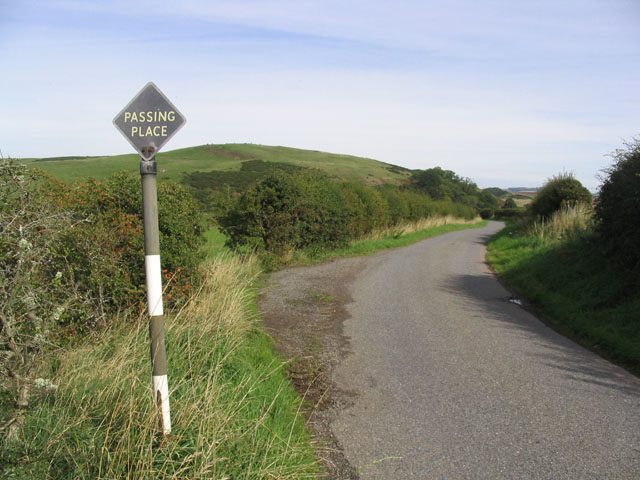
The etiquette matters as much as the metal. Passing places are for passing and for letting faster traffic through — not for parking while you photograph a mountain. If someone is stacking up behind you, pull in and wave them past. Locals are doing a school run or a shift, not a holiday, and the goodwill you spend here is the goodwill the next visitor gets.
Bealach na Bà: the sign at the bottom is about you
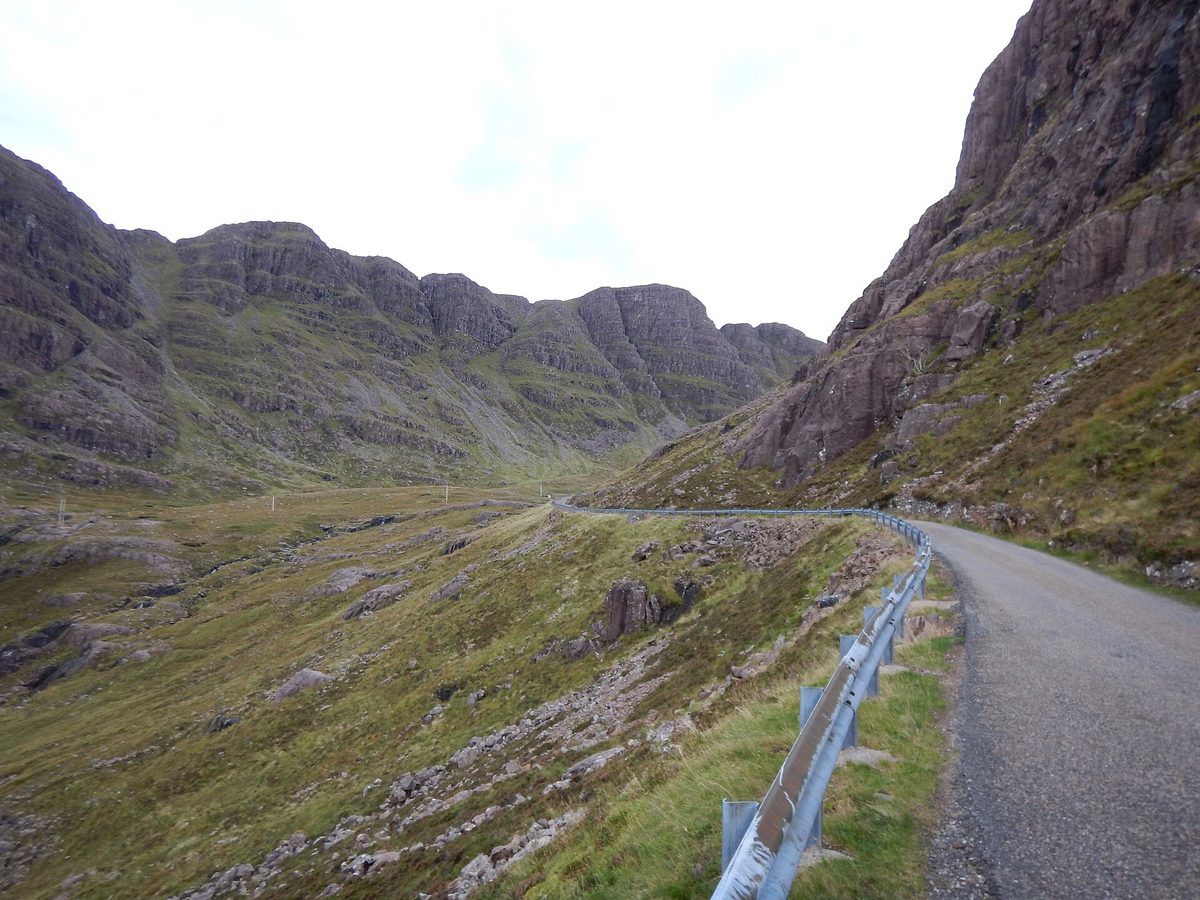
The Bealach na Bà climbs from sea level at Tornapress to 626 metres (2,053 feet) in about six miles, with gradients touching 1 in 5 and a set of hairpins near the top that need a proper turn-in. It is usually described as the biggest continuous ascent of any road climb in Britain, and it is one of the great drives anywhere.
At the Tornapress end there is a warning sign telling you the road is not advised for learner drivers, very large vehicles or caravans. Campervan drivers read that, decide it means articulated lorries, and carry on. It does not mean articulated lorries. Local operators and the route’s own guidance are blunt: if your vehicle is much bigger than a T5-sized conversion, take the alternative.
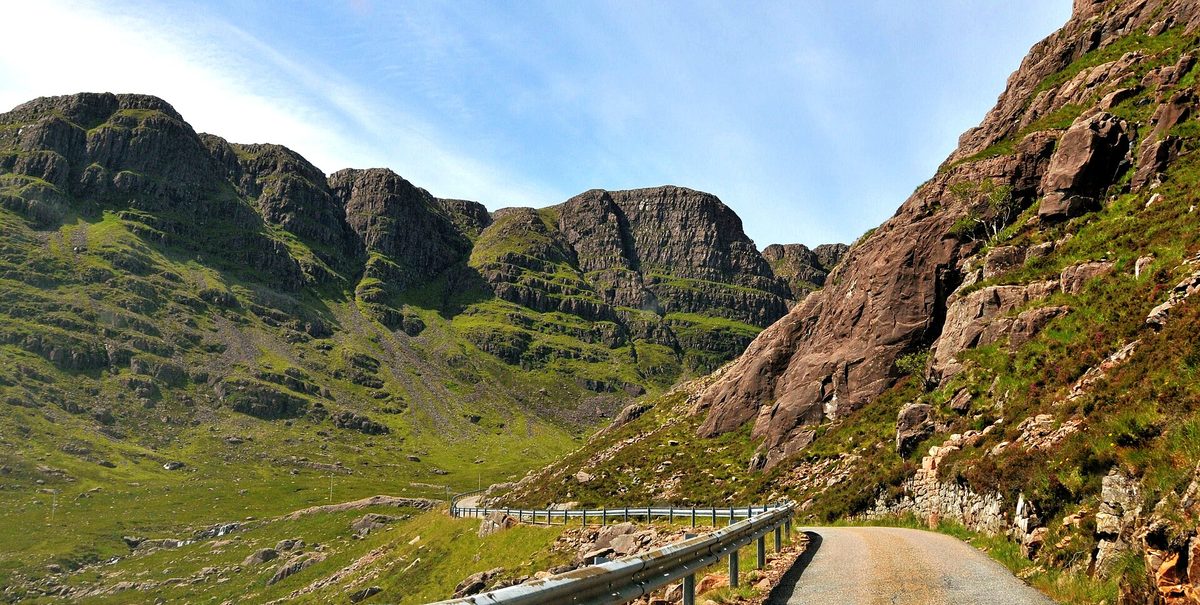
The alternative is the A896 round via Shieldaig, and from there the single-track coast road out along the north of the peninsula into Applecross if you still want to get there. Expect that detour to add something like an hour depending on traffic, and note that the coast road is itself narrow — gentler gradients, no hairpins, but not a motorway. Plenty of larger motorhomes simply skip Applecross and run Lochcarron to Shieldaig to Torridon on the A896, which is a fine drive in its own right.
The failure mode is not a crash. It is a large motorhome that stops on a 20% hairpin because it cannot make the turn in one, with fifteen vehicles behind it and no way to reverse safely. That is what the sign is trying to prevent.
The other pinch points: the B869 and the Drumbeg road
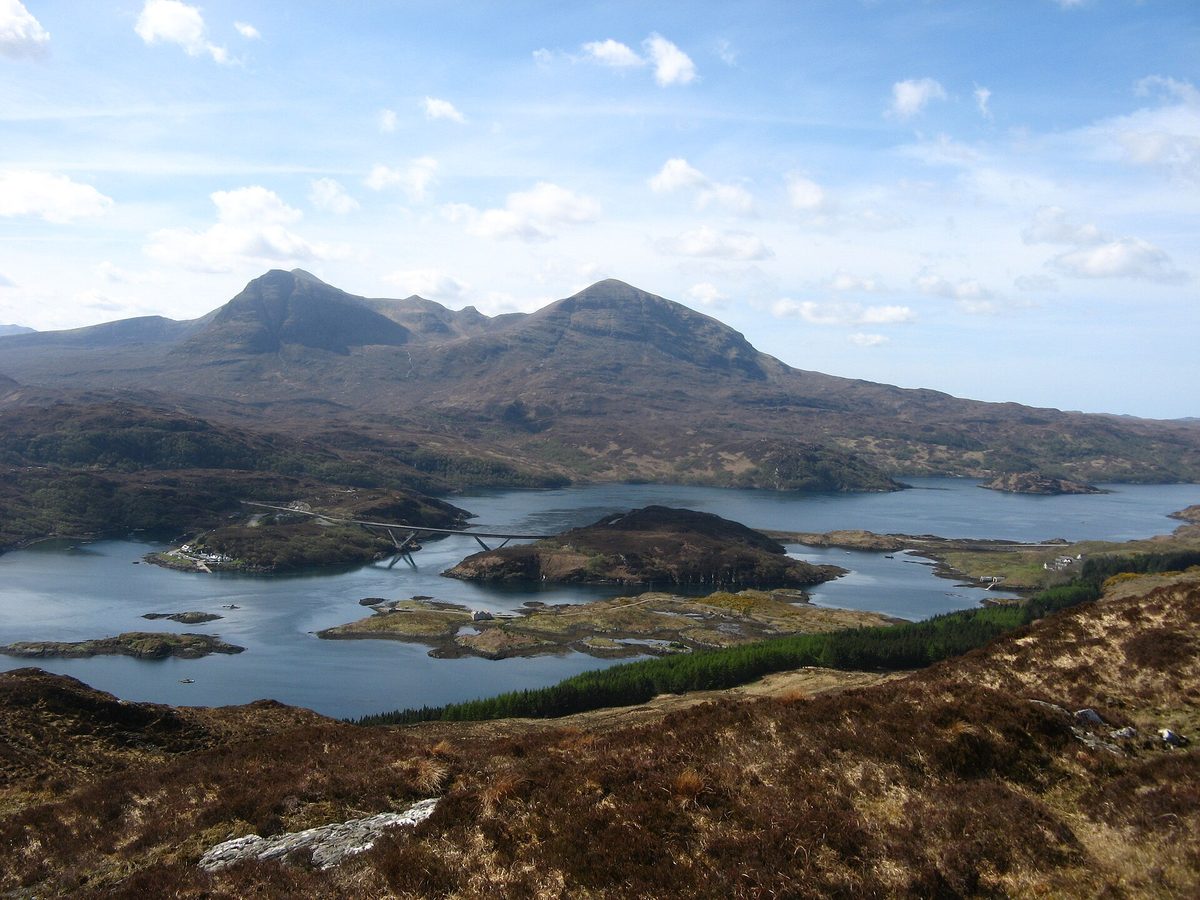
The Bealach gets the headlines. The road that actually humbles people is the B869 between Lochinver and Kylesku, usually called the Drumbeg road. It is a rollercoaster of blind crests, tight hairpins over Loch Nedd and gradients that catch out underpowered vans. The standard advice for anything sizeable is to skip it and take the A837 and A894 instead.
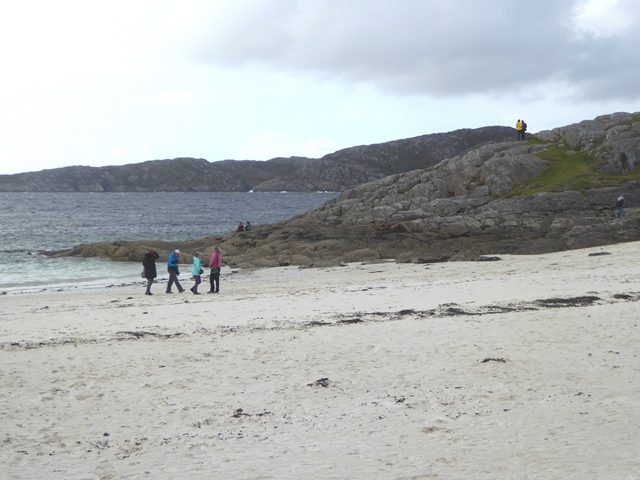
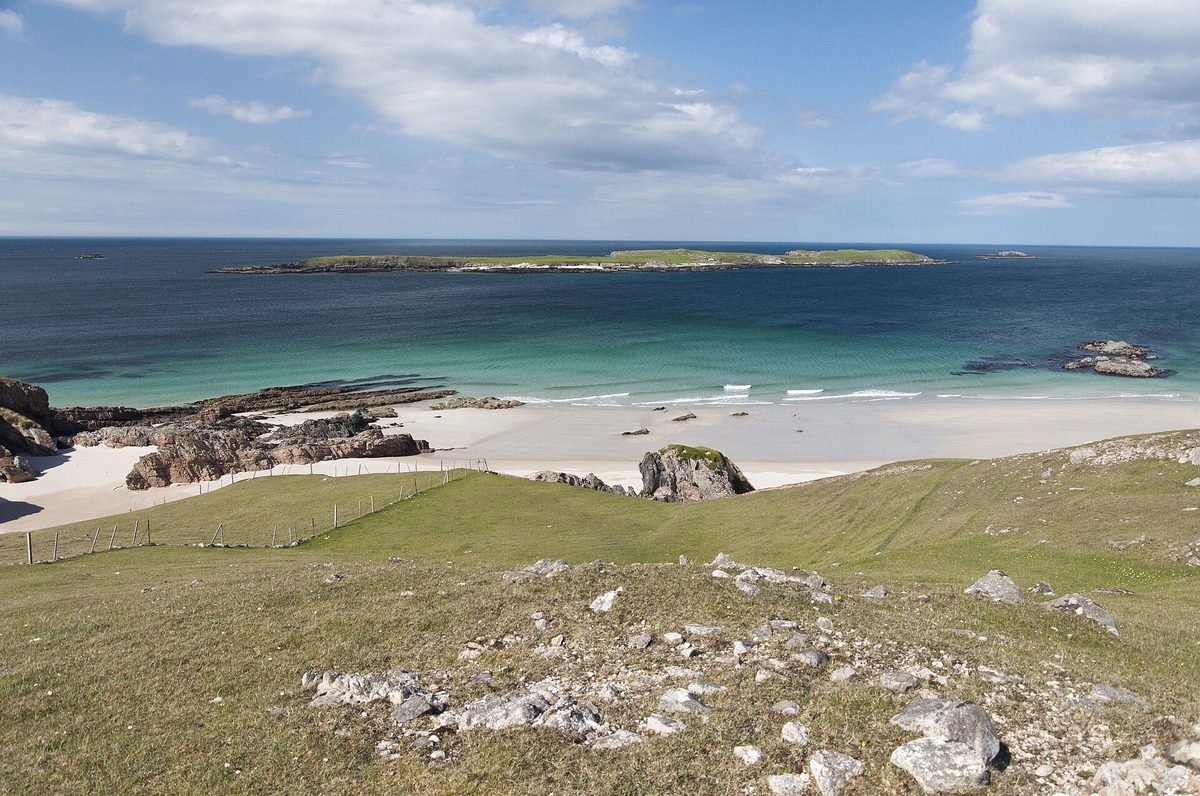
Add to that list: the single-track section down to Achmelvich, the road out to Clachtoll, the lane to Stoer lighthouse, the Bealach na Bà’s Applecross-to-Shieldaig continuation, and the approach to Ceannabeinne and Sango Bay car parks in high season. All of them are fine in a small van. All of them are stressful in a 7-metre coachbuilt.
A rule of thumb you can actually use
Up to T5 size, about 4.9 to 5.5 metres long and under 2.1 metres wide across the body: drive the whole route including the Bealach and the Drumbeg road, and you will barely think about it. Larger, up to 7 metres: fine on the main route, but plan to bypass the Bealach and the B869 and accept the detours. Over 7 metres: you can complete the NC500, but you will spend the week managing the vehicle rather than looking at Suilven, and I would take a car instead.
If you are choosing between two vans and one is 40cm shorter, take the shorter one. You will never once wish you had the extra 40cm of wardrobe.
The arithmetic: what a week actually costs
Here is the comparison the hire companies are never going to publish. Both columns assume two adults, seven days, roughly 700 miles of driving (the loop is about 516 miles, and you will add plenty in detours), collected in Inverness in July. Fuel at around £1.55 a litre, so fill up before you head west.
| Cost | Campervan (2-berth, 5.4m) | Small hire car + B&Bs |
|---|---|---|
| Vehicle hire, 7 days | £945 (at £135 a night) | £350 (at £50 a day) |
| Fuel, 700 miles | £176 (at about 28mpg) | £95 (at about 50mpg) |
| Beds, 6 nights | £192 (serviced pitches at £32) | £750 (doubles at £125, breakfast in) |
| Excess-reduction insurance | £105 | £84 |
| Food and drink | £300 (self-catered plus 3 pub meals) | £420 (dinners and lunches out) |
| Total for two | about £1,720 | about £1,700 |
Read that again. In peak season the van is not cheaper. It is line-ball at best, and if you compare a 4-berth coachbuilt against the same car it is comfortably several hundred pounds worse. The reason is simple: campervan hire in July costs noticeably more than in the shoulder season, and a van drinks a good deal more fuel than a small hatchback. Over 700 miles, that gap shows plainly in the fuel line of the table.
What the van does not save you is accommodation, because you still have to sleep somewhere legal. Which brings us to the bit that surprises people most.
You cannot simply park up for free
Scotland’s right to roam is genuinely generous, and it is genuinely not about vehicles. The Land Reform (Scotland) Act 2003 and the Scottish Outdoor Access Code cover non-motorised access — on foot, by bike, on horseback, by canoe. Sleeping in a van, camper or caravan is not wild camping under the Code. It is governed by parking law and by whoever owns the ground.
In practice that means a serviced pitch at £25–45 a night depending on the site and on electric hook-up, or a designated motorhome bay, or explicit permission from a landowner. Sango Sands at Durness, for example, charges £13.50 per person for each of the first two adults in 2026, so £27 a night for two, with electricity £8 on top. Highland Council has been piloting overnight motorhome parking in some of its car parks with per-night fees and penalties for ignoring the rules, and the details keep changing — check before you rely on it.
Where the numbers flip
Run the same sums for mid-September and the picture inverts. Van hire drops to around £85 a night, pitches to £28, and your week comes out near £1,320. The car-and-B&B week falls too — car around £38 a day, doubles nearer £100 — but lands closer to £1,450. Now the van is a few hundred pounds ahead and you get the flexibility for free.
That is the real answer to the campervan versus car NC500 question, and it is a calendar answer rather than a vehicle answer. If you are already weighing up dates, our guide to the best time of year to visit Scotland will do more for your budget than any comparison of van brands. September in Scotland in particular is the sweet spot: fewer midges, working campsites, cheaper vans.
The costs that appear after you have paid
Six things routinely blow a hole in an NC500 campervan budget:
- Insurance excess. Standard excess on a hire camper is often £1,000–2,000. Buying it down costs perhaps £12–20 a day, or you can buy standalone van hire excess cover for far less — but read whether it covers the roof, the awning, the windscreen and the underside, because Highland roads damage all four.
- One-way drop fees. Picking up in Edinburgh and dropping in Inverness, or vice versa, typically attracts a fee running into the low hundreds. Most people are better off with a return to the same depot.
- Mileage caps. Unlimited mileage is common but not universal. A 100-mile-a-day cap gives you 700 miles over a week, which leaves no slack once you add the run to and from the depot and any detours, so check the total allowance against your whole itinerary.
- Additional driver. Often £10–15 a day, and on single-track roads you genuinely want a second driver.
- Deposits. Expect £500–1,500 held on a card, which needs to be available headroom, not aspiration.
- Bedding, towels, camping chairs, dogs. All frequently extra.
Where the campervan genuinely wins
None of that makes the van the wrong choice. In the right circumstances it is the better one.
Shoulder season, when the beds run out
Between late October and Easter, a great many west coast B&Bs, campsites, cafes and even fuel stations close. In November the stretch between Durness and Lochinver has very little open. A self-contained van sidesteps the whole problem, and if you are set on travelling Scotland in October or later, that is a serious argument. Check that your hire is winterised and that at least a few year-round sites are open on your route.
No 4pm check-in, no 60-mile backtrack
This is the one that sells vans, and it is real. The weather up here changes hourly. In a car with a booked room in Ullapool you are committed: if the cloud lifts over Stac Pollaidh at six in the evening, you still have to drive back. In a van you stay. You can chase light, wait out rain in a lay-by with the kettle on, and rearrange three days on a whim.
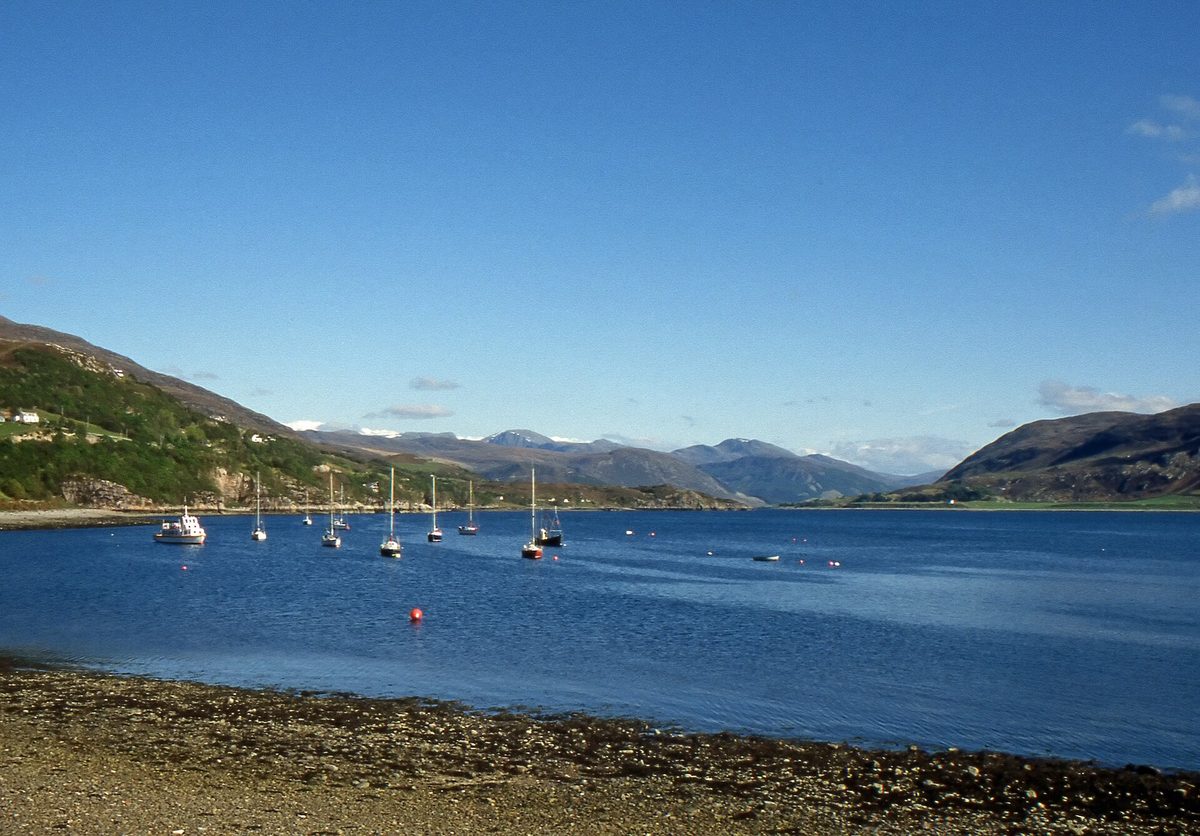
Waking up somewhere good
Opening the back doors at a campsite above Achmelvich with the tide out and nobody about is a genuinely lovely thing, and it is the reason people come back to van trips. The Highlands reward being outside at odd hours — first light, last light, the middle of a clear winter night. It is no coincidence that the best dark-sky spots in Scotland are exactly where the hotels are not.
Dogs, gear and small children
A van absorbs wet dogs, muddy boots, bikes and the general chaos of travelling with children in a way that a B&B breakfast room does not. If your trip involves a lot of hillwalking and you want to start at 6am from a trailhead, the van is simply the better tool.
Where the car and a proper bed win
Weather, and what it does to a small box
Four straight days of horizontal rain in a 5-metre van with another person is a test of a relationship. There is nowhere to go. In a B&B you have a bath, a drying room and a lounge with a fire. Given how often Highland weather delivers exactly that, this deserves more weight than it usually gets.
Dinner, whisky and actually meeting people
You cannot drive to a distillery tasting and then drive on. In a car with a booked room you can walk to the pub, work through a flight at one of the distilleries along the route such as Old Pulteney, and stroll back. B&B owners on the NC500 are also the single best source of information about what is open, what is closed and where the road is flooded — better than any app.
You get the good roads back
In a small car you can take the Bealach na Bà, the B869, the Stoer lighthouse road and the narrow dead-ends down to the beaches, and enjoy them rather than dread them. That is a genuine part of the trip that a large vehicle simply forfeits. If driving roads is the point of your Highland road trip, the car is the better vehicle by a distance.
The practicalities nobody puts on the booking page
Emptying the toilet
This is the one that catches out first-timers. Chemical toilet disposal points thin out badly once you go north and west of Ullapool. There are facilities — Gairloch has a drive-over grey and black waste point that opened with council support, and most campsites will let you empty for a fee of around £5–7 even if you are not staying — but they are not on every corner and they queue in August.
Two practical points. First, empty at designated facilities whenever you get the chance rather than when you need to, and plan the day’s disposal stops before you set off. Second, many Highland sites drain to septic tanks and will only accept green toilet fluid, because blue chemicals kill the bacteria. Buy green before you set off. And never, ever tip a cassette into a roadside drain, a burn or a public toilet — people have been investigated for it, and it is the single fastest way to make life harder for every van that follows you.
The route’s reputation problem
You should know what you are driving into. Communities along the NC500 have spent years raising concerns about motorhome volumes, verge parking, overflowing bins and waste dumping. Councillors in Sutherland have pushed for overnight camper bans in some car parks, a parliamentary petition has called for camping in vehicles to be restricted to designated zones, and Highland Council has trialled paid permits and penalties.
None of that means you are unwelcome. It means the margin for sloppy behaviour has gone. Park in bays, not on verges. Do not run a generator at 7am beside someone’s kitchen window. Do not cluster five vans in a passing place. Spend money locally — the village shop, the seafood shack, the campsite. If a resident asks you to move, move.
Can you legally drive it?
If you passed your test before 1 January 1997, you may have kept C1 entitlement, which covers motorhomes up to 7.5 tonnes maximum authorised mass (MAM); check that C1 is still on your current licence. If you passed on or after that date and have added no other categories, category B covers petrol, diesel and hybrid vehicles up to 3,500kg MAM, and zero-emission electric or hydrogen vehicles up to 4,250kg. Larger motorhomes can sit above 3,500kg. Driving over your entitlement is an offence and will invalidate the insurance. Check the maximum authorised mass of the exact vehicle on the booking, not just the length.
Also check the operator’s minimum driver age, how long you must have held your licence, and whether it accepts your country’s licence or requires an International Driving Permit.
Fuel, range and Sundays
Fill up in Inverness, Ullapool, Durness, Thurso or Wick and treat anything in between as a bonus. Check opening hours as you go, because some rural stations close early or on Sundays. If you are running an EV instead, plan charging carefully — the network along the route has improved but chargers are still sparse and occasionally out of service.
Where to collect the vehicle
Inverness is the obvious pickup. It sits on the loop, its airport has direct links to several UK cities, and it saves you the long run north from the central belt. Several campervan operators are based within a few miles of the city, around North Kessock and the Beauly firth. If you are building the trip around Inverness and Loch Ness, that is doubly convenient.
Edinburgh and Glasgow pickups are usually cheaper per night and give you more choice of vehicle, but you are adding roughly three and a half hours each way plus fuel, and two days of your hire are spent on the A9. Only worth it if you are combining the loop with time further south — in which case our Edinburgh to Highlands drive covers that leg properly. Wherever you collect it, build in a buffer day at the end and check the return time in your rental agreement: a late ferry or a closed road on the A835 can otherwise cost you a late-return fee.
How long you need and what to book first
Seven days is the honest minimum for the full loop at a pace that lets you stop. Five is doable but rushed on the west coast; three or four means picking a half. We have itineraries pitched at each: a seven-day NC500 plan, a tighter five-day version, and a three to four day route for short breaks. In a large motorhome, add a day — you will be slower everywhere and taking the long way round at least twice.
Booking order, in the order it matters:
- The vehicle. Good small campers for July go by January or February. A car can be left later but not much later — Inverness hire fleets are small.
- Campsites or B&Bs for the west coast nights. Lochinver, Durness, Applecross and Torridon are the pinch points.
- Anything with a fixed time. Distillery tours, boat trips to Handa or Cape Wrath, dinner at the good places.
- Everything else. The east coast has far more slack.
If you are still deciding how the loop fits into a bigger trip, our guidance on how many days to give the Highlands is the place to start.
What underwhelms, and the mistakes I see most
Booking the biggest van you can afford. The commonest and costliest error. Extra berths you will not use, in exchange for roads you cannot take. If four of you are travelling, two small vans or a car plus B&Bs both beat one large motorhome.
Assuming you will find somewhere to park up. In July the good spots on Park4Night are gone by four in the afternoon. Book pitches, at least for the west coast.
Treating it as 516 miles. On paper that is two long days. In reality, single-track sections are slow going and detours add up quickly, so allow extra time and extra miles for both. Plan around four to five hours of driving a day, maximum.
Picking your direction by accident. Clockwise from Inverness — west first, over to Lochcarron and Applecross — means you climb the Bealach na Bà’s hairpins rather than descending them, which is the kinder way round in a heavy van, and it puts the north coast lay-bys on your nearside so photo stops are simple pull-ins rather than crossing manoeuvres. It also brings you to the Tornapress junction early, while the low road via Shieldaig is still an easy opt-out. Anticlockwise reverses all three. Neither is wrong, but decide deliberately rather than by accident.
Expecting Scandinavian-standard aires. They do not exist here yet. Facilities are campsite-based, and the campsites are small, friendly and often family-run rather than slick.
The route itself is not one continuous spectacle. The east coast from Inverness to Wick is pleasant farmland and fishing towns, not the postcard. The drama is concentrated in Assynt, on the north coast and in Torridon. If you only have a few days, weight them west.
Which should you choose? A decision framework
Couple, July or August, first visit to Scotland
Small hire car and B&Bs booked in January. You will spend about the same, sleep better, drive every road, and eat well. Pair it with our first-timer’s advice for Scotland.
Two friends, May or September, flexible plans
Campervan, 5–5.5 metres. This is the scenario where the van wins outright on both cost and experience. Watch the midges in May and June if you are cooking outside — our midge season guide explains the timing.
Family of four with young children
Car and self-catering cottages or family rooms. A 4-berth van with two small children, rain, and nowhere to put anyone in timeout is harder than it looks, and the vans big enough to be comfortable are the ones that cannot take the good roads.
Photographers, hillwalkers, wild swimmers
Small van, no question. Being on site at first light is worth more than a mattress. Add the north-west beaches to your list — Achmelvich, Clachtoll, Ceannabeinne, Sandwood if you will walk four miles for it.
Comfort-first travellers, or anyone nervous about narrow roads
Car, hotels, and shorter days. Consider basing yourself for two or three nights at a time rather than moving daily; our guide to the best Highland base towns covers Ullapool, Dornoch and Durness well.
Solo traveller watching every pound
Neither, necessarily. Van hire does not halve for one person and single-occupancy B&B rates are poor value. Hostels and bunkhouses along the loop, plus a small car, will be the cheapest way round — or look at our car-free Scotland itinerary if driving is not essential to you.
Frequently asked questions
How much does NC500 campervan hire cost for a week?
Budget roughly £900–1,200 for seven nights in a 2-berth camper in July, or £550–750 in April or September. Larger motorhomes run £1,100–1,800 in peak season. Add fuel, pitches and excess-reduction insurance and a realistic all-in week for two is £1,600–2,000. Prices vary by operator and how early you book.
Can you drive the Bealach na Bà in a campervan?
In a compact conversion no bigger than a standard VW T5, about 4.9 to 5.5 metres, yes, provided you can reverse confidently for several hundred yards on narrow single-track, and it is worth doing. For anything larger, the North Coast 500’s own advice is to take the A896 alternative instead. The gradients touch 1 in 5 and the upper hairpins need a full-lock turn that longer vehicles cannot make in one.
Is a campervan cheaper than a car and B&Bs on the NC500?
Not in July and August — the two usually land within a hundred pounds of each other, and a large motorhome is clearly dearer. In shoulder season the van pulls ahead by a few hundred pounds because hire rates drop sharply while B&B rates fall less. The van’s advantage is flexibility, not economy.
Can you wild camp in a campervan on the NC500?
No, not under the Scottish Outdoor Access Code. The right of responsible access covers non-motorised recreation, so sleeping in a van needs a campsite, a designated motorhome bay or the landowner’s permission. Overnighting in lay-bys is increasingly restricted, and Highland Council has trialled permits, charges and penalties in popular car parks.
What size campervan is best for the NC500?
No bigger than a standard VW T5 conversion, about 4.9 to 5.5 metres long, and under 2.1 metres wide across the body. That covers VW California-style conversions and Ford Transit Custom campers, which can take the Bealach na Bà and the Drumbeg road as long as you can reverse confidently. Every extra half-metre closes off roads and makes passing places harder to use.
Do I need a special licence to hire a motorhome in Scotland?
If you passed your driving test on or after 1 January 1997, category B lets you drive petrol, diesel and hybrid vehicles up to 3,500kg maximum authorised mass, or electric and hydrogen ones up to 4,250kg. Anything heavier needs C1 entitlement, which requires additional tests. Check the maximum authorised mass on your booking — exceeding your entitlement invalidates the insurance.
Where can I empty a chemical toilet on the NC500?
Campsites are the main option and most will let non-residents empty for around £5–7. There are public facilities at points including Gairloch, but coverage thins north and west of Ullapool. Empty at every opportunity rather than waiting, and use green toilet fluid, since many Highland sites drain to septic tanks that blue chemicals damage.
Should I pick up my campervan in Inverness or Edinburgh?
Inverness, in almost every case. It sits on the loop, has an airport, and saves roughly seven hours of return driving on the A9. Edinburgh and Glasgow depots are often cheaper per night with more vehicle choice, which can make sense if you are touring the rest of the country as well as the NC500 loop.
Final thoughts
The vehicle is not the point. Getting the size right and the month right is the point — do that and either choice works. Book small, go in the shoulder season if you possibly can, take the loo rules seriously, and leave every passing place as you found it. The road does the rest.
If you do take the campervan, read our guide to NC500 campsites and the wild camping rules first. The right to camp under the Land Reform Act covers lightweight tents, not motorhomes, and getting that distinction wrong is what has soured a lot of local goodwill.
About the author: This guide was written and is maintained by the ScotlandTourism.org editorial team — travel writers who’ve spent years exploring Scotland’s cities, Highlands and islands, from bagging Munros to chasing the perfect dram. We update our guides regularly to keep prices, opening details and advice current.
Last updated: August 2026. Prices and opening times change — always check the official site before you travel.
Photo credits
All images are used under their respective Creative Commons or public-domain licenses:
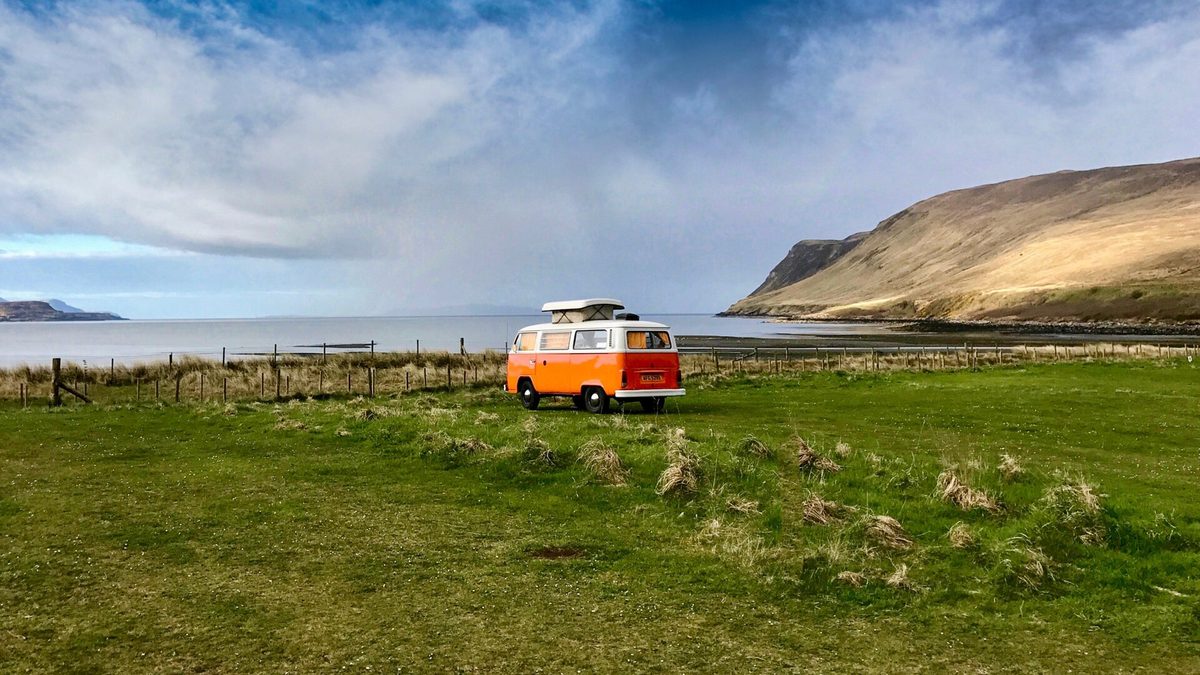
- Pop-top campervan parked by a sea loch in the Scottish Highlands — Tristan Mimet, CC BY 3.0, via Wikimedia Commons
- Passing place sign beside a single-track road in Scotland — Walter Baxter, CC BY-SA 2.0, via Wikimedia Commons
- The single-track Bealach na Ba climbing towards the Applecross pass on the NC500 — Mike McBey, CC BY 2.0, via Wikimedia Commons
- White sand at Achmelvich Bay in Assynt, a favourite NC500 campervan stop — Oliver Dixon, CC BY-SA 2.0, via Wikimedia Commons
- Ceannabeinne Beach near Durness on the north coast of Scotland — Paul Hermans, CC BY-SA 3.0, via Wikimedia Commons
- Boats moored on Loch Broom at Ullapool, the main town on the NC500 west coast — Giorgio Galeotti, CC BY 4.0, via Wikimedia Commons
- Looking down the Bealach na Ba mountain pass road above Applecross — James Emmans, CC BY-SA 2.0, via Wikimedia Commons
- Kylesku Bridge and Quinag in Sutherland on the North Coast 500 route — Reboelje, Public domain, via Wikimedia Commons
- Ardvreck Castle beside Loch Assynt on the NC500 — Carol Bleasdale, CC BY-SA 2.0, via Wikimedia Commons