The first time I tried to do Scotland in a long weekend I got it badly wrong. Two nights in Edinburgh, one in Fort William, a hire car collected at 9am on a Friday and dropped back at 6pm on a Monday. I saw a great deal of the A82 through a windscreen and I remember almost none of it.
So here is the advice I wish someone had given me, and it fits in one sentence: 3 days in Scotland means one base, no hotel changes, and exactly one big day out. Everything else in this guide is me defending that sentence with numbers, and then helping you pick which big day out is yours — because that single decision is what your whole trip turns on.
How should you spend 3 days in Scotland?
Base yourself in Edinburgh for all three nights. Give day one to the Old Town, day two to a single full-day trip into the Highlands or to Stirling, and day three to the New Town, Leith and Arthur’s Seat. Do not change hotels. Do not attempt the Isle of Skye.
The three-day plan at a glance
| Day | Where you sleep | What you do | Hours on the move | Rough spend per adult |
|---|---|---|---|---|
| Arrival evening | Edinburgh | Drop bags, walk the Royal Mile, eat early | 0–1 | £30–£50 |
| Day 1 | Edinburgh | Old Town: castle, closes, museum, whisky or ghosts after dark | 0 | £55–£90 |
| Day 2 | Edinburgh | One day trip — Highlands, Stirling and the Trossachs, or Fife | 4–9 | £60–£110 |
| Day 3 | Edinburgh | Arthur’s Seat early, New Town, Leith, last dinner | 0 | £40–£75 |
| Departure morning | — | Tram or bus to the airport, 30 minutes door to gate area | 1 | £8 |
| Total nights | 3, all in one bed | 2 city days, 1 big day out | — | — |
That is the shape. If you want the same trip stretched into something more ambitious, our Scotland itinerary planner lays out how the country opens up as you add days, and the five-day version is where a second base finally starts to earn its keep.
The rule: one base, and here is the arithmetic
People resist this. They have three days, they want to see three places, and one hotel feels like under-using the trip. The problem is that a base change is not a drive. It is a whole chain of small losses, and they add up faster than you expect.
What a hotel change actually costs you
Time yourself honestly next time. Packing and getting everyone out of the room: 20 minutes. Checkout and settling up: 10. Loading the car or hauling bags to the station: 15. Then the drive or train. Then finding parking, which in a Highland town in August is not instant: 15. Check-in is often not until 3pm or 4pm, so you either wait or you carry your bags around. Unpacking and working out where you are: 20 minutes.
Add it up and you are at roughly two hours of pure overhead before you count a single mile of travel. A usable Scottish day in spring or autumn is about eight hours of daylight you can actually spend on things. So one base change costs you a quarter of a day, and a three-day trip has only three of them.
There is a second cost that does not show up on a clock. On a moving day you cannot commit to anything. You will not start a two-hour hill walk at 10am if you have to be checked out and 90 miles away by five. You default to the easy, shallow version of everywhere.
What staying put buys you
Leaving your things in one room means you can go out at 7am for Arthur’s Seat and come back to shower. It means you can book a table for Saturday night before you arrive, because you know where you will be. It means an evening ghost tour is a ten-minute walk rather than a logistical decision. It means that if day two is a washout — and this is Scotland, so it might be — you can swap plans without losing money on a non-refundable room somewhere else.
Practically, it also means you can leave a bag at reception on your last morning and still get a proper final few hours instead of a shuffle to the airport. Our guide to choosing an area to stay in Edinburgh goes into which neighbourhoods make that easy; for a three-nighter, anywhere within about fifteen minutes’ walk of Waverley station is doing its job.
Why Edinburgh is the default base
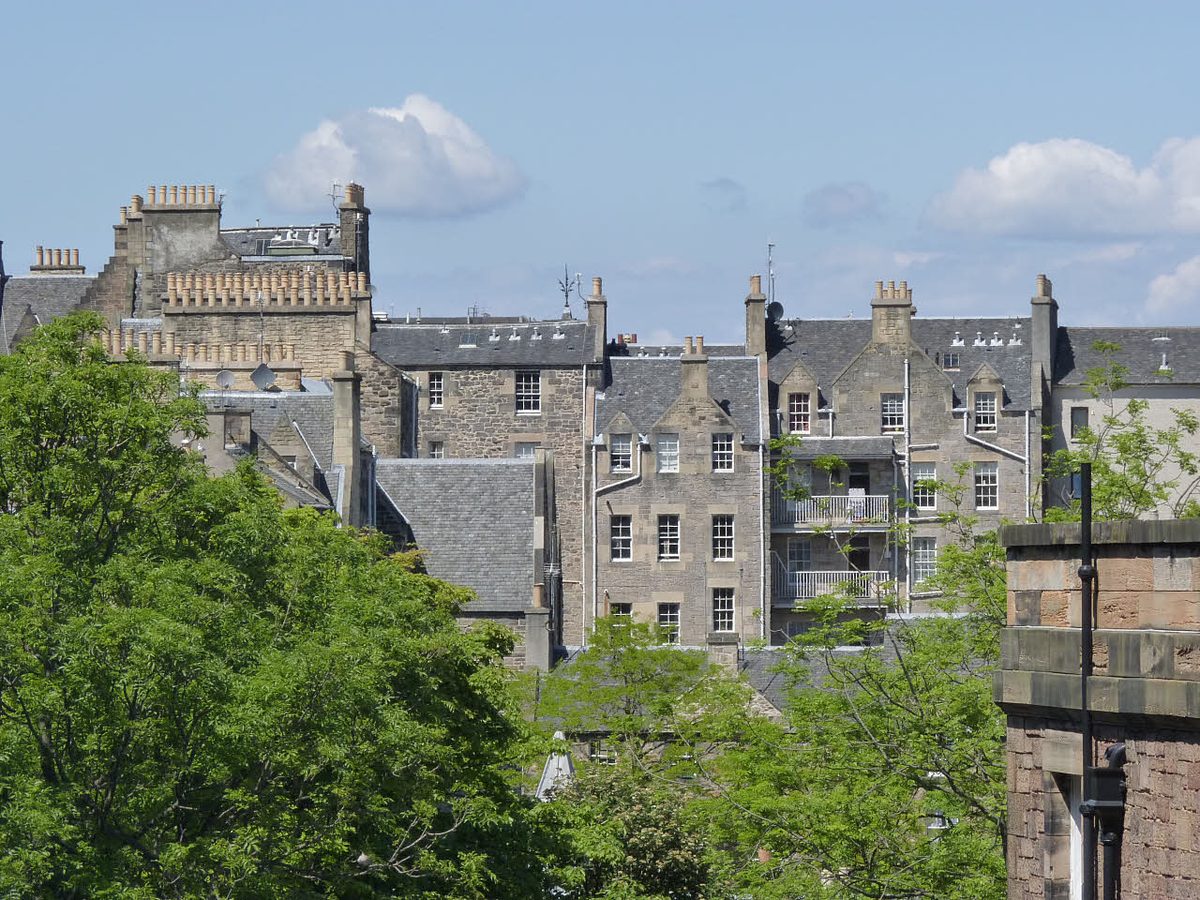
Edinburgh is the base for three days because of one unglamorous fact: almost every organised day tour in central Scotland departs from it, most of them from the bus station at St Andrew Square or from Waverley Bridge. Add fast trains to Glasgow, Stirling and Fife, an airport tram that runs into the centre in about half an hour, and a compact centre you can cross on foot in twenty minutes, and no other Scottish city gives you as many options from one bed. There is a full rundown in our Edinburgh travel guide.
Glasgow works too, and I cover that further down, because if you are flying into GLA the received wisdom to “just get the bus to Edinburgh” is not automatically right.
The one decision that matters: which day trip
Day two is the whole trip. Get it right and you go home having seen mountains, glens and a proper Highland road. Get it wrong and you spend eleven hours looking at the back of a headrest.
Four options are genuinely worth considering from Edinburgh. Here they are side by side, and then in detail with an honest verdict on each. Prices and departure times are correct at the time of writing and do change, so check before you book.
| Day trip | Door to door | Round-trip distance | Longest single sit | Best for |
|---|---|---|---|---|
| Loch Ness, Glencoe and the Highlands | About 12 hours | Around 400 miles | 2 hours | Ticking off Nessie; people who like coaches |
| Glencoe and the Highlands (no Loch Ness) | 9–10 hours | Around 250 miles | Around 90 minutes | Mountains without the endurance test — my pick |
| Stirling, Loch Lomond and the Trossachs | 8–9 hours | Around 140 miles | Around 1 hour | Families, castle interiors, shorter days |
| St Andrews and the Fife coast | 7–8 hours | Around 110 miles | 1 hour by train | Golf, coastline, doing it by public transport |
| Isle of Skye | Not possible as a day trip | Around 460 miles | — | A different holiday entirely |
Loch Ness, Glencoe and the Highlands: the twelve-hour day
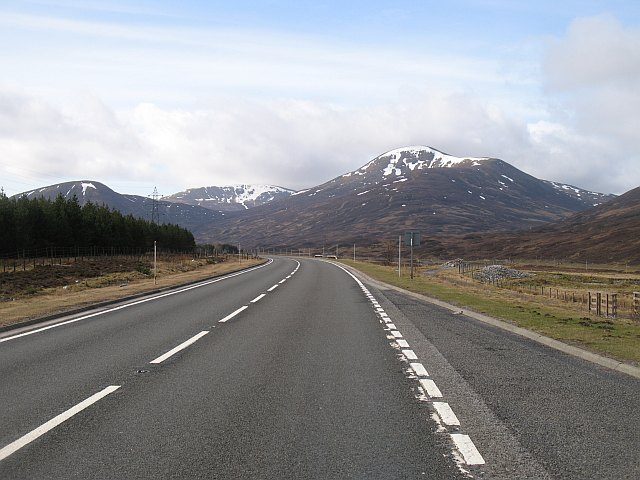
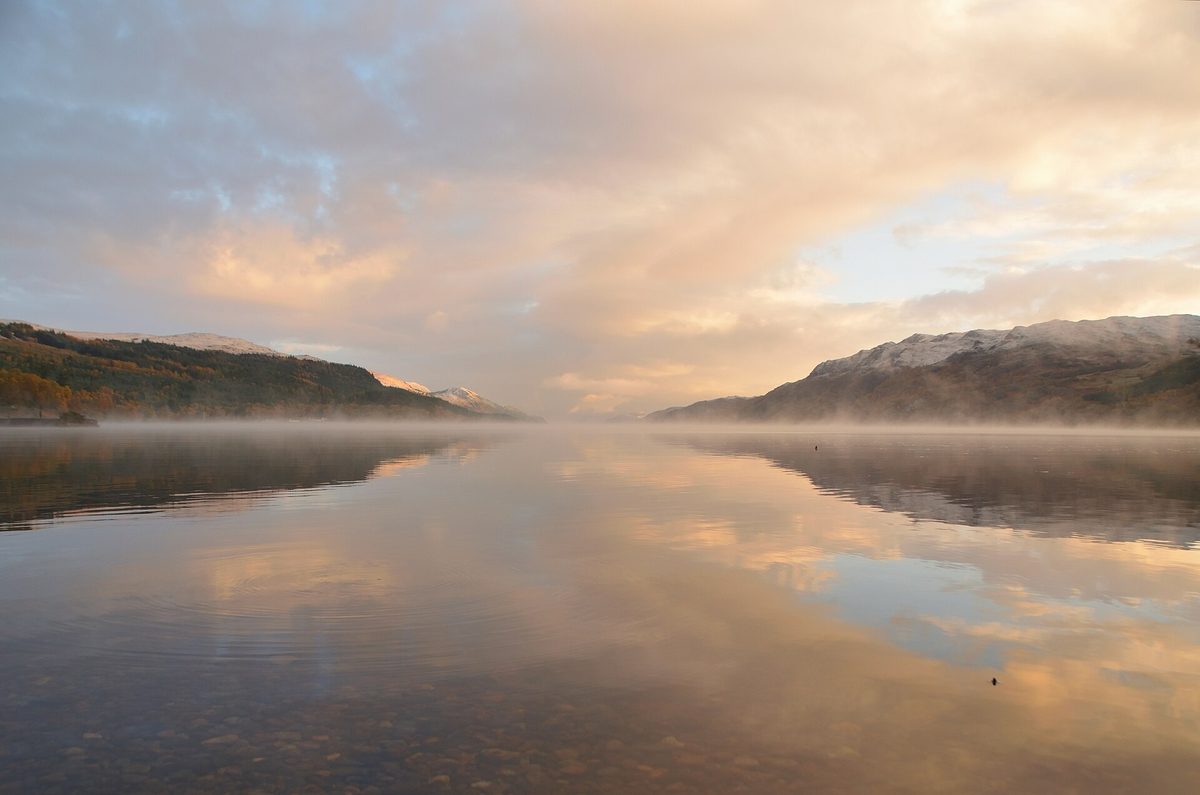
This is the tour everybody books, and it is the one I have the most complicated feelings about. Rabbie’s run the best-known version: pick-up at 7.45am from Gate J or K inside Edinburgh Bus Station on St Andrew Square, back in the city around 8pm. That is twelve and a quarter hours, and the route is roughly Edinburgh to the Trossachs, across Rannoch Moor, through Glencoe, up the Great Glen to Fort Augustus on Loch Ness for lunch and an optional 50-minute cruise, then home down the A9 past the Cairngorms.
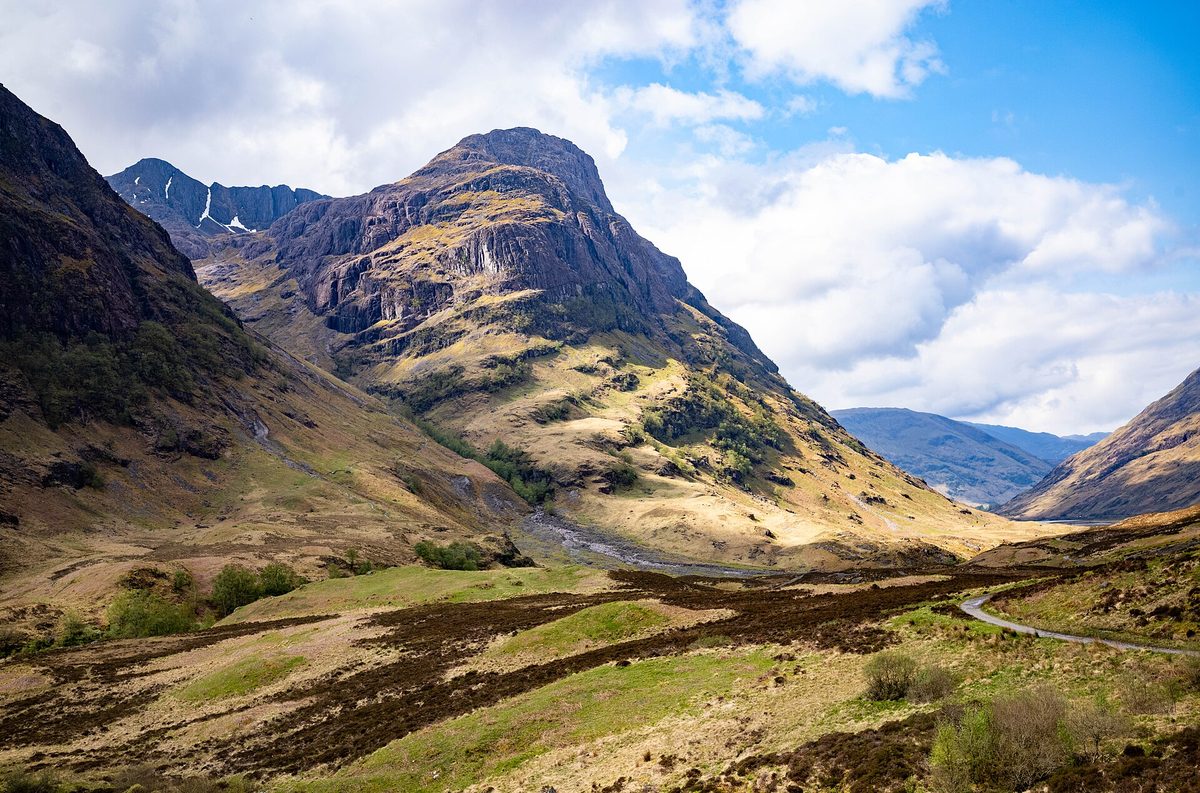
The scenery on that route is the real thing. Rannoch Moor in poor weather is one of the strangest landscapes in Britain, and the drop into Glencoe from the east never gets old. But be clear about the shape of the day: you will be sitting down for roughly eight of those twelve hours, and your time at Loch Ness itself is a lunch stop, not an afternoon.
Who enjoys it: people who genuinely want to say they saw Loch Ness, people who are happy to nap on a coach, and anyone for whom the guide’s commentary is half the point. The small-group operators run 16-seat mini-coaches with driver-guides who talk the whole way, and a good one is worth the ticket on their own.
Who regrets it: anyone with restless children, anyone who gets travel sick on winding roads, and anyone who imagined stepping out at the loch for a long walk. If Loch Ness matters to you that much, it deserves an overnight in Inverness on a longer trip — there is more on that in our guide to Loch Ness and Inverness.
Glencoe and the Highlands without the Loch Ness detour: what I would book
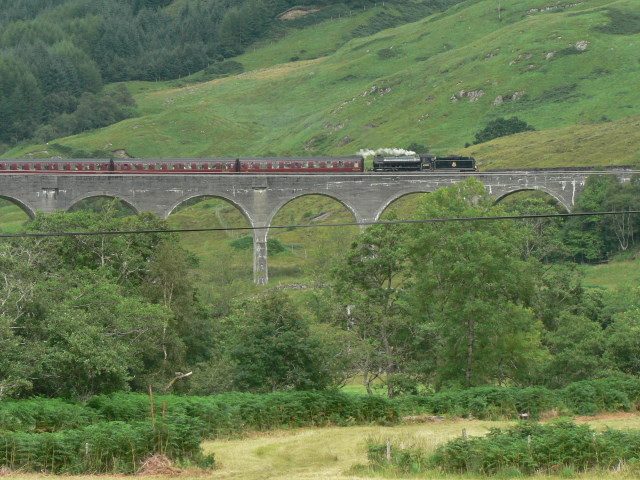
This is the version I recommend to friends. Same road west and north, same Rannoch Moor, same Glencoe, sometimes Glenfinnan and the viaduct instead of the run up the Great Glen — but you turn round before the long haul to Fort Augustus. You are back in Edinburgh by six or seven rather than eight, and you have cut around 150 miles of sitting out of the day.
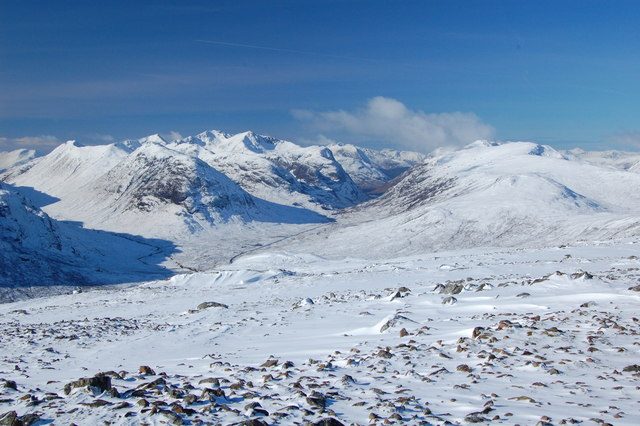
What you gain is not just time in the seat. It is time on your feet. A tour that is not chasing Inverness can give you 45 minutes at the Glencoe viewpoints rather than fifteen, and that is the difference between a photo stop and actually standing in the place. The Scottish Highlands reward being still in them for a while.
Honestly, the only reason not to pick this one is if Loch Ness is on a family bucket list and there will be sulking otherwise. That is a fair reason. Just go in knowing what you are trading.
Stirling, Loch Lomond and the Trossachs: the underrated one
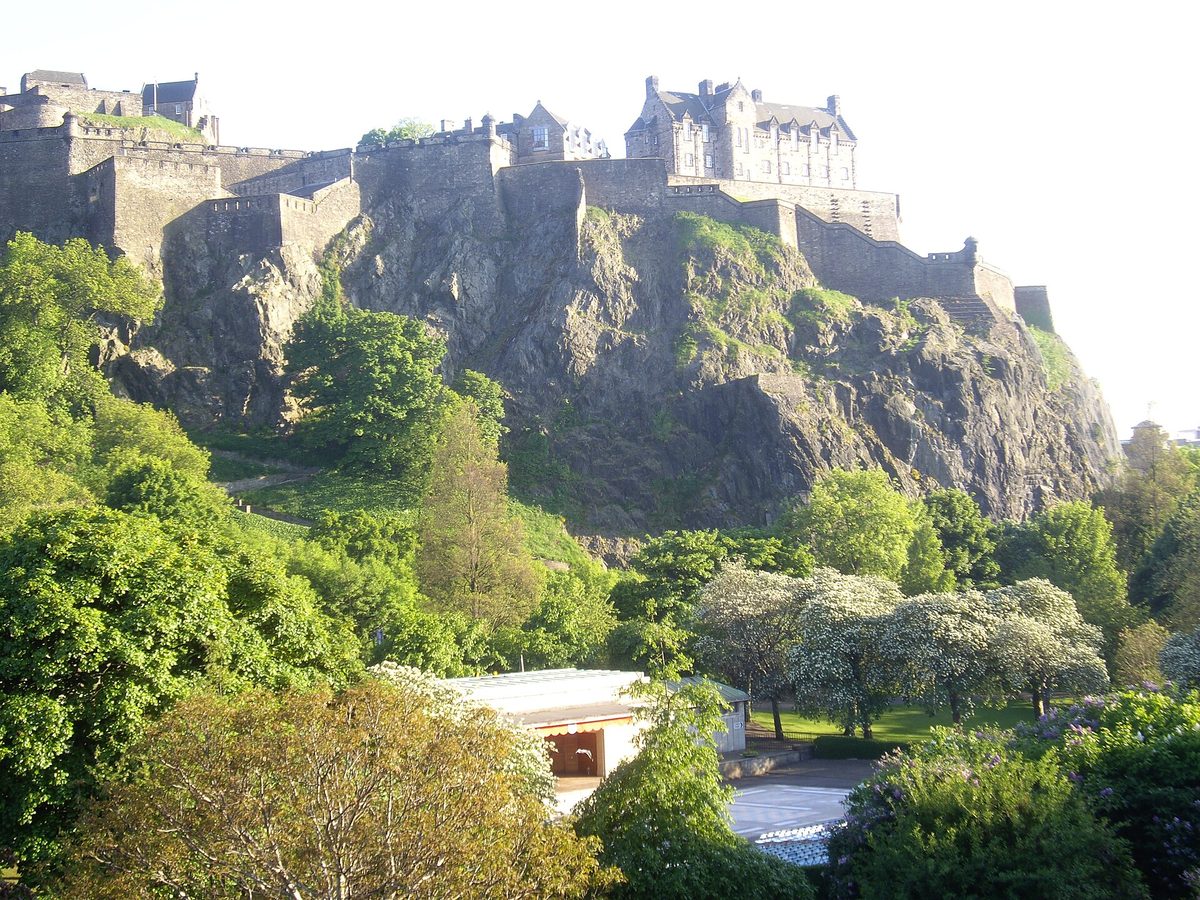
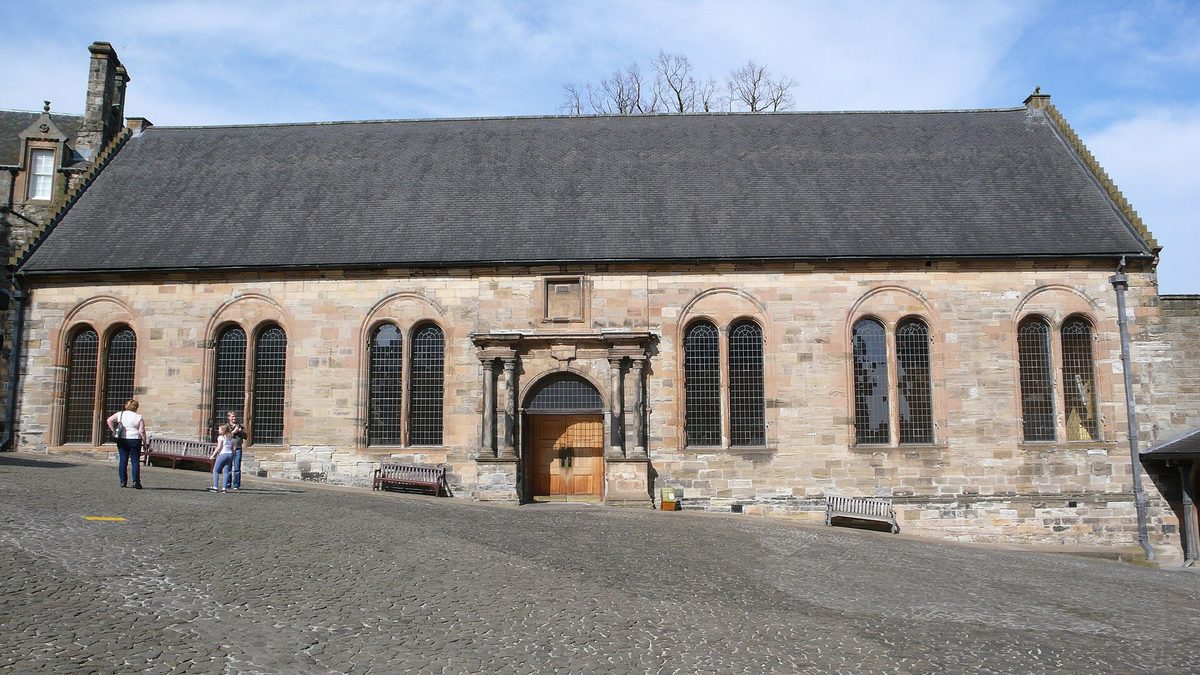
Shorter, closer and, on one specific measure, better. Stirling Castle has a far more interesting interior than Edinburgh Castle. The restored Royal Palace with its recreated 16th-century interiors and the Stirling Heads ceiling gives you something to look at indoors, which matters enormously on a wet Scottish afternoon. Edinburgh Castle’s appeal is largely the site, the views and the Crown Jewels queue.
Adult admission to Stirling Castle was £18.50 online at the time of writing, against £23.50 online for Edinburgh Castle, and Historic Environment Scotland run a 25% discount at Stirling if you book with the code GOOD25 and arrive car-free with a bus or train ticket to show. Trains from Edinburgh Waverley to Stirling take around 50 minutes and run roughly every half hour, so doing this day trip independently is genuinely easy.
Add Loch Lomond and the Trossachs in the afternoon — Callander, Balmaha, the eastern shore — and you get lochs and hills with a fraction of the mileage of the Highland runs. It is the best choice for families and for anyone travelling with someone whose stamina you are quietly worrying about. Our roundup of Scotland’s castles makes the case for Stirling at more length.
St Andrews and the Fife coast: the different flavour
If mountains are not your thing, or if you have already had a Highland day on a previous trip, this is the one nobody suggests and plenty of people prefer. St Andrews gives you a cathedral ruin on a headland, a castle with a mine and countersiege tunnel you can climb into, the oldest university in Scotland, and the Old Course, where you can walk across the 18th fairway and stand on the Swilcan Bridge for nothing on a Sunday when the course is closed to play.
Getting there without a car is straightforward: train from Edinburgh Waverley to Leuchars in about an hour, then the Stagecoach 99 bus into town, which runs frequently. Coming back, the East Neuk fishing villages — Crail, Anstruther, Pittenweem — are strung along the coast if you have a car, and Anstruther’s fish and chips have a reputation that survives the queue.
Golfers should note that the Old Course ballot is not something you sort out on the day: entries close at 2pm two days before play, and the course is closed to play on Sundays.
What all four have in common
Every one of these gets you back to the same bed. That is the point. There are more options in our full list of day trips from Edinburgh, including the Borders abbeys and Rosslyn Chapel, but for a three-day trip I would not look beyond these four.
The three days, hour by hour
Day 1: the Old Town, on foot
Start at the castle at opening — 9.30am daily — because the esplanade is a different experience at half past nine than at half past twelve. Book online: adult tickets were £23.50 online against £26.00 at the gate at the time of writing, and in summer the online allocation genuinely sells out, at which point there are no walk-up tickets at all. Our Edinburgh Castle tickets guide covers the timeslot system and which parts are worth your ninety minutes.
Then walk downhill. The Royal Mile takes about twenty minutes end to end if you march it and half a day if you do it properly, ducking into the closes on both sides. Have lunch off the main drag rather than on it — the Grassmarket and Victoria Street are a two-minute detour and considerably better value.
Afternoon: the National Museum of Scotland, which is free, enormous and has a roof terrace most visitors never find. Evening: one of the underground vaults tours, which are more fun and considerably less silly than they sound, or a whisky flight and a long dinner somewhere off the Mile. If you are compressing all of this into a shorter stay, our one day in Edinburgh route is the ruthless version.
Day 2: the big day out
Set an alarm. Whichever tour you have booked, the coach ones leave between 7.30am and 8.30am and they do not wait. Eat something before you go; the first comfort stop is often ninety minutes in and it is a garage.
Take a proper waterproof even in July, take a bottle of water, and take cash or a card for lunch, because Fort Augustus and Callander are not places where you want to discover the one café is card-only and the machine is down. Sit on the left going north if you can — more of the good scenery falls that side on the run through the Trossachs and up past Rannoch Moor.
Back in Edinburgh by early evening, do not attempt anything ambitious. Eat somewhere close to your hotel and go to bed.
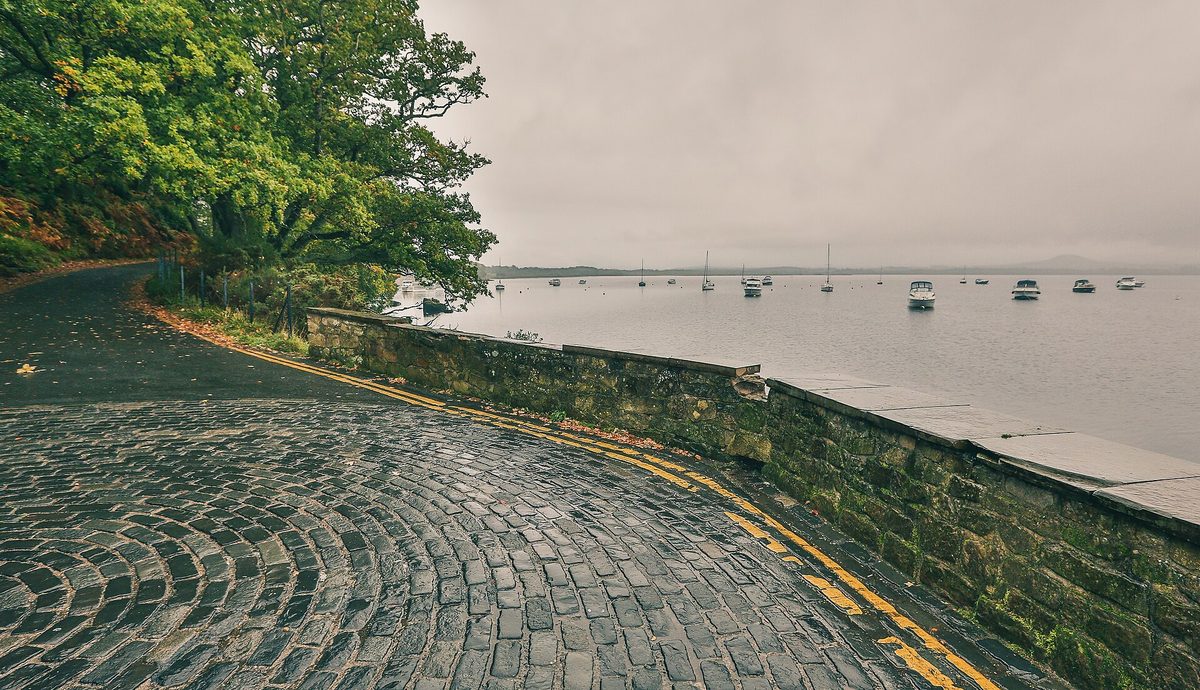
Day 3: high ground, then the New Town
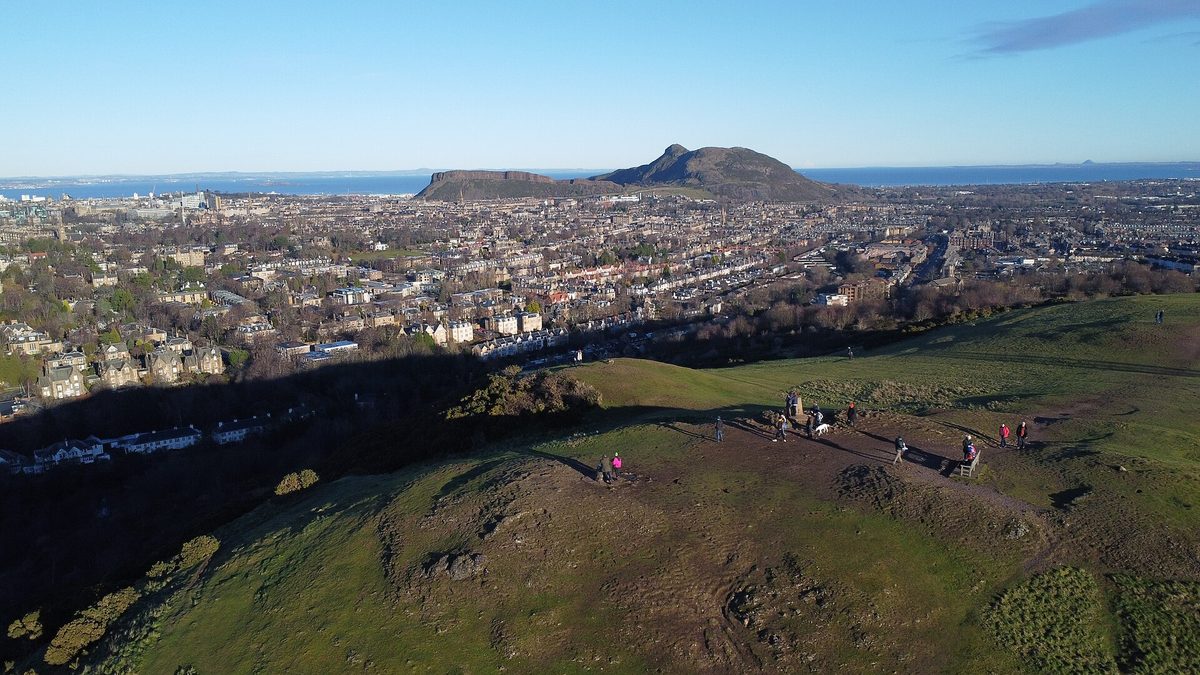
Get up early and climb Arthur’s Seat. It is a hill, not a mountain — 251 metres, about an hour up at a steady pace from the Holyrood car park — and at 7.30am on a clear morning you will have the summit almost to yourself with the Firth of Forth laid out to the north. Our Arthur’s Seat hike guide explains which of the routes up is the least unpleasant in wet weather, which matters, because the Crags path in the rain is greasy.
Shower, then spend the middle of the day in the New Town: the Georgian grid, Dean Village down on the Water of Leith, the Scottish National Gallery, Calton Hill for the view back at the Old Town skyline. Almost all of that is free, and you can fill the whole afternoon without buying a single ticket.
Late afternoon, get the tram or the 22 bus down to Leith for the Royal Yacht Britannia or just for dinner on the Shore, which is where I would spend a last night. If you have a fourth day appearing from somewhere, our two-day Edinburgh itinerary shows what to add rather than what to swap.
Self-drive or coach tour? The actual numbers
This is where people agonise, and the answer flips depending on how many of you there are. Figures below are typical rather than quoted, and fuel and hire rates move constantly — treat them as a way of thinking, not a price list.
The solo traveller or the couple
A day-tour seat from Edinburgh runs roughly £55 to £85 per adult depending on operator, season and route; Rabbie’s listed their Loch Ness, Glencoe and Highlands day from about US$106 per adult at the time of writing.
Now the car. A one-day hire from a city-centre desk is rarely under £45 to £70 once you add the young-driver or additional-driver fees, and Edinburgh city-centre parking overnight will cost you £20 or more unless your hotel includes it. Fuel for a 400-mile Highland round trip in a small petrol car is somewhere around £50. So a solo driver is looking at £115 or more against a £65 coach seat, and they have to do the driving.
For one or two people, the tour wins on money and wins comprehensively on the thing money cannot buy, which is that on a coach you get to look out of the window. The A82 through Glencoe demands your full attention if you are the one steering.
The family of four
Now it inverts. Four tour seats at £65 each is £260 for the day, and that is before anyone has bought a sandwich. The same day in a hire car is perhaps £60 for the car, £50 in petrol and £10 in parking — call it £120, less than half.
The car also gives you the ability to stop when the four-year-old needs to, to turn round when the weather closes in, and to leave Glencoe when you have had enough rather than when the guide says so. For families, self-drive is usually the right call from two adults upwards.
The caveat is the driving itself. Single-track sections with passing places, sheep on the carriageway, and a national speed limit of 60mph on single carriageways that plenty of local drivers treat as a target. If you have never driven on the left, do not make your first attempt the A82 in the rain. Our guide to getting around Scotland is worth ten minutes before you book anything.
When neither is right
If you are two people, nervous about driving, and you want more than a coach window, look at the small-group operators running eight-seat vehicles rather than sixteen. They cost more, roughly £90 to £130 for a day, and they get down roads the big coaches cannot use. Our overview of guided tours in Scotland explains the difference between the categories, which is not obvious from the booking pages.
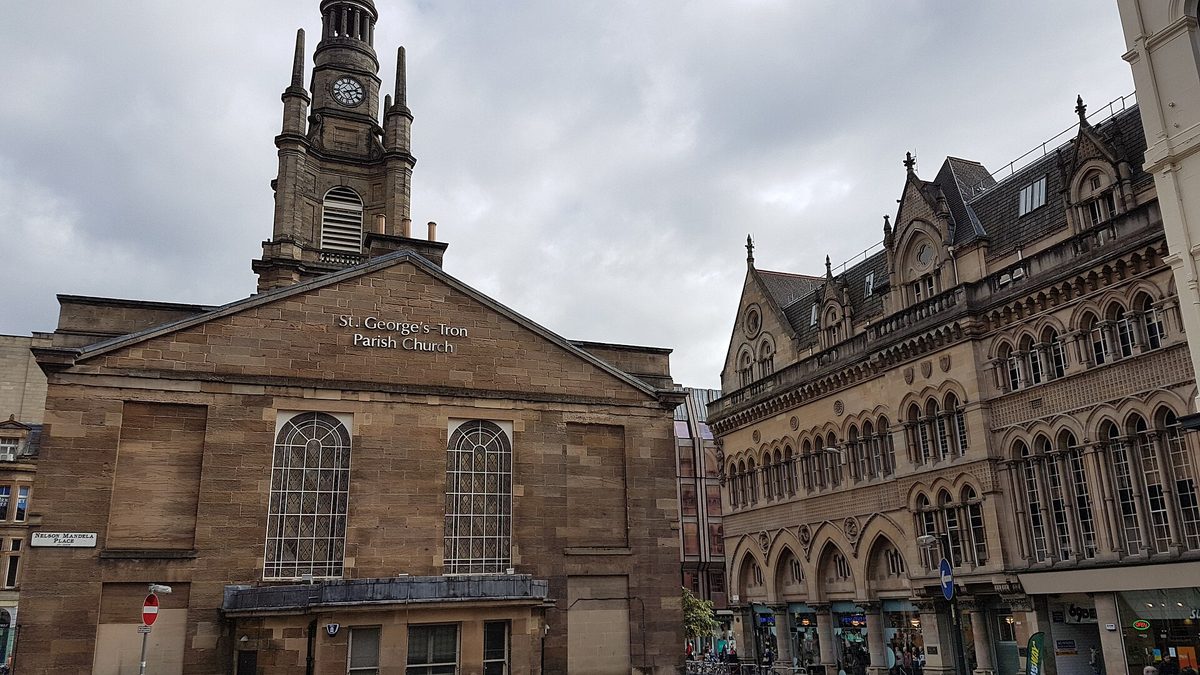
Basing yourself in Glasgow instead
Nobody writes this version and they should. If your flights land at Glasgow International, the standard advice is to get the bus straight to Edinburgh, lose two hours in each direction and pay Edinburgh hotel rates. That is often the wrong call.
Glasgow is closer to Loch Lomond than Edinburgh is — Balloch is 40 minutes by train from Queen Street — and it is closer to the western Highlands generally. The West Highland Line north to Oban, Fort William and Mallaig leaves from Queen Street and is one of the great railway journeys in Britain. Hotel rates run lower than Edinburgh’s for the same standard, particularly in August when the festivals push Edinburgh prices into absurdity.
What you give up is the Old Town, which is genuinely the single best thing in urban Scotland. But Edinburgh is 50 minutes away by train from Queen Street or Glasgow Central, with departures every fifteen minutes, so a Glasgow base still lets you do a full Edinburgh day.
A Glasgow three-day shape: day one the West End, Kelvingrove and the Mackintosh buildings; day two the West Highland Line to Oban or a Loch Lomond and Trossachs tour; day three the train to Edinburgh for the castle and the Royal Mile. Our Glasgow travel guide has the detail, and the city’s museums are, almost without exception, free.
Variations on the three days
The long-layover version
If you have a stopover of eight to twelve hours at Edinburgh Airport, you can do something real with it. The tram from the airport to St Andrew Square takes about 30 minutes and cost £7.90 for an adult single at the time of writing. That gives you, on a ten-hour layover, roughly six usable hours in the city centre once you have allowed for bag drop and getting back through security.
Six hours is the castle plus the Royal Mile plus a decent lunch, or the National Museum plus Calton Hill plus a pint. It is not three days in Scotland, but it is a great deal better than the airport.
Three days with children
Cut the Highland day and do Stirling instead. The castle has costumed interpreters, the Wallace Monument is up the road, and the day is five hours shorter. Camera Obscura on the Royal Mile is the reliable rainy-afternoon fix for anyone between about five and twelve, and the National Museum has enough hands-on galleries to absorb a whole morning. Skip the Dungeon unless your children are old enough to find it funny rather than frightening.
Three days without a car
Entirely doable, and in Edinburgh you would barely notice the difference. Trains cover Stirling, Glasgow, Linlithgow and Fife; coach tours cover the Highlands. The only thing a car unlocks in three days is the East Neuk villages and the smaller Trossachs roads. If you are car-free for a longer trip, our Scotland without a car itinerary maps out how far the rail network really gets you.
Three days in winter
Daylight is the constraint. In late December, Edinburgh gets sunrise around 8.40am and sunset around 3.40pm — that is barely seven hours, and a Highland day tour will spend a chunk of it driving in the dark. Winter is a strong argument for the shorter Stirling day trip and for weighting your trip towards the city, where opening hours rather than daylight set the pace. Check the seasonal trade-offs in our guide to the best time to visit Scotland.
Planning, booking and what to sort in advance
How far ahead to book what
Edinburgh Castle: as far ahead as you can, and no less than a fortnight in summer. Once the online allocation goes there is nothing at the gate. Day tours: a week is usually fine outside July and August, two to three weeks in peak season and around the festivals. Restaurants: Friday and Saturday tables in the Old Town and on the Shore in Leith go several days out. Hire cars: book early for August, when Edinburgh supply tightens badly.
Getting there and getting in
Edinburgh Airport connects to the centre by tram in about half an hour, or by the Airlink 100 bus, which is slightly cheaper and roughly as quick. From England, the train from London King’s Cross to Waverley takes around four and a half hours and drops you in the middle of the city, which is one of the reasons a long weekend from England works so well.
When to go
May and September are the two months I would pick: long days, thinner crowds than midsummer, and the worst of the midges either not started or fading. August means the festivals, which is either the entire reason for your trip or a good reason to avoid it — accommodation roughly doubles and the Royal Mile becomes impassable. If you are heading anywhere near still water between June and August, pack repellent; the midges are at their worst on calm, damp evenings and are essentially absent in any decent breeze.
What to pack for three days
A proper waterproof jacket, not a showerproof one. Shoes with grip, because Old Town cobbles and setts are slick when wet and the Arthur’s Seat paths are worse. Layers rather than one thick coat. And a small rucksack, so that on your Highland day you are not carrying a shopping bag around Glencoe.
Honest warnings: what to skip and where people go wrong
The Isle of Skye is not possible in three days
I get asked this constantly, so here is the mileage. Edinburgh to Portree is about 230 miles and the drive takes five and a half hours in good conditions — not motorway hours, but A82 and A87 hours, behind caravans, in rain. That is eleven hours of driving out of a three-day trip before you have looked at anything.
Even the tour operators will not sell you Skye as a day trip from Edinburgh. They sell it as a three-day tour, and that three-day tour uses up your entire trip getting to and from one island. Skye needs four days minimum with a night on the island, and it is much better with five. Read our Isle of Skye guide, and then put it in the diary for next time. Deciding what fits into what length of trip is exactly what our piece on how many days you need in Scotland is for.
The mistakes I see most often
Trying to do Edinburgh and Glasgow and the Highlands. Three days will not carry three headline destinations, and the attempt turns your holiday into a transport exercise.
Booking a hire car for all three days when you only need it for one. You will pay to leave it parked outside your hotel for 48 hours, in a city where you would never drive anyway.
Landing at 11pm and counting that as day one. Three days means three full days on the ground; an arrival evening is not a day and neither is a departure morning with a 10am flight.
Underestimating the weather. Not the rain — the wind. A wet day in Edinburgh is fine. A wet, 40mph day on an exposed hill is genuinely unpleasant, and Arthur’s Seat is exposed.
What underwhelms
Loch Ness itself, if I am honest, is a large and rather plain body of water; the pleasure of that day is Glencoe and the Great Glen on the way there. The Loch Ness Centre exhibition divides people sharply and I would not build a day around it.
The Scotch Whisky Experience near the castle is competent but it is a visitor attraction, not a distillery. If whisky is why you came, three days is enough to reach a working distillery instead.
Tartan shops on the Royal Mile: there are dozens and most sell the same things. And the Elephant House café’s Harry Potter connection is thinner than the queue outside suggests, though Greyfriars Kirkyard and the view of George Heriot’s School are good fun if you have a fan in the party.
Frequently asked questions
Is 3 days in Scotland enough?
Enough for one city and one region, yes. Enough for the country, no. Three days done well — Edinburgh plus a single Highland or Trossachs day — leaves you with a real sense of the place. Three days spread across Edinburgh, Glasgow, Skye and Loch Ness leaves you with photographs and exhaustion. Pick depth over breadth and you will not regret it.
Can you see the Highlands in 3 days from Edinburgh?
You can see a genuine slice of them in one day. A Glencoe or Loch Ness coach tour gets you across the Highland Boundary Fault, over Rannoch Moor and into real mountain country and back the same evening. What you cannot do is stay in the Highlands, walk in them properly, or reach the north-west coast. For that you need four or five days.
Should I do a day tour or hire a car?
For one or two people, take the tour: it costs less than hiring, parking and fuelling a car for the day, and you get to look at the scenery instead of the road. For a family of three or four, hire the car — four tour seats cost roughly double what the car will, and you gain the freedom to stop and turn round when you want.
Is Edinburgh or Glasgow the better base for 3 days?
Edinburgh, for most people, because it is more compact, more historic and has more tours departing from it. Glasgow is the better call if you are flying into GLA, travelling on a tighter budget, visiting during the August festivals, or aiming at Loch Lomond and the West Highland Line. The train between them takes 50 minutes, so neither choice locks you out of the other.
How much does 3 days in Scotland cost?
Budget roughly £110 to £220 per person per day for a mid-range trip. A double room in Edinburgh outside August runs £90 to £150, so £45 to £75 a head; add £40 to £60 on food and drink and £25 to £85 on attractions or a tour seat. It can be done for considerably less — the national museums and galleries are free, and hostels and guesthouses cut the biggest line item substantially.
What is the best month for a long weekend in Scotland?
May, then September. May gives you long daylight, blossom, and midges that have not properly woken up. September gives you warmer water, autumn light and lower prices once the festivals finish. June is lovely but busy, August is chaotic in Edinburgh, and November to February trades daylight for cheap hotels and a very atmospheric city.
Do I need to book Edinburgh Castle in advance?
Yes. Tickets were £23.50 online and £26.00 at the gate at the time of writing, and Historic Environment Scotland state that once the online allocation sells out there will be no further tickets available at the castle. In July and August that happens regularly. Book the earliest timeslot you can face; the difference in crowding between 9.30am and midday is dramatic.
Can I do a whisky distillery in three days?
Yes, but not in Speyside or on Islay — those are trips in themselves. Within reach of Edinburgh you have Glenkinchie in East Lothian, about 40 minutes out, plus several city-centre distilleries and gin makers in Leith. If whisky is the whole point of the trip, though, plan a longer one around Speyside or Islay rather than squeezing a token tasting into a long weekend.
Final thoughts
Three days is short, and the temptation is to compensate by moving faster. Resist it. The trips I remember from Scotland are not the ones where I covered the most ground; they are the ones where I stood on Rannoch Moor for twenty minutes in horizontal rain because nobody was rushing me back to a coach.
One base. One big day out. Two days walking a city that rewards walking. Book the castle now, pick your day trip from the four above, and leave Skye and the north for the trip you will inevitably start planning on the flight home.
About the author: This guide was written and is maintained by the ScotlandTourism.org editorial team — travel writers who’ve spent years exploring Scotland’s cities, Highlands and islands, from bagging Munros to chasing the perfect dram. We update our guides regularly to keep prices, opening details and advice current.
Last updated: August 2026. Prices and opening times change — always check the official site before you travel.
Photo credits
All images are used under their respective Creative Commons or public-domain licenses:
- Edinburgh Castle on its volcanic rock above Princes Street Gardens, the anchor of a 3 days in Scotland itinerary — Stanley Howe, CC BY-SA 2.0, via Geograph
- Old Town tenements and chimney stacks just off the Royal Mile in Edinburgh — Alan Murray-Rust, CC BY-SA 2.0, via Geograph
- Loch Ness at dawn, mist lying on the water between the hills of the Great Glen — Andrew Tryon, CC BY-SA 2.0, via Geograph
- The Chapel Royal in the upper square of Stirling Castle, the better castle interior on a wet day — Uriah Welcome, CC BY 2.0, via Wikimedia Commons
- The mountains of Glen Coe under snow, seen from Beinn a Chrulaiste above the A82 — Alex Mcnaughton, CC BY-SA 2.0, via Geograph
- The cobbled shore road at Balmaha on the eastern side of Loch Lomond — Tony Webster from San Diego, California, CC BY 2.0, via Wikimedia Commons
- St George’s Tron Church on Buchanan Street in central Glasgow, an alternative base for three days in Scotland — Stinglehammer, CC BY-SA 4.0, via Wikimedia Commons
- The St Andrews skyline seen along West Sands beach on the Fife coast — thejackrustles, CC BY-SA 2.0, via Geograph
- Arthur’s Seat and the Salisbury Crags rising over the rooftops of Edinburgh — James Richardson-Lewis, CC BY-SA 2.0, via Geograph
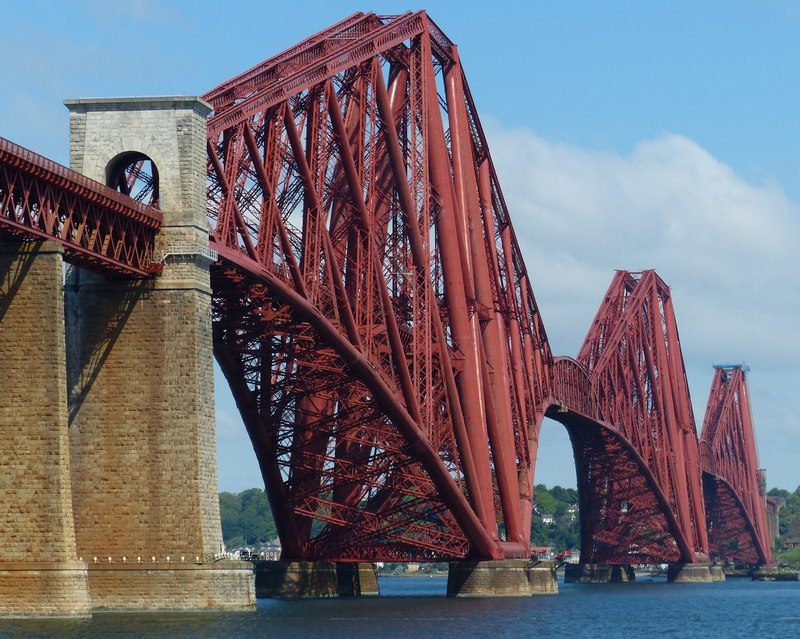
- The cantilever Forth Bridge crossing the Firth of Forth at South Queensferry — Mat Fascione, CC BY-SA 2.0, via Geograph