The first time I did Scotland properly on a shoestring I went in the second week of February, because every article I’d read told me that was the cheapest time to visit Scotland. It was. My room in Edinburgh cost less than a decent lunch does in August. I also lost a full day to horizontal sleet on the A82, got to Glencoe with ninety minutes of usable light left, and discovered that the two things I’d travelled north to see were shut until Easter.
It was a cheap trip. It was not a good-value trip, and those are different things. Since then I’ve gone back in every month of the calendar, kept the receipts, and worked out that the honest answer depends almost entirely on which line of your budget is the big one. Below is the version I’d give a friend, with the dates, the numbers and the weeks that will quietly cost you double even in the middle of low season.
So when is the cheapest time to visit Scotland?
Mid-January to the end of February is the cheapest, excluding the Burns Night weekend and the February school break. Edinburgh room rates can fall by half against August. But the best value is early to mid-May and the last fortnight of September into early October, when you keep most of the daylight and access at close to off-season prices.

The year at a glance, by what it costs you
Daylight figures below are for Edinburgh; Inverness and Skye lose roughly another twenty minutes at each end of a midwinter day. Accommodation is expressed against a peak August week in Edinburgh, which is the most expensive week in the Scottish calendar by some distance. If you want the full weather picture behind these rows, we’ve broken it down in our guide to Scotland’s weather month by month.
| Window | Daylight (Edinburgh) | Rooms vs peak August | Access | Verdict |
|---|---|---|---|---|
| 1–15 Nov | ~9 hrs falling to ~8 | Around half | Winter timetables starting | Cheap, and autumn colour lingers inland |
| Late Dec (Hogmanay) | ~7 hrs | At or above August in Edinburgh | Much closed 24–27 Dec | The one winter week that isn’t cheap |
| Mid-Jan – end Feb | ~7 hrs 40 rising to ~10 hrs 30 | Roughly half, sometimes less | Many rural sites shut; reduced ferries | The genuine price floor |
| Mid-Mar – mid-Apr | ~12–14 hrs | Around 60–70% | Most sites reopen 1 April | Rising fast but still soft midweek |
| Early–mid May | ~15–16 hrs | Around 65–75% | Everything open, midges not yet out | Best value in the year, in my view |
| Late Jun – Aug | ~16–17 hrs 40 | 100% (Edinburgh in Aug: more) | Full access, full crowds | Longest days, worst prices |
| Mid-Sep – mid-Oct | ~13 hrs falling to ~10 hrs 45 | Around 55–70% | Nearly everything still open | The value window with autumn colour |
Read that table across rather than down. The cheapest row is not the best row, and the gap between them is the whole point of this article. Our month-by-month guide to the best time to visit Scotland covers the weather and crowd side in more depth; this one is purely about money.
The cheapest window depends on which line item is your biggest
Nearly every “off season Scotland” article assumes accommodation dominates your spending. For a lot of people it doesn’t, and once you work out which line is your big one, the calendar answer changes.
If accommodation is your biggest cost
Then mid-January to the end of February really is your window, and the saving is enormous. A central Edinburgh hotel that runs well over £200 a night in Fringe week can be had for £80–100 in late January, and mid-range Highland B&Bs often drop to £70–90 for a double where they’d want £130 in July. Those are the figures I’ve seen at the time of writing — check your own dates, because a single event can distort a whole city.
Two caveats. Edinburgh introduced a visitor levy of 5% on accommodation in July 2026, capped at five consecutive nights, so a longer stay dilutes it and a stay outside the council boundary avoids it entirely. Musselburgh, Dalkeith and Linlithgow are all a short train ride out. Second, in deep winter you will want somewhere warm with decent heating, which quietly nudges you up a bracket. Our rundown of which Edinburgh neighbourhood to book is worth a look before you commit, because the price gradient between Old Town and Leith is steeper than the walking distance suggests.
If flights are your biggest cost
Then the picture shifts. Long-haul fares into Edinburgh and Glasgow bottom out in the same broad window — roughly the second week of January through to the end of March — but they also dip sharply in the first three weeks of November and again in the fortnight after the schools go back in early September, which are far better weeks to actually be in Scotland.
The other move, if you’re coming from North America or mainland Europe, is to stop searching for Edinburgh. Glasgow is often materially cheaper on the same dates, and the two airports are barely an hour apart by train and coach. Flying into Manchester or Newcastle and taking the train north can also work out cheaper than a direct Edinburgh fare in high season, though you’ll spend three to four hours doing it.
If you’re driving up from England with a full car
Here’s the honest bit nobody tells you: fuel and ferry fares barely move with the seasons. Petrol prices in Scotland track the UK average, with a premium in the remote north-west that applies in January exactly as it does in July. Ferry fares are set under Road Equivalent Tariff, which prices a crossing roughly as if you’d driven the equivalent distance, and those don’t swing seasonally either.
So if you’re four people in one car, self-catering, cooking most meals, your seasonal savings shrink to almost nothing except the cottage rate. In that scenario I’d stop optimising for the cheapest month and start optimising for usable daylight, which means May or late September. You’ll pay perhaps 20% more for the cottage and get nearly twice the day. Our guide to getting around Scotland goes into the car-versus-train maths properly.
If you’re island-hopping
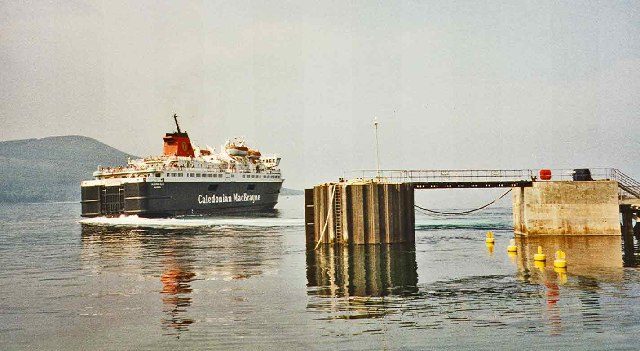
Then the calendar matters in a different way again. Winter ferry timetables are thinner, weather cancellations are common between November and March, and a single missed sailing can cost you a night’s accommodation you’ve already paid for. I’ve been stuck on the wrong side of the Minch in February and it is not a cheap way to save money.
Late April through mid-June is the sweet spot for the Scottish islands: full timetables, long days, and demand that hasn’t yet peaked. Book vehicle space early even then, because island car deck capacity is the binding constraint, not the fare.
Cheapest and best value are not the same thing
This is the argument I’d most like you to take away. In deep winter you pay less because you get less, and the trade is worse than the headline discount suggests.
Do the daylight maths
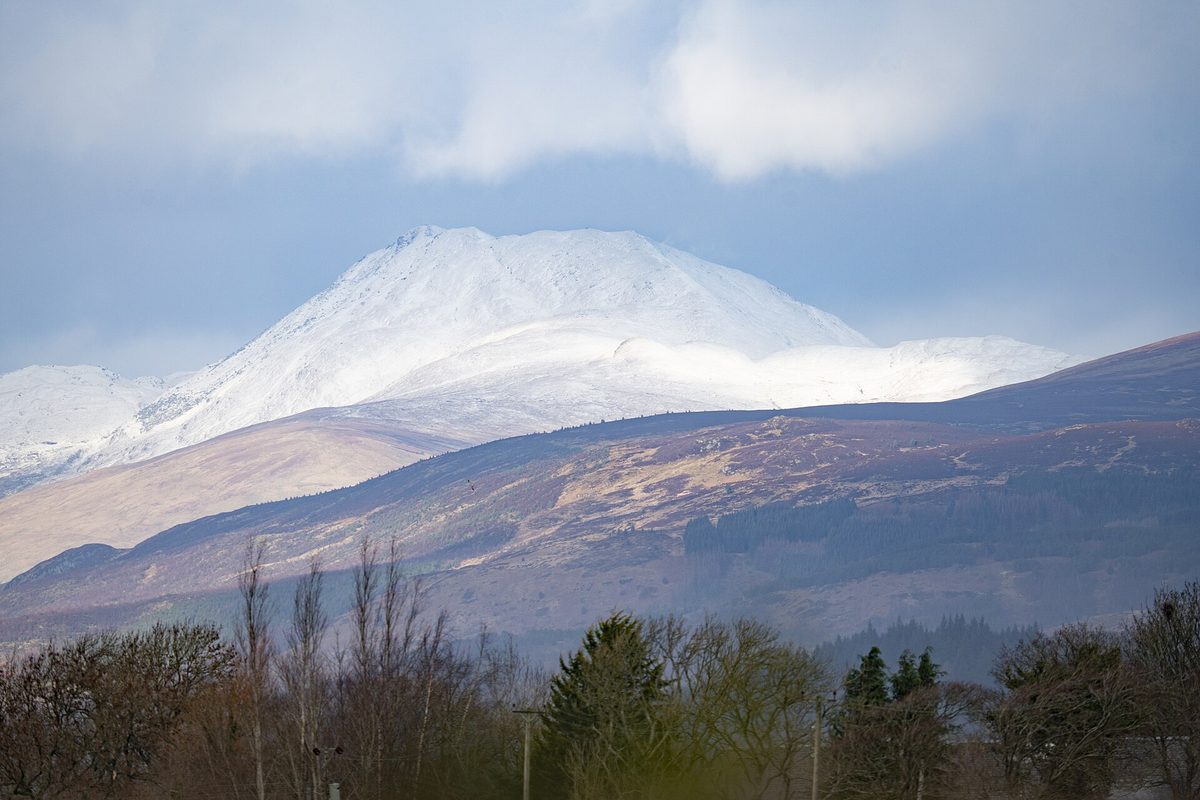
Edinburgh gets about 7 hours 2 minutes of daylight at the winter solstice and about 17 hours 41 minutes at the summer solstice. Mid-January sits around 7 hours 40. Early May is around 15 hours 30, which is roughly 88% of the peak. The last week of September is close to 12 hours, and the first week of October about 11 hours 15 — call it 63–67% of peak.
Now price those hours. If a January trip saves you 45% on accommodation but hands you 43% of the usable light, you have not saved money per hour of Scotland. You’ve just bought fewer hours. May, at roughly 70% of peak accommodation cost and 88% of peak daylight, is the only window in the year where those two numbers move in your favour at once. That’s the whole case for visiting Scotland in May, and it holds up every time I run the numbers.
What actually closes, and what it costs you
Historic Environment Scotland runs a summer season from 1 April to 31 October and a reduced winter season from 1 November to 31 March. Plenty of the big names stay open all year — Edinburgh, Stirling and Urquhart castles among them — but a long list of smaller sites, the ones that make a road trip interesting, shut or drop to weekend-only opening. The same goes for many independent distillery visitor centres, island cafes, and a surprising number of rural B&Bs that simply close for three months.
Add reduced ferry sailings, shorter bus timetables in the Highlands, and the real possibility of losing a day to weather, and the winter discount starts looking less like a bargain and more like a different, smaller product. If you go anyway — and there are good reasons to — read our honest account of what Scotland in winter is really like first.
The two windows I’d actually book
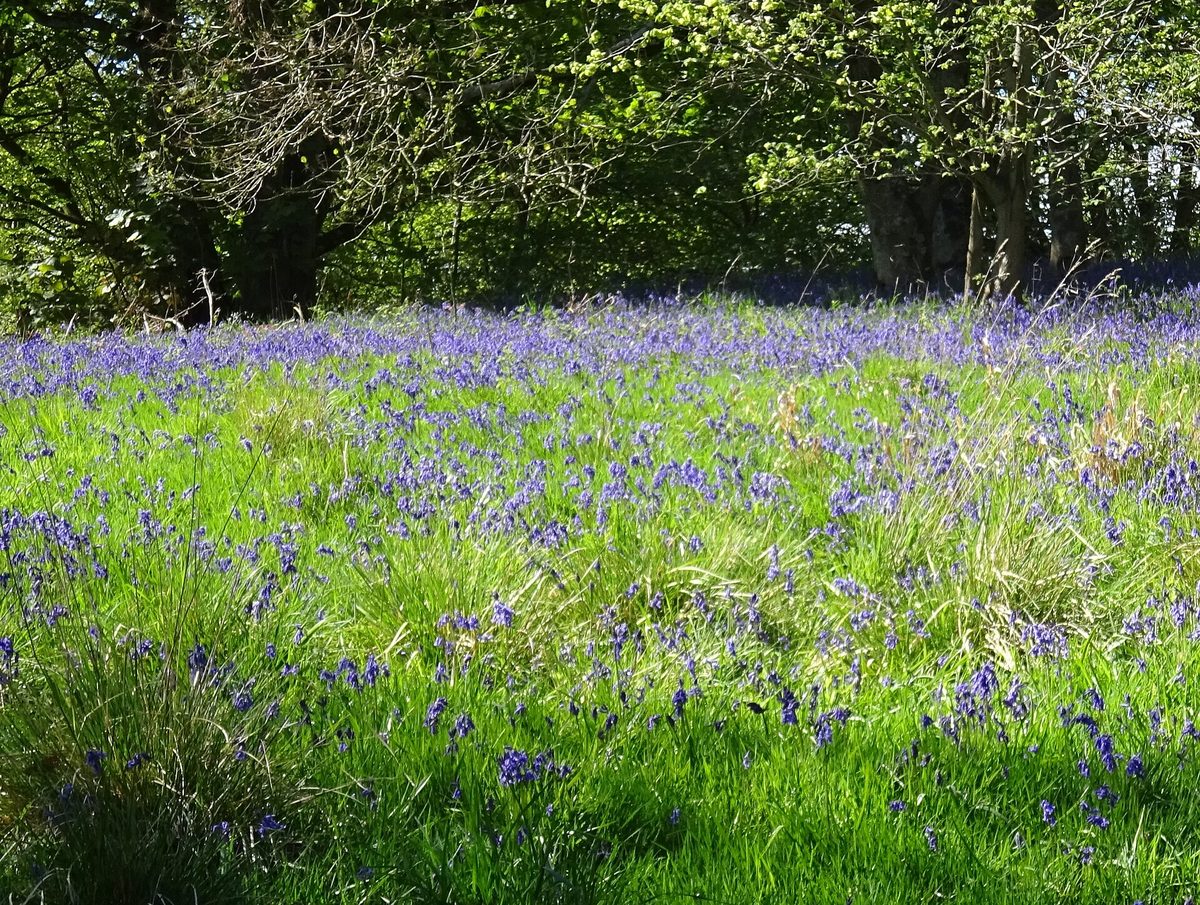
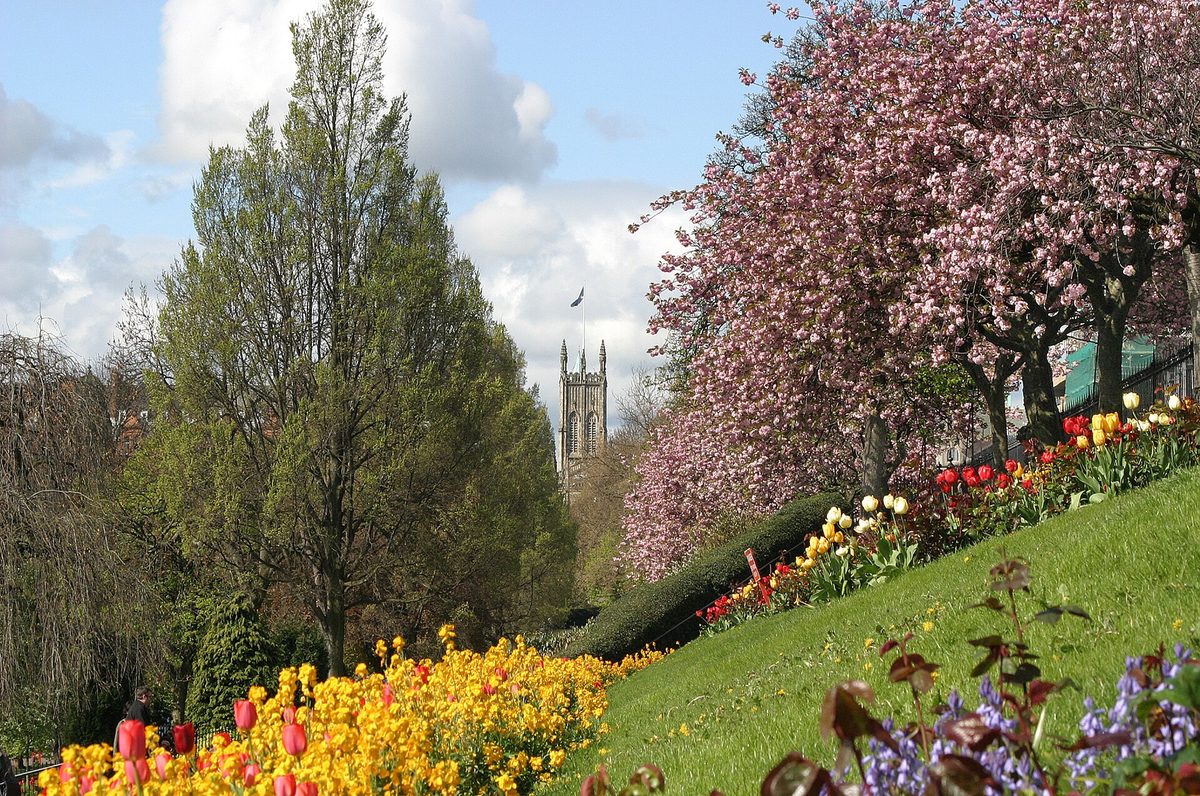
Early to mid-May: roughly 15 to 16 hours of light, the driest stretch of the Scottish year on the west coast, everything open from 1 April, and the midge season not yet properly under way. Avoid the bank holiday Mondays and you’re paying shoulder rates for near-peak conditions.
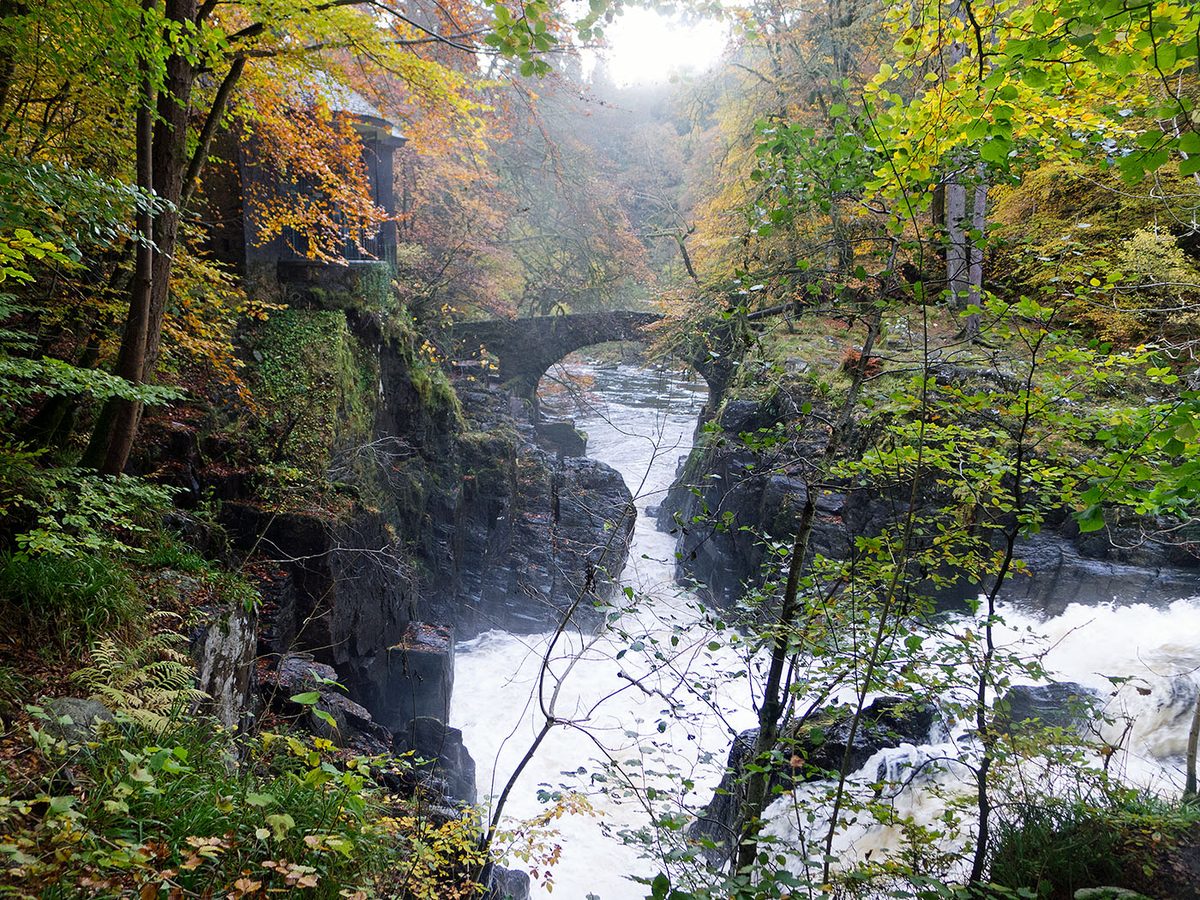
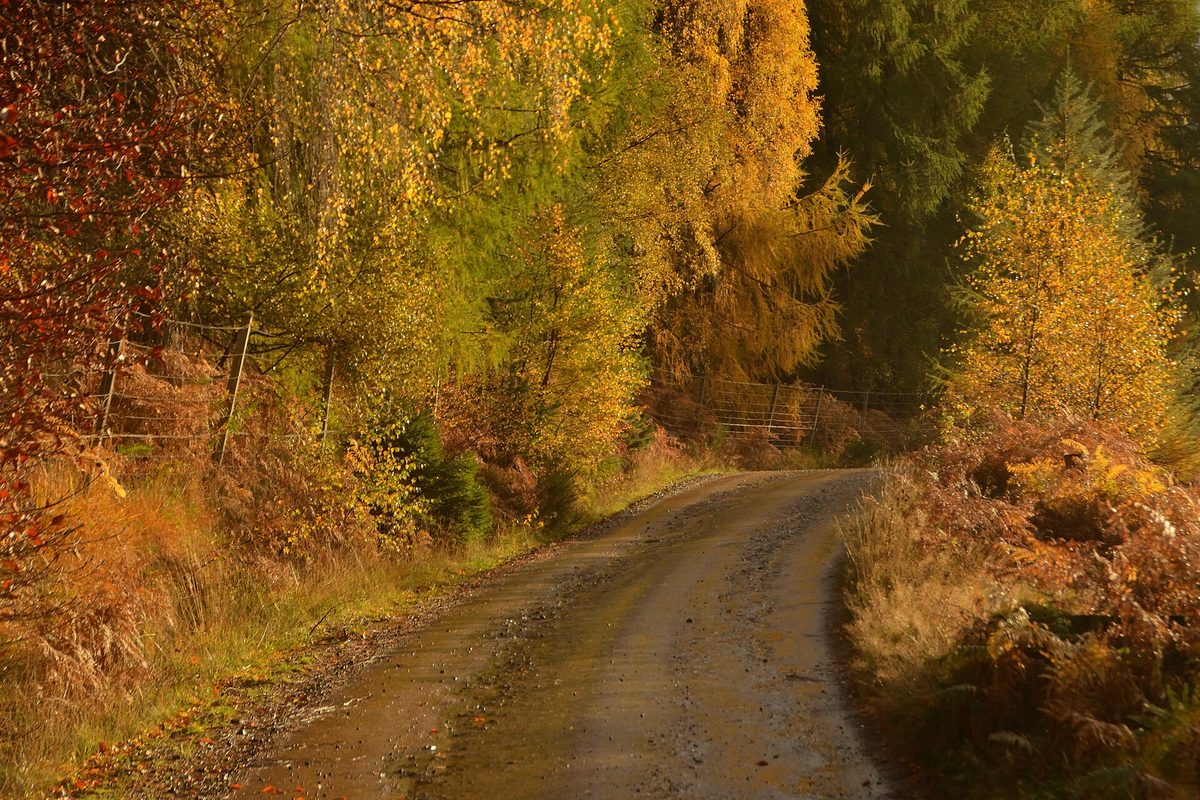
The last fortnight of September and the first ten days of October: the schools are back on both sides of the border, coach traffic on the A82 thins noticeably, birch and larch turn gold through Perthshire and Deeside, and rates drop while nearly everything is still open. You lose about five hours of daylight against midsummer, but you gain sunrise at a civilised hour instead of 4.30am. We make the fuller case in our guide to Scotland in September.
The weeks that spike even in low season
Low season is not uniform. These are the dates that will blow a hole in a careful budget, and most of them are invisible on a hotel search until you’ve already picked your week.
Hogmanay and the days either side
Late December in Edinburgh is not cheap. Rooms around 30 December to 2 January routinely price at or above August levels, minimum stays of three nights are common, and a lot of the city is shut on 25 and 26 December anyway. If you want Hogmanay, budget for it as a peak trip. If you don’t, arriving on 3 January puts you into the cheapest fortnight of the year almost overnight.
Burns Night, 25 January
Not a national price event, but the weekend nearest to it fills restaurants and country-house hotels across Scotland with suppers, and Edinburgh and Glasgow both feel busier. Shift a week either side and the same room is cheaper.
Six Nations Saturdays at Murrayfield
This is the one that catches visitors out. On an Edinburgh home match day the city fills, hotel rates jump for that single night, and you’ll struggle to get a table anywhere central. Scotland’s 2027 home fixtures are Italy on Saturday 6 February, Wales on Saturday 13 February and Ireland on Friday 5 March — the first Friday-night championship match at Murrayfield. Check the fixture list before you book, then either dodge those dates or lean into them. The autumn internationals in November do the same thing on a smaller scale.
School holidays, Scottish and English
Scotland’s term dates are set by each of the 32 councils, so there is no single national half term, but most fall in the same week. The February break is typically the second week of the month, and the autumn break usually the middle two weeks of October. English half terms land at the end of February and the end of October and matter more than you’d think, because a large share of Scotland’s winter visitors drive up from northern England.
The practical rule: for the cheapest February, go in the third or fourth week. For the cheapest October, go in the first ten days, before both countries break.
The two May bank holidays
The early May bank holiday and the spring bank holiday at the end of the month both create three-day weekends that push Highland cottage and B&B rates up sharply. In 2027 they fall on Monday 3 May and Monday 31 May. Book the middle two weeks of May and you sidestep both.
August in Edinburgh
The Fringe and the International Festival together turn the city into the most expensive place in Britain outside central London for three weeks. If you’re not there for the shows, don’t be there at all — go to Glasgow, the Borders or the west coast instead and come back for a single day in Edinburgh on the way home.
Passes, tickets and the maths that decides whether they’re worth it
The date you travel is one lever. What you buy once you’re there is a bigger one, and this is where most guides go vague.
Historic Scotland Explorer Pass
Around £48 for an adult at the time of writing, valid 14 consecutive days, covering 60-plus sites including Edinburgh, Stirling and Urquhart castles, Skara Brae and Fort George. With Edinburgh Castle at roughly £23.50 online and Stirling at around £17.50, the pass pays for itself at those two alone, with a dozen days of everything else thrown in. A discounted winter version exists but fewer sites are open, so check your specific list first.
It does not cover National Trust for Scotland properties, the Palace of Holyroodhouse, or privately owned houses. If you’re building a castle-heavy route through Scotland, work out which organisation owns each one before you buy anything. And always book Edinburgh Castle tickets online rather than at the gate — the walk-up price is a few pounds higher per person, which is over £10 wasted for a family of four.
National Trust for Scotland membership
Adult membership sits around £70–80 a year depending on how you pay and where you buy it. With most NTS properties charging in the region of £15–20, it breaks even at roughly four or five visits — sooner if you also use the car parks, which are free to members and include some genuinely useful ones at Glencoe and Glenfinnan. If you already hold a National Trust card from England, Wales or Northern Ireland, it works reciprocally and you need buy nothing at all. Likewise, English Heritage members get reduced or free entry at Historic Scotland sites depending on how long they’ve been members. Check your wallet before you check out.
ScotRail advance fares and the Spirit of Scotland pass
ScotRail scrapped peak-time pricing outright in September 2025, so the old advice about travelling after 09:30 to save money is dead. What still works is Advance singles, released roughly twelve weeks ahead and usually loaded on a Thursday, which can undercut the walk-up fare by more than half on the longer routes.
The Spirit of Scotland Travelpass is around £155 for any four days in eight, or about £196 for eight days in fifteen, with roughly a third off if you hold a National Railcard — which means the railcard pays for itself on the pass purchase alone. It covers trains across Scotland, Edinburgh trams, the Glasgow Subway and selected Citylink and Stagecoach coach routes, including services on Skye and in the far north. It has not been valid on CalMac ferries since 2023, whatever older blogs tell you. Break-even is roughly three long journeys, so it suits a Glasgow–Fort William–Inverness–Edinburgh loop and doesn’t suit a trip based in one city. If you’re travelling with children, ScotRail’s Kids for a Quid offer is usually better value than any pass.
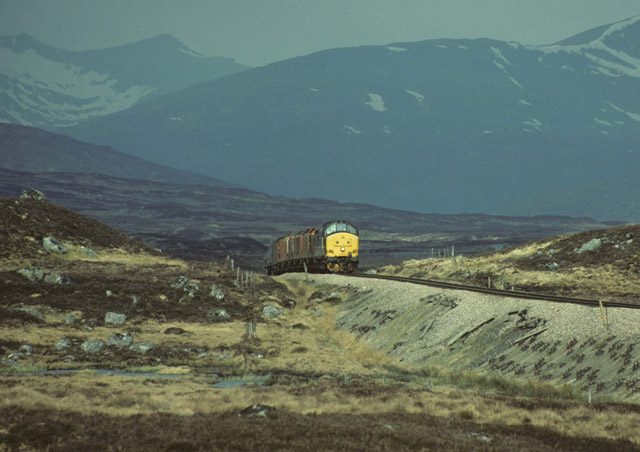
Some of the best rail in Britain is in Scotland anyway — the West Highland Line to Mallaig and the Kyle line from Inverness both run all year. We’ve listed the pick of them in our guide to Scotland’s scenic train journeys.
Caledonian Sleeper: seat or berth
The overnight train from London is the one ticket that’s simultaneously transport and a night’s accommodation, which changes how you should price it. Seated fares start somewhere around £50–60 one way if you book early; a private room with a berth runs several times that, and a two-berth room booked for two people lands somewhere in between per head.
My honest take: the seat is a bargain and a poor night’s sleep, the berth is a fair price and a good one. If you’re 25 and heading for a hostel, take the seat. If you’re going to lose the following day to exhaustion, take the berth and count the hotel night you didn’t pay for. There are no Saturday departures, and Friday and Sunday nights price highest.
Ferries, and what happened to Hopscotch
Worth stating plainly because a lot of guides are out of date: CalMac’s branded Island Hopscotch tickets have been discontinued. Island-hopping is now booked as a multi-journey transaction of up to seven sailings, and the pricing is essentially the sum of the legs. The saving that remains is structural rather than promotional — Road Equivalent Tariff already keeps fares low, and a five-hour Oban to Barra crossing with a small car comes in under £40 at the time of writing.
The real lever is leaving the car behind. The vehicle is the expensive part of any crossing, not the passenger. Arran, Bute and Mull all work well on foot with island buses, and a foot-passenger trip to Skye from Mallaig costs a fraction of taking a vehicle across.
Buses and getting round the cities
Citylink’s Explorer Pass gives unlimited coach travel across a few hundred Scottish destinations, at roughly £66 for three days’ travel within five, with longer versions above that. Break-even is about three intercity legs; a single Fort William to Portree run is a big chunk of it on its own. There’s also a £2 single-fare cap on many local bus services across the Highlands and Islands, and it applies to visitors, not just residents.
In Edinburgh, tap a contactless card on every Lothian bus and tram and the daily spend caps automatically at a few pounds. Use the same physical card or phone every time or the system can’t track you and you lose the cap. On trams you must tap on and tap off; forget the tap-off and you’re charged the maximum fare.
What a day in Scotland actually costs
Here are the numbers I’d plan against for a low-season or shoulder-season trip. All figures are per day, at the time of writing, and assume you’re not in Edinburgh during the festivals. Add roughly 40–60% to the accommodation row for peak August in the capital.
| Line item | Backpacker (solo) | Couple (per couple) | Family of four |
|---|---|---|---|
| Bed | £28–40 hostel dorm | £95–150 mid-range double | £120–190 self-catering |
| Food | £15–20 mostly self-catered | £45–70 with one meal out | £55–85 with one meal out |
| Getting about | £8–15 bus and train | £45–60 hire car and petrol | £50–70 hire car and petrol |
| Attractions | £0–12 | £0–45 | £0–70 |
| Drinks and extras | £5–15 | £15–35 | £10–25 |
| Realistic daily total | £55–90 | £200–340 | £235–420 |
Now the single most useful sentence in this article: self-catering plus a supermarket shop is a bigger lever than the month you choose. A family of four eating out twice a day will spend £90–130 daily on food; the same family with a kitchen, a Tesco run and one pub dinner every other night will spend £55–80. Over ten days that’s £400–500 saved, which comfortably exceeds the entire seasonal discount on the accommodation.
Two smaller ones worth knowing. Buy petrol at supermarket forecourts rather than motorway services, and fill up before you head north-west, where remote pumps are meaningfully dearer and further apart. And decline every offer to charge your card in your home currency — always choose pounds, because the terminal’s exchange rate is typically several percent worse than your own bank’s. On a £1,500 trip that’s real money for one tap of a different button.
The free Scotland that beats any date on the calendar
Scotland’s national museums and galleries charge no admission at all, year-round. The National Museum of Scotland in Edinburgh, Kelvingrove and the Burrell Collection in Glasgow, the Scottish National Gallery and Portrait Gallery: all free, all open in February, all genuinely first-rate. The Scottish Parliament is free too, including the guided tours.
Then there’s the outdoor half, which is where Scotland’s real value sits. The hills, the glens, the coast path, the beaches and every summit in the country are free and open every day of the year under Scottish access rights. Arthur’s Seat, Calton Hill, the Fairy Pools, Sandwood Bay, the whole length of the North Coast 500 — none of that has a ticket price. A trip built around hillwalking in Scotland and free museums costs a fraction of one built around paid attractions, in any month you like.
Three dated freebies worth knowing about. National Lottery Open Week each March gets you free entry to hundreds of venues with any lottery ticket, however old. Doors Open Days in September opens buildings that normally charge, or normally don’t open at all. And Historic Environment Scotland has historically run a free ticket giveaway around St Andrew’s Day at the end of November — worth checking in early November, because a free Edinburgh Castle ticket is over £20 in your pocket. We’ve gathered more of them in our list of free things to do across Scotland and, for the capital specifically, free things to do in Edinburgh.
Planning a low-season trip: how long, how to get there, what to book
For a winter trip, I’d give it seven nights minimum. With six or seven hours of usable light you get perhaps four solid hours of sightseeing a day once you’ve driven anywhere, so a five-day winter trip delivers roughly what three summer days would. Build in one deliberate spare day for weather. If you’re only free for a long weekend, spend it in Edinburgh and Glasgow, where the museums and the food don’t care what the sky is doing.
For a shoulder-season trip, eight to ten nights lets you do Edinburgh, one Highland base and one island without rushing. Our Scotland itinerary planner has routes at several lengths, and where to stay across Scotland covers the base-town question, which matters more in low season when fewer places are open.
Book in this order. Accommodation first, because cheap winter stock is thin and the good-value places sell out before the expensive ones. Then ferries with a vehicle, then the sleeper if you want a berth, then the hire car, then trains at the twelve-week mark. Attraction tickets can wait until a week out in low season — nothing sells out in February — but in May and September book Edinburgh Castle and any timed-entry distillery tour a fortnight ahead.
One more scheduling note if you’re coming for the whisky: check individual distillery calendars rather than trusting a general opening statement. Plenty of Scotch whisky distilleries drop to weekday-only tours from November to March, and some of the smaller island ones close entirely for maintenance in January.
Where the cheap-season plan usually goes wrong
Underestimating the dark. This is the big one. Sunset in the Highlands in early January is around half past three. If you’ve planned a day with three stops and an hour’s driving between them, the third stop happens in the dark and you’ve driven a long way to see nothing.
Assuming everything is open. I’ve watched people arrive at rural castles and island distilleries in February to find a chain across the gate. Check individual opening calendars, not the general “open all year” line on a homepage.
Booking a Highland cottage for a week in deep winter. It looks like a bargain, and then you lose two of the seven days to weather and spend a third driving to a supermarket forty minutes away. In winter I’d base myself in a town — Pitlochry, Fort William, Oban, Inverness — where there’s something to do when the weather closes in.
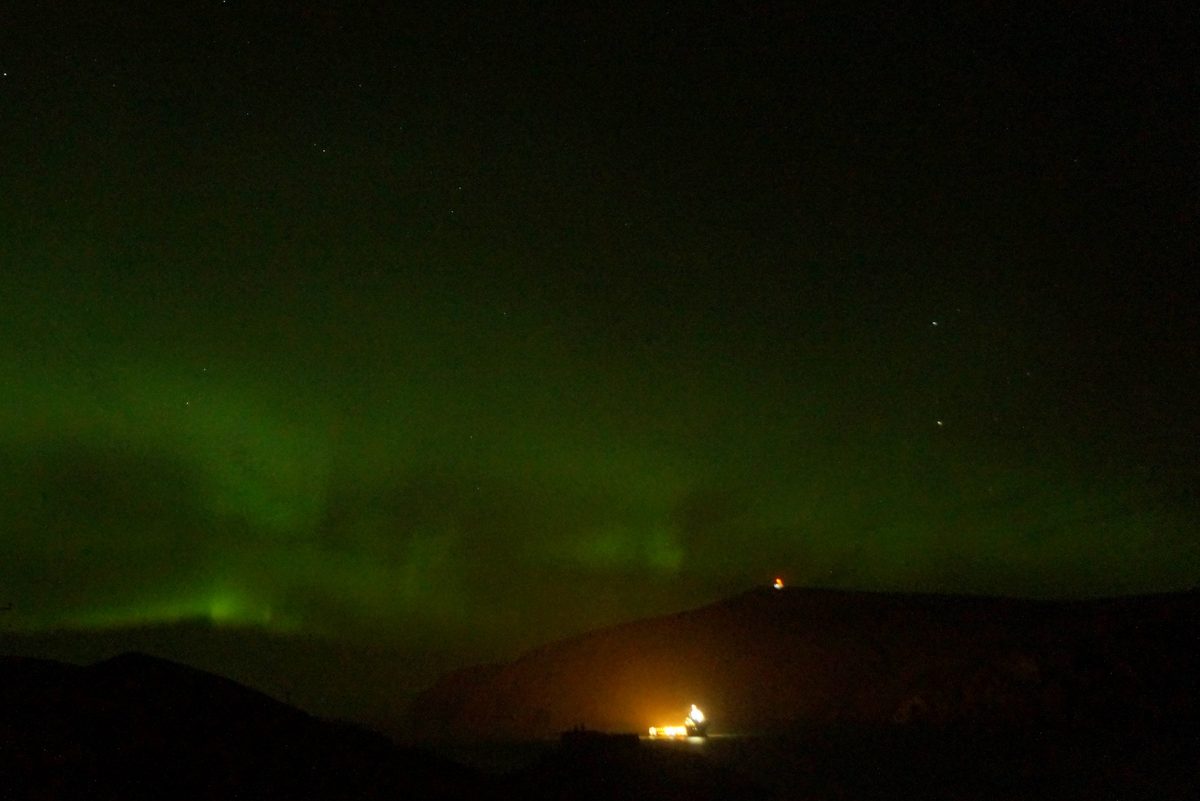
Chasing the Northern Lights on a budget. They’re genuinely possible from the north of Scotland in winter, and they’re genuinely unreliable. Treat any sighting as a bonus, not a plan. If dark skies are what you’re after, a few clear nights in Galloway or on Coll will do more for you than any aurora forecast app.
Over-buying passes. If you’re spending most of your trip walking, swimming at Scotland’s best beaches and going to free museums, an Explorer Pass and an NTS membership together may never break even. Count the properties you’ll genuinely visit, then buy.
And a fair warning on the opposite mistake: booking the very cheapest week and then packing it with the same itinerary you’d have done in June. It doesn’t fit. Cut a third of the stops and you’ll enjoy it far more.
Frequently asked questions
What is the actual cheapest month to visit Scotland?
January, taken as a whole, though only from about the 8th onwards — the first week is still holiday-priced. February is very close behind and gives you two or three more hours of daylight by the end of the month. If you want one date to aim at, the third week of January is usually the floor for both flights and rooms.
Is November cheaper than February?
The first half of November is comparable on accommodation and often better on flights, with slightly more daylight and autumn colour still hanging on inland. After about the 20th, Christmas market season starts pushing city rates back up. Late February usually wins on daylight; early November usually wins on how the country looks.
How much do I need per day in Scotland?
Roughly £55–90 a day solo if you’re hostelling and self-catering, £200–340 for a couple with a hire car and one meal out a day, and £235–420 for a family of four in self-catering. Those are low-season figures. Peak August in Edinburgh can add half again to the accommodation line alone.
Is it worth visiting Scotland in winter to save money?
Only if you actively want winter Scotland — snow on the Cairngorms, empty museums, firelit pubs, cheap city breaks. If your mental image is long light evenings on Skye, the winter discount is buying you a different holiday, not a discounted version of the one you pictured. Go in May instead and accept paying more.
What is the cheapest way to get around Scotland?
Advance rail singles booked around twelve weeks out, combined with Citylink coaches for the gaps the railway doesn’t reach. For two or more people covering rural ground, a small hire car with everyone splitting fuel usually beats both. The expensive option is intercity taxis and last-minute walk-up rail fares.
Does Scotland have a tourist tax?
Edinburgh introduced a visitor levy of 5% on accommodation costs in July 2026, capped at five consecutive nights, and Stirling has announced a 3% levy expected from mid-2027. Other councils are considering their own. Staying six or more nights, or outside the relevant council boundary, reduces or avoids it. Check your booking summary rather than the headline room rate.
When are Scottish hotel prices highest?
Edinburgh during the August festivals, by a wide margin, followed by Hogmanay, the Six Nations home weekends and the summer school holidays. Across the Highlands the peak is mid-July to mid-August, with a secondary bump over the two May bank holiday weekends. Our comparison of the three summer months shows how sharply August diverges from June.
Can I visit Scotland cheaply with children?
Yes, more easily than most European destinations, because the free national museums are excellent and children go free or nearly free on a lot of transport. ScotRail’s Kids for a Quid offer covers up to four children for £1 each return with a paying adult, and under-fives travel free. Build the days around beaches, hills and the free museums and the cost drops away.
Final thoughts
If you only take one thing from this: work out which line of your budget is the big one, then pick your dates for that line rather than for a generic “off season” answer. Accommodation-heavy trips genuinely do belong in late January and February. Everything else probably belongs in May or late September.
And keep some perspective on the discount. The best things in Scotland — a ridge walk above a sea loch, an empty beach in Harris, the Grand Gallery of the National Museum, the light doing something ridiculous over Glen Coe at four in the afternoon — cost nothing in any month. Get those right, put a kitchen in your accommodation, and the calendar matters a good deal less than the internet would have you believe. Our collection of practical Scotland travel tips covers the rest of the small stuff.
Nowhere shows this more sharply than the far north, where the same Ullapool room can double between May and July. Our breakdown of what the NC500 actually costs prices three versions of the same seven nights, from camping to comfortable hotels.
About the author: This guide was written and is maintained by the ScotlandTourism.org editorial team — travel writers who’ve spent years exploring Scotland’s cities, Highlands and islands, from bagging Munros to chasing the perfect dram. We update our guides regularly to keep prices, opening details and advice current.
Last updated: August 2026. Prices and opening times change — always check the official site before you travel.
Photo credits
All images are used under their respective Creative Commons or public-domain licenses:
- Edinburgh Castle on its crag above snow-covered trees in winter — scott marsland, CC BY 3.0, via Wikimedia Commons
- A single-track Highland road under autumn birch and larch in October — Andrew Tryon, CC BY-SA 2.0, via Wikimedia Commons
- A Caledonian MacBrayne ferry arriving at Brodick pier on Arran — Christine Matthews, CC BY-SA 2.0, via Wikimedia Commons
- A train on the West Highland Line crossing open moor below snow-streaked hills — Alan Mitchell, CC BY-SA 2.0, via Wikimedia Commons
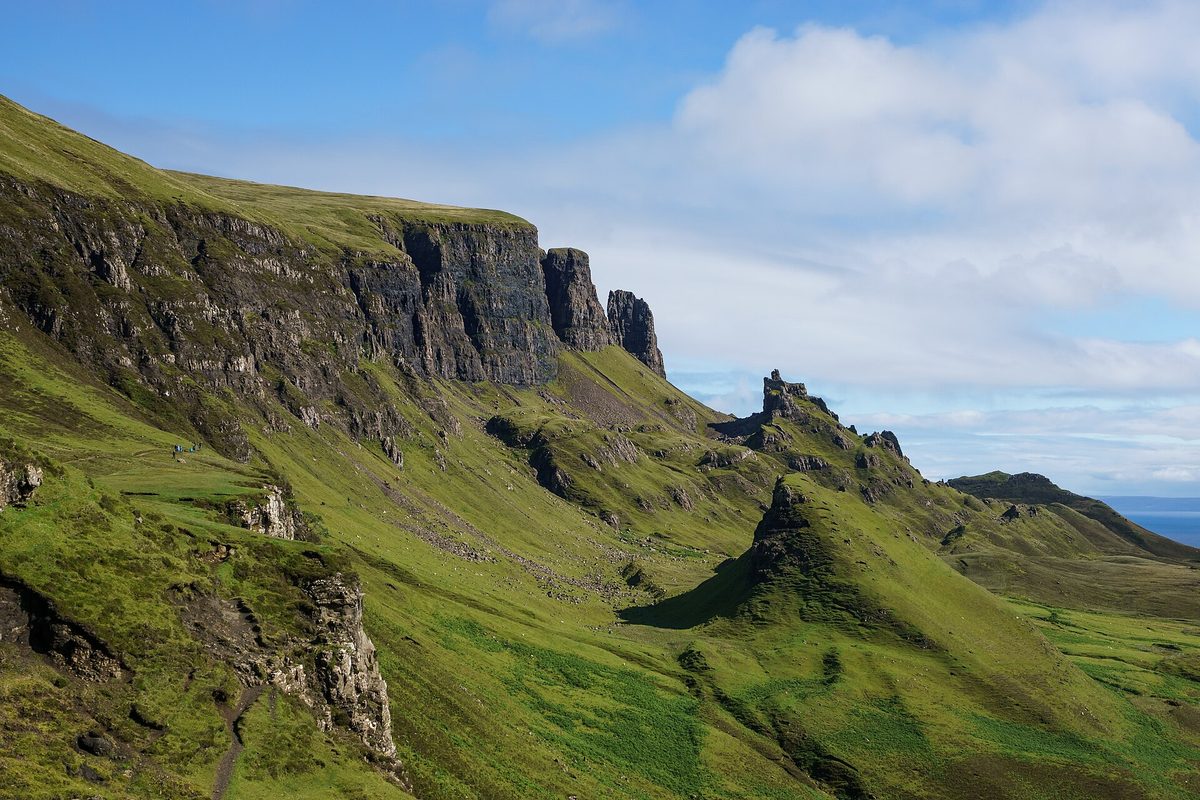
- The green ridges and pinnacles of the Quiraing on the Isle of Skye — Colin, CC BY-SA 4.0, via Wikimedia Commons
- Tulips and cherry blossom in Princes Street Gardens, Edinburgh, in spring — W. Bulach, CC BY-SA 4.0, via Wikimedia Commons
- Snow on Ben Lomond above the Loch Lomond shore in late winter — John Knight from Clackmannanshire, Scotland, CC BY 2.0, via Wikimedia Commons
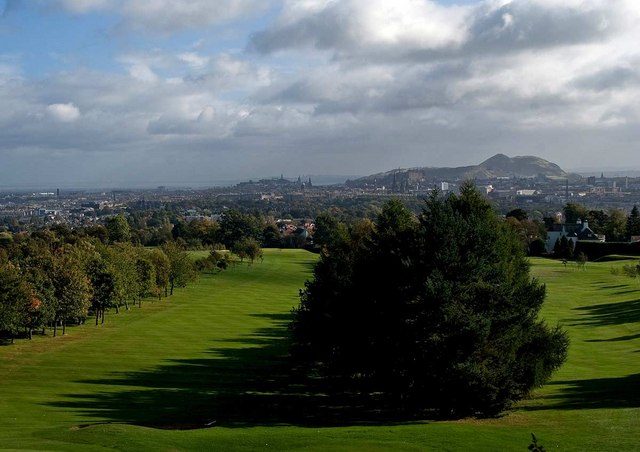
- Arthur’s Seat rising over the Edinburgh skyline seen across parkland — Ron Shephard, CC BY-SA 2.0, via Wikimedia Commons
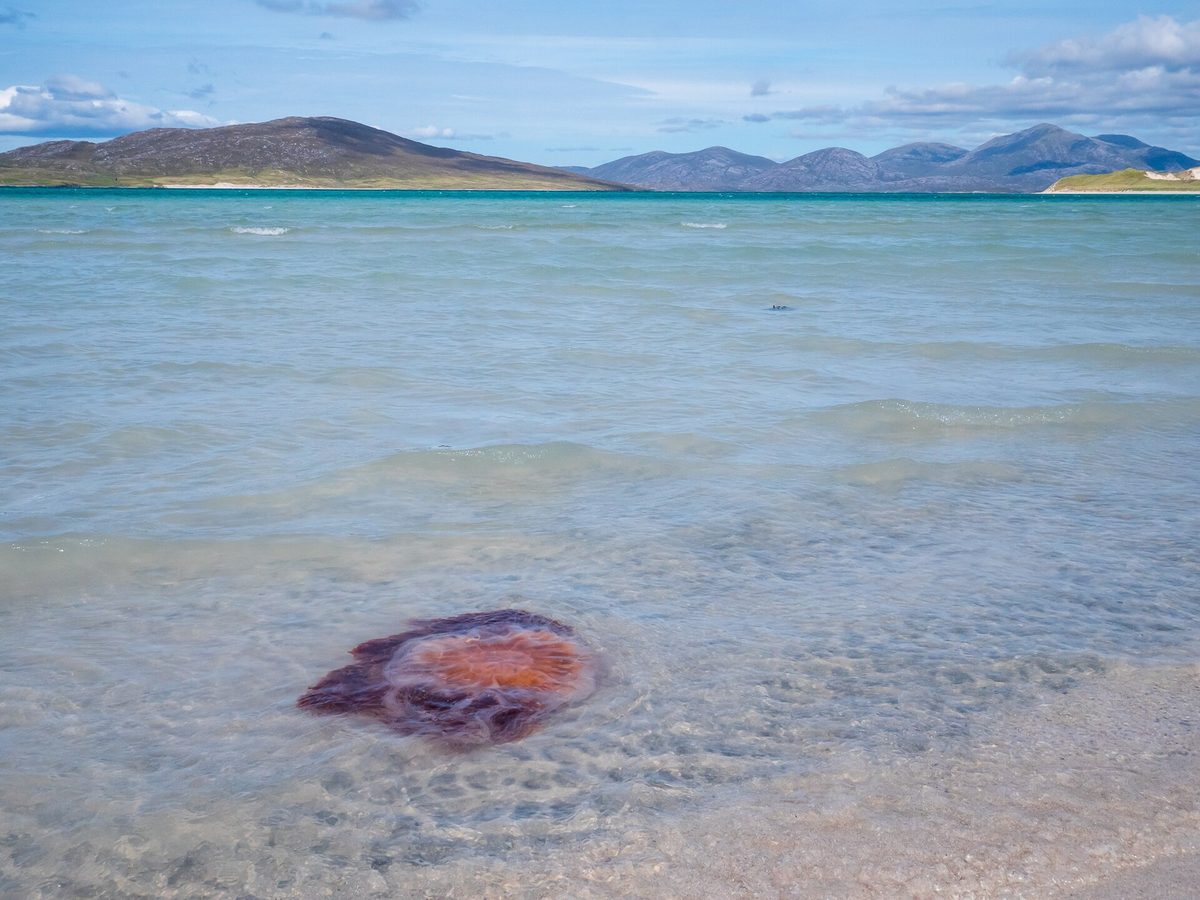
- Clear turquoise shallows at Luskentyre beach on the Isle of Harris — Thomas Andy Branson, CC BY-SA 4.0, via Wikimedia Commons
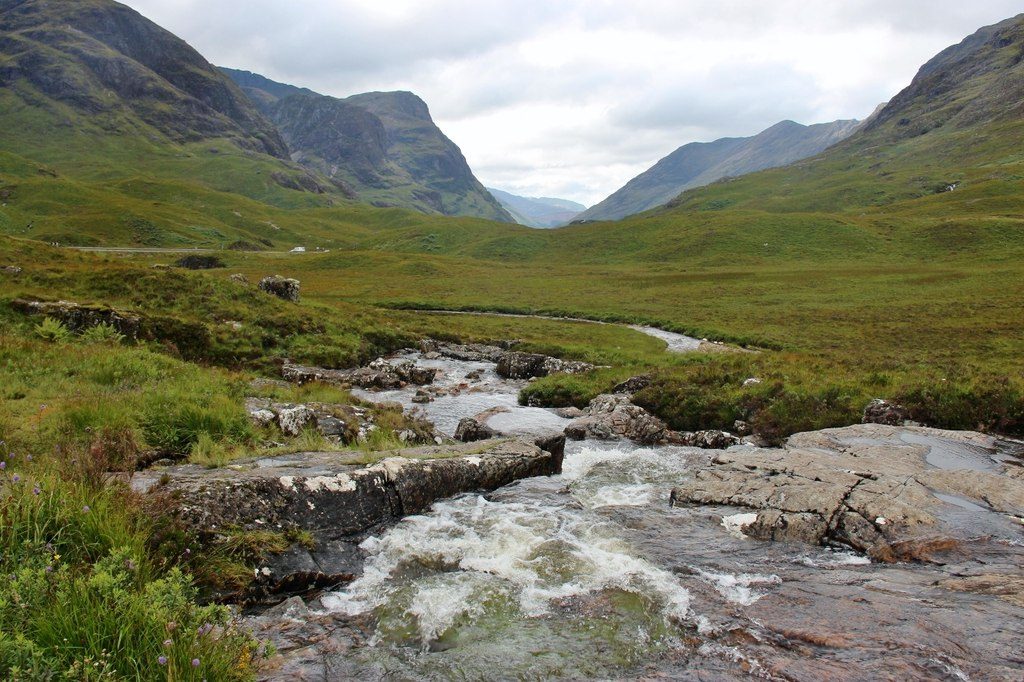
- The Three Sisters of Glen Coe above the River Coe beside the A82 — Alan Reid, CC BY-SA 2.0, via Wikimedia Commons