Ask what is local in a Highland bar and the answer will not always be a whisky. Quite often it is a gin from a small distillery up the road, made while the owners wait for their whisky to come of age. That glass says more about Scottish drinks in 2026 than most distillery tours.
Everyone thinks they already know what Scotland drinks, and what they know is about forty years out of date. Whisky is magnificent and I am not here to talk you out of it. But Scotland now makes roughly seven in every ten bottles of gin produced in the UK, brews more beer styles than it has for a century, and drinks more Irn-Bru than Coca-Cola. This guide is everything except the dram.
What should you drink in Scotland besides whisky?
Scottish gin is the standout: Scotland produces around 70% of the UK’s gin, from global brands to small-batch craft gins. Add Irn-Bru, the soft drink launched in Scotland in 1901; cask ales in the 80 shilling tradition; a large craft beer scene; Tennent’s lager; Scottish cider; craft rums and vodkas; and a fast-improving range of alcohol-free spirits.
Scottish drinks at a glance
| Drink | What it actually is | Where it’s strongest | Rough cost | Worth a detour? |
|---|---|---|---|---|
| Scottish gin | Botanical dry gin, often foraged ingredients, ~100 distilleries | Islands, Highlands, Edinburgh, Fife | Tours around £15–£25; bottles £30–£45 | Yes — the best-value distillery visits in Scotland |
| Irn-Bru | Orange, faintly metallic soft drink made since 1901 | Everywhere; strongest in the west | Around £1.50 for 500ml | Try it once, cold, from glass if you can |
| Cask ale (60/-, 70/-, 80/-) | Unpasteurised, malt-led ale served from a hand pump | Edinburgh, the Borders, Perthshire | Around £4.50–£6 a pint | Yes, if you like malt over hops |
| Craft beer | Modern independent brewing; 100+ breweries | Glasgow, Aberdeen, Argyll, the Borders | Around £5.50–£7.50 a pint | Yes — taprooms are relaxed and cheap |
| Tennent’s lager | The default Scottish pint; brewed in Glasgow’s east end | Nationwide, overwhelmingly | Around £4.50–£5.50 a pint | Not a pilgrimage, but the brewery tour is decent |
| Scottish cider | Small-scale, made largely from eating apples | East Lothian, Perthshire, the Borders | Around £5–£6.50 a pint | Only if you already like cider |
| Craft rum and vodka | Single-estate potato vodka, Scottish-distilled rum | Angus, Aberdeenshire | Bottles around £30–£45 | Yes, for something nobody at home will have |
| Alcohol-free spirits | Distilled botanical 0% alternatives | Fife, Edinburgh | Around £25–£30 a bottle | Genuinely good now, unlike five years ago |
Gin is the real story, and almost nobody tells it
Here is the statistic that should reframe your whole trip. VisitScotland puts Scottish output at about 70% of all gin made in the UK. Three of the biggest-selling gins on earth — Hendrick’s, Gordon’s and Tanqueray — are made here. Yet ask a hundred visitors what Scotland produces and ninety-nine say whisky.
Why there is so much of it: the three-year problem
The reason is beautifully practical. By law, Scotch must sit in oak in Scotland for a minimum of three years before it can be sold as whisky, and in reality most distilleries wait eight, ten or twelve. Build one and you have signed up to a decade with an expensive building, a staff, a visitor car park and no product.
Gin solves that. It needs no ageing — you can distil it on Monday and sell it on Friday. So plenty of new Scottish whisky projects launched a gin first to pay the electricity bill while the casks slept, and some of those gins turned out so well they became the main business. What that leaves you with is a country full of small working distilleries staffed by people genuinely excited about the thing they are pouring, rather than reciting a script for the eleventh coach party of the day.
The island gins and the foraging thing
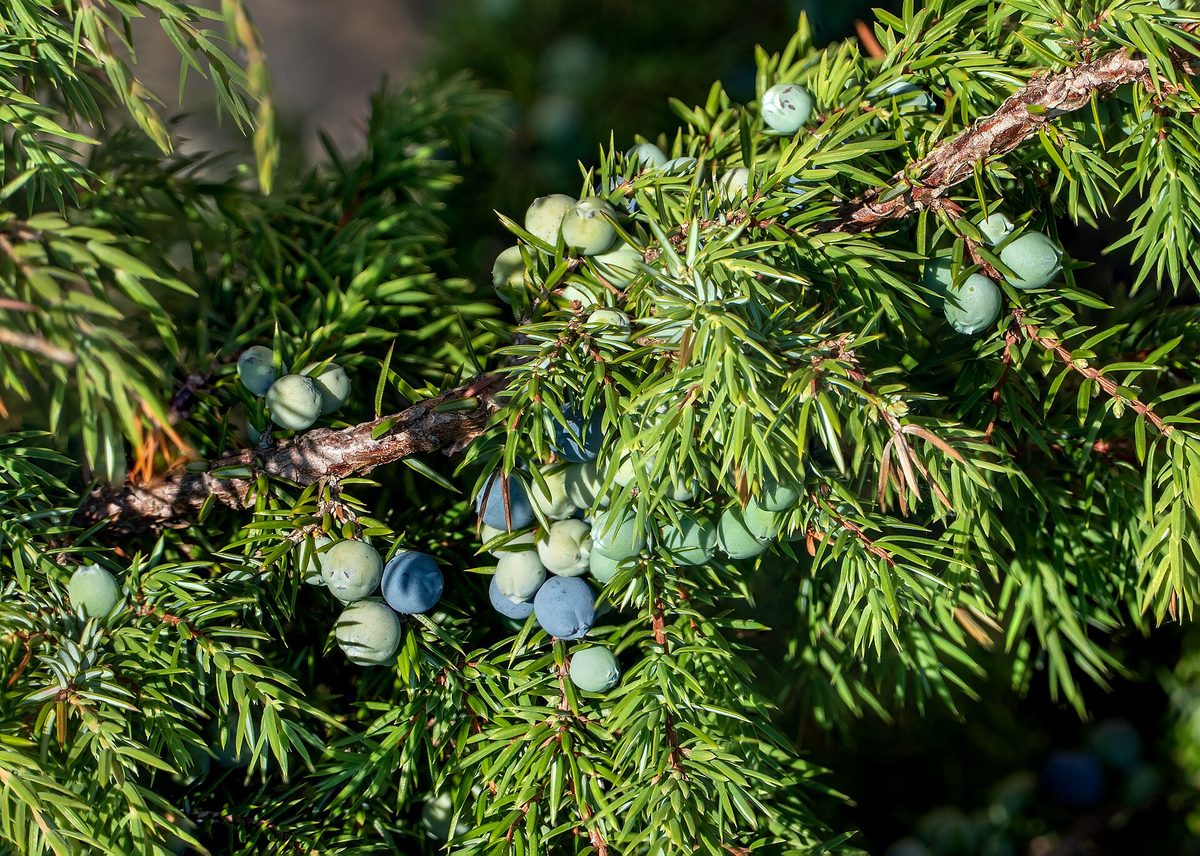
The island distilleries lean hardest into local botanicals, and this is where Scottish gin stops being a marketing exercise. Juniper is non-negotiable — it is what legally makes gin gin — but the supporting cast is where a place shows up in the glass.
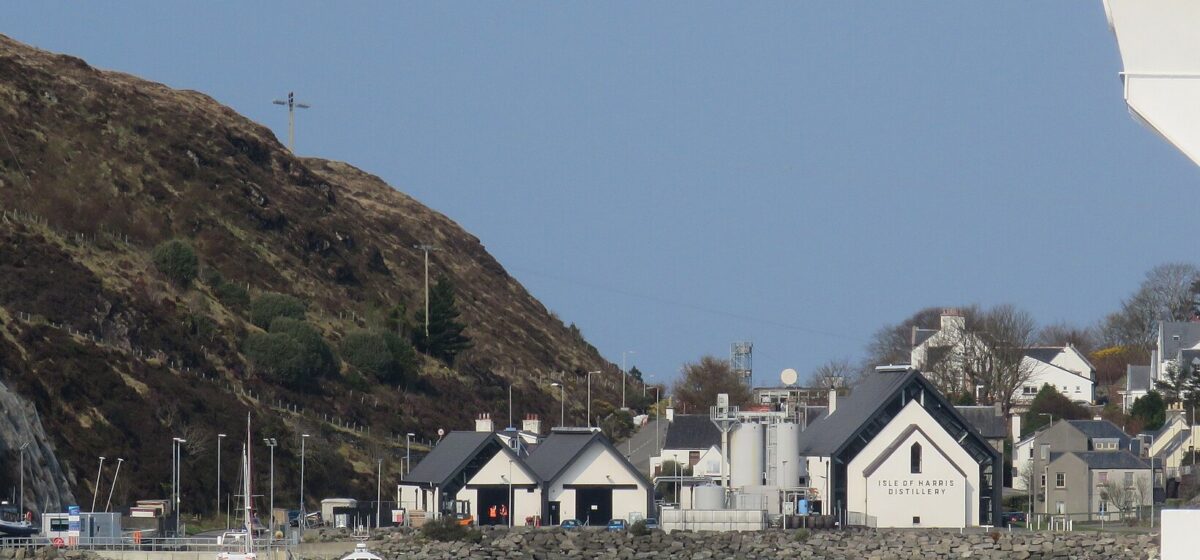
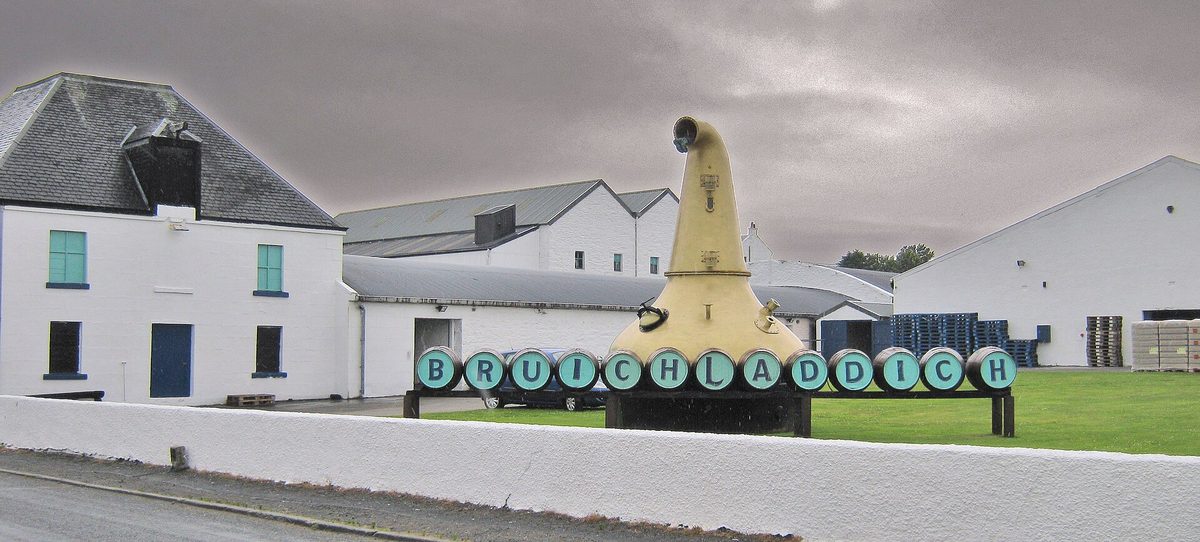
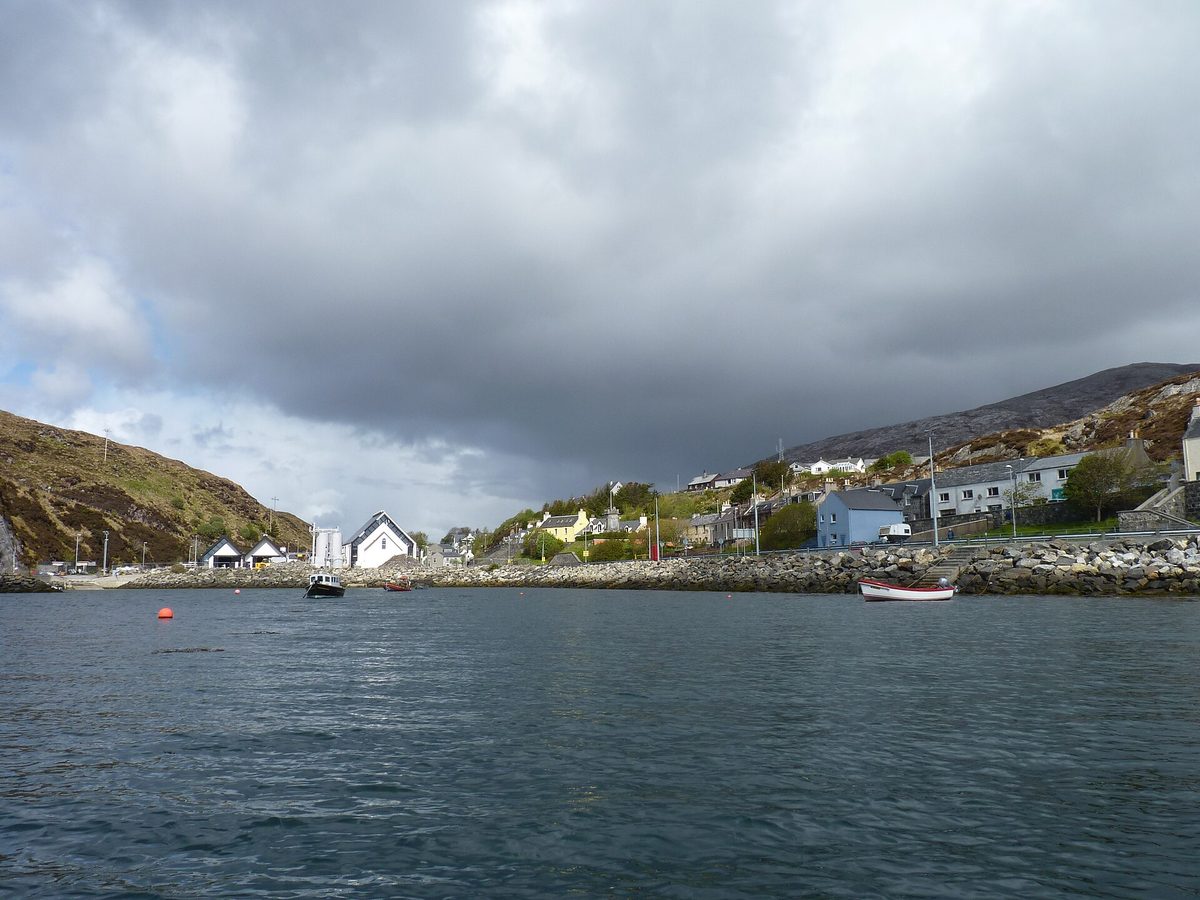
The Botanist, made at Bruichladdich on Islay, uses 22 botanicals hand-picked on the island alongside its juniper: gorse flower, apple mint, sweet chamomile and others. It tastes green and herbal in a way London dry gins do not. Isle of Harris Gin, from the distillery at Tarbert, uses sugar kelp hand-cut by a local diver, giving it a maritime edge that works absurdly well with grapefruit.
Further out, Shetland Reel is distilled at Saxa Vord on Unst, Britain’s most northerly inhabited island. On the mainland’s northern tip, 8 Doors Distillery sits in John O’Groats, which makes it a natural stop if you are driving the North Coast 500. Tobermory on Mull and Raasay, the small island off Skye, both make gins you will struggle to find at home. If you are island-hopping anyway, this is a good organising principle for a trip — our guide to the Scottish islands covers the ferry logistics.
Where the gin clusters
Distilleries are spread right across the country, but there are obvious concentrations, and knowing them saves you a lot of driving.
Edinburgh and Leith. Leith is where Scotland’s gin habit began, thanks to the port and centuries of imports through it, and the area now has several distilleries within walking distance of each other, including Lind & Lime and the Port of Leith Distillery. Across town at Summerhall, Pickering’s is made in a former veterinary school’s small animal hospital. It is the easiest gin day out in Scotland and needs no car; pair it with our Edinburgh travel guide.
Glasgow. The Glasgow Distillery Company makes Makar, a juniper-forward gin that stands up in a Negroni, and Crossbill runs gin school sessions — two stops an easy walk apart, as our Glasgow city guide lays out.
Elsewhere. Eden Mill near St Andrews makes gin, beer and whisky on one site; Arbikie in Angus is a single-estate farm distillery growing its own raw material; Kinrara sits in the Cairngorms and Dunnet Bay Distillers on the north coast produces Rock Rose. The Scottish Highlands have plenty of these small operations, and down in the Borders the 1881 Distillery runs a gin school in the basement of Peebles Hydro, which is exactly as civilised as it sounds.
Gin tours beat whisky tours on value, and I will die on this hill
A standard Scottish gin distillery tour runs one to two hours and, at the time of writing, tends to sit around £15–£25 including tastings. A comparable whisky tour at a well-known distillery usually starts higher and climbs steeply once older expressions appear. Check current prices before booking, because both have crept up.
The difference is not only cost. On a gin tour you see the whole process in one room and taste the finished product the tour is about — not a three-year-old sample and a promise. Many distilleries also run gin schools, where you spend two or three hours choosing botanicals, running a miniature still and leaving with a bottle you made. Expect somewhere around £100 a head, and book weeks ahead in summer.
They are also, bluntly, better for groups where not everybody is a spirits enthusiast — nobody has to pretend to detect sherry cask influence. Our roundup of unusual things to do in Scotland has several more distillery experiences worth the diversion.
How to order gin here
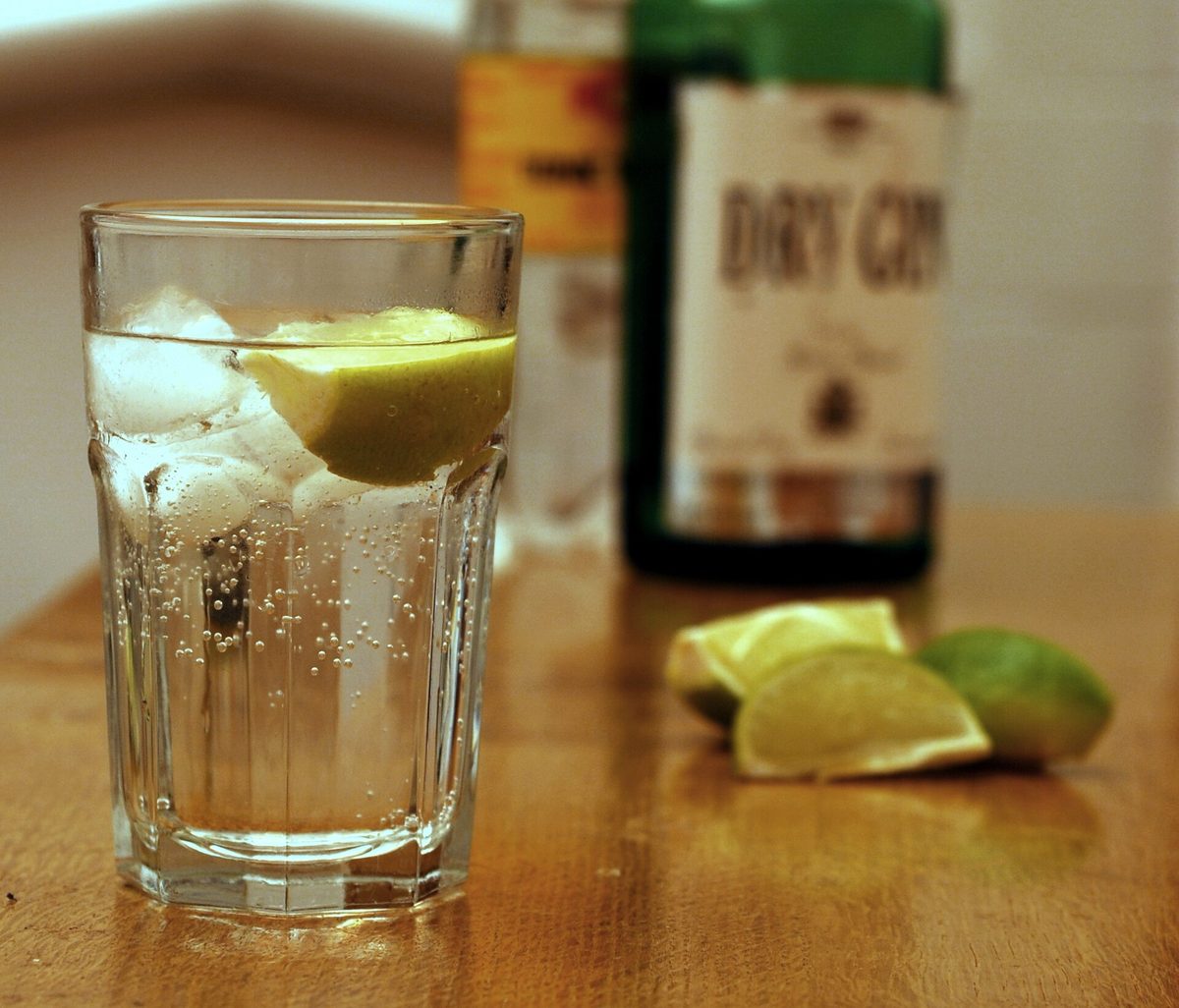
Ask for the most local gin they stock. That single question will get you further in a Scottish bar than any amount of research: in Glasgow you will likely be handed Makar, in Edinburgh Pickering’s or Lind & Lime, on Islay The Botanist. Scottish bars take the garnish seriously and will tell you what the distillery recommends — grapefruit with the coastal gins, apple with the fruitier Speyside ones. A single measure here is 25ml, so a “double” is 50ml, and that is what most people order.
Irn-Bru: the drink Scots will argue with you about
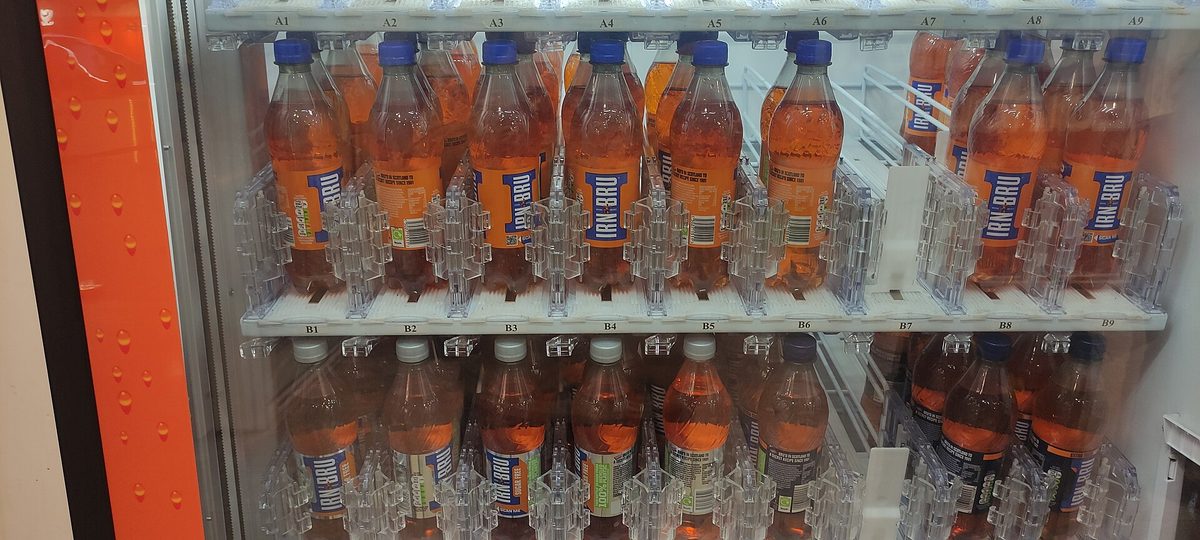
Irn-Bru has been made since 1901 by A.G. Barr, whose plant is at Cumbernauld outside Glasgow. It is bright orange, aggressively fizzy and tastes of nothing else on earth. And in Scotland it outsells Coca-Cola — a genuinely rare thing, since there are very few countries anywhere where a local soft drink beats the global one on its own turf.
What does it actually taste like?
Nobody can tell you, and that is not a dodge. The recipe is secret and the flavour resists description. People reach for bubblegum, cream soda, citrus and candyfloss, and almost everyone eventually says “slightly metallic” — which makes sense, given it contains ammonium ferric citrate, an iron compound, and was originally sold as Iron Brew.
My honest verdict: the first mouthful is confusing, the second is fine, and by the third can you either love it or you have quietly stopped drinking it. Have it very cold, and from a glass bottle rather than a can if you can find one. There is a small but real difference, and Scots will tell you so at length.
The 2018 recipe war
In 2018, ahead of the UK’s soft drinks industry levy — the sugar tax — A.G. Barr cut the sugar in standard Irn-Bru by roughly half and made up the sweetness with sweeteners. The reaction was extraordinary. Petitions gathered tens of thousands of signatures. Radio phone-ins filled with people describing their stockpiles. Shops in Glasgow reported customers clearing entire fridges of the old recipe, and cases of pre-change Irn-Bru changed hands online at silly prices.
It has largely settled now. But raise it in a pub and you will get an opinion, usually strong, often from someone who claims they can still taste the difference. It remains a revealing episode in modern Scottish life: a soft drink recipe treated as a matter of national identity.
The hangover cure
This is folklore rather than pharmacology, but it is real folklore, deeply held and universally understood. Irn-Bru is Scotland’s morning-after drink, and corner shops stock it accordingly. If you have overdone it after a night on the Royal Mile, you will see people buying it at 9am without embarrassment.
Whether it works is between you and your head. The sugar and caffeine are doing something; the ritual is doing at least as much. Taken alongside a full Scottish breakfast, it is a combination I can at least vouch for on morale grounds.
Beer: 80 shilling, cask, keg and the craft wave
Scotland brewed for the British Empire out of Edinburgh and Alloa, lost most of that industry to consolidation in the twentieth century, then rebuilt it from almost nothing. There are now more than 100 breweries in Scotland. It is the most improved thing on this entire list.
The shilling system, explained properly
You will see 60/-, 70/- and 80/- on Scottish pump clips, pronounced “sixty shilling” and so on. The numbers came from the nineteenth-century price of a barrel — stronger beer cost more, so the price became the name — and they stuck around as style descriptions.
The BJCP style guidelines put 60/- (Scottish Light) at 2.5–3.3% ABV, light-bodied and malty; 70/- (Scottish Heavy) at 3.3–3.9%, sweeter and caramel-led; and 80/- (Scottish Export) at 3.9–6%, richer and deeper. Individual beers vary. Above those sit 90/- and 120/-, the Wee Heavy or Scotch ale styles, which run to 8% and beyond and taste of dried fruit and toffee.
The word you will hear ordered is “heavy”, which in most Scottish pubs means whichever 70/- or 80/- is on tap. It is dark amber, malt-forward and only lightly bitter. If you have been trained on hop-forward beer it will read as sweet at first; give it half a pint before you judge.
Cask versus keg: how to read a Scottish bar
This is the single most useful thing I can teach you about drinking in a British pub, and almost no travel guide bothers.
Look at the bar top and you will see two kinds of dispenser. The tall, slim, branded fonts with illuminated logos are keg taps: filtered, pasteurised, carbonated with added gas, served cold. Lagers and most modern craft beers come out of these. The squat wooden or metal handles that staff physically pull towards themselves are hand pumps, serving cask ale — unfiltered, unpasteurised, still gently fermenting, and served at cellar temperature of around 12°C. That is cool rather than cold, and not the “warm beer” of legend.
Cask has more flavour and less fizz. It also has a short life once tapped, so it doubles as a proxy for whether a pub is well run: a busy pub with four hand pumps is usually a good pub, while a lone hand pump nobody has touched since Tuesday is not. If in doubt, ask which cask is freshest. Nobody will think it a strange question.
Tennent’s, and what “a pint of lager” gets you
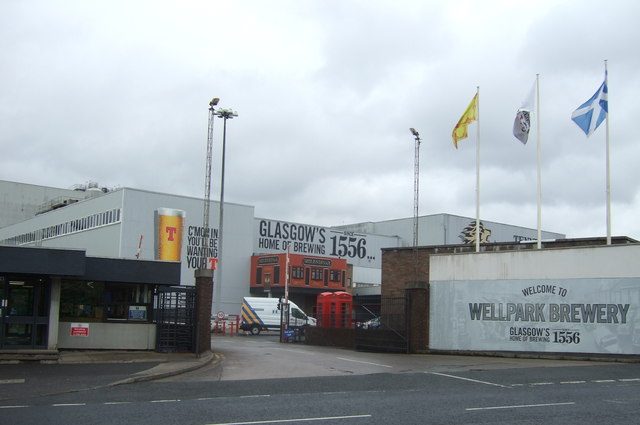
Say “a pint of lager, please” in most Scottish pubs and you will be handed Tennent’s. It is brewed at Wellpark in Glasgow’s east end, where the gates announce “Glasgow’s home of brewing” alongside a date in the mid-1500s, and the red T is effectively shorthand for “beer” here.
Is it good? It is clean, cold, unchallenging and unremarkable, which is exactly what a great many people want at the end of a long day. I would not travel for it, but order one once: understanding Tennent’s is understanding a great deal about ordinary Scottish social life. Wellpark runs tours daily and it is a good rainy-afternoon option in Glasgow.
The craft wave and where to drink it
The modern craft scene took off in the early 2000s, helped by a duty relief for small brewers that made tiny production viable. BrewDog, founded in Fraserburgh in 2007, became its loud international face; opinions on the company vary sharply among Scottish drinkers, and its bars are now much like its bars anywhere.
The more interesting names are smaller. Fyne Ales brews on a farm at Cairndow in Argyll and makes Jarl, a pale, grapefruity cask beer that is one of the best pints in Britain. Tempest in Galashiels does modern styles well, Fierce Beer in Aberdeen is deliberately experimental, and Black Isle Brewery north of Inverness brews organic.
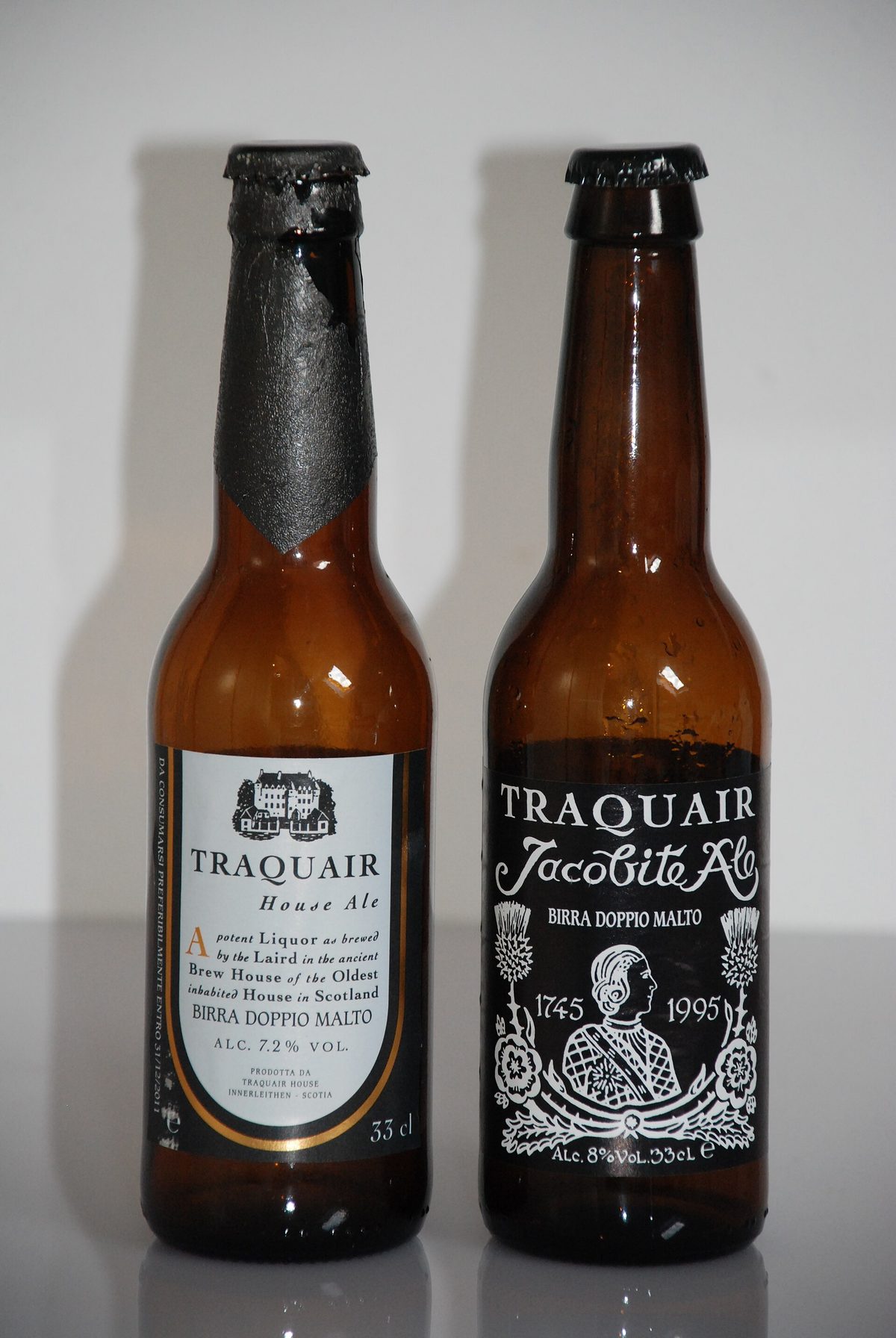
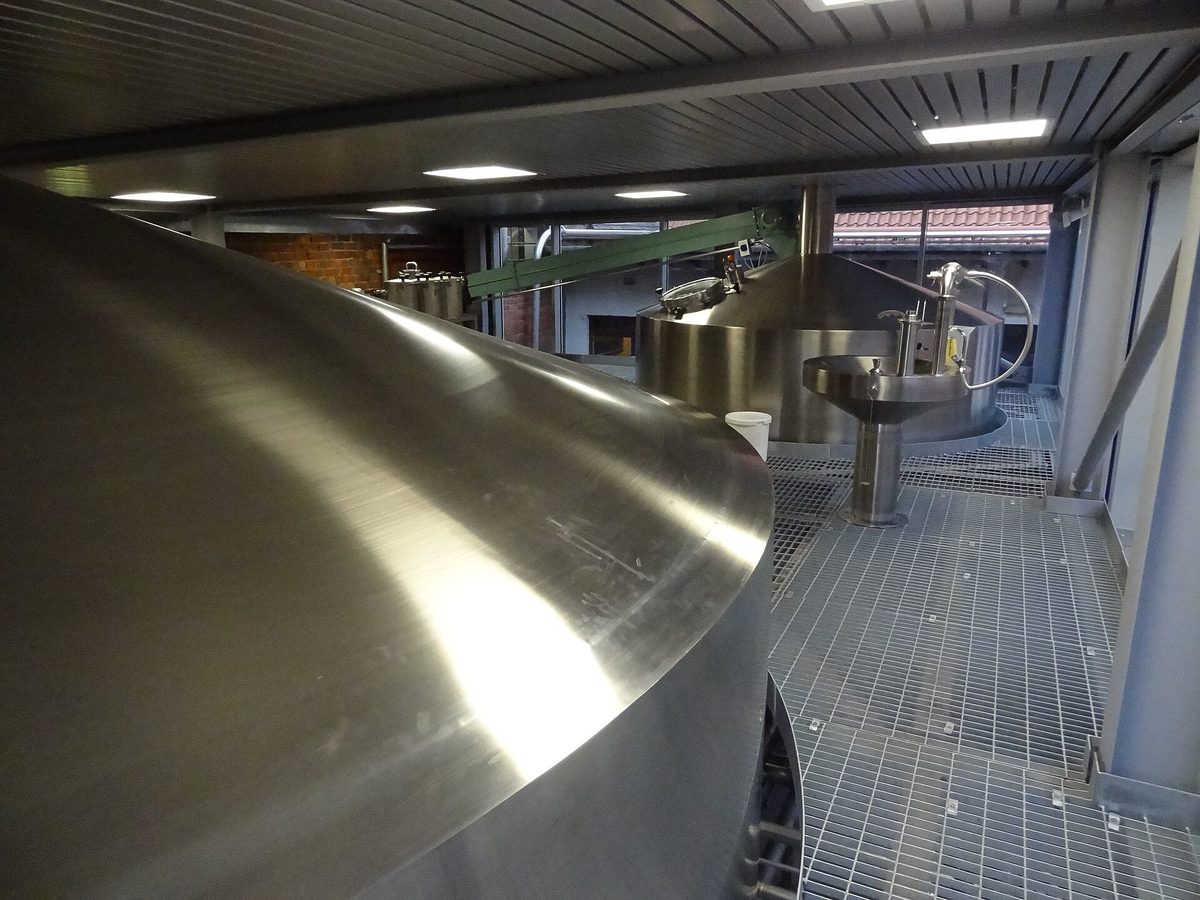
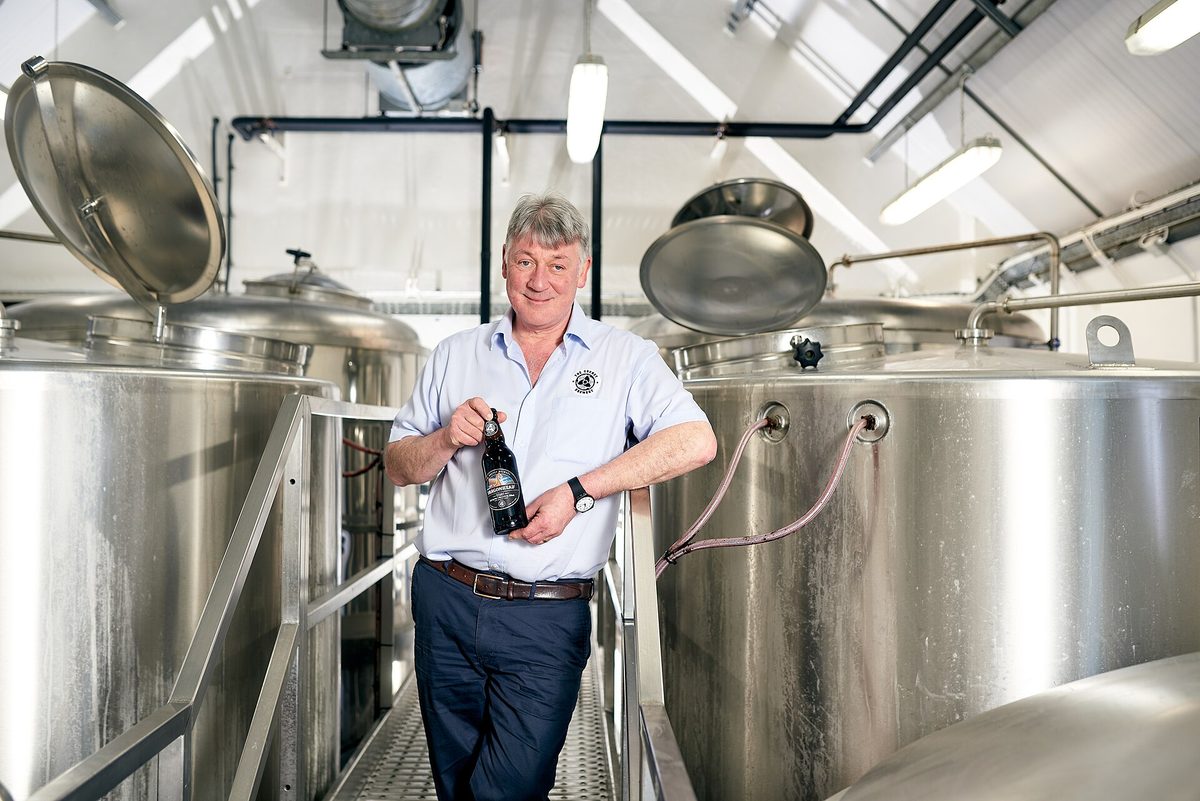
For traditionalists, Belhaven at Dunbar in East Lothian has been brewing since 1719, making it Scotland’s oldest working brewery, and it runs tours with tastings. Traquair House in the Borders brews strong, dark ales in an eighteenth-century brewhouse. Orkney Brewery does a short, well-priced island tour, and Stewart Brewing outside Edinburgh runs Friday tours with a flight at the end.
Cider, rum, vodka and the rest of the shelf
Scottish cider: small, honest, and not the West Country
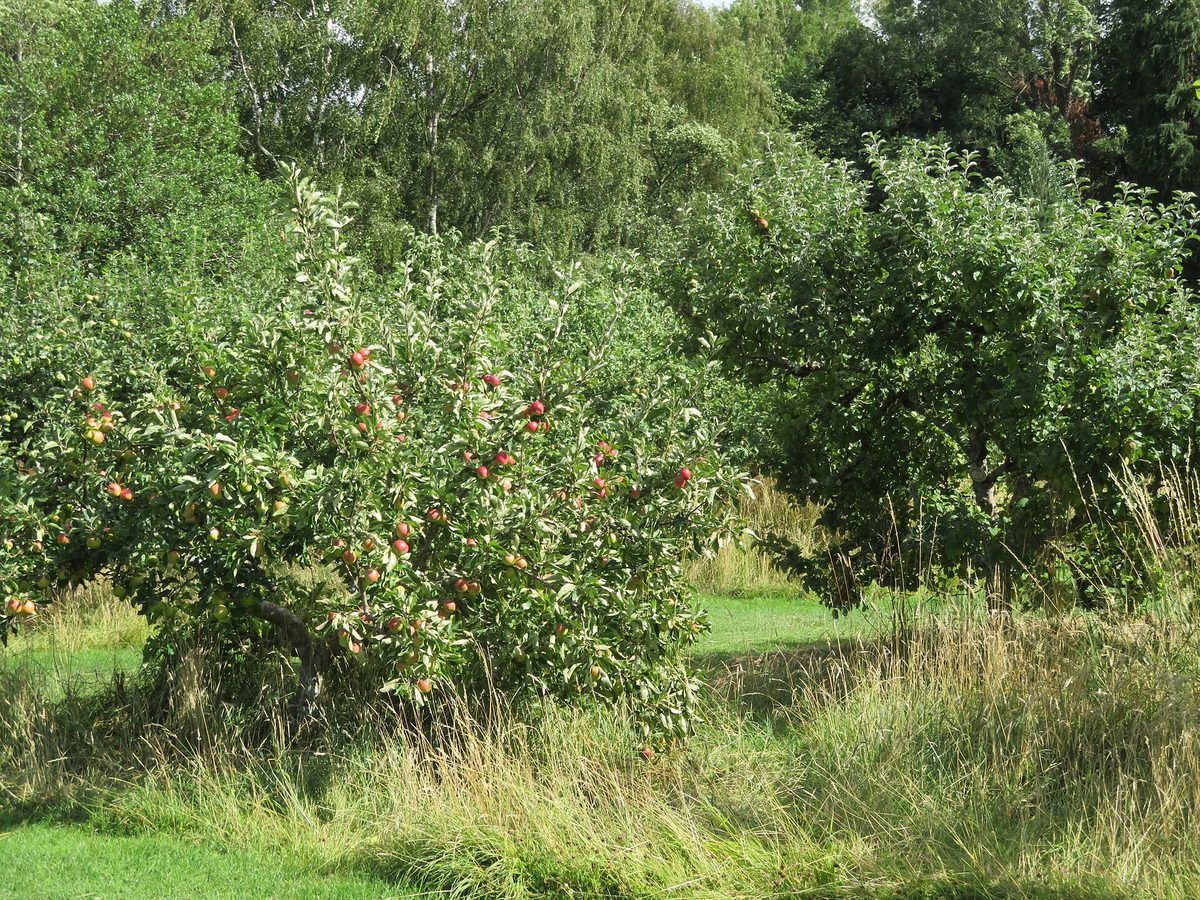
Let me be straight with you, because most guides fudge this. Scotland is not a great cider country and cannot be: the classic cider apples — the tannic, low-acid bittersweets that give Somerset and Herefordshire cider its depth — do not thrive this far north. Scottish orchards grow eating and cooking apples instead.
What that produces is a cleaner, sharper, less tannic drink, often blended with English fruit and frequently flavoured. Thistly Cross, made on a farm on the East Lothian coast, is the name you will see most and does a whisky-cask version worth trying if you spot it; Cairn o’Mohr in Perthshire has been making fruit wines and ciders from Scottish berries for decades. If you already like cider, order it. If you are choosing a drink to understand Scotland, the gin and the beer will tell you more.
Rum and vodka: the farm distillers
The same logic that produced the gin boom has produced a small rum and vodka scene, often with a farming angle that is unusual anywhere in the world.
Arbikie, on the Angus coast, grows its own potatoes and distils them into vodka, and also makes a rum from Scottish-grown peas rather than imported cane — marketed as climate-positive, since peas fix nitrogen in the soil. Ogilvy, also in Angus, makes potato vodka on the family farm from home-grown Maris Pipers. Dark Matter in Banchory, Aberdeenshire, was Scotland’s first dedicated rum distillery, fermenting and distilling imported cane molasses in the north-east. None of these will be on your friends’ shelves at home, which makes them the smartest bottle to bring back.
Liqueurs and the whisky sidesteps
Drambuie is the famous one: Scotch whisky with heather honey, herbs and spices, produced in Scotland and wrapped in a Bonnie Prince Charlie origin story that is pleasantly unverifiable. Drink it over ice, or in a Rusty Nail — two parts Scotch to one part Drambuie.
Atholl brose is the one worth asking about. It is oatmeal steeped in whisky, strained, sweetened with honey and often finished with cream — an old Scottish preparation with a legend attached about the Earl of Atholl in 1475 spiking a well with the stuff to capture a rebel who lingered to drink it. You will not find it on many bar menus, but you may well meet it at Hogmanay or Burns Night, and if a hotel offers it, say yes. Our guide to traditional Scottish desserts covers its close relative, cranachan, built from the same oats, honey and cream. A whisky mac — Scotch and green ginger wine — is the drink for a cold, wet afternoon and remains common in country hotel bars.
Buckfast, handled honestly
You will see it, so you should know what it is. Buckfast Tonic Wine is a fortified, caffeinated wine that began with the Benedictine monks of Buckfast Abbey in Devon. The UK version comes in a distinctive green bottle at 15% ABV, with roughly the caffeine of several cans of cola in a bottle; the brown-bottled 14.8% version is the one sold in the Republic of Ireland.
It is not Scottish and never has been, yet it became embedded in west-central Scotland and now occupies a genuinely complicated place in the culture. It appears in songs, on T-shirts and in affectionate slang; it also appears regularly in reporting about alcohol-related disorder, and Scottish politicians have periodically tried to do something about it. My advice: don’t sneer, and don’t romanticise it either. It tastes strongly of cough syrup and fruit sweets, and understanding it is enough — you do not need to drink a bottle to get the point.
Soft drinks, tea, coffee and the no-alcohol shelf
Craft sodas beyond Irn-Bru
Scotland calls fizzy drinks “juice” regardless of whether fruit was involved, which confuses visitors constantly. Beyond Irn-Bru, look for Red Kola — a bright red, sharp fruit-based soda made by several Scottish firms and a genuine regional oddity.
Bon Accord is the one I would actively seek out. The Robb family founded the brand in 1903, and it was revived in 2016 with naturally sweetened drinks. The rhubarb soda and cloudy lemonade are both excellent, and turn up in good cafes and delis across the central belt.
Water, and why it matters more here
Scottish tap water is soft, cold and very good, and you should drink it rather than buying bottles. That softness is not incidental to this whole article: it is one reason Scotland became a brewing and distilling country at all, because soft water suits both. The famous bottled brand is Highland Spring, drawn from land in the Ochil Hills. You will see it everywhere. You do not need it.
Tea and coffee
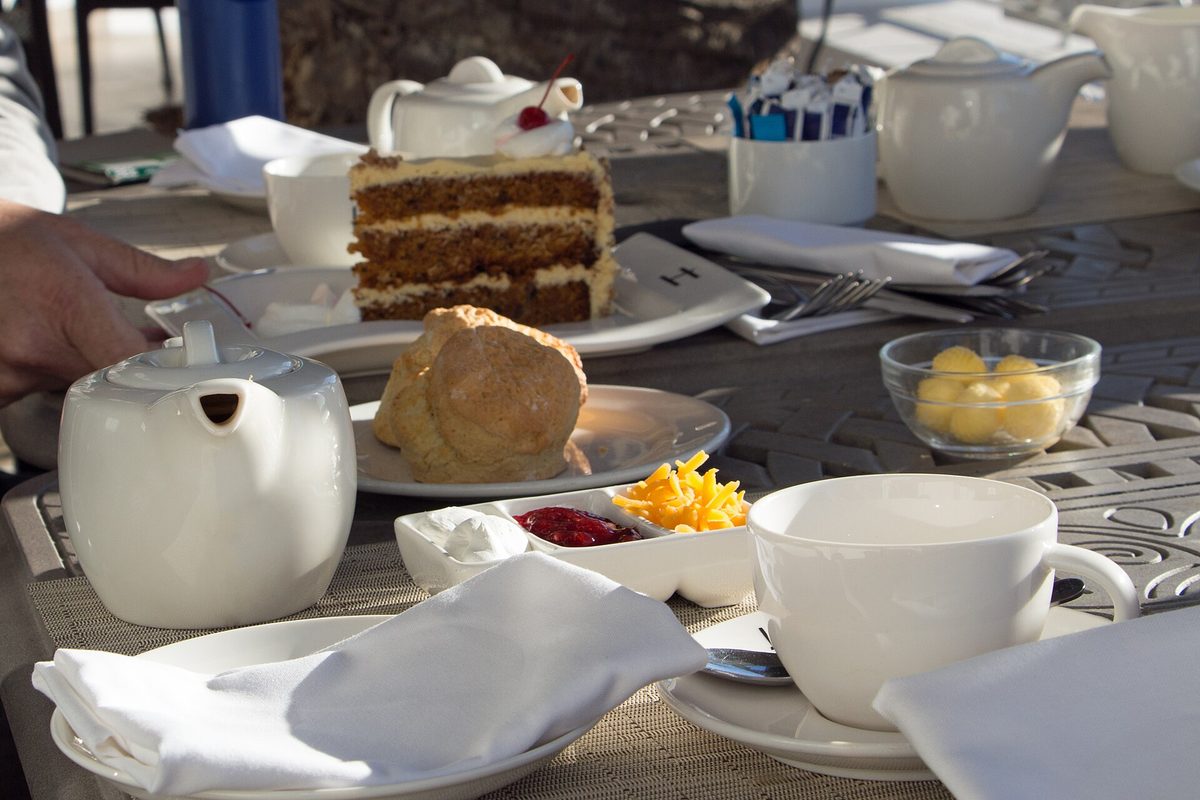
Scotland drinks a great deal of tea, and the standard offering is a strong Scottish breakfast blend built to hold up in soft water, served with milk. Every B&B will pour you one before you have finished saying good morning. Thomas Lipton, incidentally, was a Glaswegian.
Coffee has improved dramatically. Glasgow and Edinburgh both have serious independent roasteries, and even small Highland towns now usually have one decent espresso machine, often in a bakery. In remote areas, plan around it — on stretches of the north coast you can drive an hour between good coffees.
Alcohol-free, and it’s genuinely good now
This has changed completely in recent years. Feragaia is a distilled alcohol-free spirit built from land and sea botanicals; it is dry, slightly bitter and works properly with tonic rather than tasting like flavoured water. Most Scottish craft breweries now make an alcohol-free beer worth drinking, and Burnside in Aberdeenshire produces several.
Given how strict Scotland’s drink-driving limit is — more on that shortly — this matters enormously for anyone road-tripping. The designated driver here now has genuinely good options, which was not true a decade ago.
Whisky, briefly
I promised not to write the whisky article, and I will keep to that. In fairness: Scotch is protected by law, must be matured in oak in Scotland for at least three years, and is made across five regions with real stylistic differences — peaty and maritime on Islay, lighter and floral in Speyside. The Scotch Whisky Association lists over 70 distillery visitor centres.
If you want that trip properly planned, our guide to Scotch whisky distilleries handles the regions, the tours and the etiquette, and the wider Scottish food and drink pillar sets both in context. Read those, then come back here for the evenings in between.
The Scottish drinking rules nobody warns you about
Scotland has its own alcohol law, separate from England and Wales. Three differences matter enough that I would rather you heard them here than from a police officer or a confused shop assistant.
You cannot buy alcohol in a shop before 10am or after 10pm
This is fixed in statute. Under section 65 of the Licensing (Scotland) Act 2005, a licensing board must refuse any application for off-sales hours that would allow alcohol to be sold for consumption off the premises before 10am or after 10pm on any day. That is a hard national ceiling, and it applies to supermarkets, corner shops and off-licences alike.
Individual shops may have shorter hours, and some boards apply extra restrictions on Sunday mornings. But nowhere in Scotland can you buy a bottle of wine at 10:15pm. Visitors used to England, where hours are set locally and 24-hour supermarket sales exist, get caught by this constantly — particularly on self-catering trips, and most painfully on a Sunday evening in a village with one shop. The workaround is simple: buy earlier in the day, and skim our practical Scotland travel tips before you go.
Pubs, bars and restaurants are different — they are licensed for on-premises drinking, each venue’s hours are set by its own licence, and many city-centre bars stay open late.
Minimum unit pricing makes cheap supermarket alcohol notably dearer
Scotland has a minimum price per unit of alcohol, introduced in 2018 and raised to 65p per unit in 2024. It is not a tax and the government collects nothing from it; it simply sets a legal floor beneath which alcohol cannot be sold.
Using the Scottish Government’s own worked examples: a 700ml bottle of gin or vodka at 37.5% cannot sell for less than £17.07, a 700ml bottle of whisky at 40% cannot go below £18.20, a 750ml bottle of 13% wine has a floor of £6.34, and four average cans of 5% beer cannot cost under £5.72.
Cross the border with English supermarket prices in your head and budget alcohol will look distinctly expensive. Mid-range and premium bottles are largely unaffected, because they already sell well above the floor, so the good Scottish gin you want to take home costs roughly what it costs anywhere. Pub prices are untouched.
The drink-driving limit is stricter in Scotland — this one really matters
This is the single most-missed fact about drinking in Scotland, and the consequences of missing it are serious.
Scotland’s limit is 50 milligrammes of alcohol per 100 millilitres of blood, or 22 micrograms per 100 millilitres of breath. In England, Wales and Northern Ireland the equivalent figures are 80mg and 35mcg. Scotland’s limit is therefore substantially lower than the rest of the UK, and closer to the levels used across much of continental Europe.
Penalties are the same UK-wide and they are severe: a minimum twelve-month driving ban, an unlimited fine and up to six months’ imprisonment for driving over the limit. There is no safe conversion into “number of drinks”, because it varies by body, food and timing. The rule Scottish drivers actually follow is simple: none at all if you are driving, including the morning after a heavy night.
For a distillery-focused trip this reshapes your planning. Either book a driver, take a guided trip — our overview of Scotland tours covers the options — or stay within walking distance of what you want to drink. Many distilleries will happily give you a driver’s sample to take away in a small bottle if you ask. It is a very normal request here.
Rounds, tipping and pub etiquette
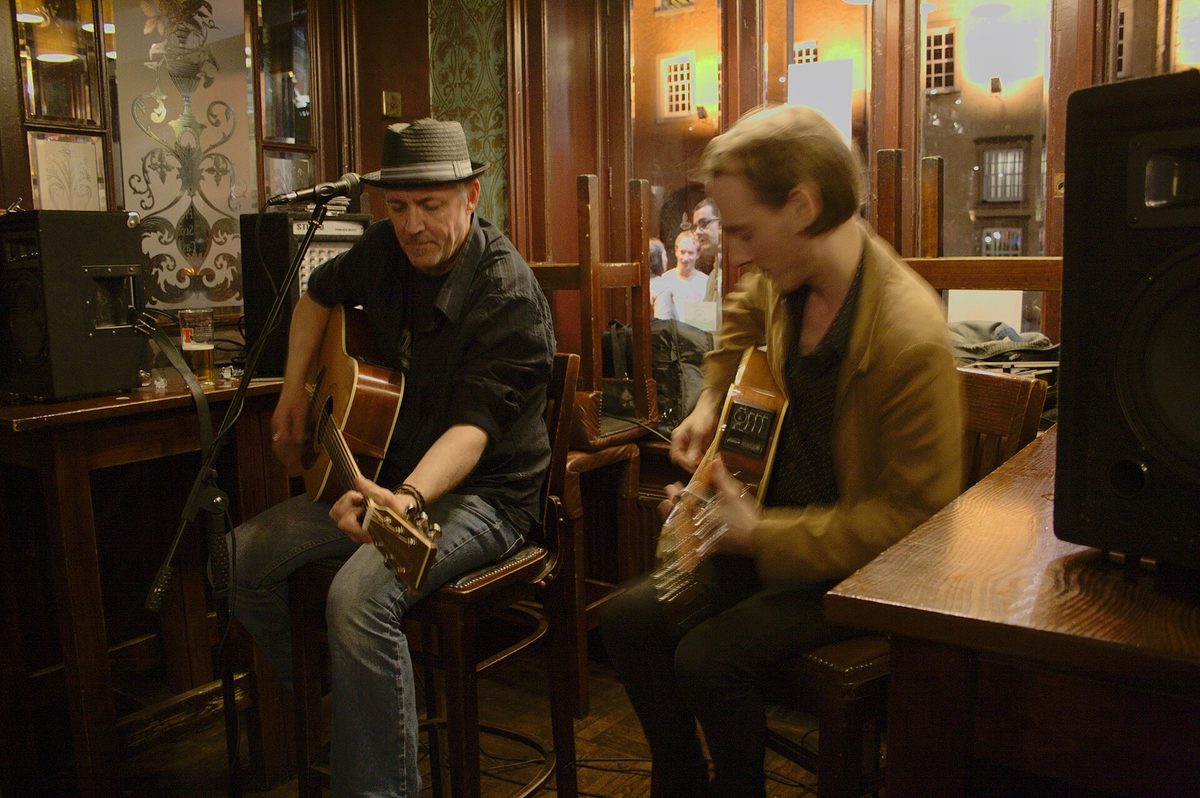
You order and pay at the bar; nobody comes to your table in a traditional pub. Have your order and your money ready, and do not wave, shout or click your fingers — bar staff track who arrived when and will get to you.
Rounds are real and not optional in spirit. If someone buys you a drink, you buy the next one. If you are in a group of six and cannot face six pints, say so early and cheerfully rather than quietly dropping out at round four; nobody minds honesty and everybody notices freeloading.
Tipping in pubs is not expected — you do not tip on a pint. To acknowledge good service, the traditional move is “and one for yourself” when paying, which adds a small amount to your bill. In restaurants and cocktail bars, around 10% is normal, as covered in our guide to eating out in Edinburgh. And “slàinte mhath” (roughly slan-juh vah) is the toast; Scots will be delighted rather than mocking if you attempt it.
Planning a drinks-focused trip
How long you need
Four days covers one city and one distillery region comfortably. Seven lets you pair Edinburgh or Glasgow with Speyside, Islay or a Highland loop. Ten is enough to include an island, which is where the gin gets most interesting.
Do not attempt more than one distillery a day if you are also driving between them. It sounds conservative; it is realistic, once you factor in single-track roads and the fact that most tours run to a fixed timetable.
Getting there and around
Edinburgh and Glasgow are both easy by rail from England and have international airports. Once you are here, drinking and driving do not mix, so think carefully about transport. Trains reach Oban, Fort William, Inverness, Aberdeen and Mallaig, and ferries connect the islands; our guide to getting around Scotland sets out what is realistic without a car.
What to book, and when
Gin schools and small-group distillery tours sell out weeks ahead between June and September, so book those first. Standard distillery tours can often be picked up a few days out, though island distilleries fill faster than mainland ones. Brewery tours are the most casual of the three.
If your trip lands near a festival, book everything earlier. Scotland’s event calendar is dense in August, and our guide to Scottish festivals and events flags the weeks when a city effectively has no spare beds. International Scottish Gin Day falls in October and is worth timing a trip around if gin is your thing.
What underwhelms, and what to skip
Big-name distillery visitor centres in peak season. Some of the most famous names run tours that feel like a conveyor belt: forty people, a fixed script, a gift shop exit. The small distilleries are consistently the better experience, at roughly half the price.
Flavoured gins. Scotland produces a great many pink, rhubarb, raspberry and toffee gins. A few are decent. Most are sweetened to a degree that removes any sense of place, and they exist because they sell. Ask for the distillery’s original expression first.
Hotel bar “Scottish cocktails”. A whisky old-fashioned is a fine drink but it is not a Scottish tradition, and neither is most of what appears under that heading. Order the local gin or the local cask ale instead, which will actually tell you where you are.
Assuming every pub does food. Many Scottish pubs, especially in cities, are drinking establishments with crisps. Check before you plan an evening around it, or use our guide to traditional Scottish food and our Edinburgh food tour options to sort eating separately. And do not expect Irish pub density: small Scottish villages often have no pub at all, with the social bar inside the local hotel instead. That bar is usually full of locals and perfectly welcoming — walk in.
The whisky-only itinerary. Build seven days entirely around malt distilleries and by day four everyone in the car will be quietly hoping for something else. Mixing in a brewery, a gin school and one long walk makes for a far better week.
Frequently asked questions
What is the national drink of Scotland?
Scotch whisky is the official national drink, protected by law and matured in Scotland for a minimum of three years. Irn-Bru is widely called Scotland’s other national drink, and it outsells Coca-Cola within Scotland. Between them they cover the two ends of Scottish drinking culture rather neatly.
Is Scottish gin actually good, or is it just marketing?
It is genuinely good, and the volume is real: Scotland makes around 70% of the UK’s gin. The island gins in particular use foraged local botanicals that produce flavours you cannot get elsewhere. There is marketing froth around flavoured gins, but the core products are serious.
What does Irn-Bru taste like?
Nobody agrees, which is part of the appeal. Most people reach for bubblegum, citrus and cream soda, with a faintly metallic edge — not surprising, since it contains an iron compound and was originally called Iron Brew. Drink it very cold, ideally from a glass bottle, and give it more than one mouthful.
What time can I buy alcohol in Scottish shops?
Between 10am and 10pm, and no wider. Section 65 of the Licensing (Scotland) Act 2005 requires licensing boards to refuse off-sales hours outside that window, so it applies nationwide to supermarkets and off-licences. Individual shops may open a shorter window, and some areas restrict Sunday mornings further. Pubs and restaurants serve later.
Is the drink-driving limit different in Scotland?
Yes, and it is stricter. Scotland’s limit is 50mg of alcohol per 100ml of blood (22 micrograms per 100ml of breath), against 80mg and 35mcg in England, Wales and Northern Ireland. Penalties are UK-wide and include a minimum twelve-month ban. Most Scottish drivers simply do not drink at all before driving.
Why is alcohol more expensive in Scottish supermarkets?
Minimum unit pricing sets a legal floor of 65p per unit. That puts a 700ml bottle of 37.5% gin at no less than £17.07 and four 440ml cans of 5% beer at no less than £5.72. It mainly affects the cheapest products; mid-range and premium bottles are largely unchanged, and pub prices are not affected at all.
What is a “heavy” in a Scottish pub?
Heavy is the everyday name for a malt-led Scottish ale, usually the 70/- or 80/- on the bar. It is dark amber, sweetish, only lightly hopped and served cool rather than cold from a hand pump. If you like malt more than hops, it is the pint to order.
Final thoughts
The best drink of a Scottish trip is often not a whisky. It might be a gin and tonic made with a gin distilled a few miles from where you are sitting, poured by someone who knows the distiller by name. Scotland is full of stories like that if you look past the obvious.
So order the local gin. Try the heavy. Drink one Irn-Bru properly cold and form your own opinion. Buy your wine before 10pm, don’t drive after so much as one pint, and take a bottle of pea rum home to bewilder your friends. Then go and book the whisky trip — you will appreciate it far more for having seen the rest of the country’s glass first. Our complete guide to Scottish food and drink ties it together, and the Scottish seafood guide, our cullen skink and Scottish soups piece and the vegetarian and vegan guide to Scotland will keep you fed between rounds.
About the author: This guide was written and is maintained by the ScotlandTourism.org editorial team — travel writers who’ve spent years exploring Scotland’s cities, Highlands and islands, from bagging Munros to chasing the perfect dram. We update our guides regularly to keep prices, opening details and advice current.
Last updated: November 2026. Prices and opening times change — always check the official site before you travel.
Photo credits
All images are used under their respective Creative Commons or public-domain licenses:
- A gin and tonic with citrus, the standard serve for Scottish gin — NotFromUtrecht, CC BY-SA 3.0, via Wikimedia Commons
- Wild juniper berries on the branch, the defining botanical in gin — W.carter, CC BY-SA 4.0, via Wikimedia Commons
- Bruichladdich Distillery on Islay, where The Botanist gin is made — Fumaro, CC BY-SA 3.0, via Wikimedia Commons
- Tarbert on the Isle of Harris, home of the Isle of Harris Distillery — James Allan, CC BY-SA 2.0, via Geograph
- Bottles of Irn-Bru, the soft drink launched in Scotland in 1901 — Nizzan Cohen, CC0, via Wikimedia Commons
- Bottles of Traquair House ale from the Scottish Borders — Phyrexian, Public domain, via Wikimedia Commons
- The gates of Tennent’s Wellpark Brewery in Glasgow’s east end — JThomas, CC BY-SA 2.0, via Geograph
- Brewing vessels at Belhaven Brewery in Dunbar, East Lothian — Jeff Alworth, CC BY 2.0, via Wikimedia Commons
- A Scottish apple orchard, the raw material for Scottish cider — M J Richardson, CC BY-SA 2.0, via Geograph
- A pot of tea served with a scone and cake — HelenOnline, CC BY-SA 3.0, via Wikimedia Commons
- Live music in a traditional Edinburgh pub — Brian McNeil, CC BY 3.0, via Wikimedia Commons
- Fermentation vessels inside Orkney Brewery — Stephlfulton, CC BY-SA 4.0, via Wikimedia Commons
- Isle of Harris Distillery on the Tarbert waterfront: Tarbert02LB by Lesbardd, CC BY-SA 4.0, cropped, via Wikimedia Commons.