The easiest way to eat badly in Edinburgh is to stand on the Royal Mile at six on a wet evening and follow the first laminated menu somebody waves at you. The haggis behind it is rarely the city’s best, and it is priced as though it were.
So this guide on where to eat in Edinburgh is written for you in that moment: hungry, slightly damp, standing somewhere specific, with a number in your head you’d rather not go over. I’ve organised it two ways at once — by what you want to spend, and by which bit of the city you’re actually standing in. Because those are the only two questions that matter at 6pm, and almost nobody answers both.
Where should you eat in Edinburgh?
Head to Leith, Stockbridge or Bruntsfield for the best food at fair prices, and to the Old Town closes just off the Royal Mile rather than the Mile itself. Budget around £10–15 a head for good casual food, £25–40 for a proper dinner, and £100 upwards for Edinburgh’s starred kitchens. Book Leith weeks ahead.
Edinburgh eating at a glance
| Budget band | Per head, food only | What that buys you | Best areas | Book how far ahead |
|---|---|---|---|---|
| Under £15 | £5–15 | Hog roast rolls, Thai street food, curry, pizza by the slice, bakery lunch | Old Town, Southside, Grassmarket, Leith Walk | Just walk in |
| £15–30 | £18–30 | Good neighbourhood restaurant, two courses, a drink | Stockbridge, Bruntsfield, West End, New Town | 2–5 days, longer at weekends |
| £30–60 | £35–60 | Serious cooking, short seasonal menu, proper wine list | Leith, Stockbridge, New Town lanes | 2–4 weeks |
| Splashing out | £100–200+ | Michelin stars, long tasting menus, wine pairings | Leith, Old Town, New Town | 6–12 weeks, sometimes more |
| Pre-theatre trick | £20–32 | Two or three courses at a £50 restaurant, on an early pre-theatre sitting | New Town, West End, Old Town | A few days |
| Lunch at the top places | £30–55 | The same kitchen, roughly half the dinner price | Leith, Old Town | 1–3 weeks |
| August (Fringe) | Longer waits | Reduced menus, tighter sittings, few walk-in tables in the evening | Everywhere central | Further ahead than any time above |
Those bands are food only. Drinks move the total more than most guides admit: a pint sits somewhere around £5.50–7 in the centre at the time of writing, and a bottle of wine on a mid-range list will rarely start below £28. A discretionary service charge of 10% is common in sit-down restaurants and it should be itemised on the bill — you’re entitled to ask for it removed, and nobody will make a scene.
If you want to understand what you’re ordering before you order it, our guide to Scottish food and drink is the place to start, and our longer breakdown of traditional Scottish dishes explains why cullen skink and cranachan keep appearing on every menu in town.
Eating by budget: what your money actually buys
Edinburgh’s price ladder has unusually clean rungs. The gap between a £12 dinner and a £25 dinner here is large and obvious; the gap between £60 and £140 is subtler and mostly about wine, service and how many courses you’re willing to sit through.
Under £15 a head: the band Edinburgh does best
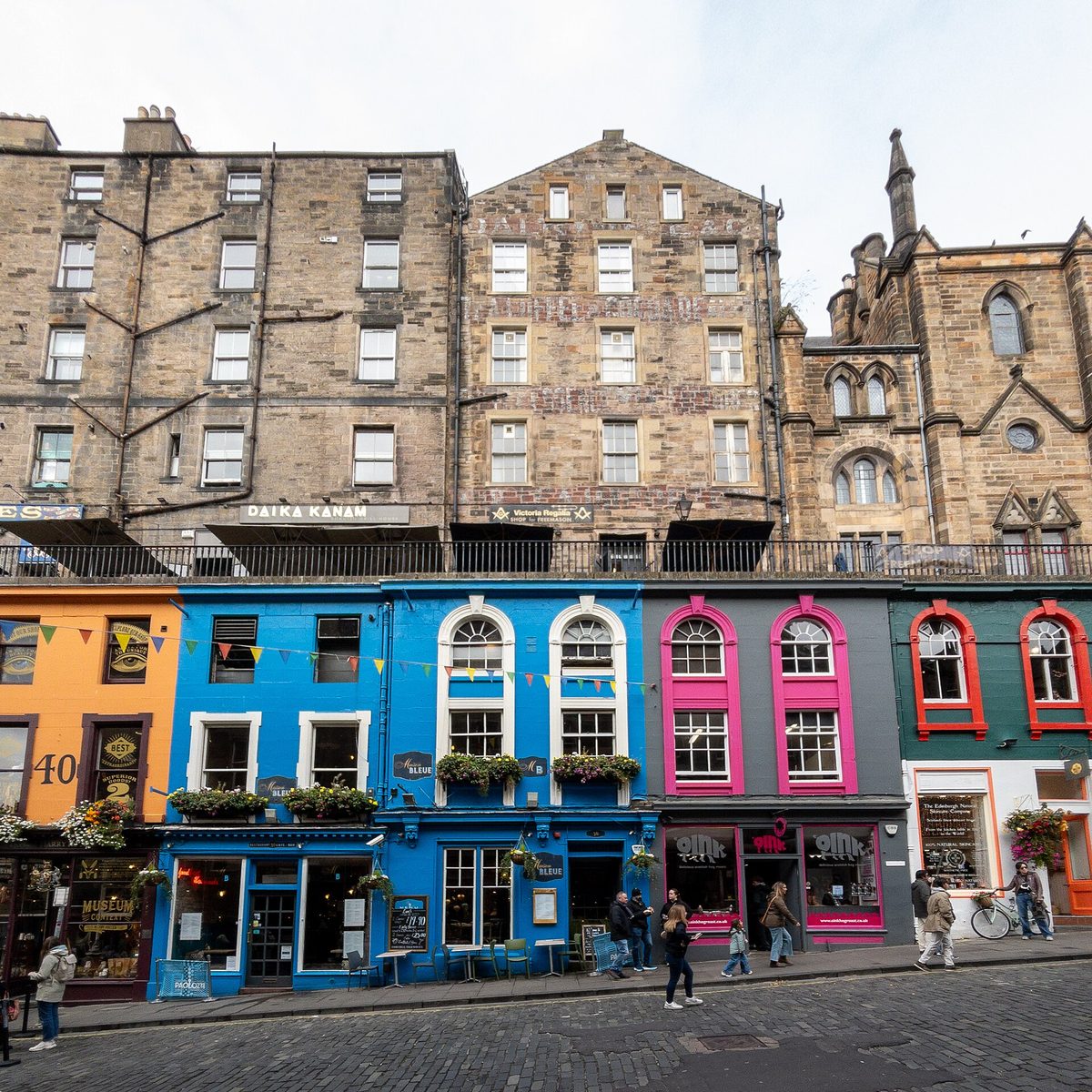
Oink is the one to know. They roast a whole hog each morning at their shops on Victoria Street, Canongate and Hanover Street, carve it into a roll with sage and onion, apple sauce, chilli relish or haggis, and add crackling if you ask nicely. Rolls come in three sizes: at Victoria Street the Piglet (80g) is £6.65, the Oink (160g) £9.15 and the Grunter (250g) £11.95. They open around 11am and close about 5pm, or earlier if the pig runs out — which it does. This is a lunch plan, not a dinner plan.
For a hot sit-down meal under £12, Ting Thai Caravan near Teviot Place does fast, properly seasoned Thai on scuffed communal tables, and Mosque Kitchen on Nicolson Square has been serving canteen-style curry with rice to students, taxi drivers and everyone else for over two decades, with curry and rice from £9.50. Neither takes itself remotely seriously. Both are better than restaurants charging three times as much on the Mile.
Civerinos does Neapolitan-ish pizza by the slice and the whole, with branches around the Old Town and Southside, and Origano on Leith Walk is the same idea with a bit more of a neighbourhood feel. Tuk Tuk on Leven Street does Indian street food in small sharing plates, which is a good way to eat well for around £15 if you’re two people and disciplined about ordering.
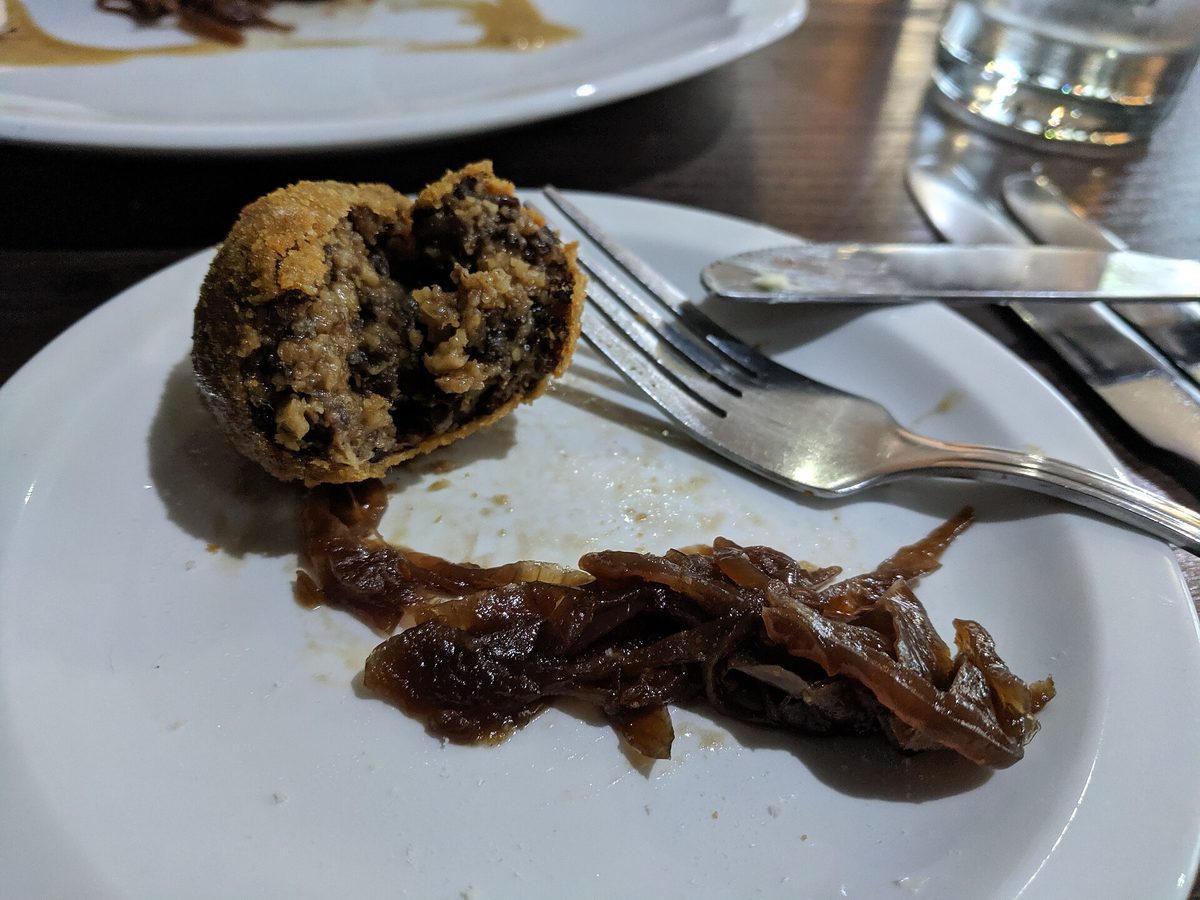
And if you want the cheapest good meal in Edinburgh: a Scotch pie or a bridie from a bakery, eaten on a wall. Union of Genius on Forrest Road is a soup cafe and does a rotating board of soups with proper bread for a few pounds. Söderberg does Scandinavian baking across several sites. It is not a hardship.
£15–30 a head: the sweet spot
This is where most visitors should aim for most of their dinners, and where Edinburgh quietly excels once you leave the tourist streets.
The Bailie in Stockbridge is a basement pub doing hearty cooking under low ceilings, and it’s the sort of room where you understand the city rather than just look at it. Mother India’s Cafe on Infirmary Street serves Indian food as tapas-sized dishes, which means three or four between two people and change from £50 including drinks. Locanda de Gusti out in Dalry is a Neapolitan kitchen run with real conviction; it is a fifteen-minute walk from the West End and worth every step.
Dishoom on St Andrew Square is a chain, and I’d normally skip a chain in a guide like this, but the room is genuinely good and the black daal is worth the queue. They don’t take bookings for small groups at peak times, so go at 5.30pm or expect to wait 45 minutes with a drink. Ka Pao in the New Town does South-East Asian sharing plates in the same price bracket.
Fishers has been doing seafood in Leith since 1991, and Howies has a couple of Edinburgh dining rooms doing Scottish seasonal cooking with fixed-price menus that often land at the top of this band. Paradise Palms near Bristo Square is a vegetarian and vegan pub kitchen that does not signpost itself as worthy, which is the best thing about it.
£30–60 a head: where Edinburgh gets serious
Above £30 the city stops being merely good and starts being interesting. This band buys you a short menu that changes with what’s landed and what’s in season, a chef with a point of view, and a wine list somebody has actually thought about.
The Palmerston in the West End is a restaurant, bakery and butchery in one, with an in-house mill; it’s the sort of place that makes its own bread because it would be embarrassing not to. Cafe St Honore, tucked down a New Town lane off Thistle Street, has been doing Scottish produce through a French lens for decades and remains one of the most reliable dinners in the city.
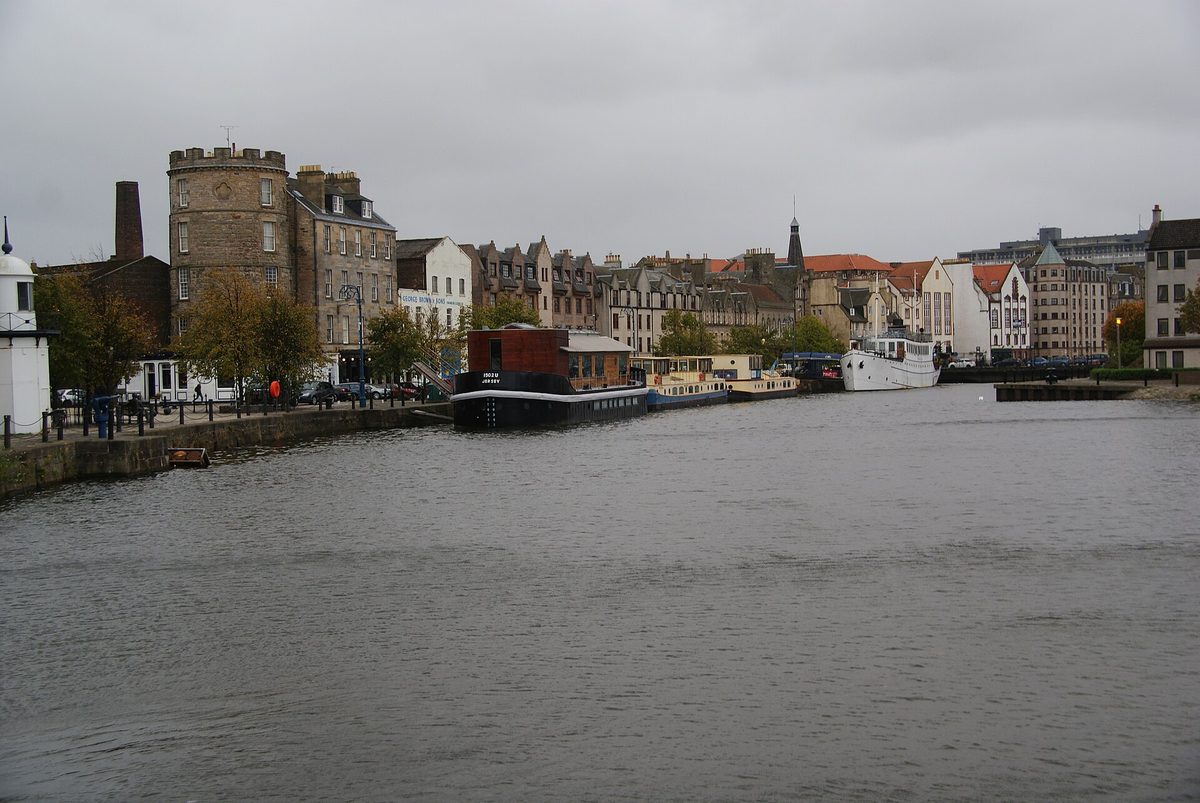
Over in Leith, The Little Chartroom on Bonnington Road does a tight seasonal menu in a small room. Skua and Ardfern both hold Bib Gourmands in the current MICHELIN Guide, which is the guide’s own shorthand for good cooking at a fair price — exactly this band. Noto in the New Town holds one too. So does The Scran & Scallie in Stockbridge, which is the most family-friendly of the four by a distance.
Purslane in Stockbridge, Vinette, Wedgwood the Restaurant on the Canongate and Ondine’s seafood on George IV Bridge all sit in or around this band depending on how you order. Hawksmoor, on West Register Street just off St Andrew Square, is a steakhouse and will cheerfully take you well past £60 if you let it — but its set menu is among the better-value ways to eat expensively in Edinburgh.
Splashing out: Edinburgh’s starred kitchens
Edinburgh punches hard here for a city of half a million people. In the current MICHELIN Guide, Number One at The Balmoral holds two stars, and The Kitchin, Restaurant Martin Wishart, Timberyard, Condita and Lyla each hold one. Timberyard also holds a Green Star for sustainability.
The Kitchin and Restaurant Martin Wishart are both in Leith, a few minutes apart near the water, which makes Leith the single densest square kilometre of fine dining in Scotland. Timberyard is in a converted warehouse on Lady Lawson Street, west of the Grassmarket. Condita on Salisbury Place is small, set-menu only, and doesn’t tell you what you’re eating until it arrives. Number One is in the basement of The Balmoral at the east end of Princes Street, and is the most formal room of the lot.
Realistic budgeting: a tasting menu at this level was running from roughly £100 to £150 a head at the time of writing, before wine. Add a pairing and you are comfortably past £200 each. Always check the restaurant’s own site for the current menu price, because these move.
If that’s more than you want to spend but you still want the experience, read the lunch section further down. It is the single best piece of advice in this guide.
Where to eat in Edinburgh by neighbourhood
Edinburgh is small, and you can walk between most of the areas in this section. Lothian Buses cover the rest cheaply, and the tram runs from the airport through Princes Street to Newhaven via Leith. Our complete Edinburgh travel guide has more on getting around; if you’re moving between cities, travelling around Scotland covers the trains and buses.
Old Town and the Royal Mile
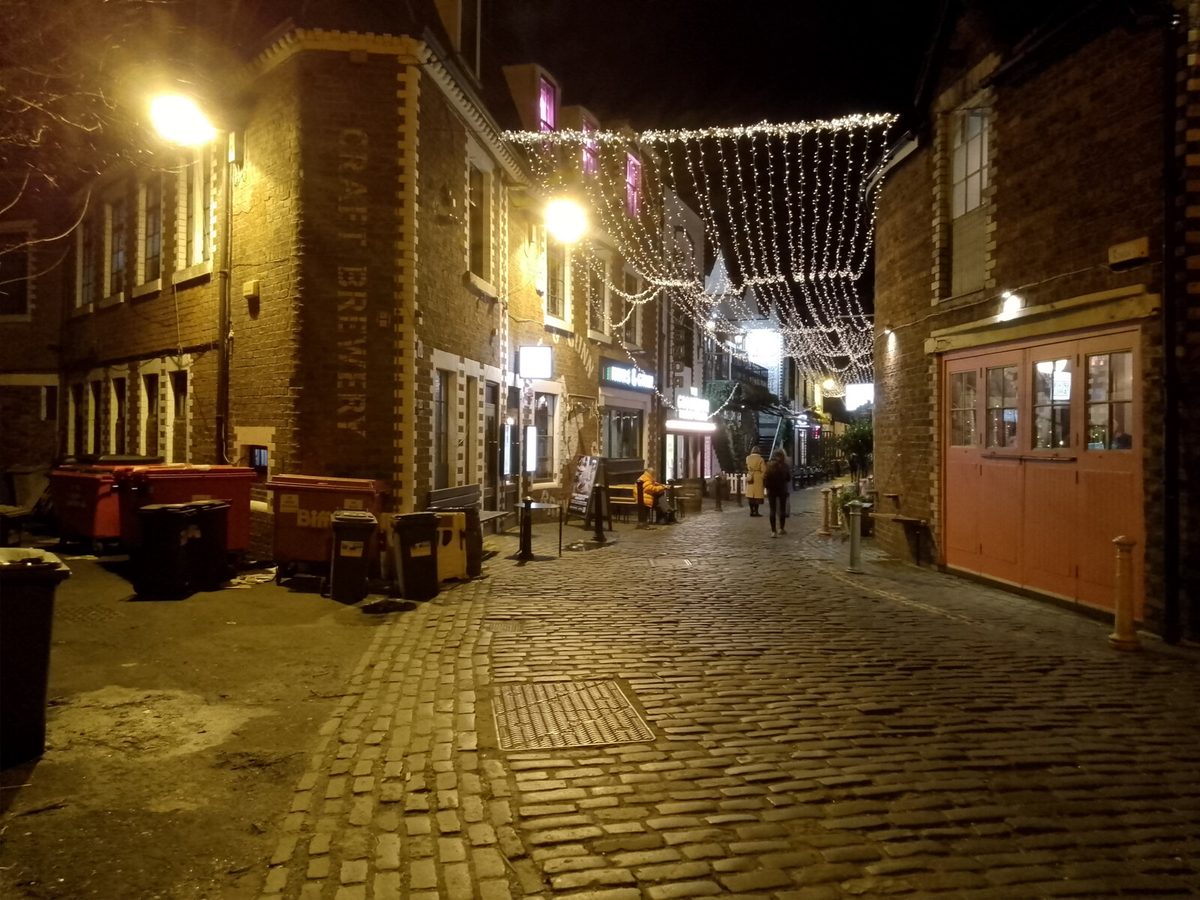
The Old Town has some of Edinburgh’s best restaurants and almost all of its worst, often within thirty metres of each other. The rule is brutally simple: get off the Mile. Victoria Street, Cockburn Street, the closes running north and south, and the streets around George IV Bridge are where the Old Town’s real cooking happens.
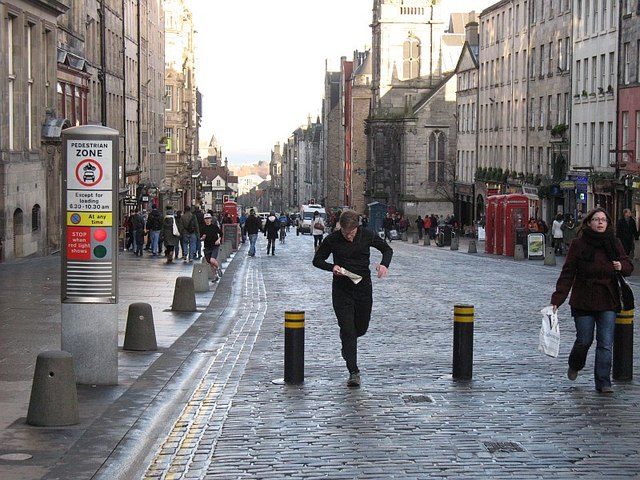
Victoria Street in particular has more good food per metre than any other street in the Old Town, and it’s a ninety-second walk downhill from the Mile at the top of the West Bow. There’s an Oink halfway along it, and Timberyard — one of the city’s Michelin-starred kitchens — is roughly ten minutes’ walk further west on Lady Lawson Street. There is also a great deal of Harry Potter merchandise, but you can walk past that. If it’s the film locations you’re after, our Harry Potter walking route through Edinburgh covers them properly.
For context on the street itself — what’s worth stopping for and what isn’t — see our Royal Mile guide, and if you’re combining lunch with the fortress at the top, the Edinburgh Castle tickets guide will save you a queue.
New Town and George Street
The New Town is where Edinburgh dresses up. George Street itself is mostly big rooms in converted banks and Georgian halls — handsome, expensive, occasionally excellent, occasionally coasting on the ceiling height. The better eating is in the lanes running parallel: Thistle Street, Rose Street and the little lanes off both.
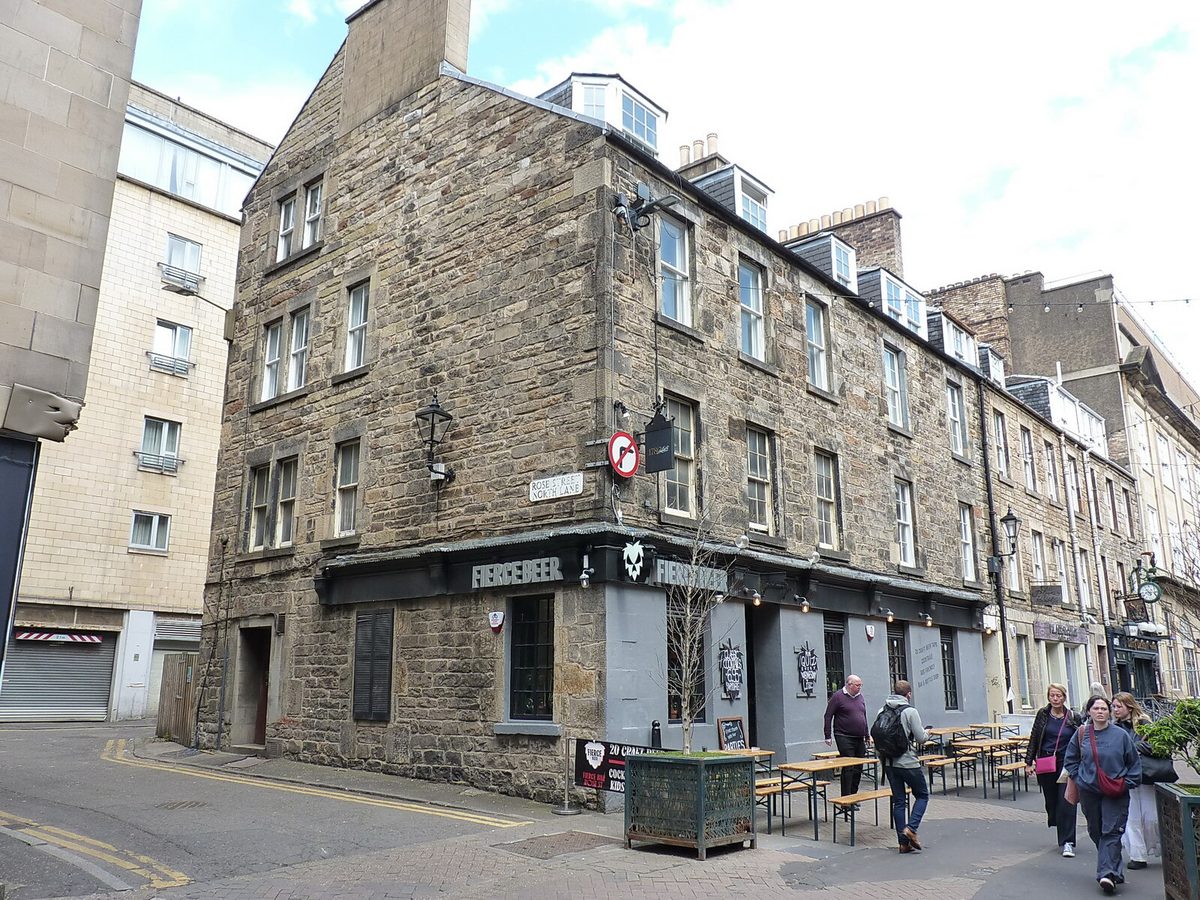
Rose Street is a pedestrianised lane of pubs between Princes Street and George Street, and its reputation is more about the drinking than the eating. That’s fair. But it’s a good stretch for an early pint before dinner elsewhere, and the north and south lanes behind it hide a few kitchens worth finding.
St Andrew Square at the east end is where the newer arrivals cluster, Dishoom and Hawksmoor among them, with the St James Quarter’s restaurant floors a two-minute walk further east. It’s the easiest area in Edinburgh to feed a group of six who can’t agree.
Stockbridge
If I had one dinner in Edinburgh and no particular budget, I’d probably walk to Stockbridge. It’s twenty minutes downhill from Princes Street, or a short bus ride, and it feels like a village that happens to be inside a capital city.
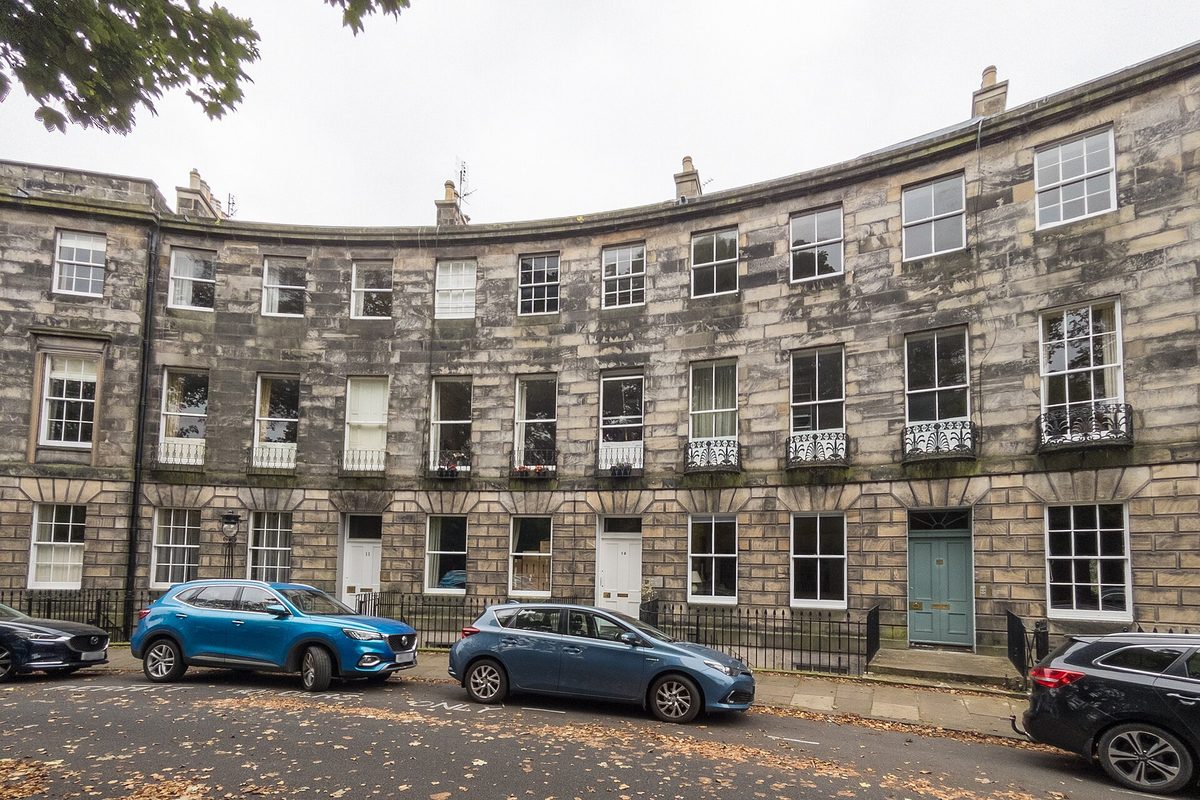
Raeburn Place, Deanhaugh Street, St Stephen Street and Hamilton Place carry the bulk of it: The Scran & Scallie for gastropub cooking, Purslane for something more precise, The Bailie for a pub dinner, plus delis, a Sunday market and a bakery queue that tells you everything you need to know about local priorities.
Walking there along the Water of Leith from Dean Village is one of the better free half-hours in the city, which our list of free things to do in Edinburgh covers in more detail.
Leith and the Shore
Leith is the answer to most serious food questions in Edinburgh. It was a separate town for centuries, it still behaves like one, and its restaurants are concentrated along The Shore and the streets behind it — Bonnington Road, Commercial Quay, Constitution Street.
Two Michelin stars’ worth of restaurants sit within a few minutes’ walk of each other here, alongside Bib Gourmand kitchens, a strong seafood tradition and a bakery-and-coffee scene that has quietly become the best in the city. Leith Walk itself, the long road connecting it to the centre, is where the cheap end lives: Thai, Chinese, Italian, Middle Eastern, all of it fairly priced.
Take the tram: from Princes Street it is about 13–15 minutes to Foot of the Walk and 25–27 minutes to Newhaven. Do not drive. Parking near The Shore on a Friday evening is a special kind of misery.
Bruntsfield and Marchmont
South of the Meadows, Bruntsfield Place and Morningside Road form a long run of independent restaurants, delis and cafes serving people who live here rather than people photographing the castle.
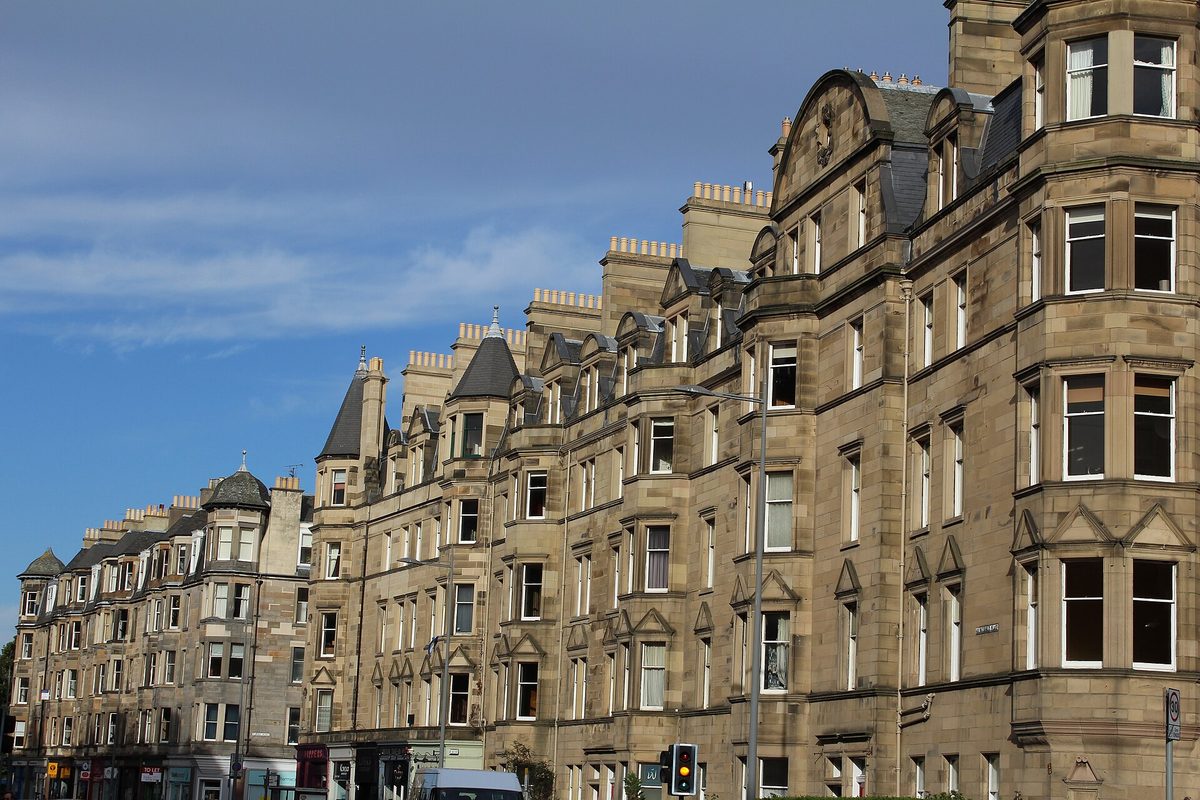
You will not find a starred restaurant. You will find plenty of places doing an honest £20 dinner without the theatre of the centre, across the Meadows from the Grassmarket. In August, when the centre is unmanageable, it makes an easy escape. Marchmont, on the other side of the Meadows, is smaller but works the same way.
Grassmarket and the West End
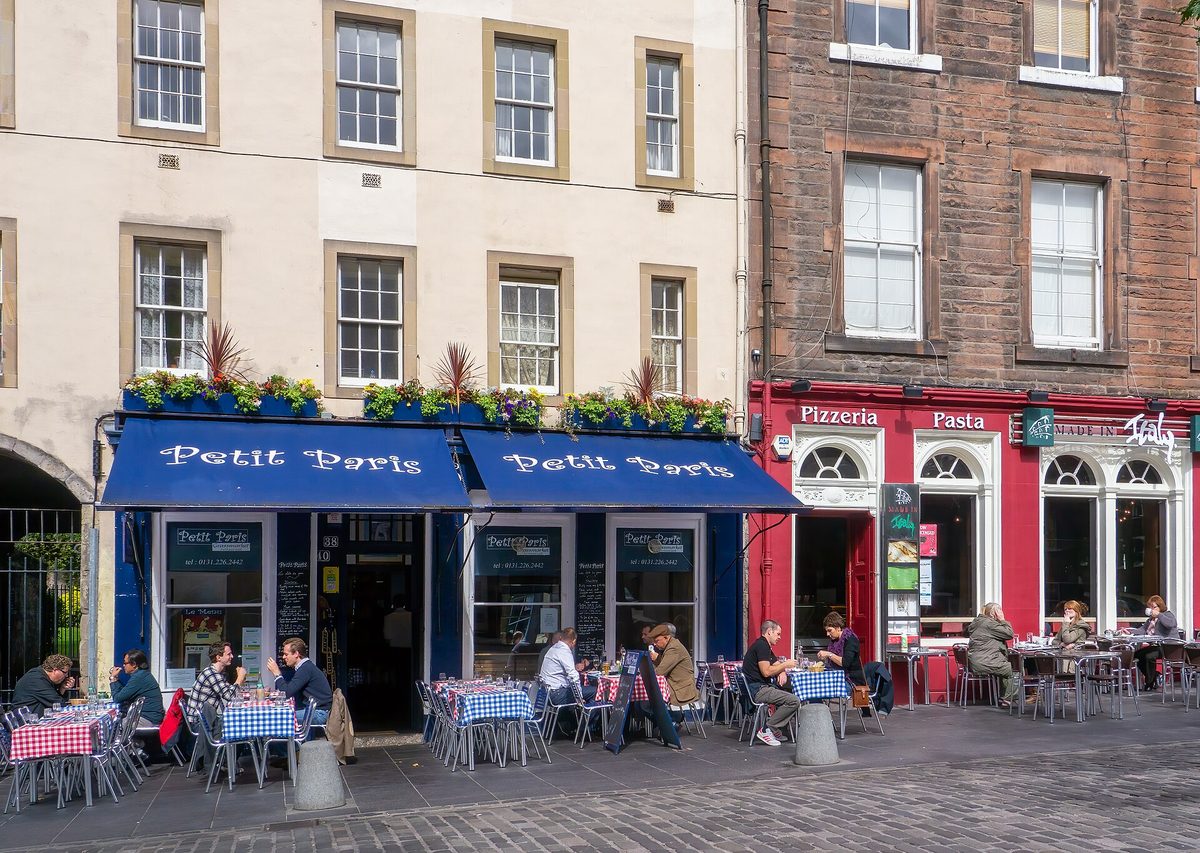
The Grassmarket is a proper square under the castle rock with pavement tables and a run of pubs and restaurants. It’s touristy without being predatory — prices are fair, the food is generally decent, and on a rare warm evening it’s a fine place to sit outside. It’s also five minutes from Victoria Street and the Old Town closes.
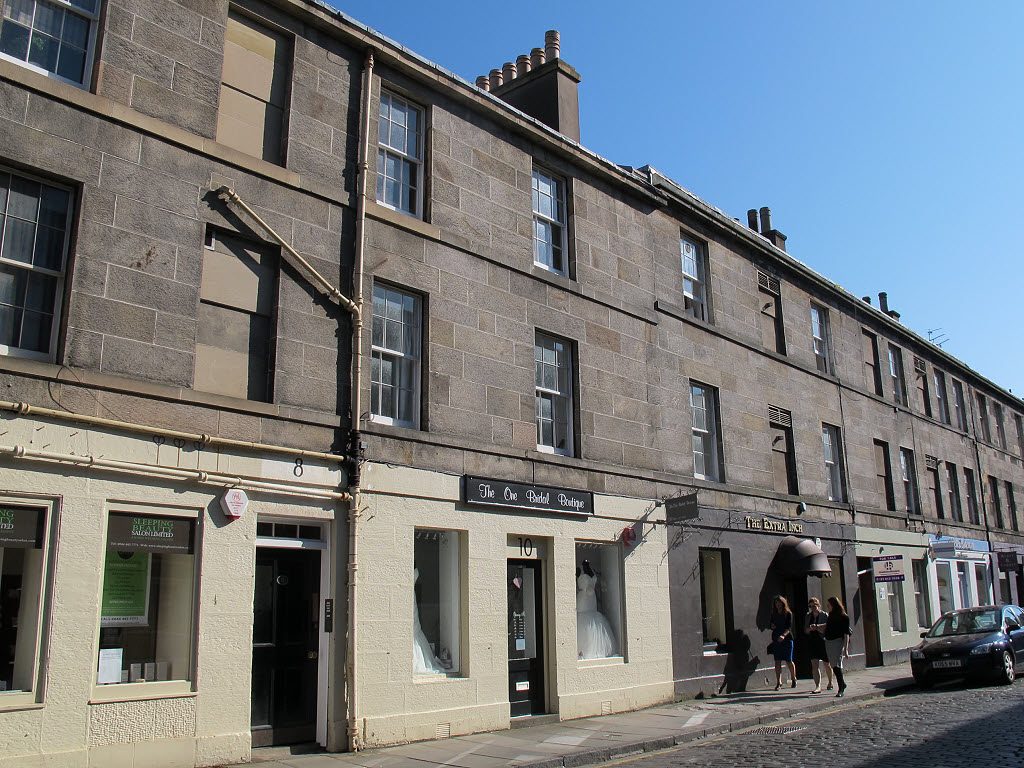
The West End — William Street, Stafford Street, the streets around Palmerston Place — is more restrained and, on balance, better. William Street is a single cobbled block of small shops and restaurants that is easy to miss, although it sits a short walk from the west end of Princes Street.
The Royal Mile is where Edinburgh eats worst
I’ll say it plainly, because no other guide will: the Royal Mile has the worst concentration of restaurants in central Edinburgh, and it is not close.
The reason is structural rather than malicious. The Mile’s trade is built on visitors passing through, and a passing visitor is a customer you only need to win once. A restaurant on Princes Street or in Stockbridge needs you to come back in three weeks. A restaurant on the Royal Mile needs you to come in once, spend £30, and leave. Those two businesses optimise for completely different things, and only one of them has any reason to care what the food tastes like.
So you get tartan carpet, a piper outside, a chalkboard promising “traditional Scottish cuisine”, and a plate of haggis that has been reheated rather than cooked.
The tells, in order of reliability
- Photographs of the food outside. The single most reliable signal in European tourism. Good restaurants do not need to show you a picture of a burger.
- A greeter on the pavement. If someone is standing outside with menus trying to catch your eye, the restaurant is not full, and there is a reason it is not full.
- A menu printed in six languages. This tells you exactly who the customer is and how often they return.
- “World famous” or “award-winning” on the signage, with no named award. Famous to whom? Which award? Which year?
- A menu with more than about forty dishes. No kitchen that size is cooking all of it fresh. Something is coming out of a freezer.
- Laminated menus. A kitchen that changes its menu doesn’t laminate it.
- Haggis, neeps and tatties available at 11am. It’s a slow-cooked dish. If it’s ready before noon, it’s been ready since yesterday.
None of these is proof on its own. Three of them together and you should keep walking. It genuinely will take you less than sixty seconds to reach somewhere better.
The Royal Mile exceptions
There are real restaurants on the Mile, and it would be lazy to pretend otherwise.
Cannonball, in a 17th-century house at the very top by the Castle esplanade, is run by the Contini family and does proper Scottish cooking in a room that has earned its position. Angels with Bagpipes, on the High Street opposite St Giles’, is a serious kitchen despite the deeply unhelpful name. Wedgwood the Restaurant, further down the Canongate, has been quietly good for years. The Witchery by the Castle at the top of Castlehill is more theatre than gastronomy, but it is very good theatre and the Secret Garden room is genuinely something — go for the setting, book well ahead, and know what you’re paying for.
The Devil’s Advocate, down Advocate’s Close off the High Street, is a whisky bar and restaurant in an old Victorian pump house. It’s about thirty seconds off the Mile and roughly a hundred times better than the place at the top of the close. That gap, in that distance, is the whole point of this section.
One minute off the Mile
Walk downhill on Victoria Street or the West Bow. Walk down Cockburn Street towards Waverley. Duck into Advocate’s Close, Fleshmarket Close or Old Fishmarket Close. Cross onto George IV Bridge and head south towards the National Museum and Forrest Road. Any of those five moves, all of them under two minutes, takes you from the worst eating in the city to some of the best.
The closes are worth exploring anyway — and if you’d rather have somebody explain what happened down them, our guide to Edinburgh’s ghost tours and the underground vaults covers which ones are worth booking.
Booking: what actually needs planning
This is the second thing every competitor guide leaves out, and it’s the one that ruins evenings. Edinburgh’s best rooms are small. The Little Chartroom has a few dozen covers. Condita is tiny. When a restaurant has forty seats and a Michelin star, “we’ll just try our luck” is not a plan.
Lead times by band
- Under £15: no booking. Most of these places don’t take reservations. Turn up.
- £15–30, midweek: two or three days is usually plenty. Same day often works if you eat early or late.
- £15–30, Friday or Saturday: book a week out. Stockbridge and Bruntsfield fill with locals at weekends, which is precisely why they’re good.
- £30–60: two to four weeks for a weekend table, one to two for midweek. Many of these open bookings on a rolling basis on the first of the month — check the restaurant’s own site rather than a third-party app.
- Starred restaurants: six to twelve weeks, and for a Saturday at the very top places, longer. Several release tables in monthly batches at a fixed time. Set a reminder.
- Sunday and Monday: a lot of Edinburgh’s best kitchens close one or both. Check before you build a day around a restaurant.
Two practical notes. Deposits and card-holds are now standard above about £40 a head, with no-show fees that can run to the full menu price. And cancellation lists are real: if a restaurant is full, join the waitlist rather than giving up. Edinburgh’s cancellation rate on a wet Tuesday is higher than you’d think.
August, and why the Fringe changes everything
In August, Edinburgh’s population roughly doubles. The Edinburgh Festival Fringe runs alongside the International Festival, the Book Festival and the Tattoo, and the 2027 Fringe is scheduled for 6–30 August. Book further ahead than any of the lead times in the section above.
What actually happens on the ground: central kitchens run reduced menus because they’re doing far more covers with the same brigade. Sittings get tighter — you may be given a fixed slot and asked, politely, to leave when it ends. Walk-ins anywhere central after 7pm are optimistic bordering on fantasy. Service is slower everywhere, and the staff are exhausted by week two.
The workarounds are simple and they work. Eat early or late and the pressure eases. Eat outside the centre — Bruntsfield, Stockbridge, Leith Walk, Morningside — where the Fringe crowds thin dramatically. Book everything you care about before you fly. And accept that this is the trade: August is the most exciting month to be in Edinburgh and the worst month to eat in it. Our overview of Scotland’s festivals and events covers what’s on when.
If food matters more to you than festivals, come in May, September or October instead. The kitchens are calmer, the tables are available, and the city is more pleasant to walk around. Our month-by-month look at the best time to visit Scotland goes into the trade-offs, and if cost is the deciding factor, the cheapest time to visit is worth a read.
The practical things nobody puts in these guides
Pre-theatre menus are the best value in the city
This is the trick. Edinburgh has a real theatre and concert culture — the Festival Theatre, the King’s, the Lyceum, the Usher Hall — and plenty of restaurants run a pre-theatre menu to fill tables early in the evening.
You do not need a theatre ticket. Nobody checks. Two courses typically land somewhere around £20–25 and three around £25–32 at restaurants where the a la carte would put you well past £50. The catch is that you must be seated by an early-evening cut-off, and the menu is short, with only a few choices per course.
The New Town, the West End and the streets around Lothian Road do this best, because that’s where the theatres are. Check the restaurant’s website for the exact cut-off time, because arriving a few minutes after it means paying full price.
Lunch at the expensive places
The same principle, one rung higher. Several of Edinburgh’s most ambitious kitchens serve a set lunch at a fraction of the dinner price — often a third to a half. Same chef, same suppliers, same dining room, a shorter menu and a quieter room.
If you want to eat somewhere serious and cannot justify £150, this is how you do it. Book lunch. The lead time is shorter too: often one to three weeks where dinner would be two months. It is the single highest-value move available to a visitor in this city.
The bakery-and-deli lunch
Edinburgh’s bakery scene has become excellent over the past decade, and it solves the middle-of-the-day problem better than any restaurant. Twelve Triangles has several sites across the city and does pastries and sourdough properly. Lannan in Stockbridge draws a queue down the pavement most mornings, and it sells out — go early or don’t bother.
For the deli version, Valvona & Crolla on Elm Row has been an Italian institution in Edinburgh since 1934, with a cafe at the back of the shop. Bought properly — bread, cheese, something cured, a piece of fruit — a deli lunch for two comes in around £15 total and can be eaten on the Meadows, in Princes Street Gardens or halfway up Arthur’s Seat.
Vegetarian and vegan Edinburgh
Edinburgh is strong here, and not in a token way. David Bann on St Mary’s Street, just off the Royal Mile, has been doing ambitious vegetarian cooking for years and is one of the exceptions to the Old Town rule. Paradise Palms near Bristo Square does vegetarian and vegan pub food without any of the earnestness. Union of Genius makes vegetarian and vegan soups; look at the day’s board to see which are on.
Beyond the dedicated places, read the menu before you book rather than hoping for more than one sad risotto, and flag any dietary needs when you reserve, especially for a tasting menu. Look out for vegan haggis, which is often better than the mediocre meat version you’d get on the Mile — there’s more on how it’s made in our explainer on what haggis actually is.
Late-night eating, and when kitchens really close
Edinburgh is not a late-eating city, and this catches people out constantly. Kitchens often take their last order much earlier than visitors expect, even when the bar keeps serving late. “The pub is open” and “the kitchen is open” are different statements.
Late at night the choice narrows to curry houses, kebab shops, late pizza and the odd Chinese kitchen. They are perfectly good. But if you want a proper dinner, sit down early in the evening and ask when the kitchen closes as you book. In August a few central places extend hours for the festival crowd — check on the night rather than assuming.
Eating with kids
Edinburgh handles families better than most British cities. The Scran & Scallie in Stockbridge is the standout — a proper restaurant that genuinely welcomes children rather than tolerating them. Civerinos does pizza, which solves most arguments. Mother India’s Cafe works well because the small plates mean fussy eaters can pick.
Practical points: ask about children and high chairs when you book, especially for a later table. Our guide to Edinburgh with kids has more on fitting meals around the rest of a day, and there’s a broader list of things to do in Scotland with children if you’re travelling further.
Breakfast and brunch
Worth a note, because Edinburgh does breakfast well and it’s the cheapest good meal of the day. A full Scottish — with the addition of a slice of black pudding, a tattie scone and often a square lorne sausage — runs around £10–15 in a decent cafe, and it will comfortably see you through to an early dinner. Our guide to the full Scottish breakfast explains what each item on the plate actually is. Weekend brunch places in Stockbridge and Leith can fill up, so see whether your choice takes bookings before you go.
What underwhelms, and the mistakes I see most
Booking a “traditional Scottish dinner show”. The tartan-and-bagpipes dinner theatre packages run around £70–120 a head and the food is, without exception, the least interesting part. If you want the music, go to a folk session in a pub for free and eat properly beforehand.
Eating on Princes Street. It’s a shopping street with a view. The restaurants exist to catch people who’ve been shopping, and they are priced accordingly. Walk one block north to Rose Street or George Street.
Assuming the castle-adjacent places are convenient. They’re convenient and expensive. Eat before you go up or after you come down, not at the top of Castlehill at 1pm with four hundred other people.
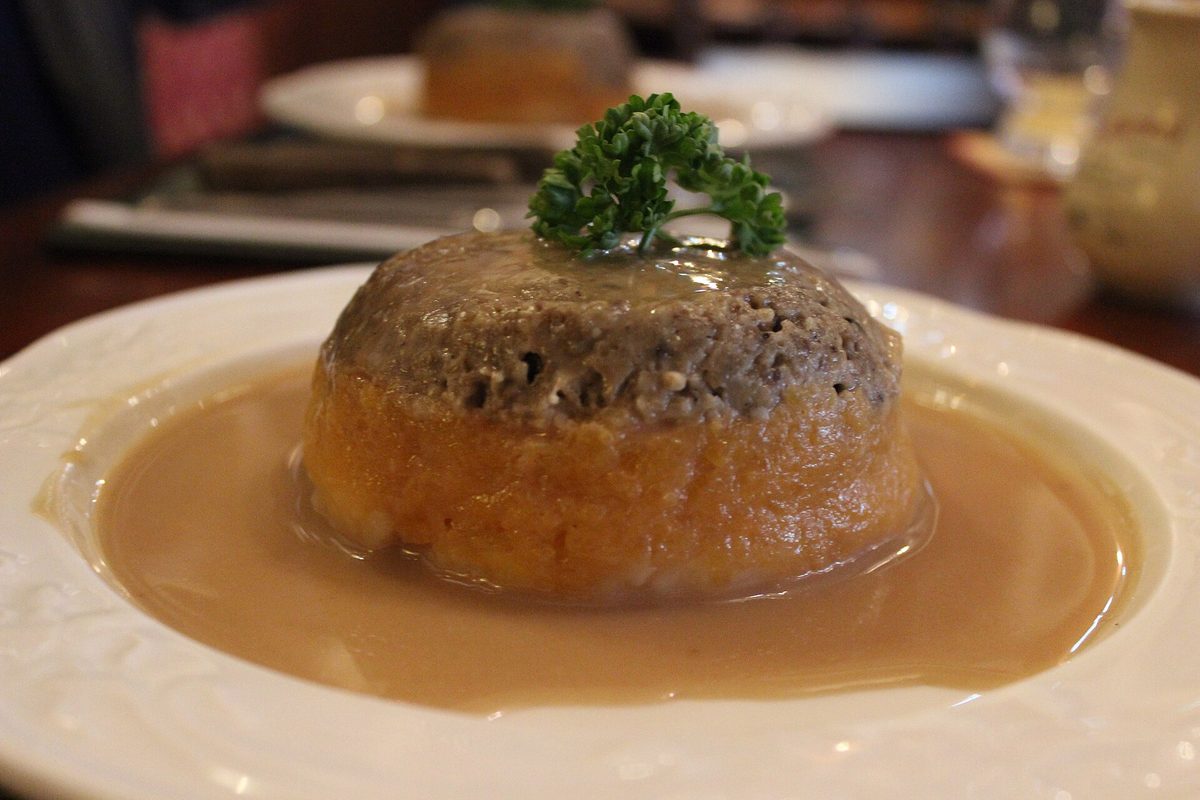
Ordering haggis at the wrong sort of place. Haggis is genuinely good, and it’s a shame that most visitors’ only experience of it is a reheated version at a tourist restaurant. Order it somewhere that cares — a decent gastropub, a Bib Gourmand kitchen, or as a bonbon starter, which is how the city itself usually eats it now.
Underestimating walking distances in the wrong direction. Edinburgh is compact but steep. Leith is downhill on the way there and uphill on the way back, after wine, at midnight. Budget for a taxi or check the tram times.
Expecting the whisky to be cheap. A dram of anything interesting starts around £6–8 in a decent bar and climbs steeply. Bars with 200-bottle back walls are wonderful and will empty your wallet quietly. If whisky is the point of your trip, our guide to Scotch whisky distilleries is a better use of the money.
Not checking Sunday and Monday closures. I’ve said it above and I’ll say it again, because it’s the most common way a planned dinner falls apart.
Frequently asked questions
What food is Edinburgh known for?
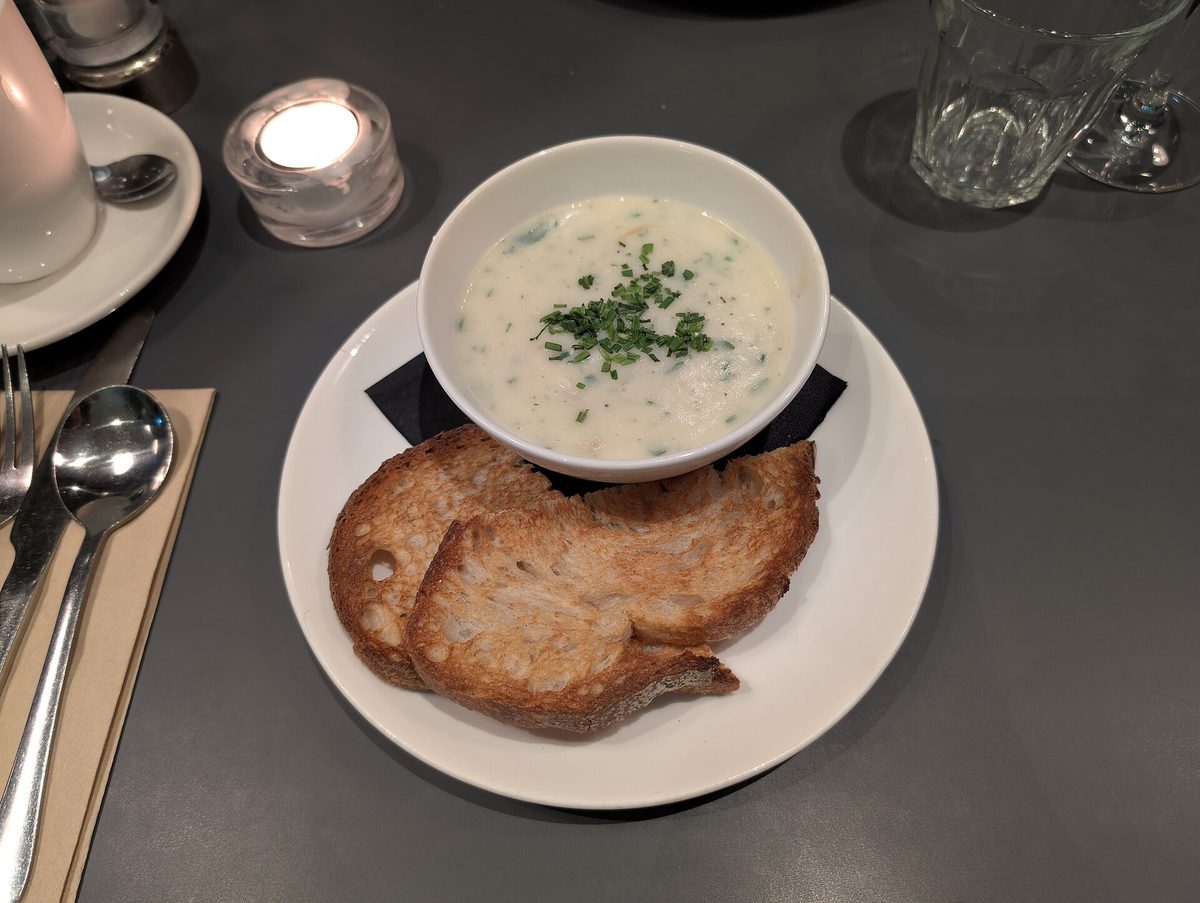
Haggis with neeps and tatties, cullen skink (a smoked haddock and potato soup), Scotch pies, cranachan for pudding, and outstanding seafood — langoustines, scallops, oysters and smoked salmon, mostly landed on the west coast and in the north-east. Edinburgh doesn’t have its own distinct cuisine so much as it has the best access to Scotland’s produce.
How much does dinner cost in Edinburgh?
Budget roughly £10–15 a head for casual food, £20–30 for a good neighbourhood restaurant with two courses, £35–60 for serious cooking and £100–200 for a starred tasting menu. Drinks add substantially: a pint sits around £5.50–7 and wine lists rarely start below £28 a bottle. Prices at the time of writing.
Should I eat on the Royal Mile?
Mostly no. Rents are high and customers rarely return, so most Royal Mile restaurants have no incentive to cook well. There are honourable exceptions — Cannonball at the top, Wedgwood on the Canongate, David Bann just off it — but the general rule is to walk sixty seconds onto Victoria Street, Cockburn Street or one of the closes.
How far in advance should I book restaurants in Edinburgh?
Cheap places don’t take bookings at all. Mid-range needs two or three days midweek and about a week for a weekend. Restaurants in the £30–60 band need two to four weeks. Michelin-starred kitchens need six to twelve weeks. Double all of it for August, when the Fringe fills the city.
Where do locals actually eat in Edinburgh?
Stockbridge, Leith and Leith Walk, Bruntsfield and Morningside, and the Southside around Nicolson Street. These are residential areas where restaurants survive on repeat custom, which changes the cooking. All are a walk or a short bus or tram ride from the Old Town.
Is Edinburgh good for vegetarians and vegans?
Yes. There are long-established dedicated vegetarian restaurants such as David Bann on St Mary’s Street, vegan-friendly pub kitchens like Paradise Palms, and vegan haggis to try. Elsewhere, check the menu before you book and mention dietary needs when you reserve, particularly for a tasting menu.
What time do restaurants close in Edinburgh?
Earlier than visitors expect. Many kitchens stop taking orders well before the bar closes, so find out when the kitchen shuts before you set out. Late at night, curry, kebabs and late pizza are the usual fallbacks. In August some central places extend hours — check on the night.
What’s the best value way to eat well in Edinburgh?
Two things. Pre-theatre menus, served roughly 5–6.30pm, give you two or three courses for around £20–32 at restaurants that would otherwise cost £50 plus, and you don’t need a theatre ticket. And set lunch at the top restaurants runs at a third to a half of the dinner price, with much shorter booking lead times.
Final thoughts
Edinburgh is a very good food city that hides its best work about ten minutes’ walk from where most visitors stand. That’s the whole thing, really. The Royal Mile is a magnificent street and a poor place to have dinner; Leith is unglamorous on the way there and holds two Michelin stars; Stockbridge looks residential because it is, which is exactly why it eats well.
Decide your number before you leave the hotel, pick the neighbourhood before you pick the restaurant, and book anything above £30 a head before you get on the plane. Do that and you’ll eat better here than in almost any city of this size in Britain.
And if you’re still building the rest of the trip, our two days in Edinburgh itinerary slots these meals into a working plan, where to stay in Edinburgh helps you pick a base near the food you want, and the wider Scottish food and drink pillar covers what to eat once you leave the city.
If you would rather have someone else do the choosing for a morning, we have weighed up the operators in our guide to Edinburgh food tours and whether they are worth the money. And when you cross to the other side of the M8, eating your way round Glasgow works on completely different rules.
About the author: This guide was written and is maintained by the ScotlandTourism.org editorial team — travel writers who’ve spent years exploring Scotland’s cities, Highlands and islands, from bagging Munros to chasing the perfect dram. We update our guides regularly to keep prices, opening details and advice current.
Last updated: November 2026. Prices and opening times change — always check the official site before you travel.
Photo credits
All images are used under their respective Creative Commons or public-domain licenses:
- The Royal Mile in Edinburgh — Richard Webb, CC BY-SA 2.0, via Wikimedia Commons
- Coloured shopfronts on Victoria Street — Drnoble, CC BY-SA 4.0, via Wikimedia Commons
- Restaurants with pavement tables in the Grassmarket — Ermell, CC BY-SA 4.0, via Wikimedia Commons
- A pub with outdoor benches on Rose Street North Lane in Edinburgh’s Ne — Richard Law, CC BY-SA 2.0, via Wikimedia Commons
- Georgian terraces in Stockbridge — Drnoble, CC BY-SA 4.0, via Wikimedia Commons
- The Shore in Leith — Bill Boaden, CC BY-SA 2.0, via Wikimedia Commons
- Tenements with ground-floor shops and cafes along Bruntsfield Place — Leslie Barrie, CC BY-SA 2.0, via Wikimedia Commons
- Shops and restaurants on William Street in Edinburgh’s West End — Stephen Craven, CC BY-SA 2.0, via Wikimedia Commons
- A deep-fried haggis bonbon with onion marmalade — Grendelkhan, CC BY-SA 4.0, via Wikimedia Commons
- A bowl of cullen skink with sourdough toast — Andy Li, CC0, via Wikimedia Commons