Every Edinburgh food tour comes with a sum you end up doing in your head. A few venues, a few hours, a ticket close to £100, and at some point a small bowl of soup in a pub you have walked past twice already. The soup may be excellent. The question is whether you could have bought the same lunch yourself for far less.
The answer, after several tours and a great many self-guided walks through the same closes, is: it depends entirely on which sort of tour you book, and on whether you understand what you are actually paying for. That is the bit nobody tells you. Every guide to this subject is a list of five operator names lifted off a booking page. So let me try to be useful instead, and tell you which type suits you, roughly what it costs, how much food you genuinely get, and — the section I would have wanted — who should skip the whole idea and just go and eat.
Is an Edinburgh food tour worth it? The short answer
Yes, if you pick a tour that replaces a meal rather than adding snacks to your day, and if you value a local guide’s shortlist as much as the food itself. Expect around £70–£90 for three hours and four to six stops. Skip it if you are on a tight budget, a fussy eater, or in Edinburgh for under two days.
Edinburgh food tours at a glance
Prices, durations and stop counts below were taken from the operators’ own pages at the time of writing. All of it moves — check before you book.
| Tour | Type & area | Length | Stops | Meal or nibbles? | Group | Price band |
|---|---|---|---|---|---|---|
| Eating Europe — Eating Edinburgh: Old Town Food & Drinks | Old Town grazing walk, dips into New Town | 2.5 hours | 4 | Full meal (operator guarantees it) | Max 12 | From £99 |
| Secret Food Tours Edinburgh | Old Town closes, one dish kept secret | 3–3.5 hours | 5 | Lunch-replacing | Max 10–12 | Around £90 |
| Eat Walk Edinburgh | Old and New Town, seated courses | About 3–3.5 hours | 4 venues | Full meal with paired drinks | Small group | From £93 |
| Edinburgh Food Safari — Georgian New Town | New Town and Stockbridge, market-leaning | 3 hours | 5 or 6 | A substantial lunch | Small group | Mid band; check current pricing |
| Edinburgh Food Safari — Foods of Leith Waterfront | Leith, seafood and harbour history | Check when booking | Several | Seafood tastings | Ask the operator | Mid band; check current pricing |
| The Lost Close | Underground whisky, gin or beer tasting | Around 1–1.5 hours | Seated, one venue | Drinks-led, minimal food | Small | Lower band |
| The Chocolatarium | Seated chocolate tasting and making | About 1.5 hours | One venue | Sweet only | Small | Lower band |
| Private / bespoke (Eating Europe offer one) | Your route, your diet, your pace | Agreed with the operator | Negotiable | Whatever you ask for | Your party only | Several hundred pounds per group |
Two things jump out of that table. The first is that the price spread between the big international brands and the smaller local outfits is real but not enormous — you are choosing style, not saving a fortune. The second is that “food tour” covers six genuinely different products, and picking the wrong genre is the most common way people end up disappointed.
The six kinds of Edinburgh food tour
Decide the type first. The brand matters far less than most listicles pretend.
1. The Old Town grazing walk
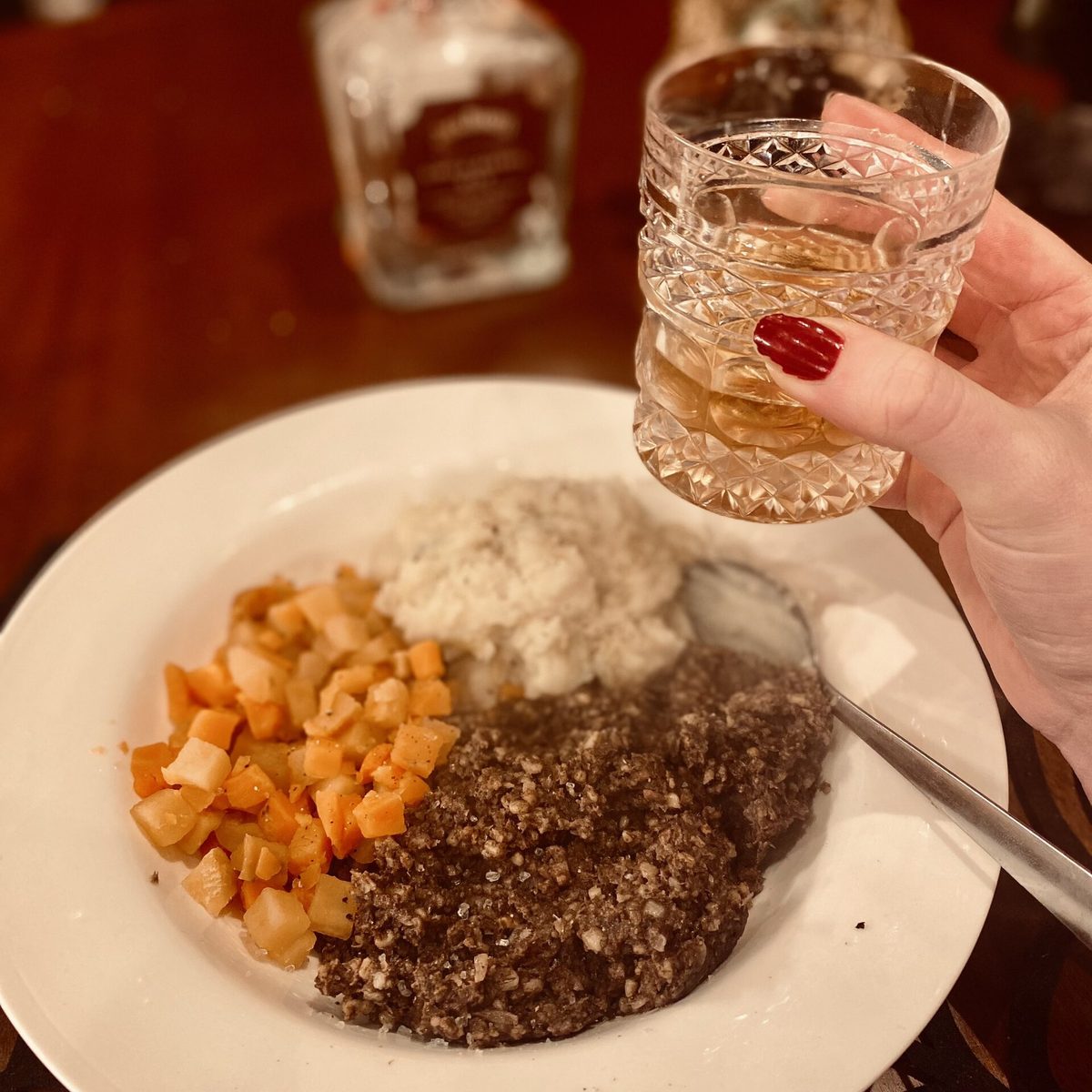
This is the default, and it is what most people mean by an edinburgh food tour. You meet somewhere near the top of the Royal Mile, walk downhill and sideways into the closes, and eat four to six courses across four to six venues over roughly three hours. Cullen skink somewhere warm, haggis with a dram, a cheese board, something sweet, occasionally a fish and chips stop.
The route is short, but the Old Town is built on a ridge and the closes drop away steeply on both sides, so you will do more climbing than the distance suggests. The same streets are free to walk at any hour, which is precisely why the value question matters.
Who it suits: first-time visitors who want the classics ticked off, an anchor for their afternoon, and a local to explain what haggis actually is before they eat it.
2. The New Town and Stockbridge market walk
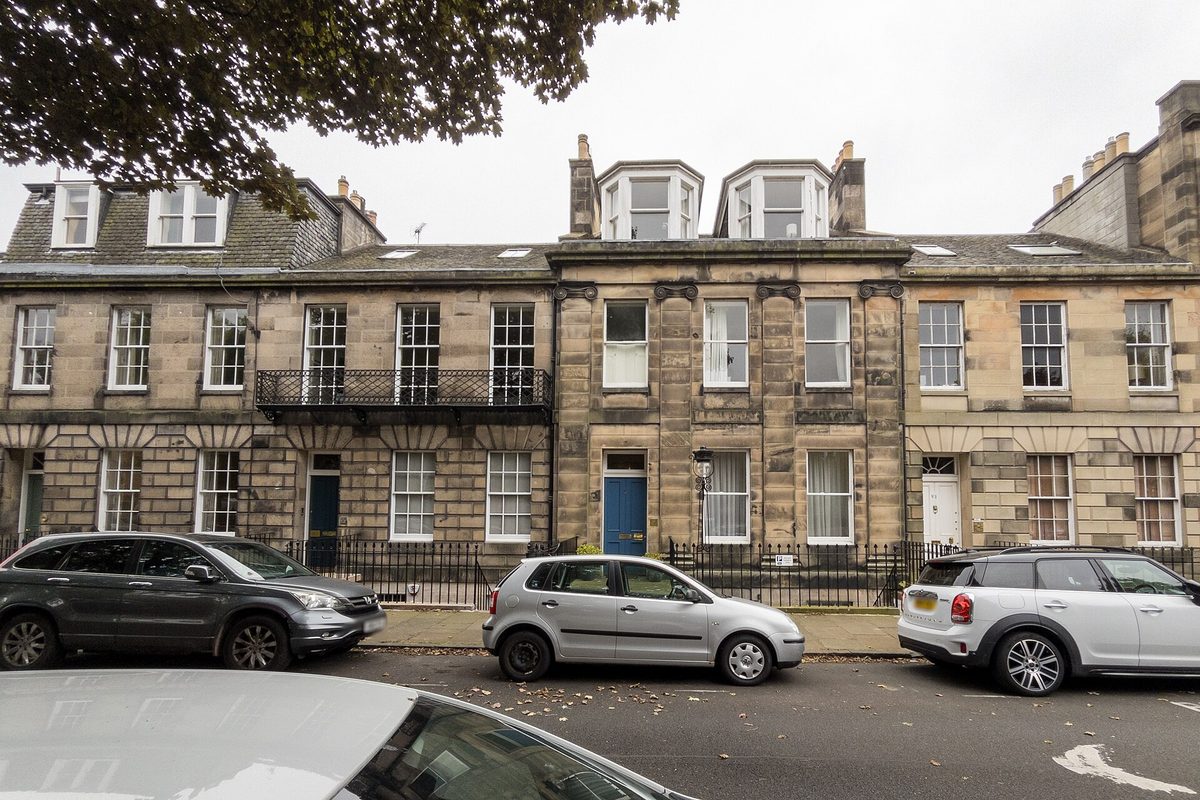
Ten minutes north of the crowds, the Georgian grid is calmer, flatter and considerably less shouty. Edinburgh Food Safari runs a three-hour walk through the New Town and Stockbridge, and it is the one I would send a returning visitor on. Their published run-through includes a gin cocktail with smoked salmon canapés, haggis in a traditional pub, a whisky-and-cheese pairing, port with Scottish chocolates and Perthshire ice cream. Vegetarian haggis is on the menu as standard, which is not universal.
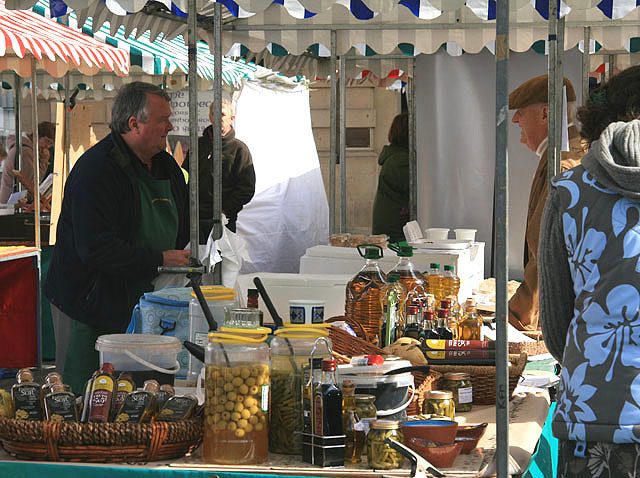
They also run a Sunday version timed for the Stockbridge farmers’ market in Jubilee Gardens, which is the single best reason to book a Sunday morning in Edinburgh. Stalls, producers, actual Scots doing their shopping. Check the market’s own hours before you commit to a date — it is a weekly outdoor market and weather occasionally has opinions.
Who it suits: anyone who has done the Old Town already, anyone travelling with someone who hates crowds, and anyone who would rather talk to a cheesemonger than queue behind a stag party.
3. The whisky-and-food pairing
A different animal entirely. Rather than walking between kitchens, you sit down and someone pours you three to five drams alongside cheese, chocolate or smoked fish, and explains why the pairing works. The Lost Close runs underground tastings in an Old Town vault, with whisky, gin and beer formats plus a coffee variant.
Eat Walk Edinburgh offer a whisky upgrade on their standard tour, which is a neat halfway house: you still get the four seated courses, but your paired drinks skew towards Scotch. If whisky is the actual point of your trip, though, a tasting in town is a starter rather than a main. Plan a proper distillery visit as well — our guide to Scotch whisky distilleries covers the ones worth the drive, and several are close enough for a day trip out of Edinburgh.
Who it suits: drinkers who want structure and a bit of teaching, and anyone who wants to stay warm and seated in November.
4. The gin tour
Scotland makes an absurd amount of gin, and Edinburgh has leaned into it hard. Gin tastings tend to run shorter, cheaper and more sociable than whisky ones, with a botanical talk and three or four measures served long. Some food tours fold a gin cocktail into the opening stop rather than selling a dedicated gin product — the Food Safari New Town tour is one of those.
Who it suits: groups, hen parties, and anyone who has tried whisky and quietly decided it is not for them. Not a meal. Eat first.
5. The Leith and seafood-leaning walk
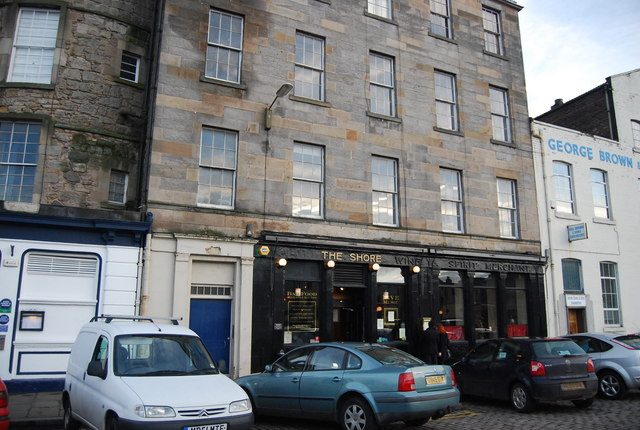
Leith is Edinburgh’s port, twenty minutes out on the tram or a pleasant walk down Leith Walk, and it is where the city’s cooking got interesting. The Shore — the cobbled stretch beside the Water of Leith — is lined with restaurants, and Edinburgh Food Safari’s Foods of Leith Waterfront tour uses it as the spine. Edinburgh Food Safari have also listed an internationally themed Leith Walk tour, so look on their site for current dates.
Who it suits: second-time visitors, seafood people, and anyone who suspects that “traditional Scottish food” is being sold to them slightly too hard on the Royal Mile. It is worth reading up on the wider picture in our guide to traditional Scottish dishes before you decide which camp you sit in.
6. The private or bespoke tour
A private tour is the other option. You get your own guide, your own route, and a menu built around your allergies, your teenagers or your in-laws. It costs several hundred pounds for the group rather than per head, which means it stops being extravagant at about four people and becomes reasonable at six.
Private tours also carry longer cancellation windows — Eating Europe, for instance, allow a full refund up to 24 hours ahead on their small-group tour but require seven days on a private booking. Worth knowing before you gamble on a November forecast.
Who it suits: families, dietary minefields, anyone celebrating something, and business groups.
And the sweet-tooth outliers
The Chocolatarium runs a seated bean-to-bar tasting where you make your own chocolate, and there is a doughnut walk that starts near the castle and works down the Royal Mile. Neither is a food tour in the grazing sense. Both are excellent with children — see our guide to Edinburgh with kids for how they slot into a family day.
What you will actually be served
The menus vary less than the marketing implies. Most lean on the same Scottish staples, and knowing what they are ahead of time makes the whole thing better.
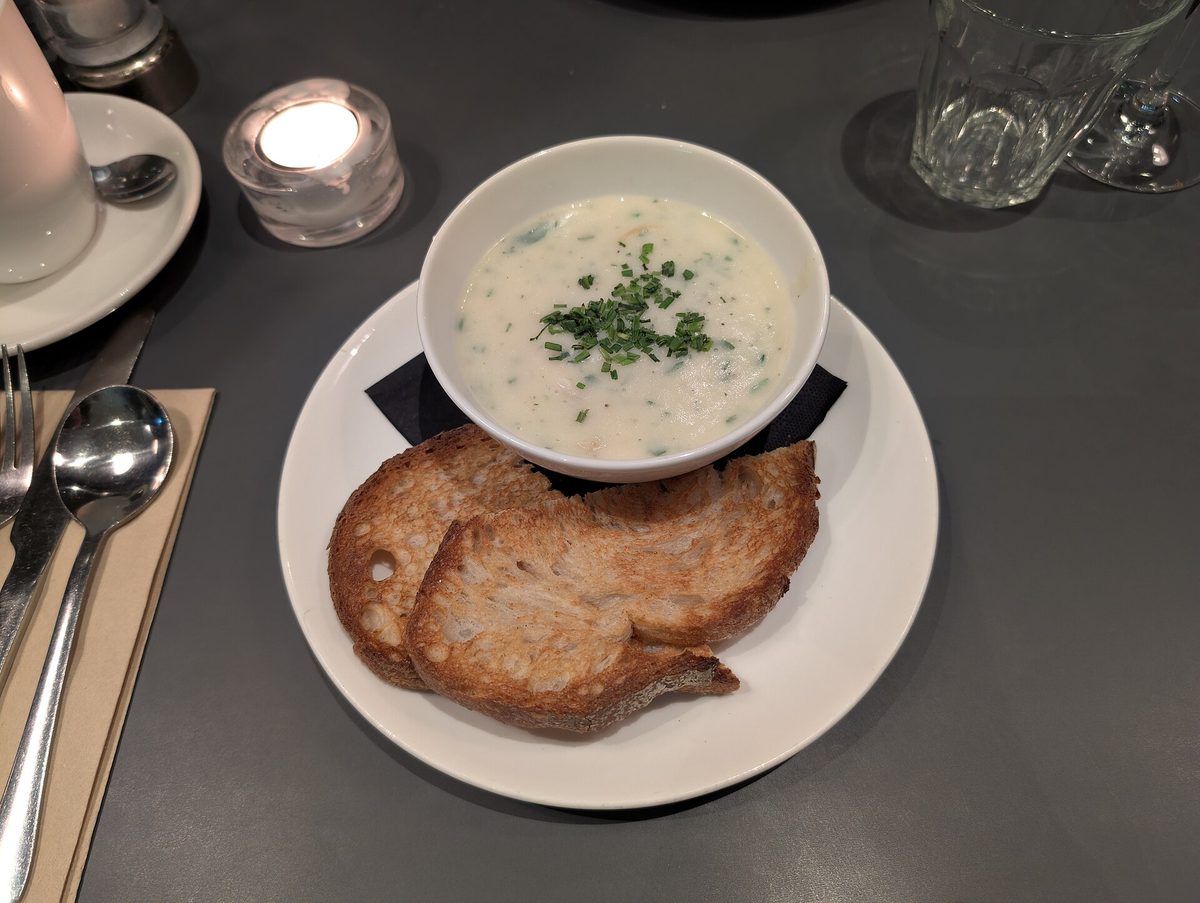
Cullen skink. Smoked haddock, potato, leek, milk or cream. Named after a village on the Moray coast, and the best thing on most itineraries. A good one is thick with visible flakes of fish; a poor one is thin and tastes of powdered stock. It is the single fastest way to judge whether a tour has chosen its venues well.
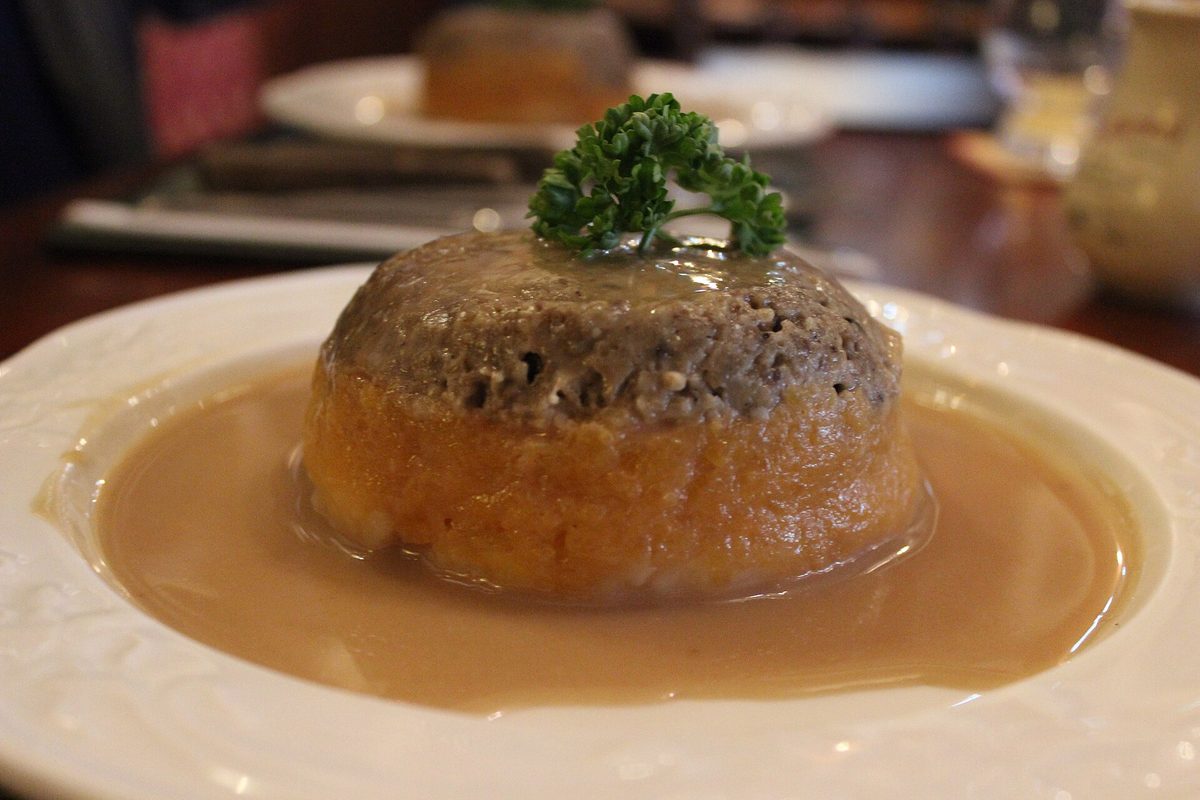
Haggis, neeps and tatties. Minced sheep’s offal with oatmeal, onion, suet and a lot of black pepper, served with mashed swede and potato. Usually with a dram alongside, sometimes with a whisky cream sauce. Vegetarian haggis, which is oats, pulses and the same spicing, is now standard almost everywhere.
Scottish cheese. Isle of Mull cheddar turns up constantly, as do smoked varieties and a Scottish blue. Served with oatcakes and, on the better tours, a whisky chosen to sit beside it.
Smoked salmon. More common on New Town routes than Old Town ones, often as a canapé with a gin cocktail. Scotland cures a great deal of it and the quality gap between the cheap stuff and the good stuff is enormous.
Something deep-fried. Fish and chips, a Scotch pie, or — if the guide has a sense of humour — a deep-fried Mars bar, which no Scot eats and every visitor asks about.
Something sweet. Cranachan, which is raspberries, cream, toasted oats and whisky, and is genuinely one of the best desserts in Britain. Or tablet, a crumbly sugar-and-condensed-milk confection that is not quite fudge. Or ice cream — Scotland has a serious dairy tradition and the ice cream on food tours is consistently better than it has any right to be.
A dram. Almost always. If the tour includes one whisky, it will be an accessible Lowland or Speyside malt rather than something peaty, which is the right call for a mixed group.
How much food do you actually get?
This is the question that decides whether you feel robbed. Here is the honest version.
Most Edinburgh food tours are lunch-replacing, not dinner-replacing. Four to six tasting portions across three hours adds up to a solid meal, and Eating Europe explicitly guarantee that you will eat “at least the equivalent of a full meal” on their Edinburgh tours. Eat Walk go further and describe theirs as a full meal across four venues, with an offer to order more if you are still hungry. But it is a meal eaten slowly, standing up between sittings, with talking in between. You will not roll home the way you would after a Sunday roast.
Practical consequences. Do not book a 14:00 tour and a 19:00 restaurant table on the same day; you will waste one of them. Do eat a light breakfast rather than a full Scottish breakfast, because arriving at a tasting tour on top of black pudding and tattie scones is a genuine mistake I have made. And if you have a big appetite, the four-seated-course format will serve you better than a five-stop nibble format, even though the nibble format sounds like more.
The drinks matter more than people expect. A standard Eat Walk adult ticket includes three alcoholic drinks and one soft, with an alcohol-free package available at the same slots. On a three-hour afternoon that is a fair amount of drinking, so factor it into whatever you had planned afterwards. If your evening involves a ghost tour of the vaults, do the food tour earlier rather than later.
Who an Edinburgh food tour is genuinely wrong for
Nobody selling these will tell you this, so I will.
Anyone on a tight budget
Ninety pounds a head is a lot of money in a city where an excellent pub lunch is twelve. For two people, one food tour is £180 — roughly a night in a decent hotel, or four proper dinners. If your Edinburgh budget is finite, spend it on restaurants you choose yourself and use our Edinburgh restaurant guide instead. The city is small enough that you do not need a guide to find good food; you need a shortlist, and a shortlist is free.
Fussy eaters
Food tours run on a fixed menu. If you dislike offal, oily fish, blue cheese and whisky, you have just written off four of five stops, and no amount of goodwill from the guide fixes that mid-tour. Vegetarians are generally fine — veggie haggis is standard now — but vegans, coeliacs and anyone with a severe allergy should read the small print. Eating Europe state plainly that vegan, gluten-free and kosher options may be limited and that guests with life-threatening allergies cannot join. With Edinburgh Food Safari, raise any allergy or intolerance with them before you book.
Anyone with under 48 hours in the city
Three hours is a big slice of a short trip, and it will land squarely in the middle of your day. If you have one day in Edinburgh, the castle, the Royal Mile and Arthur’s Seat will fill it and you will eat perfectly well without a guide. On a two-day itinerary a food tour starts to make sense on the second afternoon, when you already know where you are.
Anyone who would rather drink than eat
If your honest preference is a long afternoon in a good bar, a food tour is a slow, expensive way to get there. Book a whisky or gin tasting, or simply work through the Old Town’s better pubs at your own pace. There is no shame in it, and it will cost less.
People with mobility limitations
Old Town tours involve cobbles, steep closes and basement bars. Edinburgh Food Safari flag uneven cobblestone streets and two basement bars on their New Town route; Eating Europe say plainly that some tours are not wheelchair or pushchair accessible. Ask before booking rather than hoping. A seated tasting or a private tour with a chosen route solves this properly.
The do-it-yourself alternative: a self-guided Edinburgh food walk
If you would rather keep the £90, here is a walk you can do on your own. It takes about three hours at a strolling pace and covers the same ground the Old Town tours cover.
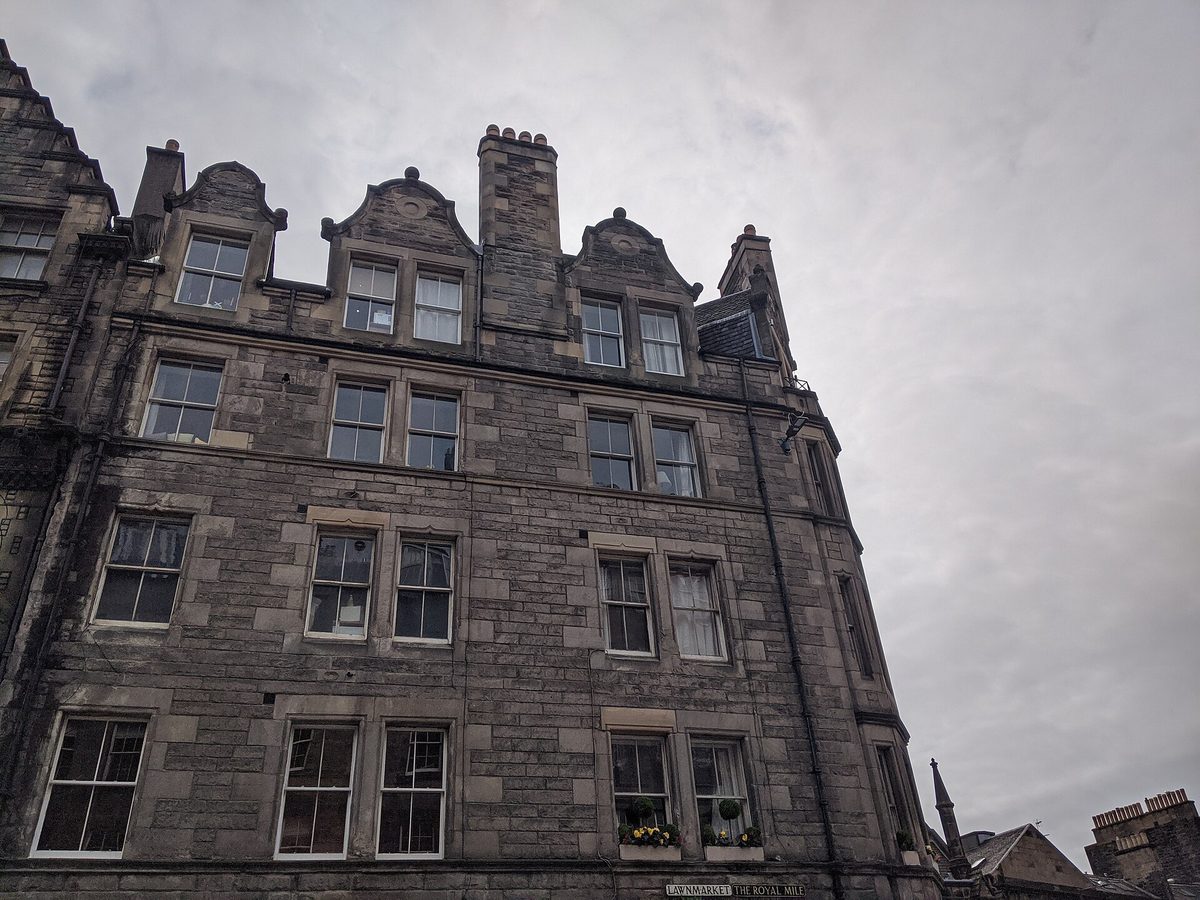
Start: the Lawnmarket, top of the Royal Mile. Walk down and turn into a couple of the closes on your way — they are well worth exploring on foot.
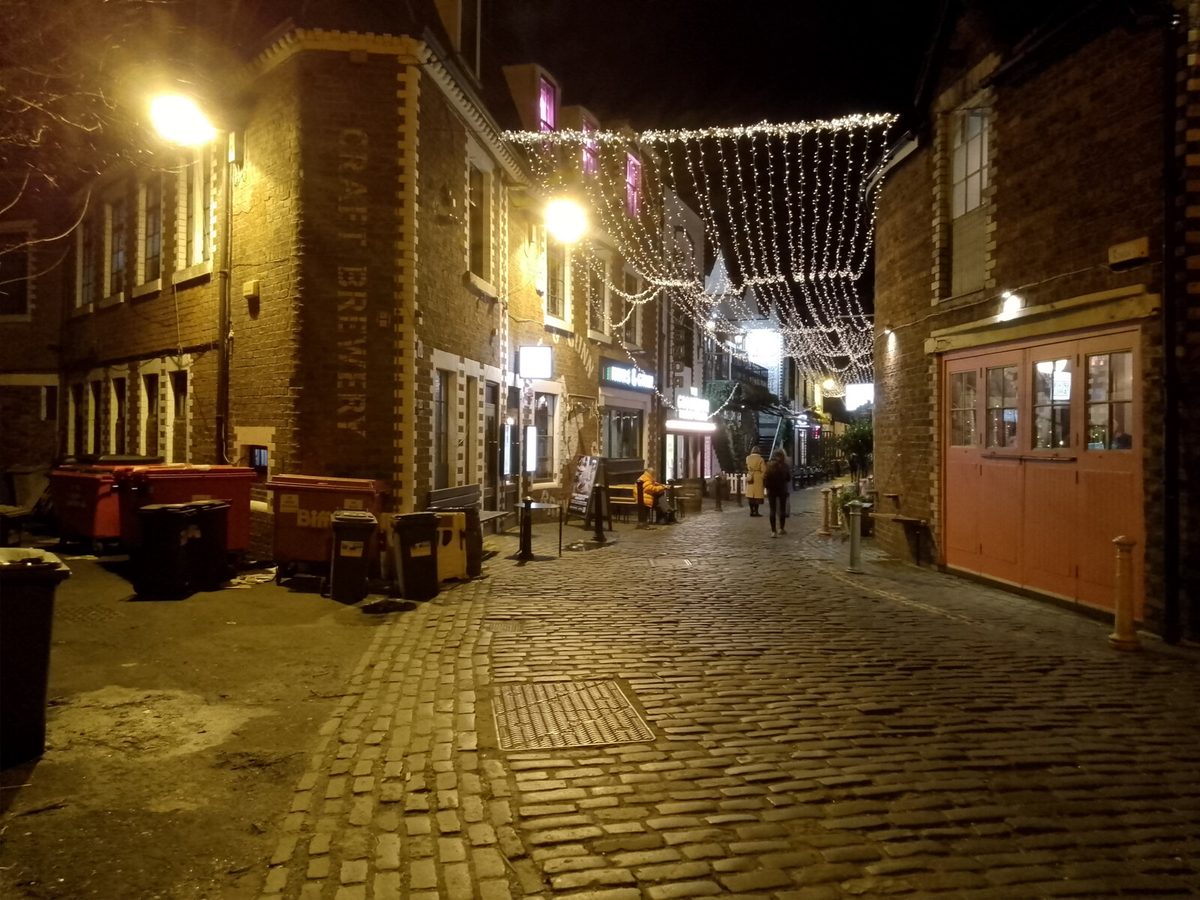
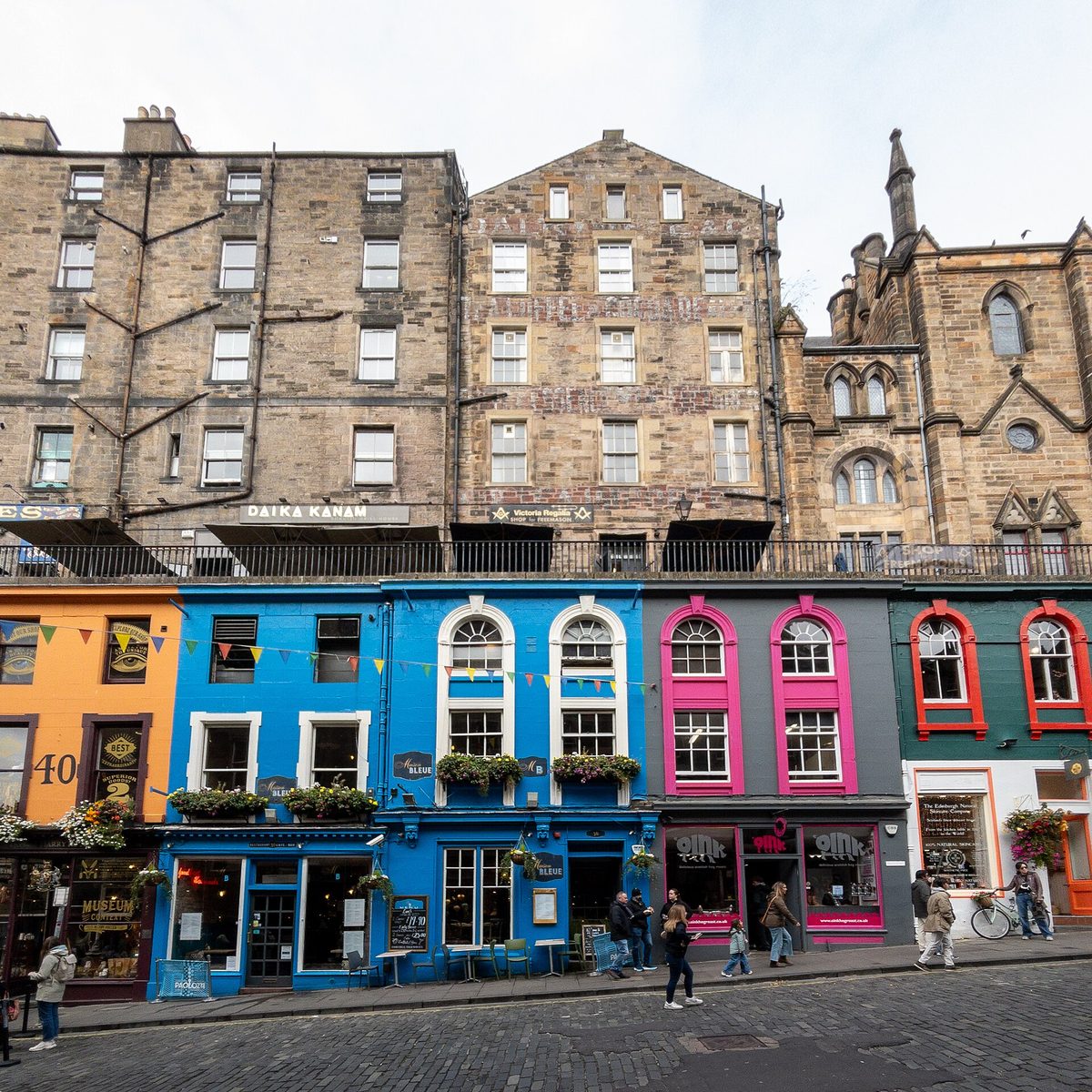
Stop one, Victoria Street. The curving painted terrace below George IV Bridge is the prettiest street in the Old Town and, usefully, one of the most food-dense. There is a hog roast counter serving pulled pork rolls, a cheesemonger with Scottish farmhouse cheeses cut to order, and enough delis to keep you occupied. Budget around £6 for a roll and £5–£7 for a wedge of cheese and oatcakes.
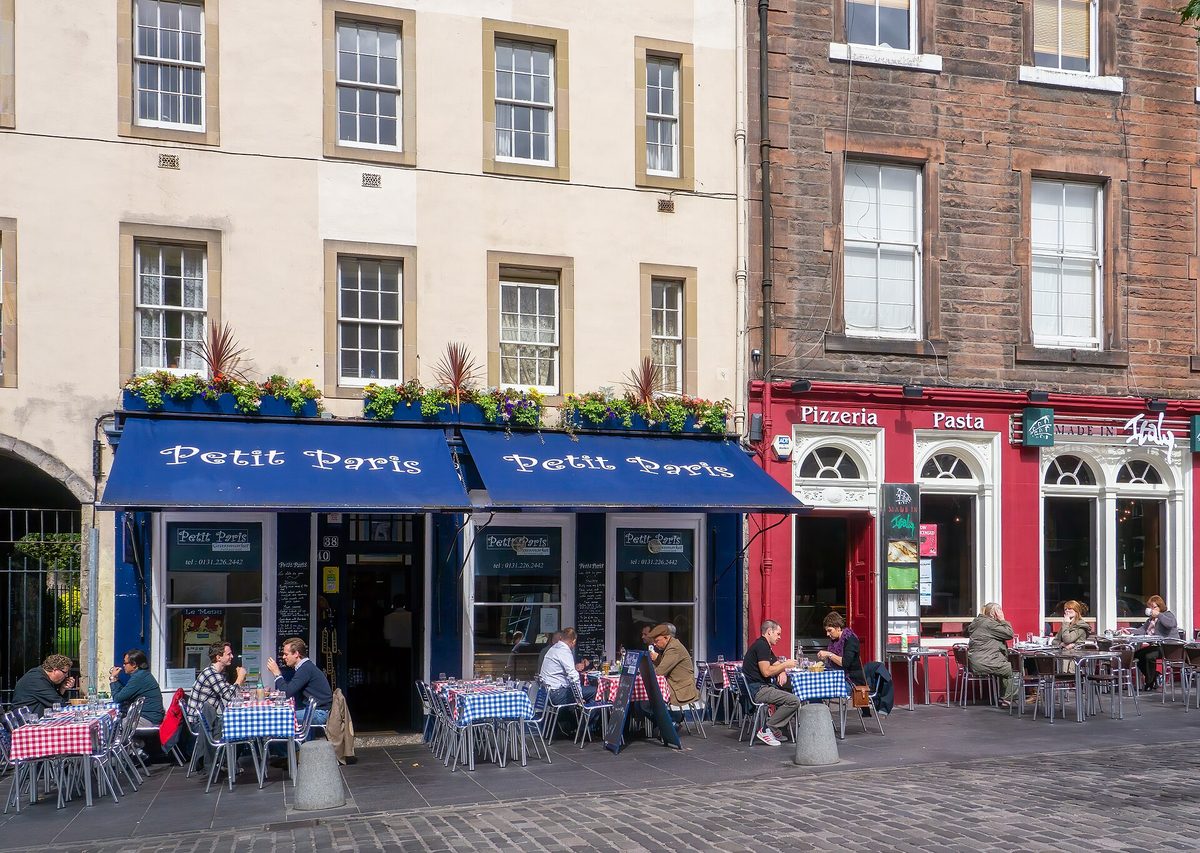
Stop two, the Grassmarket. Straight on down the West Bow and you are in it: a wide cobbled square under the castle rock, ringed with pubs that have been arguing about their own age for centuries. Sit outside if the weather allows, order a bowl of Cullen skink, expect to pay something in the region of £8–£10. This is where a tour would put you anyway.
Stop three, a whisky bar. The Old Town has several small bars with shelves of single malts and staff who will happily talk you through three. A decent dram runs £6–£12 depending on how far up the shelf you go. Ask for something from a region you have not tried; that conversation is most of what you would be paying a guide for.
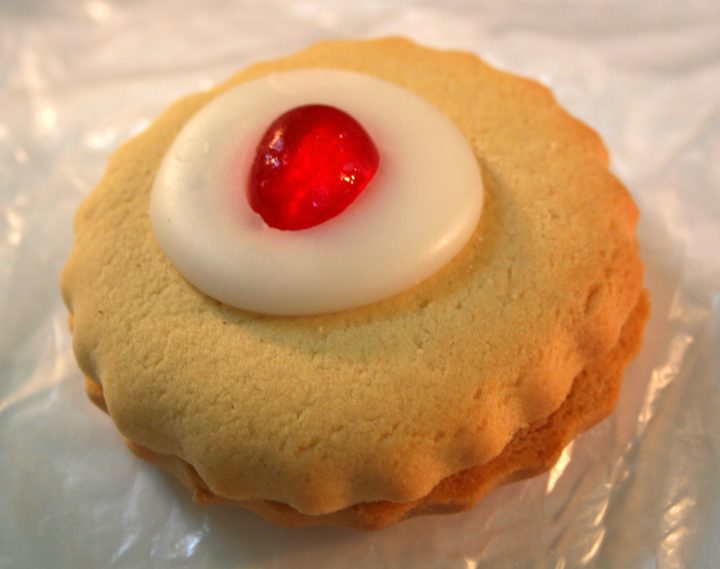
Stop four, something sweet. Ice cream in the Grassmarket, a German biscuit or a slab of tablet from a bakery, or fudge on the Royal Mile. Two or three pounds.
Rough total: £28–£38 a head, against roughly £89 for the guided version. So you save around £55. What you lose is the curation, the stories, the guide’s ability to get you a table on a Saturday, and the company of ten strangers who turn out to be good fun. Whether that is worth £55 is genuinely a matter of temperament. For a solo traveller I would say yes. For a couple who like their own company, probably not.
One thing the self-guided route cannot replicate: the tour’s access. Several operators have arrangements with venues that hold a table, plate something specially, or open a back room. Eating Europe claim most of their Edinburgh stops work exclusively with them. Walking in yourself on a Saturday in August is a different experience entirely.
Planning: when to book, what it costs, what to wear
How far ahead to book
Small-group tours cap at ten to twelve people, which means they sell out faster than the number suggests. In August, during the festivals, book two to three weeks ahead and do not assume anything. From June to September, one to two weeks. From November to March you can often get a place a few days out, and sometimes the same morning — but see the timetable warning below. Private tours need the most lead time because the venues have to be arranged.
The winter timetable trap
This catches people out. Several operators run a reduced schedule from October to March, so check departure times with the operator before you plan a day around one. In November, a late-afternoon start is effectively a night tour. Edinburgh loses light early in late autumn — by mid-November it is properly dark not long after four o’clock. You will not see the closes, you will not photograph the Grassmarket, and the walking sections are cold. Take the late-morning slot if you can.
Weather, and what to actually wear
Most stops are indoors, but the bits between them are not, and the Old Town funnels wind in a way that Edinburgh residents find genuinely funny. A November tour means rain that arrives sideways, temperatures in the high single figures, and cobbles that get slippery. Waterproof jacket with a hood, because umbrellas are useless in that wind. Shoes with grip, not smooth soles. Layers, because you will be moving between a cold street and an overheated pub every twenty minutes. Our October in Scotland guide and the notes on Scotland in winter cover the wider picture if you are planning around the season.
Cancellation and dietary notice windows
These vary more than you would expect, and they are the detail most people skip. Eating Europe allow small-group cancellations up to 24 hours before departure for a full refund, but require seven days for a private tour. Edinburgh Food Safari’s terms are on their own site, so read them before you pay. Dietary requirements need their own lead time: tell the operator as early as you can, because the guide may have to renegotiate individual stops. Tell them about children in the party too — some bars cannot serve under-18s at all and the route may need adjusting.
Tipping in Scotland
Scotland is not a heavy tipping culture and nobody will chase you. In restaurants, ten per cent is normal if service is not already on the bill; many places now add it, in which case you are done. On a guided tour, tips are not expected but are appreciated — Eating Europe say exactly that. If a guide has been good, £5 a head is generous and entirely sufficient. Nobody in Edinburgh expects twenty per cent, and pretending otherwise does visitors no favours.
Getting to the meeting point
Old Town tours generally meet within a few minutes’ walk of Waverley station — Eat Walk, for instance, meet outside 26 St Giles’ Street. In Leith, Edinburgh Food Safari’s Foods of Leith Waterfront tour meets inside Teuchters on Dock Place; the tram is the easy way out there, and any other Leith tour gives its meeting point on the booking. Give yourself fifteen minutes more than you think; the Old Town’s geography is vertical and the map lies about how long a close takes. Our Edinburgh travel guide has the orientation, and where to stay in Edinburgh covers which neighbourhoods put you nearest the meeting points.
What underwhelms, and the mistakes people make
The haggis stop is sometimes the weakest one
Haggis is genuinely good, and a decent version with neeps, tatties and a peppercorn sauce is one of the best cheap meals in Britain. But it is also the single most predictable item on every itinerary, and the venues that can plate forty portions of it a day for tour groups are not always the venues that make the best version. If your guide takes you to a large chain pub for the haggis course, that is a fair signal about the rest of the tour. Small independent pubs are where the good stuff is.
Too much walking sold as “exploration”
Some tours pad a thin food itinerary with a walking-tour narrative. If the marketing talks more about history than about what you will eat, and the stop count is three, you are buying a walking tour with snacks. That is a legitimate product — it is just not what most people think they are booking. Check the number of stops and whether drinks are included before anything else.
Booking two food-heavy things in one day
A food tour plus an afternoon tea, or a food tour plus a tasting menu, is a waste of both. Space them out. Edinburgh is compact enough that you can do the tour on day two and eat properly on day three without any logistical pain.
Assuming August is the best time
August is festival season, and the crowds that come with it fill the Royal Mile. The food is no better in August. If you have a choice, come in May, September or early October: the tours run their full timetables, the light lasts, and you can get a table. Our notes on the best time to visit Scotland and the cheapest time to visit go into the trade-offs properly.
Expecting a food tour to teach you to cook
It will not. You will learn what things are called, what goes with what, and a handful of stories. If you want the deeper version, read our guide to Scottish food and drink before you go and the tour becomes a much better experience, because you will ask better questions.
Frequently asked questions
How much does an Edinburgh food tour cost?
Most walking food tours sit between roughly £65 and £95 per person at the time of writing. Eating Europe’s Old Town tour starts from £99, Eat Walk advertise tours from £93, and Secret Food Tours list £89.99. Shorter seated tastings cost less, private tours run to several hundred pounds for the group. Always check current pricing on the operator’s own site.
Do Edinburgh food tours include drinks?
The main walking tours do. Eating Europe include drinks in the ticket price with no upsells. Eat Walk’s standard adult ticket covers three alcoholic drinks and one alcohol-free, with a full alcohol-free package and a whisky upgrade available. Shorter tasting formats are drinks-led by definition. Always confirm, because a tour that excludes drinks can add £20 to your afternoon.
Will a food tour replace lunch or dinner?
Lunch, comfortably. Dinner, usually not quite. Four to six tasting portions over three hours adds up to a full meal, and some operators guarantee as much, but it is eaten slowly across venues rather than in one sitting. Do not book a restaurant table for the same evening unless you have a serious appetite.
Are Edinburgh food tours suitable for vegetarians and vegans?
Vegetarians are well catered for — vegetarian haggis is standard on most itineraries and Edinburgh is an easy city to eat meat-free in. Vegans and coeliacs are harder: several operators state that vegan, gluten-free and kosher options may be limited on group tours. Flag it at booking, give at least 24 to 48 hours’ notice, and consider a private tour if the restriction is strict.
Which Edinburgh food tour is best for a second visit?
Leave the Old Town alone and book the New Town and Stockbridge route, or the Leith waterfront one. Both cover ground most visitors never reach, and both feel less like a greatest-hits set. The Sunday Stockbridge farmers’ market version is the pick if your dates allow it.
How much walking is involved?
Less than you fear, more than the map suggests. Old Town tours cover perhaps one to two miles across three hours, but the closes are steep and cobbled and there are usually steps. Operators describe the pace as gentle, and Edinburgh Food Safari describe theirs as heavy on the eating and light on the walking. Wear proper shoes anyway.
Can you do a food tour in November?
Yes, and it is one of the better months for it — small groups, no queues, and a warm pub feels considerably more welcome. The catch is the reduced winter timetable, with some operators dropping to two departures a day, and the early darkness. Take the late-morning slot rather than the 16:00 one if you want to see anything.
Are food tours worth it if you already know Edinburgh?
Only if you pick a genre you have not done. A fourth Old Town grazing walk will bore you. A Leith Walk tour built around the city’s immigrant food cultures, a whisky-and-cheese pairing, or a private route built round your own interests will not. It is also a good way to meet people if you are travelling alone — more sociable than most guided tours in Scotland.
Final thoughts
I have come round to food tours in Edinburgh, but with conditions. The ones I recommend without hesitation are the small, locally run walks in the New Town, Stockbridge and Leith — where the guide knows the producers by name, the group is small enough to talk to, and you end up somewhere you would never have found. The big Old Town products are perfectly good, professionally run and reliably enjoyable, and if it is your first trip they will do exactly what you want them to do.
What I would not do is book one out of obligation. If £90 feels like a lot of money to you, it is a lot of money, and the Grassmarket is not going anywhere. Walk down Victoria Street, buy the cheese yourself, and put the difference towards dinner somewhere excellent. Then, on your next trip — and there is usually a next trip — book the Sunday market tour and see the city the way people who live here actually eat. If you are still shaping the wider trip, our round-up of things to do in Scotland and the practical notes for a first time in Scotland will help you decide where the food fits.
About the author: This guide was written and is maintained by the ScotlandTourism.org editorial team — travel writers who’ve spent years exploring Scotland’s cities, Highlands and islands, from bagging Munros to chasing the perfect dram. We update our guides regularly to keep prices, opening details and advice current.
Last updated: November 2026. Prices and opening times change — always check the official site before you travel.
Photo credits
All images are used under their respective Creative Commons or public-domain licenses:
- Victoria Street in Edinburgh’s Old Town, lined with independent foo… — Drnoble, CC BY-SA 4.0, via Wikimedia Commons
- Haggis, neeps and tatties with a dram, the standard Edinburgh food … — Evelyn Hollow, CC BY-SA 4.0, via Wikimedia Commons
- A bowl of Cullen skink, Scotland’s smoked haddock soup — Andy Li, CC0, via Wikimedia Commons
- Georgian terraces in Stockbridge, the New Town food tour neighbourhood — Drnoble, CC BY-SA 4.0, via Wikimedia Commons
- The Shore in Leith, Edinburgh’s waterfront eating and drinking quarter — N Chadwick, CC BY-SA 2.0, via Geograph
- Restaurant tables outside pubs on the Grassmarket, a fixture of Edi… — Ermell, CC BY-SA 4.0, via Wikimedia Commons
- The Lawnmarket on Edinburgh’s Royal Mile, where Old Town food tours… — Chime Hours, CC BY-SA 4.0, via Wikimedia Commons
- A German biscuit, a Scottish bakery classic and a common sweet tour… — Davidspiers at English Wikipedia, Public domain, via Wikimedia Commons
- A Scottish farmers market stall of the kind visited on market-focus… — Walter Baxter, CC BY-SA 2.0, via Geograph