One thing decides how to get to Loch Ness, and it is easy to miss. Loch Ness is not a destination. It is 23 miles of very deep water with four or five completely separate front doors, and the right transport depends entirely on which door you want.
What follows takes each door in turn — the bus routes that serve it, the drive, the trains that get you to Inverness, and an honest account of when a tour is the sensible option and when it is a waste of a day.
How to get to Loch Ness: the short answer
There is no railway station anywhere on Loch Ness. Get yourself to Inverness first — around three and a half to four hours by train from Edinburgh or Glasgow — then take the Citylink 919 or the Ember E14 south along the A82. The E14 stops at Urquhart Castle. Driving from Inverness takes around 25 minutes.
Loch Ness access points at a glance
| Where you are heading | From Inverness by car | Public transport | Best for |
|---|---|---|---|
| Drumnadrochit & Urquhart Castle | Under 25 min (A82, about 16 miles) | Excellent — Ember E14 to the castle and the village, Stagecoach 17 to the village | First-timers, the castle, monster exhibitions, cruises |
| Fort Augustus | About an hour (A82) | Good — Ember E14, also easy from Fort William | Canal locks, the Great Glen, arriving from the south |
| Dores | 15 min (B862, 8 miles) | Poor — Highland Council 302, five times on weekdays and three on Saturdays, no Sunday service | The beach, the classic long view, an easy cycle |
| Foyers & Inverfarigaig | About 30 min (B852, 19 miles) | Poor — same 302, roughly 45 to 65 minutes each way | The waterfall, forest walks, almost no crowds |
| Invermoriston & Alltsigh | Under an hour (A82) | Fine — Ember E14 stops at Invermoriston | Hostel stays, Great Glen Way walkers |
| Lochend & Abriachan | A short drive (A82) | Fine — Stagecoach 17 stops at the Lochend road end | Hill views, the woodland trust paths, first glimpse of the loch |
Decide which bit of Loch Ness you actually want
This is the step nearly every guide skips, and skipping it is why people end up on the wrong bus. The loch runs south-west from Inverness for 23 miles down the Great Glen fault, and the two shores could not be less alike. The A82 traces the north-western side and carries every coach, camper and tour bus in the Highlands. The eastern shore is served by a thin single-track road and gets a fraction of the traffic. Deciding between them before you book anything will save you a great deal of grief.
If you want the wider picture of the region before you narrow it down, our guide to Loch Ness and Inverness covers what is actually worth your time at each end of the water.
Drumnadrochit and Urquhart Castle: the busy end
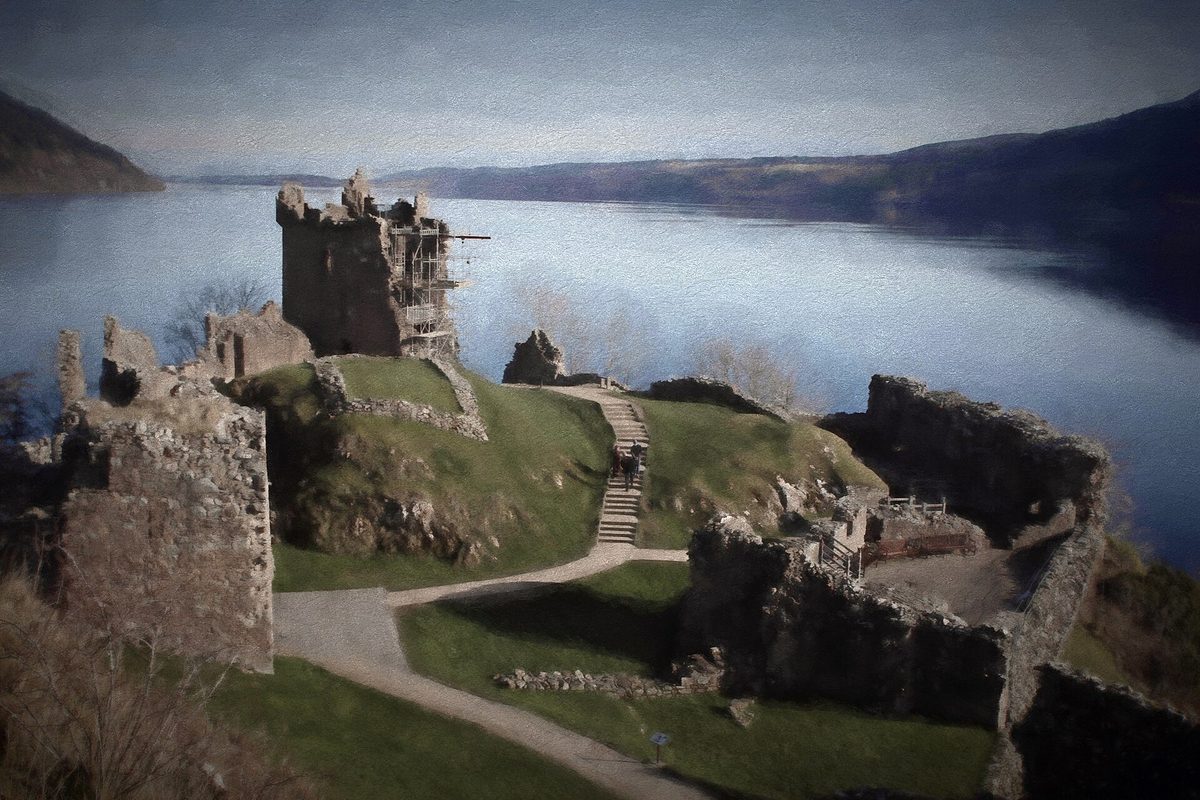
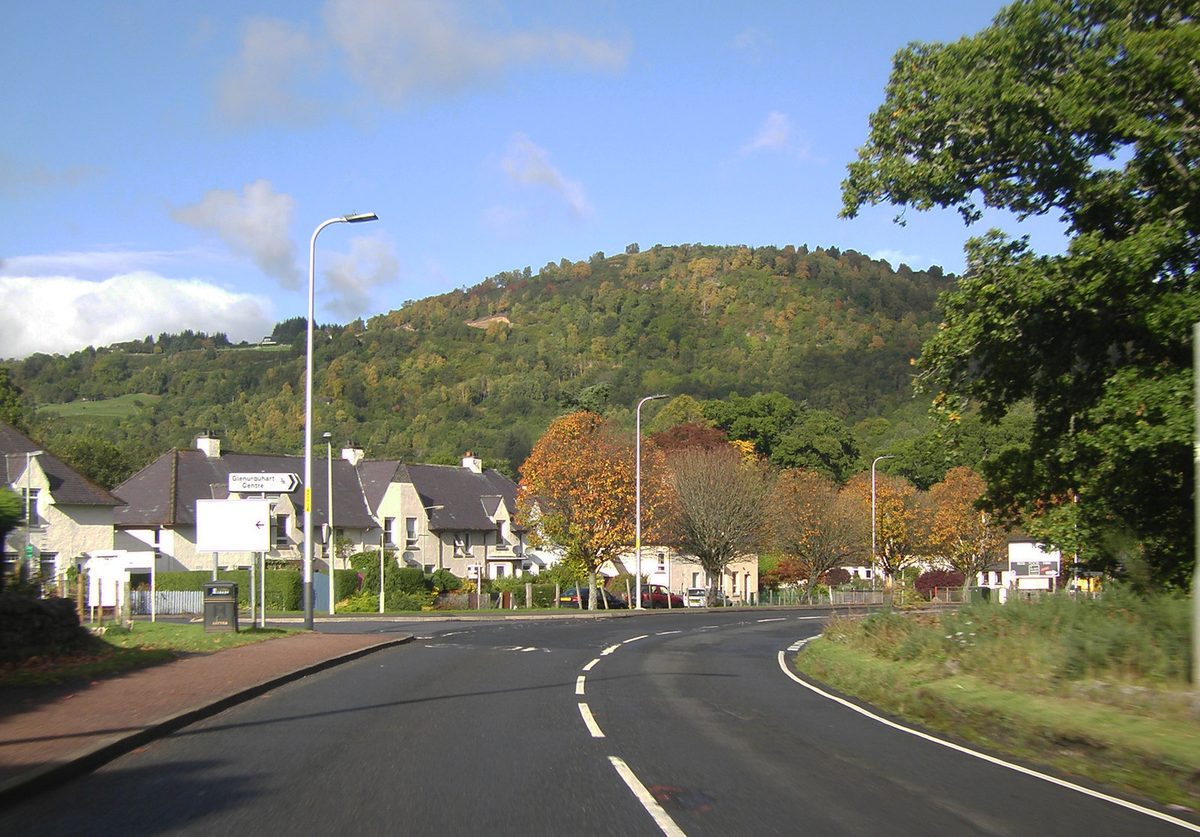
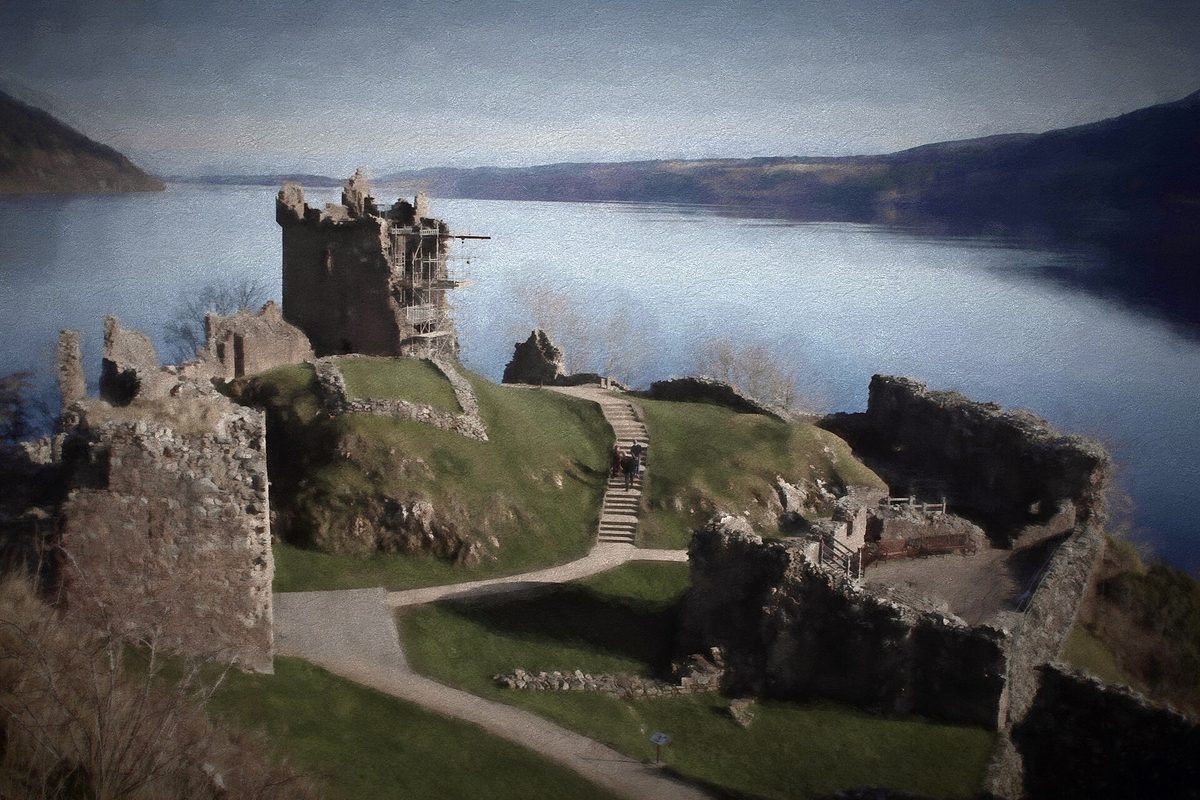
Almost everyone means this when they say Loch Ness. Drumnadrochit is a village a mile back from the shore with two competing monster exhibitions, a couple of good cafes and the best bus service on the loch. Urquhart Castle sits two miles further south on a headland with the classic view down the water, and it is one of the most photographed spots in the Highlands.
The practical advantage is enormous: buses stop at the castle car park itself, not at a road end half an hour’s walk away. If you have one afternoon and no car, this is where you go. Our Urquhart Castle guide goes into the timed-entry system and which part of the ruin is worth the climb.
Fort Augustus: the southern tip
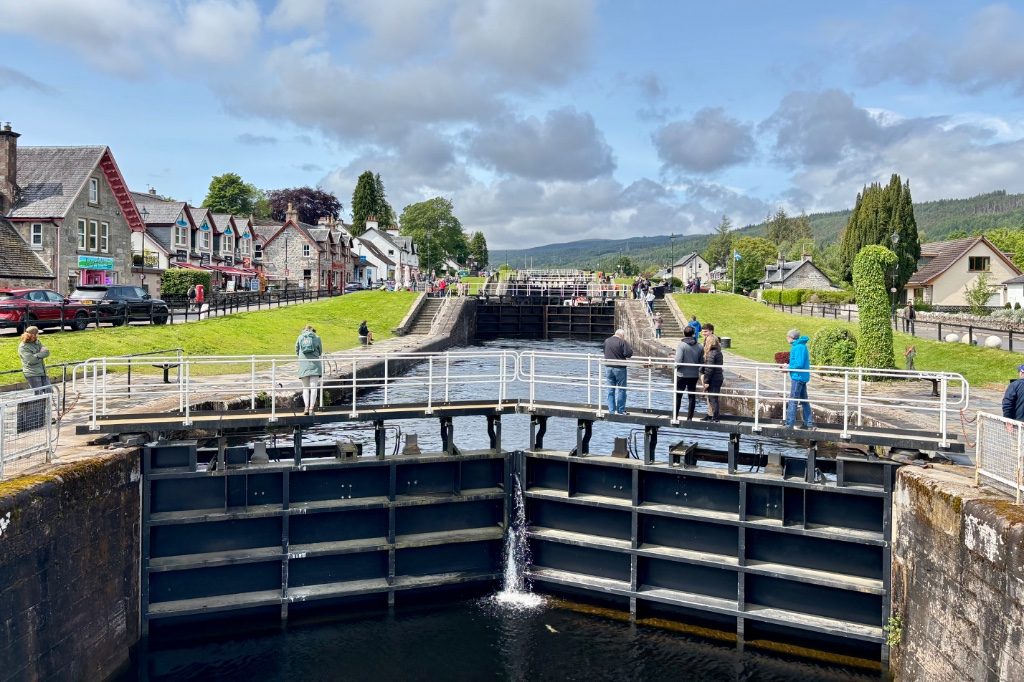
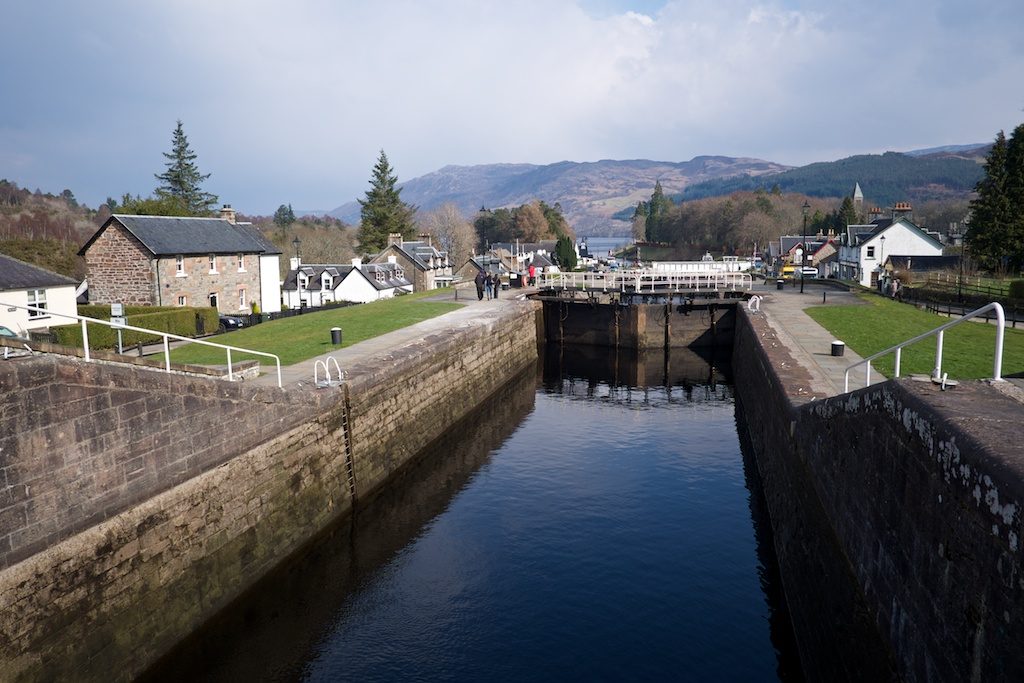
Fort Augustus sits where the loch meets the Caledonian Canal, and its staircase of five locks is a genuinely good hour of entertainment when a yacht is coming through. It is the natural gateway if you are travelling up from Fort William, Glencoe or Oban rather than down from Inverness, and it feels more like a working village than Drumnadrochit does.
Every bus that runs the A82 stops here. By car it is about an hour from either Fort William or Inverness. If you are combining it with a few days around Fort William, approaching Loch Ness from the south makes far more sense than doubling back to Inverness.
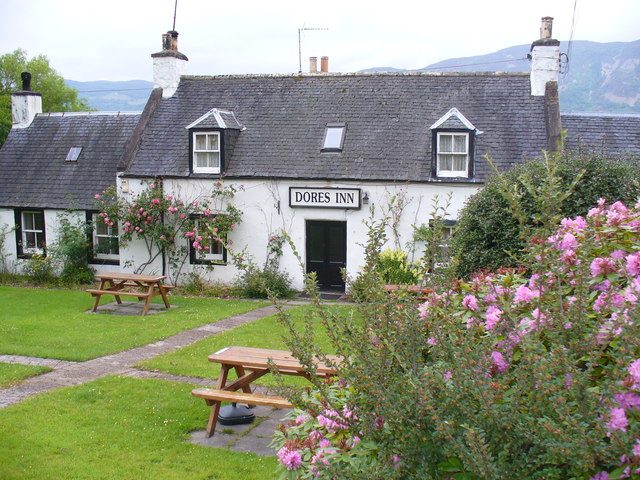
Dores: nearest to Inverness, hardest to reach without a car
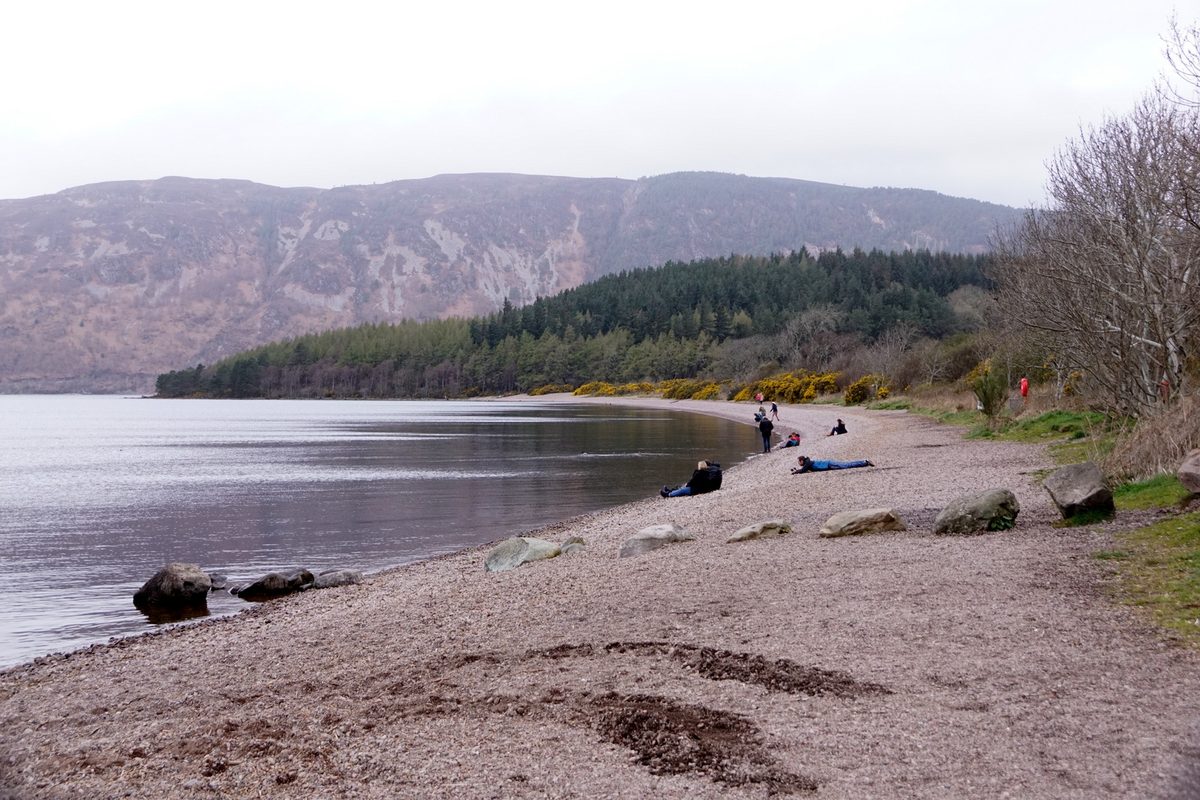
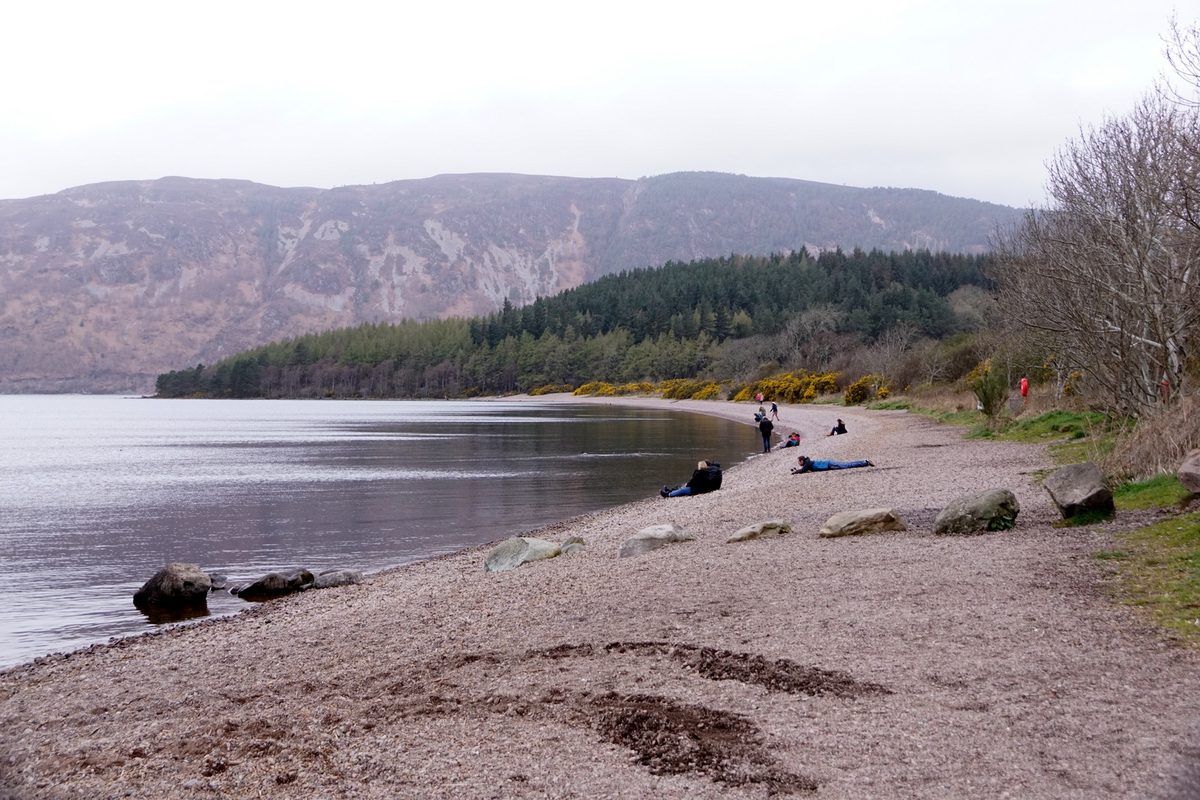
Dores is only eight miles from the centre of Inverness and gives you the long view straight down the loch from a shingle beach. It is the closest point on the water to the city and the one locals actually use.
The catch is transport. There is no frequent bus. The Highland Council 302 runs Inverness to Foyers via Dores five times on a weekday, only three times on a Saturday, and not at all on Sunday. Miss the last one back and you are looking at an eight-mile walk or a taxi called out from Inverness. Cycling is the honest answer here — there are cycle paths for most of the B862, it is fairly flat, and the round trip is a pleasant half day.
Foyers: the waterfall, and almost nobody else
Ten miles further down the east shore, Foyers has a waterfall that drops through a wooded gorge and a network of forest paths that see a small fraction of the footfall at Urquhart. The same 302 bus serves it, taking about an hour from Inverness, which means you can just about do it in a day on public transport if you build the whole day around the timetable.
The road between Foyers and Fort Augustus carries no bus at all. If you are on the east shore without a car, you go back the way you came.
Getting to Loch Ness from Inverness
Inverness is the answer to almost every version of this question, which is why so many people end up basing themselves in or near Inverness for a night or two rather than trying to do the loch as a long push from further south.
By bus — and the service that changed things
The A82 corridor is now served by two operators running near-parallel routes, and between them the number of buses along Loch Ness has roughly doubled compared with a few years ago. This is the single biggest change to the answer, and none of the older guides have caught up with it.
Scottish Citylink 919 runs Inverness to Fort William (some journeys continue to Oban) down the length of the loch. Its departures are spread through the day and change with the season, so check the current Citylink timetable before you set out, and look up the times back as well as the times out.
Ember E14 runs an all-electric fleet on this route, with up to thirteen journeys a day each way between Inverness and Fort William, with selected services continuing to Oban. It leaves from Inverness Union Street rather than the bus station. Individual times are on Ember’s live timetable, and if you want a long summer evening at the loch without a car, look there for the last service back from the castle before you plan around it. Most Ember stops are request-only, so you need to pre-book the journey at least ten minutes before departure through their app or website.
Stagecoach 17 is the local service between Inverness and Drumnadrochit, taking about 25 to 30 minutes, with single fares starting around £4. There are long gaps between some departures, so check the Stagecoach timetable before you go. It is the one to use if you only want the village rather than the castle. Beyond Drumnadrochit it continues west towards Cannich and Tomich for Glen Affric.
Citylink 917 to Portree also calls at Drumnadrochit, which matters if you are chaining Loch Ness into a trip to Skye. And the Highland Council 312 covers Fort Augustus to Drumnadrochit to Inverness as a supported local service.
Check every one of these on Traveline Scotland before you rely on it. Highland timetables change with the seasons and the school year, and a bus that runs eight times in July may run four times in November.
By car
Two roads, two entirely different drives.
The A82 heads south-west out of Inverness past the Torvean park and ride, along the canal at Dochgarroch, then climbs above the water at Abriachan before dropping to Drumnadrochit. Urquhart Castle is about 16 miles from Inverness, two miles beyond Drumnadrochit: under 25 minutes with clear roads, more in summer when you get stuck behind a motorhome. Parking at the castle is free but only guaranteed if you book it online, and the car park fills by mid-morning between June and August.
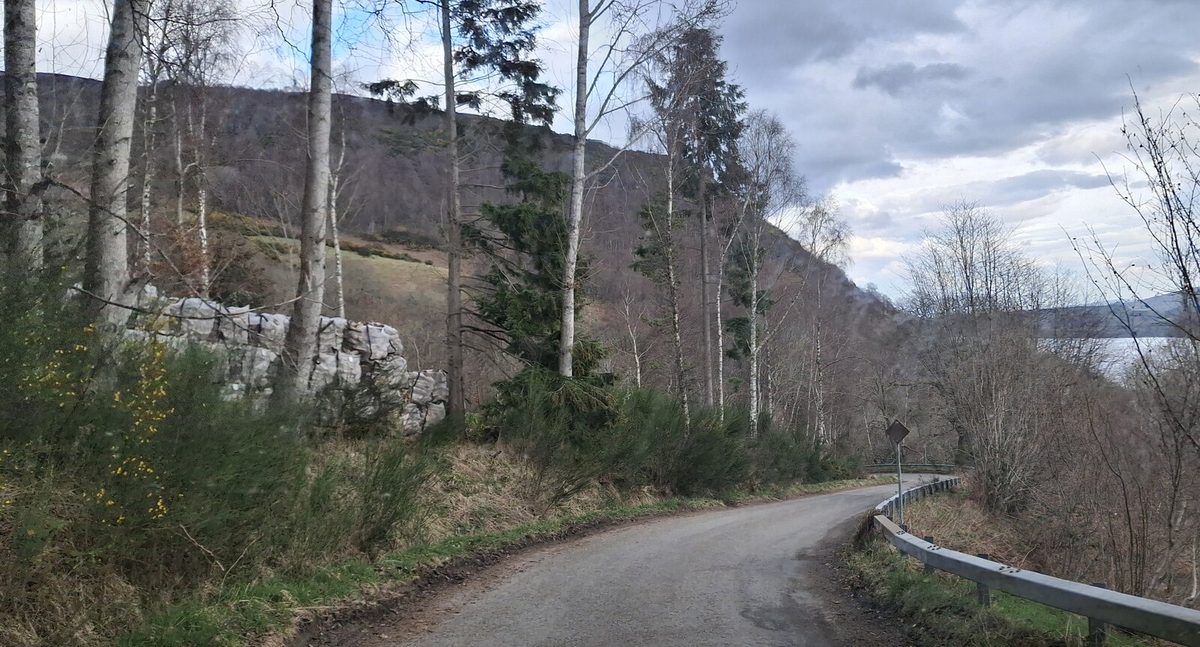
The B862 is the road to take if you want the loch to yourself. It leaves Inverness past Holm and Scaniport and reaches Dores in about fifteen minutes, with a view opening out as you come down the hill that is worth the stop on its own. Carry on and it becomes the B852 down to Inverfarigaig and Foyers — narrow, single track in places, with passing places you need to actually use. Do not attempt it in a large motorhome.
The obvious loop is out along the B862 to Foyers, over the hill to Whitebridge, down to Fort Augustus and back up the A82. About 70 miles and a comfortable half day with stops. It remains my favourite way to see the whole loch, and it is one of the better day trips out of Inverness.
By bike
Inverness to Dores and back is the classic ride: eight miles each way, largely flat, with cycle path for a good stretch of it. Bike hire is available in Inverness and an unhurried round trip with a picnic on Dores beach fills a very pleasant day.
The A82 to Drumnadrochit is a different proposition. It is a fast trunk road with heavy coach traffic and I would not send an inexperienced rider along it. The Great Glen Way offers a mostly traffic-free alternative on the same side of the loch, which I come back to below.
By boat
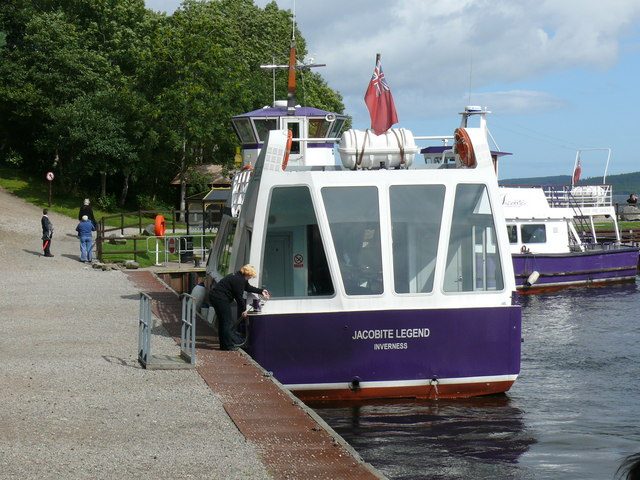
You can get from Inverness onto Loch Ness by water, which surprises people. Cruise boats run from Dochgarroch on the Caledonian Canal and from Clansman Harbour on the A82, and several itineraries drop you at Urquhart Castle. It is not the fastest route to the loch, but as a way of arriving it beats a coach car park comfortably. Our roundup of the best Loch Ness cruises compares the operators and the one-way versus return options.
Getting to Loch Ness from Edinburgh
Here is where the internet gets unhelpful, because almost every page that ranks for this is selling you a coach seat.
By train, then bus
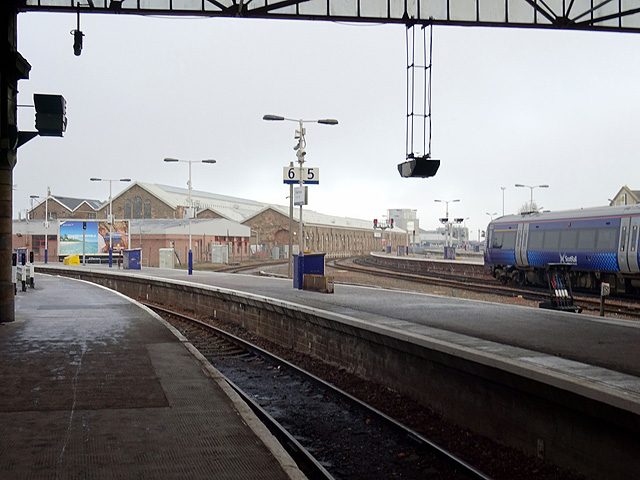
There are direct ScotRail services from Edinburgh Waverley to Inverness taking around three hours and twenty minutes at best, more commonly three and a half to three and three-quarter hours. Advance fares start somewhere around £17 if you book well ahead; walk-up fares are a great deal more. It is a genuinely good journey, climbing over Drumochter past Dalwhinnie, and it belongs on any list of Scotland’s scenic rail routes.
From Inverness station it is a two-minute walk to the bus station at Farraline Park, or five minutes to the Ember stop on Union Street, where the E14 leaves for Urquhart Castle. Total door to door: about four and a half hours each way.
The honest maths on a same-day return
Let us be blunt about it. Take an early train out of Edinburgh, make a good connection in Inverness, and you are at Urquhart Castle around the middle of the day. Getting back the same night means working backwards from the last train south on ScotRail’s timetable, and that puts you on a bus away from the loch in the late afternoon.
That gives you five or six hours at Loch Ness for around eleven hours of travelling. It is doable. But you will spend most of the day moving, and you will see one small stretch of a 23-mile loch. If you can spare a night in Inverness, do — the difference in what you get out of the day is not marginal.
By coach
Scottish Citylink runs Edinburgh to Inverness in about four hours with fares starting around £28, then you change to the 919 or E14. It is slower than the train and usually cheaper. Worth it if you are watching every pound, less so otherwise.
By car
Roughly three and a half hours up the A9 to Inverness, or a little longer via the A82 through Glencoe and Fort Augustus, which is the far better drive. If you have two or three days rather than one, running the loop as an Edinburgh to Highlands road trip and returning by the other road is the version I would recommend to anyone.
When a guided coach tour genuinely makes sense
I am not sniffy about tours, and there are three situations where one is clearly the right call. If Loch Ness is the only Highland day in your entire trip and you are staying in Edinburgh — take the tour. Stops vary by operator, but Rabbie’s Loch Ness, Glencoe and Highlands day tour, for one, adds Glencoe and Fort Augustus, with a local guide telling you what you are looking at. If you cannot or would rather not drive and the public transport chain feels like too much to manage in a day, take the tour. And if you are travelling in December or January when daylight is short and the timetables thin out, the tour compresses everything into the hours you actually have.
The times it does not make sense: if you have more than one Highland day, if you want the quiet east shore, if you want more than an hour at the castle, or if you are already in Inverness. In that last case a tour from Edinburgh is simply the wrong product. Compare the operators in our overview of guided tours in Scotland before you book anything, and check what the advertised price actually includes — castle admission is often extra.
Getting to Loch Ness from Glasgow
Glasgow is marginally the easier of the two cities, which surprises most people.
Trains from Glasgow Queen Street to Inverness take around three hours twenty via Perth, with a handful of direct services a day. Citylink coaches run Buchanan Bus Station to Inverness in about three and a half hours with fares from around £25. Then the same A82 bus onward.
The far more interesting Glasgow option is to go the other way round. Take the West Highland Line to Fort William — across Rannoch Moor and one of the great railway journeys anywhere — then head north up the Great Glen to Fort Augustus, about an hour away by road. You arrive at the southern end of the loch instead of the northern, you have seen something remarkable on the way, and you can carry on to Inverness afterwards rather than backtracking. It costs you an hour or two and gains you an entire day’s worth of scenery. A note on driving from Glasgow: the A82 through Glencoe is the same road that eventually runs along Loch Ness, so you can drive the whole thing without changing route once.
Arriving from further afield
Flying into Inverness
Inverness Airport is nine miles east of the city at Dalcross, with flights from London, Manchester, Birmingham, Dublin, Amsterdam and a handful of others. Stagecoach service 1 links it with the city centre on an hourly timetable. There is also a railway station at the airport now, on the Inverness to Aberdeen line.
The airport has the usual car hire desks, and picking up a car here is by some distance the most efficient way to do Loch Ness if you are flying in. Once you have the keys, the loch is a short drive away. If you are hiring, read our guide to getting around Scotland first — single-track road etiquette is not obvious to everyone and the passing-place rules genuinely matter on the B852.
From London
The Caledonian Sleeper runs overnight from London Euston to Inverness, arriving in the morning, which means you can be at Loch Ness before lunch on your first day in Scotland. Daytime trains from King’s Cross to Inverness take the best part of eight hours with a change, or you fly. Check current sleeper timings and fares directly — berths sell out months ahead in summer.
From Skye, Ullapool and the north
Citylink’s 917 coach runs between Portree and Inverness, so you can come off Skye without a car; check its timetable for stops on the Loch Ness side if you want to get off short of the city. From Ullapool, buses run to Inverness in about an hour and twenty. If you are working out how the pieces of a longer trip fit together, our notes on the best base towns in the Highlands will save you some backtracking.
The slow ways: walking, cycling and the canal
The Great Glen Way
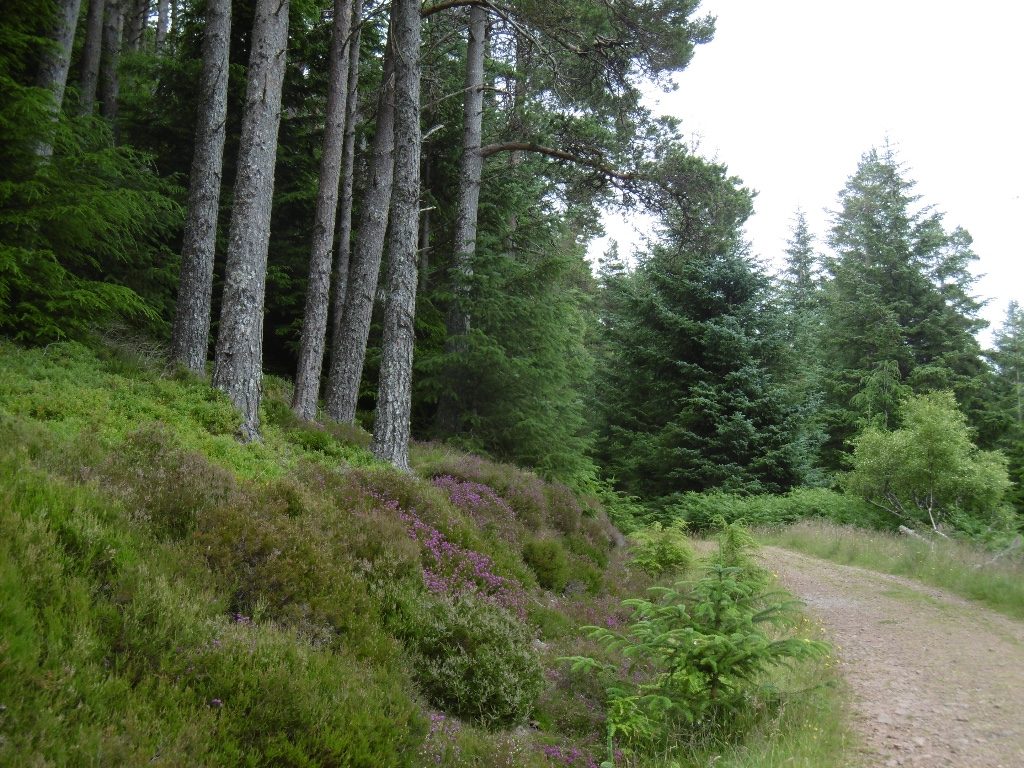
The Great Glen Way runs 79 miles from Fort William to Inverness along the whole length of the glen, and a large part of it hugs Loch Ness. Walkers take five or six days; cyclists do it in two or three, usually breaking at Fort Augustus and Drumnadrochit. There is a high route and a low route above Loch Ness, and the high route earns its extra climbing with views the low one does not get.
Baggage transfer services operate along the whole route, which changes the experience considerably — carrying a day pack instead of everything you own turns a slog into a holiday. If you are drawn to this, our broader hiking in Scotland guide covers the practicalities of Scottish long-distance routes, including access rights and wild camping.
The Caledonian Canal by boat
You can arrive at Loch Ness on your own hull. The Caledonian Canal links Inverness to Fort William through Loch Ness, Loch Oich and Loch Lochy, and self-drive cruisers are available for hire without a licence at either end. Scottish Canals operates the locks; the Fort Augustus staircase and the Neptune’s Staircase flight near Fort William are the two set pieces. Reckon on a week to do the whole thing properly and back.
It is not cheap and it is not fast. It is, however, a way to see Urquhart Castle from the water, with the ruins above you and the loch’s black water beneath, which does concentrate the mind about what might or might not be down there.
Timing, seasons and what to book ahead
The transport question changes with the calendar more than people expect, and this is where a lot of winter trips come unstuck.
Summer, roughly May to September. Full timetables on every route, buses running until late evening, and light until nearly eleven at night in June. The constraints are crowds and car parking rather than transport. Book Urquhart Castle in advance — entry is timed and adult admission is around £16 at the time of writing. If you are visiting several Historic Environment Scotland sites, the Explorer Pass usually pays for itself by the third one.
Winter, roughly November to February. This is the bit nobody mentions. Sunset in Inverness is around 15:34 in mid-December, so a bus that leaves the city at 13:45 is arriving in fading light. Bad weather can disrupt buses on these roads, so check the operators’ service notices on the morning you travel. Plan around a morning departure, accept you will see the loch in flat grey light, and read our Scotland in winter guide before you commit to anything ambitious.
What to book ahead. Train tickets to Inverness — advance fares are a fraction of walk-up prices. Urquhart Castle entry. Any cruise between June and August. Ember journeys, which need booking at least ten minutes before departure at most stops. Local Stagecoach and Highland Council buses you can simply turn up for, though contactless payment or the operator app is easier than fishing for coins.
What underwhelms, and the mistakes people make
Treating Urquhart Castle as the loch. It is a fine ruin with the best view on the water and it is also, in July, a car park with a queue. If your only impression of Loch Ness comes from ninety minutes at Urquhart with four coaches in the car park, you will leave wondering what the fuss was about. Go early, or go to Dores instead.
Expecting to see the whole loch. You cannot. It is 23 miles long and the road only reveals it in glimpses through trees. The best uninterrupted view is from Dores beach looking south-west, and that is at the end you were probably not planning to visit.
Assuming there is a train. There is not. The nearest station is Inverness, about 17 miles from the middle of the loch, and the Kyle of Lochalsh line heads north-west via Dingwall — entirely the wrong direction. Any site suggesting you can take a train to Loch Ness is being loose with the truth.
Underestimating the east shore road. The B852 is narrow, twisty and single track in stretches. It is a lovely drive at 30mph and a miserable one if you are in a hurry or driving something wide.
Missing the last bus. The one genuinely expensive mistake. A taxi from Dores back to Inverness has to be called out from the city, and the fare reflects that. Screenshot your return times before you set off and do not rely on mobile signal, which is patchy along both shores.
Doing it from Edinburgh when you did not need to. If Inverness is anywhere in your itinerary, do Loch Ness from there. It is a comfortable half day rather than a punishing full one. Our thoughts on whether Loch Ness is worth visiting are candid about what you get for the effort.
Frequently asked questions
What is the nearest train station to Loch Ness?
Inverness, about eight miles from the loch. No station on Loch Ness is open today, although the old railway to Fort Augustus once ended at a pier station on the loch. From Inverness station you walk two minutes to the bus station and take the 919, the E14 or the Stagecoach 17.
Can you get to Loch Ness without a car?
Easily, if you are heading for Drumnadrochit, Urquhart Castle or Fort Augustus. Ember alone runs up to 13 return journeys a day on the A82, and its E14 stops at Urquhart Castle; check each operator’s current timetable for the last bus back. The east shore is much harder: five buses on weekdays to Dores and Foyers, three on Saturdays, none on Sundays.
How long does it take to get from Inverness to Loch Ness?
Fifteen minutes by car to Dores, 25 to 30 minutes to Drumnadrochit, and around an hour to Fort Augustus. By bus, the Stagecoach 17 takes about 25 to 30 minutes to Drumnadrochit. Dores takes between about 21 and 41 minutes on the 302, depending on the departure and whether it runs the school-day route.
Is a day trip to Loch Ness from Edinburgh worth it?
Only if it is your single Highland day. You will spend around eleven hours travelling for five or six hours at the loch, and a guided coach at least adds Glencoe and commentary to the journey. If you have two days, go to Inverness and stay overnight instead. The difference is considerable.
Which bus goes from Inverness to Loch Ness?
Four useful ones. Citylink 919 and Ember E14 both run along the A82 beside the loch between Inverness and Fort William, and the E14 stops at Urquhart Castle. Stagecoach 17 serves Drumnadrochit village. Highland Council 302 runs to Dores and Foyers on the east shore, Monday to Saturday. Check current times on Traveline Scotland.
Do buses stop at Urquhart Castle itself?
Yes. The Ember E14 calls at Urquhart Castle, so you do not have to get off in Drumnadrochit and walk the two miles down the A82, which is not a pleasant walk.
Can you visit Loch Ness from Fort William?
Yes, and it is an underrated approach. Fort Augustus is an hour north by bus, and the Great Glen Way, the Caledonian Canal and the A82 all run the same corridor. Coming from the south you reach the quieter end of the loch first, which is no bad thing.
What is the best month to visit Loch Ness?
May and September, on balance — long daylight, full timetables, fewer coaches than midsummer, and in May the midges have not properly started. October is beautiful and quieter still. Our guide to the best time to visit Scotland works through the trade-offs month by month.
Final thoughts
The reason this question is answered so badly online is that most people answering it have only ever done one version of the journey. They took a coach from Edinburgh, or they drove from Inverness, and that became the answer.
The truth is more useful and more freeing. Work out which part of the loch you want first, and the transport falls into place almost by itself. Want the castle and the monster museums? Get to Inverness and take the bus down the A82, with an eye on the timetable for the ride back. Want the locks and the Great Glen? Come up from Fort William. Want a beach and a long empty view? Cycle to Dores on a Tuesday morning and have the place largely to yourself.
What I would not do again is treat Loch Ness as a box to tick from 200 miles away. It rewards an unhurried day far more than a rushed one. If you are still shaping the trip around it, our Loch Ness and Inverness planning guide and the wider Scottish Highlands overview will help you decide how many nights it deserves. My answer is at least two.
About the author: This guide was written and is maintained by the ScotlandTourism.org editorial team — travel writers who’ve spent years exploring Scotland’s cities, Highlands and islands, from bagging Munros to chasing the perfect dram. We update our guides regularly to keep prices, opening details and advice current.
Last updated: November 2026. Prices and opening times change — always check the official site before you travel.
Photo credits
All images are used under their respective Creative Commons or public-domain licenses:
- The staircase of locks on the Caledonian Canal at Fort Augustus at the — David Dixon, CC BY-SA 2.0, via Wikimedia Commons
- Urquhart Castle above Loch Ness — BIG ALBERT, CC0, via Wikimedia Commons
- The A82 running through Drumnadrochit — Peter Bond, CC BY-SA 2.0, via Wikimedia Commons
- Fort Augustus village and the canal locks looking out towards the sout — Peter Skynner, CC BY-SA 2.0, via Wikimedia Commons
- The shingle beach at Dores looking down the length of Loch Ness on the — Mike Pennington, CC BY-SA 2.0, via Wikimedia Commons
- Dores on the shore of Loch Ness — Colin Smith, CC BY-SA 2.0, via Wikimedia Commons
- Platforms at Inverness railway station — John Lucas, CC BY-SA 2.0, via Wikimedia Commons
- A Loch Ness cruise boat moored on the Caledonian Canal near Inverness — Susannah Muldoon, CC BY-SA 2.0, via Wikimedia Commons
- The Great Glen Way footpath and cycle route running through forest abo — Richard Webb, CC BY-SA 2.0, via Wikimedia Commons
- The narrow Abriachan road dropping down to the north shore of Loch Nes — Mike Pennington, CC BY-SA 2.0, via Wikimedia Commons