Most restaurant lists are ordered by how good the food is, not by where any of it actually is, and that is no help on foot. Three places from the same list can sit a half-hour walk apart in opposite directions. Glasgow works far better by neighbourhood: pick an area, book a table there, and save the next neighbourhood for another night.
So here is the thing I wish someone had told me about where to eat in Glasgow: this is a city of neighbourhoods, and the neighbourhood is the unit that matters. Pick an area, walk its main street, and you will eat better than someone chasing a ranked list across town. The West End is the obvious answer and it is a good one. The Southside is the answer most guides skip, and it is where a lot of the best value has quietly moved. And the curry — we will get to the curry, because Glasgow is the best curry city in Scotland and it is not close.
Where to eat in Glasgow: the short answer
Head to the West End for Finnieston’s Argyle Street, Byres Road and Ashton Lane. Use the city centre and Merchant City for pre-theatre menus, the best value in Glasgow. Go to the Southside for the city’s best-priced cooking, and anywhere in Glasgow for outstanding Pakistani and Punjabi food.
Glasgow’s eating neighbourhoods at a glance
| Area | Best for | Rough dinner spend, per head | How busy | Getting there from George Square |
|---|---|---|---|---|
| Finnieston (Argyle Street) | Small plates, seafood, the fashionable end of the scene | £40–£70 | Book weeks ahead for Fri/Sat | 25-minute walk, or train to Exhibition Centre |
| Byres Road & Ashton Lane | Long lunches, Italian, student-priced pints alongside serious cooking | £25–£55 | Busy from Thursday | Subway to Hillhead, about 8 minutes |
| Merchant City | Pre-theatre menus, brunch, late drinks | £20–£45 | Walk-ins possible midweek | 5-minute walk |
| City centre (Buchanan/Sauchiehall) | Business lunch, set menus, pre-show eating | £18–£50 | Weekday lunch is the crush | You are already there |
| Shawlands & Strathbungo | Best value in the city, neighbourhood restaurants, BYOB | £20–£40 | Weekends fill, midweek is easy | Train to Pollokshaws East or Crossmyloof, 12 minutes |
| Victoria Road & Govanhill | Pizza, Vietnamese, coffee, cheap and good | £15–£30 | Queues rather than bookings | Train to Queen’s Park, 8 minutes |
| Dennistoun (Duke Street) | Delis, barbecue, sandwich lunches, cheap pints | £15–£35 | Rarely a problem | Train to Bellgrove or Duke Street, 6 minutes |
| Pollokshields & the curry belt | Pakistani and Punjabi cooking, grills, BYOB | £15–£30 | Busy after 8pm and after prayers on Friday | Train to Pollokshields East, 9 minutes |
Those prices are a rough guide for two courses without much drinking, and they move. Check menus online before you commit to anywhere. If you are pulling together a wider trip, our complete guide to Glasgow covers the museums, music venues and architecture that go around the eating.
The West End: Finnieston, Byres Road and Ashton Lane
If you have one night in Glasgow and no strong opinions, go west. Students, academics, families and the media crowd all eat here, which keeps the standard honest.
It is also, and I want to be direct about this, no longer cheap.
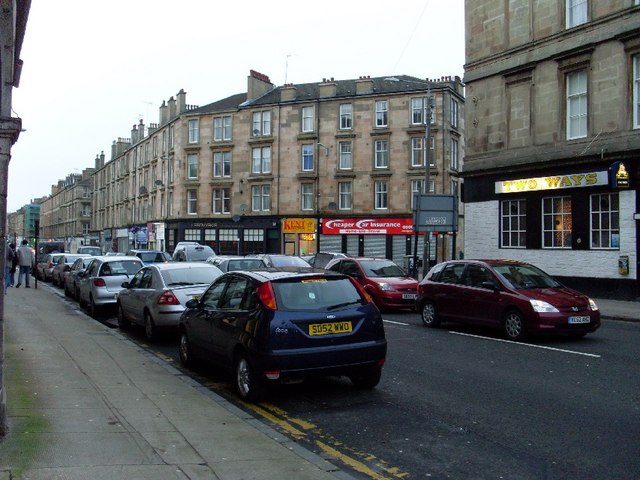
Finnieston and the Argyle Street strip
Finnieston has been called the coolest street in Britain for long enough now that the coolness has been fully priced in. The strip runs along Argyle Street roughly from the Kelvingrove Museum end down towards the Clyde and the arches, and in about ten minutes of walking you pass more good kitchens than most British cities manage in total.
The shape of it: small-plates restaurants, a couple of very good seafood rooms, a steakhouse or two, a Michelin-starred tasting menu, and a run of bars that take their cocktails seriously. Ox and Finch is the room most people mean when they say Finnieston — Mediterranean-leaning sharing plates, a decade old now, and still hard to get into. Crabshakk is tiny and does shellfish properly. The Gannet has held a Michelin Bib Gourmand and cooks modern Scottish with short, unshowy menu descriptions. Unalome by Graeme Cheevers carries a Michelin star and is the tasting-menu option if that is your evening.
Here is my honest read. Finnieston is very good and slightly overheated. Portions on the small-plates menus are genuinely small, and three or four plates each plus a drink lands you nearer £60 a head than the £35 you had in mind. The rooms are loud. Tables are close together. On a Saturday you will queue outside even with a booking, because the sitting before yours has not moved.
Do it anyway, once. Just book it, and ask each restaurant whether it runs an earlier sitting or a shorter, cheaper menu.
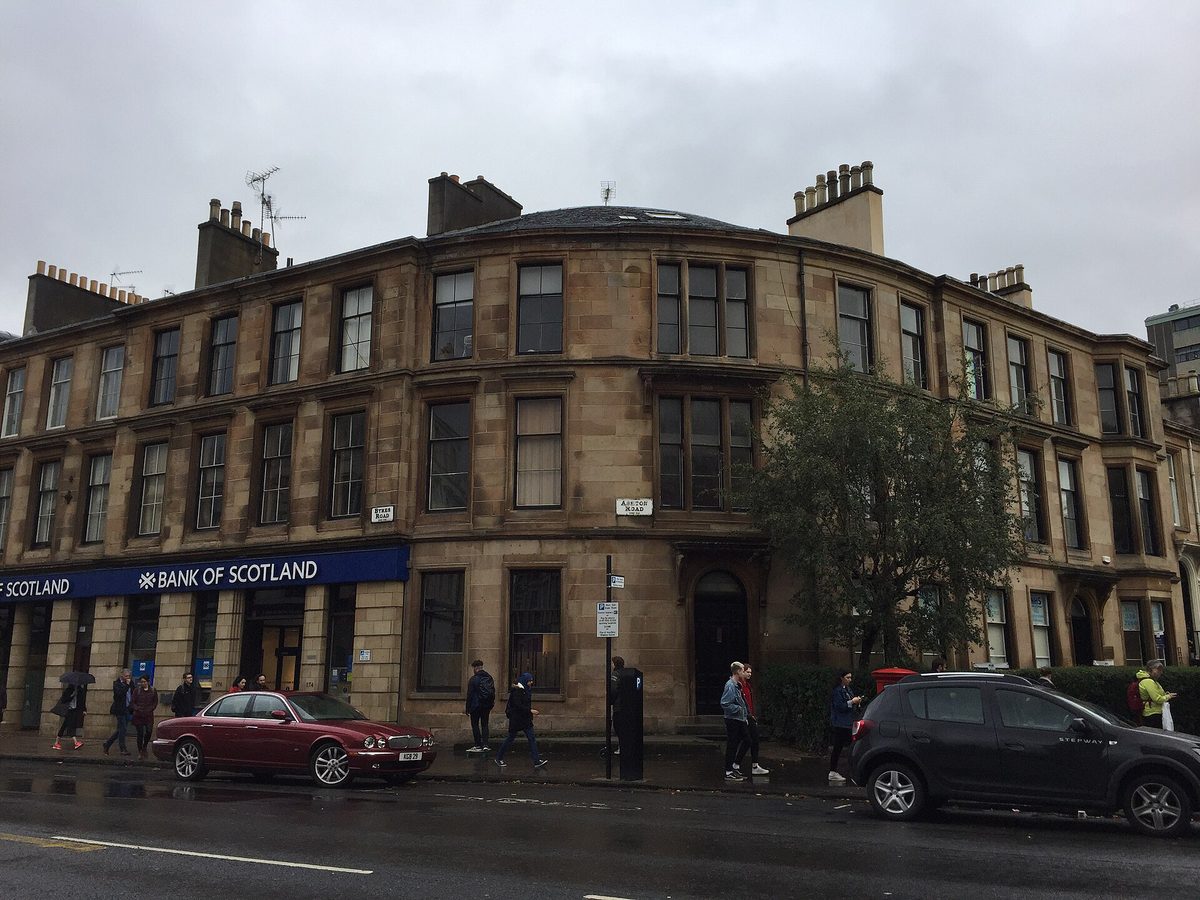
Byres Road and Great Western Road
Byres Road is the spine of the West End, running north from the university towards Great Western Road. It is less fashionable than Finnieston and considerably more useful. This is where you find the Italian delis that do a plate of pasta at lunchtime for the price of a Finnieston starter, the good bakeries, the pubs that serve actual food, and a couple of restaurants that have been quietly excellent for thirty years.
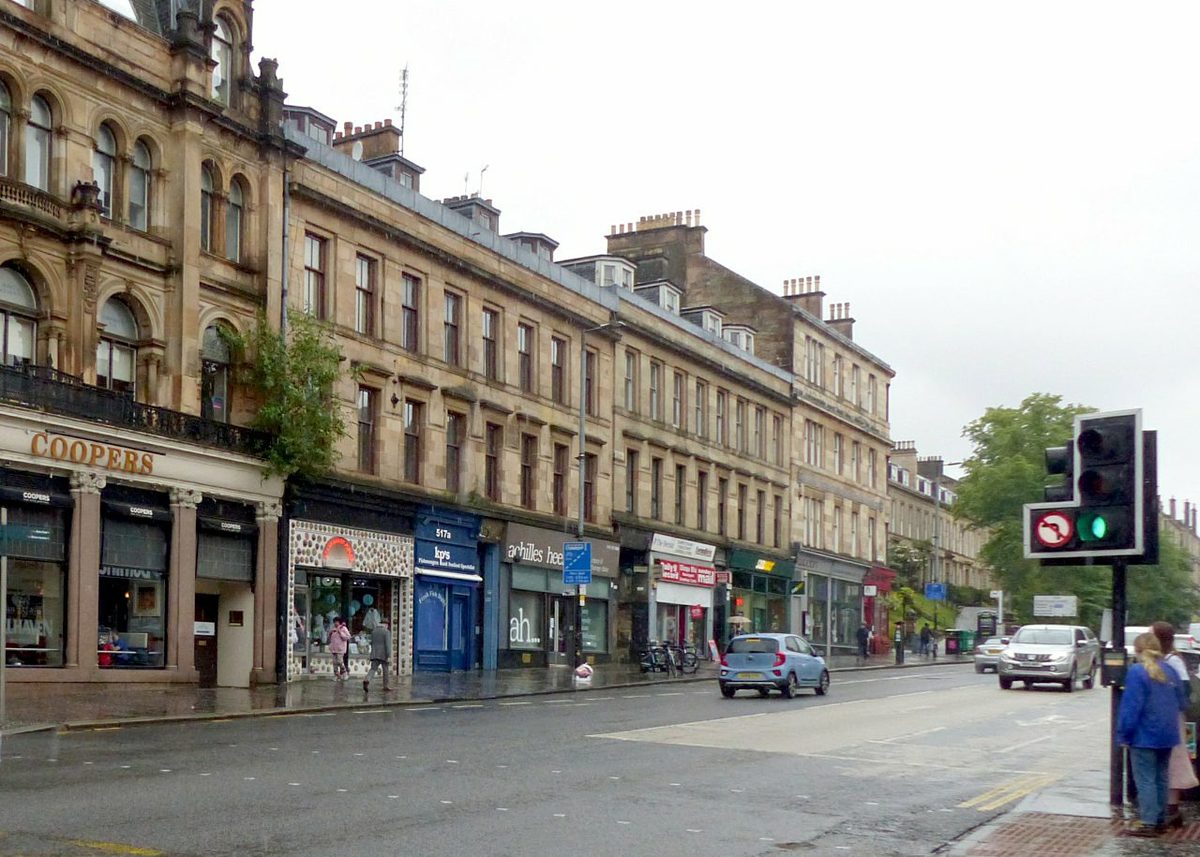
Great Western Road, which crosses the top of Byres Road, is the other artery. Cail Bruich sits on it and holds Glasgow’s other Michelin star. Along the same stretch you get neighbourhood bistros, a strong showing of Italian cooking — Glasgow’s Italian community goes back well over a century and it shows on the menus — and the kind of café that will happily let you sit for two hours over one coffee.
Walk Byres Road from Hillhead subway to the Botanic Gardens and you have covered most of it. Twelve minutes, end to end, with about forty places to eat on the way.
Ashton Lane
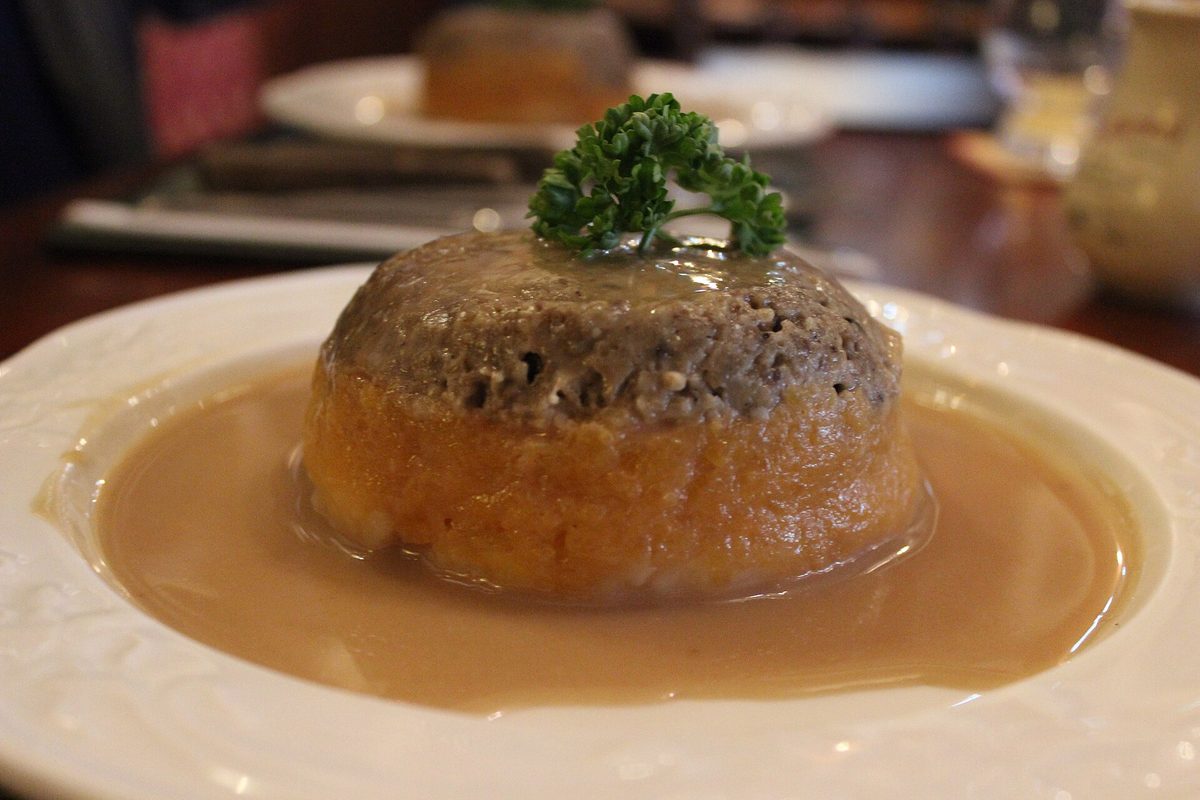
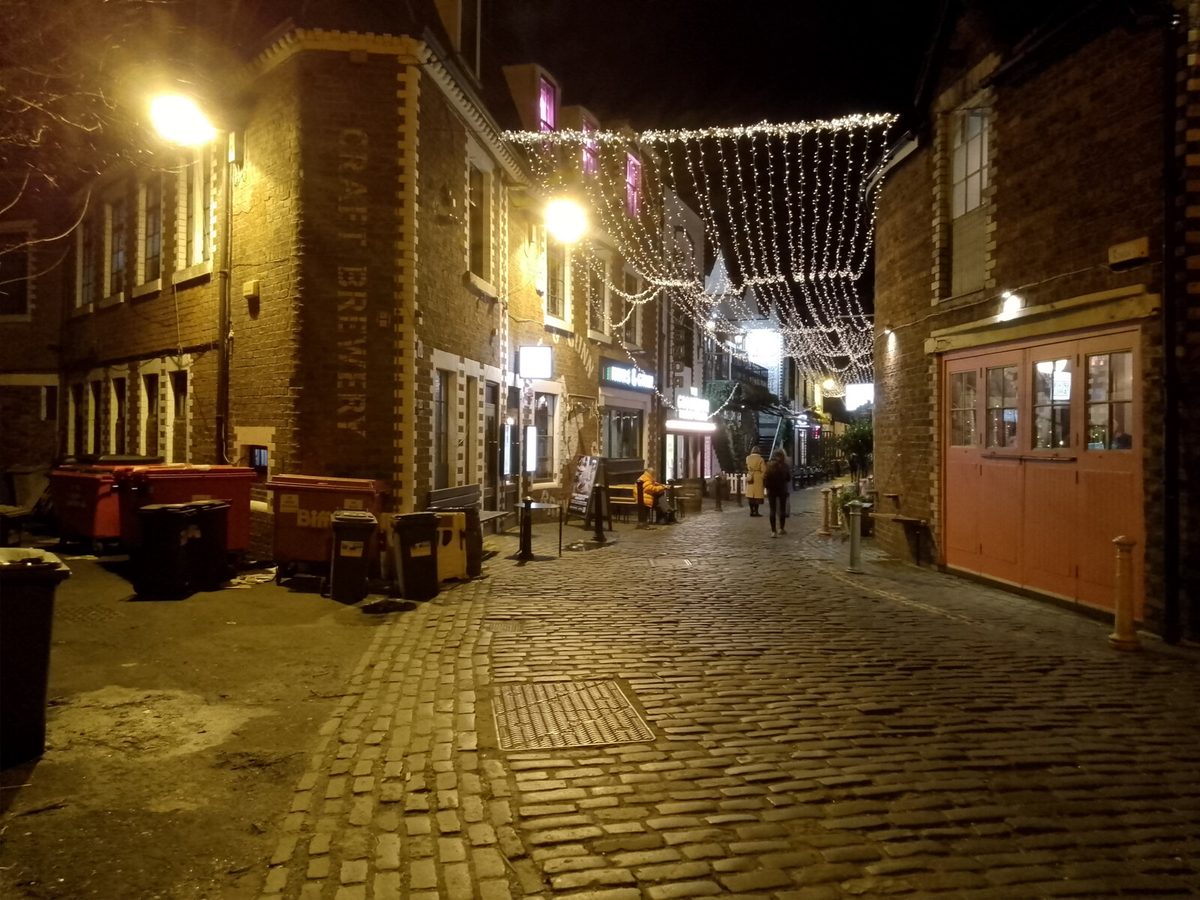
Ashton Lane is the cobbled lane off Byres Road strung with fairy lights that appears on every Glasgow postcard. The Ubiquitous Chip has been there since 1971 and did more than anywhere else to convince Scotland that Scottish produce was worth cooking seriously — it still does a haggis starter that is the best argument I know for the dish.
The rest of the lane is bars, a cinema and a couple of chain-ish restaurants. It is lovely and it is also the single most photographed spot in the West End, which means on a summer Friday it is rammed with people who came for the photograph. Have a drink there, eat at the Chip if you are eating there at all, and do not expect a discovery.
Kelvinbridge and Gibson Street
The quieter option. Gibson Street runs down towards the Kelvin from the university and has a run of small restaurants with much less pressure on the door — a good fallback when Finnieston has told you no. Park Road, just over the bridge, is where the Shish Mahal moved to, which matters for reasons we will come to.
The city centre and Merchant City
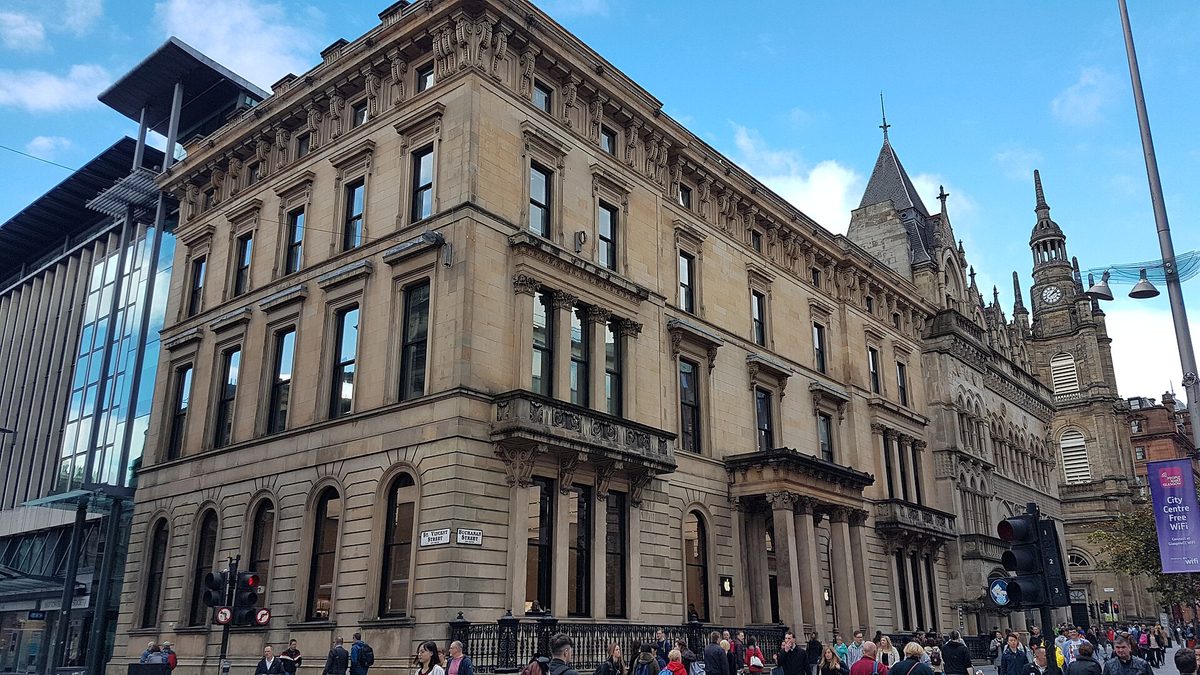
Glasgow’s city centre is a Victorian grid, which makes it one of the easiest places in Britain to navigate on foot. Everything below is within fifteen minutes of George Square.
Pre-theatre menus: the best value in Glasgow
This is the single most useful thing in this guide, so I am putting it in its own section.
Glasgow has a serious theatre and concert circuit — the Theatre Royal, the Pavilion, the King’s, the Royal Concert Hall, the Citizens on the Southside — and the restaurants around them all run pre-theatre menus. You do not need a ticket. Nobody checks. You just have to eat early.
Expect two courses for somewhere around £15 to £22, three for a few pounds more, served from roughly 5pm to 6.30pm, sometimes from as early as 3.30pm and often Sunday to Thursday only. The same kitchens charge nearly double for the à la carte an hour later. Some of the best-value versions are in Italian and French rooms around Sauchiehall Street and West Regent Street, and around Hope Street near the Theatre Royal.
The catch is that pre-theatre sittings are timed, so check the booking conditions when you reserve. If an early, timed sitting suits you, it is comfortably the best food-per-pound in the city, and it beats anything Edinburgh offers at the same price. Book it, because locals know.
Merchant City
The grid of streets east of Buchanan Street — Ingram Street, Candleriggs, Albion Street, Wilson Street — is Merchant City, built on international trade and converted into flats, bars and restaurants from the 1980s onwards. It is the most consistently walkable eating district in Glasgow: you can wander it without a plan and land somewhere decent.
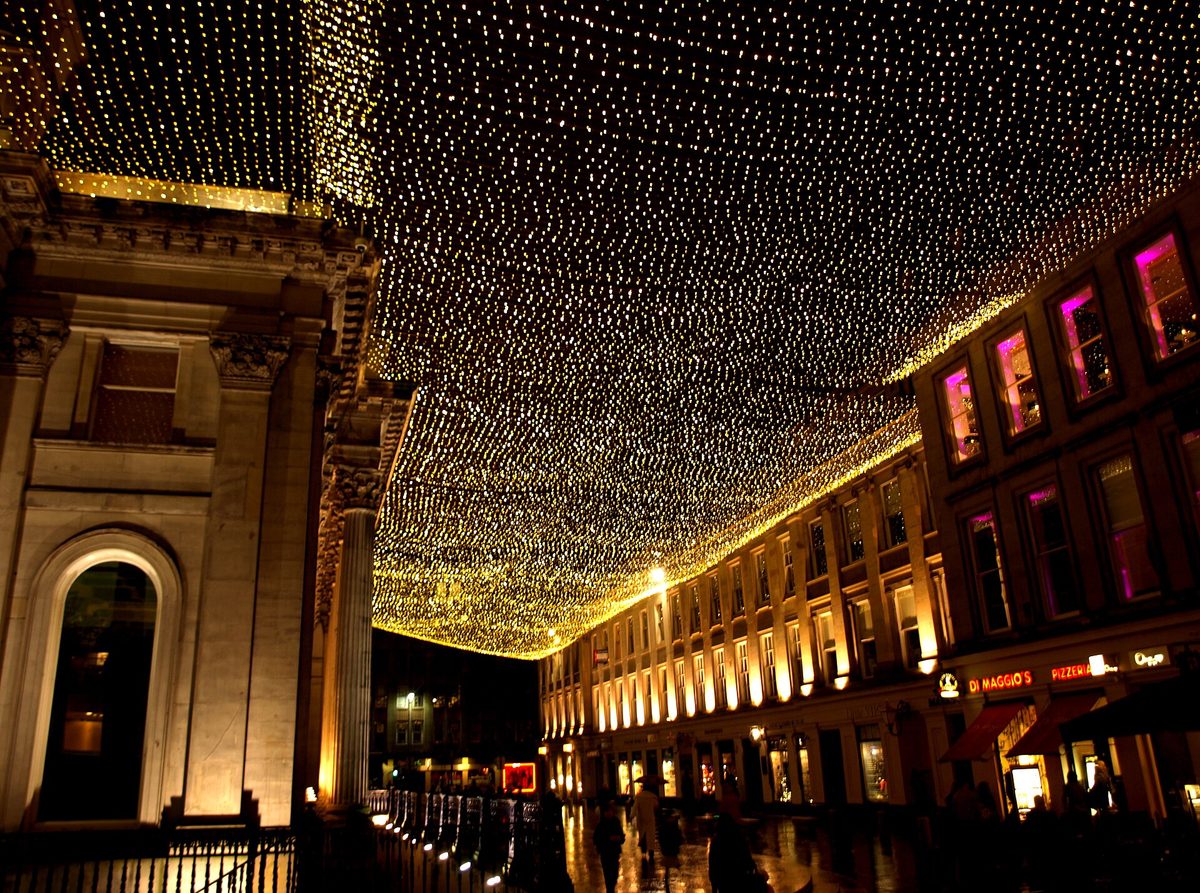
Cafe Gandolfi on Albion Street opened in 1979 in the old cheese market and is the neighbourhood’s anchor — stained glass, heavy wooden furniture, a menu that has been doing cullen skink and black pudding since long before either was fashionable. Around it you get Spanish small plates, a good pizza contingent, brunch rooms, and the bars that keep Merchant City busy until 1am at weekends.
Royal Exchange Square, at the western edge by the Gallery of Modern Art, has restaurant terraces that are genuinely pleasant on the four warm evenings Glasgow gets a year, and strung with lights the rest of the time.
The business lunch and Buchanan Street
Around Blythswood Square and West George Street, Glasgow does the smart lunch well: set menus at two courses for under £25 in rooms that charge far more at night. Buchanan Street itself is a shopping street and the food on it is mostly chains, but one street either side — particularly the lanes off Mitchell Street and around Royal Exchange Square — there is real cooking.
Nearby is Glasgow’s whisky-bar cluster, which is worth an hour even if you are not eating. The city’s bars are also unusually good on the Scottish drinks that are not whisky — gin, cider, craft beer and the soft drink the whole country is peculiar about.
The Southside: where the value went
Cross the Clyde and the prices drop by a third for cooking that is frequently as good. The Southside is where a lot of Glasgow’s chefs actually live, and over the last decade it has gone from an area you visited because a friend lived there to an area you visit because of the restaurants.
It is also barely covered by the national press, which is the whole reason it stays affordable.
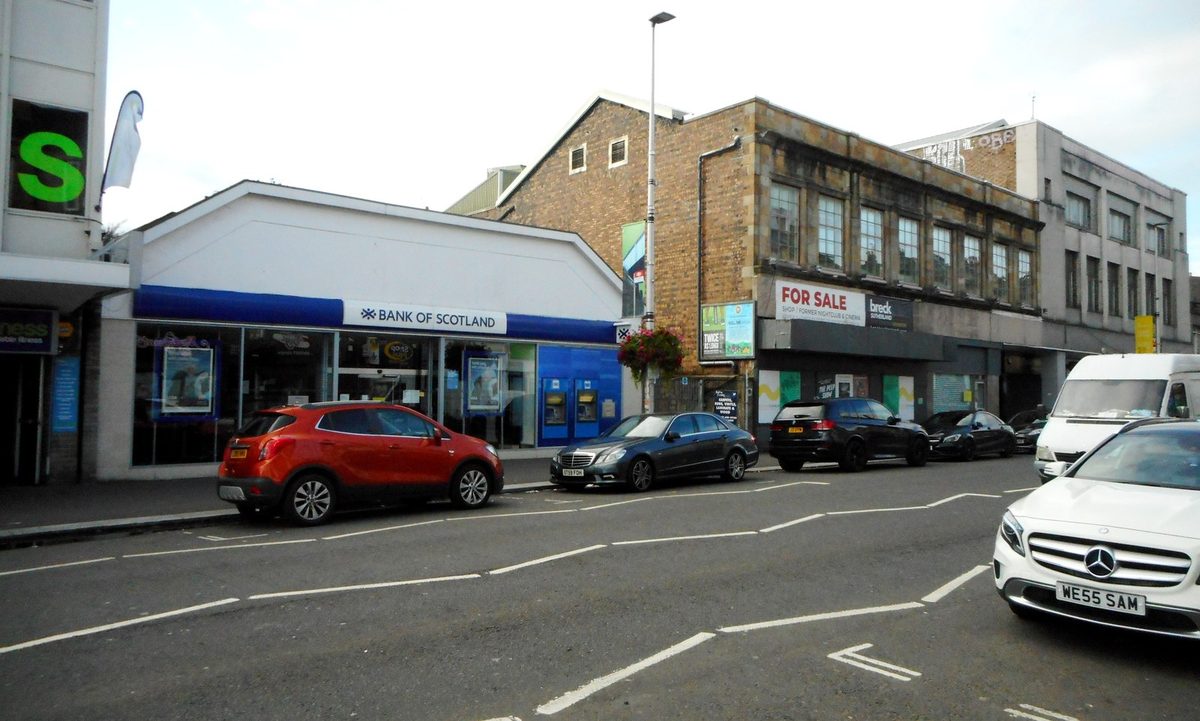
Shawlands and Kilmarnock Road
Shawlands is the Southside’s main event. Kilmarnock Road and the streets around it hold neighbourhood bistros, a good Indian contingent, bakeries that queue out the door at weekends, and pubs doing food a long way above pub standard. Prices sit roughly a third below Finnieston for comparable plates.
The area also has the city’s densest run of bring-your-own restaurants, which we will come back to, and it is the sort of place where the person who takes your booking recognises you on the second visit.
Victoria Road and Govanhill
Victoria Road runs from Eglinton Toll to the gates of Queen’s Park, and it is lined with places to eat. Vietnamese, Chinese street food, New York-style pizza by the slice, third-wave coffee, community cafés, a couple of very good bakeries. Most of it is under £20 a head. Very little of it takes bookings, which means queues rather than waits.
Govanhill, immediately east, is Glasgow’s most ethnically mixed neighbourhood and the food reflects it — Roma, Pakistani, Kurdish, Punjabi, Polish, all within a few blocks. It is not a polished restaurant district and it does not pretend to be. It is where you go for a cheap plate of something excellent.
Strathbungo and Nithsdale Road
Strathbungo is a pocket of Victorian terraces around Nithsdale Road with maybe eight or nine places to eat and an unusually high hit rate. It is the Southside at its most residential and its most grown-up: bistro cooking, a wine bar or two, Sunday roasts that people book a week ahead.
Ten minutes’ walk from Shawlands, a different atmosphere entirely.
Pollokshields
Pollokshields is the heart of Glasgow’s Pakistani community and, for my money, the heart of the city’s food. Grill houses, sweet shops, spice merchants, restaurants that have been feeding three generations of the same families. Some of it is takeaway-facing and some of it is proper sit-down dining, and almost none of it is expensive.
If you eat one meal in Glasgow that you could not eat anywhere else in Scotland, eat it here or in one of the sister restaurants in the West End and city centre.
Dennistoun and the East End
The East End is the newest frontier and the one still moving. Dennistoun in particular has changed a lot: Duke Street and Alexandra Parade now carry delis, barbecue joints, sandwich shops with queues, independent coffee roasters and old-school Italian cafés that predate all of it by ninety years.
Duke Street and Alexandra Parade
Duke Street claims to be one of the longest streets in Britain and it feels it. The stretch worth walking is the Dennistoun end, roughly between Bellgrove station and the Alexandra Parade junction. Celino’s does Italian deli and trattoria cooking that would cost half as much again in the West End. Coia’s began on the corner of Duke Street in 1928 and is still a local meeting place. There is very good barbecue, and there are sandwich shops that Glaswegians will argue about at length.
Prices here are the lowest of any of the areas in this guide, and bookings are rarely necessary.
The Barras, Gallowgate and the Calton
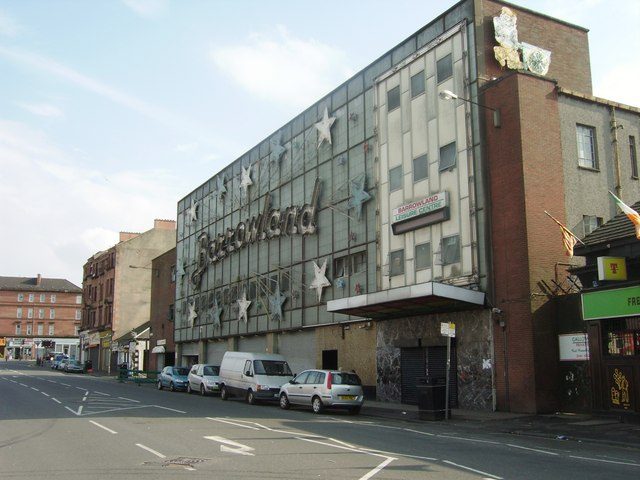
The Barras is Glasgow’s old weekend market, at the Gallowgate end of the East End, and it is a strange, scrappy, half-empty, half-reviving place. There are food and drink operators inside the market buildings now, a couple of arts-and-food spaces in converted market halls, and the Barrowland Ballroom next door, which is one of the great music venues in Britain and worth building an evening around.
It is not a polished district. Some units are shuttered. But if you want to eat somewhere that feels like Glasgow rather than like a food destination, come here on a Saturday afternoon.
Curry: the thing Glasgow does better than anywhere in Scotland
No guide gives this enough space, so I am going to.
Glasgow’s South Asian restaurant scene — overwhelmingly Pakistani and Punjabi rather than the Bangladeshi tradition that dominates in much of England — is the defining cuisine of the city. It has won the Curry Capital of Britain title four times, in 2002, 2003, 2006 and 2010. It is the food Glaswegians eat on a Friday, the food they take visitors to, and the food they will fight you about.
The chicken tikka masala argument
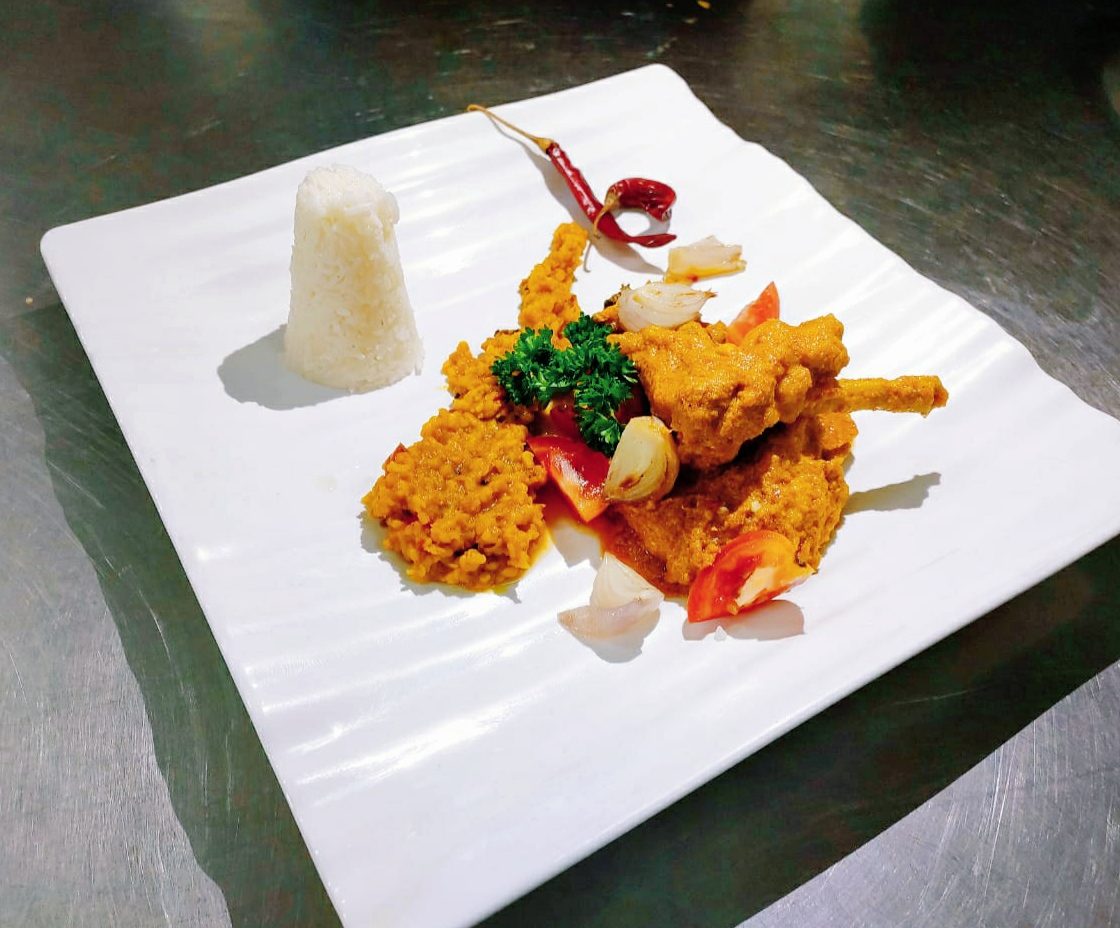
Glasgow claims to have invented chicken tikka masala. The story, as it is usually told, is that Ali Ahmed Aslam, who opened the Shish Mahal in 1964 and ran it for decades, was told by a customer in the 1970s that his chicken tikka was too dry, and responded by improvising a sauce using spices and a tin of condensed tomato soup. The dish stuck. In 2009 a Glasgow MP put a motion before the House of Commons asking that the city be recognised as its birthplace, and there was a subsequent attempt to secure protected status for a Glasgow origin. It did not succeed.
The claim is genuinely disputed. Some food historians point to a recipe for a very similar dish published in an Indian cookery book in 1961, before the Shish Mahal opened. Others note that a rival Glasgow restaurant has made its own earlier claim. And a good number of writers think the whole idea of a single point of invention is nonsense — that this is a dish that emerged across British curry houses in the same decades, adapted for diners who wanted their tikka wetter and milder.
My view: nobody can prove it, the story is too tidy to be entirely true, and it does not matter very much. What is not in dispute is that the dish took its recognisable form in British curry houses rather than in South Asia, and that Glasgow’s curry houses were among the places it happened. Aslam died in 2022. The Shish Mahal still trades, now on Park Road in the West End, and still serves the dish that made the argument.
Order it once for the history. Then order something better.
What to order instead
The good Glasgow restaurants have moved a long way past the standard curry-house card. What you want to look for:
- Karahi dishes — cooked and served in the wok-like pan, dry-ish, tomato and ginger forward. Usually the best thing on a Punjabi menu.
- Home-style Punjabi cooking — several Southside restaurants serve daily-changing dishes closer to what a family would eat than to restaurant food. Portions are large, prices are low, and it is frequently the best meal of a trip.
- Fish pakora — a Glasgow speciality, done with haddock, and much better than it has any right to be.
- Grills and seekh kebabs — the Pollokshields grill houses do these properly over charcoal.
- Anything the menu calls a house or chef’s dish — this is where the kitchen puts the cooking it actually cares about.
Mother India, on the edge of the West End near Kelvingrove, is the name most locals give a visitor who asks, and it has spawned a set of sister restaurants including a small-plates version. Ranjit’s Kitchen on the Southside does Punjabi home cooking, largely vegetarian, and is the one I send people to when they want to understand why Glaswegians take this seriously. Both hedge well: check opening days before you go, because several of the best places close one or two days a week.
BYOB and corkage
A large share of Glasgow’s best-value restaurants — including many of the South Asian ones, plus pizza places, Vietnamese diners and Chinese street-food rooms, particularly on the Southside — are unlicensed and let you bring your own drink.
Corkage is either free or small: expect a couple of pounds a bottle for beer and under £10 for wine at the places that charge at all, though this varies and changes. There is usually an off-licence within a hundred metres, because the restaurants and the shops have an understanding.
This is the single biggest reason a Southside dinner can cost half a West End one. Always ask when you book — policies shift, and a few places have taken licences in recent years.
The everyday Glasgow: cafés, chippies and breakfast
The restaurant scene gets the coverage. The café and chippy tradition is what the city actually runs on, and I have never understood why guides treat it as a punchline.
The Italian café tradition
Italians began arriving in Scotland in numbers in the late nineteenth century, and by the 1920s and 1930s the Italian café — ice cream, fried food, hot drinks, wooden booths — was a fixture in every Scottish town. Glasgow has more survivors than anywhere.
The University Café on Byres Road has been in the same family for well over a century and has the whole thing intact: the narrow room, the wooden booths, the Art Deco fittings, fry-ups and fish and chips and home-made ice cream on one menu. It is not a heritage exhibit, it is a working café where students eat.
These places are the real inheritance of Glasgow’s food culture, more so than any restaurant on Argyle Street. Go to one. Order the ice cream even in February.
The breakfast roll and the square sausage
Glasgow’s breakfast culture is better than Edinburgh’s and I will take that argument on any day of the week.
The basic unit is the roll: a soft, floury morning roll with something fried in it. The classic filling is square sausage — also called Lorne sausage, a slice of seasoned sausagemeat cut from a loaf rather than stuffed into a skin, and specific to Scotland. Bacon, egg and potato scone are the other regulars. It costs a few pounds and it is served everywhere from proper cafés to bakery counters.
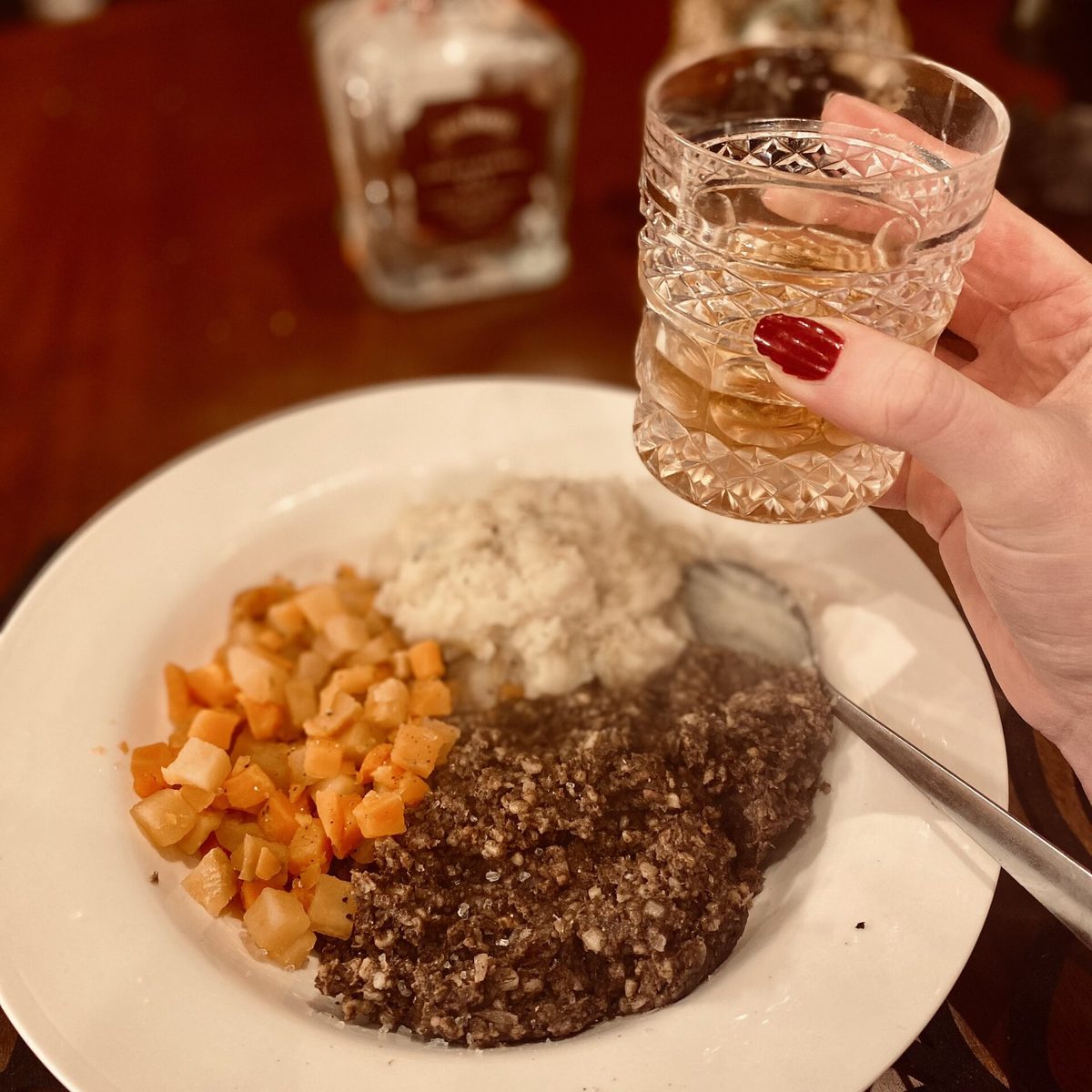
Scale up and you get the full Scottish breakfast, which adds black pudding, tattie scone, grilled tomato and often a slice of haggis. Glasgow’s brunch rooms in the West End and Southside do elaborate versions with sourdough and avocado, and they are good, but the plain version in an unglamorous café is arguably the more authentic experience. Both have their place.
If haggis is on your list — and it should be — our explainer on what haggis actually is will settle your nerves before you order, and the wider guide to traditional Scottish dishes covers the rest of the canon.
The chippy
A fish supper in Glasgow means haddock, not cod, and chips. Order it with salt and vinegar, or ask for the brown sauce, which is a Glasgow thing and better than it sounds. A good chippy will have a queue at 5pm and again at 11pm.
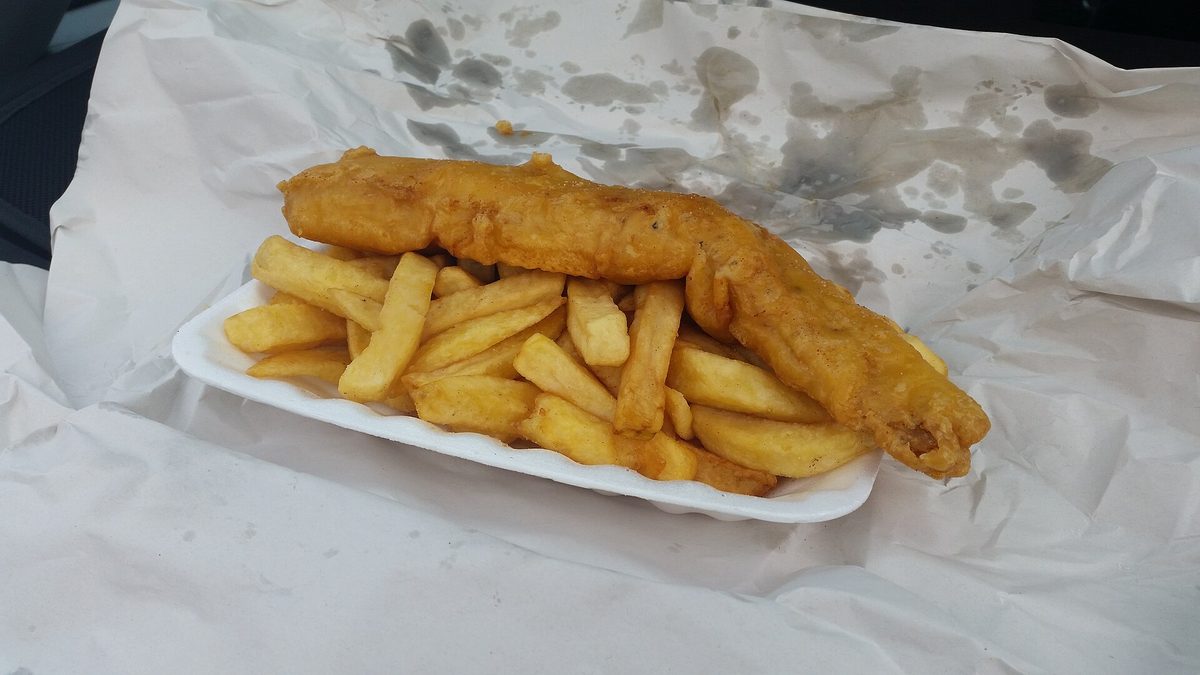
Glasgow chippies also sell things that will alarm you: the deep-fried pizza, the black pudding supper, the smoked sausage. Many chip shops sell them, and they are worth trying once, ideally after a night out, which is the context they were designed for.
For proper seafood rather than fried seafood, Glasgow is decent but not exceptional — the west coast landings mostly go elsewhere. Our guide to Scottish seafood explains where the good stuff actually ends up, and if smoked haddock soup is your thing, cullen skink is on more Glasgow menus than you would expect.
The deep-fried Mars bar, addressed and dismissed
Let me deal with this once.
The deep-fried Mars bar was not invented in Glasgow. The usual account credits a chip shop in Stonehaven, on the north-east coast near Aberdeen, in the early 1990s, and it became a national story after a local newspaper picked it up in 1995. It is a novelty that the press adopted, not a Scottish tradition, and it is not a Glasgow one at all.
You can still buy one. A handful of chippies keep them on the board specifically for visitors. It is a Mars bar in batter: hot, extremely sweet, structurally a mess. Try it if the joke appeals. Do not treat it as a data point about Scottish food, and please do not bring it up with the person cooking your dinner. If you want an actual Scottish sweet course, cranachan, clootie dumpling and tablet are the real answer.
Glasgow versus Edinburgh: taking a side
People ask me this constantly, so here is a straight answer rather than a diplomatic one.
Glasgow is the better everyday eating city. It is far less booked out, so a decision made at 4pm can still produce a good table at 8pm. It is less formal, which shows in the rooms and in the service. And it takes more risks, because rents are lower and a young chef can afford a room on Victoria Road in a way they cannot on Thistle Street.
Edinburgh wins on two counts. It has more Michelin recognition, with a deeper bench of starred and tasting-menu restaurants. And it does seafood better, being closer to the east-coast landings and with a stronger set of dedicated fish restaurants. If your trip is built around one big-occasion dinner, Edinburgh has more options at that end.
What tips it for me: in August, Edinburgh becomes almost impossible to eat in without booking weeks ahead, and prices reflect it. Glasgow does not have that problem. If your dates fall in festival season, eating in Glasgow and travelling through is a genuinely sensible strategy — the train takes about 45 minutes.
Read our Edinburgh eating guide alongside this one and judge for yourself, and if you are still choosing a base, the wider where to stay in Scotland piece weighs up the cities against each other.
Planning: how long, how to move, what to book
How many days you need
Two full days is enough to eat well in two neighbourhoods. Three lets you do the West End, the city centre and the Southside properly. Any longer and you are choosing Glasgow as a food destination in its own right, which is a defensible choice but an unusual one for a first Scottish trip.
Getting between the neighbourhoods
The Subway — a single circular line, universally known as the Clockwork Orange — connects the city centre to the West End in under ten minutes and is the fastest way to Hillhead for Byres Road. It does not serve the Southside restaurant districts usefully, and it closes early on Sundays, which catches people out.
For the Southside and East End, use the train. Central Station to Queen’s Park, Crossmyloof or Pollokshields East takes eight to twelve minutes and runs frequently. Buses cover everything but are slower. Taxis across the city rarely top £15. Walking between the city centre and Finnieston is perfectly pleasant.
You do not want a car. Parking is difficult, the Low Emission Zone covers the city centre, and you will be drinking. Our guide to getting around Scotland covers the wider transport picture.
Booking windows — be specific about this
- Finnieston, Friday or Saturday dinner: book three to four weeks ahead. The best-known rooms release tables further out than that and fill them.
- Finnieston, Tuesday to Thursday: a week is usually plenty.
- Pre-theatre anywhere: three to four days, more if there is a big show on.
- Southside and Dennistoun: a few days at weekends, walk in midweek.
- Sunday roasts: book by Thursday. Glasgow takes its roasts seriously and the good ones sell out.
- Tasting menus: a month, sometimes more, and expect a deposit.
Cancellations do appear, often on the morning of, so it is always worth checking again on the day.
Sundays, Mondays and the days things close
Glasgow’s Sunday is quieter than you expect. Plenty of restaurants close Sunday evening, more close all day Monday, and the Subway runs a shortened Sunday service. Sunday lunch and roasts, on the other hand, are excellent and widely available — that is the meal to plan around.
Several of the best independent restaurants, particularly on the Southside, close two days a week rather than one. Check before you travel across the city.
Match days, gigs and event nights
Two things reliably disrupt eating in Glasgow.
The first is the Old Firm — Celtic against Rangers. On those days the city centre and the streets around the grounds get very busy from the morning onwards, pubs near the routes may restrict entry or close, and some restaurants shorten their hours. Kick-off times are usually early. It is not dangerous, but it is not the day for a relaxed lunch on Argyle Street. Check the fixture list before you fix a date.
The second is the arena and venue calendar. A big show at the OVO Hydro puts several thousand people into Finnieston at the same hour, and every restaurant on Argyle Street is full from 5.30pm. If you are eating in Finnieston, check what is on at the Hydro that night and book earlier or later around it. The same applies on a smaller scale at the Barrowland and the concert halls.
If your trip is built around events rather than around them getting in the way, our guide to Scotland’s festivals and events is the place to start.
A three-day eating route that actually works
Day one — city centre and Merchant City. Breakfast roll from a café. Walk the grid. Set lunch around Blythswood Square. Afternoon in a museum. Pre-theatre dinner near Hope Street, booked for an early sitting. Late drinks in Merchant City.
Day two — West End. Subway to Hillhead. Late brunch on Byres Road. Kelvingrove Museum, which is free and excellent. Walk down to Finnieston along Argyle Street. Booked dinner in Finnieston, early sitting. Nightcap in one of the Argyle Street bars.
Day three — Southside. Train to Queen’s Park. Coffee and a pastry on Victoria Road. Walk through the park to Shawlands. Lunch in Strathbungo. Afternoon at Pollok Country Park or the Burrell Collection. Curry in the evening, BYOB, with wine from the shop next door.
That covers the city properly, costs a fraction of the equivalent in Edinburgh, and involves no more than twenty minutes of travel on any given day. Add a fourth day and you can be at Loch Lomond by train from Glasgow to Balloch in about 50 minutes.
What underwhelms, and what to skip
Some honest notes, because a guide that likes everything is useless.
Sauchiehall Street. The eastern end has had a rough decade — fire damage, closures, empty units. There are good restaurants at the western end near Charing Cross and around Kelvingrove, but the middle stretch is not the eating street it once was. Do not plan an evening around it.
The riverside. The Clyde walkway is improving, and there are things happening near the arches and Eastvale Place, but the river frontage is not yet a dining district. Do not go looking for one.
Ashton Lane on a summer Friday. Beautiful, and completely overwhelmed. Go on a wet Tuesday in November when the lights actually mean something.
Chasing Michelin. Glasgow has two starred restaurants and both are very good, but they are not what makes the city interesting. If your budget stretches to one big dinner, I would spend it on an excellent Southside meal and two rounds of drinks instead, and I would eat better.
Assuming small plates means cheap. The most common mistake visitors make in Finnieston. Four plates each is a full dinner and prices accordingly.
Turning up in Merchant City at 9pm on a Saturday without a booking. You will get a table eventually. It will not be the one you wanted.
Judging the curry houses by their frontages. Several of the best rooms in Glasgow are behind unpromising doors in Pollokshields and Govanhill with laminated menus and strip lighting. That is not a warning sign here. It is frequently the opposite.
One more, gently: do not order haggis at a place that is clearly making it for tourists. Order it somewhere Glaswegians eat, or at the Ubiquitous Chip, which has been doing it seriously for fifty years.
Frequently asked questions
What food is Glasgow known for?
Curry above all — Glasgow has won the Curry Capital of Britain title four times and claims chicken tikka masala as a local invention. Beyond that: the Italian café tradition with fish and chips and home-made ice cream, the breakfast roll with square sausage, and a modern small-plates restaurant scene concentrated in Finnieston.
Is Glasgow cheaper than Edinburgh for eating out?
Generally, yes. Prices vary by restaurant, so look at current menus for the places you have in mind. The gap widens sharply during Edinburgh’s August festival season, when Glasgow prices barely move.
Where should I eat in Glasgow on a budget?
The Southside and the East End. Victoria Road, Govanhill, Shawlands and Duke Street in Dennistoun all offer good meals under £20 a head. Bring your own wine where it is permitted, use pre-theatre menus in the city centre, and eat your main meal at lunchtime when set menus are cheapest.
Do I need to book restaurants in Glasgow?
For Finnieston at weekends, yes — three to four weeks ahead for the best-known rooms. For pre-theatre menus, a few days. Elsewhere Glasgow is far more forgiving than Edinburgh, and midweek walk-ins work in most neighbourhoods. Sunday roasts are the exception and should be booked by Thursday.
Is Finnieston worth the hype?
Mostly. The concentration of good kitchens along Argyle Street is real and the cooking is genuinely strong. But prices have caught up with the reputation, the rooms are loud and tightly packed, and small-plates dinners cost more than people expect. Go, book ahead, take an early sitting, and do not make it your only night out.
What is the best area to stay in Glasgow for food?
The West End if you want restaurants on your doorstep and do not mind paying for them. The city centre if you want to walk to everything and use the trains and Subway easily — that is what I would choose. The Southside if you are staying longer and want to eat like a resident rather than a visitor.
Is Glasgow good for vegetarians and vegans?
Very. It has one of the strongest plant-based scenes in the UK for a city its size, helped enormously by the Punjabi vegetarian tradition on the Southside, which produces some of the best meat-free cooking in Scotland. Our guide to eating vegetarian and vegan in Scotland goes into detail.
Should I do a food tour in Glasgow?
Only if you have a single day and want the ground covered for you. Glasgow’s neighbourhoods are easy enough to navigate that a tour is less necessary here than elsewhere, and the money goes further on meals. If guided eating appeals, Edinburgh’s food tours are the more developed offering, and there is a wider range of organised tours across Scotland if you would rather not self-drive.
Final thoughts
Glasgow is not trying to impress you, which is the best thing about eating here. The rooms are loud, the service is chatty, the prices are fair, and nobody minds what you are wearing. The city’s finest food is not on any national list — it is a plate of Punjabi home cooking on the Southside, eaten with wine you bought in the shop two doors down.
Do the West End, because it earns its reputation. But cross the river for at least one meal. That is where you will find the Glasgow that Glaswegians eat in, and it is the version worth coming for.
Planning the rest of the trip? Our round-up of things to do across Scotland, the practical Scotland travel tips, and our advice for a first trip to Scotland will fill in the gaps. And the full Scottish food and drink guide is where this one sits — the whole national picture, city by city and dish by dish.
About the author: This guide was written and is maintained by the ScotlandTourism.org editorial team — travel writers who’ve spent years exploring Scotland’s cities, Highlands and islands, from bagging Munros to chasing the perfect dram. We update our guides regularly to keep prices, opening details and advice current.
Last updated: November 2026. Prices and opening times change — always check the official site before you travel.
Photo credits
All images are used under their respective Creative Commons or public-domain licenses:
- Ashton Lane in Glasgow’s West End, a cobbled lane lined with bars a… — Richard Sutcliffe, CC BY-SA 2.0, via Geograph
- Byres Road in Glasgow’s West End, the spine of the district’s eatin… — Lirazelf, CC BY-SA 4.0, via Wikimedia Commons
- Finnieston and the Argyle Street restaurant strip in Glasgow — Stephen Sweeney, CC BY-SA 2.0, via Geograph
- Chicken tikka masala, the curry Glasgow claims as its own invention — Guddu1996, CC BY-SA 4.0, via Wikimedia Commons
- Fish and chips, the classic Glasgow chippy order — Gvjekoslav, CC0, via Wikimedia Commons
- Buchanan Street in Glasgow city centre — Stinglehammer, CC BY-SA 4.0, via Wikimedia Commons
- The Barrowland Ballroom in Glasgow East End, beside the Barras market — GaryReggae, CC BY-SA 2.0, via Geograph
- Kilmarnock Road in Shawlands, the main artery of Glasgow Southside … — Richard Sutcliffe, CC BY-SA 2.0, via Geograph
- Haggis, neeps and tatties with a dram, a Glasgow restaurant staple — Evelyn Hollow, CC BY-SA 4.0, via Wikimedia Commons
- Royal Exchange Square lit up at night in central Glasgow — John Lindie, CC BY 2.0, via Wikimedia Commons
- Great Western Road tenements and shopfronts in Glasgow West End — Alan Murray-Rust, CC BY-SA 2.0, via Geograph