The first time I drove the loop I did the thing everyone does: I googled the north coast 500 cost, found a blog that said “budget around £100 a day”, wrote that on a Post-it and went. I came home having spent nearly double, and the annoying part was that I couldn’t tell you where the money had gone. It hadn’t gone on anything memorable. It had gone on fuel I bought in the wrong villages and rooms I booked six weeks before the school holidays.
So the second time I kept receipts. Every pump, every pitch, every £2.40 flat white in Ullapool. What came out of that is not a single daily figure, because a single daily figure is useless. It’s a set of components you can actually pull on — and two of them, fuel and beds, decide almost everything. This guide builds the number from the bottom up, tells you honestly where it goes wrong, and gives you three fully costed versions of the same seven-night trip.
How much does the North Coast 500 cost?
For two people over seven nights in your own car, budget roughly £700 camping and hostelling, £2,000 in mid-range B&Bs, or £3,250 in comfortable hotels. That’s around £50, £145 and £230 per person per day. Fuel adds £95–£260 depending on the vehicle. Hire cars are extra.
NC500 costs at a glance
Here’s the whole thing on one screen. All figures are for two people sharing, seven nights, using your own car, at the time of writing in August 2026. I’ve been deliberately realistic rather than optimistic — these are numbers I’d be comfortable planning against, not numbers designed to make the trip look cheap.
| Cost line | Camping & hostels | Mid-range B&B | Comfortable hotels |
|---|---|---|---|
| Accommodation (7 nights) | £175 | £980 | £1,610 |
| Fuel (around 650 miles) | £115 | £115 | £136 |
| Food & drink | £280 | £600 | £900 |
| Attractions & activities | £40 | £120 | £250 |
| Parking, toilets, sundries | £35 | £45 | £60 |
| Contingency (10%) | £65 | £185 | £295 |
| Total for two, own car | £710 | £2,045 | £3,250 |
| Per person, per day | £51 | £146 | £232 |
Add car hire on top if you need it: expect roughly £300–£380 for a small car for a week out of Inverness in shoulder season, and considerably more in July. If you’re deciding between four wheels and a bed on wheels, we’ve broken that decision down properly in our comparison of hiring a campervan versus taking a car, because the arithmetic is less flattering to campervans than most people expect.
For the route itself, the driving distances and the case for going one way round rather than the other, start with our main North Coast 500 route guide and then pick the itinerary length that suits you.
Fuel: the cost everyone gets wrong
Almost every cost guide handles fuel with a shrug — “allow about £100” — and that’s how people end up £150 over. Fuel on this route is not one number. It’s mileage times consumption times a per-litre price that is genuinely, measurably higher in the far north-west than it is in Inverness.
You drive a lot further than 516 miles
The official loop is about 516 miles. Nobody drives 516 miles. You drive the loop plus the detours, and on the NC500 the detours are the point: the B869 coast road round Clashnessie and Stoer, the spur out to Lochinver, Applecross over the Bealach na Ba rather than the flat road round, Dunnet Head, Duncansby, the run out to Balnakeil. Add the doubling back you’ll do when you spot something.
In practice, plan on 620–670 miles. I use 650 as my working figure and I’ve never been badly wrong. If you’re also driving up from Edinburgh or Glasgow, add roughly 160 miles each way from Edinburgh and budget for it separately.
Remote pumps cost real money
At the time of writing the UK average is around 161p a litre for petrol and 182p for diesel. In the far north-west, expect to pay noticeably more. The independents at Durness, Kinlochbervie, Scourie, Lochinver and Applecross typically sit 10–20p a litre above an Inverness supermarket, and the spread between the cheapest and dearest pump on the whole loop can be 20–30p. Prices move constantly, so treat these as a planning estimate and check before you go.
That gap sounds trivial. Over a full tank it’s about £10. Over the loop, if you buy most of your fuel at the expensive end, it’s £20–£30 you didn’t need to spend. Not ruinous — but easily avoided by filling up in Inverness, Tain, Ullapool, Thurso or Wick where the price is closer to normal.
What fuel actually costs, by vehicle
This is the table I wish someone had shown me. It assumes 650 miles, an imperial gallon of 4.55 litres, and a blended remote-area price of about £1.75 a litre for petrol and £1.95 for diesel. Use your own car’s real-world mpg, not the brochure figure.
| Vehicle | Realistic mpg | Litres for 650 miles | Fuel cost |
|---|---|---|---|
| Petrol hybrid hatchback | 55 | 54 | £94 |
| Small diesel hatchback | 55 | 54 | £105 |
| Small petrol hatchback | 45 | 66 | £115 |
| Petrol estate or family SUV | 38 | 78 | £136 |
| Diesel 4×4 or large SUV | 32 | 92 | £180 |
| Small campervan conversion | 27 | 109 | £213 |
| Coachbuilt motorhome | 22 | 134 | £262 |
Look at the top and bottom of that table. The difference between a frugal hatchback and a coachbuilt motorhome is over £150 across one loop, and that’s before you’ve paid the hire premium on the motorhome. Between a diesel hatchback and a modest campervan conversion it’s still close to £110. If you’re renting anyway, choosing the smaller, more efficient car is worth about a night’s accommodation.
The gaps that catch people out
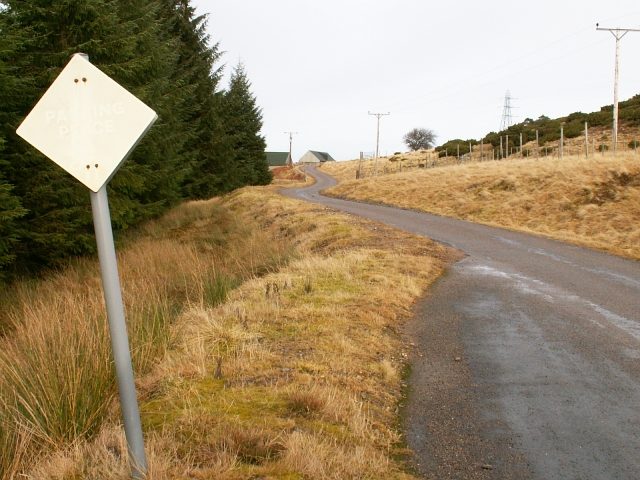
There is no 24-hour fuel between Ullapool and Thurso. None. Village pumps in Sutherland and Caithness often shut at 5pm or 6pm, close on Sundays, and one or two are card-only outside staffed hours. The stretch from Ullapool north through Kylesku to Durness has fuel at Scourie, Kinlochbervie (a short detour) and Lochinver (also a detour), spread across a hundred miles of single-track road with a lot of climbing.
My rule, and I’d urge you to adopt it: on the north and west coasts, never pass a pump below half a tank. Paying 15p a litre extra to fill 25 litres costs you under £4. Running dry at Kylesku costs you a recovery call-out and half a day.
Electric drivers should plan harder. There are chargers along the route, but they are thinly spread and occasionally out of service, and there’s no real redundancy on the north-west coast. Check a live charger map the morning you set off rather than trusting a plan you made in March.
Accommodation: the biggest lever you have
Here’s the uncomfortable truth. On the NC500 you have far more control over your total cost through when you go than through how frugally you behave once you’re there. Skipping cake in Lochinver saves you £4. Moving your trip from late July to late May saves you £250.
Why the far north is a seller’s market
Supply is fixed and it is small. Durness has a handful of places to sleep. Kylesku has a hotel and not much else. Applecross has a village’s worth of beds serving a road that appears on every “greatest drives” list in Europe. Nobody is building a 200-room hotel in Assynt, and the businesses that exist are mostly family-run with a season that runs roughly Easter to October.
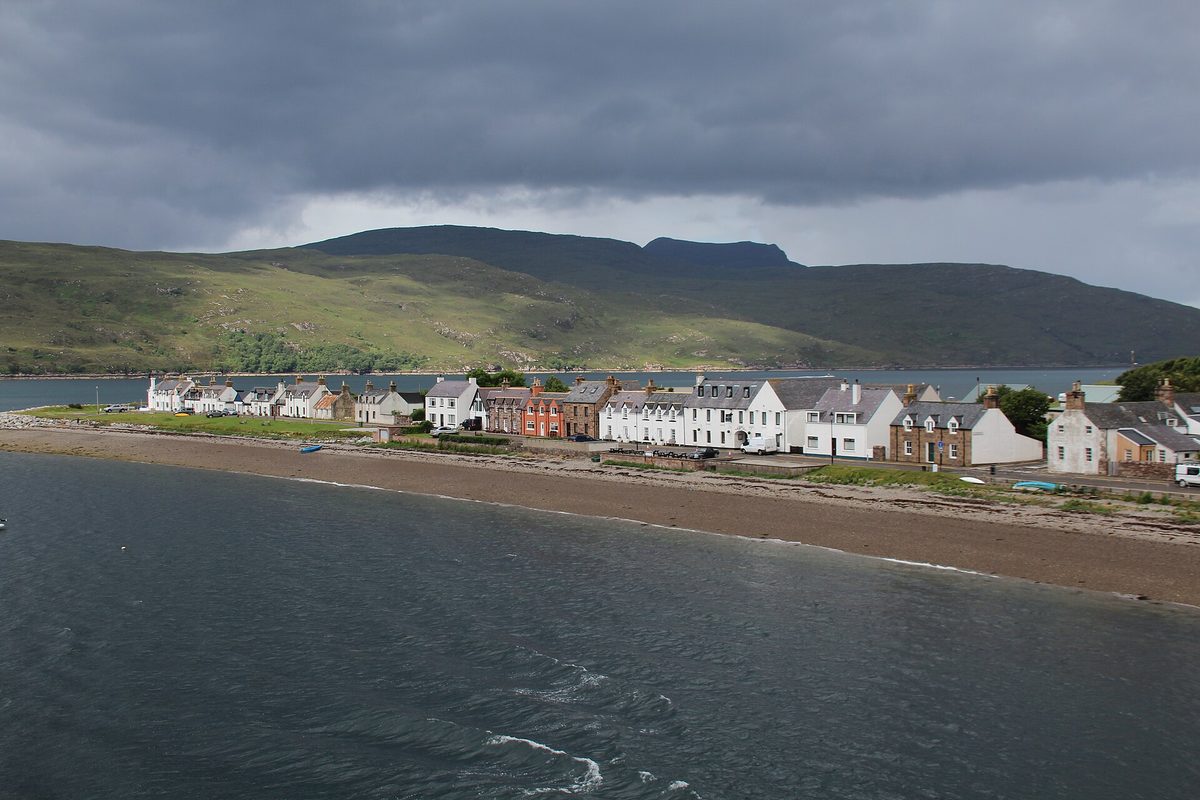
Then the demand arrives, all of it, in eight weeks. The result is exactly what you’d predict: the same room in Ullapool that goes for £110 in May can be £190 or more in the last week of July, and by then the good-value places sold out months ago. Some now impose two-night minimums in peak weeks, which quietly removes the cheapest way to structure a trip.
This is why our advice on the cheapest time to visit Scotland matters more here than almost anywhere else in the country. It isn’t a marginal saving. It’s the whole game.
What a mid-range double costs by month
These are indicative bands for a mid-range B&B or small hotel double along the west and north coasts, based on what I’ve paid and what I see when I check. Always verify with the property.
| Month | Typical double, per night | Vs peak | Worth knowing |
|---|---|---|---|
| April | £95–£115 | about 40% less | Some places not yet open; long light evenings begin |
| May | £110–£135 | about 30% less | The sweet spot — dry-ish, no midges yet |
| June | £130–£160 | about 15% less | Longest days of the year; prices climbing fast |
| July–August | £160–£200+ | baseline | Two-night minimums common; book 6–9 months out |
| September | £120–£150 | about 25% less | Excellent value; heather and stag roar |
| October | £95–£120 | about 40% less | Many properties close mid-month |
| November–March | £75–£100 | about 50% less | Limited openings, short days, roads can close |
If you can move your dates at all, move them to May or September. You get cheaper beds, emptier single-track roads, and in May you dodge the worst of midge season entirely. The trade-off is that a few boat operators and seasonal attractions won’t be running yet in April and early May — worth checking if a specific trip matters to you. Our broader guidance on the best time to visit Scotland weighs those trade-offs month by month.
Three costed trips, seven nights, two people
Same route, same seven nights, three very different bills. I’ve assumed you drive the loop clockwise from Inverness — west first, sleep in roughly the places our seven-day NC500 itinerary suggests, and use your own car. Car hire is listed separately so you can add it if you need it.
Tier one: camping and hostels — around £710
Wild camping is legal in Scotland under the Scottish Outdoor Access Code, which is genuinely the biggest single saving available to anyone on this route. It is not, however, a free-for-all: leave no trace, no fires on peat or machair, don’t pitch in laybys or car parks, and move on after a night or two. Campervans and motorhomes are not covered by the access code at all — that’s roadside parking, and it’s governed by local rules.
This tier assumes three nights wild camping, two nights on campsites, two nights in hostels, self-catered breakfasts and lunches, and one pub meal every other day.
| Line item | Detail | Cost |
|---|---|---|
| Accommodation | 3 nights wild camping free; 2 campsite pitches at ~£28; 2 hostel beds x2 at ~£30pp | £175 |
| Fuel | 650 miles, petrol hatchback at 45mpg | £115 |
| Food & drink | Big supermarket shop in Inverness plus 3 pub meals for two | £280 |
| Attractions | One castle entry each; everything else free | £40 |
| Parking & sundries | Car parks, showers, laundry, coffee | £35 |
| Contingency | 10% — a spare gas canister, a wet-day cafe, a ferry | £65 |
| Total for two | — | £710 |
| Add car hire | Small car, 7 days from Inverness, shoulder season | +£330 |
Could you do it cheaper? Yes. Wild camp all seven nights, cook every meal, and two of you could come in near £450 including fuel. I’ve done versions of that and enjoyed them. But seven consecutive nights in a tent in the north-west is a specific kind of holiday, and one campsite night mid-trip for a hot shower and a laundry machine is worth every penny of the £28.
Tier two: mid-range B&Bs — around £2,045
This is the default British way to do the NC500 and, for most people, the right one. Family-run B&Bs and small guest houses, a cooked breakfast included, dinner in the local hotel or pub, one or two paid activities across the week. The hosts are frequently the best information source you’ll get all trip.
| Line item | Detail | Cost |
|---|---|---|
| Accommodation | 7 nights, doubles averaging ~£140 with breakfast | £980 |
| Fuel | 650 miles, petrol hatchback at 45mpg | £115 |
| Food & drink | Packed or cafe lunches, dinner out most nights, a few drinks | £600 |
| Attractions | Dunrobin Castle for two plus one boat trip or distillery tour | £120 |
| Parking & sundries | Car parks, toilets, a decent bottle of whisky | £45 |
| Contingency | 10% | £185 |
| Total for two | — | £2,045 |
| Add car hire | Small car, 7 days from Inverness, shoulder season | +£330 |
The single number to watch here is that £140 average. In May it’s achievable without trying. In the third week of July you’ll be lucky to average £175, which pushes the same trip past £2,300. If you want to understand the geography of where those beds are, our guide to the best base towns in the Scottish Highlands is a useful companion.
Tier three: comfortable hotels — around £3,250
The nicer end: the hotel at Kylesku with the loch outside the window, the good options in Torridon, the smarter Ullapool rooms, a country house night near Dornoch or Tongue. Dinner is a proper dinner rather than a plate of scampi. You’ll also want a slightly larger car, which costs a little more to fuel.
| Line item | Detail | Cost |
|---|---|---|
| Accommodation | 7 nights averaging ~£230, breakfast included | £1,610 |
| Fuel | 650 miles, estate or SUV at 38mpg | £136 |
| Food & drink | Restaurant dinners, wine, decent lunches | £900 |
| Attractions | Castle, wildlife cruise, distillery tour, a guided walk | £250 |
| Parking & sundries | Car parks, tips, sundries | £60 |
| Contingency | 10% | £295 |
| Total for two | — | £3,250 |
| Add car hire | Mid-size car, 7 days from Inverness | +£430 |
Honest opinion: the jump from tier two to tier three buys you comfort and better food, but it buys you very little extra route. The Bealach na Ba looks identical from a Golf and from a Range Rover. If your budget is fixed, I’d spend it on more nights rather than better ones — a nine-night trip in B&Bs beats a seven-night trip in hotels, every time.
Almost everything good on the NC500 is free
This is the fact that reframes the whole budget. The NC500’s assets are landscape, and landscape doesn’t sell tickets. You could drive the entire loop, stop at everything worth stopping at, and pay for nothing but a few car parks.
The beaches
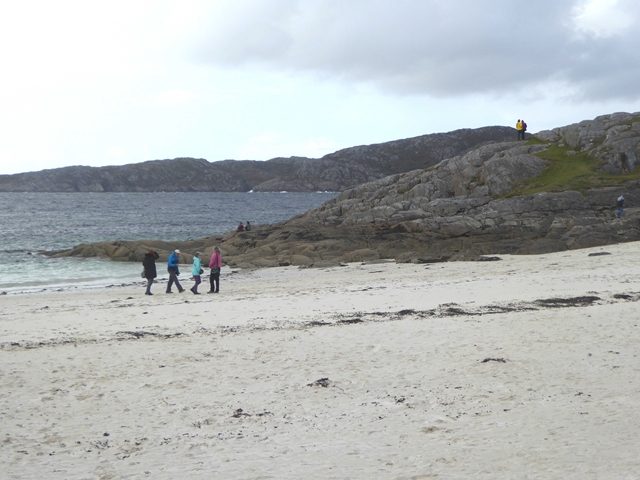
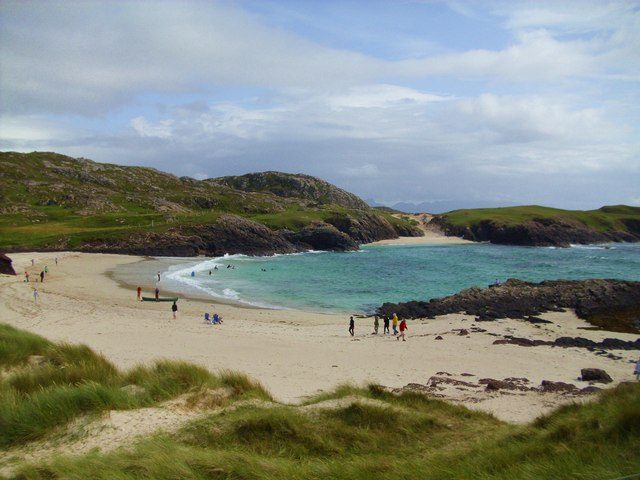
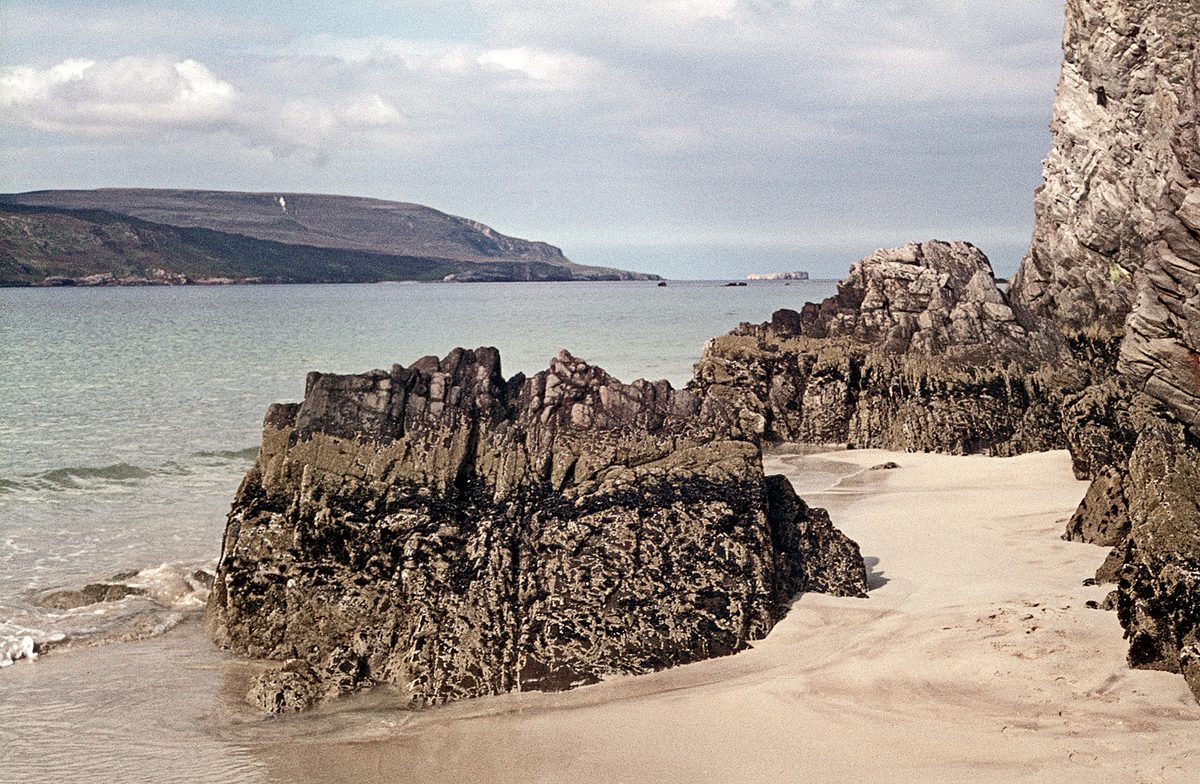
Every single one is free. Achmelvich and Clachtoll on the B869, with white sand and water that looks implausible on a sunny day. Clashnessie just up the road. Sandwood Bay, which costs you a four-mile walk each way from Blairmore and is worth all eight. Balnakeil and Ceannabeinne near Durness. Sango Sands right below the village. Dunnet Bay, two miles of it, in Caithness. Sinclair’s Bay north of Wick.
Some of these would be national parks anywhere else. They’re on our list of the best beaches in Scotland and they cost precisely nothing.
The roads and viewpoints
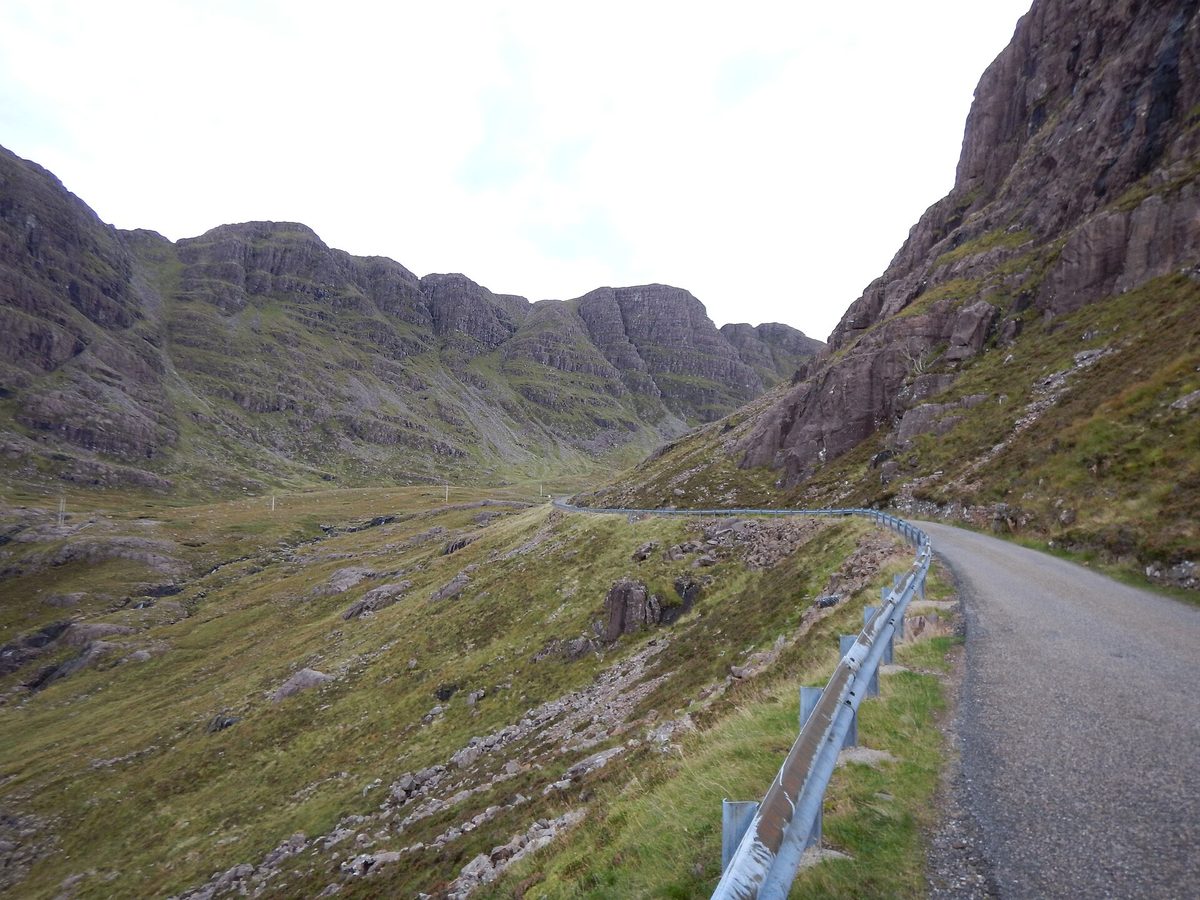
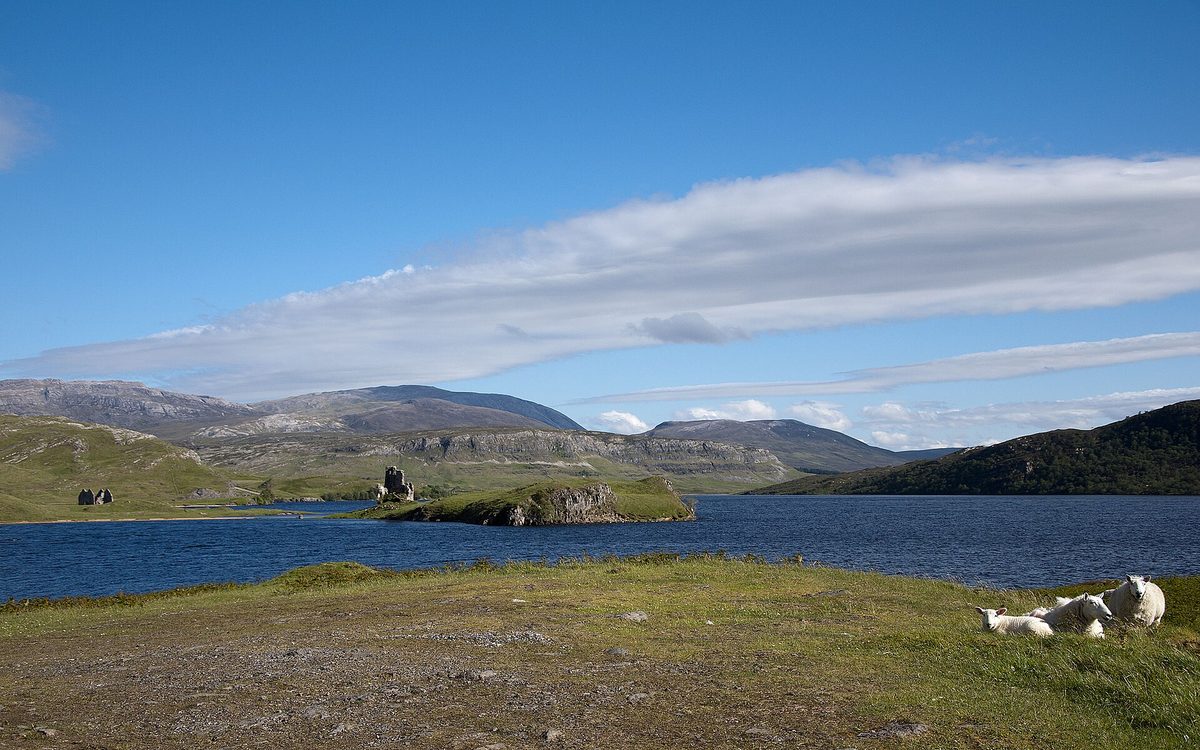
The Bealach na Ba, Britain’s most dramatic road climb, is free. Kylesku Bridge and the layby that lets you photograph it: free. Ardvreck Castle on the shore of Loch Assynt, straight off the A837: free, and you can walk right up to the ruin. The Stoer and Rubha Coigach coast roads: free. Knockan Crag, with its geology trail and a view over Assynt that explains the whole landscape: free.
Add Dunnet Head, mainland Britain’s most northerly point, with a lighthouse and gannets and nobody charging you for either.
The walks and the caves
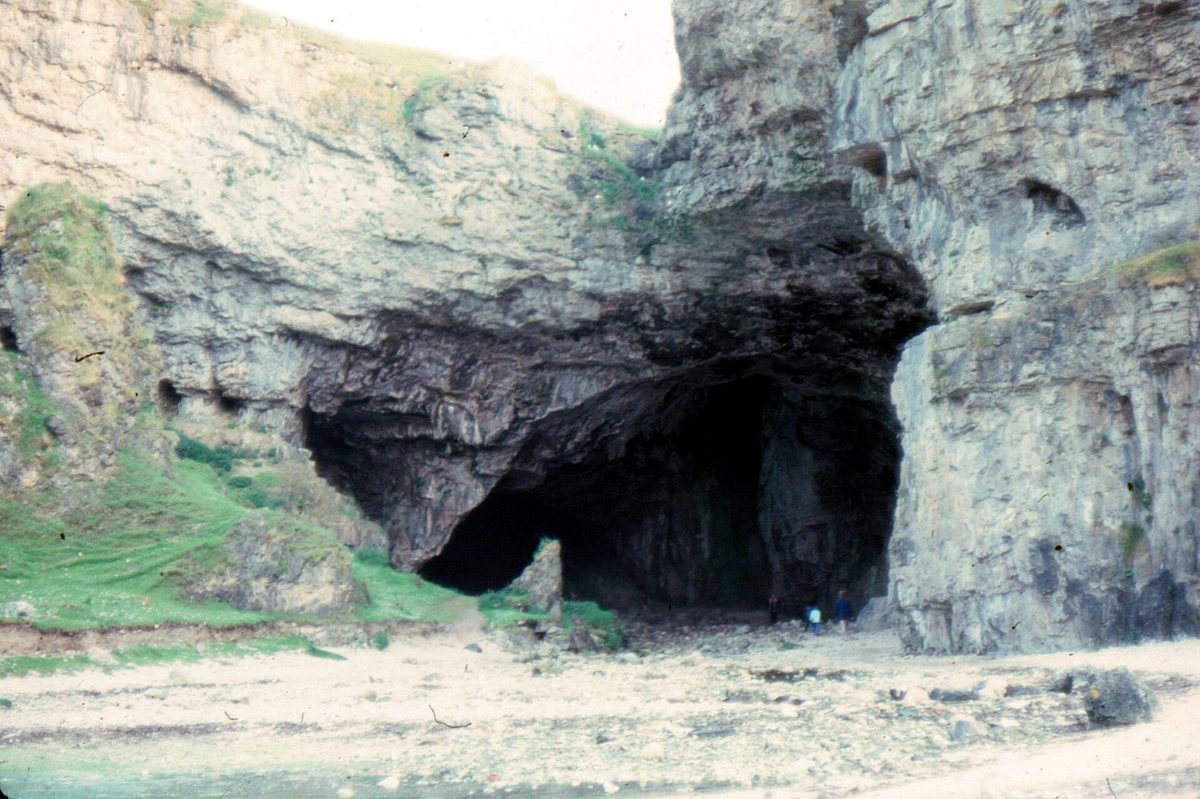
Smoo Cave at Durness is free to walk into — a set of steps down into a sea gorge and a vast limestone chamber with a waterfall crashing through the roof. There’s a paid boat trip into the inner chambers that runs seasonally for a few pounds, but the free part is the impressive part.
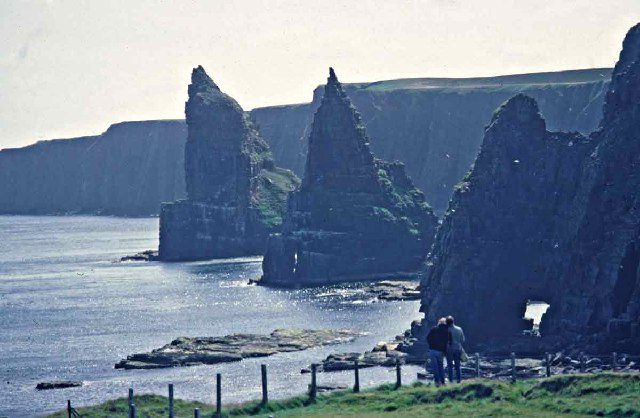
The Duncansby Stacks are a 20-minute walk from the free car park at Duncansby Head lighthouse, and they beat John o’ Groats by a distance. Castle Varrich above Tongue is a short steep climb to a ruin with a view down the Kyle. Whaligoe Steps at Ulbster, between Lybster and Wick, is 300-odd flagstone steps down a cliff to a natural harbour, free with a donation box at the top.
Walkhighlands lists dozens more routes along the loop with proper descriptions and grades. If you like being outdoors, the NC500 is one of the cheapest holidays in Britain. Our overview of free things to do in Scotland covers the wider picture.
What’s genuinely worth paying for
A short list, because it should be short.
Dunrobin Castle, Golspie
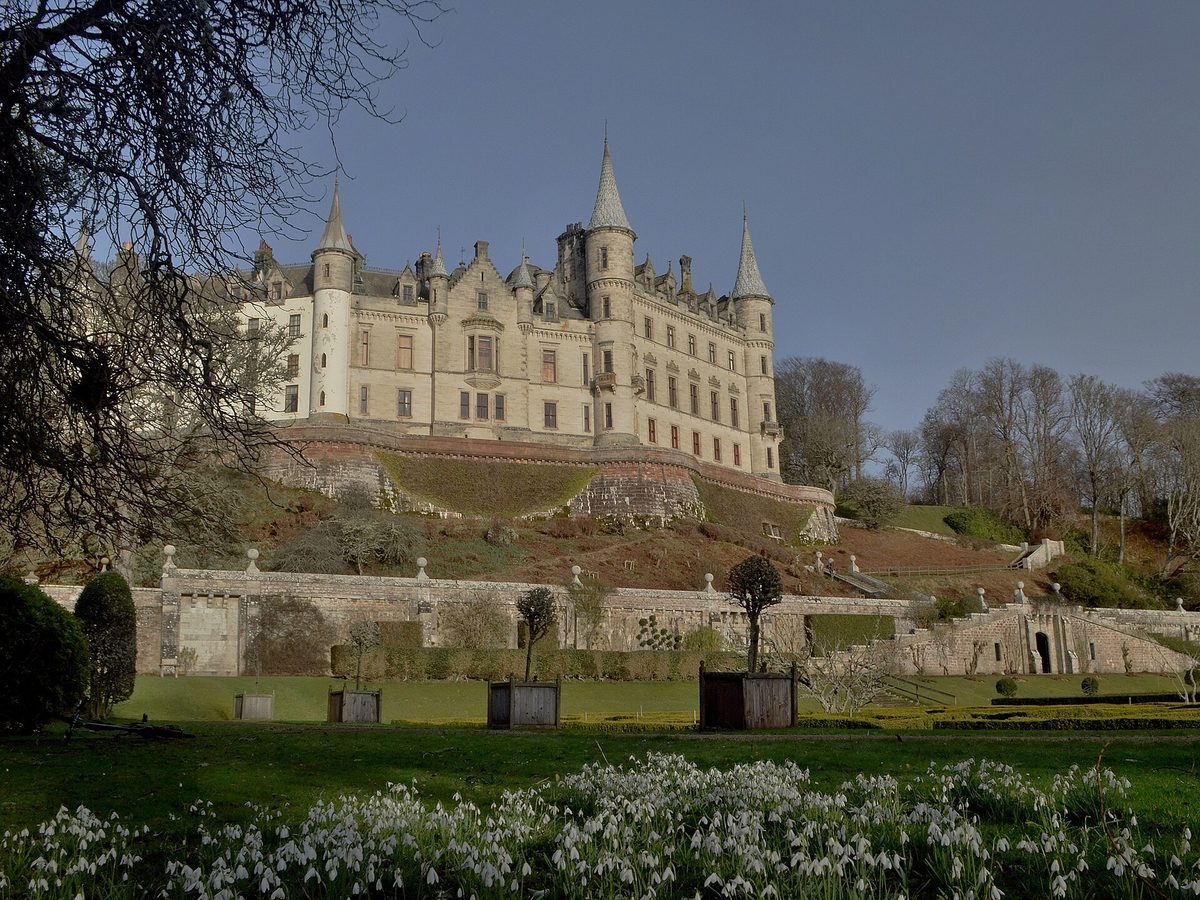
The one paid attraction I’d tell almost anyone to include. It looks like it was airlifted from the Loire, the gardens run down to the sea, and the falconry display in the garden is the best half-hour of its kind I’ve seen in Scotland. Adult admission was £16 at the time of writing, with family tickets available; it’s seasonal, so check dates. It sits on our list of the great castles in Scotland for good reason.
A boat trip from Gairloch or Ullapool
Wildlife cruises out of Gairloch go looking for minke whales, porpoises and basking sharks in season, and the Summer Isles trips from Ullapool are a lovely couple of hours even when the wildlife doesn’t play along. Expect roughly £40–£60 a head. Book ahead in summer and accept that weather cancels sailings.
The Handa Island ferry from Tarbet, north of Scourie, is cheaper — a few pounds each way in season — and drops you on a seabird reserve with a fine circular walk. It’s one of the better-value things on the whole loop.
A distillery, with a caveat
Old Pulteney in Wick runs tours from around £25 and is the obvious northern stop, though the site has had upgrade work so confirm before you drive there. Dunnet Bay Distillers near Castletown do gin tours through the main season. Glenmorangie at Tain is a short detour from the eastern leg. Clynelish at Brora closed its visitor centre in 2026, so don’t plan around it — that one caught out a lot of guides that haven’t been updated. Our roundup of Scotch whisky distilleries has the wider map.
Cape Wrath, if you have the day
The little ferry across the Kyle of Durness plus the minibus out to the lighthouse is a genuinely odd, memorable half-day, and there’s no other way to get there by vehicle. Around £25–£30 combined at the time of writing. It’s seasonal, weather-dependent, and closed when the MoD are firing on the range, so it needs to be a flexible plan rather than a fixed one.
The hidden costs nobody budgets for
Car parking is no longer free
This has changed, and older guides haven’t caught up. Highland Council has been rolling out charges at popular visitor car parks across Sutherland and Caithness, including sites around Durness such as Smoo Cave, Sango Sands, Ceannabeinne and Keoldale, plus Achmelvich and Clachtoll. Tariffs and start dates vary and some are still being implemented, so check signage on the day. Budget £30–£60 across a week for the two of you and you won’t be caught out.
Separately, some Highland Council sites now operate overnight motorhome and campervan schemes at around £10 a night, single night only, with penalties of up to £100 for breaching the conditions. If you’re in a van, read the signs properly.
Public toilets
Many Highland public conveniences are now coin- or card-operated, and a fair number of villages simply don’t have one. Carry 20p and 50p coins — not every unit takes cards, and mobile signal for a payment app is patchy at best. The Highland Council publishes a map of public conveniences that’s worth bookmarking offline before you set off.
Stone chips and hire-car excess
Single-track roads throw grit. Meeting a lorry on the A838 at speed is how windscreens get chipped, and NC500 hire cars come back with scuffed alloys and chipped paint constantly. Standard hire excess is typically £1,000–£1,500, and the desk will sell you a waiver at £25–£35 a day — that’s £175–£245 across a week.
A standalone annual excess insurance policy usually costs a fraction of that. Check the wording covers tyres, glass and the underbody, because those are the exact things this route damages, and they’re the exact things basic policies exclude.
The things that aren’t costs but feel like them
No ATMs for long stretches, so carry £40–£50 in cash for honesty boxes, donation tins and the occasional card machine that’s given up. Village shops close early and on Sundays. And there’s no toll anywhere on the loop, no entry fee to the route, and no permit required — whatever you may have read.
How to actually cut the cost, with numbers
Move your dates — saves £200–£350
The biggest lever, by a mile. Shifting a seven-night B&B trip from the last week of July to the third week of May takes your nightly average from roughly £175 down to around £125. That’s £350 across the week for identical rooms, and you’ll be sharing the Bealach with a third of the traffic.
Do one big shop — saves £100–£150
Stock up at a large supermarket in Inverness before you start, and top up at the Tesco in Wick or the Co-op in Ullapool. Village shops in Sutherland are small, necessarily pricier, and frequently shut by 5pm and all day Sunday. A week of self-catered breakfasts and packed lunches for two costs roughly £90 from a supermarket versus £250 buying the same meals out.
Take a flask. Two coffees a day at £3.50 each is £49 across the week, and half the time the cafe you wanted is closed anyway.
Fill the car — saves £60–£85 each
Fuel is the one cost that doesn’t rise with passengers. £115 of petrol split two ways is £58 each; split four ways it’s £29. Add shared twin rooms or a self-catering cottage and four people travelling together will each pay dramatically less than two people doing the same trip. It’s the single most under-used saving on this route.
Stop moving every night — saves £80–£150
One-night stays are the enemy. You pay peak nightly rates, you miss multi-night discounts, some hosts won’t take single nights in summer at all, and you burn fuel and daylight repacking. Two nights each in Applecross or Torridon, Ullapool, Durness and Thurso covers the whole loop with three fewer moves.
It also makes the trip better. If you’re on a tighter schedule, our five-day NC500 itinerary shows how to compress it sensibly, and there’s a three-to-four-day version if that’s all the time you have — though at that length you’re paying the same fuel bill for a lot less trip.
Choose the right vehicle — saves £100–£400
A campervan looks like it saves accommodation money, and sometimes it does. But hire is typically £700–£1,200 a week in season, fuel is £100 more than a car, campsite pitches with hook-up run £25–£40, and roadside overnighting is increasingly restricted. Run the numbers honestly against a hatchback plus B&Bs before you assume.
Don’t buy the membership
National Trust for Scotland and Historic Environment Scotland memberships pay for themselves quickly if you’re touring the whole country. On the NC500 alone there simply aren’t enough of their properties on the route to justify it. If you’re combining the loop with a wider tour of the country, reconsider.
Planning and booking: what to lock in, and when
Order matters more than most people realise, because the scarce things go first and the cheap things stay available.
Accommodation, 6–9 months ahead for July and August. That’s not scaremongering. The well-reviewed, fairly-priced B&Bs in Durness, Kylesku, Applecross and Lochinver go early, and what’s left in May is the expensive end. For May, September or October, three to four months is usually comfortable.
Car hire, three months ahead. Inverness has a finite fleet and it empties in summer. Prices roughly double in the last few weeks. Book a smaller car than you think you need — single-track passing places are not generous, and you’ll thank yourself.
Campsites, one to two months ahead for July and August if you want a specific site; otherwise you’ll generally find a pitch.
Boat trips and Cape Wrath, a week or two ahead, and stay flexible. Weather cancels more sailings than anything else.
On timing overall: five days is the minimum I’d suggest for the loop, seven is comfortable, ten lets you actually stop. Our thinking on how many days to give the Scottish Highlands applies directly. And if you haven’t settled on direction yet, read our take on which way round to drive the NC500 before you book beds, because it determines where you sleep on which night.
Money traps, and what genuinely underwhelms
Being honest about this saves you more than any spreadsheet.
John o’ Groats. It’s a car park, a cluster of shops and a signpost that a photographer charges you to personalise. It is not the most northerly point of mainland Britain — that’s Dunnet Head, which is free and far better. Stop for the photo if you must, then drive the two miles to Duncansby Head, which is genuinely superb and costs nothing.
NC500-branded anything. There’s a premium on the logo. The same fleece, the same mug, the same tea towel exists without it for less. Buy something made locally instead — there are excellent craft makers along the route and your money does more good.
The A9 stretch. The eastern leg from Inverness up through Tain and Golspie is pleasant, fast and the least interesting part of the loop. If you’re short on time, that’s the section to hurry, not the west coast.
Hiring more van than you need. Big motorhomes are hard work on single-track roads, cost £150 more in fuel, and shut you out of some of the smaller car parks entirely.
Assuming wild camping is frictionless in August. The legal right is real, the practice in peak season is harder. Popular spots are busy, some laybys now have restrictions, and the access code doesn’t cover vehicles. Have a paid fallback.
Underestimating drive times. Single-track roads with passing places average 25–35mph, not 50. Budgeting your days on Google’s estimate is how people end up doing 200 miles in a day and seeing nothing. Our general Scotland travel tips cover the driving realities in more depth.
Frequently asked questions
How much does the NC500 cost for 7 days?
For two people in their own car, plan on about £710 camping and hostelling, £2,045 in mid-range B&Bs, or £3,250 in comfortable hotels, including fuel, food, attractions and a 10% contingency. Add roughly £330–£430 for a hire car from Inverness. Per person per day that works out at about £51, £146 and £232.
Can you do the North Coast 500 on £50 a day?
Yes, per person, if you camp and self-cater. Wild camping plus supermarket food plus a shared car brings you to roughly £50 a head per day including fuel. Below £40 is possible with all-week wild camping and no meals out, but you’ll want at least one campsite night for a shower and a laundry machine.
How much fuel do you need for the NC500?
Plan on 620–670 miles rather than the headline 516, because the detours are the best bits. At 45mpg that’s roughly 66 litres, or about £115 at remote-area prices. A campervan at 27mpg needs around 109 litres and costs closer to £213. Fill up in Inverness, Ullapool, Thurso or Wick where fuel is cheapest.
Is the NC500 cheaper in a campervan?
Often not, once you total it up. Hire runs £700–£1,200 a week in season, fuel is around £100 more than a small car, hook-up pitches cost £25–£40 a night, and roadside overnighting faces growing restrictions and permit charges. A hatchback plus B&Bs can work out similar, with better sleep and easier driving.
What is the cheapest time of year to drive the NC500?
Late April, May, late September and October, with the very cheapest beds from November to March where places stay open. May and September are the sweet spot: accommodation is roughly 25–40% below peak, the roads are quieter, most attractions are running, and daylight is still long enough for proper driving days.
Do I need to book NC500 accommodation in advance?
For July and August, yes — six to nine months ahead for anything well-reviewed and fairly priced. Supply along the north and west coasts is small and fixed. In May, September and October, three to four months is usually enough. Turning up and hoping works only in the true off-season, and even then many places are shut.
Are there tolls or entry fees on the North Coast 500?
No. There’s no toll, no permit and no charge to drive the route. What has changed is parking: Highland Council now charges at a growing number of popular car parks in Sutherland and Caithness, and some sites run paid overnight schemes for campervans. Allow £30–£60 across a week for two.
How much cash should I take?
Around £40–£50 each. Cards work in most businesses, but ATMs are scarce north of Inverness, mobile signal drops out for long stretches, and you’ll meet honesty boxes, donation tins and coin-operated toilets. A pocketful of 20p and 50p pieces is genuinely useful on this route.
Final thoughts
The NC500 has a reputation for being expensive, and it can be — but almost never for the reasons people assume. It’s rarely the food or the attractions. It’s a July booking made in June, and a tank of diesel bought at the dearest pump on the loop because you didn’t fill up in Ullapool.
Fix those two things and the rest looks after itself. Go in May or September, book your beds early, do one big shop before you leave Inverness, and then spend your days on beaches and clifftops that don’t charge admission. That’s the version of this trip I’d do again tomorrow, and it costs a fraction of what the glossy write-ups imply. When you’re ready to plan it properly, our complete NC500 guide has the route, the stops and the practicalities in one place — and if the far north has whetted your appetite, there are plenty more Highland road trip routes where that came from.
Budget aside, the harder question is whether the route earns its reputation at all. Our piece on the pros, cons and common first-timer mistakes answers it with conditions attached rather than a reflexive yes.
About the author: This guide was written and is maintained by the ScotlandTourism.org editorial team — travel writers who’ve spent years exploring Scotland’s cities, Highlands and islands, from bagging Munros to chasing the perfect dram. We update our guides regularly to keep prices, opening details and advice current.
Last updated: August 2026. Prices and opening times change — always check the official site before you travel.
Photo credits
All images are used under their respective Creative Commons or public-domain licenses:
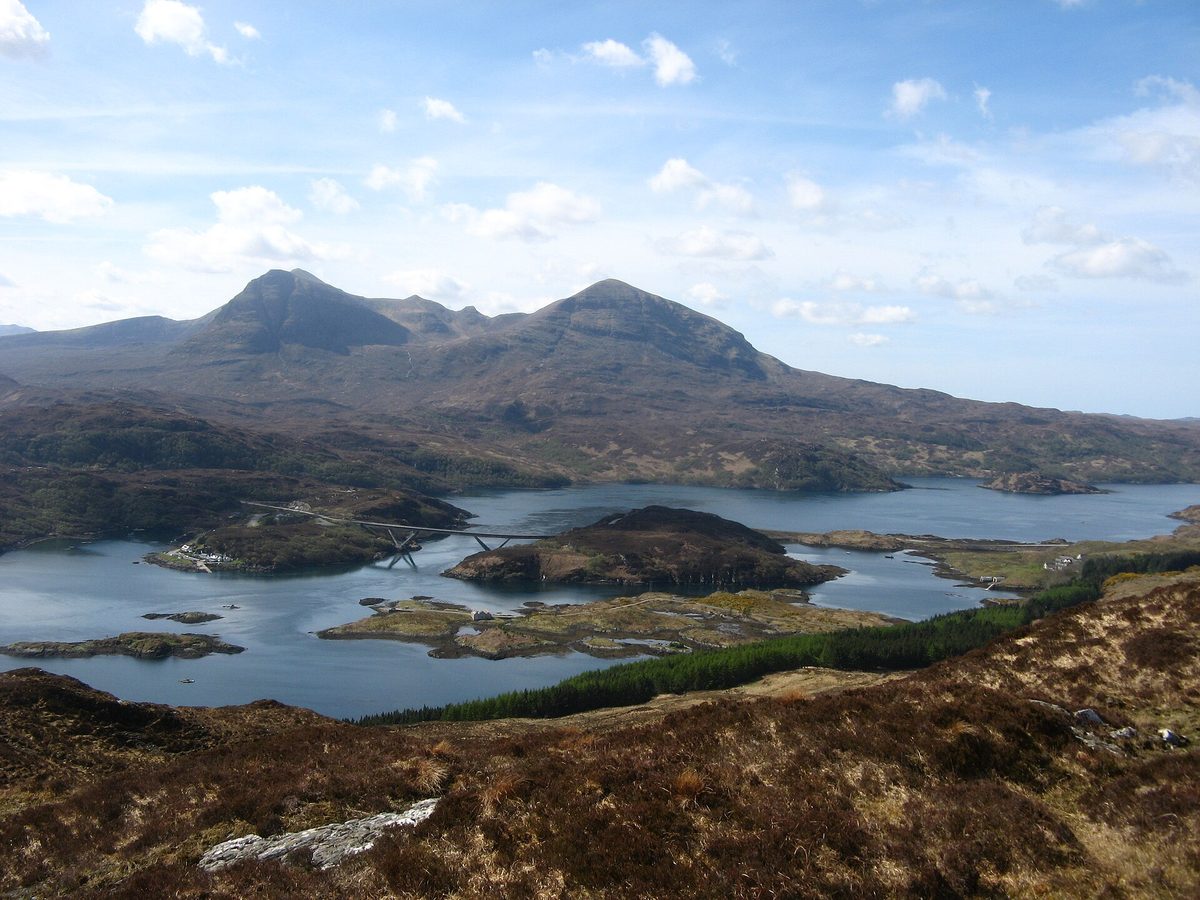
- Kylesku Bridge curving across Loch a’ Chairn Bhain on the North Coast 500 in Sutherland — Reboelje, Public domain, via Wikimedia Commons
- White sand at Achmelvich Bay in Assynt, a free stop on the NC500 — Oliver Dixon, CC BY-SA 2.0, via Wikimedia Commons
- The single-track Bealach na Ba climbing towards Applecross, free to drive and one of the best views on the route — James Emmans, CC BY-SA 2.0, via Wikimedia Commons
- The Duncansby Stacks near John o’ Groats, reached on a free 20-minute walk — Christine Matthews, CC BY-SA 2.0, via Wikimedia Commons
- Ullapool seafront on Loch Broom, where NC500 accommodation prices peak in July and August — GerritR, CC BY-SA 4.0, via Wikimedia Commons
- Dunrobin Castle near Golspie, the one paid attraction most NC500 budgets should include — Andrew Tryon, CC BY-SA 2.0, via Wikimedia Commons
- A single-track road and passing place sign in the Scottish Highlands — Jim Bain, CC BY-SA 2.0, via Wikimedia Commons
- Ardvreck Castle on Loch Assynt beside the A837, a free roadside stop on the NC500 — Paul Hermans, CC BY-SA 3.0, via Wikimedia Commons
- Balnakeil Bay near Durness, one of the free highlights of the north coast — Roger D Kidd, CC BY-SA 2.0, via Wikimedia Commons
- Clachtoll beach on the B869 coast road in Assynt — Gordon Hatton, CC BY-SA 2.0, via Wikimedia Commons
- The entrance to Smoo Cave at Durness, free to walk into — Helmut Zozmann, CC BY-SA 2.0, via Wikimedia Commons
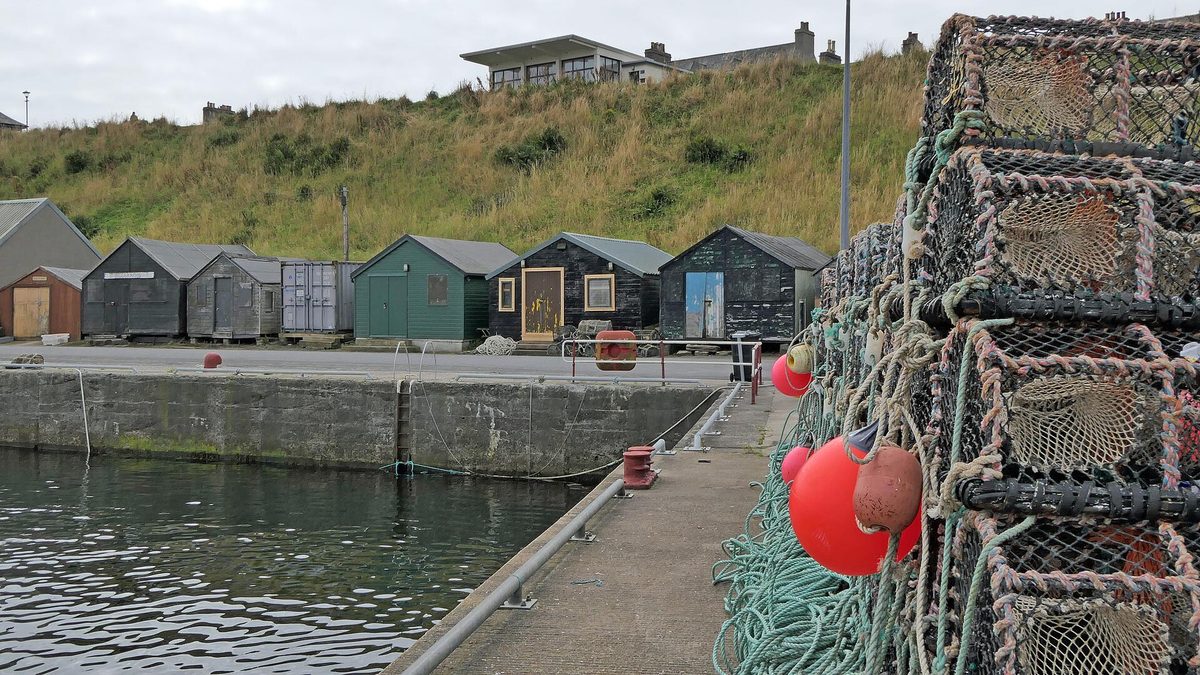
- Wick harbour in Caithness, home of the last large supermarket before the north coast — Claire Pegrum, CC BY-SA 2.0, via Wikimedia Commons