A great deal of the langoustine landed on Scotland’s west coast is boxed up for buyers in Spain, France and Italy, while plenty of harbour pubs still put breaded scampi on the menu. That contradiction is the whole story of Scottish seafood, and once you see it you cannot unsee it.
Scotland lands some of the finest shellfish in Europe and then sends nearly all of it abroad. Which means eating well here is not a matter of luck or budget — it is a matter of knowing where the fleet is, what is in season, and which words on a menu are meaningful and which are marketing. This guide is my attempt to give you that, species by species, coast by coast, with prices and seasons attached.
The short answer
Eat Scottish seafood on the west coast and the islands, not inland, and choose harbourside shacks and small quayside kitchens over hotel dining rooms. Langoustines, hand-dived scallops, brown crab and oysters are the standouts. Most shellfish is best from autumn to spring; a haddock supper is excellent all year.
Scottish seafood at a glance
| Species | Best months | Roughly what you’ll pay | Usually served as | Worth ordering? |
|---|---|---|---|---|
| Langoustine (Norway lobster) | Year-round, best Nov–Mar | £16–26 for a half-kilo plate | Grilled with garlic butter, or cold with mayonnaise | Yes — the single best thing you can eat here |
| King scallop (hand-dived) | Oct–Apr | £4–6 each; £13–18 a starter | Seared, in the shell, with black pudding or a butter sauce | Yes, if the menu says hand-dived |
| Brown crab | May–Nov | £7–12 a crab roll; £16–22 dressed | Crab roll, dressed crab, crab claws | Yes — the best value on any Scottish menu |
| Native oyster | Sep–Apr only | £2.50–4 each | Raw on ice, lemon, occasionally a shallot vinegar | Yes, if you can find them — rare and seasonal |
| Rope-grown mussel | Sep–Apr | £11–17 a pot | Steamed in white wine, cider or cream | Yes — cheap, reliable, hard to ruin |
| Farmed salmon | Year-round | £9–15 for a smoked plate | Cold-smoked slices, hot-smoked flakes, roasted fillet | Sometimes — quality varies wildly, see below |
| Smoked haddock / Arbroath smokie | Year-round, best in winter | £5–9 a pair from a smokehouse | Hot from the barrel, in soup, or with a poached egg | Yes — a genuine regional speciality |
| Haddock supper (fish and chips) | Year-round | £11–16 | Battered, with chips, salt and vinegar | Yes, more often than you’d think |
All prices are rough 2026 guidance and vary a great deal between a pier shack and a hotel dining room — check locally before you commit to anything.
Why Scotland’s best seafood is so hard to eat in Scotland
Here is the paradox that no restaurant listicle will explain to you. Scotland’s shellfish is worth far more in Madrid, Barcelona and Paris than it is in a Scottish pub. Scotland lands a substantial share of the world’s langoustines, and much of that catch is exported live or chilled to Spain, France and Italy.
The economics are brutally simple. A Spanish wholesaler will pay a premium for live langoustines packed in chilled boxes and driven across Europe overnight. A Highland pub will not. So the good stuff leaves, and what stays behind is either the bycatch, the small grades, or nothing at all — which is why that inland pub was serving frozen breaded scampi while a boat outside was landing the same species at four times the value.
Brexit made the export chain slower and more expensive without making it smaller. Some of the west coast fleet now sells a little more at home than it used to, and a handful of small harbourside kitchens exist precisely because their founders got fed up watching the catch drive past them. But the structural picture has not changed: Scotland is a seafood exporter that eats surprisingly little of its own seafood.
The practical consequence for you is that geography beats budget. A £16 plate of langoustines eaten forty metres from the boat that caught them will be better than a £38 seafood main course eighty miles inland, every single time. If you take one thing from this guide, take that.
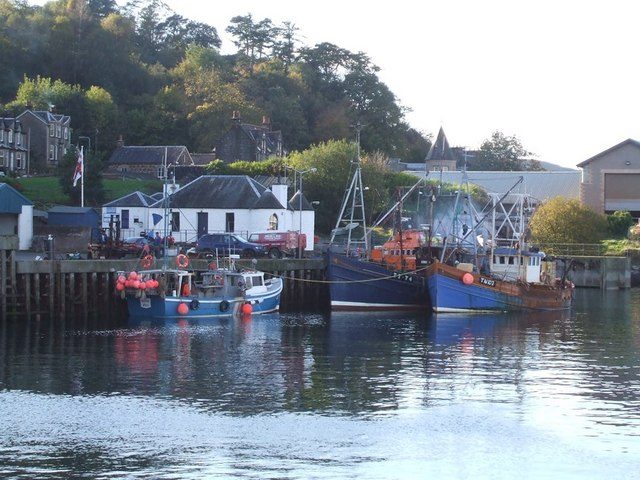
It is also why I would rather send you to a working port than to a restaurant list. Restaurants close, change chefs and lose their supplier. Harbours do not move. Build your eating around Oban and the Argyll coast, the Mallaig–Skye corridor and the sea lochs of Wester Ross, and you will eat well whichever specific door you happen to walk through.
The species guide: what to order, when, and why
This is the part almost nobody publishes properly. Below is what each species actually is, when it’s at its best, roughly what it costs, and whether I’d order it.
Langoustine — and why scampi isn’t the same animal on your plate
The langoustine (Nephrops norvegicus) goes by four names in Scotland: langoustine on smart menus, Dublin Bay prawn on older ones, Norway lobster in the scientific literature, and prawn in every fishing village from Kintyre to Kinlochbervie. If a Plockton local offers you prawns, they mean langoustines.
Here is the wrinkle worth knowing. Under UK labelling rules, only Nephrops norvegicus can legally be sold as scampi — so technically that pub scampi is the same species. But “wholetail scampi” and “reformed scampi” are very different products, and reformed scampi is minced offcuts pressed back into a tail shape and breadcrumbed. Whichever it is, it has been shelled, frozen, shipped, processed and refried. It bears roughly the same relationship to a fresh grilled langoustine that a chicken nugget bears to a roast chicken.
A whole langoustine, split and grilled with garlic butter, or simply boiled and served cold with mayonnaise and bread, is the best thing you can eat in Scotland. Order it. Expect roughly £16–26 for a half-kilo plate at a harbourside kitchen and up to £20 for a small restaurant starter.
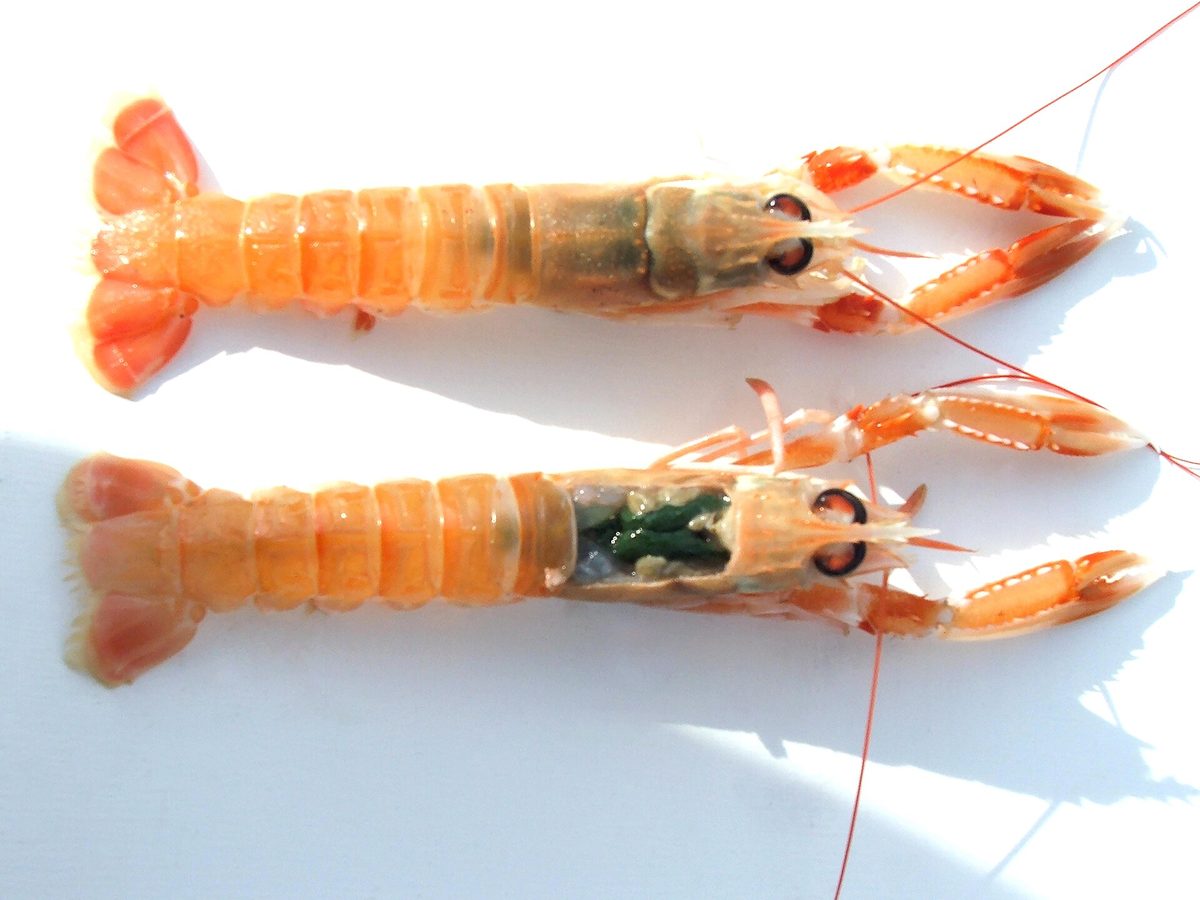
Season: creel-caught year-round, but the meat is fuller and firmer in the cold months, roughly November to March. Summer langoustines can be soft if the animal has recently moulted. Look for: creel-caught rather than trawled, and whole rather than tails.
Scallops: hand-dived versus dredged, and why the distinction matters
If you read one line on a Scottish menu carefully, make it the scallop line. Hand-dived means a diver picked each scallop individually off the seabed. Dredged means a boat towed a set of heavy steel-toothed cages along the bottom and raked them up.
The difference is not squeamishness. Dredging is the most destructive fishing method operating in European inshore waters, and it is still permitted across the great majority of Scotland’s inshore grounds. Dived scallops make up only a few per cent of the Scottish scallop harvest — industry estimates have put it around 4% — yet analysis by marine campaigners has found a tonne of hand-dived scallops generates roughly four times the economic value of a tonne dredged.
The quality difference is also real and you can taste it. Dredged scallops arrive bruised, sandy and often shucked at sea; dived scallops come in whole, undamaged, and can be cooked in the shell. Orkney is the standout exception to the national picture, where a large share of the scallop landings are dived rather than dredged.
Expect roughly £4–6 per scallop, or £13–18 for a three-scallop starter. If a menu doesn’t say hand-dived, assume dredged and order something else.
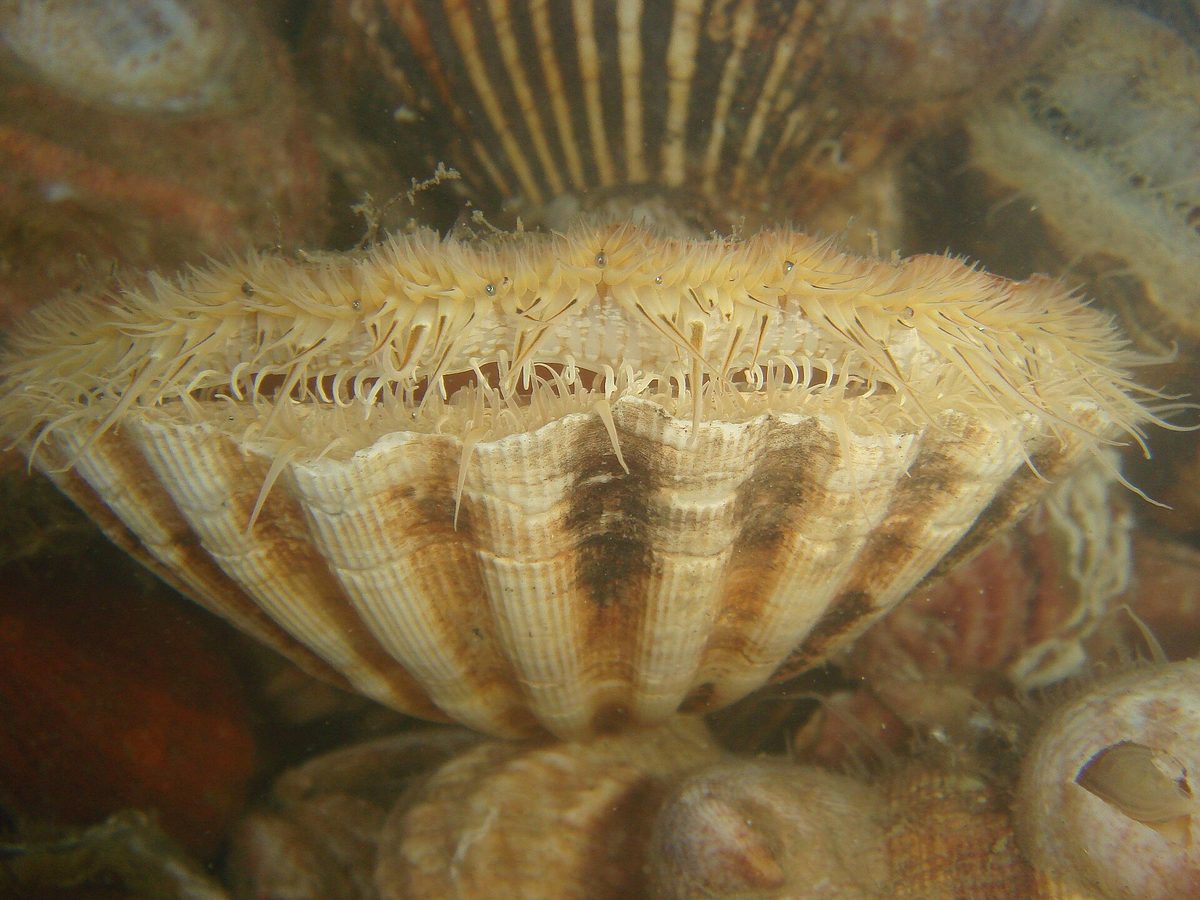
Season: best October to April. Scallops spawn in late spring and summer, and a post-spawning scallop is thinner and less sweet. Queen scallops — queenies — are the small, cheap, fast-cooking cousin and are excellent value fried in breadcrumbs.
Brown crab: the best value on any Scottish menu
Brown crab (Cancer pagurus) is the workhorse of the Scottish creel fleet. A crab roll from a harbourside hatch — white meat, a little mayonnaise, decent bread — costs roughly £7–12 and is a better lunch than most £25 restaurant mains.
Two things worth knowing. First, brown meat is not a lesser product: it is the intense, savoury paste from the body cavity and it is where the flavour lives. A properly dressed crab gives you both. Second, crab claws sold cooked and cracked on ice are one of the cheapest ways to eat serious shellfish here, often £10–14 for a generous plate.
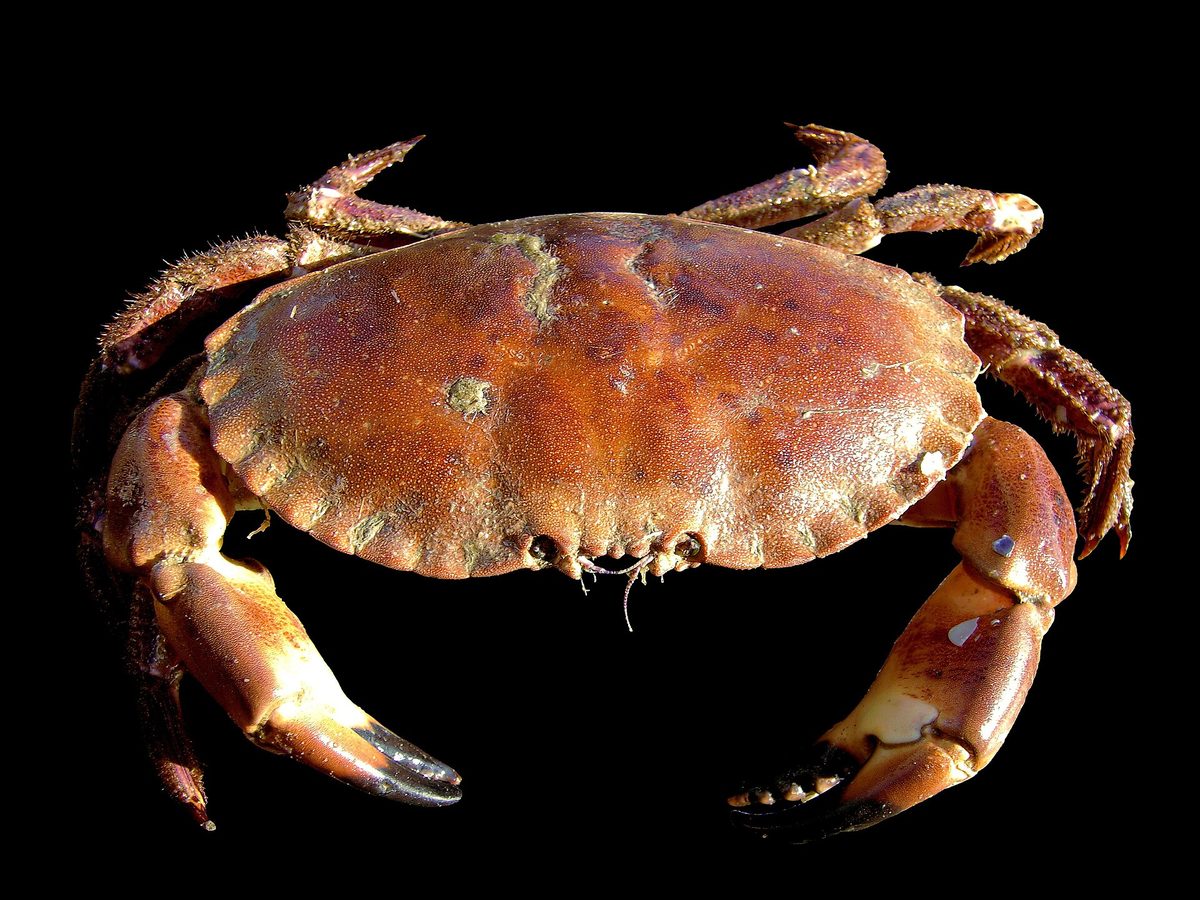
Season: roughly May to November, best late summer into autumn when the crabs are hard-shelled and full. A crab caught soon after moulting is watery. If a shack tells you the crab isn’t good today, believe them.
Lobster: excellent, and priced accordingly
Scottish lobster is dark blue-black before cooking and sweeter than most, and it is expensive: roughly £35–55 for a whole one, £22–32 for a half, depending on how far you are from the boat. It is genuinely good, but I rarely think it’s four times better than a crab roll, and it is the dish most often used to inflate a bill.
If you want lobster, eat it on the west coast or in Orkney where it is landed locally, and eat it simply — grilled with butter, not drowned in thermidor sauce.
Season: roughly April to November, with the best supply in late summer and autumn.
Oysters: natives, rocks, and the September rule
Two different animals are sold as oysters in Scotland, and confusing them is common.
The native oyster (Ostrea edulis) is flat, round, mineral and slightly metallic, and it is genuinely seasonal: harvested only in the months with an R in them, roughly 1 September to 30 April, so that the beds are left alone through the summer breeding season. Loch Ryan, near Stranraer on the south-west coast, is Scotland’s last surviving native oyster fishery of any scale — which is a good excuse to detour down that way if you are driving between Northern Ireland’s ferry ports and Glasgow.
The rock or Pacific oyster is the deep-cupped, teardrop-shaped one farmed in sea lochs on the west coast and in the islands. It’s available year-round, milder and creamier, and it’s what you will be served at most oyster bars and farm sheds.
Expect roughly £2.50–4 each, or £14–22 for half a dozen. If you have never eaten one, start with a rock oyster in a sea loch on a cold day. If you hate it, you’ve lost £3.
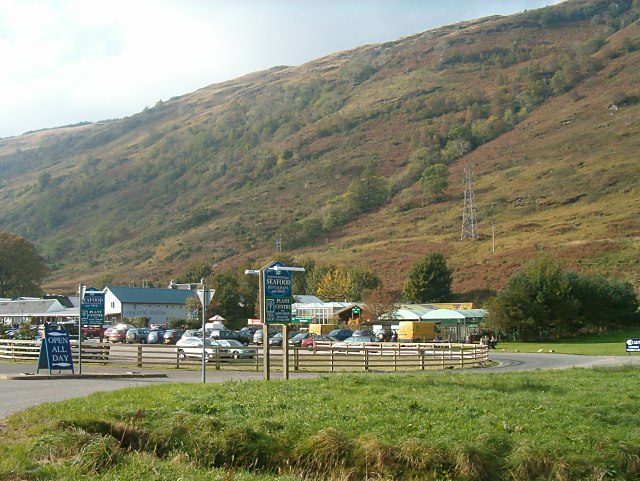
Mussels: the most underrated thing on the coast
Scottish mussels are rope-grown, which means they are suspended in the water column on ropes rather than dredged off the bottom — no seabed damage, no grit, and a consistently plump animal. Shetland and the west coast sea lochs produce most of them.
A pot of mussels steamed in white wine or cider runs roughly £11–17 and is almost impossible for a kitchen to ruin. If you are travelling with someone who claims not to like seafood, this is where I would start them, followed by a crab roll.
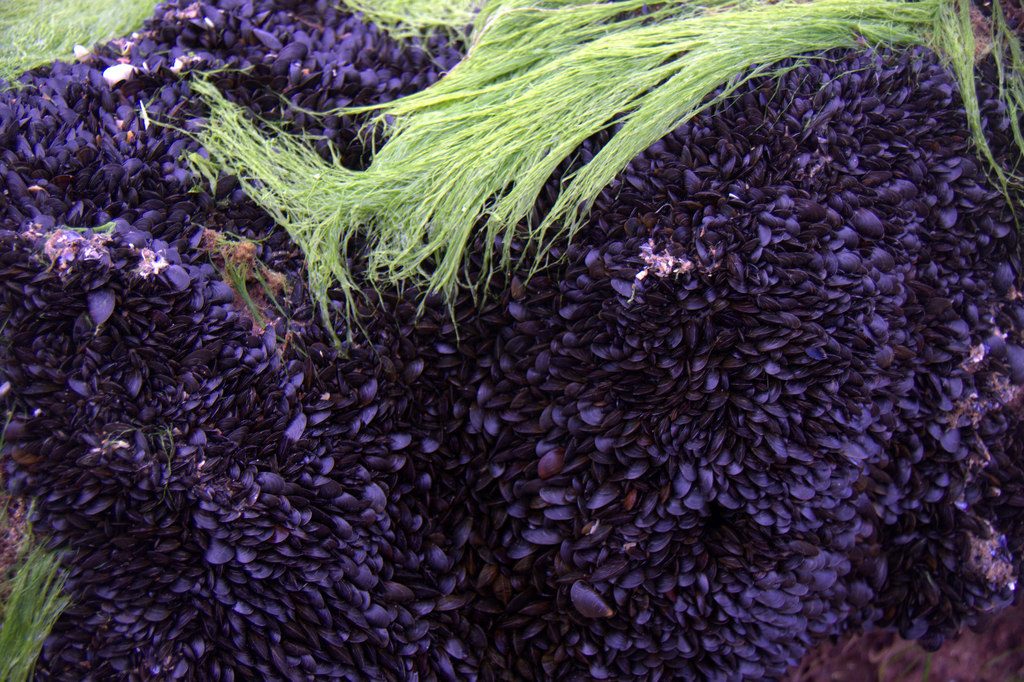
Season: best September to April. Mussels spawn in warm water and can be thin and disappointing in high summer.
Salmon: wild, farmed and the honest version of the argument
I’ll be straight with you here, because most Scottish food writing isn’t.
Almost every salmon you eat in Scotland is farmed. Wild Atlantic salmon numbers have fallen sharply over recent decades. If a menu offers you wild Scottish salmon, be sceptical, and be ready to pay a great deal for it if it’s genuine.
Farmed Scottish salmon is Scotland’s largest food export and has held France’s Label Rouge quality mark for years, which producers cite constantly. It can be very good, particularly cold-smoked by a small smokehouse. But the sector faces serious criticism over high fish mortality in some years and persistent sea lice, and a review commissioned by Salmon & Trout Conservation Scotland estimated that lice in farm-intensive areas cut adult wild salmon numbers by 12 to 29%. Regulators and Holyrood committees have returned to the issue repeatedly.
The environmental questions are not settled. If that matters to you, order the shellfish instead — creel-caught crab, lobster and langoustine, dived scallops and rope-grown mussels are all low-impact by comparison.
Smoked haddock and the Arbroath smokie
This is the east coast’s answer to west coast shellfish, and it is a genuinely protected regional product rather than a marketing claim.
An Arbroath smokie is haddock, dry-salted for a time that depends on the weight of the fish, tied in pairs by the tail with jute string, washed and dried, then hot-smoked over beech or oak in a barrel for about 45 to 60 minutes so that it cooks and smokes at the same time. It came out of the fishing village of Auchmithie, a few miles up the coast, and it has held Protected Geographical Indication status since 2004. Only fish smoked within about five miles of Arbroath can be sold under the name.
Eaten warm from the barrel, straight out of the paper, it is one of the great British food experiences and costs roughly £5–9 a pair. Cold, reheated in a hotel kitchen and served under a cream sauce, it is considerably less exciting.
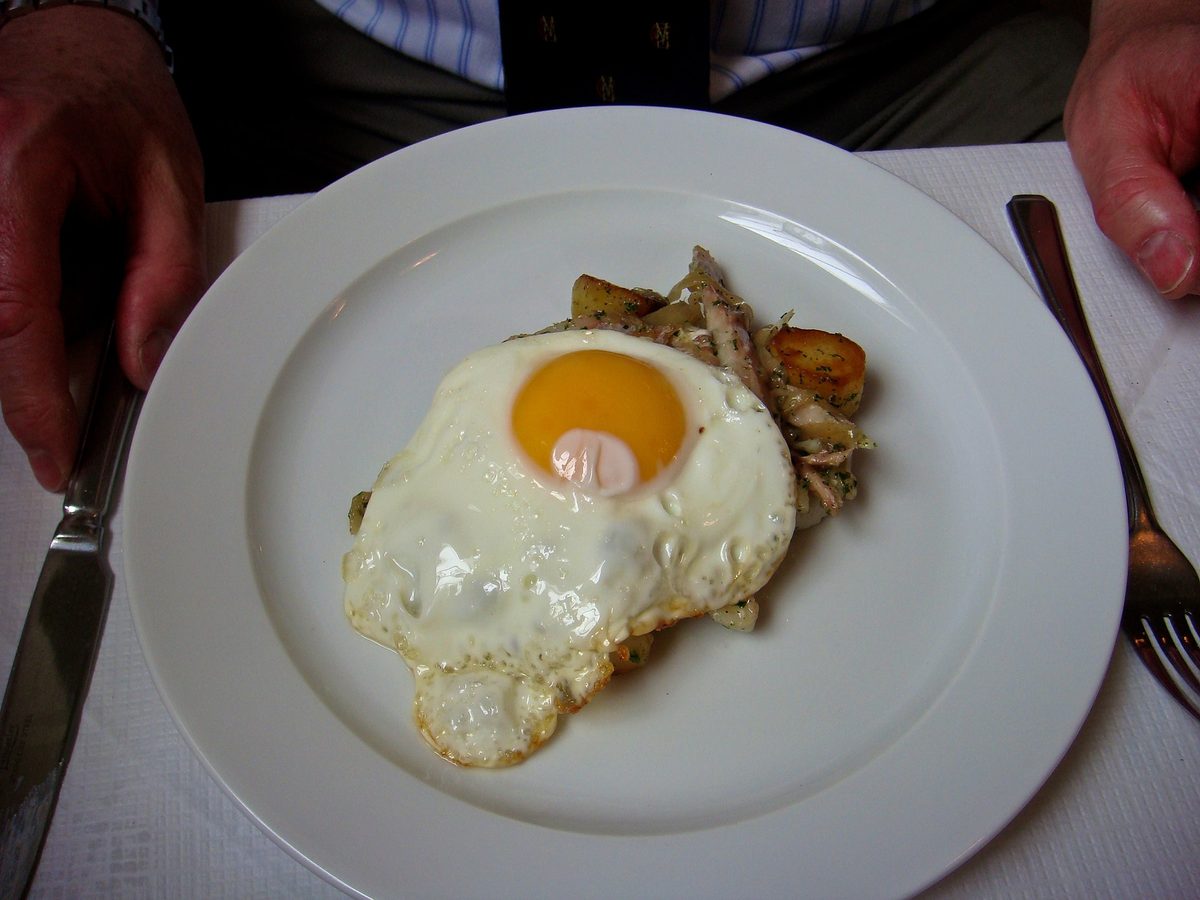
Cold-smoked haddock — Finnan haddie — is the other tradition, pale gold rather than bronze, and it is the backbone of Cullen skink, the smoked haddock soup from the Moray coast. Order that in a Moray or Aberdeenshire pub and you are eating something local rather than something bought in.
Herring and kippers
Herring was once the great catch of this coastline. Today you will meet it mainly as a kipper: a herring split, brined and cold-smoked, served at breakfast with butter and brown bread.
A good kipper is oily, smoky and slightly sweet, and it is a far better breakfast than most cooked options — though it will follow you around for the rest of the morning. Some B&Bs include it; a cafe plate is roughly £9–13. If you want to see how it fits into the broader breakfast tradition, that’s covered in the guide to Scotland’s traditional dishes.
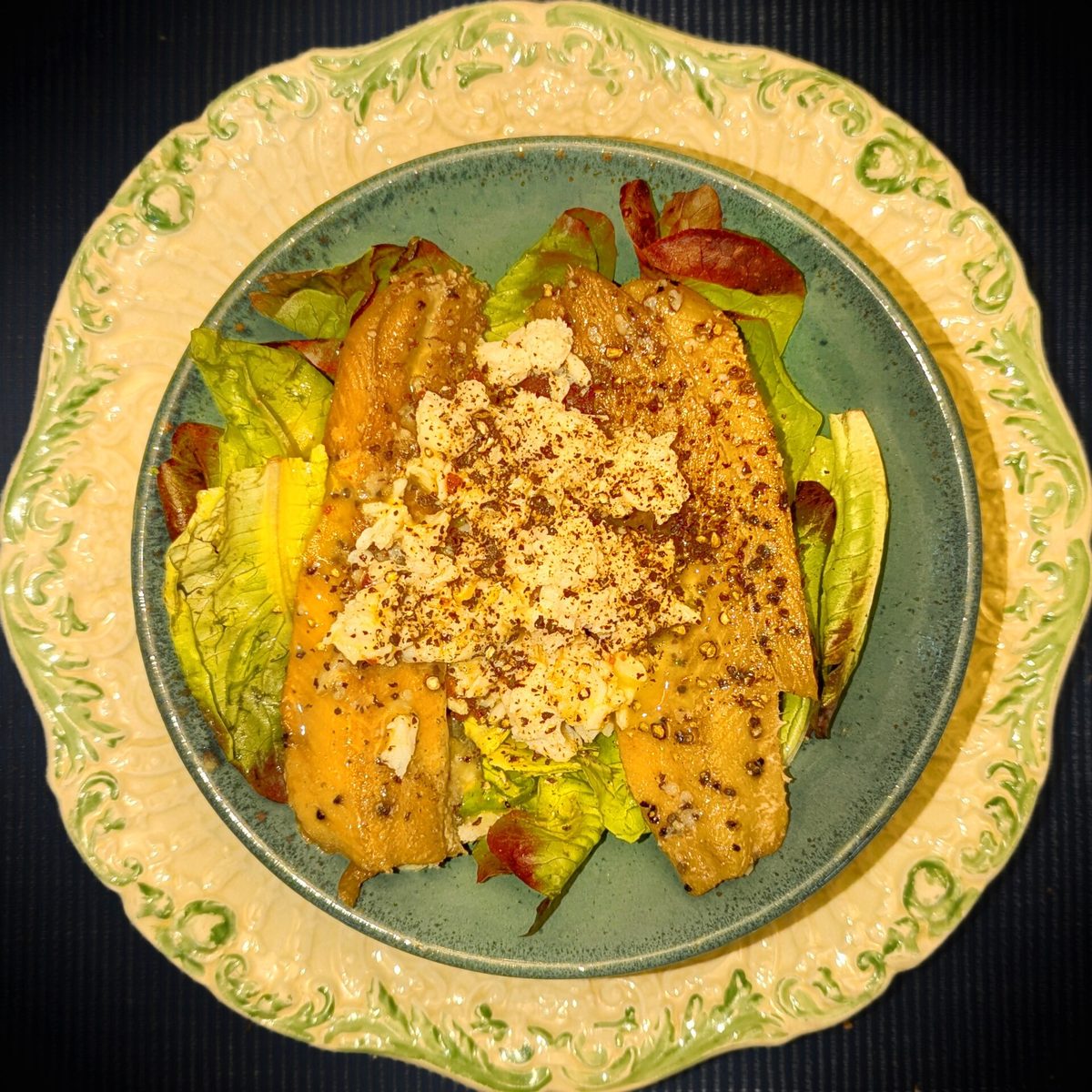
You’ll also find soused or pickled herring and, occasionally, herring rolled in oatmeal and fried — the old crofting preparation, and worth ordering when you see it.
Squat lobster, winkles and the cheap end
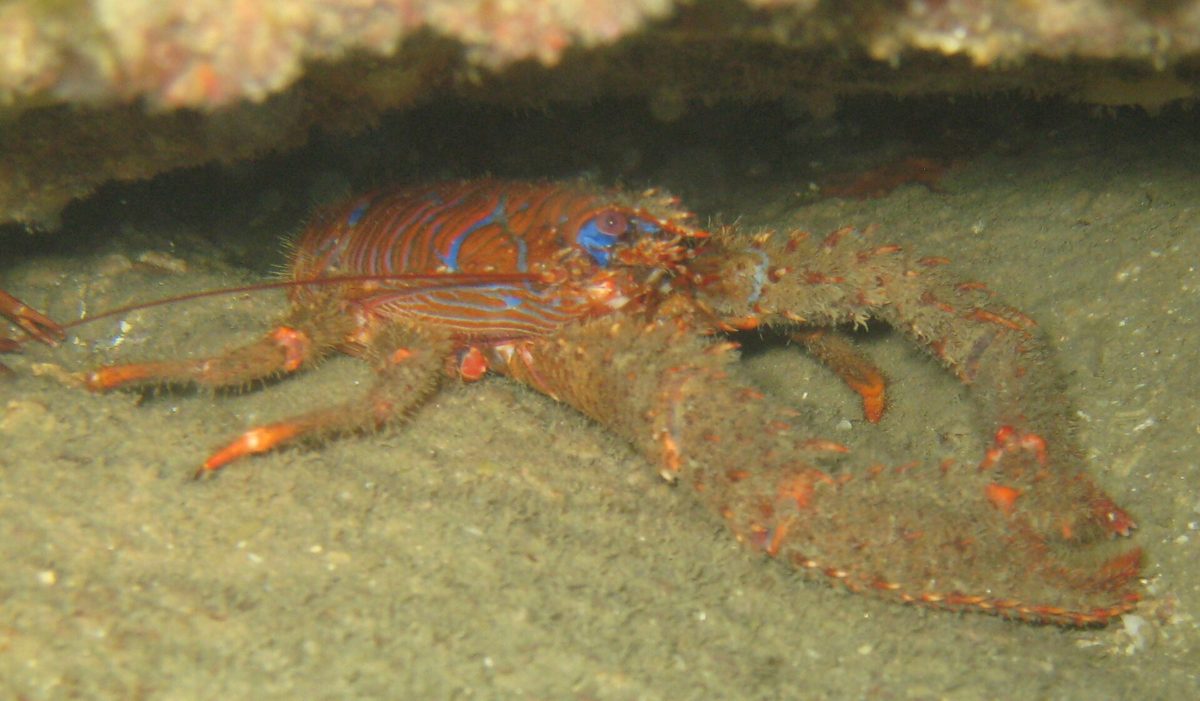
Squat lobster is the small orange-red creature that looks like a flattened miniature lobster with oversized front claws. It is caught as bycatch, sold cheaply, and is sweet and firm when done well — roughly £8–13 for a plate. Order it if a shack has it on the board; almost nobody outside Scotland does.
Winkles, whelks and cockles turn up on mixed platters and in old recipes. Razor clams — spoots — appear on Orkney and Hebridean menus and are excellent grilled with garlic. None of these will be the highlight of your trip, but they are cheap and they are local.
When to eat what: a proper seasonality table
Almost no Scottish guide publishes this, which is odd given how much it affects what you get. Roughly speaking:
| Season | At its best | Avoid or expect less | Notes |
|---|---|---|---|
| Winter (Dec–Feb) | Langoustines, hand-dived scallops, mussels, native oysters, smoked haddock | Crab, lobster, seasonal shacks (mostly shut) | Best eating of the year; fewest places open. Book the ones that are. |
| Spring (Mar–May) | Scallops into April, langoustines, native oysters to end of April | Mussels thinning from late spring | Shacks reopen roughly Easter. Good balance of quality and access. |
| Summer (Jun–Aug) | Crab, lobster, mackerel, everything open | Scallops, mussels, native oysters (closed season) | Peak crowds, peak availability, not peak shellfish quality. |
| Autumn (Sep–Nov) | Crab, lobster, scallops from October, native oysters from September, mussels | Shacks closing from late October | My favourite window. Late September is close to ideal. |
Two practical notes. Small harbourside operations are seasonal, typically running from around Easter to October and daylight hours only — check before you drive. And the best shellfish months are the months when fewest of those places are open, which is the central annoyance of eating seafood in Scotland. If you are timing a trip around this, the month-by-month picture in the summer season guide is worth reading alongside it.
Where to go: the seafood geography that actually matters
Forget national “best of” lists. What matters is proximity to a working fleet.
Oban and Argyll
Oban calls itself Scotland’s seafood capital and, unusually for a tourism slogan, it earns it. Boats land on the piers, the ferry terminal brings a constant flow of people, and the town has both quayside hatches selling shellfish off paper plates and proper sit-down restaurants overlooking the bay. It is roughly a two-and-a-half-hour drive from Glasgow.
South of Oban, the Argyll sea lochs — Loch Fyne, Loch Etive, Loch Creran, the Kintyre coast — are where much of Scotland’s farmed shellfish is grown. Loch Fyne in particular has been an oyster and smokehouse centre since the 1970s and sits conveniently on the road out from Glasgow. The full Oban guide covers ferries, parking and where the town’s piers actually are.
Mallaig, Skye and the Small Isles
Mallaig is a working langoustine and prawn port at the end of the Road to the Isles, and the ferry hub for Skye and the Small Isles. It is not a pretty town in the postcard sense, which is exactly why the seafood is good and reasonably priced.
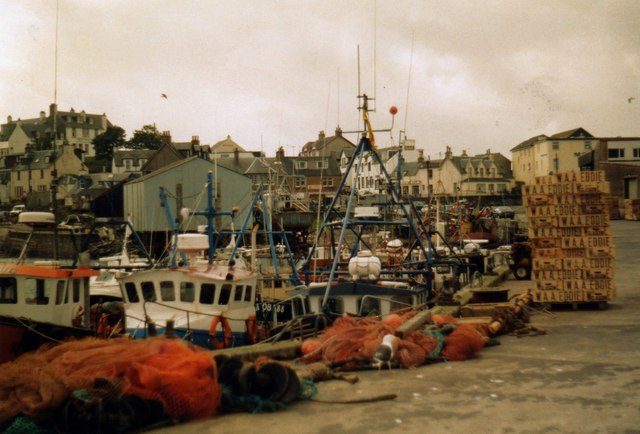
On Skye, the seafood clusters around the sea lochs rather than the honeypot viewpoints: Loch Harport and Loch Dunvegan on the west side, Sconser for scallops, Loch Eishort for mussels. Portree is the practical base with the most beds and the most kitchens, though you will pay Skye prices and you should book dinner in advance in summer. Plockton and Kyle, on the mainland side of the bridge, are quieter and often better value.
Wester Ross, Sutherland and the North Coast 500
The north-west has the best raw material in Britain and the fewest places to eat it. Ullapool, Kylesku, Lochinver, Scourie, Kishorn and Applecross all sit next to creel grounds, and the small seasonal kitchens along that stretch are the reason a lot of people plan the route the way they do.
Two warnings. Almost everything up there is seasonal and daytime-only, and distances are longer than the map suggests on single-track roads. If you are driving the North Coast 500, plan lunch stops rather than dinner stops, and read up on the best stops along the route before you set off rather than hoping something is open at 8pm in Sutherland.
The Ayrshire coast and the south-west
Underrated and easy to reach from Glasgow. The Clyde estuary, Arran, and the Galloway coast down to Loch Ryan produce crab, lobster, scallops and Scotland’s native oysters, and prices are noticeably lower than on the Skye run. If you are short on time, this is the closest you can get to genuine coastal seafood from a city base.
The Moray Firth and the north-east: haddock country
Head to the north-east for fish rather than shellfish. The Moray Firth ports — Buckie, Portsoy, Banff, Cullen, Lossiemouth — and the Aberdeenshire coast down through Stonehaven and Arbroath are where Scotland’s haddock, smoked fish and fish-and-chip tradition live. This is smokie and Cullen skink territory, and the chip shops here are consistently the best in the country.
The East Neuk of Fife
An hour or so from Edinburgh, the East Neuk villages — Anstruther, Crail, St Monans, Pittenweem — give you working harbours, crab and lobster shacks and some of Scotland’s most celebrated fish and chips, all within a short drive of each other. It is the single easiest seafood day trip in Scotland if you are based in the capital, and it pairs well with the coastal path between the villages.
Edinburgh and Glasgow
Both cities eat seafood well, but you are paying a city markup on produce that has travelled. In Edinburgh, the harbour districts of Leith and Newhaven are where I’d look first — there is a real fishmarket tradition there rather than a themed one. The wider Edinburgh eating guide goes into neighbourhoods in more detail, and a good food tour of the city will usually take in a fishmonger or a smokehouse counter.
Glasgow has arguably the livelier seafood scene of the two, concentrated around Finnieston and the city centre, and it is closer to the west coast supply chain. Neither city, though, will beat a pier in Argyll for the same money.
Planning a seafood trip: how long, what to book, and when
How long you need. Five to seven days lets you do the west coast properly — Glasgow or Edinburgh, down or across to Argyll, up through Oban and Fort William to Mallaig and Skye, back via Fort William or the Great Glen. Ten days lets you add Wester Ross and Sutherland. Three days is enough only if you stay tight to one coast; trying to combine the East Neuk and Skye in a long weekend means you will spend it in the car.
Getting there. Fly or take the train to Glasgow or Edinburgh, then hire a car. Public transport can get you to Oban, Mallaig and Skye — the West Highland Line is one of the best rail journeys in Britain and ends at Mallaig — but the sea lochs and the small harbours need a car. If you would rather not drive, a guided multi-day tour of the Highlands and islands covers the main coastal towns, though you will be eating on their schedule rather than yours.
What to book, and how far ahead. Destination restaurants on Skye and in Argyll go months in advance for summer — three months is not excessive for a Saturday in July. Harbourside shacks are a different matter: check each one’s own opening hours and whether it takes bookings, and if it doesn’t, go early. Accommodation on the west coast in July and August needs booking earlier than the meals do.
When to go. Late September into early October is my pick: the crab and lobster are still good, the native oyster season has opened, the seasonal kitchens are mostly still trading and the roads have emptied. May is the second-best window. Midwinter has the finest shellfish and the fewest open doors.
Practical bits. Bring layers — you will be eating outdoors on a harbour wall more often than not. Carry a bit of cash, because a surprising number of pier hatches still prefer it or lose signal. And if this is your first Scottish road trip, the first-timer’s guide to Scotland covers single-track road etiquette, which matters more than you’d expect on the seafood coasts.
What underwhelms, what to skip, and the honest bits
The tourist seafood platter
The big tiered platter is the most photographed and least reliable order in Scotland. At £35–65 a head you are frequently paying a premium for volume rather than quality: a few good langoustines, some decent mussels, and then filler — farmed prawns, a lot of ice, a dressed crab shell with more shell than crab, and smoked salmon that has been sitting sliced.
Platters are worth it in exactly one situation: a small quayside kitchen where the board changes daily and the platter is simply “what came in this morning”. They are rarely worth it in a hotel dining room. Two or three well-chosen single dishes almost always beat one platter for the same money.
The word “fresh”, and why frozen is often better
“Fresh” on a Scottish menu has no legal meaning and frequently means “chilled, five days old, and trucked”. Meanwhile, frozen-at-sea whitefish — caught, filleted and blast-frozen aboard the boat within a couple of hours — is often the better product, and most of the best fish and chip shops in the country use it deliberately.
Don’t be snobbish about the freezer. Be snobbish about distance and about handling. The question that matters is not “is it fresh?” but “how far away was the boat, and how long ago?”
Inland seafood, and the hotel restaurant problem
The single most common way visitors waste money here is ordering shellfish sixty miles from the sea because it is on the menu. Inland pubs in Perthshire, the Cairngorms and the Trossachs are lovely, and I would happily eat there — but I would order the beef, the venison or the haggis, not the scallops.
The same caution applies to hotel restaurants on the coast. Some are outstanding. Others charge sea-view prices for seafood that could have come from anywhere. Look for menus that name the loch, the boat’s home port or the diver, and treat vague provenance as a warning sign.
Shellfish allergy and biotoxin closures
Two safety points, honestly stated.
Shellfish allergy is common and can be severe. Cross-contamination in a small shack with one fryer and one grill is a real risk — if you’re allergic, ask directly rather than assuming, and understand that some pier kitchens simply cannot guarantee separation. Rural west coast Scotland is a long way from an emergency department; carry what you need.
You may also read about “red tides” and shellfish poisoning. Naturally occurring algal blooms can make filter-feeding shellfish toxic, causing amnesic, diarrhetic or paralytic shellfish poisoning. Scotland’s classified shellfish production areas are monitored for biotoxins, and when toxin levels exceed legal limits, harvesting in the affected area is suspended. In practice this means the commercial shellfish you’re served has been tested and the system works — but it is also exactly why you should not gather and eat mussels off the rocks yourself, however tempting they look on an empty beach.
Why a haddock supper is sometimes the smartest order in Scotland
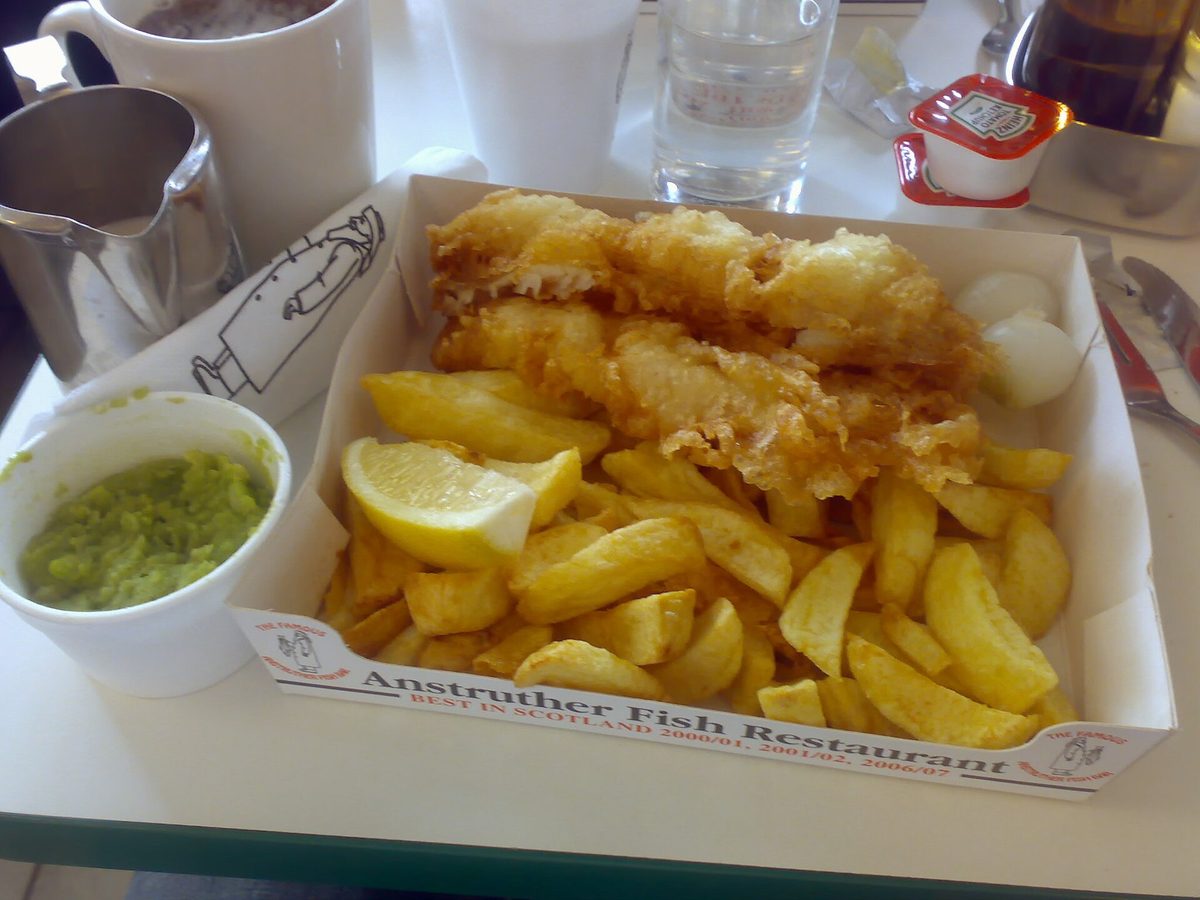
I will defend this to anyone. On a wet Tuesday in a town with no working harbour, a properly cooked haddock supper — thick white flakes, crisp batter that hasn’t absorbed the oil, chips fried in beef dripping if you’re lucky — is a better use of £13 than a mediocre £30 seafood main. The north-east and Fife chip shops in particular are working at a level most restaurants aren’t.
Ask for haddock rather than cod. Ask for it fried to order rather than sitting under a heat lamp. And take it outside to eat if the weather allows, which on Scotland’s beaches is roughly one day in three.
Frequently asked questions
What seafood is Scotland famous for?
Langoustines above all — Scotland lands a substantial share of the global supply. After that: hand-dived king scallops, brown crab, lobster, rope-grown mussels, oysters from the sea lochs, farmed salmon, and smoked haddock in the form of Arbroath smokies and Finnan haddie. Herring, mackerel and squat lobster are the underrated ones.
Where is the best place to eat seafood in Scotland?
The west coast and the islands, at a harbour rather than inland. Oban, Mallaig, the Argyll sea lochs, Skye and the north-west coast from Kishorn up to Kinlochbervie give you the shortest distance between boat and plate. For fish rather than shellfish, the Moray Firth and Aberdeenshire coast are better.
Why is Scottish seafood so expensive in Scotland?
Because most of it is worth more abroad. Much of Scotland’s shellfish goes abroad, live or chilled, so Scottish buyers compete against European prices. Eating close to the landing port is the only reliable way to get the quality without the markup.
When is the best time of year for Scottish seafood?
Late September to April for shellfish quality — scallops, langoustines, mussels and native oysters are all at their best in the colder months. Late May to early October for availability, since most harbourside kitchens are seasonal. Late September is the best compromise between the two.
Is Scottish farmed salmon safe and sustainable to eat?
It is safe and heavily regulated, and quality from good producers is high. Sustainability is contested: the sector has faced criticism over high fish mortality in some years, sea lice levels and impacts on wild salmon and sea trout populations. If that concerns you, creel-caught shellfish, hand-dived scallops and rope-grown mussels are lower-impact alternatives.
What is the difference between scampi and langoustine?
Legally they are the same species — UK rules restrict the name scampi to Nephrops norvegicus. In practice, scampi is shelled, frozen, breadcrumbed and often reformed from offcuts, while a langoustine is served whole and freshly cooked. The species is identical; the experience is not remotely comparable.
Can I eat seafood in Scotland without a car?
Yes, but your options narrow. The West Highland Line runs to Oban and Mallaig, both working ports with quayside food, and buses reach Portree and Ullapool. The East Neuk of Fife is reachable by bus from Edinburgh. The sea lochs and the smaller Wester Ross harbours realistically need a car or a tour.
Do I need to book seafood restaurants in advance?
For destination restaurants on Skye and in Argyll, yes — two to three months for summer weekends. For harbour shacks, no: they don’t take bookings, they open at lunchtime, and they close when the day’s catch runs out. Turn up before 1pm and have a backup plan.
Final thoughts
Scotland’s seafood problem isn’t quality. It’s distribution, and it’s solvable by you in about ninety seconds of planning: go where the boats are, eat in the cold months if you can, read the menu for the words hand-dived and creel-caught, and be willing to eat standing up on a harbour wall in the rain.
Do that and you’ll eat langoustines that would cost three times as much in Barcelona, out of a paper tray, forty metres from the creel that caught them. Everything else on this coastline — the Highland roads, the ferries out to the islands, the cattle standing in the drizzle — is just the drive between meals.
For the wider picture, from whisky to the sweet end of things, start with the Scottish food and drink guide, and if you have a sweet tooth left over, the round-up of traditional Scottish puddings is the natural next course.
About the author: This guide was written and is maintained by the ScotlandTourism.org editorial team — travel writers who’ve spent years exploring Scotland’s cities, Highlands and islands, from bagging Munros to chasing the perfect dram. We update our guides regularly to keep prices, opening details and advice current.
Last updated: November 2026. Prices and opening times change — always check the official site before you travel.
Photo credits
All images are used under their respective Creative Commons or public-domain licenses:
- An Arbroath smokie served hot with potatoes and a fried egg — Simon Doggett from London, UK, CC BY 2.0, via Wikimedia Commons
- A brown crab, the mainstay of Scottish crab rolls and dressed crab — Hans Hillewaert, CC BY-SA 4.0, via Wikimedia Commons
- Stacked lobster and langoustine creels on a Scottish harbour wall — Brian Turner, CC BY-SA 2.0, via Geograph
- A haddock supper in Fife, still one of the smartest seafood orders … — Edinburgh Blog, CC BY 2.0, via Wikimedia Commons
- Smoked fish served cold on salad, in the kipper tradition of Scotla… — Daderot, CC0, via Wikimedia Commons
- Whole langoustines, Scotland’s most valuable shellfish and its bigg… — Isabelle Cheret, CC BY 4.0, via Wikimedia Commons
- Fishing boats and nets at Mallaig harbour on Scotland’s west coast — Iain Lees, CC BY-SA 2.0, via Geograph
- A dense bed of blue mussels on the Scottish shore — Mike Pennington, CC BY-SA 2.0, via Geograph
- Fishing boats in Oban harbour, Scotland’s self-styled seafood capital — Rob Farrow, CC BY-SA 2.0, via Geograph
- The head of Loch Fyne in Argyll, long a centre of Scottish oyster f… — Patrick Mackie., CC BY-SA 2.0, via Wikimedia Commons
- A live king scallop on the seabed, the species hand-dived off Scotl… — Marie-Noelle De Casamajor, CC BY 4.0, via Wikimedia Commons
- A squat lobster, an underrated and cheap Scottish shellfish — This photo has been taken by Matthieu Sontag (User:Mirgolth) and released under , CC BY-SA 3.0, via Wikimedia Commons